Time Period: Post-Soviet

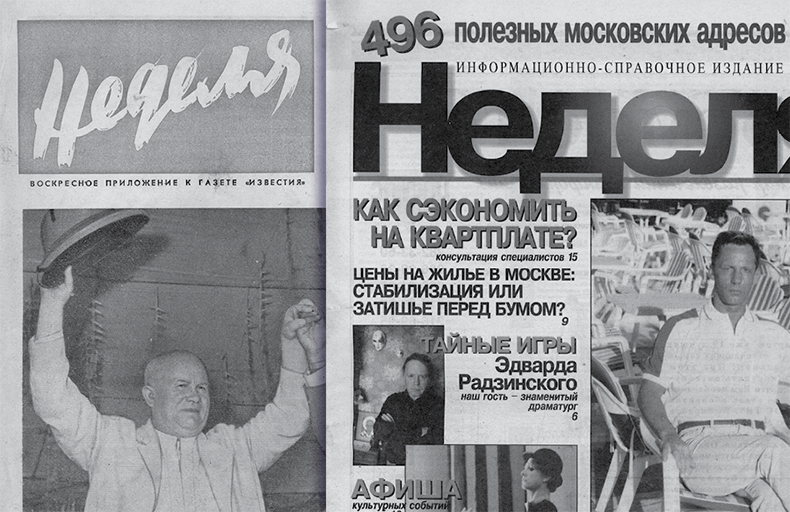
  • Nedelia Digital Archive

    Nedelia Digital Archive

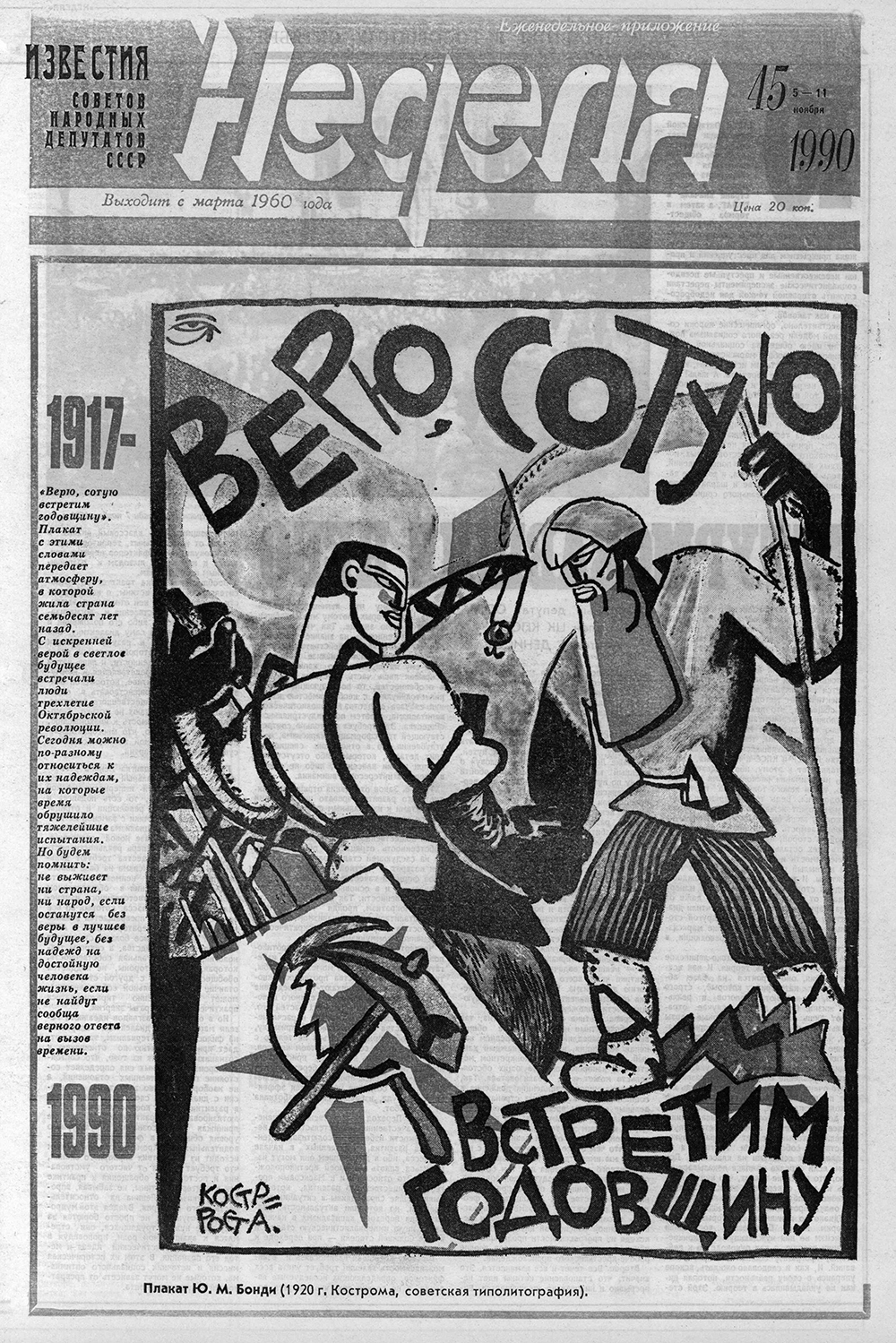
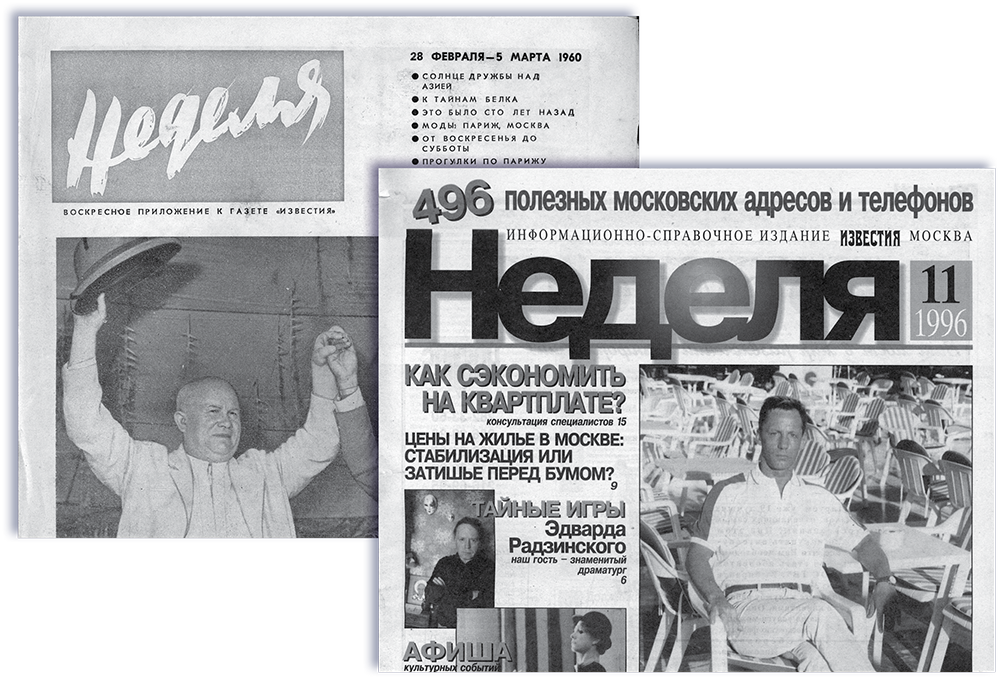
    Popular Soviet illustrated weekly newspaper.

    The Nedelia Digital Archive contains all obtainable published issues from the very first issue, comprising more than 44,000 pages. The archive offers scholars the most comprehensive collection available for this title, and features full page-level digitization, complete original graphics, and searchable text, and is cross-searchable with numerous other Infoteka digital resources.
  • Nash Sovremennik Digital Archive

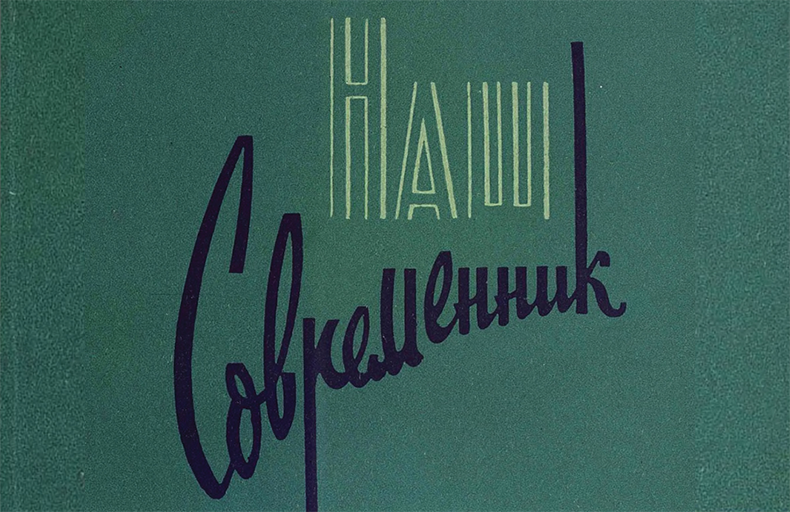
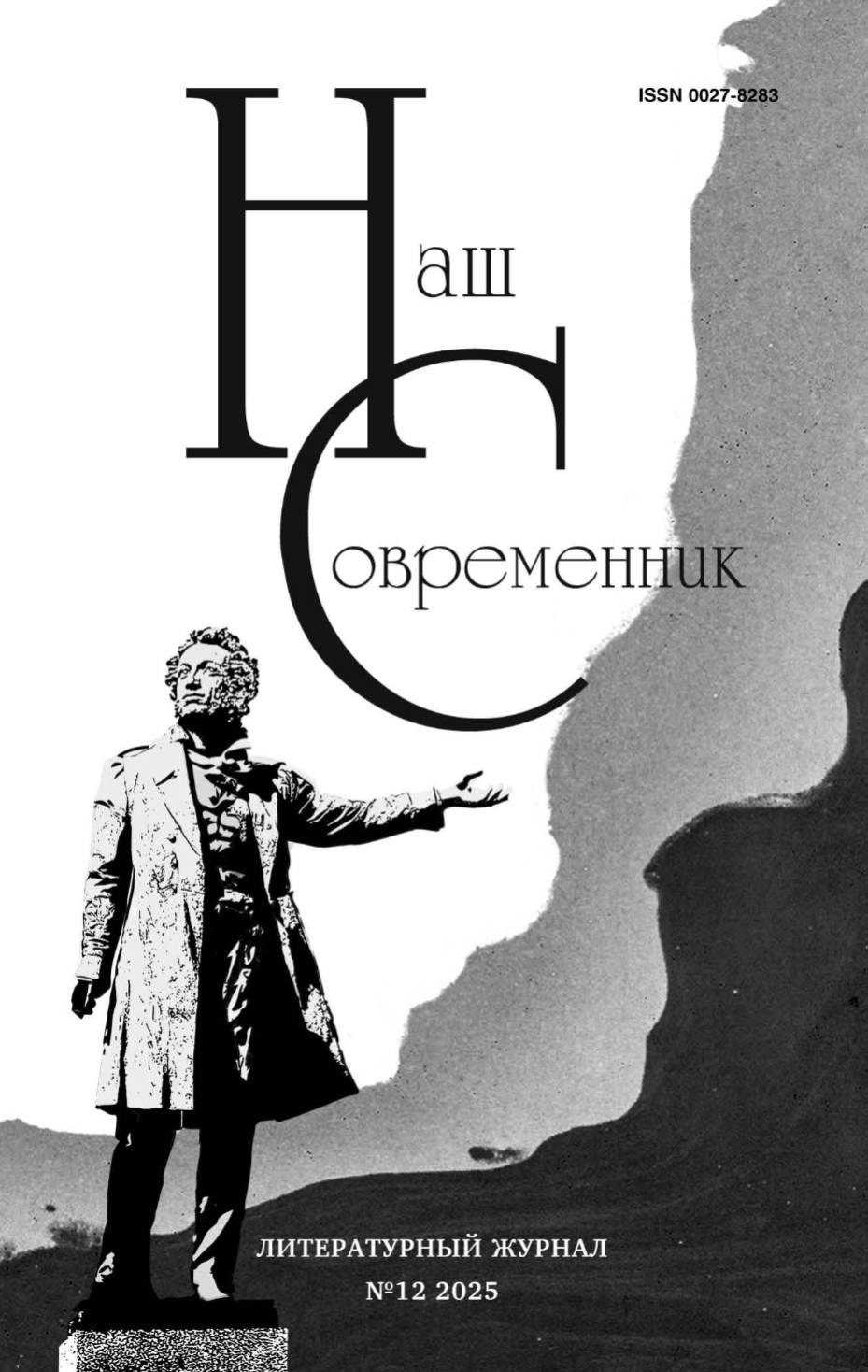
    Nash Sovremennik Digital Archive

    Influential literary periodical of the Soviet and post-Soviet period.

    Though largely faithful to Marxist-Leninist precepts since its founding, during the last years of the Soviet Union the journal underwent dramatic ideological reformulations, moving away from communist orthodoxy to Russian neo-Slavophile conservatism and patriotism that fiercely opposed Western political and literary trends on ideological grounds. At the height of its popularity in the 1990s Nash Sovremennik would boast a circulation of nearly half a million copies.

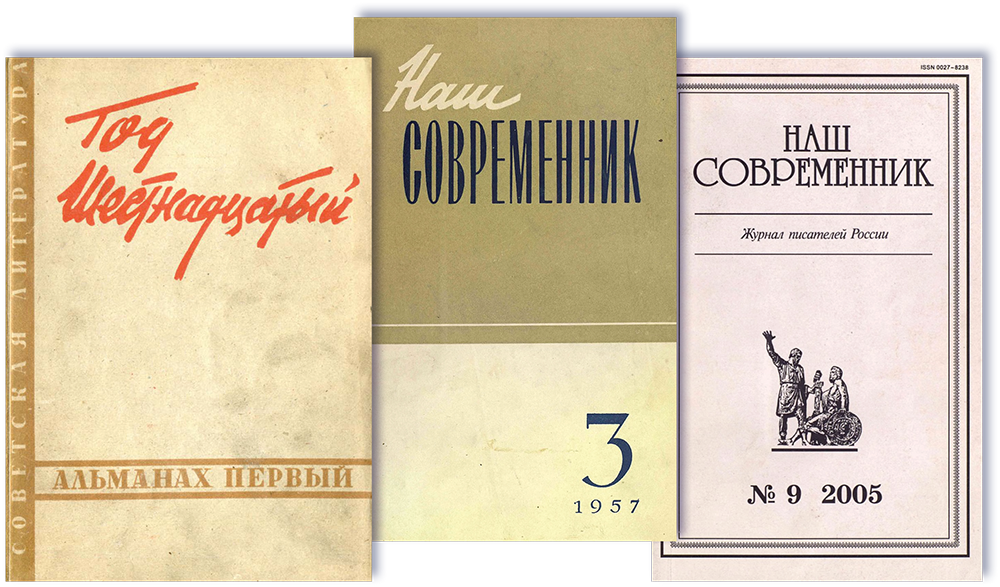
    The Nash Sovremennik Digital Archive includes all obtainable issues of Al’manakh and Nash Sovremennik published from 1933 on, with an additional year’s worth of content available for purchase on an annual basis. The archive offers scholars the most comprehensive collection available for this title, and features full page-level digitization and complete original graphics. The archive has searchable text and is cross-searchable with numerous other Infoteka digital resources.
    More about the Soviet “Thick Journals”

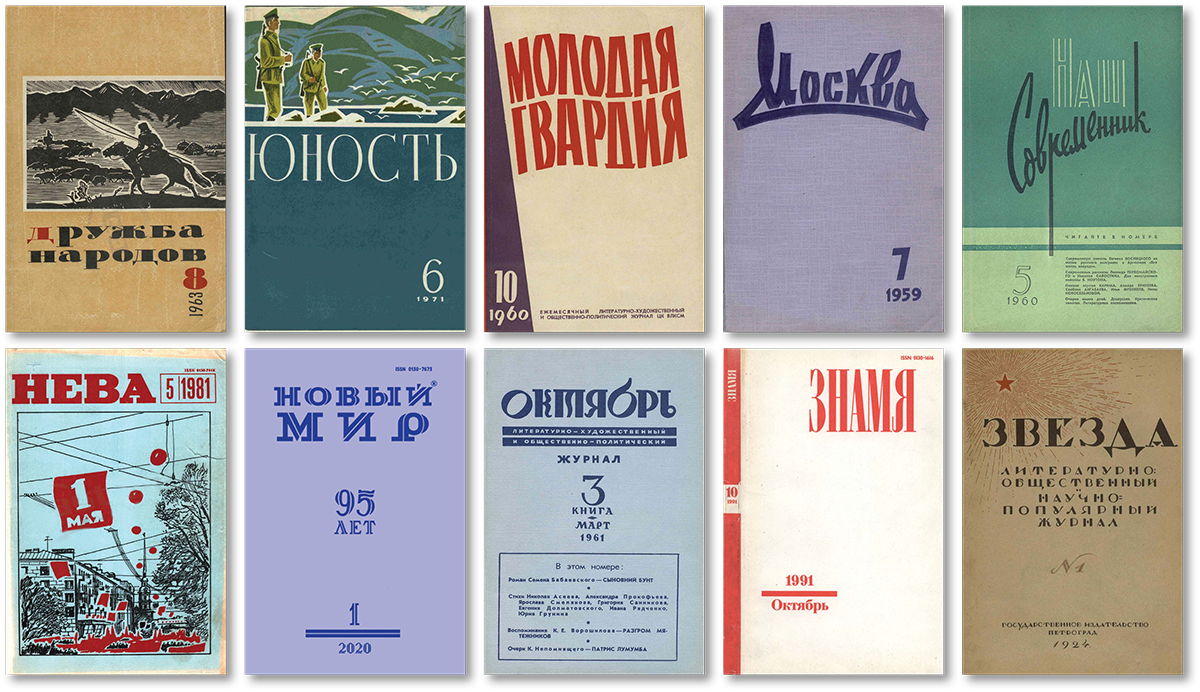
    The famed Soviet tolstye zhurnaly, or “thick journals,” were significant platforms for literary and intellectual discourse. Tolstye zhurnaly such as Nash Sovremennik played a complex and multifaceted role in Soviet intellectual and literary life. They were not merely publications but institutions that shaped and were shaped by the cultural, intellectual, and political currents of their time. These journals served multiple roles:

    They acted as repositories of high culture, preserving the intellectual and literary achievements of the era. Given the limited avenues for independent publishing, these journals were the primary platforms where established and emerging writers could reach an audience.

    State-Controlled Outlets. While they were crucial platforms for intellectual and artistic expression, it’s important to remember that these journals were often used to propagate official ideologies, and the works published in them usually underwent rigorous censorship.

    Academic Importance. For academics studying the Soviet period, tolstye zhurnaly offer a valuable glimpse into the state-sanctioned intellectual climate of the time. They provide context for how literature and intellectual thought evolved under different political and social conditions.

    Catalysts for Change. During more liberal periods, such as the Khrushchev Thaw and the perestroika years, tolstye zhurnaly could act as catalysts for change, pushing the boundaries of what was acceptable to discuss and publish.

  • Moscow University Press

    Moscow University Press

    Moscow State University publications on 26 different topics.

    Moscow University Press offers online access to scholarly and scientific works published in the renowned Vestnik MGU (Вестник Московского университета). Published by the most prominent academic institution in Russia — Moscow State University — Vestnik MGU offers 26 different topics on all important areas of scientific knowledge ranging from mathematics and chemistry to economy, law and history. The collection also contains two correlating journals: The Bulletin of the Moscow Society of Nature Studies: Biology and The Bulletin of the Moscow Society of Nature Studies: Geology. The Moscow University Press database provides a wealth of research materials to scholars in various areas of knowledge, especially working in the cross-disciplinary fields and studying the latest scientific developments in Russia.

    Moscow University Press Titles

    • Series 1. Mathematics. Mechanics (Seriia 01. Matematika. Mekhanika, Серия 01. Математика. Механика)
    • Series 2. Chemistry (Seriia 02. Khimiia, Серия 02. Химия)
    • Series 3. Physics. Astronomy (Seriia 03. Fizika. Astronomiia, Серия 03. Физика. Астрономия)
    • Series 4. Geology (Seriia 04. Geologiia, Серия 04. Геология)
    • Series 5. Geography (Seriia 05. Geografiia, Серия 05. География)
    • Series 6. Economics (Seriia 06. Ekonomika, Серия 06. Экономика)
    • Series 7. Philosophy (Seriia 07. Filosofiia, Серия 07. Философия)
    • Series 8. History (Seriia 08. Istoriia, Серия 08. История)
    • Series 9. Philology (Seriia 09. Filologiia, Серия 09. Филология)
    • Series 10. Journalism (Seriia 10. Zhurnalistika, Серия 10. Журналистика)
    • Series 11. Law (Seriia 11. Pravo, Серия 11. Право)
    • Series 12. Political Studies (Seriia 12. Politicheskie nauki, Серия 12. Политические науки)
    • Series 13. Oriental Studies (Seriia 13. Vostokovedenie, Серия 13. Востоковедение)
    • Series 14. Psychology (Seriia 14. Psikhologiia, Серия 14. Психология)
    • Series 15. Computational Mathematics and Cybernetics (Seriia 15. Vychislitel’naia matematika i kibernetika, Серия 15. Вычислительная математика и кибернетика)
    • Series 16. Biology (Seriia 16. Biologiia, Серия 16. Биология)
    • Series 17. Soil Studies (Seriia 17. Pochvovedenie, Серия 17. Почвоведение)
    • Series 18. Sociology and Political Science (Seriia 18. Sotsiologiia i politologiia, Серия 18. Социология и политология)
    • Series 19. Linguistics and Cross-Cultural Communication (Seriia 19. Lingvistika i mezhkul’turnaia kommunikatsiia, Серия 19. Лингвистика и межкультурная коммуникация)
    • Series 20. Education (Seriia 20. Pedagogicheskoe obrazovanie, Серия 20. Педагогическое образование
    • Series 21. Management (State and Society) (Seriia 21. Upravlenie (gosudarstvo i obshchestvo), Серия 21. Управление (государство и общество))
    • Series 22. Theory of Translation (Seriia 22. Teoriia perevoda, Серия 22. Теория перевода)
    • Series 23. Anthropology (Seriia 23. Antropologiia, Серия 23. Антропология)
    • Series 24. Management (Seriia 24. Menedzhment, Серия 24. Менеджмент)
    • Series 25. International Relations and Politics (Seriia 25. Mezhdunarodnye otnosheniia i mirovaiia politika, Серия 25. Международные отношения и мировая политика)
    • Series 27. Global Studies and Geopolitics (Seriia 27. Globalistika i geopolitika, Серия 27. Глобалистика и геополитика)

    Additional titles:

    • The Bulletin of the Moscow Society of Nature Studies: Biology (Biulleten’ Moskovskogo obshchestva ispytatelei prirody. Otdel biologicheskii, Бюллетень Московского общества испытателей природы. Отдел биологический)
    • The Bulletin of the Moscow Society of Nature Studies: Geology (Biulleten’ Moskovskogo obshchestva ispytatelei prirody. Otdel geologicheskii, Бюллетень Московского общества испытателей природы. Отдел геологический)
  • Moscow News Digital Archive

    Moscow News Digital Archive

    Russia’s oldest English-language newspaper.

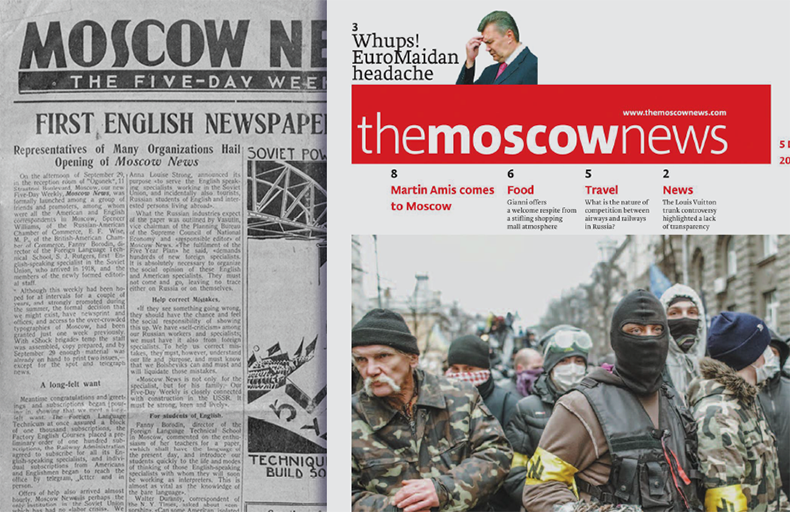
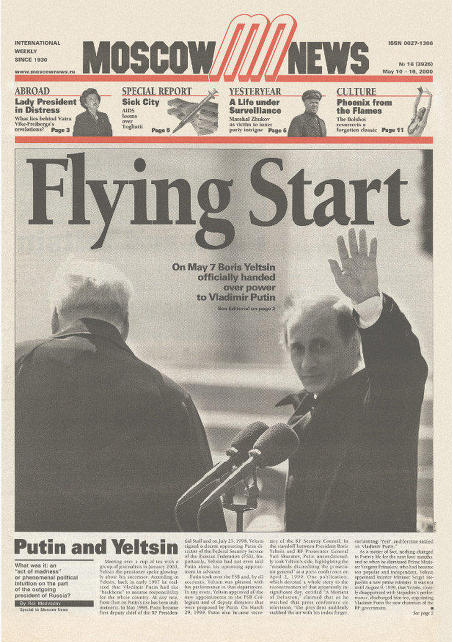
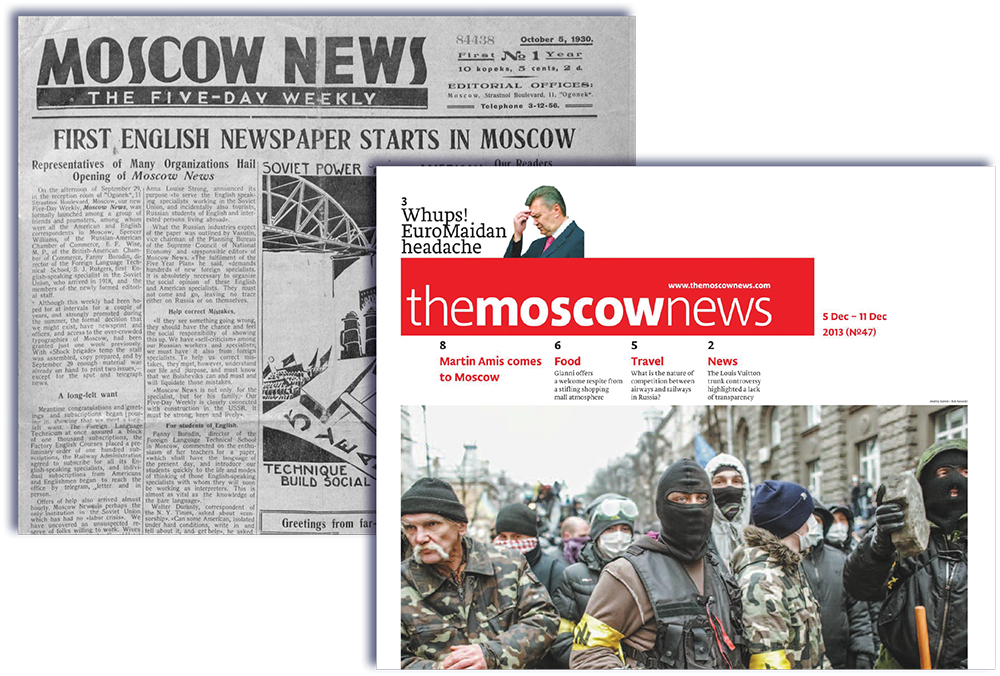
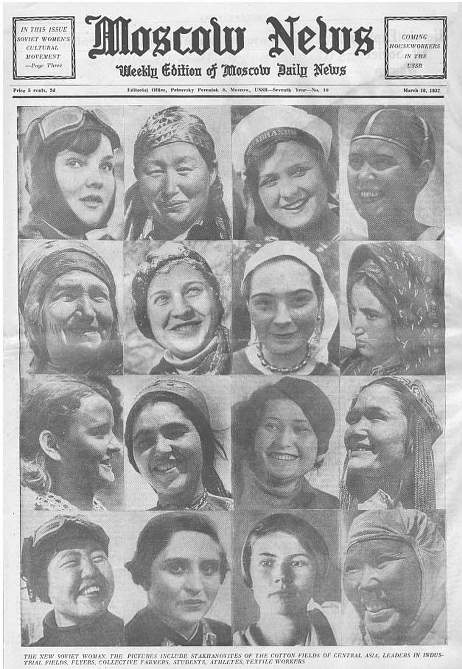
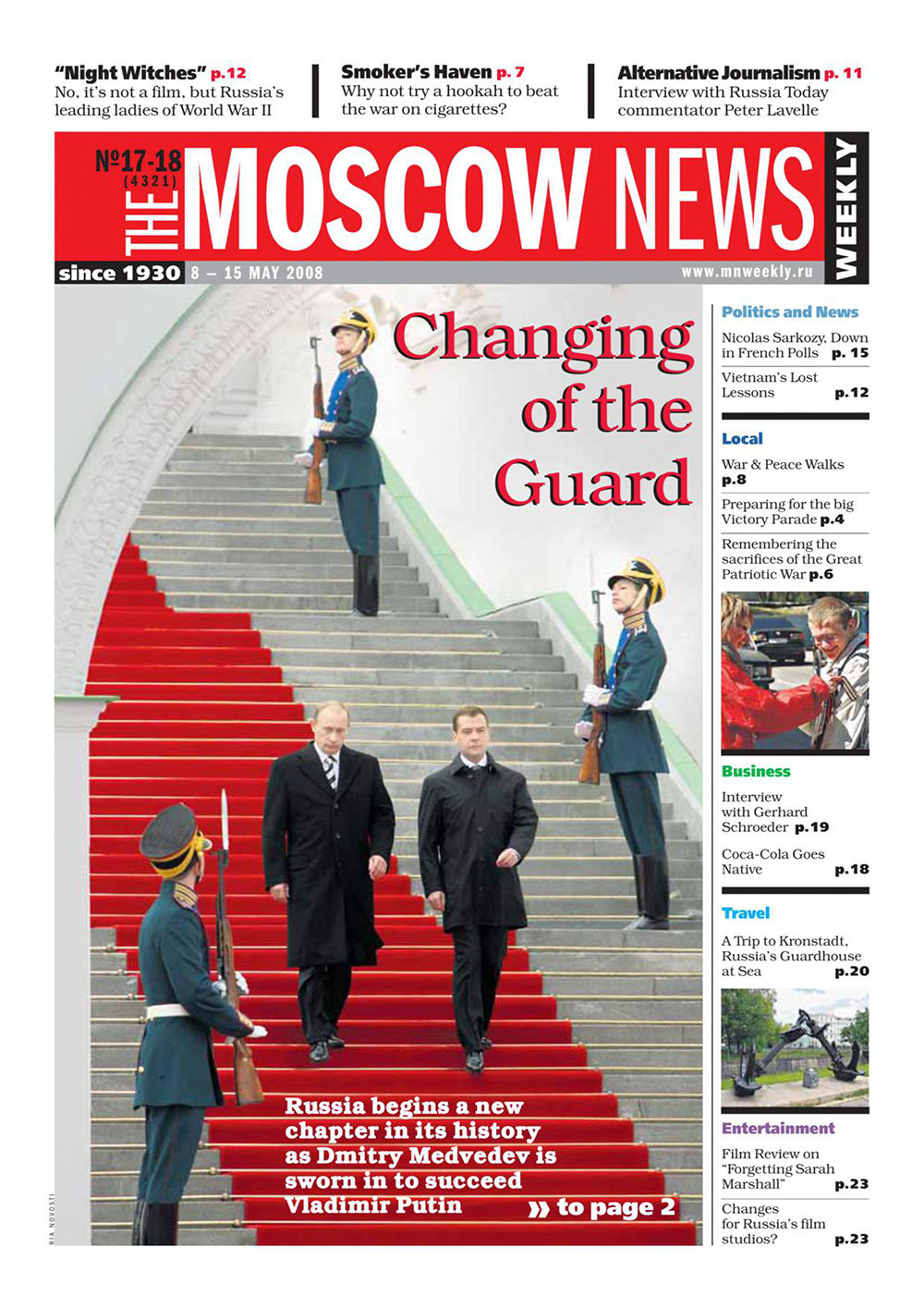
    Moscow News (pub. 1930–2014) was the oldest English-language newspaper in Russia and, arguably, the newspaper with the longest democratic history. From a mouthpiece of the Communist party to an influential advocate for social and political change, the pages of Moscow News reflect the shifting ideological, political, social and economic currents that have swept through the Soviet Union and Russia in the last century.

    The Moscow News Digital Archive contains all obtainable published issues (1930–2014, approx. 60,000 pages), including issues of the newspaper’s short-lived sister publication Moscow Daily News (1932–1938). The archive offers scholars the most comprehensive collection available for this title, and features full page-level digitization, complete original graphics, and searchable text, and is cross-searchable with numerous other Infoteka digital resources.
    More About Moscow News

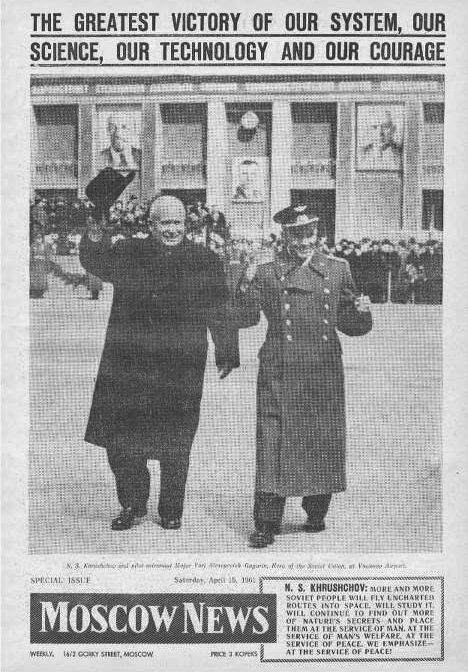
    In its early years, Moscow News largely served as yet another weapon in the Soviet Union’s propaganda arsenal, offering foreigners a window into the Soviet way of life. Initially committed to news reportage, Moscow News ultimately abandoned the format adopting a more formal Communist Party ideological worldview and language, operating under the auspices of the All-Union Society for Cultural Relations with Foreign Countries.

    Despite striving to stay within the boundaries of Soviet guidelines, the newspaper’s founding editors and staff found themselves in the crosshairs. Starting in the late 1930s, multiple staff members were arrested and the newspaper’s status became tenuous. Moscow News was ultimately shut down by the Politburo in 1949.

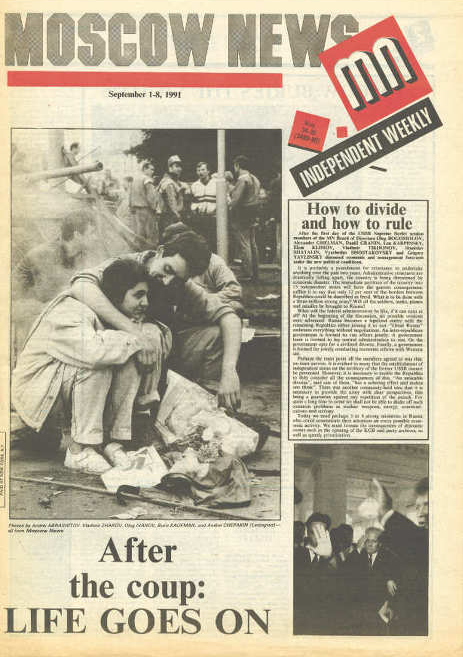
    Moscow News was rehabilitated in 1956 during the Khrushchev Thaw, and the onset of Gorbachev-era perestroika and glasnost reforms brought about a slew of changes in the newspaper’s editorial direction. Strict ideological commitments of the previous decades were abandoned in favor of more reformist and even independent views, with traditionally taboo subjects like the repressions and show trials of the 1930s, or the Katyn massacre of Polish officers by Soviets, no longer being off limits. As a result of these changes Moscow News would soon become one of the most outstanding and most important Russian periodicals of the era.

    Like many newspapers, Moscow News faced financial challenges after the collapse of the Soviet Union. It was forced to cease all foreign-language editions, leaving just the English and Russian (which ceased in 2008), and underwent several changes of ownership, including, for a time, the outspoken oligarch Mikhail Khodorkovsky. Throughout these transitions, the newspaper worked to maintain its reputation as an influential voice for critical, independent reporting.

    Ultimately, Moscow News was forced to cease publication in early 2014 when its owner, state-funded news agency RIA Novosti, was shut down by President Vladimir Putin. The newspaper’s reputation for critical, independent reporting – not to mention Its own tumultuous history – makes Moscow News an essential resource for understanding the various political and social shifts that occurred during the Soviet and post-Soviet eras and the new challenges facing Russia in the Putin era.

  • Moscow Defense Brief Digital Archive

    Moscow Defense Brief Digital Archive

    Insight into Russia’s defense industry, in English.

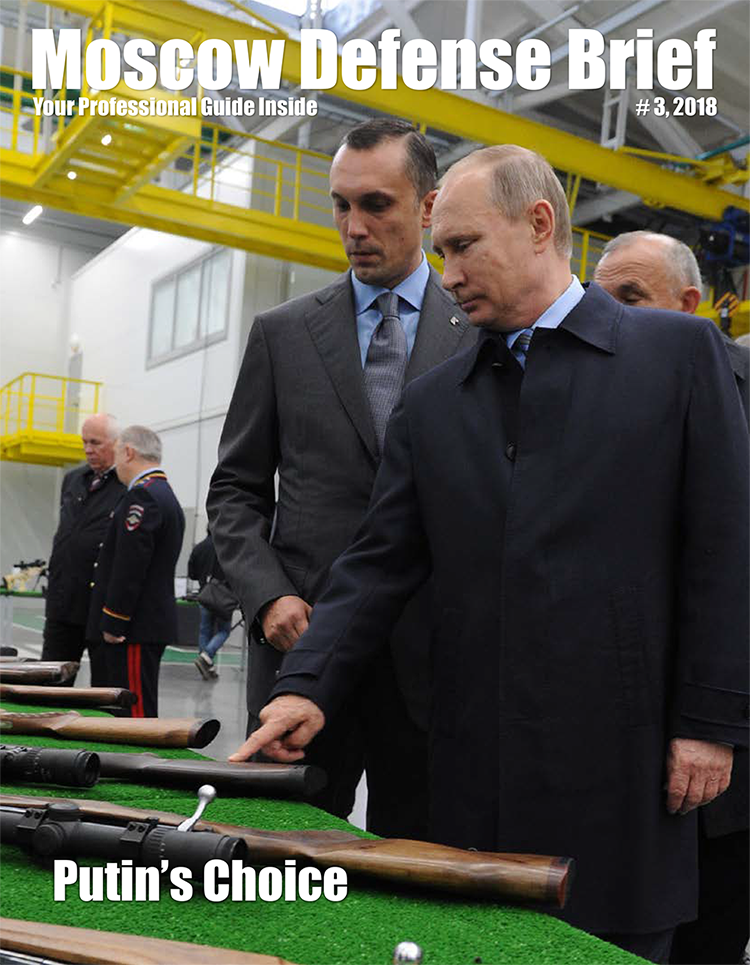
    Published from 2004 to 2018 by the highly-regarded, Moscow-based, non-government think tank, the Centre for Analysis of Strategies and Technologies (CAST), Moscow Defense Brief was an English-language journal and an important resource for researchers to gain insight into the inner workings of Russia’s military and defense industry. Moscow Defense Brief went beyond aggregation and commentary, delivering unique value as an independent Russian source of unbiased analysis on all aspects of Russia’s military policies and defense industry activities.

    Regular issues of Moscow Defense Brief ceased in 2018 with one special issue published in 2019. This journal has been an important resource for foreign governments, policy makers, political and economic experts, defense industry stakeholders, and a wide range of researchers interested in Russian and/or CIS affairs.

    The Moscow Defense Brief Digital Archive contains the complete run of the journal, from 2004 to 2018, with one special issue published in 2019. The archive offers scholars the most comprehensive collection available for this title, and features full page-level digitization, complete original graphics, and searchable text, and is cross-searchable with numerous other Infoteka digital resources.

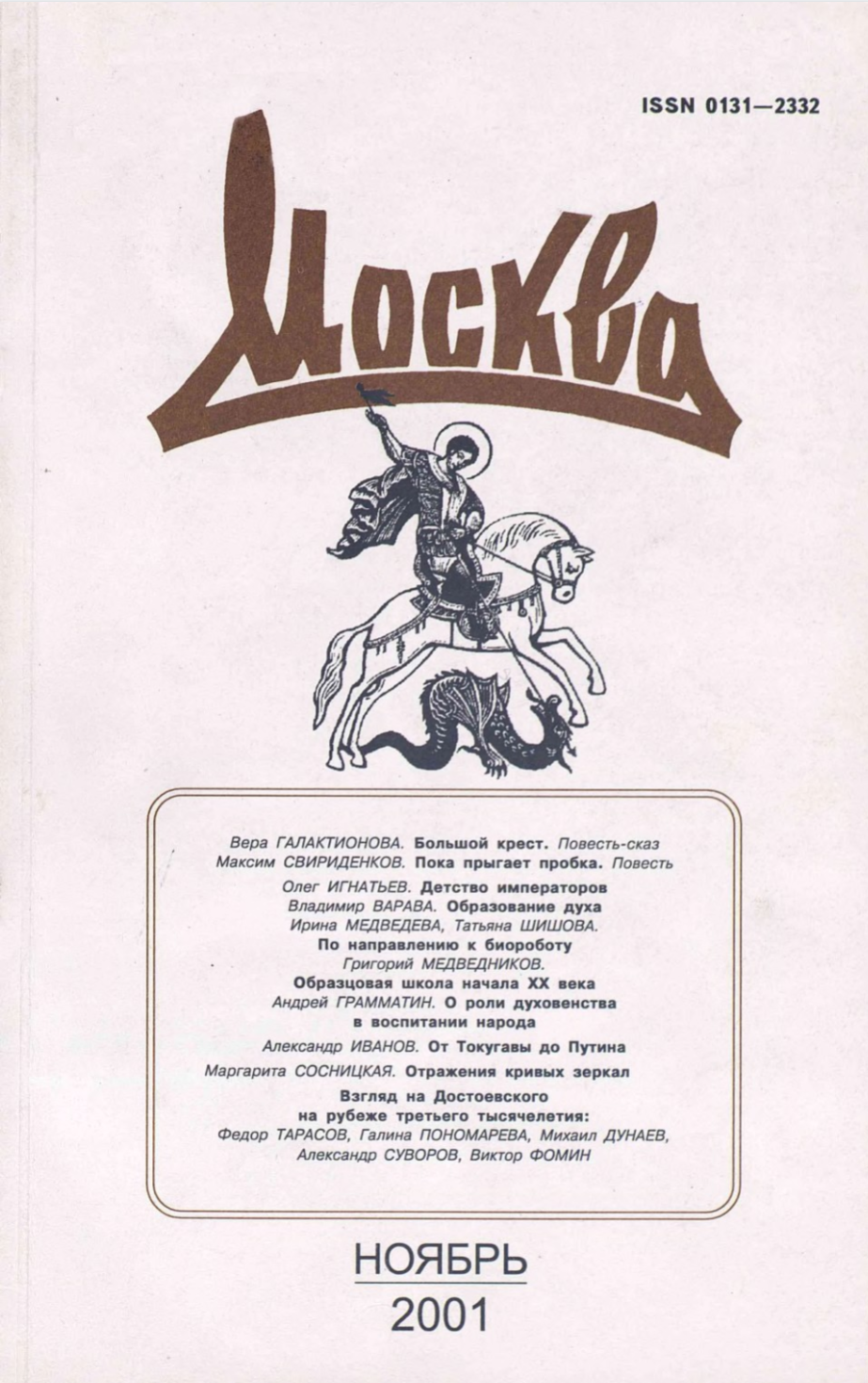
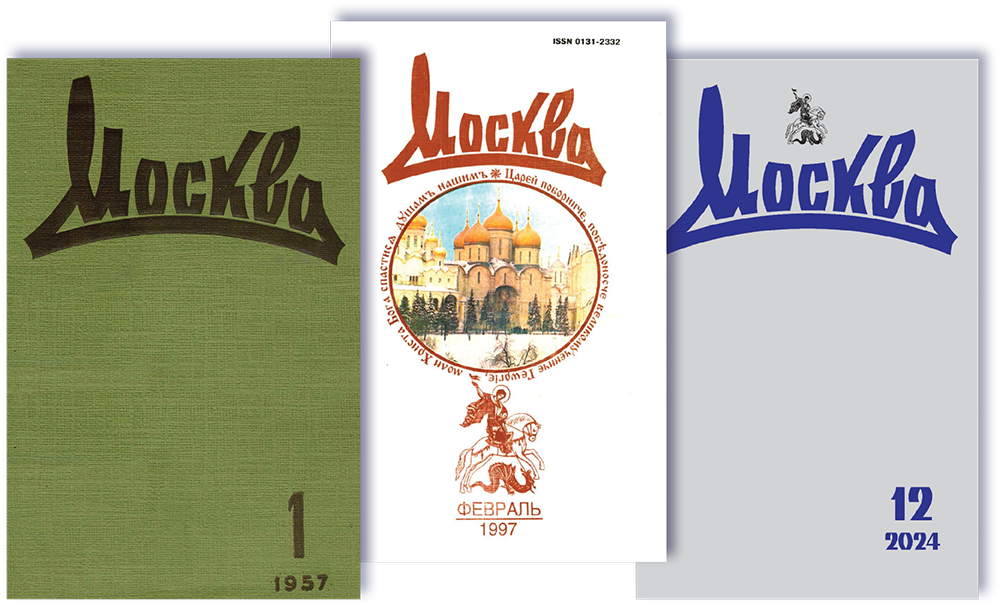
  • Moskva Digital Archive

    Moskva Digital Archive

    Key publication chronicling nearly 70 years of Russian literary and cultural development.

    The journal has consistently published works by contemporary writers, including prose, poetry, journalism, and criticism. Moskva holds particular historical significance as the first publisher of Mikhail Bulgakov’s masterpiece The Master and Margarita and Nikolai Karamzin’s monumental work History of the Russian State. Its pages have featured outstanding works of Russian literature by authors such as Bunin, Sholokhov, and Yulian Semyonov, alongside acclaimed international writers including Antoine de Saint-Exupéry, Ernest Hemingway, and William Faulkner.

    The Moskva Digital Archive offers scholars the most comprehensive collection available for this title, with an additional year’s worth of content available for purchase on an annual basis. Featuring full page-level digitization and complete original graphics, each issue has been carefully digitized and split into individual articles with permanent URLs, making it easier for researchers to create accurate citations in their work. Featuring full page-level digitization, complete original graphics, and a user-friendly bilingual interface in Russian and English, the searchable database enables efficient exploration of key literary works, critical essays, and editorial content that shaped Russian intellectual discourse throughout the 20th century. The archive is cross-searchable with numerous other Infoteka digital resources.

    More about the Soviet “Thick Journals”

    The famed Soviet tolstye zhurnaly, or “thick journals,” were significant platforms for literary and intellectual discourse. Tolstye zhurnaly such as Moskva played a complex and multifaceted role in Soviet intellectual and literary life. They were not merely publications but institutions that shaped and were shaped by the cultural, intellectual, and political currents of their time. These journals served multiple roles:

    They acted as repositories of high culture, preserving the intellectual and literary achievements of the era. Given the limited avenues for independent publishing, these journals were the primary platforms where established and emerging writers could reach an audience.

    State-Controlled Outlets. While they were crucial platforms for intellectual and artistic expression, it’s important to remember that these journals were often used to propagate official ideologies, and the works published in them usually underwent rigorous censorship.

    Academic Importance. For academics studying the Soviet period, tolstye zhurnaly offer a valuable glimpse into the state-sanctioned intellectual climate of the time. They provide context for how literature and intellectual thought evolved under different political and social conditions.

    Catalysts for Change. During more liberal periods, such as the Khrushchev Thaw and the perestroika years, tolstye zhurnaly could act as catalysts for change, pushing the boundaries of what was acceptable to discuss and publish.

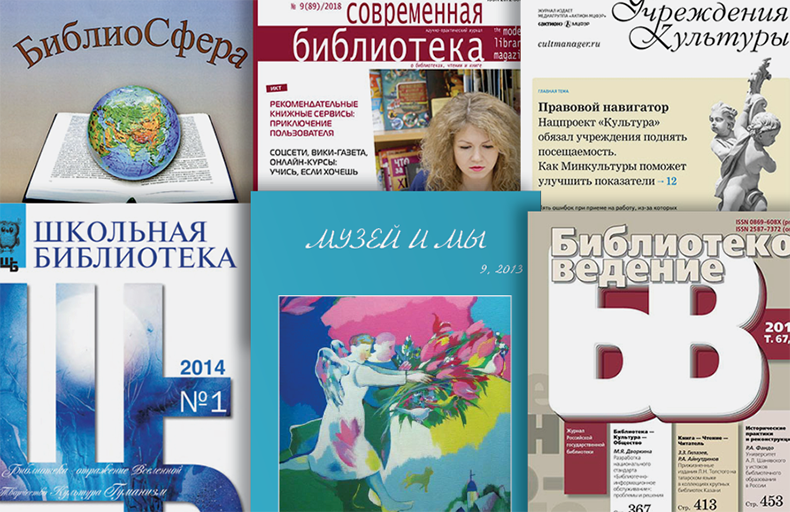
  • Library and Information Sciences Journals

    Library and Information Sciences Journals

    The most influential library journals from Russia, Ukraine, and Uzbekistan.

    Library and Information Sciences Journals is a full-text online resource that compiles influential professional journals in the field of library and information sciences. Focusing primarily on Russian-language publications, this comprehensive database serves librarians, bibliographers, and information specialists across Eastern Europe and beyond. Library and Information Sciences Journals provides access to cutting-edge research and professional insights from Russia, Ukraine, and Uzbekistan, covering a wide range of topics including library management, bibliographic studies, information technology, and archival studies.

    The database’s diverse collection reflects both traditional and contemporary aspects of librarianship, featuring journals on digital libraries, media environments, and the evolving role of libraries in society. With its extensive coverage and easy accessibility through a persistent URL, Library and Information Sciences Journals serves as an essential platform for professionals and students to explore the latest developments and best practices in library and information sciences.

    Library and Information Sciences Journals Titles

    • Bibliografiia i knigovedenie (Библиография и книговедение)
    • Bibliosfera (Библиосфера)
    • Bibliotechnoe delo (Библиотечное дело)
    • Bibliotekovedenie (Библиотековедение)
    • INFOLIB : akhborot-kutubkhona zhurnali = INFOLIB : informatsionno-bibliotechnyi zhurnal (INFOLIB : ахборот-кутубхона журнали = INFOLIB : информационно-библиотечный журнал)
    • Informatsionnyi biulleten’ RBA (Информационный бюллетень РБА)
    • Kniga. Chtenie. Mediasreda (Книга. Чтение. Медиасреда)
    • Muzei i my (Музей и мы)
    • Natsional’naia biblioteka (Национальная библиотека)
    • Nauchnye i tekhnicheskie biblioteki (Научные и технические библиотеки)
    • Observatoriia kul’tury (Обсерватория культуры)
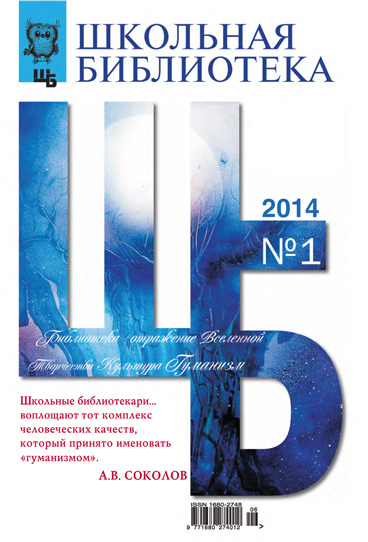
    • Shkol’naia biblioteka (Школьная библиотека)
    • Sovremennaia biblioteka (Современная библиотека)
    • Trudy GPNTB SO RAN (Труды ГПНТБ СО РАН)
    • Universitetskaia kniga (Университетская книга)
    • Vestnik arkhivista (Вестник архивиста)
    • Vestnik Dal’nevostochnoi gosudarstvennoi nauchnoi biblioteki (Вестник Дальневосточной государственной научной библиотеки)

    Archived titles in Russian Library and Information Sciences Journals include:

    • Bibliotechnii forum: istoriia, teoriia i praktika (Бібліотечний форум: історія, теорія і практика)
    • Elektronnye biblioteki (Электронные библиотеки)
    • Kniga v prostranstve kul’tury (Книга в пространстве культуры)
    • Knizhnoe obozrenie (Книжное обозрение)
    • Molodye v bibliotechnom dele (Молодые в библиотечном деле)
    • Novaia biblioteka (Новая библиотека)
    • Spravochnik rukovoditelia uchrezhdeniia kul’tury (Справочник руководителя учреждения культуры)
    • Vlast’ knigi: biblioteka, izdatel’stvo, vuz (Власть книги: библиотека, издательство, вуз)
    • Vostochnaia kollektsiia (Восточная коллекция)

    See title list for full list of archived titles.

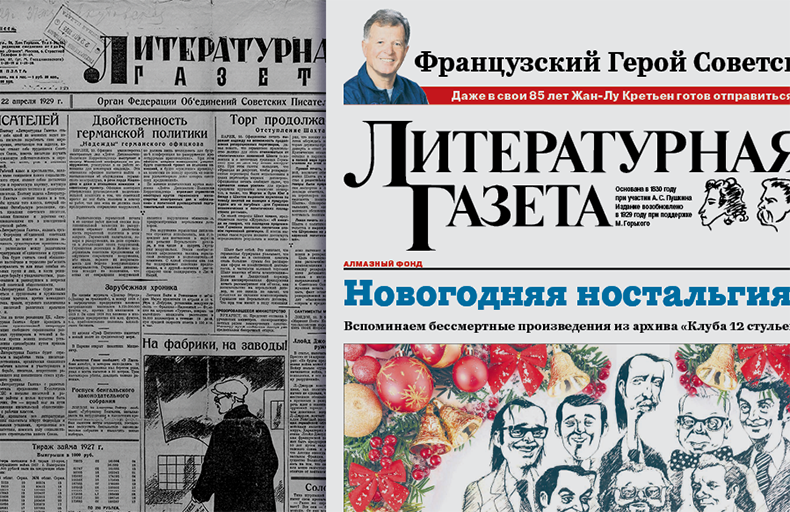
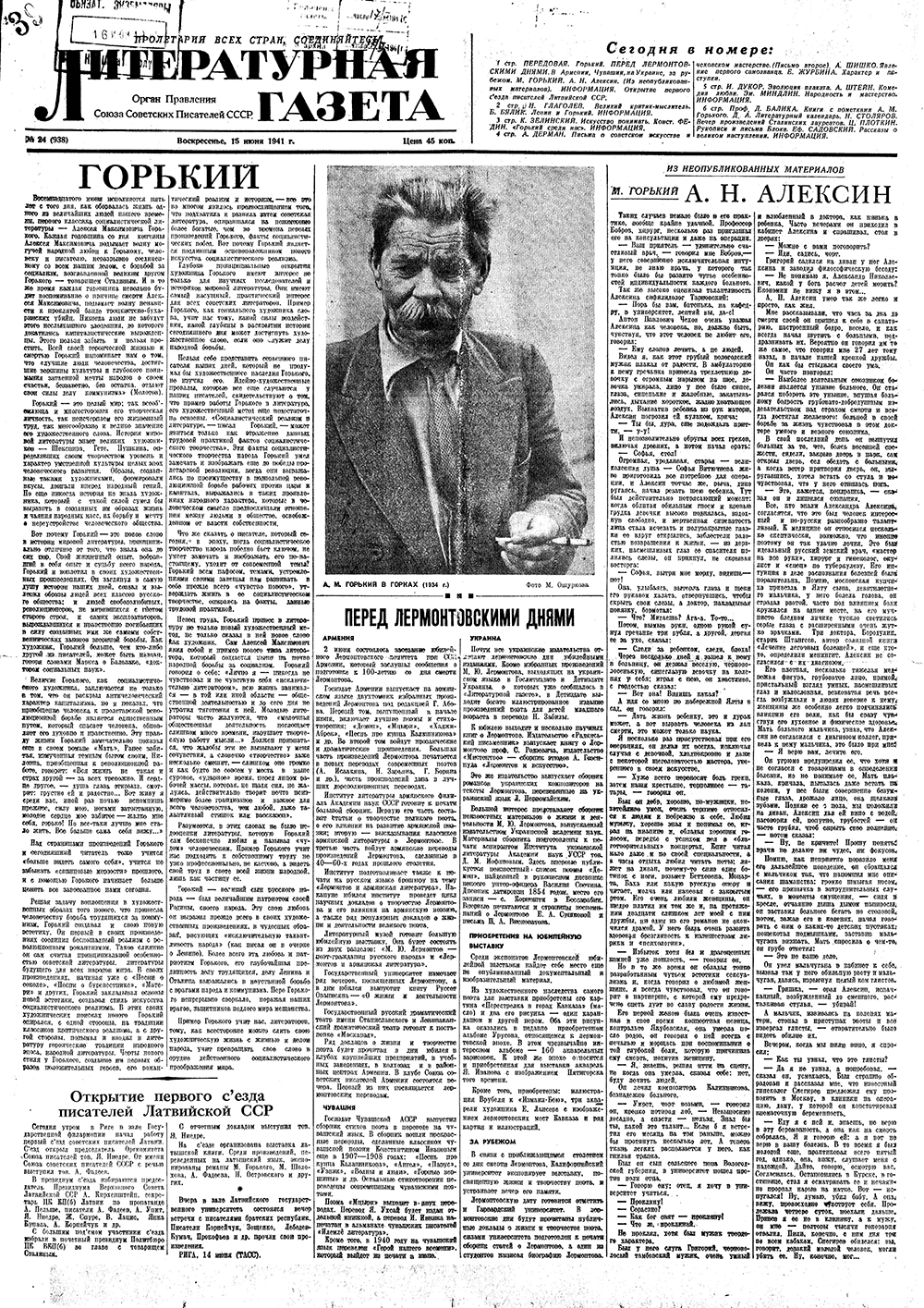
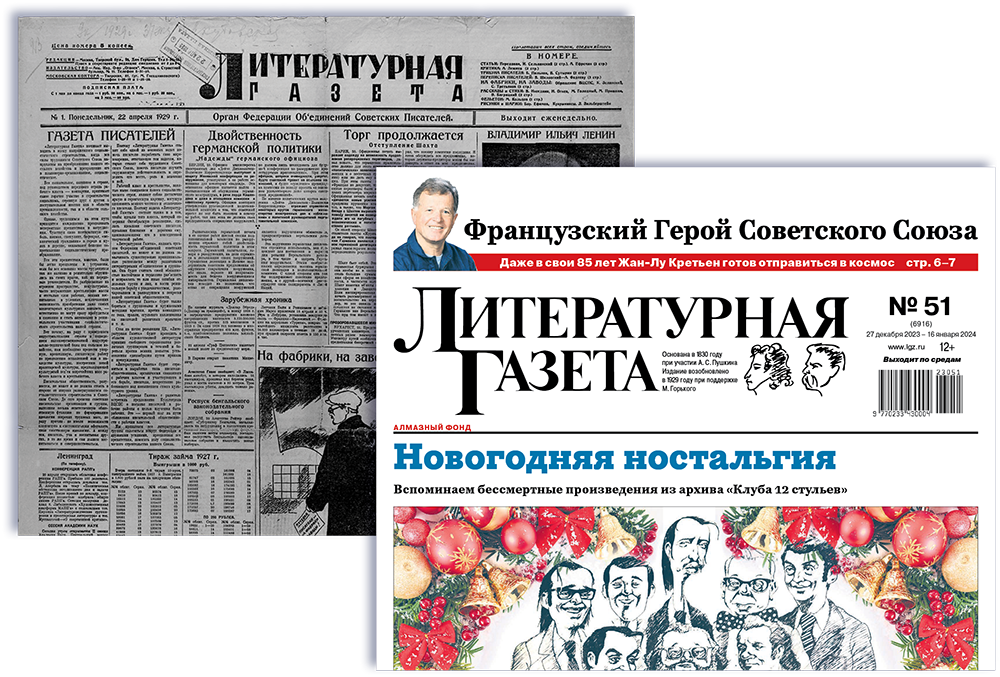
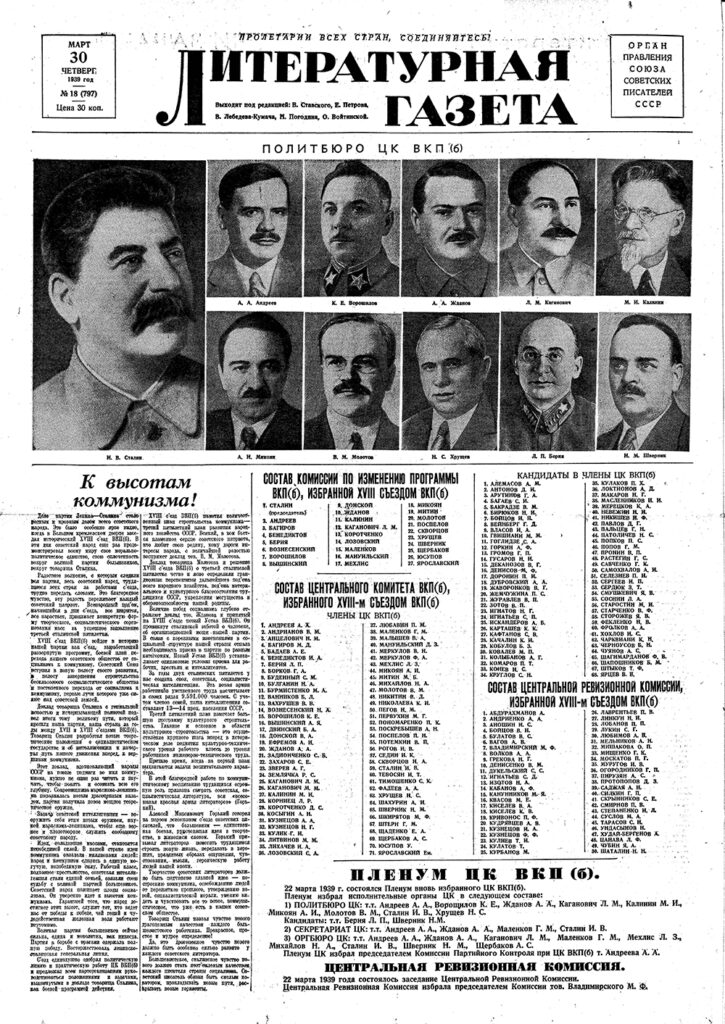
  • Literaturnaia Gazeta Digital Archive

    Literaturnaia Gazeta Digital Archive

    Russia’s most popular newspaper among the intelligentsia.

    Established on April 22, 1929 with the support of the “father of Soviet literature,” writer Maxim Gorky, Literaturnaia gazeta (Литературная газета, Literary Newspaper) is a landmark publication in Russia’s cultural heritage. With its focus on literary and intellectual life, Literaturnaia gazeta allowed Soviet Russia’s preeminent authors, poets, and cultural figures a particular podium for commentary, affording perhaps fewer restrictions than might be possible in other publications. Literaturnaia gazeta was considered the most open among newspapers of the Soviet era, and it remains popular among the intelligentsia in today’s Russia.

    The Literaturnaia Gazeta Digital Archive contains all obtainable published issues from 1929 on (over 65,000 pages), with an additional year’s worth of content available for purchase on an annual basis. The archive offers scholars the most comprehensive collection available for this title, and features full page-level digitization, complete original graphics, and searchable text, and is cross-searchable with numerous other Infoteka digital resources.

    More About Literaturnaia Gazeta

    In 1932 Literaturnaia gazeta became the official organ of the Union of Soviet Writers, the government-controlled organization which controlled most literary publications and the employment of writers in the USSR. In the post-World War II period, the scope of Literaturnaia gazeta expanded from an exclusively literary newspaper to more of a literary, social and political publication, becoming one of the most authoritative and influential publications in the country. As the press-run grew to 6.5 million copies in the 1970s and 1980s, it became the most popular newspaper with intelligentsia, who fondly dubbed it “Literaturka.”

    Literaturnaia gazeta was truly significant in the cultural life of the Soviet Union. While all officially published works were restricted in Soviet times, compared to the party-run Pravda and the government-run Izvestiia, Literaturnaia gazeta was more likely to push the limits of censorship in expressing views on social life and culture. Unlike many other Soviet newspapers, Literaturnaia gazeta refrained from simply re-publishing official party statements and resolutions. For those studying Russian, Russian literature, and comparative literature, Literaturnaia gazeta is undoubtedly an important resource: its pages carry literary criticism; excerpts from works of literature; articles on economics, sociology, ethics, daily life, scientific progress, etc. Contributors to Literaturnaia gazeta included the best prose writers of the era: Isaak Babel’, Mikhail Bulgakov, Veniamin Kaverin, Leonid Leonov, Yuriy Olesha, Boris Pil’nyak, Yevgeniy Zamyatin, and Mikhail Zoshchenko.

  • Krokodil Digital Archive

    Krokodil Digital Archive

    The leading satirical publication of the Soviet Era.

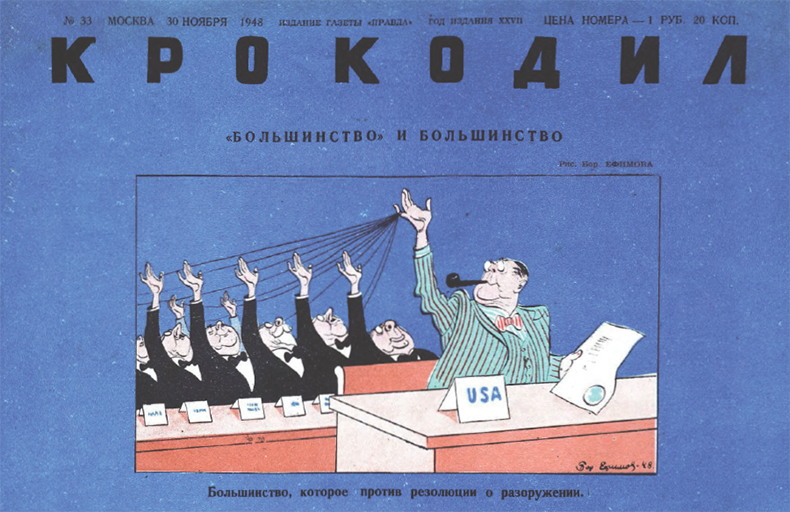
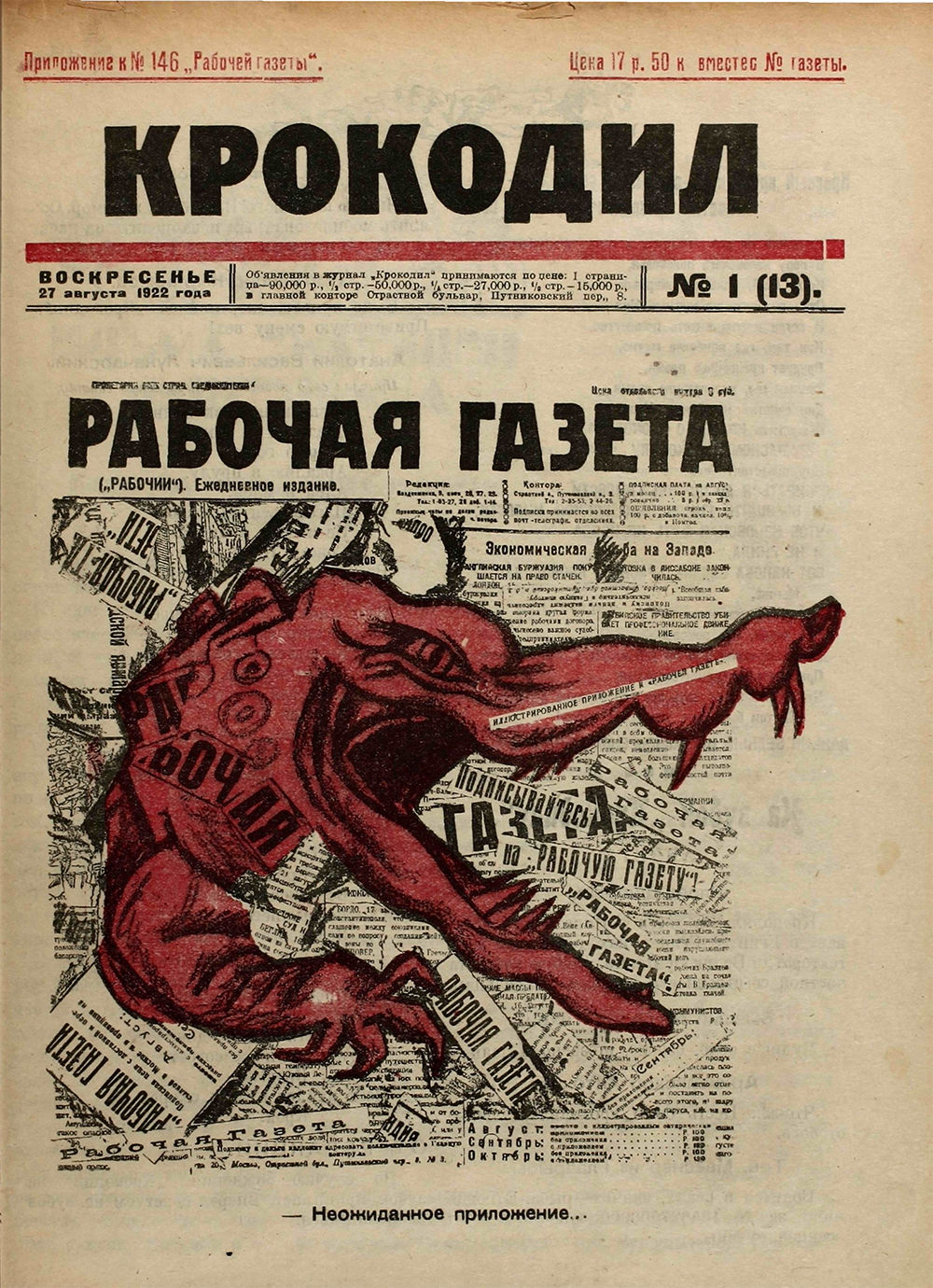
    Krokodil (Крокодил, Crocodile) was a satirical magazine published in the Soviet Union. It was first published as an illustrated Sunday supplement to Rabochaia gazeta (Рабочая газета, Workers’ Newspaper; formerly Rabochii [Pабочий, The Worker]). The increasing popularity and circulation of Rabochaia gazeta, combined with the fact that many satirical voices were present in the widening pool of talented journalists, led the editors of Rabochii to establish a separate satirical issue to be circulated free of charge to the subscribers of the newspaper.

    The newly established supplementary issue satirized a host of issues and holdovers from pre-revolutionary Russia, including White Russian emigres, the Orthodox Church, bourgeois intellectuals, as well as diverse groups of social outcasts (moonshiners, black marketeers, etc.). After a three-month period of largely haphazard satirical writing, the supplement found its stride and honed its method of bringing its readers incisive satirical commentary. The success of the experiment among its growing readership would directly lead to the establishment of Krokodil as a separate publication on August 27, 1922. Bursting from its front cover was a snarling red crocodile, an avatar that has symbolized the journal and its brand of political satire ever since.

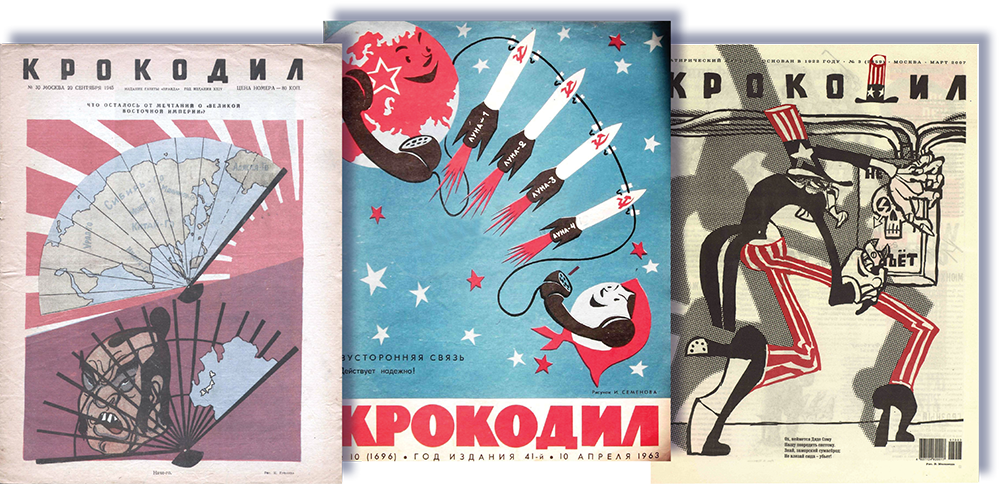
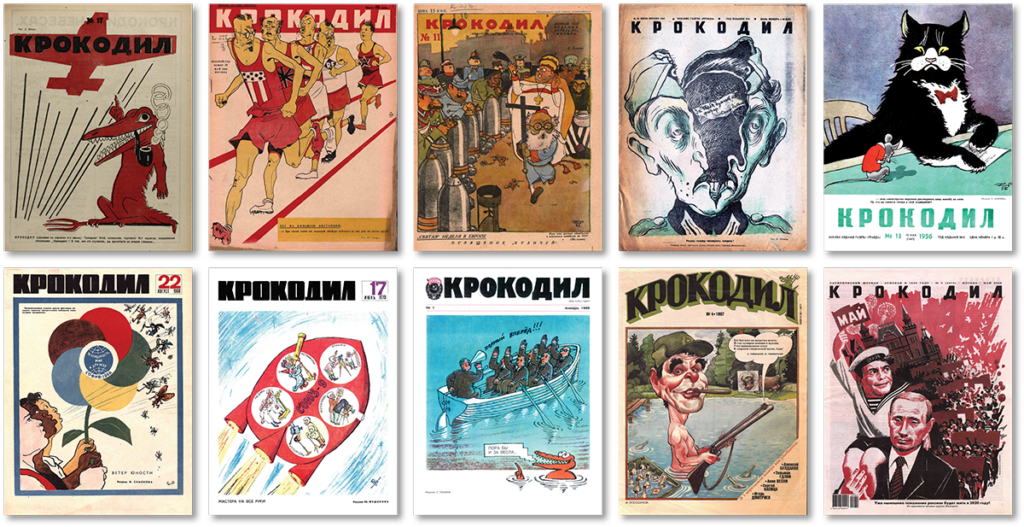
    Published continuously until 2008, Krokodil was at one time the most popular magazine for humorous stories and satire, with a circulation reaching 6.5 million copies. Krokodil lampooned religion, alcoholism, foreign political figures and events. It ridiculed bureaucracy and excessive centralized control. The caricatures found in Krokodil can be studied as a gauge of the ‘correct party line’ of the time. During the height of the Cold War, cartoons criticizing Uncle Sam, Pentagon, Western colonialism and German militarism were common in the pages of Krokodil.

    About the Archive

    Featuring the most complete set of the journal available (more than 2,740 issues), the Krokodil Digital Archive has been designed specifically to show the rich images found in these pages and provide the convenience of browsing full pages, similar to working with print originals. Full-text searchable tags have been carefully added to identify individuals and organizations within the artwork, where full-text searching would not normally find results. Thanks to this added value, users are able to search for people and organizations and find them not only within the articles, but also wherever they are represented in caricatures and drawings. The Krokodil Digital Archive is also cross-searchable with numerous other Infoteka resources.

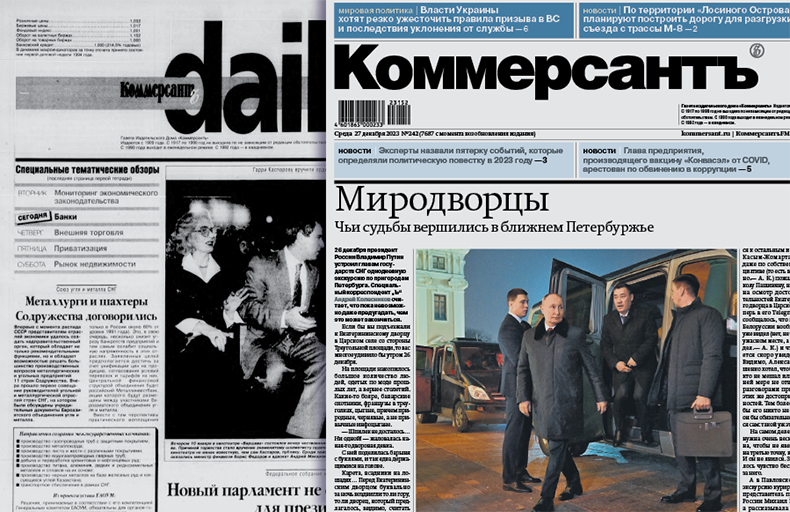
  • Kommersant Digital Archive

    Kommersant Digital Archive

    One of Russia’s main business dailies.

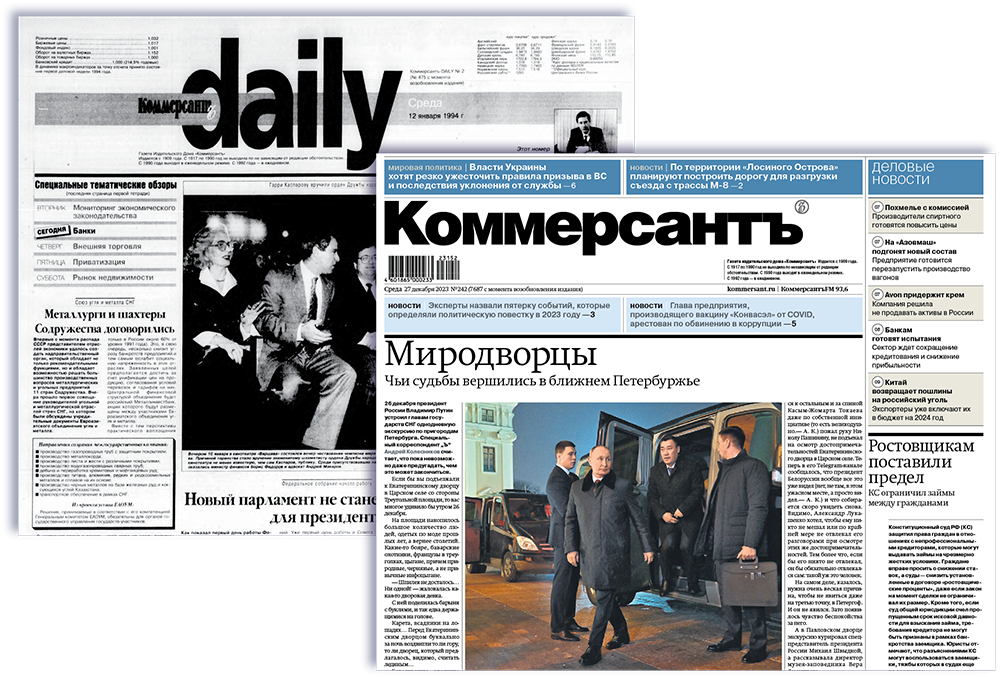
    Founded in 1989 by Russian businessman and journalist Vladimir Yakovlev on the eve of the dissolution of the Soviet Union, Kommersant (Коммерсантъ, The Businessman) is one of the most influential and important newspapers to have emerged in post-Soviet Russia. The economic liberalization of the Gorbachev-era perestroika and glasnost reforms had created a need for media outlets dedicated to reporting on the new economic situation in the country and the emergence of the new entrepreneurial class. The establishment of Kommersant, modeled largely after The Wall Street Journal and the Financial Times, was meant to meet just such a need.

    Published initially as a weekly, its proven quality and growing popularity occasioned the expansion of the publication and the changing of its format from a weekly to a daily. Soon it would also change ownership, being owned at various times by Russian oligarchs Roman Berezovsky, Badri Patarkatsishvili, and its current owner Alisher Usmanov. Despite the slew of controversial ownerships, and several instances of editorial interference by its owners, Kommersant remains one of the most trustworthy Russian newspapers.

    The Kommersant Digital Archive includes all obtainable issues published since 1992, with an additional year’s worth of content available for purchase on an annual basis. The archive features full page-level digitization, complete original graphics, and searchable text, and is cross-searchable with numerous other Infoteka digital resources.