Time Period: Post-Soviet

  • Belarusian National Bibliography

    Belarusian National Bibliography

    Comprehensive bibliographic database for printed works in Belarus.

    The Belarusian National Bibliography database encompasses a wealth of bibliographic content meticulously curated from nine distinguished indexes published by the Book Chamber of Belarus.

    Designed for full-text, full-image access in PDF format, chapter by chapter, the Belarusian National Bibliography database features an interface in English, with content primarily in Russian and Belarusian. With some resources dating back to the pivotal year of 1991, the collection provides insight into a critical era in Belarusian publication history, with indexes covering a wide variety of publications including books, dissertations, periodicals, maps, art, music, and more.
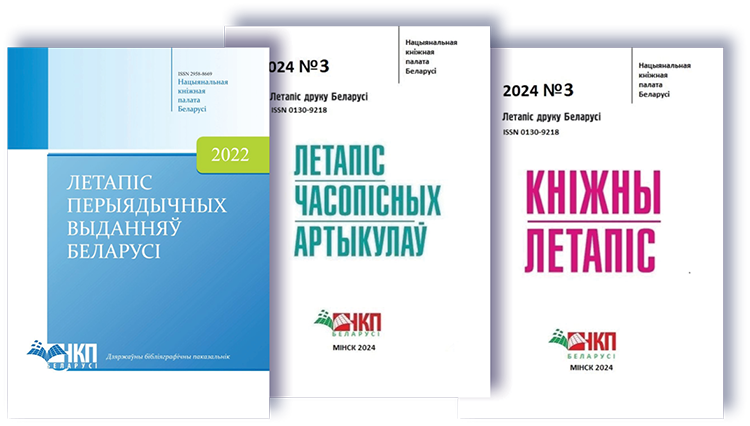
    Belarusian National Bibliography Content

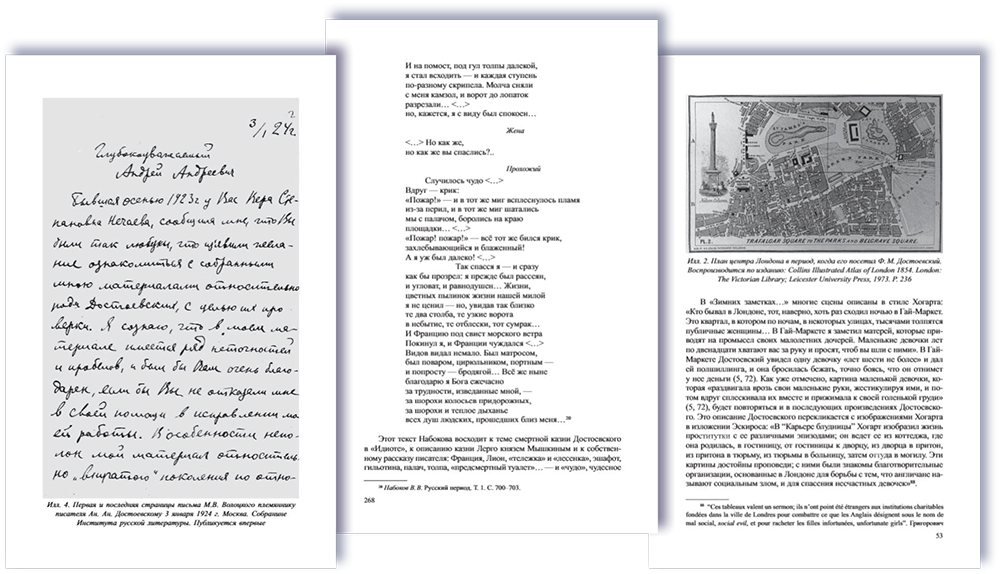
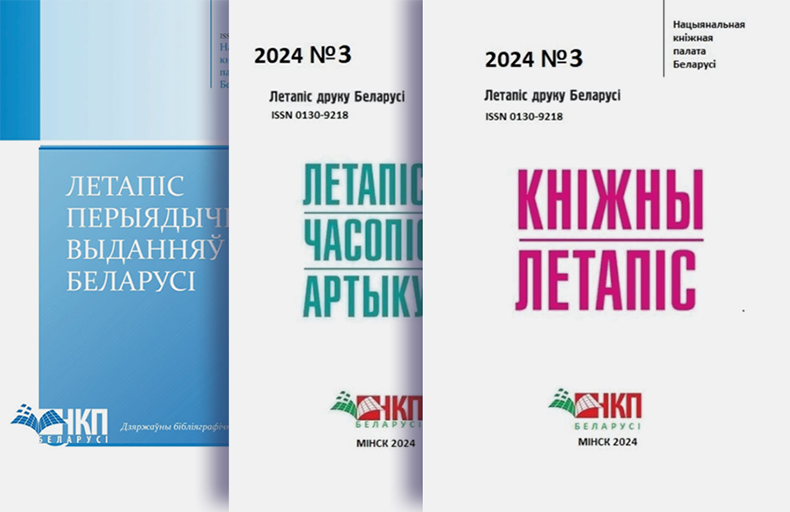
    • Knizhny letapis (Кнiжны летапiс, Index of Book Publications), monthly, 1991-present
    • Letapis autareferatau dysertatsyi (Летапiс аўтарэфератаў дысертацый, Index of Dissertation Abstracts), annually, 2007-present
    • Letapis peryiadychnykh vydanniau Belarusi (Летапіс перыядычных выданняў Беларусі, Index of Periodical Publications of Belarus), annually, 1996-present
    • Letapіs vyiaўlenchykh vydanniaў (Летапіс выяўленчых выданняў, Index of Art Publications), annually, 2007-2013 (from 2014 included in Knizhny letapis)
    • Letapis kartagrafіchnykh vydanniaў (Летапiс картаграфічных выданняў, Index of Cartographic Publications), annually, 2007-2013 (from 2014 included in Knizhny letapis)
    • Letapіs notnykh vydanniaў (Летапіс нотных выданняў, Index of Music Publications), annually, 2007-2013 (from 2014 included in Knizhny letapis)
    • Belarus’ u susvetnym druku (Беларусь у сусветным друку, Belarus in the World Press), quarterly, 2005-2017 (ceased)

    Additionally, the Belarusian National Bibliography features two monthly publications:

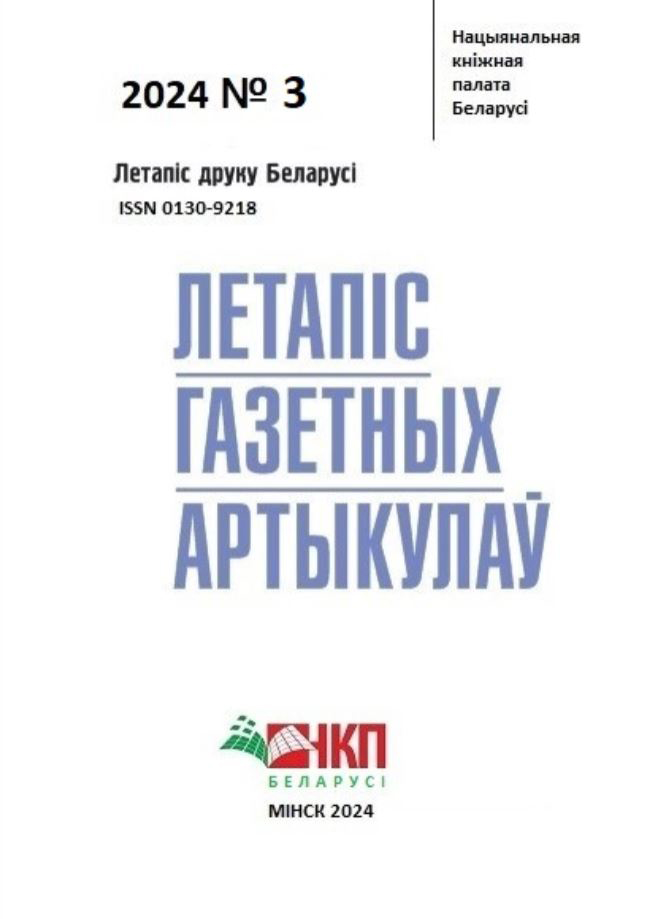
    • Letapis hazetnykh artykulaў (Летапiс газетных артыкулаў, Index of Newspaper Articles), monthly, 1995-present
    • Letapis chasopisnykh artykulaў (Летапiс часопiсных артыкулаў, Index of Journal Articles), monthly, 1995-present

    These publications index the content of newspaper and journal articles in the following areas:

    • Science and knowledge
    • Information technologies
    • Library affairs
    • Psychology, Religion
    • Social Sciences
    • Statistics
    • Politics and Economics
    • Trade and Law
    • Social security. Insurance. Education. Folklore
    • Mathematics and Natural Sciences
    • Applied sciences. Medicine. Technology
    • Entertainment. Performances. Sport
    • Linguistics. Literature
    • Biographies. History
  • Argumenty i Fakty Digital Archive

    Argumenty i Fakty Digital Archive

    The most popular news outlet of the Gorbachev era.

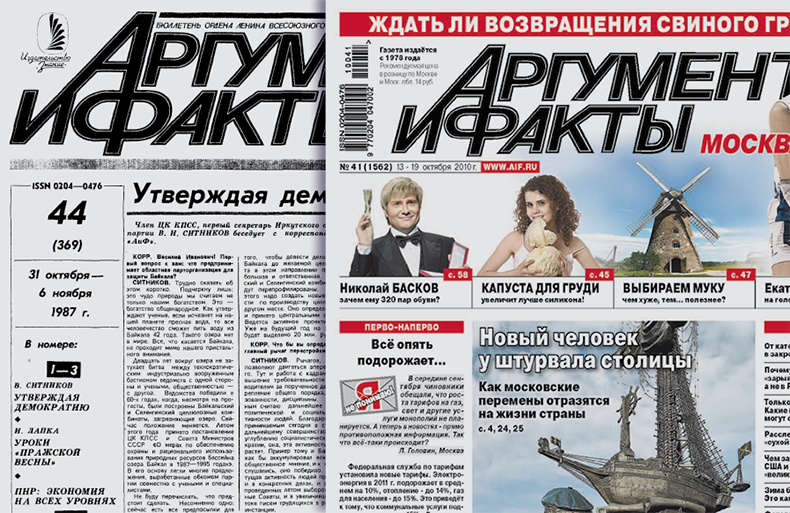
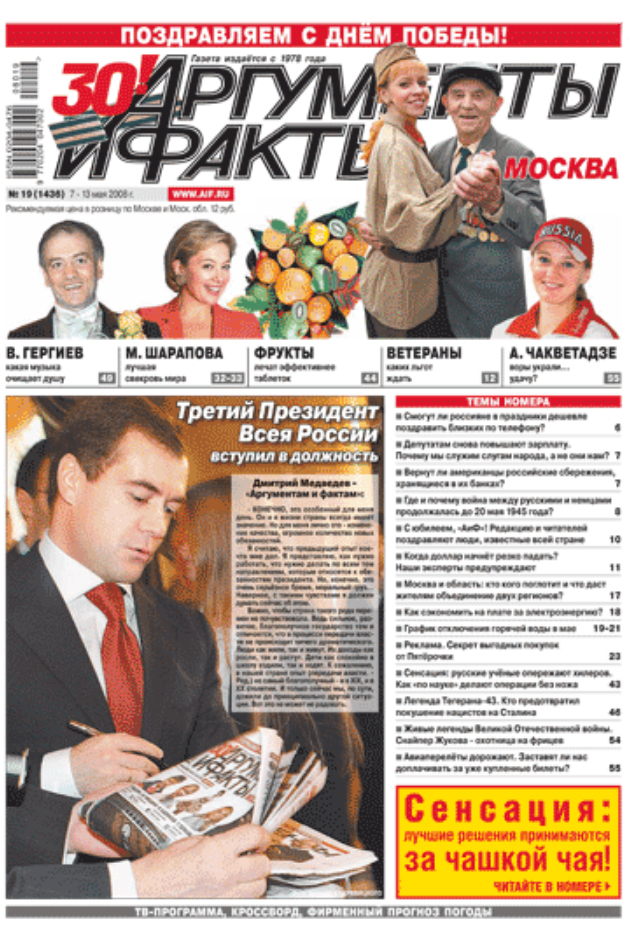
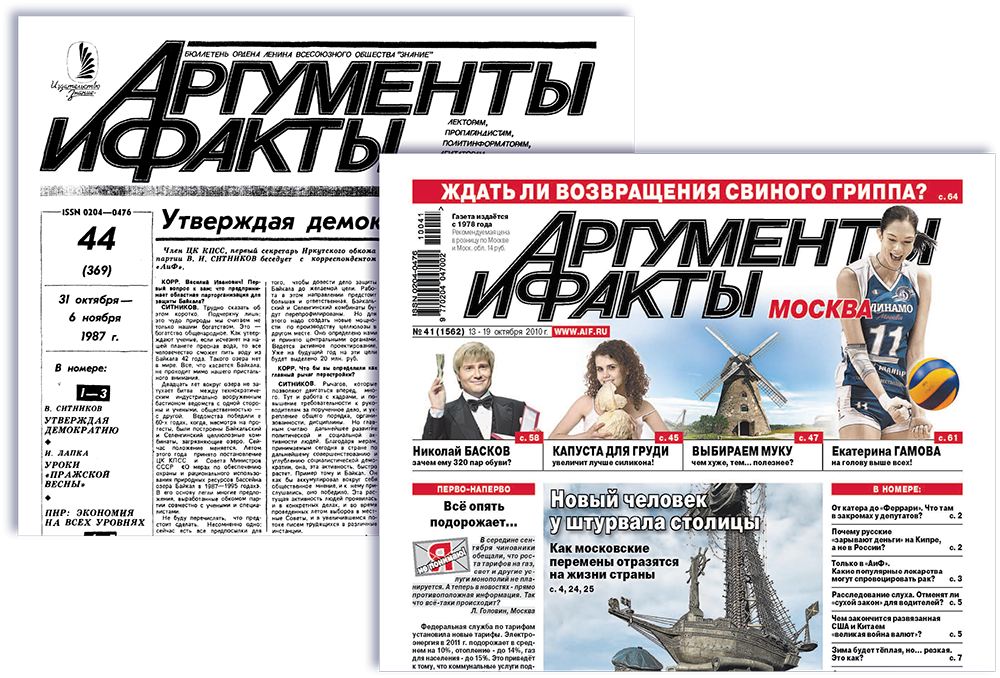
    Argumenty i fakty (Аргументы и факты, Arguments and Facts), a weekly newspaper based in Moscow, once had the largest circulation of any periodical in the world – in 1990 it was even entered in the Guinness book of records for its print run of 33.5 million. Founded by the Russian organization “Knowledge” (Znanie), the newspaper’s original goal was to provide propagandists with statistical and other hard-to-find information. During the Gorbachev era Argumenty i fakty became one of the most important newspapers in the Soviet Union – a major tool in publicizing Gorbachev’s policy of glasnost.

    The Argumenty i Fakty Digital Archive contains all obtainable published issues, with an additional year’s worth of content available for purchase on an annual basis. The archive offers scholars the most comprehensive collection available for this title, and features full-text articles, with full page-level digitization and complete original graphics for later years. The archive has searchable text, and is cross-searchable with numerous other Infoteka digital resources.

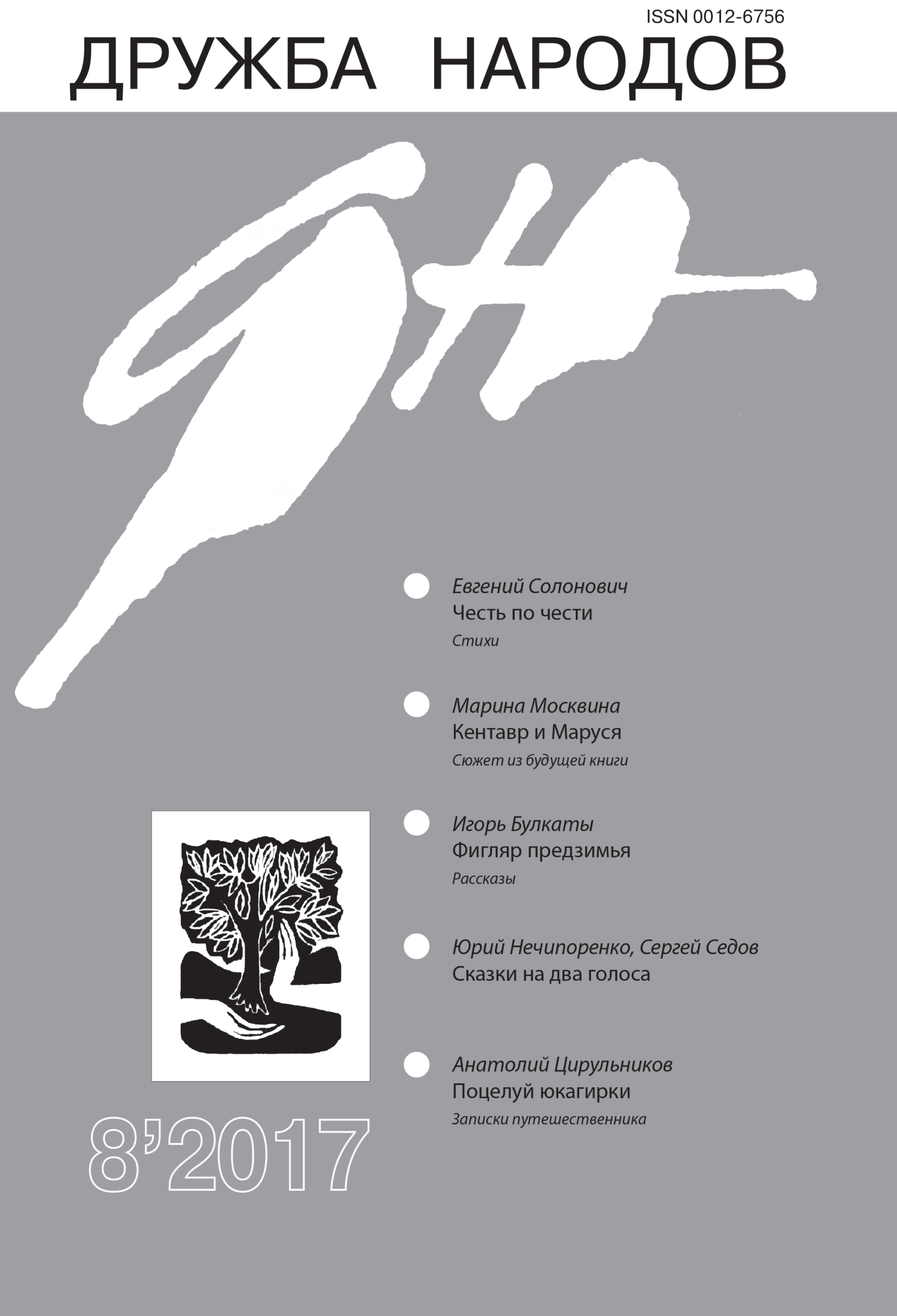
  • Druzhba Narodov Digital Archive

    Druzhba Narodov Digital Archive

    Influential literary journal highlighting writing from across the Soviet Union.

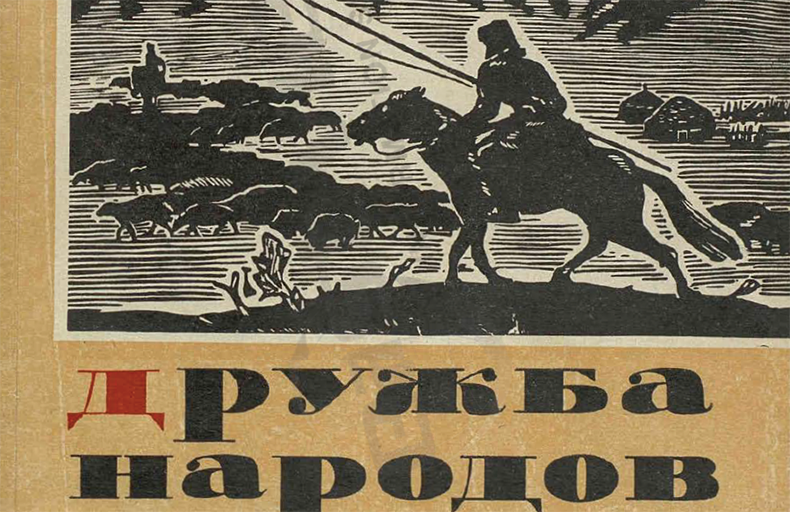
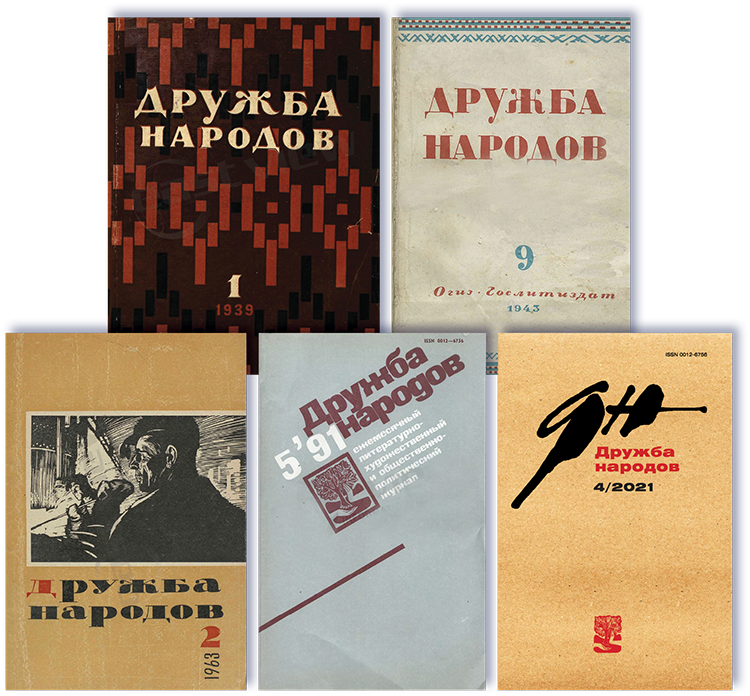
    The journal began as an almanac designed to bring the literature of the Soviet republics into a shared cultural forum. Its core mission was to introduce readers in the Russian-language center to prose, poetry, and literary commentary produced across the USSR’s many languages—Uzbek, Georgian, Armenian, and many others—through publication in Russian translation.

    After a wartime hiatus (June 1941–October 1943), the publication resumed, eventually establishing a bimonthly schedule in 1949 and transitioning to a monthly journal in 1955. During the Soviet era, Druzhba Narodov operated under the auspices of the Union of Soviet Writers and became one of the principal platforms for the state doctrine of “friendship among nations.” The journal helped consolidate a tradition of literary translation as a high-status intellectual craft, with leading Russian poets and writers serving as translators and adapters—including Boris Pasternak, Nikolai Zabolotsky, Pavel Antokolsky, Semyon Lipkin, Arseny Tarkovsky, and others.

    Across decades, the journal published a wide range of major Soviet and post-Soviet authors and critics, including Viktor Astafiev, Vasyl Bykov, Rasul Gamzatov, Fazil Iskander, Bulat Okudzhava, Anatoly Rybakov, Alexander Tvardovsky, Vasily Shukshin, Lev Gumilev, Kornelii Chukovsky, Svetlana Alexievich, and many others. Its pages document shifting literary and political climates from the late Stalin period through Khrushchev’s Thaw, the era of late Soviet stagnation, the rupture of perestroika, and the cultural realignments of the post-1991 period. Following the dissolution of the USSR, Druzhba Narodov moved from being an official organ of the Union of Writers to an independent, privately published journal.

    The Druzhba Narodov Digital Archive supports advanced research and teaching by providing a fully digitized, searchable corpus that can be used to trace authors, themes, genres, regions, and translation practices over time. It is particularly valuable for scholarship on Soviet cultural policy, center-periphery relations, literary translation and mediation, nationalism and multinationalism, and the evolving relationship between literature and public discourse.

    The archive provides comprehensive online access to a major institution of Russian-language publishing for nearly nine decades. The fully digitized archive offers scholars the most comprehensive collection available for this title, with an additional year’s worth of content available for purchase on an annual basis. Featuring full page-level digitization, complete original graphics, and a user-friendly bilingual interface in Russian and English, the searchable database enables efficient exploration of key literary content. The archive is cross-searchable with numerous other Infoteka digital resources.

    More about the Soviet “Thick Journals”

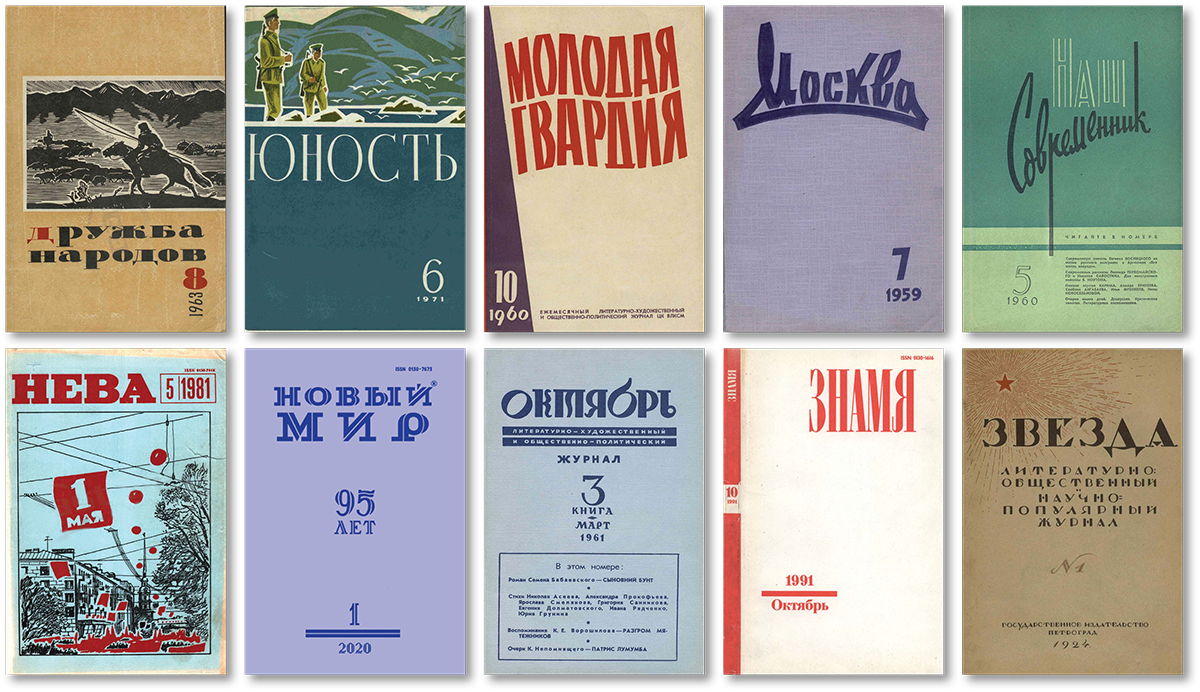
    The famed Soviet tolstye zhurnaly, or “thick journals,” were significant platforms for literary and intellectual discourse. Tolstye zhurnaly such as Druzhba Narodov played a complex and multifaceted role in Soviet intellectual and literary life. They were not merely publications but institutions that shaped and were shaped by the cultural, intellectual, and political currents of their time. These journals served multiple roles:

    They acted as repositories of high culture, preserving the intellectual and literary achievements of the era. Given the limited avenues for independent publishing, these journals were the primary platforms where established and emerging writers could reach an audience.

    State-Controlled Outlets. While they were crucial platforms for intellectual and artistic expression, it’s important to remember that these journals were often used to propagate official ideologies, and the works published in them usually underwent rigorous censorship.

    Academic Importance. For academics studying the Soviet period, tolstye zhurnaly offer a valuable glimpse into the state-sanctioned intellectual climate of the time. They provide context for how literature and intellectual thought evolved under different political and social conditions.

    Catalysts for Change. During more liberal periods, such as the Khrushchev Thaw and the perestroika years, tolstye zhurnaly could act as catalysts for change, pushing the boundaries of what was acceptable to discuss and publish.

  • Dostoevskii Research Series

    Dostoevskii Research Series

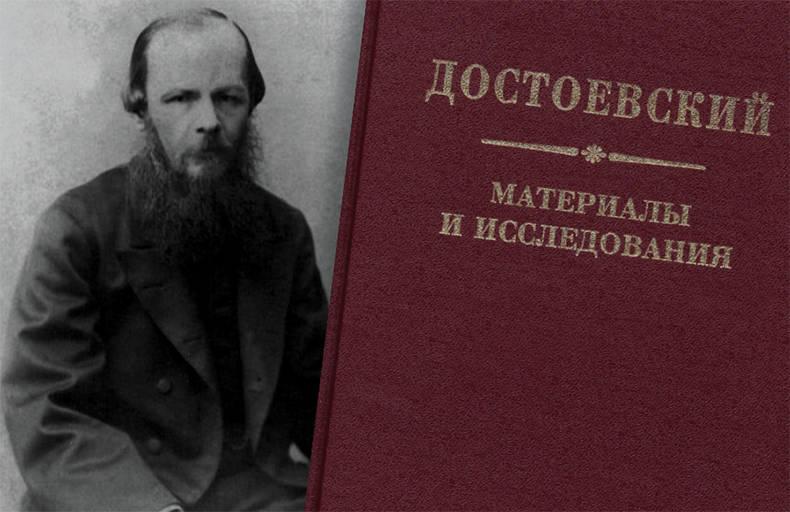
    The series Dostoevskii: materialy i issledovaniia (Достоевский: материалы и исследования, Dostoyevsky: Materials and Studies) is a companion to the 30 volume Collected Works of Fyodor Dostoyevsky, published by the Institute of Russian Literature of the Russian Academy of Sciences (Pushkinskii Dom).

    The series includes contemporary issues in Dostoyevsky scholarship, letters addressed to the writer, materials and documents covering his biography, critical analysis of his works, bibliographic materials and surveys, and articles on the influence of Dostoyevsky on Russian and foreign literature from the late 19th to the 20th century.

    Dostoevskii: materialy i issledovaniia is a continuing publication. The Dostoevskii Research Series e-book collection contains all 24 volumes published since 1974. The collection features full page-level digitization, complete original graphics, and searchable text, and is cross-searchable with numerous other Infoteka digital resources.