
Tolstye zhurnaly (толстые журналы), literally meaning “thick journals” in Russian, are a unique form of literary and cultural periodicals that have played a significant role in Russian intellectual life since the 19th century. These journals typically contain:
- New works of fiction (novels, short stories, poems)
- Literary criticism and essays
- Social and political commentary
- Cultural analysis
Unlike typical journals, tolstye zhurnaly are book-length publications, often running to several hundred pages per issue. In the Soviet Union and later in Russia, literary and artistic journals with a full volume of 192-256 pages received the informal name “thick journals.”
Many libraries have physical copies of these journals taking up hundreds of feet of shelf space. Infoteka is digitizing several of these classics, helping to free up valuable library shelf space and giving researchers easier access to these treasures of Russian culture.
Infoteka currently offers digital archives of ten key tolstye zhurnaly. These digital archives feature full page-level digitization, complete original graphics, and searchable text. Read below for title information and contact us for information on availability, pricing and trial access.
Digital Archives of Russian Thick Journals
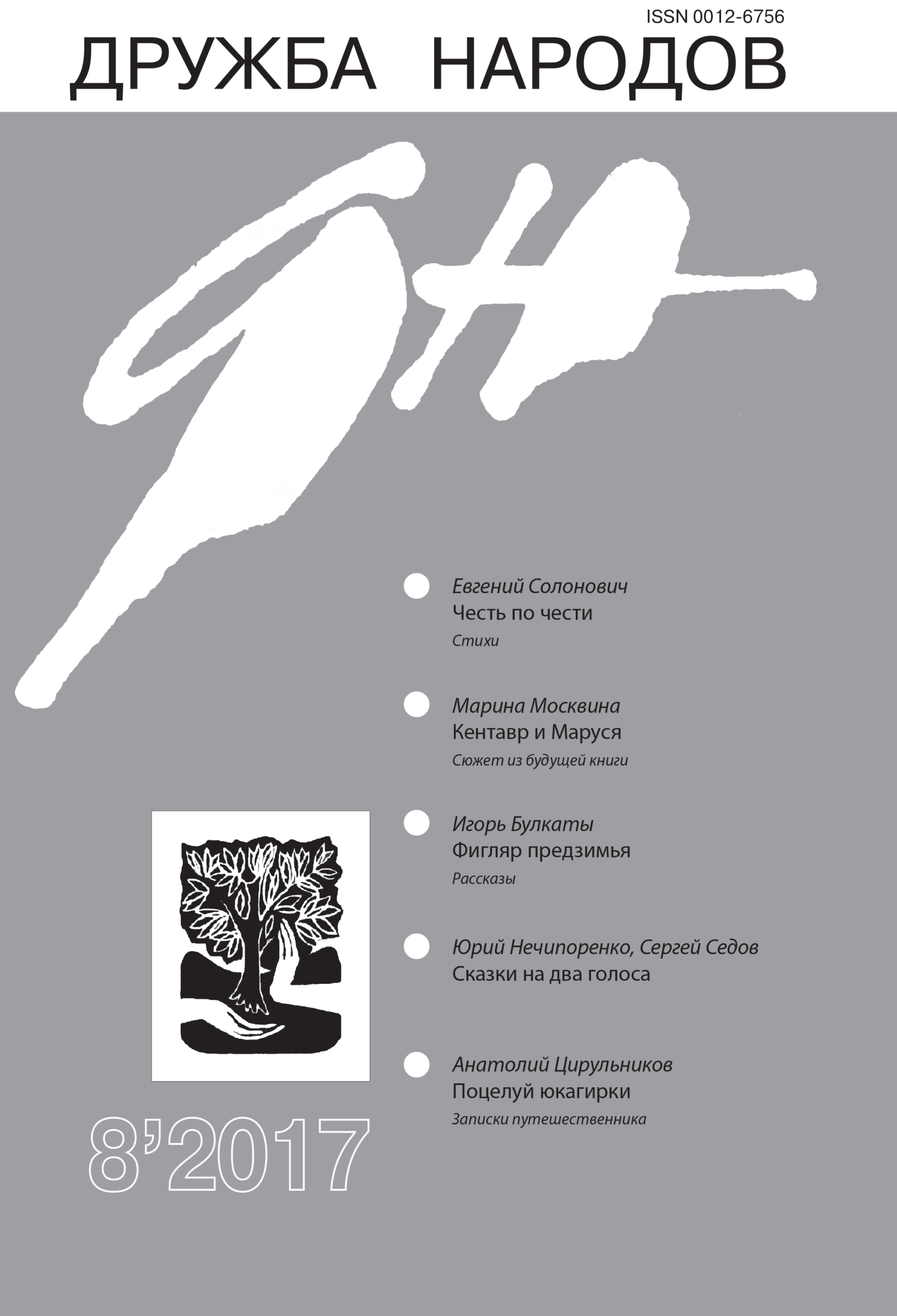
Druzhba Narodov Digital Archive (1939–2025)
Druzhba Narodov (Дружба народов, Friendship of the Peoples) first appeared in March 1939 as an almanac dedicated to bringing literature from the Soviet republics into a common Russian-language forum. From its earliest issues, the journal’s mission was to introduce readers in Moscow and Leningrad to prose and poetry written in Uzbek, Georgian, Armenian, and other languages of the USSR — always rendered into Russian to foster a sense of shared cultural space. Across decades, the journal published a wide range of major Soviet and post-Soviet authors and critics, including Viktor Astafiev, Vasyl Bykov, Rasul Gamzatov, Fazil Iskander, Bulat Okudzhava, Anatoly Rybakov, Alexander Tvardovsky, Vasily Shukshin, Lev Gumilev, Kornelii Chukovsky, Svetlana Alexievich, and many others.
Read more: infoteka.com/druzhba-narodov
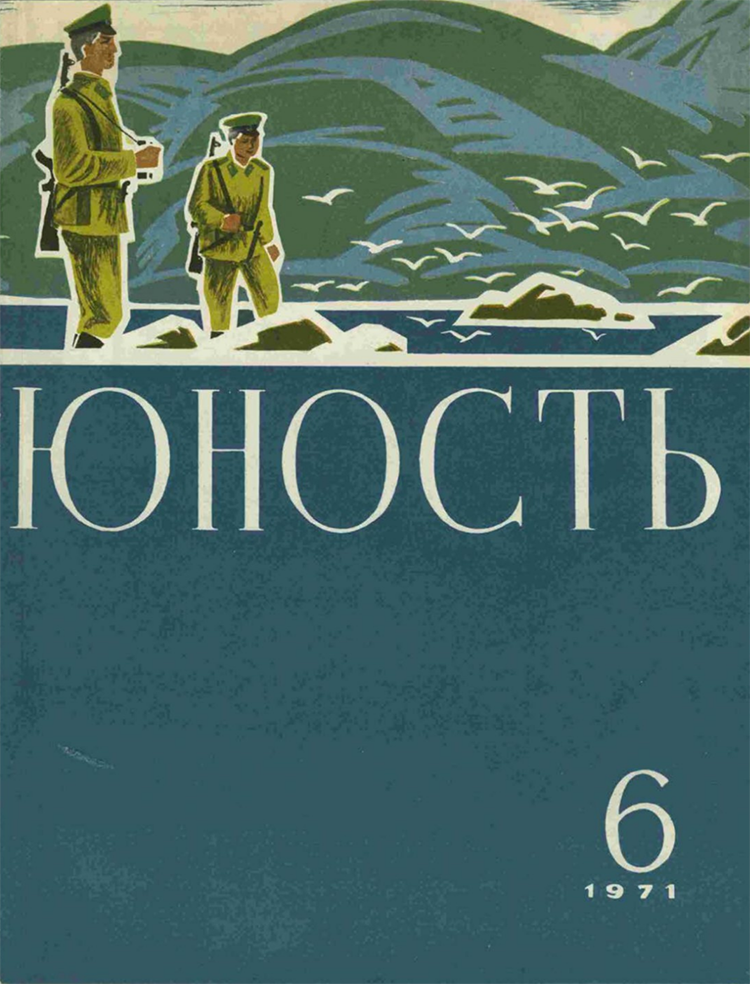
Iunost’ Digital Archive (1955–2025)
Iunost’ (Юность, Youth) is a literary magazine for family reading highlighting prose, poetry and journalistic writing. Very popular among Soviet intellectual elite, it appealed to a young readership, and contained an impressive poetry section. This publication also featured the significant, and occasionally controversial, works of Akhmatova, Akhmadulina, Okudzhava, Rozhdestvensky, Iskander, Aksyonov, Gladilin, and many others.
Read more: infoteka.com/iunost
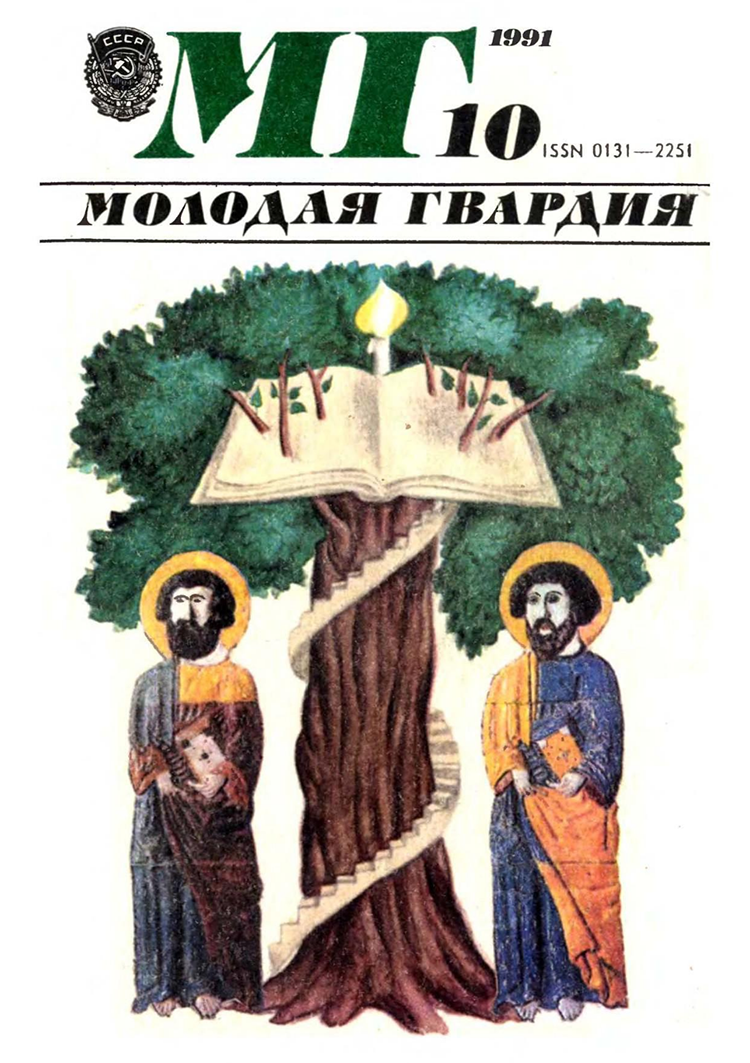
Molodaia Gvardiia Digital Archive (1922–2025)
Molodaia Gvardiia (Молодая гвардия, Young Guard) launched in Moscow in May 1922 under the Central Committee of the Russian Communist Youth Union. From the start, its mission was both literary and ideological: alongside luminaries like Sergei Yesenin, Vladimir Mayakovsky, and Dmitry Furmanov, it published fiction, poetry, and art aimed at boosting literacy and reinforcing revolutionary values. Across every era—from the fervent post-Revolution years and Stalinist pressures through Khrushchev’s Thaw, Brezhnev’s stagnation, perestroika, and into today’s Russian Federation—Molodaia Gvardia has stayed true to promoting Russian patriotism, Orthodox values, and respect for cultural traditions.
Read more: infoteka.com/molodaia-gvardiia
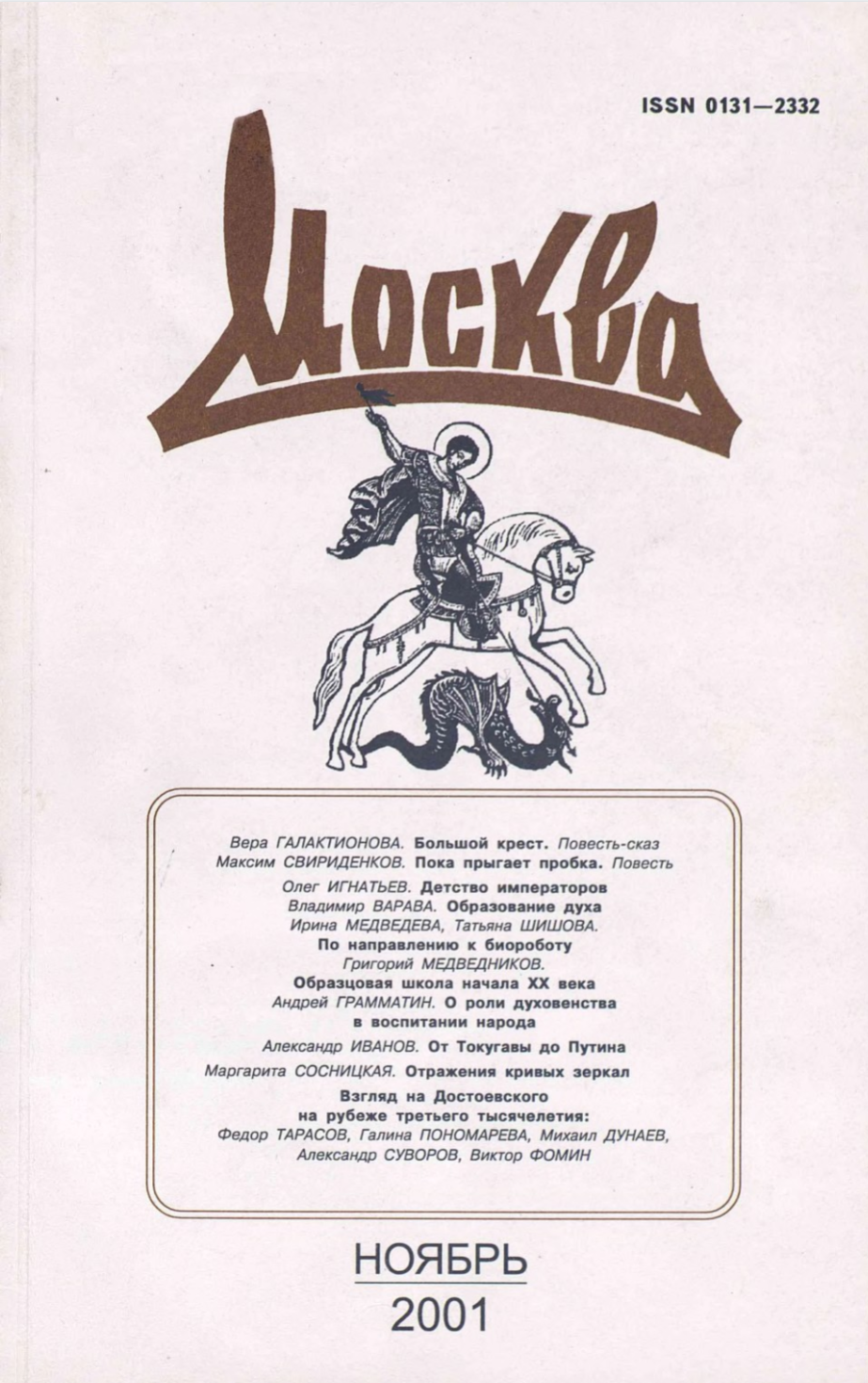
Moskva Digital Archive (1957–2025)
Moskva (Москва, Moscow) has consistently published works by contemporary writers, including prose, poetry, journalism, and criticism. Moskva holds particular historical significance as the first publisher of Mikhail Bulgakov’s masterpiece “The Master and Margarita” and Nikolai Karamzin’s monumental work “History of the Russian State.” Its pages have featured outstanding works of Russian literature by authors such as Bunin, Sholokhov, and Yulian Semyonov, alongside acclaimed international writers including Antoine de Saint-Exupéry, Ernest Hemingway, and William Faulkner.
Read more: infoteka.com/moskva
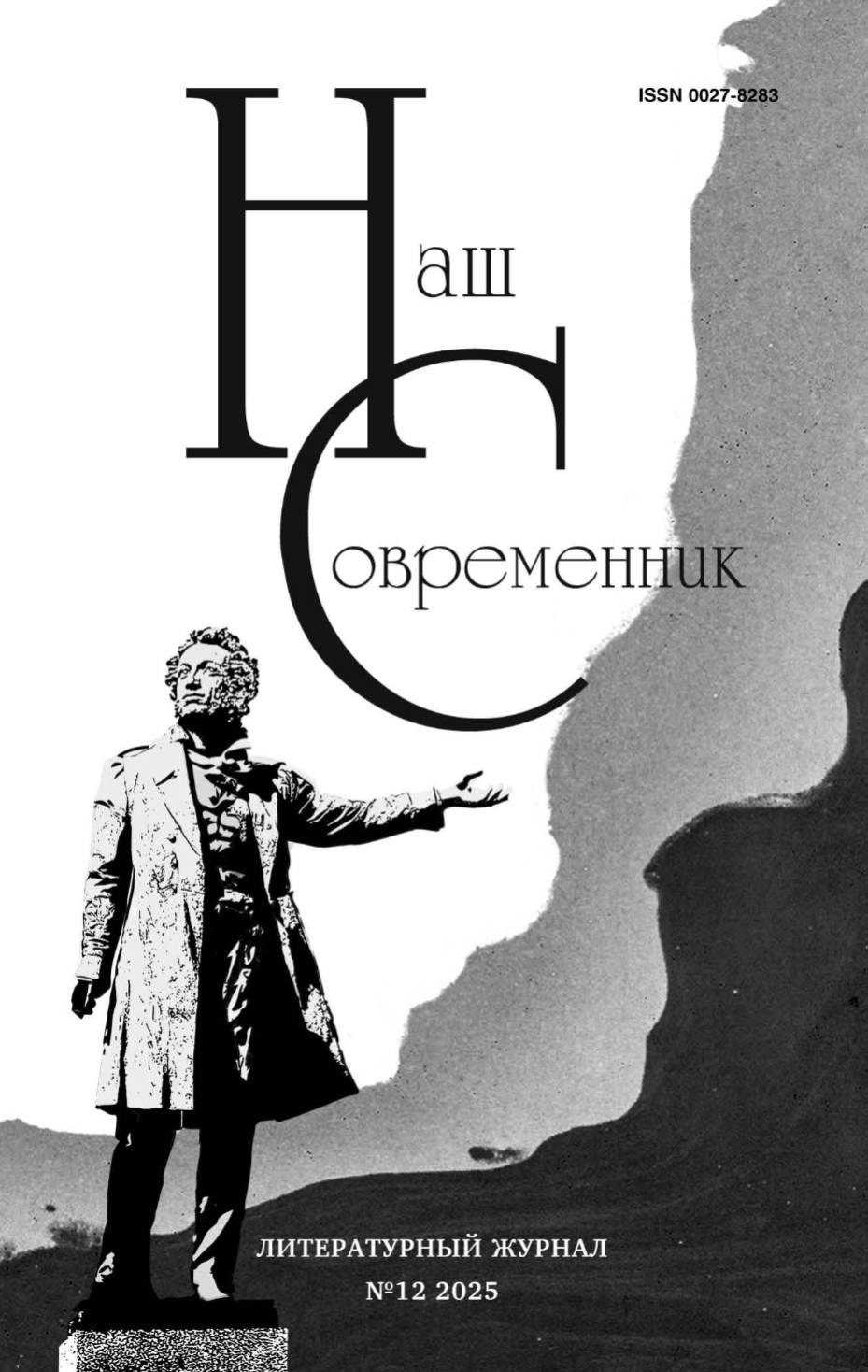
Nash Sovremennik Digital Archive (1933–2025)
Nash Sovremennik (Наш современник, Our Contemporary), a literary periodical of the Soviet and post-Soviet period, was founded in Moscow in 1956, having evolved from the literary journal Al’manakh (Альманах, Almanac), established by Maxim Gorky (pub. 1933–1955). Published under the auspices of the RSFSR Union of Writers, Nash Sovremennik was a pioneer in finding talent from the Russian glubinka and remote provinces, providing these writers with an important literary platform unavailable elsewhere. Since 1989, the journal has become an important literary and journalistic vehicle for Russian conservatives and traditionalists, attracting such political and literary figures as Gennadi Zyuganov, Nikolay Ryzhkov, Sergey Kara-Murza, Aleksandr Prokhanov, Zakhar Prilepin, and the controversial late Metropolital Ioann (Snychev).
Read more: infoteka.com/nash-sovremennik
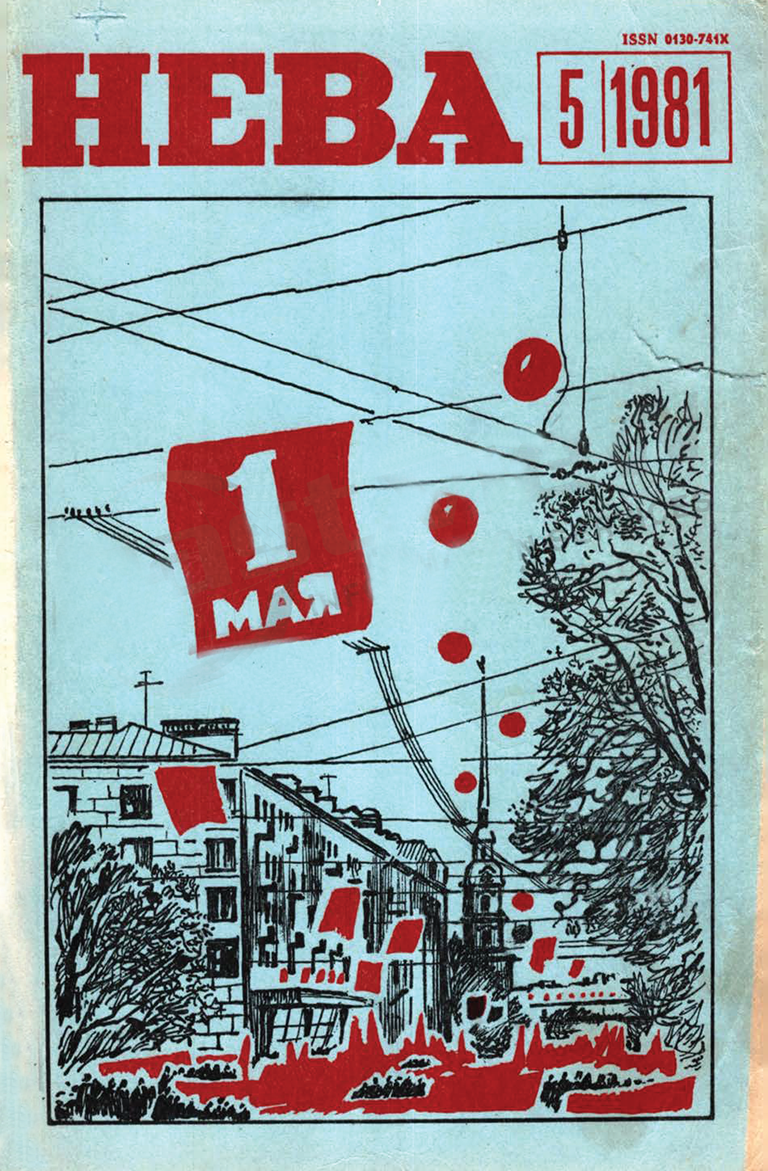
Neva Digital Archive (1955–2025)
Neva (Нева, Neva), throughout its history, has remained faithful to the traditions of Petersburg literary journalism. In every issue users will find a balanced mix of contemporary prose and poetry—alongside tightly documented essays and reviews. Neva’s pages have featured works by such luminaries as Mikhail Zoshchenko, Mikhail Sholokhov, Viktor Kaverin, Lydia Chukovskaya, Lev Gumilev, Dmitry Likhachev, Aleksandr Solzhenitsyn, Dmitry Granin and Viktor Dudintsev, among others.
Read more: infoteka.com/neva
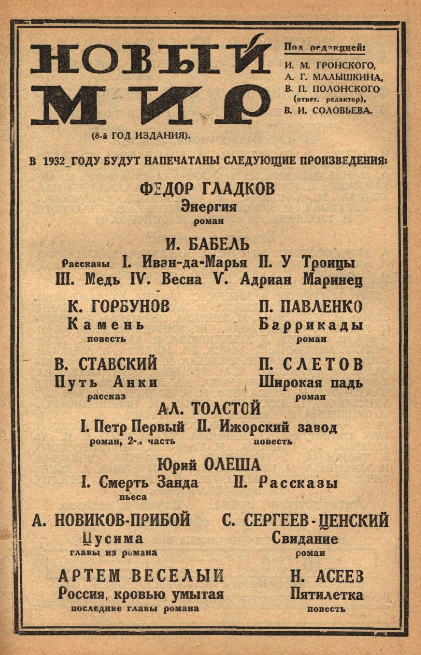
Novyi Mir Digital Archive (1925–2025)
Novyi Mir (Новый мир, New World) is a Russian literary magazine that won international fame in the 1960s, when it published Solzhenitsyn’s One Day in the Life of Ivan Denisovich. It became a watershed moment that signaled a brief liberal turn during Khrushchev’s Thaw. In the late 1980s, as glasnost took hold, Novyi Mir became the first Soviet journal to run previously banned masterpieces—Pasternak’s Doctor Zhivago, Platonov’s Kotlovan, Orwell’s 1984, and Solzhenitsyn’s The Gulag Archipelago—sending its circulation soaring to over 2.6 million copies for the January 1990 issue.
Read more: infoteka.com/novyi-mir
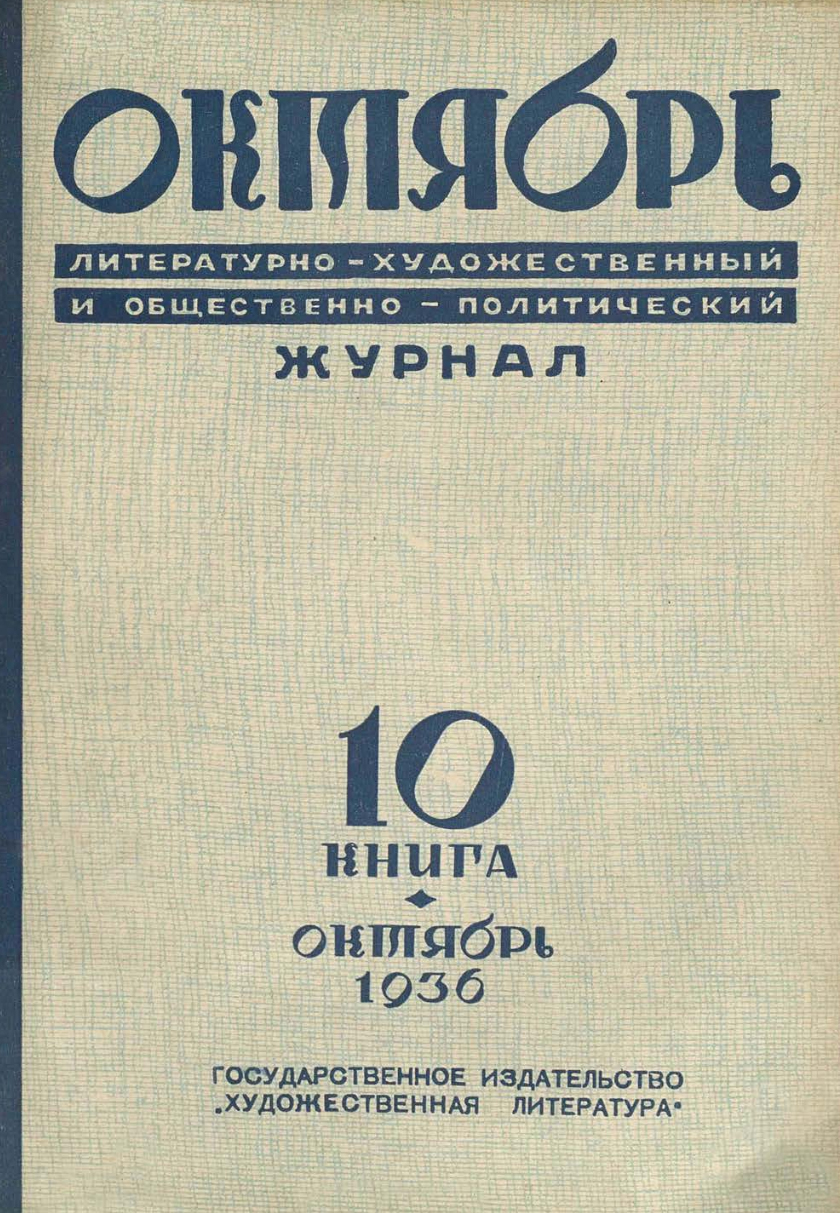
Oktiabr’ Digital Archive (1924–2018)
Oktiabr’ (Октябрь, October) served as a crucial platform for both established and emerging voices in Russian literature. Throughout its history, the journal published works by literary giants such as Sergei Yesenin, Vladimir Mayakovsky, Mikhail Zoshchenko, and Andrei Platonov, alongside international authors including Lion Feuchtwanger, Romain Rolland, and Theodore Dreiser. The archive captures the journal’s evolution from its early years through the Soviet period and into post-Soviet Russia, reflecting the dramatic changes in Russian society and intellectual thought.
Read more: infoteka.com/oktiabr
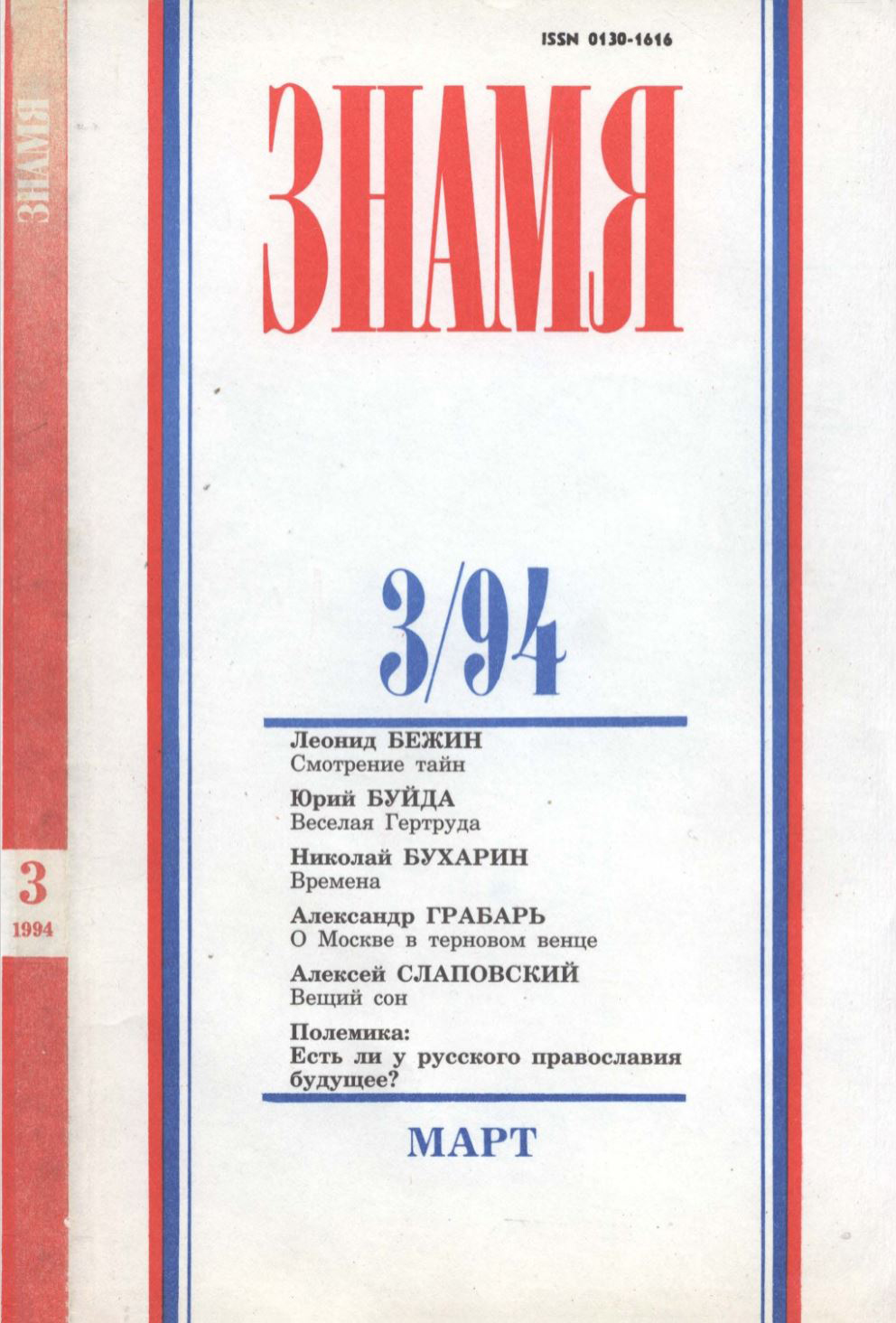
Znamia Digital Archive (1931–2025)
Znamia (Знамя, Banner) spans over nine decades and serves as a treasure trove of intellectual and artistic contributions. Originally launched in January 1931 under the name LOKAF (Локаф), an acronym for the Literary Association of the Red Army and Navy, the journal was officially rebranded as Znamia in 1933. Throughout its history, Znamia has been a pivotal venue for showcasing the works of preeminent authors such as Anna Akhmatova, Alexander Tvardovsky, Yevgeny Yevtushenko, Konstantin Paustovsky, Yuri Kazakov, and Yuri Trifonov.
Read more: infoteka.com/znamia
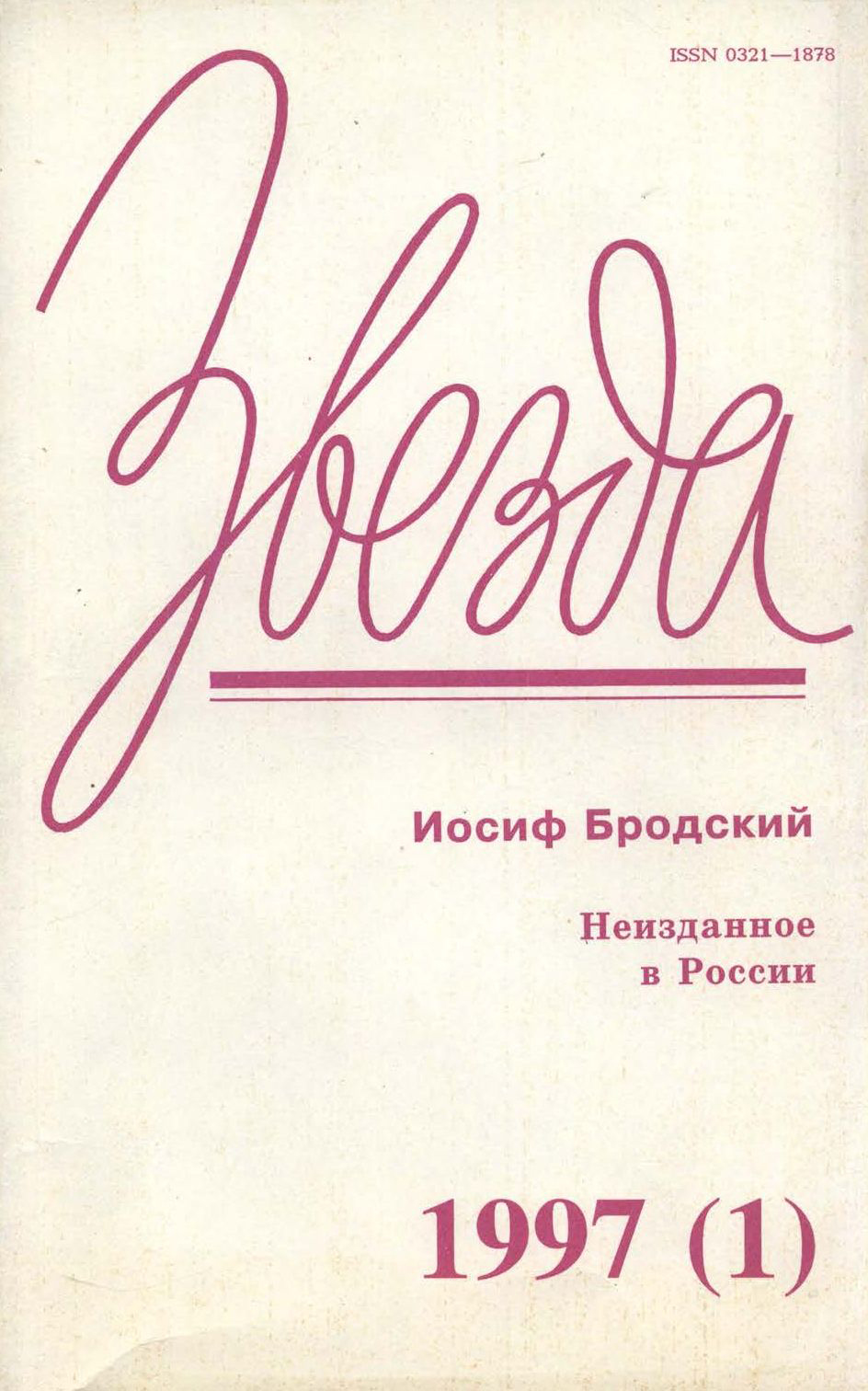
Zvezda Digital Archive (1924–2025)
Zvezda (Звезда, The Star) has been a key resource of Russian intellectual and literary circles for a century. The journal’s longevity and resilience through tumultuous periods of Soviet history, including the Siege of Leningrad and Stalinist repression, make it an essential resource for understanding the complexities of Russian cultural development over the past century.
Read more: infoteka.com/zvezda