Time Period: Post-Soviet

  • Russian Mining and Earth Sciences

    Russian Mining and Earth Sciences

    Full-text journals and other sources covering geology, mining, mineral processing, geophysics, and related fields.

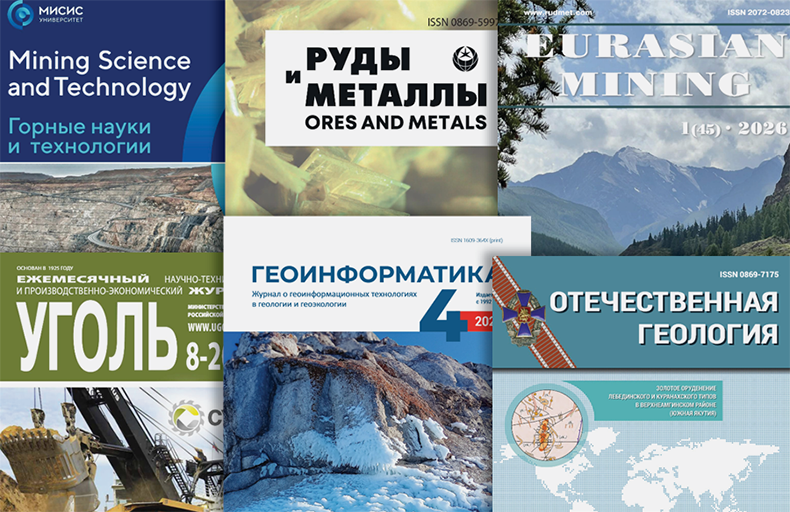
    Russian Mining and Earth Sciences is a multidisciplinary database of leading Russian scholarly and professional journals covering mining, geology, geophysics, mineral resources, and related earth sciences.

    The database brings together research and professional literature on mineral exploration and extraction, mining technologies, blasting, mine surveying, ore beneficiation, coal, ores and metals, and subsoil use. Its expanded geological coverage includes general and engineering geology, geophysics, ore-deposit geology, stratigraphy, geological correlation, and regional and applied geological research.

    The collection also covers geoinformatics, land management, cadastral systems, hydrology, meteorology, and other disciplines concerned with the study, development, and management of the Earth’s resources and environment.

    Drawing on specialized scientific journals as well as publications from major Russian universities and research institutions, Russian Mining and Earth Sciences provides researchers, engineers, students, and specialists with access to Russian scholarship and technical expertise in mining, geology, mineral resources, and the earth sciences.

    Russian Mining and Earth Sciences Titles

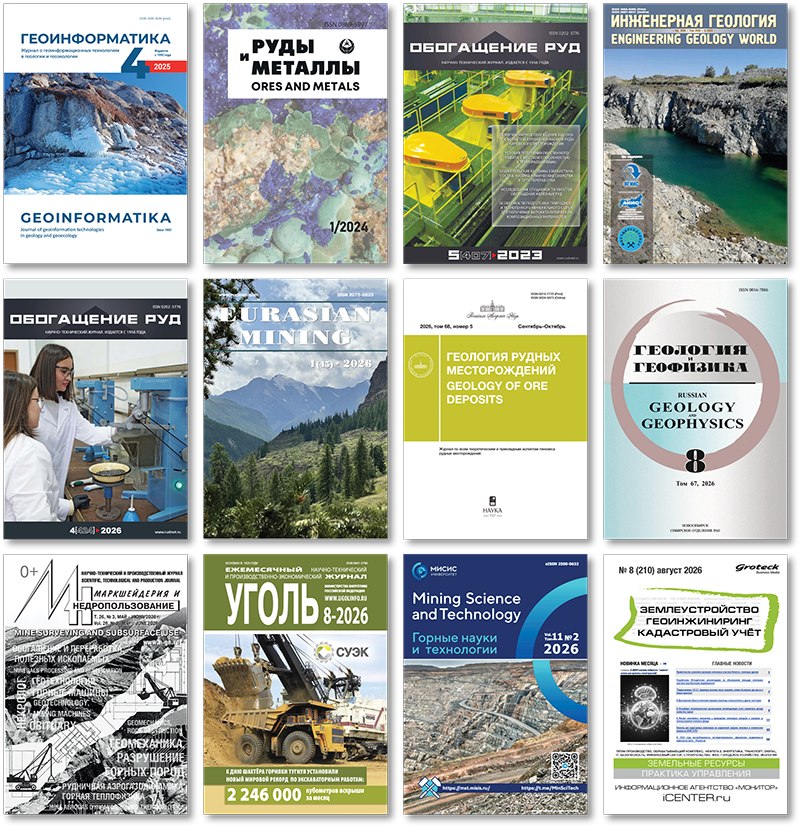
    Active titles in Russian Mining and Earth Sciences include:

    • Biulleten’ Moskovskogo obshchestva ispytatelei prirody. Otdel geologicheskii (Bulletin of the Moscow Society of Naturalists. Geological Series)
    • Eurasian Mining
    • Geoinformatika (Geoinformatics)
    • Geologiia i geofizika (Geology and Geophysics)
    • Geologiia rudnykh mestorozhdenii (Geology of Ore Deposits)
    • Gornaia promyshlennostʹ (Mining Industry)
    • Gornye nauki i tekhnologii (Mining Science and Technology)
    • Gornyi informatsionno-analiticheskii biulleten’ (Mining Information and Analytical Bulletin)
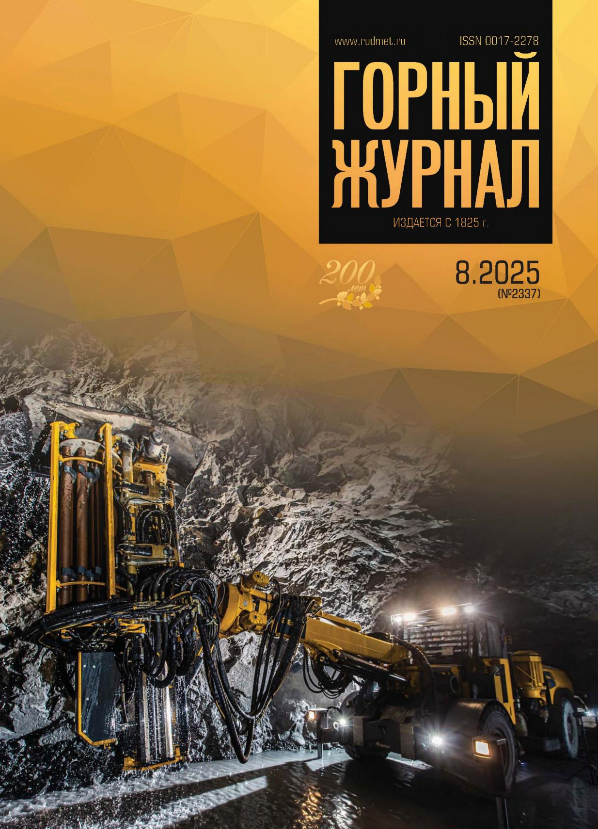
    • Gornyi zhurnal (Mining Journal)
    • Inzhenernaia geologiia (Engineering Geology)
    • Marksheideriia i nedropolʹzovanie (Mine Surveying and Subsoil Use)
    • Meteorologiia i gidrologiia (Meteorology and Hydrology)
    • Obogashchenie rud (Ore Beneficiation)
    • Otechestvennaia geologiia (Russian Geology)
    • Rudy i metally (Ores and Metals)
    • Stratigrafiia. Geologicheskaia korreliatsiia (Stratigraphy and Geological Correlation)
    • Ugol’ (Coal)
    • Vestnik Moskovskogo universiteta. Seriia 04. Geologiia (Moscow University Bulletin. Series 4: Geology)
    • Vestnik Sankt-Peterburgskogo universiteta. Nauki o Zemle (Saint Petersburg University Bulletin. Earth Sciences)
    • Vzryvnoe delo (Blasting)
    • Zemleustroistvo. Geoinzhiniring. Kadastrovyi uchet (Land Management, Geoengineering, and Cadastral Registration)

    See title list for more information about each title.
  • Slavic and Judaica E-books

    Slavic and Judaica E-books

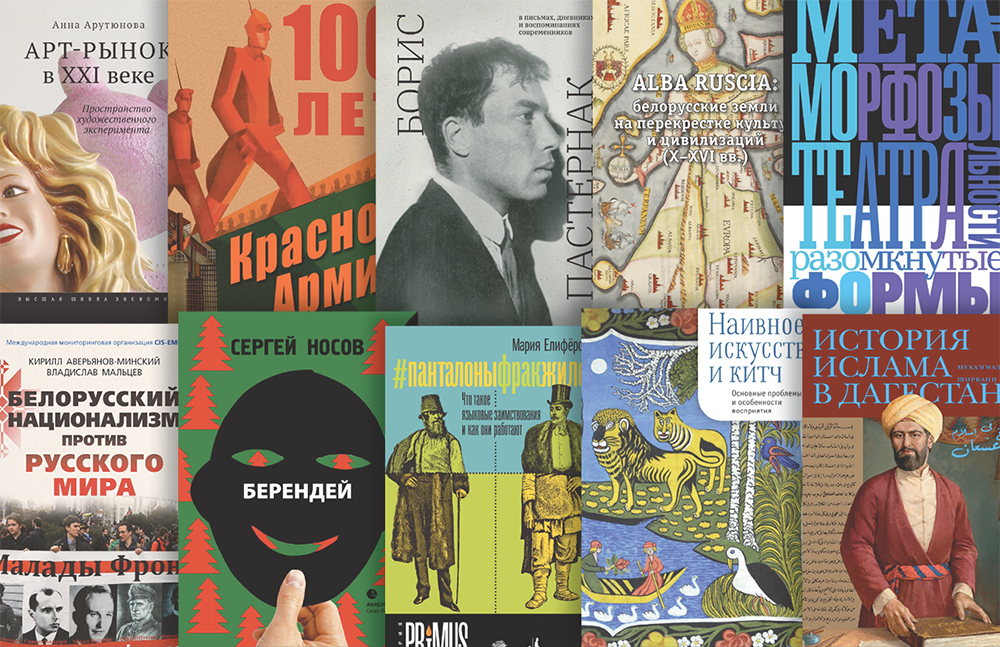
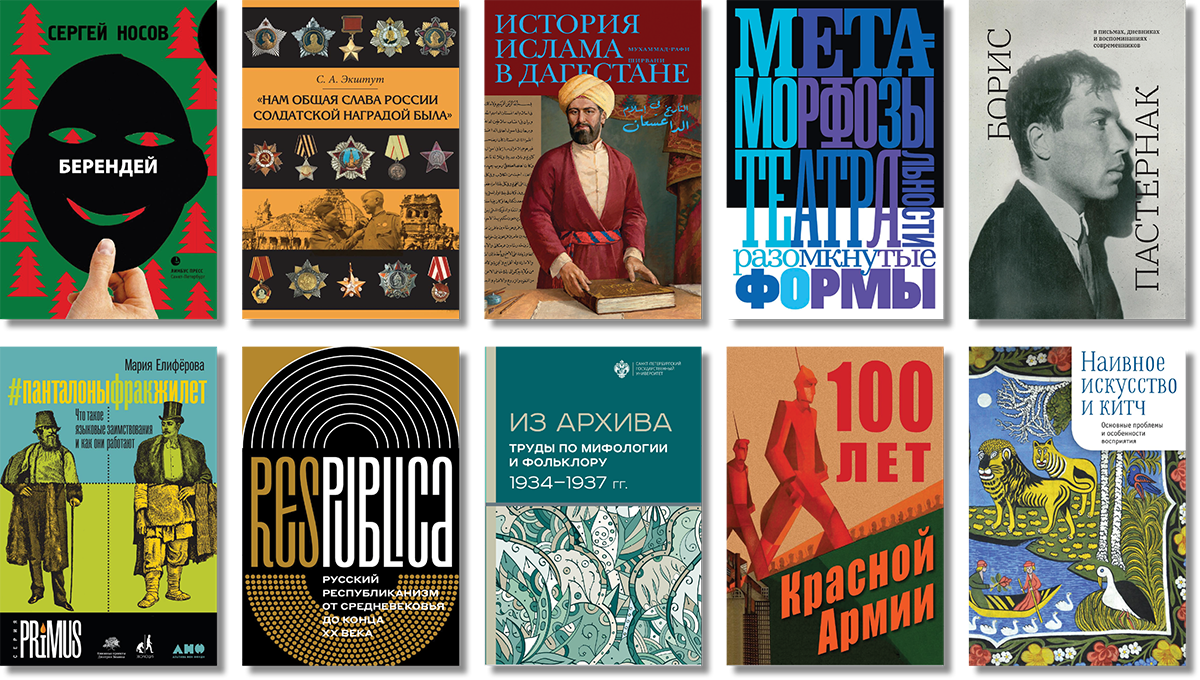
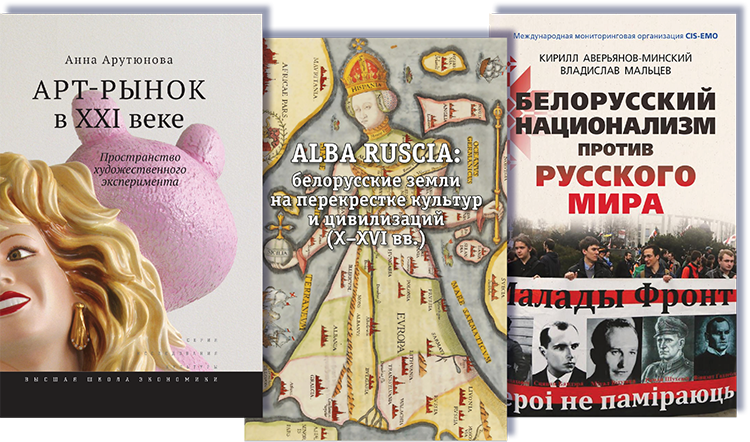
    Infoteka offers a growing selection of e-books on hundreds of topics from premier scholarly publishers in Russia, Belarus, and Central Asia. Choose from among classics, modern literature, popular fiction, scholarly titles, and more, as single titles or publisher sets.

    Infoteka’s intuitive e-book platform allows users to search within individual works, whole collections, and cross-search between e-book collections and your other online Infoteka resources. E-books may be supplied through an approval plan program or as firm orders

  • Infoteka Publications

    Infoteka Publications

    English-language journals on a wide range of topics.

    Infoteka Publications Titles

    Quarterly | archive depth 2000-current | full text; newer issues are full text and full image (article-based PDF)

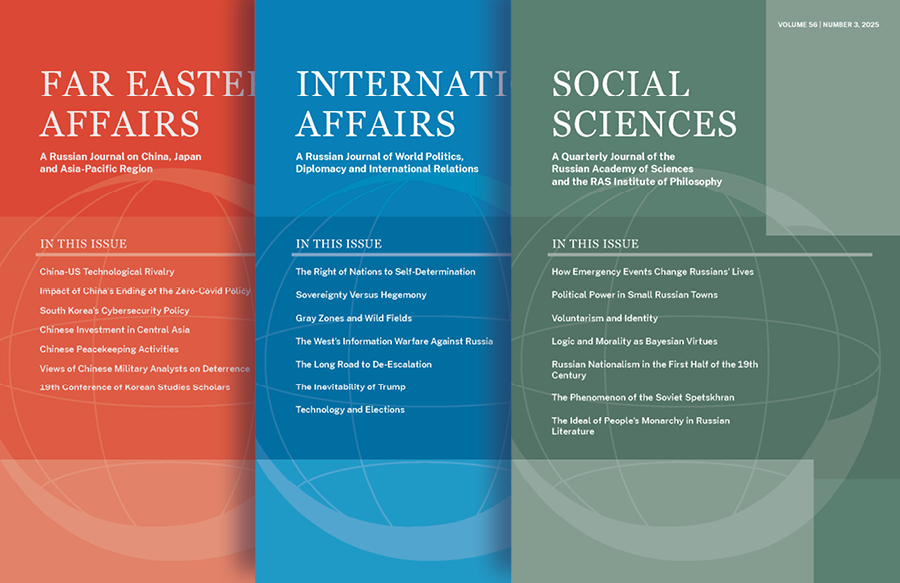
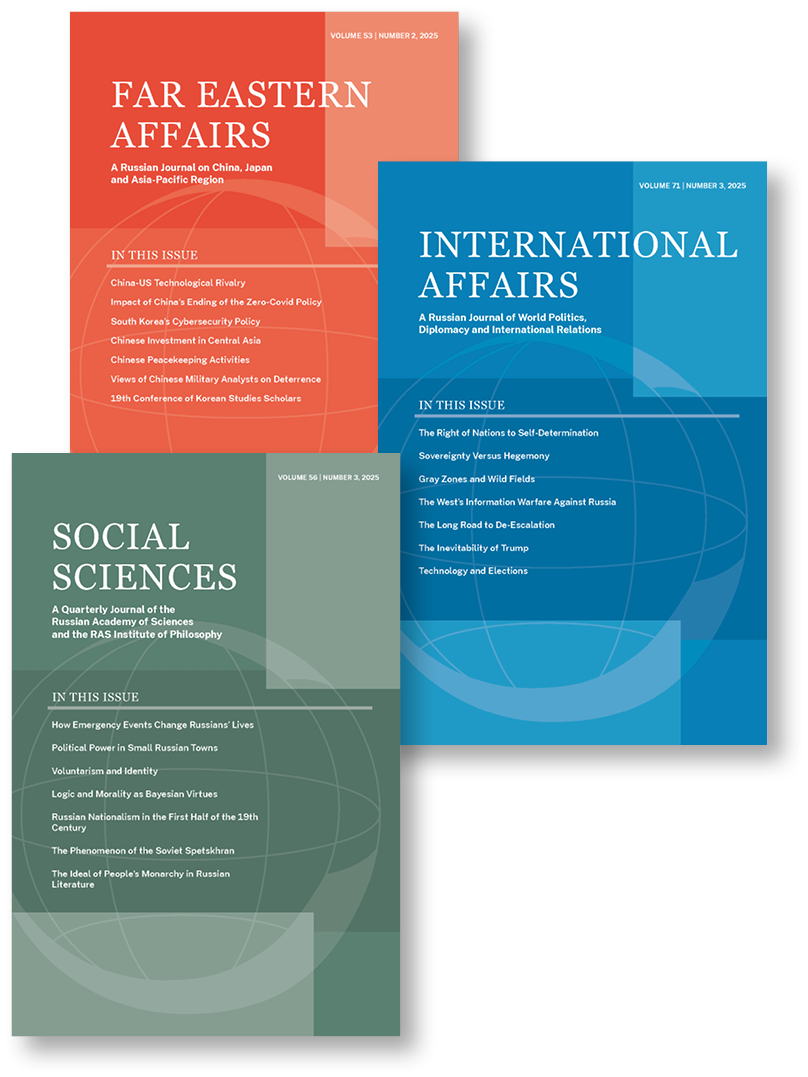
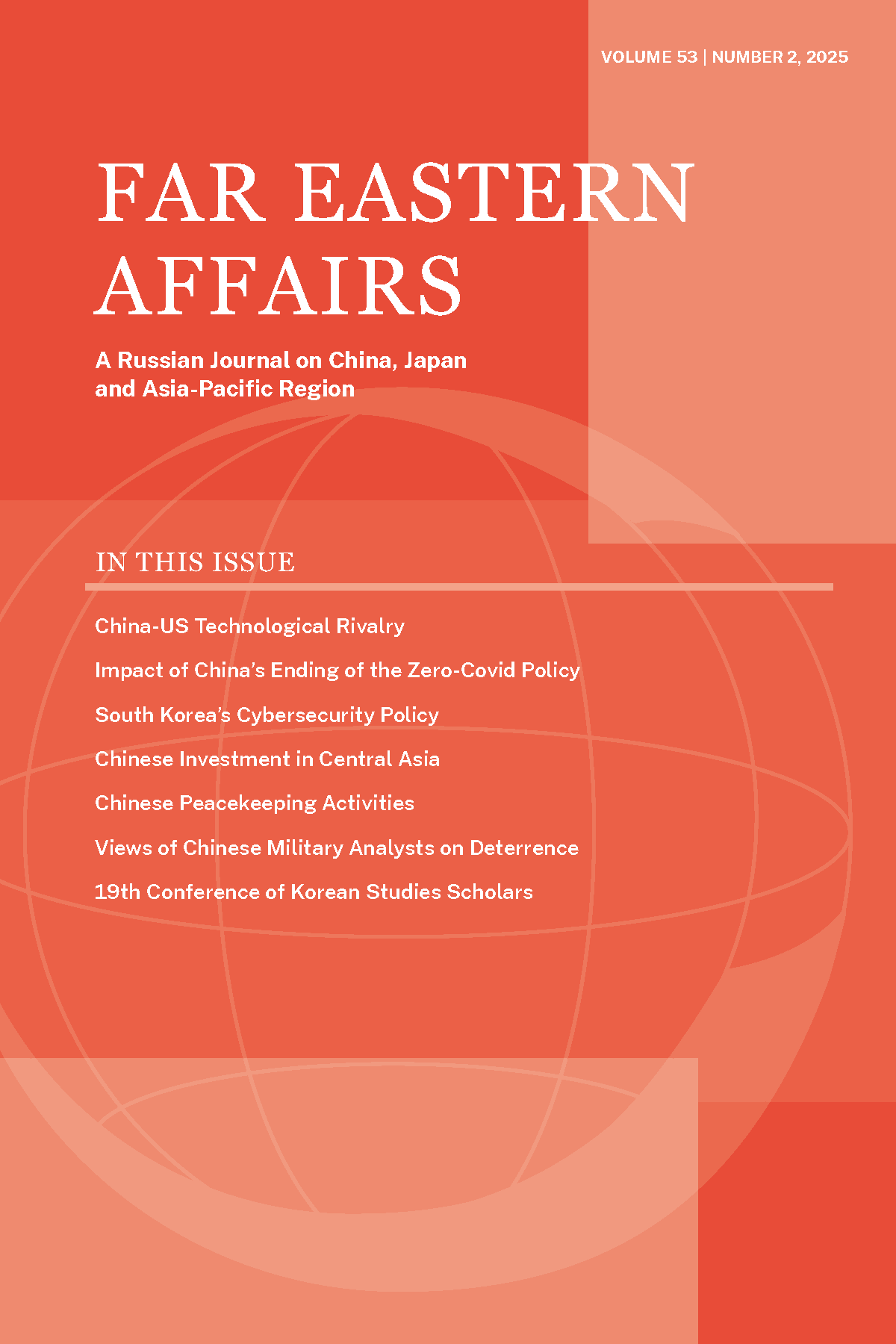
    A quarterly journal of the Institute for Far Eastern Studies at the Russian Academy of Sciences. This peer-reviewed journal provides in-depth multidisciplinary and interdisciplinary discussion of Russia’s relations with China, Japan, North and South Korea, as well as other countries of the Asia-Pacific region. Russia’s relations with this region, and with China in particular, are key to understanding the shifting balance of power in today’s world. Far Eastern Affairs is an excellent resource for gaining insight into this region and Russia’s role in it.

    Also available:

    Current year subscription (print or online)

    Complete digital archive of Far Eastern Affairs (1974-current)


    Bimonthly | archive depth 2000-current | full text; newer issues are full text and full image (article-based PDF)

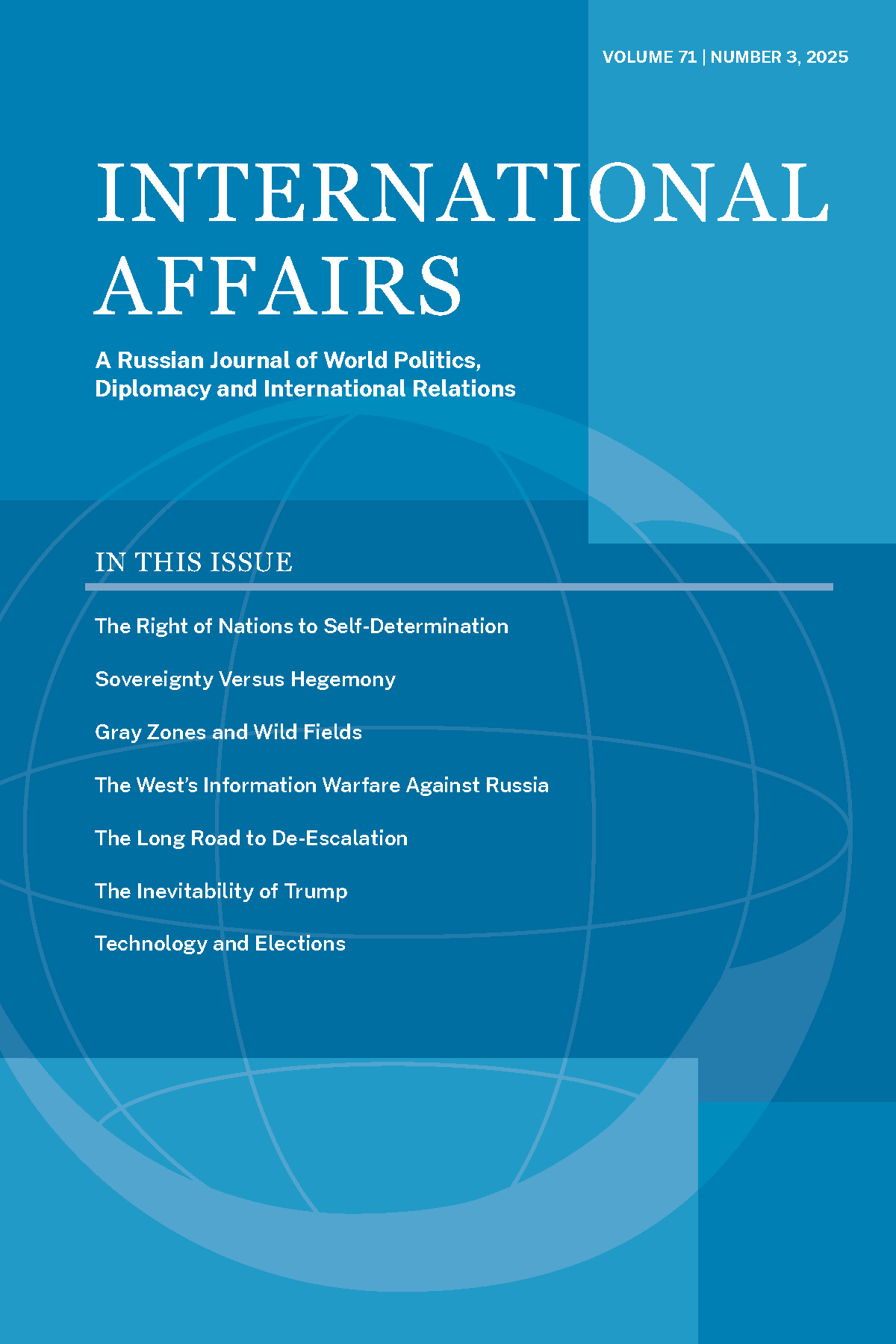
    Offering unique, first-hand analysis of major foreign policy and security issues facing Russia and other former Soviet republics, this internationally renowned journal is the English translation of the Russian-language journal Mezhdunarodnaia zhizn, which is published by the Ministry of Foreign Affairs of the Russian Federation. The editorial board of this journal is traditionally headed by the minister himself, while the journal’s contributors are primarily experienced, high-ranking diplomats. As such, International Affairs is an excellent primary source for anyone interested in the course of Russian policy in foreign affairs.

    Also available:

    Current year subscription (print or online)

    Complete digital archive of International Affairs (1955-current)


    Quarterly | archive depth 1998-current | full text; newer issues are full text and full image (article-based PDF)

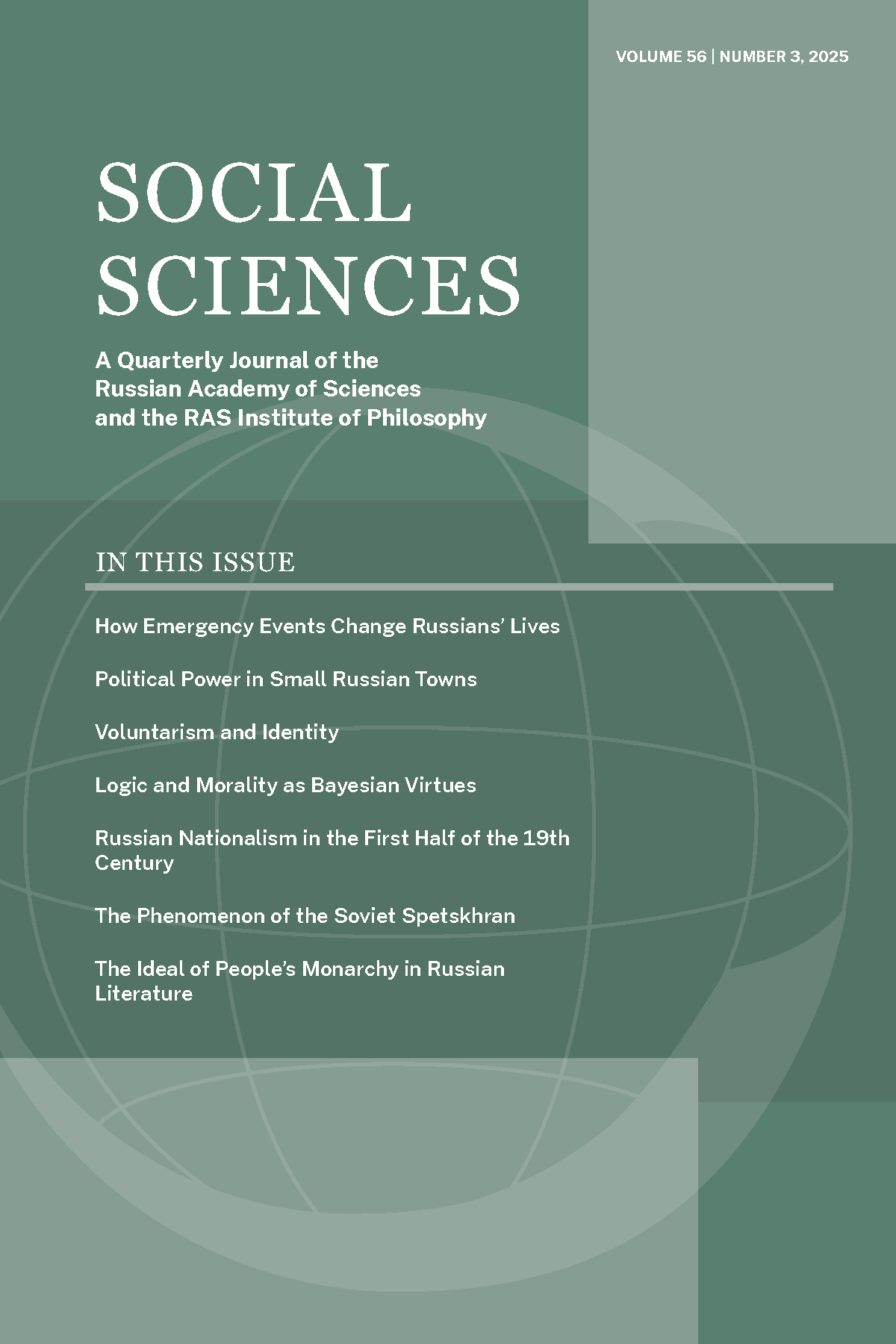
    Founded in 1970, Social Sciences has become an important and a unique platform for prominent papers and studies selected from various institutes of the Russian Academy of Sciences. This peer-reviewed journal cover the most pressing issues of Russia’s social and economic development, featuring articles on philosophy, history, economics, politics, sociology, law, philology, psychology, ethnography, archaeology, literature, culture, and more.

    Also available:

    Current year subscription (print or online)

    Complete digital archive of Social Sciences (1970-current)

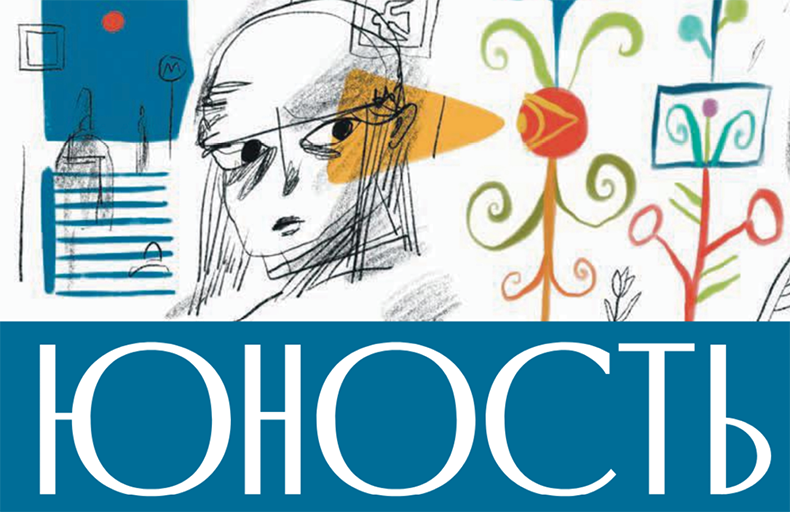
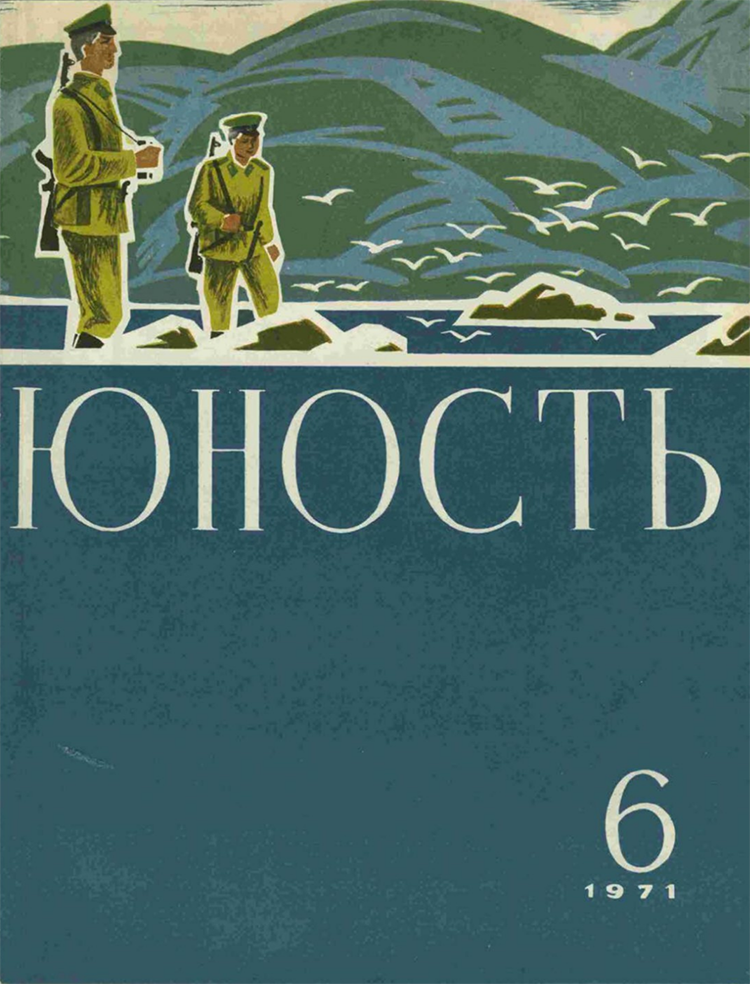
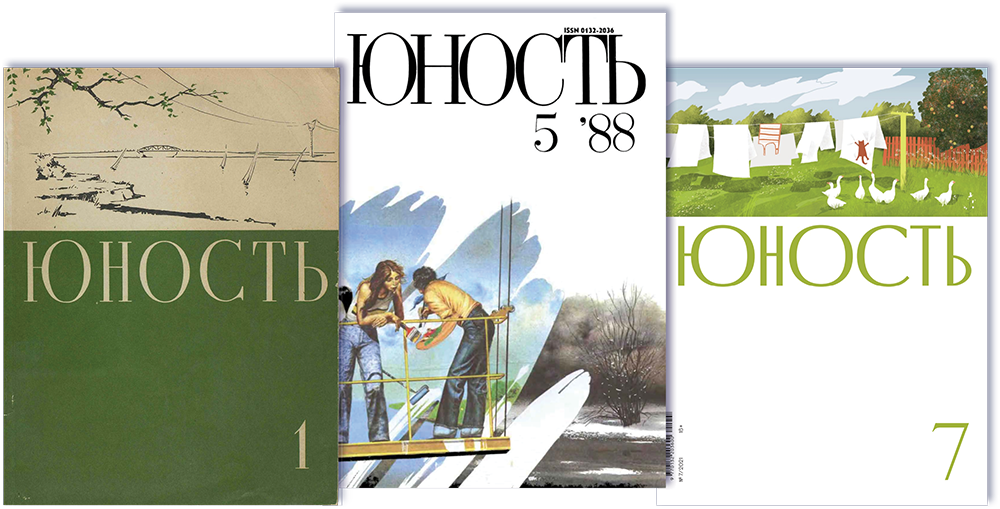
  • Iunost’ Digital Archive

    Iunost’ Digital Archive

    Influential illustrated literary journal geared toward younger readers.

    The Iunost’ Digital Archive provides scholars with a rich primary-source record of Soviet and post-Soviet literary culture, youth identity, intellectual life, and changing boundaries of permissible expression. Beyond fiction and poetry, the journal engaged with contemporary society through writing on science and technology, sports, popular culture, art, and public debate. Its illustrated format, color art inserts, humor sections, and discussion forums make it a valuable resource not only for literary studies, but also for research in Soviet cultural history, media studies, visual culture, youth studies, censorship, and the history of everyday life.

    For academic libraries, the Iunost’ Digital Archive offers access to a publication that helped shape the literary and cultural experience of multiple generations. The archive enables researchers and students to trace the emergence of major authors, examine literary experimentation during the Thaw and later Soviet decades, study the interaction between cultural liberalization and political constraint, and follow the journal’s continued evolution after 1991 as an independent Russian literary publication. As a sustained record of literary discovery, cultural change, and youth-oriented public discourse, the archive is an essential addition to collections supporting Slavic studies, Russian literature, Soviet history, and modern European cultural research.

    The Iunost’ Digital Archive offers scholars the most comprehensive collection available for this title, with an additional year’s worth of content available for purchase on an annual basis. It includes fully searchable scans of every issue, preserving the visual and textual richness of the original print editions, and is cross-searchable with numerous other Infoteka digital resources.

    More about the Soviet “Thick Journals”

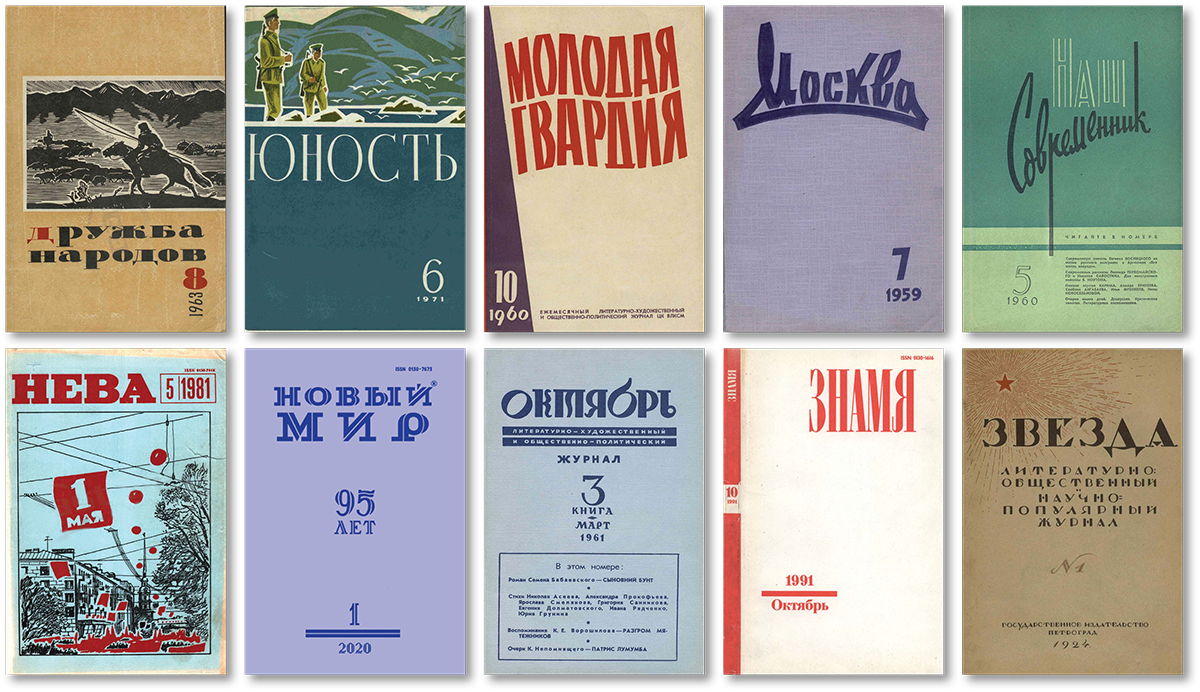
    The famed Soviet tolstye zhurnaly, or “thick journals,” were significant platforms for literary and intellectual discourse. Tolstye zhurnaly such as Iunost’ played a complex and multifaceted role in Soviet intellectual and literary life. They were not merely publications but institutions that shaped and were shaped by the cultural, intellectual, and political currents of their time. These journals served multiple roles:

    They acted as repositories of high culture, preserving the intellectual and literary achievements of the era. Given the limited avenues for independent publishing, these journals were the primary platforms where established and emerging writers could reach an audience.

    State-Controlled Outlets. While they were crucial platforms for intellectual and artistic expression, it’s important to remember that these journals were often used to propagate official ideologies, and the works published in them usually underwent rigorous censorship.

    Academic Importance. For academics studying the Soviet period, tolstye zhurnaly offer a valuable glimpse into the state-sanctioned intellectual climate of the time. They provide context for how literature and intellectual thought evolved under different political and social conditions.

    Catalysts for Change. During more liberal periods, such as the Khrushchev Thaw and the perestroika years, tolstye zhurnaly could act as catalysts for change, pushing the boundaries of what was acceptable to discuss and publish.

  • Molodaia Gvardiia Digital Archive

    Molodaia Gvardiia Digital Archive

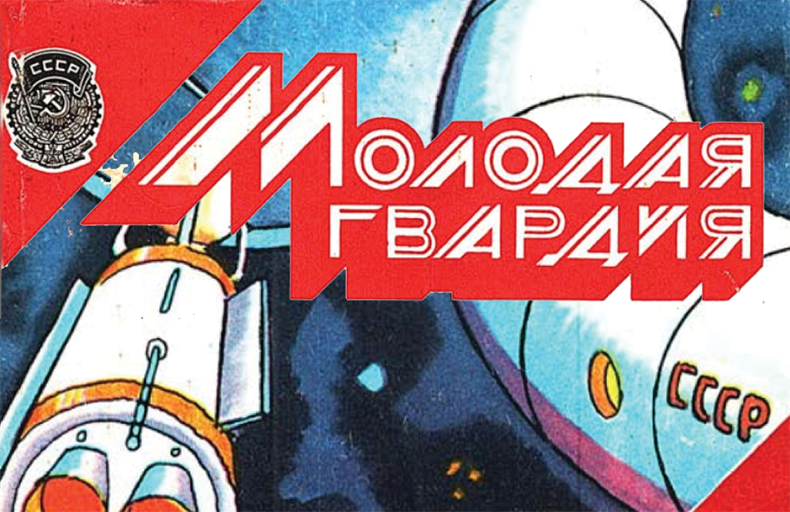
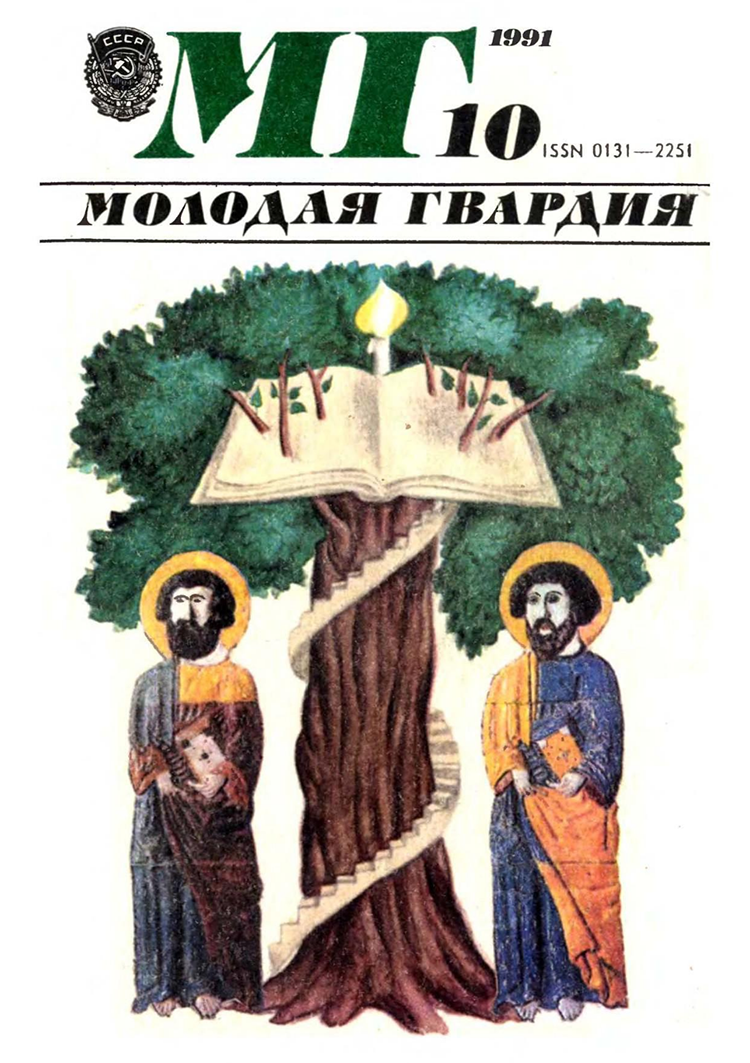
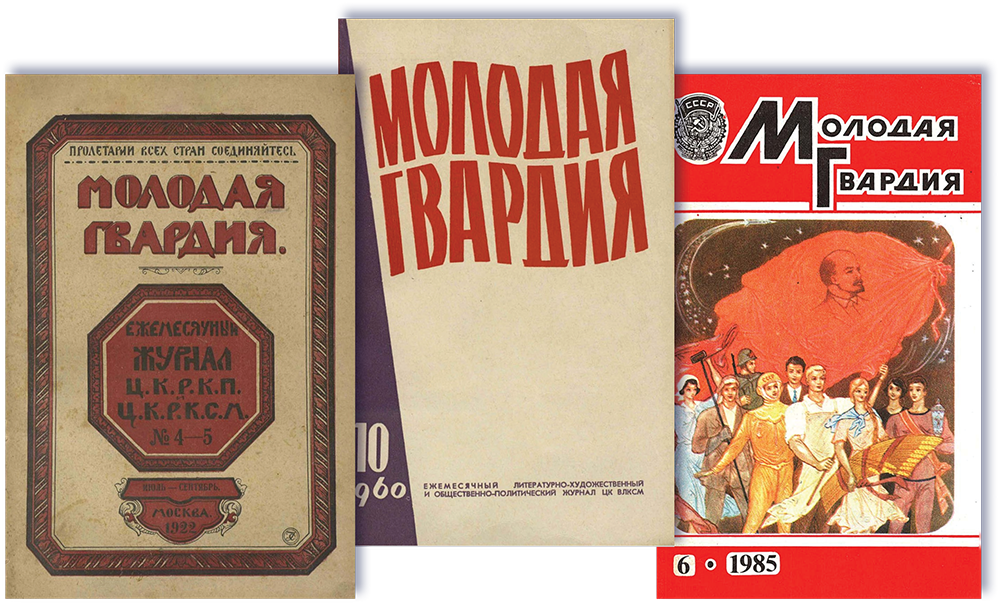
    Official journal of the Young Communist League, tasked with shaping Soviet youth.

    From its early years, Molodaia Gvardiia served as a cultural training ground for aspiring Soviet writers and political thinkers, with early works by figures like Osip Mandelstam and Mikhail Sholokhov. Over the decades, it played a central role in shaping what would later be known as Russophile discourse, particularly during and after the Khrushchev Thaw.

    In the post-war decades, the journal came to be associated with a nationalist and traditionalist line. During the Gorbachev years, Molodaia Gvardiia was among the few Soviet journals that openly resisted perestroika, becoming a voice for those opposed to liberalization. Though its audience has diminished in the post-Soviet period, Molodaia Gvardiia remains a living institution of Russian conservative thought and literary life. Since 2009, it has been edited by Valerii Khatushin and continues to be published monthly in Moscow.

    The Molodaia Gvardiia Digital Archive provides researchers, students, and historians with a unique window into Soviet and post-Soviet cultural and ideological dynamics, spanning a century of literary evolution, political debate, and generational change. Users can trace the journal’s transformation over time: from its foundational role in Soviet youth mobilization and its post-war embrace of conservative, Russophile thought, to its defiant stance during the Gorbachev era and continued relevance in contemporary Russian discourse.

    This comprehensive resource includes fully searchable scans of every issue, preserving the visual and textual richness of the original print editions. The archive offers scholars the most comprehensive collection available for this title, with an additional year’s worth of content available for purchase on an annual basis. The archive is cross-searchable with numerous other Infoteka digital resources.

    More about the Soviet “Thick Journals”

    The famed Soviet tolstye zhurnaly, or “thick journals,” were significant platforms for literary and intellectual discourse. Tolstye zhurnaly such as Molodaia Gvardiia played a complex and multifaceted role in Soviet intellectual and literary life. They were not merely publications but institutions that shaped and were shaped by the cultural, intellectual, and political currents of their time. These journals served multiple roles:

    They acted as repositories of high culture, preserving the intellectual and literary achievements of the era. Given the limited avenues for independent publishing, these journals were the primary platforms where established and emerging writers could reach an audience.

    State-Controlled Outlets. While they were crucial platforms for intellectual and artistic expression, it’s important to remember that these journals were often used to propagate official ideologies, and the works published in them usually underwent rigorous censorship.

    Academic Importance. For academics studying the Soviet period, tolstye zhurnaly offer a valuable glimpse into the state-sanctioned intellectual climate of the time. They provide context for how literature and intellectual thought evolved under different political and social conditions.

    Catalysts for Change. During more liberal periods, such as the Khrushchev Thaw and the perestroika years, tolstye zhurnaly could act as catalysts for change, pushing the boundaries of what was acceptable to discuss and publish.

  • Zvezda Digital Archive

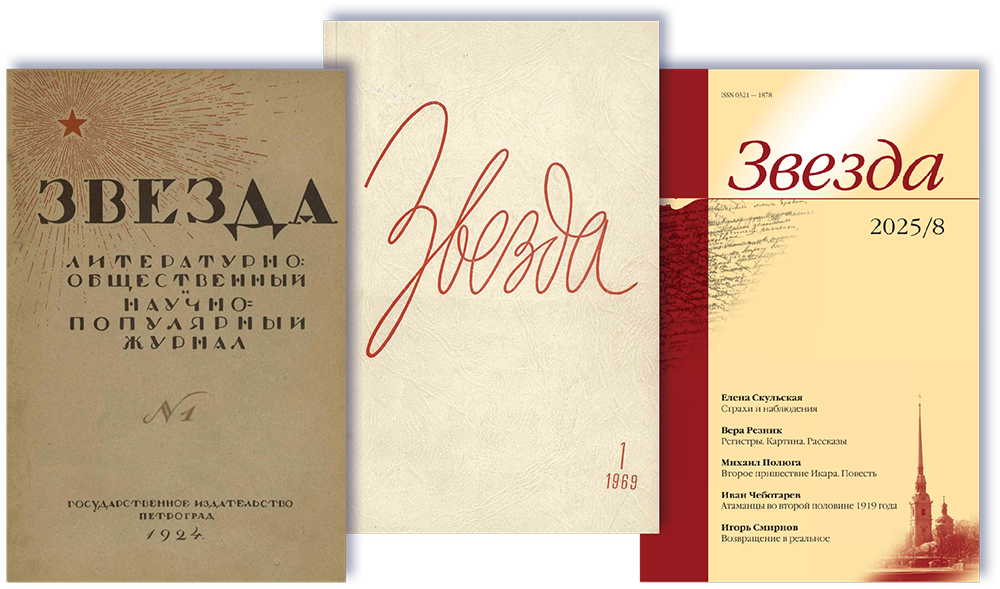
    Zvezda Digital Archive

    Key resource of Russian intellectual and literary circles for over a century.

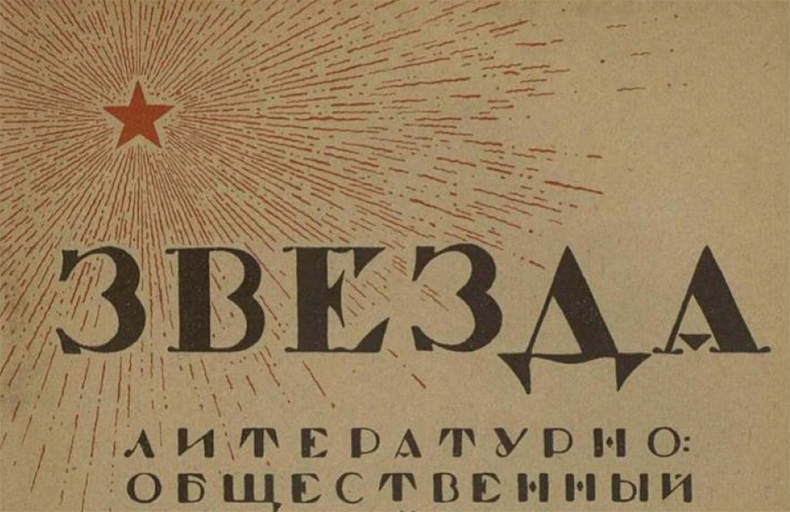
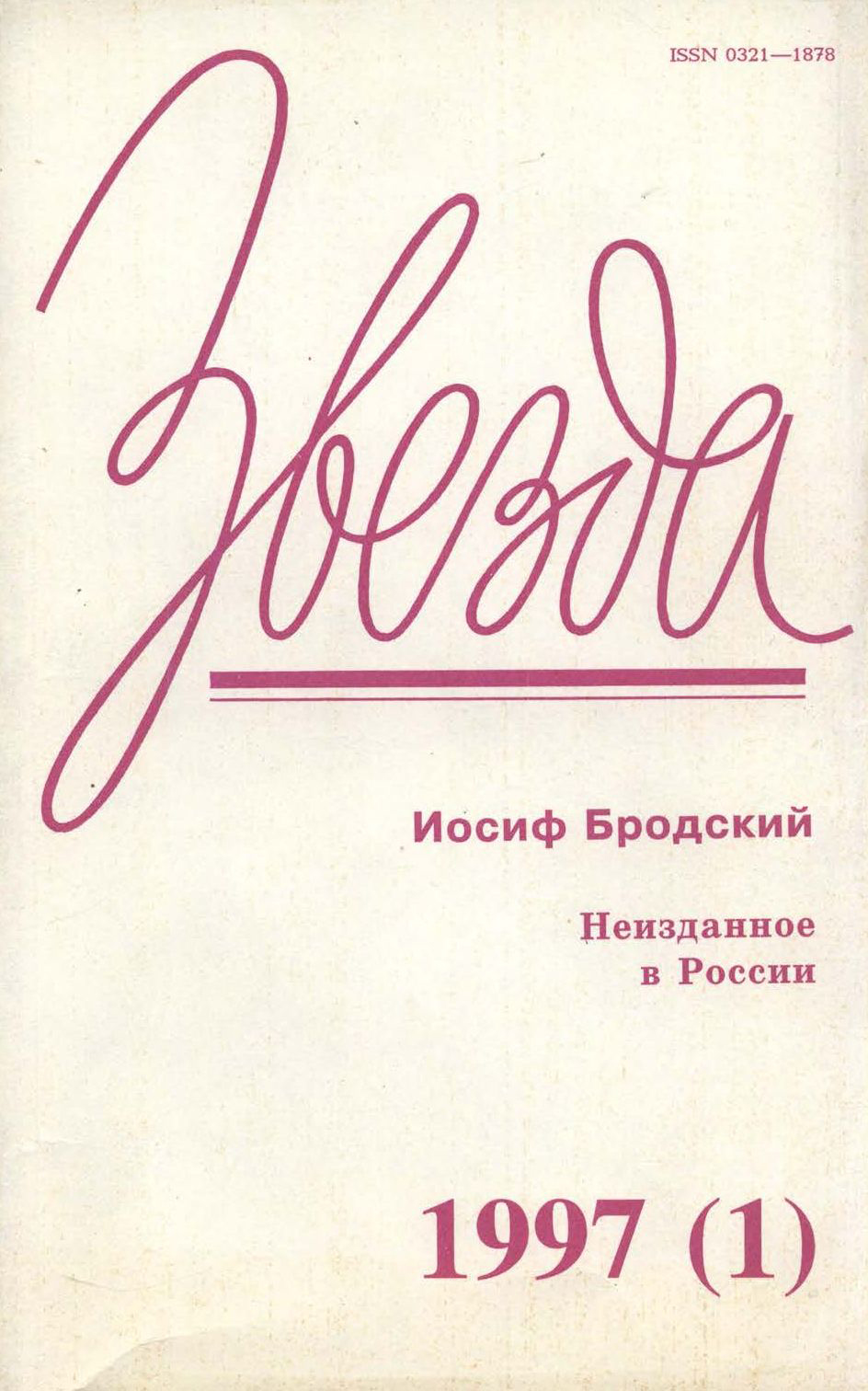
    The journal’s longevity and resilience through tumultuous periods of Soviet history, including the Siege of Leningrad and Stalinist repression, make it an essential resource for understanding the complexities of Russian cultural development over the past century. Notably, Zvezda faced severe criticism in August 1946 from the Soviet Communist Party in the infamous resolution “On the Journals ‘Zvezda’ and ‘Leningrad’,” where it was accused of publishing “ideologically harmful works,” particularly those by Mikhail Zoshchenko and Anna Akhmatova. During the era of perestroika, Zvezda began publishing previously prohibited works and articles by authors such as Alexander Solzhenitsyn, Joseph Brodsky, Andrei Sakharov, Yuri Lotman and many others.

    This extensive coverage provides researchers with access to:

    • Literary works by established and emerging Russian writers
    • Critical essays and reviews on literature, art, and culture
    • Discussions of social and political issues within the constraints of the era
    • Previously prohibited works published during the perestroika period
    • Evolving perspectives on Russian identity and cultural heritage

    The Zvezda Digital Archive offers a comprehensive collection spanning over 100 years, with an additional year’s worth of content available for purchase on an annual basis. The archive includes more than 25,000 works by over 10,000 authors, encompassing nearly 1,200 issues, over 23,000 articles, and over 280,000 pages. If converted to print, the archive for this title would occupy 49 feet of library shelf space. The archive offers scholars the most comprehensive collection available for this title, and features full page-level digitization and complete original graphics. The archive has searchable text and is cross-searchable with numerous other Infoteka digital resources.

    Note: In 1992 only 10 issues of Zvezda were published. This is not a gap in archive content but reflects the journal’s publication schedule that year.

    More about the Soviet “Thick Journals”

    The famed Soviet tolstye zhurnaly, or “thick journals,” were significant platforms for literary and intellectual discourse. Tolstye zhurnaly such as Zvezda played a complex and multifaceted role in Soviet intellectual and literary life. They were not merely publications but institutions that shaped and were shaped by the cultural, intellectual, and political currents of their time. These journals served multiple roles:

    They acted as repositories of high culture, preserving the intellectual and literary achievements of the era. Given the limited avenues for independent publishing, these journals were the primary platforms where established and emerging writers could reach an audience.

    State-Controlled Outlets. While they were crucial platforms for intellectual and artistic expression, it’s important to remember that these journals were often used to propagate official ideologies, and the works published in them usually underwent rigorous censorship.

    Academic Importance. For academics studying the Soviet period, tolstye zhurnaly offer a valuable glimpse into the state-sanctioned intellectual climate of the time. They provide context for how literature and intellectual thought evolved under different political and social conditions.

    Catalysts for Change. During more liberal periods, such as the Khrushchev Thaw and the perestroika years, tolstye zhurnaly could act as catalysts for change, pushing the boundaries of what was acceptable to discuss and publish.

  • Znamia Digital Archive

    Znamia Digital Archive

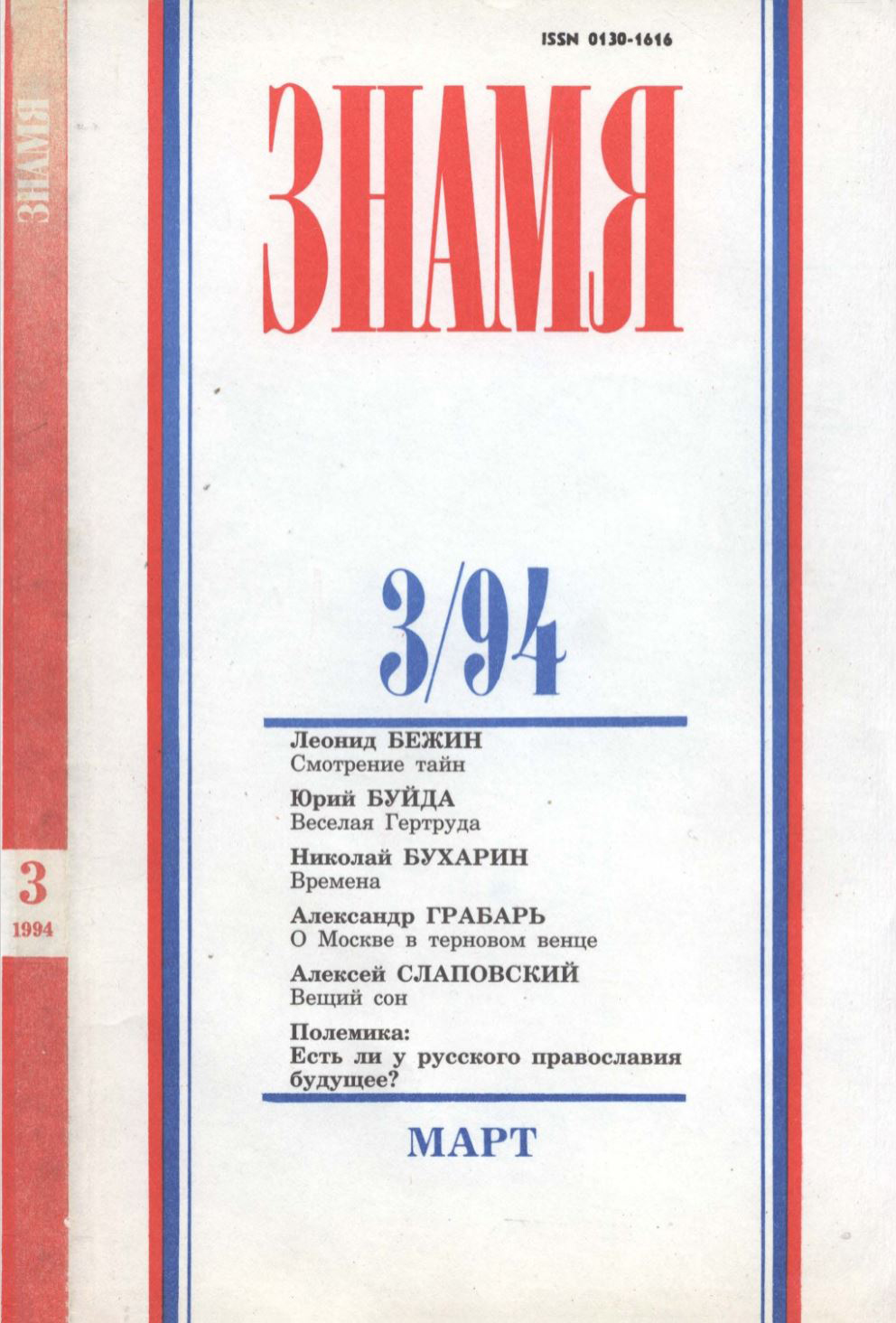
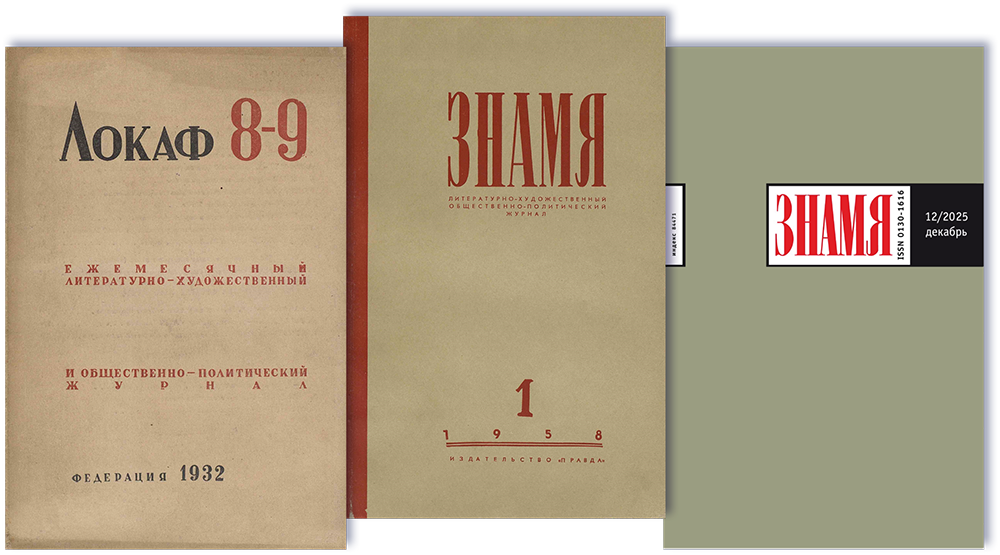
    Prominent literary journal in publication since 1931.

    The Znamia Digital Archive contains all obtainable published issues from 1931 on, with an additional year’s worth of content available for purchase on an annual basis. Spanning over nine decades, it contains over 25,000 articles, or around 260,000 pages. If converted to print, the archive for this title would occupy 41 feet of library shelf space. The archive offers scholars the most comprehensive collection available for this title, and features full article-level digitization, complete original graphics, and searchable text, and is cross-searchable with numerous other Infoteka digital resources.

    More about the Soviet “Thick Journals”

    The famed Soviet tolstye zhurnaly, or “thick journals,” were significant platforms for literary and intellectual discourse. Tolstye zhurnaly such as Znamia played a complex and multifaceted role in Soviet intellectual and literary life. They were not merely publications but institutions that shaped and were shaped by the cultural, intellectual, and political currents of their time. These journals served multiple roles:

    They acted as repositories of high culture, preserving the intellectual and literary achievements of the era. Given the limited avenues for independent publishing, these journals were the primary platforms where established and emerging writers could reach an audience.

    State-Controlled Outlets. While they were crucial platforms for intellectual and artistic expression, it’s important to remember that these journals were often used to propagate official ideologies, and the works published in them usually underwent rigorous censorship.

    Academic Importance. For academics studying the Soviet period, tolstye zhurnaly offer a valuable glimpse into the state-sanctioned intellectual climate of the time. They provide context for how literature and intellectual thought evolved under different political and social conditions.

    Catalysts for Change. During more liberal periods, such as the Khrushchev Thaw and the perestroika years, tolstye zhurnaly could act as catalysts for change, pushing the boundaries of what was acceptable to discuss and publish.

  • Zavtra Digital Archive

    Zavtra Digital Archive

    Influential newspaper of the right-wing opposition.

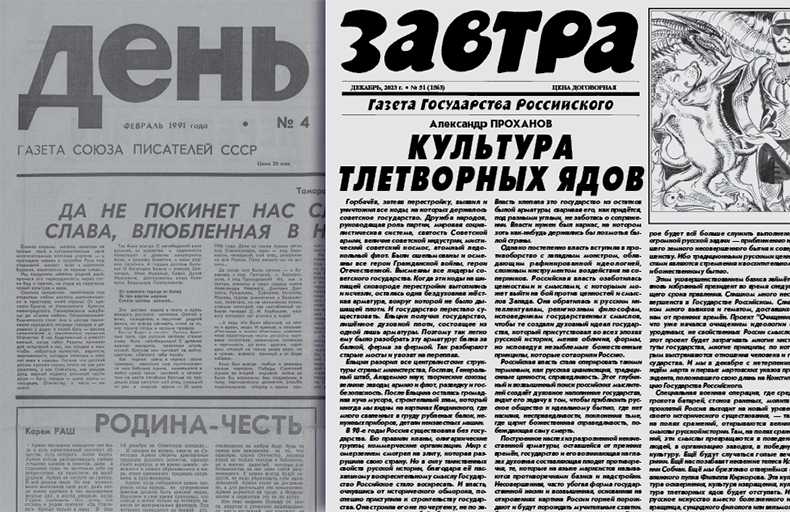
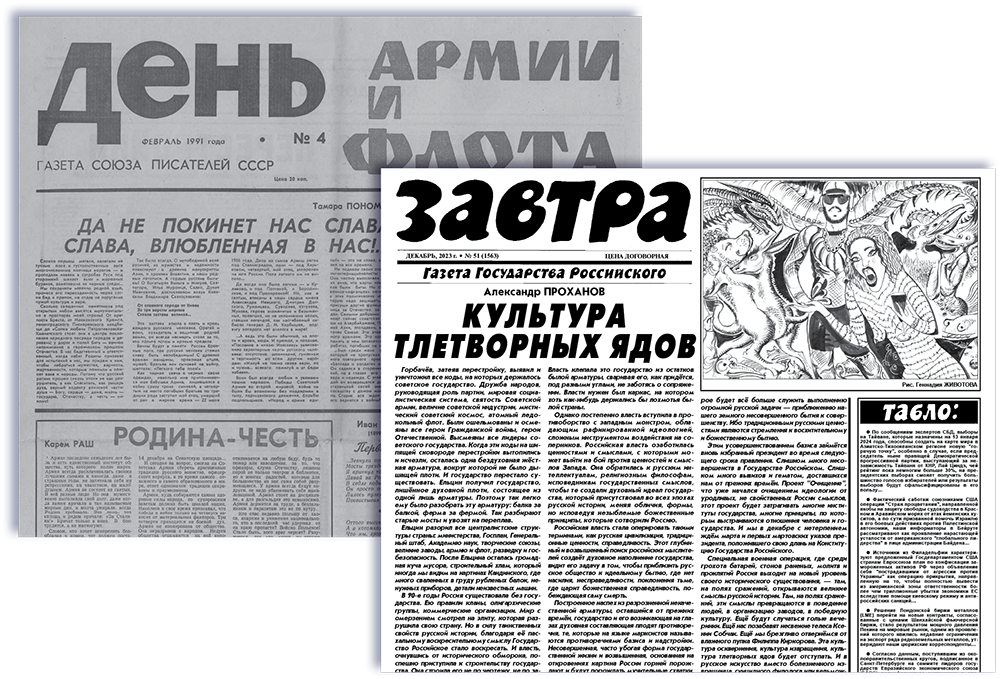
    Founded in Moscow in 1990 by noted Soviet journalist Alexander Prokhanov, Den’ (День, The Day) was created to serve as the “spiritual opposition” to the pro-Western government of Yeltsin. Following the coup in 1993, the paper was shut down by the authorities but was reborn as Zavtra (Завтра, Tomorrow), with Prokhanov still in the lead as editor in chief. One of the most influential publications of the right-wing opposition, Zavtra is a radical-conservative daily newspaper, bringing together a mix of nationalism, monarchism, and nostalgia for the Soviet era.

    Prokhanov has a very colorful personality, and his speeches and writings are poetic and full of metaphors. At a Slavic conference in the US he surprised many during his presentation by asserting that “state borders are not static, they are pulsating – back and forth.” Prokhanov is one of the few Russian citizens to receive an award from North Korean dictator Kim Jong-un, and he also received a medal “For the Liberation of Crimea and Sevastopol” in 2014 from Putin himself.

    The newspaper is a reflection of Prokhanov himself, a self-proclaimed “counter-liberal,” well known as a radical pro-imperial, nationalist figure and a neo-Stalinist. Just as he supported the failed military coup in 1991, the war in Chechnya, and aggression against Georgia in 2008, Zavtra has likewise been an ardent supporter of these actions, as well as the Crimea annexation, the war in Donbas, and the current war in Ukraine.

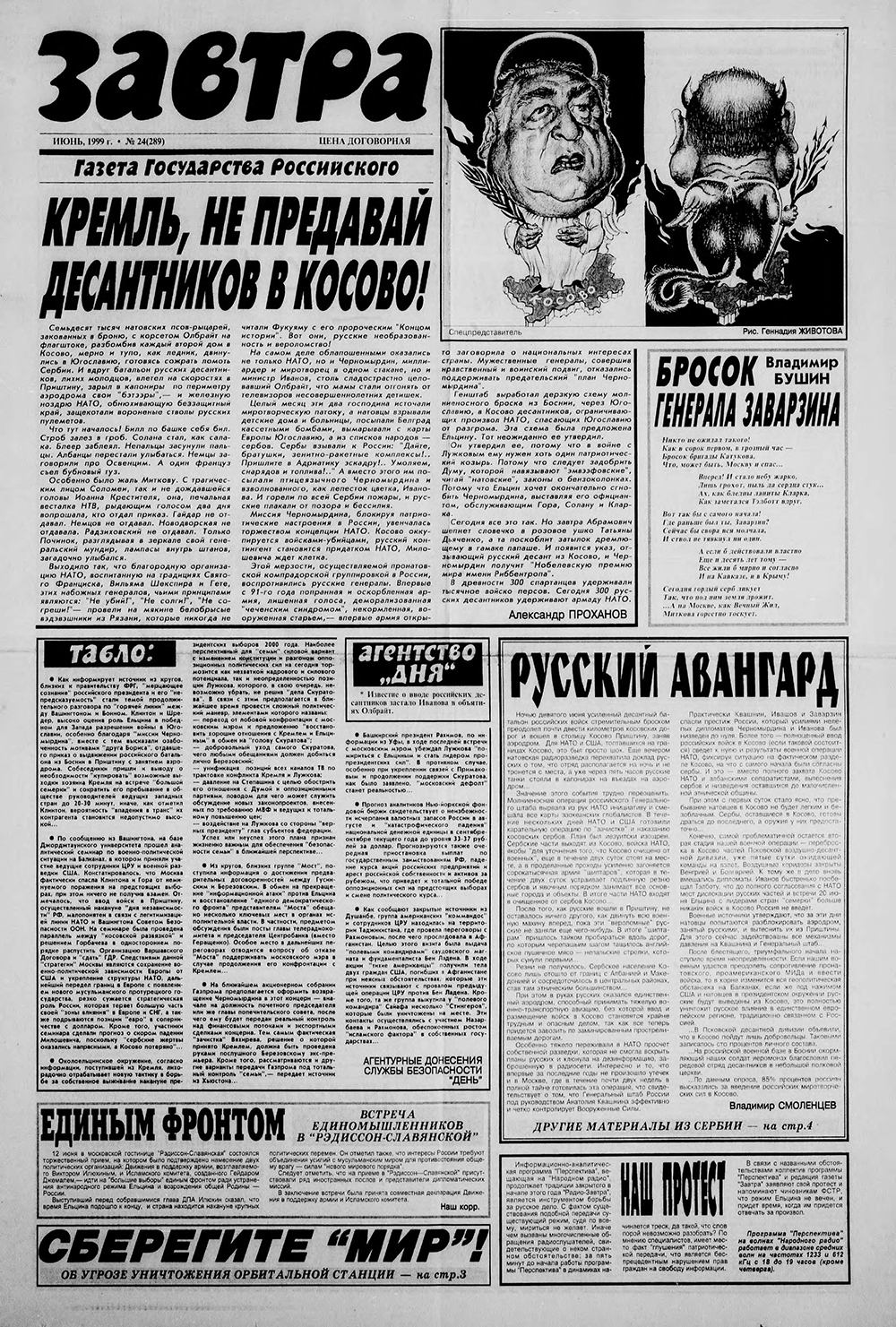
    The Zavtra Digital Archive contains all obtainable published issues from 1990 on, with an additional year’s worth of content available for purchase on an annual basis. The archive offers scholars the most comprehensive collection available for this title, and features full-text articles, with full page-level digitization and complete original graphics for later years. The archive has searchable text, and is cross-searchable with numerous other Infoteka digital resources.

  • World Arms Trade Database

    World Arms Trade Database

    Expert analyses and statistical data on the global arms trade.

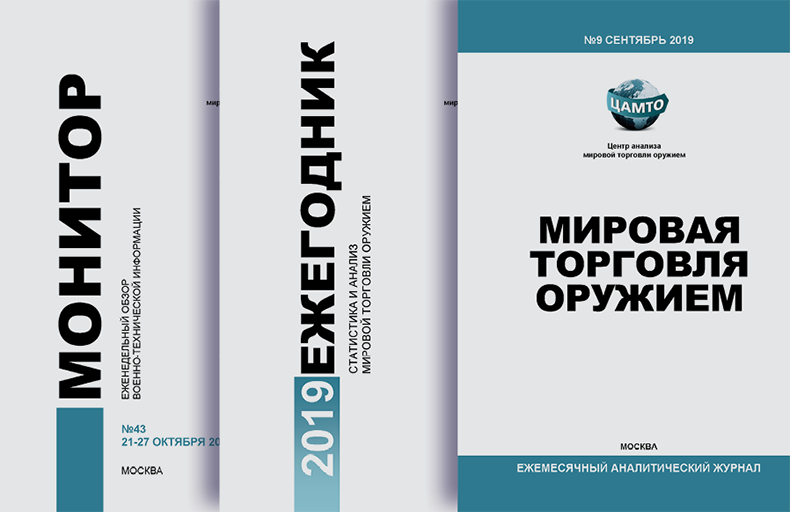
    As one of the world’s most comprehensive databases on the ever-growing global arms trade, the World Arms Trade Database is a powerful digital resource created under the auspices of the Tsentr analiza mirovoi torgovli oruzhiem (TsAMTO) (Centre for Analysis of World Arms Trade [CAWAT]) in Moscow, Russia. Consisting of three products — a yearbook and monthly and weekly publications — the database provides comprehensive data and robust analysis on the global movement of arms and material from production to their procurement by various states and state actors. As such, the database allows researchers and industry analysts to gain up-to-date and unique insights into the latest developments in the global arms trade, industry trends and dynamics, and various other related topics.

    World Arms Trade Database Titles

    Ezhegodnik TSAMTO: Statistika i analiz mirovoi torgovli oruzhiem. (Ежегодник ЦАМТО: статистика и анализ мировой торговли оружием, The CAWAT Yearbook: Statistics and Analysis of the World Arms Trade)

    A major Russian annual report on arms trade prepared by the Russian Centre for Analysis of World Arms Trade. Contains crucial statistical data on the world arms trade, as well as the expert analyses of the world import and export of weapons. This important reference publication focuses on global aspects of arms trade, analysis of key events and developments of international and regional weapons markets. Updated every December for the previous year. The World Arms Trade Database includes Yearbook 2018 (covering 2010–2017) and Yearbook 2019 (covering 2011–2018). The yearbooks are approximately 1,300 pages.


    Mirovaia torgovlia oruzhiem (Мировая торговля оружием, World Arms Trade Magazine)

    Published monthly since November 2009. Contains detailed analytical materials on the most significant current events in the world arms trade, reviews of the largest world and Russian arms shows, detailed statistical analysis of arms procurements by a country or by a region, as well as statistics on the international market in regard to various types of armaments. Provides a detailed review of major events in the world arms trade during the preceding month. The World Arms Trade Database includes content from 2020–present. Issues range from 30–50 pages.


    Monitor: Ezhenedel’nyi obzor voenno-tekhnicheskoi informatsii (Монитор: Еженедельный обзор военно-технической информации, Monitor: Military-Technical Information Weekly Review)

    A weekly summary of world weapon production and arms sales, produced by the Russian Centre for Analysis of World Arms Trade. The articles cover all issues pertaining to world arms trade, weapons production, defense budgets, and arms development programs. The World Arms Trade Database includes content from 2020–present. Issues range from 40–80 pages.

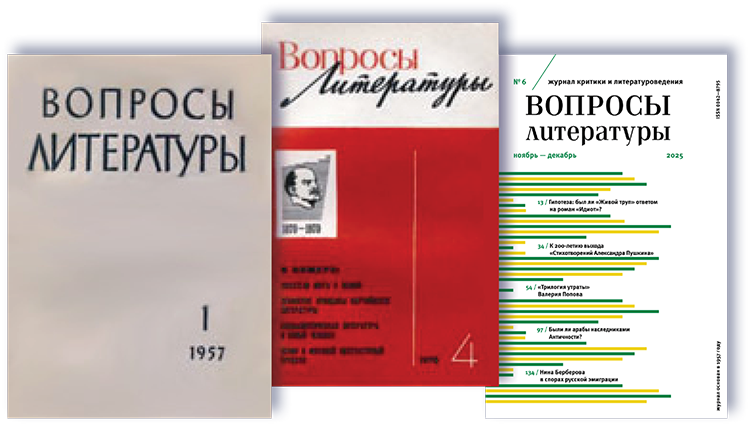
  • Voprosy Literatury Digital Archive

    Voprosy Literatury Digital Archive

    Influential Russian journal of literary criticism and literary studies.

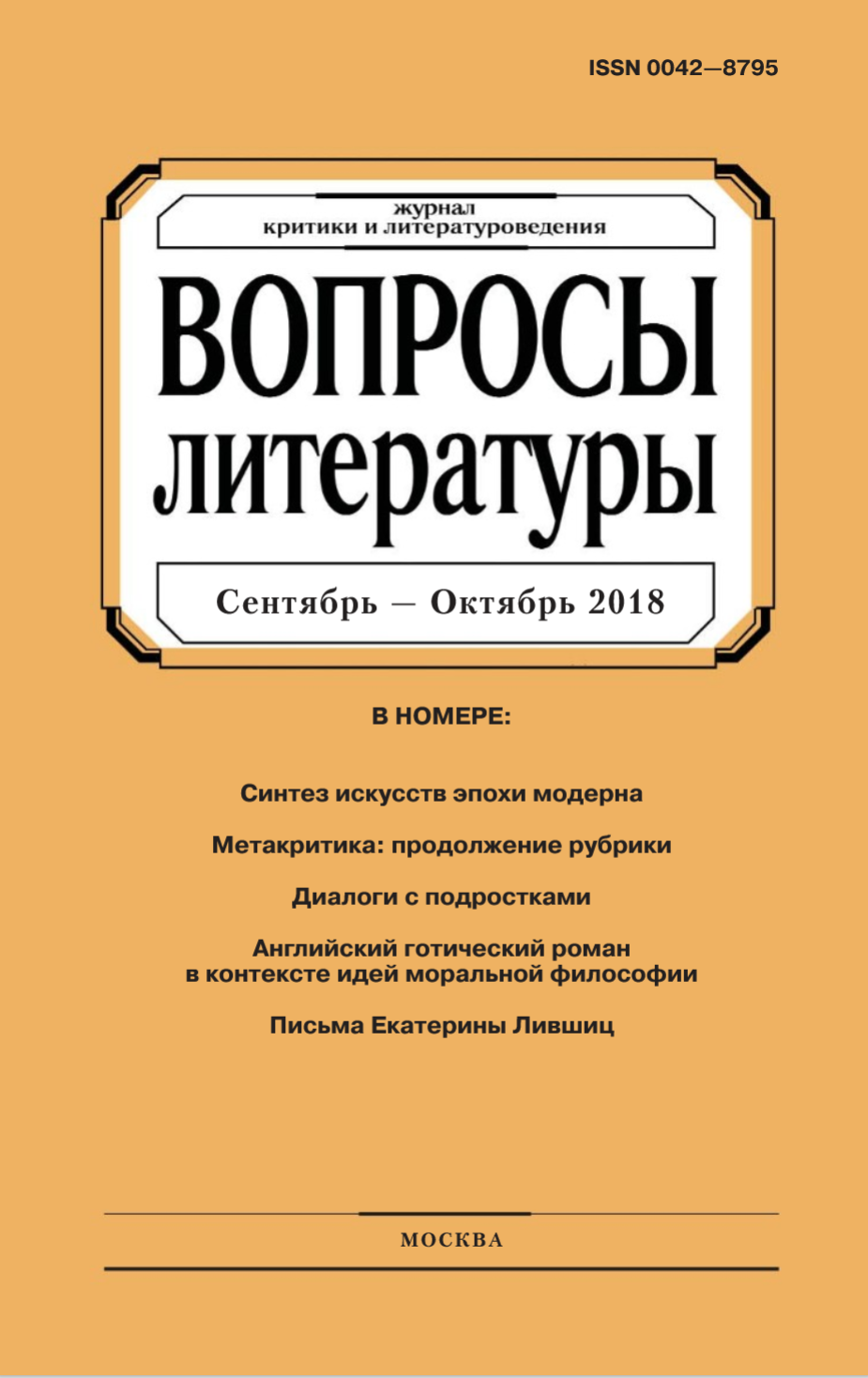
    Since its inception in 1957, Voprosy Literatury (Вопросы литературы, Issues of Literature) has stood as one of the most prestigious and authoritative academic journals in the fields of philology and literary criticism in the Russian language. Founded soon after the 20th Congress of the Communist party of the Soviet Union and the beginning of the era known as the “thaw” in USSR cultural life, it soon evolved into a major discussion platform for literary critics and scholars on the history of world and Russian literature, the theory of literature, and current literary and cultural issues in the country.

    Recent years have seen the journal engage in rigorous debates about the future of philological science and, more broadly, the state of the humanities, attracting significant attention within Russia. Among the major themes explored by the journal are: methods and techniques in modern philological science, comparative study of cultures and the history of classical and contemporary Russian literature.

    Voprosy Literatury boasts an illustrious list of past and present contributors, including leading Russian and international scholars such as M.M. Bakhtin, V.B. Shklovsky, D.S. Likhachev, L.E. Pinsky, S.S. Averintsev, Caryl Emerson, and J.S. Smith, among others. It is also known for publishing selections from Russian writers prohibited during the Soviet period.

    The journal is included in the official Russian list of peer-reviewed publications where the main scientific results of dissertations must be published. It is also indexed in the Scopus database, making it a widely acknowledged and cited publication in academic circles.

    The Voprosy Literatury Digital Archive serves as an indispensable resource for scholarly research in the fields of philology and literary criticism. With access to decades of seminal articles, debates, and academic discussions, this comprehensive archive represents a cornerstone in the landscape of humanities scholarship.

    The archive contains the most complete set of the journal, comprising more than 16,000 articles, with an additional year’s worth of content available for purchase on an annual basis. It features searchable full-text articles with PDF format available starting in 2018. All content in the Voprosy Literatury Digital Archive is cross-searchable with numerous other Infoteka digital resources.