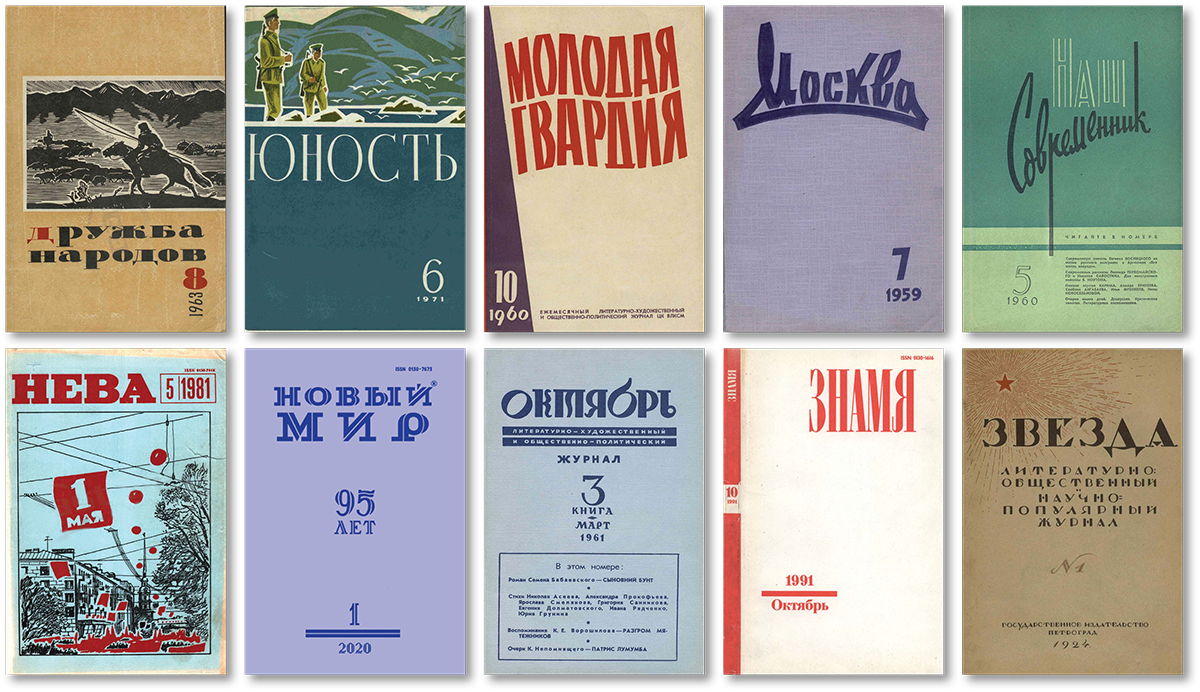
Key resource of Russian intellectual and literary circles for over a century.
Founded in 1924 in Petrograd (later Leningrad, now St. Petersburg), Zvezda (Звезда, The Star) is Russia’s oldest monthly “thick journal,” a group of publications that played a crucial role in shaping Soviet intellectual and literary discourse. Initially released six times a year, it became a monthly publication in 1927 and has been a key resource of Russian intellectual and literary circles for a century.
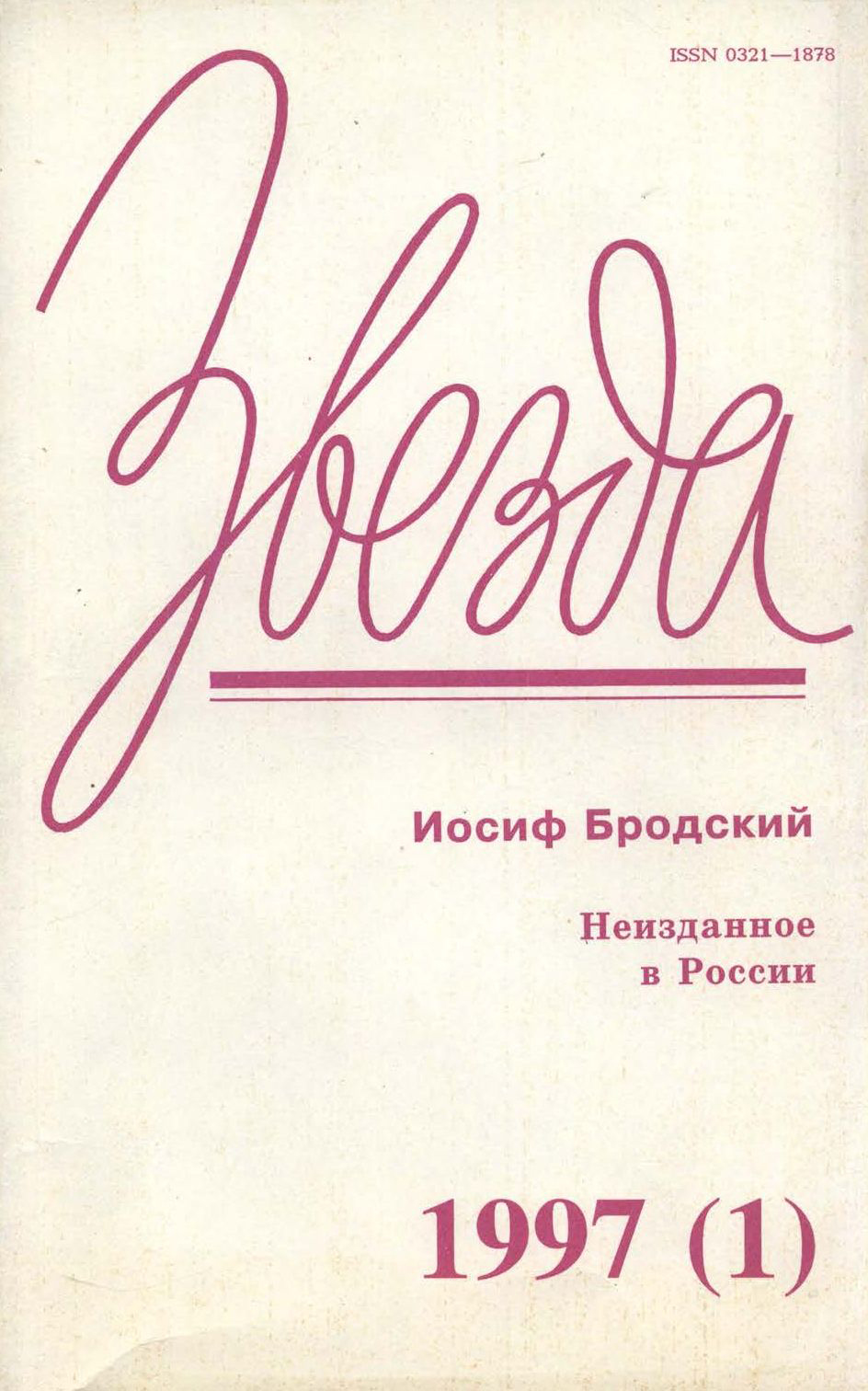
The journal’s longevity and resilience through tumultuous periods of Soviet history, including the Siege of Leningrad and Stalinist repression, make it an essential resource for understanding the complexities of Russian cultural development over the past century. Notably, Zvezda faced severe criticism in August 1946 from the Soviet Communist Party in the infamous resolution “On the Journals ‘Zvezda’ and ‘Leningrad’,” where it was accused of publishing “ideologically harmful works,” particularly those by Mikhail Zoshchenko and Anna Akhmatova. During the era of perestroika, Zvezda began publishing previously prohibited works and articles by authors such as Alexander Solzhenitsyn, Joseph Brodsky, Andrei Sakharov, Yuri Lotman and many others.
The Zvezda Digital Archive provides a panoramic view of Russian intellectual life across the 20th and 21st centuries, and the journal’s survival through periods of intense censorship and its role in pushing boundaries during more liberal times make it an essential resource for understanding the nuanced tapestry of Russian culture, literature, and thought.
This extensive coverage provides researchers with access to:
- Literary works by established and emerging Russian writers
- Critical essays and reviews on literature, art, and culture
- Discussions of social and political issues within the constraints of the era
- Previously prohibited works published during the perestroika period
- Evolving perspectives on Russian identity and cultural heritage
The Zvezda Digital Archive offers a comprehensive collection spanning over 100 years, with an additional year’s worth of content available for purchase on an annual basis. The archive includes more than 25,000 works by over 10,000 authors, encompassing nearly 1,200 issues, over 23,000 articles, and over 280,000 pages. If converted to print, the archive for this title would occupy 49 feet of library shelf space. The archive offers scholars the most comprehensive collection available for this title, and features full page-level digitization and complete original graphics. The archive has searchable text and is cross-searchable with numerous other Infoteka digital resources.
Note: In 1992 only 10 issues of Zvezda were published. This is not a gap in archive content but reflects the journal’s publication schedule that year.
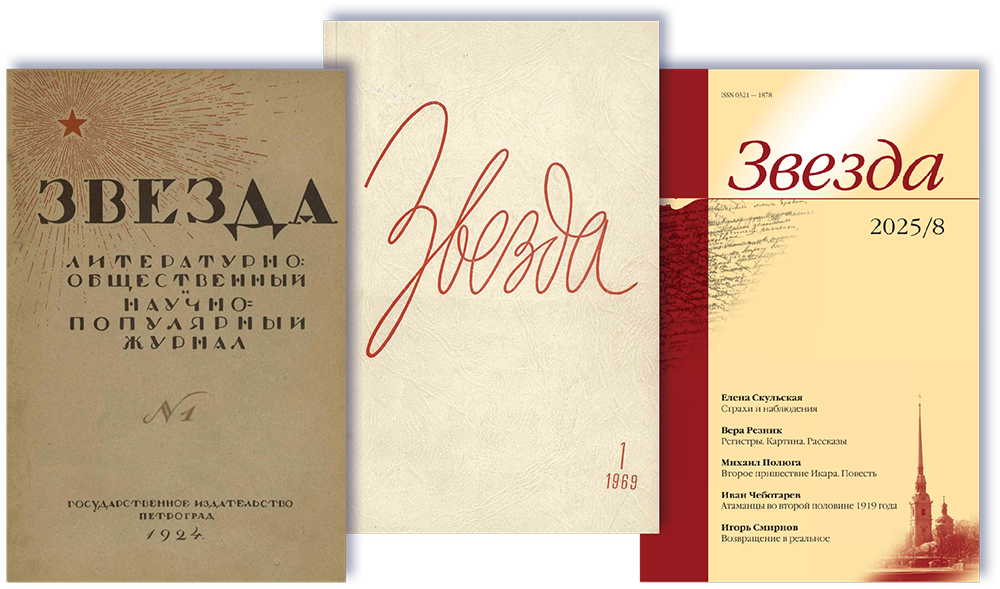
- Product Code: DA-ZVE
- Year First Published: 1924
- Archive: 1924–2025
- Language: Russian
- Country: Russia
- City: St. Petersburg
- Frequency: Monthly
- Format: PDF, article-based
- Producer: Infoteka
More about the Soviet “Thick Journals”
The famed Soviet tolstye zhurnaly, or “thick journals,” were significant platforms for literary and intellectual discourse. Tolstye zhurnaly such as Zvezda played a complex and multifaceted role in Soviet intellectual and literary life. They were not merely publications but institutions that shaped and were shaped by the cultural, intellectual, and political currents of their time. These journals served multiple roles:
They acted as repositories of high culture, preserving the intellectual and literary achievements of the era. Given the limited avenues for independent publishing, these journals were the primary platforms where established and emerging writers could reach an audience.
State-Controlled Outlets. While they were crucial platforms for intellectual and artistic expression, it’s important to remember that these journals were often used to propagate official ideologies, and the works published in them usually underwent rigorous censorship.
Academic Importance. For academics studying the Soviet period, tolstye zhurnaly offer a valuable glimpse into the state-sanctioned intellectual climate of the time. They provide context for how literature and intellectual thought evolved under different political and social conditions.
Catalysts for Change. During more liberal periods, such as the Khrushchev Thaw and the perestroika years, tolstye zhurnaly could act as catalysts for change, pushing the boundaries of what was acceptable to discuss and publish.