Time Period: Post-Soviet

  • Rossiiskaia Gazeta Digital Archive

    Rossiiskaia Gazeta Digital Archive

    Official daily newspaper of the Russian government.

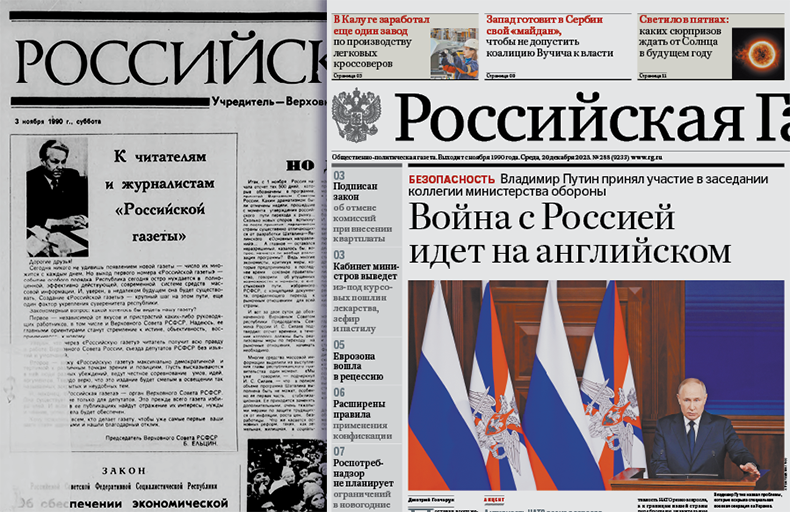
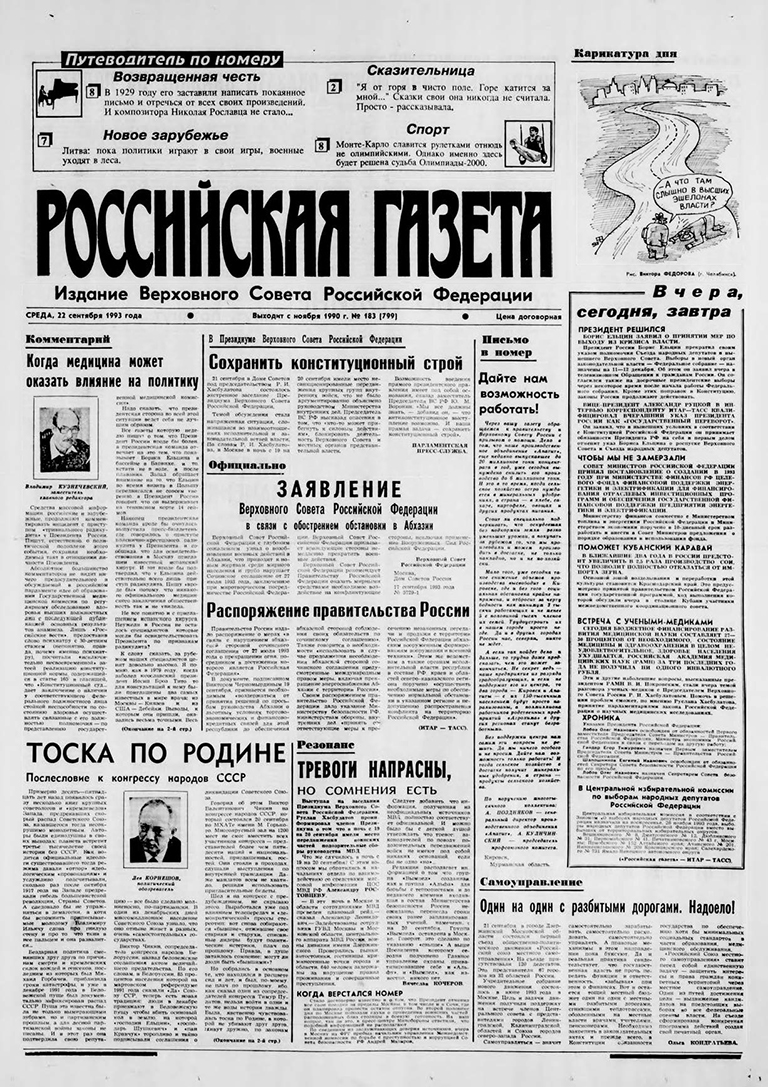
    Founded in 1990 by the government of the Russian Federation, Rossiiskaia gazeta (Российская газета, Russian Newspaper) is a Russian newspaper of public record based in Moscow with 13 regional offices, and foreign bureaus in the US, France, the UK, Germany and elsewhere. Boasting a nationwide circulation, the newspaper covers domestic and foreign news, economics, culture, sports, and governmental affairs. As an official newspaper, its editorial policy reflects the government’s policy on any given issue, although it also frequently publishes commentaries and opinions that differ from official government positions. The newspaper also features interviews with influential Russian politicians, business, and cultural figures.

    Rossiiskaia gazeta is an authoritative source of official government policy and an important venue of official commentary on laws and regulations enacted by the Russian legislature. With a daily print run of more than 180,000 and a large online presence, Rossiiskaia gazeta serves as the go-to media outlet for government related news and official communiques and notices.

    The Rossiiskaia Gazeta Digital Archive contains all obtainable published issues from 1990 on, with an additional year’s worth of content available for purchase on an annual basis. The archive offers scholars the most comprehensive collection available for this title, and features full page-level digitization, complete original graphics, and searchable text, and is cross-searchable with numerous other Infoteka digital resources.
  • Polis Digital Archive

    Polis Digital Archive

    Prominent journal on Russian domestic and foreign policy issues.

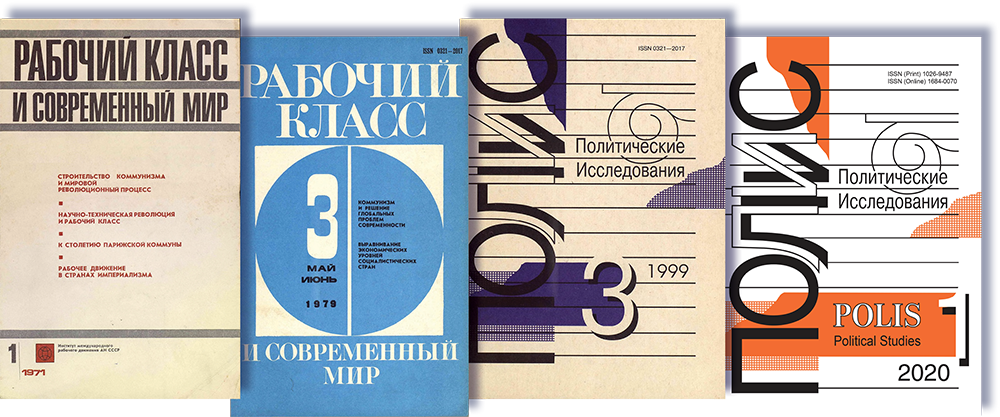
    Founded by a group of leading Russian scholarly organizations and associations, POLIS. Politicheskie issledovania (ПОЛИС. Политические исследования, POLICY. Political Studies) is a prominent peer-reviewed journal that publishes academic research and essays on Russian domestic and foreign policy issues from a variety of academic perspectives and disciplines. Formerly published under the title Rabochii klass i sovremennyi mir (Рабочий класс и современный мир, The Working class and the Contemporary World) from 1971-1990 at the Institute of the International Labor Movement of the Academy of Sciences, POLIS has emerged in the post-Soviet era as one of the most important and vibrant scholarly periodicals that brings together Russian and foreign experts and researchers.

    Given its mission and high academic profile, the journal has over the years served as an essential forum for political scientists, political sociologists, policy makers, and international relations specialists interested in a wide range of political issues. Among other things, the journal also publishes notices and brief summaries of the latest political science-related academic works and dissertations defended in Russian universities and academic institutions.

    The Polis Digital Archive includes all issues of Rabochii klass i sovremennyi mir and POLIS published from 1971 on (over 7,500 articles), with an additional year’s worth of content available for purchase on an annual basis. The archive offers scholars the most comprehensive collection available for this title, and features full page-level digitization and complete original graphics. The archive has searchable text and is cross-searchable with numerous other Infoteka digital resources.

  • Politekhnik Digital Archive

    Politekhnik Digital Archive

    Journal focused on the Harbin Institute of Technology and the Russian émigré experience in China.

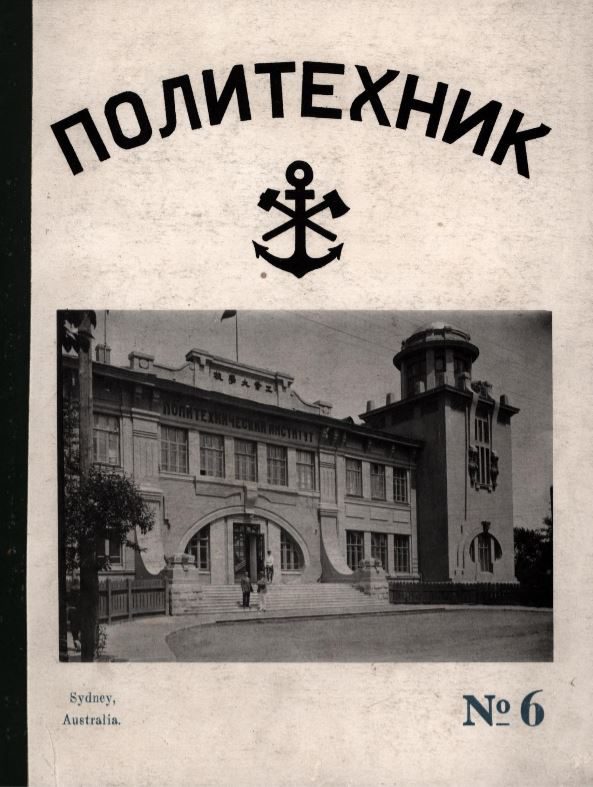
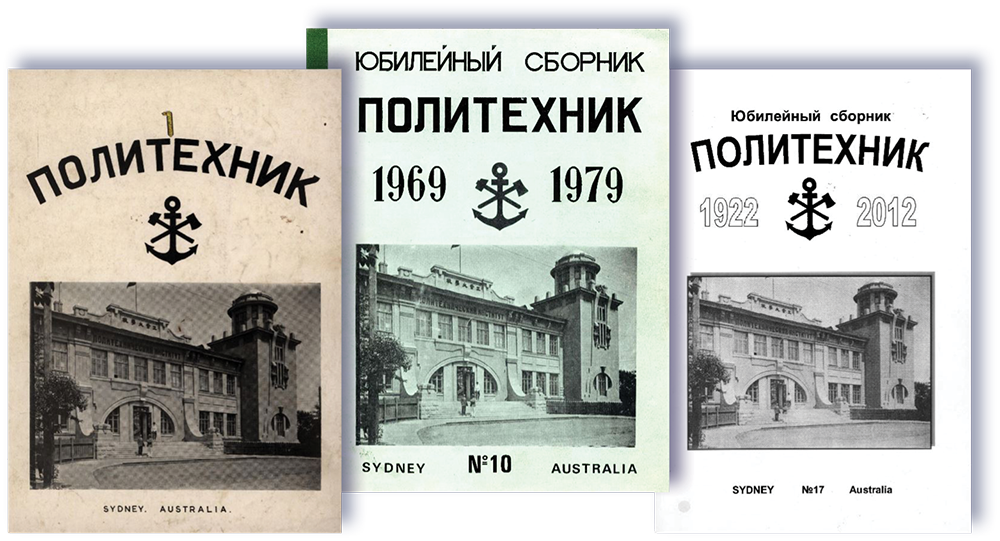
    Founded in 1969 by a group of graduates and former professors of the prestigious Harbin Polytechnic Institute (now Harbin Institute of Technology), the Russian-language journal Politekhnik (Политехник, The Polytechnic Student) was dedicated to the examination and preservation of the history of the Institute. The Harbin Polytechnic Institute was established in 1920 by the Russian émigré community in Harbin, China, which since the late 1890s had grown to become one of the most influential centers of Russian life in the East and a major destination for emigration. Designed to prepare engineers and other personnel for the burgeoning railway network, the Institute would become one of the most important educational centers in China and a hub of Russian intellectual and cultural life. Following the establishment of the People’s Republic of China in 1949, however, many of the Russian students and faculty of the institute emigrated to such far flung places as Australia, New Zealand, Brazil, Argentina, and the United States.

    It was a group of these émigrés in Sydney, Australia that established Politekhnik, which in addition to the Institute also focused on the history of the Chinese Eastern Railway and the broader aspects of Russian cultural and intellectual life in Harbin and broader Manchuria. Issues of the journal were comprised of several sections, including sections dedicated to the founding organization, the history of the institute, memoirs and essays from alumni, scientific articles by alumni, news on the latest developments in the fields of engineering and technology, and more. The journal would also serve as a hub for connecting alumni living abroad (and not just in Australia), through exchanges of letters and correspondence. Likewise, a unique aspect of the journal’s mission was the preservation of alumni family histories and the vibrant Russian cultural life of Harbin.

    The Politekhnik Digital Archive contains all published issues from 1969-2012 (17 issues), providing unique insight into a fascinating and largely understudied chapter of the Russian émigré experience in China and beyond. The archive features full page-level digitization, complete original graphics, and searchable text and is cross-searchable with numerous other Infoteka digital resources.

  • Post-Perestroika Newspapers

    Post-Perestroika Newspapers

    Collection chronicling politics, events, and personalities of post-Soviet Russia.

    Equal parts thrilling and disorienting, the late Soviet and early post-Soviet period was one of the most tumultuous times in modern Russian history. Defined by the failures of central planning and political upheavals that gripped the Soviet Union from the Baltics to the Caucasus to Central Asia, it was a period marked by uncertainty, but also full of new opportunities.

    The rapid economic and political liberalization that followed the collapse of the vast Soviet empire opened new frontiers for economic entrepreneurship that had been stifled during the seven decades of central planning. However, the emerging reality was more akin to the wild west than to anything resembling the democratic transformation that Russian reformers had hoped for. The emergence of a new oligarchic class that successfully gained control over vast industries with little to no benefit to the general population became perhaps the most distinctive feature of post-Soviet Russia – in a way determining the trajectory of the country’s political culture for the next three decades. It also paved the way for the emergence of the rule of Vladimir Putin and the securocrats.

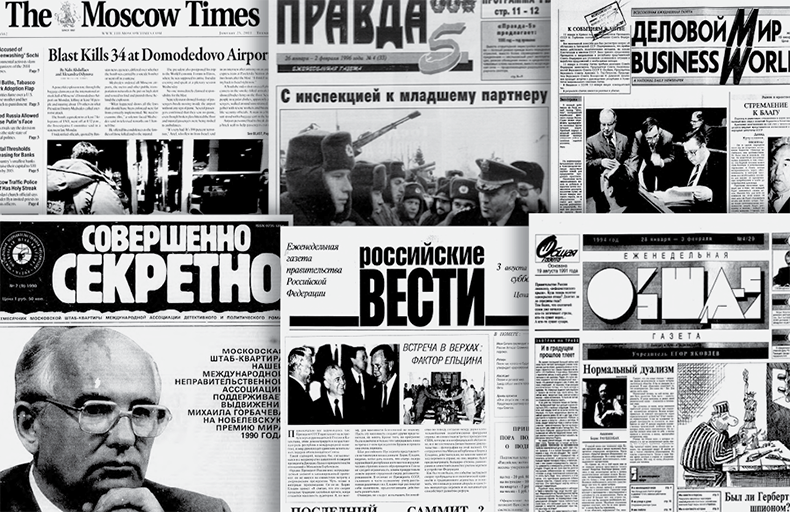
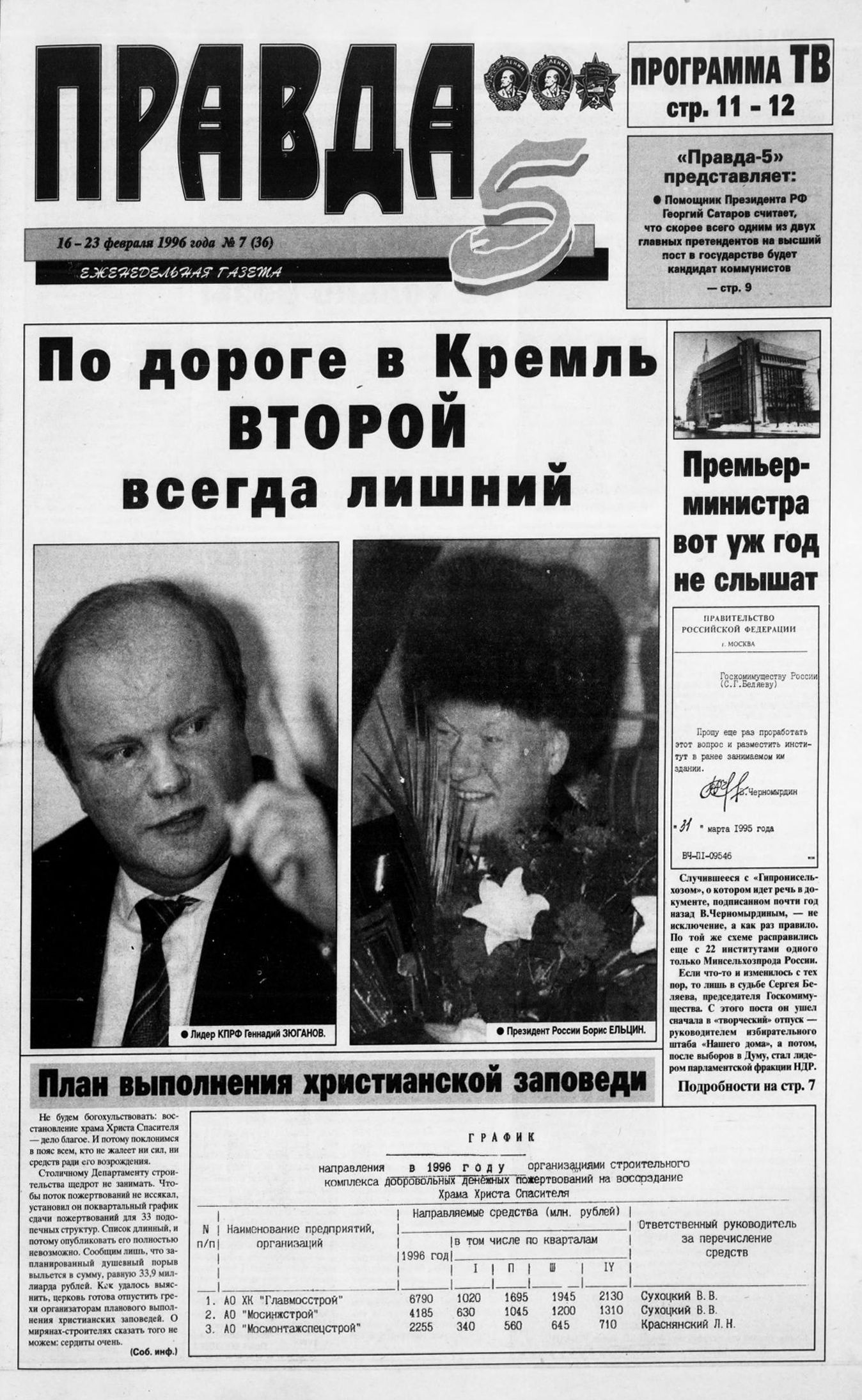
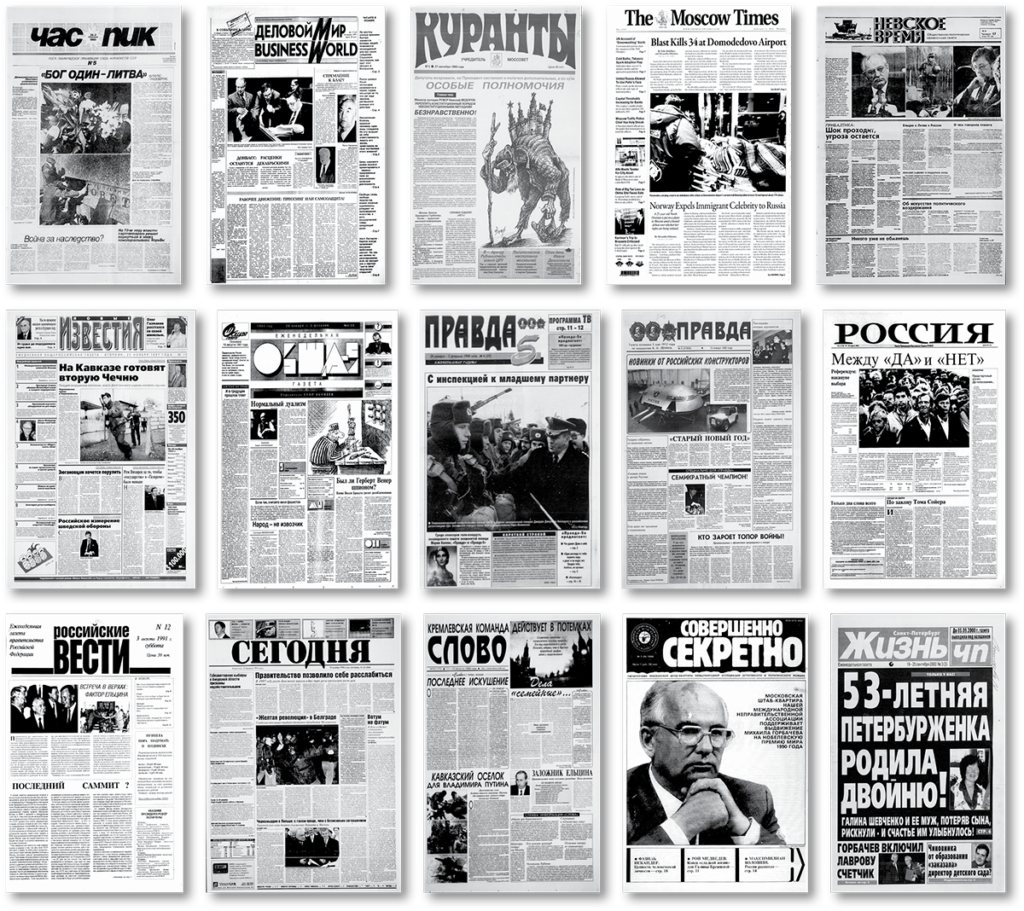
    Post-Perestroika Newspapers traces the evolution of post-Soviet Russia, with coverage beginning in the mid 1980s and extending well into the twenty-first century. Established soon before or soon after the collapse of the Soviet Union, the newspapers in this collection document the changes taking place in Russia, some with breathtaking speed, all the while embracing innovative journalistic methods and standards that were a far cry from the journalism of the Soviet period. These newspapers, some of which had a relatively short lifespan, nevertheless provide important and critical insight into the events and personalities that defined post-Soviet Russian politics and history. Comprised of over a dozen titles, the collection is a unique treasure trove for students and historians of one of the most fascinating periods of Russian history.

    Post-Perestroika Newspapers Titles

    • Chas pik (Час пик)
    • Delovoi Mir (Деловой мир)
    • Kuranty (Куранты)
    • The Moscow Times
    • Nevskoe vremia (Невское время)
    • Novye Izvestiia (Новые Известия)
    • Obshchaia gazeta (Общая газета)
    • Pravda – piat’, 5 (Правда -пять, 5)
    • Pravda (Правда)
    • Rossia (Россия)
    • Rossiiskie vesti (Российские вести)
    • Segodnia (Сегодня)
    • Slovo (Слово)
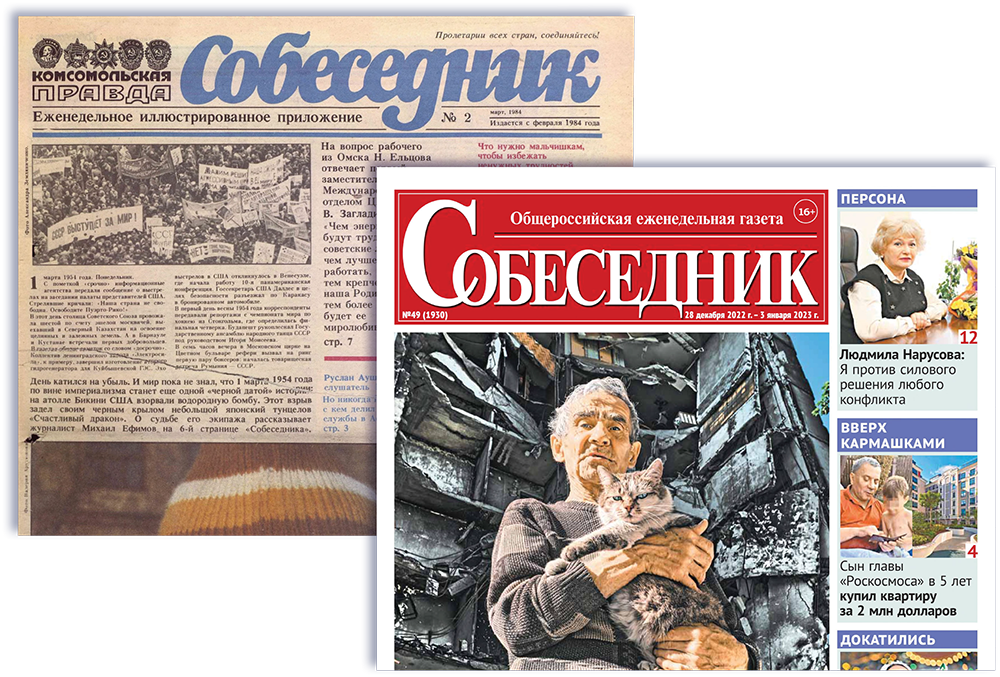
    • Sobesednik (Собеседник)
    • Sovershenno sekretno (Совершенно секретно)
    • Zhizn’ (Жизнь)
  • Ogonek Digital Archive

    Ogonek Digital Archive

    The most important publication on Soviet culture and everyday life.

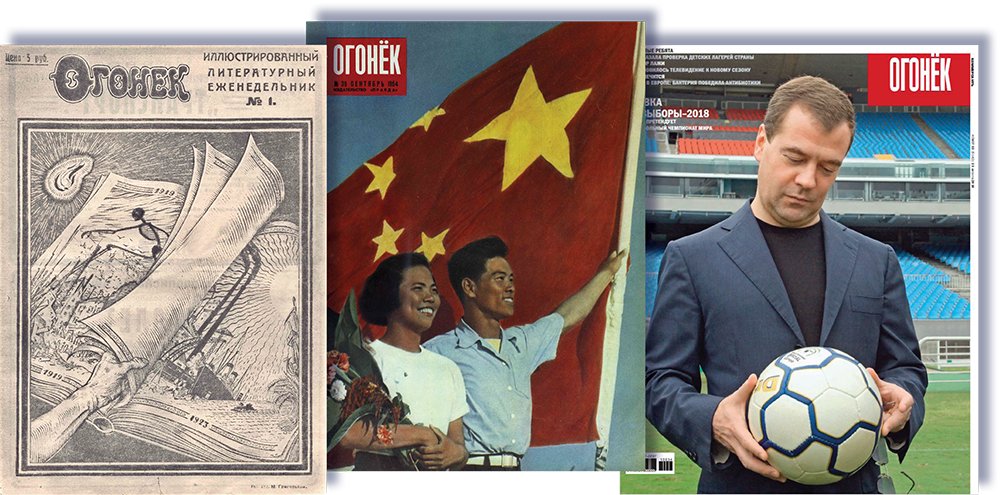
    Ogonek would serve its mission with certain aplomb and sophistication. Lacking the crudeness and the bombast of the main organs of Communist Party propaganda, Ogonek was able to become one of the most influential shapers and reflectors of the public character of the Soviet culture. Every self-respecting Soviet intellectual was expected to read Ogonek if they were to stay informed about the cultural world in which they lived and moved.

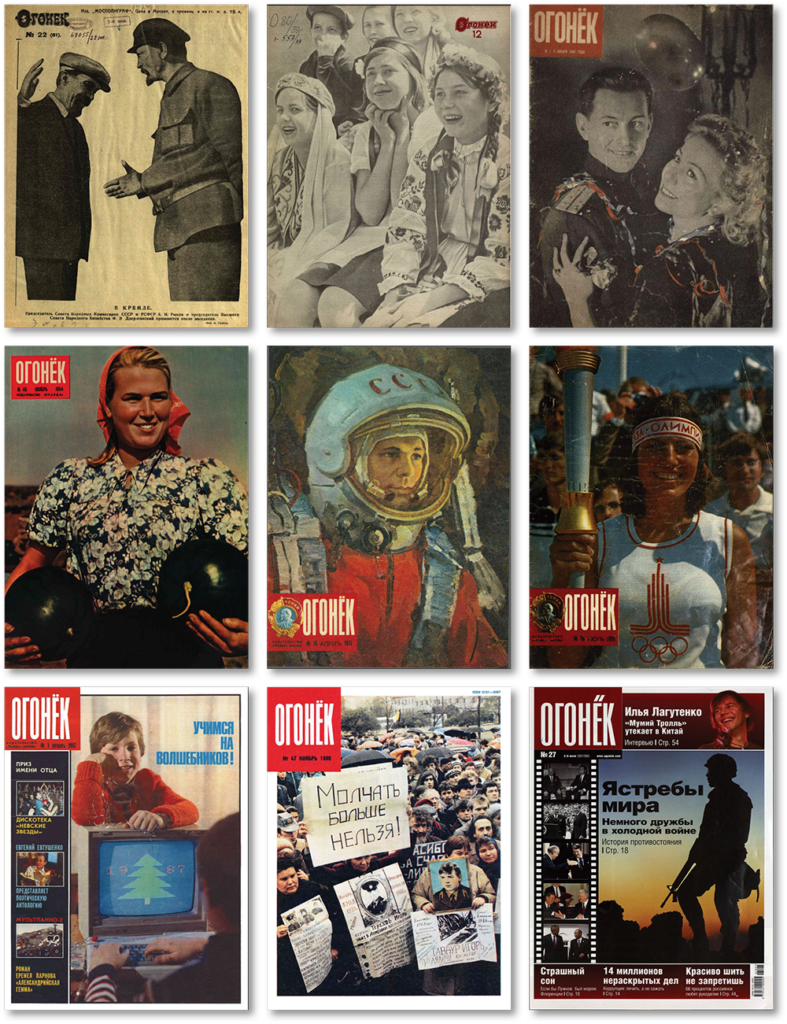
    Throughout its illustrious history Ogonek came to publish original works by such Soviet cultural luminaries as Vladimir Mayakovsky, Isaac Babel, Ilya Ilf and Evgeny Petrov, Yevgeny Yevtushenko, the photographer Yuri Rost, and others. Ogonek grew into an influential and widely read Soviet publication, experiencing the peak of its popularity at the hands of its editor Vitaly Korotich in 1986 at the height of perestroika. Korotich, inspired by the newfound political liberties, turned the journal into a flagship of glasnost, a lively space for edgy political commentary, criticism, and satire, thus becoming a robust platform for intellectual debate.

    After undergoing financial and creative crisis in the wake of the collapse of the Soviet Union, which saw a steep decline in readership, Ogonek rediscovered its creative zest under a new leadership and management, returning to its roots as an important forum for cultural and political intellectual exchanges. Facing financial obstacles again years later, Ogonek ceased publication in 2021.

    The importance of Ogonek as a primary source for research into the Soviet Union and bolshevization of its cultural and social landscapes cannot be overestimated. Because of its mass circulation and popularity, it was able to unite Soviet Union’s geographically and culturally diverse population through culturally important and imposing narratives. If in the West, and especially in the United States, cultural trends were the result of complex negotiations between market research, supply, and demand, in the Soviet Union cultural trends were more or less state approved top-down affairs. Ogonek was an important vehicle for the conveyance of the Soviet cultural idiom to the reading public.

    The Ogonek Digital Archive contains all obtainable published issues from 1923 on. The archive offers scholars the most comprehensive collection available for this title, and features full page-level digitization, complete original graphics, and searchable text, and is cross-searchable with numerous other Infoteka digital resources.

    Important Highlights

    • Ogonek was there at the inception of the Soviet Union, and there again during its demise. As such it is an especially important source of content analysis charting the evolving cultural, social, and political discourse of the USSR. By studying the content of Ogonek, scholars and researchers will be able to pinpoint with some precision the periods of the emergence of certain cultural, literary, political trends and the abandonment of others when they were no longer deemed important, fashionable or were even dangerous. In short it provides an important story arc from the rise of the Soviet Union to its demise to Russia’s post-Soviet experiments with democratization and the rise of Vladimir Putin.
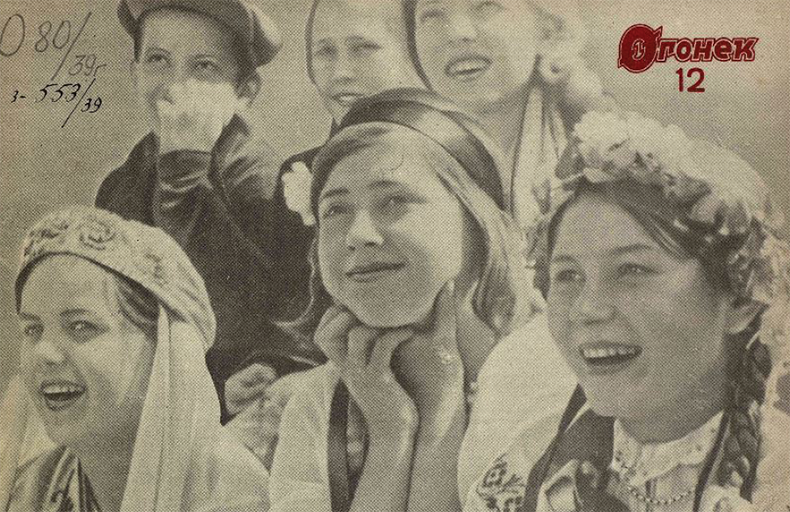
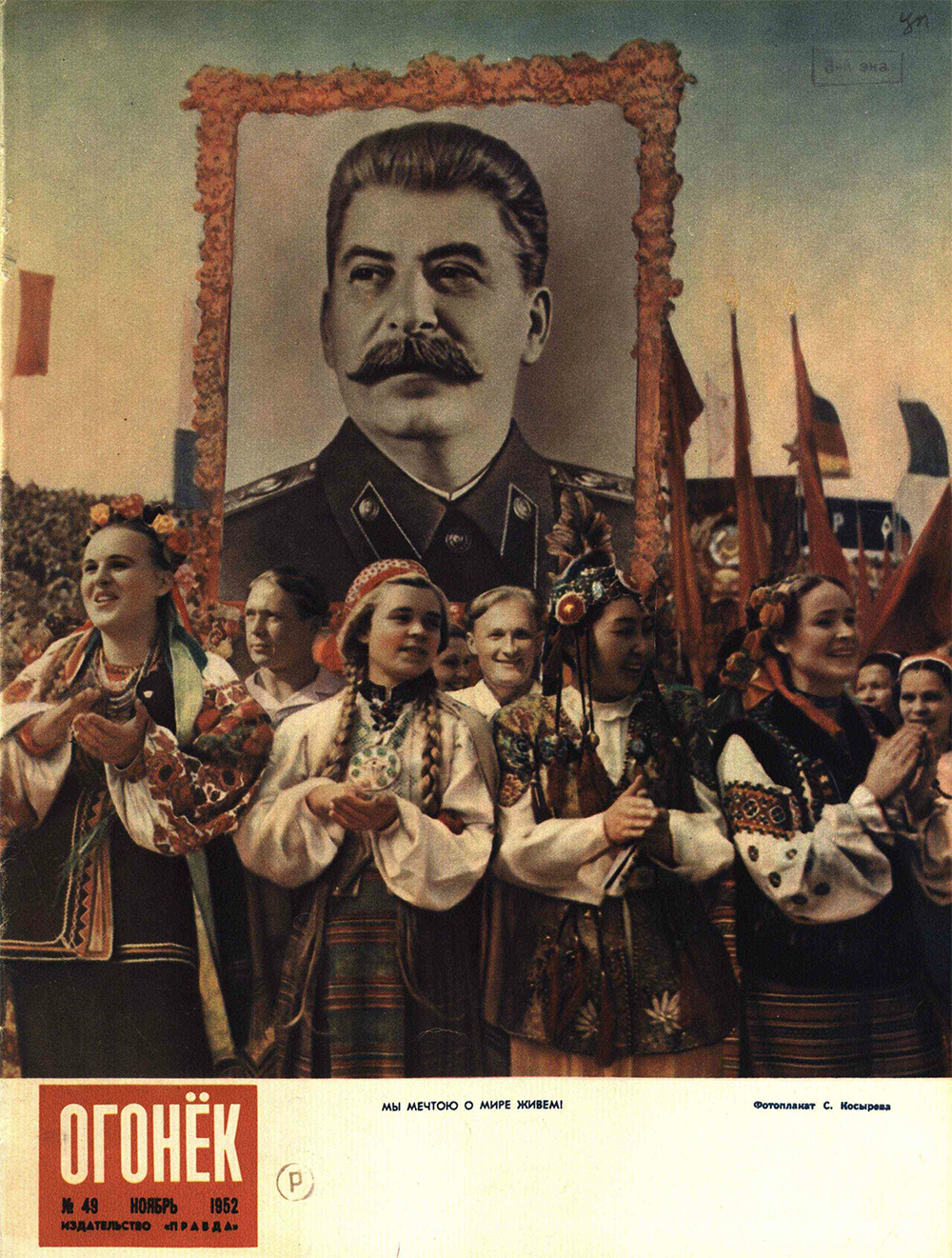
    • Ogonek is one of the most important sources of photographic and visual representation of life in the Soviet Union, much akin to LIFE magazine in the United States. It attracted some of the best photographers in the USSR such as Yevgeny Khaldei, Max Alpert, Alexander Rodchenko, et al., publishing their works regularly. Thus, Ogonek represents a treasure trove of photo-documentation of life in the Soviet Union.
    • From its inception it had several features that helped shape and elevate the cultural discourse in the USSR becoming in a sense an influential cultural tastemaker. Some of the features were the following: a refined literary language (although it contained elements of official praise); short stories and poems, much like one sees in The New Yorker; quality reproductions of European, Russian, and Soviet art, etc.
    • Even during the difficult years of the WWII Ogonek did not cease publication, and thus it is an invaluable repository of primary source material for both visual and textual study of that crucial period of Soviet and Russian history.
  • Oktiabr’ Digital Archive

    Oktiabr’ Digital Archive

    Key publication chronicling nearly a century of Russian literature.

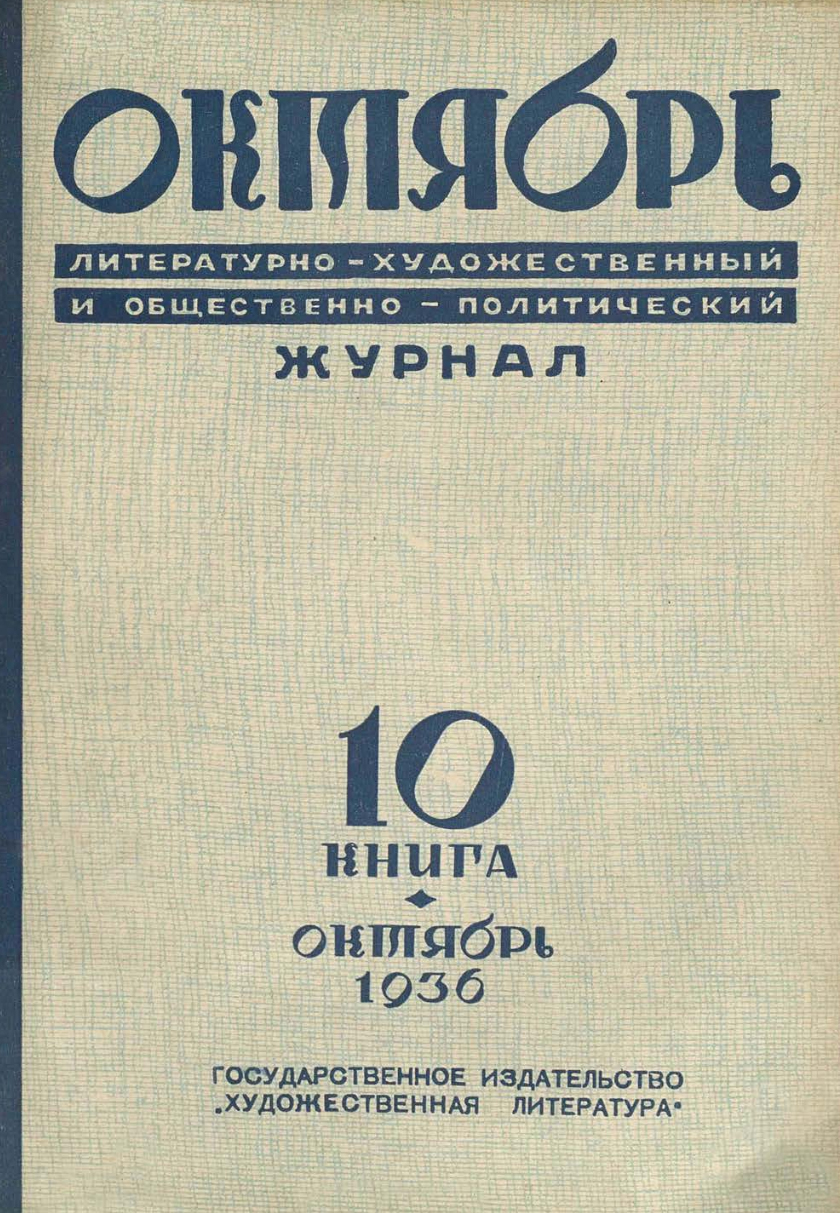
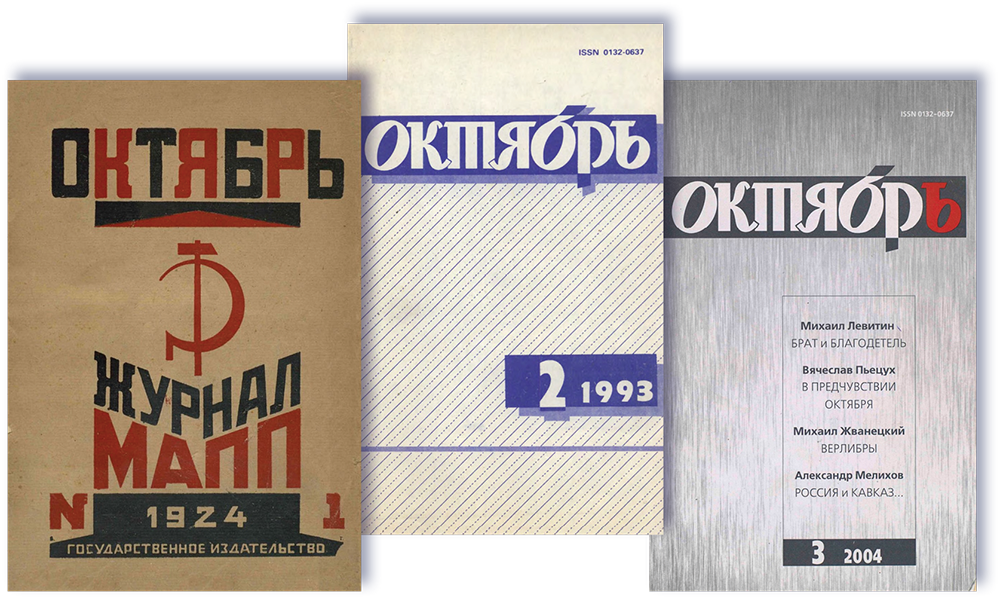
    This meticulously digitized archive spans from the journal’s inception in 1924 to its final issue in 2018, encompassing nearly a century of Russian literary and cultural development. The journal’s publication history mirrors the complex political and cultural transformations of 20th-century Russia, from its early association with various literary organizations through the Soviet period to its emergence as an independent publication in the 1990s.

    Throughout its history, the journal published works by literary giants such as Sergei Yesenin, Vladimir Mayakovsky, Mikhail Zoshchenko, and Andrei Platonov, alongside international authors including Lion Feuchtwanger, Romain Rolland, and Theodore Dreiser. Of particular interest to researchers are the previously censored works that appeared in its pages during the period of glasnost, including Anna Akhmatova’s “Requiem” and Vasily Grossman’s “Life and Fate.”

    The Oktiabr’ Digital Archive captures the journal’s evolution from its early years through the Soviet period and into post-Soviet Russia, reflecting the dramatic changes in Russian society and intellectual thought. For academic studies, the archive serves as an invaluable resource for research in various fields, including Russian literature, Soviet studies, cultural history, and social movements.

    The Oktiabr’ Digital Archive offers scholars the most comprehensive collection available for this title, and features full page-level digitization and complete original graphics. Each issue has been carefully digitized and split into individual articles with permanent URLs, making it easier for researchers to create accurate citations in their work. The archive features a user-friendly bilingual interface in Russian and English and has searchable text, allowing scholars to explore the vast collection of literary works, critical essays, and editorial content that shaped Russian intellectual discourse over nine decades. The archive is cross-searchable with numerous other Infoteka digital resources.

    More about the Soviet “Thick Journals”

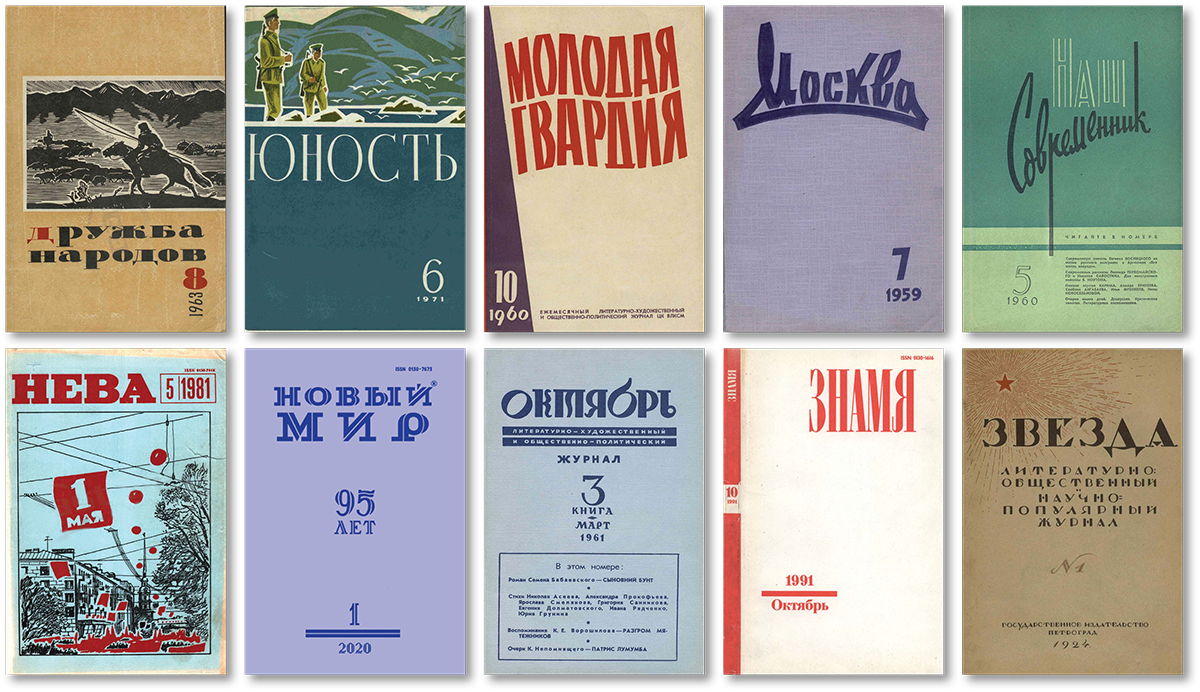
    The famed Soviet tolstye zhurnaly, or “thick journals,” were significant platforms for literary and intellectual discourse. Tolstye zhurnaly such as Oktiabr’ played a complex and multifaceted role in Soviet intellectual and literary life. They were not merely publications but institutions that shaped and were shaped by the cultural, intellectual, and political currents of their time. These journals served multiple roles:

    They acted as repositories of high culture, preserving the intellectual and literary achievements of the era. Given the limited avenues for independent publishing, these journals were the primary platforms where established and emerging writers could reach an audience.

    State-Controlled Outlets. While they were crucial platforms for intellectual and artistic expression, it’s important to remember that these journals were often used to propagate official ideologies, and the works published in them usually underwent rigorous censorship.

    Academic Importance. For academics studying the Soviet period, tolstye zhurnaly offer a valuable glimpse into the state-sanctioned intellectual climate of the time. They provide context for how literature and intellectual thought evolved under different political and social conditions.

    Catalysts for Change. During more liberal periods, such as the Khrushchev Thaw and the perestroika years, tolstye zhurnaly could act as catalysts for change, pushing the boundaries of what was acceptable to discuss and publish.

  • Periodicals of Central Asia and the Caucasus

    Periodicals of Central Asia and the Caucasus

    A collection of rare and influential publications from these regions.

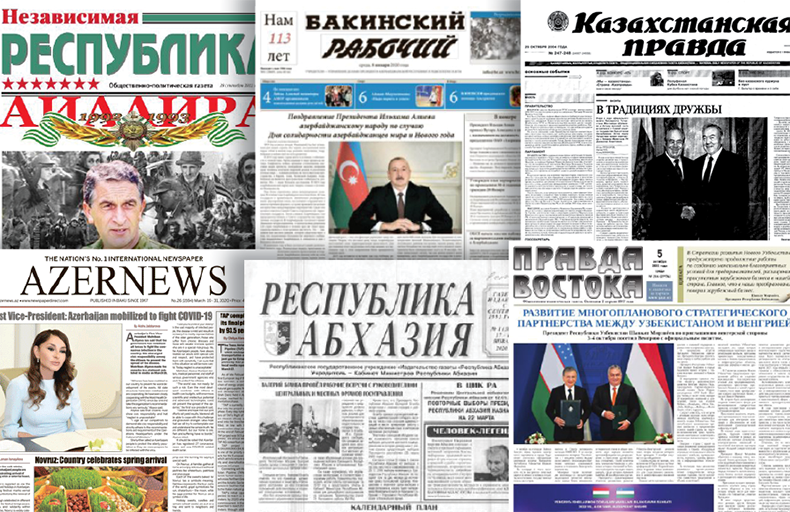
    Periodicals of Central Asia and the Caucasus includes a number of authoritative periodicals from the region. The publications are mostly in Russian and English and cover various issues of domestic and international importance. The collection contains news and data on state structure, politics, legislation, the judicial system, and indicators on all sectors of economy and more, making it an excellent source for scholars, investors, field experts and students. Many titles have a rich archive dating back to 2000.

    Periodicals of Central Asia and the Caucasus Titles

    • AP-BLITZ. Tajikistan News
    • AzerNews
    • Bakinskii rabochii (Бакинский рабочий)
    • Delovoi Kazakhstan (Деловой Казахстан)
    • Dlia Vas (Для Вас)
    • Iuzhnaia Osetiia (Южная Осетия)
    • Kazakhstanskaia pravda (Казахстанская правда)
    • Narodnoe slovo (web version) (Народное слово [web версия])
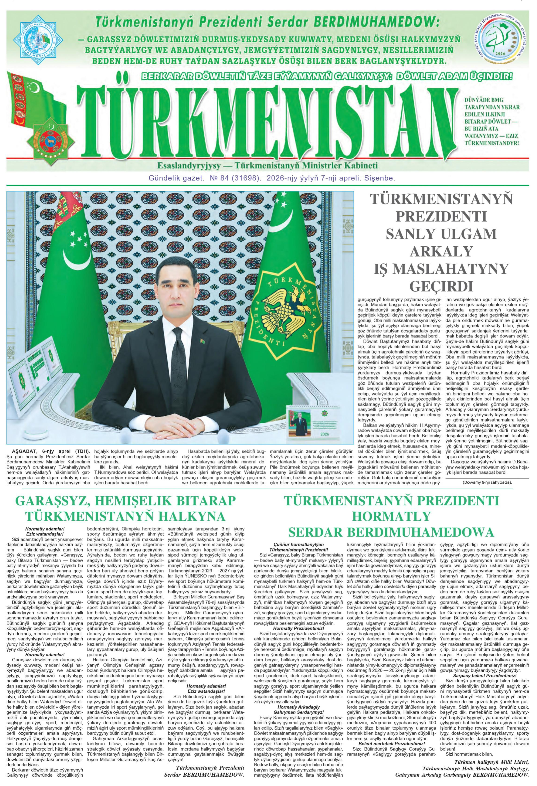
    • Neitral’nyi Turkmenistan (Нейтральный Туркменистан)
    • Nezavisimaia Respublika (Независимая Республика)
    • Novoe vremia (Web versiia) (Новое время [Web версия])
    • Pravda Vostoka (Правда Востока)
    • Respublika Abkhaziia (Республика Абхазия)
    • Slovo Kyrgyzstana (Слово Кыргызстана)
    • Svobodnaia Gruziia (web version) (Свободная Грузия [web версия])
    • Turkmenistan (Туркменистан)

    See title list for full list of active and archived titles.

  • Newspapers of the North Caucasus, Abkhazia and South Ossetia

    Newspapers of the North Caucasus, Abkhazia and South Ossetia

    News coverage from one of the most volatile areas of Russia and the former USSR.

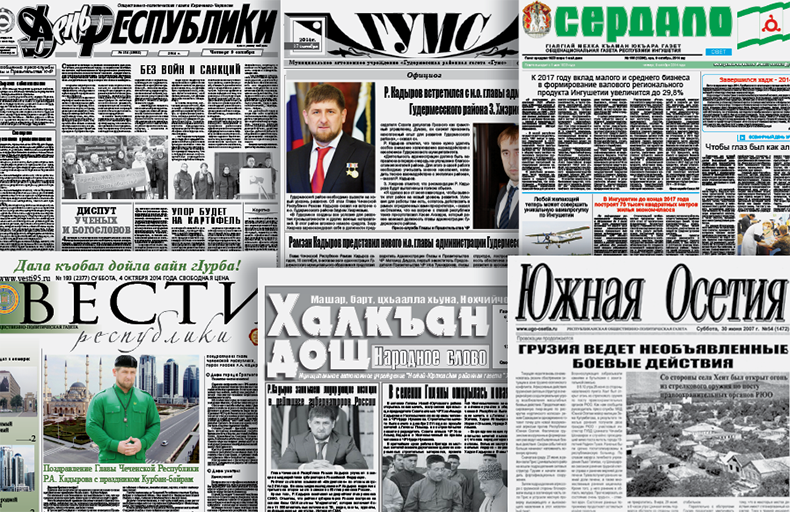
    Newspapers of the North Caucasus, Abkhazia and South Ossetia offers an invaluable resource for researchers studying the socio-political landscape of one of Russia’s most dynamic and historically significant regions, along with the contested territories of Abkhazia and South Ossetia. By accessing a diverse array of perspectives and reports, scholars can gain a nuanced understanding of the region’s complex history, ongoing conflicts, and societal transformations. Moreover, the inclusion of newspapers from Abkhazia and South Ossetia offers a unique window into the narratives and dynamics shaping these disputed territories, facilitating comparative analyses and fostering dialogue on regional autonomy and sovereignty issues. Researchers across disciplines, from political science to anthropology, stand to benefit from the rich and varied content curated within this database, which serves as a vital tool for exploring the multifaceted dimensions of the North Caucasus and its neighboring regions.

    Newspapers of the North Caucasus, Abkhazia and South Ossetia Titles

    • Dagestanskaia pravda (Дагестанская правда)
    • Den’ Respubliki (День Республики)
    • Gums (Гумс)
    • Ingushetiia (Ингушетия)
    • Iuzhnaia Osetiia (Южная Осетия)
    • Kabardino-Balkarskaia pravda (Кабардино-Балкарская правда)
    • Kerla dahar (Керла дахар)
    • Khalkan dosh (Халкъан дош)
    • Respublika Abkhaziia (Республика Абхазия)
    • Serdalo (Сердало)
    • Severnaia Osetiia (Северная Осетия)
    • Sovetskaia Adygeia (Советская Адыгея)
    • Stolitsa plius (Столица плюс)
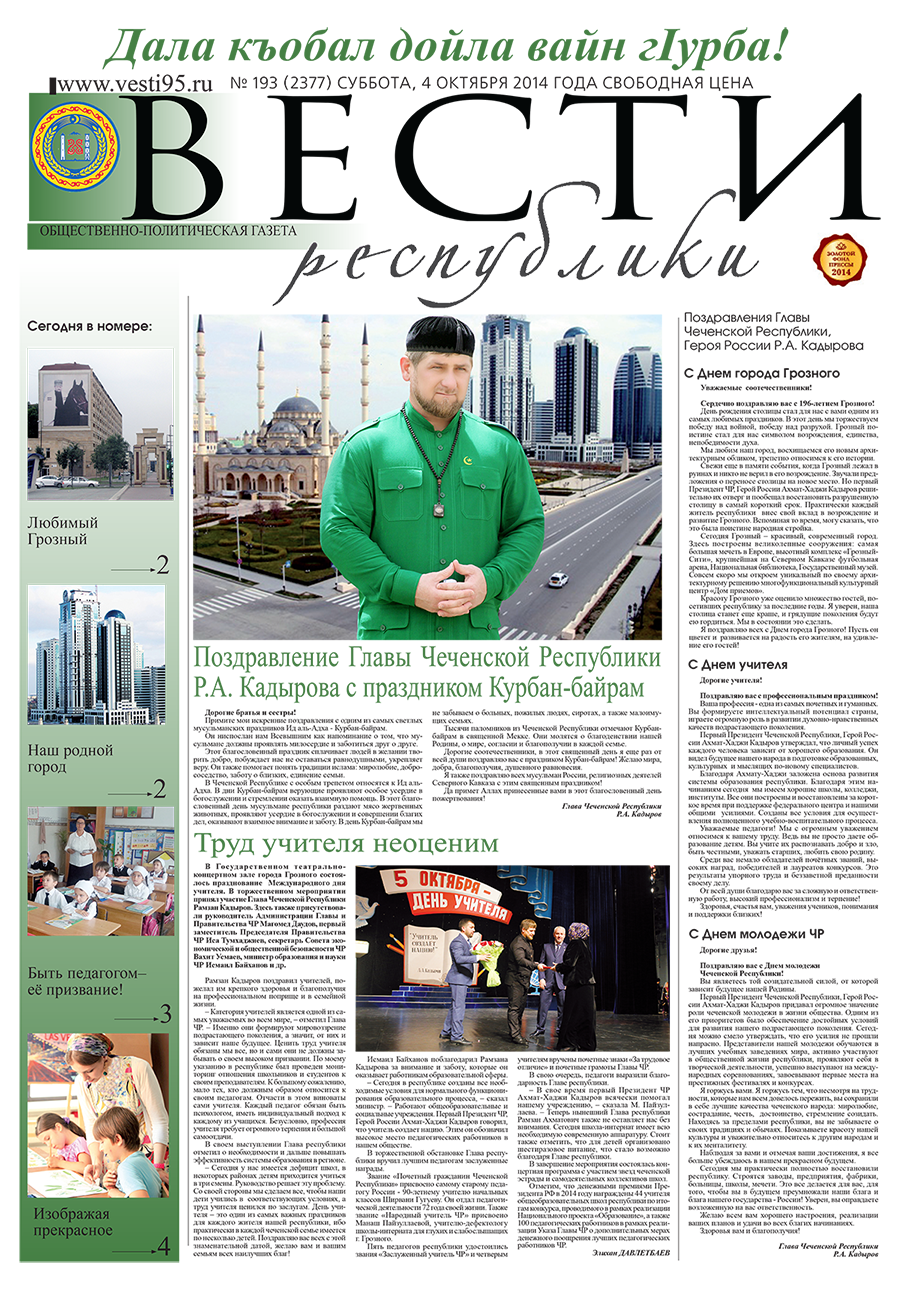
    • Vesti Respubliki (Вести Республики)

    See title list for full list of active and archived titles.

  • Neva Digital Archive

    Neva Digital Archive

    Key publication chronicling Soviet and post-Soviet literature, history, and public thought.

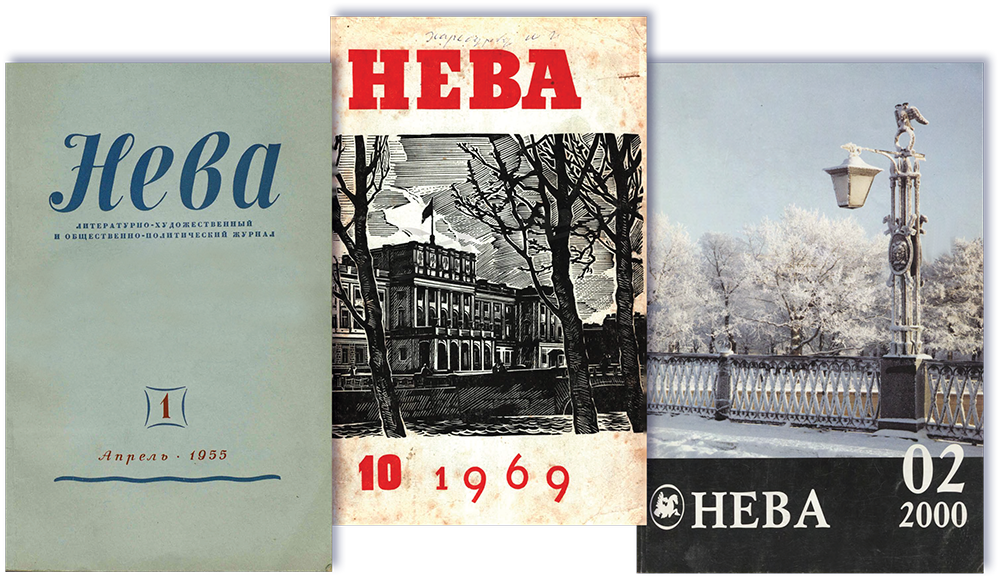
    Among its contributors were Mikhail Zoshchenko, Mikhail Sholokhov, Veniamin Kaverin, Lev Gumilyov, Dmitry Likhachov, Aleksandr Solzhenitsyn, Daniil Granin, the Strugatsky brothers, Vladimir Dudintsev, and Vasil Bykaŭ. A number of works first published in Neva went on to receive State Prizes and wide recognition, including Dudintsev’s novel White Robes. The journal was also one of the first in the USSR to introduce readers to Robert Conquest’s The Great Terror and Arthur Koestler’s Darkness at Noon.

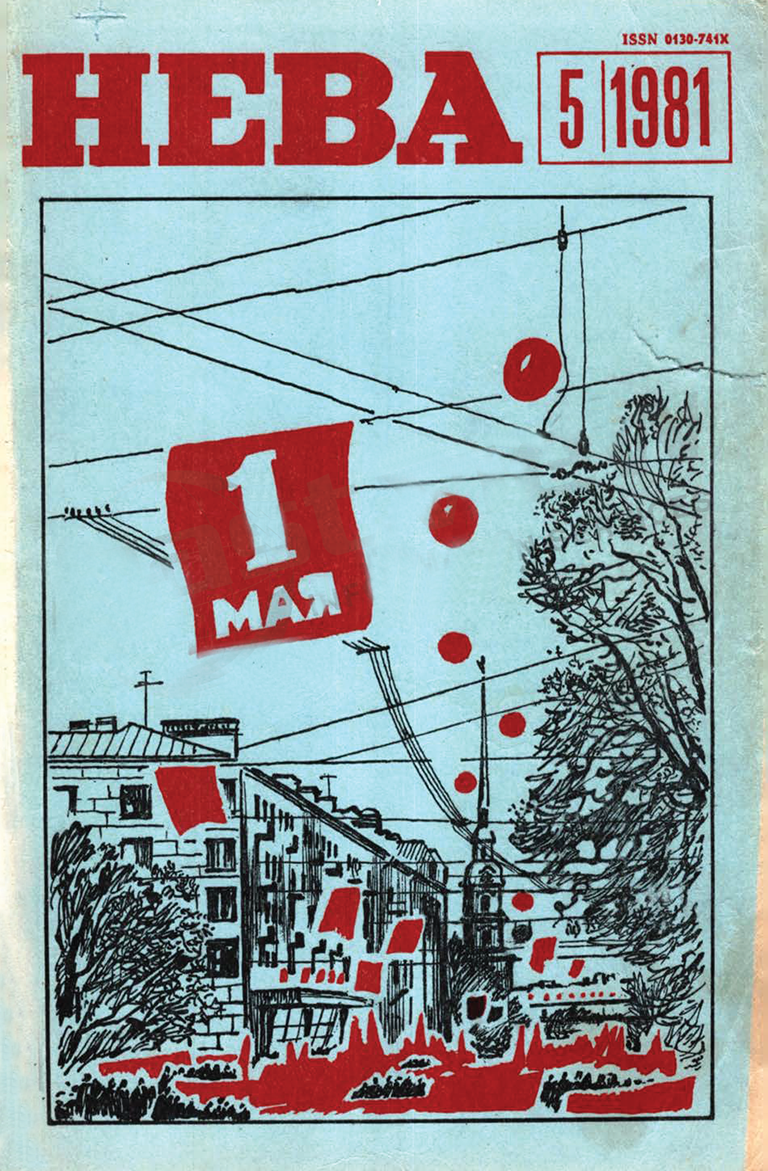
    The Neva Digital Archive offers scholars the complete run of Neva from its first issue in 1955, with an additional year’s worth of content available for purchase on an annual basis. Featuring full page-level digitization and complete original graphics, each issue has been carefully digitized and split into individual articles with permanent URLs, making it easier for researchers to create accurate citations in their work. Featuring full page-level digitization, complete original graphics, and a user-friendly bilingual interface in Russian and English, the searchable database enables efficient access to seventy years of Russian cultural, intellectual, and literary life, preserved in its original context. The archive is cross-searchable with numerous other Infoteka digital resources.

    More about the Soviet “Thick Journals”

    The famed Soviet tolstye zhurnaly, or “thick journals,” were significant platforms for literary and intellectual discourse. Tolstye zhurnaly such as Neva played a complex and multifaceted role in Soviet intellectual and literary life. They were not merely publications but institutions that shaped and were shaped by the cultural, intellectual, and political currents of their time. These journals served multiple roles:

    They acted as repositories of high culture, preserving the intellectual and literary achievements of the era. Given the limited avenues for independent publishing, these journals were the primary platforms where established and emerging writers could reach an audience.

    State-Controlled Outlets. While they were crucial platforms for intellectual and artistic expression, it’s important to remember that these journals were often used to propagate official ideologies, and the works published in them usually underwent rigorous censorship.

    Academic Importance. For academics studying the Soviet period, tolstye zhurnaly offer a valuable glimpse into the state-sanctioned intellectual climate of the time. They provide context for how literature and intellectual thought evolved under different political and social conditions.

    Catalysts for Change. During more liberal periods, such as the Khrushchev Thaw and the perestroika years, tolstye zhurnaly could act as catalysts for change, pushing the boundaries of what was acceptable to discuss and publish.

  • Novoe Russkoe Slovo Digital Archive

    Novoe Russkoe Slovo Digital Archive

    Influential newspaper for Russian readers abroad.

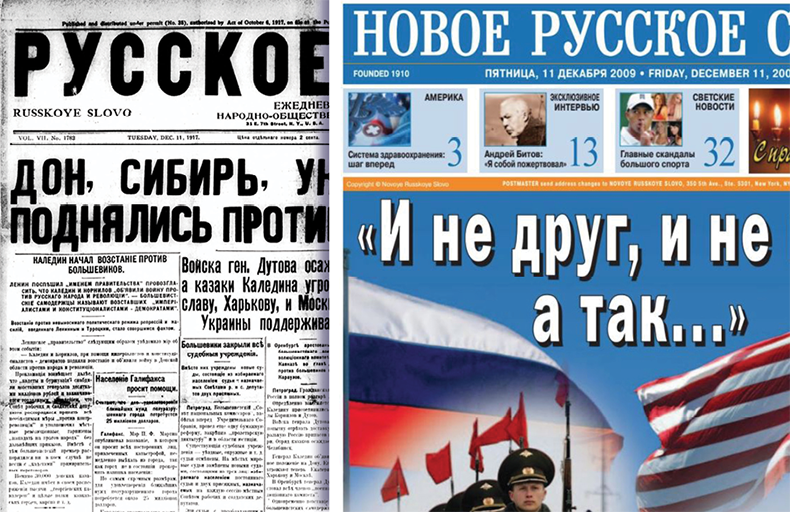
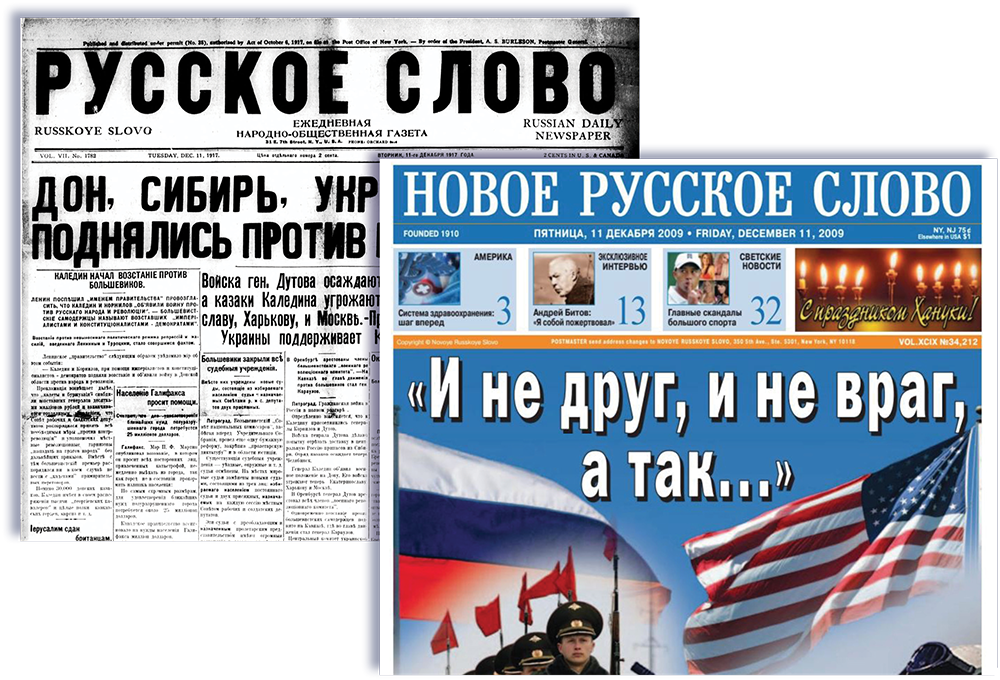
    First published in 1910 in New York, Russkoe slovo (Русское слово, Russian Word) initially carried pro-Communist leanings before undergoing nominal and ideological changes a decade later. Under the new name Novoe russkoe slovo (Новое русское слово, New Russian Word), the newspaper shed its pro-Communist sympathies and established itself as the premier newspaper of the Russian émigré community in New York and beyond.

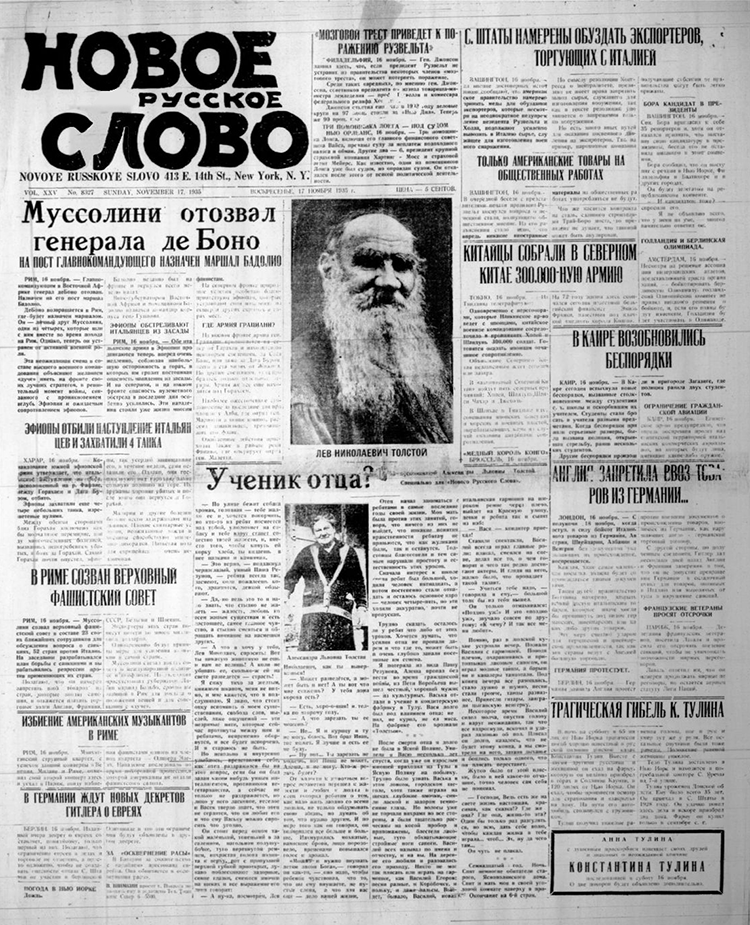
    Novoe russkoe slovo grew in stature and popularity throughout the 1920s. Contributing to the growth was the increasing wave of émigrés, many prominent intellectuals among them, in search of better fortunes in Europe and the United States after the Bolshevik revolution. Writers and journalists such as A. Vetlugin, George Grebenstchikoff, Aleksei Fovitsky in the US and Ivan Bunin, Don Aminado, Arkady Averchenko in Europe, among others, became regular writers for Novoe russkoe slovo. Along with publishing émigré authors, the newspaper began republishing Soviet authors as well, connecting the information-hungry Russian community with the goings on in the far-off motherland.

    Over time the newspaper introduced new features such as book and film reviews, modeling itself after publications in other immigrant communities as well as more mainstream publications such as the New York Times and the New York Herald.

    Novoe russkoe slovo experienced its true height of popularity during WWII and the immediate aftermath. No longer counting on émigré writers and publicists, the community had begun producing homegrown talent who thought and wrote stylistically in a very different manner than their first-generation immigrant predecessors, with many of them cutting their journalistic and literary teeth on the pages of the newspaper.

    The third wave of immigration from the Soviet Union in the 1970s brought with it a new infusion of talent into the New York Russian community. Novoe russkoe slovo, by then a recognizable and a reputable institution, became one of the beneficiaries of the changing immigrant scene. Positioning itself as the premier immigrant publication, and certainly the most sophisticated, it soon became a lively forum for a varied group of authors, both old and new, under the editorial leadership of Andrey Sedykh, the erstwhile personal secretary of Ivan Bunin, the famed Nobel Prize winner for literature.

    Due to financial difficulties and other factors, Novoe russkoe slovo, the oldest Russian-language periodical in North America, ceased publication a century after it was first established, in 2010.

    The Novoe Russkoe Slovo Digital Archive contains all obtainable published issues (approx. 40,000 pages), including issues of the newspaper’s predecessor title Russkoe slovo (1917–1920). The archive offers scholars the most comprehensive collection available for this title, and features full page-level digitization, complete original graphics, and searchable text, and is cross-searchable with numerous other Infoteka digital resources.