Subject: Literature

  • Social Sciences Digital Archive

    Social Sciences Digital Archive

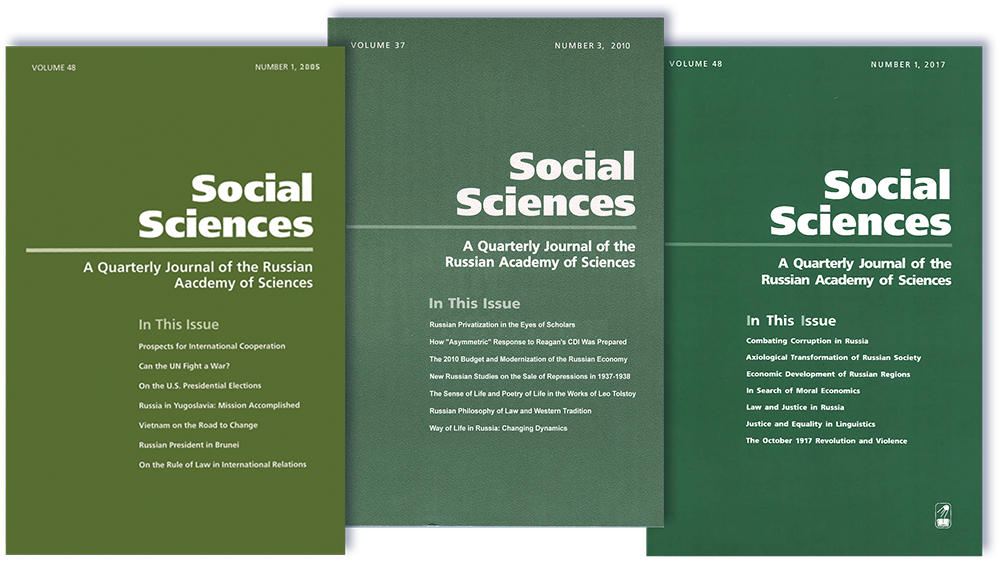
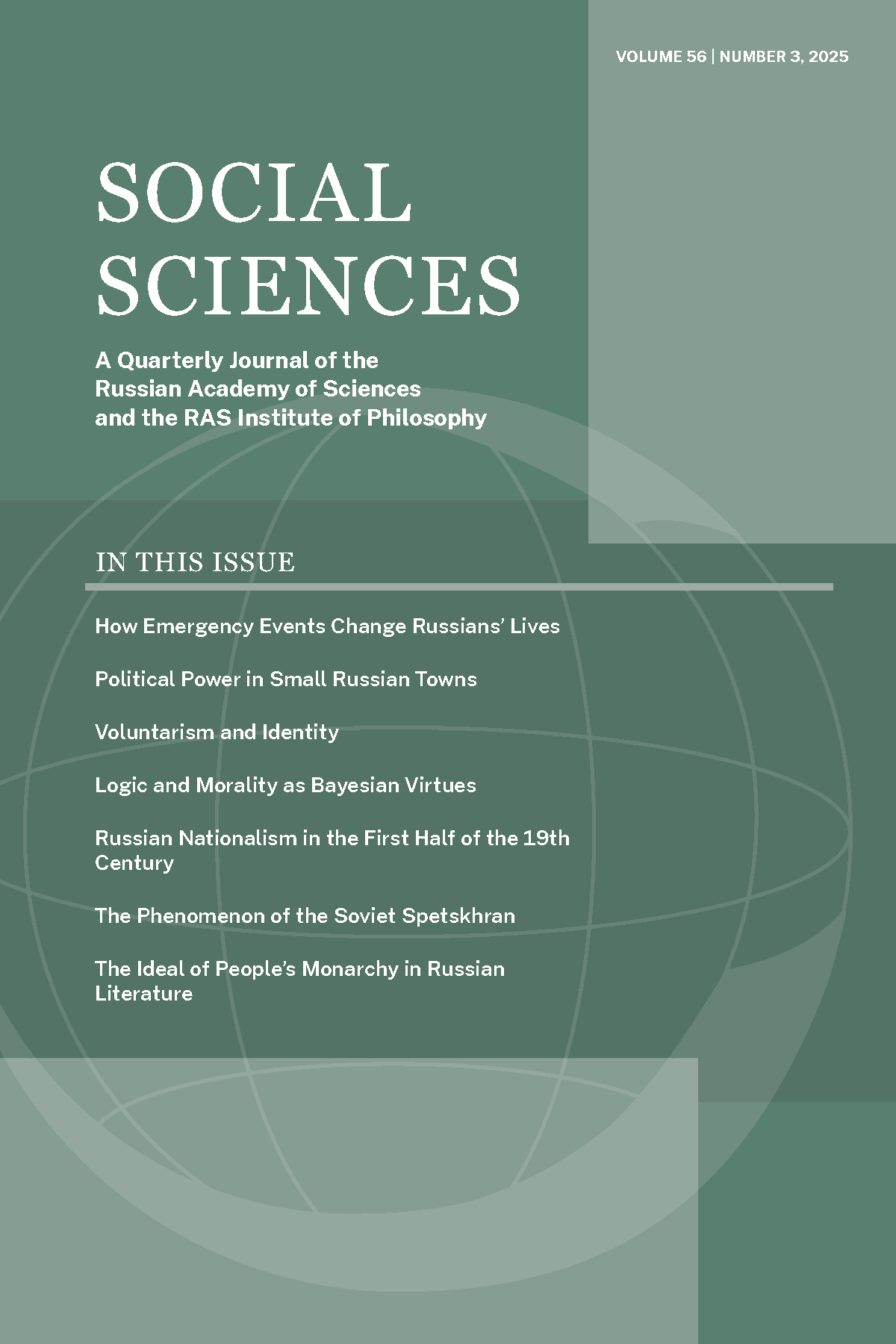
    A quarterly journal of the Russian Academy of Sciences.

    Founded in 1970, Social Sciences was conceived as a scholarly publication tasked with promoting the Marxist-Leninist approach to social sciences worldwide. Since Gorbachev’s perestroika, however, the periodical’s ideological framework underwent certain modifications becoming a vivid chronicle of the collapse of the old communist dogmas and the transition to new ways of approaching social, economic and historical issues.

    Over the decades since its founding, the journal has become an important and a unique platform for prominent papers and studies selected from various institutes of the Russian Academy of Sciences. Covering the most pressing issues of Russia’s social and economic development, Social Sciences includes articles on philosophy, history, economics, politics, sociology, law, philology, psychology, ethnography, archaeology, literature and culture.

    The Social Sciences Digital Archive includes all issues published from 1970 on (over 6,500 articles), with an additional year’s worth of content available for purchase on an annual basis. The archive offers scholars the most comprehensive collection available for this title, and features full page-level digitization and complete original graphics. The archive has searchable text and is cross-searchable with numerous other Infoteka digital resources.

  • Russian University Press Social Sciences Journals

    Russian University Press Social Sciences Journals

    Comprehensive collection of journals from both central and regional universities.

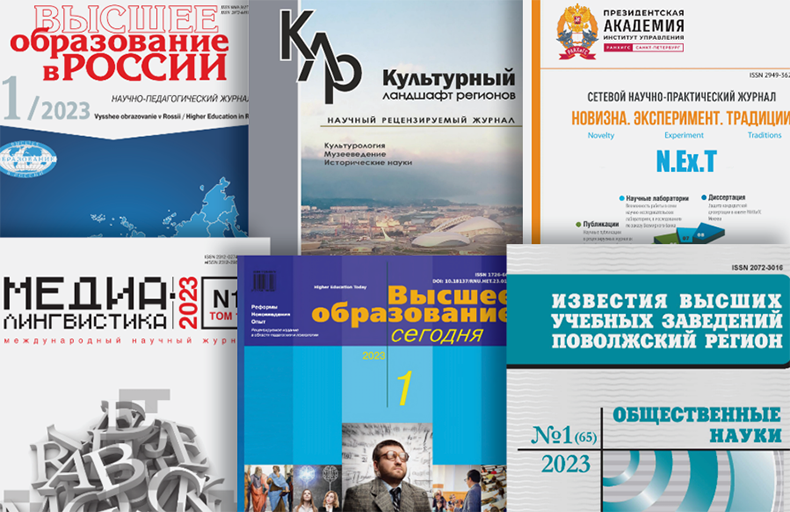
    Russian University Press Social Sciences Journals is a comprehensive compilation of over 75 scholarly journals published by university presses and academic institutions across Russia. The range of these institutions spans from the bustling centers of Moscow and St. Petersburg to the diverse regions of Krasnodar, Chita, Chelyabinsk, Saratov, Penza, Rostov-Don, Novosibirsk, Orel, Penza, and Yekaterinburg.

    This collection exhibits a broad spectrum of social sciences, making it a valuable resource for academic exploration and research. Disciplines include Civil Service, Cultural Landscape of Regions, Economics and Management, Experimental Psychology, Higher Education in Russia, History, International Relations, International Law, Journalism, Jurisprudence, Linguistics, Literature Studies, Media Linguistics, Phenomenology, Philology, Philosophy, Science and Society, Social Psychology, Sociology and Law, Theology, and Transcultural Practices.

    Russian University Press Social Sciences Journals serves as a substantial academic resource, enabling scholars to broaden their knowledge base and offering an opportunity to engage with the ongoing dialogues within the diverse disciplines of Russian social sciences. It is an essential tool for researchers, educators, and students who wish to deepen their understanding and contribute to these dynamic fields of study.

    Russian University Press Social Sciences Journals Titles

    • Eksperimental’naia psikhologiia (Экспериментальная психология, Experimental Psychology)
    • Gosudarstvennaia sluzhba (Государственная служба, Public Service)
    • Gumanitarnyi vestnik (Гуманитарный вестник, Humanities Bulletin)
    • Izvestiia Saratovskogo universiteta. Novaia seriia. Seriia: Istoriia. Mezhdunarodnye otnosheniia (Известия Саратовского университета. Новая серия. Серия: История. Международные отношения, News of Saratov University. New Series. Series: History. International Relations)
    • Izvestiia Ural’skogo federal’nogo universiteta. Seriia 1: Problemy obrazovaniia, nauki i kul’tury (Известия Уральского федерального университета. Серия 1: Проблемы образования, науки и культуры, News of the Ural Federal University. Series 1: Problems of Education, Science, and Culture)
    • Izvestiia vysshikh uchebnykh zavedenii. Severo-Kavkazskii region. Obshchestvennye nauki (Известия высших учебных заведений. Северо-Кавказский регион. Общественные науки, News of Higher Education Institutions. North-Caucasian Region. Social Sciences)
    • Kul’tura i obrazovanie (Культура и образование, Culture and Education)
    • Medialingvistika (Медиалингвистика, Media Linguistics)
    • Moskovskii zhurnal mezhdunarodnogo prava (Московский журнал международного права, Moscow Journal of International Law)
    • Muzykal’nyi al’manakh Tomskogo gosudarstvennogo universiteta (Музыкальный альманах Томского государственного университета, Music Almanac of Tomsk State University)
    • Polilingvial’nost’ i transkul’turnye praktiki (Полилингвиальность и транскультурные практики, Multilingualism and Transcultural Practices)
    • Psikhologiia i pravo (Психология и право, Psychology and Law)
    • Russian Journal of Linguistics
    • Sibirskie istoricheskie issledovaniia (Сибирские исторические исследования, Siberian Historical Studies)
    • Sotsium i vlast’ (Социум и власть, Society and Power)
    • Srednerusskii vestnik obshchestvennykh nauk (Среднерусский вестник общественных наук, Central Russian Bulletin of Social Sciences)
    • Tekst. Kniga. Knigoizdanie (Текст. Книга. Книгоиздание, Text. Book. Book Publishing.)
    • Vestnik kul’tury I iskusstv (Вестник культуры и искусств, Bulletin of Culture and Arts)
    • Vestnik Moskovskogo gosudarstvennogo universiteta kul’tury i iskusstv (Вестник Московского государственного университета культуры и искусств, Bulletin of Moscow State University of Culture and Arts)
    • Vestnik Rossiiskogo universiteta druzhby narodov. Seriia: Gosudarstvennoe i munitsipal’noe upravlenie (Вестник Российского университета дружбы народов. Серия: Государственное и муниципальное управление, RUDN Journal of Public Administration)
    • Vestnik Tomskogo gosudarstvennogo universiteta. Pravo (Вестник Томского государственного университета. Право, Tomsk State University Bulletin. Law)
    • Voprosy zhurnalistiki (Вопросы журналистики, Journalism Issues)
    • Vysshee obrazovanie v Rossii (Высшее образование в России, Higher Education in Russia)
    • Zhanry rechi (Жанры речи, Speech Genres)

    See title list for full list of active and archived titles.

  • Russkaia Literatura Digital Archive

    Russkaia Literatura Digital Archive

    Renowned literary journal from the Russian Academy of Sciences.

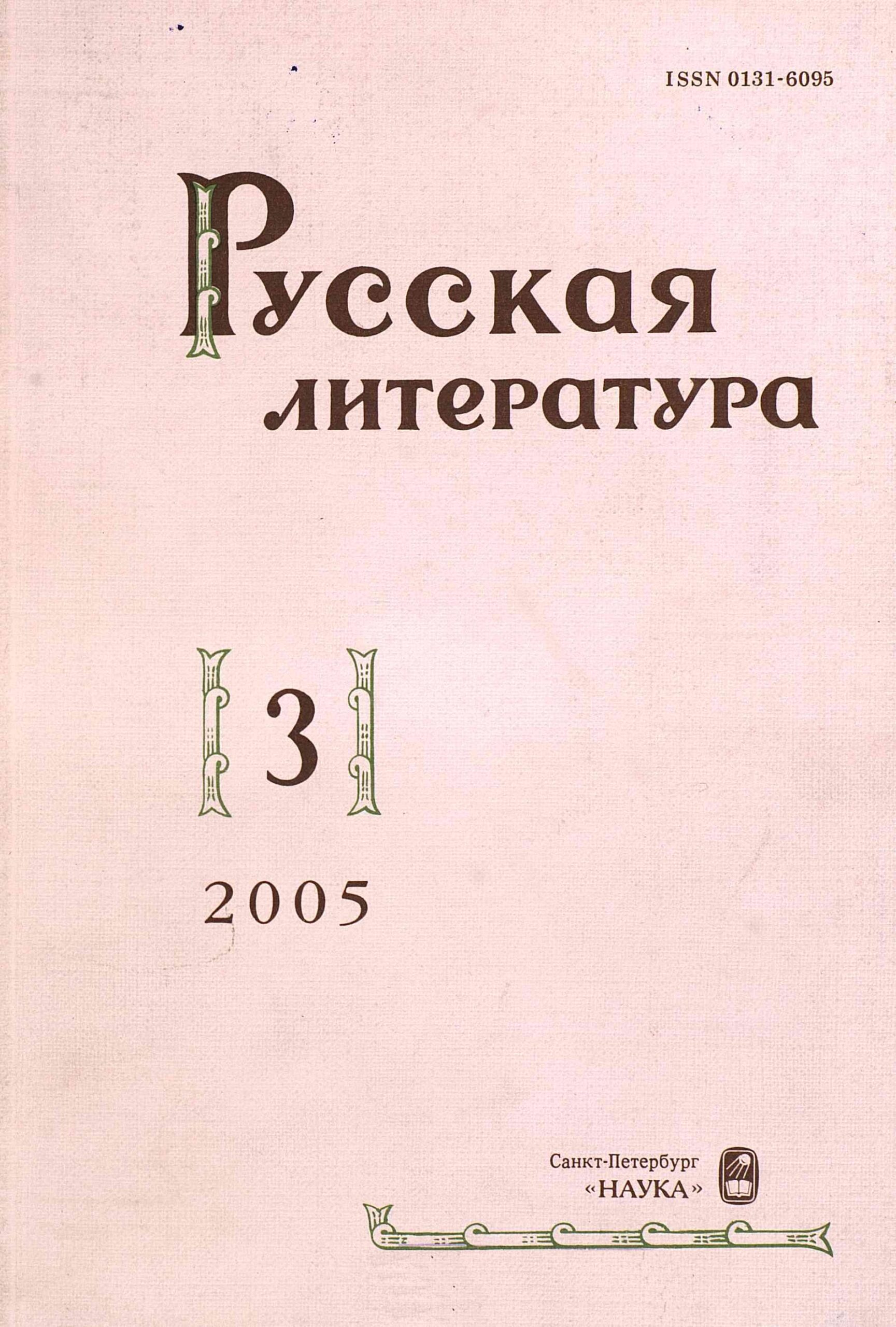
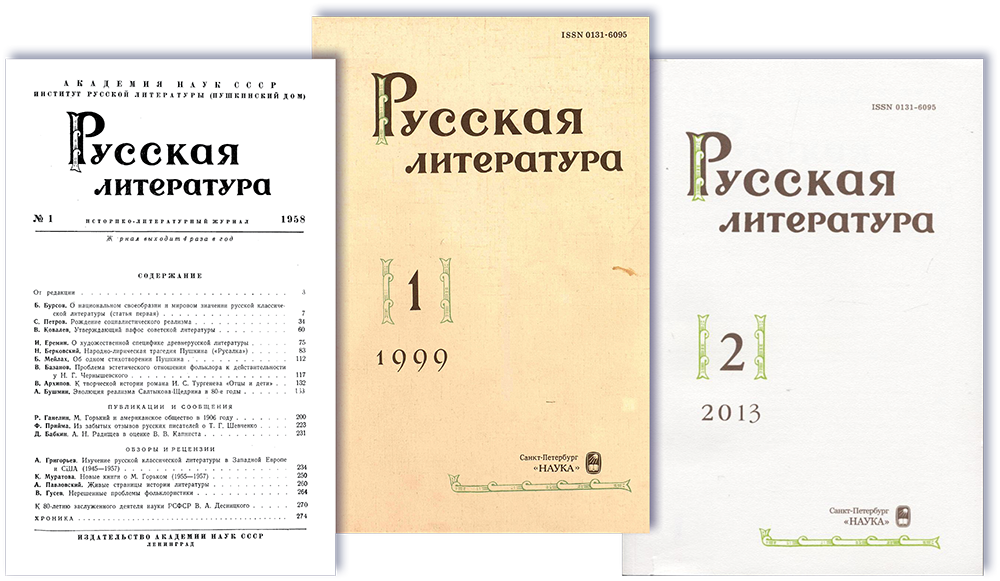
    Russkaia literatura (Русская литература, Russian Literature) is a well-known journal of literary criticism. The journal is one of the most comprehensive, reliable and authoritative resources featuring biographical information and criticism of Russian and Soviet authors in various genres. Published since 1958 by the Institute of Russian Literature of the Russian Academy of Sciences (Pushkinskii Dom), this scholarly journal features numerous research papers, discussion pieces, analytical articles and critical essays concerning classical and modern writers and poets of Russia.

    The Russkaia Literatura Digital Archive contains the complete run of the journal from 1958 on, with an additional year’s worth of content available for purchase on an annual basis. The archive offers scholars the most comprehensive collection available for this title, and features full page-level digitization, complete original graphics, and searchable text, and is cross-searchable with numerous other Infoteka digital resources.
  • Russkii Arkhiv Digital Archive

    Russkii Arkhiv Digital Archive

    Well-known pre-revolutionary historical and literary journal.

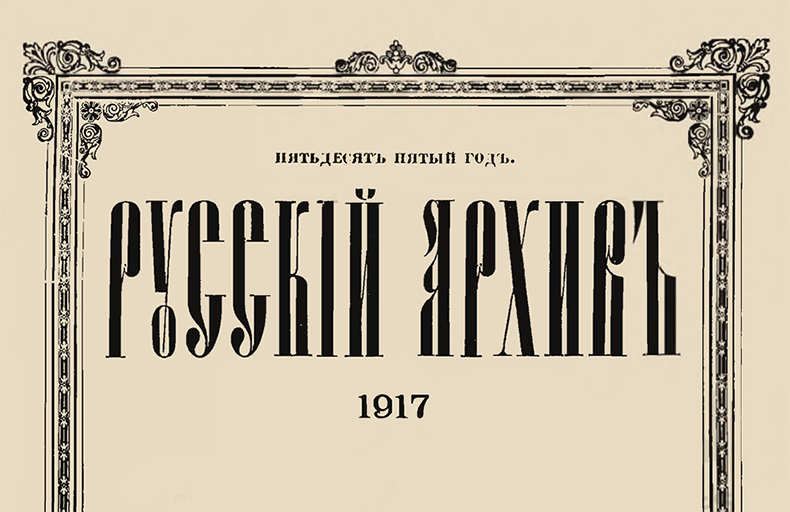
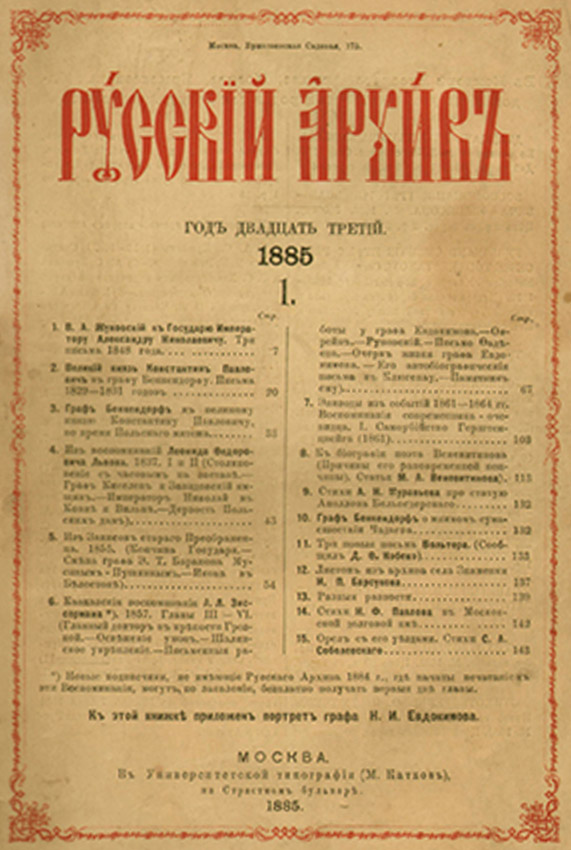
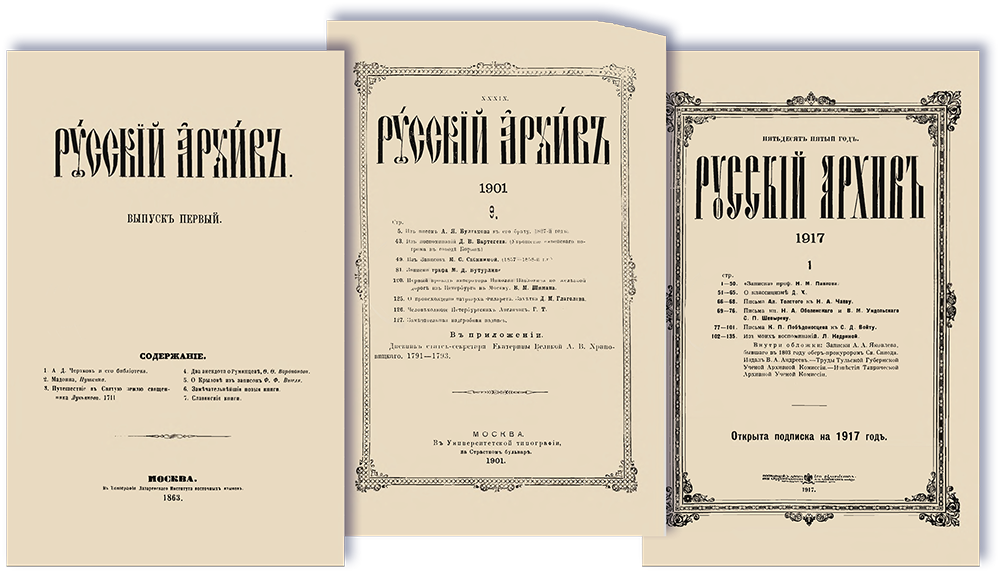
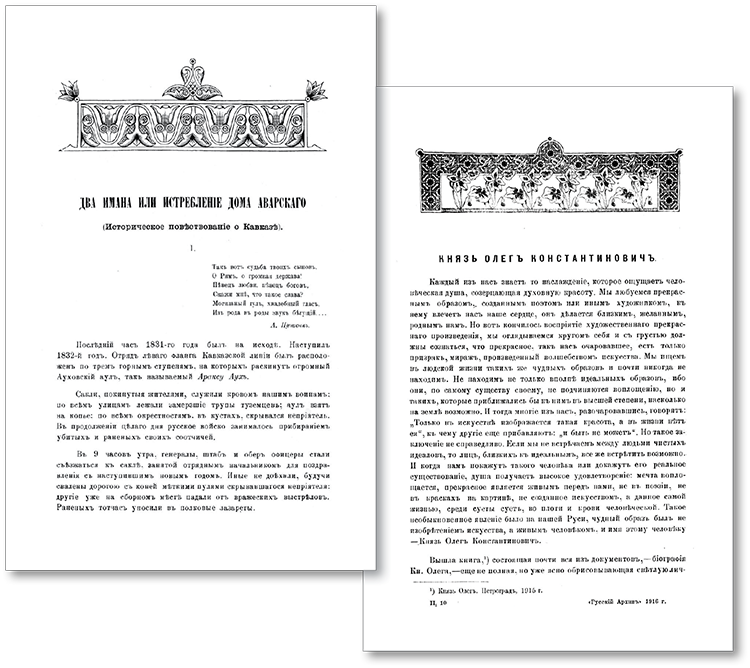
    The Russkii Arkhiv Digital Archive contains all obtainable published issues of the journal (650 issues and nearly 100,000 pages), as well as several supplemental publications (see list below). The archive offers scholars the most comprehensive collection available for this title, and features full page-level digitization, complete original graphics, and searchable text, and is cross-searchable with numerous other Infoteka digital resources.

    Note: Russkii arkhiv was written in the Old Russian orthography used at the time, which included the letters І, Ѣ, Ѳ and Ѵ. These letters were later eliminated from the Russian alphabet during the orthographic reform of 1918. To facilitate full-text searching of this journal, the database includes a special keyboard containing the old Russian characters. This virtual keyboard allows users to enter words containing pre-reform Russian letters (e.g. “сѵнодъ,” “дѣтство”). In addition, article-level keywords, bibliographic references, and other metadata has been added to improve the database’s search functionality. Where needed, the scanned files have been retouched to ensure a fully text searchable database.

    Supplementary Materials

    Russkii arkhiv: predmetnaiia rospis

    (Русскiй Архивъ: предметная роспись, Russkii arkhiv: a list of articles by subject) This publication contains lists of the articles published in Russkii arkhiv in 1863–1882 (twenty years), 1863–1892 (thirty years), 1863–1908 (inclusive), along with subject and alphabetical references. Starting in 1907 parts of the rospis started to accompany Russkii arkhiv itself and in 1908 the complete rospis was printed as a separate publication.


    Predmetnyi i alfavitnyi katalog kollektsii knig Chertkovskoi biblioteki v triokh chastiakh, izdannyi v vide prilozheniia k Russkomu arkhivu (1863–1868)

    (Каталогъ книг Чертковской библiотеки, The subject and alphabetical catalog of the collection of books of the Chertkov Library in three volumes, published as a supplement to Russkii arkhiv [1863–1868])


    Severnyie tsvety

    (Сѣверные цвѣты, Northern Flowers) A literary almanac published in St. Petersburg during 1824–1830 by the well-known Russian poet and journalist Anton Delvig. For the years 1825 and 1826 the almanac issues were reprinted as supplements to Russkii arkhiv (1881).


    Stikhotvoreniia Vasiliia Andreevicha Zhukovskago

    (Стихотворенiя Василія Андреевича Жуковскаго, Poems of Vasily Andreevich Zhukovsky)


    Zapiski Filippa Filippovicha Vigelia

    (Записки Филипа Филиповича Вигеля, The memoirs of Fillip Philipp Philippovich Vigel) А Russkii arkhiv publication, Zapiski portrays an exhaustive gallery of the Russian people of the first half of the 19th century, placing them in a context of everyday life of the time.

    See title list for full list of titles.

  • Russian Social Sciences and Humanities Periodicals

    Russian Social Sciences and Humanities Periodicals

    Robust collection of major Russian publications on social sciences and humanities.

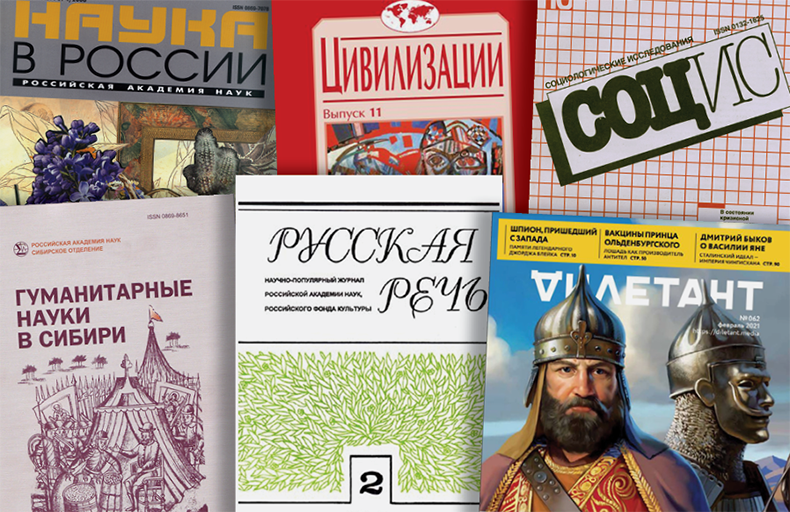
    Russian Social Sciences and Humanities Periodicals provides researchers with a unique opportunity to cross-search the contents of major Russian periodicals on a wide variety of subjects. The collection features over 75 Russian journals on sociology, philosophy, history, economy, pedagogics, politology, law, and more. This includes all 31 journals of the Russian Academy of Sciences, ranging in focus from archaeology to linguistics, as well as popular literary editions and independent scholarly publications.

    Russian Social Sciences and Humanities Periodicals Titles

    • Arkheologiia, etnografiia i antropologiia Evrazii (Археология, этнография и антропология Евразии)
    • Aziia i Afrika segodnia (Азия и Африка сегодня)
    • Druzhba narodov (Дружба народов)
    • EKO. Vserossiiskii ekonomicheskii zhurnal (ЭКО. Всероссийский экономический журнал)
    • Etnograficheskoe obozrenie (Этнографическое обозрение)
    • Filosofiia obrazovaniia (Философия образования)
    • Gosudarstvo, religiia, tserkov’ v Rossii i za rubezhom (Государство, религия, церковь в России и за рубежом)
    • Gumanitarnye nauki v Sibiri (Гуманитарные науки в Сибири)
    • Iunost’ (Юность)
    • Latinskaia Amerika (Латинская Америка)
    • Mezhdunarodnye protsessy (Международные процессы)
    • Molodaia gvardiia (Молодая гвардия)
    • Neprikosnovennyi zapas (Неприкосновенный запас)
    • Novoe literaturnoe obozrenie (Новое литературное обозрение)
    • Obshchestvo i ekonomika (Общество и экономика)
    • Pedagogika (Педагогика)
    • Problemy istorii, filologii, kul’tury (Проблемы истории, филологии, культуры)
    • Rossiia v global’noi politike (Россия в глобальной политике)
    • Rossiiskaia arkheologiia (Российская археология)
    • Skandinavskaia filologiia (Скандинавская филология)
    • SShA – Kanada. Ekonomika, politika, kul’tura (США – Канада. Экономика, политика, культура)
    • Voprosy ekonomiki (Вопросы экономики)

    See title list for full list of active and archived titles.

  • Russian Thick Journals

    Russian Thick Journals

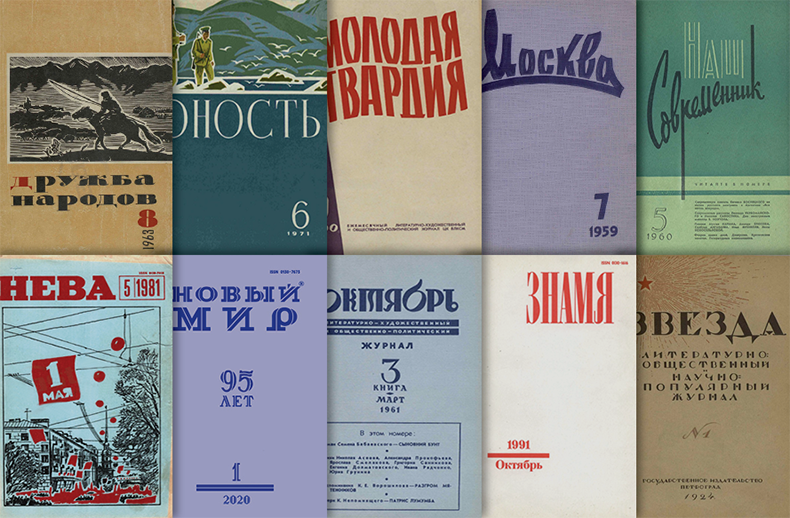
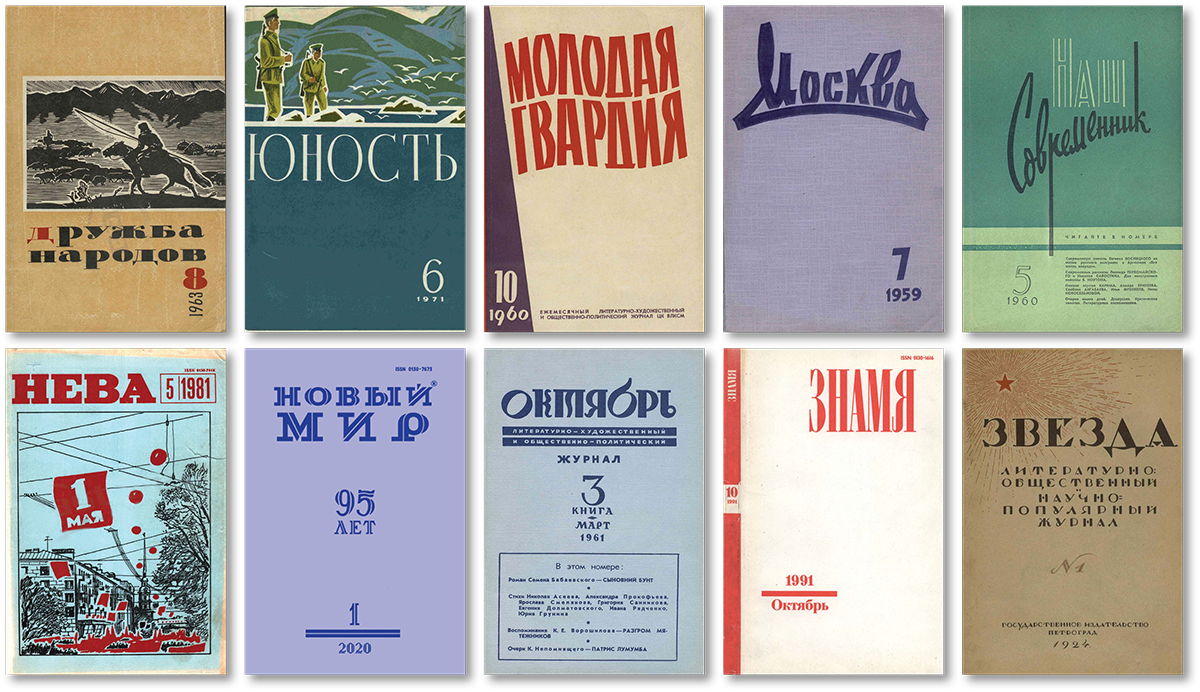
    Tolstye zhurnaly (толстые журналы), literally meaning “thick journals” in Russian, are a unique form of literary and cultural periodicals that have played a significant role in Russian intellectual life since the 19th century. These journals typically contain:

    • New works of fiction (novels, short stories, poems)
    • Literary criticism and essays
    • Social and political commentary
    • Cultural analysis

    Unlike typical journals, tolstye zhurnaly are book-length publications, often running to several hundred pages per issue. In the Soviet Union and later in Russia, literary and artistic journals with a full volume of 192-256 pages received the informal name “thick journals.”

    Digital Archives of Russian Thick Journals

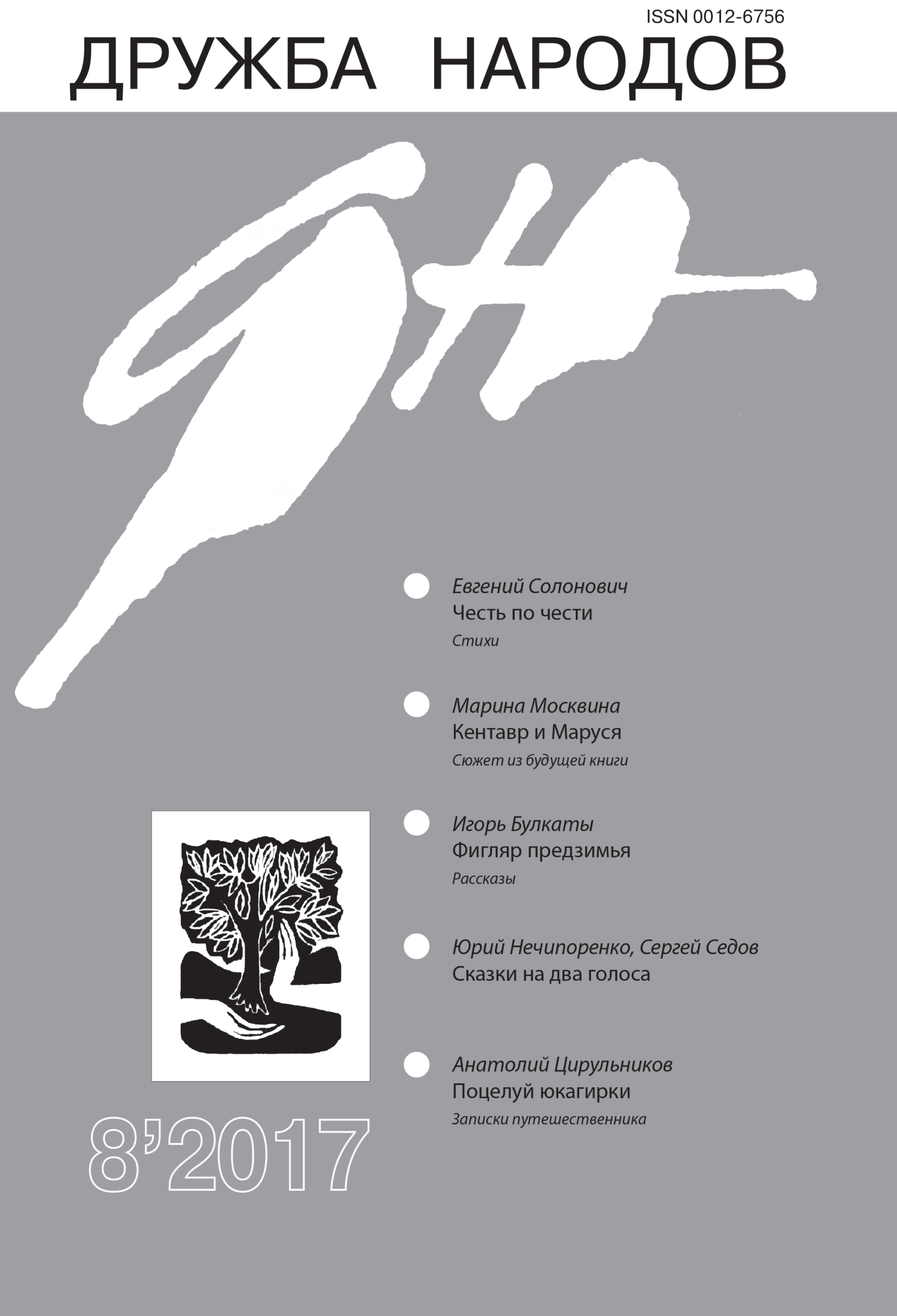
    Druzhba Narodov Digital Archive (1939–2025)


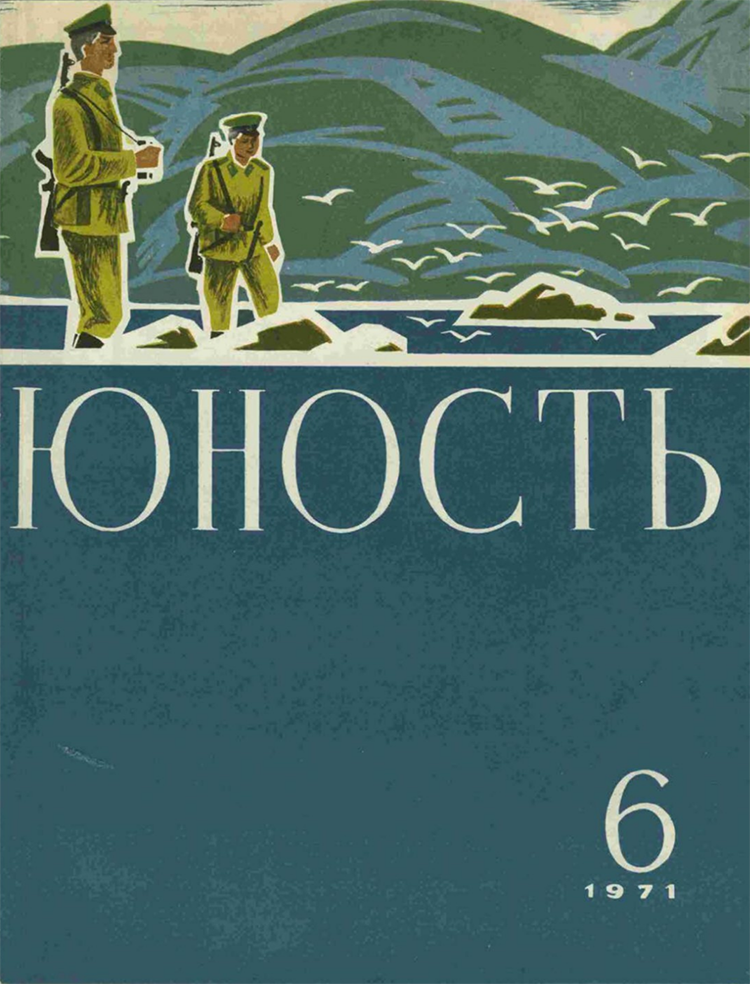
    Iunost’ Digital Archive (1955–2025)


    Molodaia Gvardiia Digital Archive (1922–2025)


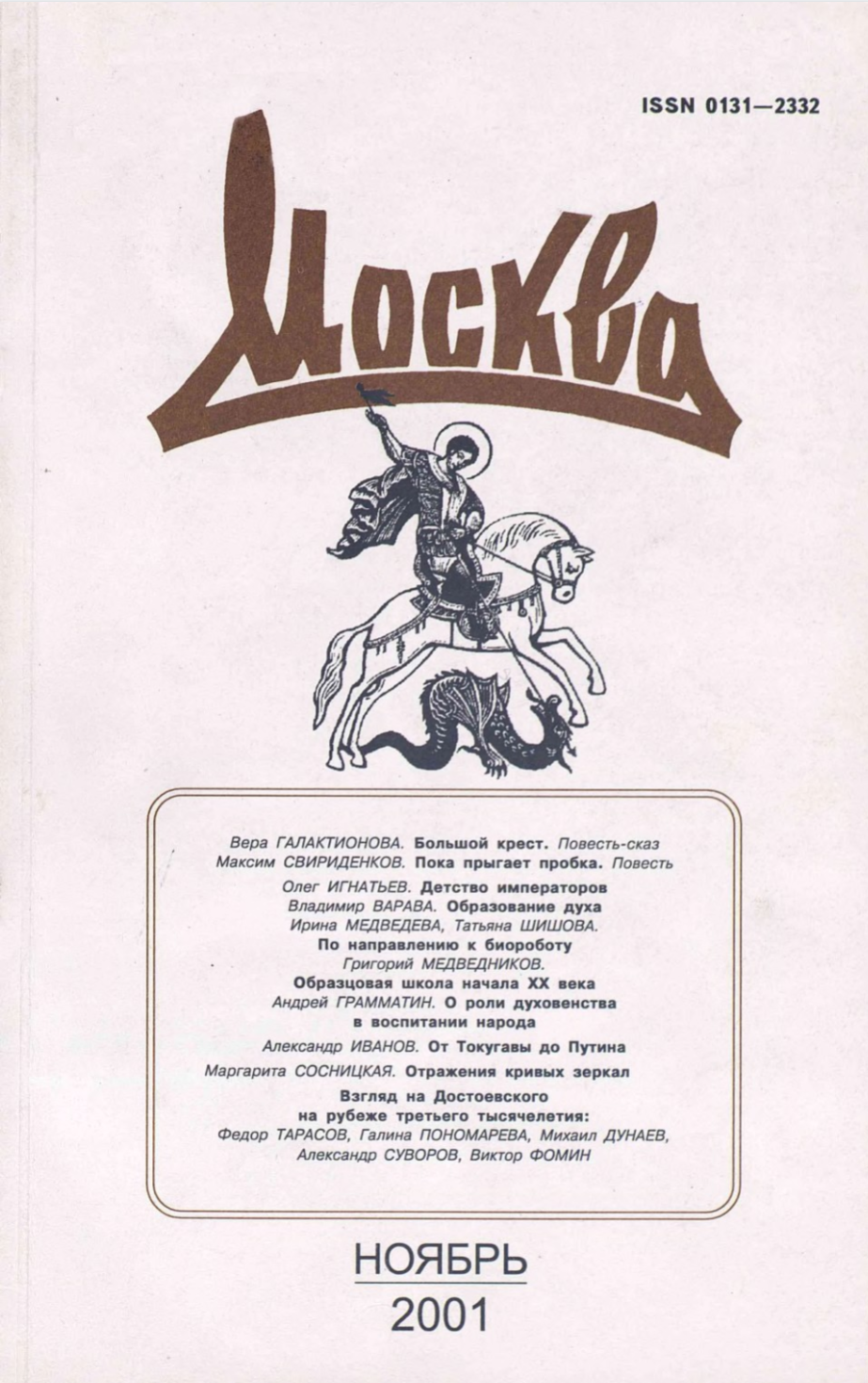
    Moskva Digital Archive (1957–2025)


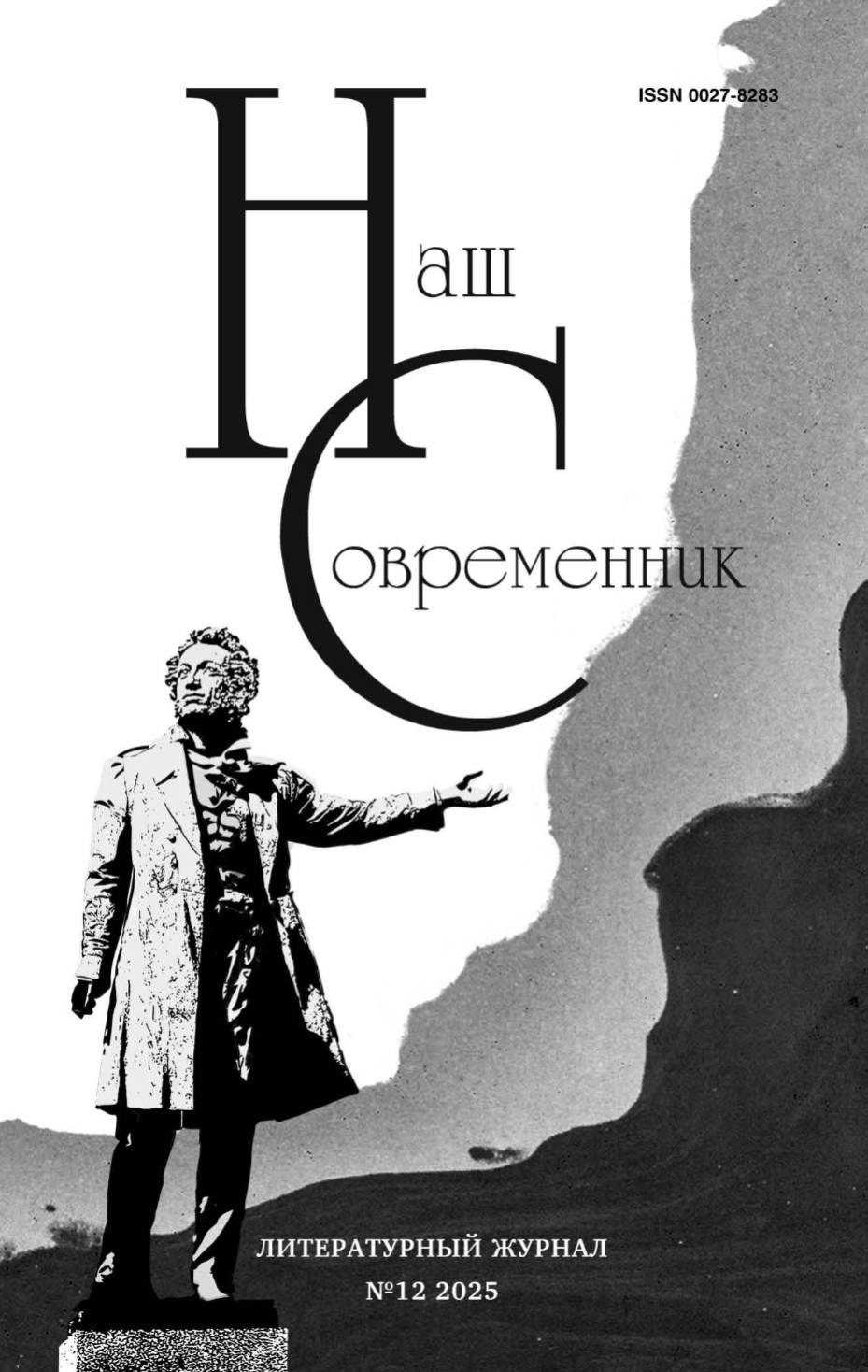
    Nash Sovremennik Digital Archive (1933–2025)


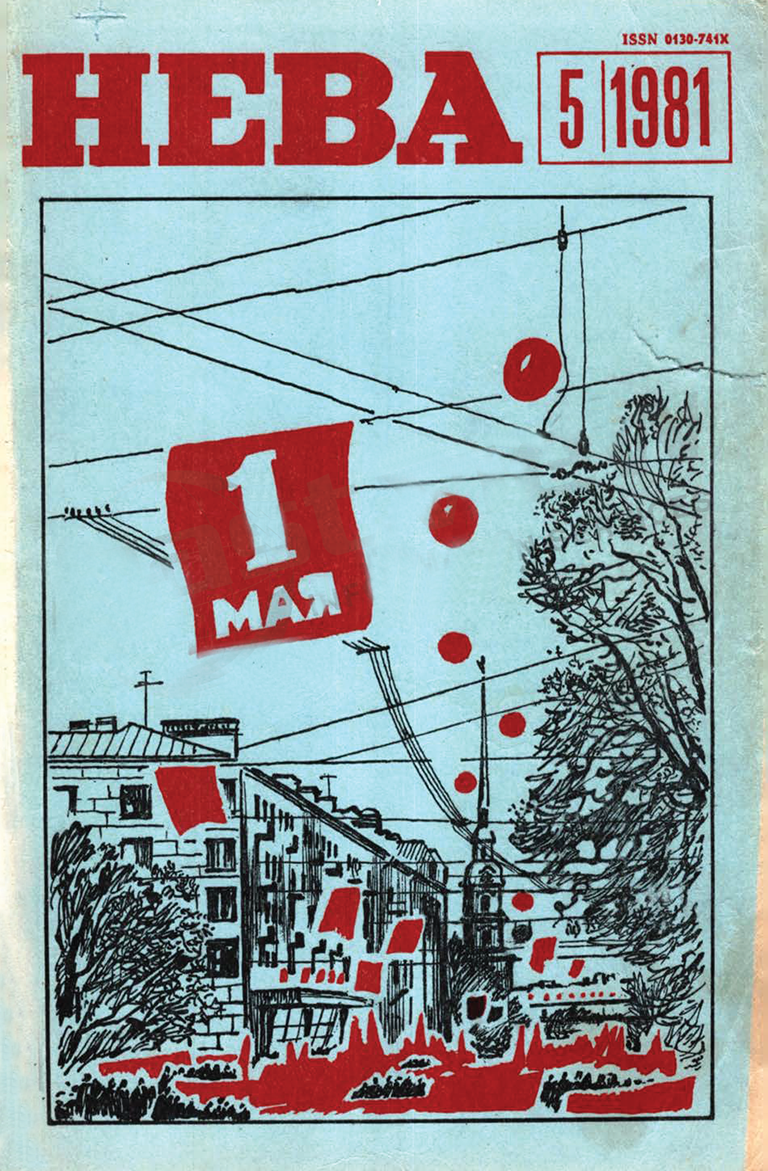
    Neva Digital Archive (1955–2025)


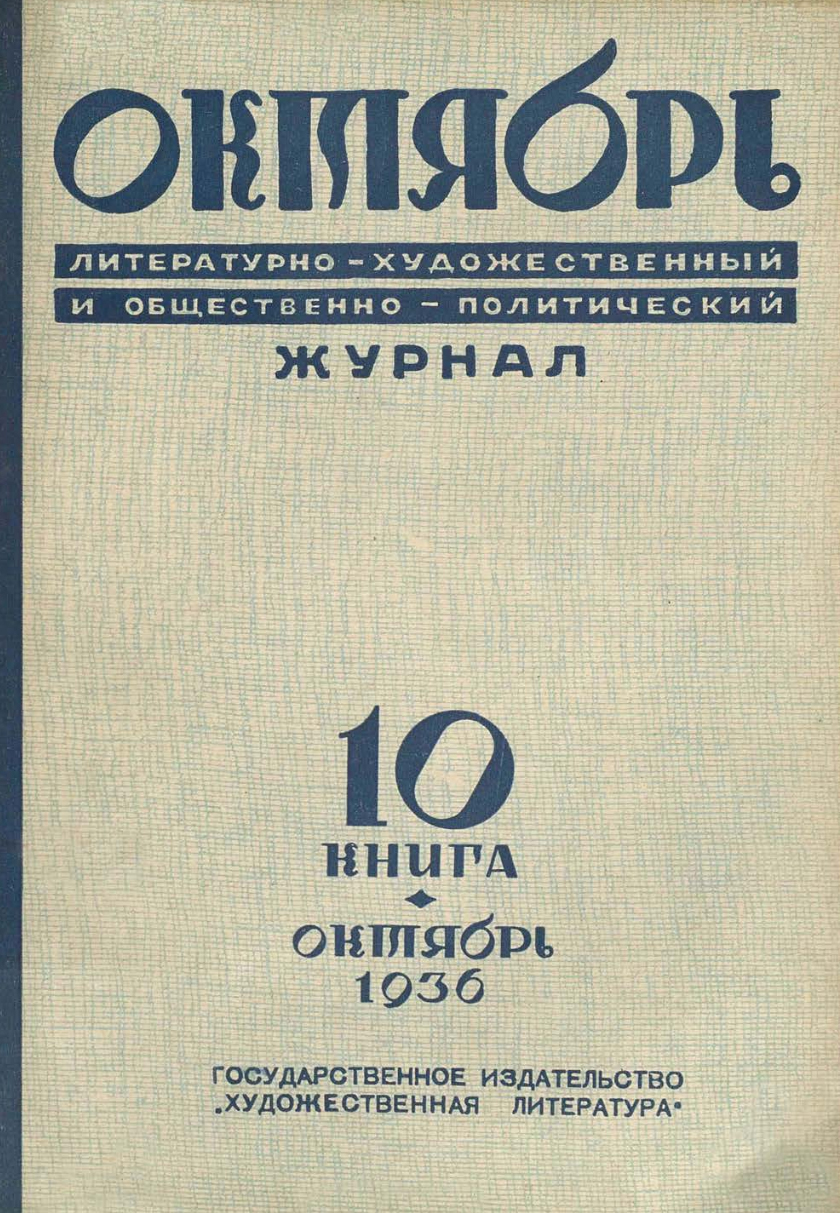
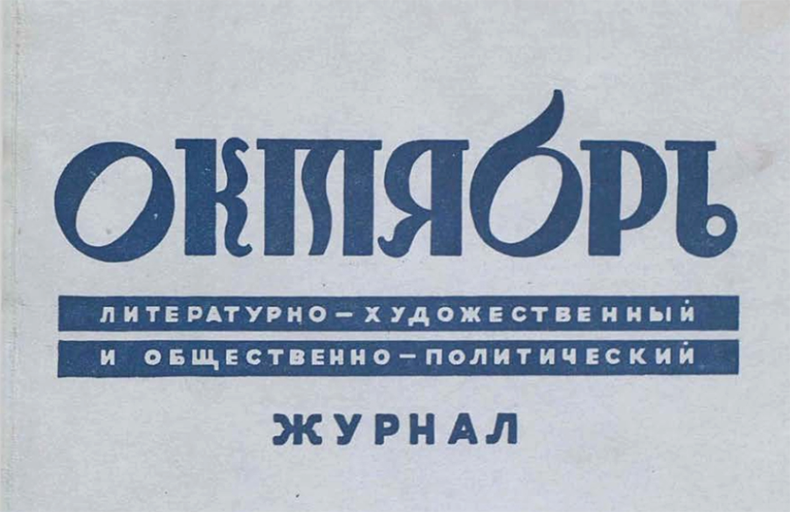
    Oktiabr’ Digital Archive (1924–2018)


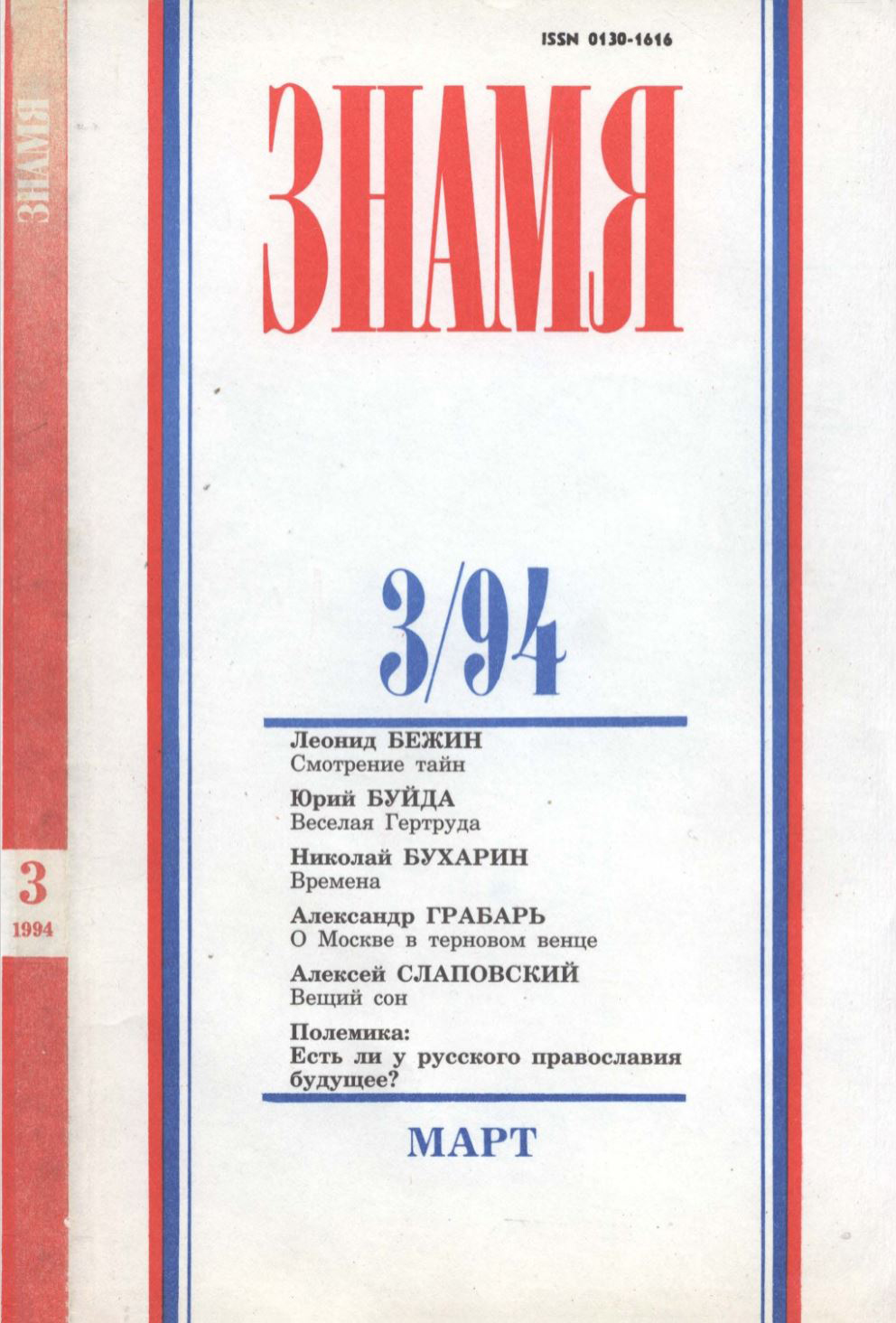
    Znamia Digital Archive (1931–2025)


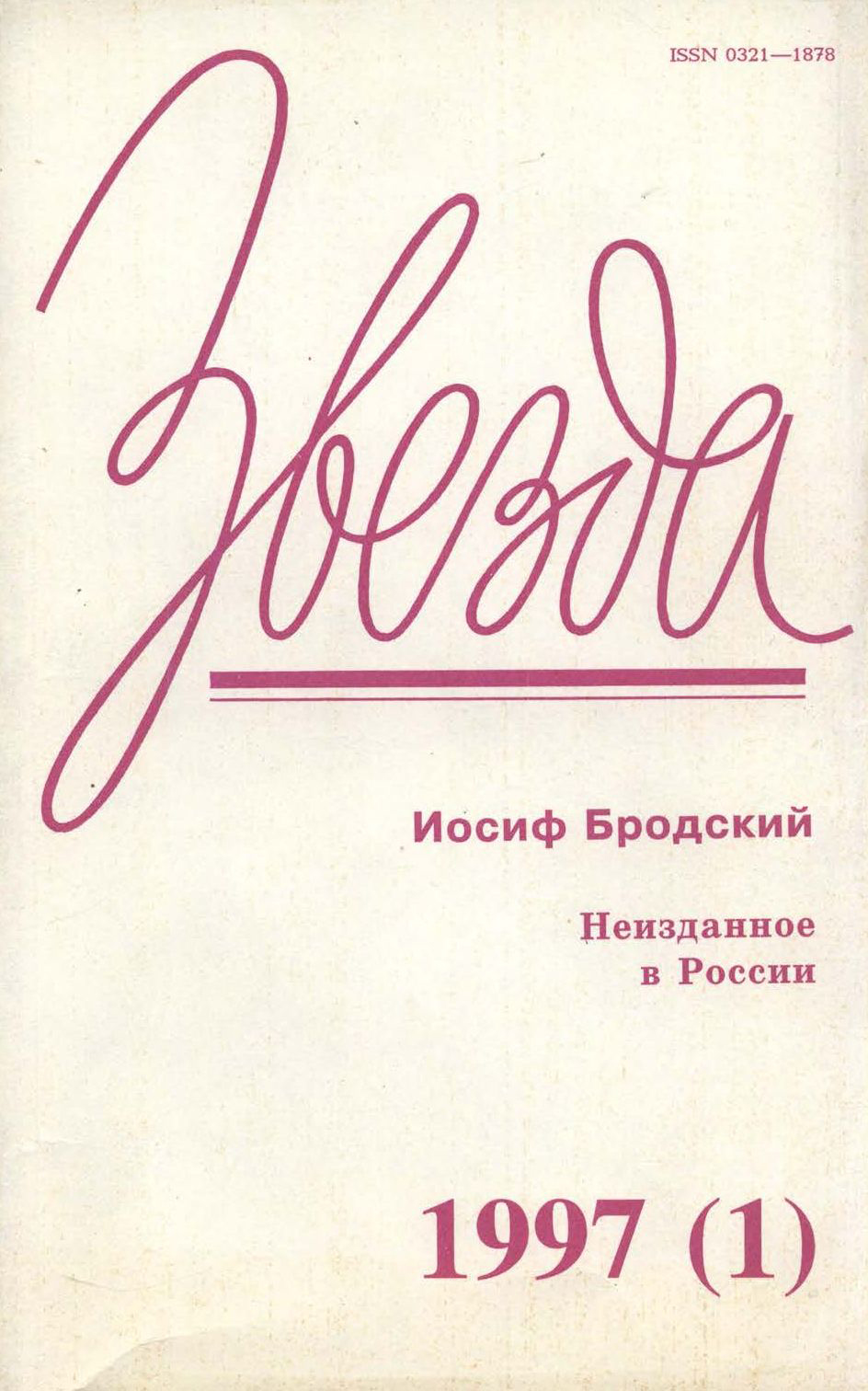
    Zvezda Digital Archive (1924–2025)


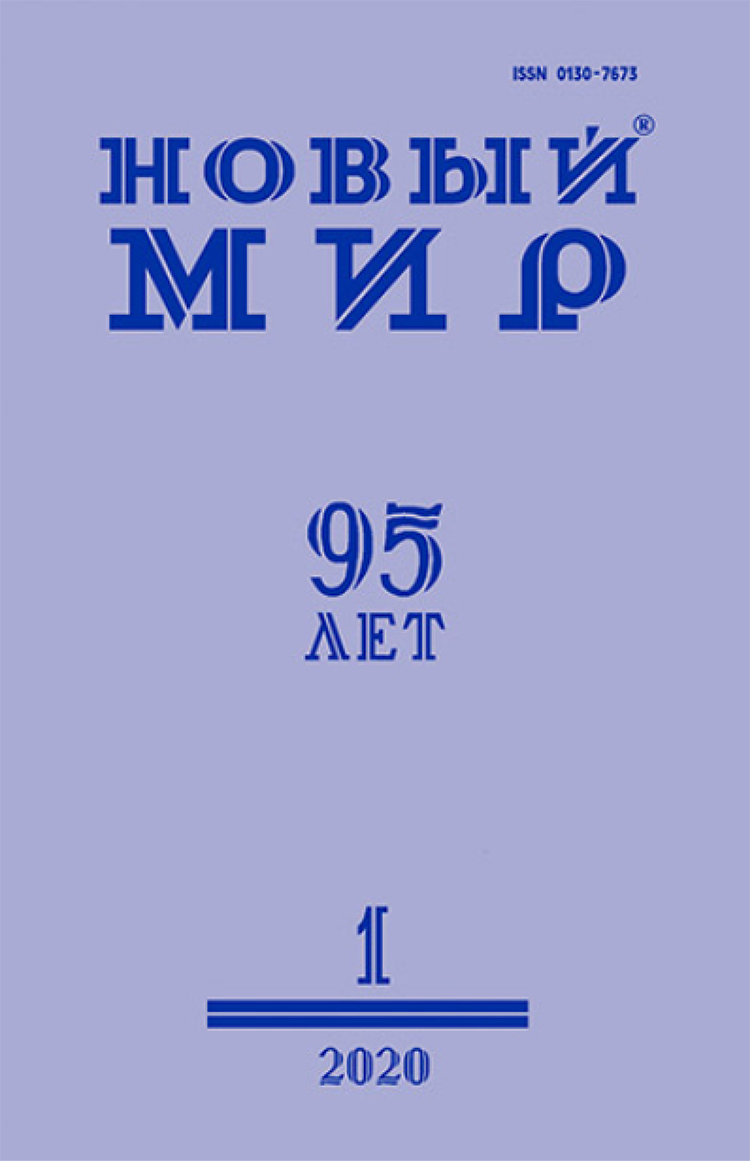
    Novyi Mir Digital Archive (1925–2025)

  • Russian National Bibliography

    Russian National Bibliography

    Access to the most comprehensive bibliographic database in Russia.

    The Russian National Bibliography database features bibliographies going back to 1980. Digitally access the most comprehensive bibliographic product of Russian works and search for citations from books, newspapers, journals, dissertation abstracts, musical scores, even maps, with a single keystroke. Effortlessly access nearly five million Russian bibliographic citations in all disciplines from over 21,000 publishers by year, author, subject, title, or any keyword. Users can search in Cyrillic or transliteration to find relevant references.

    The Russian National Bibliography database boasts an updated interface with the following features:

    • Sortable search results by: Publication type, Year, Author, Publisher, Subject location, Subject
    • Auto suggest in search for speedy results in titles, author, and publishers
    • Faceted search for category refinements and source, year, author, publisher, location, subjects
    • Cross-links deliver results according to subject, source, author, and more
    • Save individual records for future reference in My List
    • Export and save TXT and/or RTF for easy use in external documents
    • Exported records are converted in a format closely aligned to MLA standards

    Russian National Bibliography Content

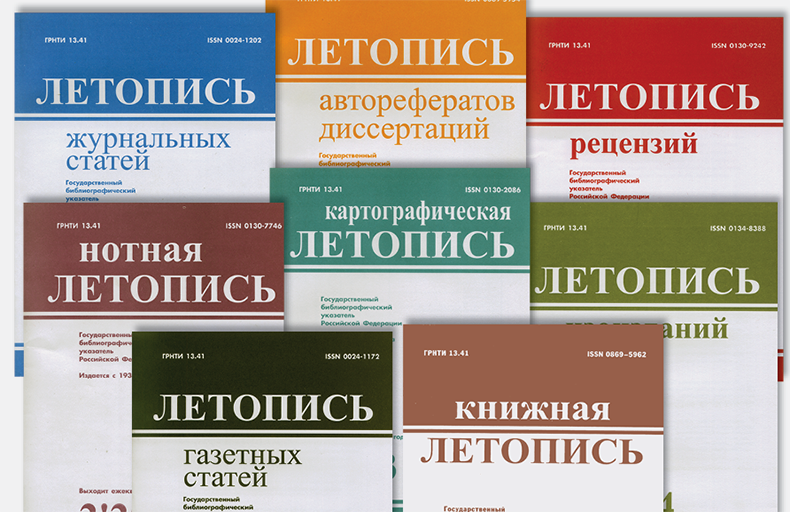
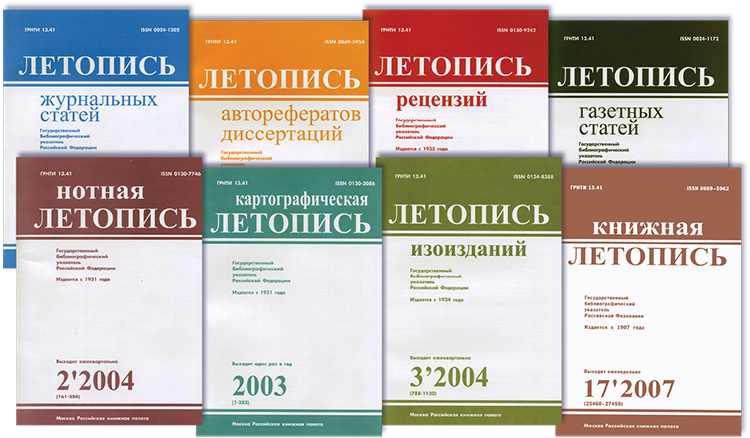
    Knizhnaia letopis’ (Книжная летопись)


    Letopis’ gazetnykh statei (Летопись газетных статей)

    Formerly Statii iz rossiiskikh gazet (Статьи из российских газет). More than 40,000 bibliographic entries on documentary materials, articles, and works of fiction from every major newspaper in Russia.


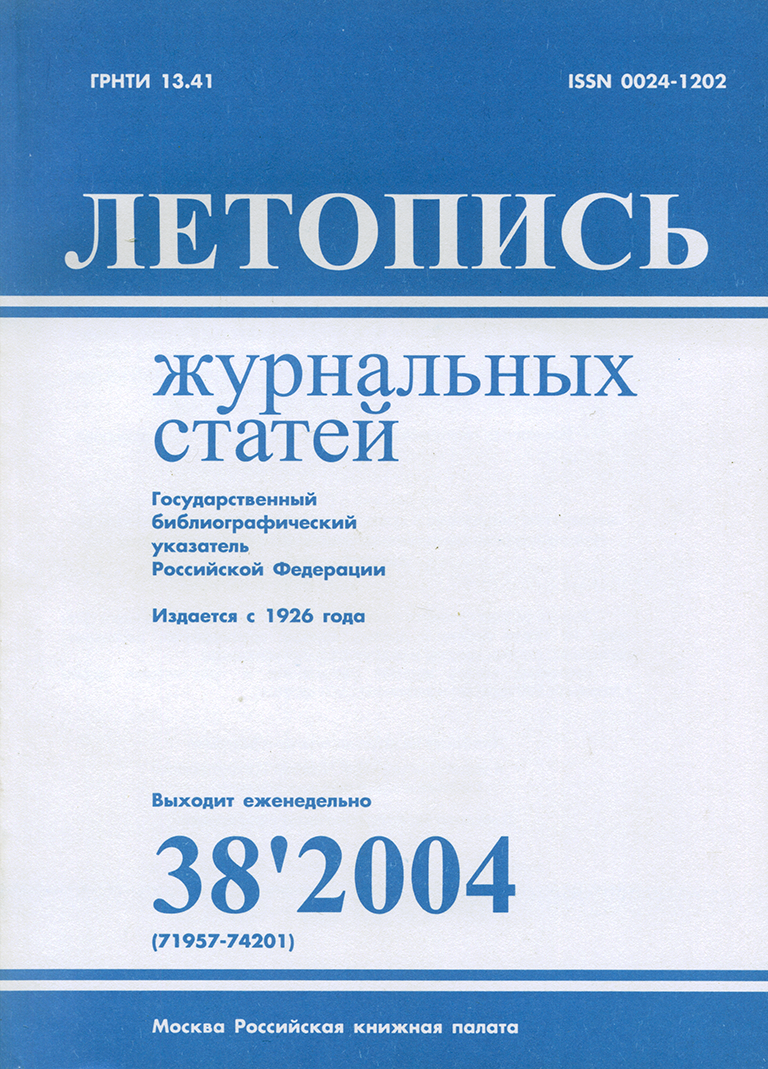
    Letopis’ zhurnal’nykh statei (Летопись журнальных статей)

    Formerly Statii iz rossiiskikh zhurnalov (Статьи из российских журналов). The complete index to Russian journals.


    Letopis’ retsenzii (Летопись рецензий)

    Formerly Retsenzii iz rossiiskikh izdanii (Рецензии из российских изданий). A profile of book reviews (Russian and foreign) found in the central and regional Russian press.


    Kartograficheskaia letopis’ (Картографическая летопись)

    Formerly Rossiiskie kartograficheskie izdaniia (Российские картографические издания). Bibliographic information for all cartography and maps produced in Russia.


    Letopis’ avtoreferatov dissertatsii (Летопись авторефератов диссертаций)

    Formerly Avtoreferaty dissertatsii (Авторефераты диссертаций). Indexes all synopses of dissertations defended in research and educational establishments in the Russian Federation.


    Notnaia letopis’ (Нотная летопись)

    Formerly Rossiiskie notnye izdaniia (Российские нотные издания). A complete general index to Russian music-related publications.


    Letopis’ izoizdanii (Летопись изоизданий)

    Formerly Rossiiskie izoizdaniia (Российские изоиздания). A bibliographic index of albums, posters and reproductions published either separately or appearing in books, collected works and magazines.

  • Russian Institute of Social Sciences Publications

    Russian Institute of Social Sciences Publications

    Journals, review journals, and bibliographies from a leading Russian research center.

    Russian Institute of Social Sciences Publications includes a number of publications from the renowned Institute of Scientific Information for Social Sciences of the Russian Academy of Sciences (INION). Created in 1969 as a successor to the Russian Academy’s Fundamental Library of Social Sciences, INION is a well-known center for research in social studies and humanities in Russia. Russian Institute of Social Sciences Publications presents all periodical publications of the institute, as well as reference indexes, bibliographies, and analytical reports, from 2018 on.

    Russian Institute of Social Sciences Publications Titles

    • Arkheologiia. Etnologiia (Археология. Этнология)
    • Deponirovannye nauchnye raboty (Депонированные научные работы)
    • Ekonomika (Экономика)
    • Filosofiia i sotsiologiia (Философия и социология)
    • IAzykoznanie (Языкознание)
    • Istoriia (История)
    • Kul’turologiia (Культурология)
    • Literaturovedenie (Литературоведение)
    • Naukovedenie (Науковедение)
    • Pravovedenie, politologiia (Правоведение, политология)
    • Religiovedenie (Религиоведение)

    Social Sciences Journals

    • Aktual’nye problemy Evropy (Актуальные проблемы Европы)
    • Aktual’nye voprosy teorii i praktiki perevoda (Актуальные вопросы теории и практики перевода)
    • Blizhnii i Postsovetskii Vostok (Ближний и Постсоветский Восток)
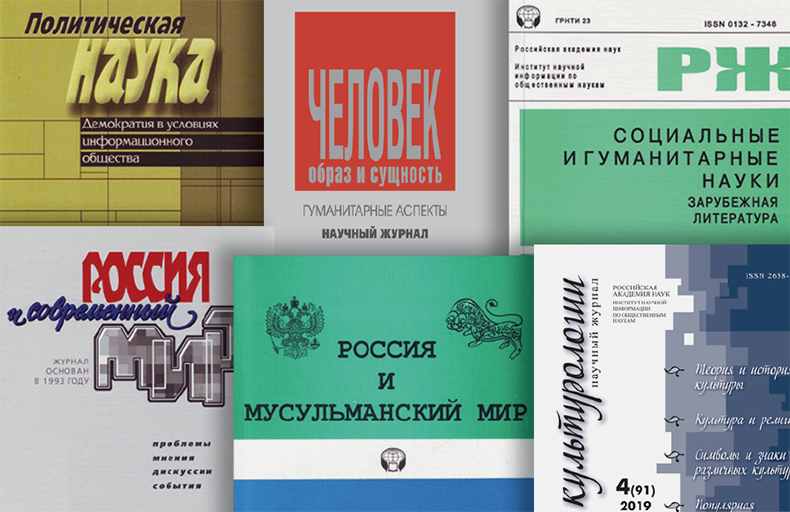
    • Chelovek: Obraz i sushchnost’. Gumanitarnye aspekty (Человек: Образ и сущность. Гуманитарные аспекты)
    • Ekonomicheskie i sotsial’nye problemy Rossii (Экономические и социальные проблемы России)
    • Etnopsikholingvistika (Этнопсихолингвистика)
    • Evropeiskaia bezopasnost’: sobytiia, otsenki, prognozy (Европейская безопасность: события, оценки, прогнозы)
    • Kontury global’nykh transformatsii: politika, ekonomika, pravo (Контуры глобальных трансформаций: политика, экономика, право)
    • Literaturovedcheskii zhurnal (Литературоведческий журнал)
    • Naukovedcheskie issledovaniia (Науковедческие исследования)
    • Politicheskaia nauka (Политическая наука)
    • Postkolonializm i sovremennost’ (Постколониализм и современность)
    • Rossiia i musul’manskii mir (Россия и мусульманский мир)
    • Rossiia i sovremennyi mir (Россия и современный мир)
    • Russia and the Moslem World
    • Social Novelties & Social Sciences
    • Sotsial’nye novatsii i sotsial’nye nauki (Социальные новации и социальные науки)
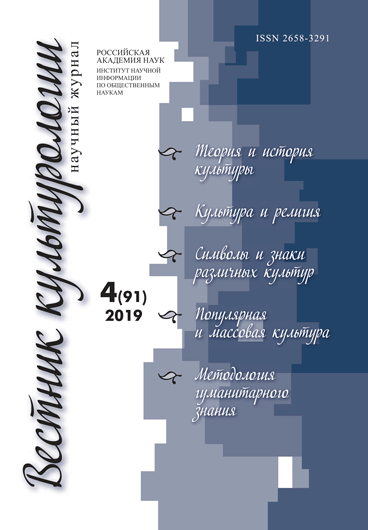
    • Vestnik kul’turologii (Вестник культурологии)

    Social Science Review Journals

    Sotsial’nye i gumanitarnye nauki. Otechestvennaia i zarubezhnaia literatura. Referativnyi zhurnal. (Социальные и гуманитарные науки. Отечественная и зарубежная литература. Реферативный журнал.)

    • Seriia 3. Filosofiia (Серия 3. Философия)
    • Seriia 4. Gosudarstvo i pravo (Серия 4. Государство и право)
    • Seriia 5. Istoriia (Серия 5. История)
    • Seriia 6. IAzykoznanie (Серия 6. Языкознание)
    • Seriia 7. Literaturovedenie (Серия 7. Литературоведение)
    • Seriia 9. Vostokovedenie i afrikanistika (Серия 9. Востоковедение и африканистика)
    • Seriia 11. Sotsiologiia (Серия 11. Социология)
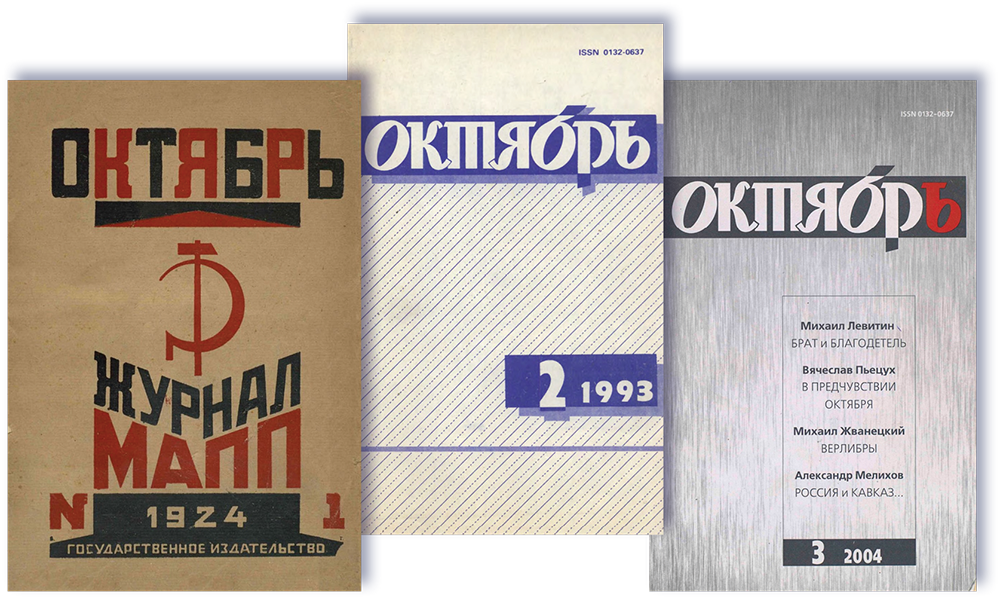
  • Oktiabr’ Digital Archive

    Oktiabr’ Digital Archive

    Key publication chronicling nearly a century of Russian literature.

    This meticulously digitized archive spans from the journal’s inception in 1924 to its final issue in 2018, encompassing nearly a century of Russian literary and cultural development. The journal’s publication history mirrors the complex political and cultural transformations of 20th-century Russia, from its early association with various literary organizations through the Soviet period to its emergence as an independent publication in the 1990s.

    Throughout its history, the journal published works by literary giants such as Sergei Yesenin, Vladimir Mayakovsky, Mikhail Zoshchenko, and Andrei Platonov, alongside international authors including Lion Feuchtwanger, Romain Rolland, and Theodore Dreiser. Of particular interest to researchers are the previously censored works that appeared in its pages during the period of glasnost, including Anna Akhmatova’s “Requiem” and Vasily Grossman’s “Life and Fate.”

    The Oktiabr’ Digital Archive captures the journal’s evolution from its early years through the Soviet period and into post-Soviet Russia, reflecting the dramatic changes in Russian society and intellectual thought. For academic studies, the archive serves as an invaluable resource for research in various fields, including Russian literature, Soviet studies, cultural history, and social movements.

    The Oktiabr’ Digital Archive offers scholars the most comprehensive collection available for this title, and features full page-level digitization and complete original graphics. Each issue has been carefully digitized and split into individual articles with permanent URLs, making it easier for researchers to create accurate citations in their work. The archive features a user-friendly bilingual interface in Russian and English and has searchable text, allowing scholars to explore the vast collection of literary works, critical essays, and editorial content that shaped Russian intellectual discourse over nine decades. The archive is cross-searchable with numerous other Infoteka digital resources.

    More about the Soviet “Thick Journals”

    The famed Soviet tolstye zhurnaly, or “thick journals,” were significant platforms for literary and intellectual discourse. Tolstye zhurnaly such as Oktiabr’ played a complex and multifaceted role in Soviet intellectual and literary life. They were not merely publications but institutions that shaped and were shaped by the cultural, intellectual, and political currents of their time. These journals served multiple roles:

    They acted as repositories of high culture, preserving the intellectual and literary achievements of the era. Given the limited avenues for independent publishing, these journals were the primary platforms where established and emerging writers could reach an audience.

    State-Controlled Outlets. While they were crucial platforms for intellectual and artistic expression, it’s important to remember that these journals were often used to propagate official ideologies, and the works published in them usually underwent rigorous censorship.

    Academic Importance. For academics studying the Soviet period, tolstye zhurnaly offer a valuable glimpse into the state-sanctioned intellectual climate of the time. They provide context for how literature and intellectual thought evolved under different political and social conditions.

    Catalysts for Change. During more liberal periods, such as the Khrushchev Thaw and the perestroika years, tolstye zhurnaly could act as catalysts for change, pushing the boundaries of what was acceptable to discuss and publish.

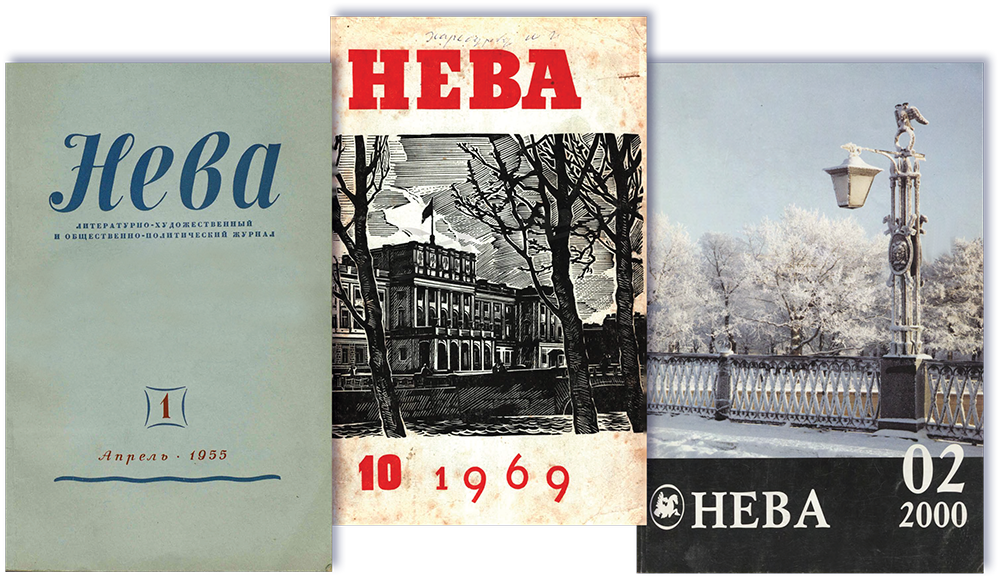
  • Neva Digital Archive

    Neva Digital Archive

    Key publication chronicling Soviet and post-Soviet literature, history, and public thought.

    Among its contributors were Mikhail Zoshchenko, Mikhail Sholokhov, Veniamin Kaverin, Lev Gumilyov, Dmitry Likhachov, Aleksandr Solzhenitsyn, Daniil Granin, the Strugatsky brothers, Vladimir Dudintsev, and Vasil Bykaŭ. A number of works first published in Neva went on to receive State Prizes and wide recognition, including Dudintsev’s novel White Robes. The journal was also one of the first in the USSR to introduce readers to Robert Conquest’s The Great Terror and Arthur Koestler’s Darkness at Noon.

    The Neva Digital Archive offers scholars the complete run of Neva from its first issue in 1955, with an additional year’s worth of content available for purchase on an annual basis. Featuring full page-level digitization and complete original graphics, each issue has been carefully digitized and split into individual articles with permanent URLs, making it easier for researchers to create accurate citations in their work. Featuring full page-level digitization, complete original graphics, and a user-friendly bilingual interface in Russian and English, the searchable database enables efficient access to seventy years of Russian cultural, intellectual, and literary life, preserved in its original context. The archive is cross-searchable with numerous other Infoteka digital resources.

    More about the Soviet “Thick Journals”

    The famed Soviet tolstye zhurnaly, or “thick journals,” were significant platforms for literary and intellectual discourse. Tolstye zhurnaly such as Neva played a complex and multifaceted role in Soviet intellectual and literary life. They were not merely publications but institutions that shaped and were shaped by the cultural, intellectual, and political currents of their time. These journals served multiple roles:

    They acted as repositories of high culture, preserving the intellectual and literary achievements of the era. Given the limited avenues for independent publishing, these journals were the primary platforms where established and emerging writers could reach an audience.

    State-Controlled Outlets. While they were crucial platforms for intellectual and artistic expression, it’s important to remember that these journals were often used to propagate official ideologies, and the works published in them usually underwent rigorous censorship.

    Academic Importance. For academics studying the Soviet period, tolstye zhurnaly offer a valuable glimpse into the state-sanctioned intellectual climate of the time. They provide context for how literature and intellectual thought evolved under different political and social conditions.

    Catalysts for Change. During more liberal periods, such as the Khrushchev Thaw and the perestroika years, tolstye zhurnaly could act as catalysts for change, pushing the boundaries of what was acceptable to discuss and publish.