Subject: Literature

  • Niva Digital Archive

    Niva Digital Archive

    The most popular journal of late 19th-century Russia.

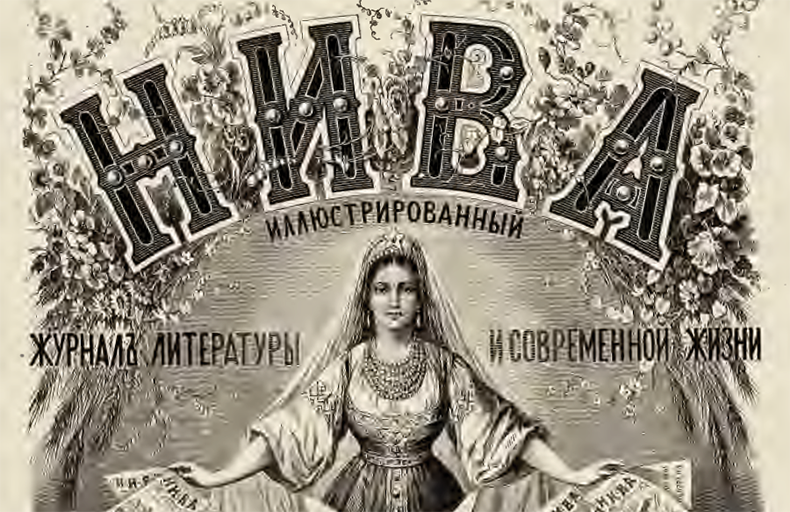
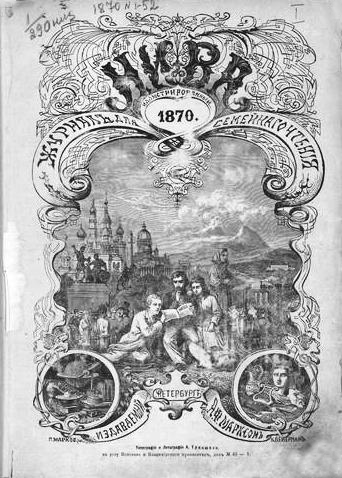
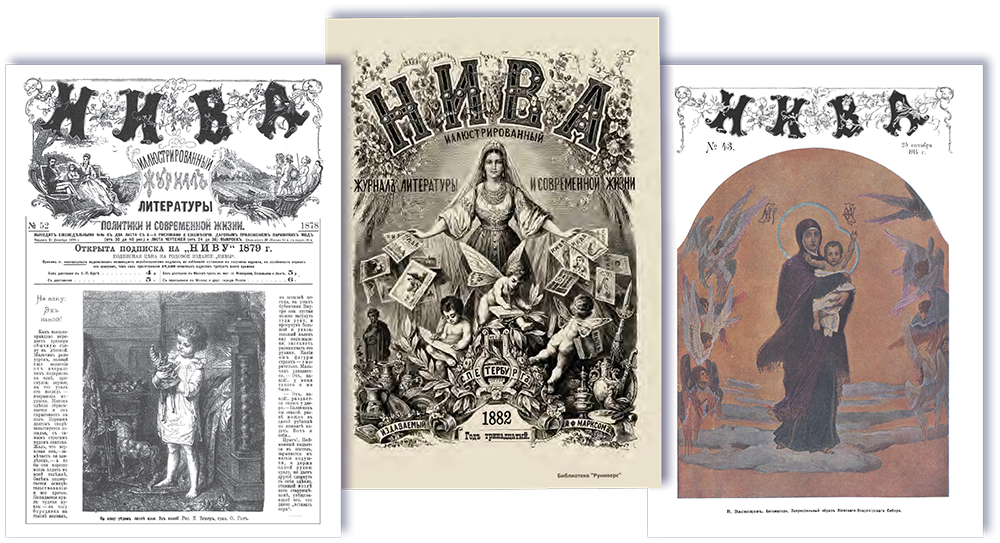
    Niva (Нива, Grainfield), an illustrated weekly journal of literature, politics and modern life, was published from 1870 to 1918 in St. Petersburg, before being shut down by the Bolsheviks after the Russian revolution. The journal was widely read by an audience that extended from primary schoolteachers, rural parish priests, and the urban middle class to the gentry. It was especially popular among the middle class in the Russian provinces. Niva contained large colored prints of art by famous Russian artists, works of famous Russian authors, as well as articles on science, politics and culture. It also had a special children’s section as well as a section on Russian classical writers: Gogol, Lermontov, Goncharov, Dostoevsky, Chekhov and many others.

    The Niva Digital Archive comprises the entire collection of the journal, with more than 2,500 issues and over 27,000 articles. Also included in the archive is the supplementary publication Dlia Detei (Для Дѣтей, For Children, pub. Jan.–Dec. 1917), a monthly illustrated magazine filled with children’s stories, poems and cartoons. The archive offers scholars the most comprehensive collection available for this title, and features full-text articles, with full page-level digitization and complete original graphics. The archive has searchable text, and is cross-searchable with numerous other Infoteka digital resources.

    Note: Niva was published before the Russian Revolution and was written using the pre-reform Russian orthography. To enable searching functionality, the database includes a special keyboard containing the old Russian characters.
  • Nash Sovremennik Digital Archive

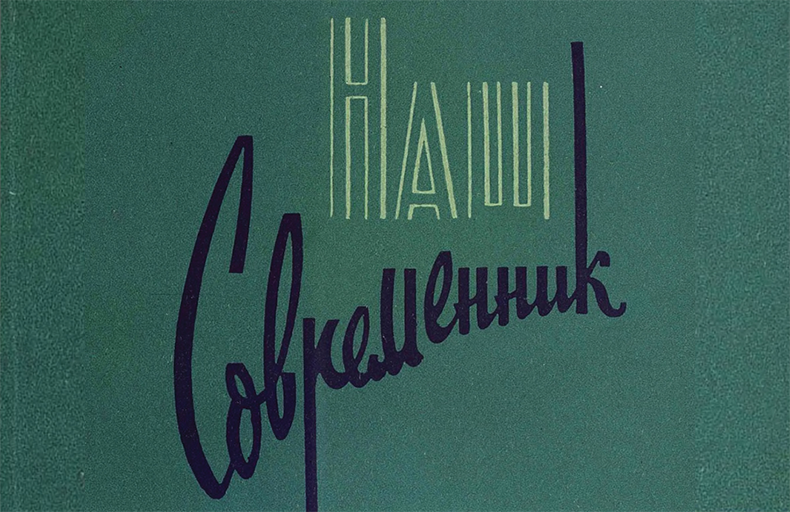
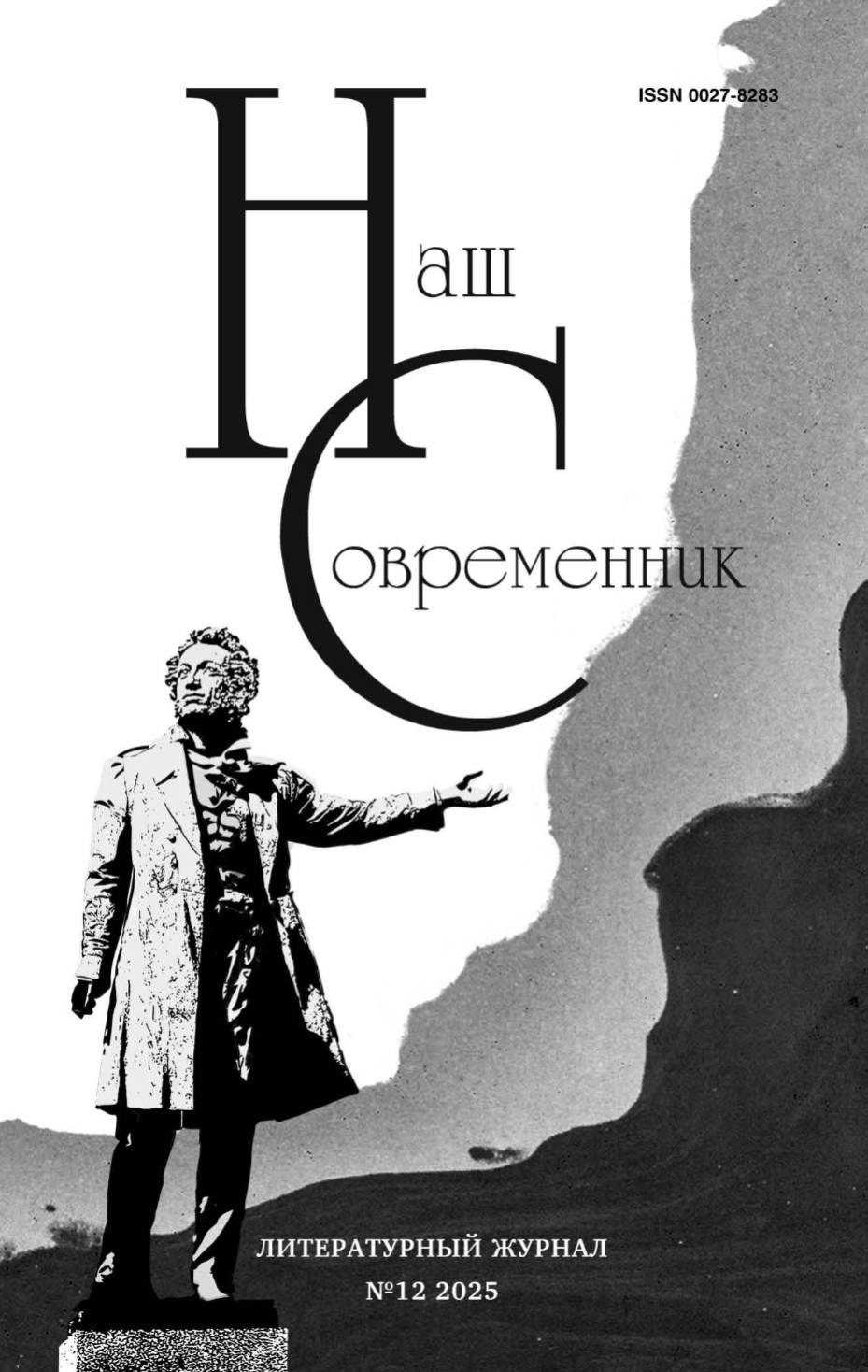
    Nash Sovremennik Digital Archive

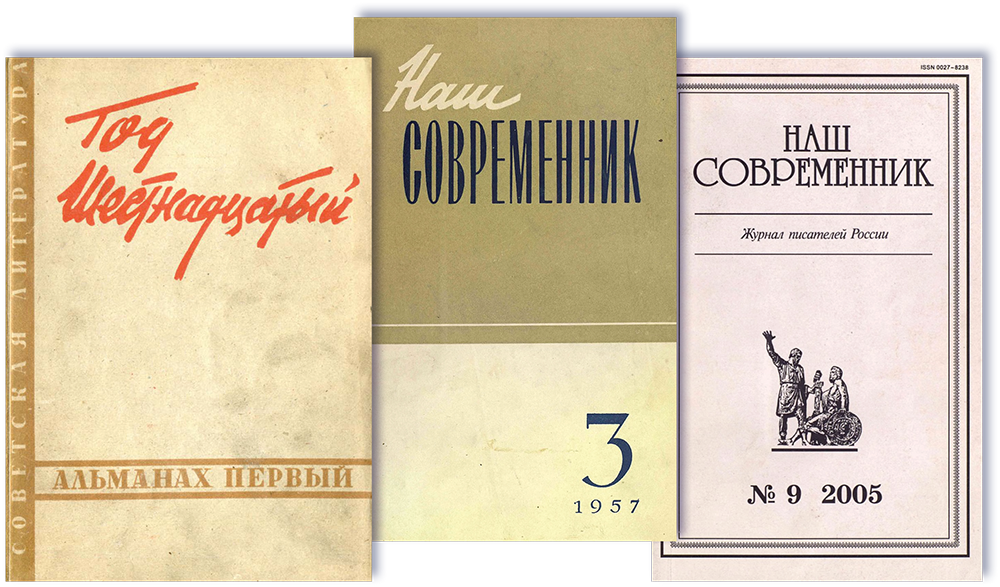
    Influential literary periodical of the Soviet and post-Soviet period.

    Though largely faithful to Marxist-Leninist precepts since its founding, during the last years of the Soviet Union the journal underwent dramatic ideological reformulations, moving away from communist orthodoxy to Russian neo-Slavophile conservatism and patriotism that fiercely opposed Western political and literary trends on ideological grounds. At the height of its popularity in the 1990s Nash Sovremennik would boast a circulation of nearly half a million copies.

    The Nash Sovremennik Digital Archive includes all obtainable issues of Al’manakh and Nash Sovremennik published from 1933 on, with an additional year’s worth of content available for purchase on an annual basis. The archive offers scholars the most comprehensive collection available for this title, and features full page-level digitization and complete original graphics. The archive has searchable text and is cross-searchable with numerous other Infoteka digital resources.

    More about the Soviet “Thick Journals”

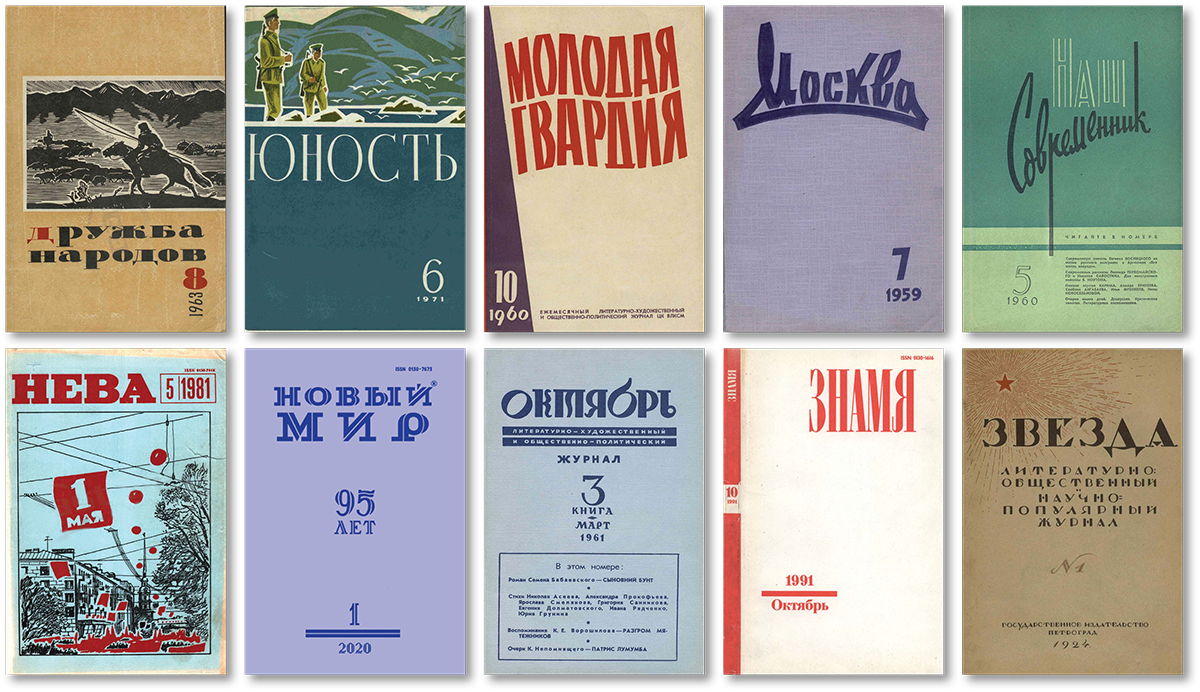
    The famed Soviet tolstye zhurnaly, or “thick journals,” were significant platforms for literary and intellectual discourse. Tolstye zhurnaly such as Nash Sovremennik played a complex and multifaceted role in Soviet intellectual and literary life. They were not merely publications but institutions that shaped and were shaped by the cultural, intellectual, and political currents of their time. These journals served multiple roles:

    They acted as repositories of high culture, preserving the intellectual and literary achievements of the era. Given the limited avenues for independent publishing, these journals were the primary platforms where established and emerging writers could reach an audience.

    State-Controlled Outlets. While they were crucial platforms for intellectual and artistic expression, it’s important to remember that these journals were often used to propagate official ideologies, and the works published in them usually underwent rigorous censorship.

    Academic Importance. For academics studying the Soviet period, tolstye zhurnaly offer a valuable glimpse into the state-sanctioned intellectual climate of the time. They provide context for how literature and intellectual thought evolved under different political and social conditions.

    Catalysts for Change. During more liberal periods, such as the Khrushchev Thaw and the perestroika years, tolstye zhurnaly could act as catalysts for change, pushing the boundaries of what was acceptable to discuss and publish.

  • Moskva Digital Archive

    Moskva Digital Archive

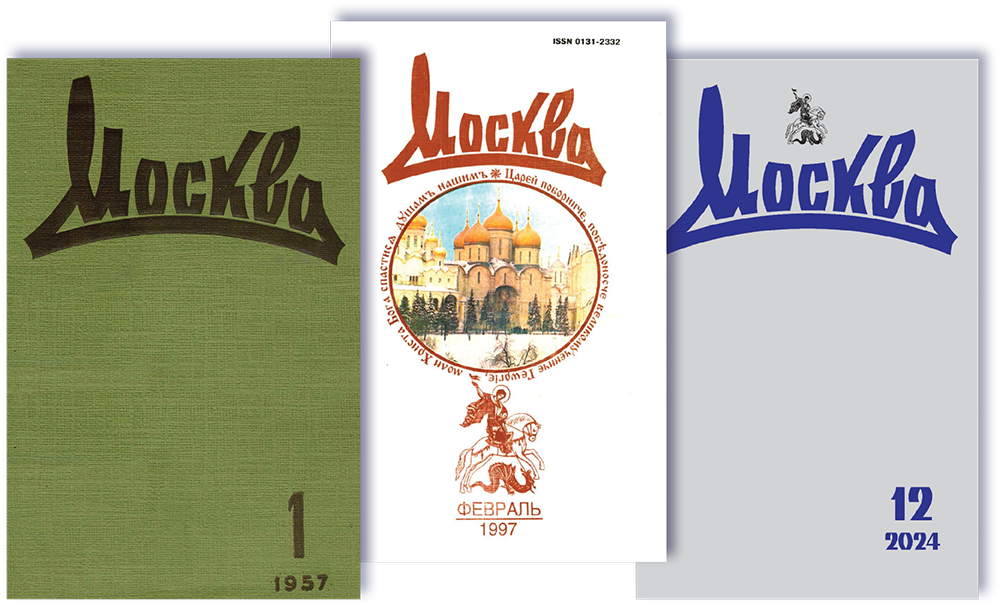
    Key publication chronicling nearly 70 years of Russian literary and cultural development.

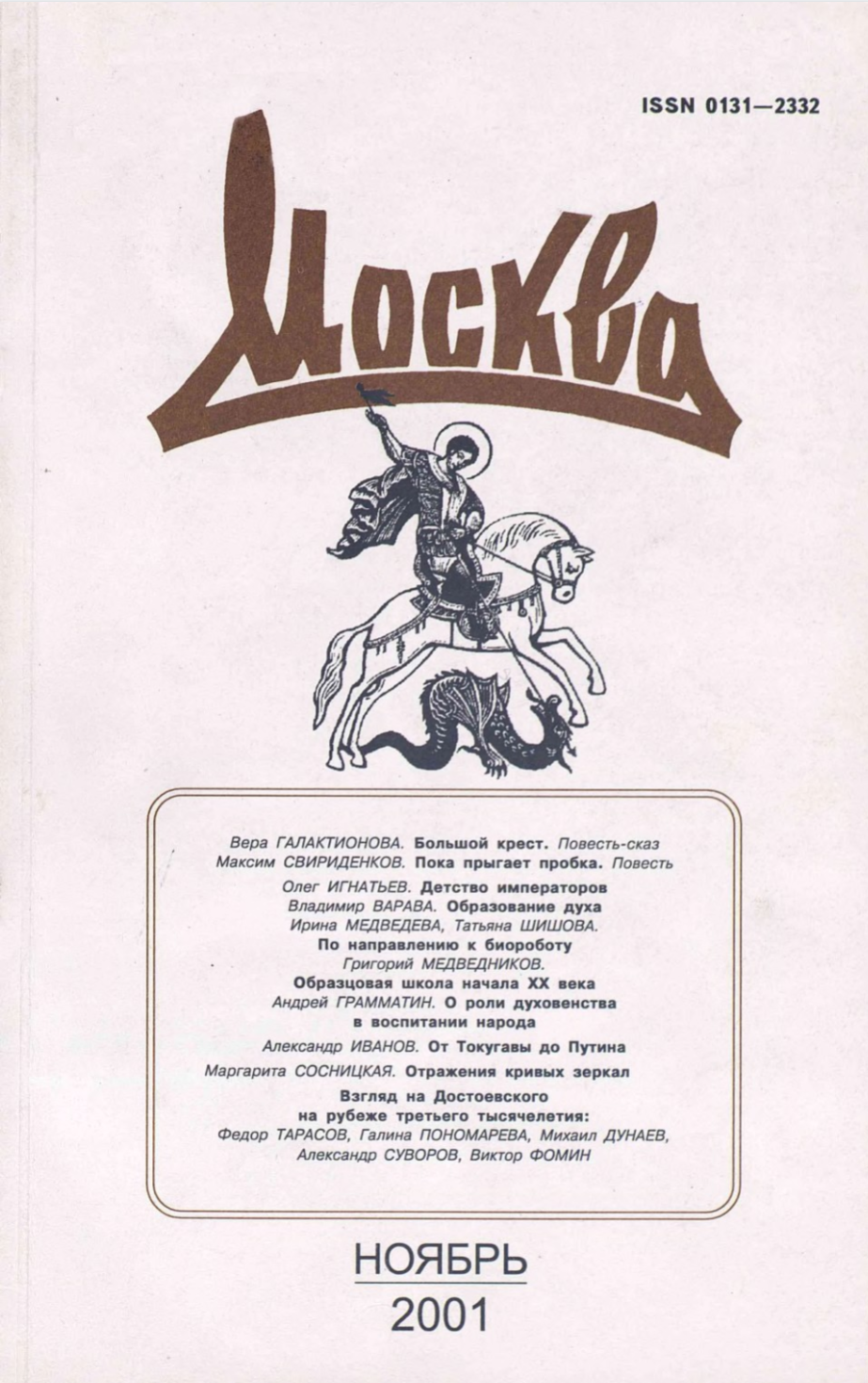
    The journal has consistently published works by contemporary writers, including prose, poetry, journalism, and criticism. Moskva holds particular historical significance as the first publisher of Mikhail Bulgakov’s masterpiece The Master and Margarita and Nikolai Karamzin’s monumental work History of the Russian State. Its pages have featured outstanding works of Russian literature by authors such as Bunin, Sholokhov, and Yulian Semyonov, alongside acclaimed international writers including Antoine de Saint-Exupéry, Ernest Hemingway, and William Faulkner.

    The Moskva Digital Archive offers scholars the most comprehensive collection available for this title, with an additional year’s worth of content available for purchase on an annual basis. Featuring full page-level digitization and complete original graphics, each issue has been carefully digitized and split into individual articles with permanent URLs, making it easier for researchers to create accurate citations in their work. Featuring full page-level digitization, complete original graphics, and a user-friendly bilingual interface in Russian and English, the searchable database enables efficient exploration of key literary works, critical essays, and editorial content that shaped Russian intellectual discourse throughout the 20th century. The archive is cross-searchable with numerous other Infoteka digital resources.

    More about the Soviet “Thick Journals”

    The famed Soviet tolstye zhurnaly, or “thick journals,” were significant platforms for literary and intellectual discourse. Tolstye zhurnaly such as Moskva played a complex and multifaceted role in Soviet intellectual and literary life. They were not merely publications but institutions that shaped and were shaped by the cultural, intellectual, and political currents of their time. These journals served multiple roles:

    They acted as repositories of high culture, preserving the intellectual and literary achievements of the era. Given the limited avenues for independent publishing, these journals were the primary platforms where established and emerging writers could reach an audience.

    State-Controlled Outlets. While they were crucial platforms for intellectual and artistic expression, it’s important to remember that these journals were often used to propagate official ideologies, and the works published in them usually underwent rigorous censorship.

    Academic Importance. For academics studying the Soviet period, tolstye zhurnaly offer a valuable glimpse into the state-sanctioned intellectual climate of the time. They provide context for how literature and intellectual thought evolved under different political and social conditions.

    Catalysts for Change. During more liberal periods, such as the Khrushchev Thaw and the perestroika years, tolstye zhurnaly could act as catalysts for change, pushing the boundaries of what was acceptable to discuss and publish.

  • Literaturnaia Gazeta Digital Archive

    Literaturnaia Gazeta Digital Archive

    Russia’s most popular newspaper among the intelligentsia.

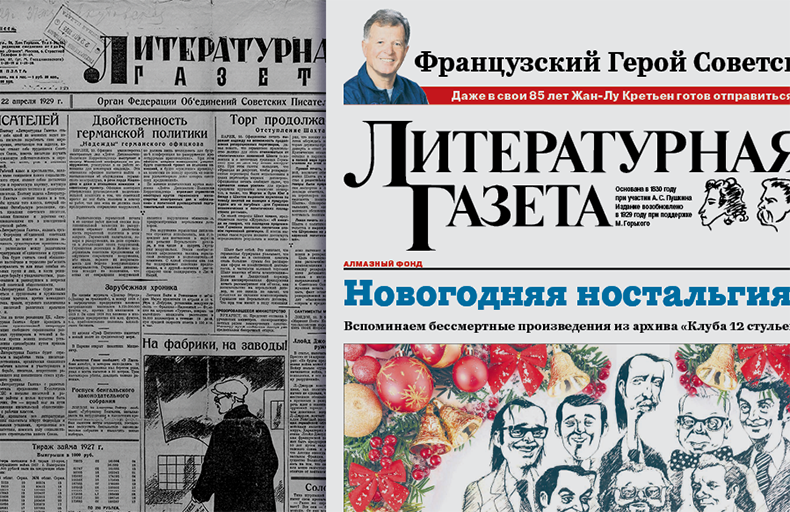
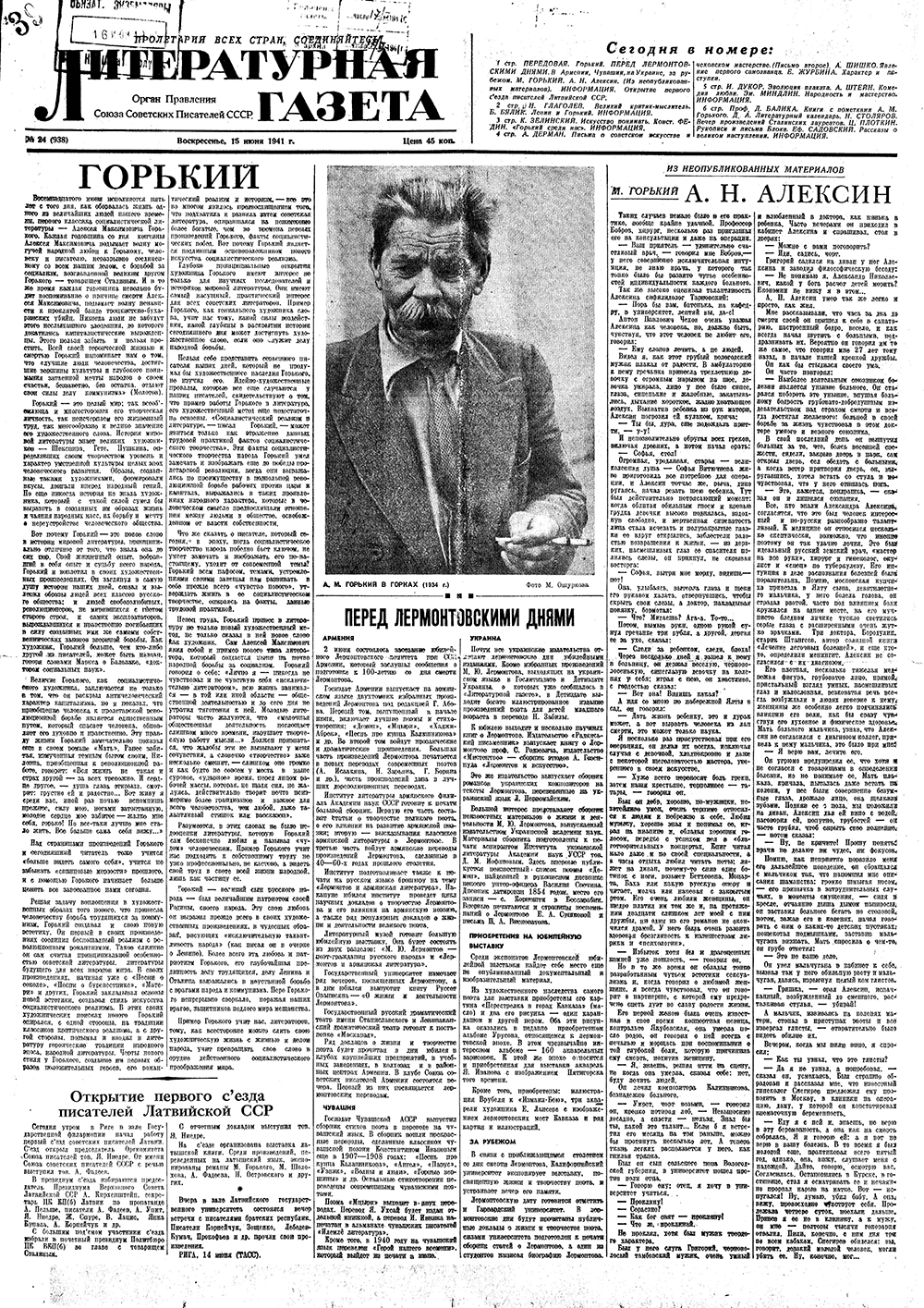
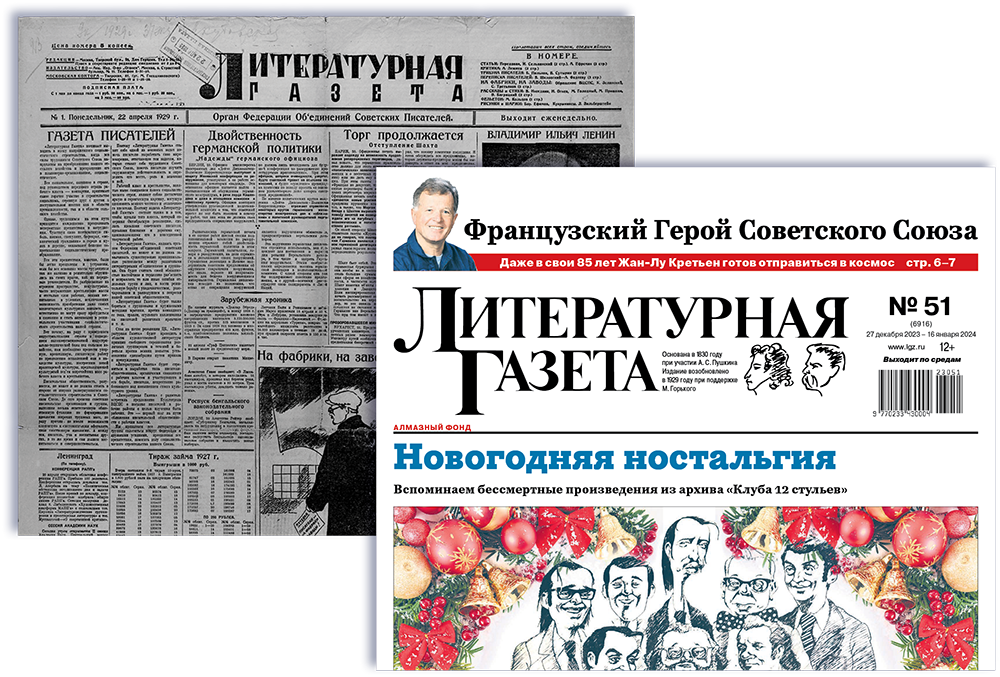
    Established on April 22, 1929 with the support of the “father of Soviet literature,” writer Maxim Gorky, Literaturnaia gazeta (Литературная газета, Literary Newspaper) is a landmark publication in Russia’s cultural heritage. With its focus on literary and intellectual life, Literaturnaia gazeta allowed Soviet Russia’s preeminent authors, poets, and cultural figures a particular podium for commentary, affording perhaps fewer restrictions than might be possible in other publications. Literaturnaia gazeta was considered the most open among newspapers of the Soviet era, and it remains popular among the intelligentsia in today’s Russia.

    The Literaturnaia Gazeta Digital Archive contains all obtainable published issues from 1929 on (over 65,000 pages), with an additional year’s worth of content available for purchase on an annual basis. The archive offers scholars the most comprehensive collection available for this title, and features full page-level digitization, complete original graphics, and searchable text, and is cross-searchable with numerous other Infoteka digital resources.

    More About Literaturnaia Gazeta

    In 1932 Literaturnaia gazeta became the official organ of the Union of Soviet Writers, the government-controlled organization which controlled most literary publications and the employment of writers in the USSR. In the post-World War II period, the scope of Literaturnaia gazeta expanded from an exclusively literary newspaper to more of a literary, social and political publication, becoming one of the most authoritative and influential publications in the country. As the press-run grew to 6.5 million copies in the 1970s and 1980s, it became the most popular newspaper with intelligentsia, who fondly dubbed it “Literaturka.”

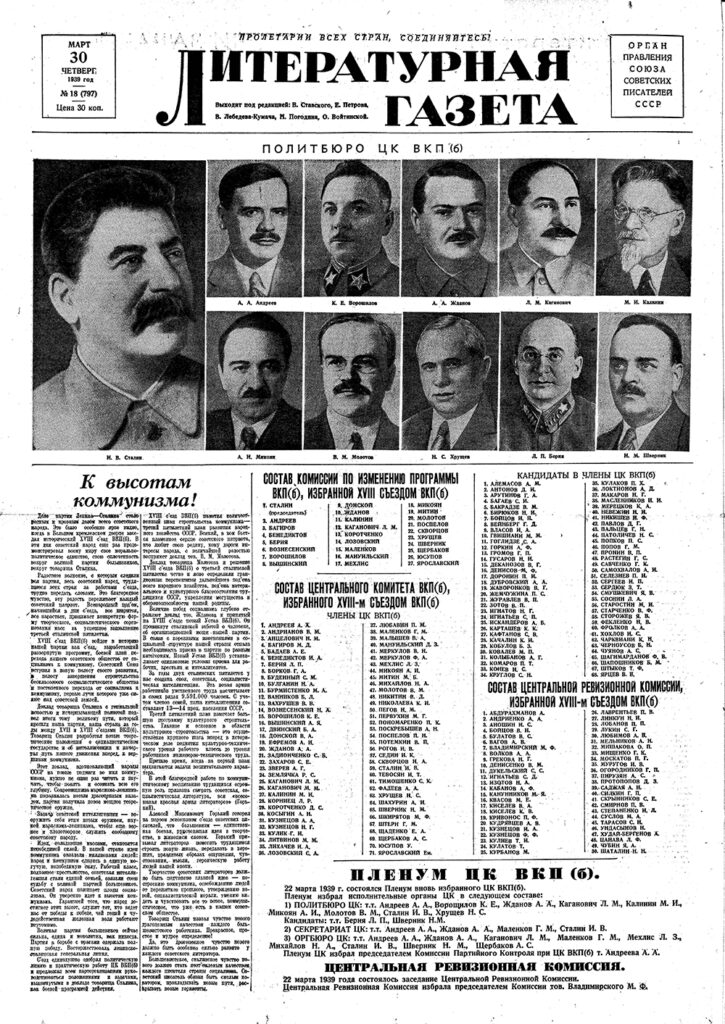
    Literaturnaia gazeta was truly significant in the cultural life of the Soviet Union. While all officially published works were restricted in Soviet times, compared to the party-run Pravda and the government-run Izvestiia, Literaturnaia gazeta was more likely to push the limits of censorship in expressing views on social life and culture. Unlike many other Soviet newspapers, Literaturnaia gazeta refrained from simply re-publishing official party statements and resolutions. For those studying Russian, Russian literature, and comparative literature, Literaturnaia gazeta is undoubtedly an important resource: its pages carry literary criticism; excerpts from works of literature; articles on economics, sociology, ethics, daily life, scientific progress, etc. Contributors to Literaturnaia gazeta included the best prose writers of the era: Isaak Babel’, Mikhail Bulgakov, Veniamin Kaverin, Leonid Leonov, Yuriy Olesha, Boris Pil’nyak, Yevgeniy Zamyatin, and Mikhail Zoshchenko.

  • Knizhnaia Letopis’ Digital Archive

    Knizhnaia Letopis’ Digital Archive

    Russia’s definitive bibliographic book index.

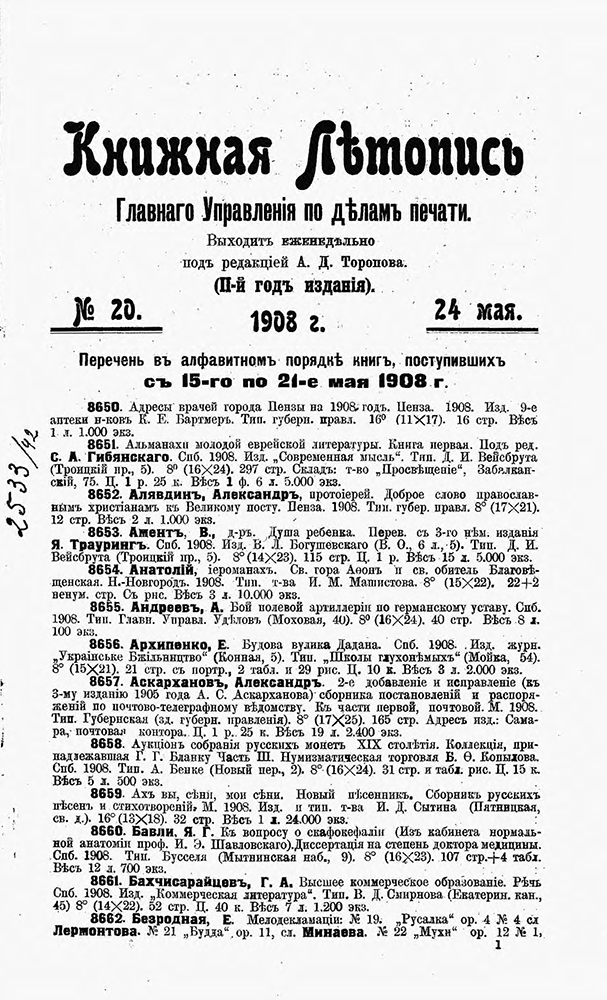
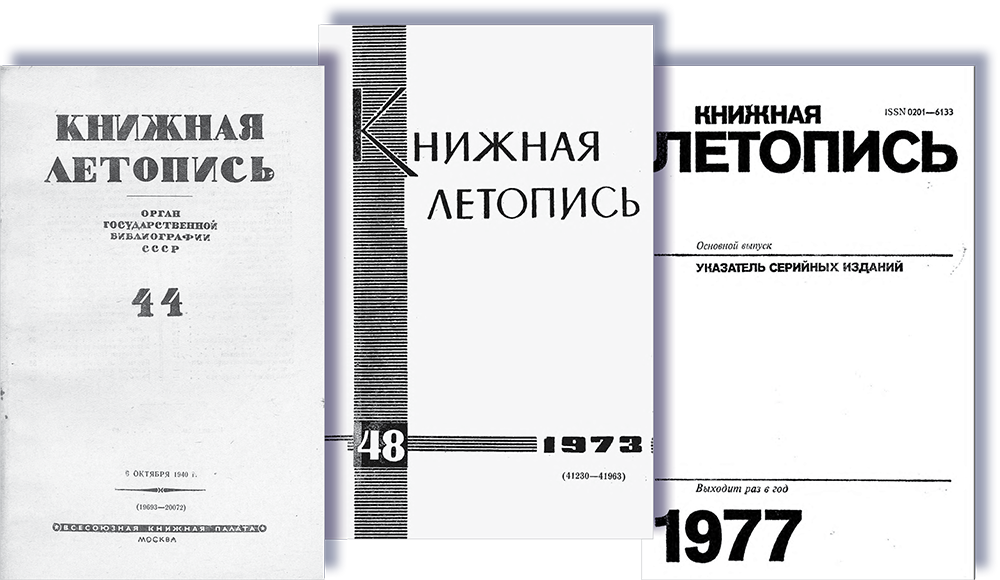
    Knizhnaia letopis’ (Книжная летопись, The Book Index) is the most definitive reference guide available for published books in Russia. For decades, libraries and researchers have turned to this weekly publication to follow book publishing trends in the USSR and Russia. As the main Soviet/Russian bibliographic publication for books, Knizhnaia letopis’ represents the most comprehensive bibliographic resource available on printed books in Russia. For scholars of Russian history, literature, and print culture, the digital archive of Knizhnaia Letopis represents an invaluable resource, offering a unique window into the evolution of publishing and intellectual life in Russia from the late Imperial period through the Soviet era.

    Covering the period of 1907–1979, the Knizhnaia Letopis’ Digital Archive comprises over 105,000 articles, and features full page-level digitization, searchable text, and complete original graphics. This searchable format allows users to explore trends in publishing, track specific authors or topics, and gain insights into the intellectual and cultural landscape of Russia and the Soviet Union throughout much of the 20th century.

    The archive is organized at the chapter level, with each issue divided into thematic chapters (articles). Issues of Knizhnaia letopis’ feature entries detailing new book publications across all fields of knowledge and practical activities, providing primary bibliographic registrations of new books published within the Russian Federation, as well as books published abroad on behalf of Russian publishers. Each bibliographic entry typically contains a sequential record number, a full bibliographic description, the state registration number assigned by the Russian Book Chamber and the UDC (Universal Decimal Classification) indices. The archive also preserves additional features of the original publication, such as author indexes, language indicators for non-Russian publications, and listings of ISBN errors.

    The Knizhnaia Letopis’ Digital Archive also includes a number of important supplements, such as Knizhnaia Letopis’. Dopolnitelnyi vypusk (Supplement, includes dissertation abstracts), Knizhnaia Letopis’. Vspomogatelnye ukazateli (Name, Subject and Geographic Indexes), Dopolnitelnyi vypusk. Vspomogatelnye ukazateli (Name and Geographic Indexes), and Ukazatel seriinykh izdanii (annual Index to Book Series).

  • Izvestiia RAN. Seriia Literatury i Iazyka Digital Archive

    Izvestiia RAN. Seriia Literatury i Iazyka Digital Archive

    Leading Russian journal in the fields of literature, linguistics, and philology.

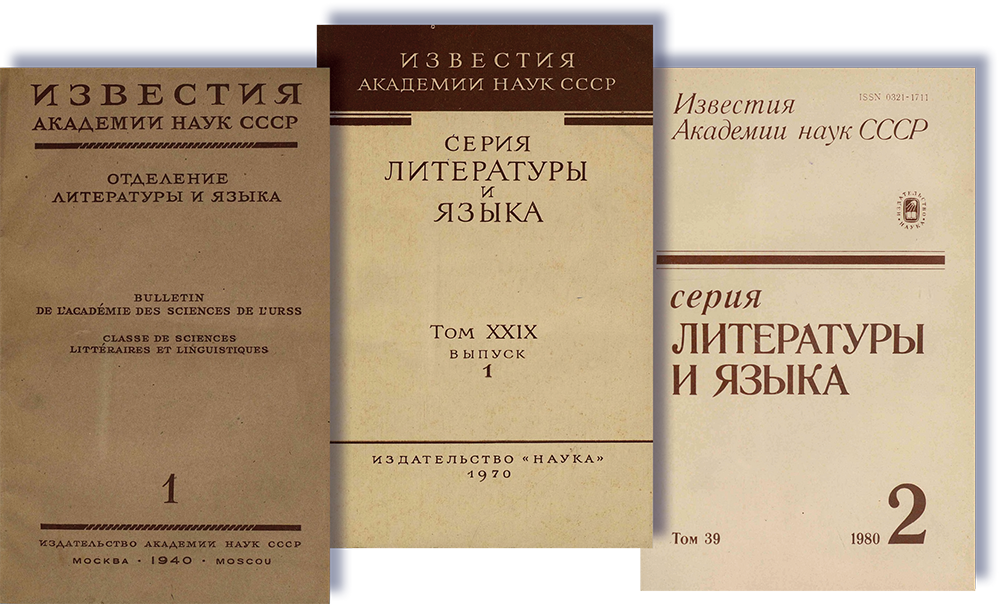
    Izvestiia Rossiiskoi Akademii Nauk (RAN). Seriia Literatury i Iazyka (Известия Российской Академии наук. Серия литературы и языка, The Bulletin of the Russian Academy of Sciences. Series: Literature and Language) is a highly respected academic journal that has been published by the Soviet/Russian Academy of Sciences since 1940. The journal’s focus is on research in the fields of literature, linguistics, and philology. It is widely considered to be one of the most prestigious academic publications in Russia.

    The scope of the journal includes a broad range of topics related to Russian literature and language. Published six times a year, the journal features original research articles, reviews, and critical essays on literary theory, history of literature, comparative literature, linguistics, and cultural studies.

    Authors for the journal include esteemed scholars, experts, and university professors from Russia and abroad, while its distinguished editorial board ensures the quality of the published research. The journal’s interdisciplinary approach allows for a wide range of perspectives on the study of Russian literature from its earliest beginnings to contemporary works, and its coverage of linguistics includes a range of approaches, from syntax and semantics to sociolinguistics and discourse analysis.

    The Izvestiia RAN. Seriia Literatury i Iazyka Digital Archive includes all issues published from 1940 on, with an additional year’s worth of content available for purchase on an annual basis. The archive offers scholars the most comprehensive collection available for this title, features full page-level digitization and complete original graphics, and is cross-searchable with numerous other Infoteka digital resources.

  • Illiustrirovannaia Rossiia Digital Archive

    Illiustrirovannaia Rossiia Digital Archive

    Encyclopedia of the émigré life of ex-Russians in the first half of the 20th Century.

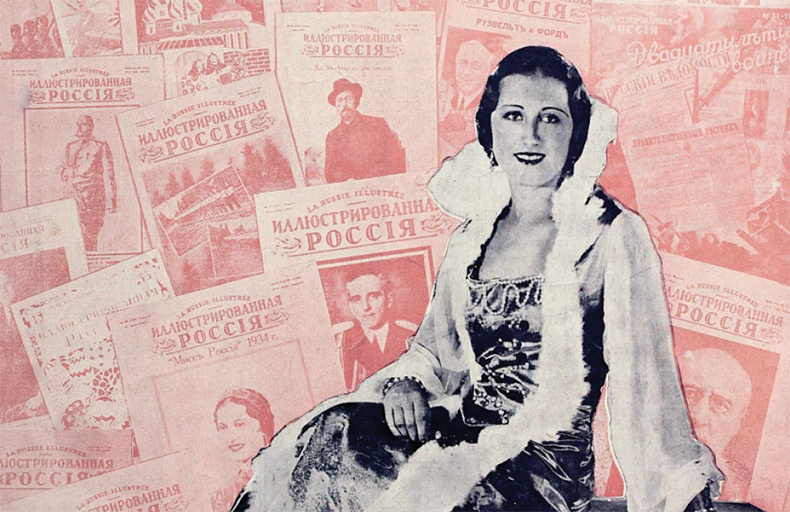
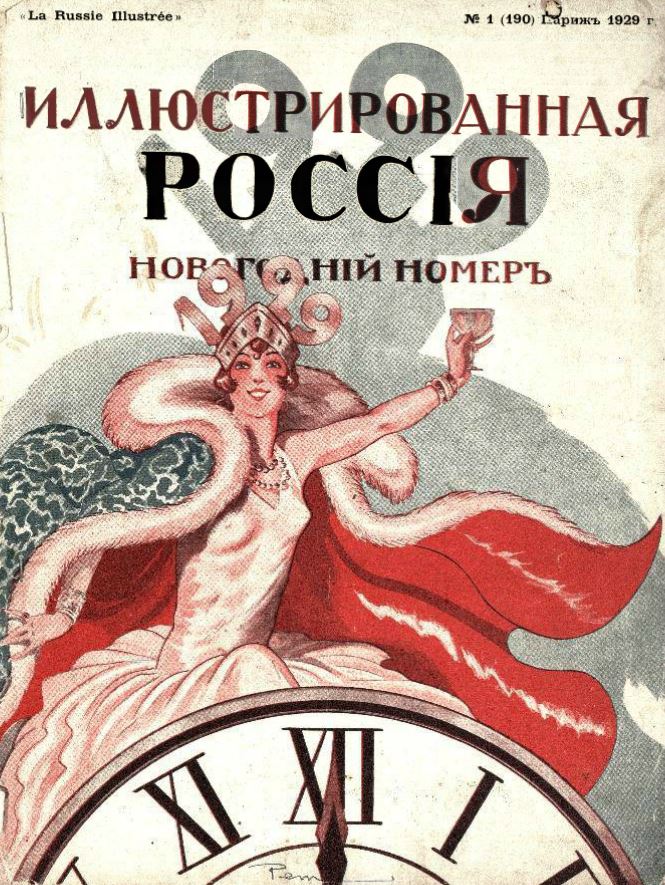
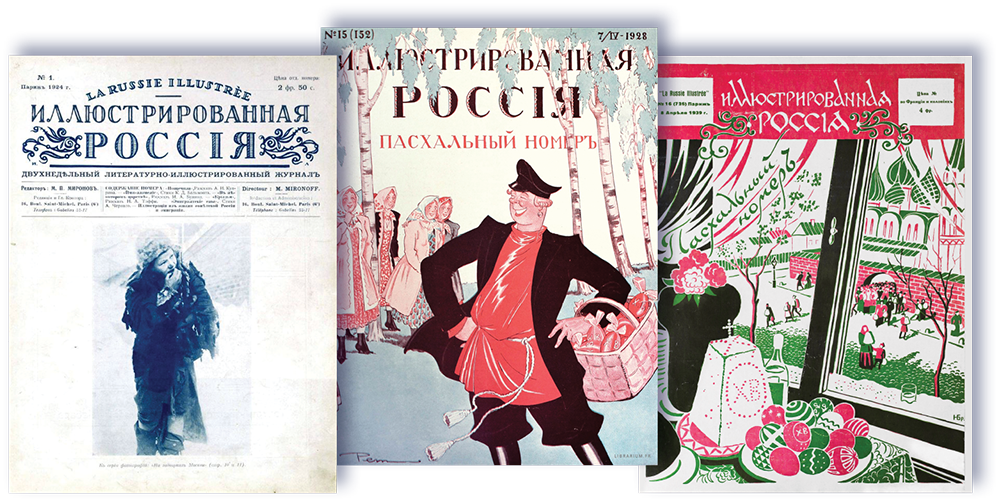
    Illiustrirovannaia Rossiia (Иллюстрированная Россия, La Russie Illustrée, Illustrated Russia) was a weekly literary and illustrated journal, published in Paris from 1924-1939. The founding editor of the journal, Miron Mironov, was a prominent Russian émigré journalist who had started his career in Russia, honing his writing and editorial skills at prominent Russian publications in St. Petersburg and Kyiv before leaving the country.

    The target demographic of the journal was the growing community of Russian émigrés in France and elsewhere who left Russia behind in the wake of the Bolshevik Revolution. Contributing to the popular success of the journal were both its production quality and the quality of its content, which were lavishly underwritten by a coterie of wealthy benefactors in exile. As such, Illiustrirovannaia Rossiia was an unrivaled source of literary and cultural tidbits as well as long-form writing and serialized novels.

    Perhaps the greatest contributing factor to its success was the deliberately apolitical nature of the publication, unique among a growing list of Russian émigré publications of that time that were engaged in internecine ideological wars. The journal’s apoliticism had its limits, however, as communism and the Soviet authorities were periodically and mercilessly ridiculed on the pages of the publication, leaving no doubt as to its overall political orientation.

    Over the years the journal would become one of the most important, if not the most important, Russian émigré periodicals attracting literary and journalistic talent from the far-flung Russian diaspora communities. Despite its brief lifespan of 15 years, the journal published 748 issues, leaving an indelible mark on the Russian literary and cultural scene and becoming an important part of the twentieth-century Russian émigré cultural landscape. Illiustrirovannaia Rossiia remains an invaluable and unique repository of textual and visual representation, providing researchers with indispensable insight into Russian cultural life in exile.

    The Illiustrirovannaia Rossiia Digital Archive contains the complete set of the journal from the very first issue, comprising 748 issues and more than 21,000 pages. The archive features full page-level digitization, complete original graphics, and searchable text, and is cross-searchable with numerous other Infoteka digital resources.

  • Essential Russian Classics

    Essential Russian Classics

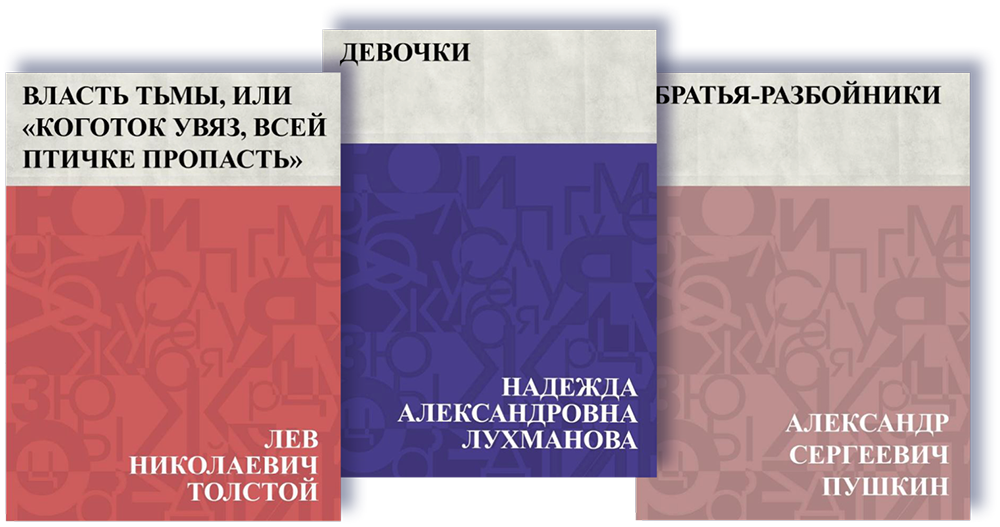
    The Essential Russian Classics e-book collection includes nearly 6,400 titles by 300+ famous Russian authors, thinkers and philosophers of the 18th, 19th and early 20th centuries who made notable contributions to the development of Russian literature, philosophy and culture.

    The collection comprises the works of world-renowned Russian playwrights, poets, essayists and historians, such as Chekhov, Pushkin, Lermontov, Mayakovsky, Bunin, and Karamzin, as well as the less well-known in the West, but still prominent cultural icons of Russia, such as Averchenko, Belyi, Briusov, Fet, Giliarovsky, Gumilev, Leskov, Rozanov, Teffi, and dozens of others.

    The collection is divided into four main genres:

    • Classic Russian Fiction
    • Classic Russian Non-Fiction
    • Classic Russian Poetry
    • Classic Russian Drama

    Non-fiction is represented mostly in such genres as philosophy, history, biography, memoirs and travel journals.

    The resource can be accessed through Infoteka’s e-book platform, allowing for filtering by genre and author, sorting by title, searching in Cyrillic and transliteration. The book format is “smart” PDF. Each title has been assigned a unique e-ISBN number. A free set of ePub files for each title is included with the purchase of the entire collection. All texts have been thoroughly proofread. In some instances, the old spelling was replaced with new. Some publications have been digitized for the first time and are not available in electronic formats elsewhere.

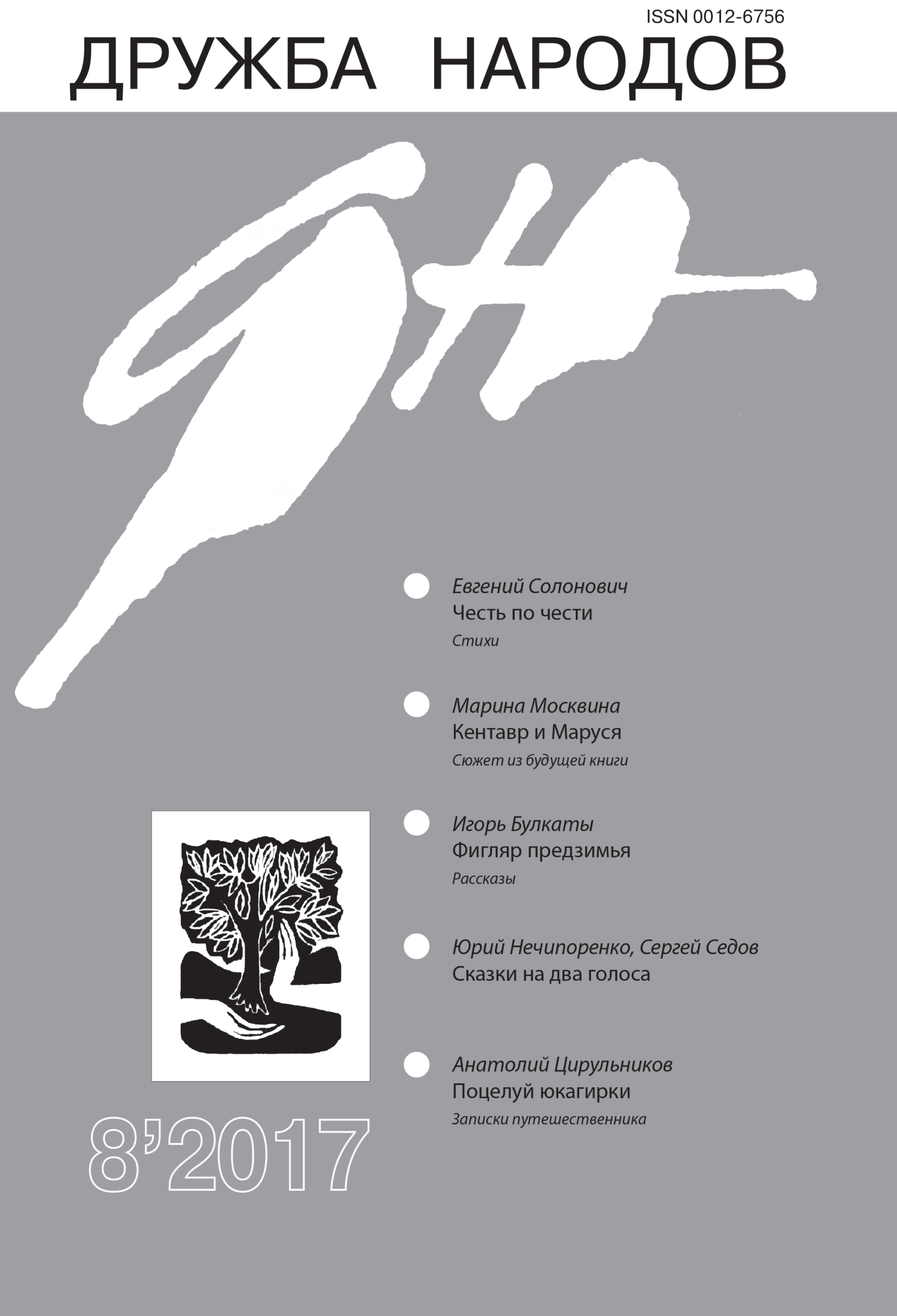
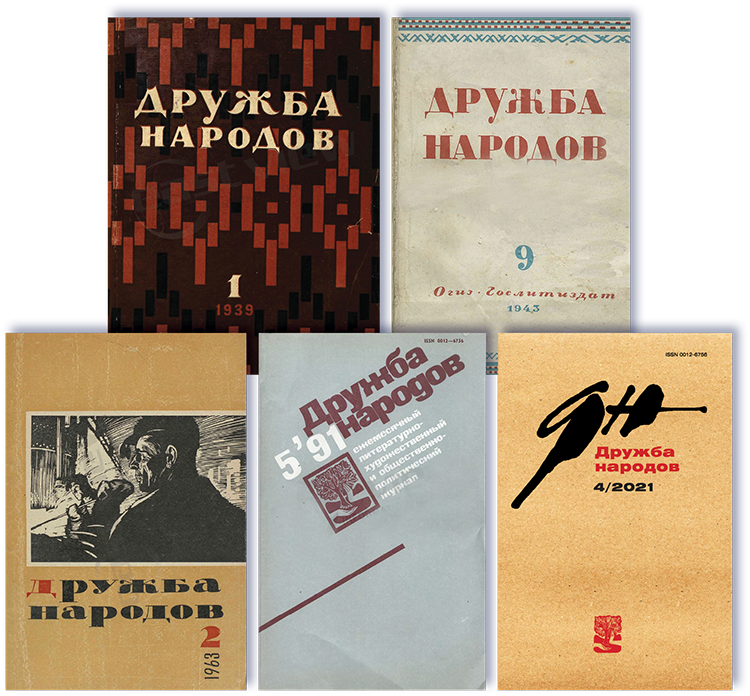
  • Druzhba Narodov Digital Archive

    Druzhba Narodov Digital Archive

    Influential literary journal highlighting writing from across the Soviet Union.

    The journal began as an almanac designed to bring the literature of the Soviet republics into a shared cultural forum. Its core mission was to introduce readers in the Russian-language center to prose, poetry, and literary commentary produced across the USSR’s many languages—Uzbek, Georgian, Armenian, and many others—through publication in Russian translation.

    After a wartime hiatus (June 1941–October 1943), the publication resumed, eventually establishing a bimonthly schedule in 1949 and transitioning to a monthly journal in 1955. During the Soviet era, Druzhba Narodov operated under the auspices of the Union of Soviet Writers and became one of the principal platforms for the state doctrine of “friendship among nations.” The journal helped consolidate a tradition of literary translation as a high-status intellectual craft, with leading Russian poets and writers serving as translators and adapters—including Boris Pasternak, Nikolai Zabolotsky, Pavel Antokolsky, Semyon Lipkin, Arseny Tarkovsky, and others.

    Across decades, the journal published a wide range of major Soviet and post-Soviet authors and critics, including Viktor Astafiev, Vasyl Bykov, Rasul Gamzatov, Fazil Iskander, Bulat Okudzhava, Anatoly Rybakov, Alexander Tvardovsky, Vasily Shukshin, Lev Gumilev, Kornelii Chukovsky, Svetlana Alexievich, and many others. Its pages document shifting literary and political climates from the late Stalin period through Khrushchev’s Thaw, the era of late Soviet stagnation, the rupture of perestroika, and the cultural realignments of the post-1991 period. Following the dissolution of the USSR, Druzhba Narodov moved from being an official organ of the Union of Writers to an independent, privately published journal.

    The Druzhba Narodov Digital Archive supports advanced research and teaching by providing a fully digitized, searchable corpus that can be used to trace authors, themes, genres, regions, and translation practices over time. It is particularly valuable for scholarship on Soviet cultural policy, center-periphery relations, literary translation and mediation, nationalism and multinationalism, and the evolving relationship between literature and public discourse.

    The archive provides comprehensive online access to a major institution of Russian-language publishing for nearly nine decades. The fully digitized archive offers scholars the most comprehensive collection available for this title, with an additional year’s worth of content available for purchase on an annual basis. Featuring full page-level digitization, complete original graphics, and a user-friendly bilingual interface in Russian and English, the searchable database enables efficient exploration of key literary content. The archive is cross-searchable with numerous other Infoteka digital resources.

    More about the Soviet “Thick Journals”

    The famed Soviet tolstye zhurnaly, or “thick journals,” were significant platforms for literary and intellectual discourse. Tolstye zhurnaly such as Druzhba Narodov played a complex and multifaceted role in Soviet intellectual and literary life. They were not merely publications but institutions that shaped and were shaped by the cultural, intellectual, and political currents of their time. These journals served multiple roles:

    They acted as repositories of high culture, preserving the intellectual and literary achievements of the era. Given the limited avenues for independent publishing, these journals were the primary platforms where established and emerging writers could reach an audience.

    State-Controlled Outlets. While they were crucial platforms for intellectual and artistic expression, it’s important to remember that these journals were often used to propagate official ideologies, and the works published in them usually underwent rigorous censorship.

    Academic Importance. For academics studying the Soviet period, tolstye zhurnaly offer a valuable glimpse into the state-sanctioned intellectual climate of the time. They provide context for how literature and intellectual thought evolved under different political and social conditions.

    Catalysts for Change. During more liberal periods, such as the Khrushchev Thaw and the perestroika years, tolstye zhurnaly could act as catalysts for change, pushing the boundaries of what was acceptable to discuss and publish.

  • Belarusian National Bibliography

    Belarusian National Bibliography

    Comprehensive bibliographic database for printed works in Belarus.

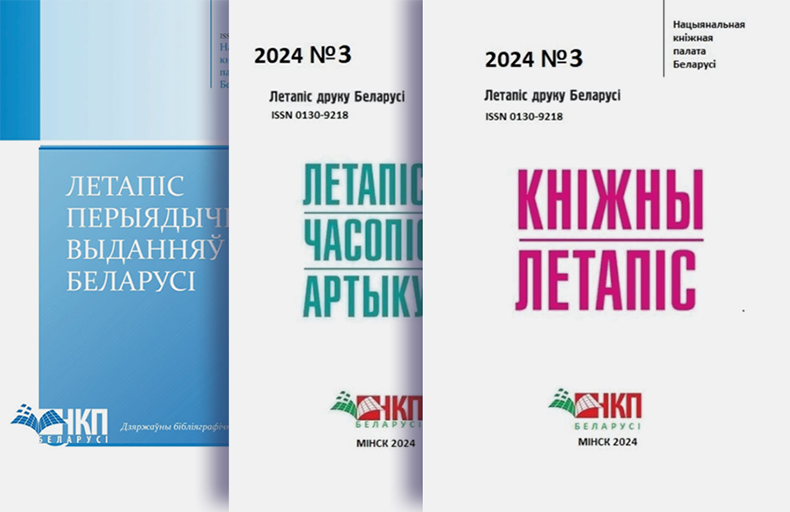
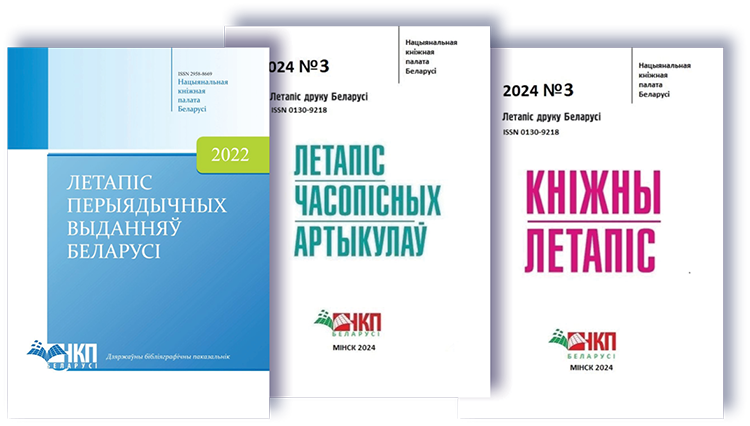
    The Belarusian National Bibliography database encompasses a wealth of bibliographic content meticulously curated from nine distinguished indexes published by the Book Chamber of Belarus.

    Designed for full-text, full-image access in PDF format, chapter by chapter, the Belarusian National Bibliography database features an interface in English, with content primarily in Russian and Belarusian. With some resources dating back to the pivotal year of 1991, the collection provides insight into a critical era in Belarusian publication history, with indexes covering a wide variety of publications including books, dissertations, periodicals, maps, art, music, and more.

    Belarusian National Bibliography Content

    • Knizhny letapis (Кнiжны летапiс, Index of Book Publications), monthly, 1991-present
    • Letapis autareferatau dysertatsyi (Летапiс аўтарэфератаў дысертацый, Index of Dissertation Abstracts), annually, 2007-present
    • Letapis peryiadychnykh vydanniau Belarusi (Летапіс перыядычных выданняў Беларусі, Index of Periodical Publications of Belarus), annually, 1996-present
    • Letapіs vyiaўlenchykh vydanniaў (Летапіс выяўленчых выданняў, Index of Art Publications), annually, 2007-2013 (from 2014 included in Knizhny letapis)
    • Letapis kartagrafіchnykh vydanniaў (Летапiс картаграфічных выданняў, Index of Cartographic Publications), annually, 2007-2013 (from 2014 included in Knizhny letapis)
    • Letapіs notnykh vydanniaў (Летапіс нотных выданняў, Index of Music Publications), annually, 2007-2013 (from 2014 included in Knizhny letapis)
    • Belarus’ u susvetnym druku (Беларусь у сусветным друку, Belarus in the World Press), quarterly, 2005-2017 (ceased)

    Additionally, the Belarusian National Bibliography features two monthly publications:

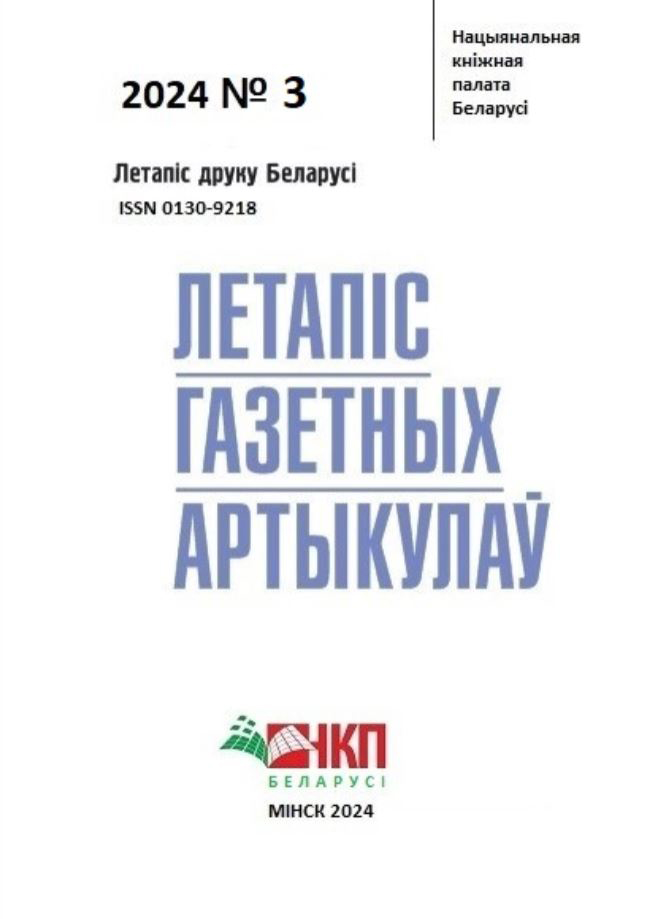
    • Letapis hazetnykh artykulaў (Летапiс газетных артыкулаў, Index of Newspaper Articles), monthly, 1995-present
    • Letapis chasopisnykh artykulaў (Летапiс часопiсных артыкулаў, Index of Journal Articles), monthly, 1995-present

    These publications index the content of newspaper and journal articles in the following areas:

    • Science and knowledge
    • Information technologies
    • Library affairs
    • Psychology, Religion
    • Social Sciences
    • Statistics
    • Politics and Economics
    • Trade and Law
    • Social security. Insurance. Education. Folklore
    • Mathematics and Natural Sciences
    • Applied sciences. Medicine. Technology
    • Entertainment. Performances. Sport
    • Linguistics. Literature
    • Biographies. History