Region: Soviet Union

  • Post-Perestroika Newspapers

    Post-Perestroika Newspapers

    Collection chronicling politics, events, and personalities of post-Soviet Russia.

    Equal parts thrilling and disorienting, the late Soviet and early post-Soviet period was one of the most tumultuous times in modern Russian history. Defined by the failures of central planning and political upheavals that gripped the Soviet Union from the Baltics to the Caucasus to Central Asia, it was a period marked by uncertainty, but also full of new opportunities.

    The rapid economic and political liberalization that followed the collapse of the vast Soviet empire opened new frontiers for economic entrepreneurship that had been stifled during the seven decades of central planning. However, the emerging reality was more akin to the wild west than to anything resembling the democratic transformation that Russian reformers had hoped for. The emergence of a new oligarchic class that successfully gained control over vast industries with little to no benefit to the general population became perhaps the most distinctive feature of post-Soviet Russia – in a way determining the trajectory of the country’s political culture for the next three decades. It also paved the way for the emergence of the rule of Vladimir Putin and the securocrats.

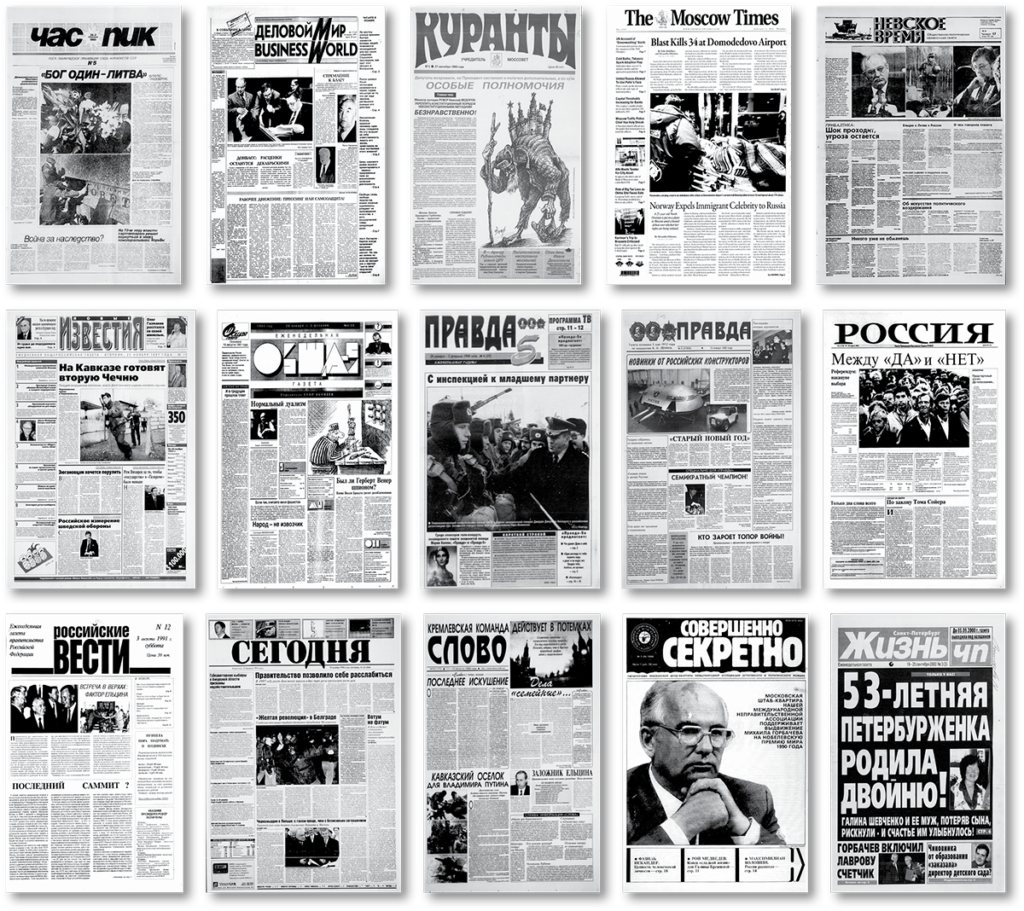
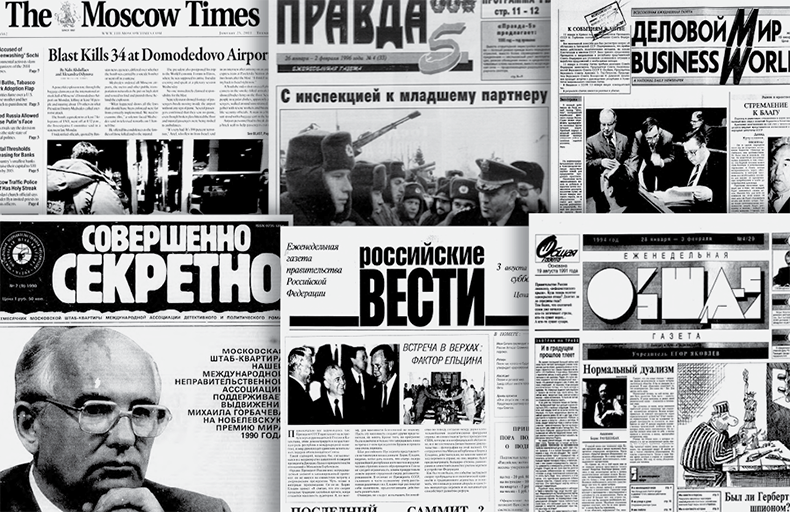
    Post-Perestroika Newspapers traces the evolution of post-Soviet Russia, with coverage beginning in the mid 1980s and extending well into the twenty-first century. Established soon before or soon after the collapse of the Soviet Union, the newspapers in this collection document the changes taking place in Russia, some with breathtaking speed, all the while embracing innovative journalistic methods and standards that were a far cry from the journalism of the Soviet period. These newspapers, some of which had a relatively short lifespan, nevertheless provide important and critical insight into the events and personalities that defined post-Soviet Russian politics and history. Comprised of over a dozen titles, the collection is a unique treasure trove for students and historians of one of the most fascinating periods of Russian history.

    Post-Perestroika Newspapers Titles

    • Chas pik (Час пик)
    • Delovoi Mir (Деловой мир)
    • Kuranty (Куранты)
    • The Moscow Times
    • Nevskoe vremia (Невское время)
    • Novye Izvestiia (Новые Известия)
    • Obshchaia gazeta (Общая газета)
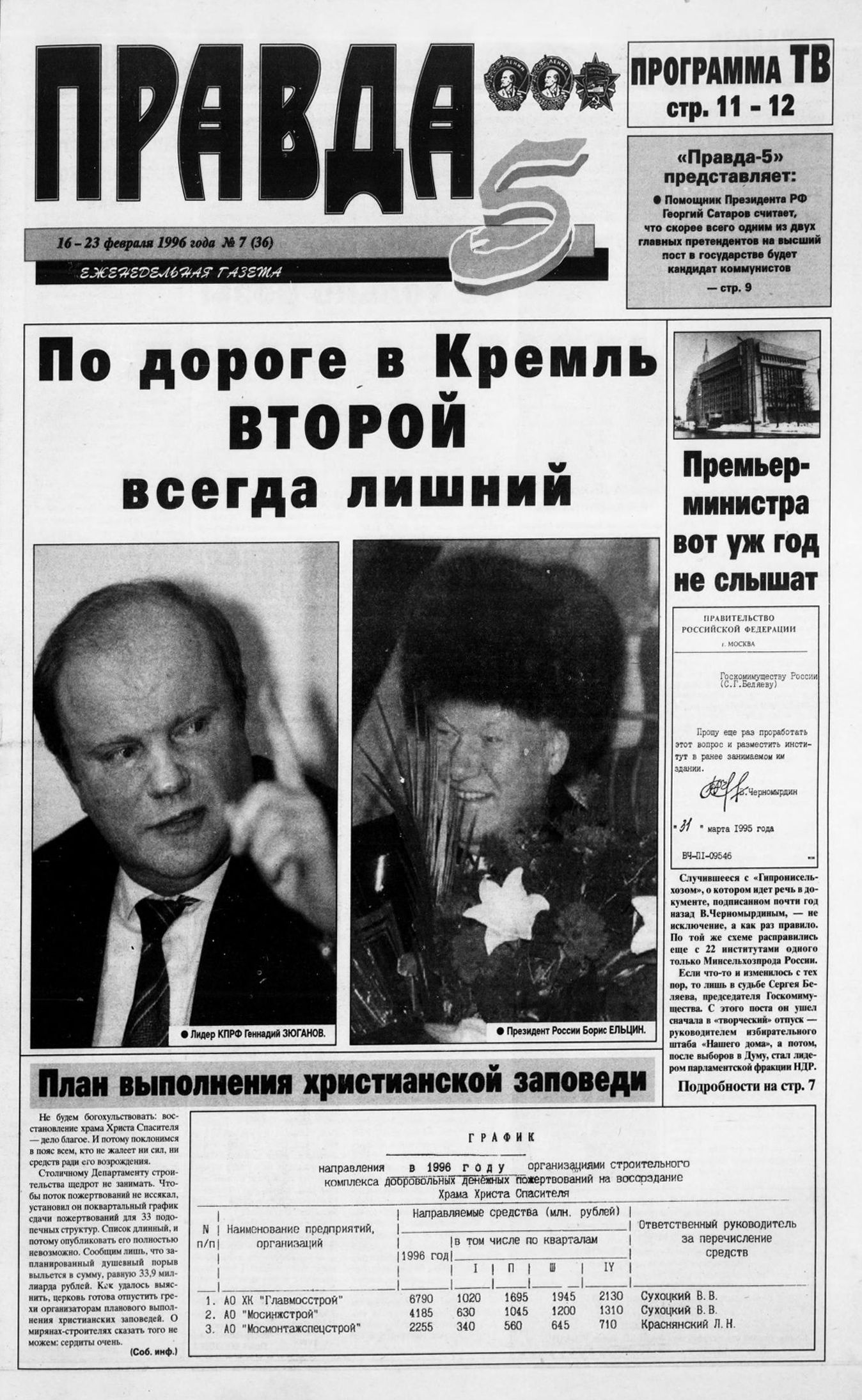
    • Pravda – piat’, 5 (Правда -пять, 5)
    • Pravda (Правда)
    • Rossia (Россия)
    • Rossiiskie vesti (Российские вести)
    • Segodnia (Сегодня)
    • Slovo (Слово)
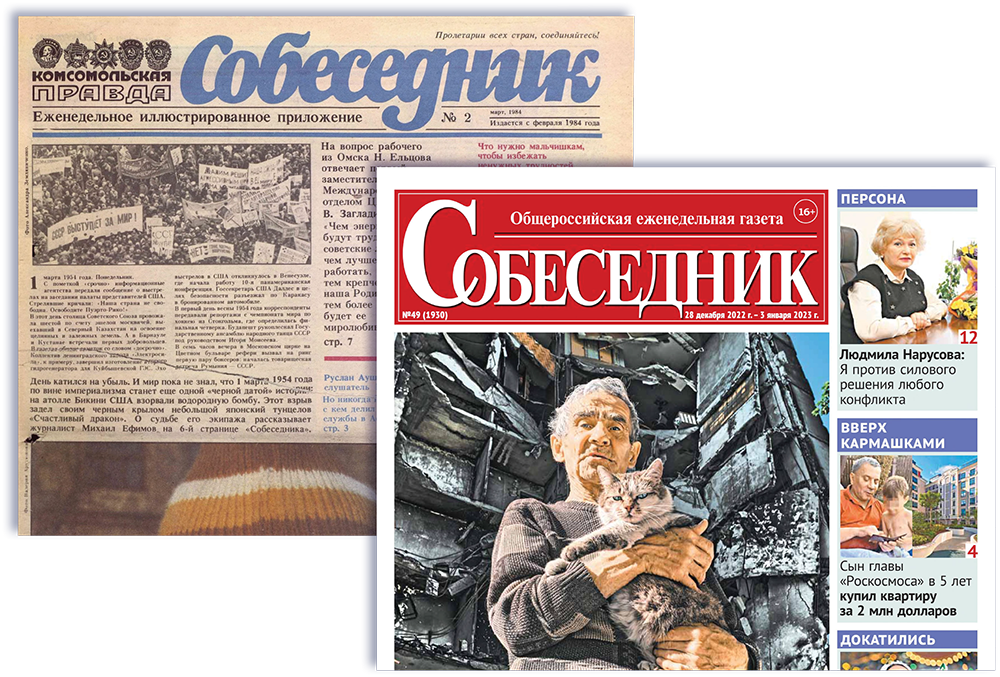
    • Sobesednik (Собеседник)
    • Sovershenno sekretno (Совершенно секретно)
    • Zhizn’ (Жизнь)
  • Piatidnevka Digital Archive

    Piatidnevka Digital Archive

    Complete archive of rare illustrative Soviet journal.

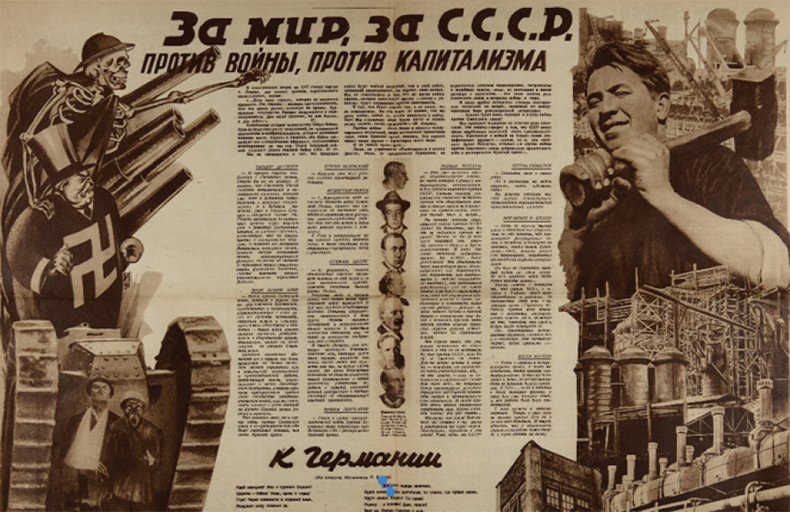
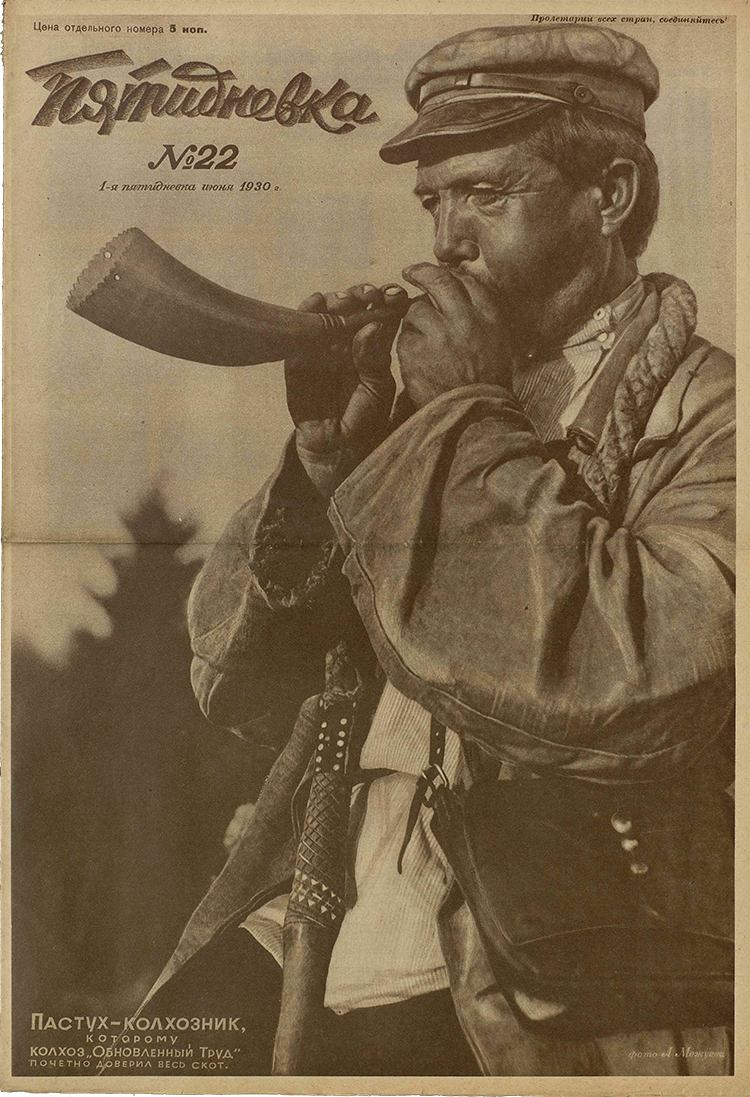
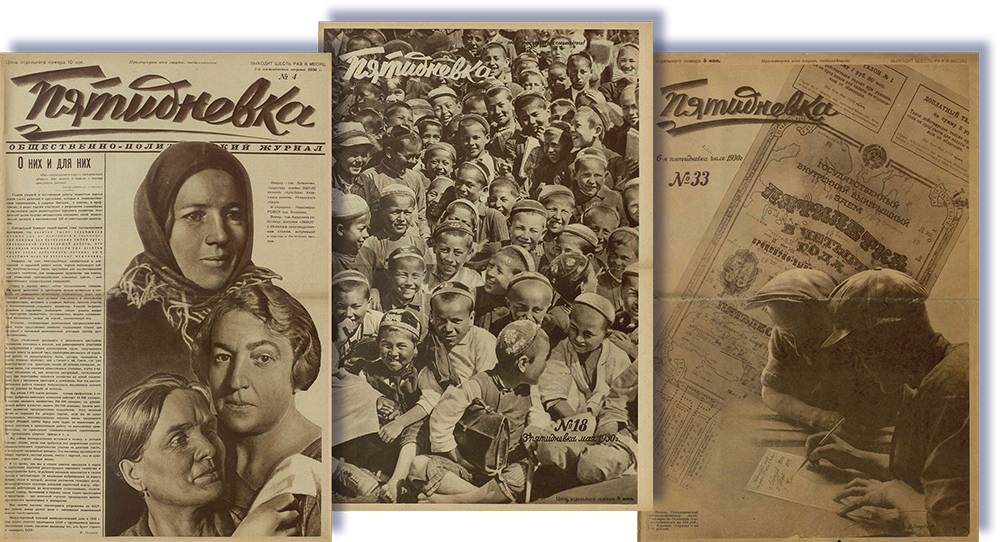
    Piatidnevka (Пятидневка, “Five Day Week”) is an invaluable asset for scholars engaged in the study of early Soviet history. Published six times per month from February–July 1930, this illustrative journal provides critical insights into the Soviet Union’s brief but notable experiment with a five-day workweek, comprising four workdays followed by a day of rest. This initiative reflects the broader Soviet aim of dismantling traditional societal structures in favor of innovative paradigms. The archive is rich in visual and textual content, offering wonderful artistic photos, articles, editorials, and commentaries that furnish first-hand accounts of this significant phase in Soviet history.

    The Piatidnevka Digital Archive contains all 33 published issues of this rare Soviet journal and features full page-level digitization, complete original graphics, and searchable text, and is cross-searchable with numerous other Infoteka digital resources. This digitized collection has been carefully restored to ensure optimal clarity, enabling detailed academic scrutiny without compromising the original essence of the material. Far from being merely a repository of historical documents, the Piatidnevka Digital Archive serves as a substantive bridge to a deeper understanding of the ideological underpinnings, social experiments, and cultural shifts that characterized this dynamic era in Soviet history.

  • Polis Digital Archive

    Polis Digital Archive

    Prominent journal on Russian domestic and foreign policy issues.

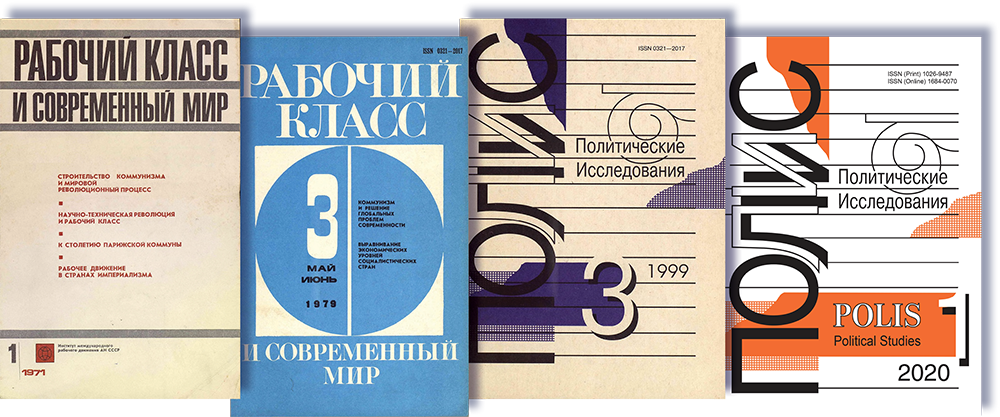
    Founded by a group of leading Russian scholarly organizations and associations, POLIS. Politicheskie issledovania (ПОЛИС. Политические исследования, POLICY. Political Studies) is a prominent peer-reviewed journal that publishes academic research and essays on Russian domestic and foreign policy issues from a variety of academic perspectives and disciplines. Formerly published under the title Rabochii klass i sovremennyi mir (Рабочий класс и современный мир, The Working class and the Contemporary World) from 1971-1990 at the Institute of the International Labor Movement of the Academy of Sciences, POLIS has emerged in the post-Soviet era as one of the most important and vibrant scholarly periodicals that brings together Russian and foreign experts and researchers.

    Given its mission and high academic profile, the journal has over the years served as an essential forum for political scientists, political sociologists, policy makers, and international relations specialists interested in a wide range of political issues. Among other things, the journal also publishes notices and brief summaries of the latest political science-related academic works and dissertations defended in Russian universities and academic institutions.

    The Polis Digital Archive includes all issues of Rabochii klass i sovremennyi mir and POLIS published from 1971 on (over 7,500 articles), with an additional year’s worth of content available for purchase on an annual basis. The archive offers scholars the most comprehensive collection available for this title, and features full page-level digitization and complete original graphics. The archive has searchable text and is cross-searchable with numerous other Infoteka digital resources.

  • Poliarnaia Kochegarka Digital Archive

    Poliarnaia Kochegarka Digital Archive

    Unique Soviet newspaper for the Russian mining community in Norway.

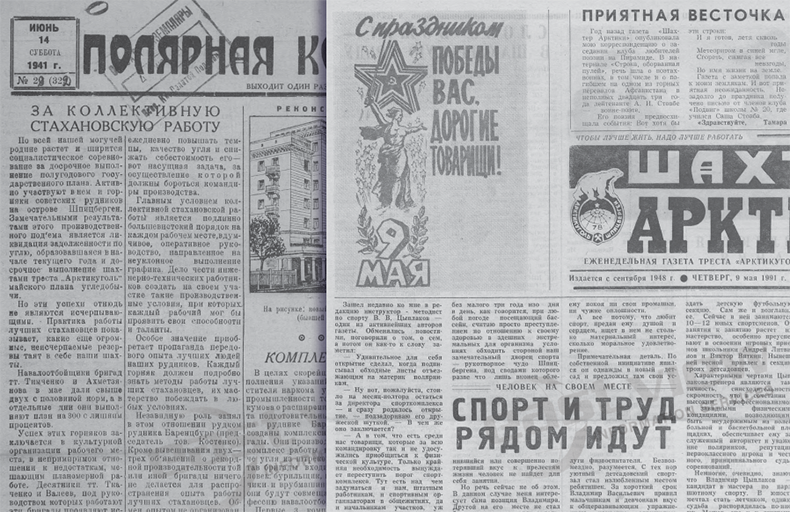
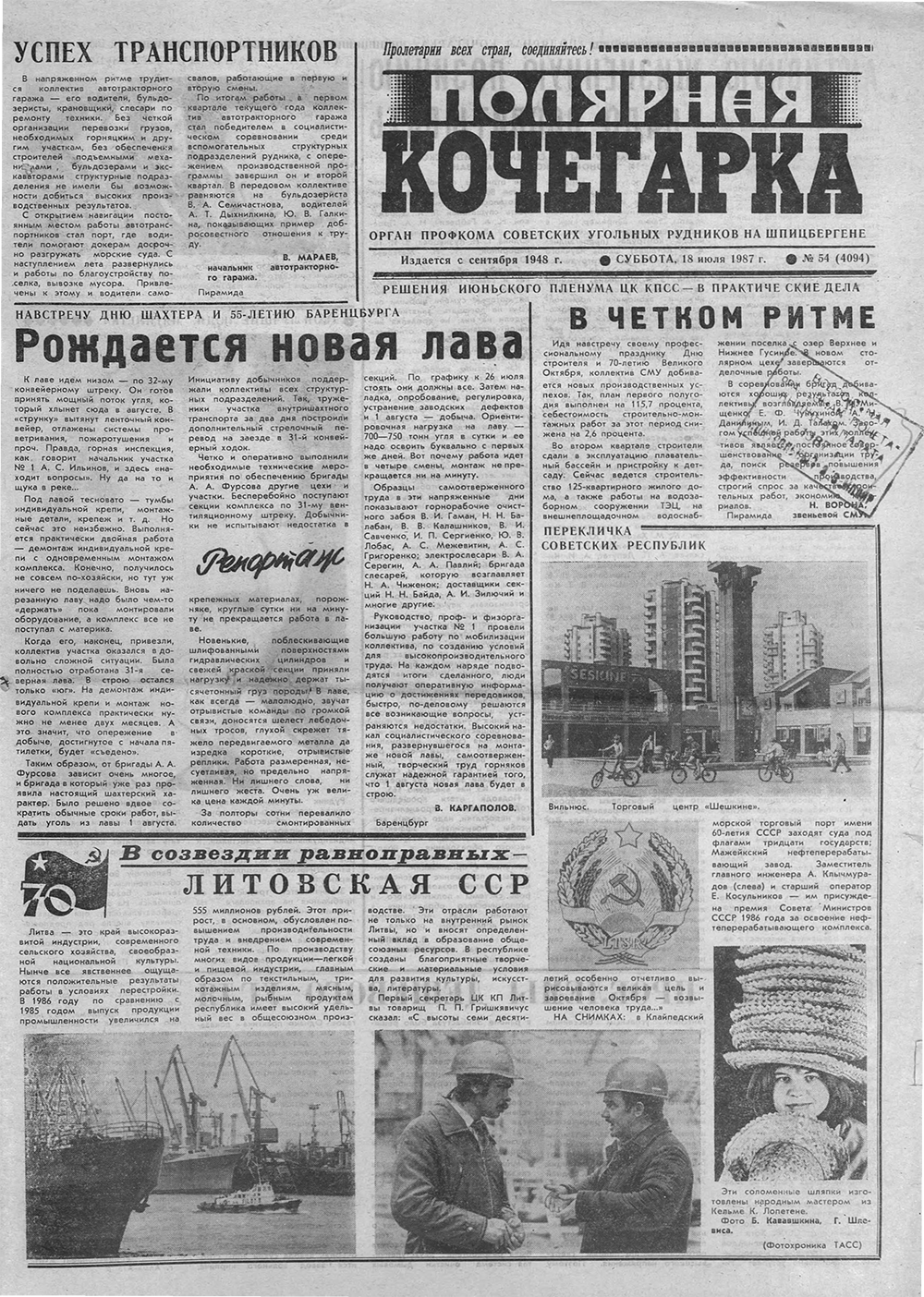
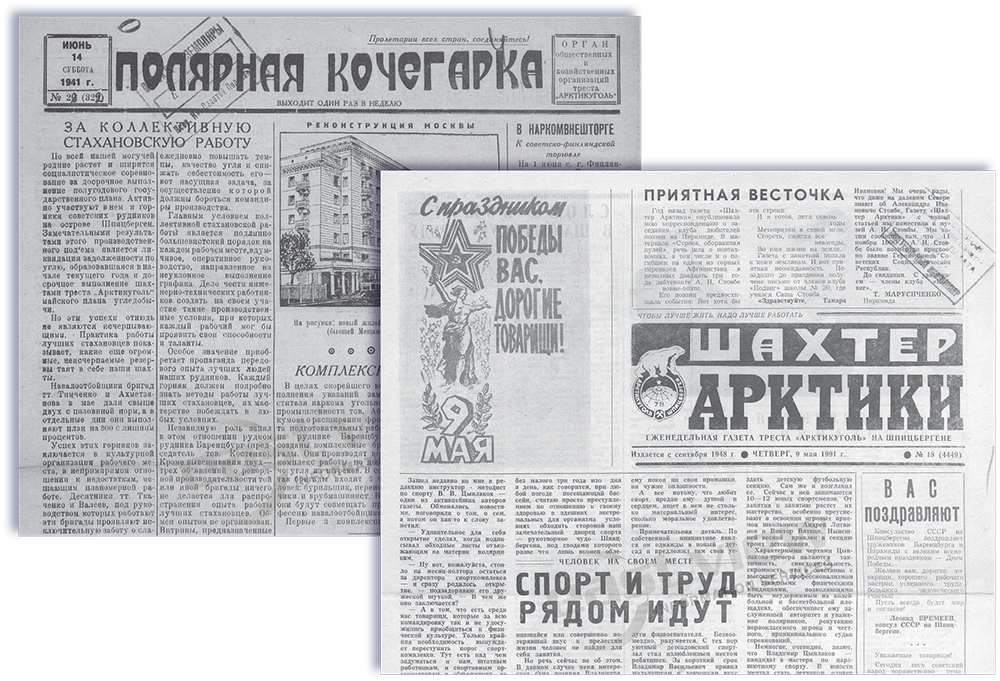
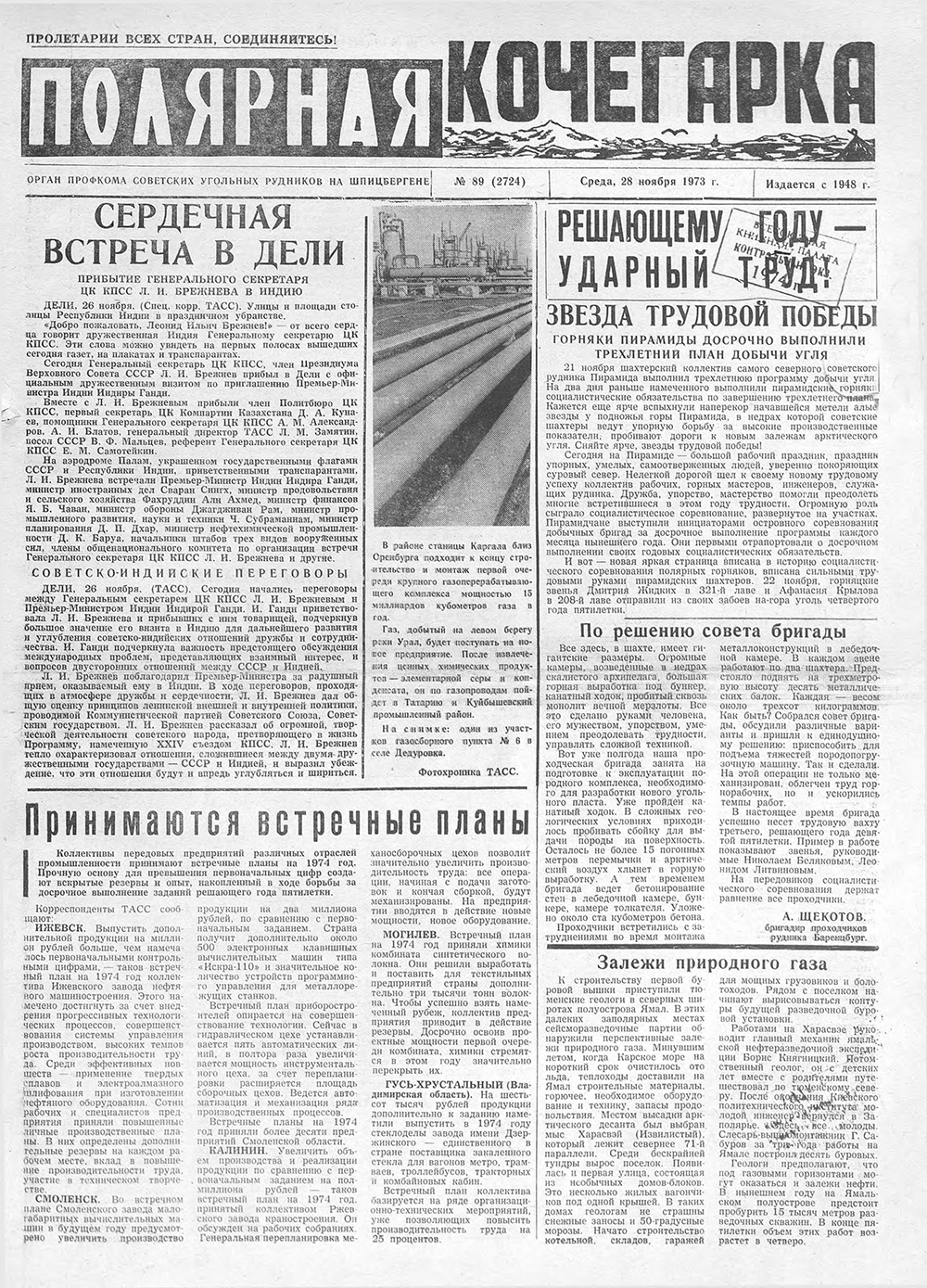
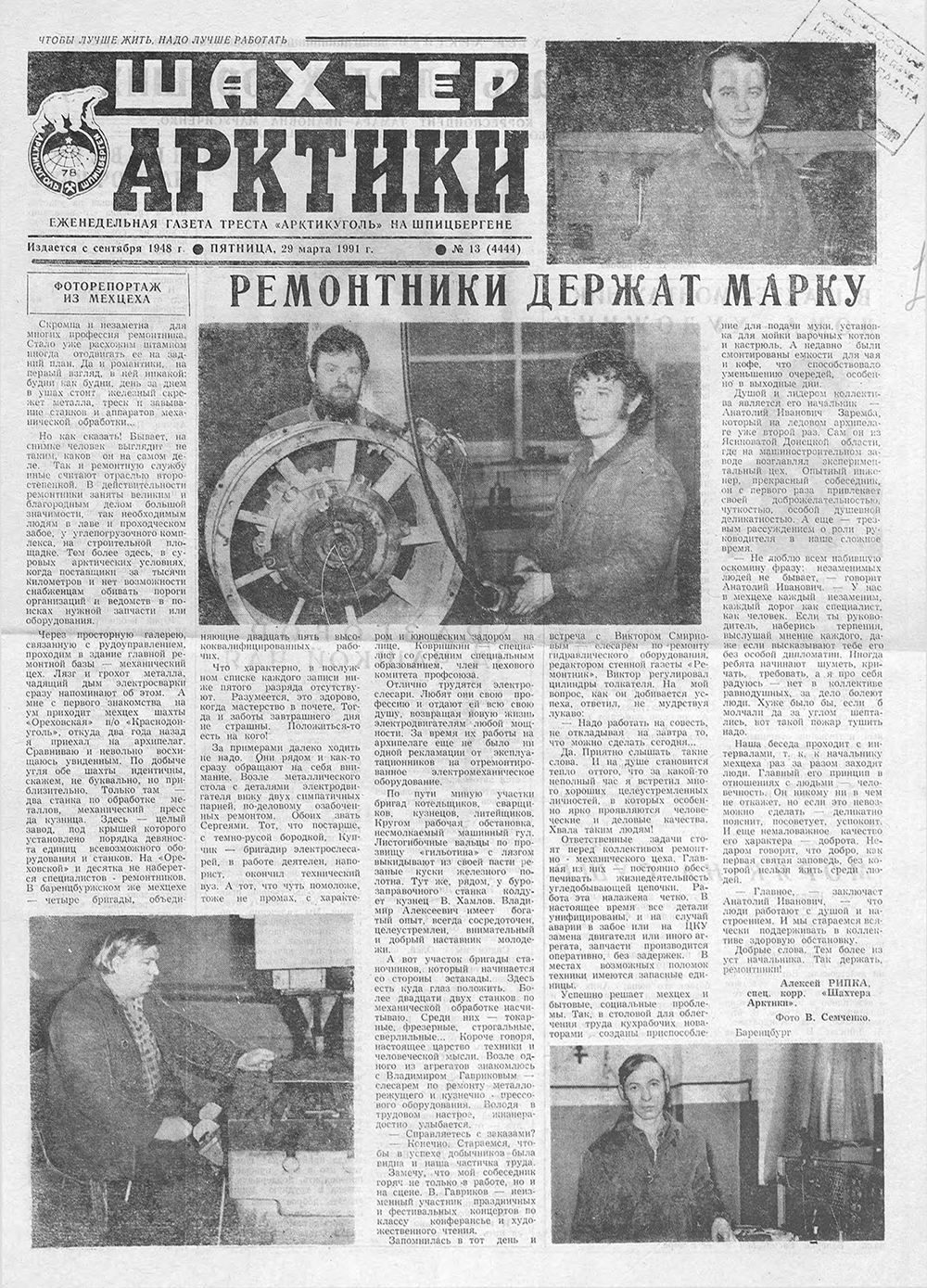
    Poliarnaia kochegarka (Полярная кочегарка, Polar Furnace, 1934–1988; renamed Shakhter Arktiki [Шахтер Арктики, The Arctic Miner], 1989–1991) was an in-house weekly newspaper published in Barentsburg by the Soviet/Russian state-owned mining trust Arktikugol, which began operating on the Svalbard archipelago in 1931. The constant Soviet/Russian presence in this Norwegian territory was made possible by the so-called Svalbard (Spitsbergen) Treaty, which allows its signatories (currently more than forty countries) to engage freely in economic and research activities on the archipelago. During the Cold War, this led to the curious case of citizens of NATO and Warsaw pact countries coexisting peacefully side by side, with the Iron Curtain partially suspended (if not altogether lifted) in the otherwise potentially volatile and jealously guarded Arctic North.

    Arktikugol was established to supply the Russian North with coal from Svalbard to help power the ambitious Soviet industrialization program. Poliarnaia kochegarka was created first and foremost to hold together the Russian-speaking mining community on Svalbard, which at various times was divided among the three Soviet settlements of Barentsburg, Pyramiden and Grumant. The newspaper also served to keep local citizens abreast of the news from the Soviet mainland and the rest of the world, something that used to be out of reach for several months each year (except for radio communication) when ice conditions and polar nights made navigation virtually impossible.

    Poliarnaia kochegarka is an extremely valuable resource, providing rare insight into the unique living and working situation on the Svalbard archipelago during the Soviet era. This digital collection will undoubtedly be of great interest to labor, High North, and Cold War historians, as well as those engaged in border, diaspora, cross-cultural and media studies.

    The Poliarnaia Kochegarka Digital Archive contains the most complete collection available for this title, with nearly 4,400 issues and over 16,000 pages total of Poliarnaia kochegarka and Shakhter Arktiki (excluding 1941–1947, when the publication was suspended). The archive features full page-level digitization, complete original graphics, and searchable text, and is cross-searchable with numerous other Infoteka digital resources.

    More About Poliarnaia Kochegarka

    Poliarnaia kochegarka covered numerous topics of interest to its target audience, such as local and world politics and social problems, Svalbard’s history in the context of polar exploration and research, mining history and technology, coal production pledges, health and safety, tertiary education, Arctic tourism, Soviet-Norwegian relations, wildlife, fiction, poetry, memoirs, and more.

    Among the newspaper’s contributors were both amateur and professional journalists, with early instances of citizen journalism playing a considerable role in the coverage of all sorts of burning issues pertinent to life in the polar regions in general, and Svalbard in particular. As the standard employment contract in the region lasted for two years, it is interesting to observe changes in the newspaper’s style from one editor-in-chief to the next. Among such editors-in-chief were the well-known Erzya author Nikolai Irkaev (1934-1937) and the prominent Murmansk journalist Stanislav Dashchinskii (1967-1969).

  • Ogonek Digital Archive

    Ogonek Digital Archive

    The most important publication on Soviet culture and everyday life.

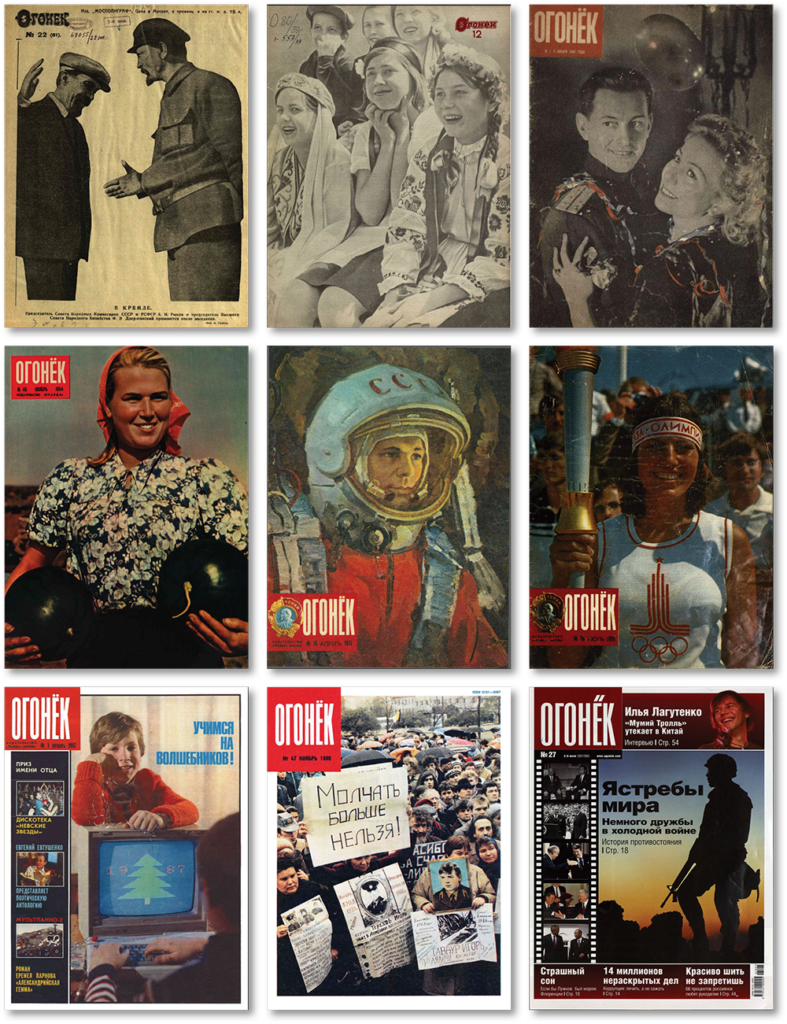
    Ogonek would serve its mission with certain aplomb and sophistication. Lacking the crudeness and the bombast of the main organs of Communist Party propaganda, Ogonek was able to become one of the most influential shapers and reflectors of the public character of the Soviet culture. Every self-respecting Soviet intellectual was expected to read Ogonek if they were to stay informed about the cultural world in which they lived and moved.

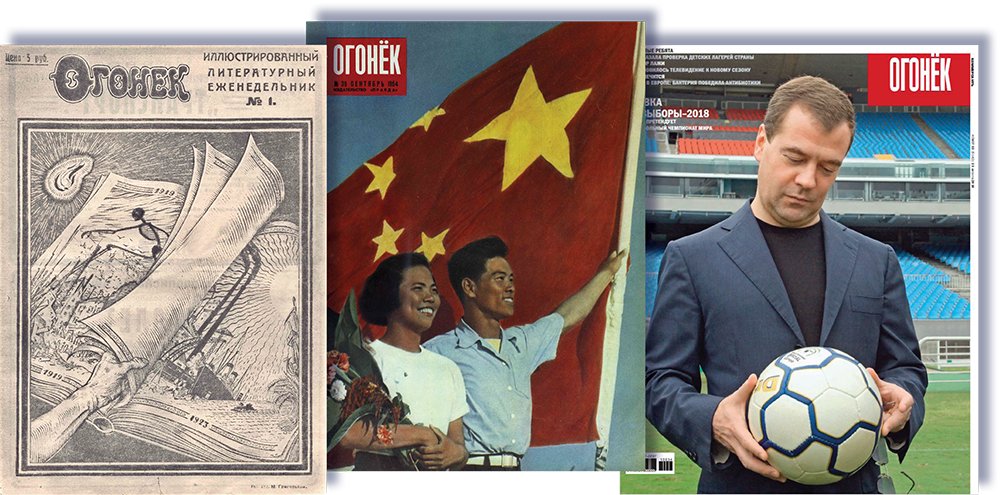
    Throughout its illustrious history Ogonek came to publish original works by such Soviet cultural luminaries as Vladimir Mayakovsky, Isaac Babel, Ilya Ilf and Evgeny Petrov, Yevgeny Yevtushenko, the photographer Yuri Rost, and others. Ogonek grew into an influential and widely read Soviet publication, experiencing the peak of its popularity at the hands of its editor Vitaly Korotich in 1986 at the height of perestroika. Korotich, inspired by the newfound political liberties, turned the journal into a flagship of glasnost, a lively space for edgy political commentary, criticism, and satire, thus becoming a robust platform for intellectual debate.

    After undergoing financial and creative crisis in the wake of the collapse of the Soviet Union, which saw a steep decline in readership, Ogonek rediscovered its creative zest under a new leadership and management, returning to its roots as an important forum for cultural and political intellectual exchanges. Facing financial obstacles again years later, Ogonek ceased publication in 2021.

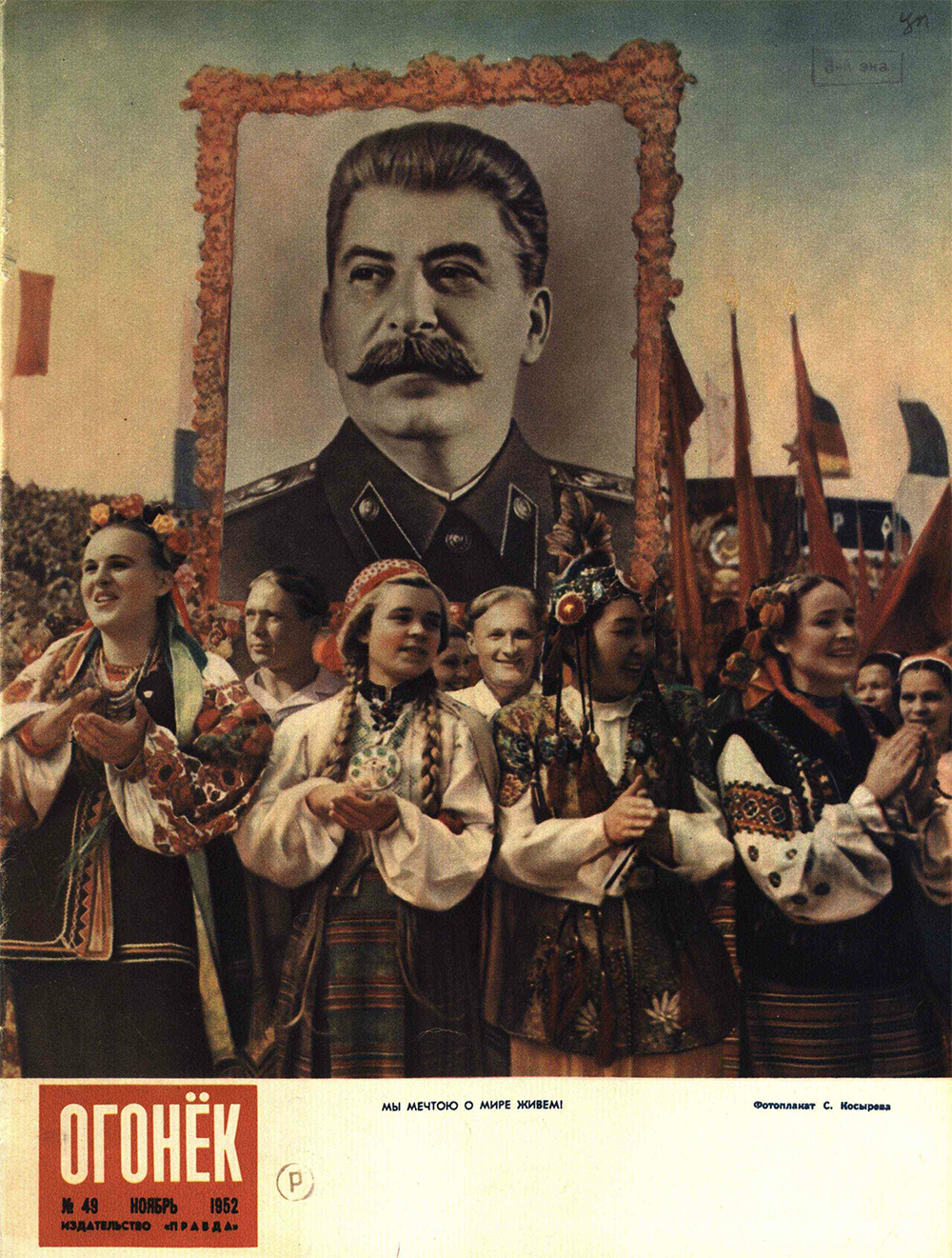
    The importance of Ogonek as a primary source for research into the Soviet Union and bolshevization of its cultural and social landscapes cannot be overestimated. Because of its mass circulation and popularity, it was able to unite Soviet Union’s geographically and culturally diverse population through culturally important and imposing narratives. If in the West, and especially in the United States, cultural trends were the result of complex negotiations between market research, supply, and demand, in the Soviet Union cultural trends were more or less state approved top-down affairs. Ogonek was an important vehicle for the conveyance of the Soviet cultural idiom to the reading public.

    The Ogonek Digital Archive contains all obtainable published issues from 1923 on. The archive offers scholars the most comprehensive collection available for this title, and features full page-level digitization, complete original graphics, and searchable text, and is cross-searchable with numerous other Infoteka digital resources.

    Important Highlights

    • Ogonek was there at the inception of the Soviet Union, and there again during its demise. As such it is an especially important source of content analysis charting the evolving cultural, social, and political discourse of the USSR. By studying the content of Ogonek, scholars and researchers will be able to pinpoint with some precision the periods of the emergence of certain cultural, literary, political trends and the abandonment of others when they were no longer deemed important, fashionable or were even dangerous. In short it provides an important story arc from the rise of the Soviet Union to its demise to Russia’s post-Soviet experiments with democratization and the rise of Vladimir Putin.
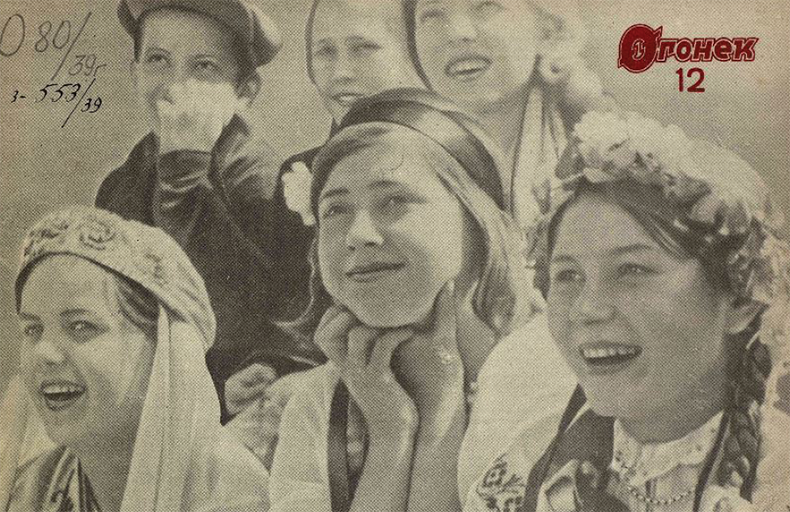
    • Ogonek is one of the most important sources of photographic and visual representation of life in the Soviet Union, much akin to LIFE magazine in the United States. It attracted some of the best photographers in the USSR such as Yevgeny Khaldei, Max Alpert, Alexander Rodchenko, et al., publishing their works regularly. Thus, Ogonek represents a treasure trove of photo-documentation of life in the Soviet Union.
    • From its inception it had several features that helped shape and elevate the cultural discourse in the USSR becoming in a sense an influential cultural tastemaker. Some of the features were the following: a refined literary language (although it contained elements of official praise); short stories and poems, much like one sees in The New Yorker; quality reproductions of European, Russian, and Soviet art, etc.
    • Even during the difficult years of the WWII Ogonek did not cease publication, and thus it is an invaluable repository of primary source material for both visual and textual study of that crucial period of Soviet and Russian history.
  • Oktiabr’ Digital Archive

    Oktiabr’ Digital Archive

    Key publication chronicling nearly a century of Russian literature.

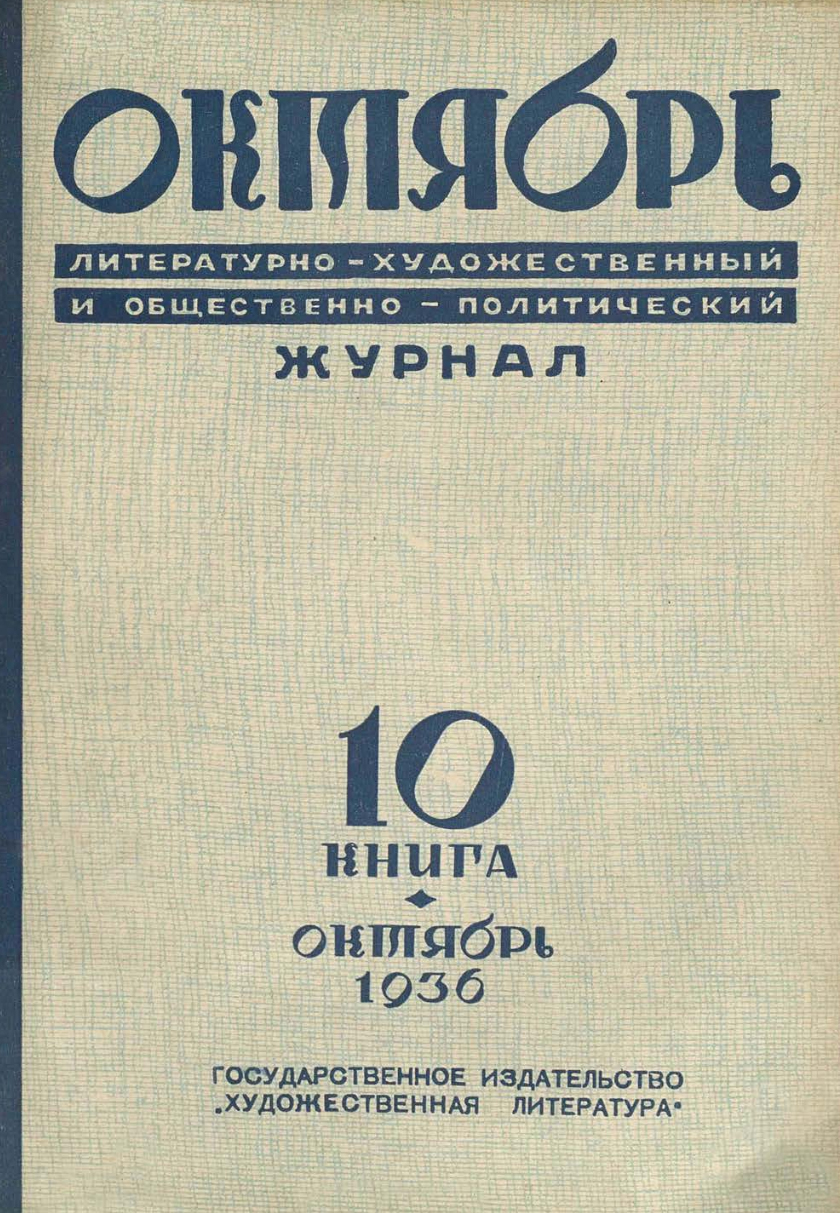
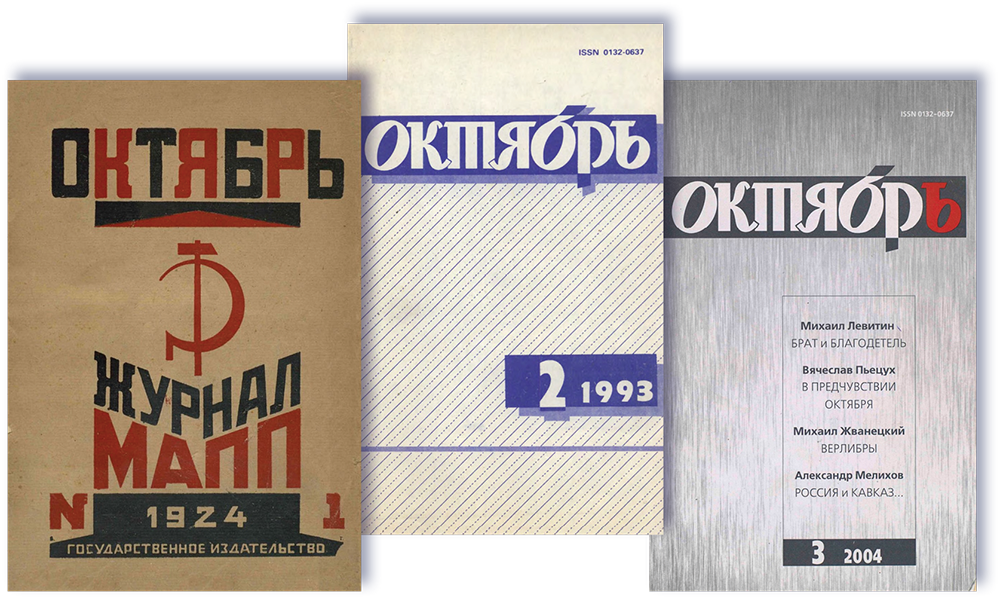
    This meticulously digitized archive spans from the journal’s inception in 1924 to its final issue in 2018, encompassing nearly a century of Russian literary and cultural development. The journal’s publication history mirrors the complex political and cultural transformations of 20th-century Russia, from its early association with various literary organizations through the Soviet period to its emergence as an independent publication in the 1990s.

    Throughout its history, the journal published works by literary giants such as Sergei Yesenin, Vladimir Mayakovsky, Mikhail Zoshchenko, and Andrei Platonov, alongside international authors including Lion Feuchtwanger, Romain Rolland, and Theodore Dreiser. Of particular interest to researchers are the previously censored works that appeared in its pages during the period of glasnost, including Anna Akhmatova’s “Requiem” and Vasily Grossman’s “Life and Fate.”

    The Oktiabr’ Digital Archive captures the journal’s evolution from its early years through the Soviet period and into post-Soviet Russia, reflecting the dramatic changes in Russian society and intellectual thought. For academic studies, the archive serves as an invaluable resource for research in various fields, including Russian literature, Soviet studies, cultural history, and social movements.

    The Oktiabr’ Digital Archive offers scholars the most comprehensive collection available for this title, and features full page-level digitization and complete original graphics. Each issue has been carefully digitized and split into individual articles with permanent URLs, making it easier for researchers to create accurate citations in their work. The archive features a user-friendly bilingual interface in Russian and English and has searchable text, allowing scholars to explore the vast collection of literary works, critical essays, and editorial content that shaped Russian intellectual discourse over nine decades. The archive is cross-searchable with numerous other Infoteka digital resources.

    More about the Soviet “Thick Journals”

    The famed Soviet tolstye zhurnaly, or “thick journals,” were significant platforms for literary and intellectual discourse. Tolstye zhurnaly such as Oktiabr’ played a complex and multifaceted role in Soviet intellectual and literary life. They were not merely publications but institutions that shaped and were shaped by the cultural, intellectual, and political currents of their time. These journals served multiple roles:

    They acted as repositories of high culture, preserving the intellectual and literary achievements of the era. Given the limited avenues for independent publishing, these journals were the primary platforms where established and emerging writers could reach an audience.

    State-Controlled Outlets. While they were crucial platforms for intellectual and artistic expression, it’s important to remember that these journals were often used to propagate official ideologies, and the works published in them usually underwent rigorous censorship.

    Academic Importance. For academics studying the Soviet period, tolstye zhurnaly offer a valuable glimpse into the state-sanctioned intellectual climate of the time. They provide context for how literature and intellectual thought evolved under different political and social conditions.

    Catalysts for Change. During more liberal periods, such as the Khrushchev Thaw and the perestroika years, tolstye zhurnaly could act as catalysts for change, pushing the boundaries of what was acceptable to discuss and publish.

  • Neva Digital Archive

    Neva Digital Archive

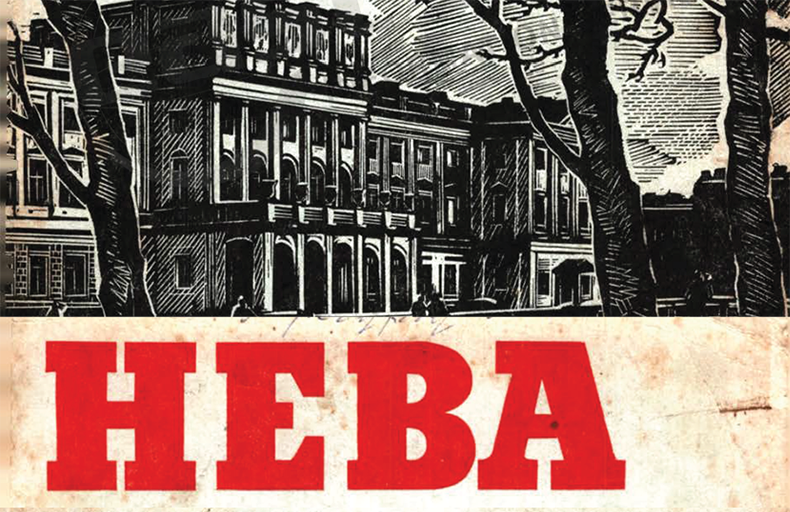
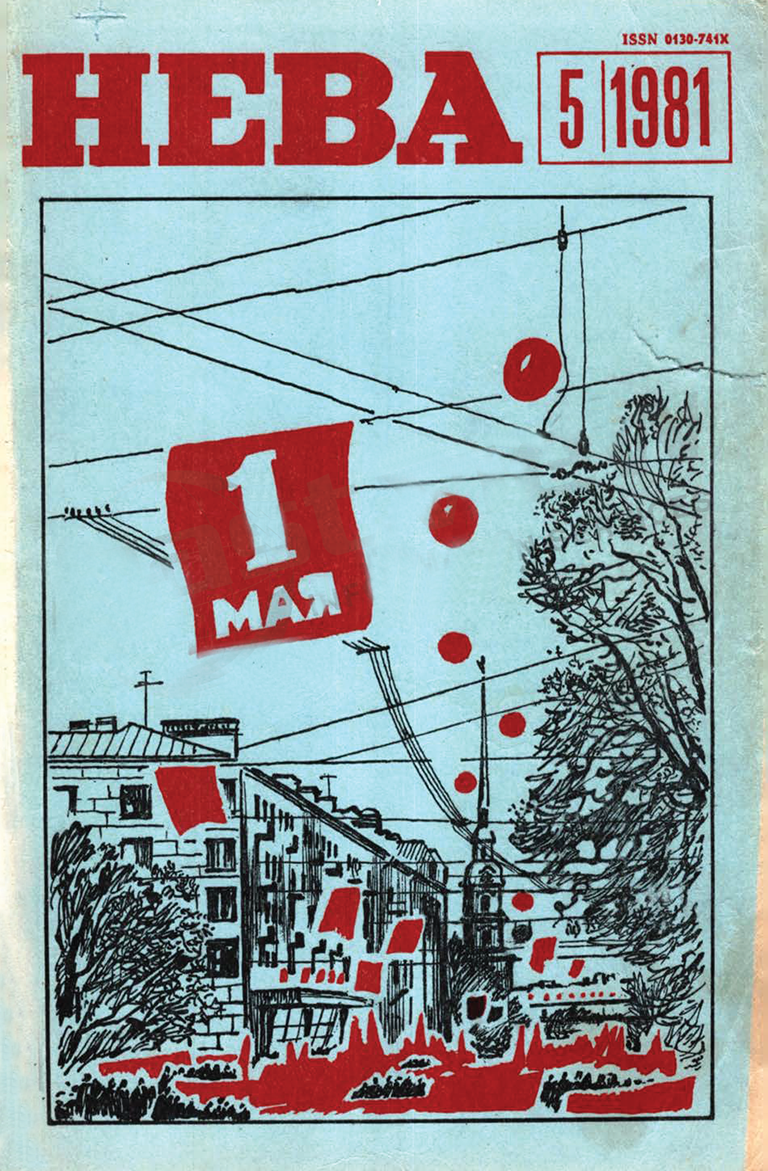
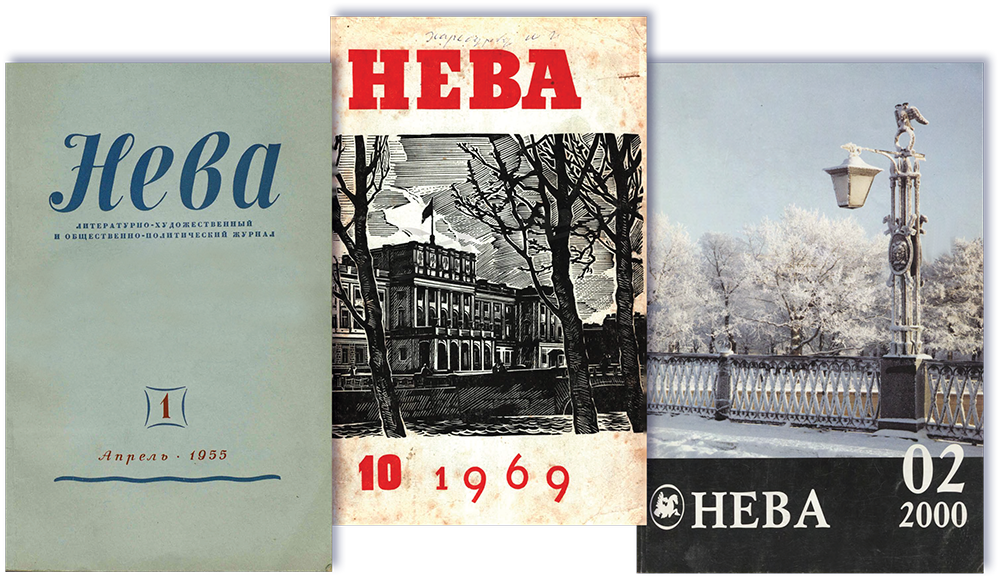
    Key publication chronicling Soviet and post-Soviet literature, history, and public thought.

    Among its contributors were Mikhail Zoshchenko, Mikhail Sholokhov, Veniamin Kaverin, Lev Gumilyov, Dmitry Likhachov, Aleksandr Solzhenitsyn, Daniil Granin, the Strugatsky brothers, Vladimir Dudintsev, and Vasil Bykaŭ. A number of works first published in Neva went on to receive State Prizes and wide recognition, including Dudintsev’s novel White Robes. The journal was also one of the first in the USSR to introduce readers to Robert Conquest’s The Great Terror and Arthur Koestler’s Darkness at Noon.

    The Neva Digital Archive offers scholars the complete run of Neva from its first issue in 1955, with an additional year’s worth of content available for purchase on an annual basis. Featuring full page-level digitization and complete original graphics, each issue has been carefully digitized and split into individual articles with permanent URLs, making it easier for researchers to create accurate citations in their work. Featuring full page-level digitization, complete original graphics, and a user-friendly bilingual interface in Russian and English, the searchable database enables efficient access to seventy years of Russian cultural, intellectual, and literary life, preserved in its original context. The archive is cross-searchable with numerous other Infoteka digital resources.

    More about the Soviet “Thick Journals”

    The famed Soviet tolstye zhurnaly, or “thick journals,” were significant platforms for literary and intellectual discourse. Tolstye zhurnaly such as Neva played a complex and multifaceted role in Soviet intellectual and literary life. They were not merely publications but institutions that shaped and were shaped by the cultural, intellectual, and political currents of their time. These journals served multiple roles:

    They acted as repositories of high culture, preserving the intellectual and literary achievements of the era. Given the limited avenues for independent publishing, these journals were the primary platforms where established and emerging writers could reach an audience.

    State-Controlled Outlets. While they were crucial platforms for intellectual and artistic expression, it’s important to remember that these journals were often used to propagate official ideologies, and the works published in them usually underwent rigorous censorship.

    Academic Importance. For academics studying the Soviet period, tolstye zhurnaly offer a valuable glimpse into the state-sanctioned intellectual climate of the time. They provide context for how literature and intellectual thought evolved under different political and social conditions.

    Catalysts for Change. During more liberal periods, such as the Khrushchev Thaw and the perestroika years, tolstye zhurnaly could act as catalysts for change, pushing the boundaries of what was acceptable to discuss and publish.

  • Nedelia Digital Archive

    Nedelia Digital Archive

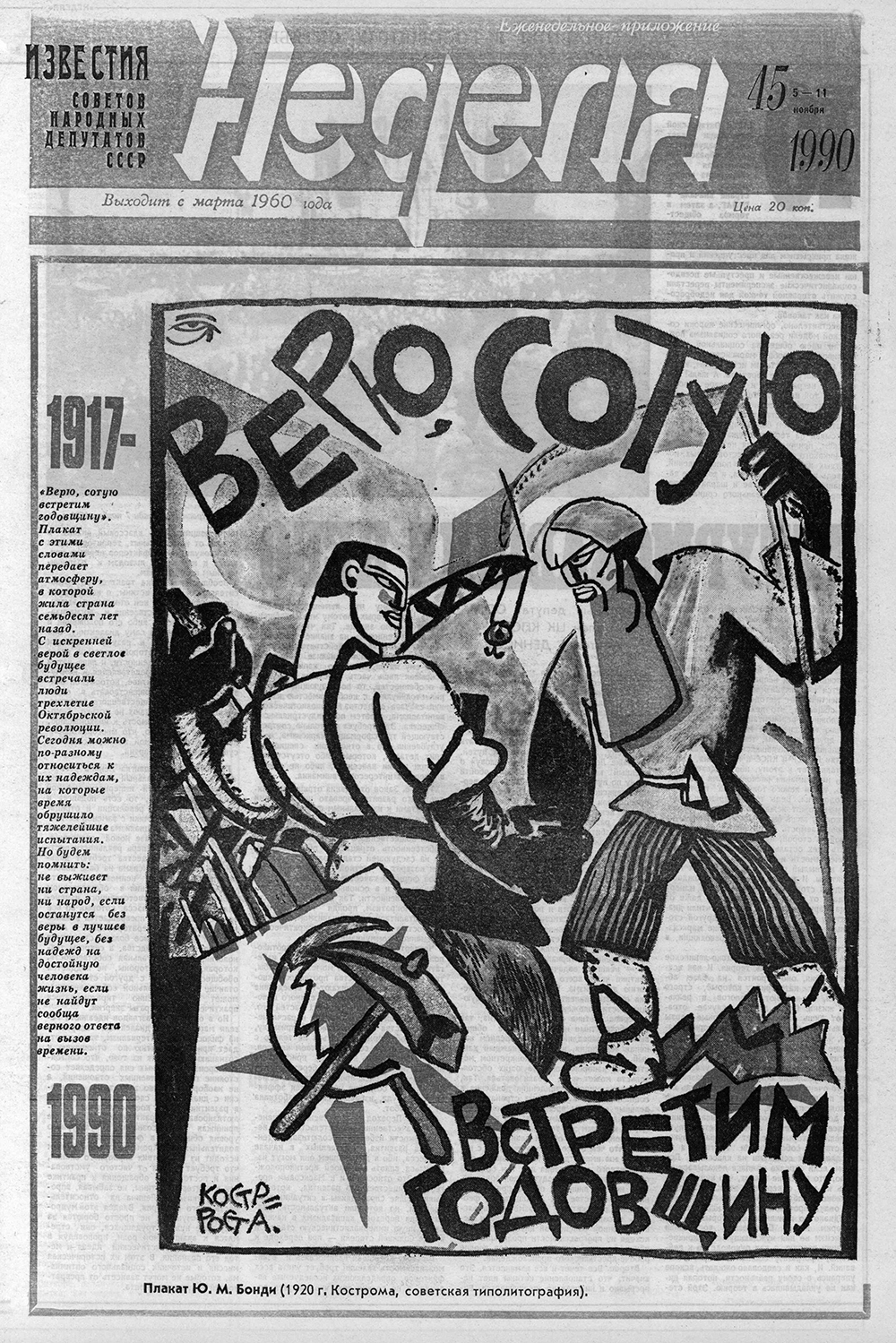
    Popular Soviet illustrated weekly newspaper.

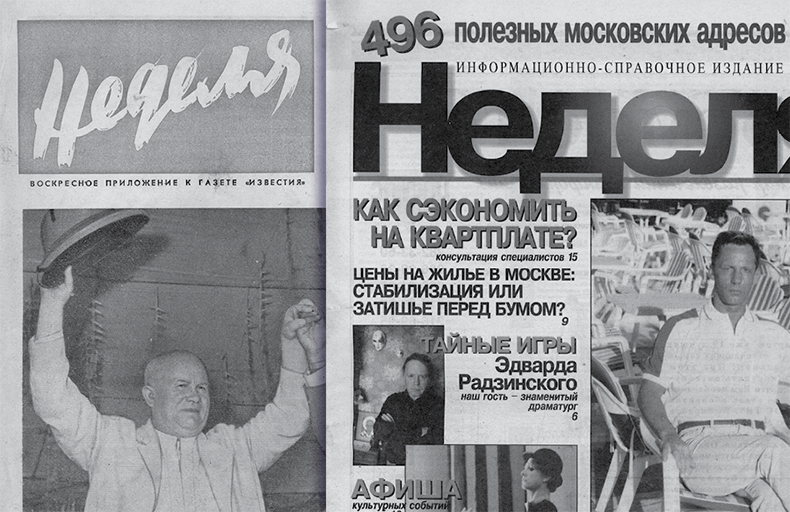
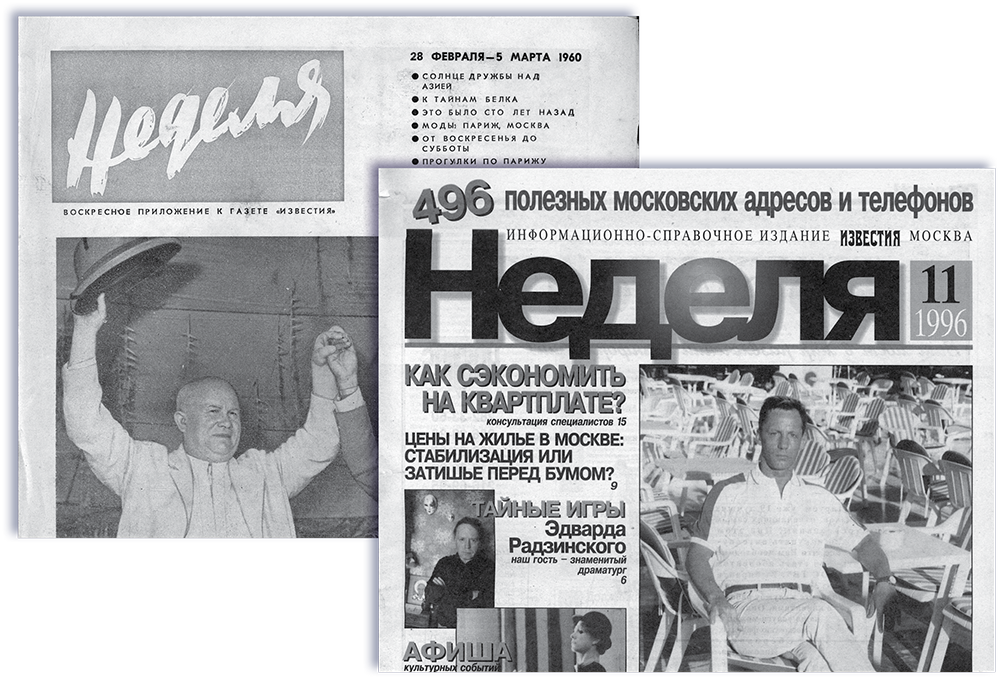
    The Nedelia Digital Archive contains all obtainable published issues from the very first issue, comprising more than 44,000 pages. The archive offers scholars the most comprehensive collection available for this title, and features full page-level digitization, complete original graphics, and searchable text, and is cross-searchable with numerous other Infoteka digital resources.

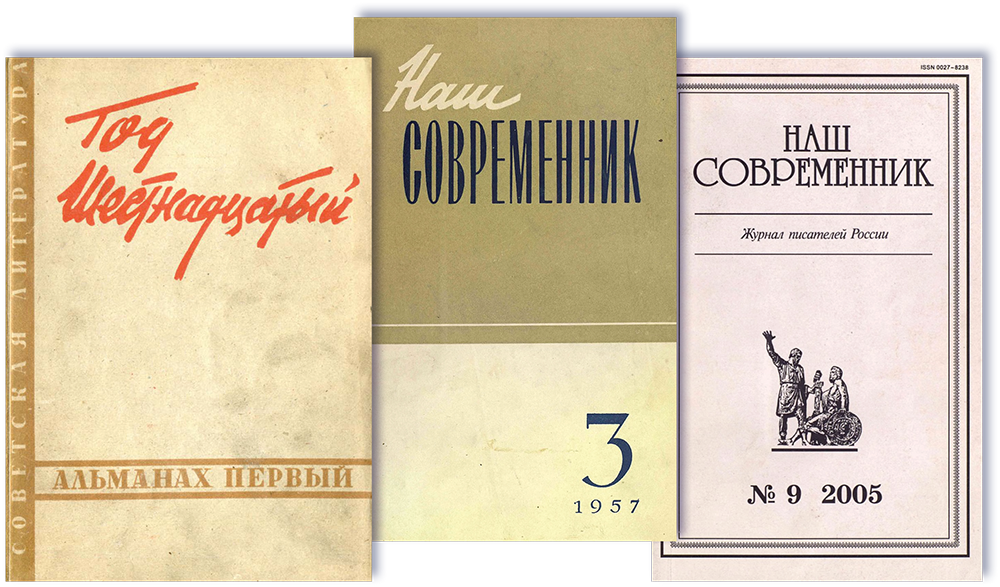
  • Nash Sovremennik Digital Archive

    Nash Sovremennik Digital Archive

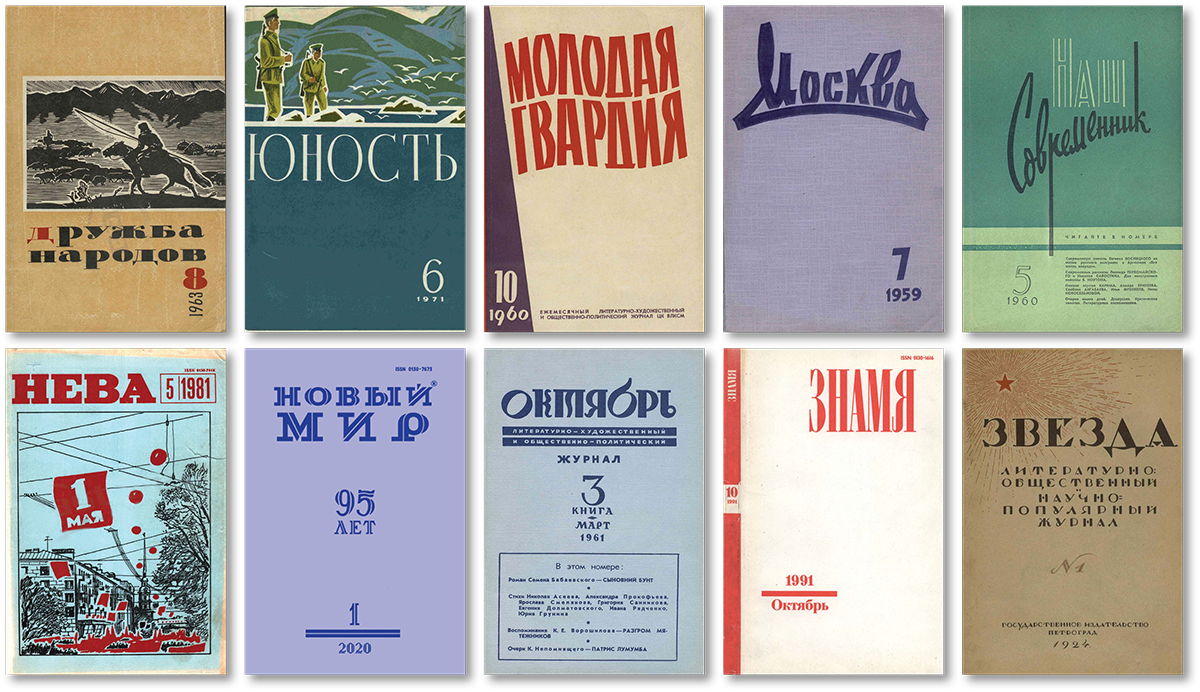
    Influential literary periodical of the Soviet and post-Soviet period.

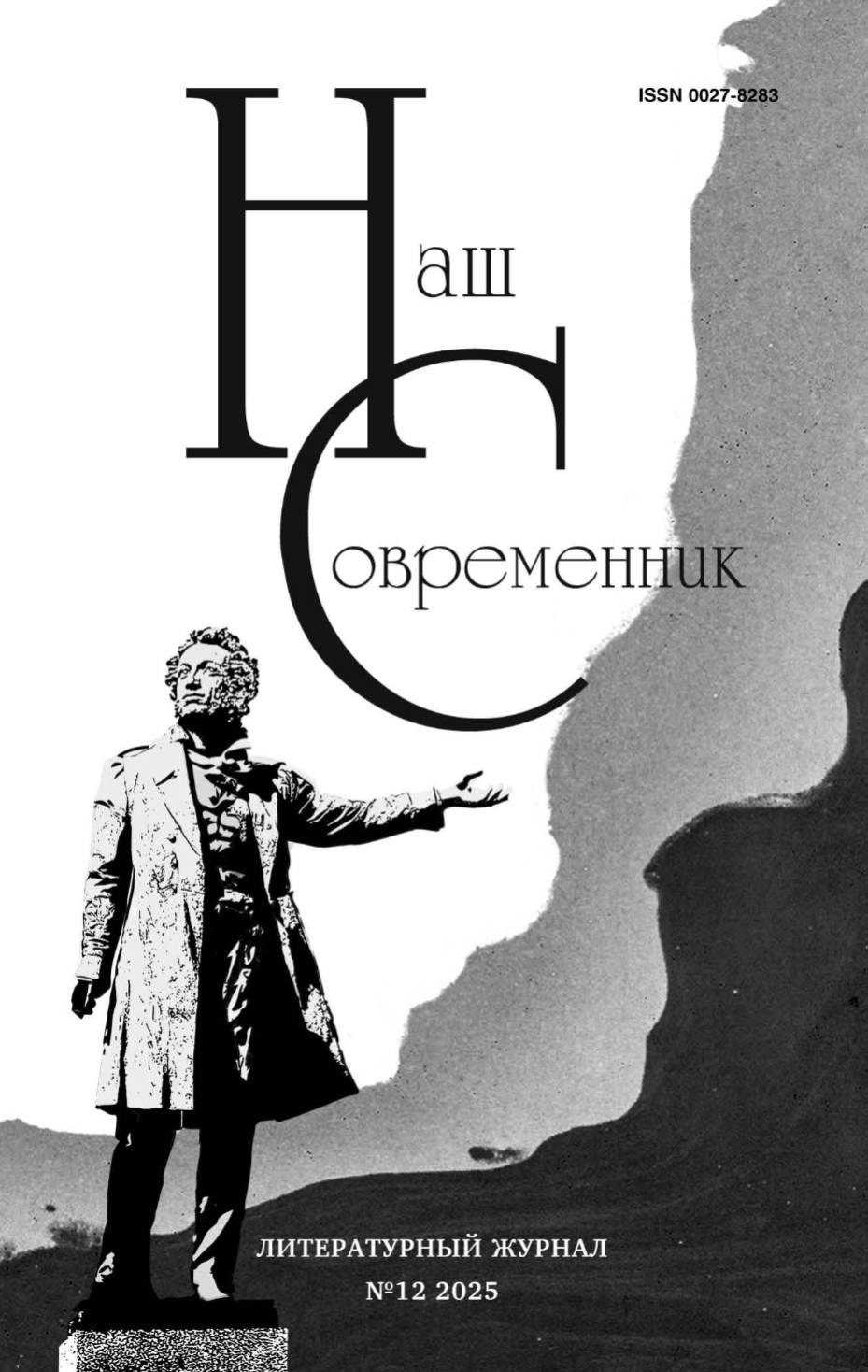
    Though largely faithful to Marxist-Leninist precepts since its founding, during the last years of the Soviet Union the journal underwent dramatic ideological reformulations, moving away from communist orthodoxy to Russian neo-Slavophile conservatism and patriotism that fiercely opposed Western political and literary trends on ideological grounds. At the height of its popularity in the 1990s Nash Sovremennik would boast a circulation of nearly half a million copies.

    The Nash Sovremennik Digital Archive includes all obtainable issues of Al’manakh and Nash Sovremennik published from 1933 on, with an additional year’s worth of content available for purchase on an annual basis. The archive offers scholars the most comprehensive collection available for this title, and features full page-level digitization and complete original graphics. The archive has searchable text and is cross-searchable with numerous other Infoteka digital resources.

    More about the Soviet “Thick Journals”

    The famed Soviet tolstye zhurnaly, or “thick journals,” were significant platforms for literary and intellectual discourse. Tolstye zhurnaly such as Nash Sovremennik played a complex and multifaceted role in Soviet intellectual and literary life. They were not merely publications but institutions that shaped and were shaped by the cultural, intellectual, and political currents of their time. These journals served multiple roles:

    They acted as repositories of high culture, preserving the intellectual and literary achievements of the era. Given the limited avenues for independent publishing, these journals were the primary platforms where established and emerging writers could reach an audience.

    State-Controlled Outlets. While they were crucial platforms for intellectual and artistic expression, it’s important to remember that these journals were often used to propagate official ideologies, and the works published in them usually underwent rigorous censorship.

    Academic Importance. For academics studying the Soviet period, tolstye zhurnaly offer a valuable glimpse into the state-sanctioned intellectual climate of the time. They provide context for how literature and intellectual thought evolved under different political and social conditions.

    Catalysts for Change. During more liberal periods, such as the Khrushchev Thaw and the perestroika years, tolstye zhurnaly could act as catalysts for change, pushing the boundaries of what was acceptable to discuss and publish.

  • Narody Mira. The Soviet Ethnographic Series

    Narody Mira. The Soviet Ethnographic Series

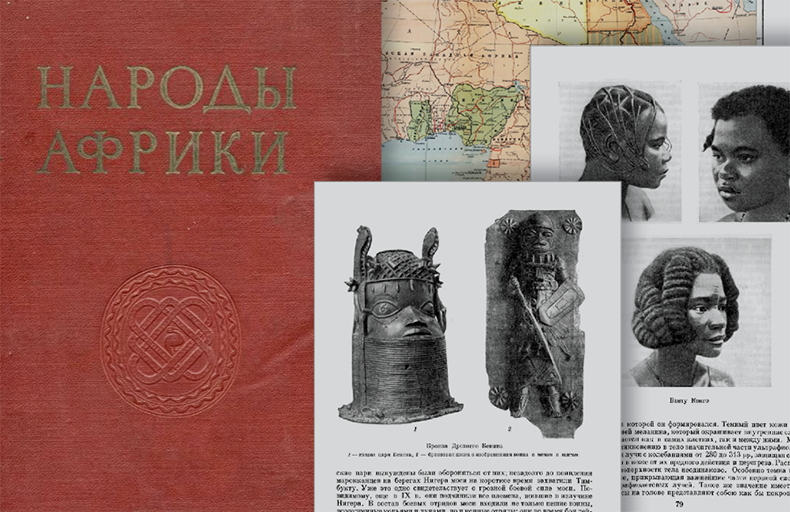
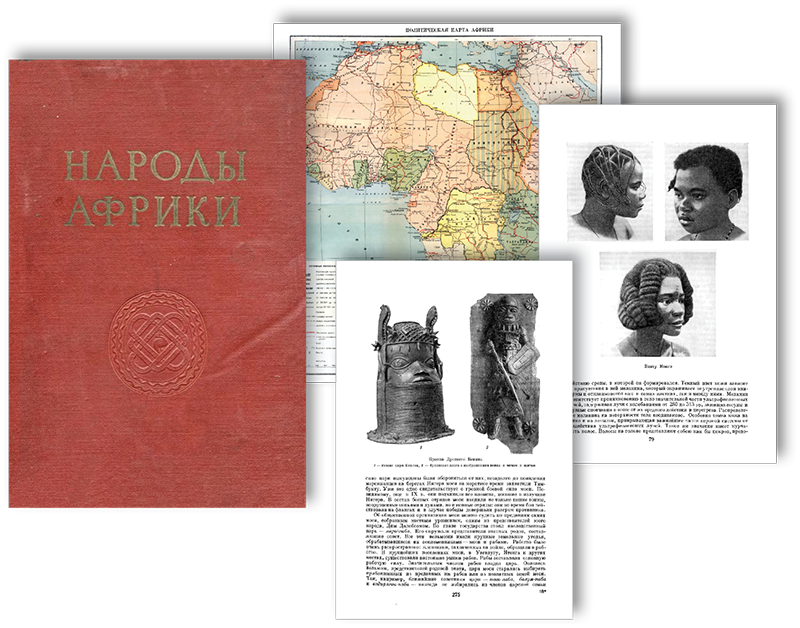
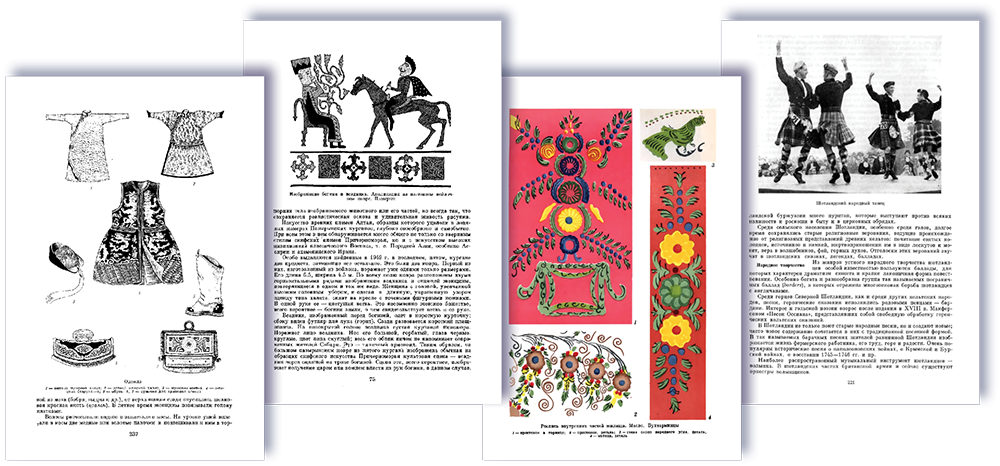
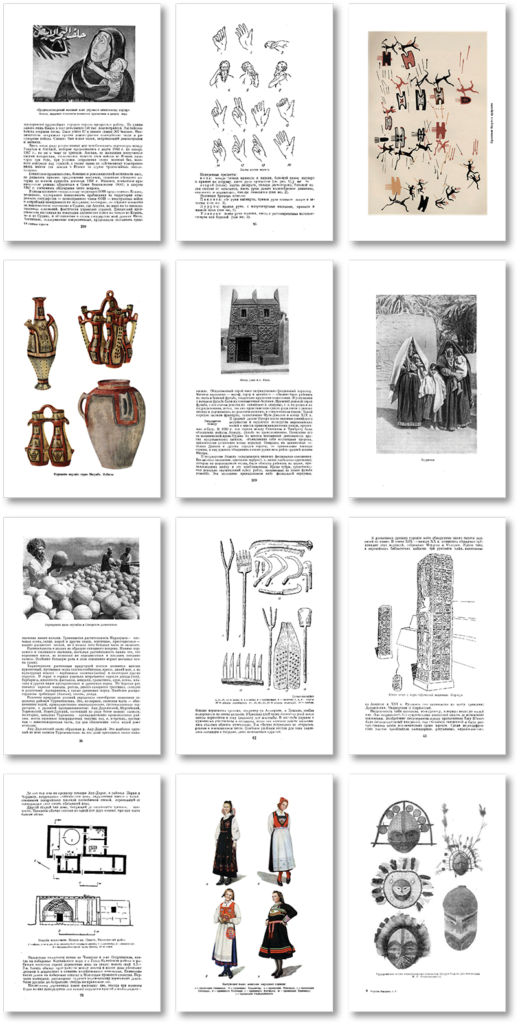
    Narody Mira (Народы мира, Peoples of the World) is a landmark 18-volume scholarly series on world ethnography, published by the Institute of Ethnography of the USSR Academy of Sciences between 1954 and 1966. This fundamental project remains one of the most comprehensive Soviet attempts to document and analyze the ethnic composition, cultures, and traditions of peoples across the globe.

    The Narody Mira series represents a genre specific to the Soviet era: a massive multi-volume work produced over years, if not decades, by the country’s intellectual elite. It was a highly choreographed and collaborative enterprise that – with the possible exception of the People’s Republic of China – had no real parallel anywhere else in the world.

    For today’s researchers, Narody Mira represents a unique intersection of global ethnographic knowledge and Soviet academic tradition at the height of the Cold War. The series captures a moment when Soviet scholars sought to systematize and classify the peoples of the world, offering both rich empirical data and an ideological framework that shaped research in the USSR for decades.

    Narody Mira. The Soviet Ethnographic Series e-book collection is an indispensable resource for anyone studying global cultural diversity, Soviet approaches to ethnography, or the intellectual history of the 20th century. For scholars in anthropology and ethnography, the series provides detailed descriptions of cultures, languages, and traditions that remain valuable for comparative studies and historical analysis. Historians will find in these volumes rare insights into Soviet scholarly priorities, methodologies, and representations of both Soviet and non-Soviet peoples. Linguists can draw on the extensive coverage of language groups and dialects. Political scientists and area studies specialists can use the series to better understand how knowledge about other regions was constructed, disseminated, and employed in Soviet foreign policy and cultural diplomacy.

    Series Titles

    Narody Mira. The Soviet Ethnographic Series covers regions and populations worldwide:

    • Narody Avstralii i Okeanii (Peoples of Australia and Oceania)
    • Narody Ameriki (Peoples of the Americas, in 2 volumes)
    • Narody Afriki (Peoples of Africa)
    • Narody Vostochnoi Azii (Peoples of East Asia)
    • Narody Evropeiskoi chasti SSSR (Peoples of the European Part of the USSR, in 2 volumes)
    • Narody zarubezhnoi Evropy (Peoples of Foreign Europe, in 2 volumes)
    • Narody Kavkaza (Peoples of the Caucasus, in 2 volumes)
    • Narody Perednei Azii (Peoples of the Near East)
    • Narody Sibiri (Peoples of Siberia)
    • Narody Srednei Azii i Kazakhstana (Peoples of Central Asia and Kazakhstan, in 2 volumes)
    • Narody Yugo-Vostochnoi Azii (Peoples of Southeast Asia)
    • Narody Yuzhnoi Azii (Peoples of South Asia)
    • Chislennost’ i rasselenie narodov mira (Population and Distribution of the Peoples of the World)

    Each volume provides a detailed ethnographic portrait of peoples and regions, addressing their origins, languages, economies, social structures, belief systems, and cultural practices. The series draws on extensive fieldwork, archival research, and historical analysis, combining descriptive accounts of daily life, rituals, and celebrations with systematic scholarly interpretation.

    Through Narody Mira readers can gain insights into the ways people from different backgrounds interact with their environment, express their identities, preserve traditions, and adapt to modern changes. The series aims to promote cultural awareness, appreciation, and cross-cultural understanding by showcasing the beauty and complexity of human diversity across the globe.

    The concluding demographic volume, Chislennost’ i rasselenie narodov mira, adds another dimension, offering systematic data on ethnic composition, population size, and distribution across regions and nations of the mid-20th century world — material that remains a vital reference point for historical population studies.