Region: Soviet Union

  • Warsaw Pact Journal Digital Archive

    Warsaw Pact Journal Digital Archive

    Unique Cold War-era Soviet military journal.

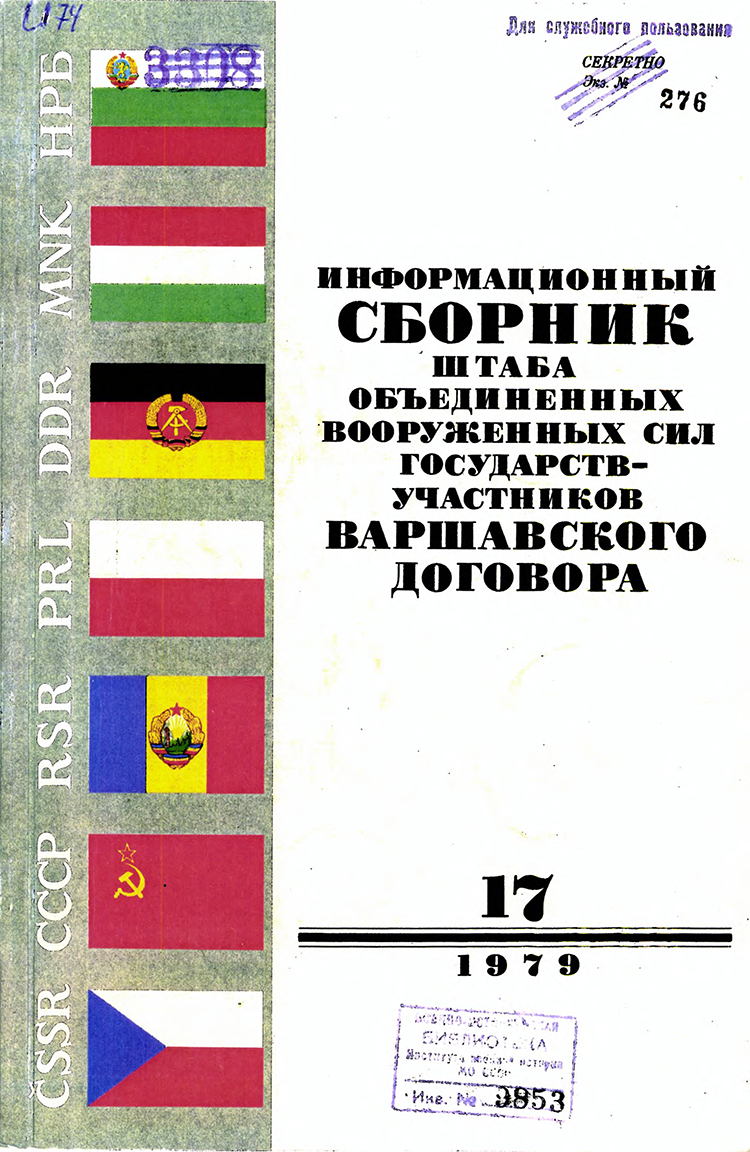
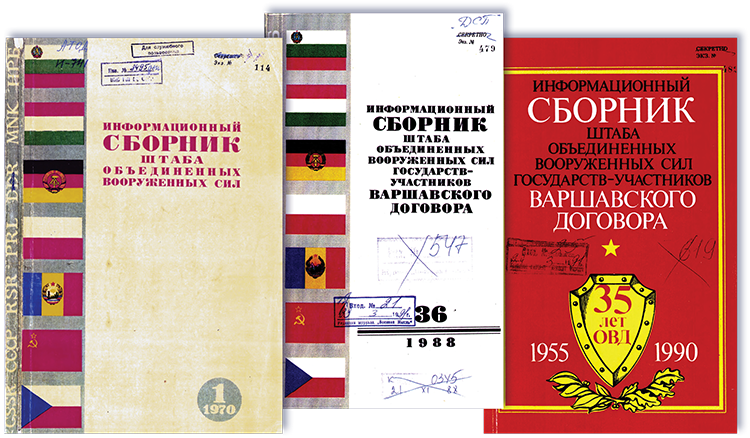
    Coalition strategy and operations are the main subject of the unique, highly secret and Soviet-led military-theoretical journal Informatsionnyi sbornik shtaba obedinennykh vooruzhennykh sil gosudarstv-uchastnikov Varshavskogo dogovora, known colloquially as “ShOVS” (Информационный сборник штаба объединенных вооруженных сил государств-участников Варшавского договора, Information Herald of the Staff of the Unified Armed Forces of the Warsaw Pact Member-States). Throughout its existence this publication played a major role in coordinating military doctrine, strategy and operational art among the Warsaw Pact members. During this time, it was virtually the only publication in which officers from all Pact countries actively contributed their analyses and essays. Of special interest to researchers and military historians is the history of military planning and operations, particularly in a coalition setting, since it provides important insights into the military culture and education of these countries.

    This Russian-language journal was published biannually during the last two decades of the Warsaw Pact’s existence. It was edited by concurrent Warsaw Pact Chiefs of Staff Generals S.M. Shtemenko (1970–1976), A.I. Gribkov (1976–1989) and V.N. Lobov, until it ceased publication in 1990 with the dissolution of the Warsaw Pact itself.

    The complete archive of Informatsionnyi sbornik contains unique and revealing articles, written by high-ranking Warsaw Pact officers on such topics as:

    • Nuclear and Missile Weapons
    • Procurement and Use of New Technologies
    • Arms Control and War Prevention
    • Joint Operational/Tactical Training and Exercises
    • Analysis of Foreign Military Developments
    • Problems of Command and Control, Logistics and Planning

    The Warsaw Pact Journal Digital Archive contains the complete run of Informatsionnyi sbornik, comprising all 40 issues and over 1,000 articles. The archive features full page-level digitization and complete original graphics. The archive has searchable text, and is cross-searchable with numerous other Infoteka digital resources.
  • Voprosy Istorii Digital Archive

    Voprosy Istorii Digital Archive

    Landmark publication documenting Russian and world history since 1926.

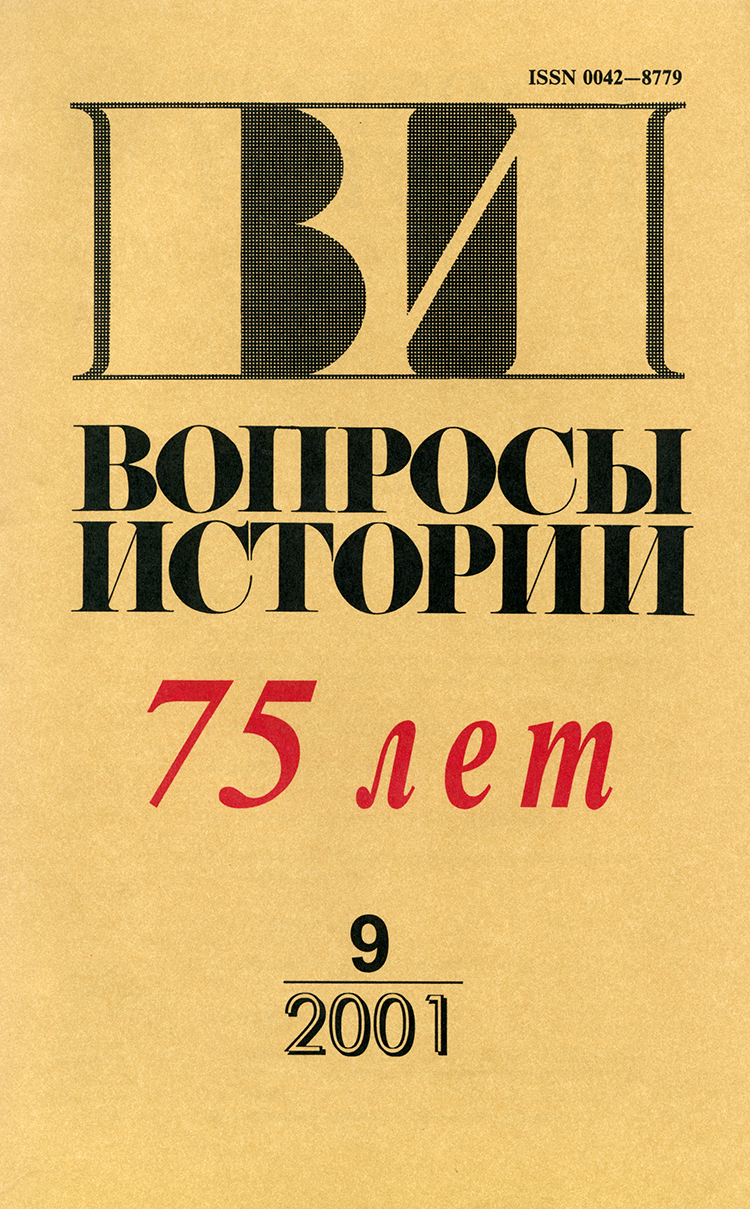
    Voprosy Istorii (Вопросы истории, Issues of History) is Russia’s most authoritative historical journal, documenting the evolution of historical scholarship in Russia and the Soviet Union from 1926 to the present. The journal has long served as a central platform for academic discourse on Russian and world history. Recognized for its scholarly rigor and objectivity, Voprosy Istorii has featured contributions from leading historians across Russia and around the world. The journal’s scope is notably broad, encompassing Russian, Soviet, and global history, while maintaining a high theoretical standard and an unbiased approach to complex historical processes.

    Voprosy Istorii is especially valued for publishing materials that were long inaccessible, including archival documents previously held under strict embargo. These materials appear in the journal’s long-running section “Political Archive of the 20th Century,” alongside in-depth interpretive essays in “Historical Commentary,” profiles of major figures in “Historical Portraits,” and autobiographical reflections from renowned scholars in “Historians Reflecting on Their Times.”

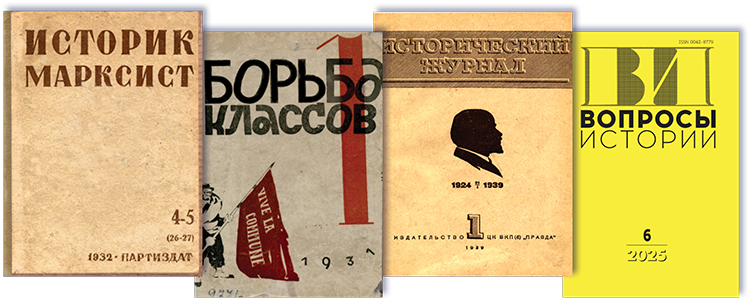
    The Voprosy Istorii Digital Archive includes over 950 issues and more than 28,000 articles, beginning with Istorik-Marksist (1926–1941), continuing through the overlapping publications Bor’ba Klassov (1931–1936) and Istoricheskii Zhurnal (1937–1945), and extending into the postwar and contemporary eras under the title Voprosy Istorii (since 1945). The result is a vast and uninterrupted historical record, reflecting nearly a century of intellectual thought, political transition, and methodological change.

    The archive offers scholars the complete, digitized run of Voprosy Istorii and its predecessor titles, with an additional year’s worth of content available for purchase on an annual basis. The archive features full-text articles, with full page-level digitization and complete original graphics. The archive has searchable text, and is cross-searchable with numerous other Infoteka digital resources.

    Note: Translations provided by Infoteka’s English Reader are intended for informational purposes only and are not a substitute for certified translation. No warranty is made regarding the accuracy or reliability of the translations. For citation and scholarly use, please refer to the original language text.

  • Turkmenskaia Iskra Digital Archive

    Turkmenskaia Iskra Digital Archive

    One of the most widely circulated and influential Turkmen newspapers of its time.

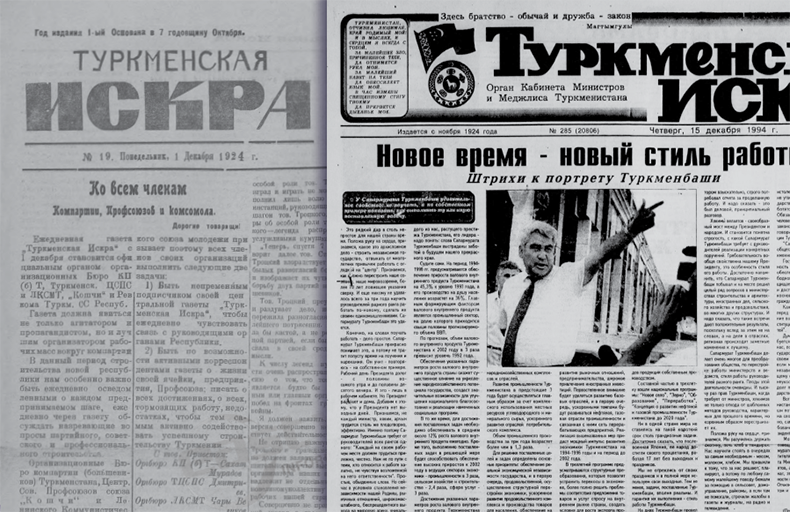
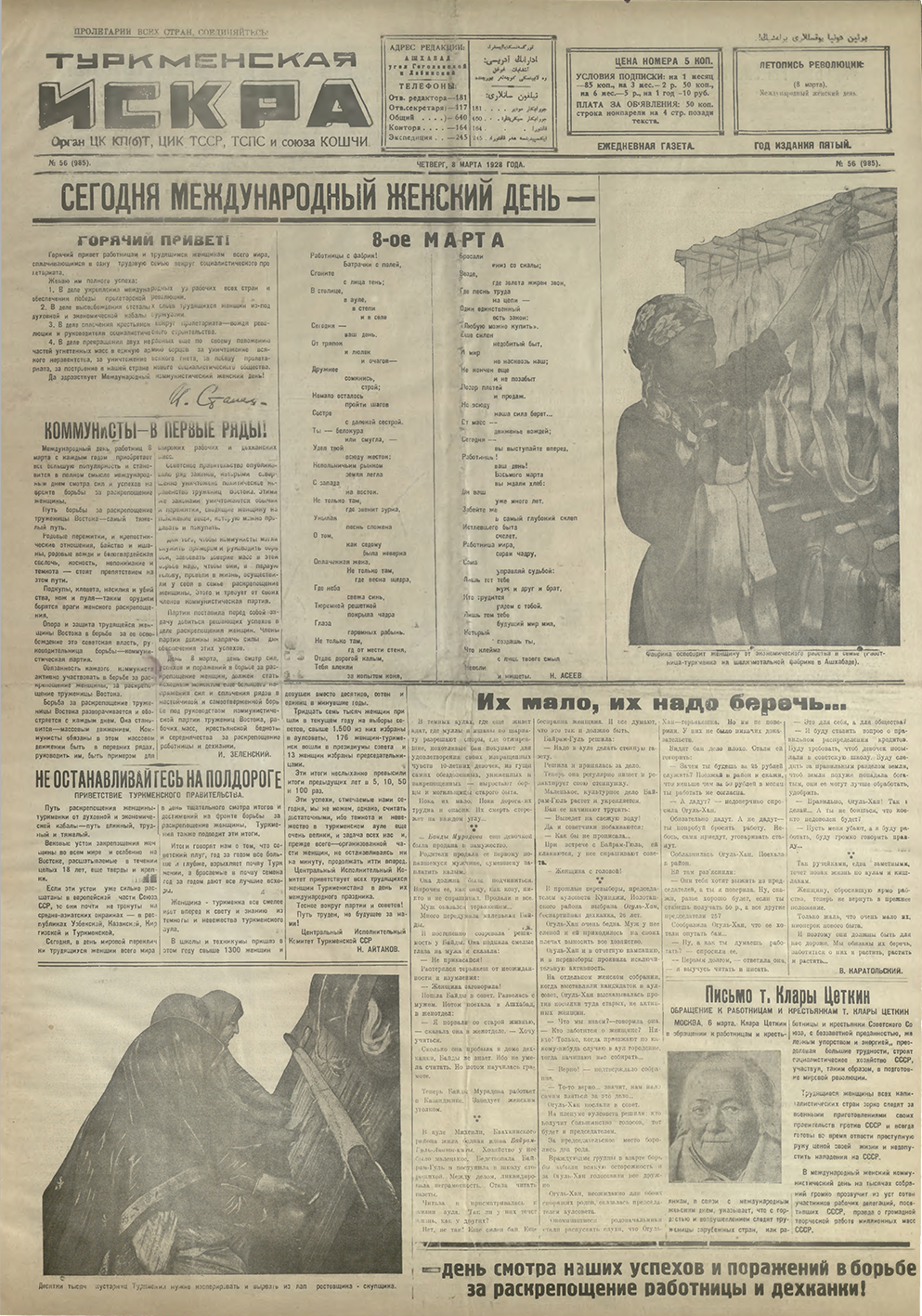
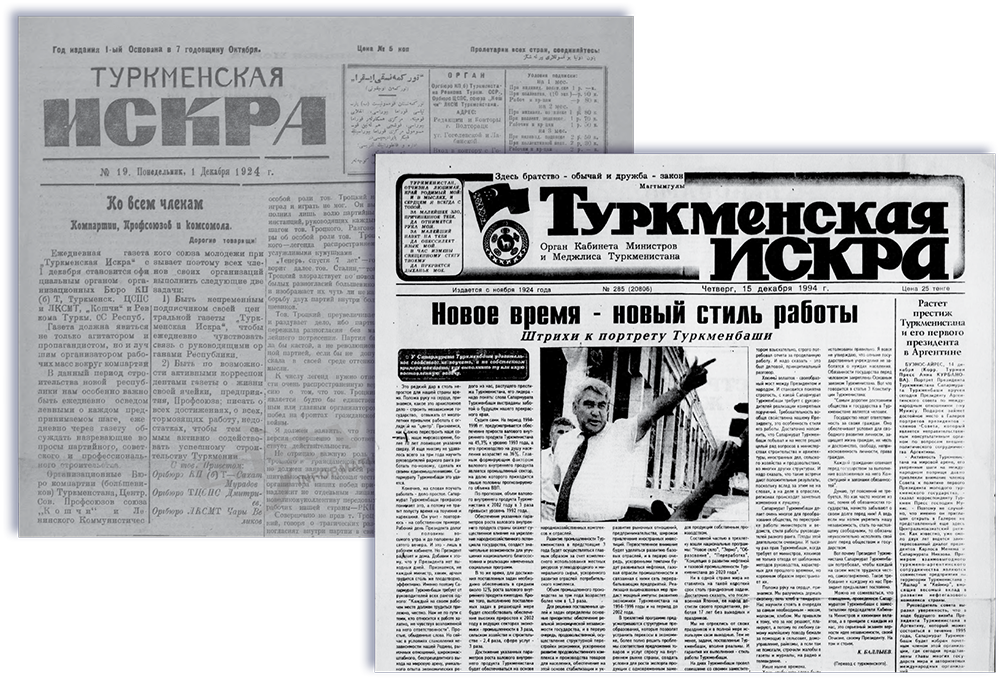
    Founded in 1924 in Ashgabat, Turkmenskaia iskra (Туркменская искра, The Turkmen Spark, a derivative of the Vladimir Lenin-founded newspaper Iskra) was a Russian-language broadsheet newspaper and the official party organ of the Central Committee of the Communist Party of Turkmenistan.

    As a republican newspaper of record, it was responsible for proliferating the Soviet central government’s, as well as the local administration’s, public announcements and pronouncements, party deliberations, policy initiatives, etc., reflecting the government’s positions on a wide variety of issues. Turkmenskaia iskra also regularly featured columns dedicated to sports, local culture, literature, and the arts.

    The Turkmenskaia Iskra Digital Archive includes all obtainable issues published from 1924 to 1995 and represents the most complete collection available for this title. The archive features full page-level digitization, complete original graphics, and searchable text, and is cross-searchable with numerous other Infoteka digital resources.

  • Trud Digital Archive

    Trud Digital Archive

    Influential Soviet trade newspaper.

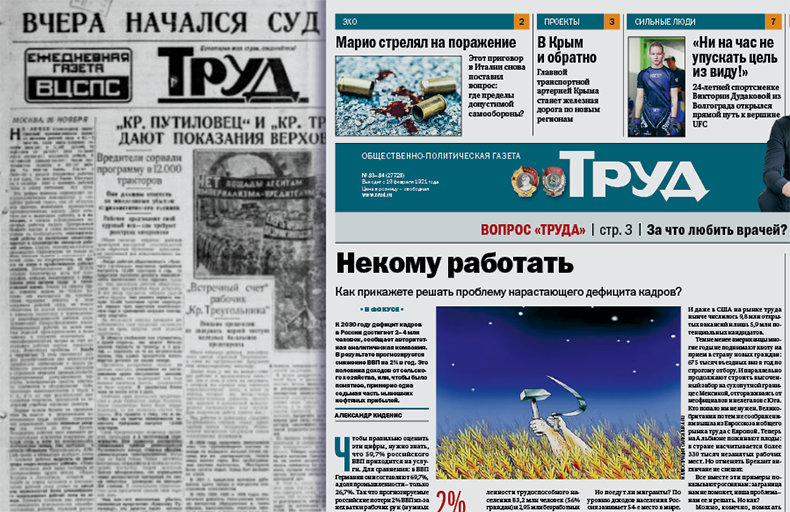
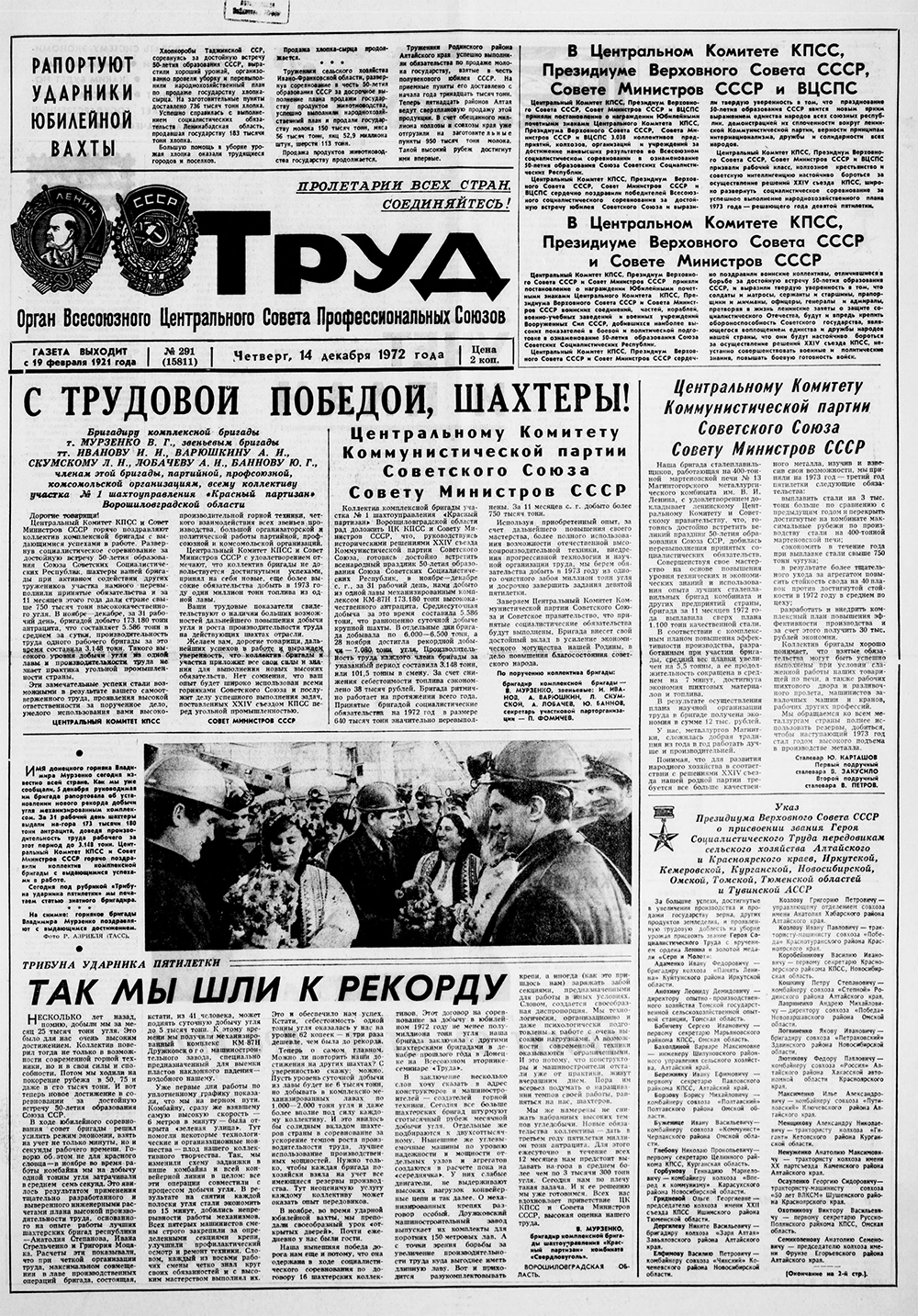
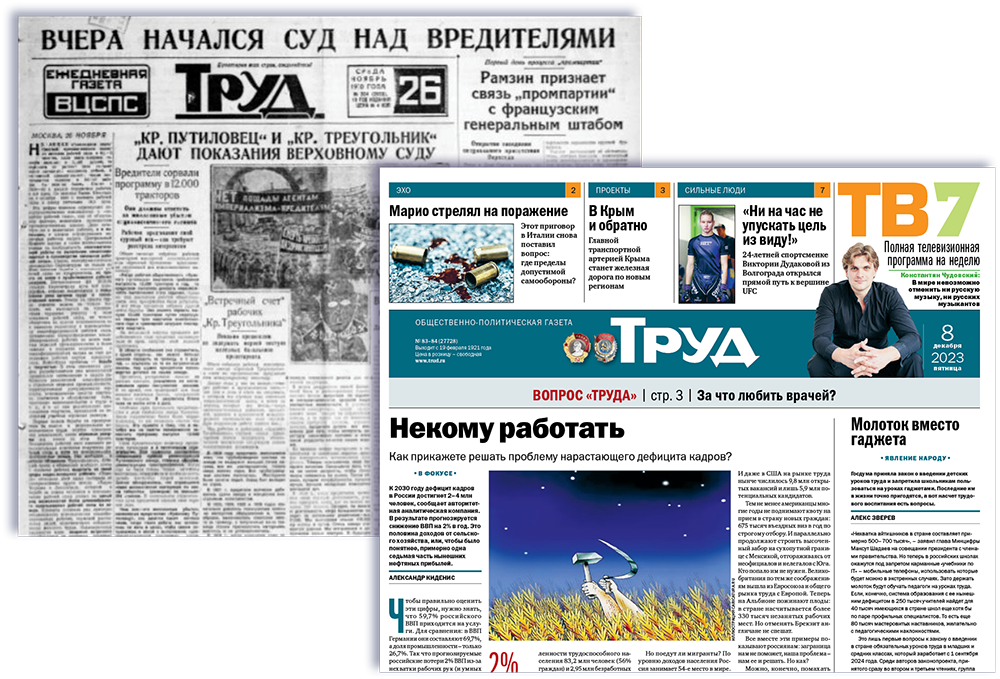
    Founded in 1921 in Moscow, Trud (Труд, Labor) was an influential Soviet newspaper and the official organ of the All-Union Central Council of Trade Unions. Among the earliest Soviet newspapers with a countrywide circulation, it attracted some of the most important journalists and writers in the USSR. Among its regular contributors were such notable poets as Vladimir Mayakovsky and Yevgeny Yevtushenko.

    Although the newspaper was dedicated to covering issues concerning labor relations in the Soviet Union, economic analysis, the plight of workers in foreign countries, and the proliferation of official pronouncements, its more popular component attracted audiences from a broader pool of readers. At the height of the Gorbachev-era reforms the newspaper, like many others, would abandon its usual propagandistic bombast ensuring its growing popularity and catapulting its circulation to well over 20 million.

    With the demise of the Soviet Union and the emergence of new publications in post-Soviet Russia that competed for readers from Trud’s targeted audiences, the popularity of the newspaper subsided, although it has retained some of its former reputation as a reliable source for news and popular culture reportage.

    The Trud Digital Archive includes all obtainable issues published from 1921 on, with an additional year’s worth of content available for purchase on an annual basis. The archive features full page-level digitization, complete original graphics, and searchable text, and is cross-searchable with numerous other Infoteka digital resources.

  • Soviet Woman Digital Archive

    Soviet Woman Digital Archive

    Illustrated magazine spotlighting the life of women in the USSR.

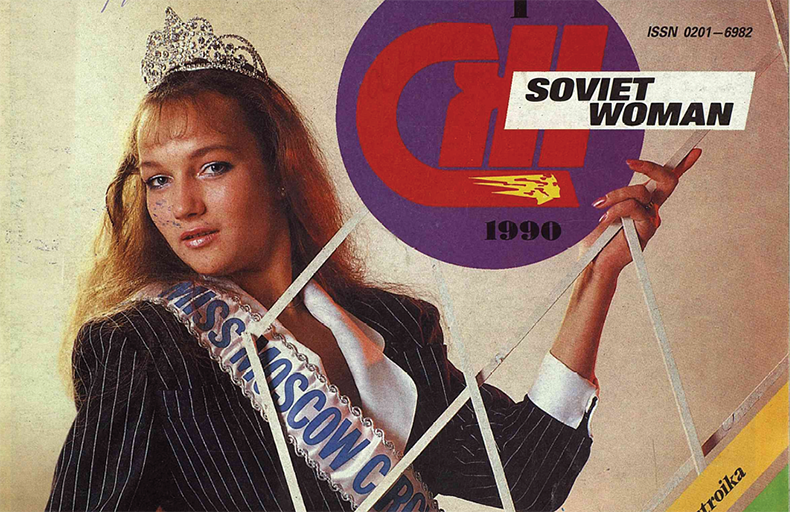
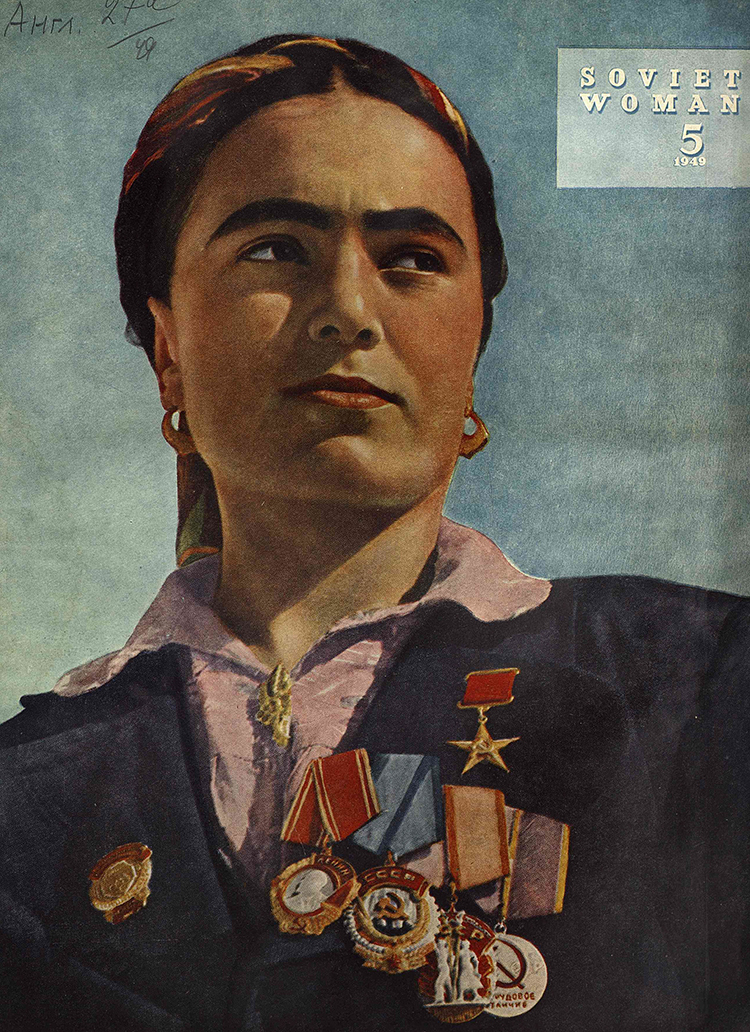
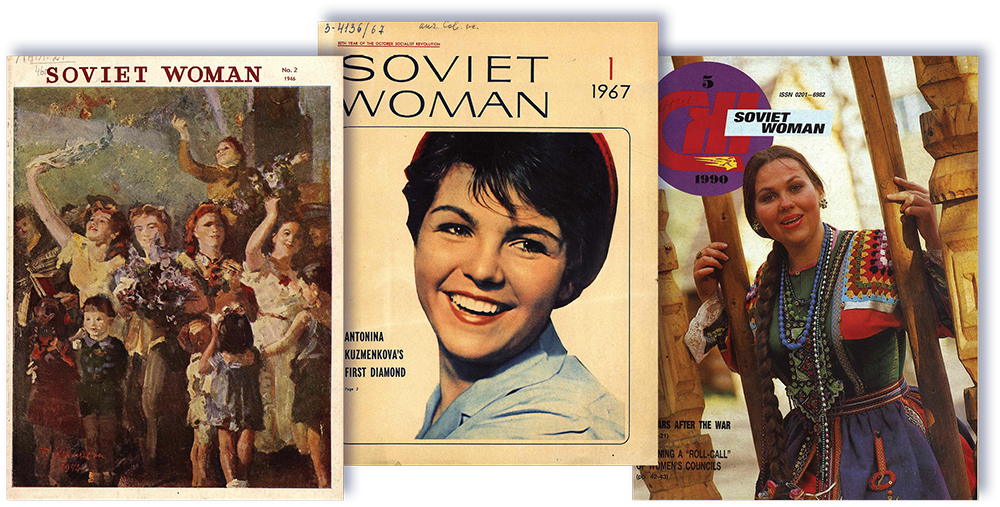
    Established in the aftermath of WWII in 1945, the magazine Soviet Woman proclaimed on the cover of its first issue its fundamental mission: “A magazine devoted to social and political problems, literature and art…” Published initially under the aegis of the of Soviet Women’s Anti-Fascist Committee and the Central Council of Trade Unions of the USSR, it began as a bimonthly illustrated magazine tasked with countering anti-Soviet propaganda by introducing Western audiences to the lifestyle of Soviet women, including their role in the post-WWII rebuilding of the Soviet economy, and their achievements in the arts and the sciences. Originally published simultaneously in Russian, English, German and French, the magazine went on to add more foreign language editions aimed at reaching an even wider audience both in the West and elsewhere to balance the Western narrative about the Soviet Union in these countries with a pro-Soviet ideological counterweight.

    Over the years the magazine developed regular sections covering issues dealing with economics, politics, life abroad, life in the Soviet republics, women’s fashion, as well as broader issues in culture and the arts. One of its most popular features was the translations of Soviet literary works, allowing readers across the globe a peek inside the hitherto insular Soviet literary world. An important communist propaganda outlet, the magazine continued its run until the collapse of the USSR in 1991.

    The Soviet Woman Digital Archive contains all obtainable published issues from the very first issue, comprising more than 500 issues and over 7,500 articles. The archive offers scholars the most comprehensive collection available for this title, and features full page-level digitization, complete original graphics, and searchable text, and is cross-searchable with numerous other Infoteka digital resources.

  • Soviet Anti-Religious Propaganda

    Soviet Anti-Religious Propaganda

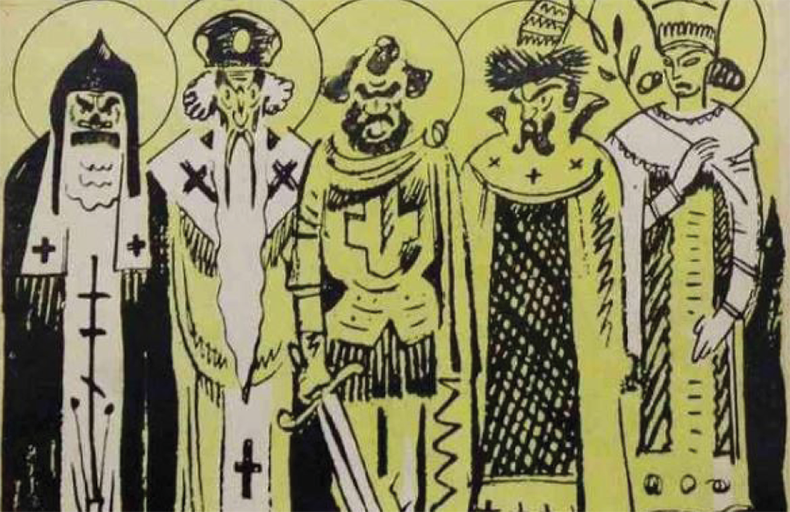
    Some of the earliest casualties of revolutions are the ideological and institutional foundations of the political order that legitimized the ancien régime, the old form of government with its established political and socio-economic power relations. Religion and religious institutions, identified by Bolshevik revolutionaries as enablers of centuries-long Tsarist malfeasance, were additionally considered to be obstructionists of scientific progress, veritable peddlers of ancient superstitions. Thus, the eradication of religion would be elevated into policy shortly after the 1917 Revolution.

    Russian Orthodox Church property was nationalized, plundered, and desecrated. Clergy were dispatched to gulags or even murdered. Religious beliefs and believers were ridiculed. Although the destruction of churches, mosques, and synagogues would in practical terms curtail public religiosity, it did not guarantee neither radical nor wholesale change in people’s perceptions of the world in which they lived.

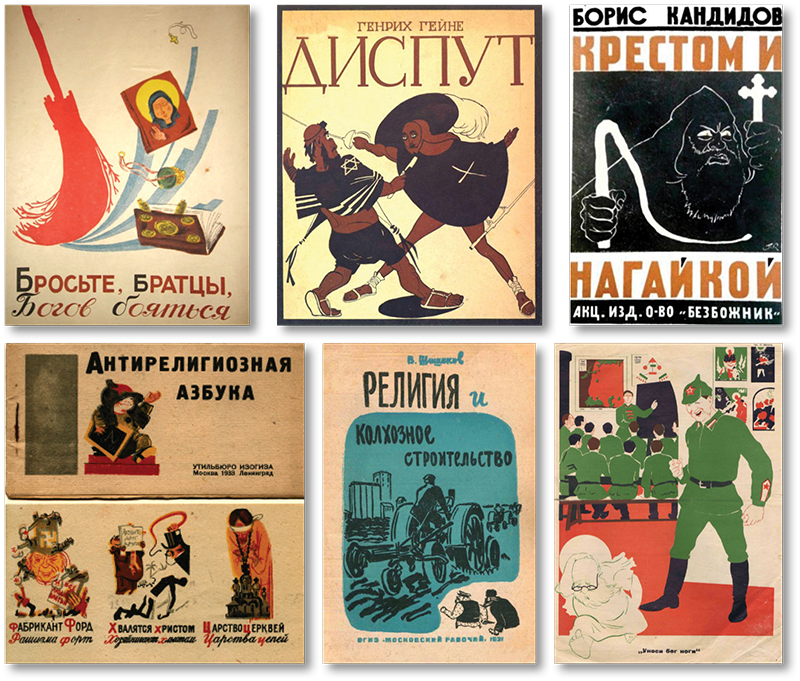
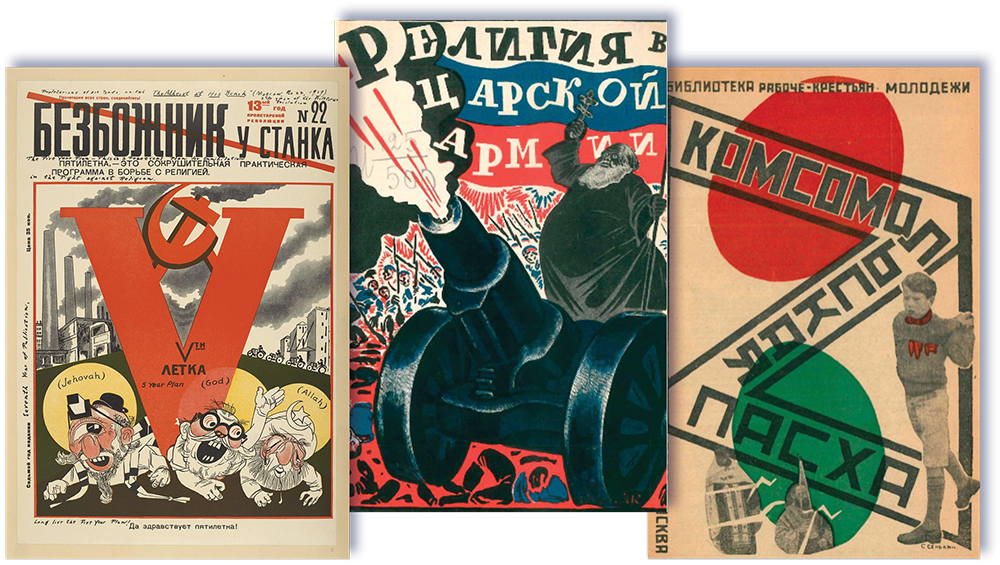
    The matter of changing people’s worldviews, therefore, was left to propagandists and the radically rethought educational system. The result of these policy and educational changes was the launching of the fervid anti-religious propaganda campaigns of the early 1920s and 1930s, which saw the publication of hundreds of books, newspapers, and popular magazines designed to stoke hostility against Christianity and Christians.

    Comprised of 280 books, the Soviet Anti-Religious Propaganda e-book collection is a treasure trove of these early propaganda efforts, containing some of the most important and influential works of anti-religious literature. Full-text searchable and cross-searchable with other Infoteka digital resources, the collection is a valuable resource for historians of the Soviet Union, religious studies, and secularization.

  • Soviet Military Posters

    Soviet Military Posters

    Rare collection of 3,000+ posters from critical era in Soviet history.

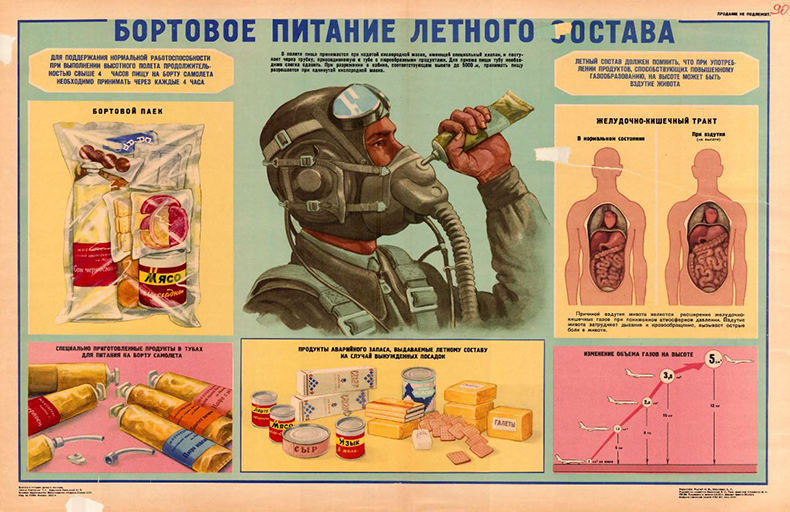
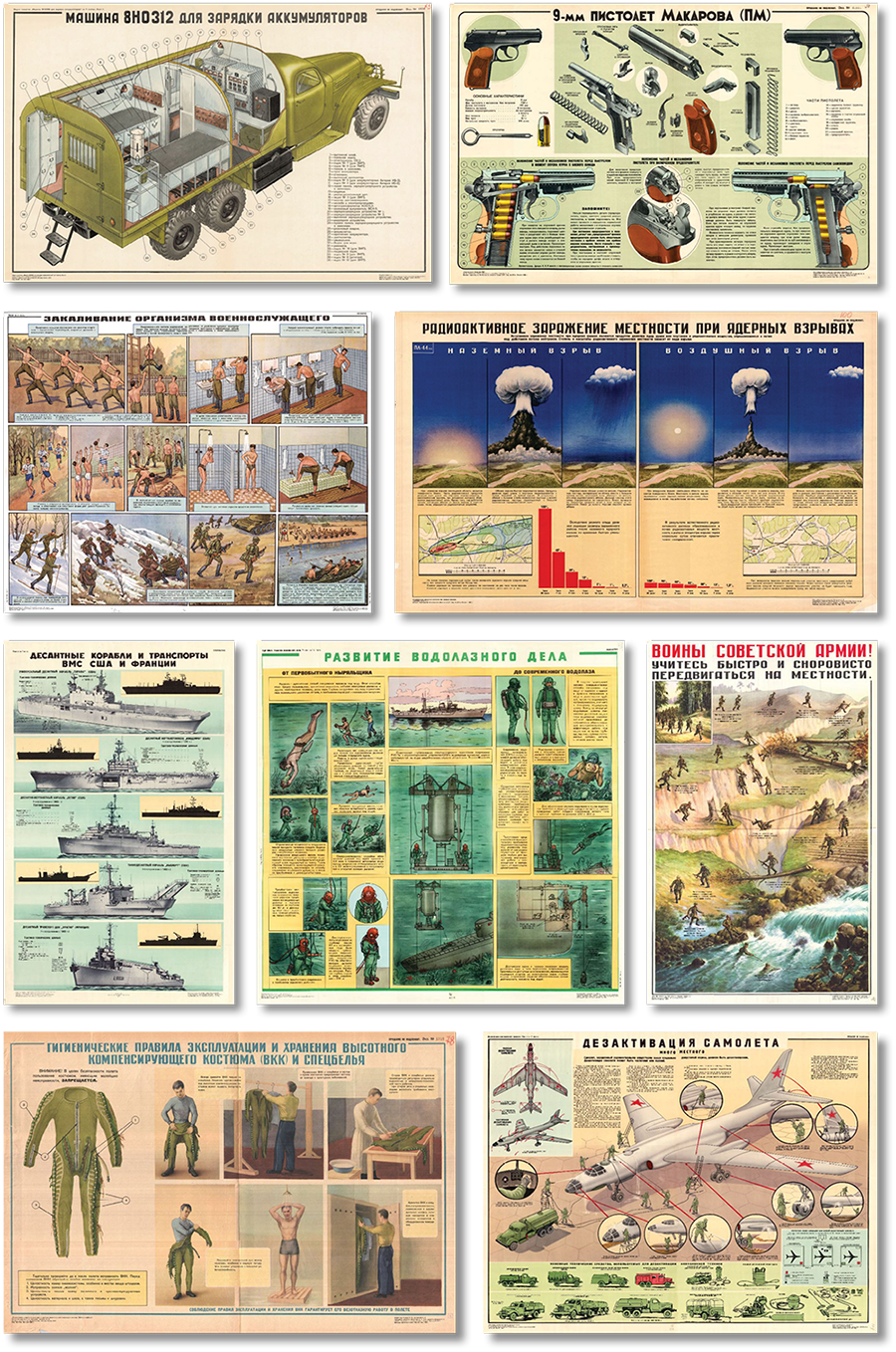
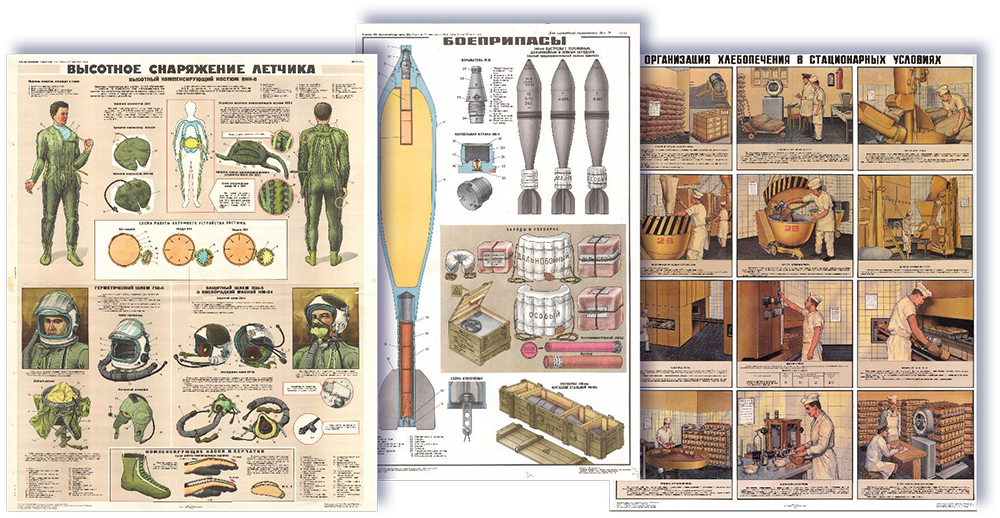
    The Soviet Military Posters collection offers extensive and unique insight into the Soviet military and Soviet visual culture. This meticulously compiled digital archive consists of a remarkable collection of 3,361 posters, each offering a window into the rich tapestry of Soviet military history and propaganda.

    Published by Voenizdat, the principal Soviet military publishing house, these posters span the period from 1956 to 1995, a critical era in Soviet and world history. The collection covers 24 unique subjects, providing a panoramic view of Soviet military thought and ideology. These subjects range from Ground Forces, Air Force, Navy and Artillery to more specialized topics like Chemical and Nuclear Warfare, Small Arms and Firearms, NATO, Aircraft Design, and Living Conditions.

    For researchers and scholars, the Soviet Military Posters database is more than just a collection of images; it’s a rich, primary source that offers unprecedented insights into the Soviet mindset and propaganda mechanisms. It serves as a crucial tool for understanding not only the military strategies and technologies of the Soviet Union but also the sociopolitical and cultural underpinnings that influenced them.

    Each poster and Set within the database are not just visual artifacts but also well-documented pieces of history. Extensive metadata is available for each poster and set, including English translations for all titles.

    The database features robust filtering by Subject, Set, Classification, and Year, while searching is available in English, Russian and in Transliteration. Furthermore, advanced OCR (Optical Character Recognition) technology has been employed to make every text on these posters searchable. This enhances the usability of the database, allowing researchers to delve into specific themes, slogans, and propaganda messages with ease.

  • Sovetskoe Zdravookhranenie Digital Archive (Open Access)

    Sovetskoe Zdravookhranenie Digital Archive (Open Access)

    Open Access archive of the premier Soviet scientific public health journal.

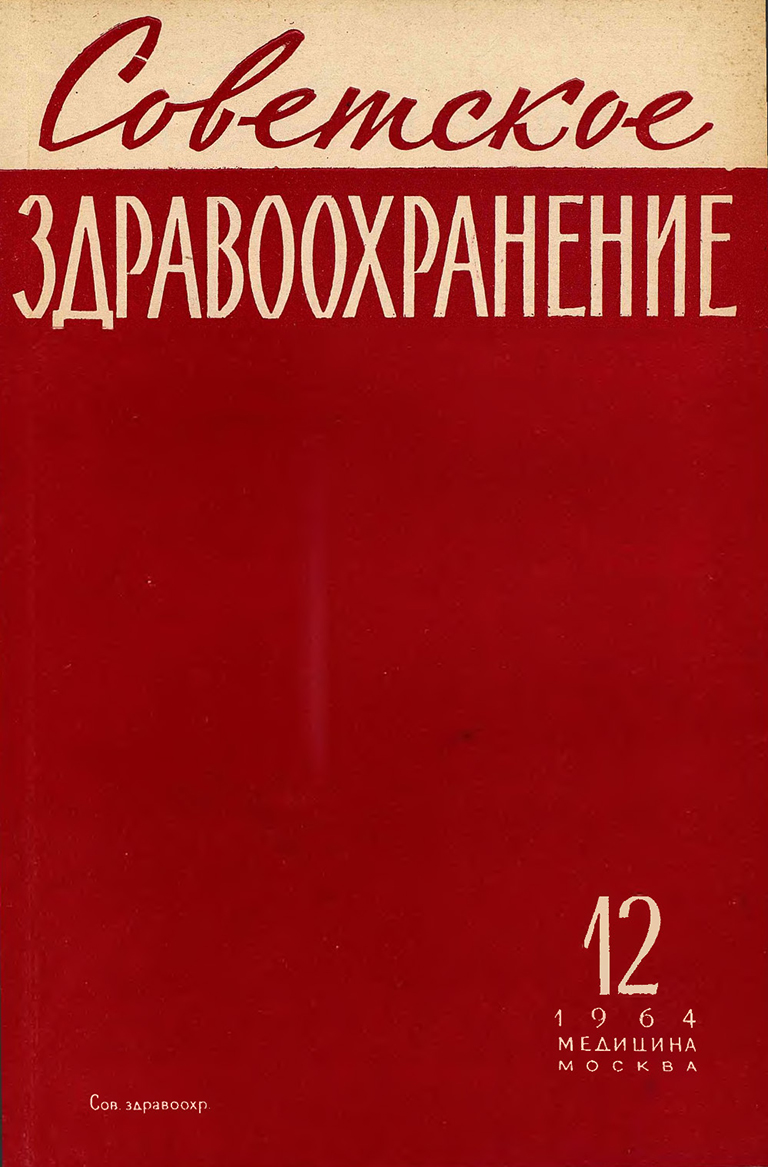
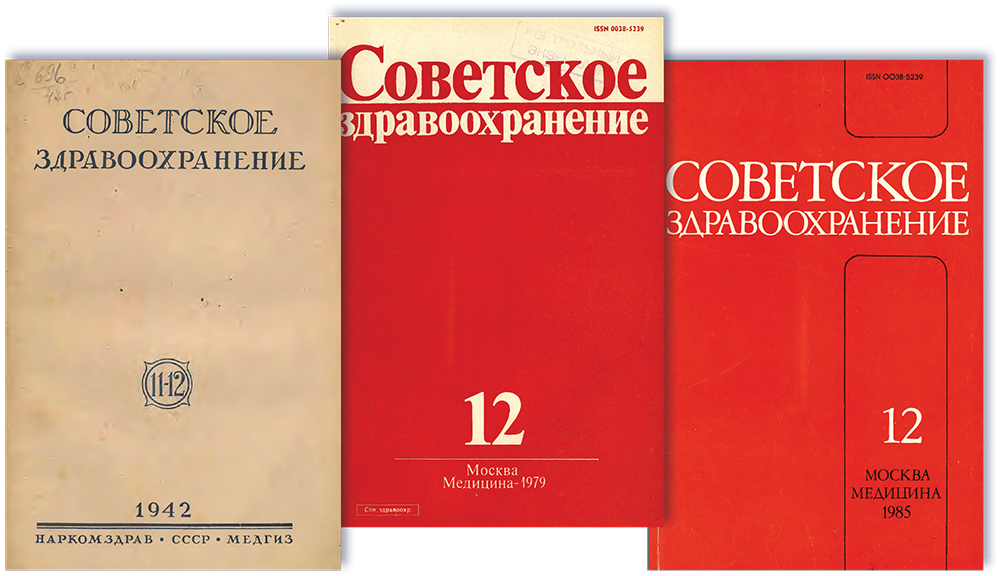
    Established in 1942 by the Ministry of Health of the USSR, the journal Sovetskoe Zdravookhranenie (Советское Здравоохранение, Soviet Healthcare) was the Soviet Union’s premier scientific public health journal covering issues related to public health, social hygiene, health policy, and health education. The journal regularly published original research and commentaries on the history of medicine and healthcare, the economic and social components undergirding the Soviet healthcare system, as well as reports on and proceedings from conferences dedicated to healthcare and the medical profession. Serving as a forum for public health professionals the journal regularly featured book reviews and bibliographies of latest publications on issues related to journal’s subject matter. Due to financial difficulties in the wake of the collapse of the Soviet Union the journal ceased publication in 1992.

    The Sovetskoe Zdravookhranenie Digital Archive contains all obtainable published issues from 1942 to 1992, totaling over 16,000 articles. The archive offers scholars the most comprehensive collection available for this title, and features full page-level digitization and complete original graphics. The archive has searchable text and is cross-searchable with numerous other Infoteka digital resources.

    The Sovetskoe Zdravookhranenie Digital Archive has been made Open Access and available to researchers globally thanks to the generous support of Monash University Library, with funding from the Ada Booth Benefaction.

  • Sovetskii Ekran Digital Archive

    Sovetskii Ekran Digital Archive

    Popular and influential journal on film studies and Soviet cinema.

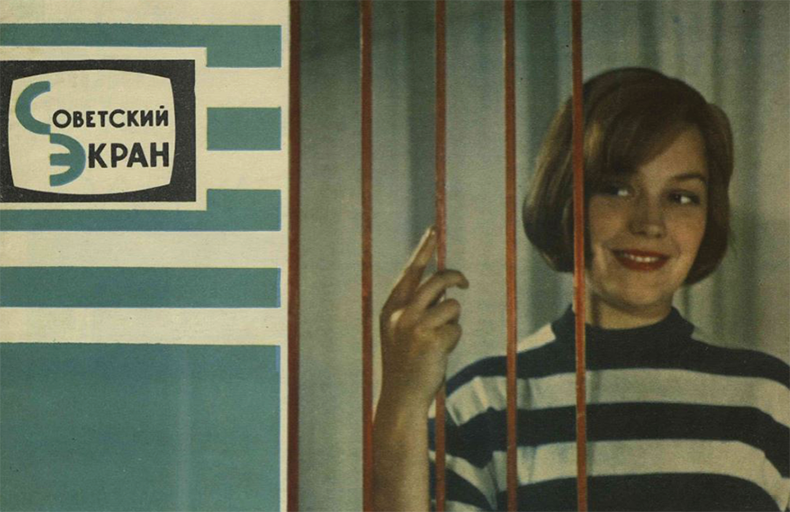
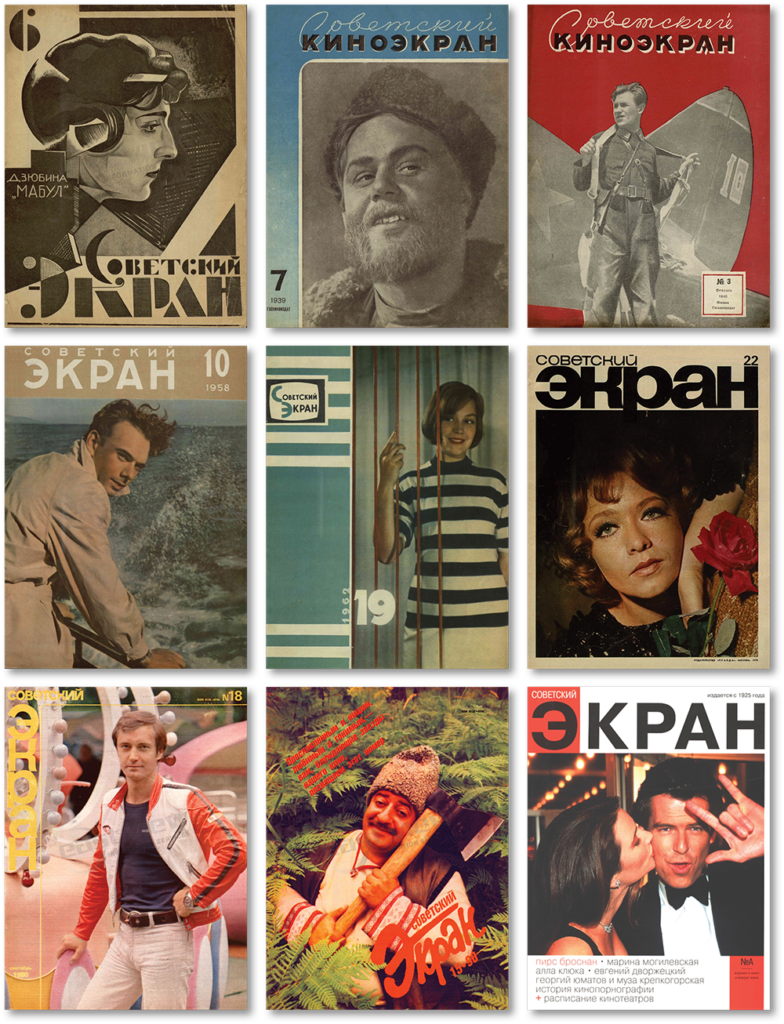
    Published bi-monthly, Sovetskii Ekran boasted a circulation of two million copies, making it the largest film publication in the world at the time. It was incredibly popular among film enthusiasts in the USSR, vanishing from kiosks as quickly as it arrived and passing from hand to hand.

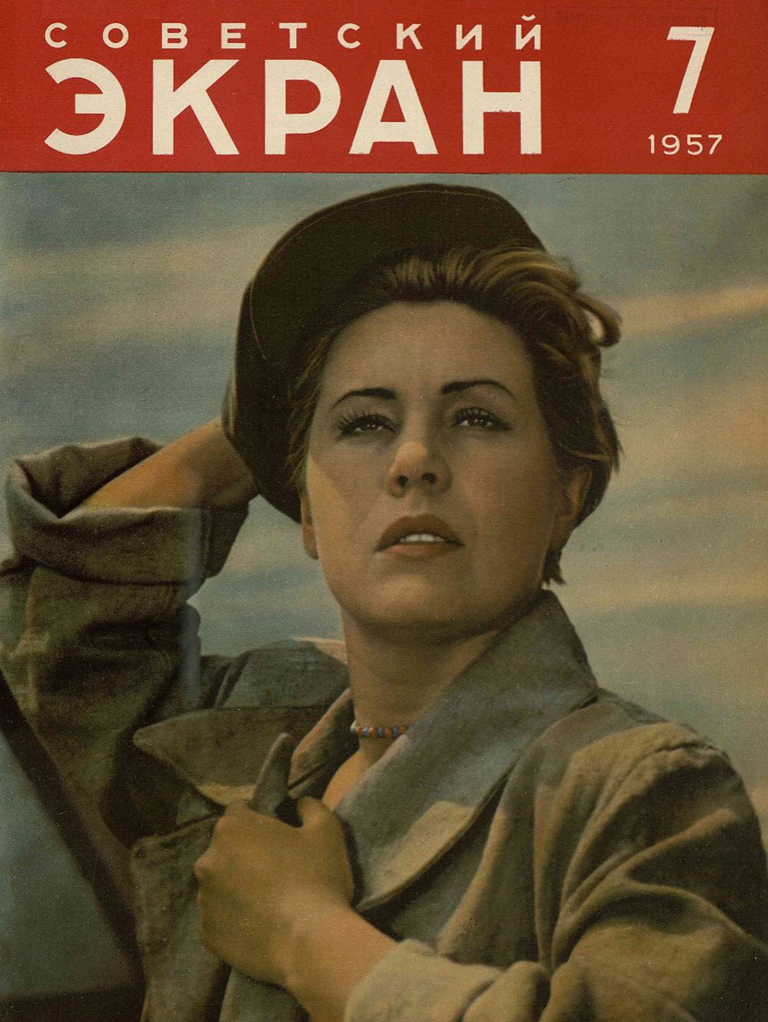
    The journal offered an unprecedented look into the production secrets and the creative lives of actors and directors—serving as a portal into the magical world of cinema. The honor of gracing its cover essentially guaranteed an instant following of adoring fans for the featured artist. People often cut out the journal covers featuring popular actors to use as posters, making it a significant cultural artifact.

    Sovetskii Ekran was not just confined to domestic cinema; it also covered international film news. These articles offered Soviet citizens glimpses into global fashion trends and popular Hollywood actors. It even published an obituary of Marilyn Monroe in 1962—a time when she was virtually unknown in the USSR. The journal annually conducted surveys among its readers to announce various awards like “Best Film of the Year,” “Best Actor of the Year,” “Best Actress of the Year,” “Best Children’s Film,” and “Best Musical Film of the Year.”

    Many critics consider the 1960s as the golden era of Sovetskii Ekran. Despite its popularity, the journal was subject to the return of censorship in the mid-1970s and, like Soviet cinema itself, it faced dramatic changes during the era of “Perestroika” before eventually ceasing publication after the collapse of the Soviet Union.

    About the Archive

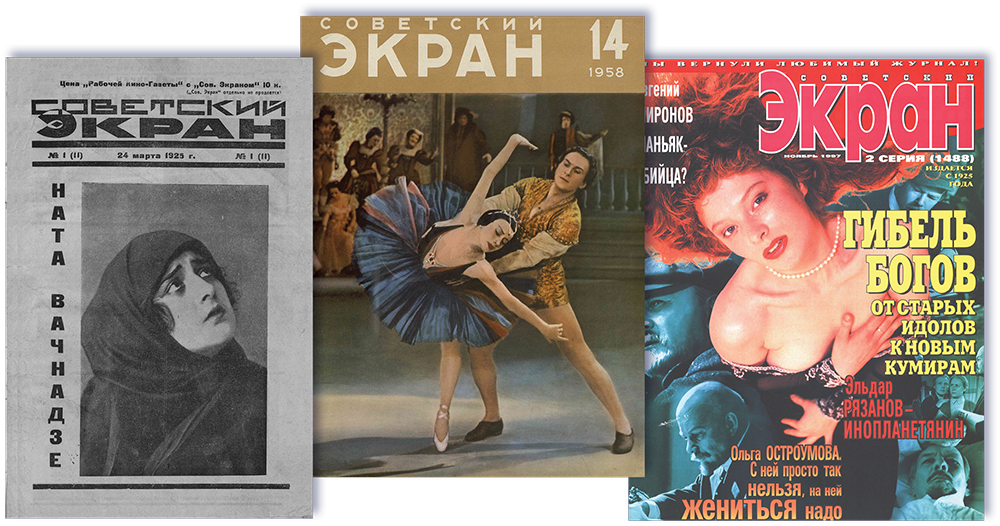
    Sovetskii Ekran first emerged in January 1925 and continued its publication with occasional hiatuses until its final issue in 2003. Throughout its existence, it underwent several name changes:

    • 1925–1928 Sovetskii Ekran
    • 1929–1930 Kino i Zhizn
    • 1933–1938 [not published]
    • 1939–1941 Sovetskii Kinoekran
    • 1942–1957 [not published]
    • 1958–1990 Sovetskii Ekran
    • 1991–1996, 2002 Ekran
    • 1997–1998, 2003 Sovetskii Ekran

    The Sovetskii Ekran Digital Archive contains all obtainable published issues from 1925 on, including over 50 years of content and approximately 32,000 pages. The archive offers scholars the most comprehensive collection available for this title, and features full page-level digitization, complete original graphics, and searchable text, and is cross-searchable with numerous other Infoteka digital resources.

    Note: The publication of Sovetskii Ekran was completely suspended from 1931–1938, 1942–1956, and 1999–2001. The lack of content for these periods is not a gap but reflects the journal’s publication schedule during these times.

  • Sovetskaia Kul’tura Digital Archive

    Sovetskaia Kul’tura Digital Archive

    An indispensable source on Soviet and Russian arts and culture.

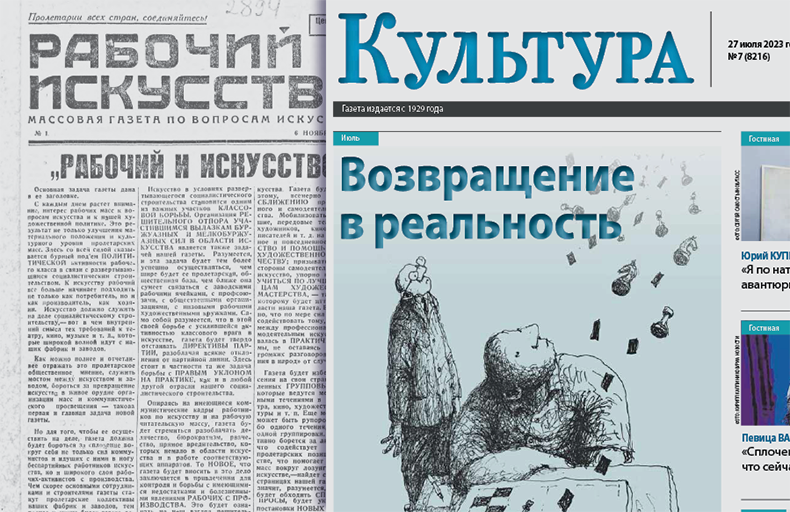
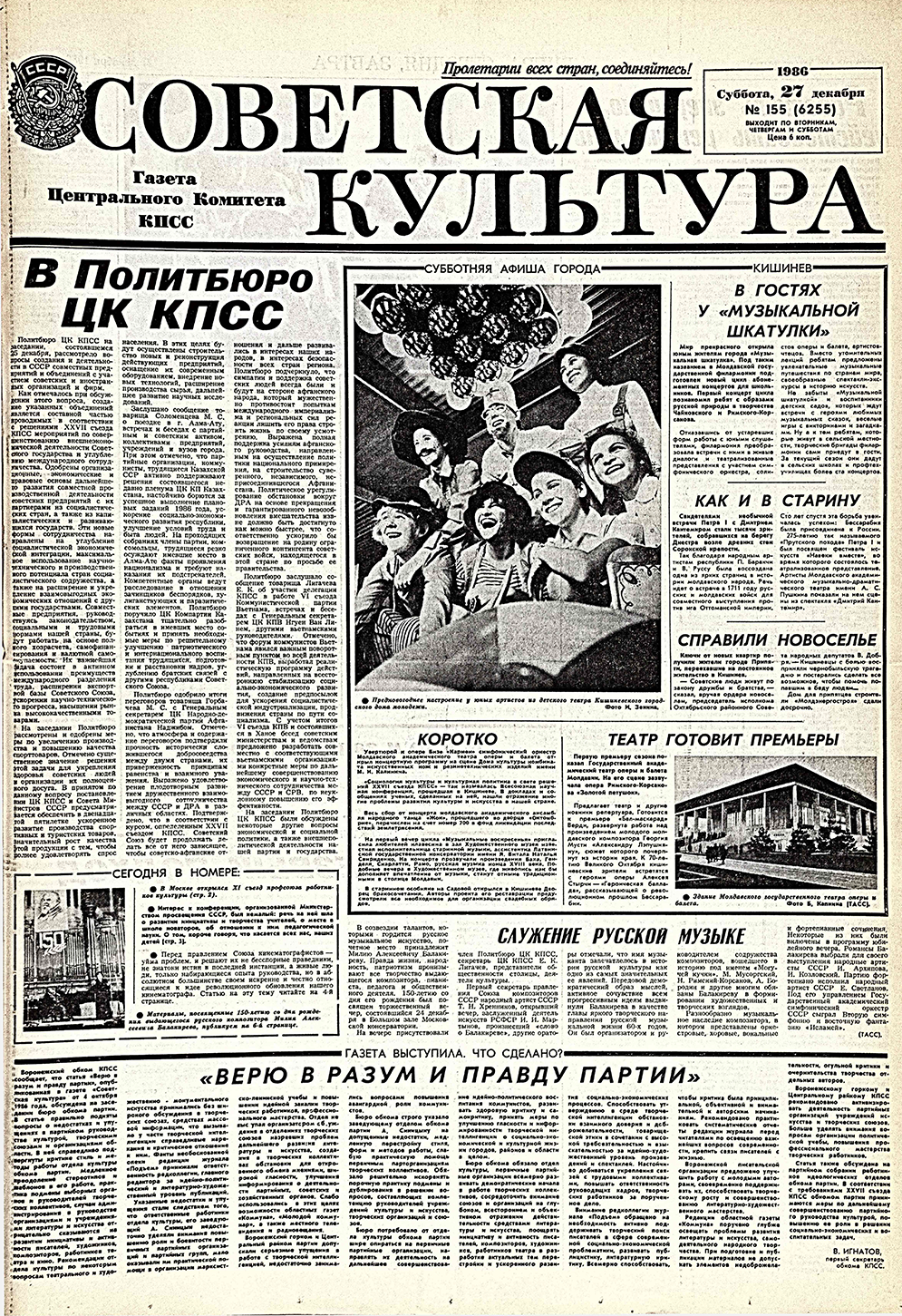
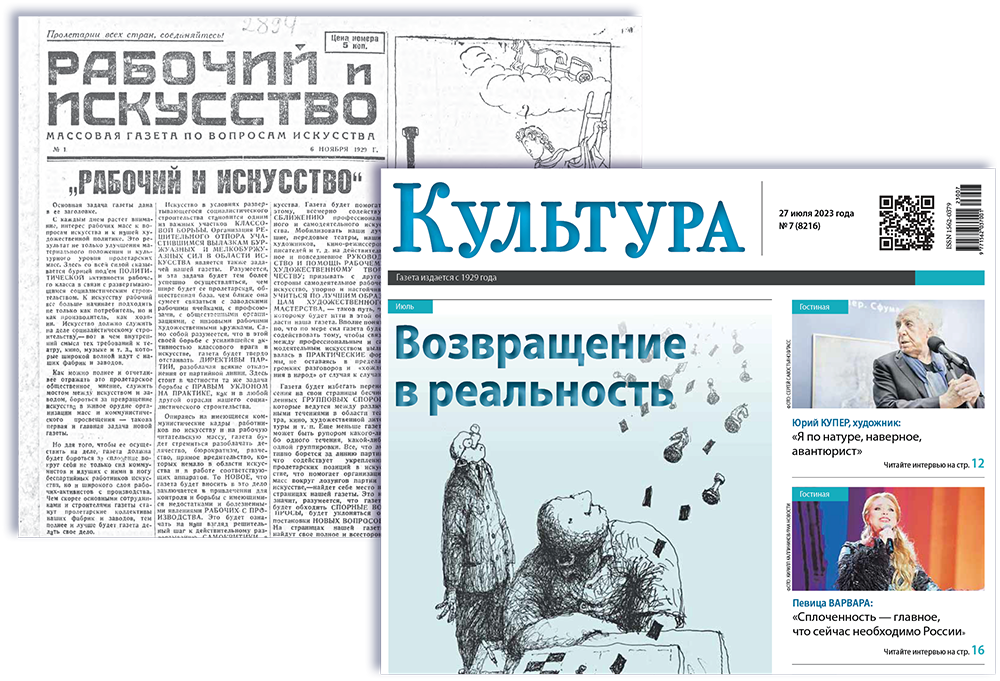
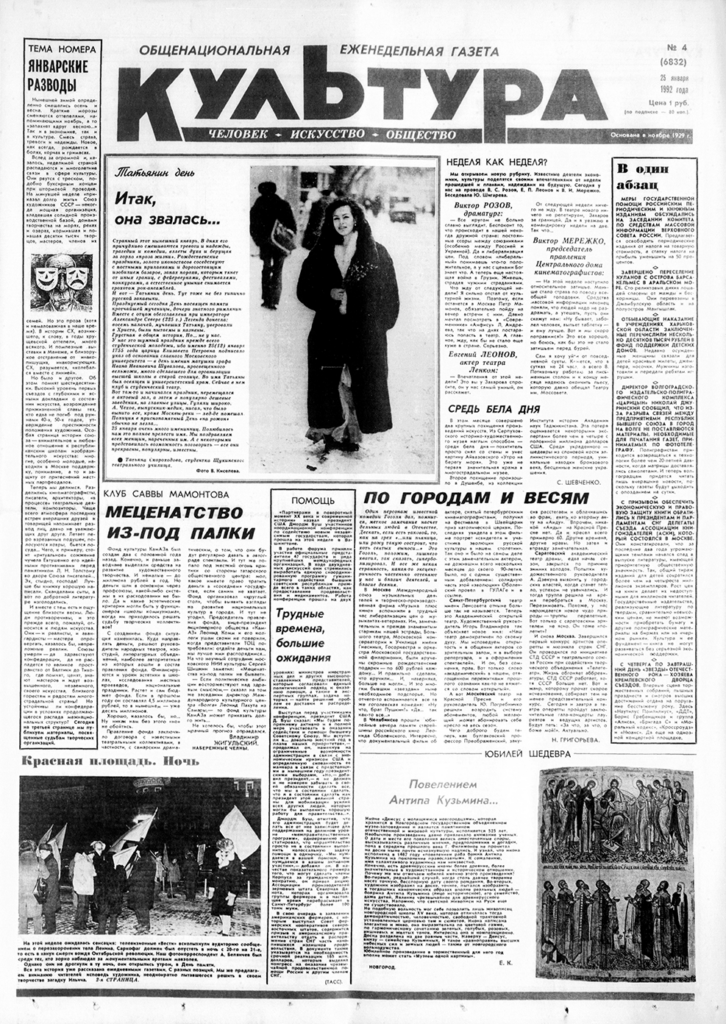
    Kul’tura (Культура, Culture), as it is known today, is the most important Soviet and Russian publication on culture from 1929 to the present, with reviews of major events in literature, theater, cinematography and the arts. For nearly 100 years, Kul’tura has served as a time capsule of Soviet and Russian culture, providing a unique perspective on ever-changing attitudes toward arts and culture in Soviet and Russian societies.

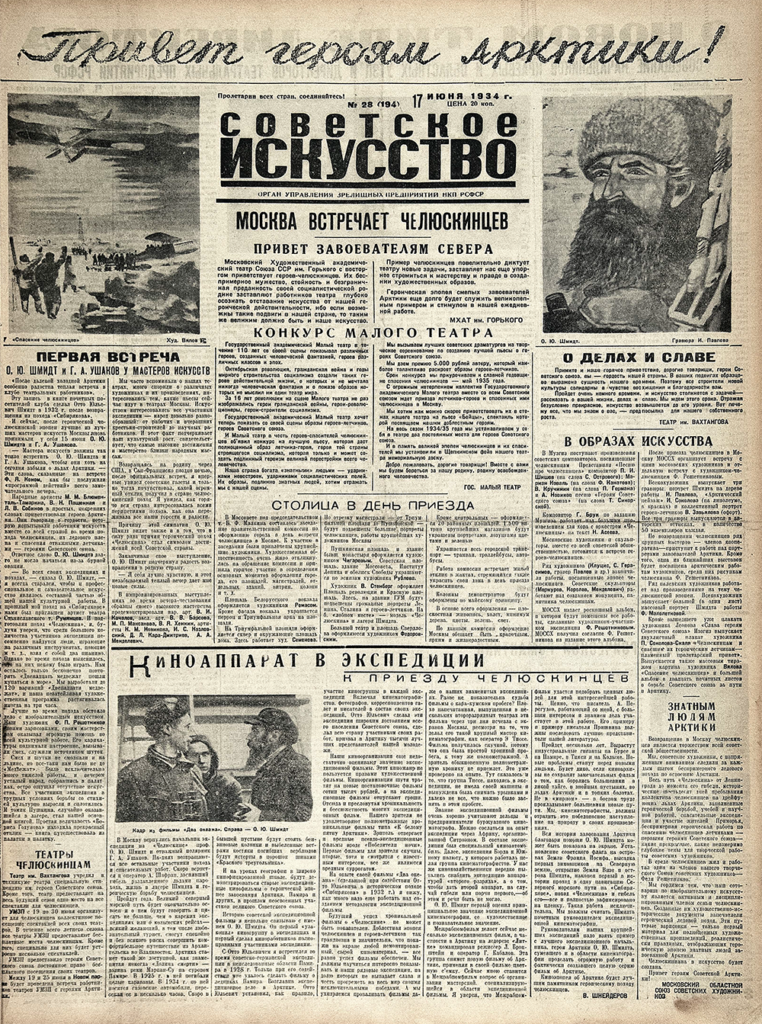
    Kul’tura was previously published as Rabochii i iskusstvo (Рабочий и искусство, Workers and Art, 1929–1930), Sovetskoe iskusstvo (Советское искусство, Soviet Art, 1931–1941), Literatura i iskusstvo (Литература и искусство, Literature and Art, 1942–1944), Sovetskoe iskusstvo (1944–1953), and Sovetskaia kul’tura (Советская культура, Soviet Culture, 1953–1991).

    The Sovetskaia Kul’tura Digital Archive contains all obtainable published issues from all of these titles (1929 on, over 55,000 pages), with an additional year’s worth of content available for purchase on an annual basis. The Sovetskaia Kul’tura Digital Archive offers scholars the most comprehensive collection available for this title, and features full page-level digitization, complete original graphics, and searchable text, and is cross-searchable with numerous other Infoteka digital resources.

    More About Sovetskaia Kul’tura

    Rabochii i iskusstvo was established during a time when artists had relative freedom to create works for the New Soviet man. Artists were enthusiastic in spreading the socialist revolution, and the newspaper at this time reflects that mindset. Art was to be made accessible to the masses. Whether explicitly or implicitly, the newspaper supported writers, artists, and authors who produced works that fostered the concept of the New Soviet Man.

    During the Stalin years, Socialist realism took hold. Any creative expression considered unworthy to support the goals of socialism and communism was banned. Writers such as Mikhail Zoshchenko, Osip Mandelstam, Boris Pasternak, and others were roundly criticized in the pages of Sovetskoe iskusstvo (1931–1941), Literatura i iskusstvo (1942–1944), and Sovetskoe iskusstvo (1944–1952).

    Sovetskaia kul’tura, established in 1953, came about in the thaw of the Khrushchev era. The times changed for the better, but the newspaper still toed the party line. Modern art exhibitions were condemned and avant-garde composers and abstract painters were censured.

    During the Gorbachev era, glasnost created a cultural reawakening, which was reflected in the pages of Sovetskaia kul’tura. For example, the newspaper was the first to report that authorities had rehabilitated Pasternak posthumously and a museum dedicated to the work of Marc Chagall was to open in Belarus.

    Today, the newspaper offers interesting reviews and event listings, often focusing on the cultural life of Moscow and the regions. It is also known for its topical commentaries on popular culture and politics.