Region: Soviet Union

  • Social Sciences Digital Archive

    Social Sciences Digital Archive

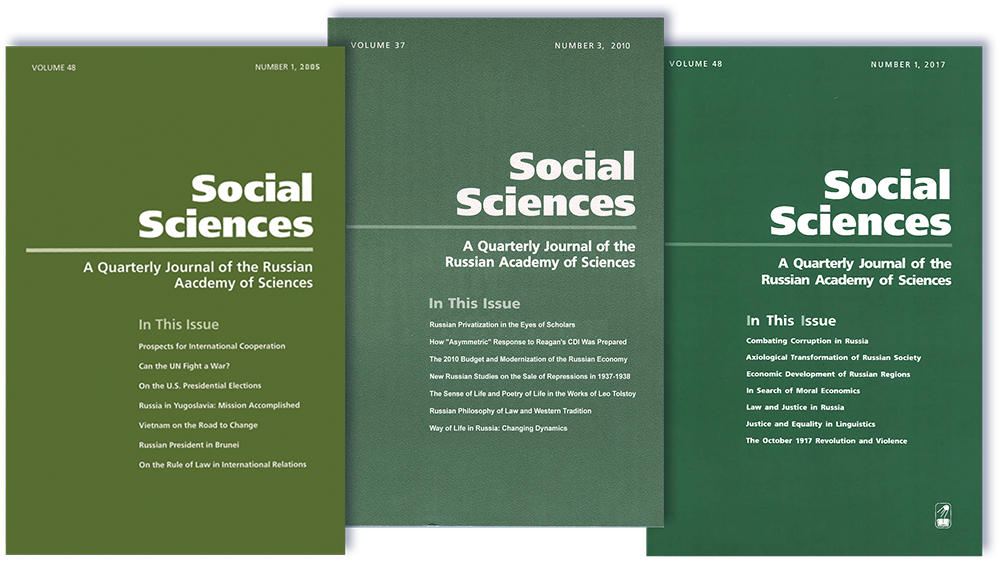
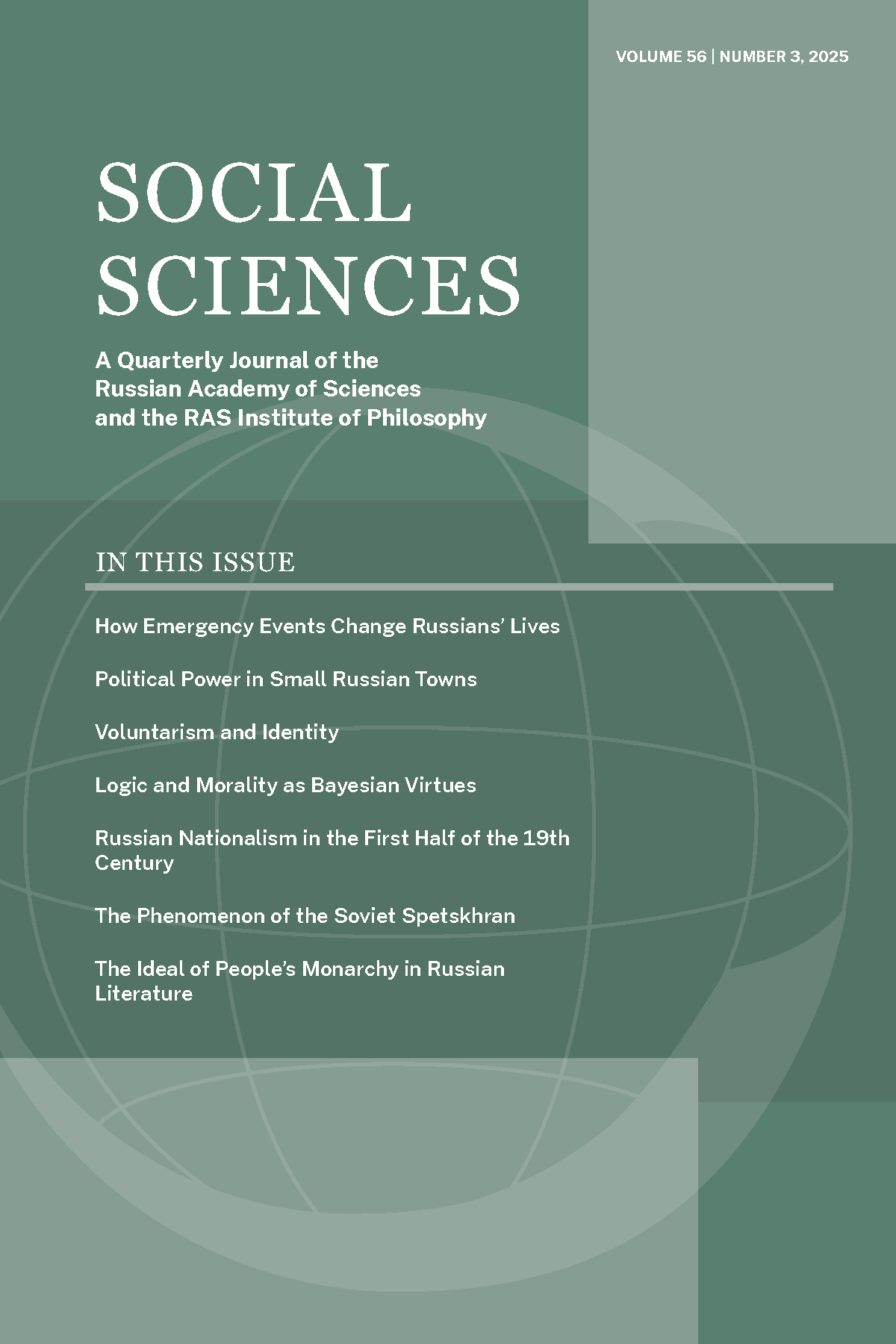
    A quarterly journal of the Russian Academy of Sciences.

    Founded in 1970, Social Sciences was conceived as a scholarly publication tasked with promoting the Marxist-Leninist approach to social sciences worldwide. Since Gorbachev’s perestroika, however, the periodical’s ideological framework underwent certain modifications becoming a vivid chronicle of the collapse of the old communist dogmas and the transition to new ways of approaching social, economic and historical issues.

    Over the decades since its founding, the journal has become an important and a unique platform for prominent papers and studies selected from various institutes of the Russian Academy of Sciences. Covering the most pressing issues of Russia’s social and economic development, Social Sciences includes articles on philosophy, history, economics, politics, sociology, law, philology, psychology, ethnography, archaeology, literature and culture.

    The Social Sciences Digital Archive includes all issues published from 1970 on (over 6,500 articles), with an additional year’s worth of content available for purchase on an annual basis. The archive offers scholars the most comprehensive collection available for this title, and features full page-level digitization and complete original graphics. The archive has searchable text and is cross-searchable with numerous other Infoteka digital resources.
  • Slaviane Digital Archive

    Slaviane Digital Archive

    Anti-fascist Soviet propaganda journal from the WWII era.

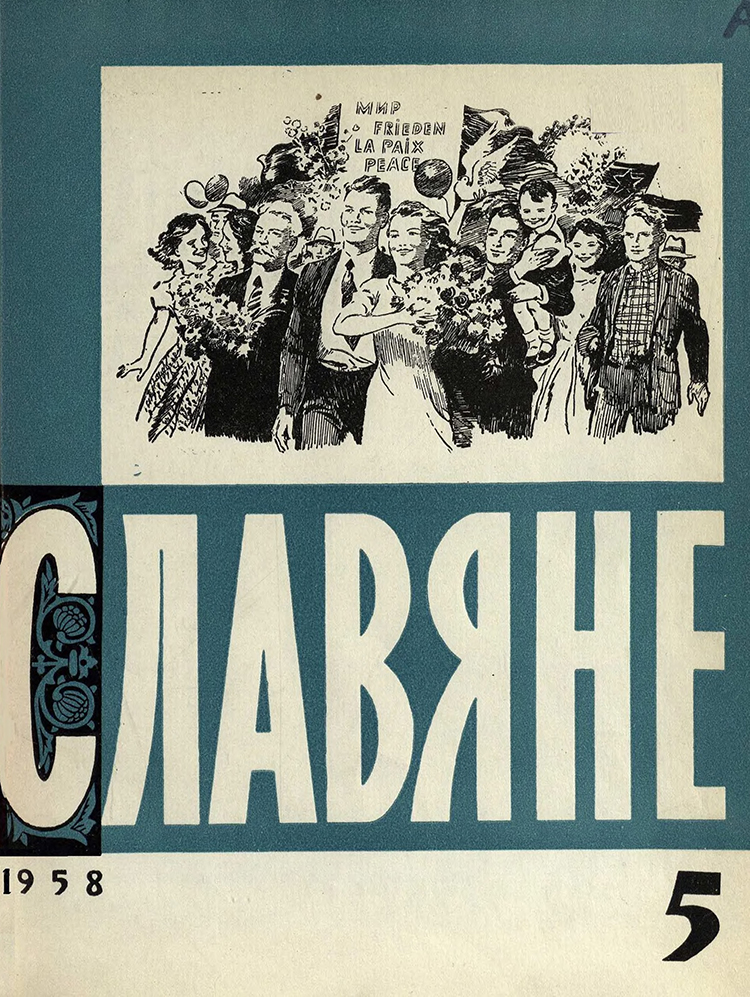
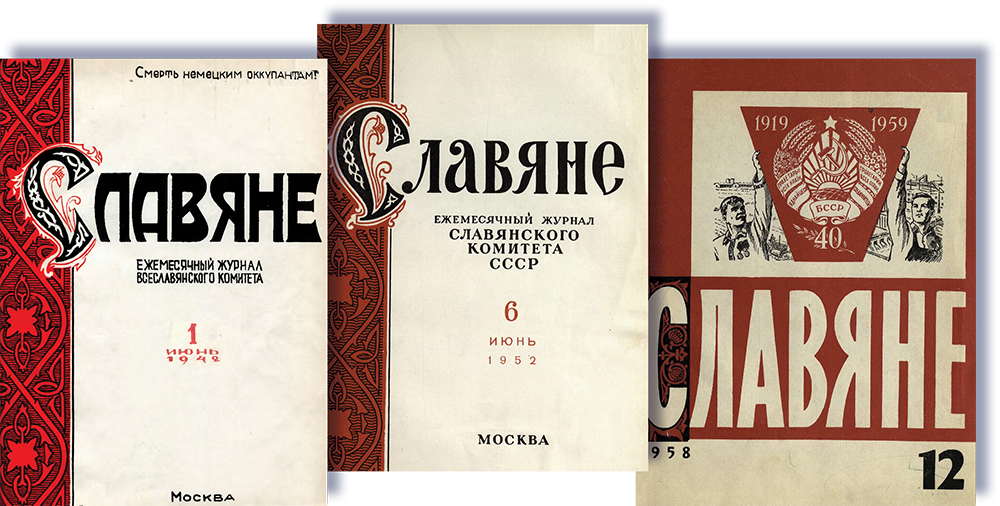
    Founded in 1942 at the height of the Great Patriotic War by the All-Slavic Committee, a Soviet anti-fascist organization, Slaviane (Славяне, Slavs) was a monthly journal that saw its mission as one of “rallying Slavic peoples together in alliance with all freedom-loving peoples to fight against Nazi Germany and its vassals.” The editors sought to achieve this mission by exposing the “predatory and rapacious policies of Hitlerites, their hate-filled program aimed at the elimination of Slavic peoples and their centuries-old culture.” Apart from its anti-Fascist and anti-Nazi platform, the journal also sought to cultivate and propagate among Slavic peoples a knowledge of their shared history, the role of Slavic peoples in world culture and civilization, as well as episodic coverage of the Slavic communities in such far-flung countries as the United States, England, Australia, New Zealand and elsewhere. In short, the journal became a unified platform for intellectuals and politicians from Slavic countries, with the aim of providing an intellectual outlet against Nazism based on Slavic historical and cultural solidarity.

    Following the end of the War, the journal underwent significant editorial changes, switching its focus from defeating Nazism to coverage of life and culture in the Soviet Union. In the process it strove to increase distribution in Slavic countries as well as in the West, although with limited success. It ceased publication in 1958.

    The Slaviane Digital Archive provides researchers and students a unique collection that sheds light on an important aspect of Soviet propaganda production in a critical period of the Soviet Union’s history. The archive offers scholars the most comprehensive collection available for this title, comprising 197 issues, 4,752 articles, and over 12,000 pages. The archive features full page-level digitization and complete original graphics. The archive has searchable text, and is cross-searchable with numerous other Infoteka digital resources.
  • Slovo Kyrgyzstana Digital Archive

    Slovo Kyrgyzstana Digital Archive

    Official newspaper of the Central Committee of the Kirghiz SSR.

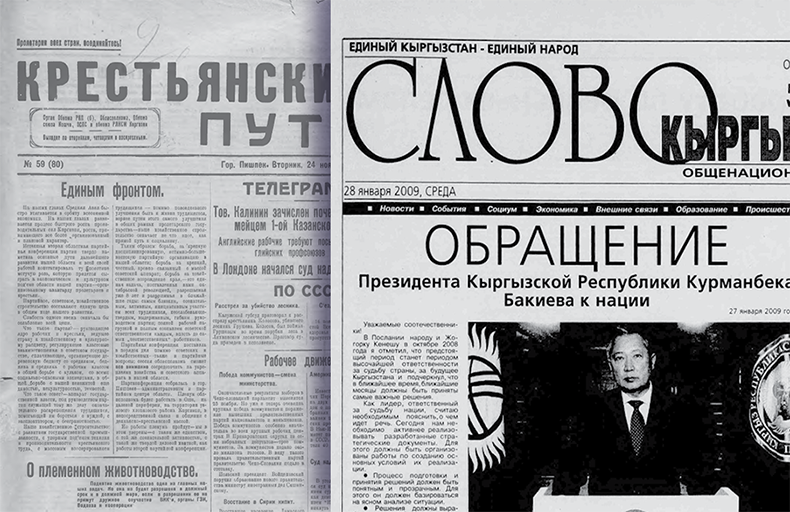
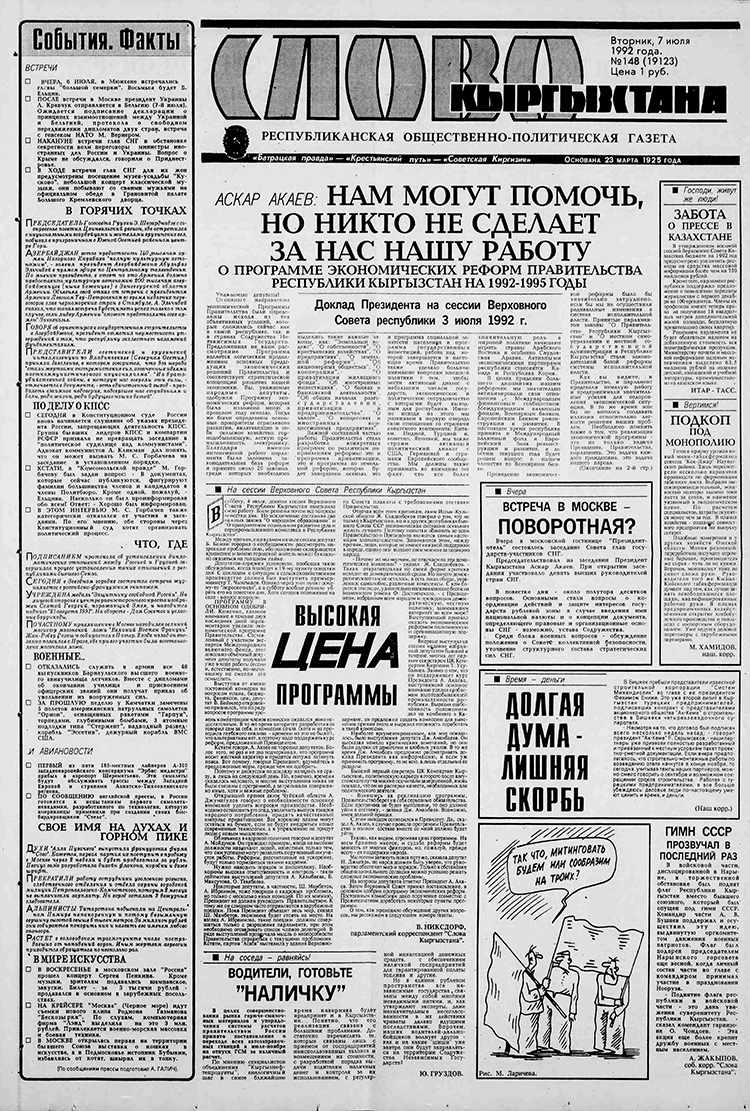
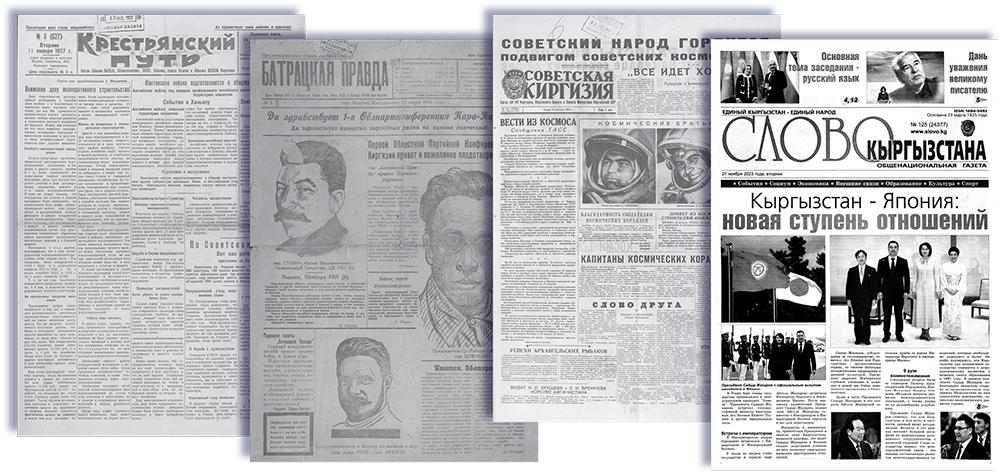
    Established in 1925, in what was then the Kara-Kirghiz Autonomous Oblast in the RSFSR, Slovo Kyrgyzstana (Слово Кыргызстана, Word of Kyrgyzstan) is a Russian-language newspaper that served as the official party organ of the Central Committee of the Kirghiz SSR throughout its Soviet existence. It has been published independently since it gained independence from the Soviet Union in 1991. Known variously as Batratskaia Pravda (Батрацкая правда, Batratskaya Truth, March-June 1925), Krest’ianskii put’ (Крестьянский путь, Peasant Path, 1925-1927), and Sovetskaia Kirgiziia (Советская Киргизия, Soviet Kyrgyzstan, 1927-1991), at its peak the newspaper claimed a circulation of 123,000 copies and was the most important media organization disseminating the Communist party’s official stances and directives.

    As the newspaper of the government of the Republic of Kyrgyzstan, Slovo Kyrgyzstana publishes edicts of the republic’s president, government resolutions, laws, etc. The newspaper also covers both national and international affairs, culture, economics, environmental issues, healthcare, religion and other important issues of concern.

    The Slovo Kyrgyzstana Digital Archive comprises over 120,000 pages and includes all obtainable issues of the newspaper’s previous titles (Batratskaia Pravda, Krest’ianskii put’, and Sovetskaia Kirgiziia). The archive contains all obtainable published issues from 1925 on, with an additional year’s worth of content available for purchase on an annual basis. The archive offers scholars the most comprehensive collection available for this title and features full page-level digitization, complete original graphics, and searchable text, and is cross-searchable with numerous other Infoteka digital resources.
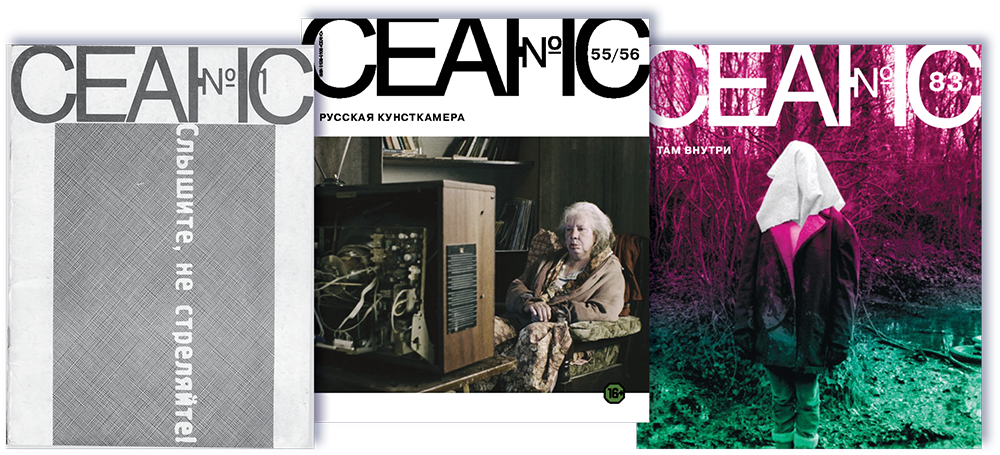
  • Seans Digital Archive

    Seans Digital Archive

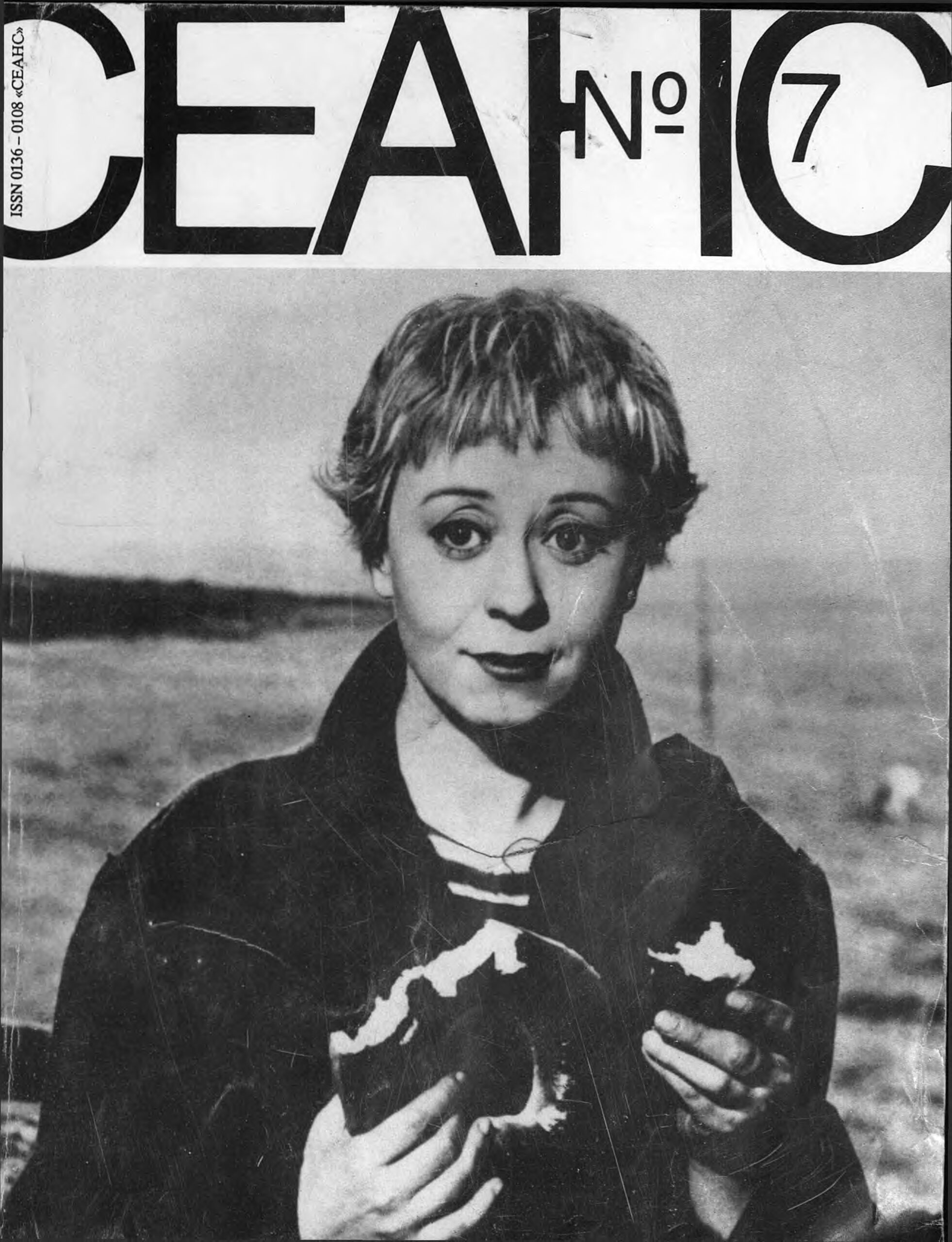
    Influential Russian film studies journal.

    Seans took a six-year hiatus from 1998–2004 following the death of Sergey Dobrotvorsky, one of the journal’s key editors. Although not technically in production during these years, the journal’s editors and writers nevertheless continued their collaboration, producing a seven-volume encyclopedia on contemporary Russian cinematic arts.

    Over the years Seans has received high praise, attracting the collaboration of some of the most significant names from the Russian film industry, as well as from the broader world of art history and criticism. The long list of collaborators and admirers of the journal includes such renowned figures as filmmakers Alexander Sokurov and Sergey Bondarchuk, writer and historian Samuil Lurie, literary critic and film historian Mikhail Iampolski, memoirist Natalya Trauberg, and many others.

    The Seans Digital Archive contains all obtainable published issues from 1990 on, with an additional year’s worth of content available for purchase on an annual basis. The archive offers scholars the most comprehensive collection available for this title, and features full page-level digitization and complete original graphics. The archive has searchable text, and is cross-searchable with numerous other Infoteka digital resources.
    Journal Themes

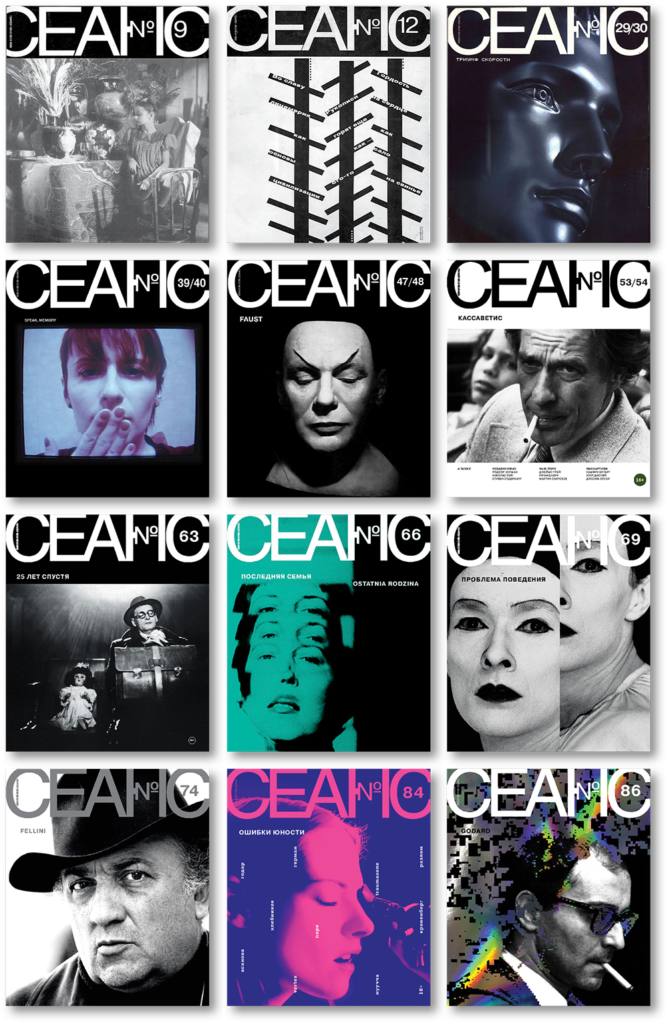
    Each issue of Seans is devoted to a specific theme. Examples of past themes include:

    • Based on true events (Основан на реальных событиях)
    • Back in the USSR
    • Sources of the impossible (Источники невозможного)
    • Speak, Memory
    • It’s sad (Это печально)
    • Everything is going according to plan (Все идет по плану)
    • Faust
    • Le tour de France
    • Russian Cabinet of Curiosities (Русская кунсткамера)
    • Utopia (Утопия)
    • 25 years later (25 лет спустя)
    • Fassbinder
    • Ressentiment time (Время ресентимента)
    • 1968 (Шестьдесят восьмой год)
    • Behavior problem (Проблема поведения)
    • This is not a movie (Это не фильм)
    • Safe Mode
    • Hitchcock (Хичкок)
    • F**K
    • Fellini
    • Isolation (Изоляция)
    • Hong Sang-su (Хон Сан-су) Right Now / Wrong Then
  • Russkaia Literatura Digital Archive

    Russkaia Literatura Digital Archive

    Renowned literary journal from the Russian Academy of Sciences.

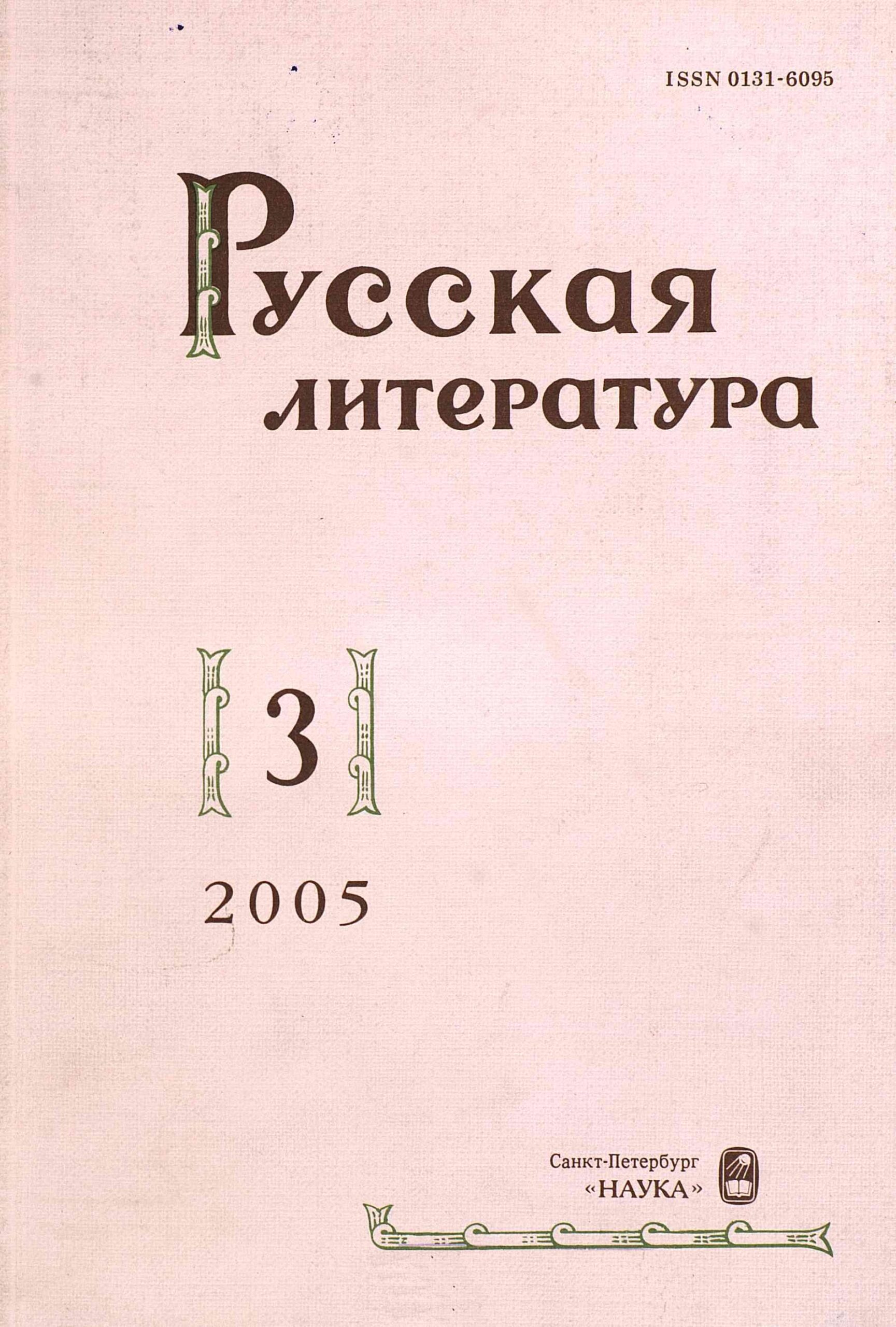
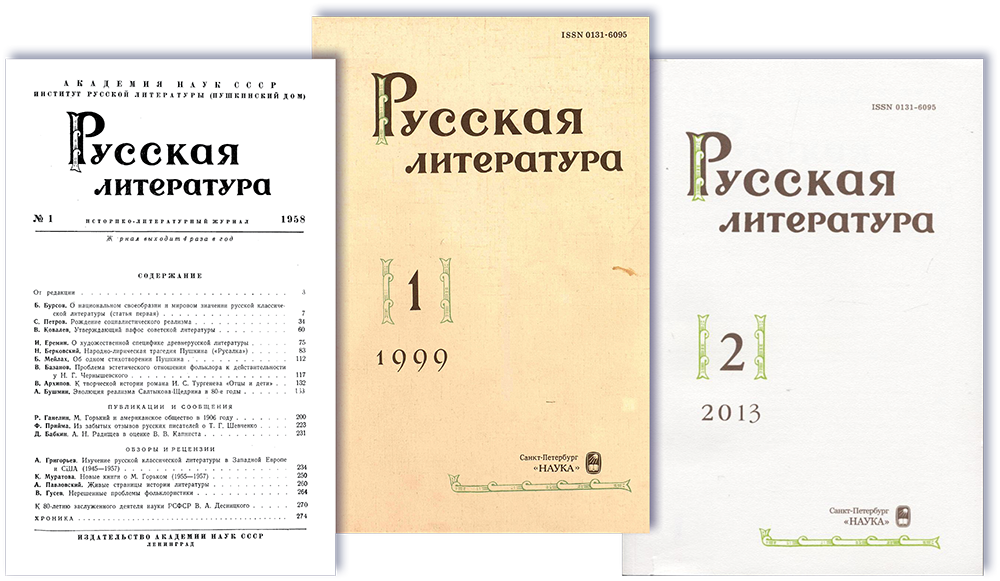
    Russkaia literatura (Русская литература, Russian Literature) is a well-known journal of literary criticism. The journal is one of the most comprehensive, reliable and authoritative resources featuring biographical information and criticism of Russian and Soviet authors in various genres. Published since 1958 by the Institute of Russian Literature of the Russian Academy of Sciences (Pushkinskii Dom), this scholarly journal features numerous research papers, discussion pieces, analytical articles and critical essays concerning classical and modern writers and poets of Russia.

    The Russkaia Literatura Digital Archive contains the complete run of the journal from 1958 on, with an additional year’s worth of content available for purchase on an annual basis. The archive offers scholars the most comprehensive collection available for this title, and features full page-level digitization, complete original graphics, and searchable text, and is cross-searchable with numerous other Infoteka digital resources.
  • Russian Thick Journals

    Russian Thick Journals

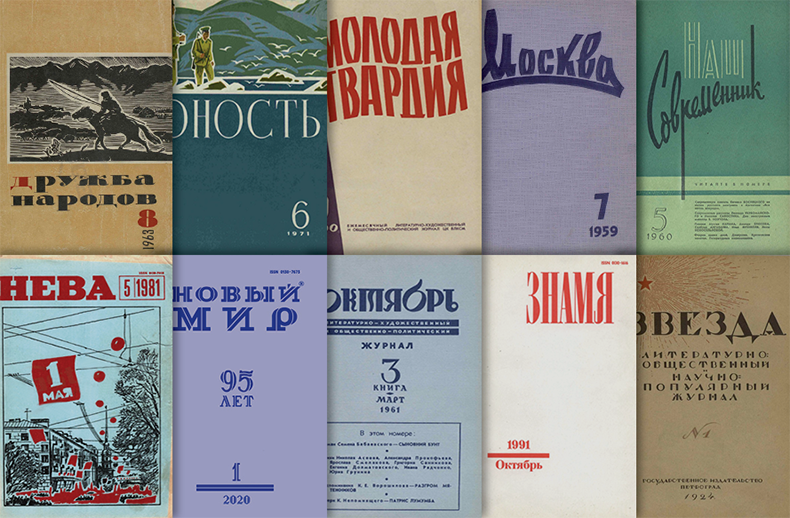
    Tolstye zhurnaly (толстые журналы), literally meaning “thick journals” in Russian, are a unique form of literary and cultural periodicals that have played a significant role in Russian intellectual life since the 19th century. These journals typically contain:

    • New works of fiction (novels, short stories, poems)
    • Literary criticism and essays
    • Social and political commentary
    • Cultural analysis

    Unlike typical journals, tolstye zhurnaly are book-length publications, often running to several hundred pages per issue. In the Soviet Union and later in Russia, literary and artistic journals with a full volume of 192-256 pages received the informal name “thick journals.”

    Digital Archives of Russian Thick Journals

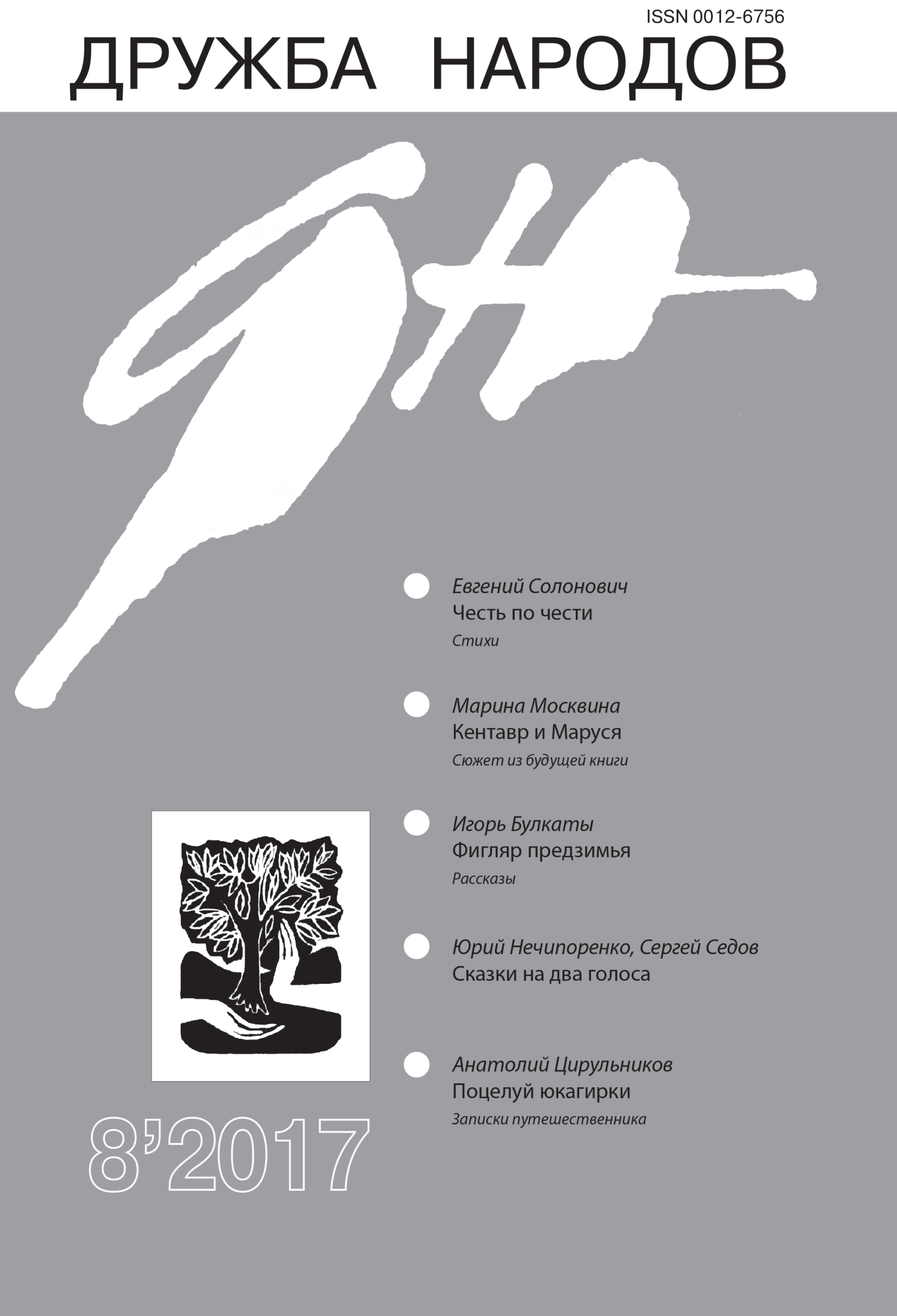
    Druzhba Narodov Digital Archive (1939–2025)


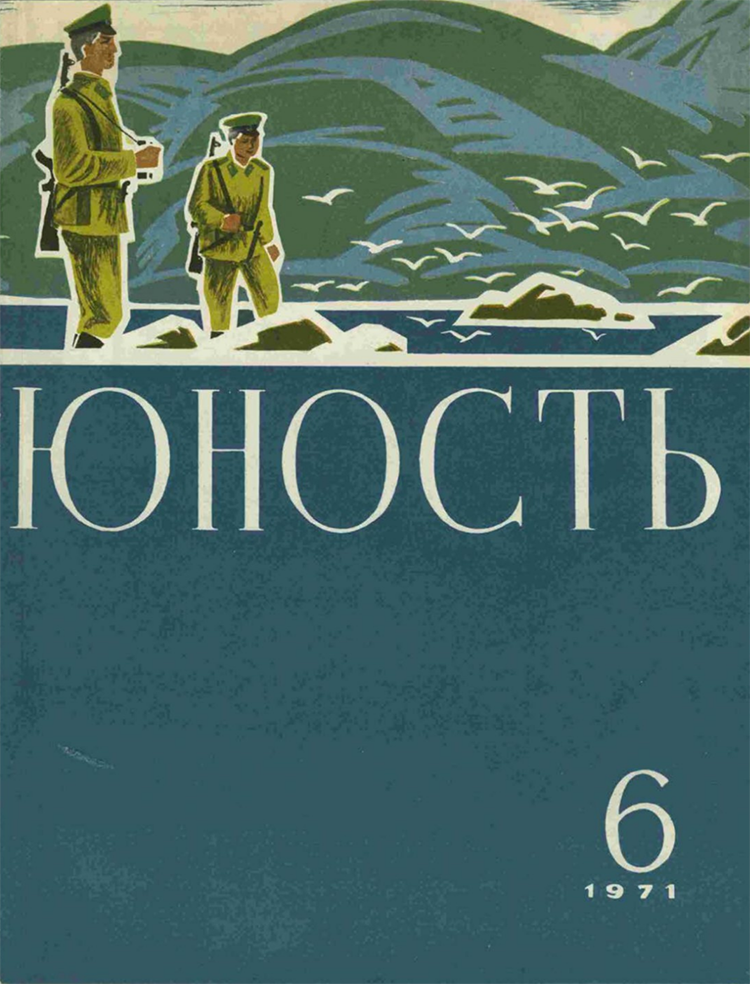
    Iunost’ Digital Archive (1955–2025)


    Molodaia Gvardiia Digital Archive (1922–2025)


    Moskva Digital Archive (1957–2025)


    Nash Sovremennik Digital Archive (1933–2025)


    Neva Digital Archive (1955–2025)


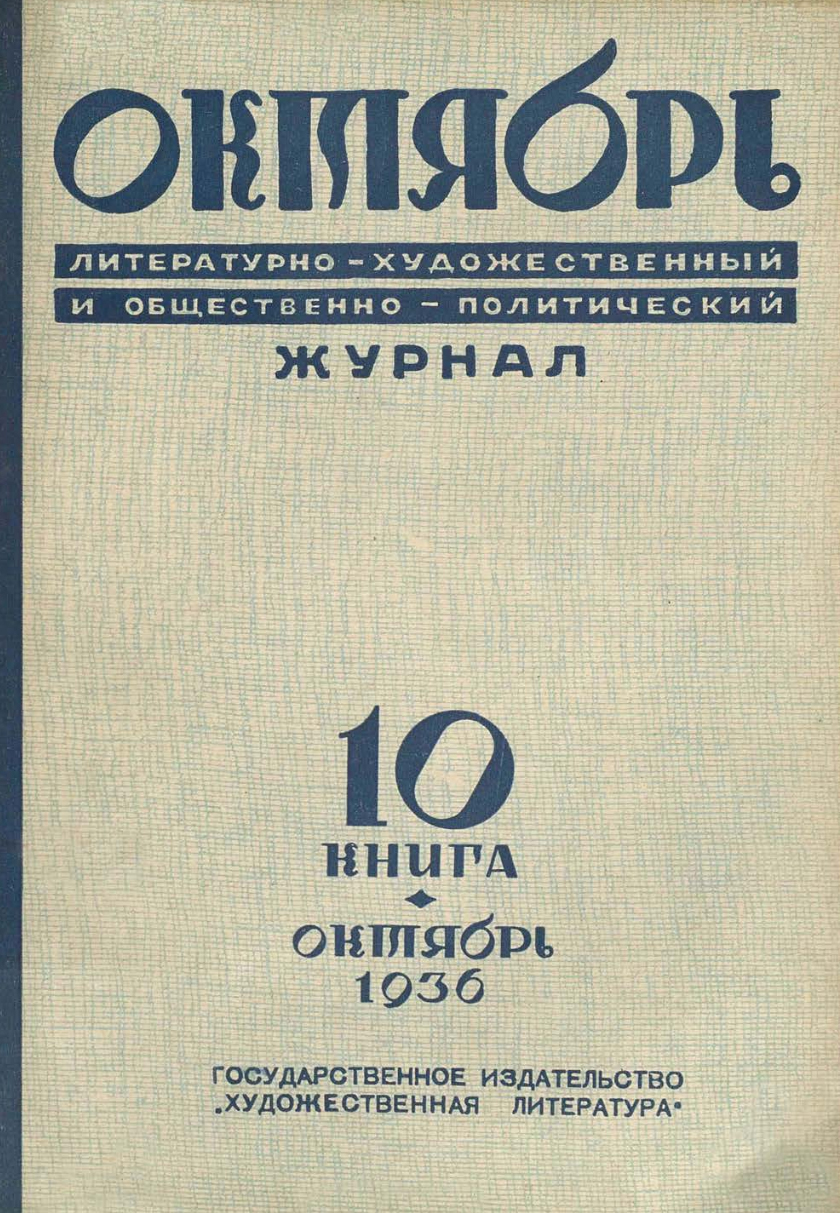
    Oktiabr’ Digital Archive (1924–2018)


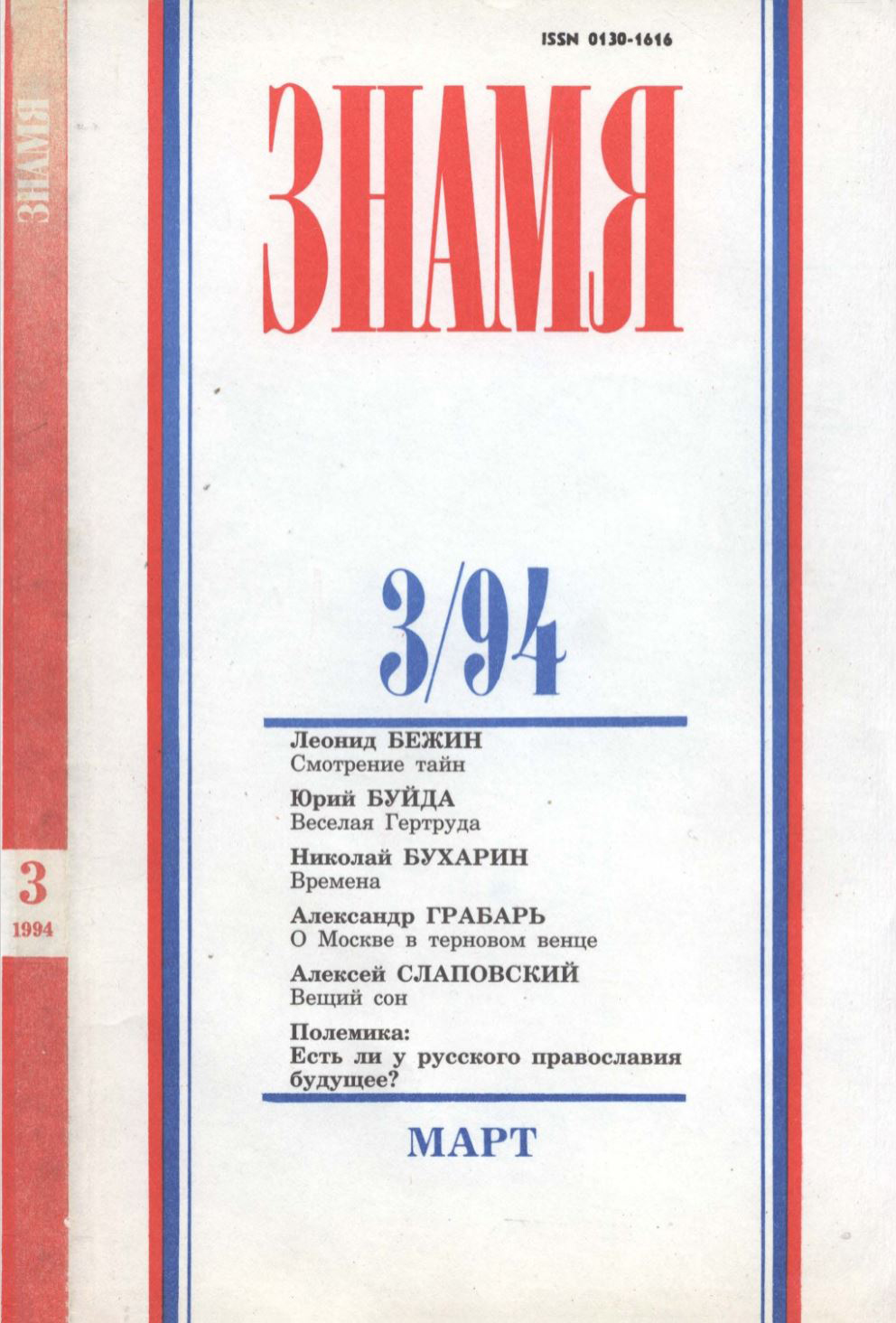
    Znamia Digital Archive (1931–2025)


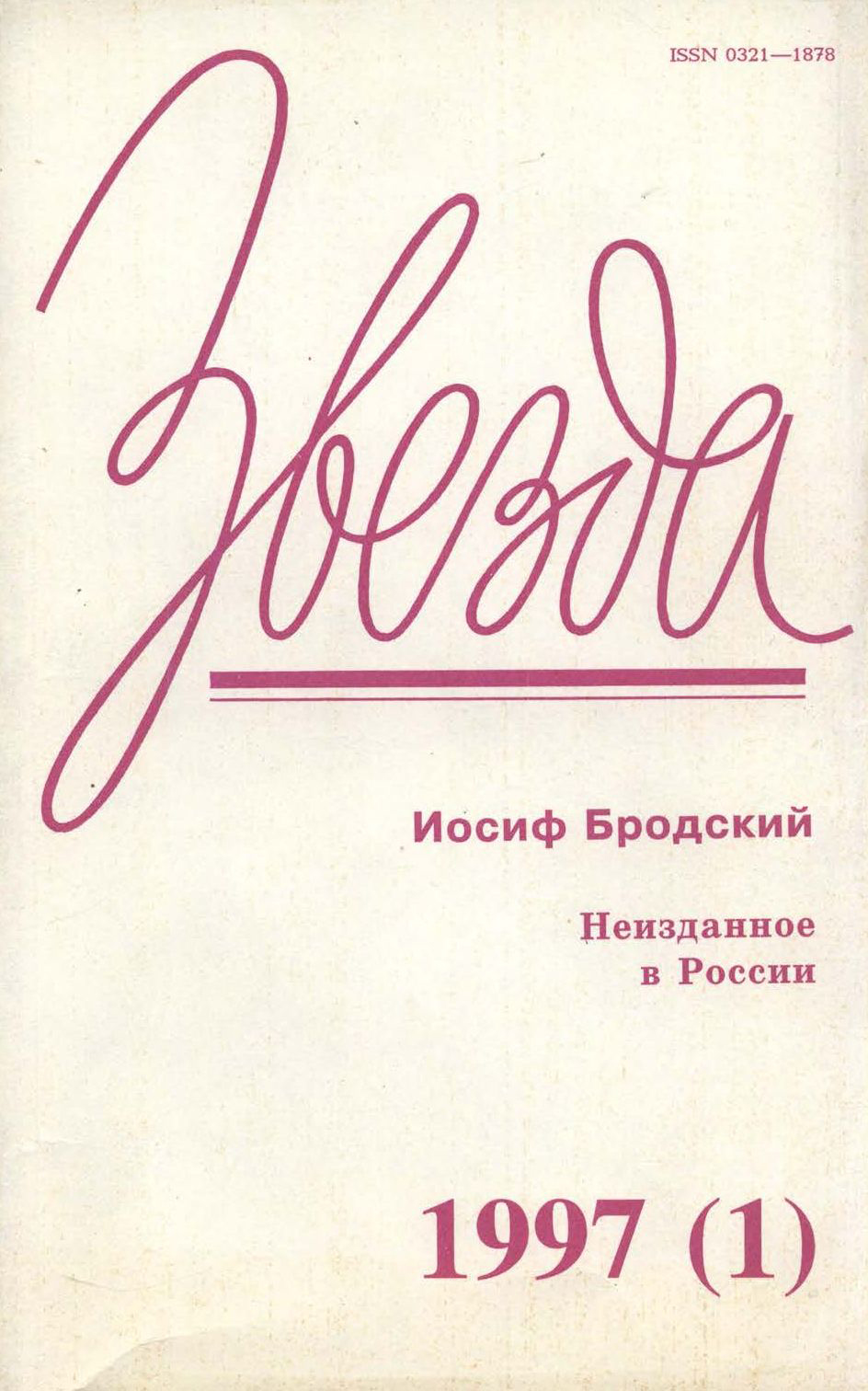
    Zvezda Digital Archive (1924–2025)


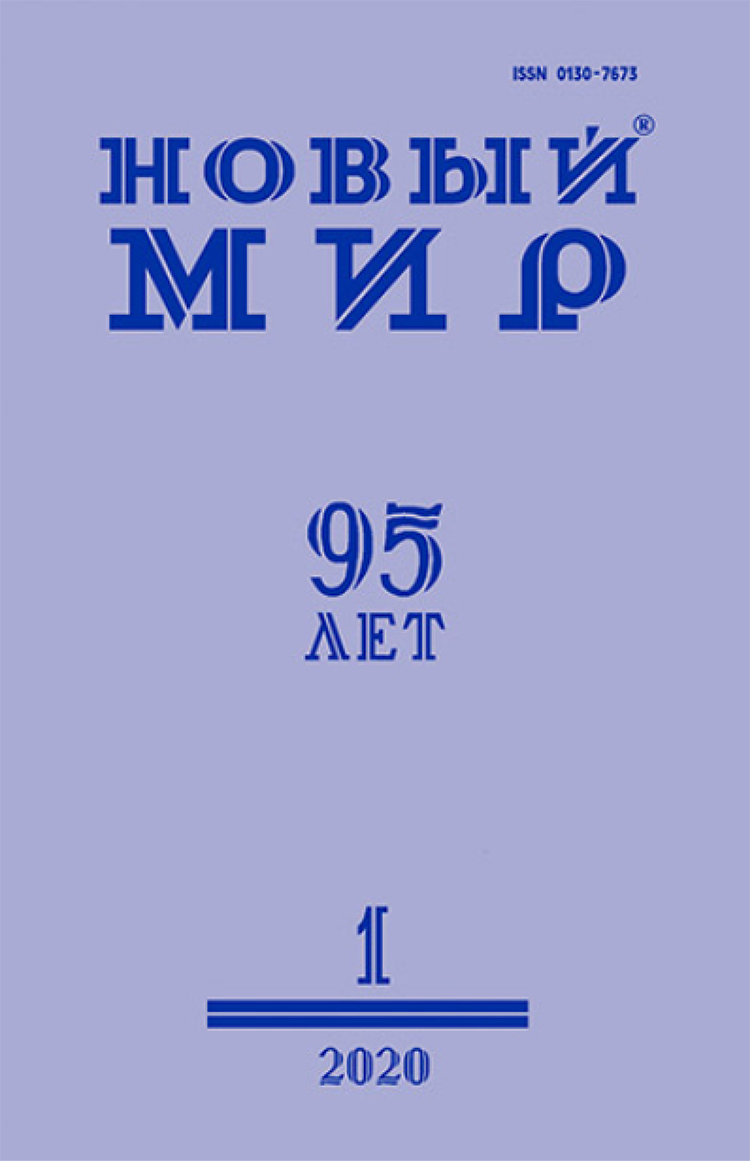
    Novyi Mir Digital Archive (1925–2025)

  • Russian Central Newspapers

    Russian Central Newspapers

    Comprehensive coverage of domestic news, current events, economic developments and cultural events in Russia.

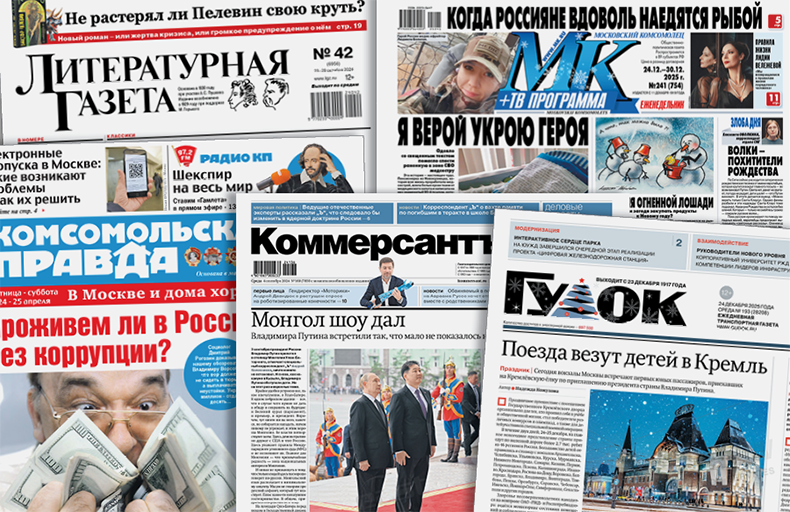
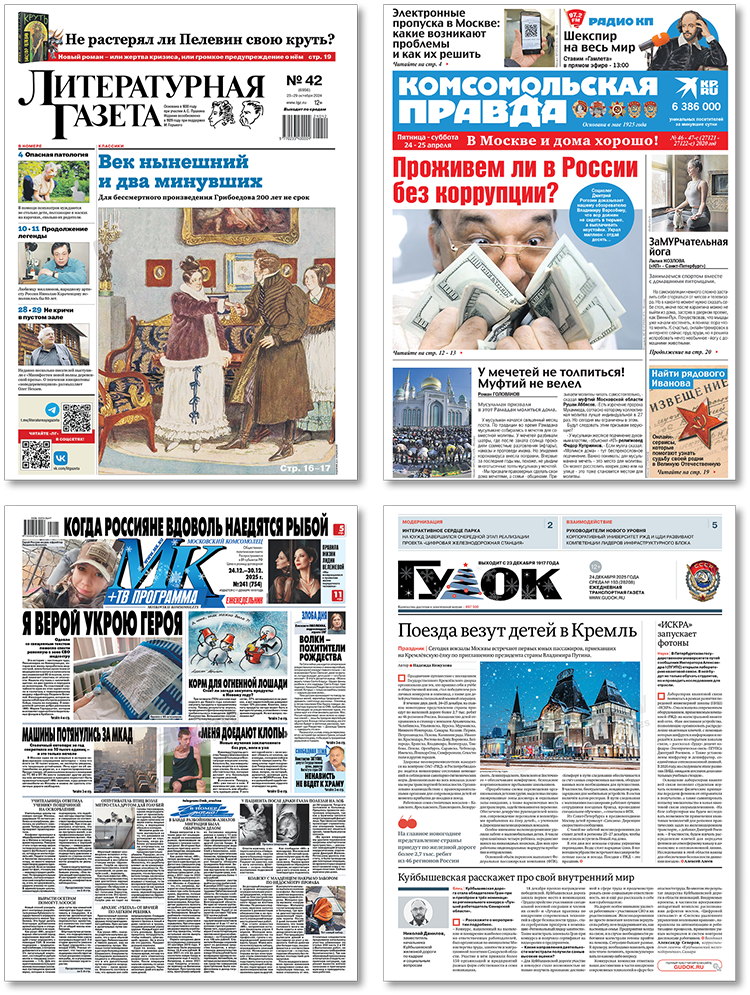
    Russian Central Newspapers provides same-day access to 35 of the most influential daily and weekly Russian publications on current affairs, including news magazines. Content includes official government publications, popular and business newspapers, and trade publications. Archives dating back to 1980 can be found online in this exclusive collection.

    Russian Central Newspapers Titles

    Active titles in Russian Central Newspapers include:

    • Argumenty i fakty (Аргументы и факты)
    • Ekran i stsena (veb versiia) (Экран и сцена [веб версия])
    • Ekspert (Эксперт)
    • Gudok (Гудок)
    • Izvestiia (Известия)
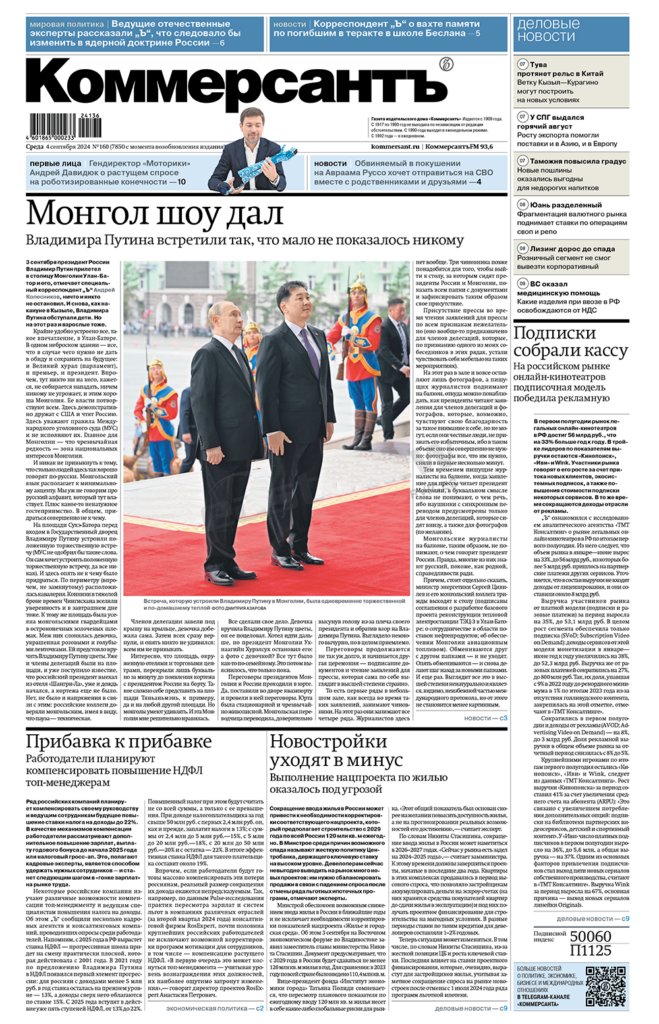
    • Kommersant (Коммерсантъ)
    • Komsomol’skaia pravda (Комсомольская правда)
    • Kul’tura (veb versiia) (Культура [веб версия])
    • Literaturnaia gazeta (Литературная газета)
    • Moskovskii komsomolets (Московский комсомолец)
    • Nezavisimaia gazeta (Независимая газета)
    • Pravda (Правда)
    • Rossiiskaia gazeta (Российская газета)
    • Slovo (Слово)
    • Solidarnost’ (Солидарность)
    • Sovetskaia Rossiia (Советская Россия)
    • Trud (Труд)
    • Vedomosti (Ведомости)
    • Zavtra (Завтра)

    See title list for full list of active and archived titles.

  • Pravda Digital Archive

    Pravda Digital Archive

    The most important newspaper of the Soviet era.

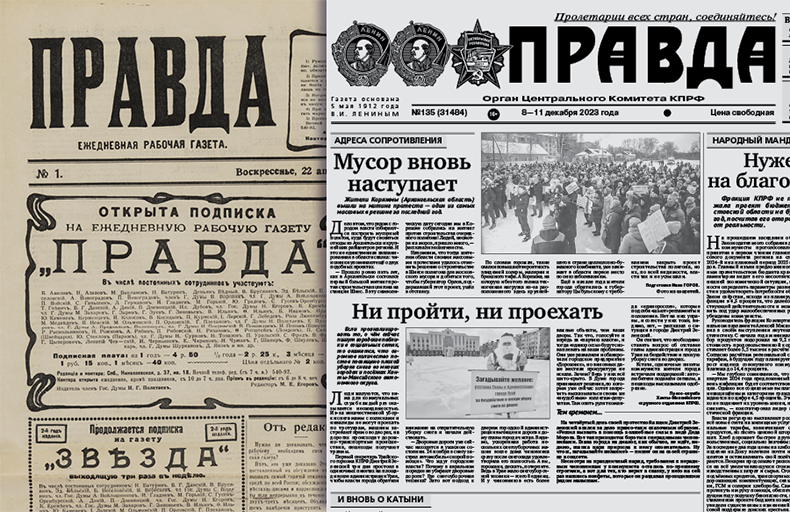
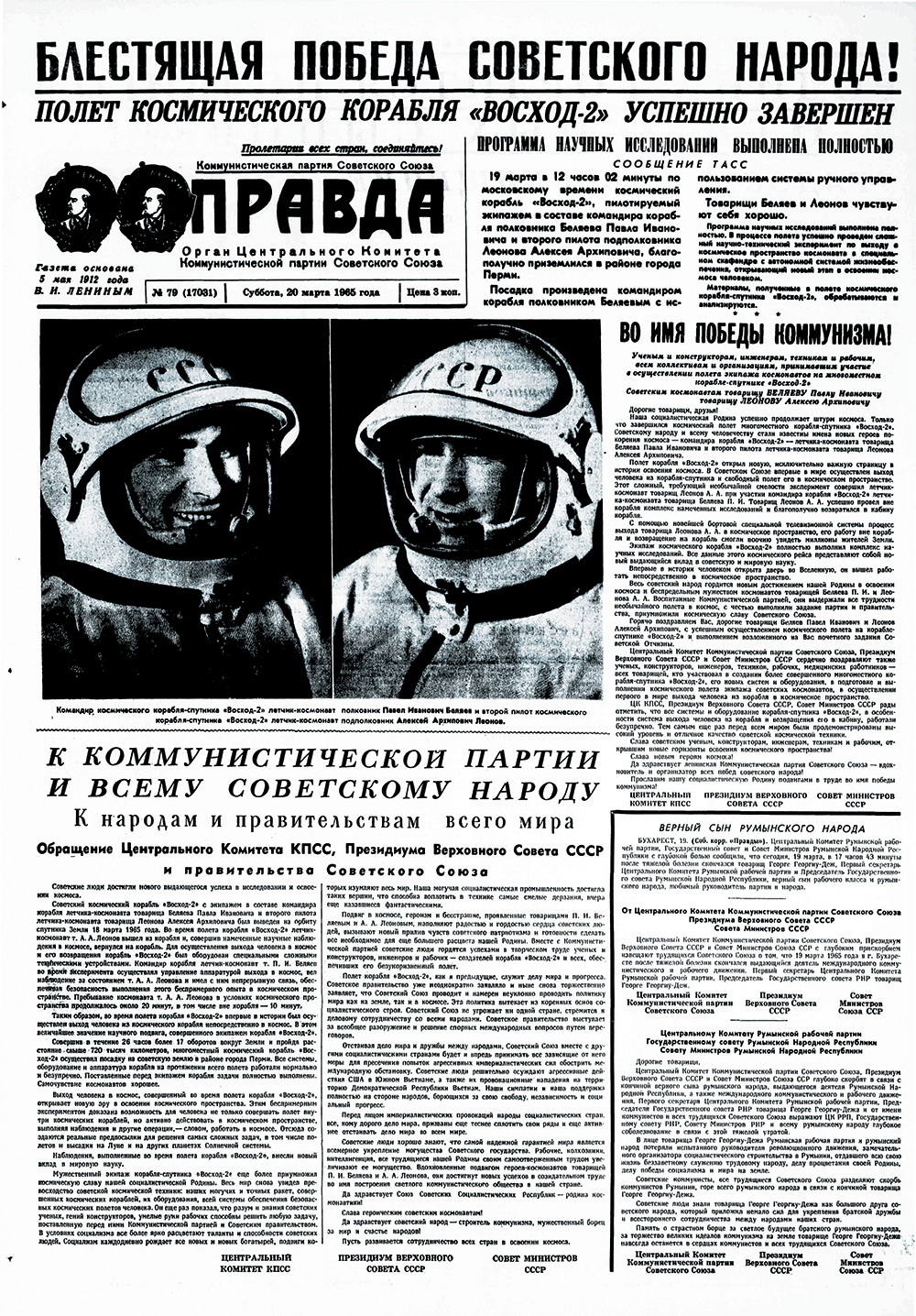
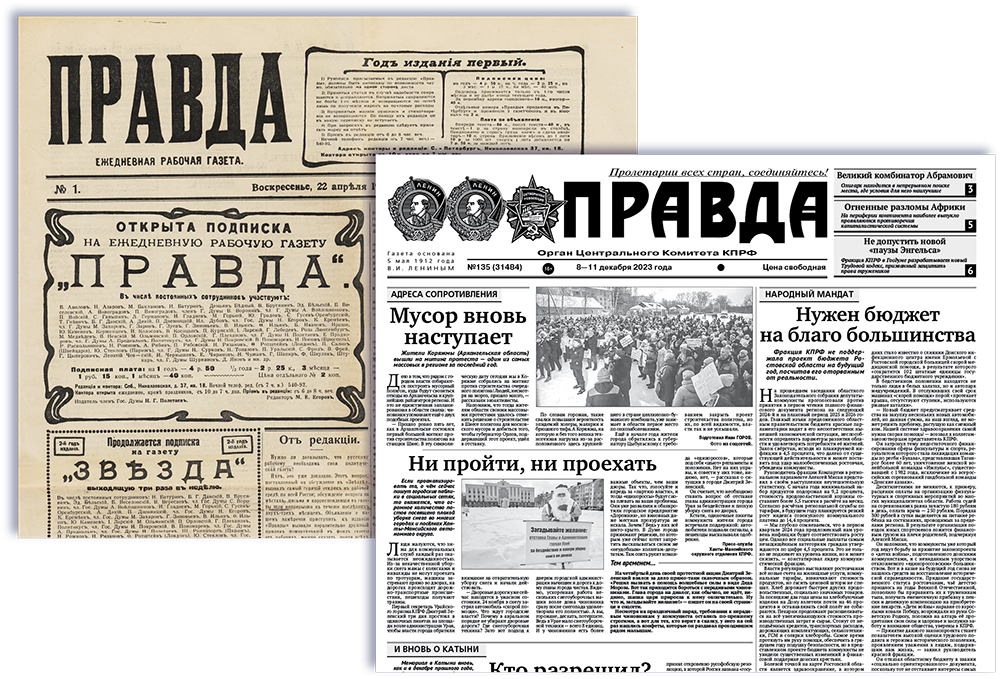
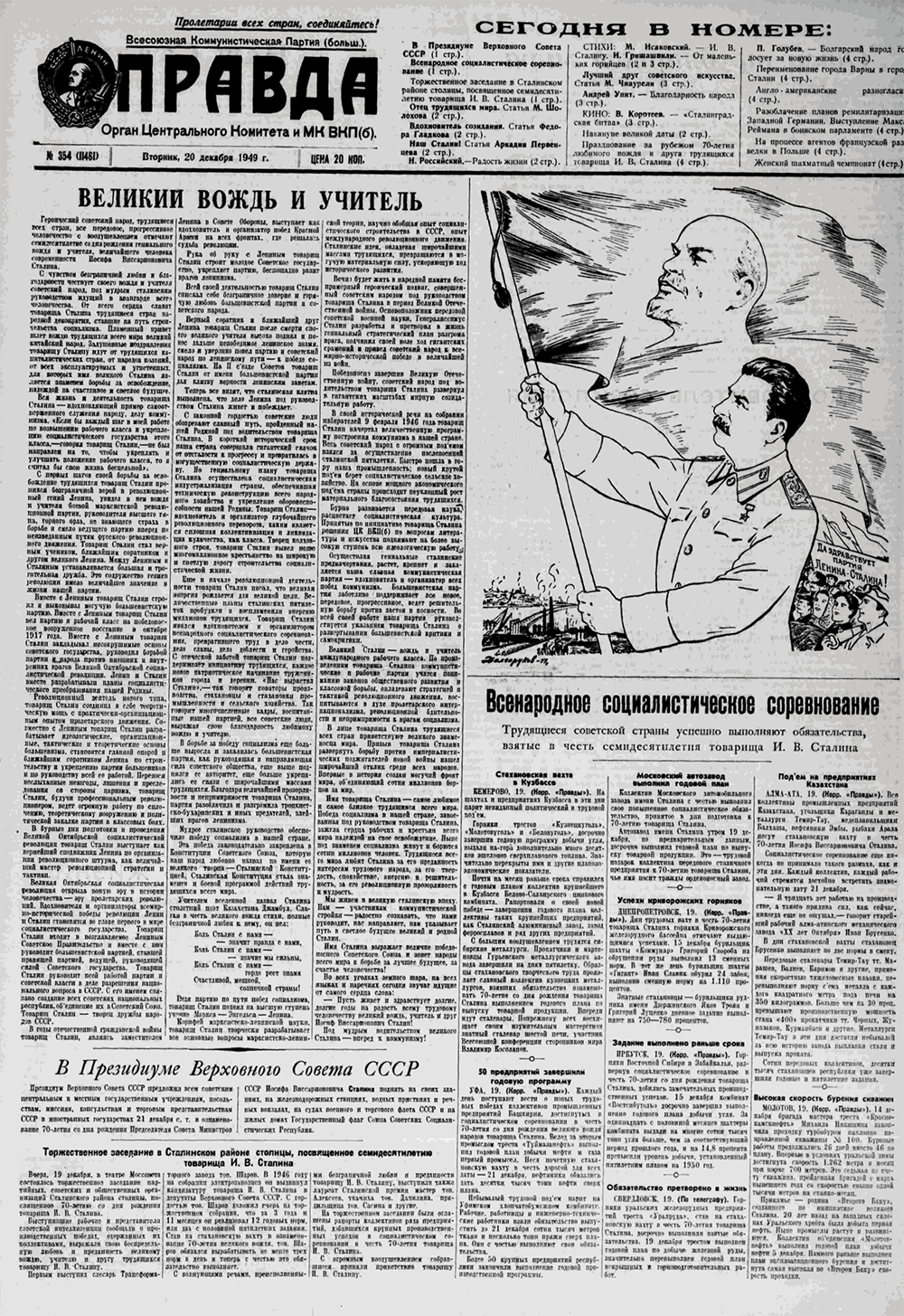
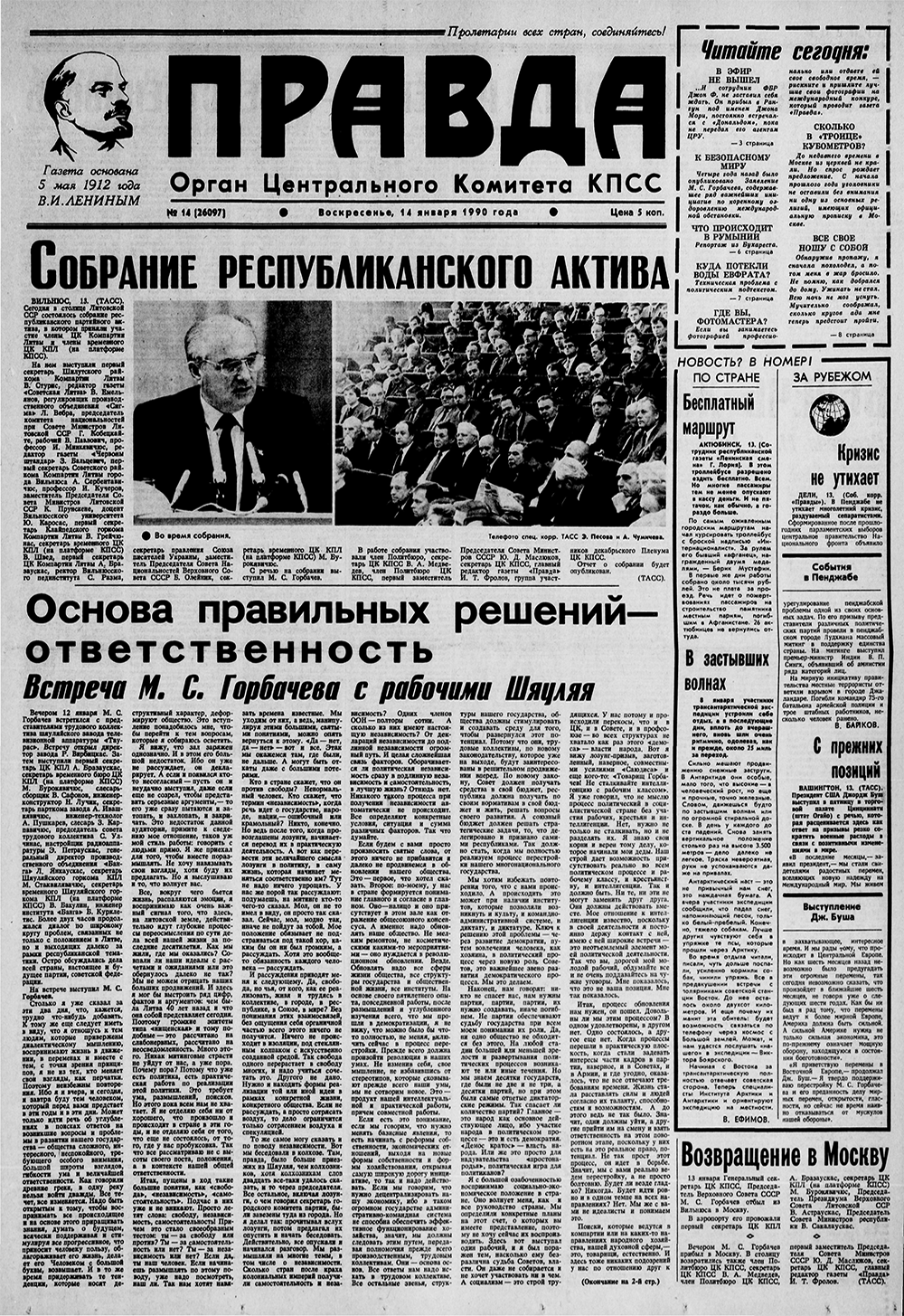
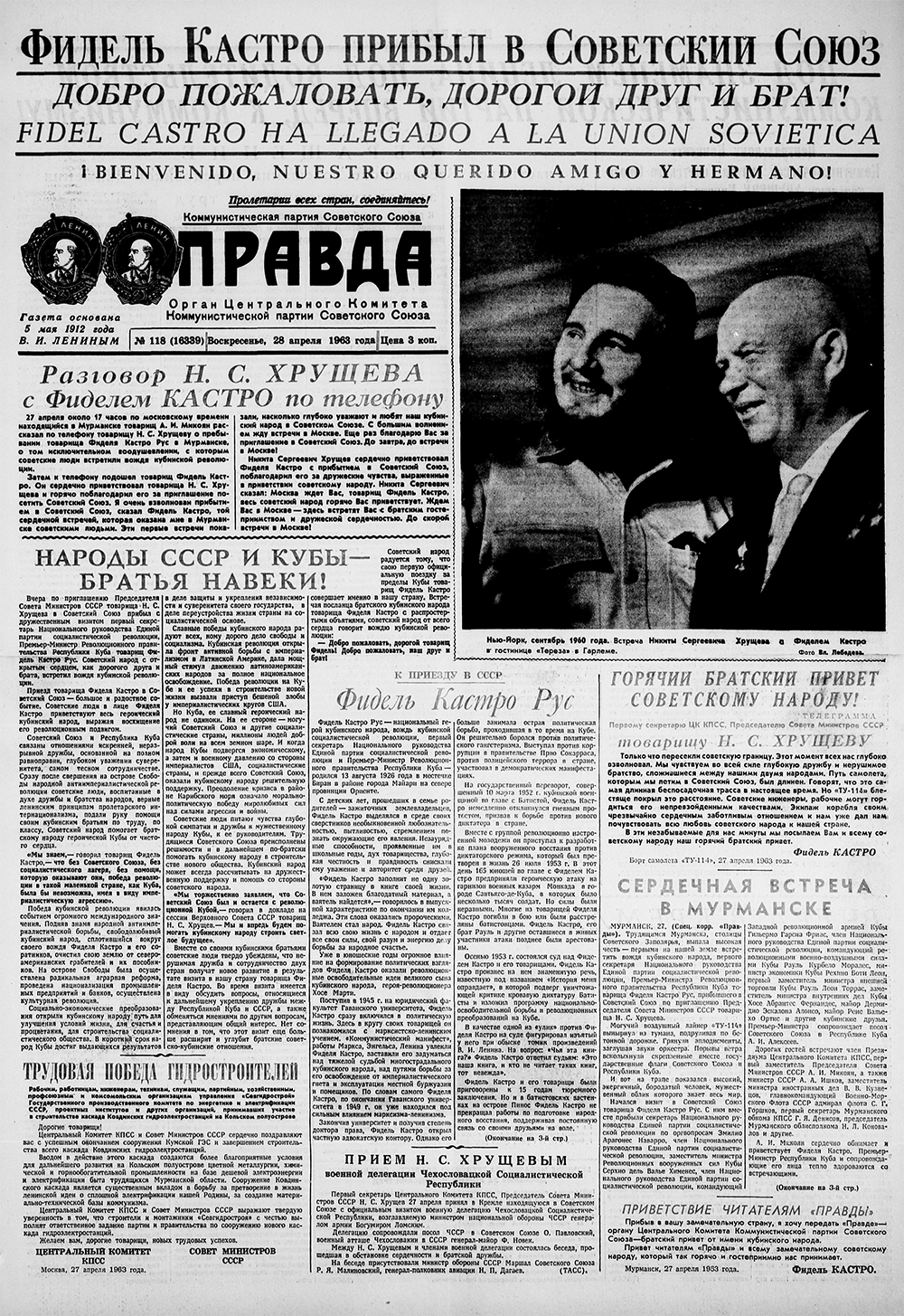
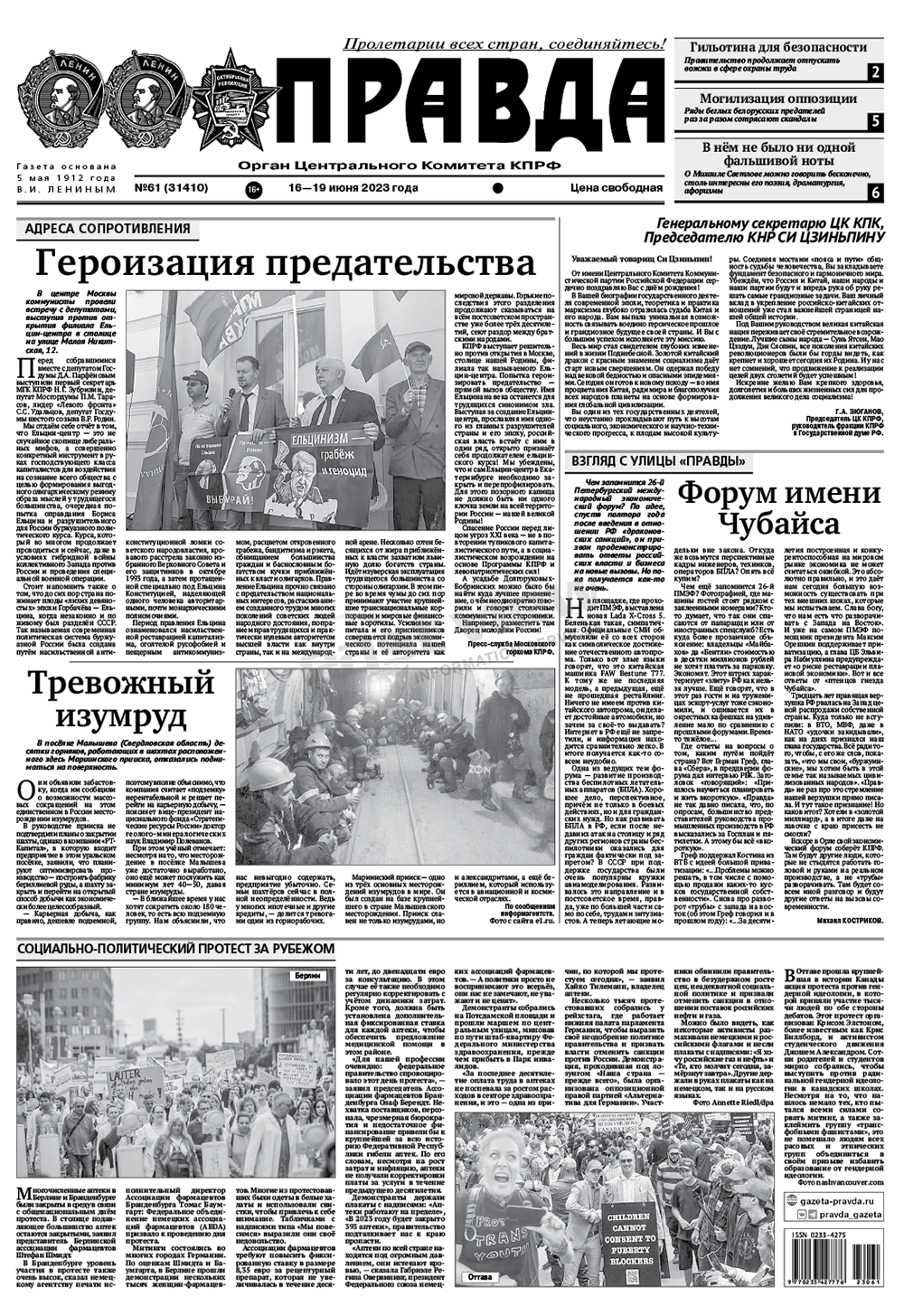
    Pravda (Правда, Truth) was the official voice of Soviet communism and the Central Committee of the Communist Party between 1918 and 1991. Founded in 1912 in St. Petersburg, Pravda originated as an underground daily workers’ newspaper, and soon became the main newspaper of the revolutionary wing of the Russian socialist movement. Throughout the Soviet era, party members were obligated to read Pravda. Today, Pravda still remains the official organ of the Communist Party of the Russian Federation, an important political faction in contemporary Russian politics.

    In its early years, Pravda was subjected to constant persecution, fines, penalties, and prohibitions by the government. To avoid censorship and forced closures, the name of the newspaper changed eight times. In 1914 when the Russian Empire entered World War I, the Russian government moved to close down all subversive newspapers and military censorship was reimposed. After February 1917, when Tsar Nicholas II was deposed and replaced by the Provisional Government, Pravda became the official organ of the Bolshevik Central Committee and was allowed to reopen. When Lenin strongly condemned the Provisional Government and editorials in Pravda called the government “counter-revolutionary,” Pravda was once again subject to censorship and was forced to change names, as in tsarist times. When the Bolsheviks seized power during the October Revolution in 1917, Pravda became the official publication of the Soviet Communist Party.

    Pravda’s primary role was to deliver the official line of the Central Committee of the CPSU, and the newspaper remained the official voice of Soviet communism up until 1991, when Boris Yeltsin signed a decree closing it down. After the collapse of the USSR, nationalist and communist journalists intermittently published a print newspaper and an online newspaper under the name Pravda. Today, Pravda represents the oppositional stance of the Communist Party in the Russian Federation.

    The Pravda Digital Archive contains all obtainable published issues of the newspaper from 1912 on, totaling over 31,000 issues and over 169,000 pages. The archive offers scholars the most comprehensive collection available for this title, with an additional year’s worth of content available for purchase on an annual basis. The archive features full page-level digitization, complete original graphics, and searchable text, and is cross-searchable with numerous other Infoteka digital resources.
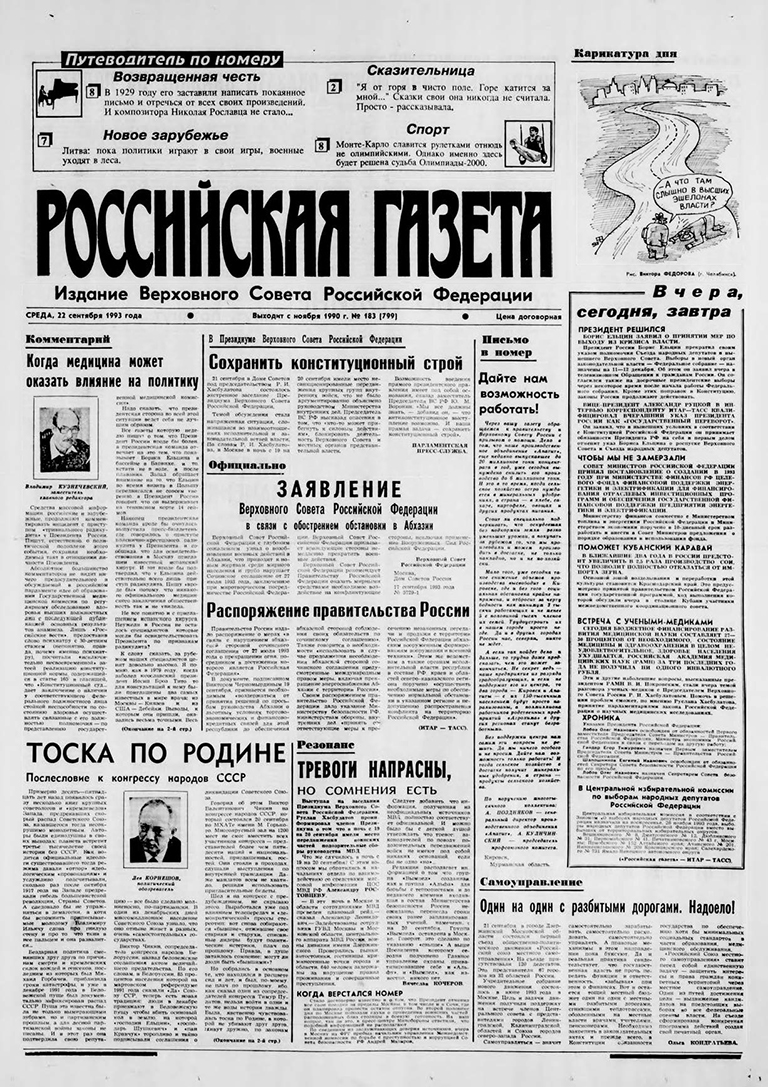
    Why Pravda Is Important to Researchers Today

    Pravda has been a newspaper of record since the dawn of the Soviet era and remains a prominent news source in today’s Russia. With the Pravda Digital Archive and its 100+ years of valuable primary-source material, researchers now have the means to search through the chief chronicle of Russian and Soviet history, from the beginnings of the Russian Revolution through World War II, the Cold War, the fall of the Soviet Union, and everything in between. Just as news articles can subtly reveal changes in society, Pravda delivers insight to cultural and historical changes during its publication through the entire Soviet era and beyond.

    As the Soviet state newspaper and central source of information and education, Pravda offered well-written articles and analyses on science, economics, cultural topics and literature, as well as communist theory. Conceived for the mass proletariat, Pravda was accessible to everyone and was the premiere example of a new style of mass media and official literary Russian.

    Lenin, as leader of the Bolshevik Party, wanted a newspaper to air differences and debates, reporting not only on local struggles, but also presenting commentary on the central political and theoretical questions facing communism. As an important contributor to the newspaper, Lenin wrote articles and provided direction to the editors. Pravda significantly shaped public opinion through its mass reach, using militant slogans, tales of heroic feats of production, and denunciation of class enemies.

    Average Soviet workers were also able to voice their opinions in the pages of Pravda. They wrote to the newspaper with reports on daily life or complaints about shoddy consumer goods, public wrongs, or difficulties with bureaucracy. Many of the articles publicized labor activism and exposed the working conditions in Russian factories.

    The unprecedented level of access made possible by the Pravda Digital Archive offers a rich repository for researchers of language, history, international relations, economics, social sciences, and so much more, and is essential to understanding the span of Soviet history and the development of Soviet culture.

  • Rossiiskaia Gazeta Digital Archive

    Rossiiskaia Gazeta Digital Archive

    Official daily newspaper of the Russian government.

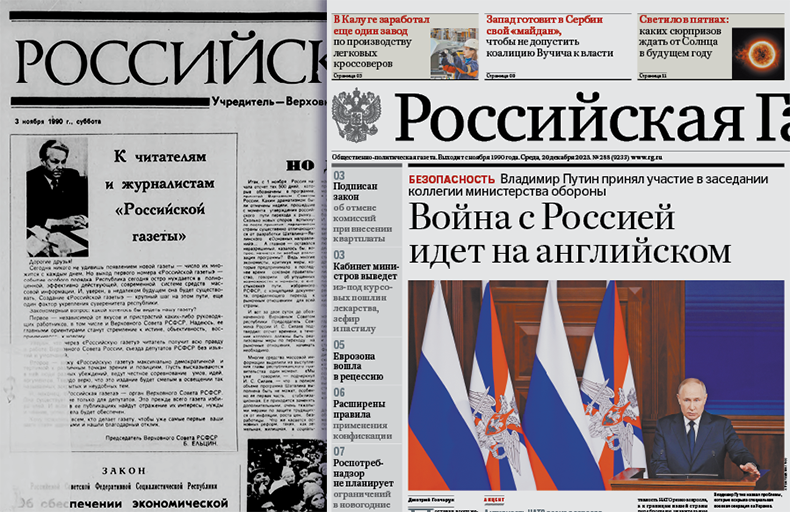
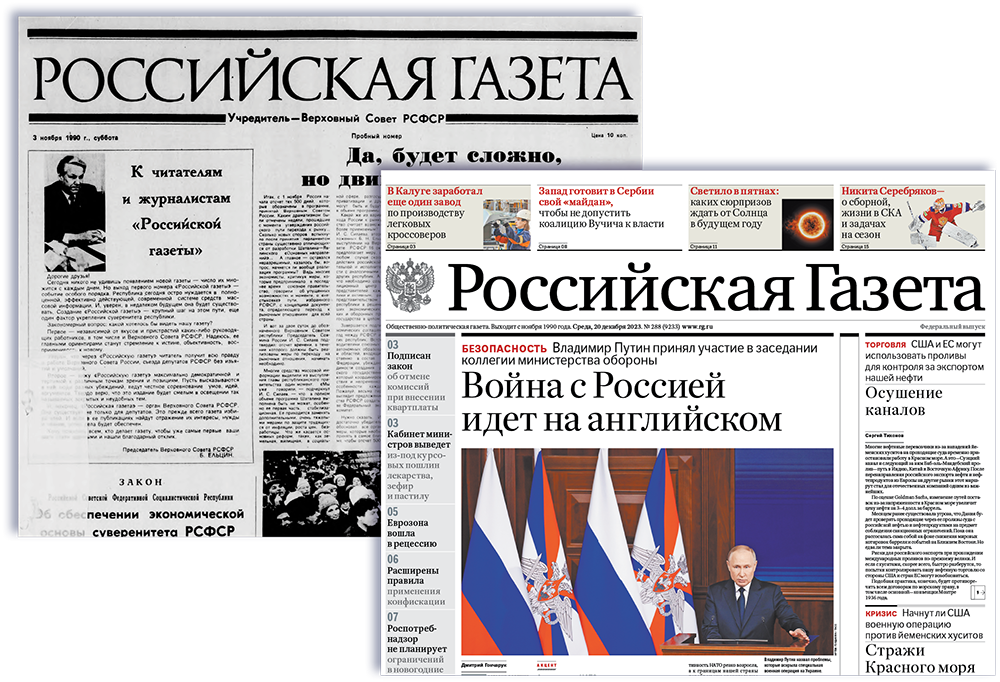
    Founded in 1990 by the government of the Russian Federation, Rossiiskaia gazeta (Российская газета, Russian Newspaper) is a Russian newspaper of public record based in Moscow with 13 regional offices, and foreign bureaus in the US, France, the UK, Germany and elsewhere. Boasting a nationwide circulation, the newspaper covers domestic and foreign news, economics, culture, sports, and governmental affairs. As an official newspaper, its editorial policy reflects the government’s policy on any given issue, although it also frequently publishes commentaries and opinions that differ from official government positions. The newspaper also features interviews with influential Russian politicians, business, and cultural figures.

    Rossiiskaia gazeta is an authoritative source of official government policy and an important venue of official commentary on laws and regulations enacted by the Russian legislature. With a daily print run of more than 180,000 and a large online presence, Rossiiskaia gazeta serves as the go-to media outlet for government related news and official communiques and notices.

    The Rossiiskaia Gazeta Digital Archive contains all obtainable published issues from 1990 on, with an additional year’s worth of content available for purchase on an annual basis. The archive offers scholars the most comprehensive collection available for this title, and features full page-level digitization, complete original graphics, and searchable text, and is cross-searchable with numerous other Infoteka digital resources.
  • Problemy Kitaia Digital Archive

    Problemy Kitaia Digital Archive

    Soviet journal supporting the Chinese Revolution.

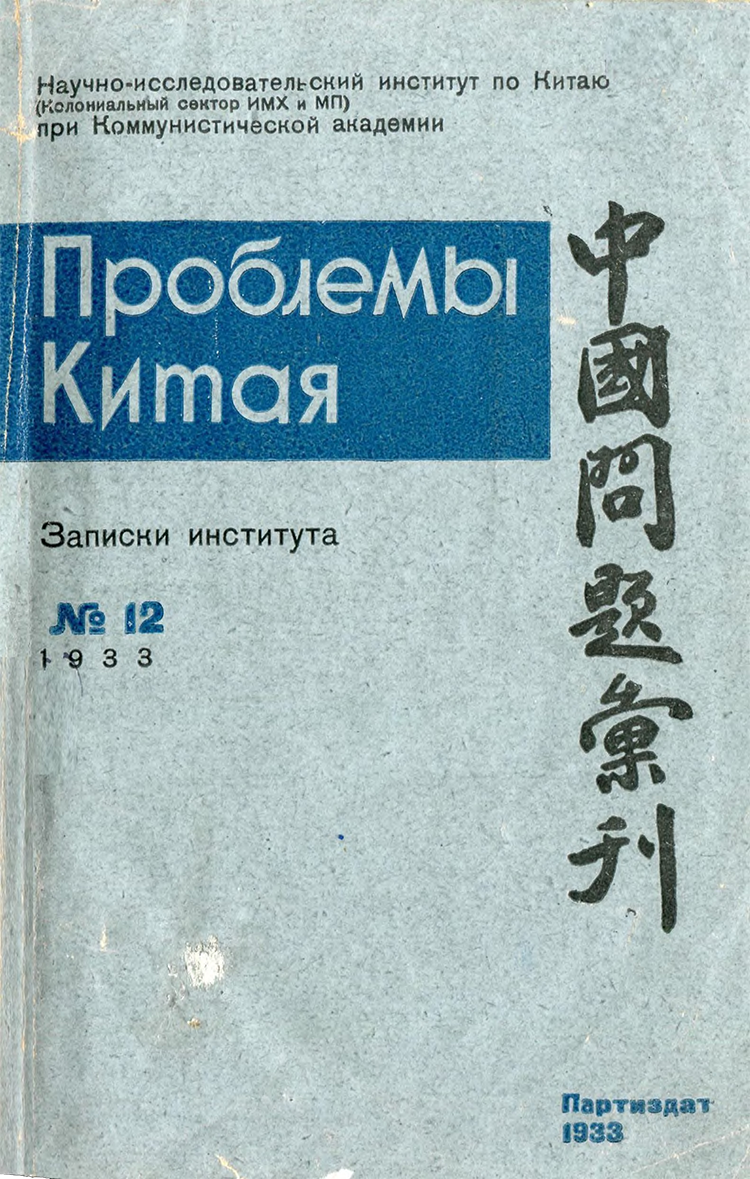
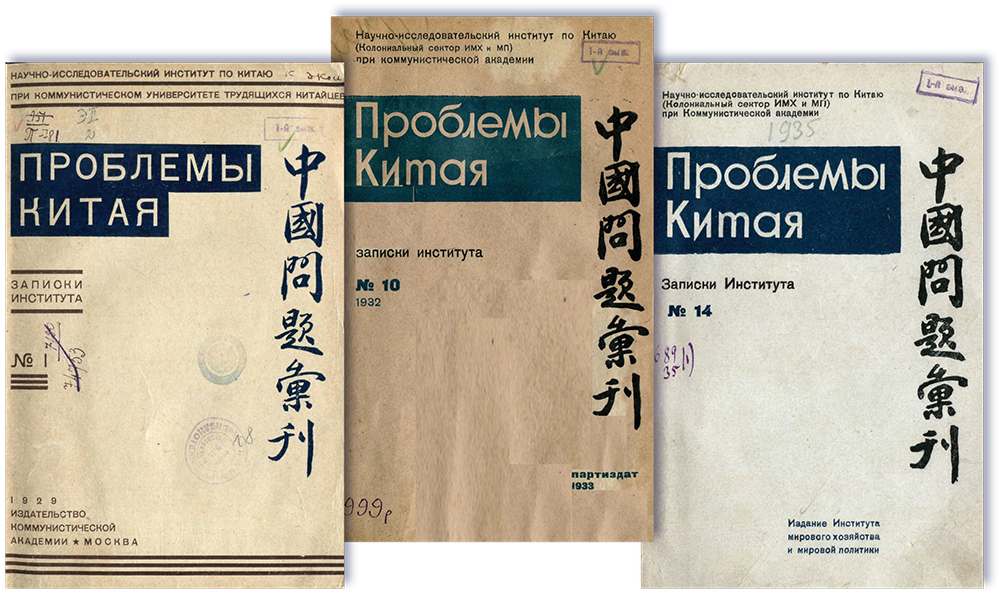
    Founded in 1929 under the aegis of the Scientific-Research Institute on China, Problemy Kitaia (Проблемы Китая, Issues in Chinese Studies) was the pre-WWII Soviet Union’s preeminent scholarly journal dedicated to the social-scientific study of China until its closure in 1935. Coinciding with the setbacks suffered by the Chinese Communist Party during the height of the Civil War that ravaged the country in the late 1920s, the journal had come to see itself as an ideological bulwark at the service of the Bolshevik Revolution generally and the Chinese Revolution in particular.

    Its mission and trajectory were made clear in the first issue when the editors wrote that the principal aim of their publication was to provide “powerful assistance in the work of the theoretical defense of the Chinese Revolution … [and] become a unified platform for all Marxist-Leninist scholars of China who are busy waging a relentless campaign against [intellectual] currents hostile to Bolshevism.” Further, the journal’s editors declared, “being the theoretical organ of the militant Marxist-Leninist Sinology, our journal is called upon to render ideological aid to the Chinese Communist Party for the purpose of raising the general Marxist level of the movement, and for developing a Marxism-Leninism rooted in [and congruent with] Chinese realities.” To achieve its stated aims the journal was committed to the research and the analysis of economic, social, cultural, and political problems facing China from a distinctly Marxist-Leninist viewpoint and situated within a distinctly Chinese social and political environment.

    Although the journal’s ideological commitments were never in doubt, it did not mean that it was restricted to producing Communist propaganda or apologia with limited scholarly value. Its historical and broader social-scientific studies of China were in many ways groundbreaking, existing ideological or thematic restrictions notwithstanding. Problemy Kitaia offers researchers a rare perspective of Russian-language scholarship on a critical period of China’s history as it underwent a range a social, cultural, economic and political changes.

    The Problemy Kitaia Digital Archive offers scholars the most comprehensive collection available for this short-lived, but important title, comprising 14 issues (some of them combined issues), 195 articles, and over 3,250 pages. The archive features full page-level digitization and complete original graphics. The journal is in Russian but includes tables of contents in both Russian and English. The archive has searchable text, and is cross-searchable with numerous other Infoteka digital resources.