Region: Soviet Union

  • Krasnaia Zvezda Digital Archive

    Krasnaia Zvezda Digital Archive

    The official newspaper of the Russian Armed Forces.

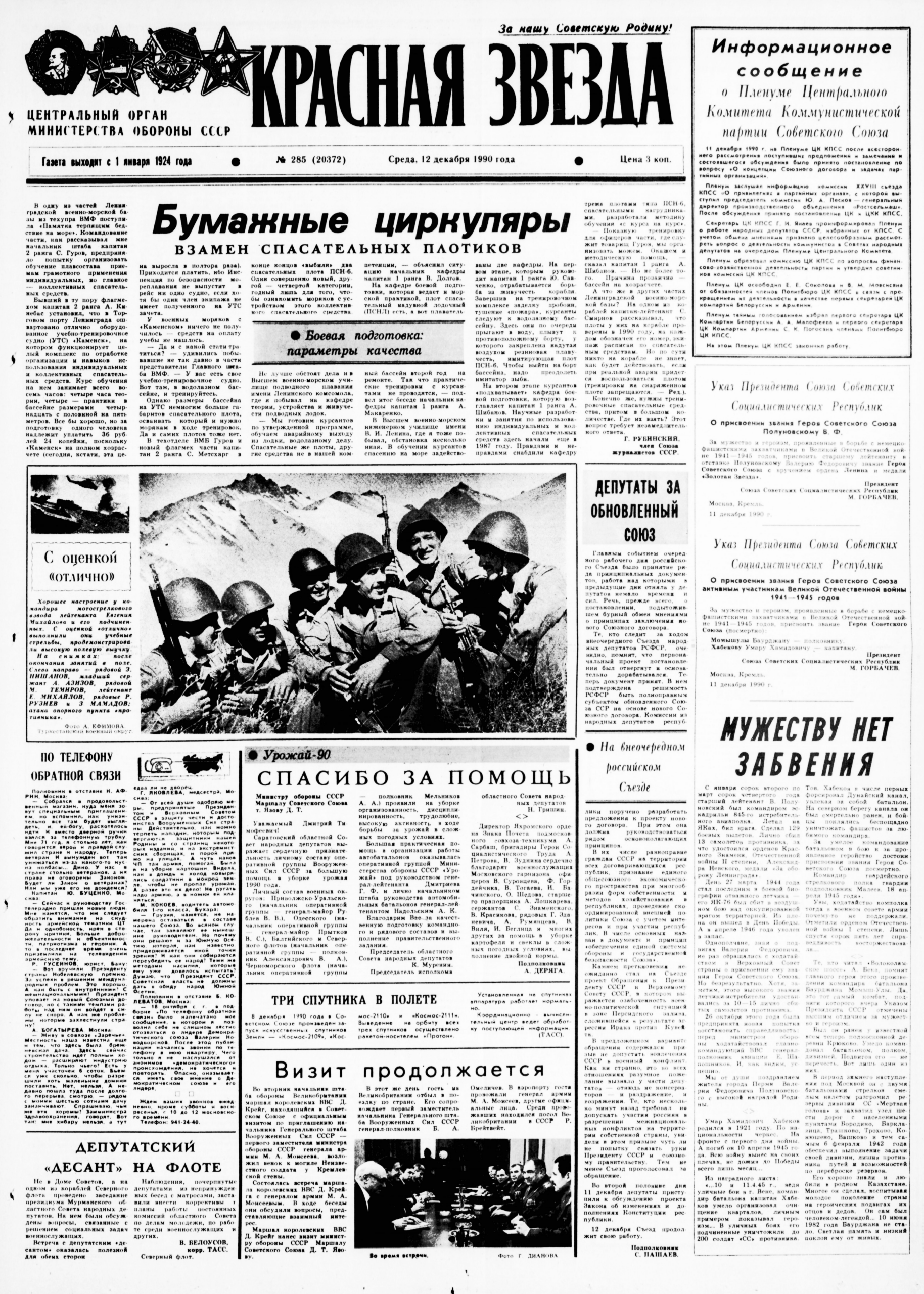
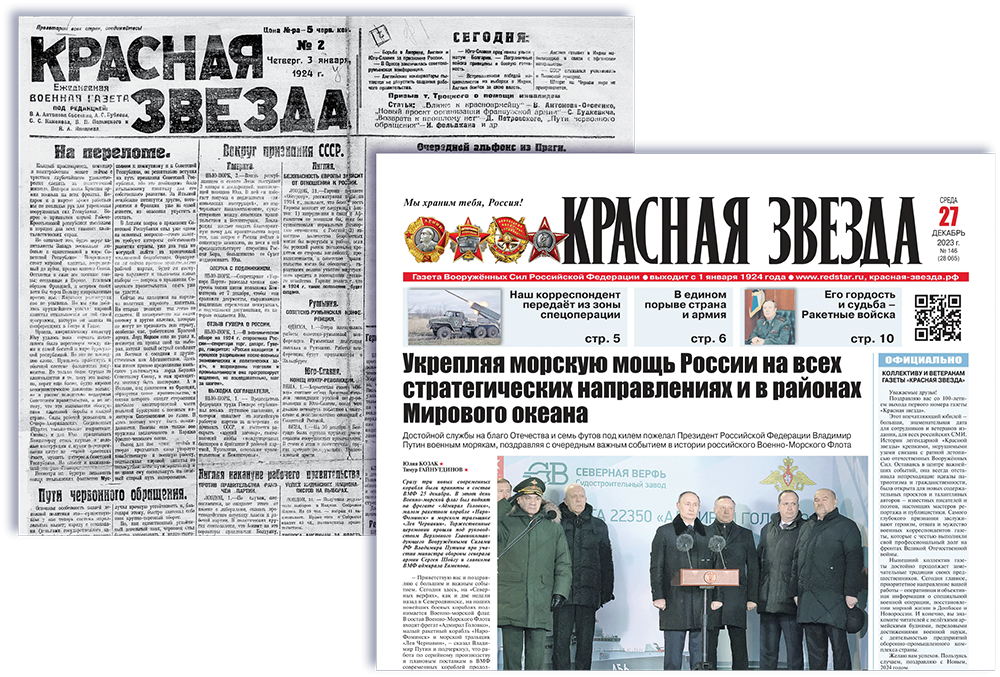
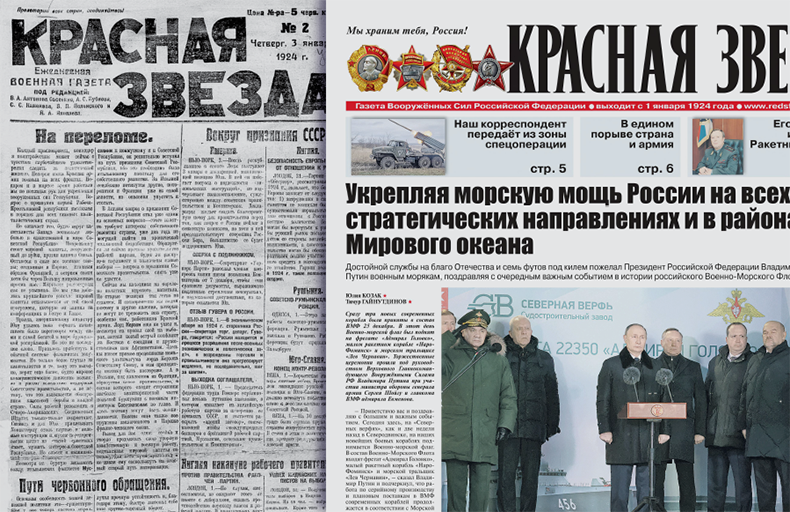
    Founded in 1924, Krasnaia zvezda (Красная звезда, Red Star) is the official paper of the Soviet and now Russian Ministry of Defense. Krasnaia zvezda is the premier source for current news and other information regarding the defense and security of the Soviet Union and Russian Federation. The newspaper publishes extensively on all aspects of Russia’s armed forces, including military reform, combat training and daily routine of troops, legal advice, analysis of Russia and CIS security issues, new combat equipment and arms, reports from areas of military conflicts around the world, information on foreign armies, alongside political, economic, business, cultural and sports news.

    The Krasnaia Zvezda Digital Archive contains the most complete collection available for this title, with an additional year’s worth of content available for purchase on an annual basis. The archive features full page-level digitization, complete original graphics, and searchable text, and is cross-searchable with numerous other Infoteka digital resources.

  • Kino Digital Archive

    Kino Digital Archive

    Chronicle of key era in the development of Soviet and international cinema.

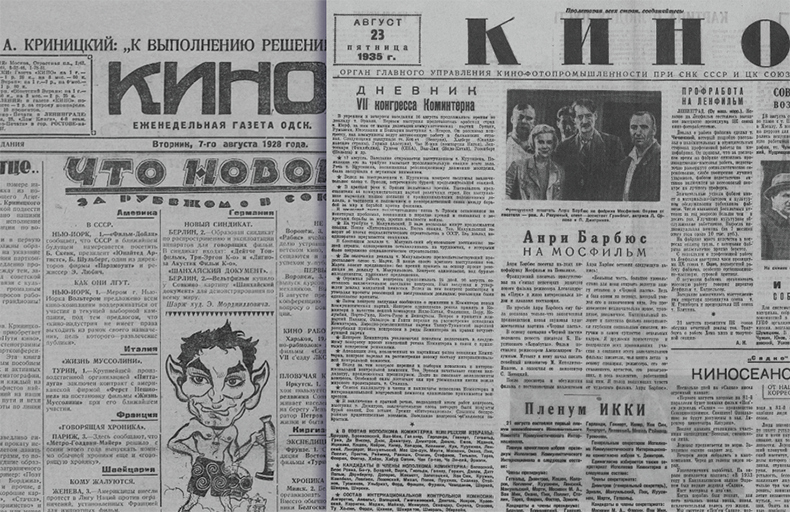
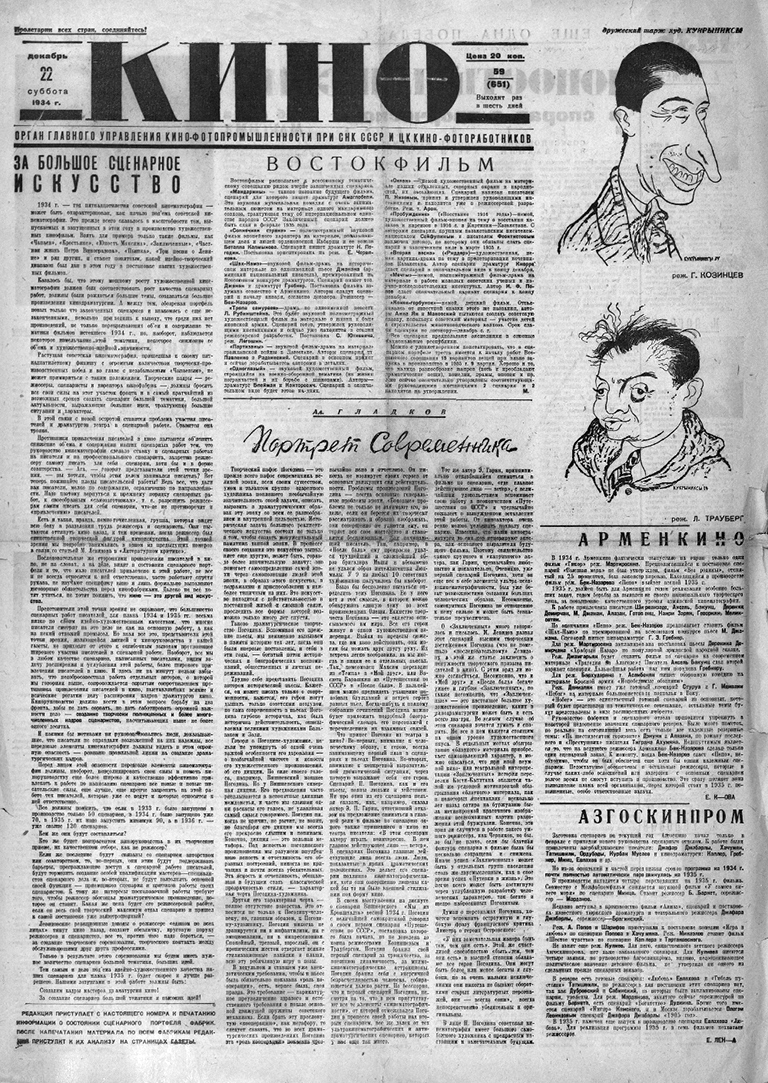
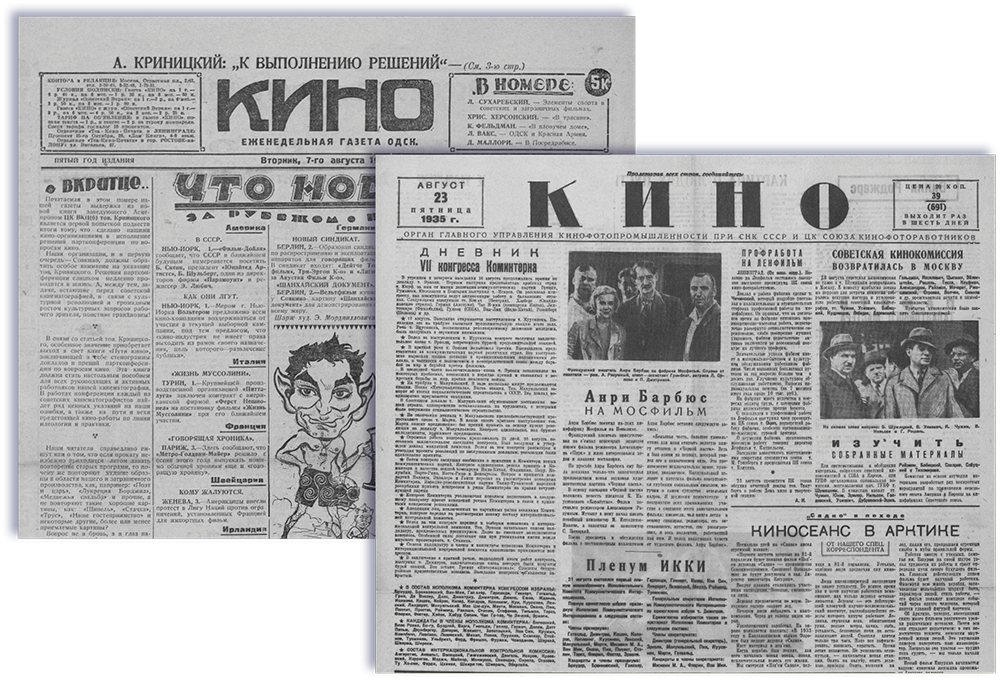
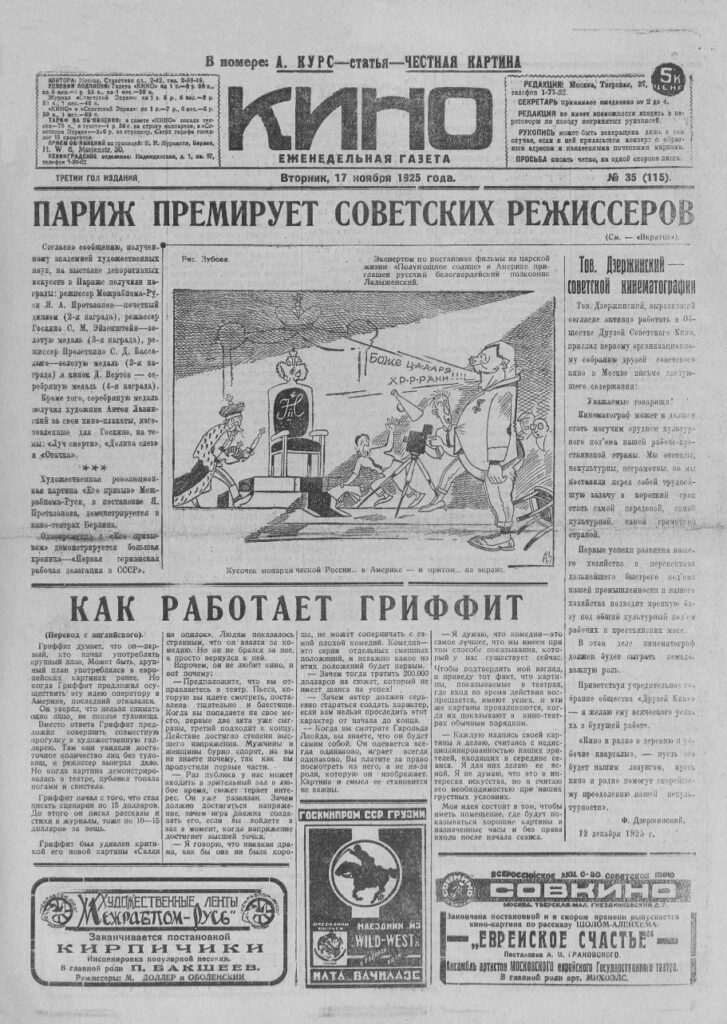
    This complete digital archive presents the influential Soviet film industry newspaper Kino (Kино, Cinema), which was published under various titles from 1923 to 1941. The newspaper served as a crucial chronicle of Soviet cinema’s development during a transformative period in film history, making it an invaluable resource for researchers of Soviet and world cinema.

    The publication was founded by documentary filmmaker Vladimir Erofeev and critic Nikolai Lebedev, who were instrumental in establishing the Association of Revolutionary Cinematography (ARK) in 1924. Under the editorship of Alexander Kurs, praised by Vladimir Mayakovsky as a “born newspaperman,” the publication reached unprecedented circulation numbers of up to 80,000 copies and expanded its influence beyond film industry professionals.

    The newspaper’s comprehensive coverage included film reviews, technical articles on cinematography, economic analyses of film studios, and discussions about the transition to sound cinema. Regular sections featured “Programs and Libretto” (featuring synopses of new films), “Cinema Chronicle,” “Cinema in the Provinces,” and “News from the West.” The publication maintained extensive coverage of Western cinema, with particular attention to American, German, French, Italian, and Bulgarian films, including international reception of Soviet masterpieces such as the German response to “Bronenosets Potemkin.”

    Special attention was devoted to the development of national cinema in Soviet republics, documenting Moscow filmmakers’ expeditions to Central Asia, the Caucasus, and other regions of the USSR. The newspaper regularly covered technological developments in cinematography, projection, laboratory processes, and lighting equipment, including the transition to sound film. The archive contains in-depth coverage of significant Soviet films including “Bronenosets Potemkin,” “Putevka v zhizn’,” “Iunost’ Maksima,” “Chapaev,” and “Veselye rebiata,” offering contemporary perspectives on these classic works.

    During World War II, the newspaper’s final issues focused on short films documenting the struggle against Nazi occupation, with the last issue published on November 1, 1941. This digital archive represents an essential primary source for understanding the development of Soviet cinema, its relationship with international film movements, and the broader cultural and political context of the interwar period. It offers researchers unprecedented access to contemporary discussions about film aesthetics, technology, and ideology during a crucial period in cinema history.

    About the Kino Digital Archive

    During the course of its publication, Kino underwent several name changes and publishing frequencies, reflecting the dynamic nature of the Soviet film industry.

    • Kino-gazeta: illiustrirovannoe izdanie (1923-1925; weekly)
    • Kino: ezhenedel’naia gazeta (1925-1927; weekly)
    • Kino: ezhenedel’naia gazeta ODSK (1927-1929; weekly)
    • Kino: piatidnevnaia gazeta (1930-1931; published irregularly)
    • Kino: shestidnevnaia gazeta (1932-1934; published irregularly)
    • Kino (1934-1941; published irregularly)

    The Kino Digital Archive contains nearly all published issues from 1923-1941, offering scholars the most comprehensive collection available for this title, and features full page-level digitization and complete original graphics. The archive features a user-friendly bilingual interface in Russian and English and has searchable text, and is cross-searchable with numerous other Infoteka digital resources.

  • Kino-fot Digital Archive

    Kino-fot Digital Archive

    Short-lived but influential Russian cinema and photographic art journal.

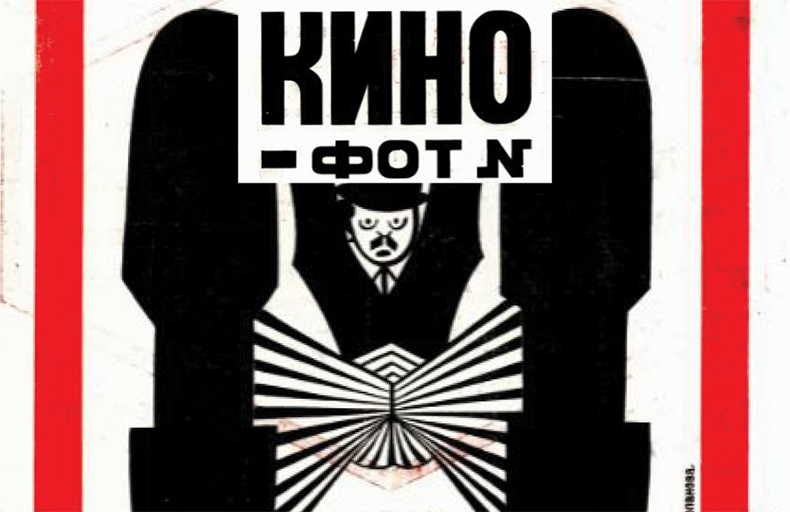
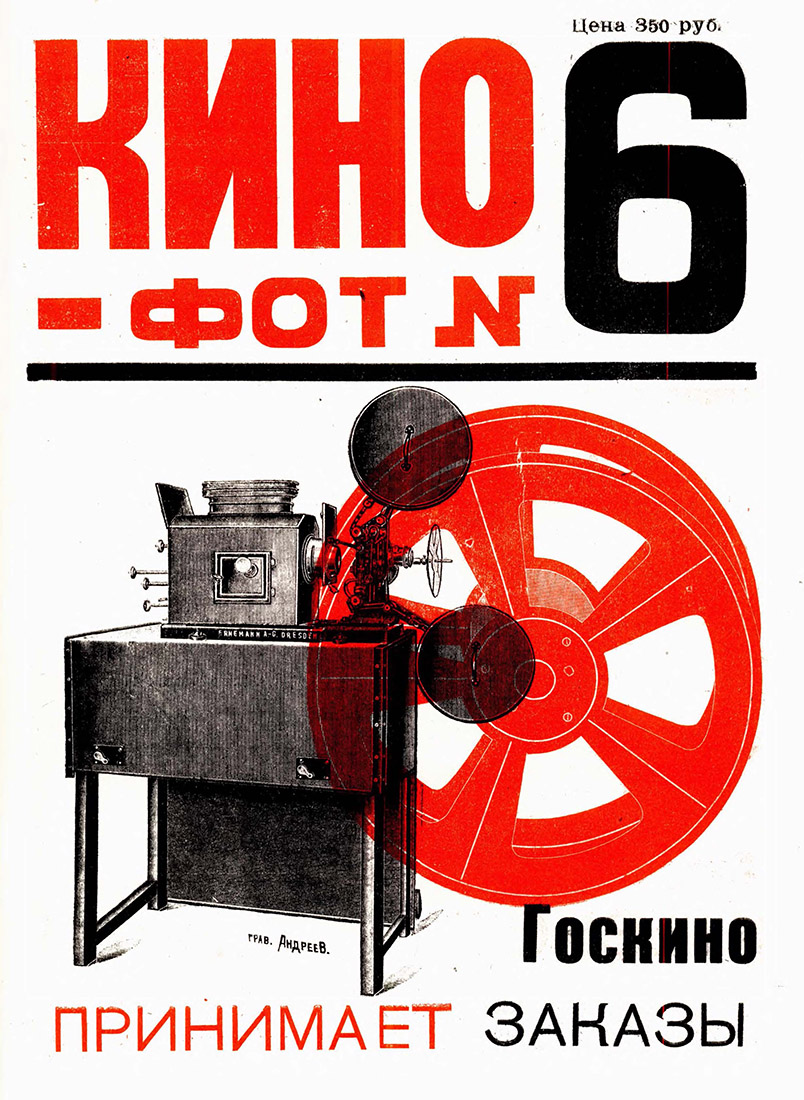
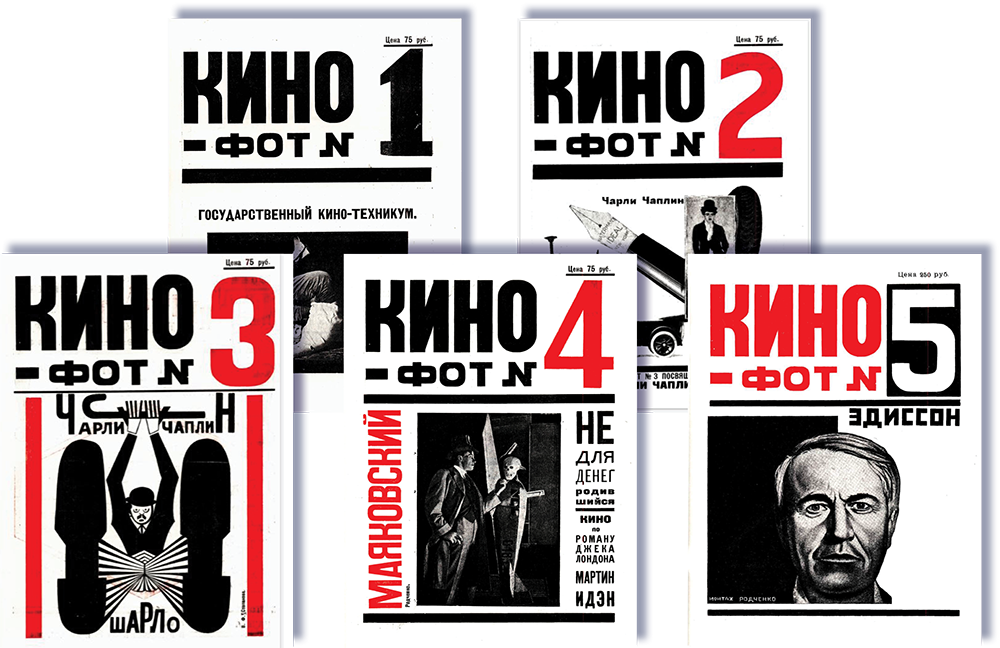
    Kino-fot (Кино-фот, Cinema-Photo), the legendary Russian cinema and photographic art journal, represented the core of the Gan-Rodchenko-Stepanova collaboration. Published in 1922-1923, issues of the journal were illustrated throughout with typographic designs and photos of abstract compositions by Rodchenko; articles by Kuleshov, Dziga Vertov and N. Bernstein, and numerous letterpress designs. All advertisements were also designed in dynamic black and red Constructivist style. Photography and cinema were both still very new and exciting for a new emerging audience and its photomontage pictures, avant-garde layouts, unusual types and other elements put the Kino-fot journal on the very edge of design and influenced the creative flow of the 1920s.

    The Kino-fot Digital Archive contains all published issues of the journal (1922-1923) for a total of six issues and 99 articles. The archive features full page-level digitization, complete original graphics, and searchable text, and is cross-searchable with numerous other Infoteka digital resources.

  • Izvestiia RAN. Seriia Literatury i Iazyka Digital Archive

    Izvestiia RAN. Seriia Literatury i Iazyka Digital Archive

    Leading Russian journal in the fields of literature, linguistics, and philology.

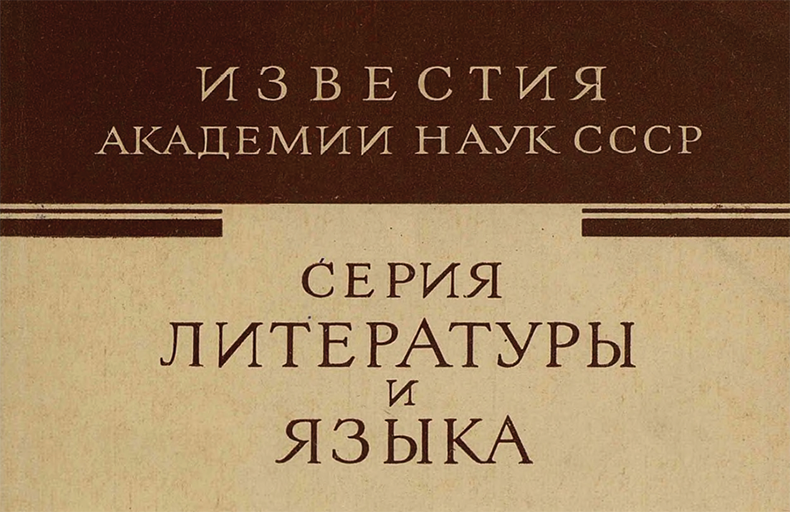
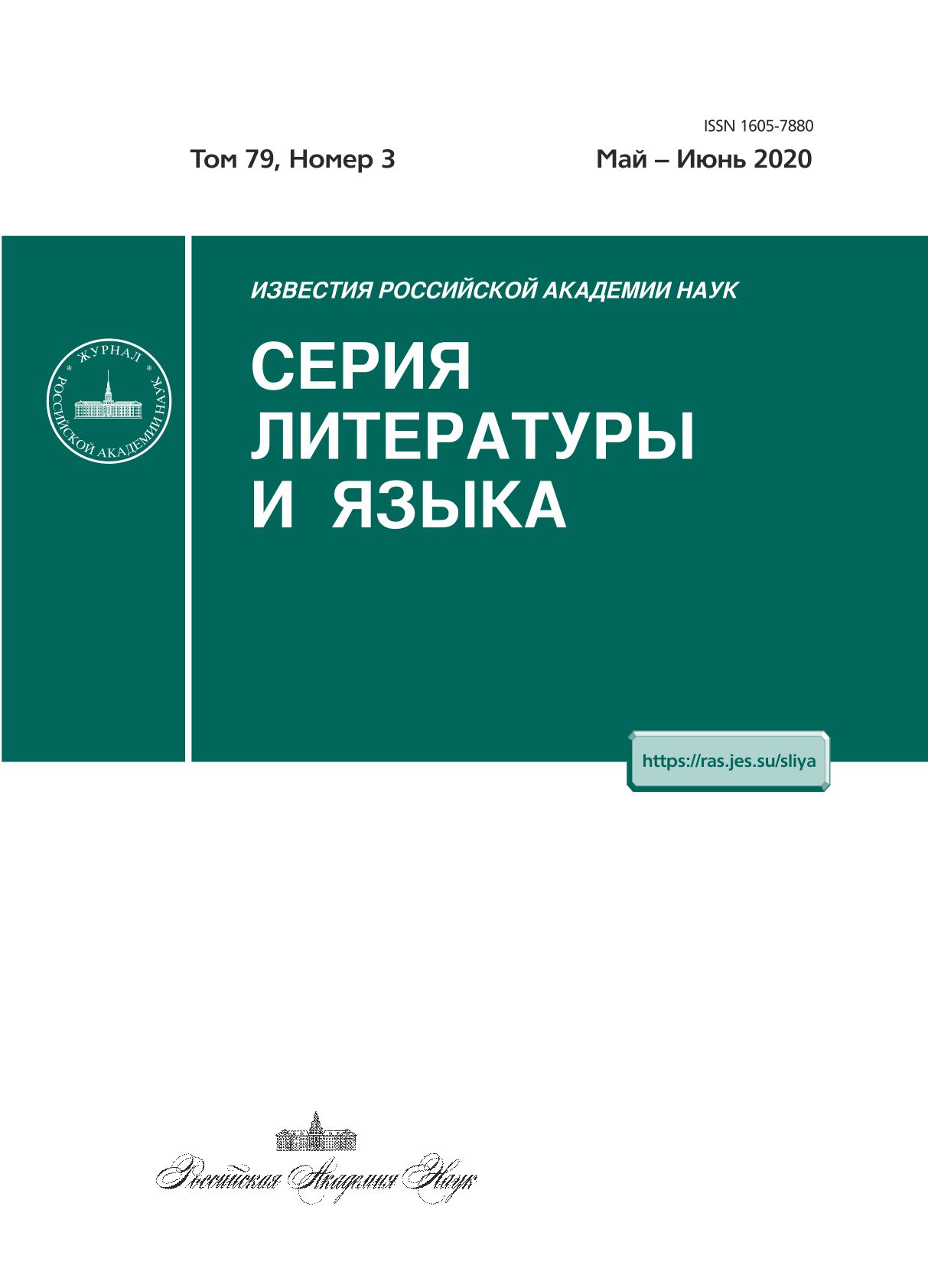
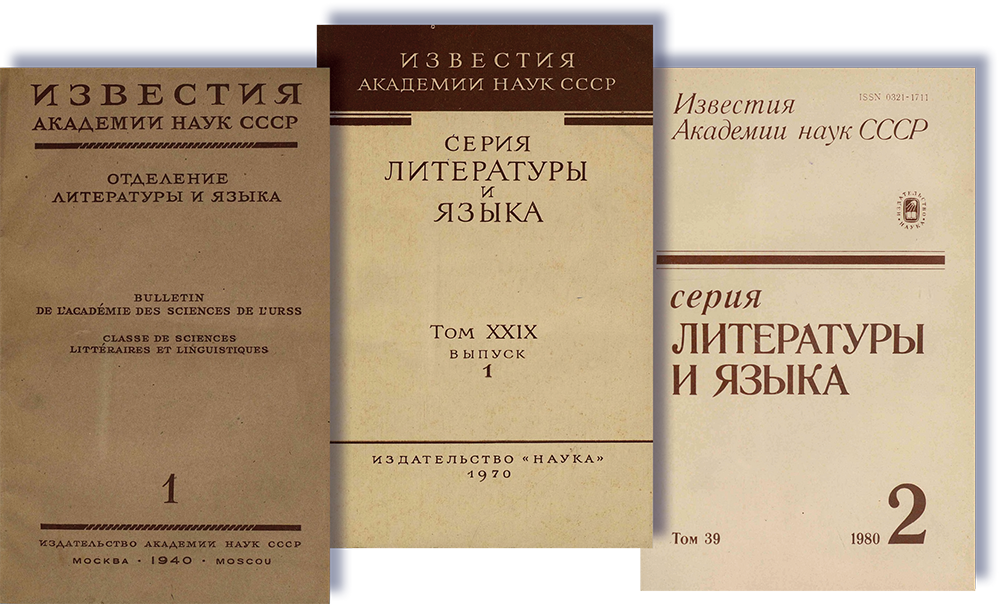
    Izvestiia Rossiiskoi Akademii Nauk (RAN). Seriia Literatury i Iazyka (Известия Российской Академии наук. Серия литературы и языка, The Bulletin of the Russian Academy of Sciences. Series: Literature and Language) is a highly respected academic journal that has been published by the Soviet/Russian Academy of Sciences since 1940. The journal’s focus is on research in the fields of literature, linguistics, and philology. It is widely considered to be one of the most prestigious academic publications in Russia.

    The scope of the journal includes a broad range of topics related to Russian literature and language. Published six times a year, the journal features original research articles, reviews, and critical essays on literary theory, history of literature, comparative literature, linguistics, and cultural studies.

    Authors for the journal include esteemed scholars, experts, and university professors from Russia and abroad, while its distinguished editorial board ensures the quality of the published research. The journal’s interdisciplinary approach allows for a wide range of perspectives on the study of Russian literature from its earliest beginnings to contemporary works, and its coverage of linguistics includes a range of approaches, from syntax and semantics to sociolinguistics and discourse analysis.

    The Izvestiia RAN. Seriia Literatury i Iazyka Digital Archive includes all issues published from 1940 on, with an additional year’s worth of content available for purchase on an annual basis. The archive offers scholars the most comprehensive collection available for this title, features full page-level digitization and complete original graphics, and is cross-searchable with numerous other Infoteka digital resources.

  • Izvestiia Digital Archive

    Izvestiia Digital Archive

    The official daily newspaper of the Soviet government.

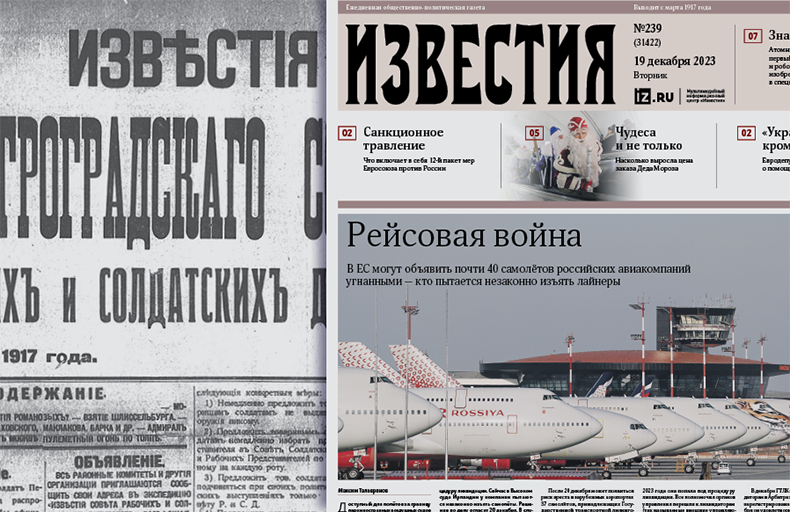
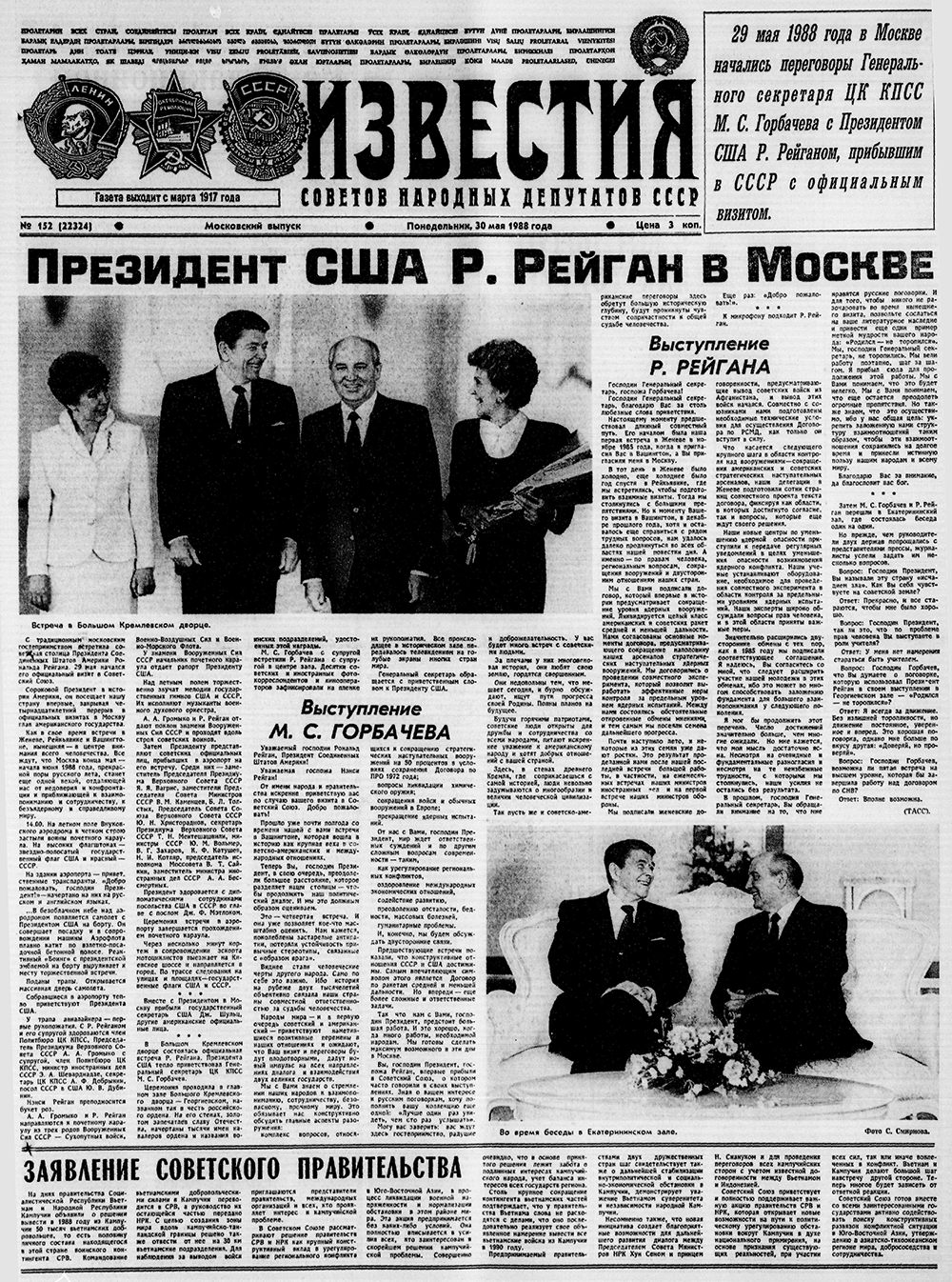
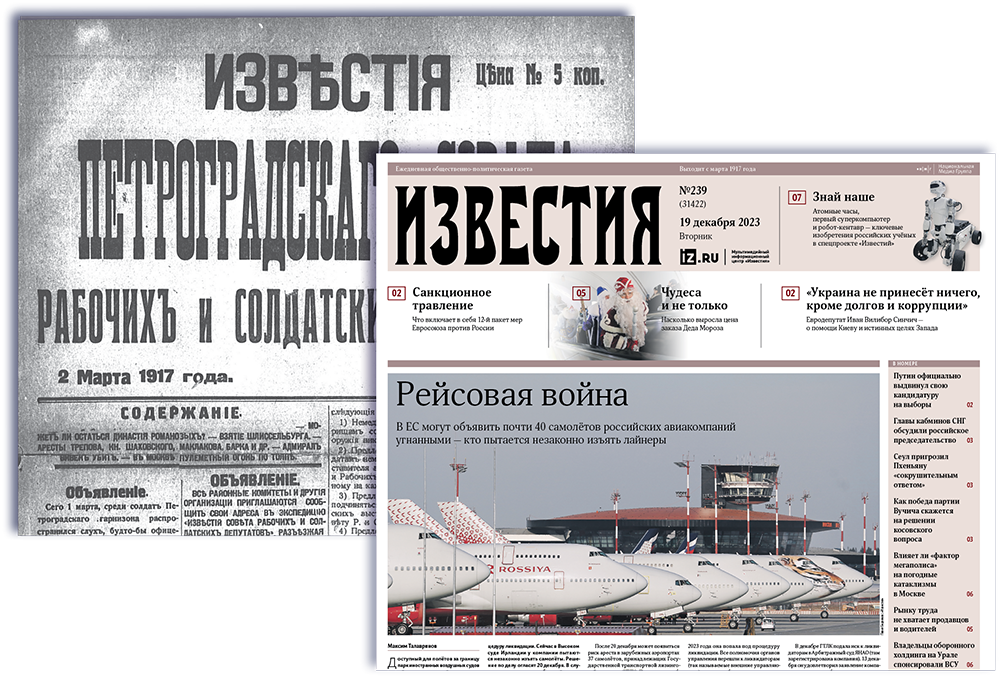
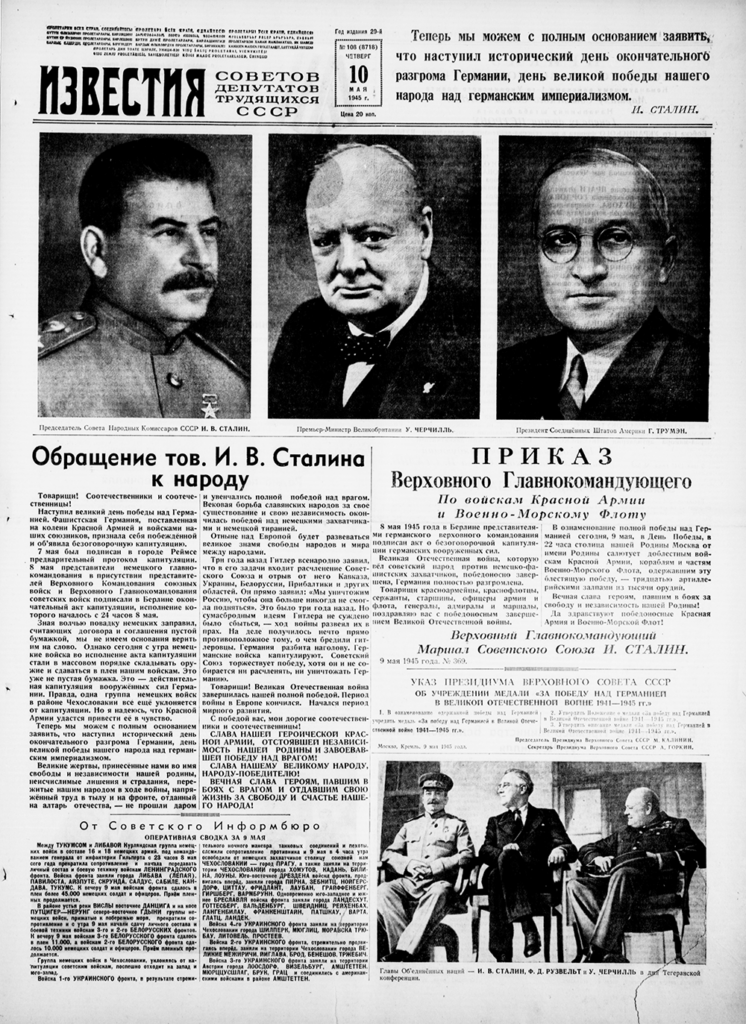
    Among the longest-running Russian newspapers, Izvestiia (Известия, News) was founded in March 1917 and during the Soviet period was the official organ of the Presidium of the Supreme Soviet of the USSR. Remarkable for its serious and balanced treatment of subject matter, Izvestiia has traditionally been a popular news source within intellectual and academic circles. Continuously published for over 100 years, Izvestiia’s prominence endures today as one of the most subscribed news sources of contemporary Russia, covering domestic and foreign policy, commentary, culture, education, and finance.

    The Izvestiia Digital Archive contains all obtainable published issues from 1917 on (over 200,000 pages), with an additional year’s worth of content available for purchase on an annual basis. The archive offers scholars the most comprehensive collection available for this title, and features full page-level digitization, complete original graphics, and searchable text, and is cross-searchable with numerous other Infoteka digital resources.

    Important Highlights

    Izvestiia served as the paper of record — the official daily newspaper — of the Soviet government from 1917 until the dissolution of the USSR in 1991, when Izvestiia became an independent publication.

    During the February Revolution of 1917, Izvestiia was founded in Petrograd (now St. Petersburg) as the main newspaper of “The Petrograd Soviet of Workers’ and Soldiers’ Deputies.” At the time, Izvestiia reflected the views more common among the Menshiviks and other democratic socialist parties, with a moderate lean toward other liberal opposition groups. After the October Socialist Revolution, Izvestiia passed into the hands of the Bolsheviks. When the new Soviet government transferred the capital to Moscow, the newspaper was relocated as well. During the Soviet era, Izvestiia became the mouthpiece of the Kremlin, informing the public of government policies through its pages. Izvestiia was also recognized for its extensive international coverage, having correspondents in more than 30 foreign countries. This also made the paper an important channel for Soviet foreign policy.

    Researchers of language, history, international relations, economics, social sciences, and more have access to a rich source of Russian documentary history from one easy search. The Izvestiia Digital Archive delivers unprecedented access to a repository chronicling the dramatic transformation of Soviet society, from Izvestiia’s beginnings as the official publication of Lenin’s revolutionary contemporaries to its status as the official publication of the Supreme Soviet of the USSR.

    From the first day of publication in February 1917, Izvestiia published first-hand accounts of events that shook the world, from the Russian Revolution, the liberation of Nazi concentration camps, Sputnik, and the fall of the Berlin wall.During the Soviet era, Izvestiia was less ideologically vocal than official party newspapers. The newspaper also played a real role during the Khrushchev era “Thaw” when the paper’s editors advocated de-Stalinization and reform.

  • Iskusstvo Kino Digital Archive

    Iskusstvo Kino Digital Archive

    The leading journal of Soviet and Russian cinema.

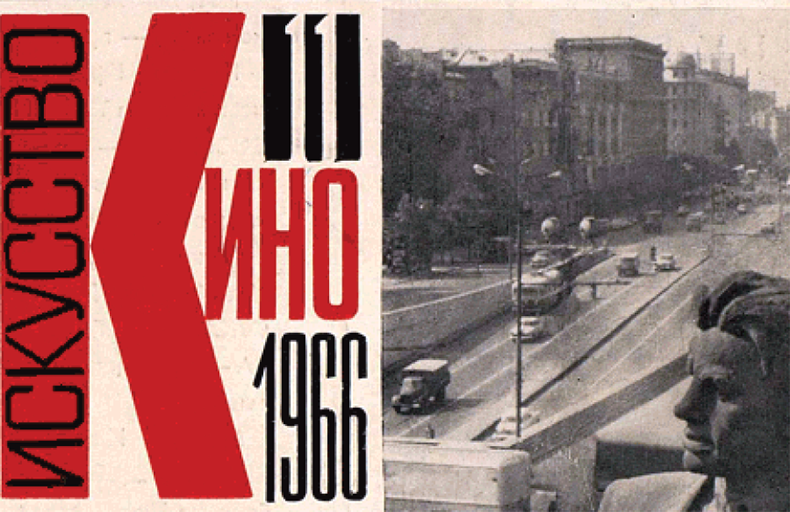
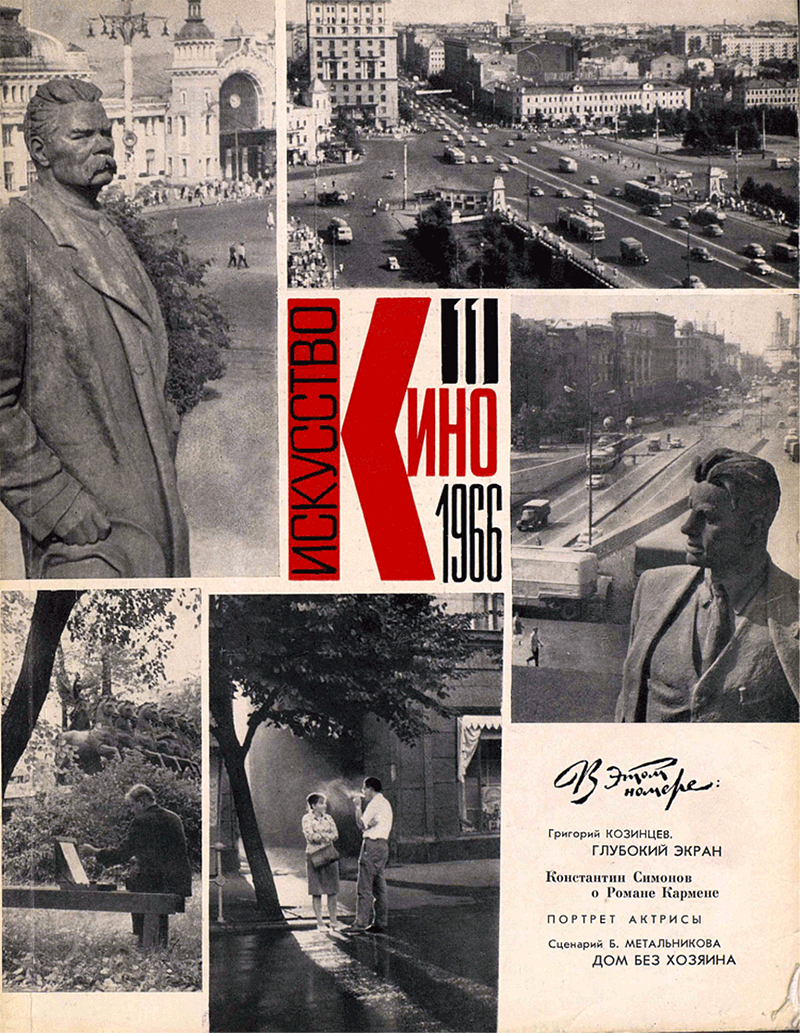
    With more movie screens than any nation at any time, the Soviet Union’s cinematic legacy helped shape the artistic and social agenda of the socialist world for most of the twentieth century. Iskusstvo kino (Искусство кино, Art of Cinema), founded in 1931, chronicled that cinematic legacy with its devotion to art in Russian film.

    Renowned as one of Russia’s premier journals of cinema, Iskusstvo kino offers Russian and foreign movie reviews, articles on filmmaking and cinema culture, criticism, and essays. More than that, Iskusstvo kino traces Russian arts and culture from the ‘socialist realism’ era — when film became the prime propaganda tool (“agitki”) for instilling Communist fervor in the masses — all the way through contemporary filmmaking.

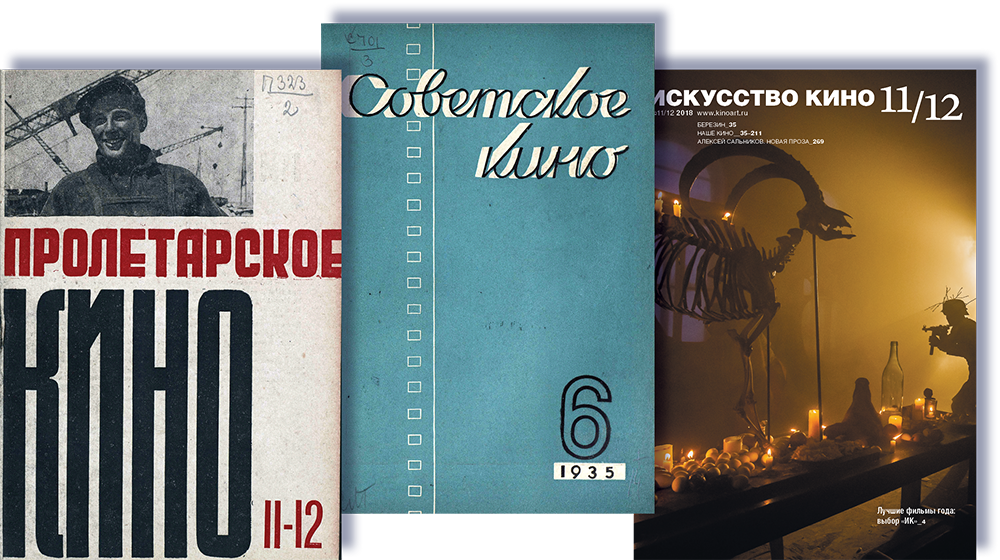
    Iskusstvo kino was first published under the title Proletarskoe kino (Пролетарское кино, Proletarian Cinema, 1931–1932), then Sovetskoe kino (Советское кино, Soviet Cinema, 1933–1935), and finally under its present name (since 1936). A monthly publication from 1931–1941, Iskusstvo kino went on hiatus during World War II and then was published irregularly during 1945-1947 and bimonthly during 1947–1951 before resuming monthly publication in 1952.

    The Iskusstvo Kino Digital Archive offers scholars the most comprehensive collection available for this title, and features full-text articles, with full page-level digitization and complete original graphics. The archive has searchable text, and is cross-searchable with numerous other Infoteka digital resources.

    Note: Translations provided by Infoteka’s English Reader are intended for informational purposes only and are not a substitute for certified translation. No warranty is made regarding the accuracy or reliability of the translations. For citation and scholarly use, please refer to the original language text.

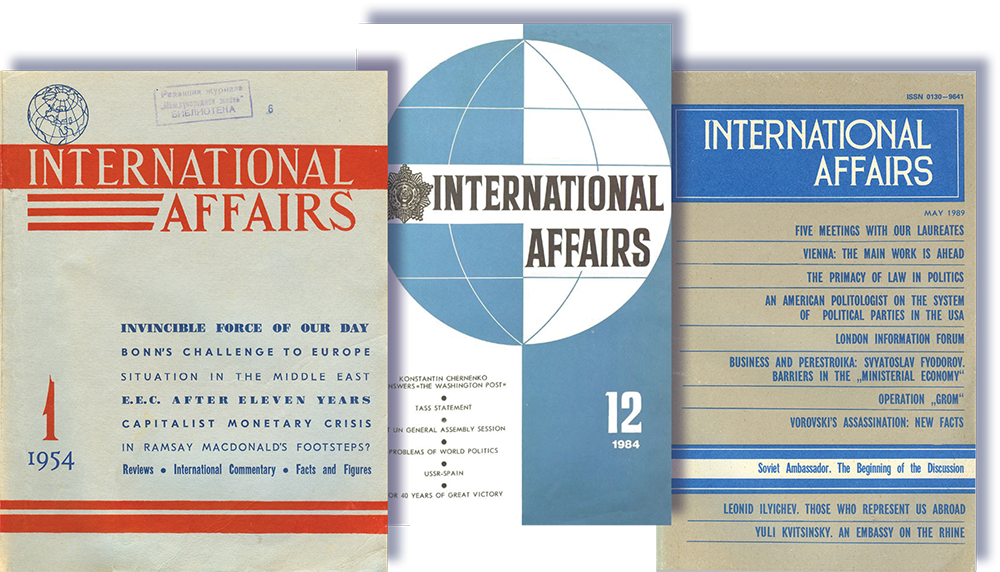
  • International Affairs Digital Archive

    International Affairs Digital Archive

    A Russian journal of world politics, diplomacy and international relations.

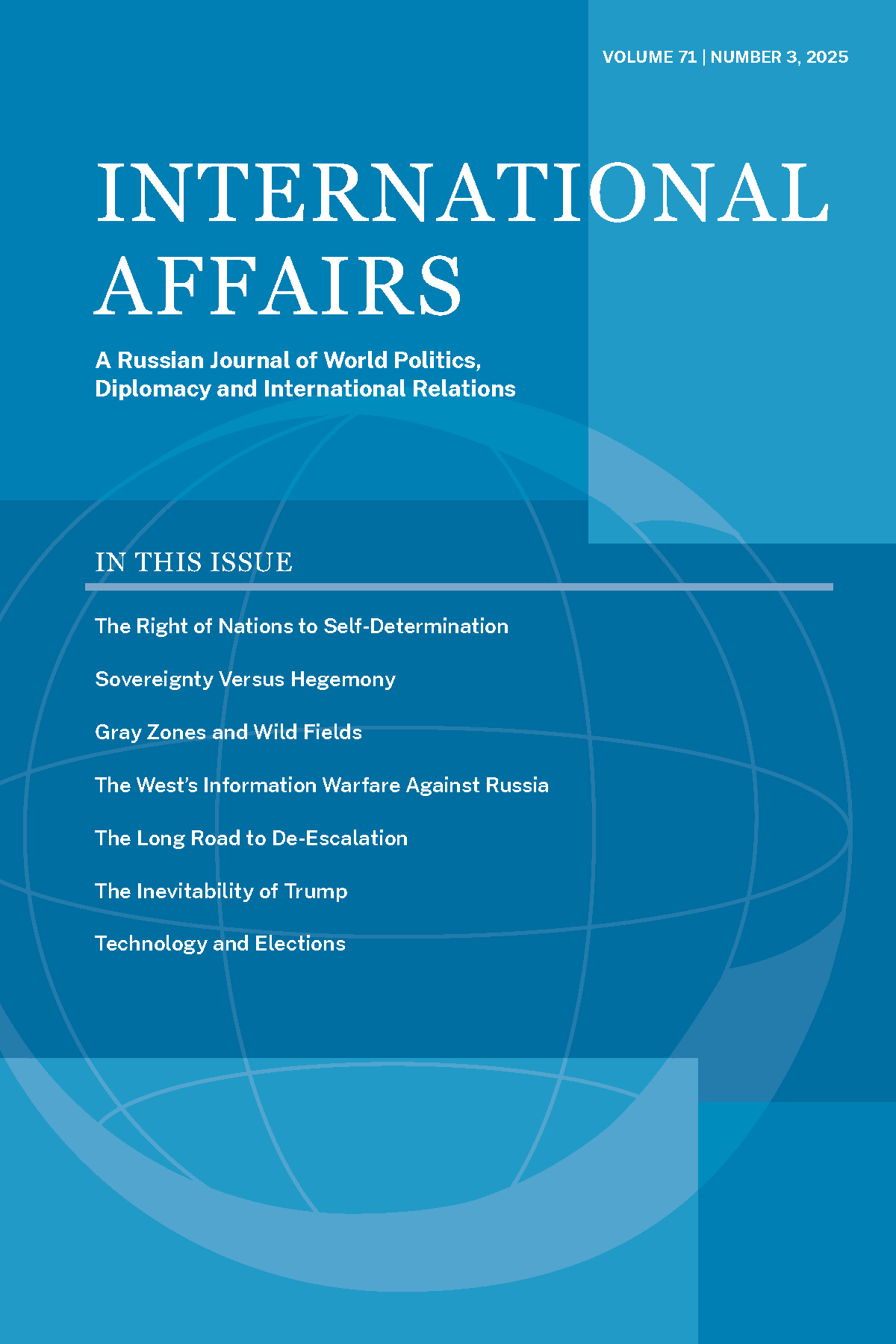
    Offering unique, first-hand analysis of major foreign policy and security issues facing Russia and other former Soviet republics, this internationally renowned journal is the English translation of the Russian-language journal Mezhdunarodnaia zhizn, which is published by the Ministry of Foreign Affairs of the Russian Federation. The editorial board of this journal is traditionally headed by the minister himself, while the journal’s contributors are primarily experienced, high-ranking diplomats. As such, International Affairs is an excellent primary source for anyone interested in the course of Russian policy in foreign affairs. International Affairs often includes material from independent analysts, whose opinions may or may not differ from the official line. Roundtable discussions on topical world issues will also usually include representatives from the Russian Academy of Sciences, as well as from think tanks and universities.

    International Affairs sheds light on issues of foreign policy and diplomacy of Russia as well as:

    • Interrelations of Russia between foreign countries
    • Economies and policies of neighboring states
    • History of foreign relations, history of the Ministry of Foreign Affairs of Russia and the USSR
    • Analysis and commentary from experts on international life
    • Book reviews of relevant publications
    • Memoirs, often devoted to experiences of diplomats in contested or relatively unknown episodes of international relations
    • White papers from international organizations and conferences
    • Previously unpublished documents on Soviet and Russian foreign policy

    The International Affairs Digital Archive contains the most complete set of the journal, comprising more than 600 issues and nearly 16,000 articles. The archive offers scholars the most comprehensive collection available for this title, with an additional year’s worth of content available for purchase on an annual basis. The archive features full-text articles, with full page-level digitization and complete original graphics. The archive has searchable text, and is cross-searchable with numerous other Infoteka digital resources.

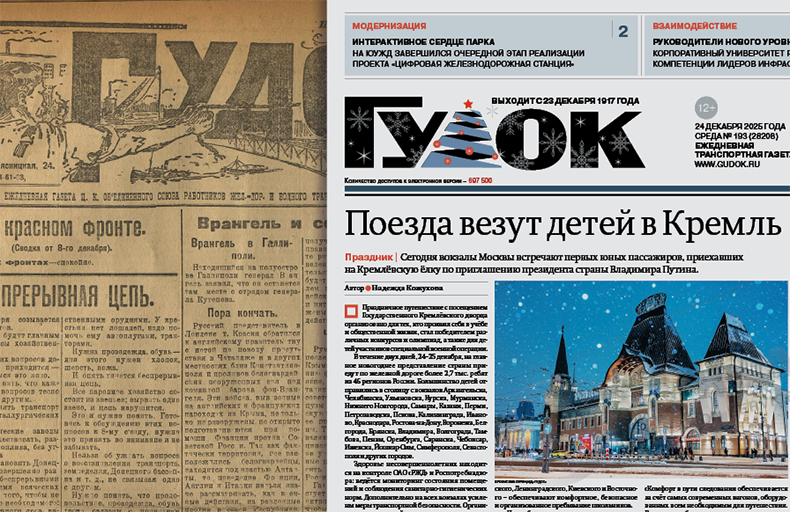
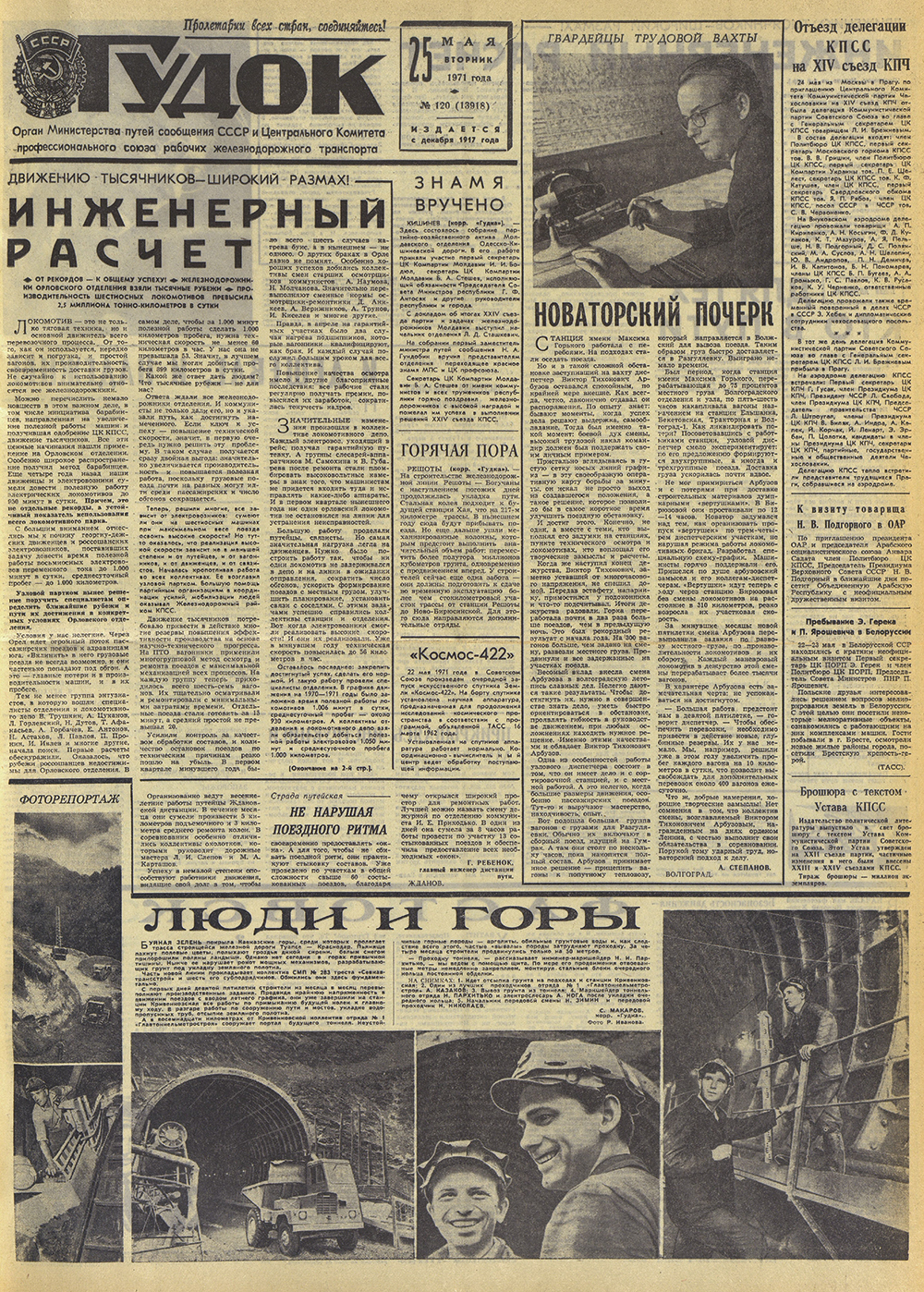
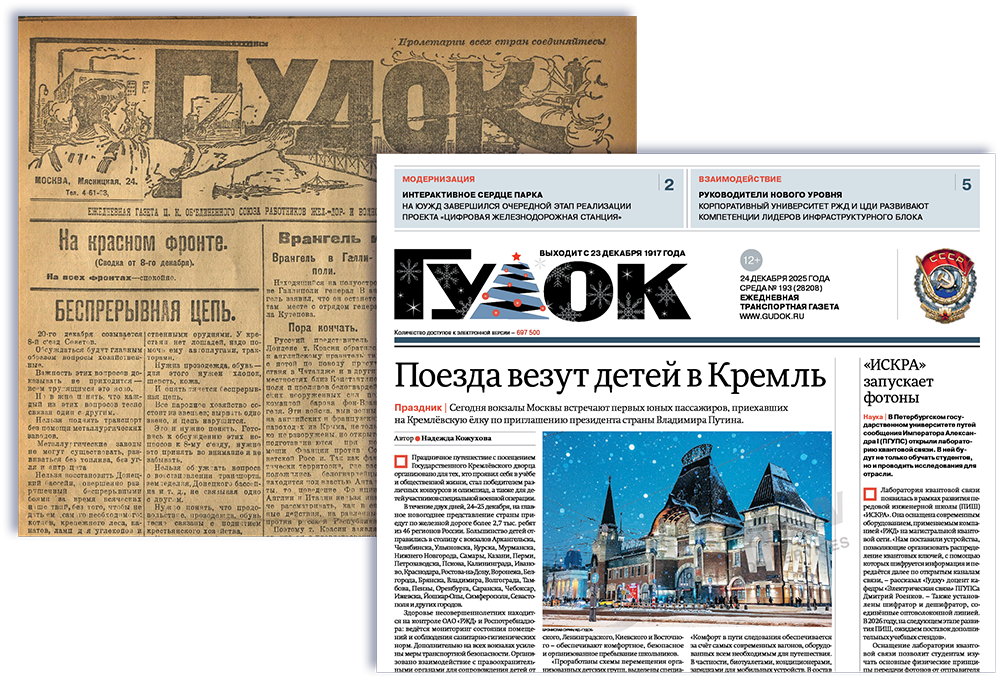
  • Gudok Digital Archive

    Gudok Digital Archive

    One of Russia’s oldest and leading trade newspapers.

    Founded in 1917, Gudok (Гудок, Whistle) began as a small newspaper focused on rail industry news, but grew by the 1970s into a 700,000-circulation daily with an edgy mix of commentary and satire on culture, politics, and society. Gudok’s circulation was relatively small—but deceptively influential—when it first started out, which encouraged creativity and expression as the newspaper’s focus on the railway industry shielded authors from some of the ideological hazards of writing for general interest publications. Gudok continues today as Russia’s leading trade newspaper, focused primarily on the railway industry, but attracting a national audience with its coverage of the literary scene. Notable authors and journalists whose works have appeared in Gudok include Ilya Ilf, Mikhail Zoshchenko, Lev Slavin, Sasha Krasny, Alexander Kabakov and others.

    The Gudok Digital Archive contains all obtainable published issues from 1918 on (over 135,000 pages), with an additional year’s worth of content available for purchase on an annual basis. The archive offers scholars the most comprehensive collection available for this title, and features full page-level digitization, complete original graphics, and searchable text, and is cross-searchable with numerous other Infoteka digital resources.

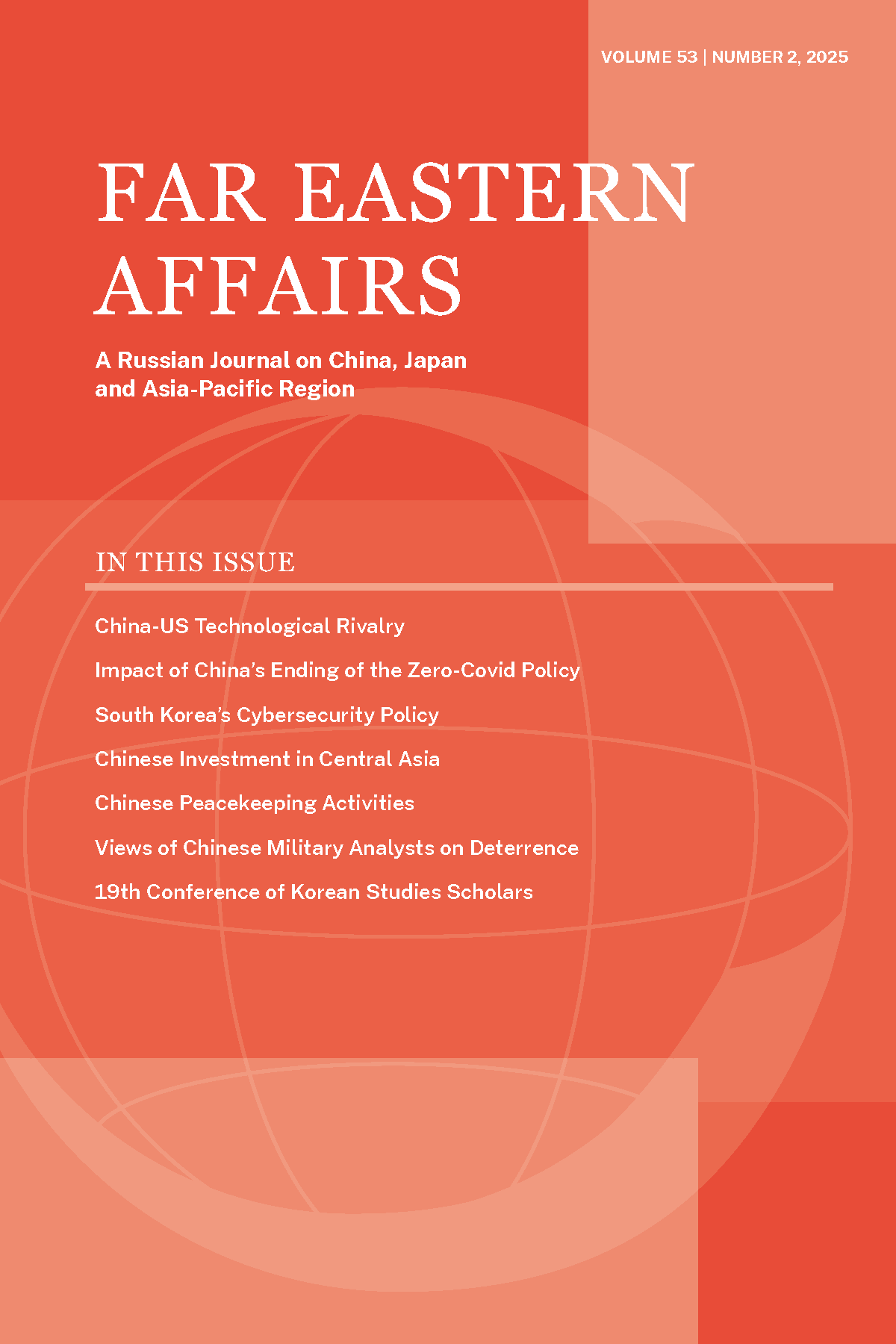
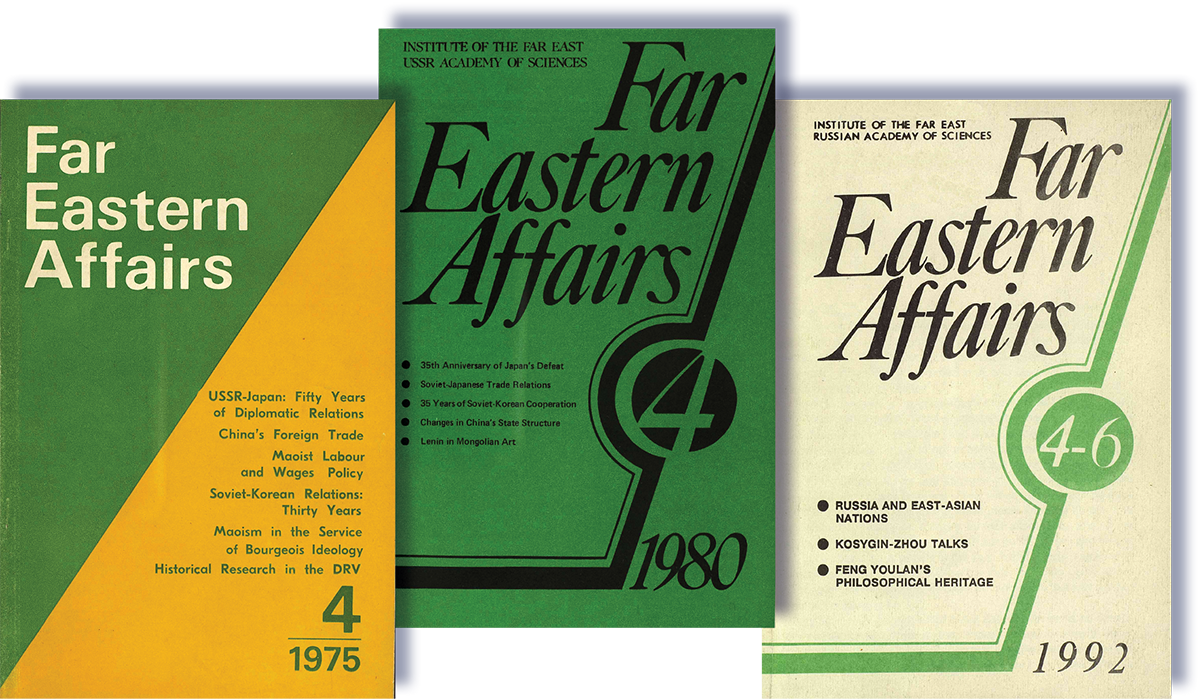
  • Far Eastern Affairs Digital Archive

    Far Eastern Affairs Digital Archive

    A Russian journal on China, Japan and the Asia-Pacific.

    Far Eastern Affairs is a quarterly peer-reviewed journal of the Russian Academy of Sciences’ Institute for China and Contemporary Asia (formerly known as the Institute for Far Eastern Studies). The journal provides in-depth multidisciplinary and interdisciplinary discussion of Russia’s relations with China, Japan, North and South Korea, as well as other countries of the Asia-Pacific region. As such the journal introduces its vast contingent of readers, both in Russia and abroad, to the region’s rich history and culture, politics and economic state of affairs. It does so by providing cutting-edge research and commentary on a broad array of topics and issues of interest to specialists and non-specialists alike.

    Since its inception in Russian in 1972 (in English – since 1974) the journal has become the premier scholarly publication in Russia that provides deep insight into and new information about the region as well as Russia’s role in shaping its social and political dynamics by attracting works from well-known scholars, practitioners, statesmen, diplomats, and analysts. Its primary objective is to cultivate and maintain a long-lasting, relevant, and academically rigorous scholarship on one of the strategically and geopolitically most important regions in the world.

    The Far Eastern Affairs Digital Archive contains the most complete set of the journal from the very first issue, comprising more than 200 issues and nearly 31,500 pages of high-quality scholarship. The archive offers scholars the most comprehensive collection available for this title, with an additional year’s worth of content available for purchase on an annual basis. The archive features full page-level digitization, complete original graphics, and searchable text, and is cross-searchable with numerous other Infoteka digital resources.

  • Early Soviet Cinema Collection. Part One

    Early Soviet Cinema Collection. Part One

    With more movie screens than any nation at any time, the Soviet Union’s cinematic legacy influenced directors and actors around the world throughout the 20th century.

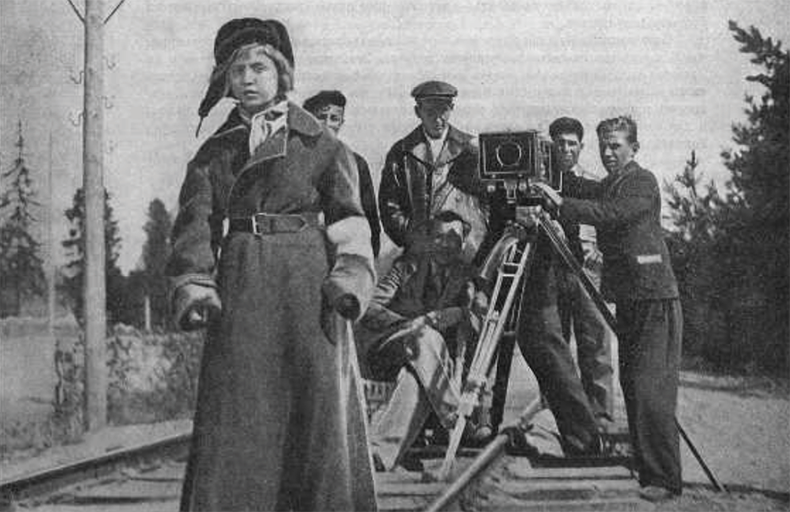
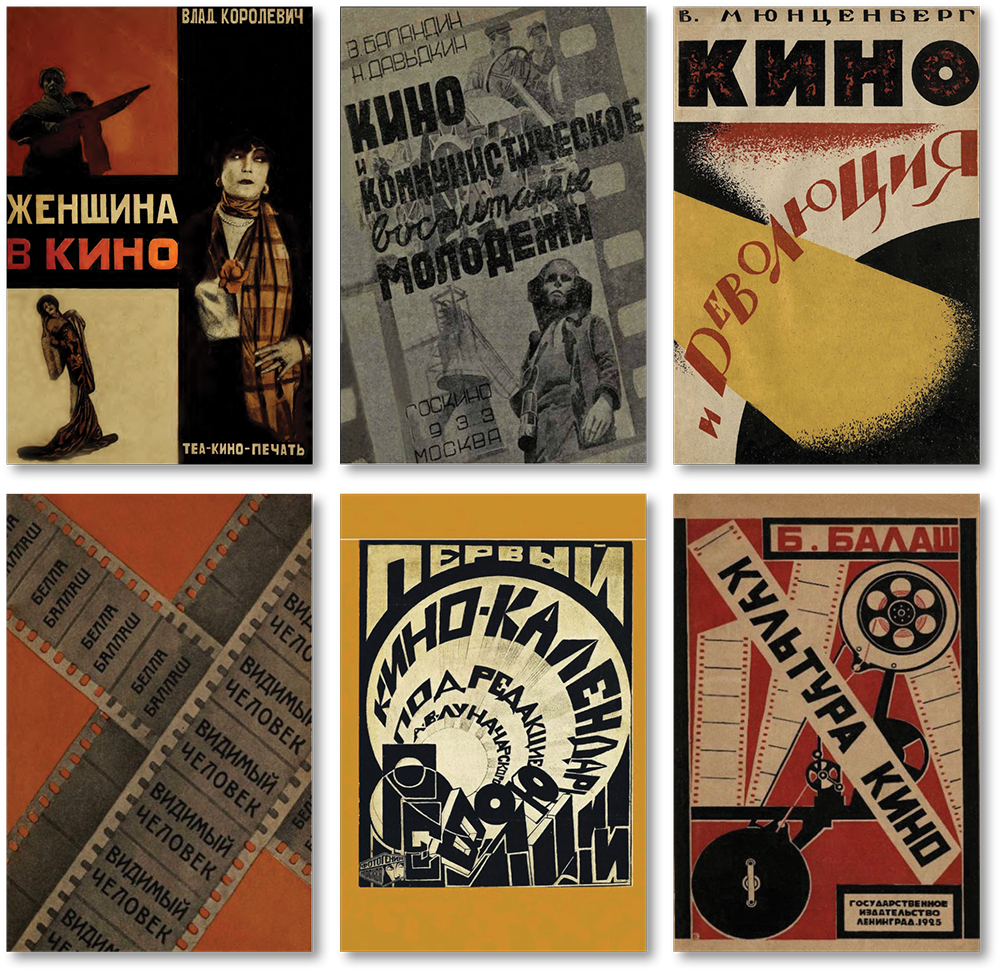
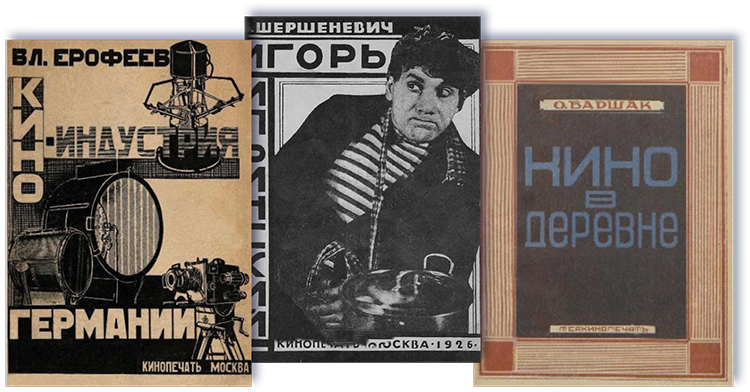
    The Early Soviet Cinema Collection. Part One features 119 e-books, most originally published in print from 1926 to 1948, on everything related to the Golden Age of Soviet cinema:

    • The early years of the Russian film industry
    • Cinema and communist education
    • Criticism of foreign film-making
    • The role of women in cinema
    • The ideology of Soviet films
    • The role of atheist documentaries in Soviet society
    • And much more

    This collection features works of renowned Russian and Soviet film directors, film scholars and film critics of the time, including Lev Kuleshov, Bela Balash, Rudolf Garms, Efraim Lemberg, Natan Zarkhi and others.