Resource Type: Digital Archive – Journals

  • Politekhnik Digital Archive

    Politekhnik Digital Archive

    Journal focused on the Harbin Institute of Technology and the Russian émigré experience in China.

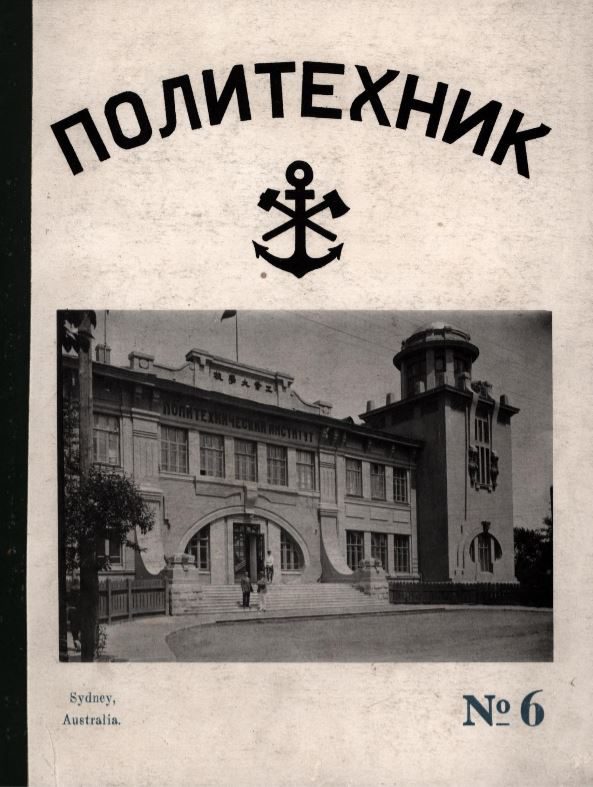
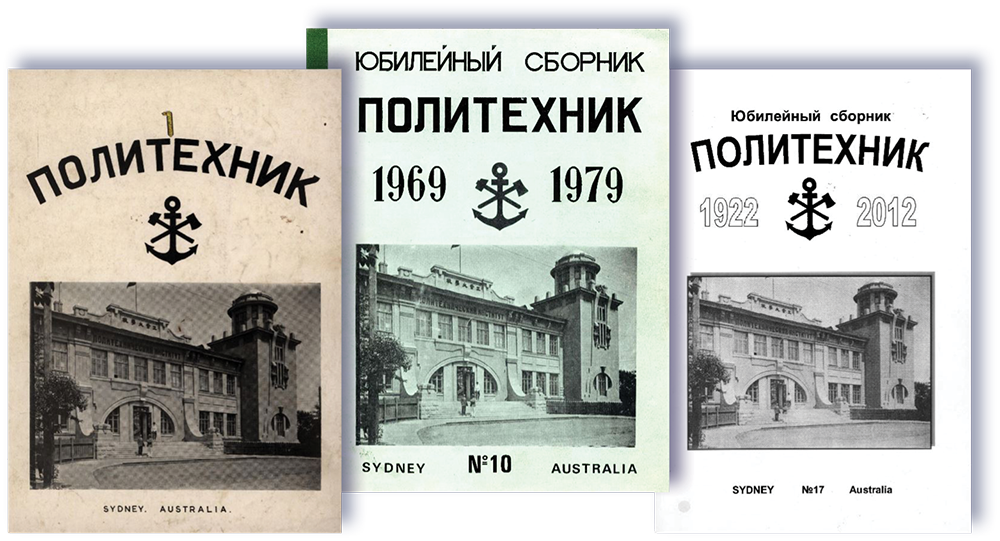
    Founded in 1969 by a group of graduates and former professors of the prestigious Harbin Polytechnic Institute (now Harbin Institute of Technology), the Russian-language journal Politekhnik (Политехник, The Polytechnic Student) was dedicated to the examination and preservation of the history of the Institute. The Harbin Polytechnic Institute was established in 1920 by the Russian émigré community in Harbin, China, which since the late 1890s had grown to become one of the most influential centers of Russian life in the East and a major destination for emigration. Designed to prepare engineers and other personnel for the burgeoning railway network, the Institute would become one of the most important educational centers in China and a hub of Russian intellectual and cultural life. Following the establishment of the People’s Republic of China in 1949, however, many of the Russian students and faculty of the institute emigrated to such far flung places as Australia, New Zealand, Brazil, Argentina, and the United States.

    It was a group of these émigrés in Sydney, Australia that established Politekhnik, which in addition to the Institute also focused on the history of the Chinese Eastern Railway and the broader aspects of Russian cultural and intellectual life in Harbin and broader Manchuria. Issues of the journal were comprised of several sections, including sections dedicated to the founding organization, the history of the institute, memoirs and essays from alumni, scientific articles by alumni, news on the latest developments in the fields of engineering and technology, and more. The journal would also serve as a hub for connecting alumni living abroad (and not just in Australia), through exchanges of letters and correspondence. Likewise, a unique aspect of the journal’s mission was the preservation of alumni family histories and the vibrant Russian cultural life of Harbin.

    The Politekhnik Digital Archive contains all published issues from 1969-2012 (17 issues), providing unique insight into a fascinating and largely understudied chapter of the Russian émigré experience in China and beyond. The archive features full page-level digitization, complete original graphics, and searchable text and is cross-searchable with numerous other Infoteka digital resources.

  • Ogonek Digital Archive

    Ogonek Digital Archive

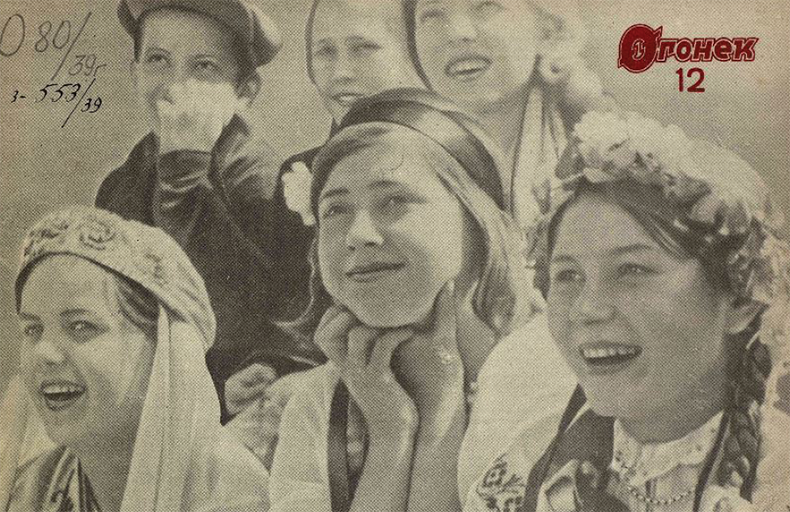
    The most important publication on Soviet culture and everyday life.

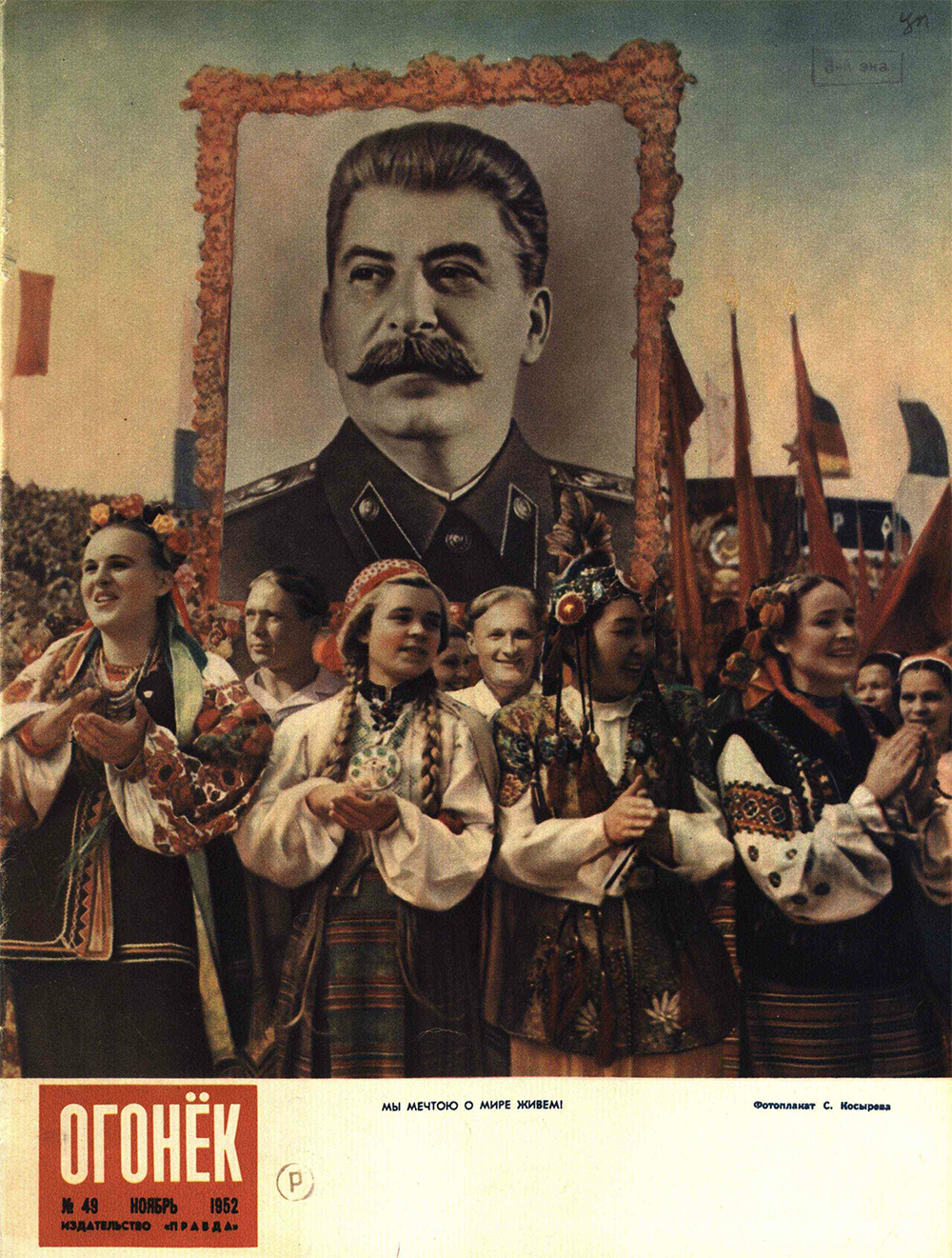
    Ogonek would serve its mission with certain aplomb and sophistication. Lacking the crudeness and the bombast of the main organs of Communist Party propaganda, Ogonek was able to become one of the most influential shapers and reflectors of the public character of the Soviet culture. Every self-respecting Soviet intellectual was expected to read Ogonek if they were to stay informed about the cultural world in which they lived and moved.

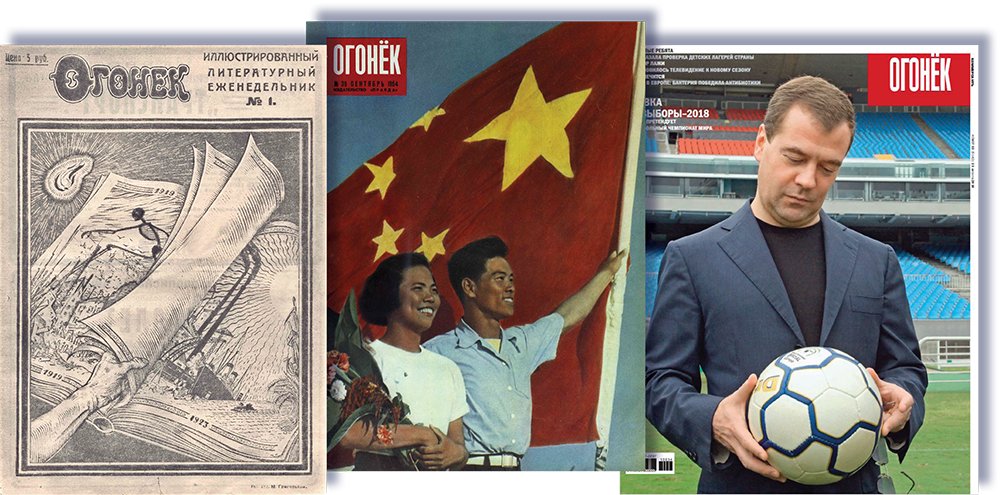
    Throughout its illustrious history Ogonek came to publish original works by such Soviet cultural luminaries as Vladimir Mayakovsky, Isaac Babel, Ilya Ilf and Evgeny Petrov, Yevgeny Yevtushenko, the photographer Yuri Rost, and others. Ogonek grew into an influential and widely read Soviet publication, experiencing the peak of its popularity at the hands of its editor Vitaly Korotich in 1986 at the height of perestroika. Korotich, inspired by the newfound political liberties, turned the journal into a flagship of glasnost, a lively space for edgy political commentary, criticism, and satire, thus becoming a robust platform for intellectual debate.

    After undergoing financial and creative crisis in the wake of the collapse of the Soviet Union, which saw a steep decline in readership, Ogonek rediscovered its creative zest under a new leadership and management, returning to its roots as an important forum for cultural and political intellectual exchanges. Facing financial obstacles again years later, Ogonek ceased publication in 2021.

    The importance of Ogonek as a primary source for research into the Soviet Union and bolshevization of its cultural and social landscapes cannot be overestimated. Because of its mass circulation and popularity, it was able to unite Soviet Union’s geographically and culturally diverse population through culturally important and imposing narratives. If in the West, and especially in the United States, cultural trends were the result of complex negotiations between market research, supply, and demand, in the Soviet Union cultural trends were more or less state approved top-down affairs. Ogonek was an important vehicle for the conveyance of the Soviet cultural idiom to the reading public.

    The Ogonek Digital Archive contains all obtainable published issues from 1923 on. The archive offers scholars the most comprehensive collection available for this title, and features full page-level digitization, complete original graphics, and searchable text, and is cross-searchable with numerous other Infoteka digital resources.

    Important Highlights

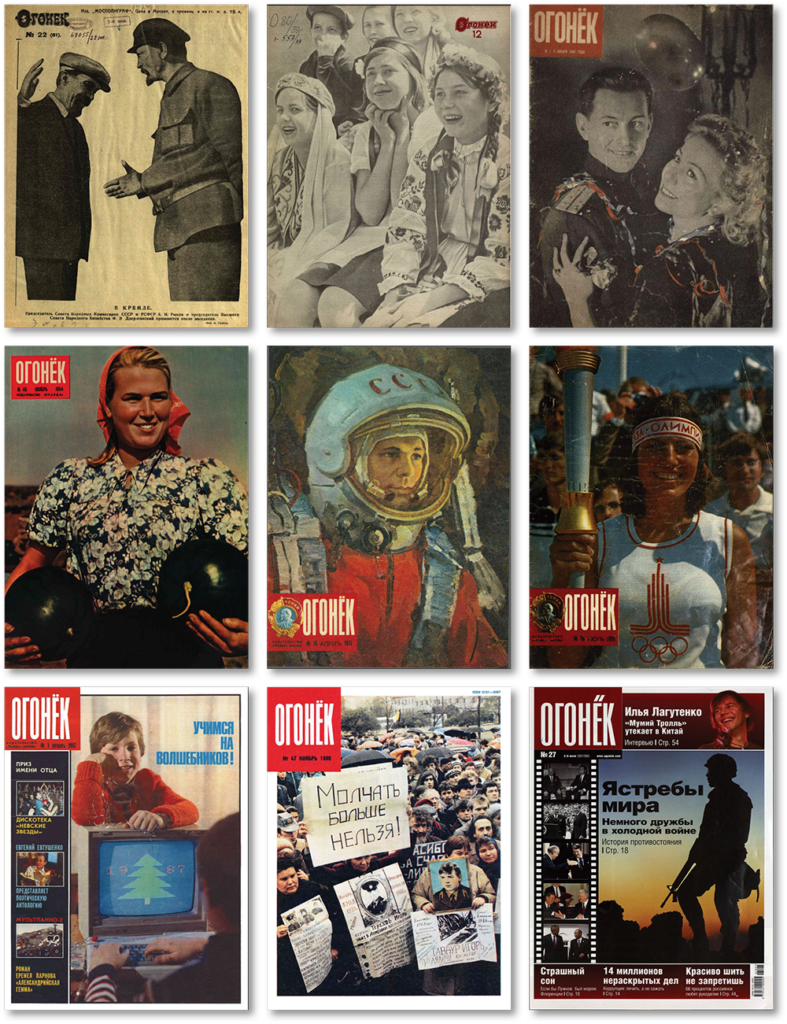
    • Ogonek was there at the inception of the Soviet Union, and there again during its demise. As such it is an especially important source of content analysis charting the evolving cultural, social, and political discourse of the USSR. By studying the content of Ogonek, scholars and researchers will be able to pinpoint with some precision the periods of the emergence of certain cultural, literary, political trends and the abandonment of others when they were no longer deemed important, fashionable or were even dangerous. In short it provides an important story arc from the rise of the Soviet Union to its demise to Russia’s post-Soviet experiments with democratization and the rise of Vladimir Putin.
    • Ogonek is one of the most important sources of photographic and visual representation of life in the Soviet Union, much akin to LIFE magazine in the United States. It attracted some of the best photographers in the USSR such as Yevgeny Khaldei, Max Alpert, Alexander Rodchenko, et al., publishing their works regularly. Thus, Ogonek represents a treasure trove of photo-documentation of life in the Soviet Union.
    • From its inception it had several features that helped shape and elevate the cultural discourse in the USSR becoming in a sense an influential cultural tastemaker. Some of the features were the following: a refined literary language (although it contained elements of official praise); short stories and poems, much like one sees in The New Yorker; quality reproductions of European, Russian, and Soviet art, etc.
    • Even during the difficult years of the WWII Ogonek did not cease publication, and thus it is an invaluable repository of primary source material for both visual and textual study of that crucial period of Soviet and Russian history.
  • Ogonek (St. Petersburg) Digital Archive

    Ogonek (St. Petersburg) Digital Archive

    Pre-revolutionary political, literary, and cultural illustrated magazine.

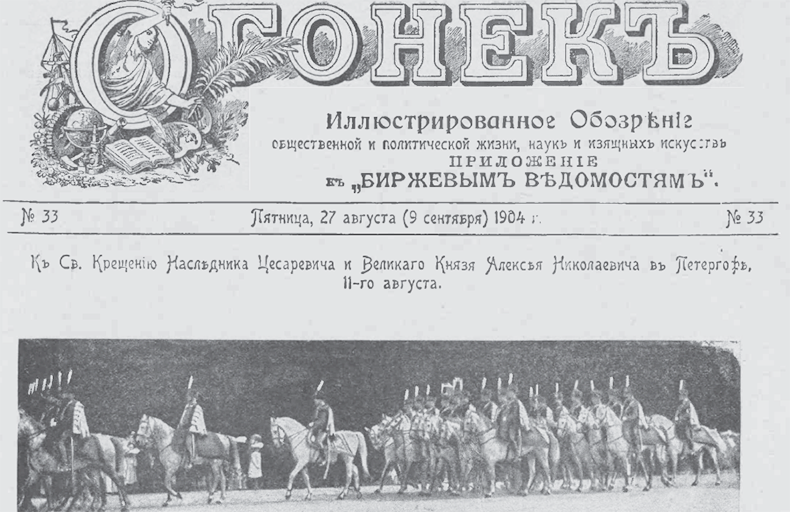
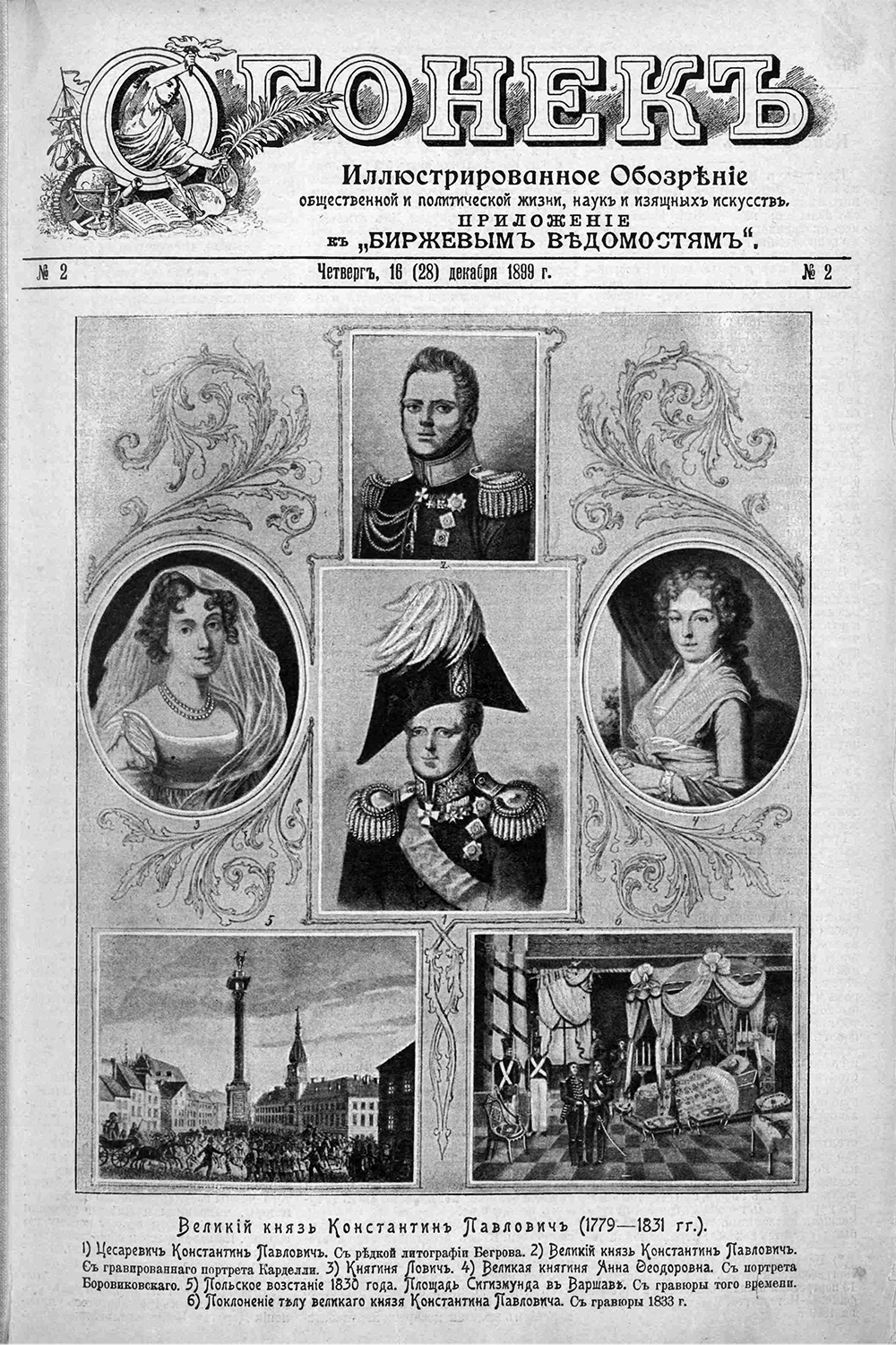
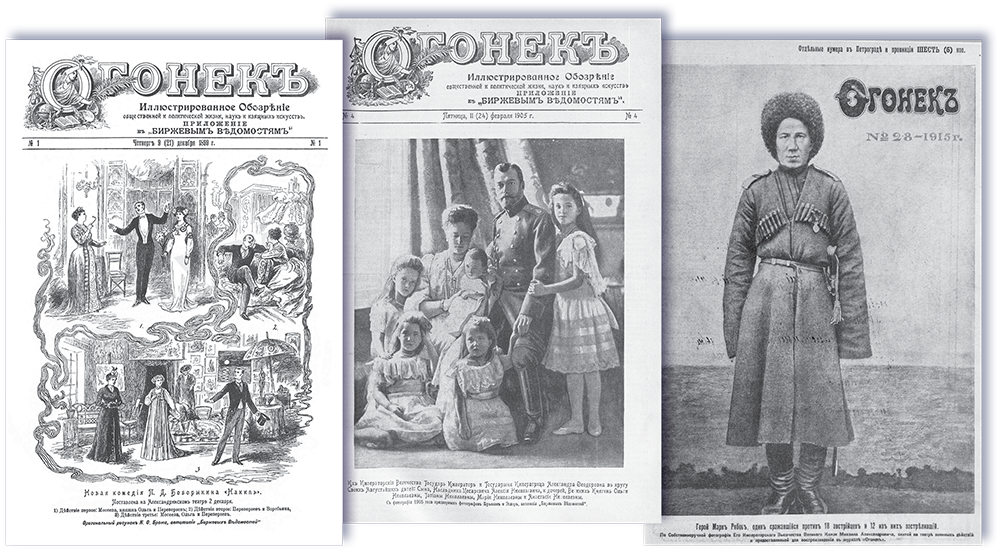
    Established in 1899 and in continuous print until 1918, Ogonek (Огонёк, Spark) first came on the scene as a weekly illustrated supplement to the influential St. Petersburg-based newspaper Birzhevye Vedomosti (Биржевые ведомости, Stock Exchange News). Having posted impressive growth in readership, in 1902 Ogonek would chart an independent course, becoming a separate entity and attracting the period’s most notable journalists, photographers, literati and critics. With original reporting and photography, as well as commentary on popular culture, short stories and serialized novels, Ogonek (St. Petersburg) reflected the era, providing cues on the development and status of Russian society in the early 20th century, until its unceremonious closure by the Bolshevik revolutionaries in 1918 for propagating anti-Soviet views.

    The Ogonek (St. Petersburg) Digital Archive comprises the entire collection of the journal, with more than 870 issues in total. The archive offers scholars the most comprehensive collection available for this title, and features full page-level digitization and complete original graphics. The archive has searchable text and is cross-searchable with numerous other Infoteka digital resources.

    Note: Ogonek (St. Petersburg) was published before the Russian Revolution and was written using the pre-reform Russian orthography. To enable searching functionality, the database includes a special keyboard containing the old Russian characters.

  • Oktiabr’ Digital Archive

    Oktiabr’ Digital Archive

    Key publication chronicling nearly a century of Russian literature.

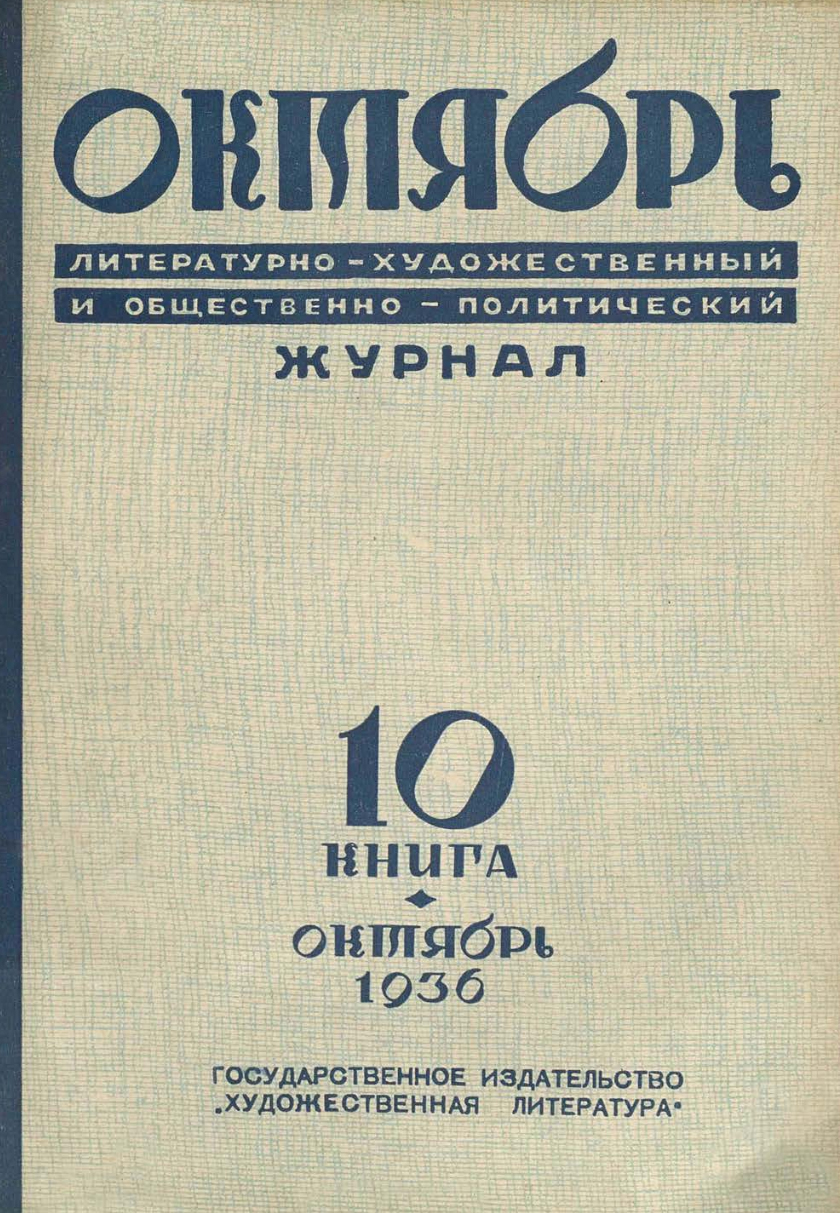
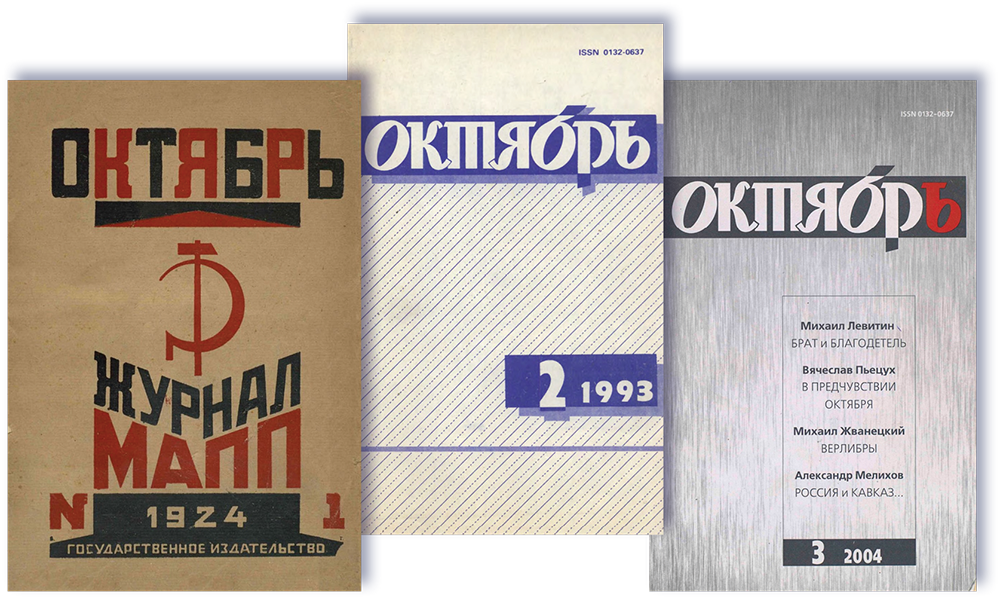
    This meticulously digitized archive spans from the journal’s inception in 1924 to its final issue in 2018, encompassing nearly a century of Russian literary and cultural development. The journal’s publication history mirrors the complex political and cultural transformations of 20th-century Russia, from its early association with various literary organizations through the Soviet period to its emergence as an independent publication in the 1990s.

    Throughout its history, the journal published works by literary giants such as Sergei Yesenin, Vladimir Mayakovsky, Mikhail Zoshchenko, and Andrei Platonov, alongside international authors including Lion Feuchtwanger, Romain Rolland, and Theodore Dreiser. Of particular interest to researchers are the previously censored works that appeared in its pages during the period of glasnost, including Anna Akhmatova’s “Requiem” and Vasily Grossman’s “Life and Fate.”

    The Oktiabr’ Digital Archive captures the journal’s evolution from its early years through the Soviet period and into post-Soviet Russia, reflecting the dramatic changes in Russian society and intellectual thought. For academic studies, the archive serves as an invaluable resource for research in various fields, including Russian literature, Soviet studies, cultural history, and social movements.

    The Oktiabr’ Digital Archive offers scholars the most comprehensive collection available for this title, and features full page-level digitization and complete original graphics. Each issue has been carefully digitized and split into individual articles with permanent URLs, making it easier for researchers to create accurate citations in their work. The archive features a user-friendly bilingual interface in Russian and English and has searchable text, allowing scholars to explore the vast collection of literary works, critical essays, and editorial content that shaped Russian intellectual discourse over nine decades. The archive is cross-searchable with numerous other Infoteka digital resources.

    More about the Soviet “Thick Journals”

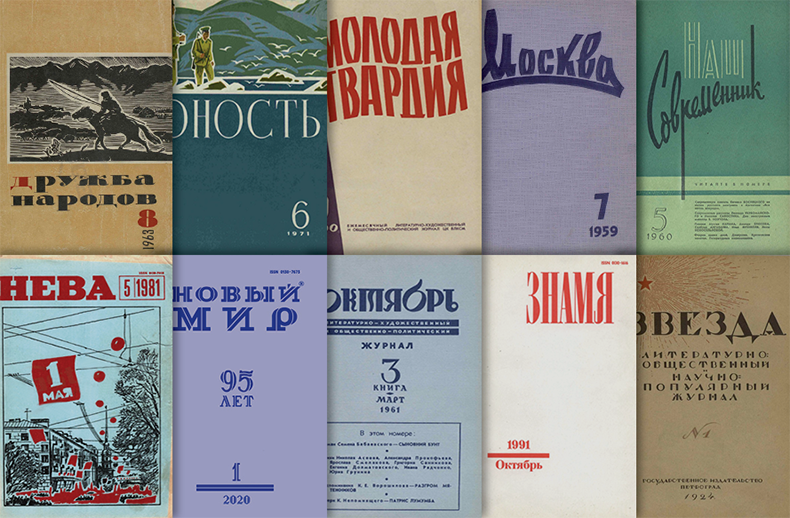
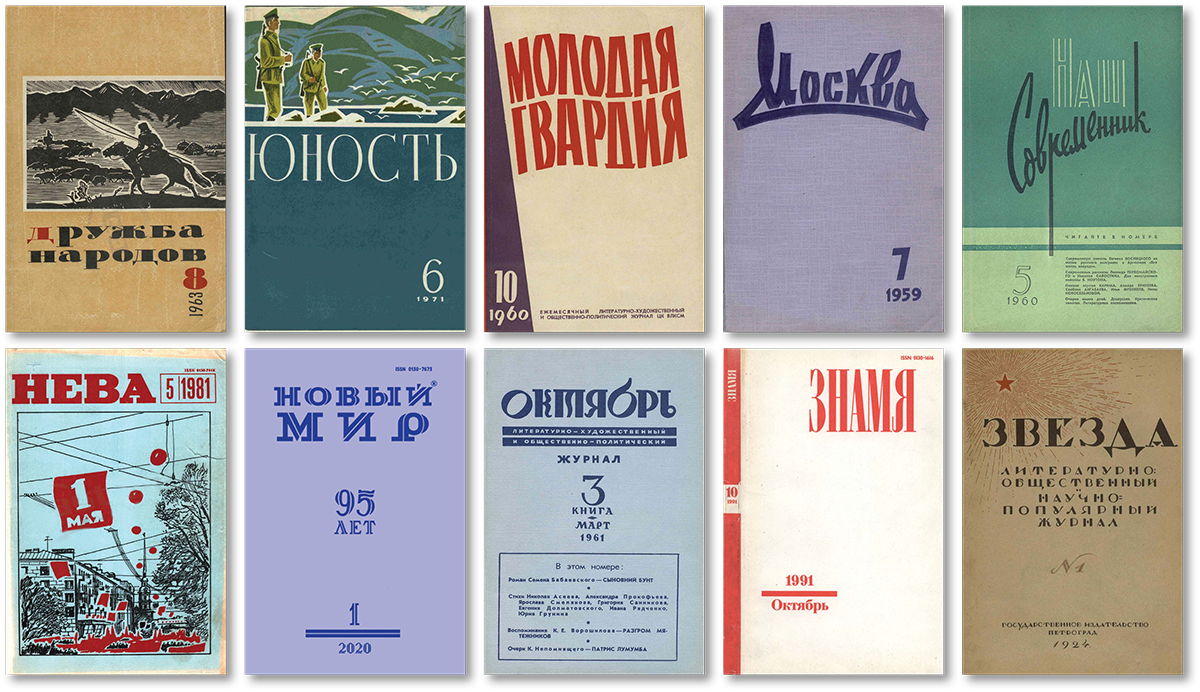
    The famed Soviet tolstye zhurnaly, or “thick journals,” were significant platforms for literary and intellectual discourse. Tolstye zhurnaly such as Oktiabr’ played a complex and multifaceted role in Soviet intellectual and literary life. They were not merely publications but institutions that shaped and were shaped by the cultural, intellectual, and political currents of their time. These journals served multiple roles:

    They acted as repositories of high culture, preserving the intellectual and literary achievements of the era. Given the limited avenues for independent publishing, these journals were the primary platforms where established and emerging writers could reach an audience.

    State-Controlled Outlets. While they were crucial platforms for intellectual and artistic expression, it’s important to remember that these journals were often used to propagate official ideologies, and the works published in them usually underwent rigorous censorship.

    Academic Importance. For academics studying the Soviet period, tolstye zhurnaly offer a valuable glimpse into the state-sanctioned intellectual climate of the time. They provide context for how literature and intellectual thought evolved under different political and social conditions.

    Catalysts for Change. During more liberal periods, such as the Khrushchev Thaw and the perestroika years, tolstye zhurnaly could act as catalysts for change, pushing the boundaries of what was acceptable to discuss and publish.

  • Niva Digital Archive

    Niva Digital Archive

    The most popular journal of late 19th-century Russia.

    Niva (Нива, Grainfield), an illustrated weekly journal of literature, politics and modern life, was published from 1870 to 1918 in St. Petersburg, before being shut down by the Bolsheviks after the Russian revolution. The journal was widely read by an audience that extended from primary schoolteachers, rural parish priests, and the urban middle class to the gentry. It was especially popular among the middle class in the Russian provinces. Niva contained large colored prints of art by famous Russian artists, works of famous Russian authors, as well as articles on science, politics and culture. It also had a special children’s section as well as a section on Russian classical writers: Gogol, Lermontov, Goncharov, Dostoevsky, Chekhov and many others.

    The Niva Digital Archive comprises the entire collection of the journal, with more than 2,500 issues and over 27,000 articles. Also included in the archive is the supplementary publication Dlia Detei (Для Дѣтей, For Children, pub. Jan.–Dec. 1917), a monthly illustrated magazine filled with children’s stories, poems and cartoons. The archive offers scholars the most comprehensive collection available for this title, and features full-text articles, with full page-level digitization and complete original graphics. The archive has searchable text, and is cross-searchable with numerous other Infoteka digital resources.
    Note: Niva was published before the Russian Revolution and was written using the pre-reform Russian orthography. To enable searching functionality, the database includes a special keyboard containing the old Russian characters.

  • Neva Digital Archive

    Neva Digital Archive

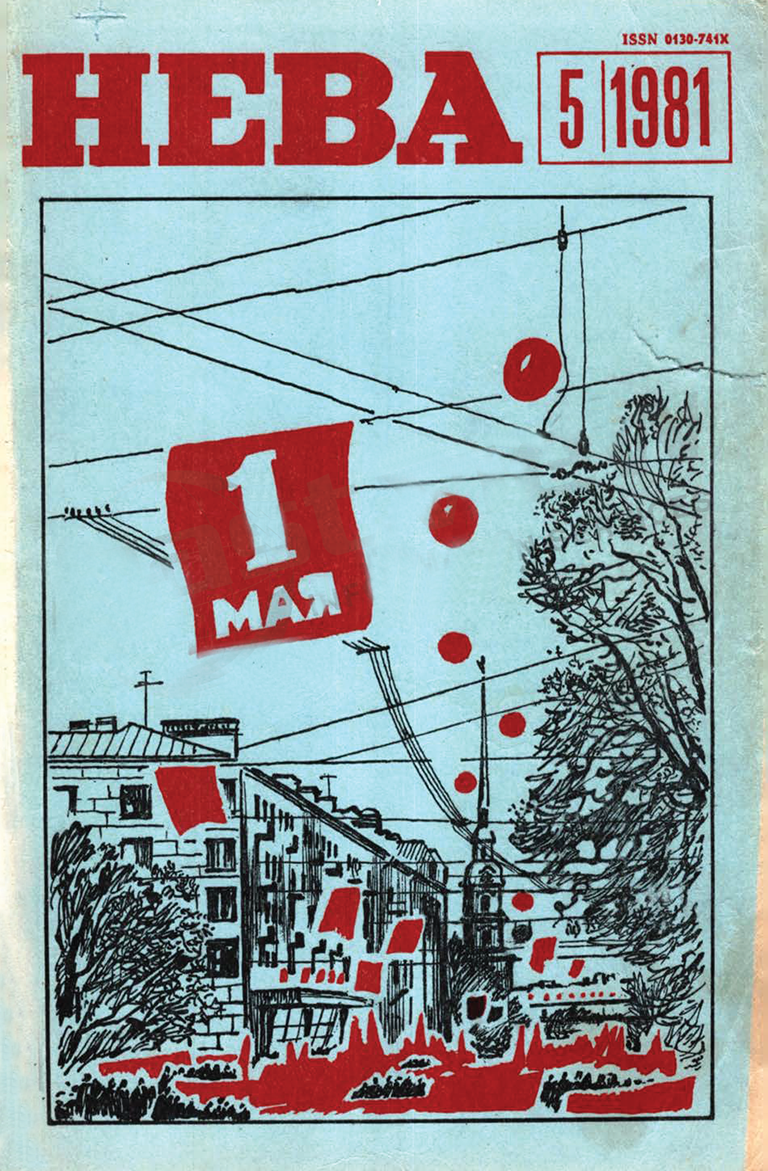
    Key publication chronicling Soviet and post-Soviet literature, history, and public thought.

    Among its contributors were Mikhail Zoshchenko, Mikhail Sholokhov, Veniamin Kaverin, Lev Gumilyov, Dmitry Likhachov, Aleksandr Solzhenitsyn, Daniil Granin, the Strugatsky brothers, Vladimir Dudintsev, and Vasil Bykaŭ. A number of works first published in Neva went on to receive State Prizes and wide recognition, including Dudintsev’s novel White Robes. The journal was also one of the first in the USSR to introduce readers to Robert Conquest’s The Great Terror and Arthur Koestler’s Darkness at Noon.

    The Neva Digital Archive offers scholars the complete run of Neva from its first issue in 1955, with an additional year’s worth of content available for purchase on an annual basis. Featuring full page-level digitization and complete original graphics, each issue has been carefully digitized and split into individual articles with permanent URLs, making it easier for researchers to create accurate citations in their work. Featuring full page-level digitization, complete original graphics, and a user-friendly bilingual interface in Russian and English, the searchable database enables efficient access to seventy years of Russian cultural, intellectual, and literary life, preserved in its original context. The archive is cross-searchable with numerous other Infoteka digital resources.

    More about the Soviet “Thick Journals”

    The famed Soviet tolstye zhurnaly, or “thick journals,” were significant platforms for literary and intellectual discourse. Tolstye zhurnaly such as Neva played a complex and multifaceted role in Soviet intellectual and literary life. They were not merely publications but institutions that shaped and were shaped by the cultural, intellectual, and political currents of their time. These journals served multiple roles:

    They acted as repositories of high culture, preserving the intellectual and literary achievements of the era. Given the limited avenues for independent publishing, these journals were the primary platforms where established and emerging writers could reach an audience.

    State-Controlled Outlets. While they were crucial platforms for intellectual and artistic expression, it’s important to remember that these journals were often used to propagate official ideologies, and the works published in them usually underwent rigorous censorship.

    Academic Importance. For academics studying the Soviet period, tolstye zhurnaly offer a valuable glimpse into the state-sanctioned intellectual climate of the time. They provide context for how literature and intellectual thought evolved under different political and social conditions.

    Catalysts for Change. During more liberal periods, such as the Khrushchev Thaw and the perestroika years, tolstye zhurnaly could act as catalysts for change, pushing the boundaries of what was acceptable to discuss and publish.

  • Nash Sovremennik Digital Archive

    Nash Sovremennik Digital Archive

    Influential literary periodical of the Soviet and post-Soviet period.

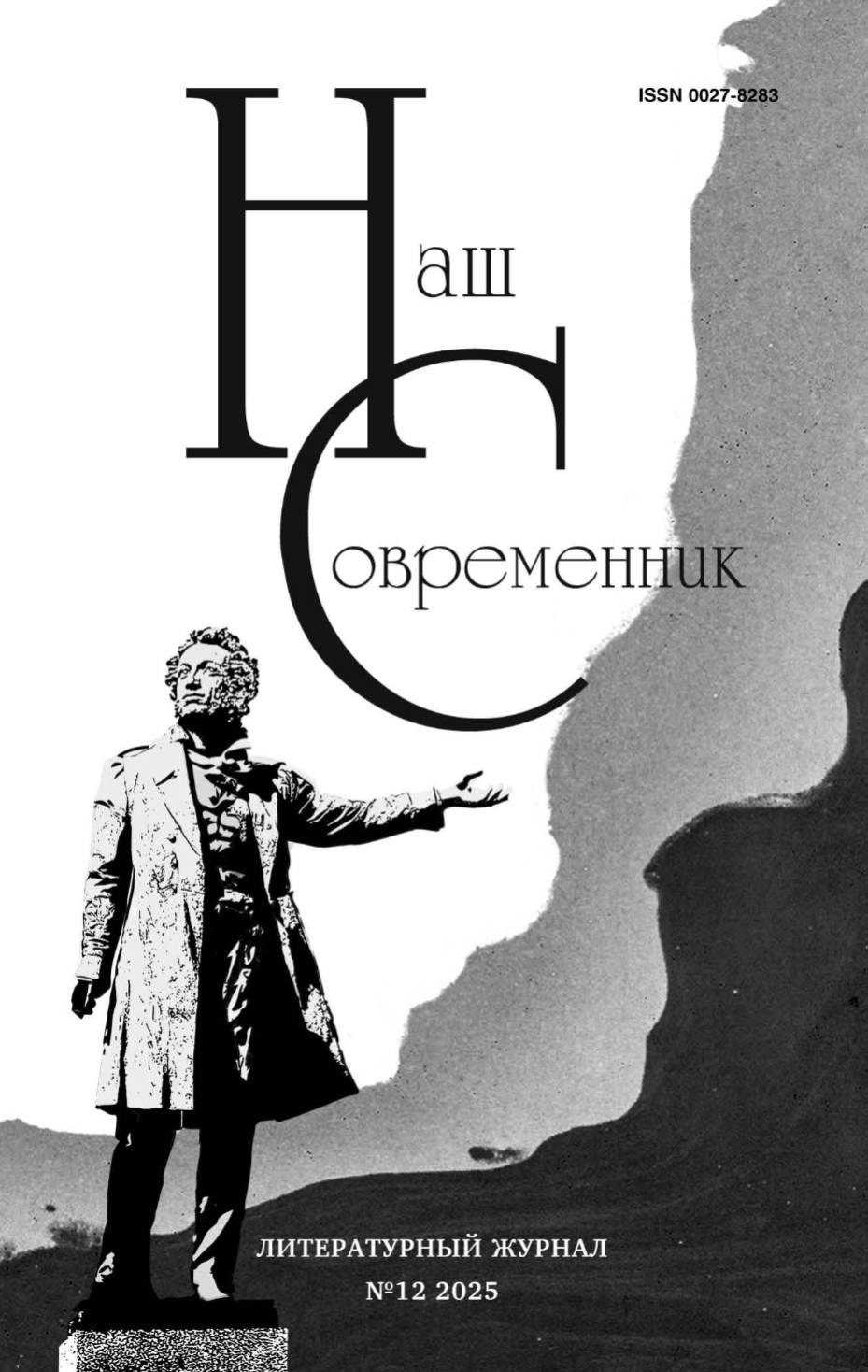
    Though largely faithful to Marxist-Leninist precepts since its founding, during the last years of the Soviet Union the journal underwent dramatic ideological reformulations, moving away from communist orthodoxy to Russian neo-Slavophile conservatism and patriotism that fiercely opposed Western political and literary trends on ideological grounds. At the height of its popularity in the 1990s Nash Sovremennik would boast a circulation of nearly half a million copies.

    The Nash Sovremennik Digital Archive includes all obtainable issues of Al’manakh and Nash Sovremennik published from 1933 on, with an additional year’s worth of content available for purchase on an annual basis. The archive offers scholars the most comprehensive collection available for this title, and features full page-level digitization and complete original graphics. The archive has searchable text and is cross-searchable with numerous other Infoteka digital resources.

    More about the Soviet “Thick Journals”

    The famed Soviet tolstye zhurnaly, or “thick journals,” were significant platforms for literary and intellectual discourse. Tolstye zhurnaly such as Nash Sovremennik played a complex and multifaceted role in Soviet intellectual and literary life. They were not merely publications but institutions that shaped and were shaped by the cultural, intellectual, and political currents of their time. These journals served multiple roles:

    They acted as repositories of high culture, preserving the intellectual and literary achievements of the era. Given the limited avenues for independent publishing, these journals were the primary platforms where established and emerging writers could reach an audience.

    State-Controlled Outlets. While they were crucial platforms for intellectual and artistic expression, it’s important to remember that these journals were often used to propagate official ideologies, and the works published in them usually underwent rigorous censorship.

    Academic Importance. For academics studying the Soviet period, tolstye zhurnaly offer a valuable glimpse into the state-sanctioned intellectual climate of the time. They provide context for how literature and intellectual thought evolved under different political and social conditions.

    Catalysts for Change. During more liberal periods, such as the Khrushchev Thaw and the perestroika years, tolstye zhurnaly could act as catalysts for change, pushing the boundaries of what was acceptable to discuss and publish.

  • Moscow Defense Brief Digital Archive

    Moscow Defense Brief Digital Archive

    Insight into Russia’s defense industry, in English.

    Published from 2004 to 2018 by the highly-regarded, Moscow-based, non-government think tank, the Centre for Analysis of Strategies and Technologies (CAST), Moscow Defense Brief was an English-language journal and an important resource for researchers to gain insight into the inner workings of Russia’s military and defense industry. Moscow Defense Brief went beyond aggregation and commentary, delivering unique value as an independent Russian source of unbiased analysis on all aspects of Russia’s military policies and defense industry activities.

    Regular issues of Moscow Defense Brief ceased in 2018 with one special issue published in 2019. This journal has been an important resource for foreign governments, policy makers, political and economic experts, defense industry stakeholders, and a wide range of researchers interested in Russian and/or CIS affairs.

    The Moscow Defense Brief Digital Archive contains the complete run of the journal, from 2004 to 2018, with one special issue published in 2019. The archive offers scholars the most comprehensive collection available for this title, and features full page-level digitization, complete original graphics, and searchable text, and is cross-searchable with numerous other Infoteka digital resources.

  • Muslims of the Soviet East Digital Archive

    Muslims of the Soviet East Digital Archive

    Soviet propaganda journal on the role of Muslims in the cultural and political life of the USSR.

    Established in 1968 by the Muslim Religious Board for Central Asia and Kazakhstan, Muslims of the Soviet East was the only Islamic periodical carrying the official seal of approval of the Soviet government. Published originally in Uzbek, the journal expanded its linguistic base in the following years, adding Arabic (1969), French and English (1974), Farsi (1980), and Dari (1984). A Russian version would come along surprisingly late, only in 1990, one year before its closure. The digital archive includes the English edition only.

    As with many foreign language publications in the Soviet Union, the target audience of the journal was not its citizens but readers abroad. Consequently, the original Uzbek language edition was exclusively in the traditional Arabic script known as the Yana Imla, a disappearing writing form in Soviet Central Asia, but in use in Uzbek communities in places like Afghanistan. If the publication of the journal in Arabic, Farsi, and Dari was meant to familiarize readers in those countries with the life of their coreligionists in the Soviet Union, the introduction of the journal in “Western” languages served an additional propaganda purpose, i.e., to counter the notion prevalent in the West that the USSR was thoroughly and intractably anti-religious.

    Consisting of multiple sections, Muslims of the Soviet East contains a mix of sermons exhorting Islamic piety from notable Central Asian clerics, discussions of regional Islamic history, and the role of Soviet Muslims in the cultural and political life of the USSR.

    The Muslims of the Soviet East Digital Archive offers scholars the most comprehensive collection available for this title, comprising 57 issues, 860 articles, and nearly 2,000 pages. The archive features full page-level digitization and complete original graphics. The archive has searchable text, and is cross-searchable with numerous other Infoteka digital resources.

  • Moskva Digital Archive

    Moskva Digital Archive

    Key publication chronicling nearly 70 years of Russian literary and cultural development.

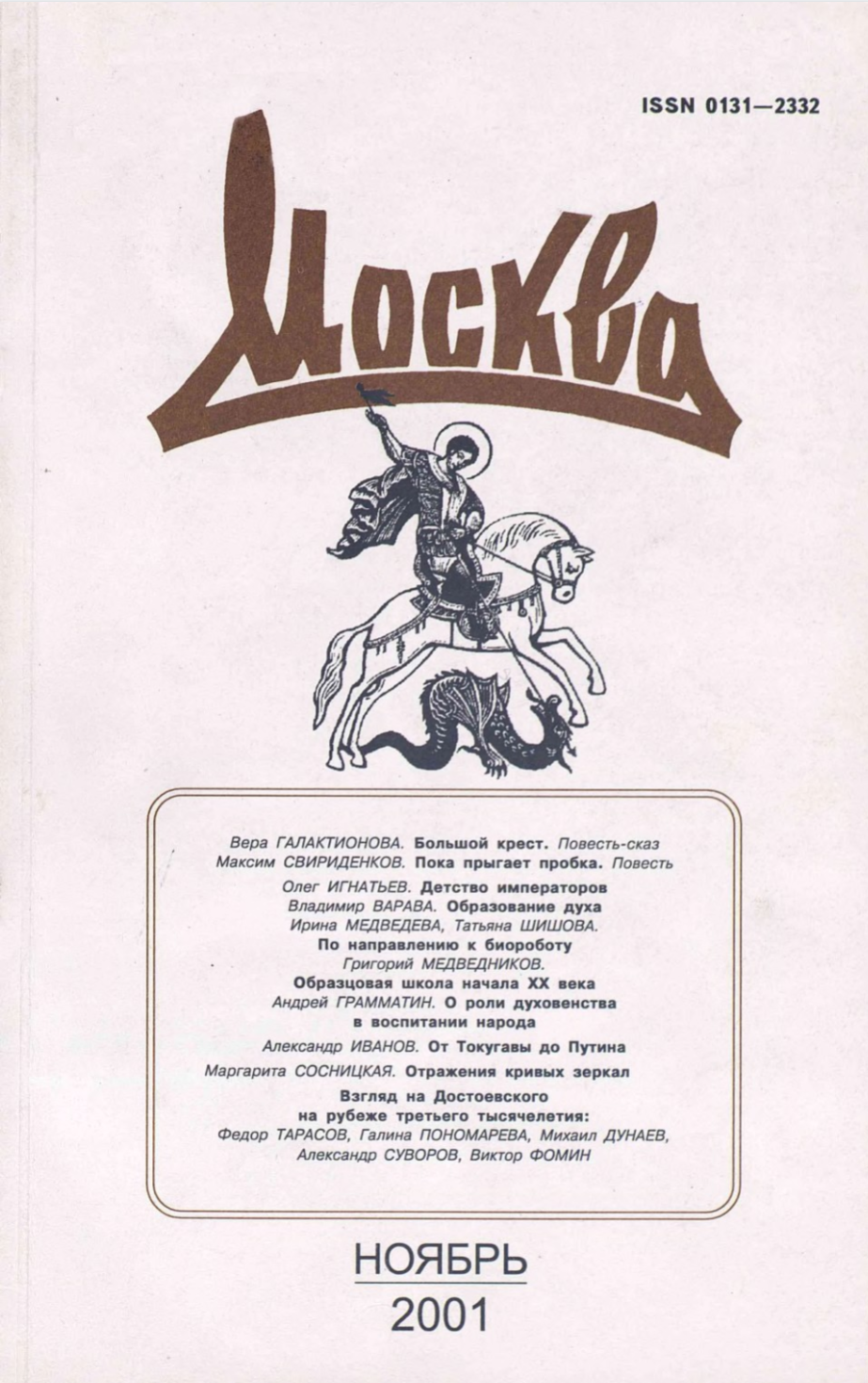
    The journal has consistently published works by contemporary writers, including prose, poetry, journalism, and criticism. Moskva holds particular historical significance as the first publisher of Mikhail Bulgakov’s masterpiece The Master and Margarita and Nikolai Karamzin’s monumental work History of the Russian State. Its pages have featured outstanding works of Russian literature by authors such as Bunin, Sholokhov, and Yulian Semyonov, alongside acclaimed international writers including Antoine de Saint-Exupéry, Ernest Hemingway, and William Faulkner.

    The Moskva Digital Archive offers scholars the most comprehensive collection available for this title, with an additional year’s worth of content available for purchase on an annual basis. Featuring full page-level digitization and complete original graphics, each issue has been carefully digitized and split into individual articles with permanent URLs, making it easier for researchers to create accurate citations in their work. Featuring full page-level digitization, complete original graphics, and a user-friendly bilingual interface in Russian and English, the searchable database enables efficient exploration of key literary works, critical essays, and editorial content that shaped Russian intellectual discourse throughout the 20th century. The archive is cross-searchable with numerous other Infoteka digital resources.

    More about the Soviet “Thick Journals”

    The famed Soviet tolstye zhurnaly, or “thick journals,” were significant platforms for literary and intellectual discourse. Tolstye zhurnaly such as Moskva played a complex and multifaceted role in Soviet intellectual and literary life. They were not merely publications but institutions that shaped and were shaped by the cultural, intellectual, and political currents of their time. These journals served multiple roles:

    They acted as repositories of high culture, preserving the intellectual and literary achievements of the era. Given the limited avenues for independent publishing, these journals were the primary platforms where established and emerging writers could reach an audience.

    State-Controlled Outlets. While they were crucial platforms for intellectual and artistic expression, it’s important to remember that these journals were often used to propagate official ideologies, and the works published in them usually underwent rigorous censorship.

    Academic Importance. For academics studying the Soviet period, tolstye zhurnaly offer a valuable glimpse into the state-sanctioned intellectual climate of the time. They provide context for how literature and intellectual thought evolved under different political and social conditions.

    Catalysts for Change. During more liberal periods, such as the Khrushchev Thaw and the perestroika years, tolstye zhurnaly could act as catalysts for change, pushing the boundaries of what was acceptable to discuss and publish.