Resource Type: Digital Archive – Journals

  • Geography, Environment, Sustainability Digital Archive

    Geography, Environment, Sustainability Digital Archive

    English-language journal covering key scientific research.

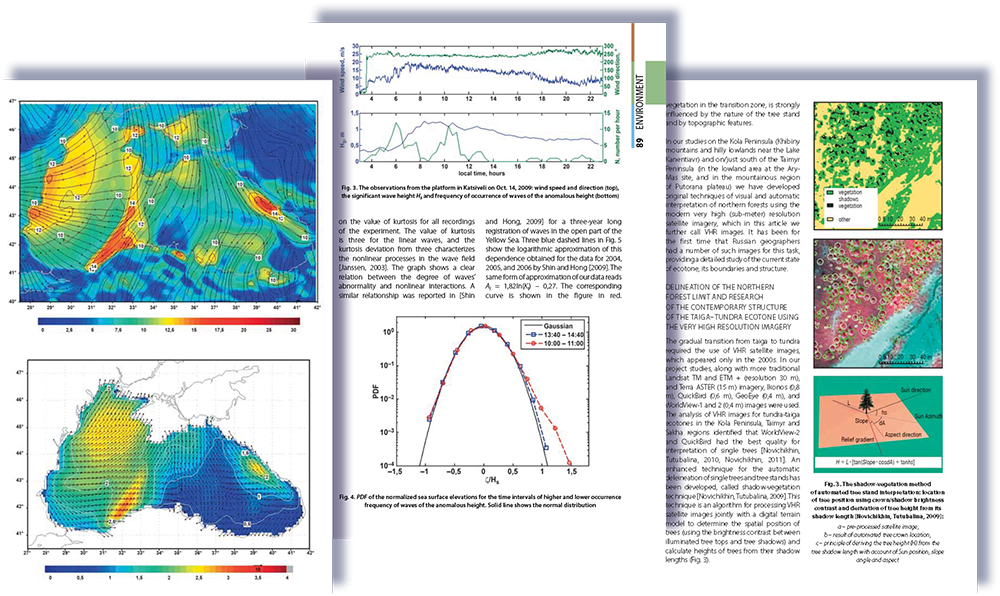
    Published by the Russian Geographical Society, the Lomonosov Moscow State University Geography Department, and the Russian Academy of Sciences Institute of Geography, this scientific English-language journal aims to inform and cover the results of research and global achievements in the sphere of geography, environmental conservation and sustainable development.

    The articles published in Geography, Environment, Sustainability are aimed at Russian and non-Russian scientists alike, while the interdisciplinary focus of the journal means that the subject matter will be of interest to a wide variety of scholars and researchers, including geographers, ecologists, specialists in environmental conservation, natural resource use and sustainable development, GIS specialists, cartographers, social and political geographers, etc.

    The journal is organized according to the three major sections of geography, environmental science and sustainable development, and includes articles on environmental management, human geography, global and regional environmental and climate change, environmental regional planning, applied geographical and environmental studies, geo-informatics and environmental mapping, oil and gas exploration and environmental problems, nature conservation and biodiversity, and environment and health.

    About the Archive

    The Geography, Environment, Sustainability Digital Archive contains over 450 articles, and features full page-level digitization, complete original graphics, and searchable text, and is cross-searchable with numerous other Infoteka digital resources. An additional year’s worth of content is available for purchase on an annual basis.
    Recent articles published in Geography, Environment, Sustainability include:

    • Land Cover Classification and Change Detection Analyzing Multi-Temporal LANDSAT Data: A Case Study of Gazipur Sadar, Bangladesh Between 1973 and 2017
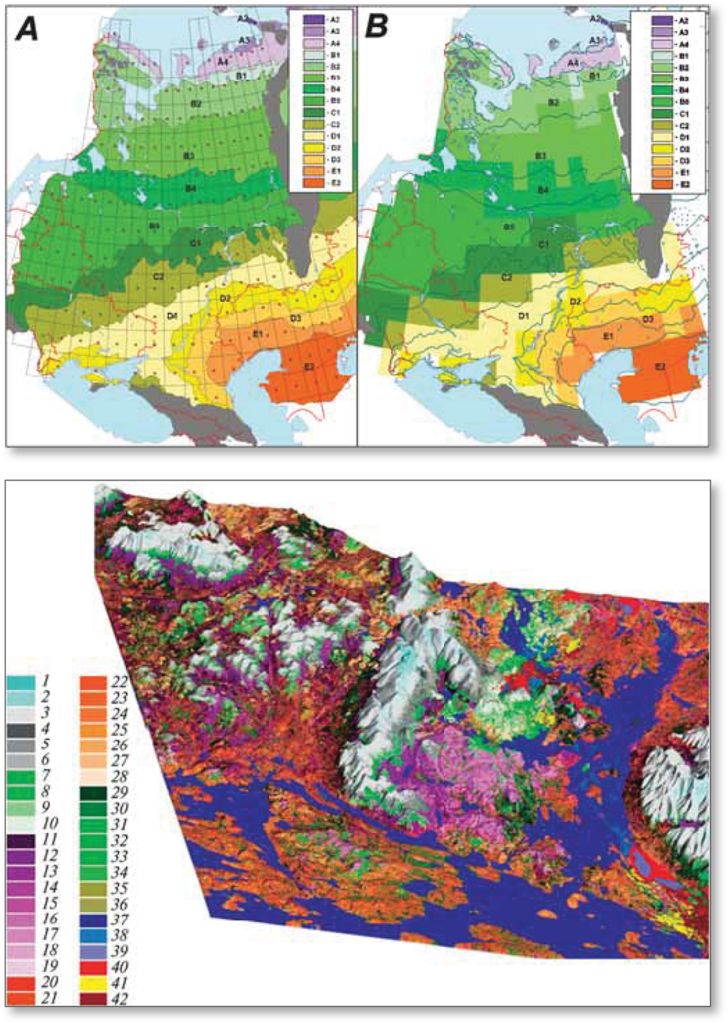
    • Forecasted Trends in Changes of Vegetation in the European Part of Russia in Connection with Global Warming
    • Spreading of Antarctic Bottom Water in the Atlantic Ocean
    • Contemporary Land Reform Policy and Practice in South Africa and Its Environmental Implications
    • Risk Assessment of Encountering Killer Waves in the Black Sea
    • Geotechnical Safety Issues in the Cities of Polar Regions
    • Balanced Fertilization for Sustainable Development of Agriculture in the Savannas of South America
    • Evaluation of Glacier Melt Contribution to Runoff in the North Caucasus Alpine Catchments Using Isotopic Methods and Energy Balance Modeling
    • Isoprene and Monoterpenes over Russia and Their Impacts in Tropospheric Ozone Formation
    • Spatial Analysis on Health Problems Among Unorganized Industrial Workers in Ambedkarnagar District, India
    • A Novel Methodological Approach of Estimating Urban Population in Nigeria
    • Opportunistic Fungi in the Polluted Soils of Kola Peninsula
    • Estimation of Dispersed Glaciation Shrinkage Under Climate Change
  • Far Eastern Affairs Digital Archive

    Far Eastern Affairs Digital Archive

    A Russian journal on China, Japan and the Asia-Pacific.

    Far Eastern Affairs is a quarterly peer-reviewed journal of the Russian Academy of Sciences’ Institute for China and Contemporary Asia (formerly known as the Institute for Far Eastern Studies). The journal provides in-depth multidisciplinary and interdisciplinary discussion of Russia’s relations with China, Japan, North and South Korea, as well as other countries of the Asia-Pacific region. As such the journal introduces its vast contingent of readers, both in Russia and abroad, to the region’s rich history and culture, politics and economic state of affairs. It does so by providing cutting-edge research and commentary on a broad array of topics and issues of interest to specialists and non-specialists alike.

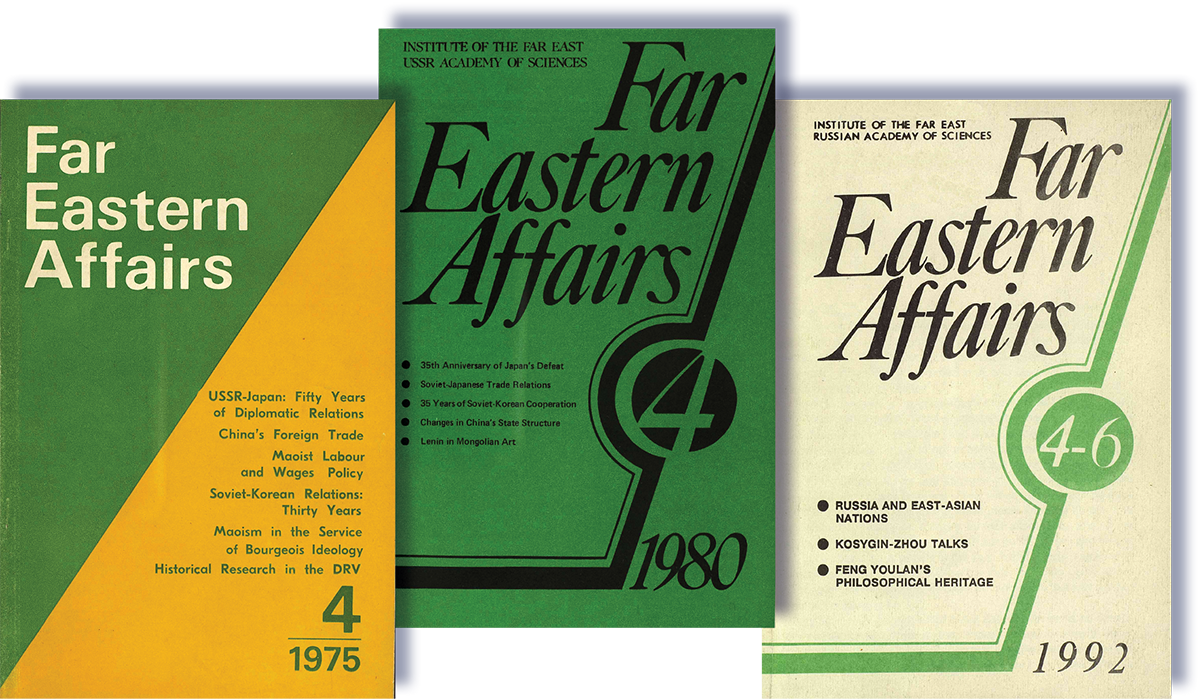
    Since its inception in Russian in 1972 (in English – since 1974) the journal has become the premier scholarly publication in Russia that provides deep insight into and new information about the region as well as Russia’s role in shaping its social and political dynamics by attracting works from well-known scholars, practitioners, statesmen, diplomats, and analysts. Its primary objective is to cultivate and maintain a long-lasting, relevant, and academically rigorous scholarship on one of the strategically and geopolitically most important regions in the world.

    The Far Eastern Affairs Digital Archive contains the most complete set of the journal from the very first issue, comprising more than 200 issues and nearly 31,500 pages of high-quality scholarship. The archive offers scholars the most comprehensive collection available for this title, with an additional year’s worth of content available for purchase on an annual basis. The archive features full page-level digitization, complete original graphics, and searchable text, and is cross-searchable with numerous other Infoteka digital resources.

  • Eksport Vooruzhenii Digital Archive

    Eksport Vooruzhenii Digital Archive

    Authoritative Russian journal on the global arms industry.

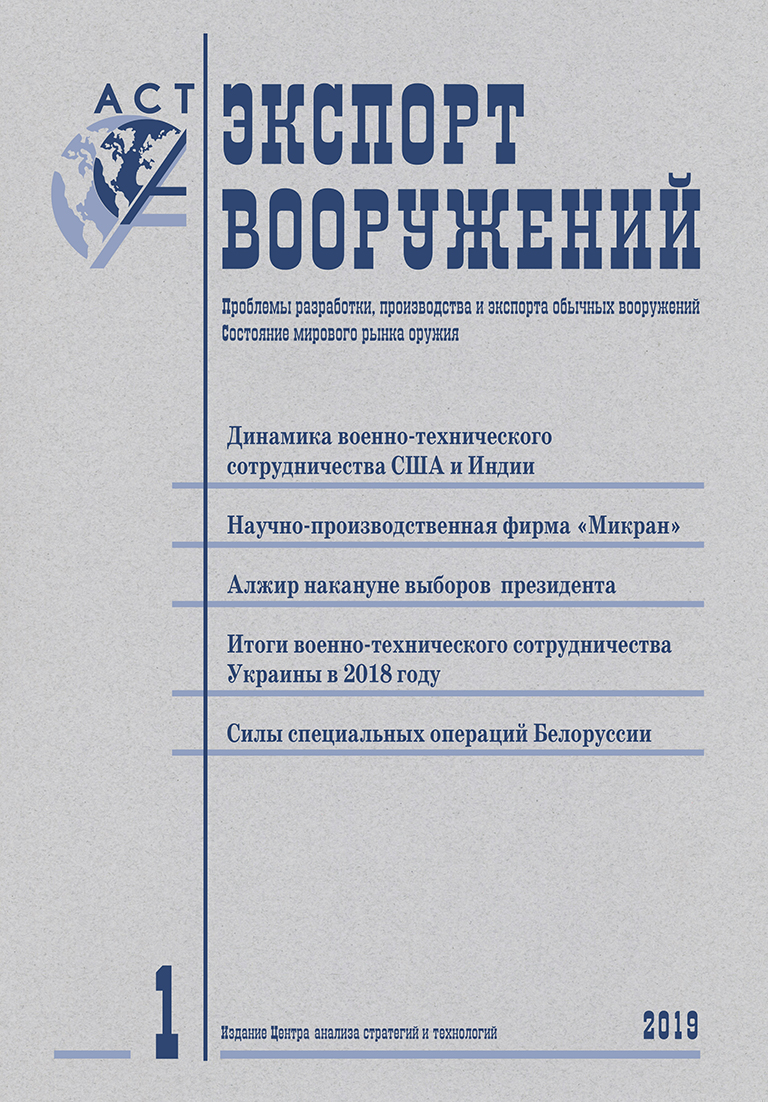
    Published since 1997 by the Centre for Analysis of Strategies and Technologies, Eksport Vooruzhenii (Экспорт вооружений, Arms Exports) is one of the most authoritative and most important scholarly publications in Russia covering issues related to the global production and trade of military goods and armaments.

    Published bimonthly, the journal has distinguished itself as a provider of insightful and balanced commentary on and analysis of the global arms market, becoming a platform for original research on broader industry dynamics, developments, and trends. Among other various topics, the journal devotes particular focus to the analysis of military-technical aspects of the defense industries of various countries, the viability of weapons systems in a constantly evolving global arms market in the context of emerging geopolitical challenges, and various cases (oftentimes unannounced) of defense-industrial cooperation between Russian and foreign companies.

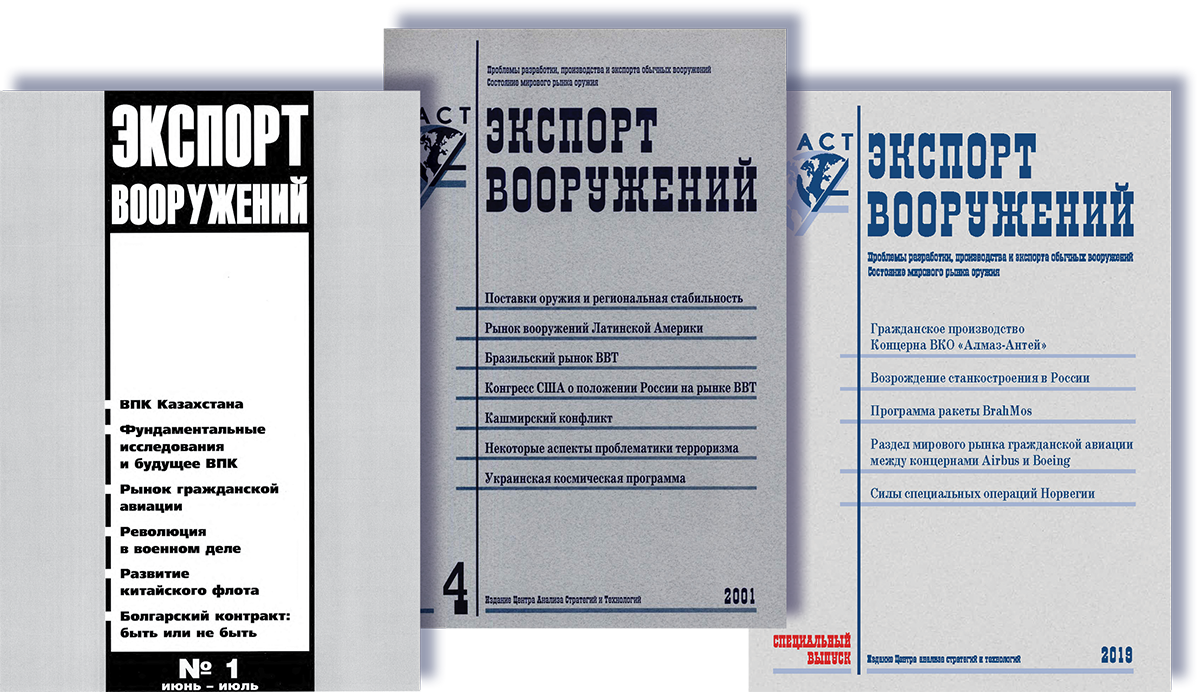
    The Eksport Vooruzhenii Digital Archive comprises more than 145 issues and over 2,100 articles, including several special issues published in addition to the regular bimonthly issues. This is the most complete set of the journal available and includes several rare issues that were procured and scanned by Infoteka especially for this archive. An additional year’s worth of content is available for purchase on an annual basis.

    The archive features full page-level digitization and complete original graphics. The archive has searchable text, and is cross-searchable with numerous other Infoteka digital resources.

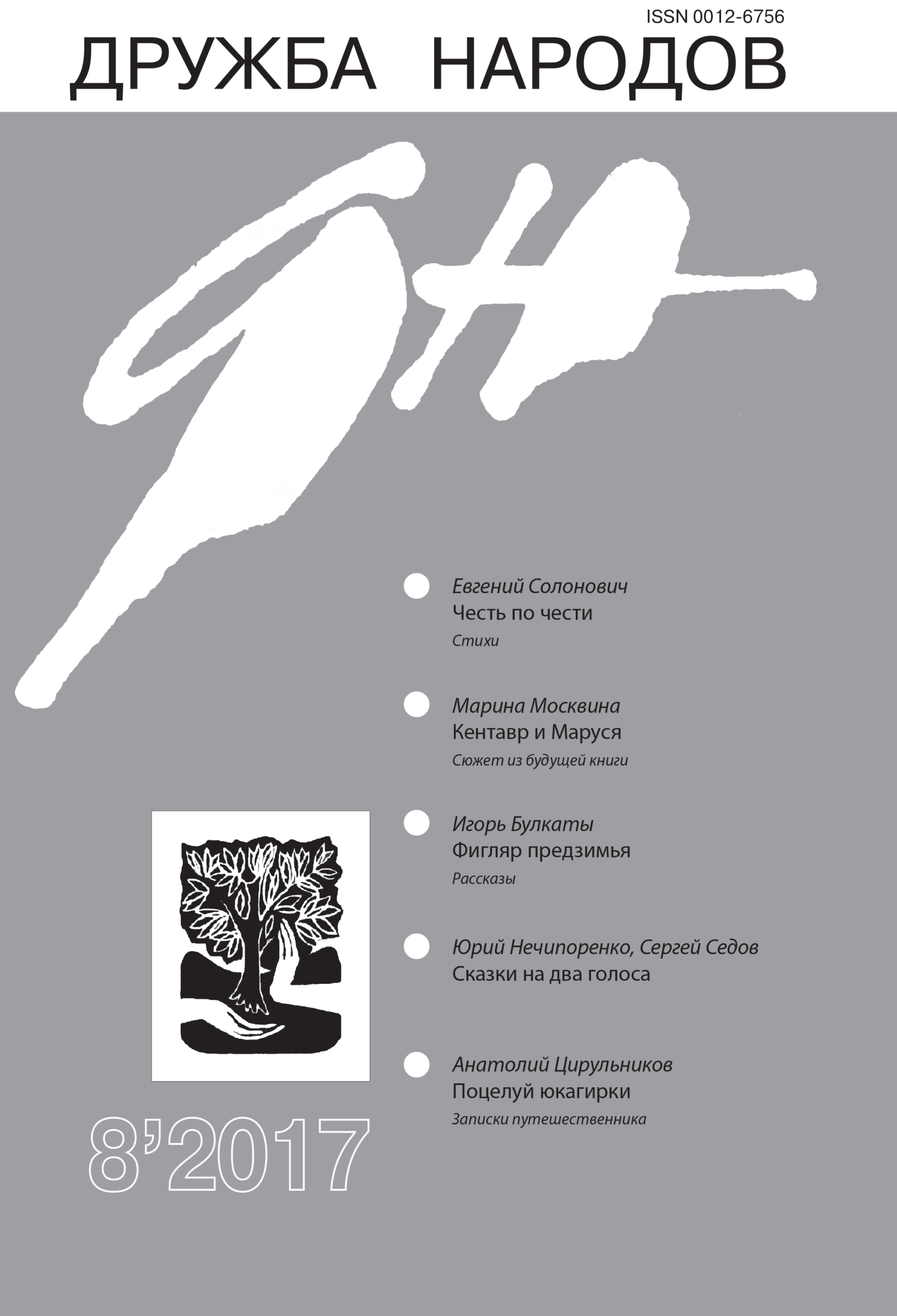
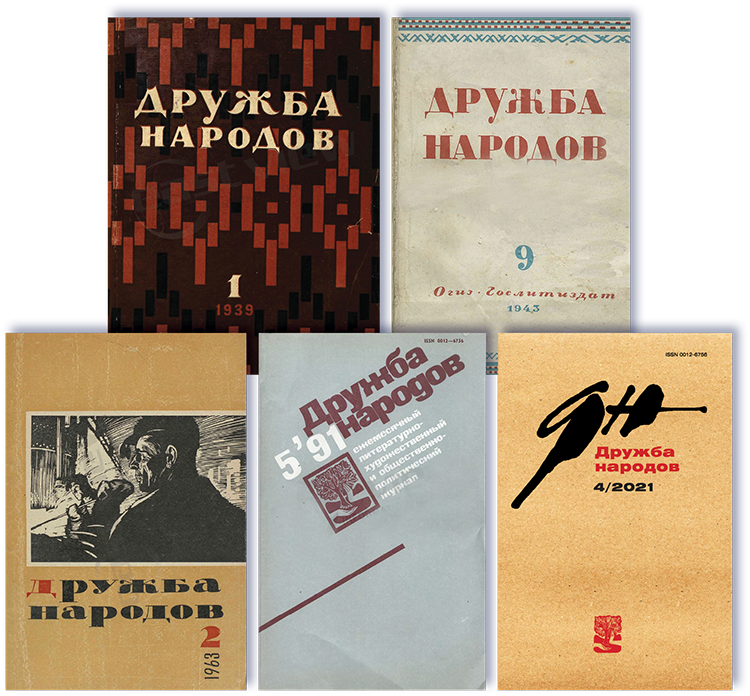
  • Druzhba Narodov Digital Archive

    Druzhba Narodov Digital Archive

    Influential literary journal highlighting writing from across the Soviet Union.

    The journal began as an almanac designed to bring the literature of the Soviet republics into a shared cultural forum. Its core mission was to introduce readers in the Russian-language center to prose, poetry, and literary commentary produced across the USSR’s many languages—Uzbek, Georgian, Armenian, and many others—through publication in Russian translation.

    After a wartime hiatus (June 1941–October 1943), the publication resumed, eventually establishing a bimonthly schedule in 1949 and transitioning to a monthly journal in 1955. During the Soviet era, Druzhba Narodov operated under the auspices of the Union of Soviet Writers and became one of the principal platforms for the state doctrine of “friendship among nations.” The journal helped consolidate a tradition of literary translation as a high-status intellectual craft, with leading Russian poets and writers serving as translators and adapters—including Boris Pasternak, Nikolai Zabolotsky, Pavel Antokolsky, Semyon Lipkin, Arseny Tarkovsky, and others.

    Across decades, the journal published a wide range of major Soviet and post-Soviet authors and critics, including Viktor Astafiev, Vasyl Bykov, Rasul Gamzatov, Fazil Iskander, Bulat Okudzhava, Anatoly Rybakov, Alexander Tvardovsky, Vasily Shukshin, Lev Gumilev, Kornelii Chukovsky, Svetlana Alexievich, and many others. Its pages document shifting literary and political climates from the late Stalin period through Khrushchev’s Thaw, the era of late Soviet stagnation, the rupture of perestroika, and the cultural realignments of the post-1991 period. Following the dissolution of the USSR, Druzhba Narodov moved from being an official organ of the Union of Writers to an independent, privately published journal.

    The Druzhba Narodov Digital Archive supports advanced research and teaching by providing a fully digitized, searchable corpus that can be used to trace authors, themes, genres, regions, and translation practices over time. It is particularly valuable for scholarship on Soviet cultural policy, center-periphery relations, literary translation and mediation, nationalism and multinationalism, and the evolving relationship between literature and public discourse.

    The archive provides comprehensive online access to a major institution of Russian-language publishing for nearly nine decades. The fully digitized archive offers offers scholars the most comprehensive collection available for this title, with an additional year’s worth of content available for purchase on an annual basis. Featuring full page-level digitization, complete original graphics, and a user-friendly bilingual interface in Russian and English, the searchable database enables efficient exploration of key literary content. The archive is cross-searchable with numerous other Infoteka digital resources.

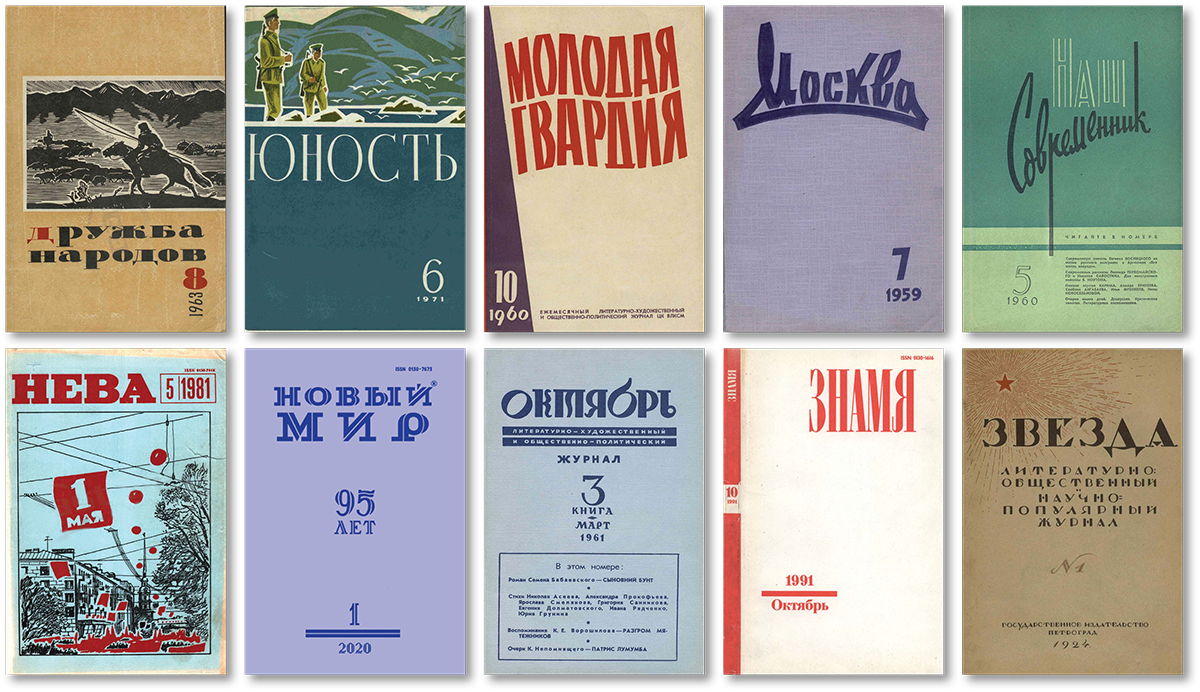
    More about the Soviet “Thick Journals”

    The famed Soviet tolstye zhurnaly, or “thick journals,” were significant platforms for literary and intellectual discourse. Tolstye zhurnaly such as Druzhba Narodov played a complex and multifaceted role in Soviet intellectual and literary life. They were not merely publications but institutions that shaped and were shaped by the cultural, intellectual, and political currents of their time. These journals served multiple roles:

    They acted as repositories of high culture, preserving the intellectual and literary achievements of the era. Given the limited avenues for independent publishing, these journals were the primary platforms where established and emerging writers could reach an audience.

    State-Controlled Outlets. While they were crucial platforms for intellectual and artistic expression, it’s important to remember that these journals were often used to propagate official ideologies, and the works published in them usually underwent rigorous censorship.

    Academic Importance. For academics studying the Soviet period, tolstye zhurnaly offer a valuable glimpse into the state-sanctioned intellectual climate of the time. They provide context for how literature and intellectual thought evolved under different political and social conditions.

    Catalysts for Change. During more liberal periods, such as the Khrushchev Thaw and the perestroika years, tolstye zhurnaly could act as catalysts for change, pushing the boundaries of what was acceptable to discuss and publish.

  • 30 Dnei Digital Archive

    30 Dnei Digital Archive

    Illustrated Soviet literary journal featuring fiction, essays, and poetry.

    Founded in 1925 in Moscow and originally appearing as a literary supplement to the newspaper Gudok, 30 Dnei (30 дней, 30 Days) was an illustrated Soviet literary journal most famous for the serialized publications of such Soviet literary sensations as Il’f and Petrov’s The Twelve Chairs and The Golden Calf. Praised and supported by none other than Maxim Gorky, the journal was conceived by its publisher as a platform for the publication of short form literature, both original and translated, and was geared towards the emerging generation of writers and the intelligentsia.

    Apart from helping launch and shape the literary careers of a slew of Soviet writers, the journal was instrumental in introducing acclaimed works of short fiction, essays, and poetry by foreign authors as well. Some of the most important Soviet and foreign writers whose works have appeared on the pages of 30 Dnei were Vasily Grossman, Vladimir Mayakovsky, Boris Pasternak, Yury Olesha, Valentin Kataev, Ernest Hemingway, Langston Hughes, Paul Valery, Upton Sinclair, Sherwood Anderson, among others. The journal also featured visually striking covers designed by famous Soviet artists and photojournalists, including Aleksandr Rodchenko, Veniamin Briskin, and the creative group Kukryniksy.

    The 30 Dnei Digital Archive comprises the entire collection of the popular literary monthly journal, totaling 195 issues, 5,850 articles, and 19,500 pages. The archive offers scholars the most comprehensive collection available for this title, and features full page-level digitization and complete original graphics. The archive has searchable text and is cross-searchable with numerous other Infoteka digital resources.