Resource Type: Digital Archive – Journals

  • Social Sciences Digital Archive

    Social Sciences Digital Archive

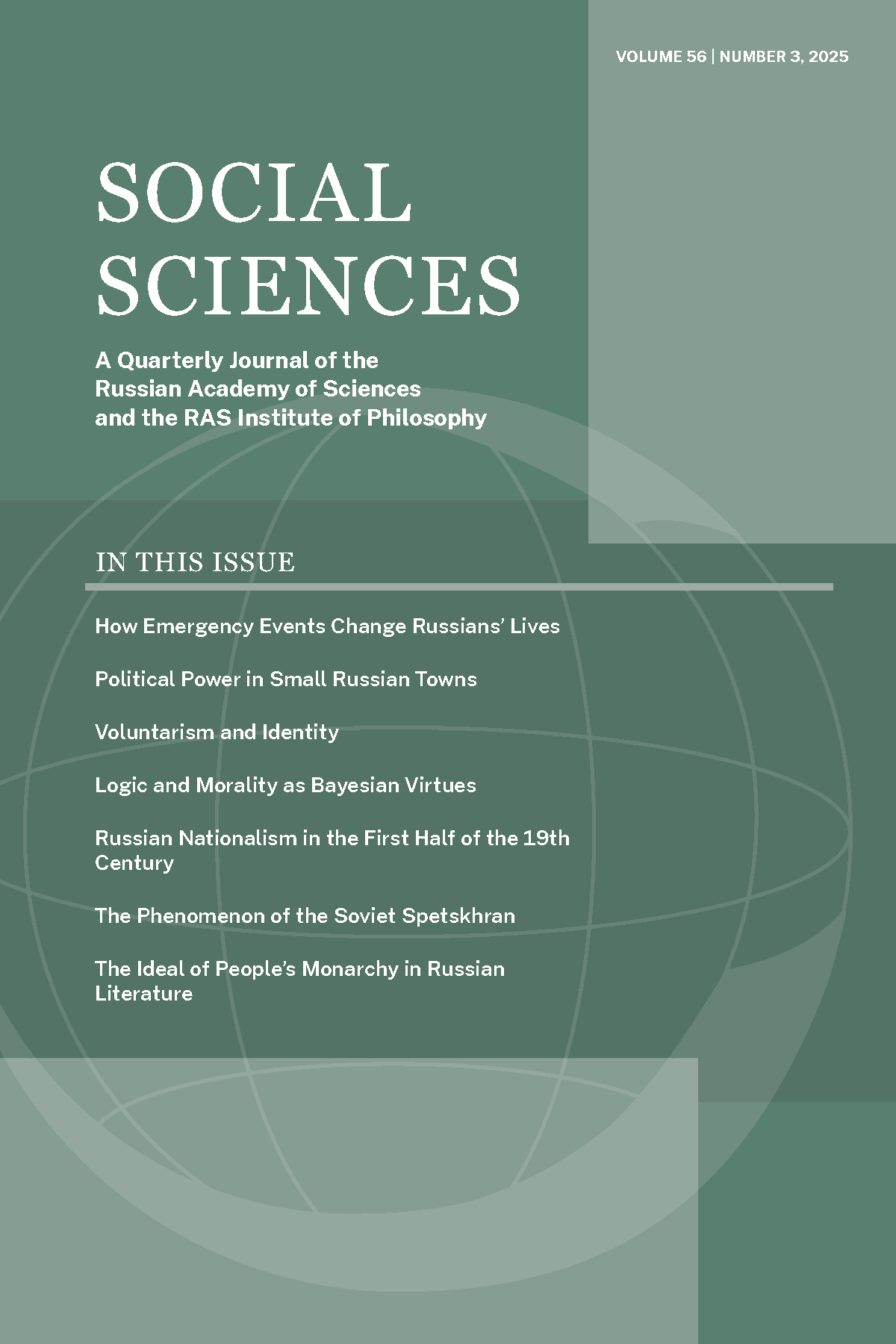
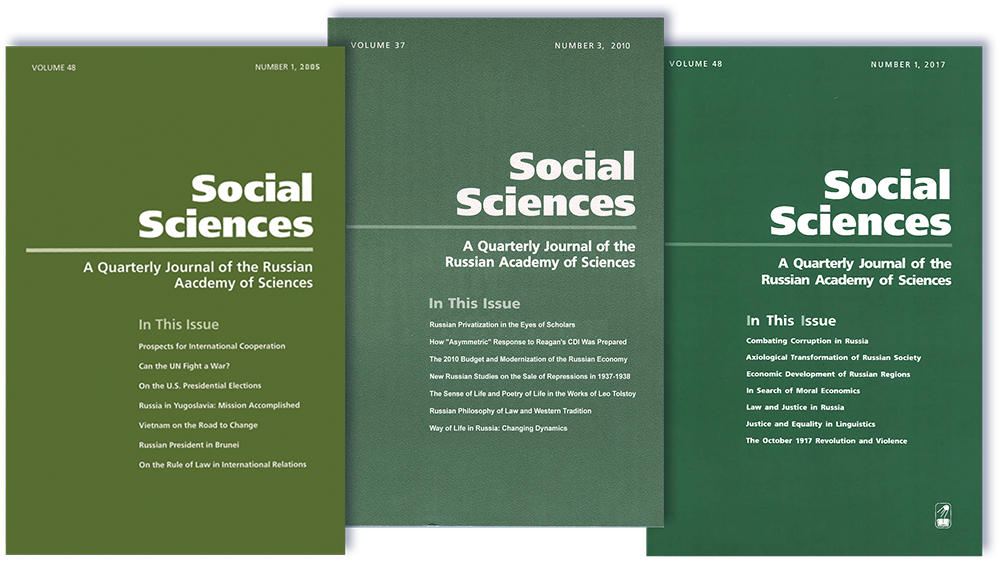
    A quarterly journal of the Russian Academy of Sciences.

    Founded in 1970, Social Sciences was conceived as a scholarly publication tasked with promoting the Marxist-Leninist approach to social sciences worldwide. Since Gorbachev’s perestroika, however, the periodical’s ideological framework underwent certain modifications becoming a vivid chronicle of the collapse of the old communist dogmas and the transition to new ways of approaching social, economic and historical issues.

    Over the decades since its founding, the journal has become an important and a unique platform for prominent papers and studies selected from various institutes of the Russian Academy of Sciences. Covering the most pressing issues of Russia’s social and economic development, Social Sciences includes articles on philosophy, history, economics, politics, sociology, law, philology, psychology, ethnography, archaeology, literature and culture.

    The Social Sciences Digital Archive includes all issues published from 1970 on (over 6,500 articles), with an additional year’s worth of content available for purchase on an annual basis. The archive offers scholars the most comprehensive collection available for this title, and features full page-level digitization and complete original graphics. The archive has searchable text and is cross-searchable with numerous other Infoteka digital resources.

  • Slaviane Digital Archive

    Slaviane Digital Archive

    Anti-fascist Soviet propaganda journal from the WWII era.

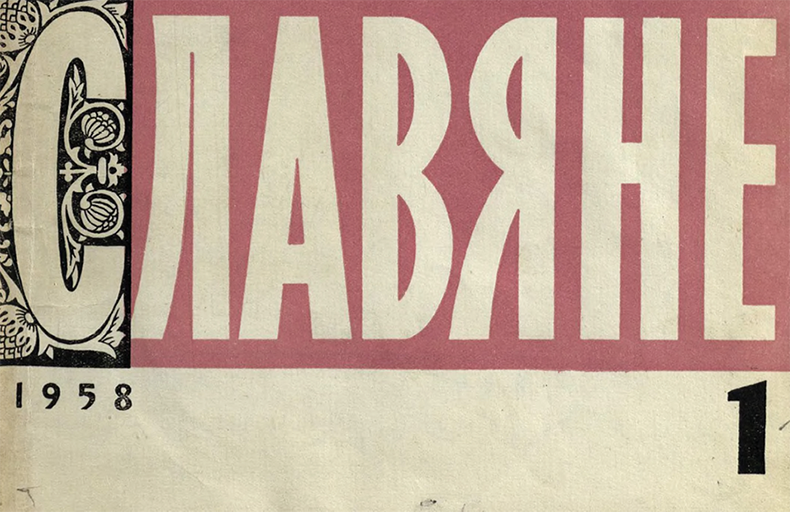
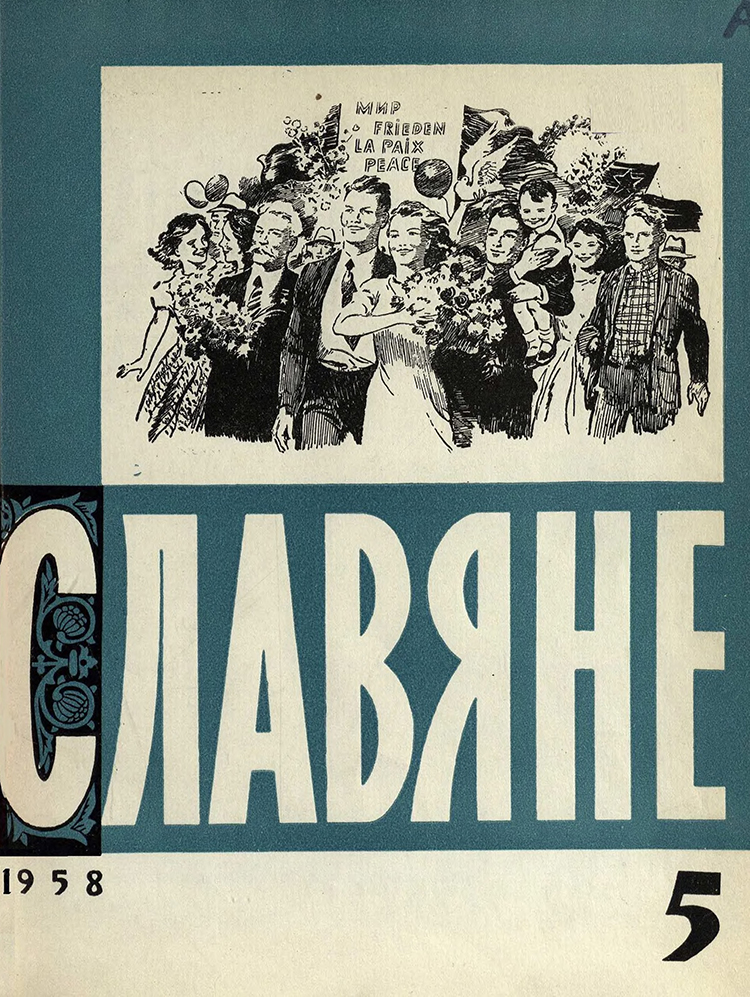
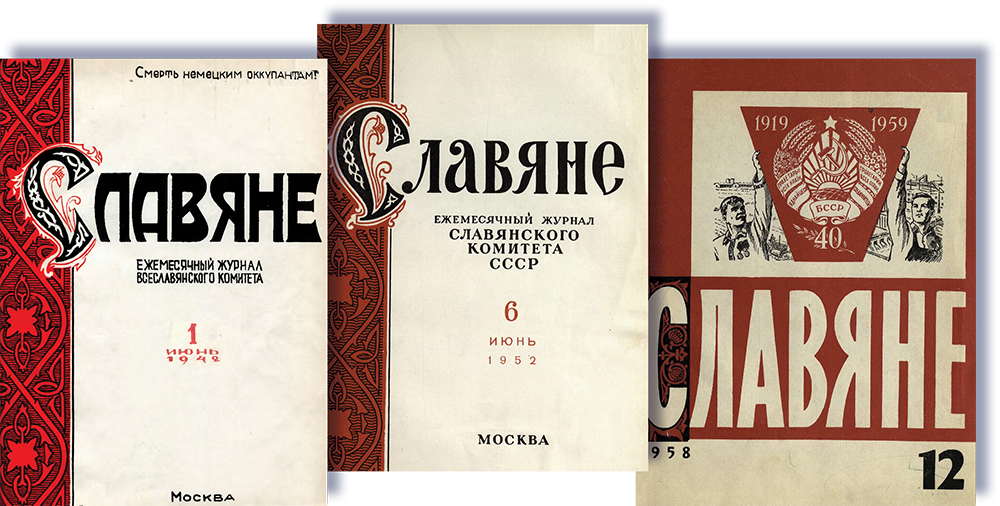
    Founded in 1942 at the height of the Great Patriotic War by the All-Slavic Committee, a Soviet anti-fascist organization, Slaviane (Славяне, Slavs) was a monthly journal that saw its mission as one of “rallying Slavic peoples together in alliance with all freedom-loving peoples to fight against Nazi Germany and its vassals.” The editors sought to achieve this mission by exposing the “predatory and rapacious policies of Hitlerites, their hate-filled program aimed at the elimination of Slavic peoples and their centuries-old culture.” Apart from its anti-Fascist and anti-Nazi platform, the journal also sought to cultivate and propagate among Slavic peoples a knowledge of their shared history, the role of Slavic peoples in world culture and civilization, as well as episodic coverage of the Slavic communities in such far-flung countries as the United States, England, Australia, New Zealand and elsewhere. In short, the journal became a unified platform for intellectuals and politicians from Slavic countries, with the aim of providing an intellectual outlet against Nazism based on Slavic historical and cultural solidarity.

    Following the end of the War, the journal underwent significant editorial changes, switching its focus from defeating Nazism to coverage of life and culture in the Soviet Union. In the process it strove to increase distribution in Slavic countries as well as in the West, although with limited success. It ceased publication in 1958.

    The Slaviane Digital Archive provides researchers and students a unique collection that sheds light on an important aspect of Soviet propaganda production in a critical period of the Soviet Union’s history. The archive offers scholars the most comprehensive collection available for this title, comprising 197 issues, 4,752 articles, and over 12,000 pages. The archive features full page-level digitization and complete original graphics. The archive has searchable text, and is cross-searchable with numerous other Infoteka digital resources.

  • Seans Digital Archive

    Seans Digital Archive

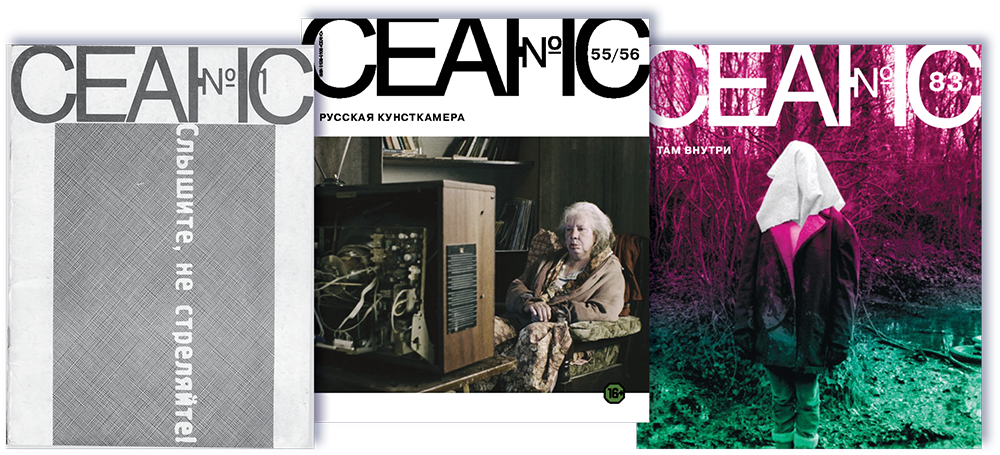
    Influential Russian film studies journal.

    Seans took a six-year hiatus from 1998–2004 following the death of Sergey Dobrotvorsky, one of the journal’s key editors. Although not technically in production during these years, the journal’s editors and writers nevertheless continued their collaboration, producing a seven-volume encyclopedia on contemporary Russian cinematic arts.

    Over the years Seans has received high praise, attracting the collaboration of some of the most significant names from the Russian film industry, as well as from the broader world of art history and criticism. The long list of collaborators and admirers of the journal includes such renowned figures as filmmakers Alexander Sokurov and Sergey Bondarchuk, writer and historian Samuil Lurie, literary critic and film historian Mikhail Iampolski, memoirist Natalya Trauberg, and many others.

    The Seans Digital Archive contains all obtainable published issues from 1990 on, with an additional year’s worth of content available for purchase on an annual basis. The archive offers scholars the most comprehensive collection available for this title, and features full page-level digitization and complete original graphics. The archive has searchable text, and is cross-searchable with numerous other Infoteka digital resources.

    Journal Themes

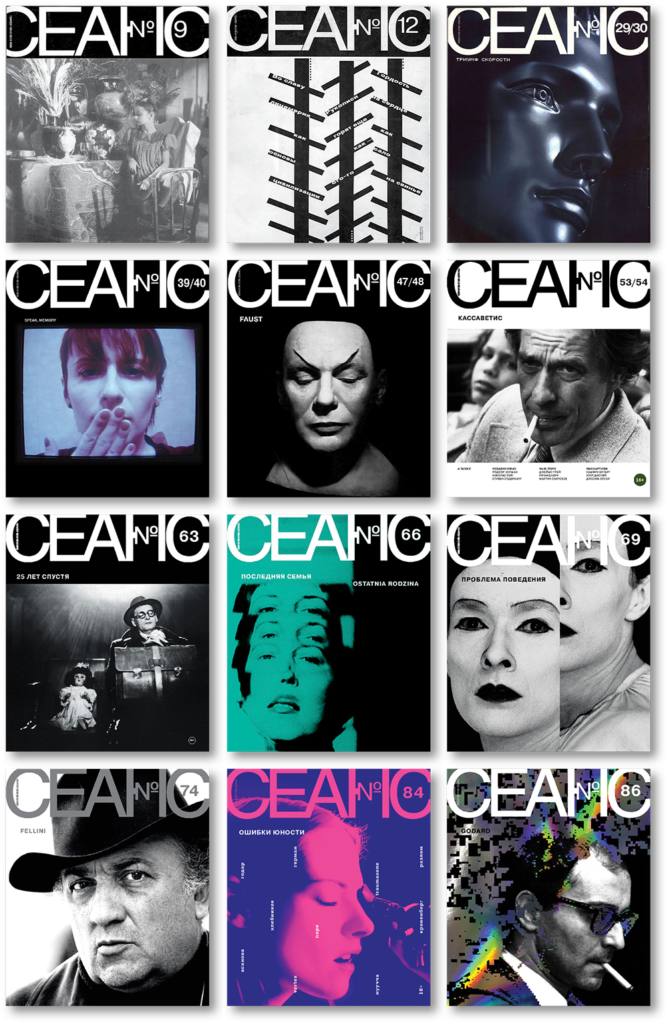
    Each issue of Seans is devoted to a specific theme. Examples of past themes include:

    • Based on true events (Основан на реальных событиях)
    • Back in the USSR
    • Sources of the impossible (Источники невозможного)
    • Speak, Memory
    • It’s sad (Это печально)
    • Everything is going according to plan (Все идет по плану)
    • Faust
    • Le tour de France
    • Russian Cabinet of Curiosities (Русская кунсткамера)
    • Utopia (Утопия)
    • 25 years later (25 лет спустя)
    • Fassbinder
    • Ressentiment time (Время ресентимента)
    • 1968 (Шестьдесят восьмой год)
    • Behavior problem (Проблема поведения)
    • This is not a movie (Это не фильм)
    • Safe Mode
    • Hitchcock (Хичкок)
    • F**K
    • Fellini
    • Isolation (Изоляция)
    • Hong Sang-su (Хон Сан-су) Right Now / Wrong Then
  • Russkaia Literatura Digital Archive

    Russkaia Literatura Digital Archive

    Renowned literary journal from the Russian Academy of Sciences.

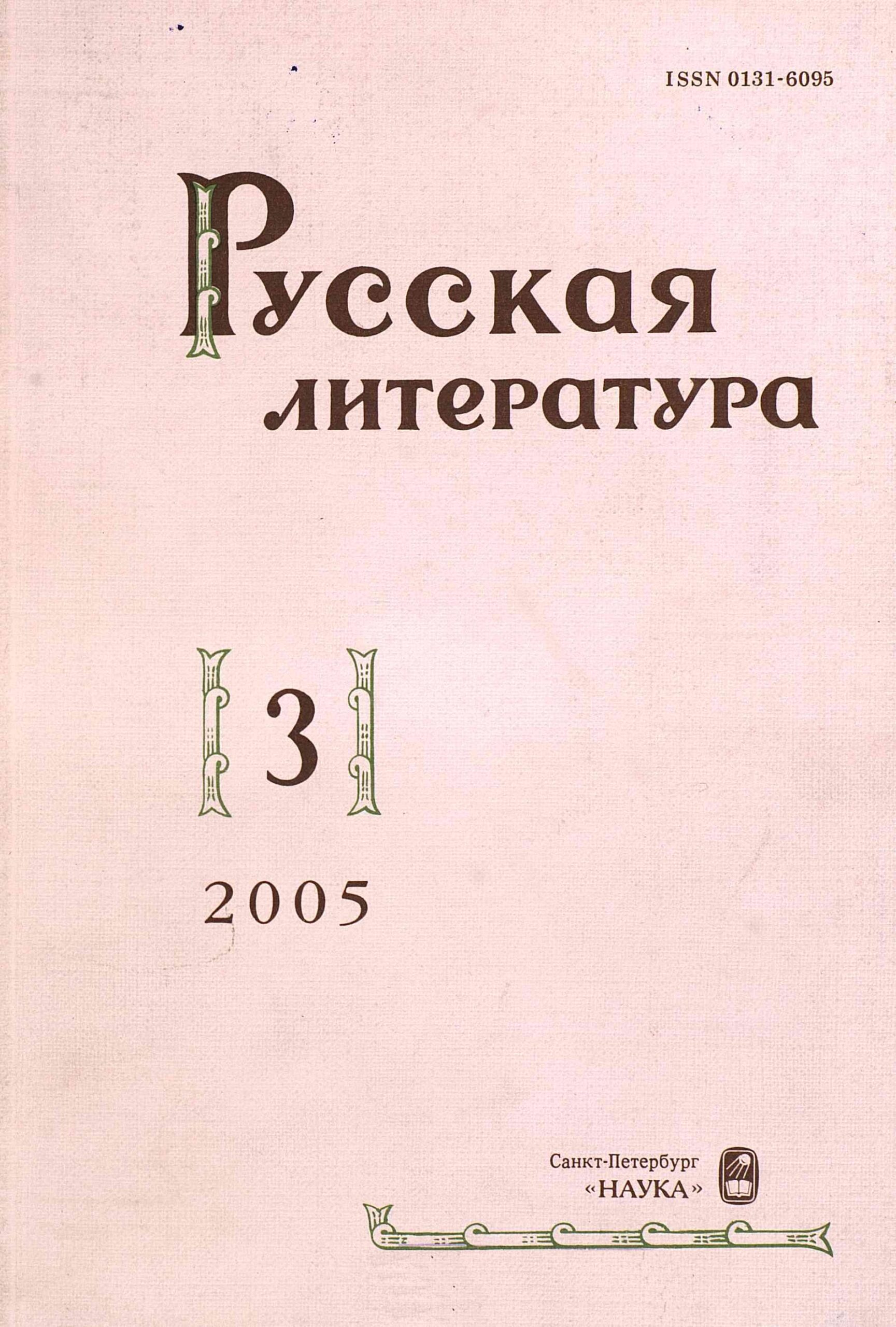
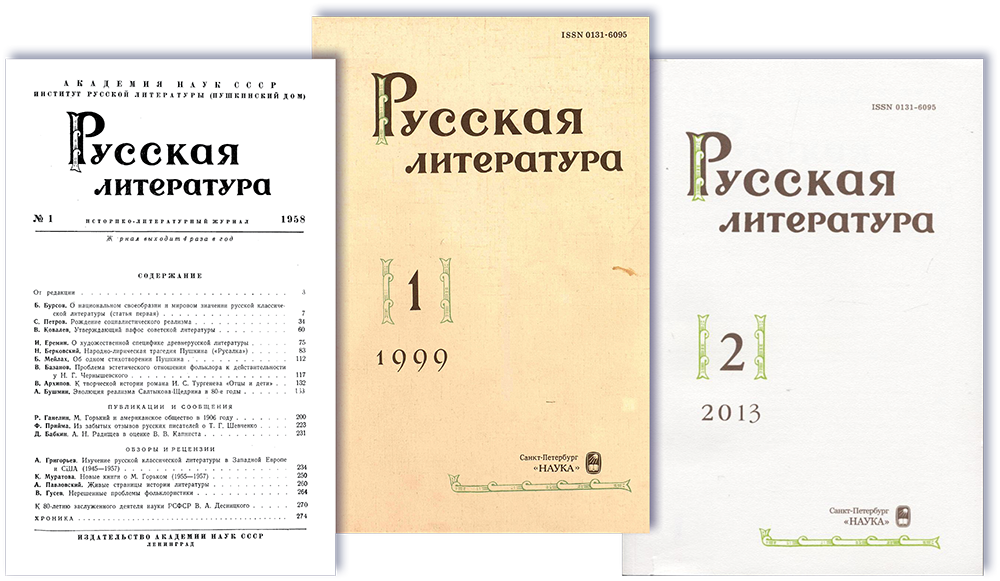
    Russkaia literatura (Русская литература, Russian Literature) is a well-known journal of literary criticism. The journal is one of the most comprehensive, reliable and authoritative resources featuring biographical information and criticism of Russian and Soviet authors in various genres. Published since 1958 by the Institute of Russian Literature of the Russian Academy of Sciences (Pushkinskii Dom), this scholarly journal features numerous research papers, discussion pieces, analytical articles and critical essays concerning classical and modern writers and poets of Russia.

    The Russkaia Literatura Digital Archive contains the complete run of the journal from 1958 on, with an additional year’s worth of content available for purchase on an annual basis. The archive offers scholars the most comprehensive collection available for this title, and features full page-level digitization, complete original graphics, and searchable text, and is cross-searchable with numerous other Infoteka digital resources.

  • Russkii Arkhiv Digital Archive

    Russkii Arkhiv Digital Archive

    Well-known pre-revolutionary historical and literary journal.

    The Russkii Arkhiv Digital Archive contains all obtainable published issues of the journal (650 issues and nearly 100,000 pages), as well as several supplemental publications (see list below). The archive offers scholars the most comprehensive collection available for this title, and features full page-level digitization, complete original graphics, and searchable text, and is cross-searchable with numerous other Infoteka digital resources.

    Note: Russkii arkhiv was written in the Old Russian orthography used at the time, which included the letters І, Ѣ, Ѳ and Ѵ. These letters were later eliminated from the Russian alphabet during the orthographic reform of 1918. To facilitate full-text searching of this journal, the database includes a special keyboard containing the old Russian characters. This virtual keyboard allows users to enter words containing pre-reform Russian letters (e.g. “сѵнодъ,” “дѣтство”). In addition, article-level keywords, bibliographic references, and other metadata has been added to improve the database’s search functionality. Where needed, the scanned files have been retouched to ensure a fully text searchable database.

    Supplementary Materials

    Russkii arkhiv: predmetnaiia rospis

    (Русскiй Архивъ: предметная роспись, Russkii arkhiv: a list of articles by subject) This publication contains lists of the articles published in Russkii arkhiv in 1863–1882 (twenty years), 1863–1892 (thirty years), 1863–1908 (inclusive), along with subject and alphabetical references. Starting in 1907 parts of the rospis started to accompany Russkii arkhiv itself and in 1908 the complete rospis was printed as a separate publication.


    Predmetnyi i alfavitnyi katalog kollektsii knig Chertkovskoi biblioteki v triokh chastiakh, izdannyi v vide prilozheniia k Russkomu arkhivu (1863–1868)

    (Каталогъ книг Чертковской библiотеки, The subject and alphabetical catalog of the collection of books of the Chertkov Library in three volumes, published as a supplement to Russkii arkhiv [1863–1868])


    Severnyie tsvety

    (Сѣверные цвѣты, Northern Flowers) A literary almanac published in St. Petersburg during 1824–1830 by the well-known Russian poet and journalist Anton Delvig. For the years 1825 and 1826 the almanac issues were reprinted as supplements to Russkii arkhiv (1881).


    Stikhotvoreniia Vasiliia Andreevicha Zhukovskago

    (Стихотворенiя Василія Андреевича Жуковскаго, Poems of Vasily Andreevich Zhukovsky)


    Zapiski Filippa Filippovicha Vigelia

    (Записки Филипа Филиповича Вигеля, The memoirs of Fillip Philipp Philippovich Vigel) А Russkii arkhiv publication, Zapiski portrays an exhaustive gallery of the Russian people of the first half of the 19th century, placing them in a context of everyday life of the time.

    See title list for full list of titles.

  • Russian Thick Journals

    Russian Thick Journals

    Tolstye zhurnaly (толстые журналы), literally meaning “thick journals” in Russian, are a unique form of literary and cultural periodicals that have played a significant role in Russian intellectual life since the 19th century. These journals typically contain:

    • New works of fiction (novels, short stories, poems)
    • Literary criticism and essays
    • Social and political commentary
    • Cultural analysis

    Unlike typical journals, tolstye zhurnaly are book-length publications, often running to several hundred pages per issue. In the Soviet Union and later in Russia, literary and artistic journals with a full volume of 192-256 pages received the informal name “thick journals.”

    Digital Archives of Russian Thick Journals

    Druzhba Narodov Digital Archive (1939–2025)


    Moskva Digital Archive (1957–2025)


    Nash Sovremennik Digital Archive (1933–2025)


    Neva Digital Archive (1955–2025)


    Oktiabr’ Digital Archive (1924–2018)


    Znamia Digital Archive (1931–2025)


    Zvezda Digital Archive (1924–2025)


    IUnost Digital Archive (1955–2025)


    Molodaia Gvardiia Digital Archive(1922–2025)


    Novyi Mir Digital Archive (1925–2025)

  • Rubezh Digital Archive

    Rubezh Digital Archive

    Rare émigré magazine published by the Russian diaspora in Harbin, China.

    Published in Harbin from 1926 to 1945, Rubezh (Рубеж, The Frontier) was founded by publisher Evgenii Kaufman and supported by correspondents in Europe, the Americas, and Australia. As the only comprehensive record of Russian émigré intellectual and cultural life in Harbin, the most important center of Russian émigrés in East Asia, it quickly became the best-known periodical of “Russian Manchuria.” With its readable style and broad scope, Rubezh is a valuable resource for researchers in Russian emigration studies, East Asian history, media and film studies, fashion history, and transnational cultural exchange.

    In the beginning of the 20th century the town of Harbin in China was a very special place for the Russian diaspora. Built around the Chinese Eastern Railway, it provided unusual legal and economic freedoms. That position drew waves of Russians (professionals, refugees from the Soviet reach, clergy, etc.). They built schools, churches, theaters and printed media in Harbin, of which Rubezh was the main publication.

    The journal’s dense photo-reportage and accessible prose recorded everyday life and major events in Harbin and Manchuria – including floods, the Japanese entry into Harbin in 1932, culture and sport, church processions, and visits by stars from Shaliapin to Vertinsky – offering a meticulous record of early-twentieth-century Sino-Russian relations and diaspora culture. After the Red Army entered China, the journal was shut down, and its staff and many contributors were arrested and deported to the USSR.

    The Rubezh Digital Archive contains all 862 published issues, offering scholars the most comprehensive collection available for this title. The archive delivers high-resolution page images with OCR across articles and captions, enabling word-level search, tracking of recurring features, and tracing of brand names, business networks, and film titles across years. The archive is also cross-searchable with numerous other Infoteka digital resources.

    The archive was made possible through the support of the University of Hawai‘i (Patricia Polansky), the National Library of the Czech Republic (Slavonic Library, Lukáš Babka), libraries and archives in Russia, and many individual contributors.

  • Problemy Kitaia Digital Archive

    Problemy Kitaia Digital Archive

    Soviet journal supporting the Chinese Revolution.

    Founded in 1929 under the aegis of the Scientific-Research Institute on China, Problemy Kitaia (Проблемы Китая, Issues in Chinese Studies) was the pre-WWII Soviet Union’s preeminent scholarly journal dedicated to the social-scientific study of China until its closure in 1935. Coinciding with the setbacks suffered by the Chinese Communist Party during the height of the Civil War that ravaged the country in the late 1920s, the journal had come to see itself as an ideological bulwark at the service of the Bolshevik Revolution generally and the Chinese Revolution in particular.

    Its mission and trajectory were made clear in the first issue when the editors wrote that the principal aim of their publication was to provide “powerful assistance in the work of the theoretical defense of the Chinese Revolution … [and] become a unified platform for all Marxist-Leninist scholars of China who are busy waging a relentless campaign against [intellectual] currents hostile to Bolshevism.” Further, the journal’s editors declared, “being the theoretical organ of the militant Marxist-Leninist Sinology, our journal is called upon to render ideological aid to the Chinese Communist Party for the purpose of raising the general Marxist level of the movement, and for developing a Marxism-Leninism rooted in [and congruent with] Chinese realities.” To achieve its stated aims the journal was committed to the research and the analysis of economic, social, cultural, and political problems facing China from a distinctly Marxist-Leninist viewpoint and situated within a distinctly Chinese social and political environment.

    Although the journal’s ideological commitments were never in doubt, it did not mean that it was restricted to producing Communist propaganda or apologia with limited scholarly value. Its historical and broader social-scientific studies of China were in many ways groundbreaking, existing ideological or thematic restrictions notwithstanding. Problemy Kitaia offers researchers a rare perspective of Russian-language scholarship on a critical period of China’s history as it underwent a range a social, cultural, economic and political changes.

    The Problemy Kitaia Digital Archive offers scholars the most comprehensive collection available for this short-lived, but important title, comprising 14 issues (some of them combined issues), 195 articles, and over 3,250 pages. The archive features full page-level digitization and complete original graphics. The journal is in Russian but includes tables of contents in both Russian and English. The archive has searchable text, and is cross-searchable with numerous other Infoteka digital resources.

  • Piatidnevka Digital Archive

    Piatidnevka Digital Archive

    Complete archive of rare illustrative Soviet journal.

    Piatidnevka (Пятидневка, “Five Day Week”) is an invaluable asset for scholars engaged in the study of early Soviet history. Published six times per month from February–July 1930, this illustrative journal provides critical insights into the Soviet Union’s brief but notable experiment with a five-day workweek, comprising four workdays followed by a day of rest. This initiative reflects the broader Soviet aim of dismantling traditional societal structures in favor of innovative paradigms. The archive is rich in visual and textual content, offering wonderful artistic photos, articles, editorials, and commentaries that furnish first-hand accounts of this significant phase in Soviet history.

    The Piatidnevka Digital Archive contains all 33 published issues of this rare Soviet journal and features full page-level digitization, complete original graphics, and searchable text, and is cross-searchable with numerous other Infoteka digital resources. This digitized collection has been carefully restored to ensure optimal clarity, enabling detailed academic scrutiny without compromising the original essence of the material. Far from being merely a repository of historical documents, the Piatidnevka Digital Archive serves as a substantive bridge to a deeper understanding of the ideological underpinnings, social experiments, and cultural shifts that characterized this dynamic era in Soviet history.

  • Polis Digital Archive

    Polis Digital Archive

    Prominent journal on Russian domestic and foreign policy issues.

    Founded by a group of leading Russian scholarly organizations and associations, POLIS. Politicheskie issledovania (ПОЛИС. Политические исследования, POLICY. Political Studies) is a prominent peer-reviewed journal that publishes academic research and essays on Russian domestic and foreign policy issues from a variety of academic perspectives and disciplines. Formerly published under the title Rabochii klass i sovremennyi mir (Рабочий класс и современный мир, The Working class and the Contemporary World) from 1971-1990 at the Institute of the International Labor Movement of the Academy of Sciences, POLIS has emerged in the post-Soviet era as one of the most important and vibrant scholarly periodicals that brings together Russian and foreign experts and researchers.

    Given its mission and high academic profile, the journal has over the years served as an essential forum for political scientists, political sociologists, policy makers, and international relations specialists interested in a wide range of political issues. Among other things, the journal also publishes notices and brief summaries of the latest political science-related academic works and dissertations defended in Russian universities and academic institutions.

    The Polis Digital Archive includes all issues of Rabochii klass i sovremennyi mir and POLIS published from 1971 on (over 7,500 articles), with an additional year’s worth of content available for purchase on an annual basis. The archive offers scholars the most comprehensive collection available for this title, and features full page-level digitization and complete original graphics. The archive has searchable text and is cross-searchable with numerous other Infoteka digital resources.