Time Period: Soviet

  • Illiustrirovannaia Rossiia Digital Archive

    Illiustrirovannaia Rossiia Digital Archive

    Encyclopedia of the émigré life of ex-Russians in the first half of the 20th Century.

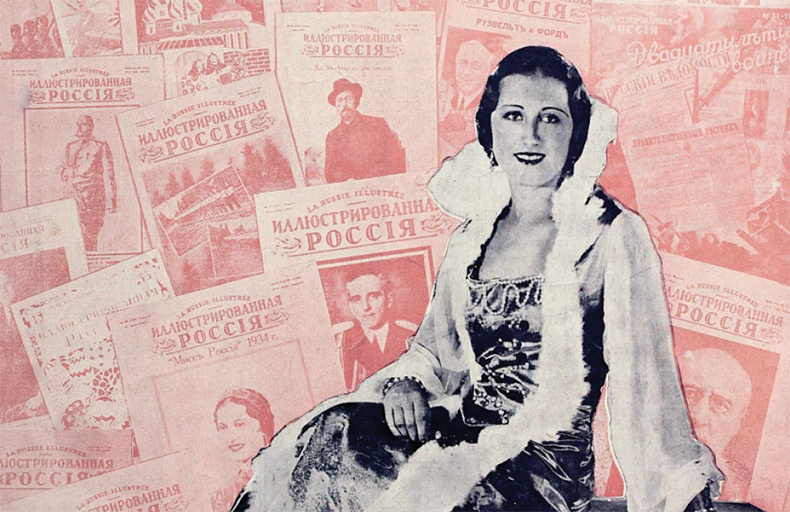
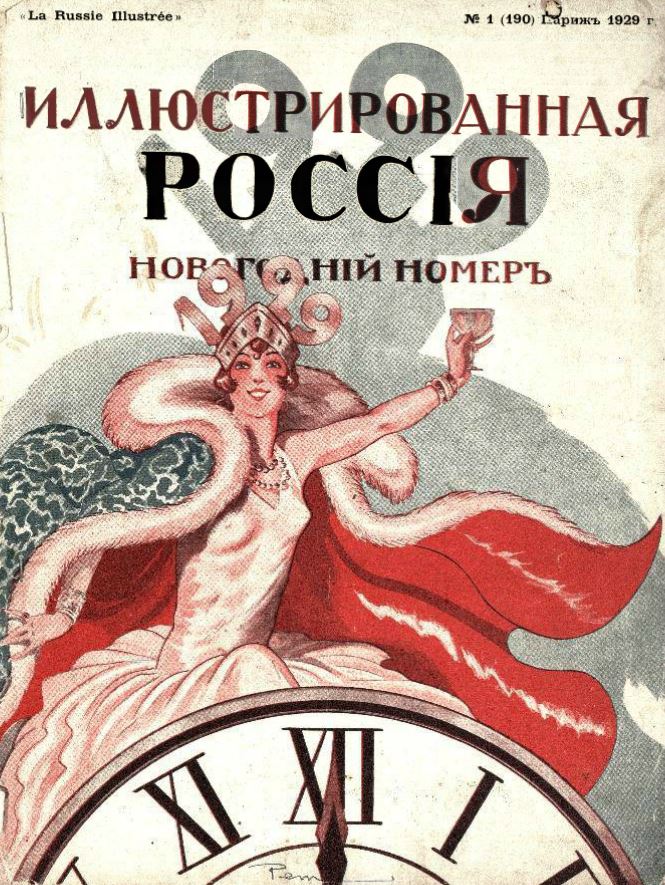
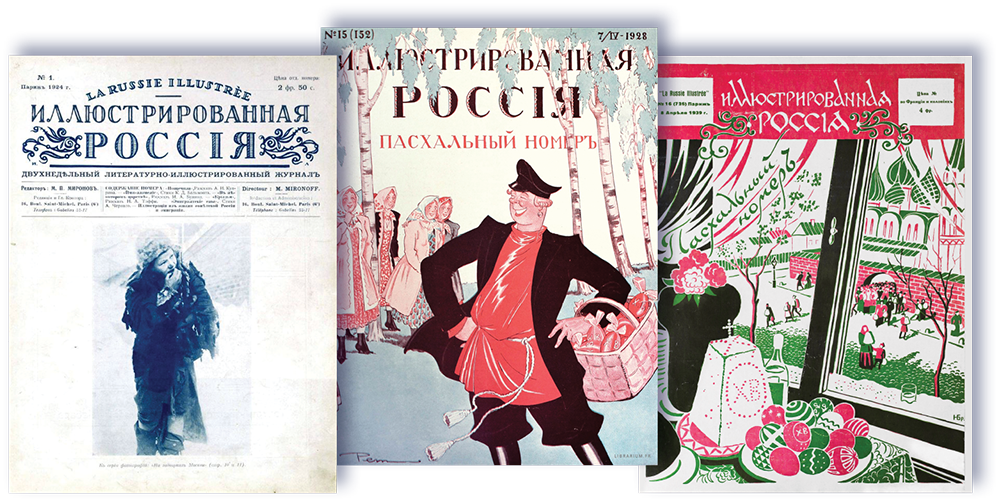
    Illiustrirovannaia Rossiia (Иллюстрированная Россия, La Russie Illustrée, Illustrated Russia) was a weekly literary and illustrated journal, published in Paris from 1924-1939. The founding editor of the journal, Miron Mironov, was a prominent Russian émigré journalist who had started his career in Russia, honing his writing and editorial skills at prominent Russian publications in St. Petersburg and Kyiv before leaving the country.

    The target demographic of the journal was the growing community of Russian émigrés in France and elsewhere who left Russia behind in the wake of the Bolshevik Revolution. Contributing to the popular success of the journal were both its production quality and the quality of its content, which were lavishly underwritten by a coterie of wealthy benefactors in exile. As such, Illiustrirovannaia Rossiia was an unrivaled source of literary and cultural tidbits as well as long-form writing and serialized novels.

    Perhaps the greatest contributing factor to its success was the deliberately apolitical nature of the publication, unique among a growing list of Russian émigré publications of that time that were engaged in internecine ideological wars. The journal’s apoliticism had its limits, however, as communism and the Soviet authorities were periodically and mercilessly ridiculed on the pages of the publication, leaving no doubt as to its overall political orientation.

    Over the years the journal would become one of the most important, if not the most important, Russian émigré periodicals attracting literary and journalistic talent from the far-flung Russian diaspora communities. Despite its brief lifespan of 15 years, the journal published 748 issues, leaving an indelible mark on the Russian literary and cultural scene and becoming an important part of the twentieth-century Russian émigré cultural landscape. Illiustrirovannaia Rossiia remains an invaluable and unique repository of textual and visual representation, providing researchers with indispensable insight into Russian cultural life in exile.

    The Illiustrirovannaia Rossiia Digital Archive contains the complete set of the journal from the very first issue, comprising 748 issues and more than 21,000 pages. The archive features full page-level digitization, complete original graphics, and searchable text, and is cross-searchable with numerous other Infoteka digital resources.
  • Gudok Digital Archive

    Gudok Digital Archive

    One of Russia’s oldest and leading trade newspapers.

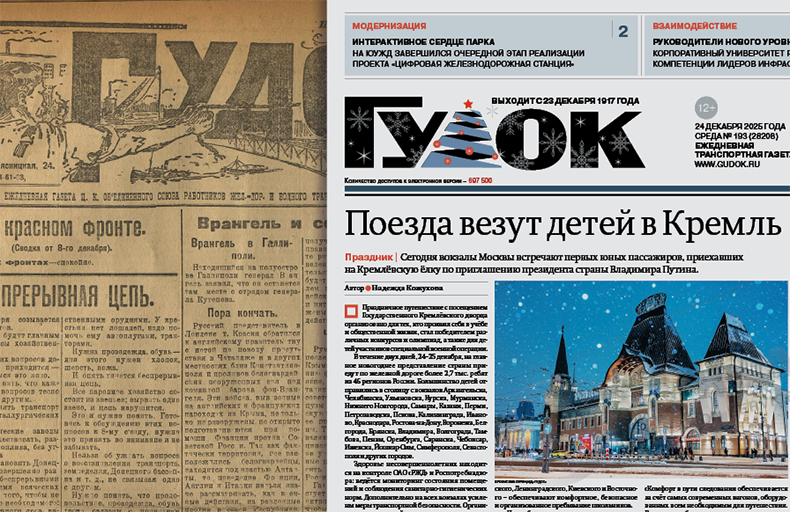
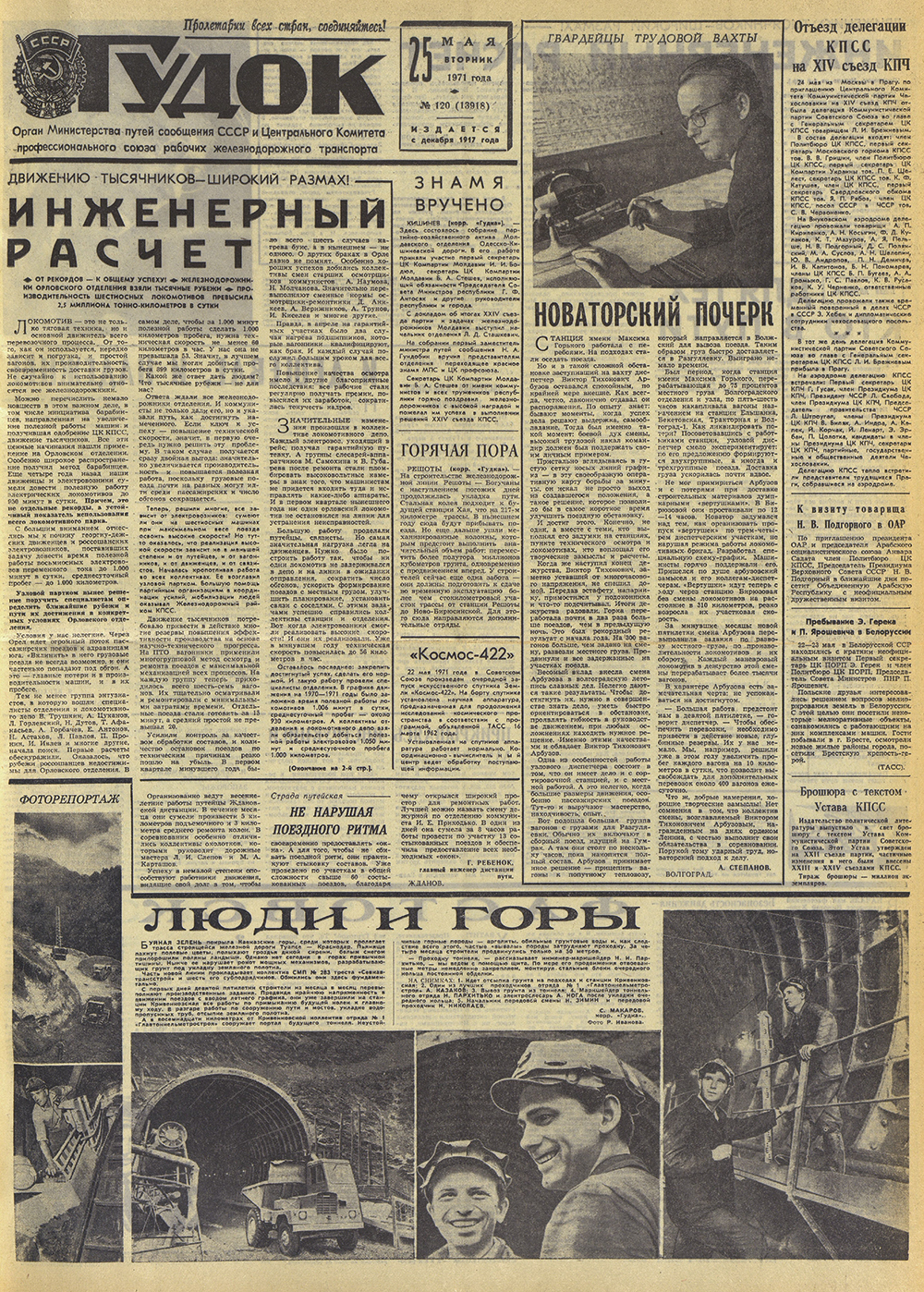
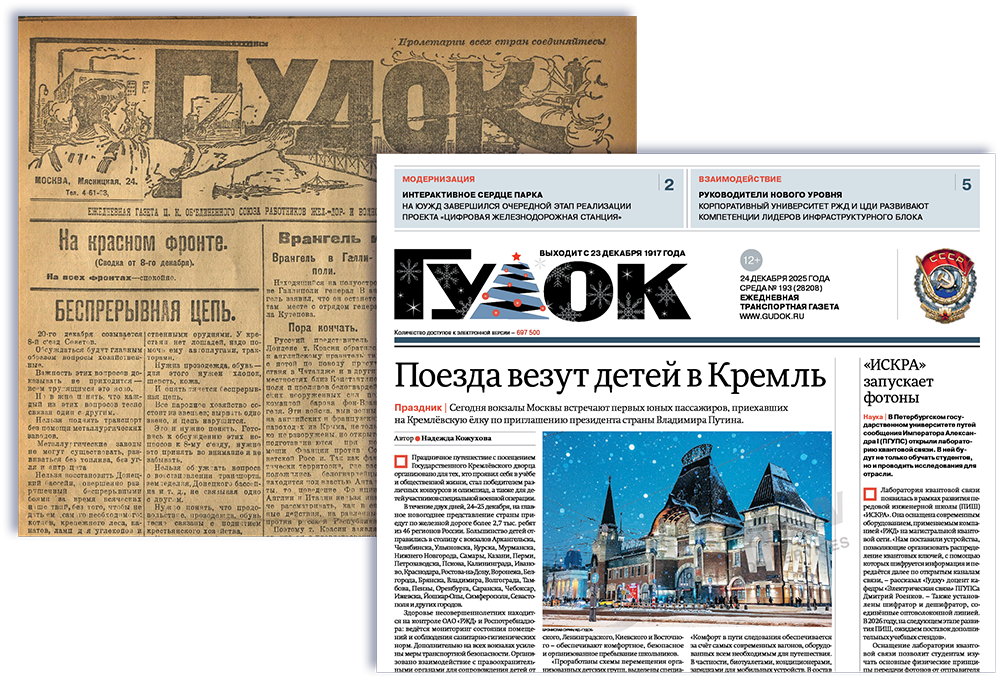
    Founded in 1917, Gudok (Гудок, Whistle) began as a small newspaper focused on rail industry news, but grew by the 1970s into a 700,000-circulation daily with an edgy mix of commentary and satire on culture, politics, and society. Gudok’s circulation was relatively small—but deceptively influential—when it first started out, which encouraged creativity and expression as the newspaper’s focus on the railway industry shielded authors from some of the ideological hazards of writing for general interest publications. Gudok continues today as Russia’s leading trade newspaper, focused primarily on the railway industry, but attracting a national audience with its coverage of the literary scene. Notable authors and journalists whose works have appeared in Gudok include Ilya Ilf, Mikhail Zoshchenko, Lev Slavin, Sasha Krasny, Alexander Kabakov and others.

    The Gudok Digital Archive contains all obtainable published issues from 1918 on (over 135,000 pages), with an additional year’s worth of content available for purchase on an annual basis. The archive offers scholars the most comprehensive collection available for this title, and features full page-level digitization, complete original graphics, and searchable text, and is cross-searchable with numerous other Infoteka digital resources.

  • Far Eastern Affairs Digital Archive

    Far Eastern Affairs Digital Archive

    A Russian journal on China, Japan and the Asia-Pacific.

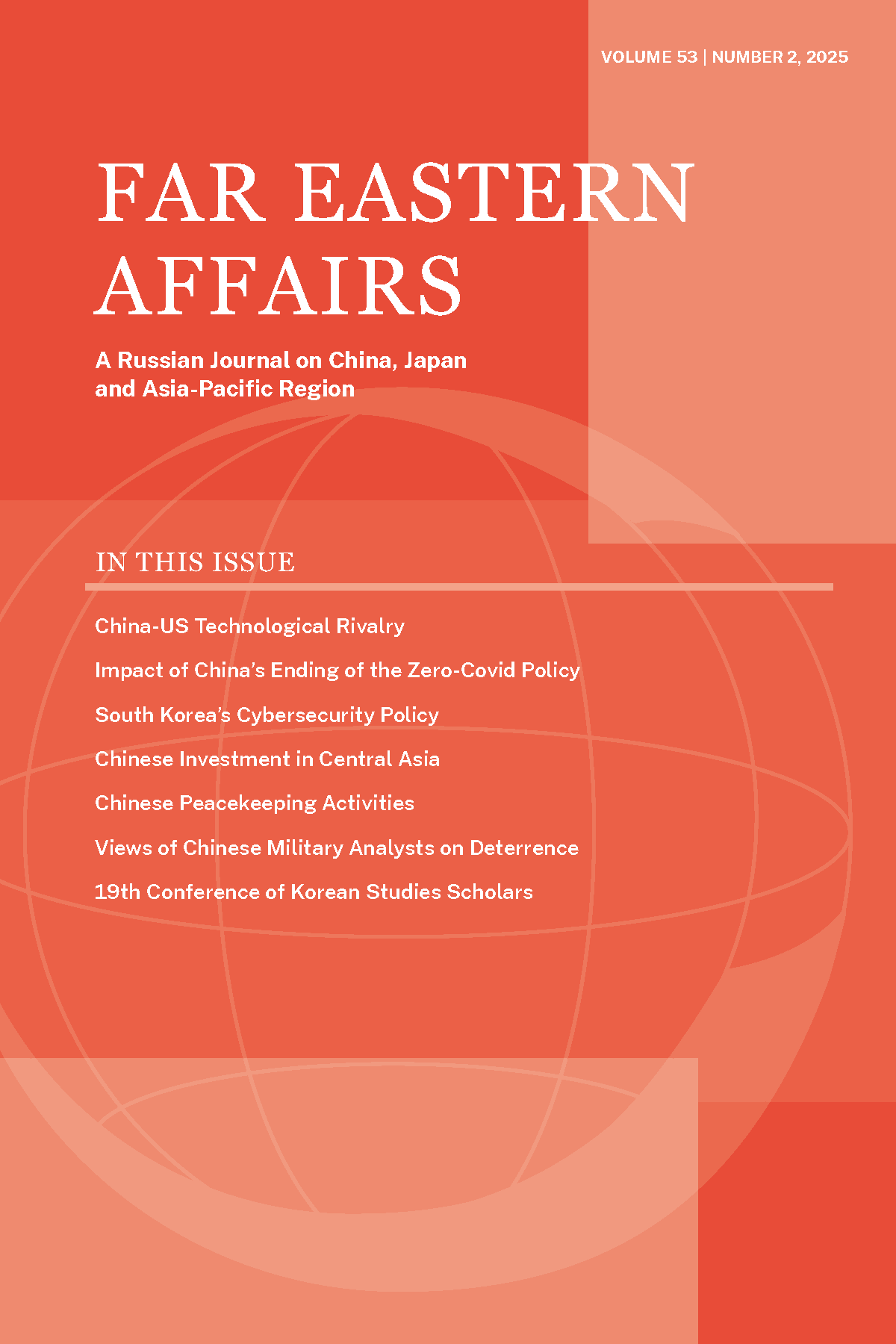
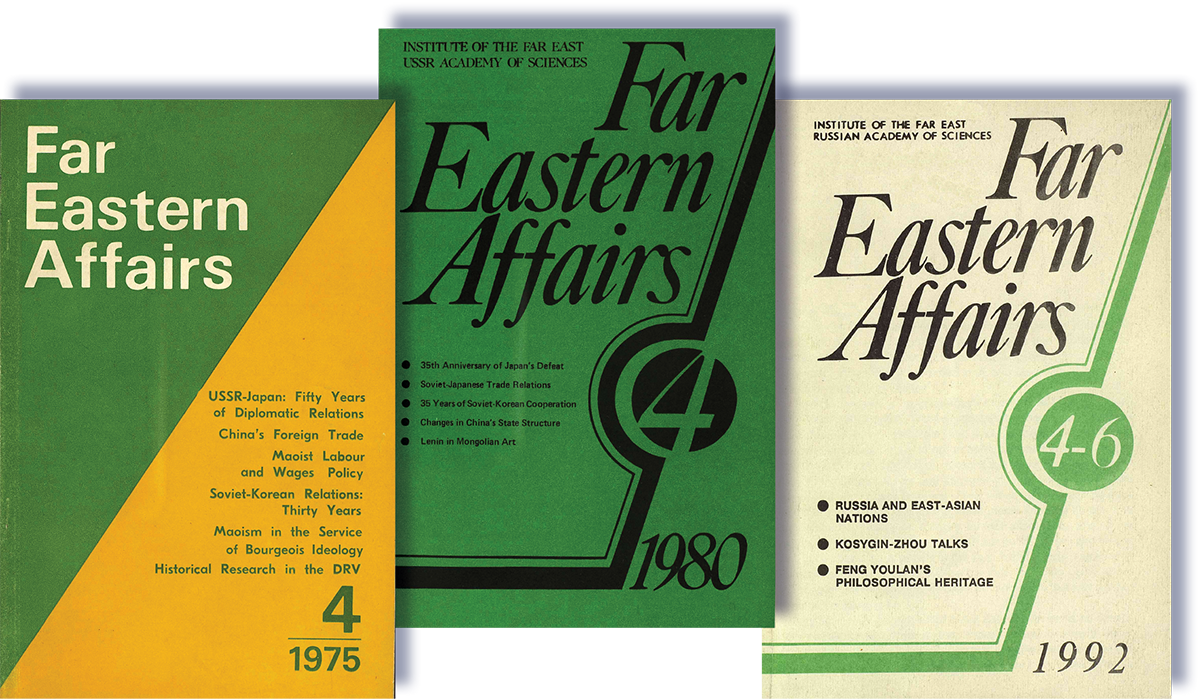
    Far Eastern Affairs is a quarterly peer-reviewed journal of the Russian Academy of Sciences’ Institute for China and Contemporary Asia (formerly known as the Institute for Far Eastern Studies). The journal provides in-depth multidisciplinary and interdisciplinary discussion of Russia’s relations with China, Japan, North and South Korea, as well as other countries of the Asia-Pacific region. As such the journal introduces its vast contingent of readers, both in Russia and abroad, to the region’s rich history and culture, politics and economic state of affairs. It does so by providing cutting-edge research and commentary on a broad array of topics and issues of interest to specialists and non-specialists alike.

    Since its inception in Russian in 1972 (in English – since 1974) the journal has become the premier scholarly publication in Russia that provides deep insight into and new information about the region as well as Russia’s role in shaping its social and political dynamics by attracting works from well-known scholars, practitioners, statesmen, diplomats, and analysts. Its primary objective is to cultivate and maintain a long-lasting, relevant, and academically rigorous scholarship on one of the strategically and geopolitically most important regions in the world.

    The Far Eastern Affairs Digital Archive contains the most complete set of the journal from the very first issue, comprising more than 200 issues and nearly 31,500 pages of high-quality scholarship. The archive offers scholars the most comprehensive collection available for this title, with an additional year’s worth of content available for purchase on an annual basis. The archive features full page-level digitization, complete original graphics, and searchable text, and is cross-searchable with numerous other Infoteka digital resources.

  • Essential Russian Classics

    Essential Russian Classics

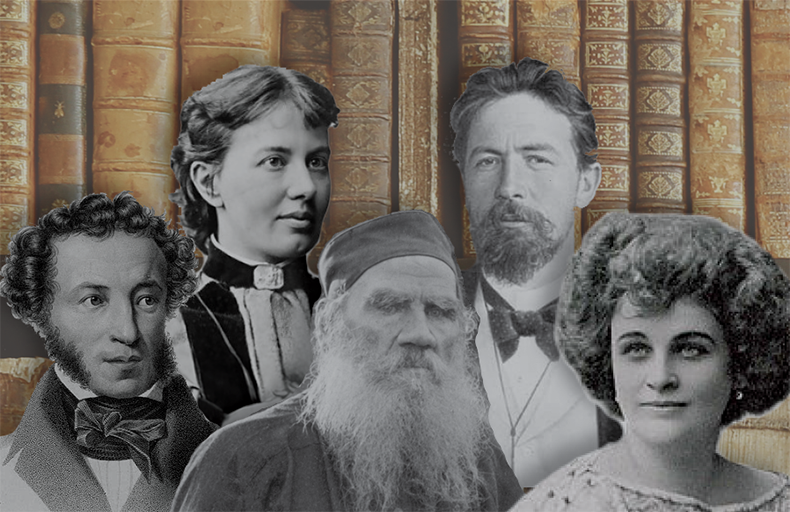
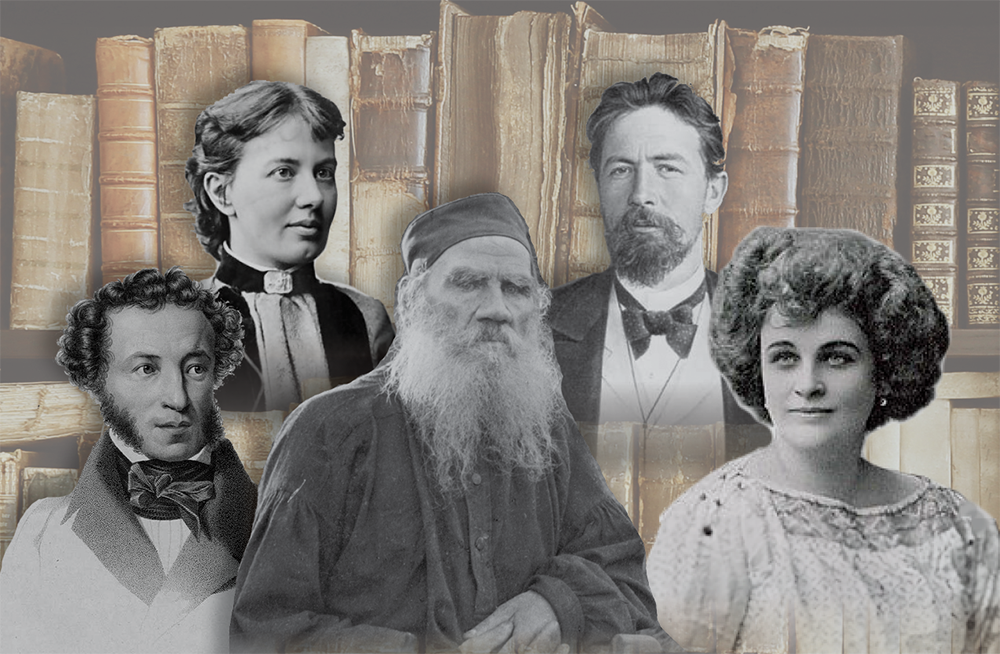
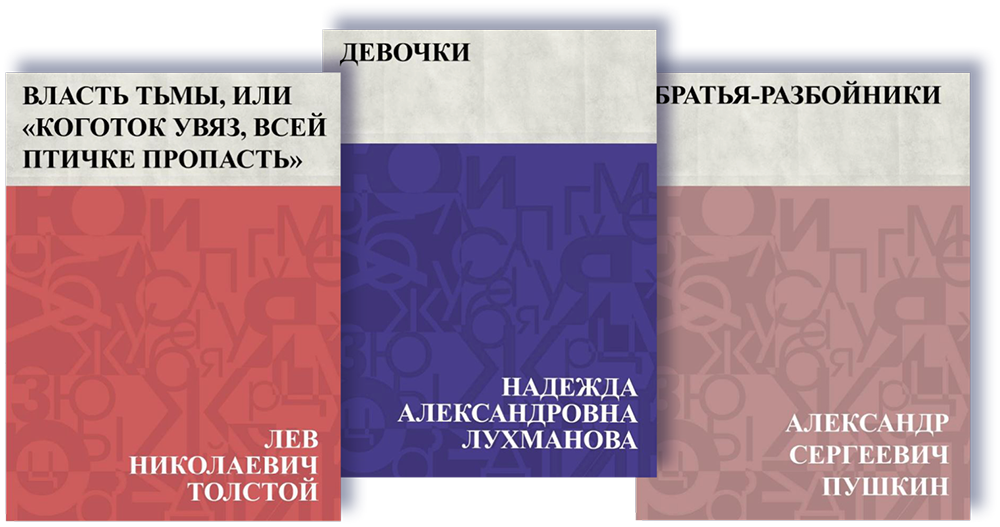
    The Essential Russian Classics e-book collection includes nearly 6,400 titles by 300+ famous Russian authors, thinkers and philosophers of the 18th, 19th and early 20th centuries who made notable contributions to the development of Russian literature, philosophy and culture.

    The collection comprises the works of world-renowned Russian playwrights, poets, essayists and historians, such as Chekhov, Pushkin, Lermontov, Mayakovsky, Bunin, and Karamzin, as well as the less well-known in the West, but still prominent cultural icons of Russia, such as Averchenko, Belyi, Briusov, Fet, Giliarovsky, Gumilev, Leskov, Rozanov, Teffi, and dozens of others.

    The collection is divided into four main genres:

    • Classic Russian Fiction
    • Classic Russian Non-Fiction
    • Classic Russian Poetry
    • Classic Russian Drama

    Non-fiction is represented mostly in such genres as philosophy, history, biography, memoirs and travel journals.

    The resource can be accessed through Infoteka’s e-book platform, allowing for filtering by genre and author, sorting by title, searching in Cyrillic and transliteration. The book format is “smart” PDF. Each title has been assigned a unique e-ISBN number. A free set of ePub files for each title is included with the purchase of the entire collection. All texts have been thoroughly proofread. In some instances, the old spelling was replaced with new. Some publications have been digitized for the first time and are not available in electronic formats elsewhere.

  • Early Soviet Cinema Collection. Part One

    Early Soviet Cinema Collection. Part One

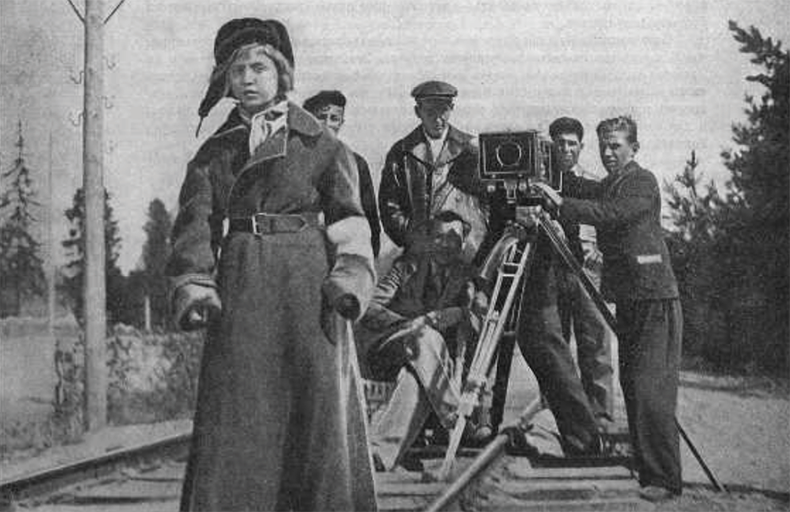
    With more movie screens than any nation at any time, the Soviet Union’s cinematic legacy influenced directors and actors around the world throughout the 20th century.

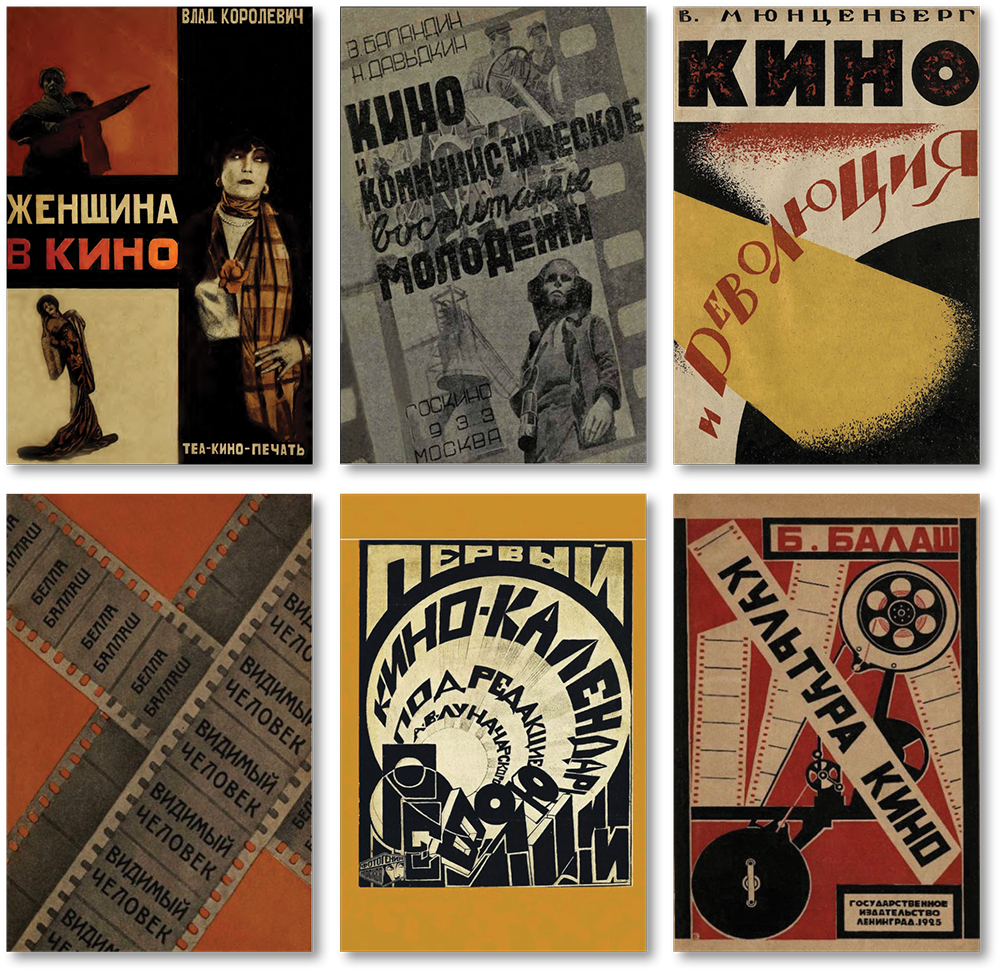
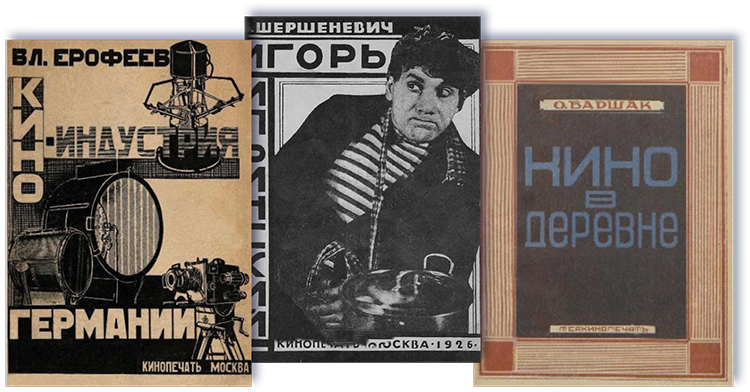
    The Early Soviet Cinema Collection. Part One features 119 e-books, most originally published in print from 1926 to 1948, on everything related to the Golden Age of Soviet cinema:

    • The early years of the Russian film industry
    • Cinema and communist education
    • Criticism of foreign film-making
    • The role of women in cinema
    • The ideology of Soviet films
    • The role of atheist documentaries in Soviet society
    • And much more

    This collection features works of renowned Russian and Soviet film directors, film scholars and film critics of the time, including Lev Kuleshov, Bela Balash, Rudolf Garms, Efraim Lemberg, Natan Zarkhi and others.

  • Argumenty i Fakty Digital Archive

    Argumenty i Fakty Digital Archive

    The most popular news outlet of the Gorbachev era.

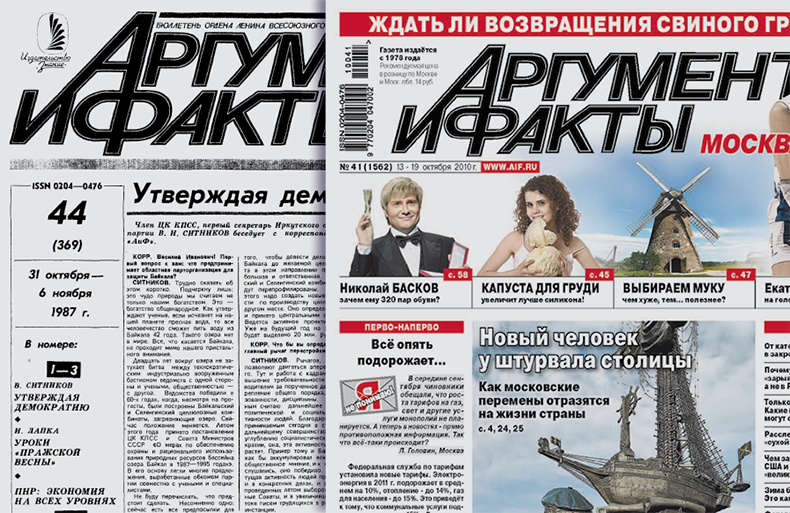
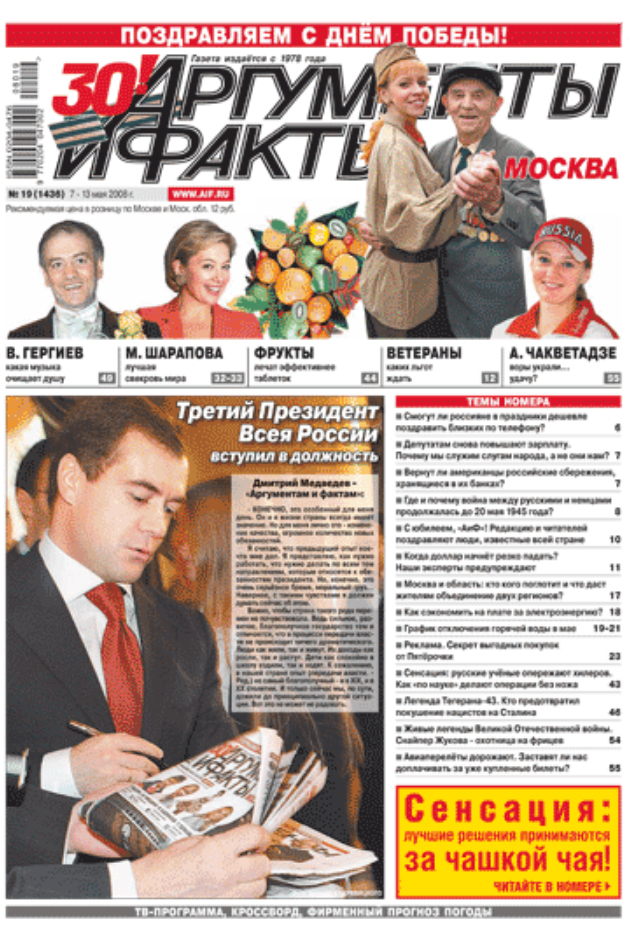
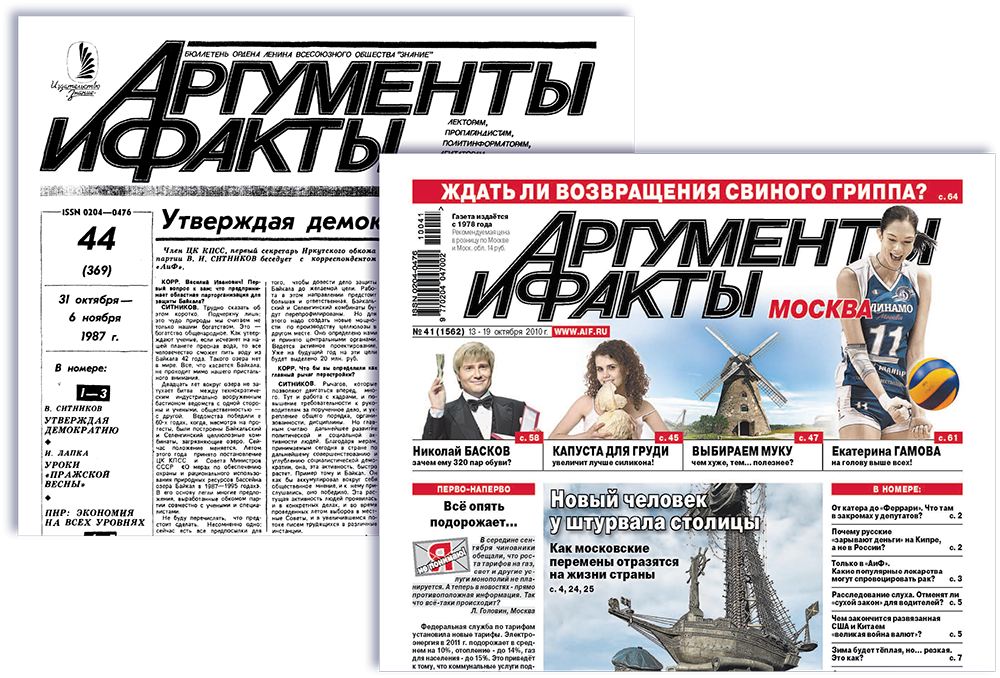
    Argumenty i fakty (Аргументы и факты, Arguments and Facts), a weekly newspaper based in Moscow, once had the largest circulation of any periodical in the world – in 1990 it was even entered in the Guinness book of records for its print run of 33.5 million. Founded by the Russian organization “Knowledge” (Znanie), the newspaper’s original goal was to provide propagandists with statistical and other hard-to-find information. During the Gorbachev era Argumenty i fakty became one of the most important newspapers in the Soviet Union – a major tool in publicizing Gorbachev’s policy of glasnost.

    The Argumenty i Fakty Digital Archive contains all obtainable published issues, with an additional year’s worth of content available for purchase on an annual basis. The archive offers scholars the most comprehensive collection available for this title, and features full-text articles, with full page-level digitization and complete original graphics for later years. The archive has searchable text, and is cross-searchable with numerous other Infoteka digital resources.

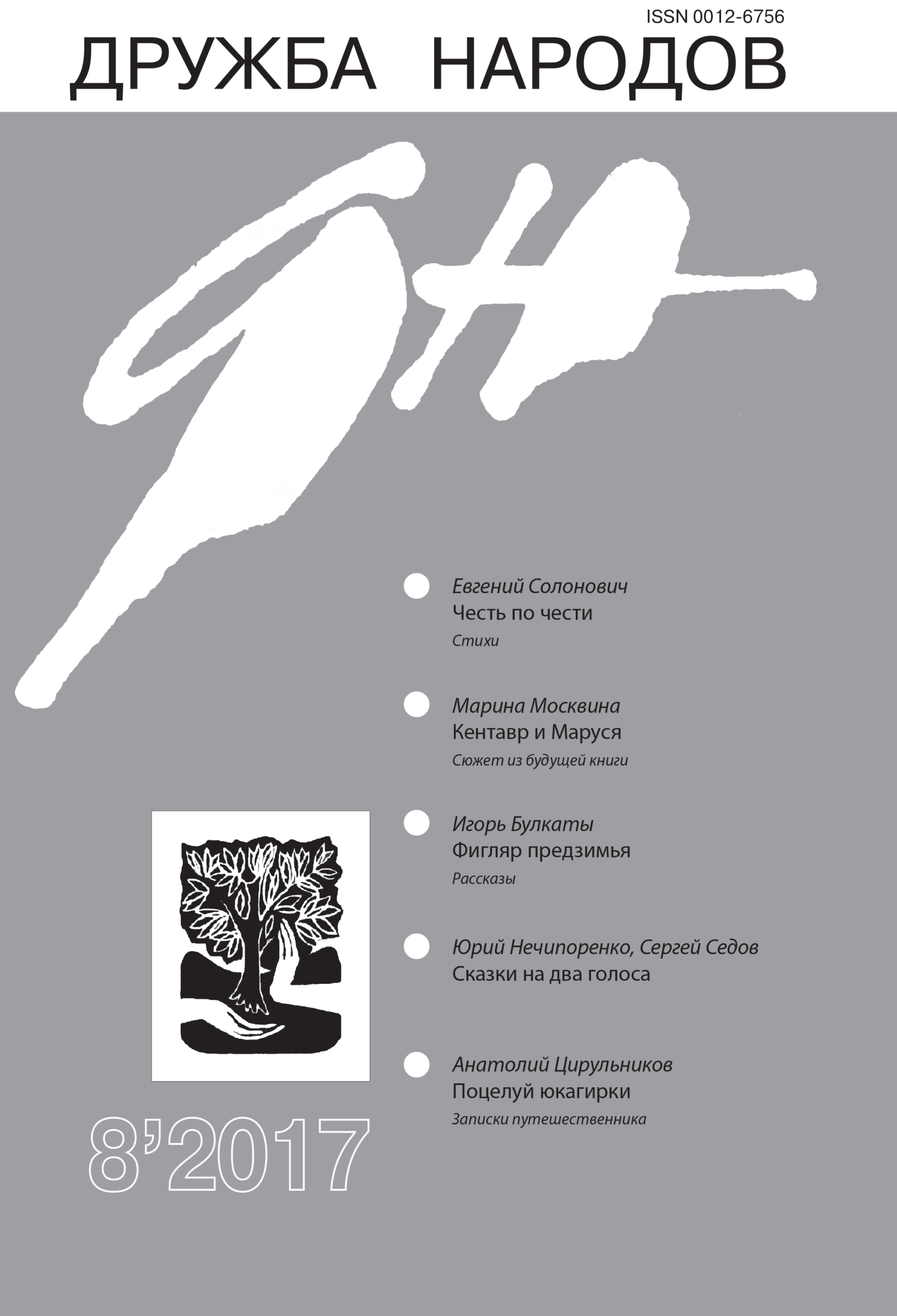
  • Druzhba Narodov Digital Archive

    Druzhba Narodov Digital Archive

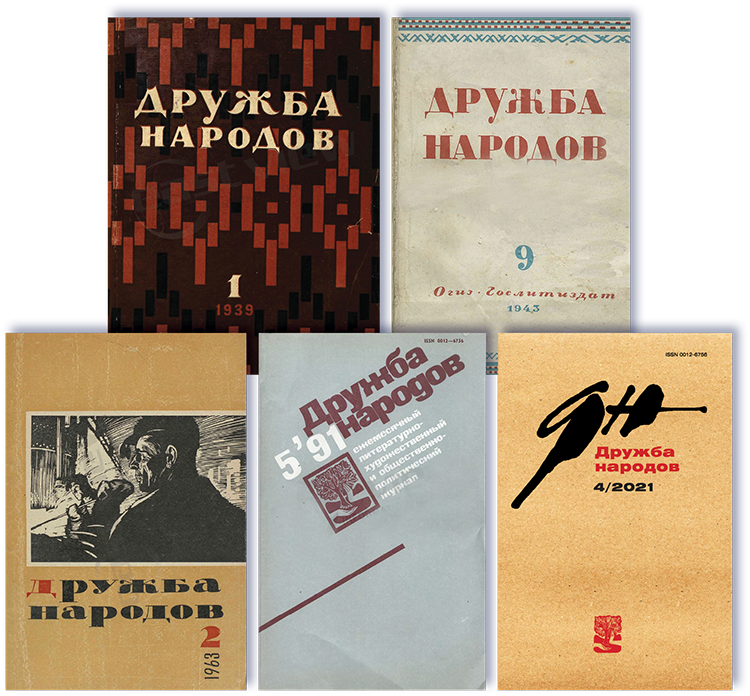
    Influential literary journal highlighting writing from across the Soviet Union.

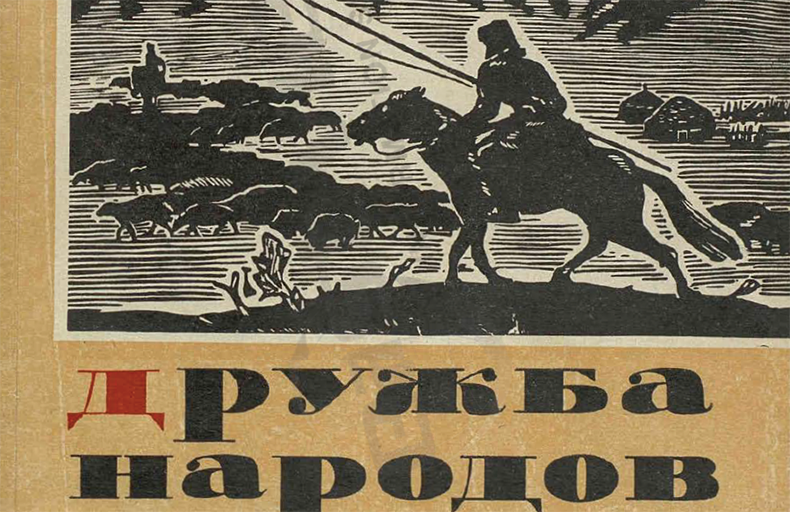
    The journal began as an almanac designed to bring the literature of the Soviet republics into a shared cultural forum. Its core mission was to introduce readers in the Russian-language center to prose, poetry, and literary commentary produced across the USSR’s many languages—Uzbek, Georgian, Armenian, and many others—through publication in Russian translation.

    After a wartime hiatus (June 1941–October 1943), the publication resumed, eventually establishing a bimonthly schedule in 1949 and transitioning to a monthly journal in 1955. During the Soviet era, Druzhba Narodov operated under the auspices of the Union of Soviet Writers and became one of the principal platforms for the state doctrine of “friendship among nations.” The journal helped consolidate a tradition of literary translation as a high-status intellectual craft, with leading Russian poets and writers serving as translators and adapters—including Boris Pasternak, Nikolai Zabolotsky, Pavel Antokolsky, Semyon Lipkin, Arseny Tarkovsky, and others.

    Across decades, the journal published a wide range of major Soviet and post-Soviet authors and critics, including Viktor Astafiev, Vasyl Bykov, Rasul Gamzatov, Fazil Iskander, Bulat Okudzhava, Anatoly Rybakov, Alexander Tvardovsky, Vasily Shukshin, Lev Gumilev, Kornelii Chukovsky, Svetlana Alexievich, and many others. Its pages document shifting literary and political climates from the late Stalin period through Khrushchev’s Thaw, the era of late Soviet stagnation, the rupture of perestroika, and the cultural realignments of the post-1991 period. Following the dissolution of the USSR, Druzhba Narodov moved from being an official organ of the Union of Writers to an independent, privately published journal.

    The Druzhba Narodov Digital Archive supports advanced research and teaching by providing a fully digitized, searchable corpus that can be used to trace authors, themes, genres, regions, and translation practices over time. It is particularly valuable for scholarship on Soviet cultural policy, center-periphery relations, literary translation and mediation, nationalism and multinationalism, and the evolving relationship between literature and public discourse.

    The archive provides comprehensive online access to a major institution of Russian-language publishing for nearly nine decades. The fully digitized archive offers scholars the most comprehensive collection available for this title, with an additional year’s worth of content available for purchase on an annual basis. Featuring full page-level digitization, complete original graphics, and a user-friendly bilingual interface in Russian and English, the searchable database enables efficient exploration of key literary content. The archive is cross-searchable with numerous other Infoteka digital resources.

    More about the Soviet “Thick Journals”

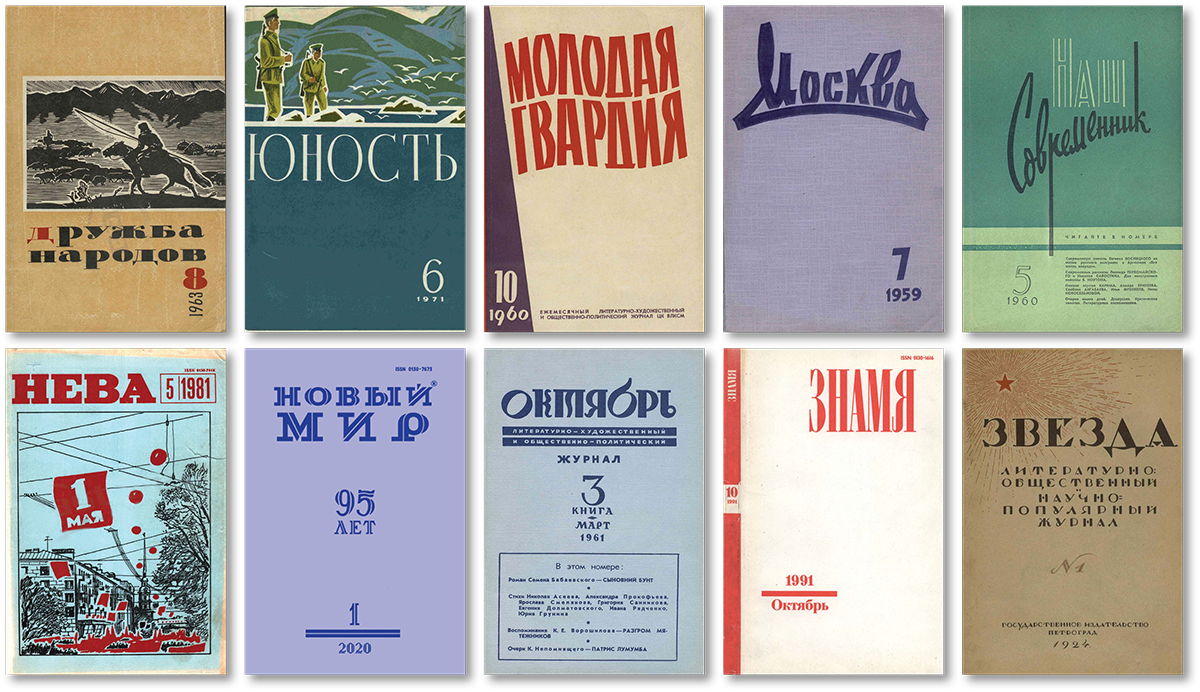
    The famed Soviet tolstye zhurnaly, or “thick journals,” were significant platforms for literary and intellectual discourse. Tolstye zhurnaly such as Druzhba Narodov played a complex and multifaceted role in Soviet intellectual and literary life. They were not merely publications but institutions that shaped and were shaped by the cultural, intellectual, and political currents of their time. These journals served multiple roles:

    They acted as repositories of high culture, preserving the intellectual and literary achievements of the era. Given the limited avenues for independent publishing, these journals were the primary platforms where established and emerging writers could reach an audience.

    State-Controlled Outlets. While they were crucial platforms for intellectual and artistic expression, it’s important to remember that these journals were often used to propagate official ideologies, and the works published in them usually underwent rigorous censorship.

    Academic Importance. For academics studying the Soviet period, tolstye zhurnaly offer a valuable glimpse into the state-sanctioned intellectual climate of the time. They provide context for how literature and intellectual thought evolved under different political and social conditions.

    Catalysts for Change. During more liberal periods, such as the Khrushchev Thaw and the perestroika years, tolstye zhurnaly could act as catalysts for change, pushing the boundaries of what was acceptable to discuss and publish.

  • Dostoevskii Research Series

    Dostoevskii Research Series

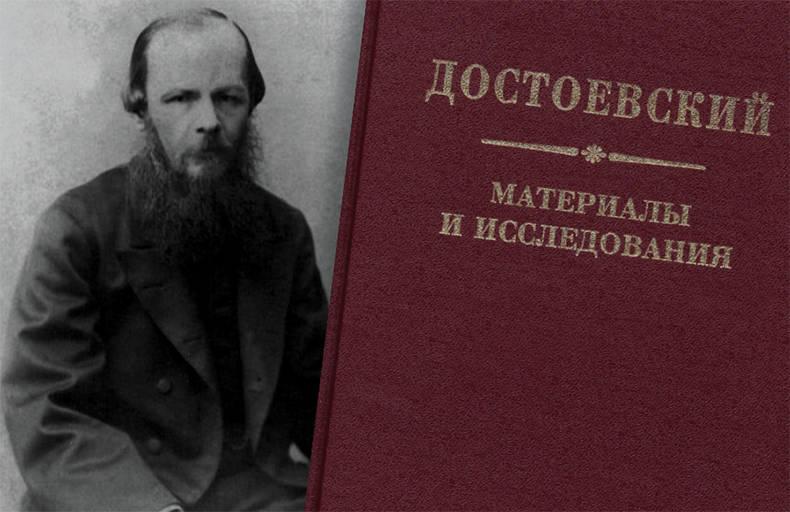
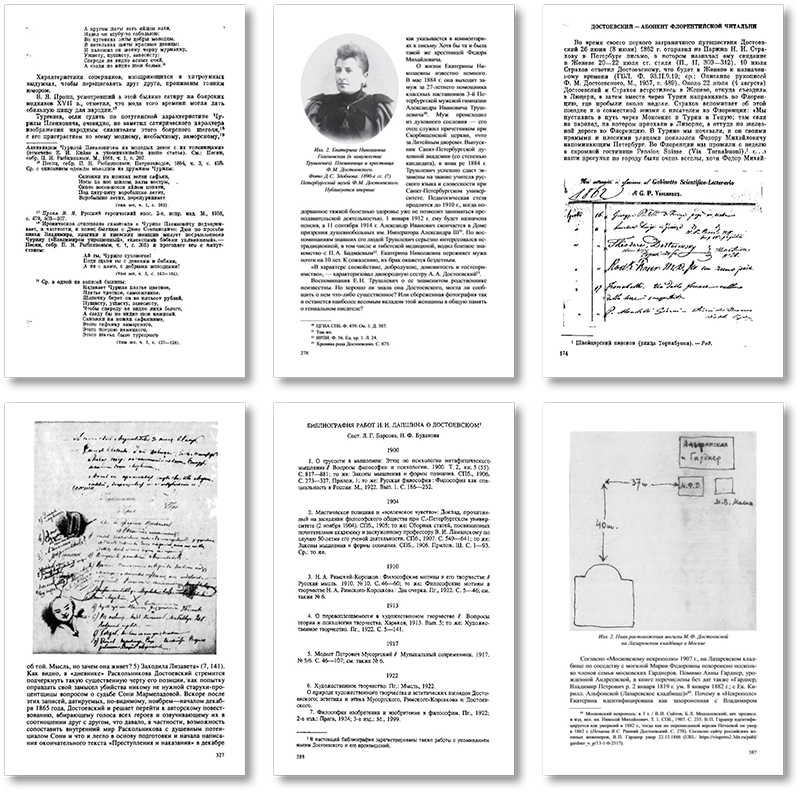
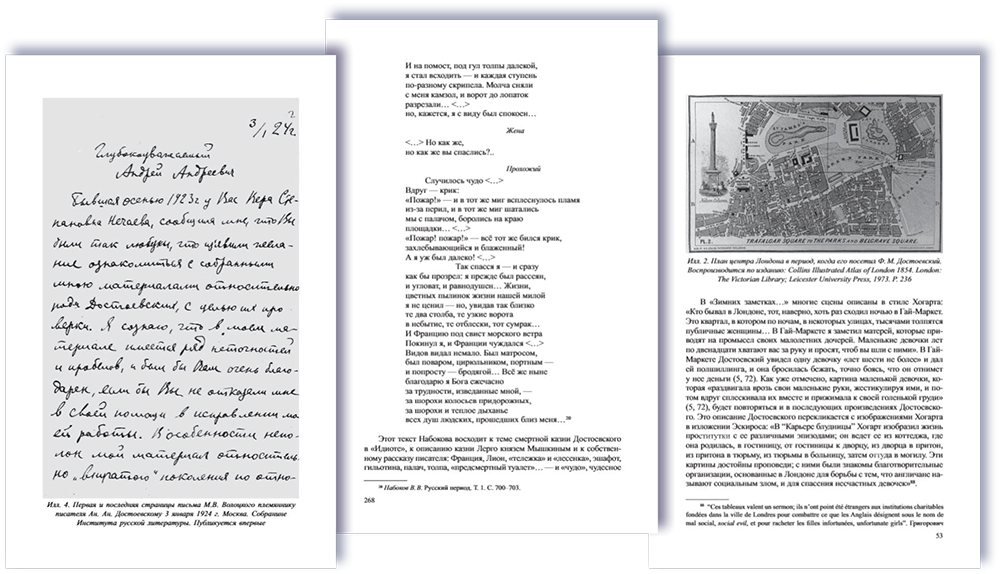
    The series Dostoevskii: materialy i issledovaniia (Достоевский: материалы и исследования, Dostoyevsky: Materials and Studies) is a companion to the 30 volume Collected Works of Fyodor Dostoyevsky, published by the Institute of Russian Literature of the Russian Academy of Sciences (Pushkinskii Dom).

    The series includes contemporary issues in Dostoyevsky scholarship, letters addressed to the writer, materials and documents covering his biography, critical analysis of his works, bibliographic materials and surveys, and articles on the influence of Dostoyevsky on Russian and foreign literature from the late 19th to the 20th century.

    Dostoevskii: materialy i issledovaniia is a continuing publication. The Dostoevskii Research Series e-book collection contains all 24 volumes published since 1974. The collection features full page-level digitization, complete original graphics, and searchable text, and is cross-searchable with numerous other Infoteka digital resources.

  • 30 Dnei Digital Archive

    30 Dnei Digital Archive

    Illustrated Soviet literary journal featuring fiction, essays, and poetry.

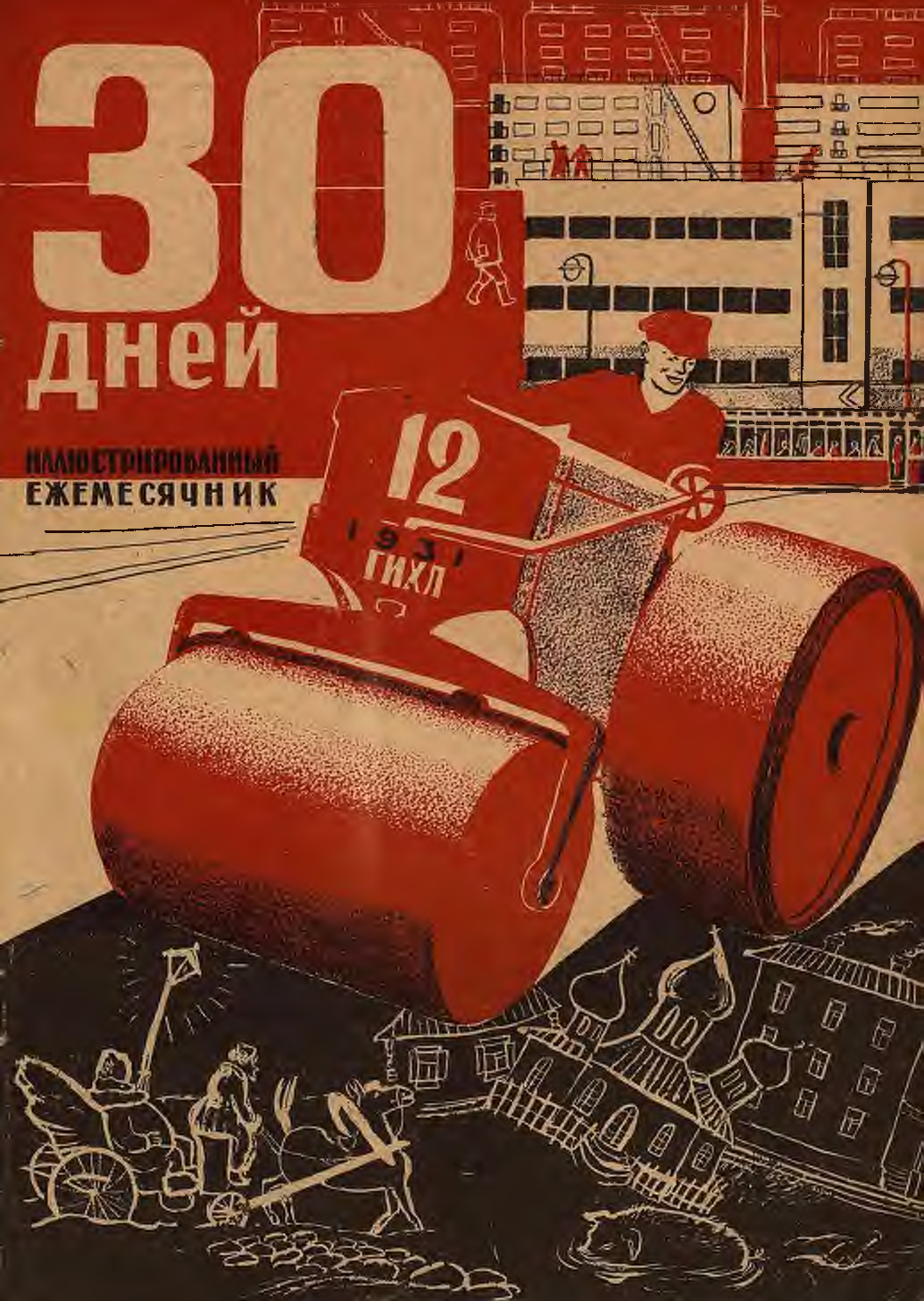
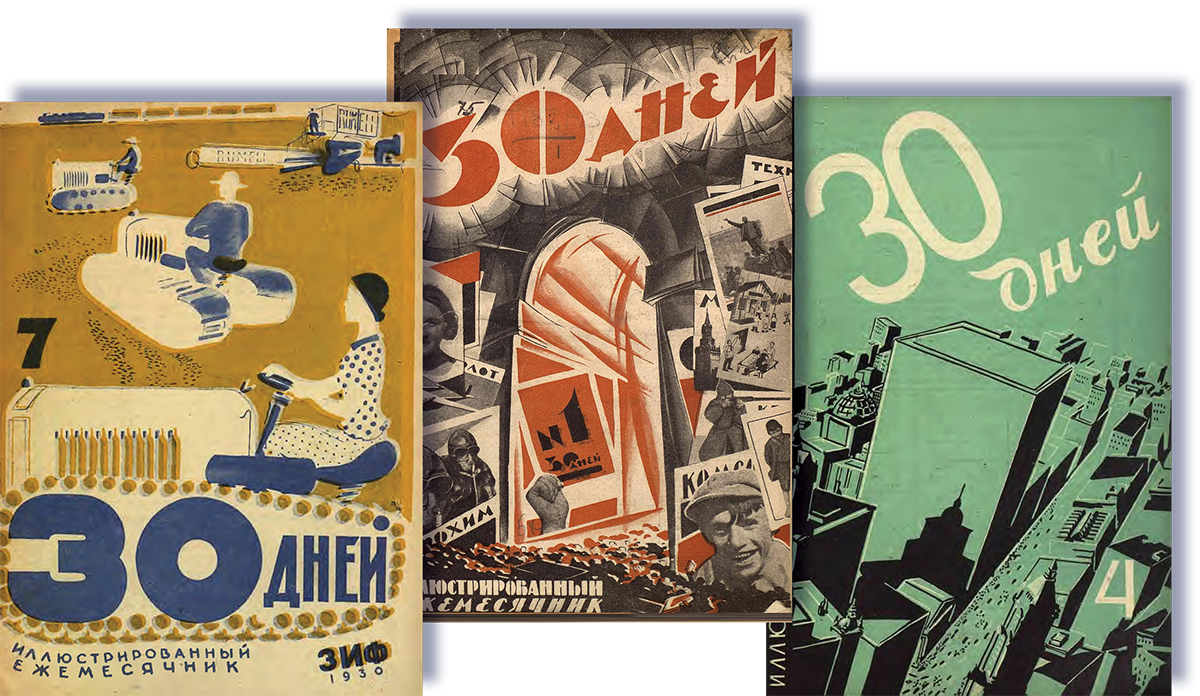
    Founded in 1925 in Moscow and originally appearing as a literary supplement to the newspaper Gudok, 30 Dnei (30 дней, 30 Days) was an illustrated Soviet literary journal most famous for the serialized publications of such Soviet literary sensations as Il’f and Petrov’s The Twelve Chairs and The Golden Calf. Praised and supported by none other than Maxim Gorky, the journal was conceived by its publisher as a platform for the publication of short form literature, both original and translated, and was geared towards the emerging generation of writers and the intelligentsia.

    Apart from helping launch and shape the literary careers of a slew of Soviet writers, the journal was instrumental in introducing acclaimed works of short fiction, essays, and poetry by foreign authors as well. Some of the most important Soviet and foreign writers whose works have appeared on the pages of 30 Dnei were Vasily Grossman, Vladimir Mayakovsky, Boris Pasternak, Yury Olesha, Valentin Kataev, Ernest Hemingway, Langston Hughes, Paul Valery, Upton Sinclair, Sherwood Anderson, among others. The journal also featured visually striking covers designed by famous Soviet artists and photojournalists, including Aleksandr Rodchenko, Veniamin Briskin, and the creative group Kukryniksy.

    The 30 Dnei Digital Archive comprises the entire collection of the popular literary monthly journal, totaling 195 issues, 5,850 articles, and 19,500 pages. The archive offers scholars the most comprehensive collection available for this title, and features full page-level digitization and complete original graphics. The archive has searchable text and is cross-searchable with numerous other Infoteka digital resources.