Time Period: Current

  • Neva Digital Archive

    Neva Digital Archive

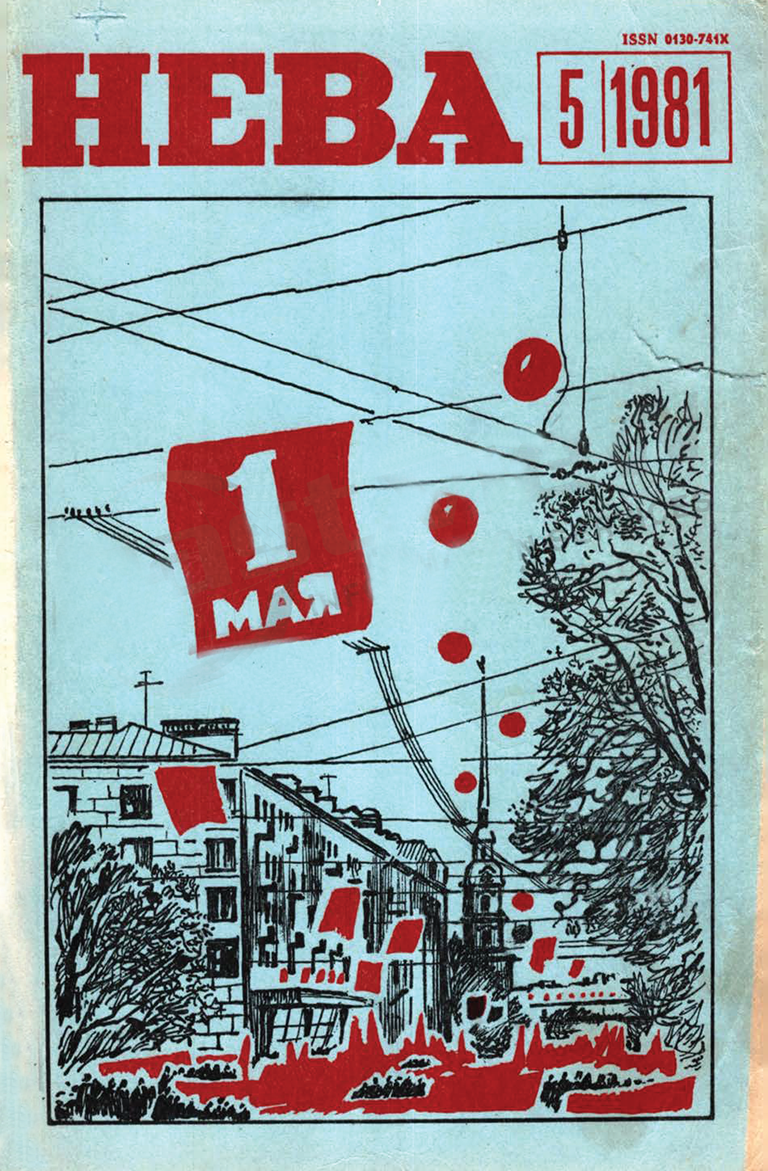
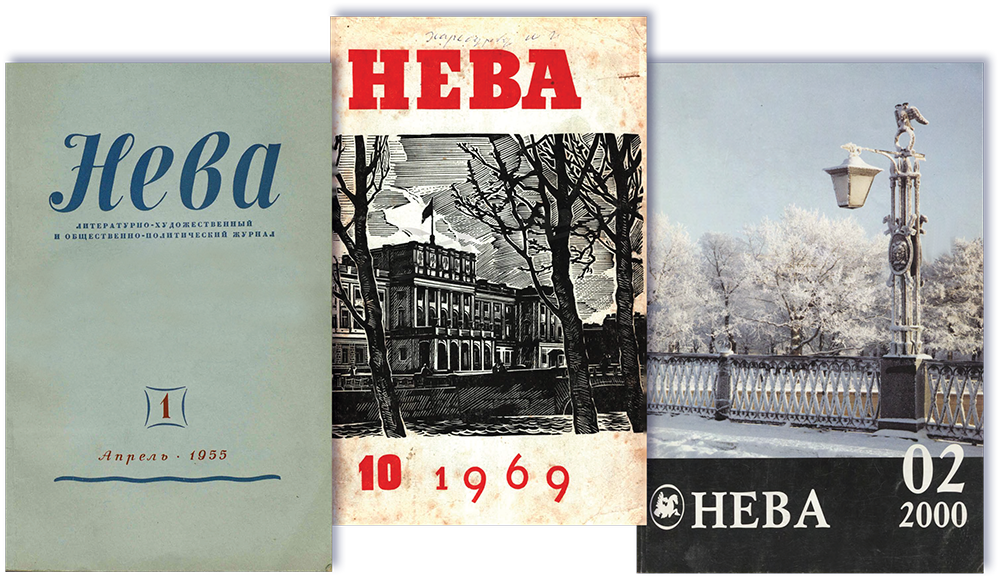
    Key publication chronicling Soviet and post-Soviet literature, history, and public thought.

    Among its contributors were Mikhail Zoshchenko, Mikhail Sholokhov, Veniamin Kaverin, Lev Gumilyov, Dmitry Likhachov, Aleksandr Solzhenitsyn, Daniil Granin, the Strugatsky brothers, Vladimir Dudintsev, and Vasil Bykaŭ. A number of works first published in Neva went on to receive State Prizes and wide recognition, including Dudintsev’s novel White Robes. The journal was also one of the first in the USSR to introduce readers to Robert Conquest’s The Great Terror and Arthur Koestler’s Darkness at Noon.

    The Neva Digital Archive offers scholars the complete run of Neva from its first issue in 1955, with an additional year’s worth of content available for purchase on an annual basis. Featuring full page-level digitization and complete original graphics, each issue has been carefully digitized and split into individual articles with permanent URLs, making it easier for researchers to create accurate citations in their work. Featuring full page-level digitization, complete original graphics, and a user-friendly bilingual interface in Russian and English, the searchable database enables efficient access to seventy years of Russian cultural, intellectual, and literary life, preserved in its original context. The archive is cross-searchable with numerous other Infoteka digital resources.
    More about the Soviet “Thick Journals”

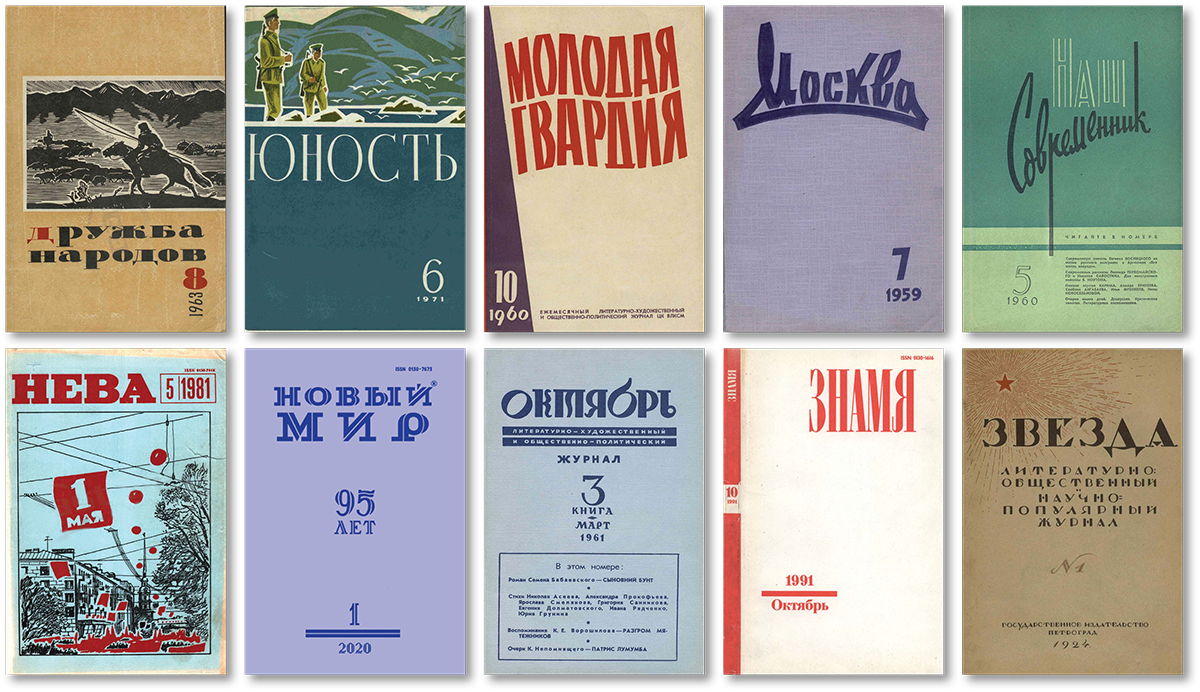
    The famed Soviet tolstye zhurnaly, or “thick journals,” were significant platforms for literary and intellectual discourse. Tolstye zhurnaly such as Neva played a complex and multifaceted role in Soviet intellectual and literary life. They were not merely publications but institutions that shaped and were shaped by the cultural, intellectual, and political currents of their time. These journals served multiple roles:

    They acted as repositories of high culture, preserving the intellectual and literary achievements of the era. Given the limited avenues for independent publishing, these journals were the primary platforms where established and emerging writers could reach an audience.

    State-Controlled Outlets. While they were crucial platforms for intellectual and artistic expression, it’s important to remember that these journals were often used to propagate official ideologies, and the works published in them usually underwent rigorous censorship.

    Academic Importance. For academics studying the Soviet period, tolstye zhurnaly offer a valuable glimpse into the state-sanctioned intellectual climate of the time. They provide context for how literature and intellectual thought evolved under different political and social conditions.

    Catalysts for Change. During more liberal periods, such as the Khrushchev Thaw and the perestroika years, tolstye zhurnaly could act as catalysts for change, pushing the boundaries of what was acceptable to discuss and publish.
  • Nash Sovremennik Digital Archive

    Nash Sovremennik Digital Archive

    Influential literary periodical of the Soviet and post-Soviet period.

    Though largely faithful to Marxist-Leninist precepts since its founding, during the last years of the Soviet Union the journal underwent dramatic ideological reformulations, moving away from communist orthodoxy to Russian neo-Slavophile conservatism and patriotism that fiercely opposed Western political and literary trends on ideological grounds. At the height of its popularity in the 1990s Nash Sovremennik would boast a circulation of nearly half a million copies.

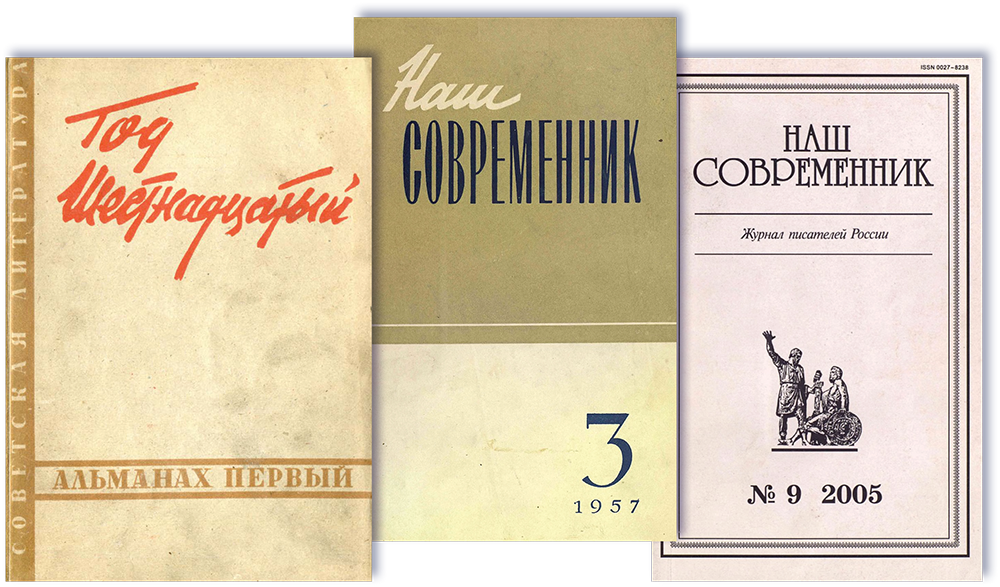
    The Nash Sovremennik Digital Archive includes all obtainable issues of Al’manakh and Nash Sovremennik published from 1933 on, with an additional year’s worth of content available for purchase on an annual basis. The archive offers scholars the most comprehensive collection available for this title, and features full page-level digitization and complete original graphics. The archive has searchable text and is cross-searchable with numerous other Infoteka digital resources.

    More about the Soviet “Thick Journals”

    The famed Soviet tolstye zhurnaly, or “thick journals,” were significant platforms for literary and intellectual discourse. Tolstye zhurnaly such as Nash Sovremennik played a complex and multifaceted role in Soviet intellectual and literary life. They were not merely publications but institutions that shaped and were shaped by the cultural, intellectual, and political currents of their time. These journals served multiple roles:

    They acted as repositories of high culture, preserving the intellectual and literary achievements of the era. Given the limited avenues for independent publishing, these journals were the primary platforms where established and emerging writers could reach an audience.

    State-Controlled Outlets. While they were crucial platforms for intellectual and artistic expression, it’s important to remember that these journals were often used to propagate official ideologies, and the works published in them usually underwent rigorous censorship.

    Academic Importance. For academics studying the Soviet period, tolstye zhurnaly offer a valuable glimpse into the state-sanctioned intellectual climate of the time. They provide context for how literature and intellectual thought evolved under different political and social conditions.

    Catalysts for Change. During more liberal periods, such as the Khrushchev Thaw and the perestroika years, tolstye zhurnaly could act as catalysts for change, pushing the boundaries of what was acceptable to discuss and publish.
  • Moscow University Press

    Moscow University Press

    Moscow State University publications on 26 different topics.

    Moscow University Press offers online access to scholarly and scientific works published in the renowned Vestnik MGU (Вестник Московского университета). Published by the most prominent academic institution in Russia — Moscow State University — Vestnik MGU offers 26 different topics on all important areas of scientific knowledge ranging from mathematics and chemistry to economy, law and history. The collection also contains two correlating journals: The Bulletin of the Moscow Society of Nature Studies: Biology and The Bulletin of the Moscow Society of Nature Studies: Geology. The Moscow University Press database provides a wealth of research materials to scholars in various areas of knowledge, especially working in the cross-disciplinary fields and studying the latest scientific developments in Russia.

    Moscow University Press Titles

    • Series 1. Mathematics. Mechanics (Seriia 01. Matematika. Mekhanika, Серия 01. Математика. Механика)
    • Series 2. Chemistry (Seriia 02. Khimiia, Серия 02. Химия)
    • Series 3. Physics. Astronomy (Seriia 03. Fizika. Astronomiia, Серия 03. Физика. Астрономия)
    • Series 4. Geology (Seriia 04. Geologiia, Серия 04. Геология)
    • Series 5. Geography (Seriia 05. Geografiia, Серия 05. География)
    • Series 6. Economics (Seriia 06. Ekonomika, Серия 06. Экономика)
    • Series 7. Philosophy (Seriia 07. Filosofiia, Серия 07. Философия)
    • Series 8. History (Seriia 08. Istoriia, Серия 08. История)
    • Series 9. Philology (Seriia 09. Filologiia, Серия 09. Филология)
    • Series 10. Journalism (Seriia 10. Zhurnalistika, Серия 10. Журналистика)
    • Series 11. Law (Seriia 11. Pravo, Серия 11. Право)
    • Series 12. Political Studies (Seriia 12. Politicheskie nauki, Серия 12. Политические науки)
    • Series 13. Oriental Studies (Seriia 13. Vostokovedenie, Серия 13. Востоковедение)
    • Series 14. Psychology (Seriia 14. Psikhologiia, Серия 14. Психология)
    • Series 15. Computational Mathematics and Cybernetics (Seriia 15. Vychislitel’naia matematika i kibernetika, Серия 15. Вычислительная математика и кибернетика)
    • Series 16. Biology (Seriia 16. Biologiia, Серия 16. Биология)
    • Series 17. Soil Studies (Seriia 17. Pochvovedenie, Серия 17. Почвоведение)
    • Series 18. Sociology and Political Science (Seriia 18. Sotsiologiia i politologiia, Серия 18. Социология и политология)
    • Series 19. Linguistics and Cross-Cultural Communication (Seriia 19. Lingvistika i mezhkul’turnaia kommunikatsiia, Серия 19. Лингвистика и межкультурная коммуникация)
    • Series 20. Education (Seriia 20. Pedagogicheskoe obrazovanie, Серия 20. Педагогическое образование
    • Series 21. Management (State and Society) (Seriia 21. Upravlenie (gosudarstvo i obshchestvo), Серия 21. Управление (государство и общество))
    • Series 22. Theory of Translation (Seriia 22. Teoriia perevoda, Серия 22. Теория перевода)
    • Series 23. Anthropology (Seriia 23. Antropologiia, Серия 23. Антропология)
    • Series 24. Management (Seriia 24. Menedzhment, Серия 24. Менеджмент)
    • Series 25. International Relations and Politics (Seriia 25. Mezhdunarodnye otnosheniia i mirovaiia politika, Серия 25. Международные отношения и мировая политика)
    • Series 27. Global Studies and Geopolitics (Seriia 27. Globalistika i geopolitika, Серия 27. Глобалистика и геополитика)

    Additional titles:

    • The Bulletin of the Moscow Society of Nature Studies: Biology (Biulleten’ Moskovskogo obshchestva ispytatelei prirody. Otdel biologicheskii, Бюллетень Московского общества испытателей природы. Отдел биологический)
    • The Bulletin of the Moscow Society of Nature Studies: Geology (Biulleten’ Moskovskogo obshchestva ispytatelei prirody. Otdel geologicheskii, Бюллетень Московского общества испытателей природы. Отдел геологический)
  • Moskva Digital Archive

    Moskva Digital Archive

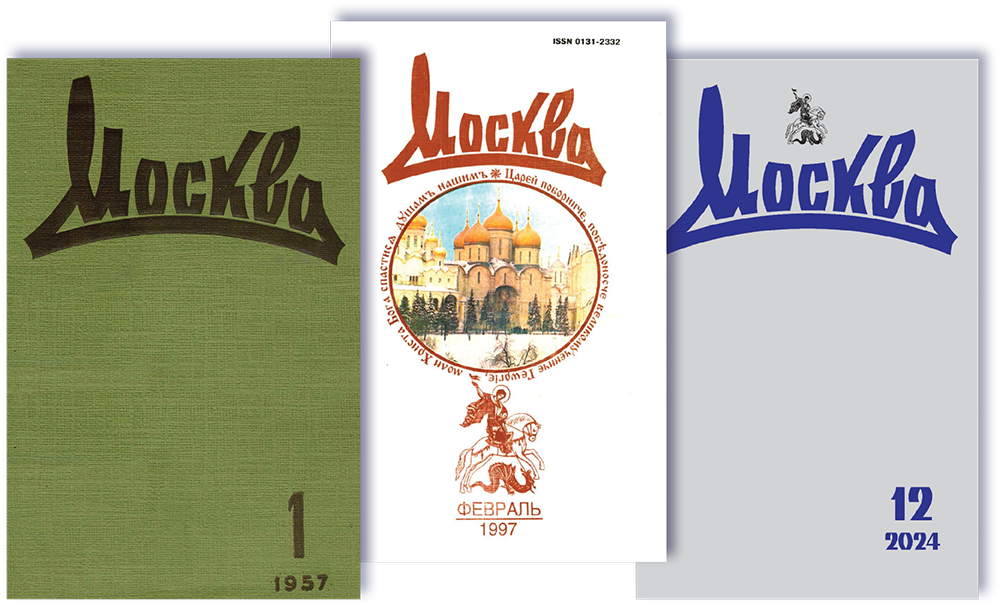
    Key publication chronicling nearly 70 years of Russian literary and cultural development.

    The journal has consistently published works by contemporary writers, including prose, poetry, journalism, and criticism. Moskva holds particular historical significance as the first publisher of Mikhail Bulgakov’s masterpiece The Master and Margarita and Nikolai Karamzin’s monumental work History of the Russian State. Its pages have featured outstanding works of Russian literature by authors such as Bunin, Sholokhov, and Yulian Semyonov, alongside acclaimed international writers including Antoine de Saint-Exupéry, Ernest Hemingway, and William Faulkner.

    The Moskva Digital Archive offers scholars the most comprehensive collection available for this title, with an additional year’s worth of content available for purchase on an annual basis. Featuring full page-level digitization and complete original graphics, each issue has been carefully digitized and split into individual articles with permanent URLs, making it easier for researchers to create accurate citations in their work. Featuring full page-level digitization, complete original graphics, and a user-friendly bilingual interface in Russian and English, the searchable database enables efficient exploration of key literary works, critical essays, and editorial content that shaped Russian intellectual discourse throughout the 20th century. The archive is cross-searchable with numerous other Infoteka digital resources.

    More about the Soviet “Thick Journals”

    The famed Soviet tolstye zhurnaly, or “thick journals,” were significant platforms for literary and intellectual discourse. Tolstye zhurnaly such as Moskva played a complex and multifaceted role in Soviet intellectual and literary life. They were not merely publications but institutions that shaped and were shaped by the cultural, intellectual, and political currents of their time. These journals served multiple roles:

    They acted as repositories of high culture, preserving the intellectual and literary achievements of the era. Given the limited avenues for independent publishing, these journals were the primary platforms where established and emerging writers could reach an audience.

    State-Controlled Outlets. While they were crucial platforms for intellectual and artistic expression, it’s important to remember that these journals were often used to propagate official ideologies, and the works published in them usually underwent rigorous censorship.

    Academic Importance. For academics studying the Soviet period, tolstye zhurnaly offer a valuable glimpse into the state-sanctioned intellectual climate of the time. They provide context for how literature and intellectual thought evolved under different political and social conditions.

    Catalysts for Change. During more liberal periods, such as the Khrushchev Thaw and the perestroika years, tolstye zhurnaly could act as catalysts for change, pushing the boundaries of what was acceptable to discuss and publish.
  • Library and Information Sciences Journals

    Library and Information Sciences Journals

    The most influential library journals from Russia, Ukraine, and Uzbekistan.

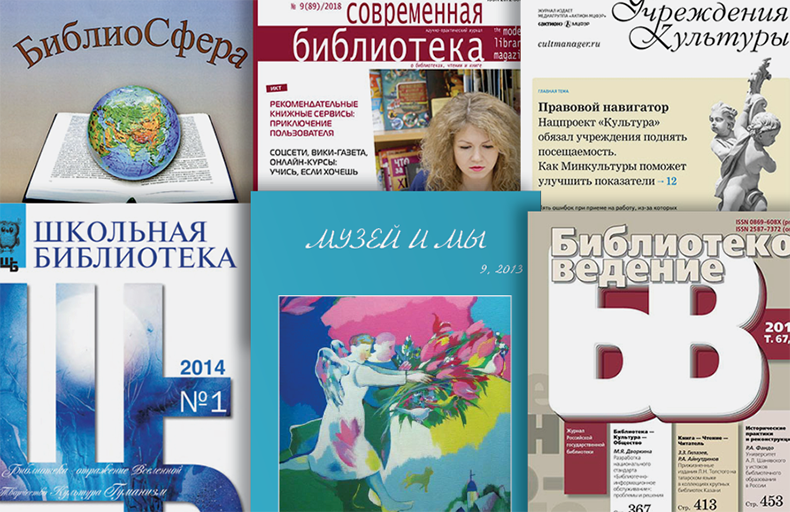
    Library and Information Sciences Journals is a full-text online resource that compiles influential professional journals in the field of library and information sciences. Focusing primarily on Russian-language publications, this comprehensive database serves librarians, bibliographers, and information specialists across Eastern Europe and beyond. Library and Information Sciences Journals provides access to cutting-edge research and professional insights from Russia, Ukraine, and Uzbekistan, covering a wide range of topics including library management, bibliographic studies, information technology, and archival studies.

    The database’s diverse collection reflects both traditional and contemporary aspects of librarianship, featuring journals on digital libraries, media environments, and the evolving role of libraries in society. With its extensive coverage and easy accessibility through a persistent URL, Library and Information Sciences Journals serves as an essential platform for professionals and students to explore the latest developments and best practices in library and information sciences.

    Library and Information Sciences Journals Titles

    • Bibliografiia i knigovedenie (Библиография и книговедение)
    • Bibliosfera (Библиосфера)
    • Bibliotechnoe delo (Библиотечное дело)
    • Bibliotekovedenie (Библиотековедение)
    • INFOLIB : akhborot-kutubkhona zhurnali = INFOLIB : informatsionno-bibliotechnyi zhurnal (INFOLIB : ахборот-кутубхона журнали = INFOLIB : информационно-библиотечный журнал)
    • Informatsionnyi biulleten’ RBA (Информационный бюллетень РБА)
    • Kniga. Chtenie. Mediasreda (Книга. Чтение. Медиасреда)
    • Muzei i my (Музей и мы)
    • Natsional’naia biblioteka (Национальная библиотека)
    • Nauchnye i tekhnicheskie biblioteki (Научные и технические библиотеки)
    • Observatoriia kul’tury (Обсерватория культуры)
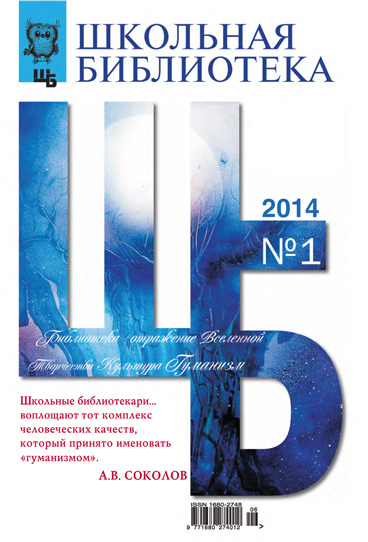
    • Shkol’naia biblioteka (Школьная библиотека)
    • Sovremennaia biblioteka (Современная библиотека)
    • Trudy GPNTB SO RAN (Труды ГПНТБ СО РАН)
    • Universitetskaia kniga (Университетская книга)
    • Vestnik arkhivista (Вестник архивиста)
    • Vestnik Dal’nevostochnoi gosudarstvennoi nauchnoi biblioteki (Вестник Дальневосточной государственной научной библиотеки)

    Archived titles in Russian Library and Information Sciences Journals include:

    • Bibliotechnii forum: istoriia, teoriia i praktika (Бібліотечний форум: історія, теорія і практика)
    • Elektronnye biblioteki (Электронные библиотеки)
    • Kniga v prostranstve kul’tury (Книга в пространстве культуры)
    • Knizhnoe obozrenie (Книжное обозрение)
    • Molodye v bibliotechnom dele (Молодые в библиотечном деле)
    • Novaia biblioteka (Новая библиотека)
    • Spravochnik rukovoditelia uchrezhdeniia kul’tury (Справочник руководителя учреждения культуры)
    • Vlast’ knigi: biblioteka, izdatel’stvo, vuz (Власть книги: библиотека, издательство, вуз)
    • Vostochnaia kollektsiia (Восточная коллекция)

    See title list for full list of archived titles.

  • Literaturnaia Gazeta Digital Archive

    Literaturnaia Gazeta Digital Archive

    Russia’s most popular newspaper among the intelligentsia.

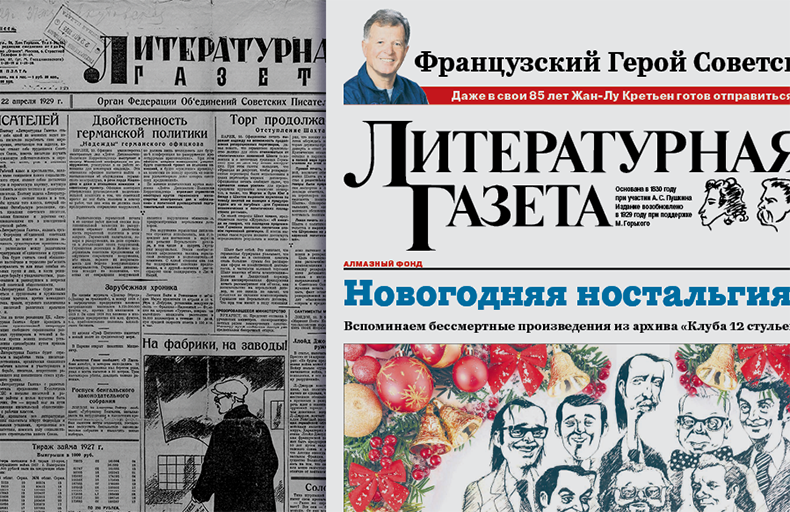
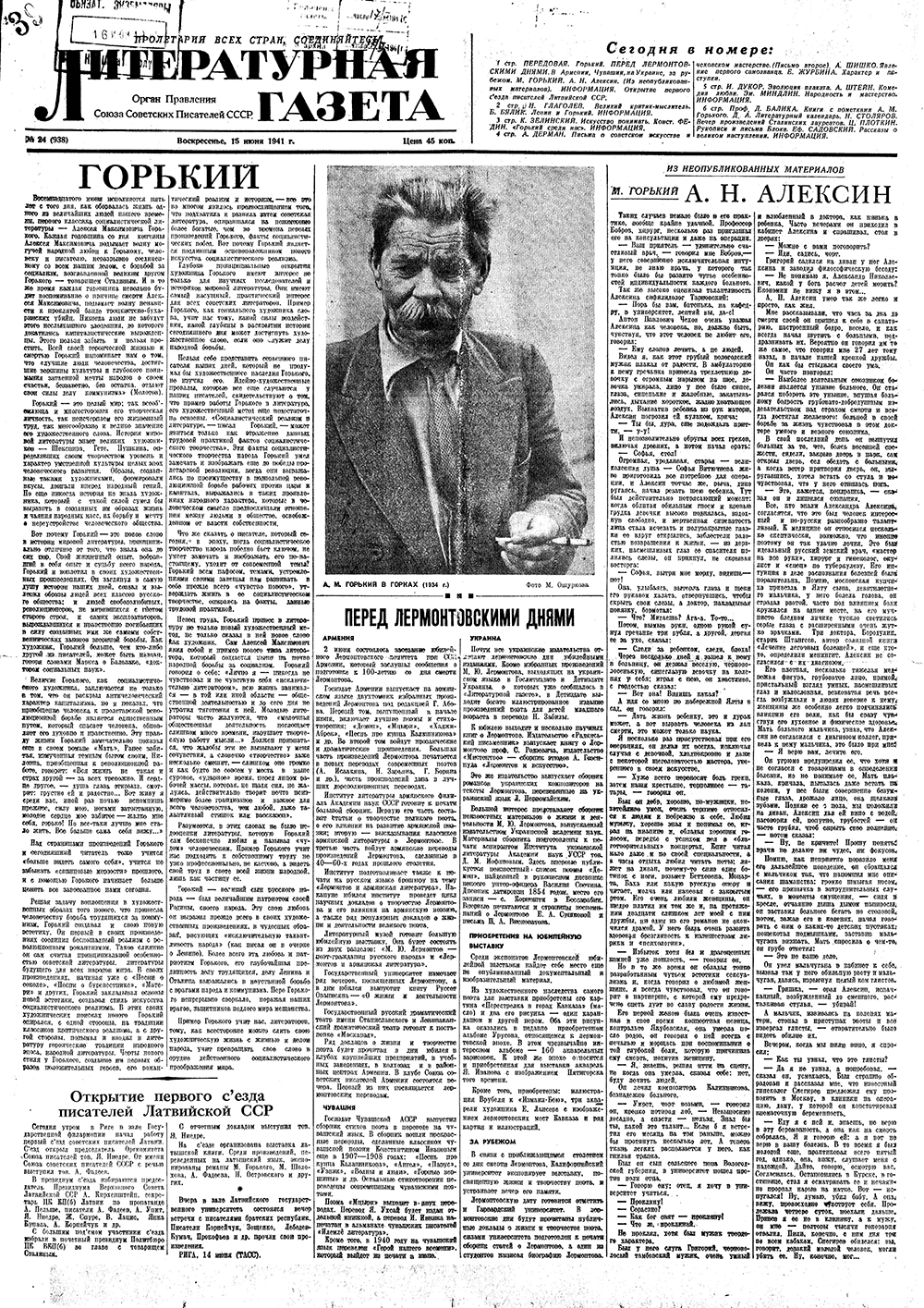
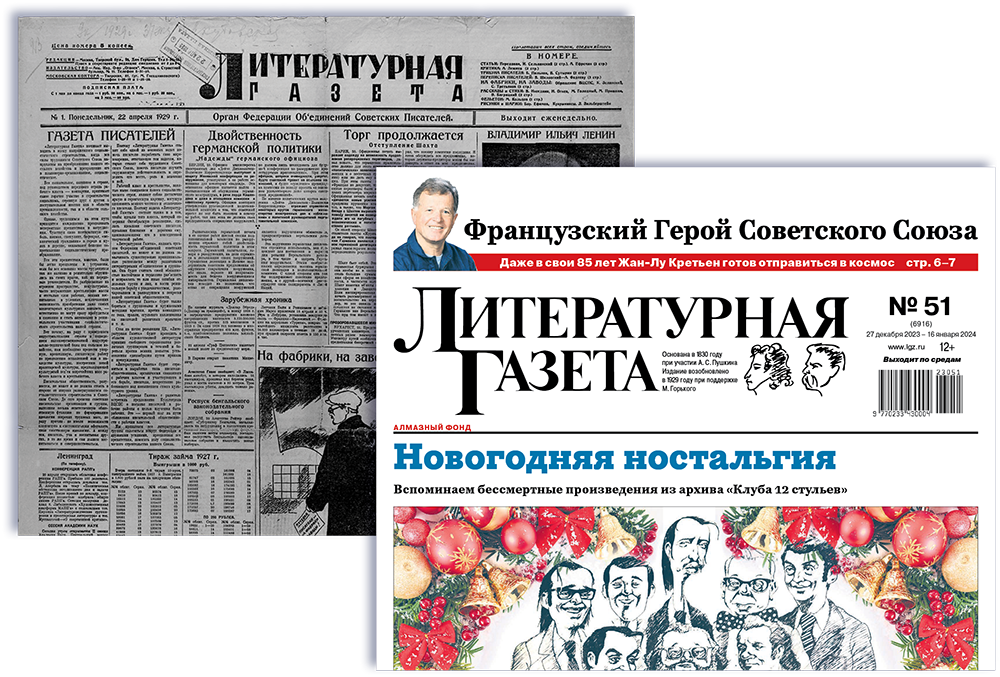
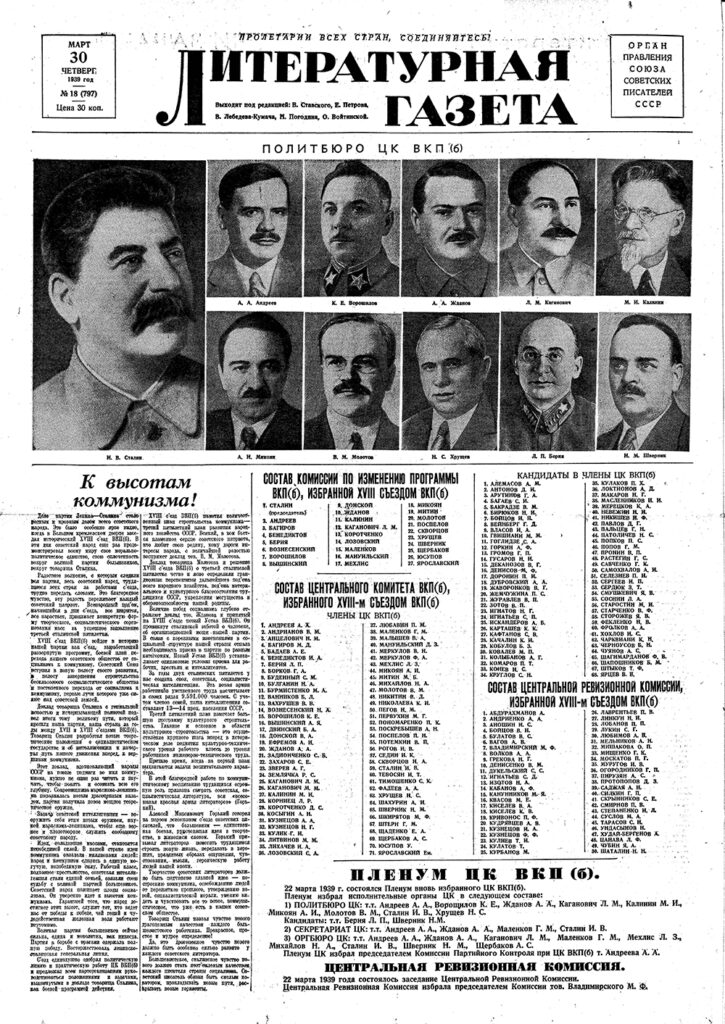
    Established on April 22, 1929 with the support of the “father of Soviet literature,” writer Maxim Gorky, Literaturnaia gazeta (Литературная газета, Literary Newspaper) is a landmark publication in Russia’s cultural heritage. With its focus on literary and intellectual life, Literaturnaia gazeta allowed Soviet Russia’s preeminent authors, poets, and cultural figures a particular podium for commentary, affording perhaps fewer restrictions than might be possible in other publications. Literaturnaia gazeta was considered the most open among newspapers of the Soviet era, and it remains popular among the intelligentsia in today’s Russia.

    The Literaturnaia Gazeta Digital Archive contains all obtainable published issues from 1929 on (over 65,000 pages), with an additional year’s worth of content available for purchase on an annual basis. The archive offers scholars the most comprehensive collection available for this title, and features full page-level digitization, complete original graphics, and searchable text, and is cross-searchable with numerous other Infoteka digital resources.

    More About Literaturnaia Gazeta

    In 1932 Literaturnaia gazeta became the official organ of the Union of Soviet Writers, the government-controlled organization which controlled most literary publications and the employment of writers in the USSR. In the post-World War II period, the scope of Literaturnaia gazeta expanded from an exclusively literary newspaper to more of a literary, social and political publication, becoming one of the most authoritative and influential publications in the country. As the press-run grew to 6.5 million copies in the 1970s and 1980s, it became the most popular newspaper with intelligentsia, who fondly dubbed it “Literaturka.”

    Literaturnaia gazeta was truly significant in the cultural life of the Soviet Union. While all officially published works were restricted in Soviet times, compared to the party-run Pravda and the government-run Izvestiia, Literaturnaia gazeta was more likely to push the limits of censorship in expressing views on social life and culture. Unlike many other Soviet newspapers, Literaturnaia gazeta refrained from simply re-publishing official party statements and resolutions. For those studying Russian, Russian literature, and comparative literature, Literaturnaia gazeta is undoubtedly an important resource: its pages carry literary criticism; excerpts from works of literature; articles on economics, sociology, ethics, daily life, scientific progress, etc. Contributors to Literaturnaia gazeta included the best prose writers of the era: Isaak Babel’, Mikhail Bulgakov, Veniamin Kaverin, Leonid Leonov, Yuriy Olesha, Boris Pil’nyak, Yevgeniy Zamyatin, and Mikhail Zoshchenko.

  • Kommersant Digital Archive

    Kommersant Digital Archive

    One of Russia’s main business dailies.

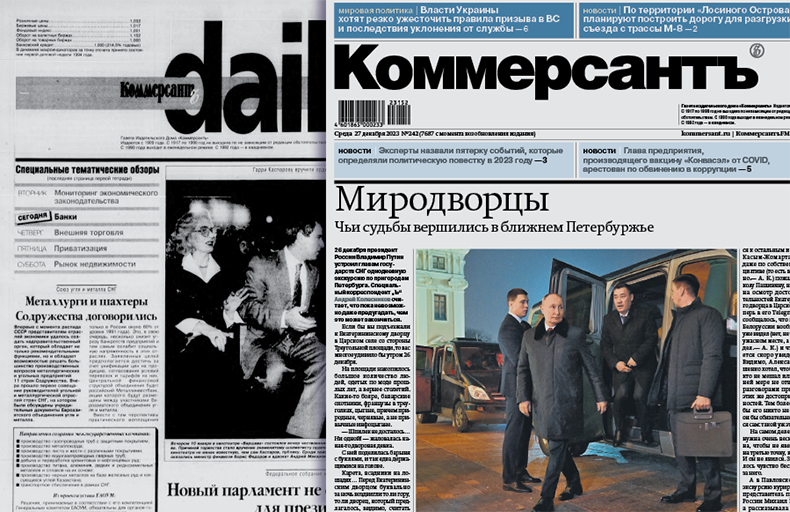
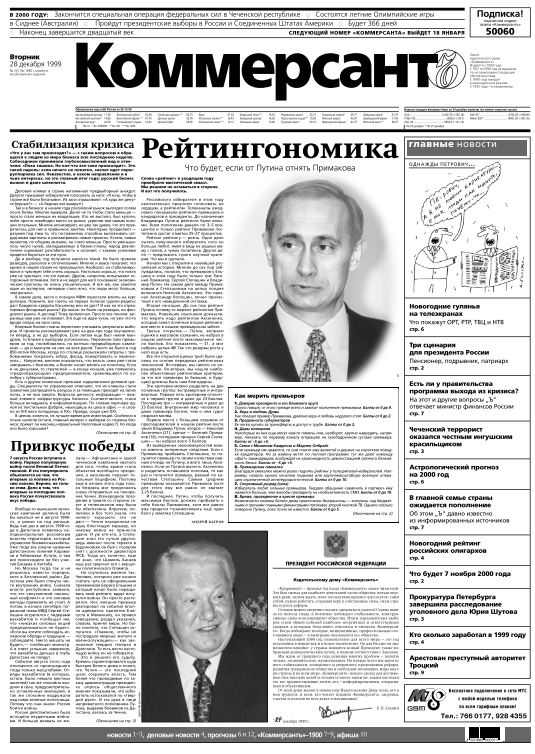
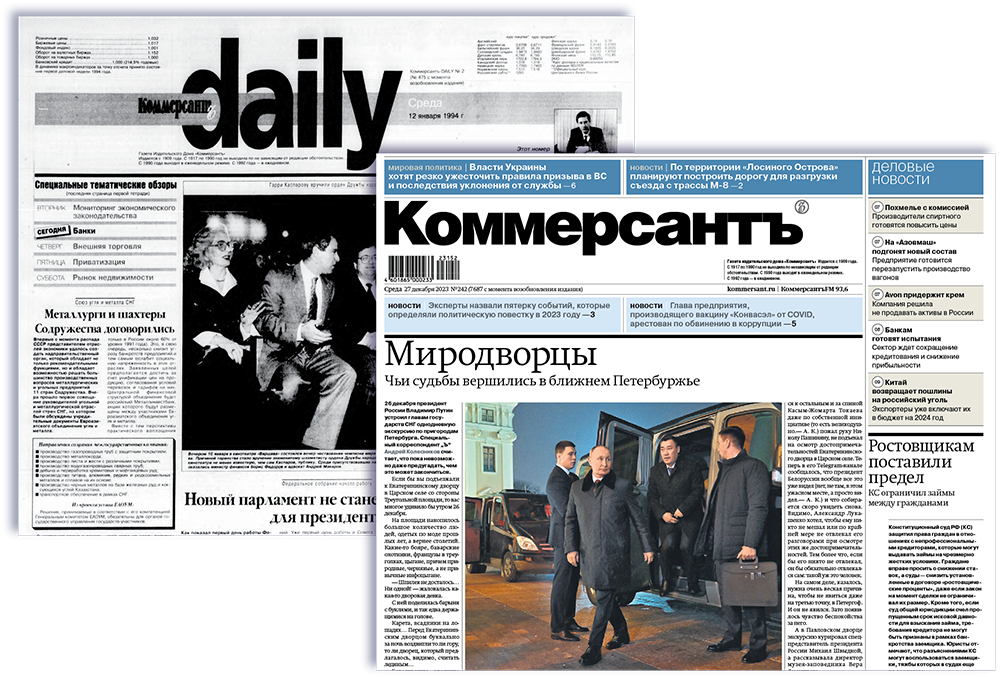
    Founded in 1989 by Russian businessman and journalist Vladimir Yakovlev on the eve of the dissolution of the Soviet Union, Kommersant (Коммерсантъ, The Businessman) is one of the most influential and important newspapers to have emerged in post-Soviet Russia. The economic liberalization of the Gorbachev-era perestroika and glasnost reforms had created a need for media outlets dedicated to reporting on the new economic situation in the country and the emergence of the new entrepreneurial class. The establishment of Kommersant, modeled largely after The Wall Street Journal and the Financial Times, was meant to meet just such a need.

    Published initially as a weekly, its proven quality and growing popularity occasioned the expansion of the publication and the changing of its format from a weekly to a daily. Soon it would also change ownership, being owned at various times by Russian oligarchs Roman Berezovsky, Badri Patarkatsishvili, and its current owner Alisher Usmanov. Despite the slew of controversial ownerships, and several instances of editorial interference by its owners, Kommersant remains one of the most trustworthy Russian newspapers.

    The Kommersant Digital Archive includes all obtainable issues published since 1992, with an additional year’s worth of content available for purchase on an annual basis. The archive features full page-level digitization, complete original graphics, and searchable text, and is cross-searchable with numerous other Infoteka digital resources.

  • Krasnaia Zvezda Digital Archive

    Krasnaia Zvezda Digital Archive

    The official newspaper of the Russian Armed Forces.

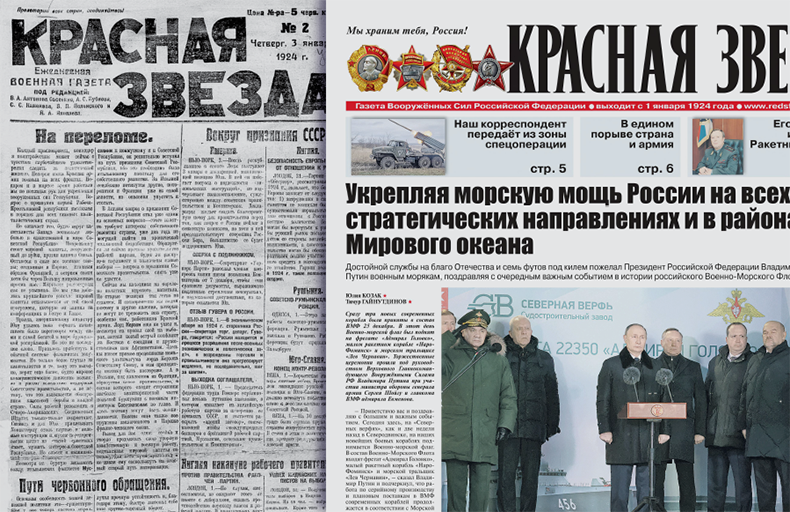
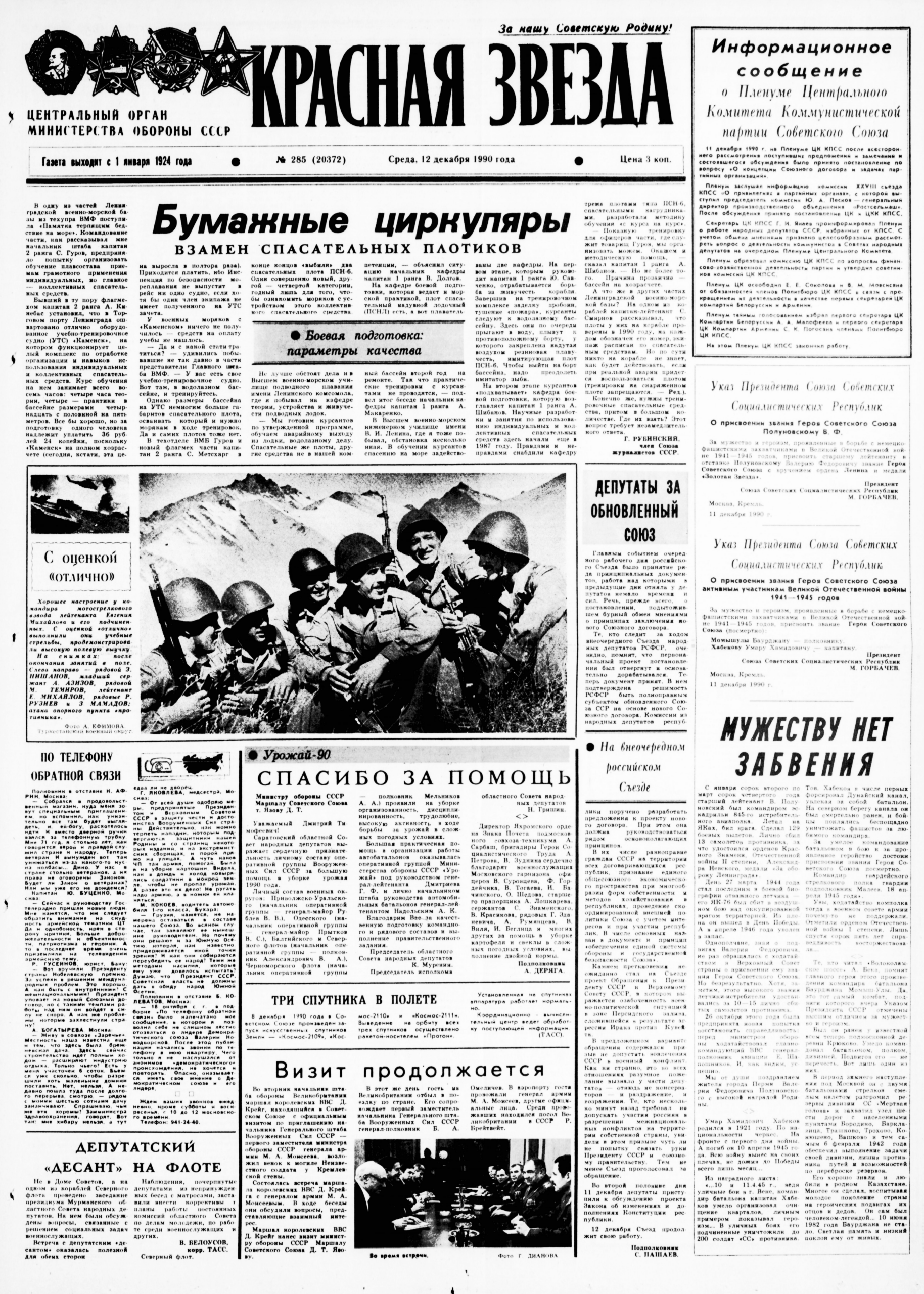
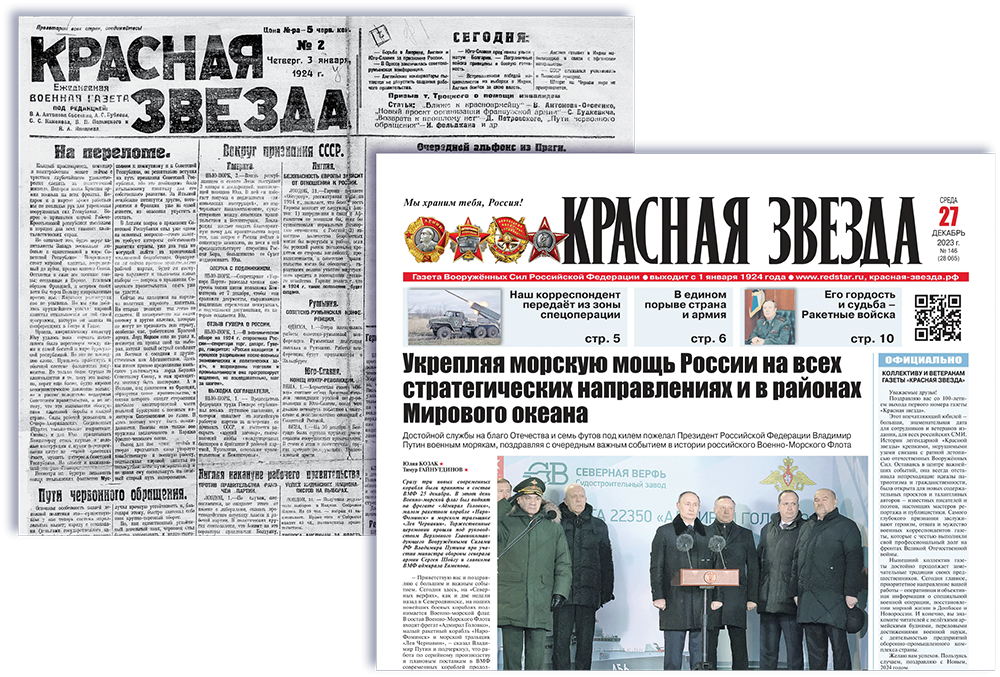
    Founded in 1924, Krasnaia zvezda (Красная звезда, Red Star) is the official paper of the Soviet and now Russian Ministry of Defense. Krasnaia zvezda is the premier source for current news and other information regarding the defense and security of the Soviet Union and Russian Federation. The newspaper publishes extensively on all aspects of Russia’s armed forces, including military reform, combat training and daily routine of troops, legal advice, analysis of Russia and CIS security issues, new combat equipment and arms, reports from areas of military conflicts around the world, information on foreign armies, alongside political, economic, business, cultural and sports news.

    The Krasnaia Zvezda Digital Archive contains the most complete collection available for this title, with an additional year’s worth of content available for purchase on an annual basis. The archive features full page-level digitization, complete original graphics, and searchable text, and is cross-searchable with numerous other Infoteka digital resources.

  • Izvestiia RAN. Seriia Literatury i Iazyka Digital Archive

    Izvestiia RAN. Seriia Literatury i Iazyka Digital Archive

    Leading Russian journal in the fields of literature, linguistics, and philology.

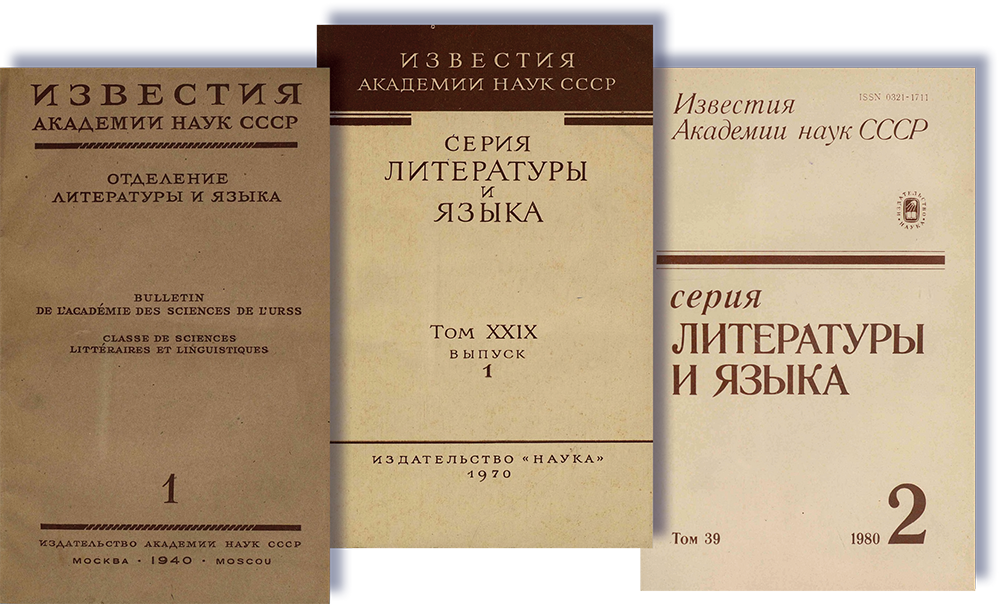
    Izvestiia Rossiiskoi Akademii Nauk (RAN). Seriia Literatury i Iazyka (Известия Российской Академии наук. Серия литературы и языка, The Bulletin of the Russian Academy of Sciences. Series: Literature and Language) is a highly respected academic journal that has been published by the Soviet/Russian Academy of Sciences since 1940. The journal’s focus is on research in the fields of literature, linguistics, and philology. It is widely considered to be one of the most prestigious academic publications in Russia.

    The scope of the journal includes a broad range of topics related to Russian literature and language. Published six times a year, the journal features original research articles, reviews, and critical essays on literary theory, history of literature, comparative literature, linguistics, and cultural studies.

    Authors for the journal include esteemed scholars, experts, and university professors from Russia and abroad, while its distinguished editorial board ensures the quality of the published research. The journal’s interdisciplinary approach allows for a wide range of perspectives on the study of Russian literature from its earliest beginnings to contemporary works, and its coverage of linguistics includes a range of approaches, from syntax and semantics to sociolinguistics and discourse analysis.

    The Izvestiia RAN. Seriia Literatury i Iazyka Digital Archive includes all issues published from 1940 on, with an additional year’s worth of content available for purchase on an annual basis. The archive offers scholars the most comprehensive collection available for this title, features full page-level digitization and complete original graphics, and is cross-searchable with numerous other Infoteka digital resources.

  • Izvestiia Digital Archive

    Izvestiia Digital Archive

    The official daily newspaper of the Soviet government.

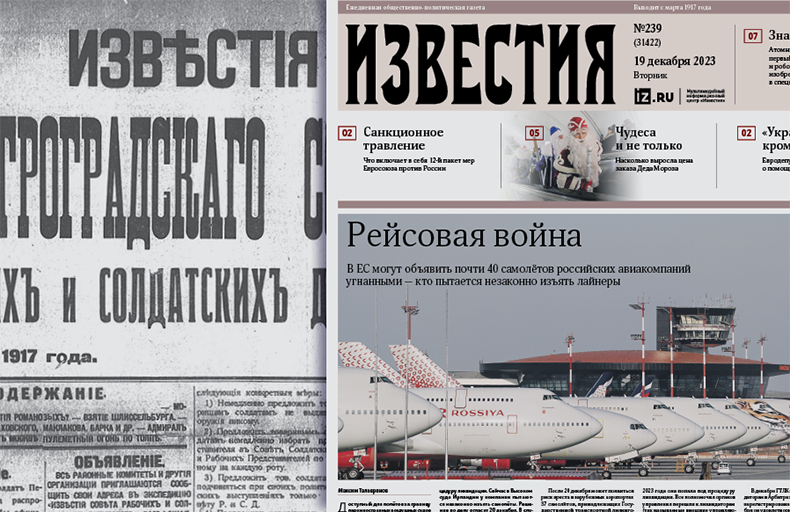
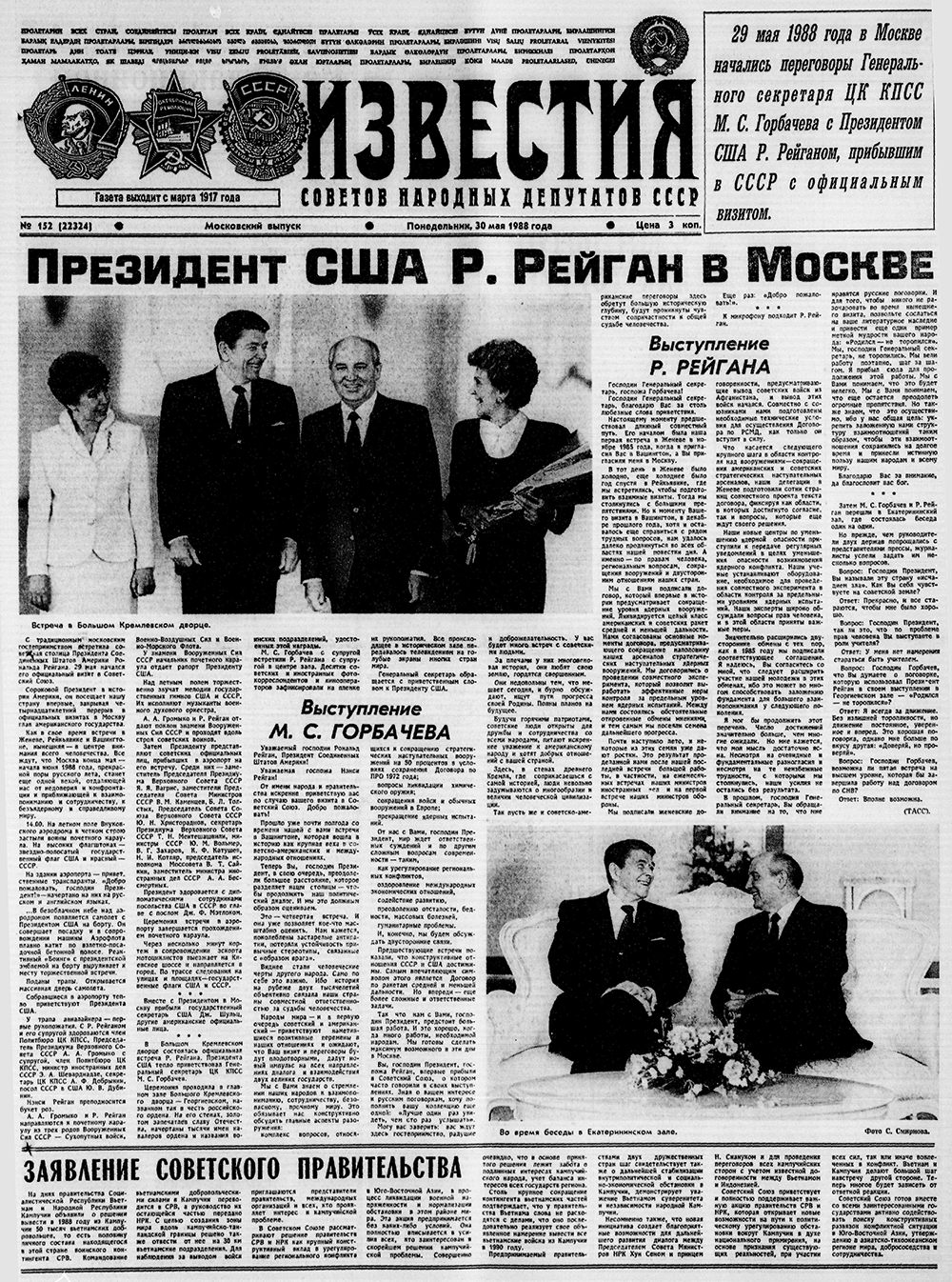
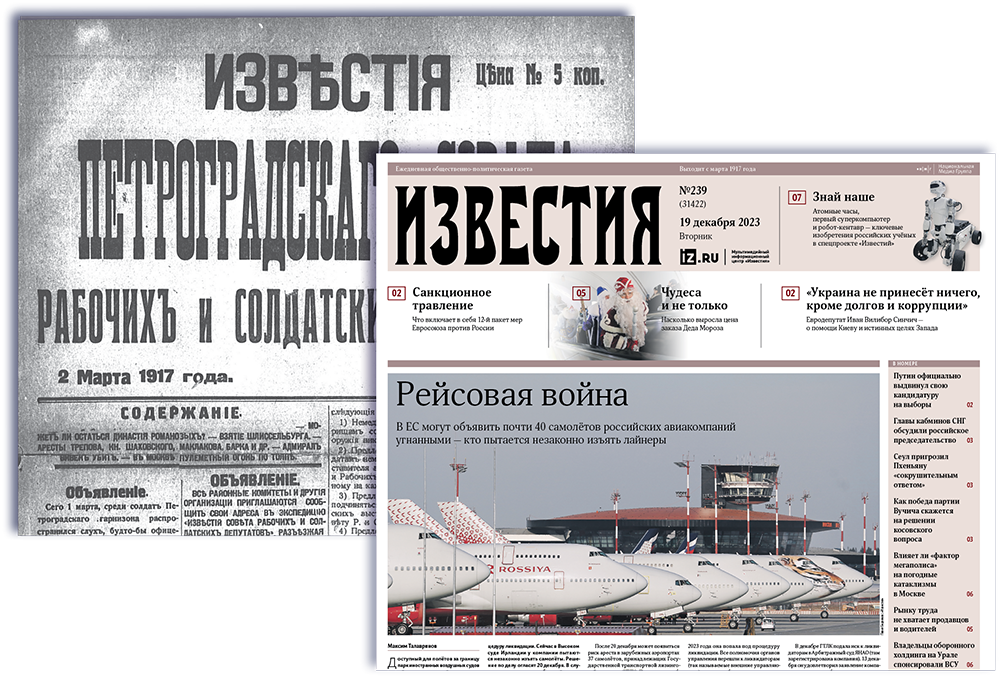
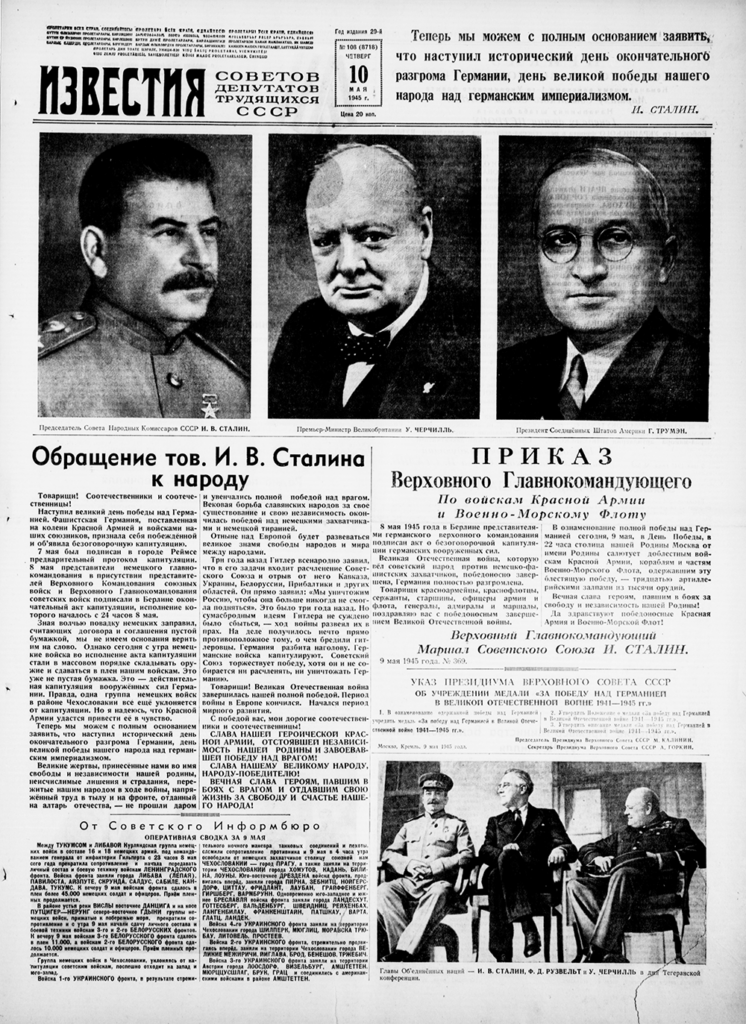
    Among the longest-running Russian newspapers, Izvestiia (Известия, News) was founded in March 1917 and during the Soviet period was the official organ of the Presidium of the Supreme Soviet of the USSR. Remarkable for its serious and balanced treatment of subject matter, Izvestiia has traditionally been a popular news source within intellectual and academic circles. Continuously published for over 100 years, Izvestiia’s prominence endures today as one of the most subscribed news sources of contemporary Russia, covering domestic and foreign policy, commentary, culture, education, and finance.

    The Izvestiia Digital Archive contains all obtainable published issues from 1917 on (over 200,000 pages), with an additional year’s worth of content available for purchase on an annual basis. The archive offers scholars the most comprehensive collection available for this title, and features full page-level digitization, complete original graphics, and searchable text, and is cross-searchable with numerous other Infoteka digital resources.

    Important Highlights

    Izvestiia served as the paper of record — the official daily newspaper — of the Soviet government from 1917 until the dissolution of the USSR in 1991, when Izvestiia became an independent publication.

    During the February Revolution of 1917, Izvestiia was founded in Petrograd (now St. Petersburg) as the main newspaper of “The Petrograd Soviet of Workers’ and Soldiers’ Deputies.” At the time, Izvestiia reflected the views more common among the Menshiviks and other democratic socialist parties, with a moderate lean toward other liberal opposition groups. After the October Socialist Revolution, Izvestiia passed into the hands of the Bolsheviks. When the new Soviet government transferred the capital to Moscow, the newspaper was relocated as well. During the Soviet era, Izvestiia became the mouthpiece of the Kremlin, informing the public of government policies through its pages. Izvestiia was also recognized for its extensive international coverage, having correspondents in more than 30 foreign countries. This also made the paper an important channel for Soviet foreign policy.

    Researchers of language, history, international relations, economics, social sciences, and more have access to a rich source of Russian documentary history from one easy search. The Izvestiia Digital Archive delivers unprecedented access to a repository chronicling the dramatic transformation of Soviet society, from Izvestiia’s beginnings as the official publication of Lenin’s revolutionary contemporaries to its status as the official publication of the Supreme Soviet of the USSR.

    From the first day of publication in February 1917, Izvestiia published first-hand accounts of events that shook the world, from the Russian Revolution, the liberation of Nazi concentration camps, Sputnik, and the fall of the Berlin wall.During the Soviet era, Izvestiia was less ideologically vocal than official party newspapers. The newspaper also played a real role during the Khrushchev era “Thaw” when the paper’s editors advocated de-Stalinization and reform.