Resource Type: Russian Thick Journals

  • Zvezda Digital Archive

    Zvezda Digital Archive

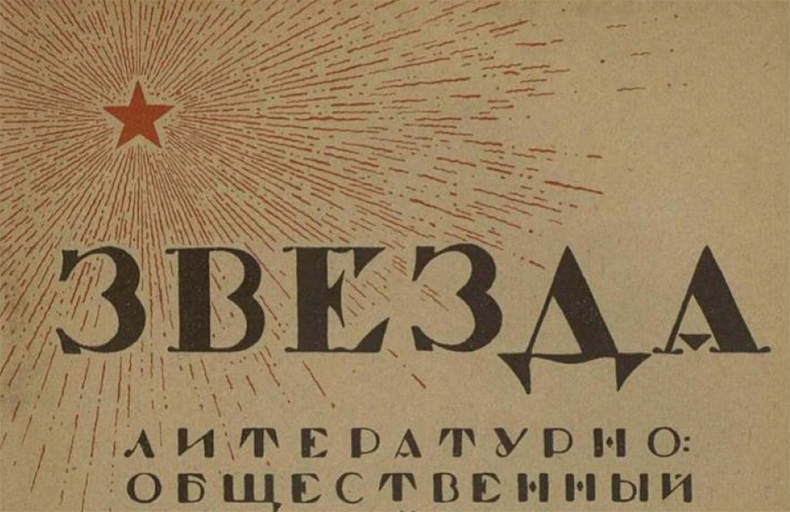
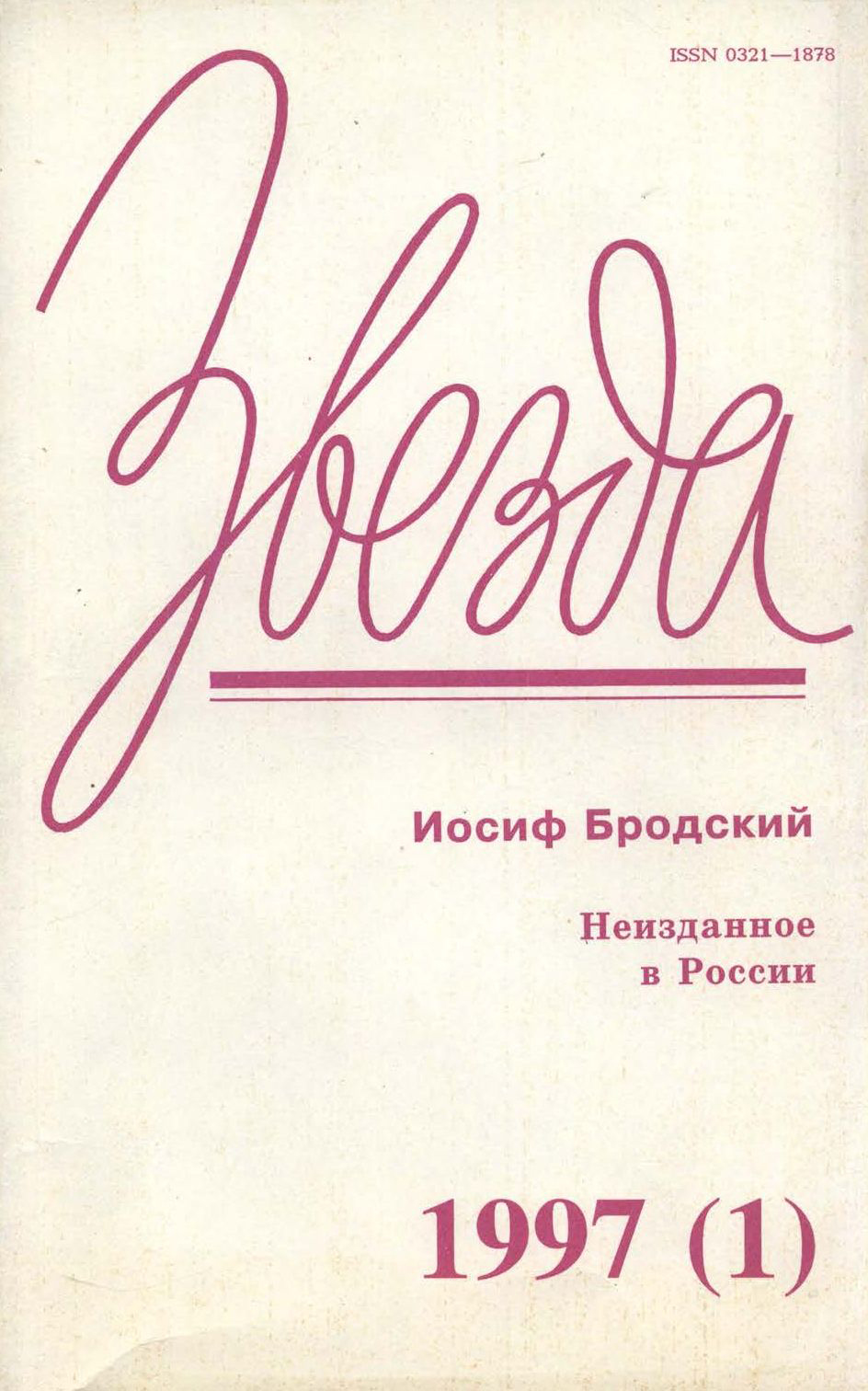
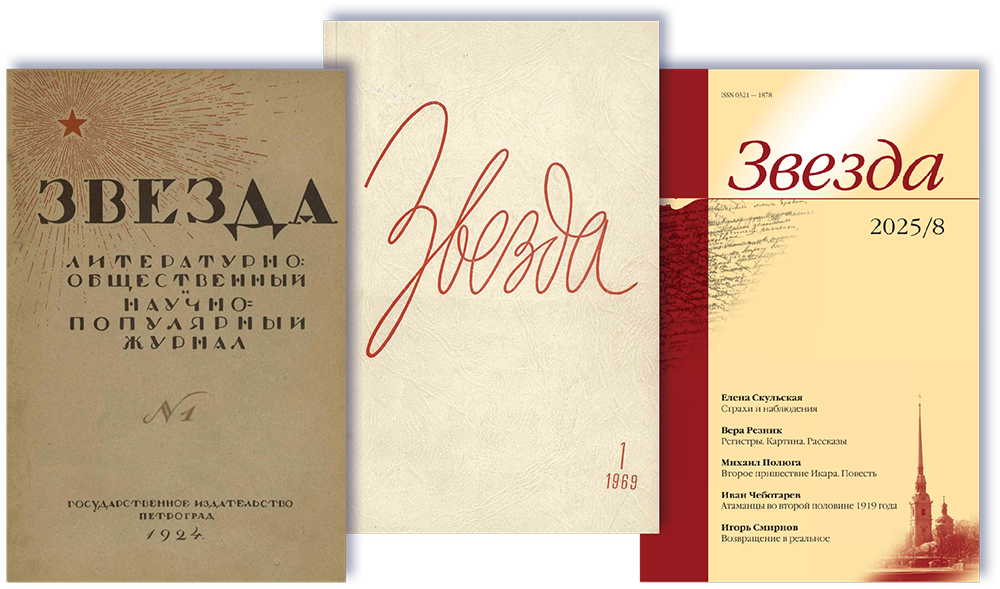
    Key resource of Russian intellectual and literary circles for over a century.

    The journal’s longevity and resilience through tumultuous periods of Soviet history, including the Siege of Leningrad and Stalinist repression, make it an essential resource for understanding the complexities of Russian cultural development over the past century. Notably, Zvezda faced severe criticism in August 1946 from the Soviet Communist Party in the infamous resolution “On the Journals ‘Zvezda’ and ‘Leningrad’,” where it was accused of publishing “ideologically harmful works,” particularly those by Mikhail Zoshchenko and Anna Akhmatova. During the era of perestroika, Zvezda began publishing previously prohibited works and articles by authors such as Alexander Solzhenitsyn, Joseph Brodsky, Andrei Sakharov, Yuri Lotman and many others.

    This extensive coverage provides researchers with access to:

    • Literary works by established and emerging Russian writers
    • Critical essays and reviews on literature, art, and culture
    • Discussions of social and political issues within the constraints of the era
    • Previously prohibited works published during the perestroika period
    • Evolving perspectives on Russian identity and cultural heritage

    The Zvezda Digital Archive offers a comprehensive collection spanning over 100 years, with an additional year’s worth of content available for purchase on an annual basis. The archive includes more than 25,000 works by over 10,000 authors, encompassing nearly 1,200 issues, over 23,000 articles, and over 280,000 pages. If converted to print, the archive for this title would occupy 49 feet of library shelf space. The archive offers scholars the most comprehensive collection available for this title, and features full page-level digitization and complete original graphics. The archive has searchable text and is cross-searchable with numerous other Infoteka digital resources.
    Note: In 1992 only 10 issues of Zvezda were published. This is not a gap in archive content but reflects the journal’s publication schedule that year.

    More about the Soviet “Thick Journals”

    The famed Soviet tolstye zhurnaly, or “thick journals,” were significant platforms for literary and intellectual discourse. Tolstye zhurnaly such as Zvezda played a complex and multifaceted role in Soviet intellectual and literary life. They were not merely publications but institutions that shaped and were shaped by the cultural, intellectual, and political currents of their time. These journals served multiple roles:

    They acted as repositories of high culture, preserving the intellectual and literary achievements of the era. Given the limited avenues for independent publishing, these journals were the primary platforms where established and emerging writers could reach an audience.

    State-Controlled Outlets. While they were crucial platforms for intellectual and artistic expression, it’s important to remember that these journals were often used to propagate official ideologies, and the works published in them usually underwent rigorous censorship.

    Academic Importance. For academics studying the Soviet period, tolstye zhurnaly offer a valuable glimpse into the state-sanctioned intellectual climate of the time. They provide context for how literature and intellectual thought evolved under different political and social conditions.

    Catalysts for Change. During more liberal periods, such as the Khrushchev Thaw and the perestroika years, tolstye zhurnaly could act as catalysts for change, pushing the boundaries of what was acceptable to discuss and publish.
  • Znamia Digital Archive

    Znamia Digital Archive

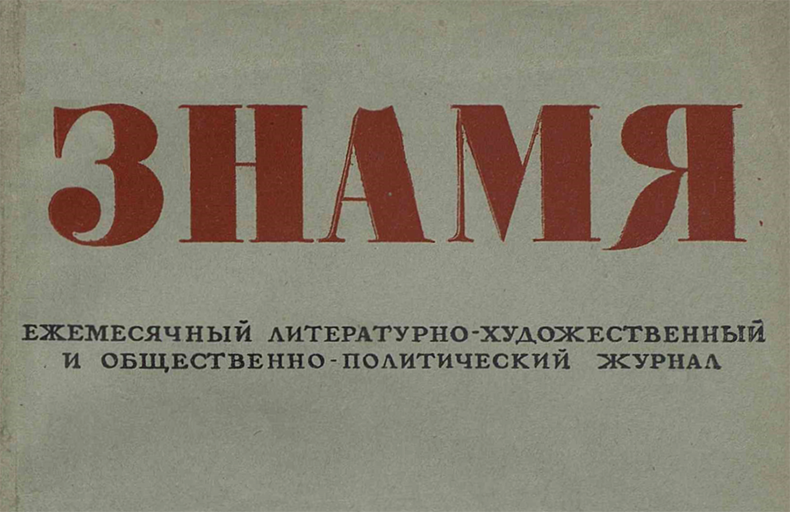
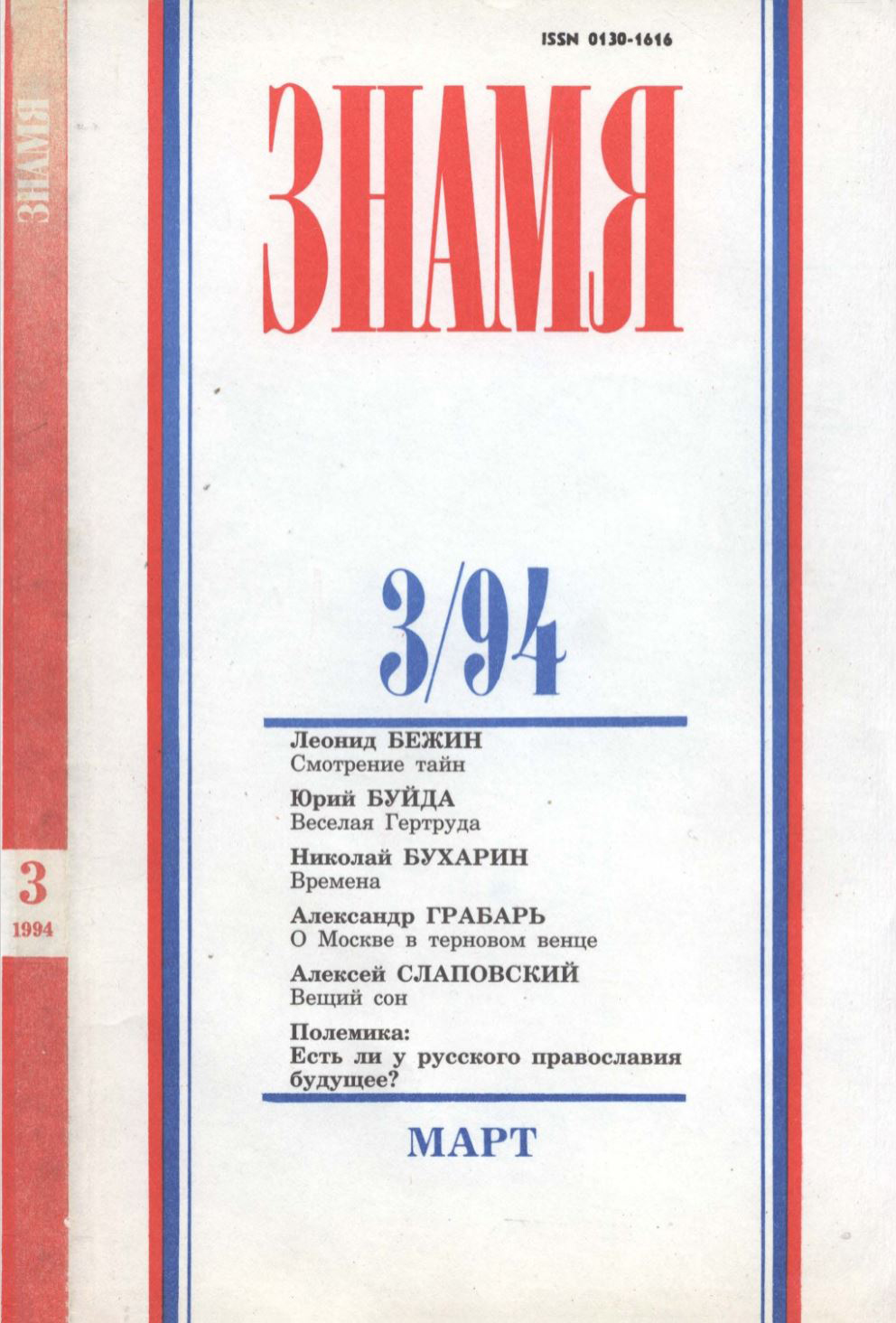
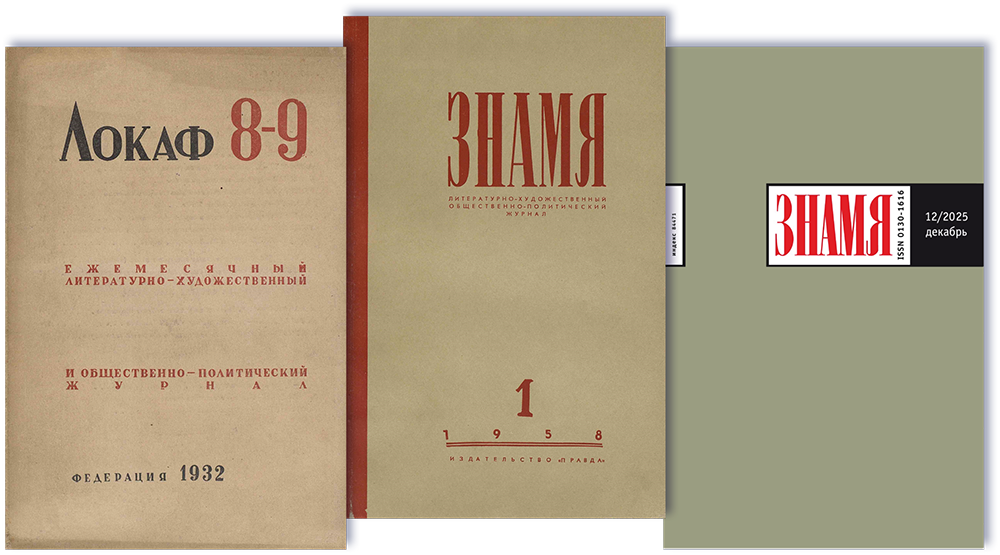
    Prominent literary journal in publication since 1931.

    The Znamia Digital Archive contains all obtainable published issues from 1931 on, with an additional year’s worth of content available for purchase on an annual basis. Spanning over nine decades, it contains over 25,000 articles, or around 260,000 pages. If converted to print, the archive for this title would occupy 41 feet of library shelf space. The archive offers scholars the most comprehensive collection available for this title, and features full article-level digitization, complete original graphics, and searchable text, and is cross-searchable with numerous other Infoteka digital resources.

    More about the Soviet “Thick Journals”

    The famed Soviet tolstye zhurnaly, or “thick journals,” were significant platforms for literary and intellectual discourse. Tolstye zhurnaly such as Znamia played a complex and multifaceted role in Soviet intellectual and literary life. They were not merely publications but institutions that shaped and were shaped by the cultural, intellectual, and political currents of their time. These journals served multiple roles:

    They acted as repositories of high culture, preserving the intellectual and literary achievements of the era. Given the limited avenues for independent publishing, these journals were the primary platforms where established and emerging writers could reach an audience.

    State-Controlled Outlets. While they were crucial platforms for intellectual and artistic expression, it’s important to remember that these journals were often used to propagate official ideologies, and the works published in them usually underwent rigorous censorship.

    Academic Importance. For academics studying the Soviet period, tolstye zhurnaly offer a valuable glimpse into the state-sanctioned intellectual climate of the time. They provide context for how literature and intellectual thought evolved under different political and social conditions.

    Catalysts for Change. During more liberal periods, such as the Khrushchev Thaw and the perestroika years, tolstye zhurnaly could act as catalysts for change, pushing the boundaries of what was acceptable to discuss and publish.
  • Russian Thick Journals

    Russian Thick Journals

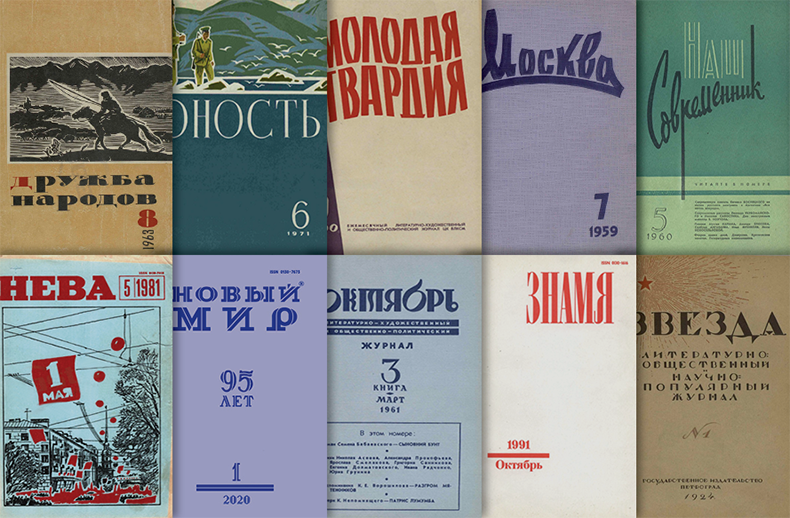
    Tolstye zhurnaly (толстые журналы), literally meaning “thick journals” in Russian, are a unique form of literary and cultural periodicals that have played a significant role in Russian intellectual life since the 19th century. These journals typically contain:

    • New works of fiction (novels, short stories, poems)
    • Literary criticism and essays
    • Social and political commentary
    • Cultural analysis

    Unlike typical journals, tolstye zhurnaly are book-length publications, often running to several hundred pages per issue. In the Soviet Union and later in Russia, literary and artistic journals with a full volume of 192-256 pages received the informal name “thick journals.”

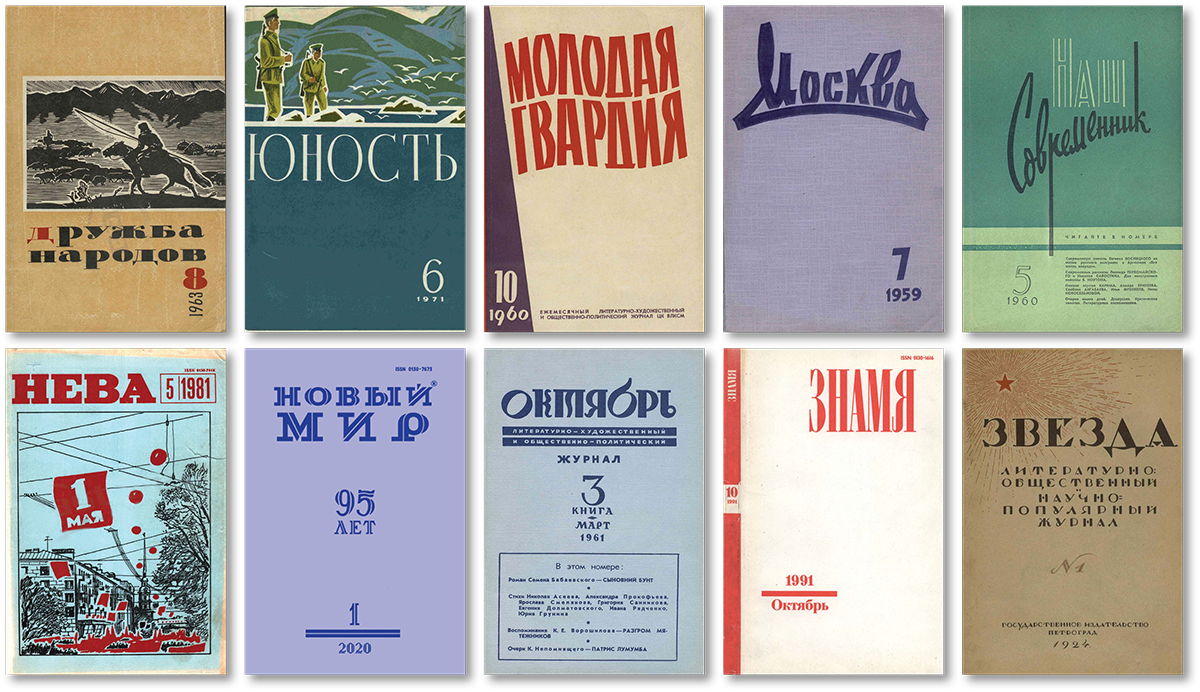
    Digital Archives of Russian Thick Journals

    Druzhba Narodov Digital Archive (1939–2025)


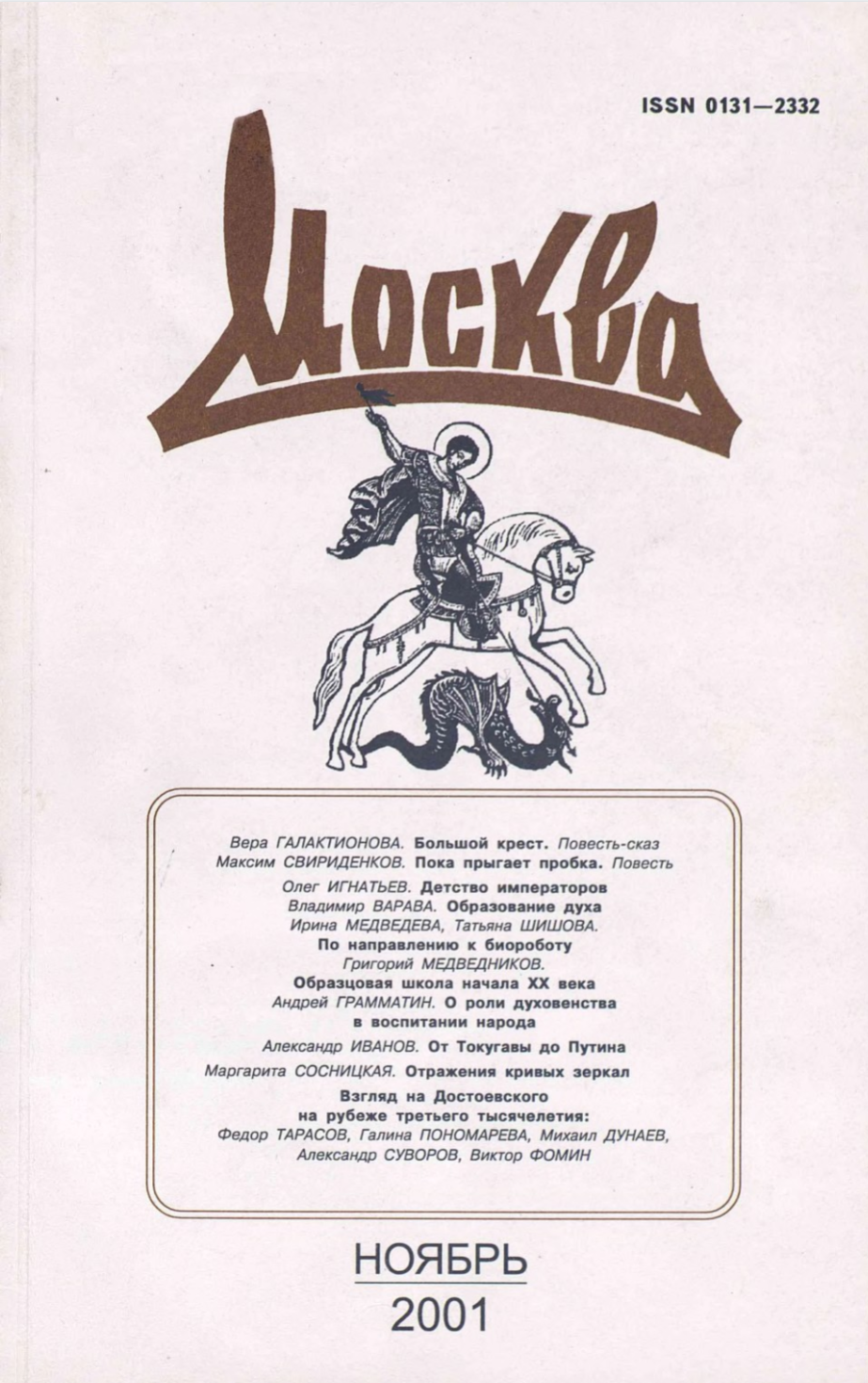
    Moskva Digital Archive (1957–2025)


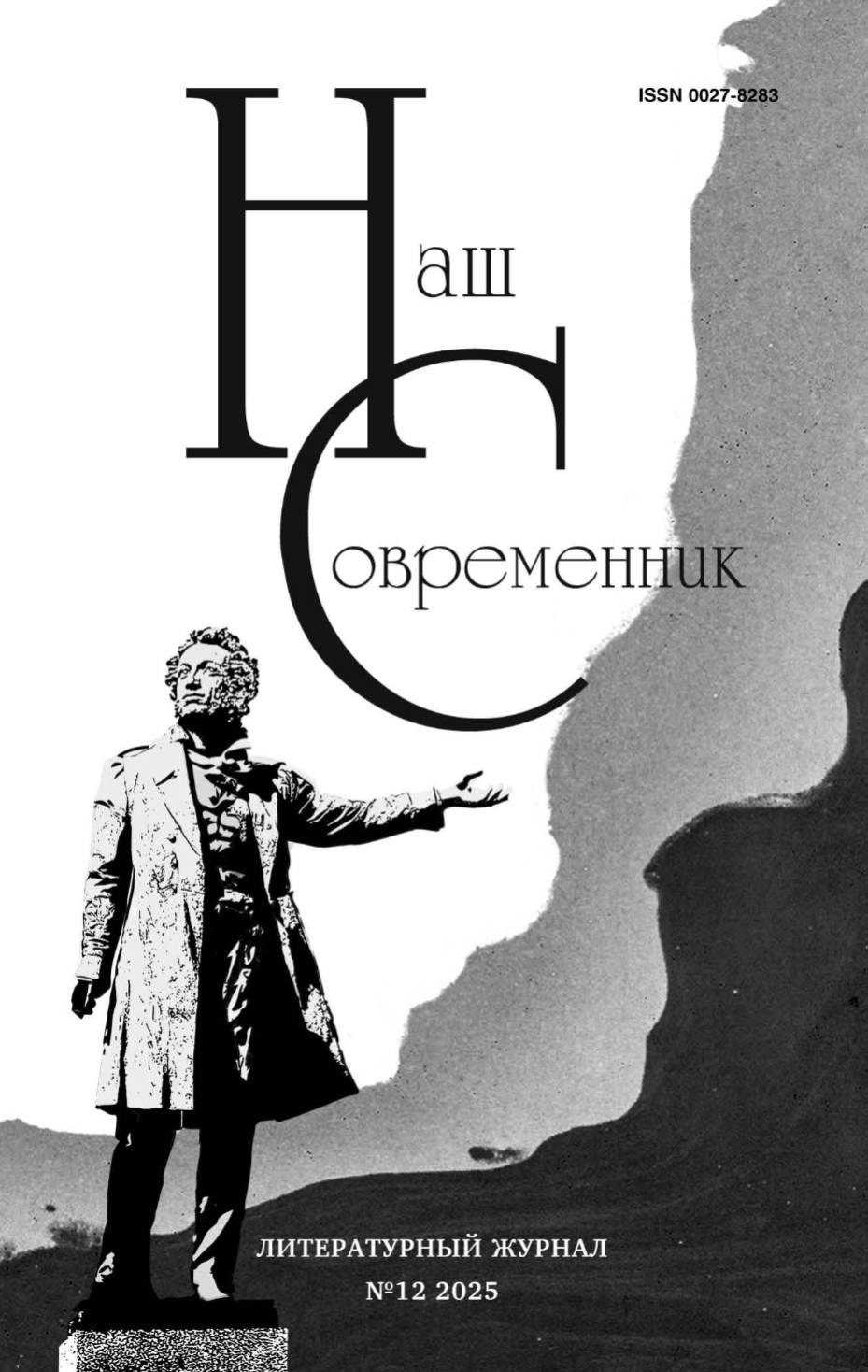
    Nash Sovremennik Digital Archive (1933–2025)


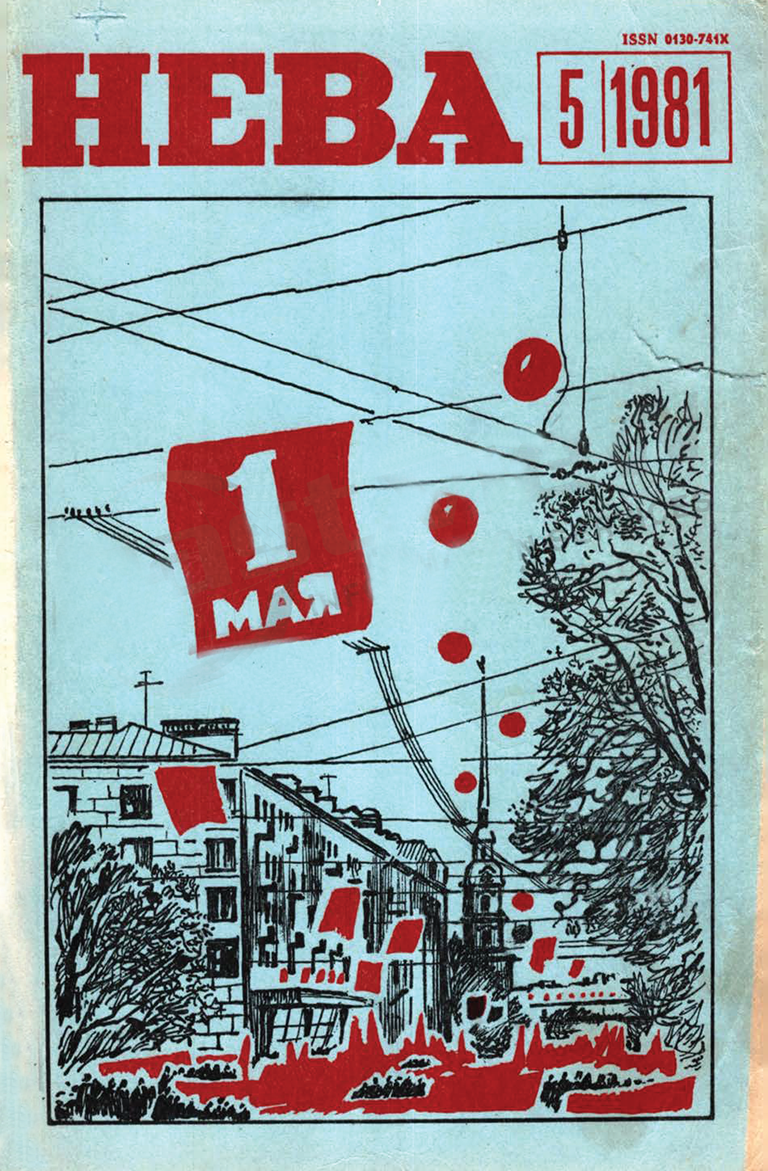
    Neva Digital Archive (1955–2025)


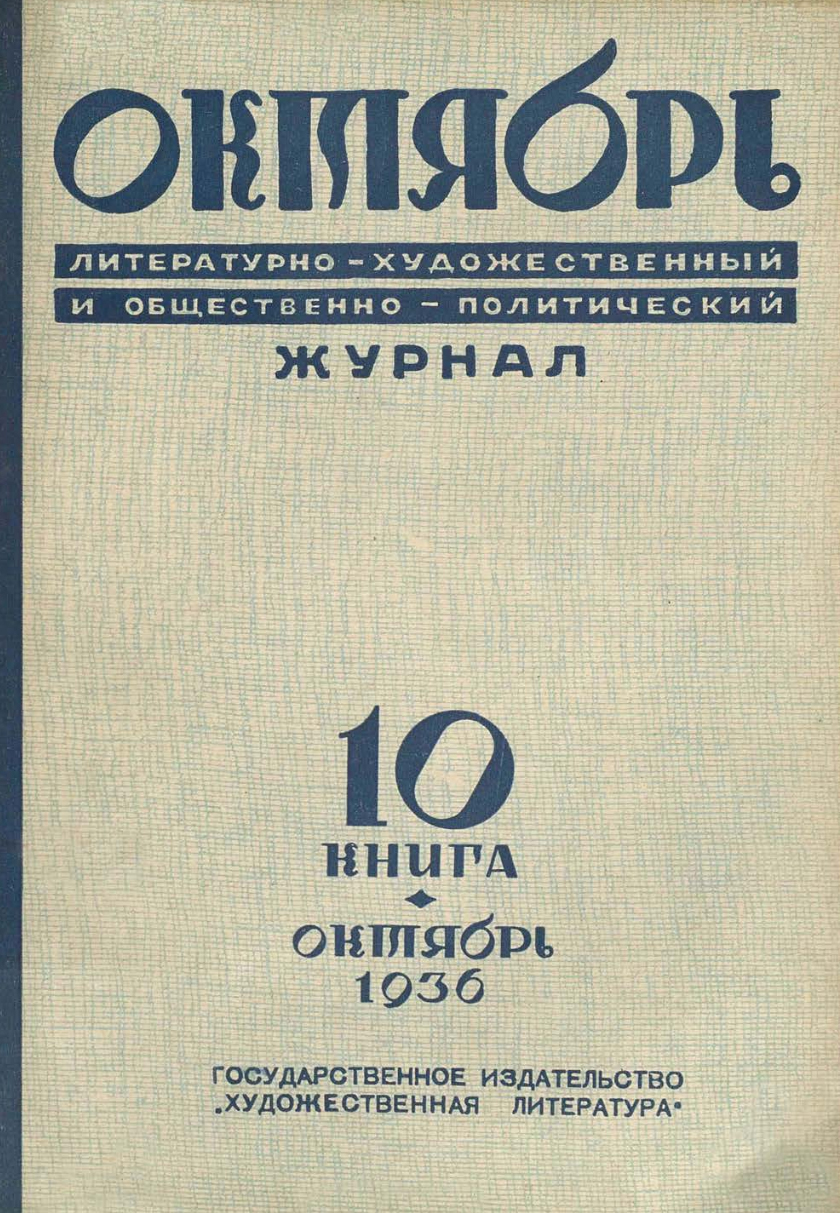
    Oktiabr’ Digital Archive (1924–2018)


    Znamia Digital Archive (1931–2025)


    Zvezda Digital Archive (1924–2025)


    IUnost Digital Archive (1955–2025)


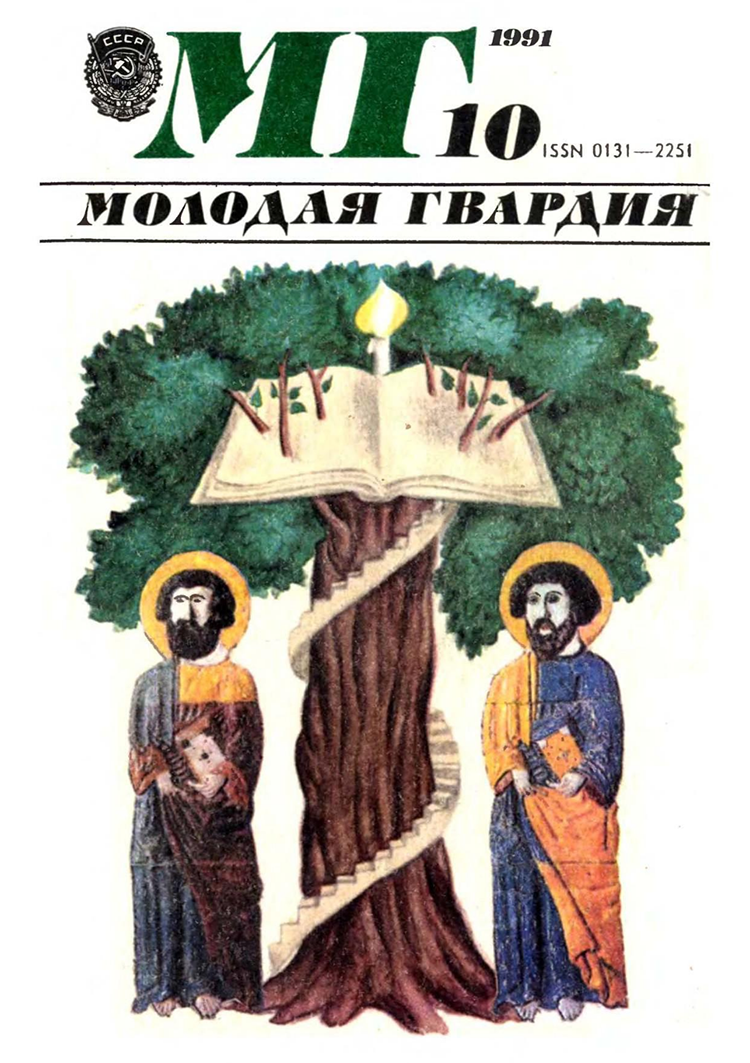
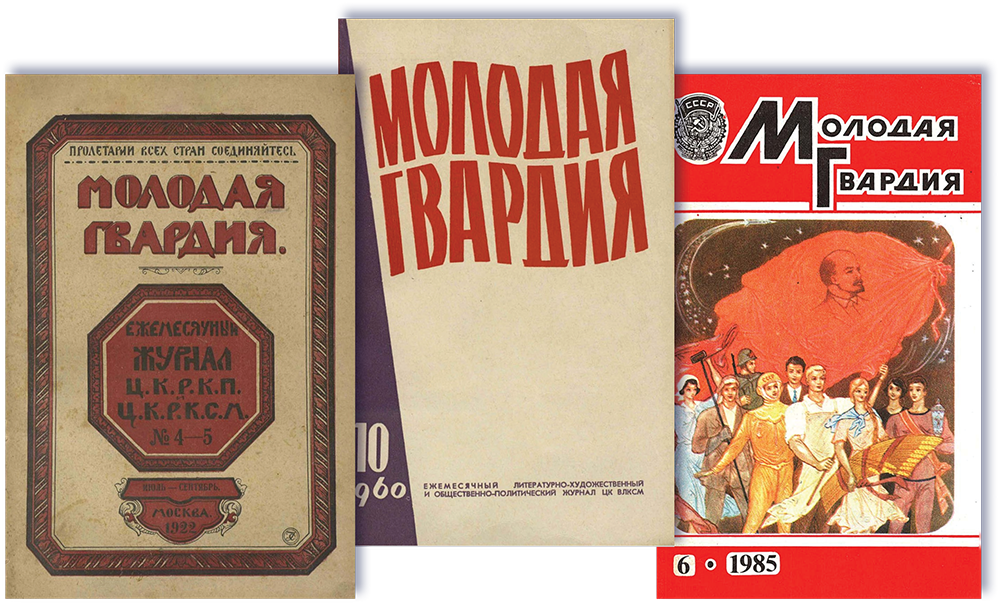
    Molodaia Gvardiia Digital Archive(1922–2025)


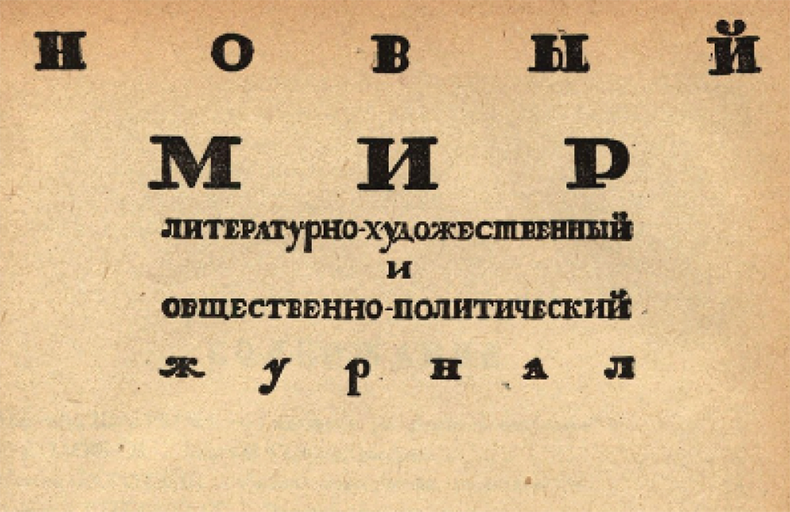
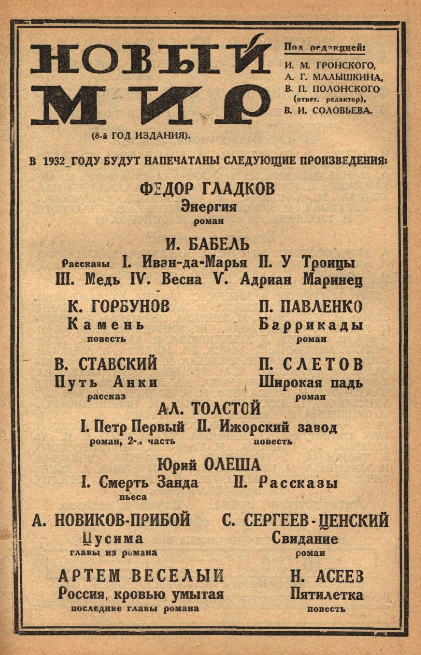
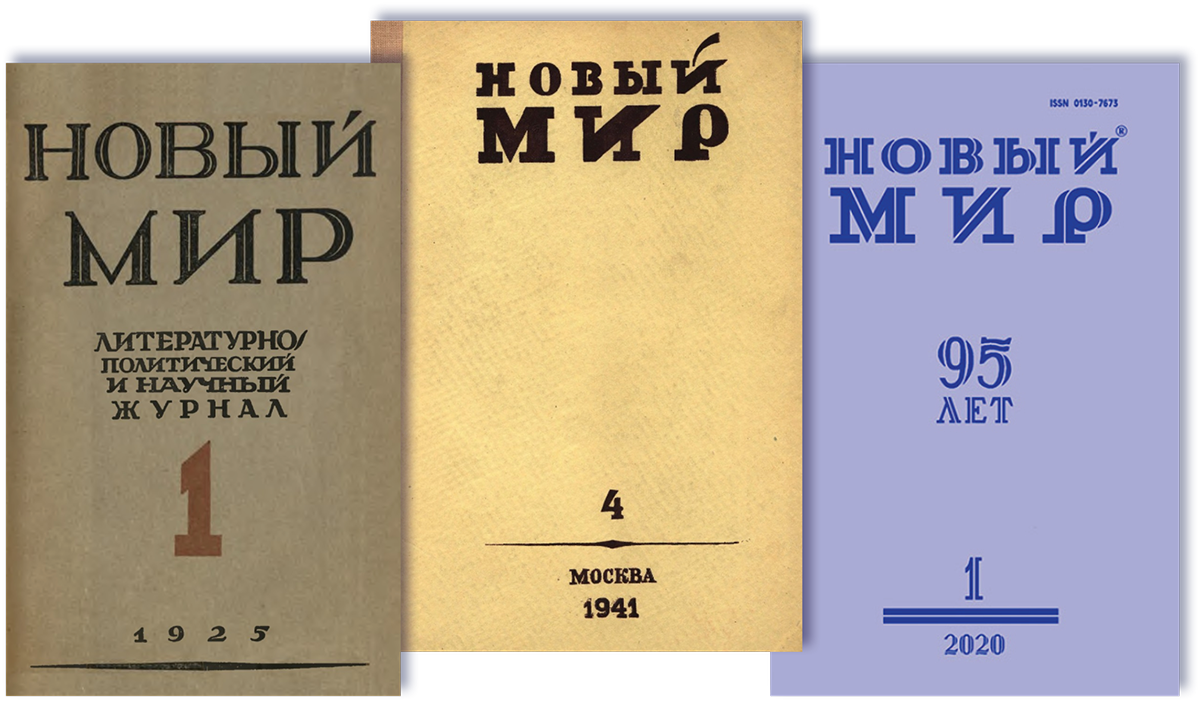
    Novyi Mir Digital Archive (1925–2025)

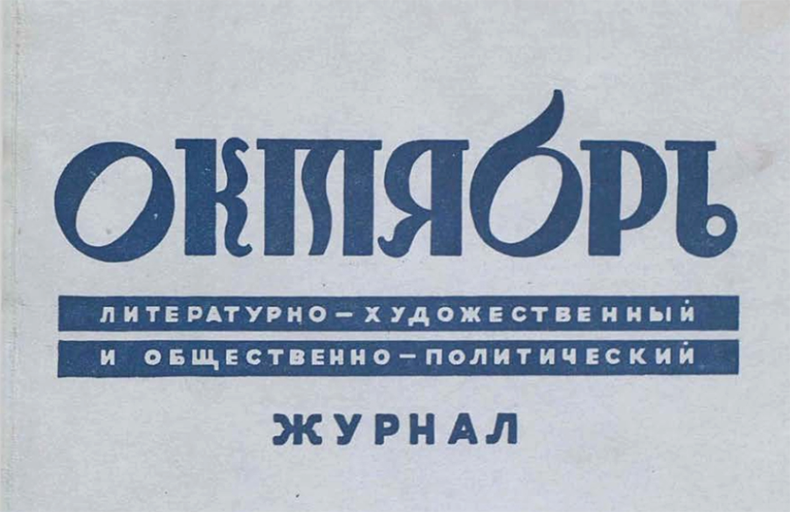
  • Oktiabr’ Digital Archive

    Oktiabr’ Digital Archive

    Key publication chronicling nearly a century of Russian literature.

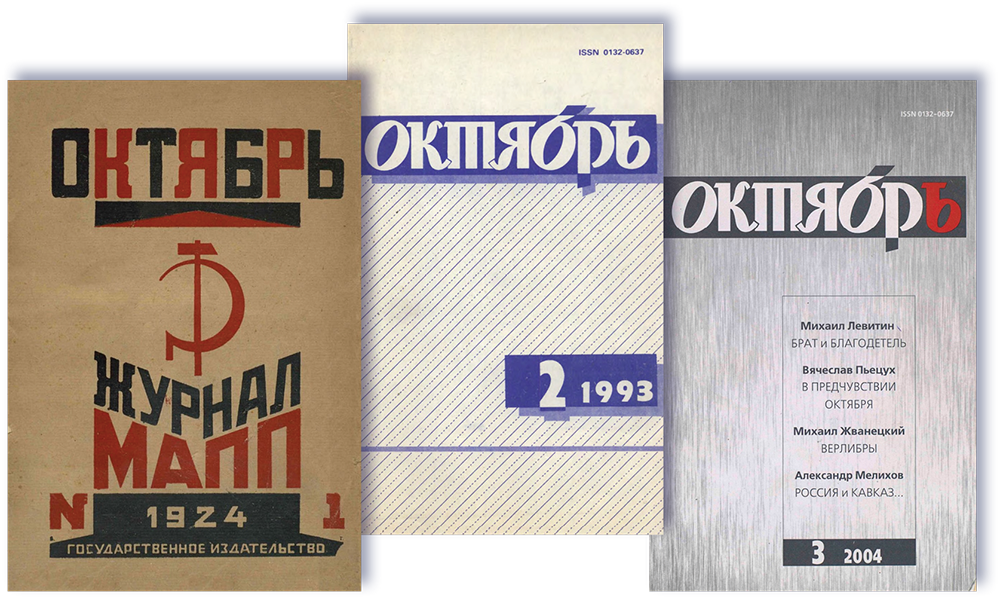
    This meticulously digitized archive spans from the journal’s inception in 1924 to its final issue in 2018, encompassing nearly a century of Russian literary and cultural development. The journal’s publication history mirrors the complex political and cultural transformations of 20th-century Russia, from its early association with various literary organizations through the Soviet period to its emergence as an independent publication in the 1990s.

    Throughout its history, the journal published works by literary giants such as Sergei Yesenin, Vladimir Mayakovsky, Mikhail Zoshchenko, and Andrei Platonov, alongside international authors including Lion Feuchtwanger, Romain Rolland, and Theodore Dreiser. Of particular interest to researchers are the previously censored works that appeared in its pages during the period of glasnost, including Anna Akhmatova’s “Requiem” and Vasily Grossman’s “Life and Fate.”

    The Oktiabr’ Digital Archive captures the journal’s evolution from its early years through the Soviet period and into post-Soviet Russia, reflecting the dramatic changes in Russian society and intellectual thought. For academic studies, the archive serves as an invaluable resource for research in various fields, including Russian literature, Soviet studies, cultural history, and social movements.

    The Oktiabr’ Digital Archive offers scholars the most comprehensive collection available for this title, and features full page-level digitization and complete original graphics. Each issue has been carefully digitized and split into individual articles with permanent URLs, making it easier for researchers to create accurate citations in their work. The archive features a user-friendly bilingual interface in Russian and English and has searchable text, allowing scholars to explore the vast collection of literary works, critical essays, and editorial content that shaped Russian intellectual discourse over nine decades. The archive is cross-searchable with numerous other Infoteka digital resources.

    More about the Soviet “Thick Journals”

    The famed Soviet tolstye zhurnaly, or “thick journals,” were significant platforms for literary and intellectual discourse. Tolstye zhurnaly such as Oktiabr’ played a complex and multifaceted role in Soviet intellectual and literary life. They were not merely publications but institutions that shaped and were shaped by the cultural, intellectual, and political currents of their time. These journals served multiple roles:

    They acted as repositories of high culture, preserving the intellectual and literary achievements of the era. Given the limited avenues for independent publishing, these journals were the primary platforms where established and emerging writers could reach an audience.

    State-Controlled Outlets. While they were crucial platforms for intellectual and artistic expression, it’s important to remember that these journals were often used to propagate official ideologies, and the works published in them usually underwent rigorous censorship.

    Academic Importance. For academics studying the Soviet period, tolstye zhurnaly offer a valuable glimpse into the state-sanctioned intellectual climate of the time. They provide context for how literature and intellectual thought evolved under different political and social conditions.

    Catalysts for Change. During more liberal periods, such as the Khrushchev Thaw and the perestroika years, tolstye zhurnaly could act as catalysts for change, pushing the boundaries of what was acceptable to discuss and publish.
  • Neva Digital Archive

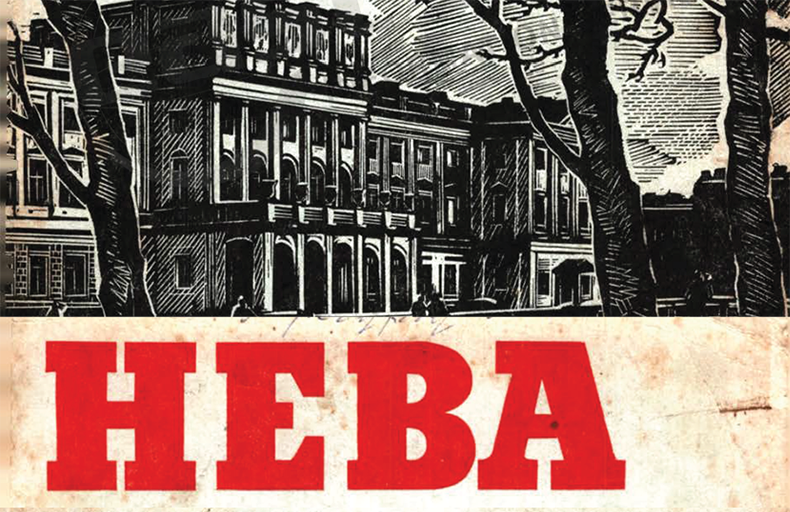
    Neva Digital Archive

    Key publication chronicling Soviet and post-Soviet literature, history, and public thought.

    Among its contributors were Mikhail Zoshchenko, Mikhail Sholokhov, Veniamin Kaverin, Lev Gumilyov, Dmitry Likhachov, Aleksandr Solzhenitsyn, Daniil Granin, the Strugatsky brothers, Vladimir Dudintsev, and Vasil Bykaŭ. A number of works first published in Neva went on to receive State Prizes and wide recognition, including Dudintsev’s novel White Robes. The journal was also one of the first in the USSR to introduce readers to Robert Conquest’s The Great Terror and Arthur Koestler’s Darkness at Noon.

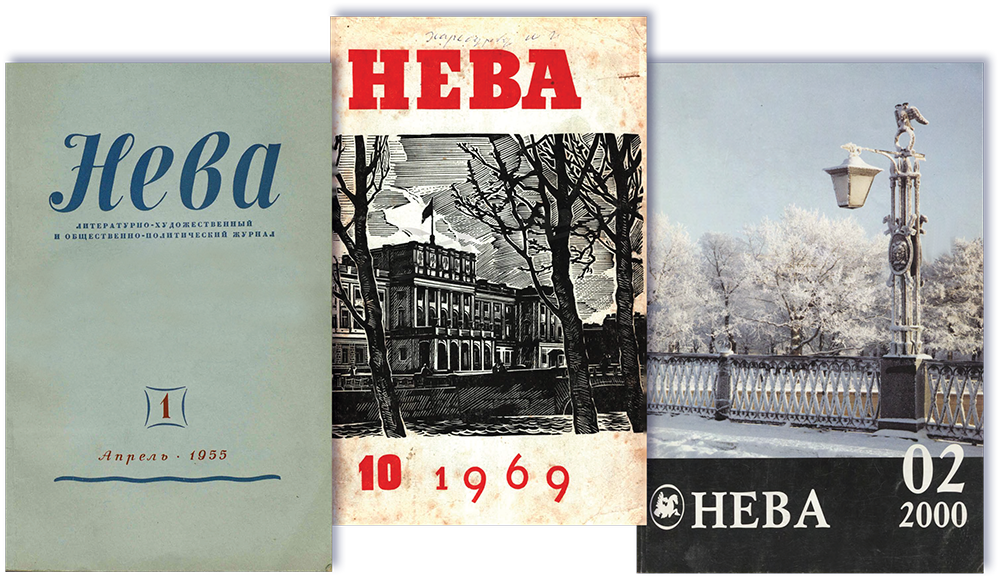
    The Neva Digital Archive offers scholars the complete run of Neva from its first issue in 1955, with an additional year’s worth of content available for purchase on an annual basis. Featuring full page-level digitization and complete original graphics, each issue has been carefully digitized and split into individual articles with permanent URLs, making it easier for researchers to create accurate citations in their work. Featuring full page-level digitization, complete original graphics, and a user-friendly bilingual interface in Russian and English, the searchable database enables efficient access to seventy years of Russian cultural, intellectual, and literary life, preserved in its original context. The archive is cross-searchable with numerous other Infoteka digital resources.

    More about the Soviet “Thick Journals”

    The famed Soviet tolstye zhurnaly, or “thick journals,” were significant platforms for literary and intellectual discourse. Tolstye zhurnaly such as Neva played a complex and multifaceted role in Soviet intellectual and literary life. They were not merely publications but institutions that shaped and were shaped by the cultural, intellectual, and political currents of their time. These journals served multiple roles:

    They acted as repositories of high culture, preserving the intellectual and literary achievements of the era. Given the limited avenues for independent publishing, these journals were the primary platforms where established and emerging writers could reach an audience.

    State-Controlled Outlets. While they were crucial platforms for intellectual and artistic expression, it’s important to remember that these journals were often used to propagate official ideologies, and the works published in them usually underwent rigorous censorship.

    Academic Importance. For academics studying the Soviet period, tolstye zhurnaly offer a valuable glimpse into the state-sanctioned intellectual climate of the time. They provide context for how literature and intellectual thought evolved under different political and social conditions.

    Catalysts for Change. During more liberal periods, such as the Khrushchev Thaw and the perestroika years, tolstye zhurnaly could act as catalysts for change, pushing the boundaries of what was acceptable to discuss and publish.
  • Nash Sovremennik Digital Archive

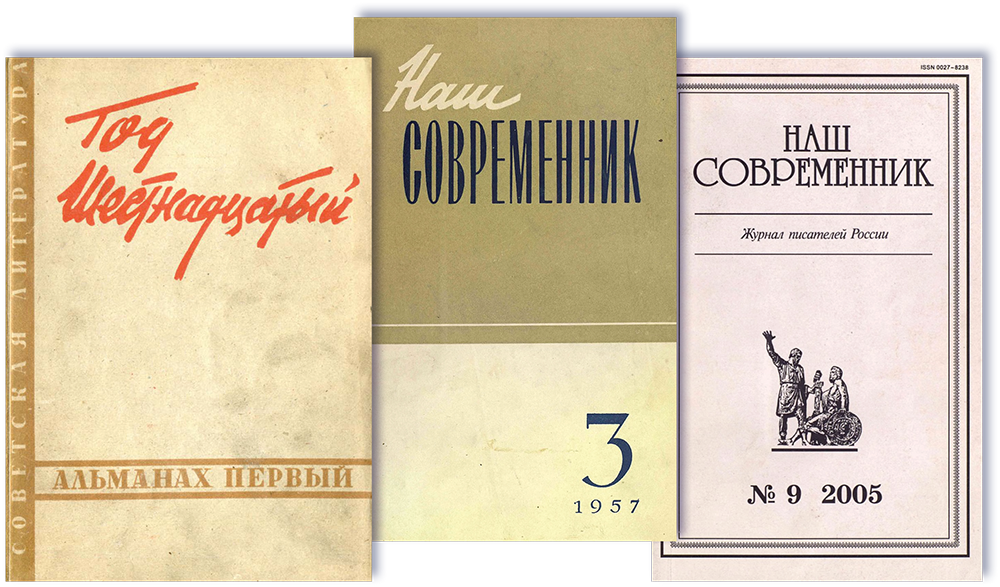
    Nash Sovremennik Digital Archive

    Influential literary periodical of the Soviet and post-Soviet period.

    Though largely faithful to Marxist-Leninist precepts since its founding, during the last years of the Soviet Union the journal underwent dramatic ideological reformulations, moving away from communist orthodoxy to Russian neo-Slavophile conservatism and patriotism that fiercely opposed Western political and literary trends on ideological grounds. At the height of its popularity in the 1990s Nash Sovremennik would boast a circulation of nearly half a million copies.

    The Nash Sovremennik Digital Archive includes all obtainable issues of Al’manakh and Nash Sovremennik published from 1933 on, with an additional year’s worth of content available for purchase on an annual basis. The archive offers scholars the most comprehensive collection available for this title, and features full page-level digitization and complete original graphics. The archive has searchable text and is cross-searchable with numerous other Infoteka digital resources.

    More about the Soviet “Thick Journals”

    The famed Soviet tolstye zhurnaly, or “thick journals,” were significant platforms for literary and intellectual discourse. Tolstye zhurnaly such as Nash Sovremennik played a complex and multifaceted role in Soviet intellectual and literary life. They were not merely publications but institutions that shaped and were shaped by the cultural, intellectual, and political currents of their time. These journals served multiple roles:

    They acted as repositories of high culture, preserving the intellectual and literary achievements of the era. Given the limited avenues for independent publishing, these journals were the primary platforms where established and emerging writers could reach an audience.

    State-Controlled Outlets. While they were crucial platforms for intellectual and artistic expression, it’s important to remember that these journals were often used to propagate official ideologies, and the works published in them usually underwent rigorous censorship.

    Academic Importance. For academics studying the Soviet period, tolstye zhurnaly offer a valuable glimpse into the state-sanctioned intellectual climate of the time. They provide context for how literature and intellectual thought evolved under different political and social conditions.

    Catalysts for Change. During more liberal periods, such as the Khrushchev Thaw and the perestroika years, tolstye zhurnaly could act as catalysts for change, pushing the boundaries of what was acceptable to discuss and publish.
  • Moskva Digital Archive

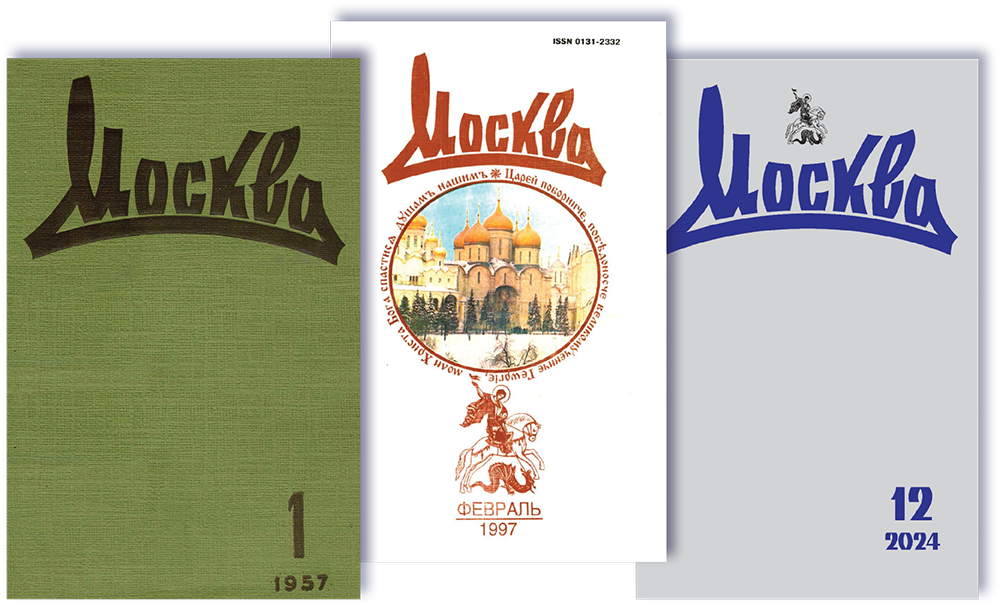
    Moskva Digital Archive

    Key publication chronicling nearly 70 years of Russian literary and cultural development.

    The journal has consistently published works by contemporary writers, including prose, poetry, journalism, and criticism. Moskva holds particular historical significance as the first publisher of Mikhail Bulgakov’s masterpiece The Master and Margarita and Nikolai Karamzin’s monumental work History of the Russian State. Its pages have featured outstanding works of Russian literature by authors such as Bunin, Sholokhov, and Yulian Semyonov, alongside acclaimed international writers including Antoine de Saint-Exupéry, Ernest Hemingway, and William Faulkner.

    The Moskva Digital Archive offers scholars the most comprehensive collection available for this title, with an additional year’s worth of content available for purchase on an annual basis. Featuring full page-level digitization and complete original graphics, each issue has been carefully digitized and split into individual articles with permanent URLs, making it easier for researchers to create accurate citations in their work. Featuring full page-level digitization, complete original graphics, and a user-friendly bilingual interface in Russian and English, the searchable database enables efficient exploration of key literary works, critical essays, and editorial content that shaped Russian intellectual discourse throughout the 20th century. The archive is cross-searchable with numerous other Infoteka digital resources.

    More about the Soviet “Thick Journals”

    The famed Soviet tolstye zhurnaly, or “thick journals,” were significant platforms for literary and intellectual discourse. Tolstye zhurnaly such as Moskva played a complex and multifaceted role in Soviet intellectual and literary life. They were not merely publications but institutions that shaped and were shaped by the cultural, intellectual, and political currents of their time. These journals served multiple roles:

    They acted as repositories of high culture, preserving the intellectual and literary achievements of the era. Given the limited avenues for independent publishing, these journals were the primary platforms where established and emerging writers could reach an audience.

    State-Controlled Outlets. While they were crucial platforms for intellectual and artistic expression, it’s important to remember that these journals were often used to propagate official ideologies, and the works published in them usually underwent rigorous censorship.

    Academic Importance. For academics studying the Soviet period, tolstye zhurnaly offer a valuable glimpse into the state-sanctioned intellectual climate of the time. They provide context for how literature and intellectual thought evolved under different political and social conditions.

    Catalysts for Change. During more liberal periods, such as the Khrushchev Thaw and the perestroika years, tolstye zhurnaly could act as catalysts for change, pushing the boundaries of what was acceptable to discuss and publish.
  • Druzhba Narodov Digital Archive

    Druzhba Narodov Digital Archive

    Influential literary journal highlighting writing from across the Soviet Union.

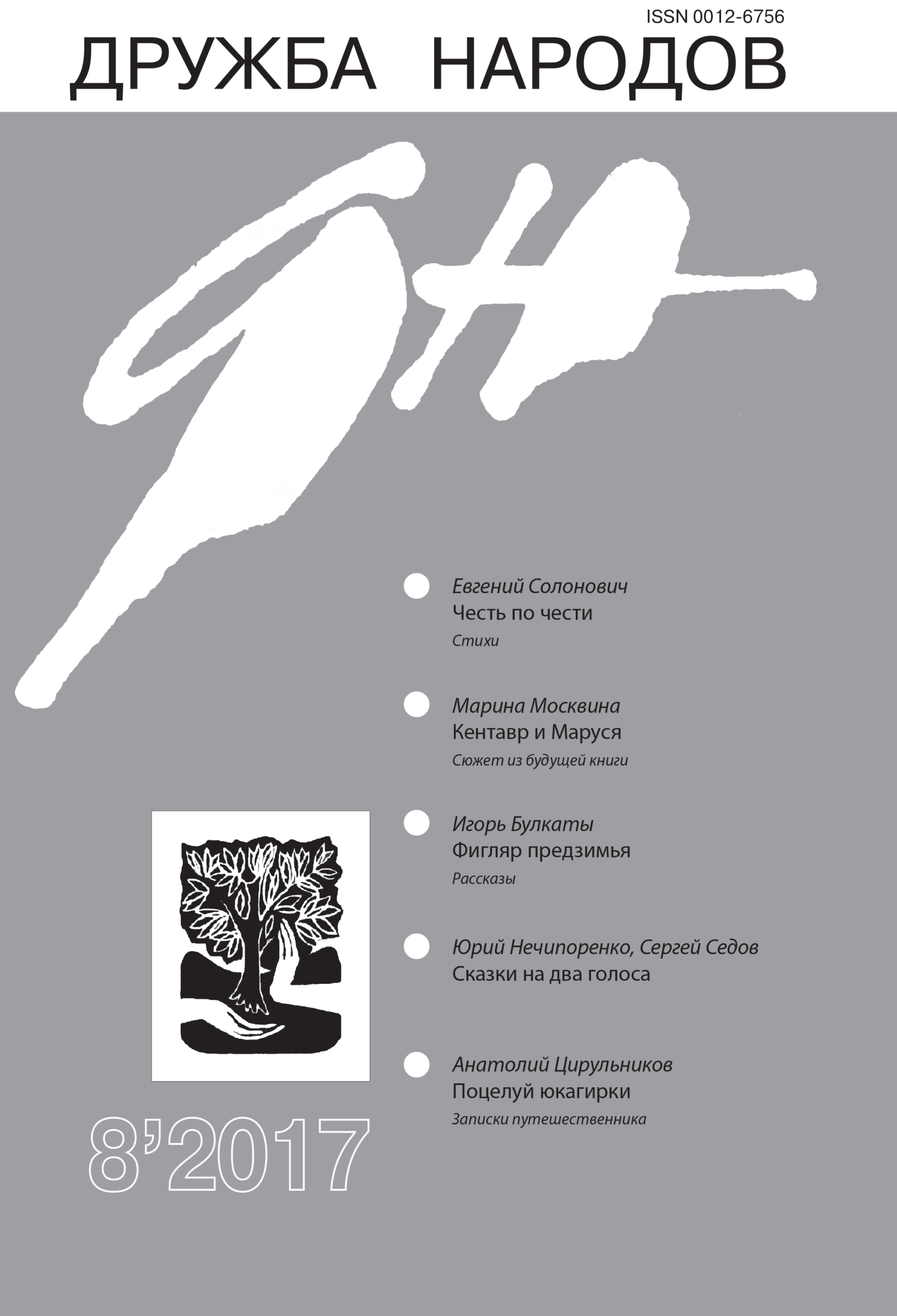
    The journal began as an almanac designed to bring the literature of the Soviet republics into a shared cultural forum. Its core mission was to introduce readers in the Russian-language center to prose, poetry, and literary commentary produced across the USSR’s many languages—Uzbek, Georgian, Armenian, and many others—through publication in Russian translation.

    After a wartime hiatus (June 1941–October 1943), the publication resumed, eventually establishing a bimonthly schedule in 1949 and transitioning to a monthly journal in 1955. During the Soviet era, Druzhba Narodov operated under the auspices of the Union of Soviet Writers and became one of the principal platforms for the state doctrine of “friendship among nations.” The journal helped consolidate a tradition of literary translation as a high-status intellectual craft, with leading Russian poets and writers serving as translators and adapters—including Boris Pasternak, Nikolai Zabolotsky, Pavel Antokolsky, Semyon Lipkin, Arseny Tarkovsky, and others.

    Across decades, the journal published a wide range of major Soviet and post-Soviet authors and critics, including Viktor Astafiev, Vasyl Bykov, Rasul Gamzatov, Fazil Iskander, Bulat Okudzhava, Anatoly Rybakov, Alexander Tvardovsky, Vasily Shukshin, Lev Gumilev, Kornelii Chukovsky, Svetlana Alexievich, and many others. Its pages document shifting literary and political climates from the late Stalin period through Khrushchev’s Thaw, the era of late Soviet stagnation, the rupture of perestroika, and the cultural realignments of the post-1991 period. Following the dissolution of the USSR, Druzhba Narodov moved from being an official organ of the Union of Writers to an independent, privately published journal.

    The Druzhba Narodov Digital Archive supports advanced research and teaching by providing a fully digitized, searchable corpus that can be used to trace authors, themes, genres, regions, and translation practices over time. It is particularly valuable for scholarship on Soviet cultural policy, center-periphery relations, literary translation and mediation, nationalism and multinationalism, and the evolving relationship between literature and public discourse.

    The archive provides comprehensive online access to a major institution of Russian-language publishing for nearly nine decades. The fully digitized archive offers offers scholars the most comprehensive collection available for this title, with an additional year’s worth of content available for purchase on an annual basis. Featuring full page-level digitization, complete original graphics, and a user-friendly bilingual interface in Russian and English, the searchable database enables efficient exploration of key literary content. The archive is cross-searchable with numerous other Infoteka digital resources.

    More about the Soviet “Thick Journals”

    The famed Soviet tolstye zhurnaly, or “thick journals,” were significant platforms for literary and intellectual discourse. Tolstye zhurnaly such as Druzhba Narodov played a complex and multifaceted role in Soviet intellectual and literary life. They were not merely publications but institutions that shaped and were shaped by the cultural, intellectual, and political currents of their time. These journals served multiple roles:

    They acted as repositories of high culture, preserving the intellectual and literary achievements of the era. Given the limited avenues for independent publishing, these journals were the primary platforms where established and emerging writers could reach an audience.

    State-Controlled Outlets. While they were crucial platforms for intellectual and artistic expression, it’s important to remember that these journals were often used to propagate official ideologies, and the works published in them usually underwent rigorous censorship.

    Academic Importance. For academics studying the Soviet period, tolstye zhurnaly offer a valuable glimpse into the state-sanctioned intellectual climate of the time. They provide context for how literature and intellectual thought evolved under different political and social conditions.

    Catalysts for Change. During more liberal periods, such as the Khrushchev Thaw and the perestroika years, tolstye zhurnaly could act as catalysts for change, pushing the boundaries of what was acceptable to discuss and publish.