Language: Russian

  • Oktiabr’ Digital Archive

    Oktiabr’ Digital Archive

    Key publication chronicling nearly a century of Russian literature.

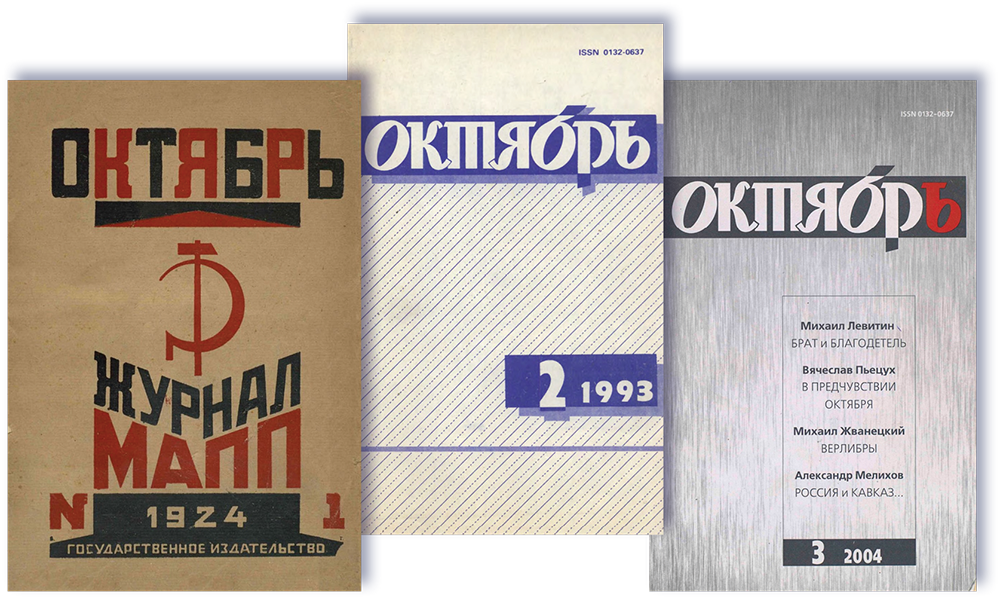
    This meticulously digitized archive spans from the journal’s inception in 1924 to its final issue in 2018, encompassing nearly a century of Russian literary and cultural development. The journal’s publication history mirrors the complex political and cultural transformations of 20th-century Russia, from its early association with various literary organizations through the Soviet period to its emergence as an independent publication in the 1990s.

    Throughout its history, the journal published works by literary giants such as Sergei Yesenin, Vladimir Mayakovsky, Mikhail Zoshchenko, and Andrei Platonov, alongside international authors including Lion Feuchtwanger, Romain Rolland, and Theodore Dreiser. Of particular interest to researchers are the previously censored works that appeared in its pages during the period of glasnost, including Anna Akhmatova’s “Requiem” and Vasily Grossman’s “Life and Fate.”

    The Oktiabr’ Digital Archive captures the journal’s evolution from its early years through the Soviet period and into post-Soviet Russia, reflecting the dramatic changes in Russian society and intellectual thought. For academic studies, the archive serves as an invaluable resource for research in various fields, including Russian literature, Soviet studies, cultural history, and social movements.

    The Oktiabr’ Digital Archive offers scholars the most comprehensive collection available for this title, and features full page-level digitization and complete original graphics. Each issue has been carefully digitized and split into individual articles with permanent URLs, making it easier for researchers to create accurate citations in their work. The archive features a user-friendly bilingual interface in Russian and English and has searchable text, allowing scholars to explore the vast collection of literary works, critical essays, and editorial content that shaped Russian intellectual discourse over nine decades. The archive is cross-searchable with numerous other Infoteka digital resources.
    More about the Soviet “Thick Journals”

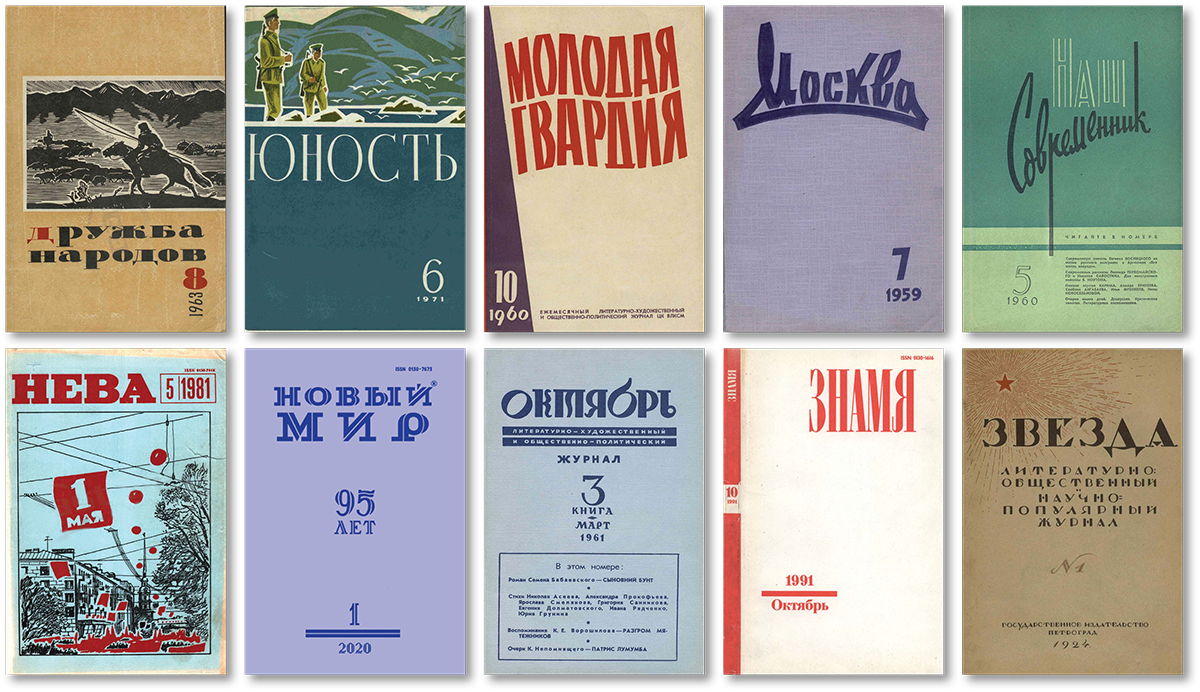
    The famed Soviet tolstye zhurnaly, or “thick journals,” were significant platforms for literary and intellectual discourse. Tolstye zhurnaly such as Oktiabr’ played a complex and multifaceted role in Soviet intellectual and literary life. They were not merely publications but institutions that shaped and were shaped by the cultural, intellectual, and political currents of their time. These journals served multiple roles:

    They acted as repositories of high culture, preserving the intellectual and literary achievements of the era. Given the limited avenues for independent publishing, these journals were the primary platforms where established and emerging writers could reach an audience.

    State-Controlled Outlets. While they were crucial platforms for intellectual and artistic expression, it’s important to remember that these journals were often used to propagate official ideologies, and the works published in them usually underwent rigorous censorship.

    Academic Importance. For academics studying the Soviet period, tolstye zhurnaly offer a valuable glimpse into the state-sanctioned intellectual climate of the time. They provide context for how literature and intellectual thought evolved under different political and social conditions.

    Catalysts for Change. During more liberal periods, such as the Khrushchev Thaw and the perestroika years, tolstye zhurnaly could act as catalysts for change, pushing the boundaries of what was acceptable to discuss and publish.
  • Periodicals of Central Asia and the Caucasus

    Periodicals of Central Asia and the Caucasus

    A collection of rare and influential publications from these regions.

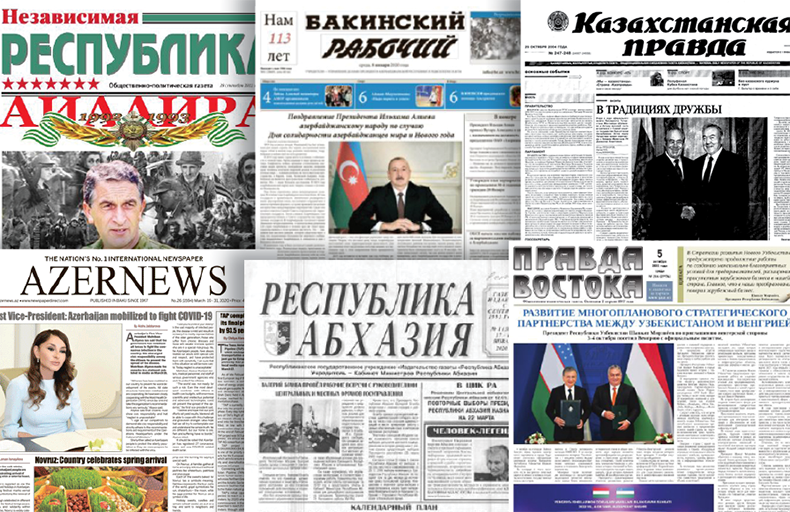
    Periodicals of Central Asia and the Caucasus includes a number of authoritative periodicals from the region. The publications are mostly in Russian and English and cover various issues of domestic and international importance. The collection contains news and data on state structure, politics, legislation, the judicial system, and indicators on all sectors of economy and more, making it an excellent source for scholars, investors, field experts and students. Many titles have a rich archive dating back to 2000.

    Periodicals of Central Asia and the Caucasus Titles

    • AP-BLITZ. Tajikistan News
    • AzerNews
    • Bakinskii rabochii (Бакинский рабочий)
    • Delovoi Kazakhstan (Деловой Казахстан)
    • Dlia Vas (Для Вас)
    • Iuzhnaia Osetiia (Южная Осетия)
    • Kazakhstanskaia pravda (Казахстанская правда)
    • Narodnoe slovo (web version) (Народное слово [web версия])
    • Neitral’nyi Turkmenistan (Нейтральный Туркменистан)
    • Nezavisimaia Respublika (Независимая Республика)
    • Novoe vremia (Web versiia) (Новое время [Web версия])
    • Pravda Vostoka (Правда Востока)
    • Respublika Abkhaziia (Республика Абхазия)
    • Slovo Kyrgyzstana (Слово Кыргызстана)
    • Svobodnaia Gruziia (web version) (Свободная Грузия [web версия])
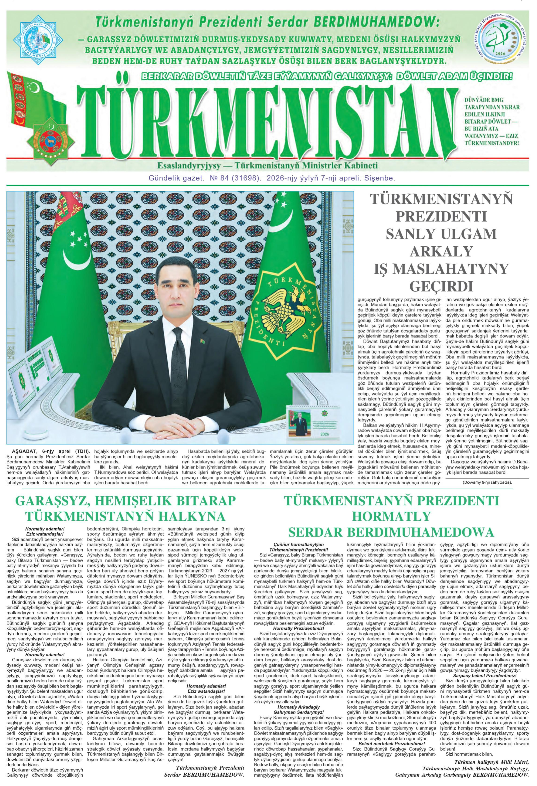
    • Turkmenistan (Туркменистан)

    See title list for full list of active and archived titles.

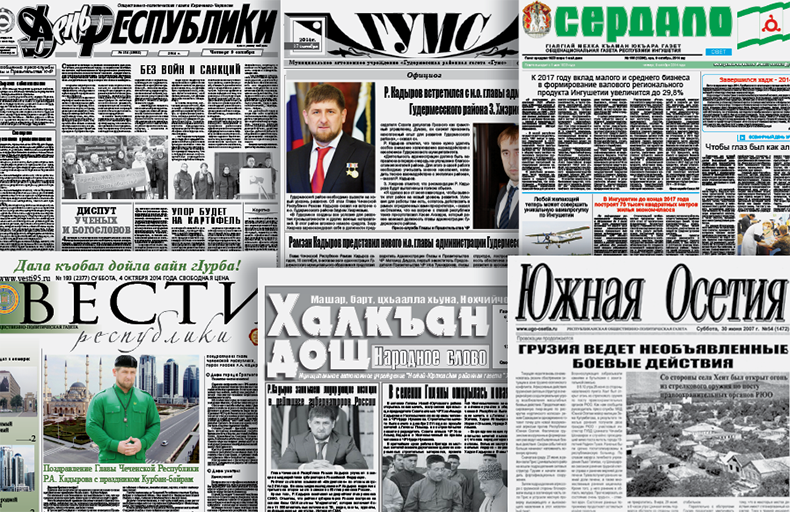
  • Newspapers of the North Caucasus, Abkhazia and South Ossetia

    Newspapers of the North Caucasus, Abkhazia and South Ossetia

    News coverage from one of the most volatile areas of Russia and the former USSR.

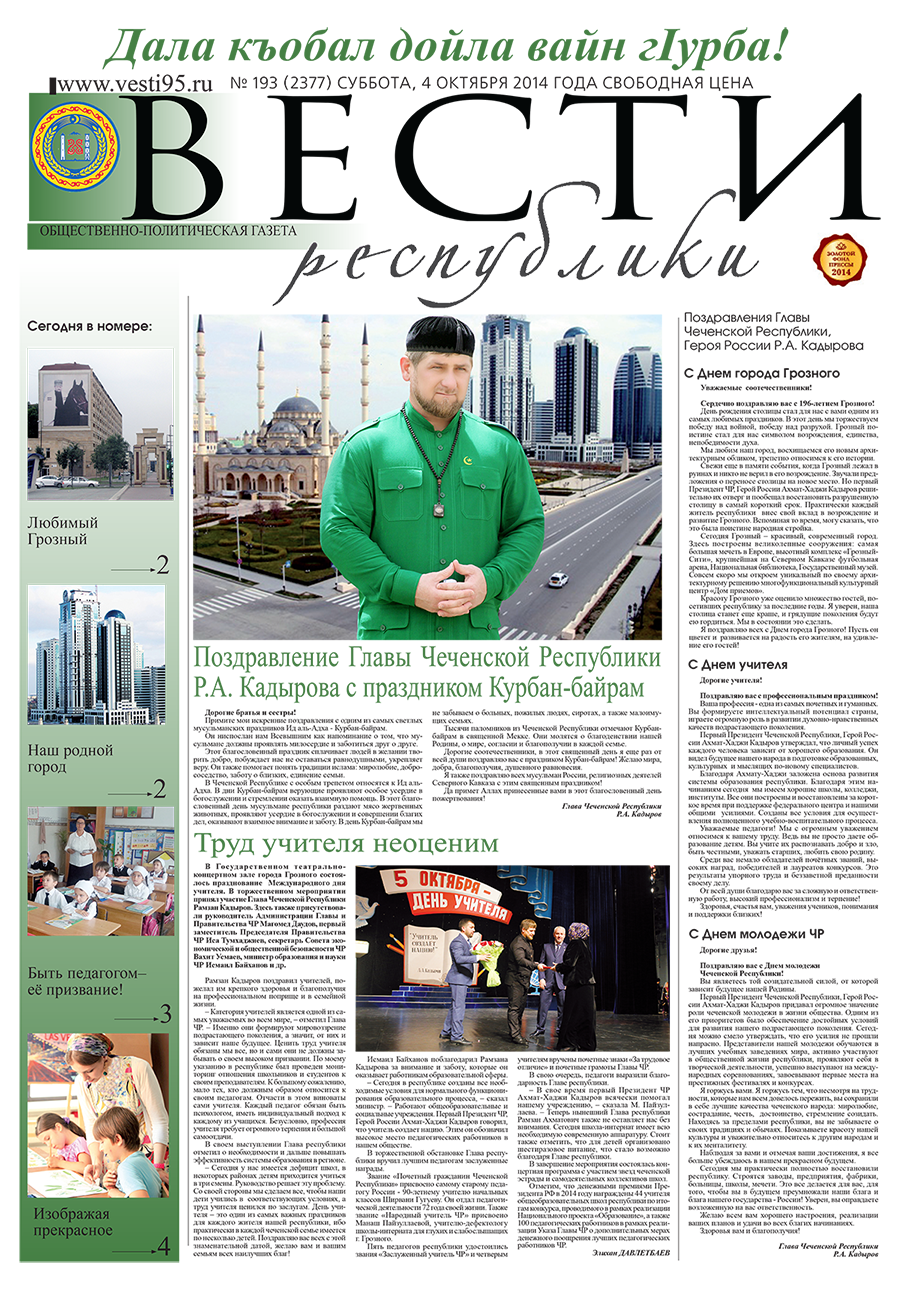
    Newspapers of the North Caucasus, Abkhazia and South Ossetia offers an invaluable resource for researchers studying the socio-political landscape of one of Russia’s most dynamic and historically significant regions, along with the contested territories of Abkhazia and South Ossetia. By accessing a diverse array of perspectives and reports, scholars can gain a nuanced understanding of the region’s complex history, ongoing conflicts, and societal transformations. Moreover, the inclusion of newspapers from Abkhazia and South Ossetia offers a unique window into the narratives and dynamics shaping these disputed territories, facilitating comparative analyses and fostering dialogue on regional autonomy and sovereignty issues. Researchers across disciplines, from political science to anthropology, stand to benefit from the rich and varied content curated within this database, which serves as a vital tool for exploring the multifaceted dimensions of the North Caucasus and its neighboring regions.

    Newspapers of the North Caucasus, Abkhazia and South Ossetia Titles

    • Dagestanskaia pravda (Дагестанская правда)
    • Den’ Respubliki (День Республики)
    • Gums (Гумс)
    • Ingushetiia (Ингушетия)
    • Iuzhnaia Osetiia (Южная Осетия)
    • Kabardino-Balkarskaia pravda (Кабардино-Балкарская правда)
    • Kerla dahar (Керла дахар)
    • Khalkan dosh (Халкъан дош)
    • Respublika Abkhaziia (Республика Абхазия)
    • Serdalo (Сердало)
    • Severnaia Osetiia (Северная Осетия)
    • Sovetskaia Adygeia (Советская Адыгея)
    • Stolitsa plius (Столица плюс)
    • Vesti Respubliki (Вести Республики)

    See title list for full list of active and archived titles.

  • Niva Digital Archive

    Niva Digital Archive

    The most popular journal of late 19th-century Russia.

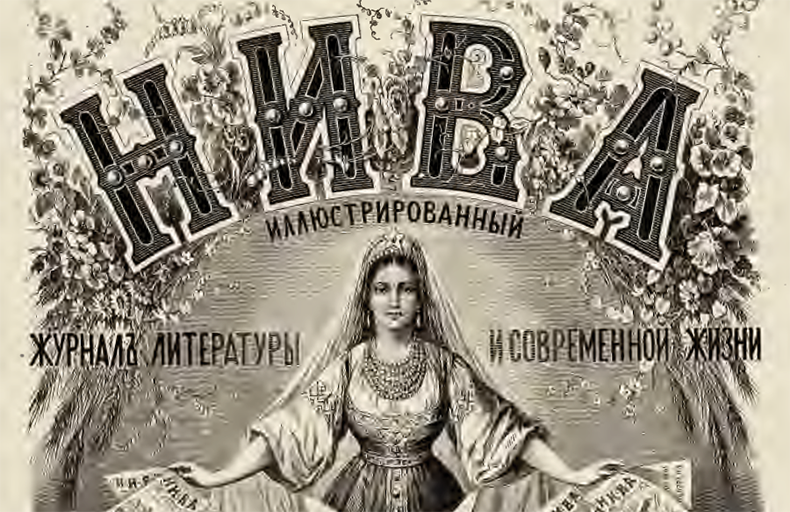
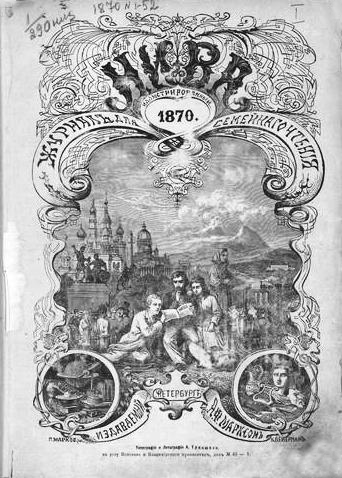
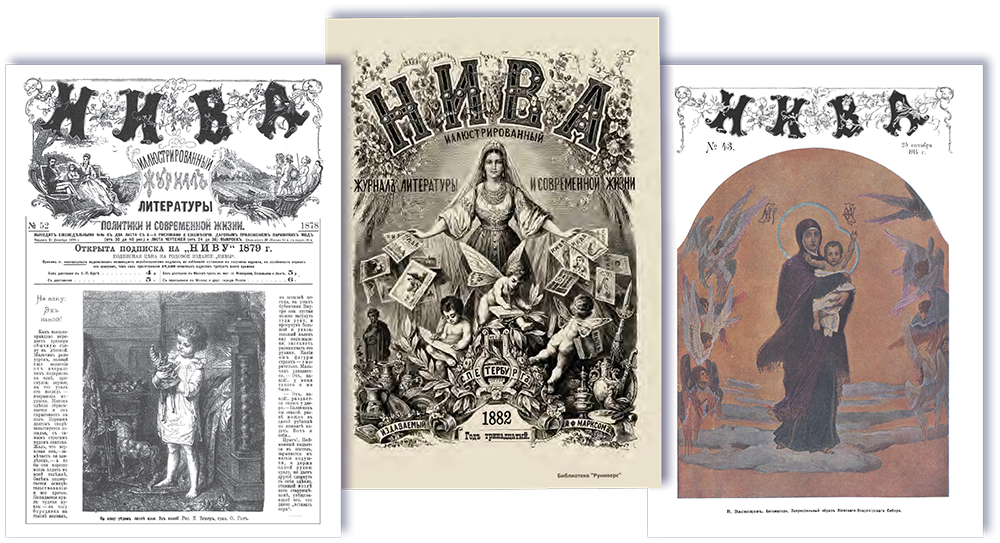
    Niva (Нива, Grainfield), an illustrated weekly journal of literature, politics and modern life, was published from 1870 to 1918 in St. Petersburg, before being shut down by the Bolsheviks after the Russian revolution. The journal was widely read by an audience that extended from primary schoolteachers, rural parish priests, and the urban middle class to the gentry. It was especially popular among the middle class in the Russian provinces. Niva contained large colored prints of art by famous Russian artists, works of famous Russian authors, as well as articles on science, politics and culture. It also had a special children’s section as well as a section on Russian classical writers: Gogol, Lermontov, Goncharov, Dostoevsky, Chekhov and many others.

    The Niva Digital Archive comprises the entire collection of the journal, with more than 2,500 issues and over 27,000 articles. Also included in the archive is the supplementary publication Dlia Detei (Для Дѣтей, For Children, pub. Jan.–Dec. 1917), a monthly illustrated magazine filled with children’s stories, poems and cartoons. The archive offers scholars the most comprehensive collection available for this title, and features full-text articles, with full page-level digitization and complete original graphics. The archive has searchable text, and is cross-searchable with numerous other Infoteka digital resources.

    Note: Niva was published before the Russian Revolution and was written using the pre-reform Russian orthography. To enable searching functionality, the database includes a special keyboard containing the old Russian characters.

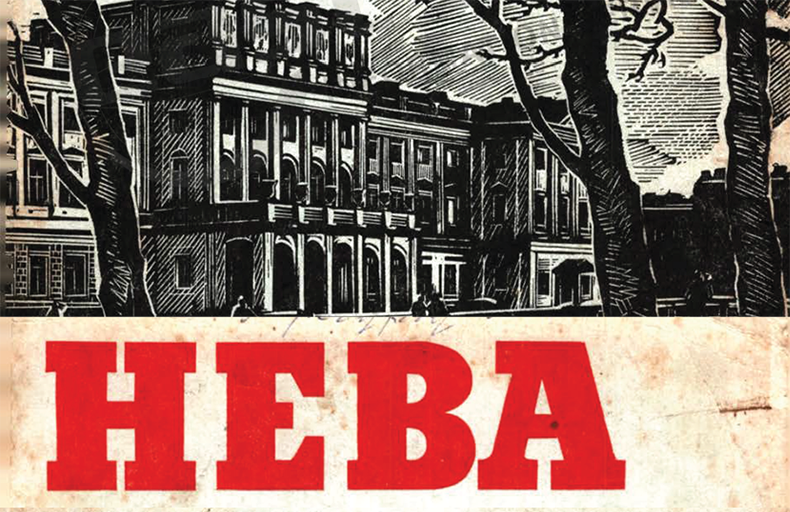
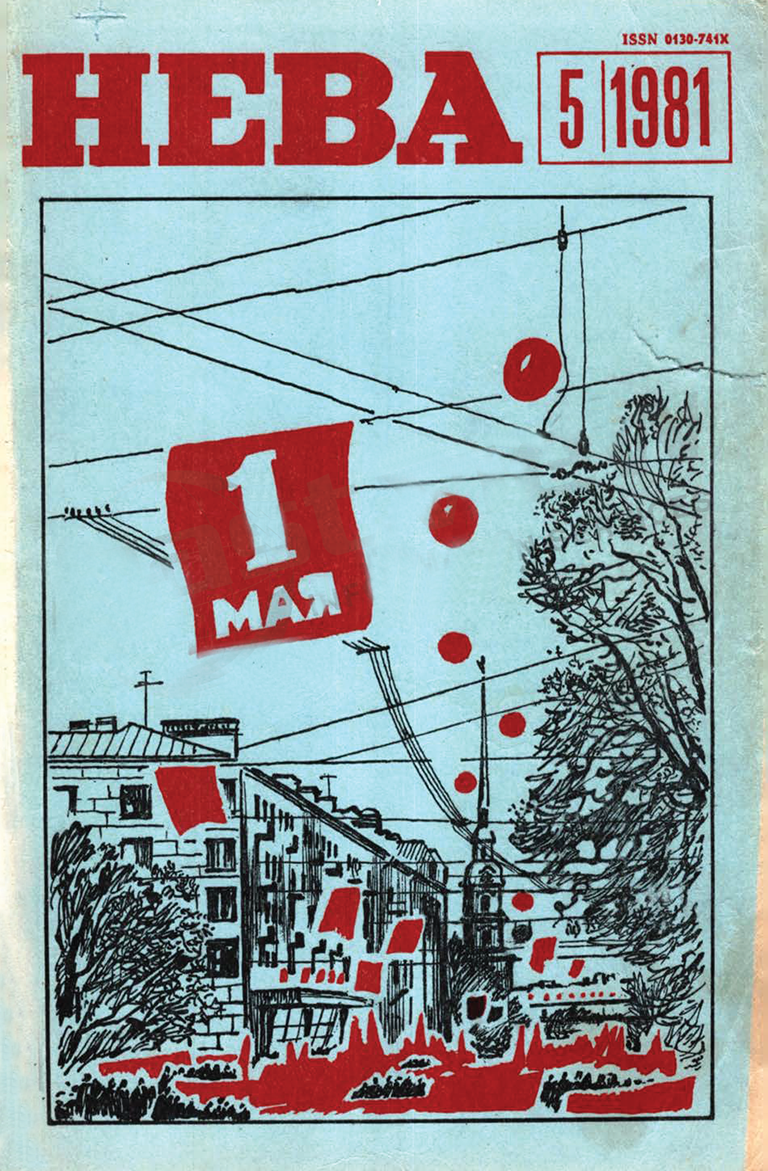
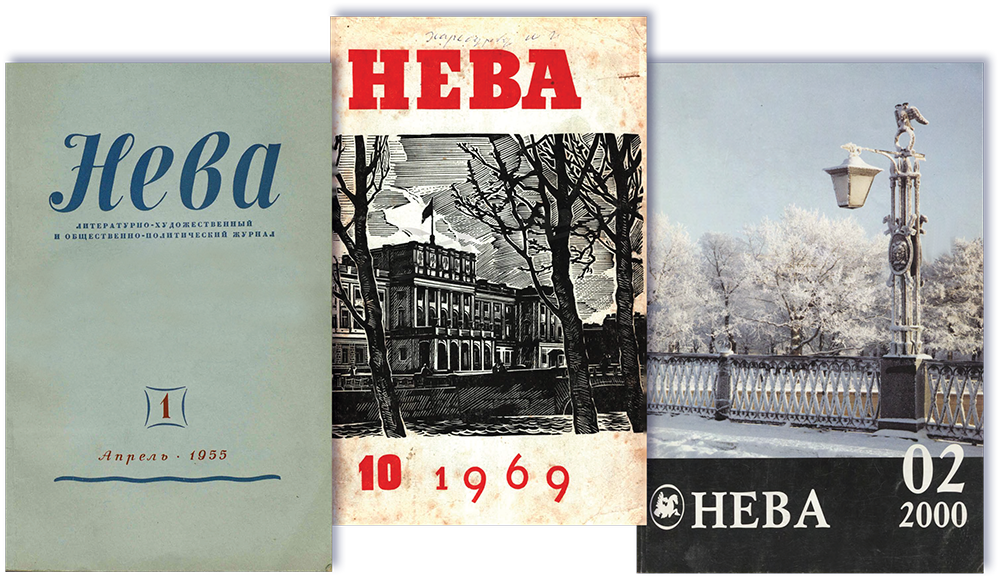
  • Neva Digital Archive

    Neva Digital Archive

    Key publication chronicling Soviet and post-Soviet literature, history, and public thought.

    Among its contributors were Mikhail Zoshchenko, Mikhail Sholokhov, Veniamin Kaverin, Lev Gumilyov, Dmitry Likhachov, Aleksandr Solzhenitsyn, Daniil Granin, the Strugatsky brothers, Vladimir Dudintsev, and Vasil Bykaŭ. A number of works first published in Neva went on to receive State Prizes and wide recognition, including Dudintsev’s novel White Robes. The journal was also one of the first in the USSR to introduce readers to Robert Conquest’s The Great Terror and Arthur Koestler’s Darkness at Noon.

    The Neva Digital Archive offers scholars the complete run of Neva from its first issue in 1955, with an additional year’s worth of content available for purchase on an annual basis. Featuring full page-level digitization and complete original graphics, each issue has been carefully digitized and split into individual articles with permanent URLs, making it easier for researchers to create accurate citations in their work. Featuring full page-level digitization, complete original graphics, and a user-friendly bilingual interface in Russian and English, the searchable database enables efficient access to seventy years of Russian cultural, intellectual, and literary life, preserved in its original context. The archive is cross-searchable with numerous other Infoteka digital resources.

    More about the Soviet “Thick Journals”

    The famed Soviet tolstye zhurnaly, or “thick journals,” were significant platforms for literary and intellectual discourse. Tolstye zhurnaly such as Neva played a complex and multifaceted role in Soviet intellectual and literary life. They were not merely publications but institutions that shaped and were shaped by the cultural, intellectual, and political currents of their time. These journals served multiple roles:

    They acted as repositories of high culture, preserving the intellectual and literary achievements of the era. Given the limited avenues for independent publishing, these journals were the primary platforms where established and emerging writers could reach an audience.

    State-Controlled Outlets. While they were crucial platforms for intellectual and artistic expression, it’s important to remember that these journals were often used to propagate official ideologies, and the works published in them usually underwent rigorous censorship.

    Academic Importance. For academics studying the Soviet period, tolstye zhurnaly offer a valuable glimpse into the state-sanctioned intellectual climate of the time. They provide context for how literature and intellectual thought evolved under different political and social conditions.

    Catalysts for Change. During more liberal periods, such as the Khrushchev Thaw and the perestroika years, tolstye zhurnaly could act as catalysts for change, pushing the boundaries of what was acceptable to discuss and publish.
  • Novoe Russkoe Slovo Digital Archive

    Novoe Russkoe Slovo Digital Archive

    Influential newspaper for Russian readers abroad.

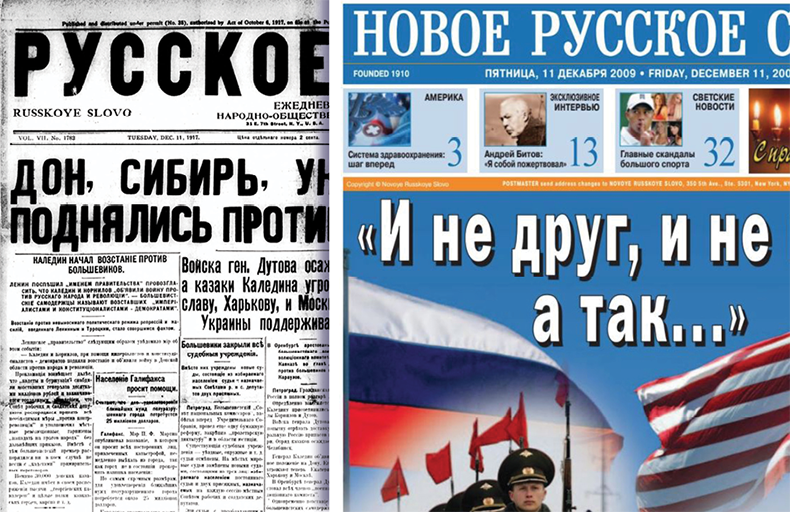
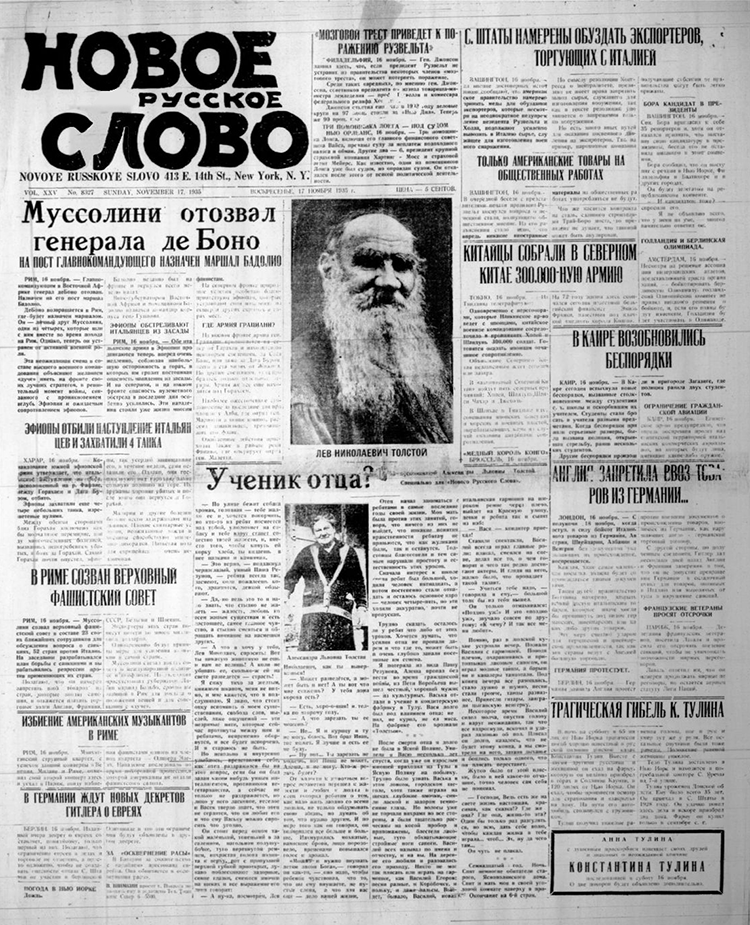
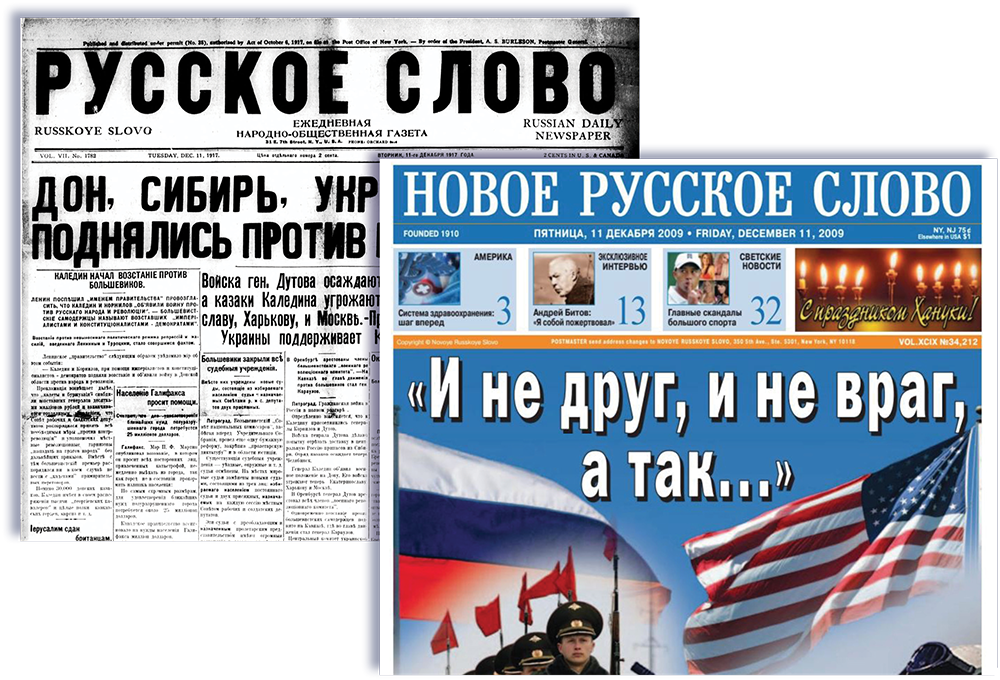
    First published in 1910 in New York, Russkoe slovo (Русское слово, Russian Word) initially carried pro-Communist leanings before undergoing nominal and ideological changes a decade later. Under the new name Novoe russkoe slovo (Новое русское слово, New Russian Word), the newspaper shed its pro-Communist sympathies and established itself as the premier newspaper of the Russian émigré community in New York and beyond.

    Novoe russkoe slovo grew in stature and popularity throughout the 1920s. Contributing to the growth was the increasing wave of émigrés, many prominent intellectuals among them, in search of better fortunes in Europe and the United States after the Bolshevik revolution. Writers and journalists such as A. Vetlugin, George Grebenstchikoff, Aleksei Fovitsky in the US and Ivan Bunin, Don Aminado, Arkady Averchenko in Europe, among others, became regular writers for Novoe russkoe slovo. Along with publishing émigré authors, the newspaper began republishing Soviet authors as well, connecting the information-hungry Russian community with the goings on in the far-off motherland.

    Over time the newspaper introduced new features such as book and film reviews, modeling itself after publications in other immigrant communities as well as more mainstream publications such as the New York Times and the New York Herald.

    Novoe russkoe slovo experienced its true height of popularity during WWII and the immediate aftermath. No longer counting on émigré writers and publicists, the community had begun producing homegrown talent who thought and wrote stylistically in a very different manner than their first-generation immigrant predecessors, with many of them cutting their journalistic and literary teeth on the pages of the newspaper.

    The third wave of immigration from the Soviet Union in the 1970s brought with it a new infusion of talent into the New York Russian community. Novoe russkoe slovo, by then a recognizable and a reputable institution, became one of the beneficiaries of the changing immigrant scene. Positioning itself as the premier immigrant publication, and certainly the most sophisticated, it soon became a lively forum for a varied group of authors, both old and new, under the editorial leadership of Andrey Sedykh, the erstwhile personal secretary of Ivan Bunin, the famed Nobel Prize winner for literature.

    Due to financial difficulties and other factors, Novoe russkoe slovo, the oldest Russian-language periodical in North America, ceased publication a century after it was first established, in 2010.

    The Novoe Russkoe Slovo Digital Archive contains all obtainable published issues (approx. 40,000 pages), including issues of the newspaper’s predecessor title Russkoe slovo (1917–1920). The archive offers scholars the most comprehensive collection available for this title, and features full page-level digitization, complete original graphics, and searchable text, and is cross-searchable with numerous other Infoteka digital resources.

  • Narody Mira. The Soviet Ethnographic Series

    Narody Mira. The Soviet Ethnographic Series

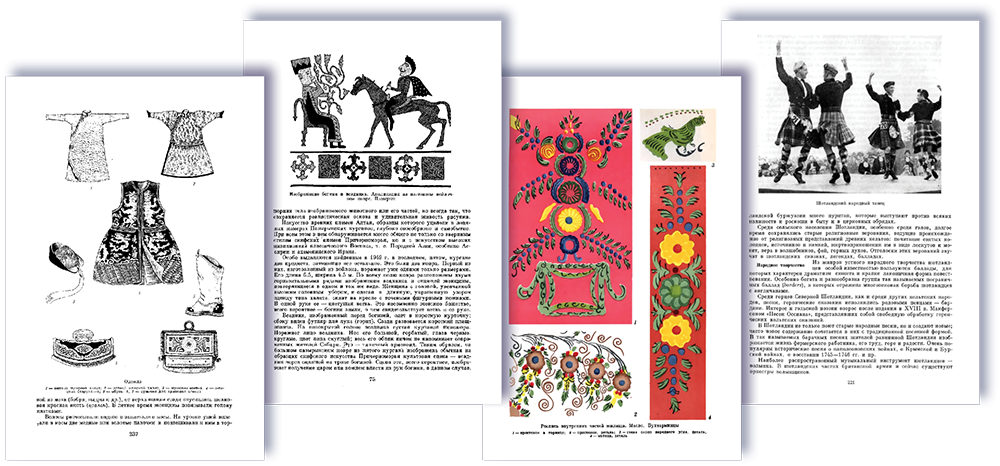
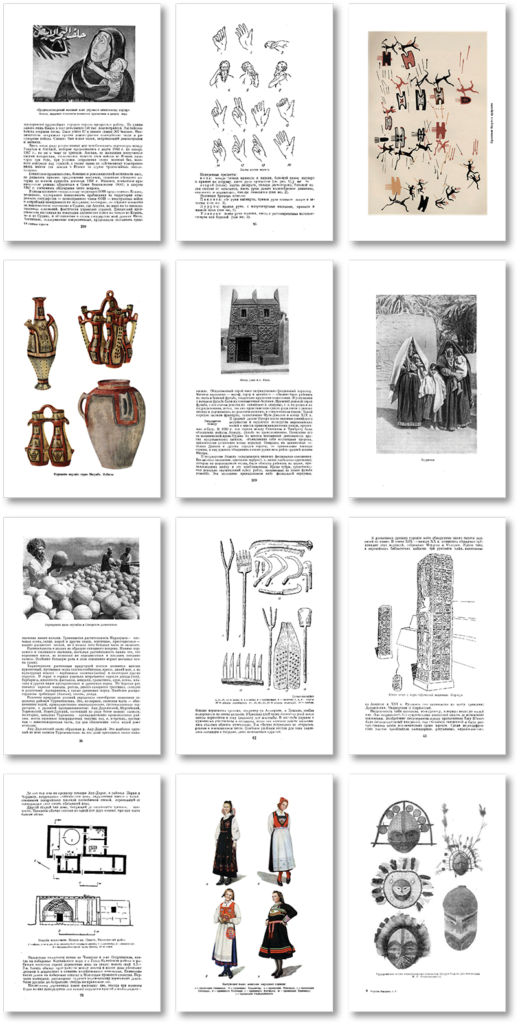
    Narody Mira (Народы мира, Peoples of the World) is a landmark 18-volume scholarly series on world ethnography, published by the Institute of Ethnography of the USSR Academy of Sciences between 1954 and 1966. This fundamental project remains one of the most comprehensive Soviet attempts to document and analyze the ethnic composition, cultures, and traditions of peoples across the globe.

    The Narody Mira series represents a genre specific to the Soviet era: a massive multi-volume work produced over years, if not decades, by the country’s intellectual elite. It was a highly choreographed and collaborative enterprise that – with the possible exception of the People’s Republic of China – had no real parallel anywhere else in the world.

    For today’s researchers, Narody Mira represents a unique intersection of global ethnographic knowledge and Soviet academic tradition at the height of the Cold War. The series captures a moment when Soviet scholars sought to systematize and classify the peoples of the world, offering both rich empirical data and an ideological framework that shaped research in the USSR for decades.

    Narody Mira. The Soviet Ethnographic Series e-book collection is an indispensable resource for anyone studying global cultural diversity, Soviet approaches to ethnography, or the intellectual history of the 20th century. For scholars in anthropology and ethnography, the series provides detailed descriptions of cultures, languages, and traditions that remain valuable for comparative studies and historical analysis. Historians will find in these volumes rare insights into Soviet scholarly priorities, methodologies, and representations of both Soviet and non-Soviet peoples. Linguists can draw on the extensive coverage of language groups and dialects. Political scientists and area studies specialists can use the series to better understand how knowledge about other regions was constructed, disseminated, and employed in Soviet foreign policy and cultural diplomacy.

    Series Titles

    Narody Mira. The Soviet Ethnographic Series covers regions and populations worldwide:

    • Narody Avstralii i Okeanii (Peoples of Australia and Oceania)
    • Narody Ameriki (Peoples of the Americas, in 2 volumes)
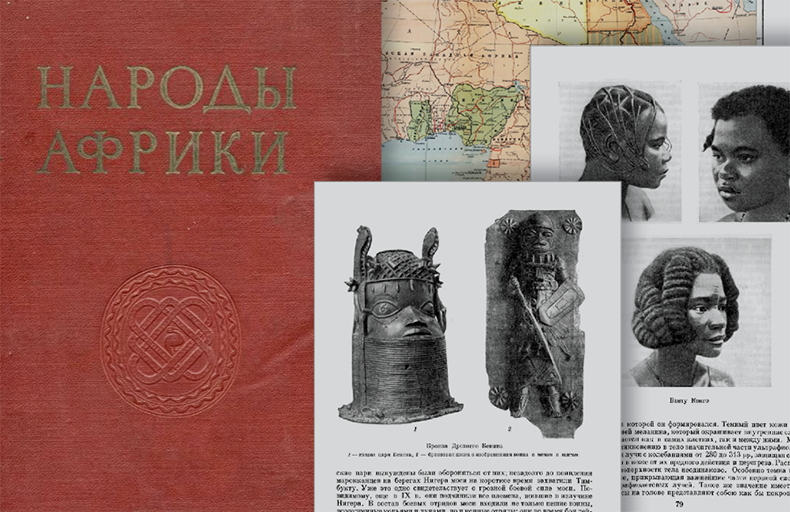
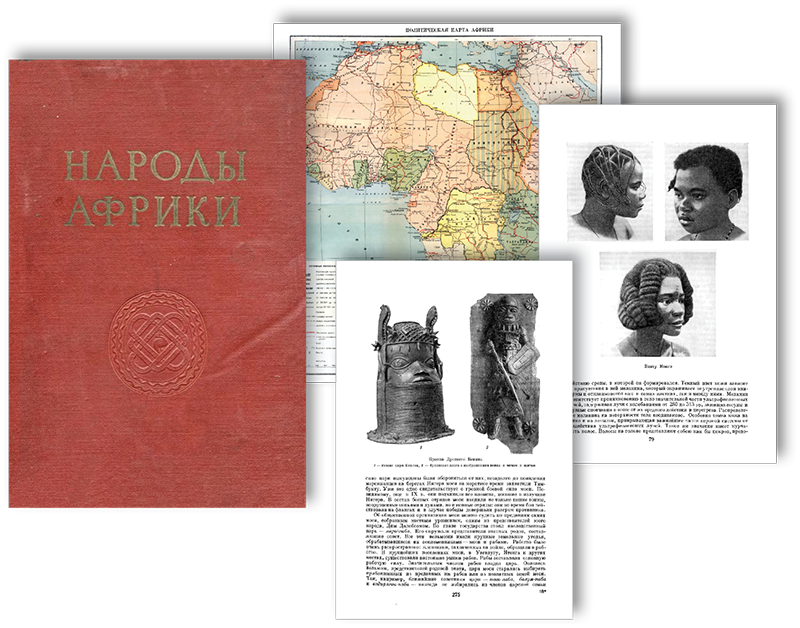
    • Narody Afriki (Peoples of Africa)
    • Narody Vostochnoi Azii (Peoples of East Asia)
    • Narody Evropeiskoi chasti SSSR (Peoples of the European Part of the USSR, in 2 volumes)
    • Narody zarubezhnoi Evropy (Peoples of Foreign Europe, in 2 volumes)
    • Narody Kavkaza (Peoples of the Caucasus, in 2 volumes)
    • Narody Perednei Azii (Peoples of the Near East)
    • Narody Sibiri (Peoples of Siberia)
    • Narody Srednei Azii i Kazakhstana (Peoples of Central Asia and Kazakhstan, in 2 volumes)
    • Narody Yugo-Vostochnoi Azii (Peoples of Southeast Asia)
    • Narody Yuzhnoi Azii (Peoples of South Asia)
    • Chislennost’ i rasselenie narodov mira (Population and Distribution of the Peoples of the World)

    Each volume provides a detailed ethnographic portrait of peoples and regions, addressing their origins, languages, economies, social structures, belief systems, and cultural practices. The series draws on extensive fieldwork, archival research, and historical analysis, combining descriptive accounts of daily life, rituals, and celebrations with systematic scholarly interpretation.

    Through Narody Mira readers can gain insights into the ways people from different backgrounds interact with their environment, express their identities, preserve traditions, and adapt to modern changes. The series aims to promote cultural awareness, appreciation, and cross-cultural understanding by showcasing the beauty and complexity of human diversity across the globe.

    The concluding demographic volume, Chislennost’ i rasselenie narodov mira, adds another dimension, offering systematic data on ethnic composition, population size, and distribution across regions and nations of the mid-20th century world — material that remains a vital reference point for historical population studies.

  • Nedelia Digital Archive

    Nedelia Digital Archive

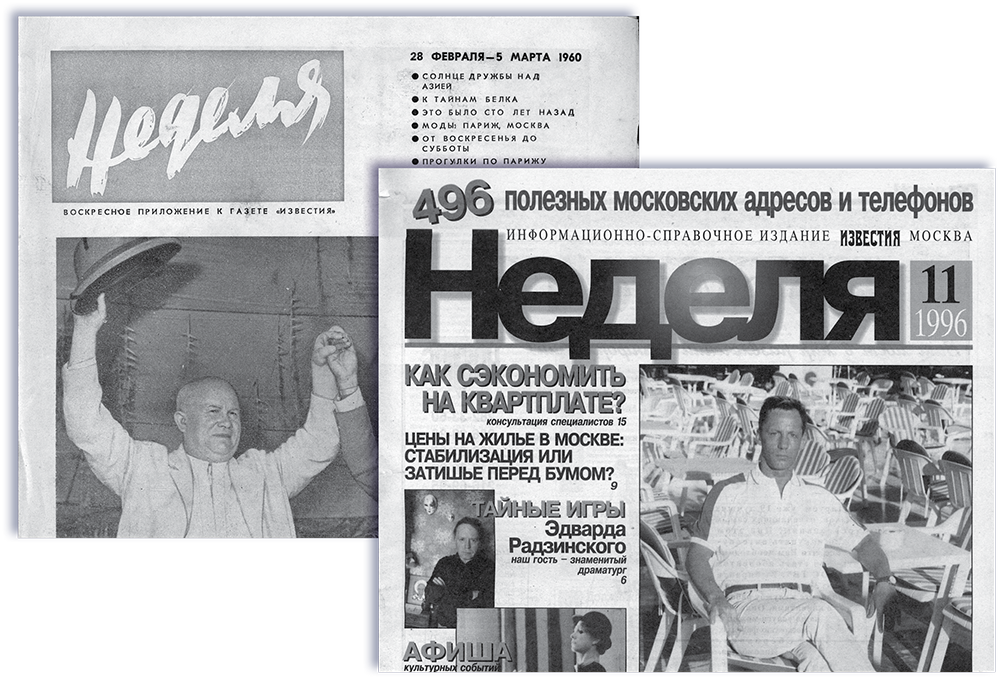
    Popular Soviet illustrated weekly newspaper.

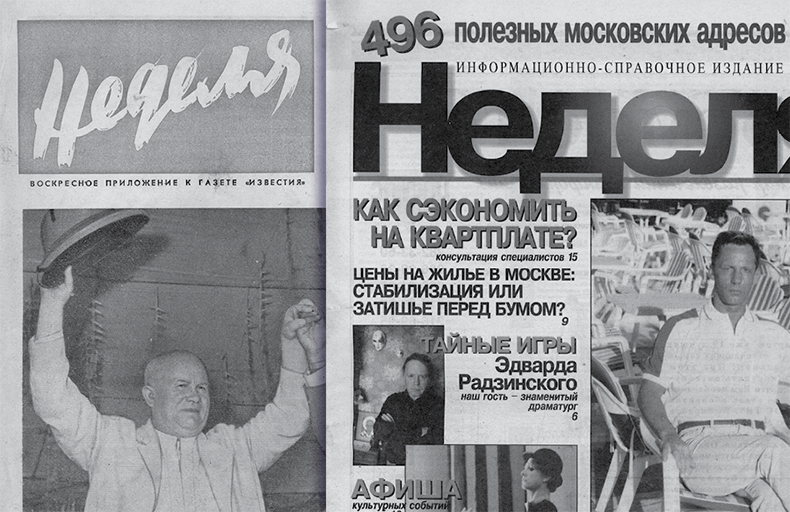
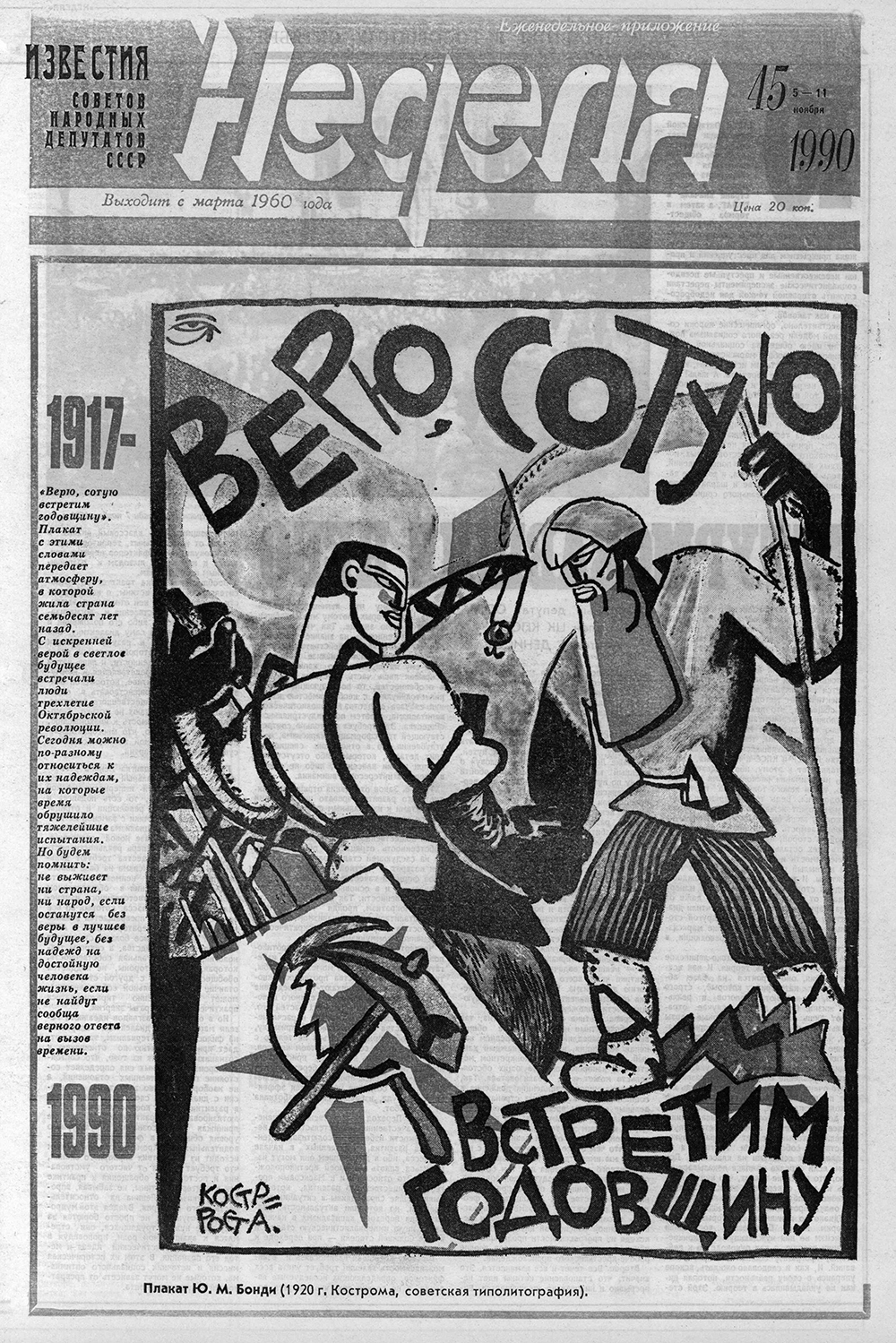
    The Nedelia Digital Archive contains all obtainable published issues from the very first issue, comprising more than 44,000 pages. The archive offers scholars the most comprehensive collection available for this title, and features full page-level digitization, complete original graphics, and searchable text, and is cross-searchable with numerous other Infoteka digital resources.

  • Nash Sovremennik Digital Archive

    Nash Sovremennik Digital Archive

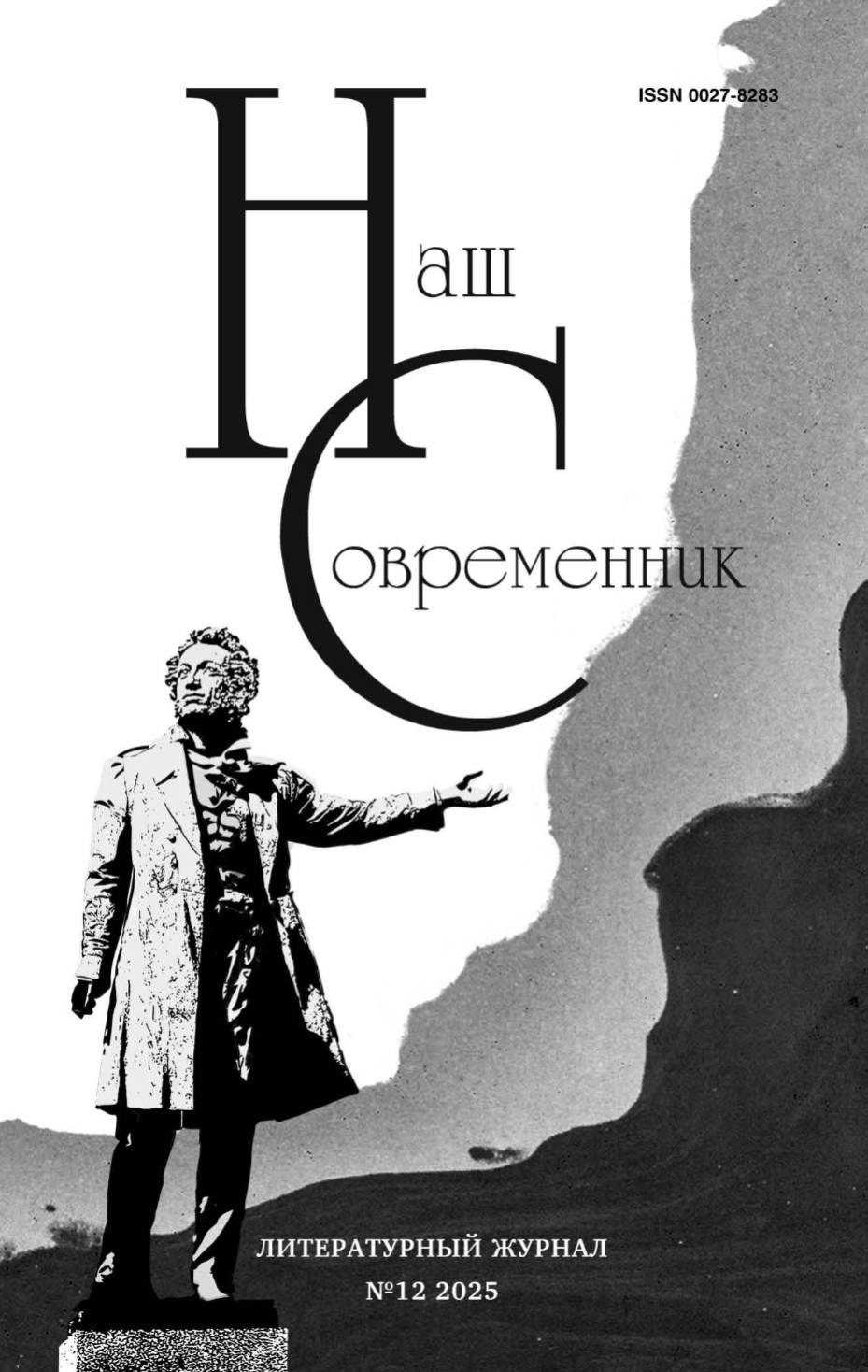
    Influential literary periodical of the Soviet and post-Soviet period.

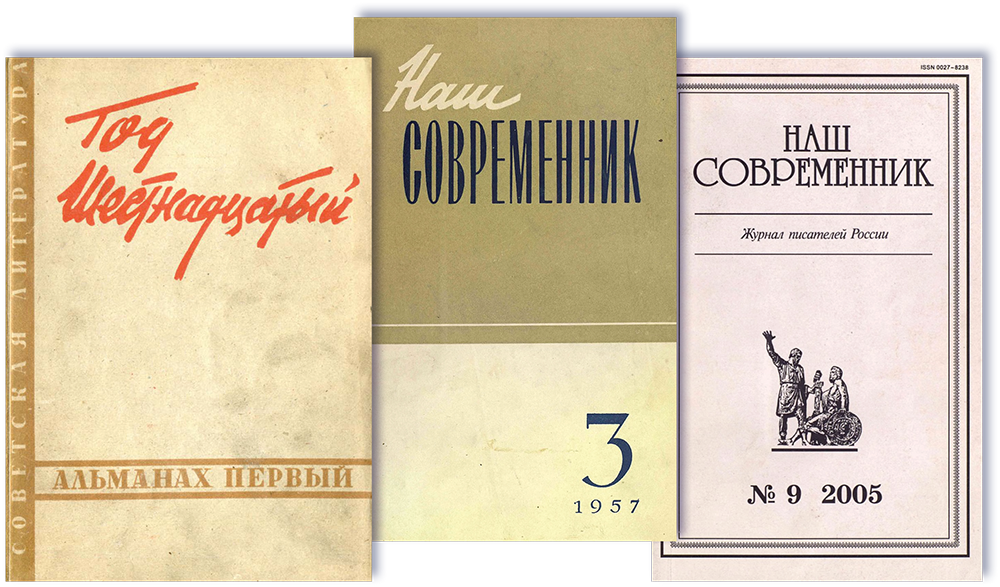
    Though largely faithful to Marxist-Leninist precepts since its founding, during the last years of the Soviet Union the journal underwent dramatic ideological reformulations, moving away from communist orthodoxy to Russian neo-Slavophile conservatism and patriotism that fiercely opposed Western political and literary trends on ideological grounds. At the height of its popularity in the 1990s Nash Sovremennik would boast a circulation of nearly half a million copies.

    The Nash Sovremennik Digital Archive includes all obtainable issues of Al’manakh and Nash Sovremennik published from 1933 on, with an additional year’s worth of content available for purchase on an annual basis. The archive offers scholars the most comprehensive collection available for this title, and features full page-level digitization and complete original graphics. The archive has searchable text and is cross-searchable with numerous other Infoteka digital resources.

    More about the Soviet “Thick Journals”

    The famed Soviet tolstye zhurnaly, or “thick journals,” were significant platforms for literary and intellectual discourse. Tolstye zhurnaly such as Nash Sovremennik played a complex and multifaceted role in Soviet intellectual and literary life. They were not merely publications but institutions that shaped and were shaped by the cultural, intellectual, and political currents of their time. These journals served multiple roles:

    They acted as repositories of high culture, preserving the intellectual and literary achievements of the era. Given the limited avenues for independent publishing, these journals were the primary platforms where established and emerging writers could reach an audience.

    State-Controlled Outlets. While they were crucial platforms for intellectual and artistic expression, it’s important to remember that these journals were often used to propagate official ideologies, and the works published in them usually underwent rigorous censorship.

    Academic Importance. For academics studying the Soviet period, tolstye zhurnaly offer a valuable glimpse into the state-sanctioned intellectual climate of the time. They provide context for how literature and intellectual thought evolved under different political and social conditions.

    Catalysts for Change. During more liberal periods, such as the Khrushchev Thaw and the perestroika years, tolstye zhurnaly could act as catalysts for change, pushing the boundaries of what was acceptable to discuss and publish.
  • Moscow University Press

    Moscow University Press

    Moscow State University publications on 26 different topics.

    Moscow University Press offers online access to scholarly and scientific works published in the renowned Vestnik MGU (Вестник Московского университета). Published by the most prominent academic institution in Russia — Moscow State University — Vestnik MGU offers 26 different topics on all important areas of scientific knowledge ranging from mathematics and chemistry to economy, law and history. The collection also contains two correlating journals: The Bulletin of the Moscow Society of Nature Studies: Biology and The Bulletin of the Moscow Society of Nature Studies: Geology. The Moscow University Press database provides a wealth of research materials to scholars in various areas of knowledge, especially working in the cross-disciplinary fields and studying the latest scientific developments in Russia.

    Moscow University Press Titles

    • Series 1. Mathematics. Mechanics (Seriia 01. Matematika. Mekhanika, Серия 01. Математика. Механика)
    • Series 2. Chemistry (Seriia 02. Khimiia, Серия 02. Химия)
    • Series 3. Physics. Astronomy (Seriia 03. Fizika. Astronomiia, Серия 03. Физика. Астрономия)
    • Series 4. Geology (Seriia 04. Geologiia, Серия 04. Геология)
    • Series 5. Geography (Seriia 05. Geografiia, Серия 05. География)
    • Series 6. Economics (Seriia 06. Ekonomika, Серия 06. Экономика)
    • Series 7. Philosophy (Seriia 07. Filosofiia, Серия 07. Философия)
    • Series 8. History (Seriia 08. Istoriia, Серия 08. История)
    • Series 9. Philology (Seriia 09. Filologiia, Серия 09. Филология)
    • Series 10. Journalism (Seriia 10. Zhurnalistika, Серия 10. Журналистика)
    • Series 11. Law (Seriia 11. Pravo, Серия 11. Право)
    • Series 12. Political Studies (Seriia 12. Politicheskie nauki, Серия 12. Политические науки)
    • Series 13. Oriental Studies (Seriia 13. Vostokovedenie, Серия 13. Востоковедение)
    • Series 14. Psychology (Seriia 14. Psikhologiia, Серия 14. Психология)
    • Series 15. Computational Mathematics and Cybernetics (Seriia 15. Vychislitel’naia matematika i kibernetika, Серия 15. Вычислительная математика и кибернетика)
    • Series 16. Biology (Seriia 16. Biologiia, Серия 16. Биология)
    • Series 17. Soil Studies (Seriia 17. Pochvovedenie, Серия 17. Почвоведение)
    • Series 18. Sociology and Political Science (Seriia 18. Sotsiologiia i politologiia, Серия 18. Социология и политология)
    • Series 19. Linguistics and Cross-Cultural Communication (Seriia 19. Lingvistika i mezhkul’turnaia kommunikatsiia, Серия 19. Лингвистика и межкультурная коммуникация)
    • Series 20. Education (Seriia 20. Pedagogicheskoe obrazovanie, Серия 20. Педагогическое образование
    • Series 21. Management (State and Society) (Seriia 21. Upravlenie (gosudarstvo i obshchestvo), Серия 21. Управление (государство и общество))
    • Series 22. Theory of Translation (Seriia 22. Teoriia perevoda, Серия 22. Теория перевода)
    • Series 23. Anthropology (Seriia 23. Antropologiia, Серия 23. Антропология)
    • Series 24. Management (Seriia 24. Menedzhment, Серия 24. Менеджмент)
    • Series 25. International Relations and Politics (Seriia 25. Mezhdunarodnye otnosheniia i mirovaiia politika, Серия 25. Международные отношения и мировая политика)
    • Series 27. Global Studies and Geopolitics (Seriia 27. Globalistika i geopolitika, Серия 27. Глобалистика и геополитика)

    Additional titles:

    • The Bulletin of the Moscow Society of Nature Studies: Biology (Biulleten’ Moskovskogo obshchestva ispytatelei prirody. Otdel biologicheskii, Бюллетень Московского общества испытателей природы. Отдел биологический)
    • The Bulletin of the Moscow Society of Nature Studies: Geology (Biulleten’ Moskovskogo obshchestva ispytatelei prirody. Otdel geologicheskii, Бюллетень Московского общества испытателей природы. Отдел геологический)