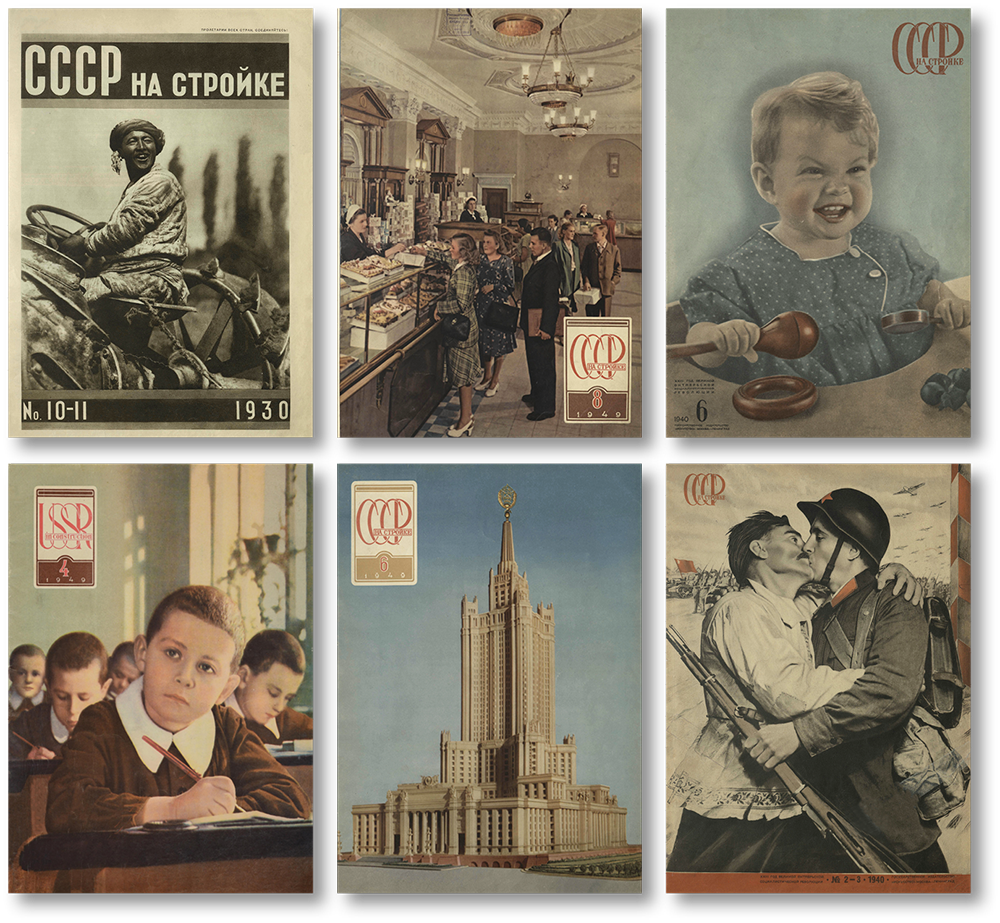
One of the most visual Soviet magazines of the Stalin era
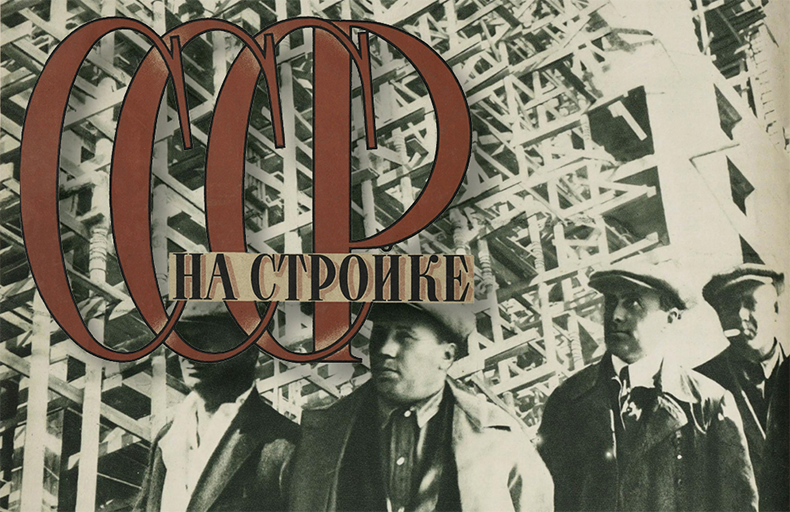
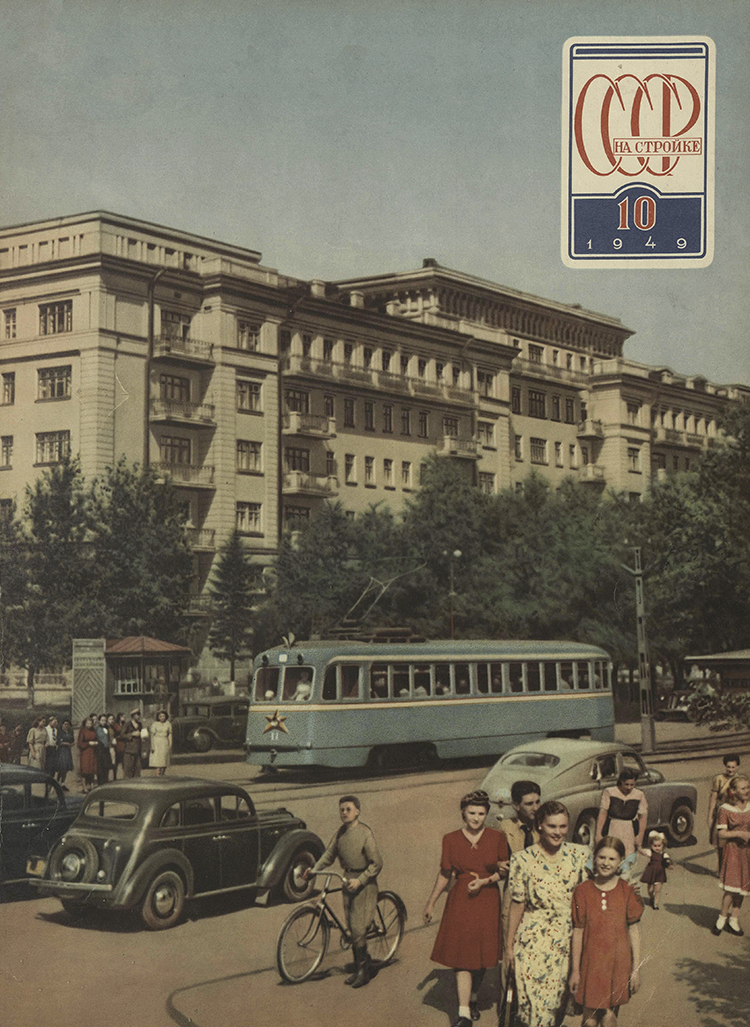
SSSR na Stroike (СССР на стройке, USSR in Construction) was one of the most visually distinctive and ambitious Soviet periodicals of the Stalin era. Published from 1930 through 1941 and briefly revived in 1949, the journal was created as a lavishly illustrated showcase of Soviet industrialization, modernization, and social transformation. Today, it is an important primary source for the study of Soviet history, political communication, propaganda, photography, graphic design, visual culture, and the international representation of the USSR.
The complete Russian-language edition comprises 133 issues. The journal was also produced for international audiences in English, French, German, and, beginning in 1938, Spanish. At present, we have located 80 English-language issues for inclusion in this digital collection, and we are continuing to search for additional English issues that can further strengthen the archive.
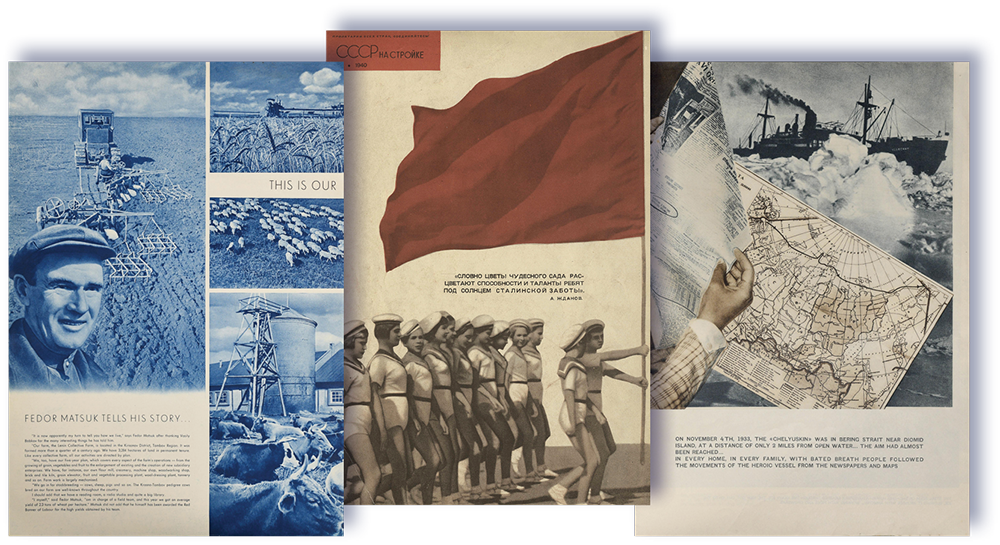
Founded under the direction of Maxim Gorky, SSSR na Stroike brought together many leading Soviet photographers, artists, writers, and designers. Contributors included El Lissitzky, Alexander Rodchenko, Varvara Stepanova, Max Alpert, Isaac Babel, and Mikhail Koltsov. The journal became particularly notable for its innovative combination of photography, photomontage, typography, dramatic page layouts, foldouts, inserts, and large-format visual narratives.
Early issues emphasized major industrial and infrastructure projects, while later journals addressed Soviet republics and regions, transportation, agriculture, aviation, education, children, the arts, everyday life, political events, and military and technological achievements.
- Product Code: DA-SSSR
- Year First Published: 1930
- Archive: 1930–1941, 1949
- Language: Russian, plus 80 issues in English
- Country: Russia
- City: Moscow
- Frequency: Monthly
- Format: PDF, article-based
- Producer: Infoteka
The SSSR na Stroike Digital Archive offers scholars the most comprehensive collection available for this title, bringing together issues that have previously been scattered among libraries, archives, and private collections. The archive features full page-level digitization and complete original graphics. The archive has searchable text and is cross-searchable with numerous other Infoteka digital resources.
The archive will be particularly valuable for research and teaching in Soviet and Russian history, Stalinism, propaganda and political communication, photography, graphic and information design, art history, visual and media studies, architecture and urban studies, industrial history, international relations, and Russian and East European studies. By making this rare publication available in a unified searchable digital environment—and by bringing together the Russian and surviving English-language editions—the collection will allow researchers to examine both the visual language of Soviet modernization and the ways in which that message was adapted for international audiences.