Time Period: Pre-Revolutionary

  • Early Soviet Cinema Collection. Part Two

    Early Soviet Cinema Collection. Part Two

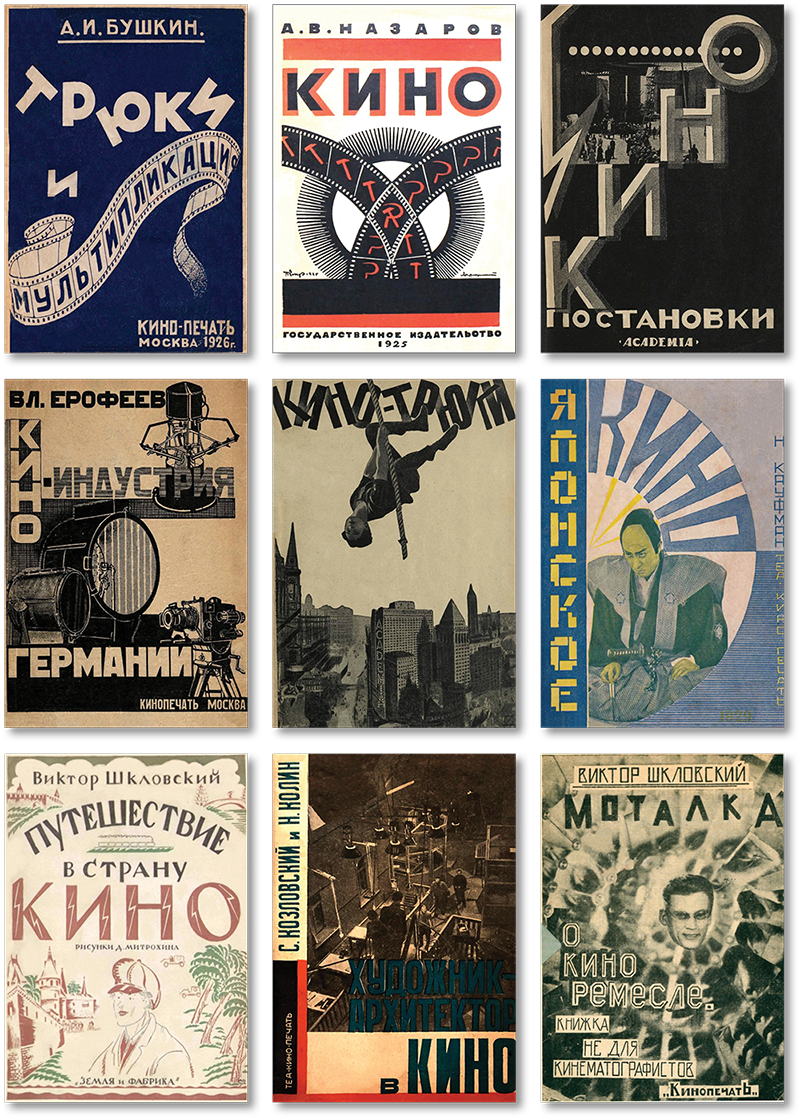
    The collection covers publications issued between 1908 and 1956, with particular strength in the formative decades of Soviet film culture. It includes works by and about leading figures in Soviet cinema, film theory, directing, acting, screenwriting, criticism, and production, including Lev Kuleshov, Vsevolod Pudovkin, Mikhail Romm, Vladimir Nielsen, Isaac Babel, Ilya Trauberg, Nikolai Anoshchenko, Veniamin Vishnevsky, and others. Among the included titles are works on film directing, montage, screen acting, visual composition, sound cinema, cinema architecture, film scripts, the history of cinematography, and annual surveys of Soviet film production.

    Beyond film technique and aesthetics, the collection is especially valuable for the study of cinema as a Soviet cultural institution. The books address the political, educational, and ideological uses of film, including cinema and communist education, children and cinema, documentary and technical films, foreign film criticism, atheist documentaries, the representation of women, the role of film in public instruction, and the relationship between cinema, literature, theater, and state cultural policy. As a result, the collection will support not only film studies, but also research in Soviet history, Slavic studies, visual culture, media studies, cultural policy, propaganda, gender studies, education, and the history of technology.
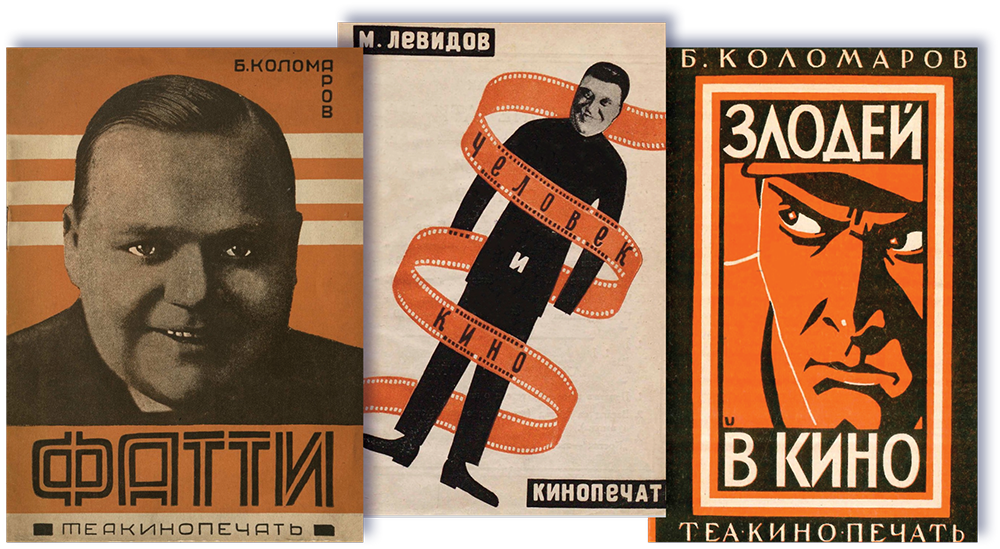
  • Russian Film and Theater Periodicals Digital Archive

    Russian Film and Theater Periodicals Digital Archive

    Collection of rare film and theater magazines from critical period in Russian and Soviet history.

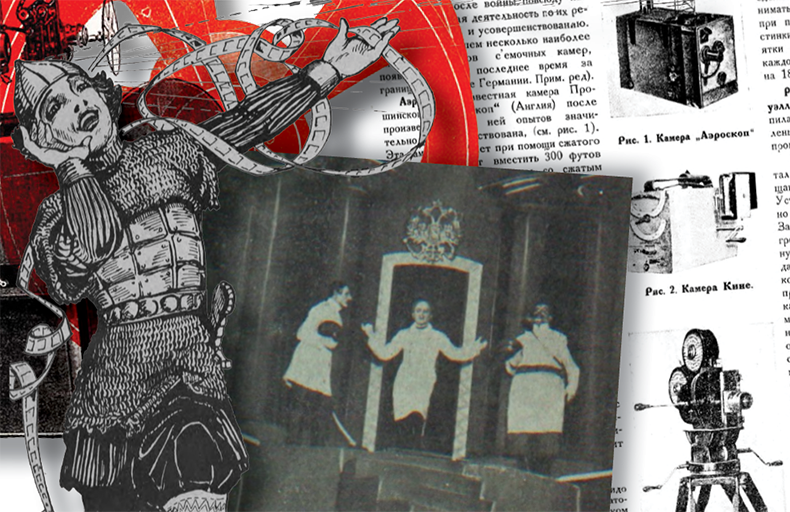
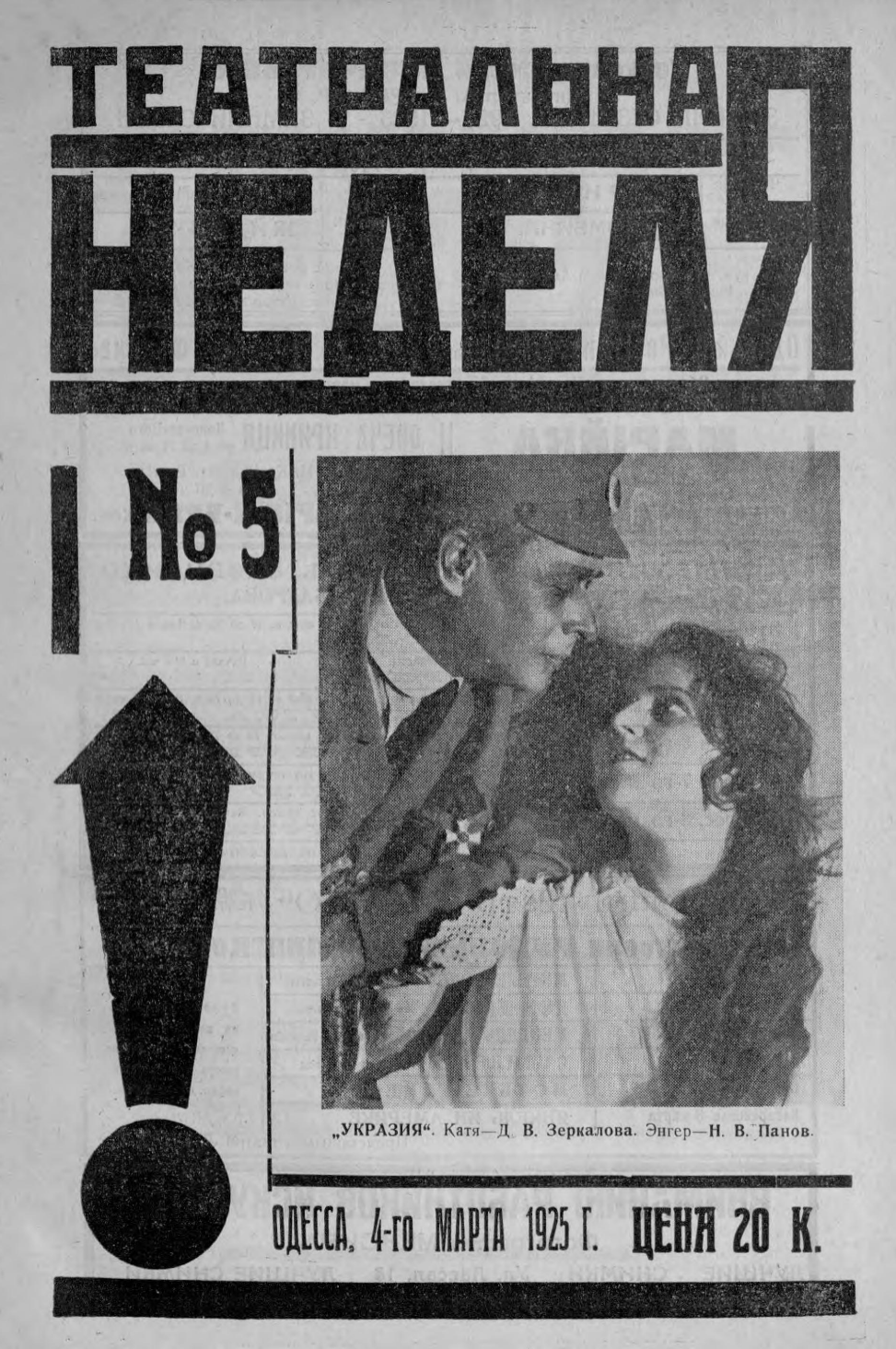
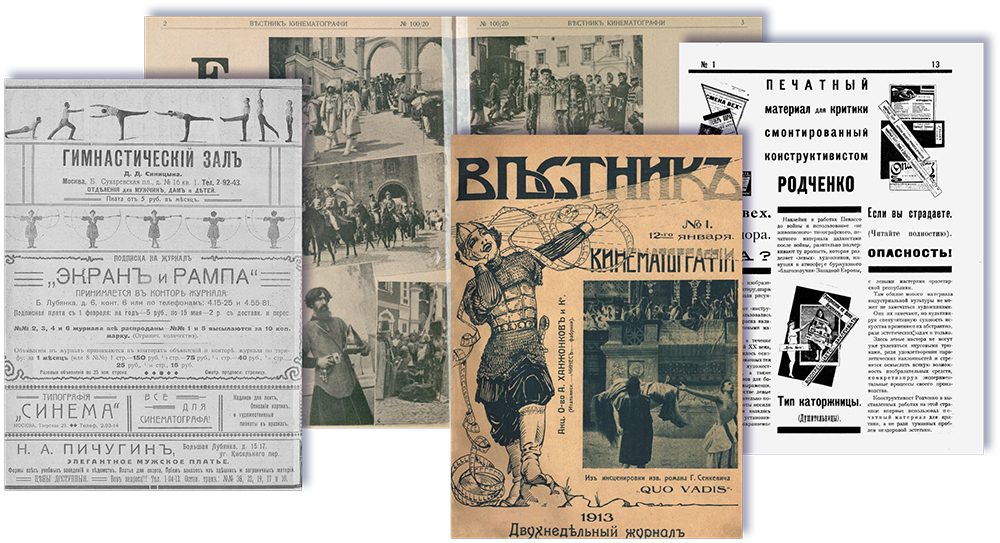
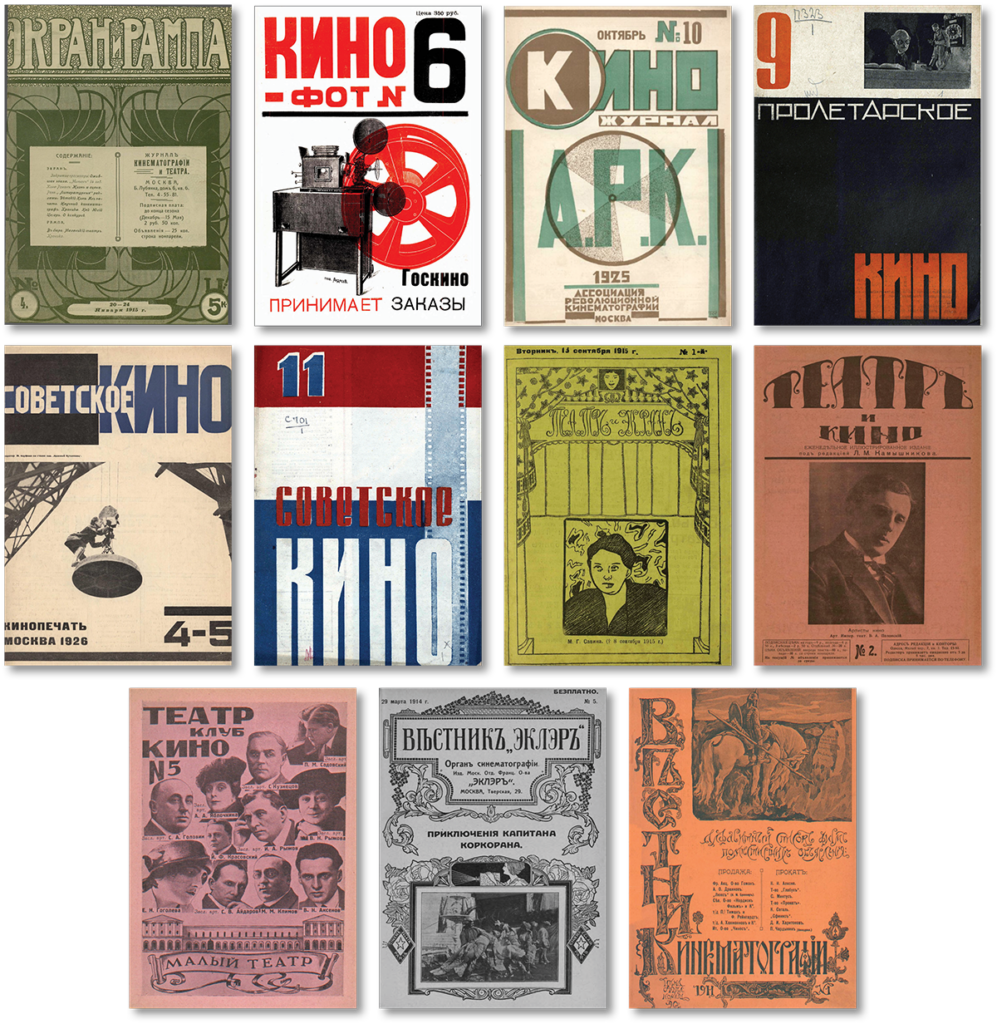
    Russian Film and Theater Periodicals Digital Archive is a curated digital collection of 11 rare Russian and Soviet film and theater magazines published between 1911 and 1935, covering the final years of the Russian Empire and the formative decades of Soviet cultural life. The archive brings together influential and often short-lived periodicals such as Vestnik kinematografii, Ekran i rampa, Teatr i kino, Kino-Fot, Kino-zhurnal A.R.K., Sovetskoe kino, and Proletarskoe kino, among others. Together, these titles document the emergence of cinema in Russia as a new artistic medium, commercial industry, technological system, and later as a central instrument of Soviet cultural policy and ideological education.

    The collection is especially valuable because it preserves the close relationship between film, theater, journalism, visual culture, and politics during a period of dramatic historical transformation. Pre-revolutionary titles capture the world of urban entertainment culture, theater repertories, film exhibition, advertising, audience formation, and the rapid growth of cinema before 1917. Soviet-era journals trace the rise of montage theory, Constructivist aesthetics, studio organization, documentary and newsreel production, proletarian cultural policy, and the increasingly institutionalized role of cinema in Soviet society.

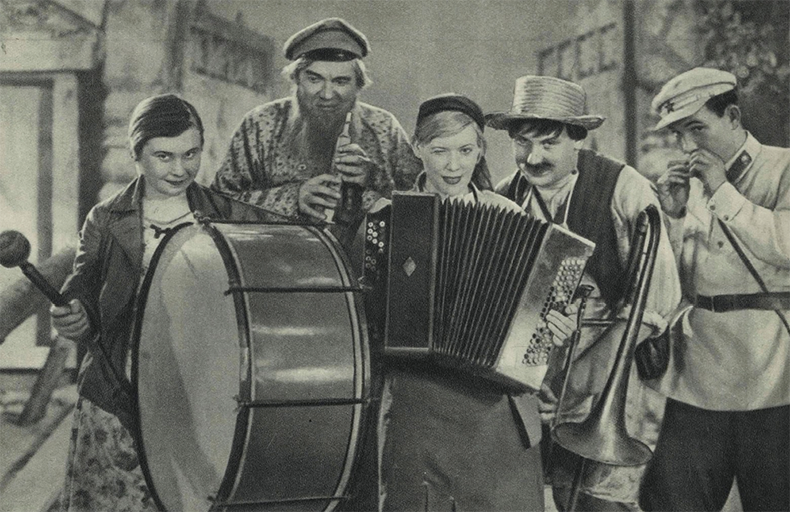
    Richly illustrated and textually diverse, the archive includes articles, reviews, editorials, theoretical essays, production notes, repertory programs, advertisements, caricatures, film stills, photographs, and examples of avant-garde graphic design. It provides essential primary-source material for scholars and students in Slavic Studies, Russian and Soviet history, film and media studies, theater studies, art history, and Soviet visual culture. Russian Film and Theater Periodicals Digital Archive brings together rare, scattered and difficult to access periodicals into a single, searchable archive, making a crucial body of early Russian and Soviet film and theater journalism accessible for teaching, research, and collection development.

    Russian Film and Theater Periodicals Titles

    • Ekran i rampa (Экран и рампа)
    • Kino-fot (Кино-фот)
    • Kino-zhurnal A.R.K. (Кино-журнал А.Р.К.)
    • Proletarskoe kino (Пролетарское кино)
    • Sovetskoe kino (Советское кино)
    • Sovetskoe kino (Советское кино)
    • Teatr i ekran (Театр и экран)
    • Teatr i kino (Театр и кино)
    • Teatr, klub, kino (Театр, клуб, кино)
    • Vestnik «Ekler» (Вестник «Эклер»)
    • Vestnik kinematografii (Вестник кинематографии)
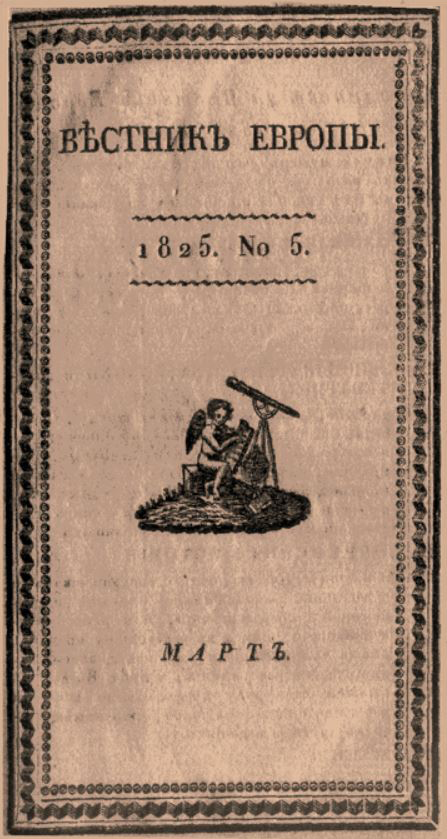
  • Vestnik Evropy Digital Archive

    Vestnik Evropy Digital Archive

    A major influence on the outlook of 19th century Russian intellectuals.

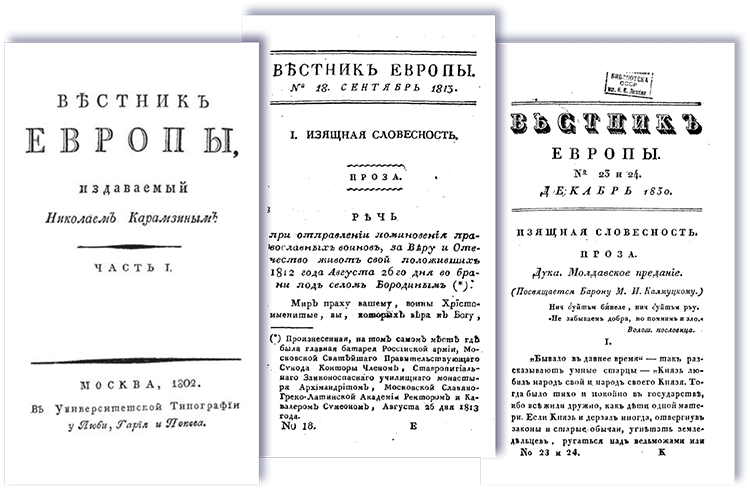
    The Vestnik Evropy Digital Archive comprises the entire collection of the journal, with more than 8,500 articles and over 57,000 pages. The archive offers scholars the most comprehensive collection available for this title, and features full-text articles, with full page-level digitization and complete original graphics. The archive has searchable text, and is cross-searchable with numerous other Infoteka digital resources.
    Note: Vestnik Evropy was published before the Russian Revolution and was written using the pre-reform Russian orthography. To enable searching functionality, Infoteka worked closely with consultants from the Institute of Russian Language in Moscow to adapt the Old Russian script into modern Russian orthography. The archive has been designed so researchers may work simultaneously with texts in Old (pre-revolutionary) Russian and normalized contemporary orthography with easy-to-use cross search functionality.
  • Starye Gody Digital Archive

    Starye Gody Digital Archive

    Early 20th century Russian art journal.

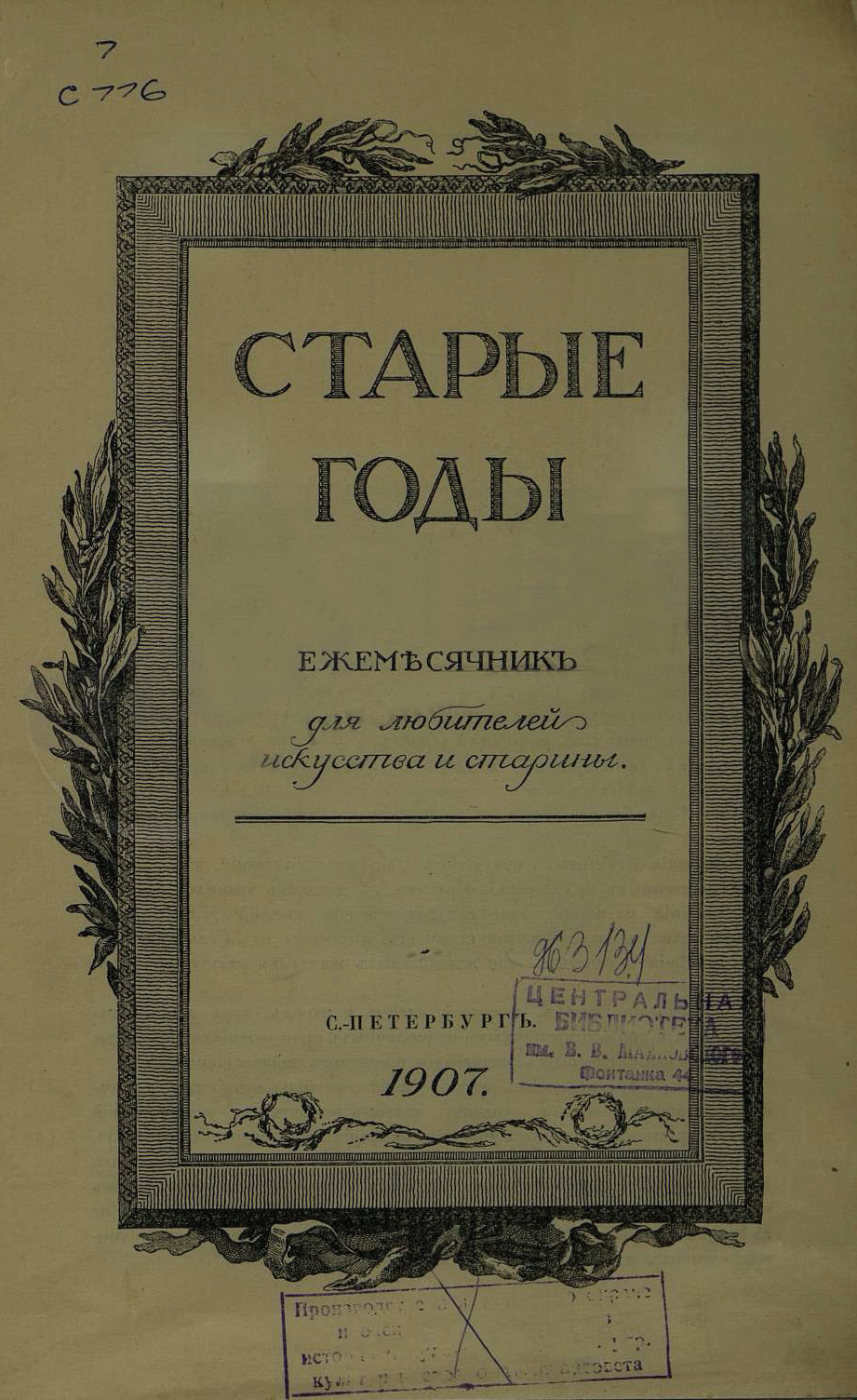
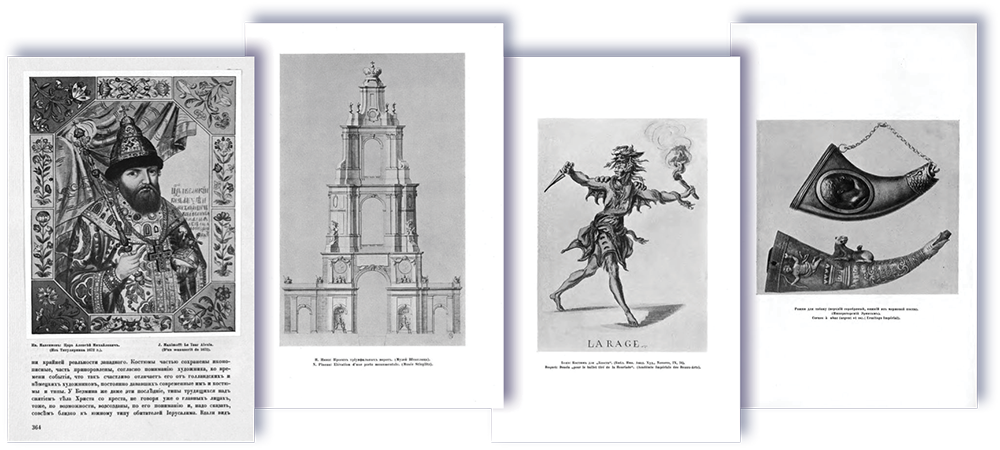
    Starye gody (Старые годы, The Bygone Years) was a monthly journal published in St. Petersburg from 1907 to 1916 for readers interested in art and antiquities. The journal published material on art history and architecture, presented private and public collections, covered domestic and international cultural events, and provided information on auctions and private art sales in Russia and abroad with catalogues, prices, and museum guides. Starye gody was noted for its handsome design and high-quality illustrations. Contributing artists included Benois, Vereshchagin, Vrangel and Rerikh. Much of the journal’s attention was devoted to the preservation of the artistic and antique legacy of St. Petersburg and Russia, and it played an important role in art preservation by printing reproductions of art from earlier periods, primarily Russian art of the 18th and early 19th centuries.

    The Starye Gody Digital Archive includes all obtainable issues of the journal from 1907–1916 and offers scholars the most comprehensive collection available for this title. The archive features full page-level digitization, complete original graphics, fully-searchable text, and is cross-searchable with numerous other Infoteka digital resources.
    Note: Starye gody was written in the Old Russian orthography used at the time, which included the letters І, Ѣ, Ѳ and Ѵ. These letters were later eliminated from the Russian alphabet during the orthographic reform of 1918. To facilitate full-text searching of this journal, the database includes a special keyboard containing the old Russian characters. This virtual keyboard allows users to enter words containing pre-reform Russian letters (e.g. “сѵнодъ,” “дѣтство”).

  • Soviet Anti-Religious Propaganda

    Soviet Anti-Religious Propaganda

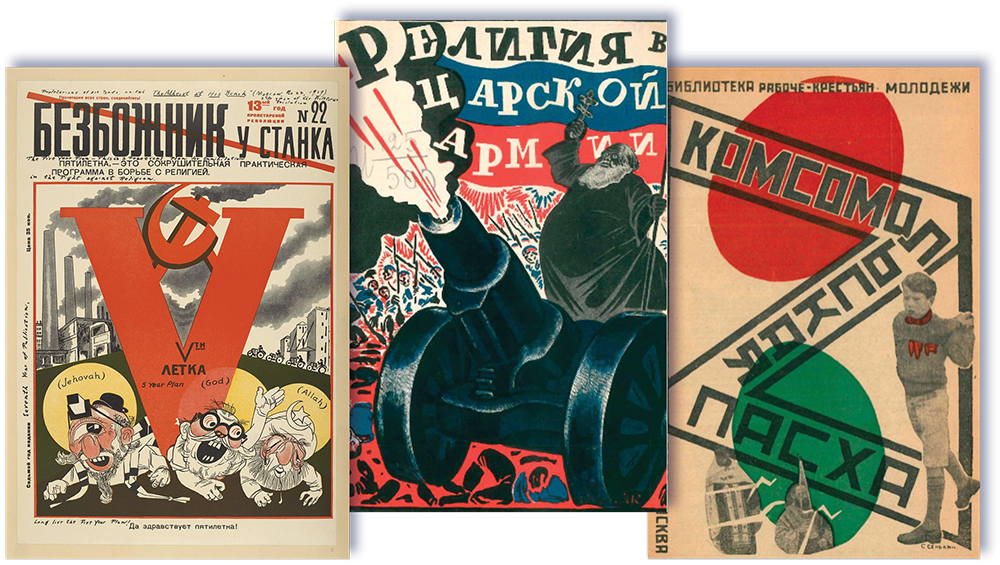
    Some of the earliest casualties of revolutions are the ideological and institutional foundations of the political order that legitimized the ancien régime, the old form of government with its established political and socio-economic power relations. Religion and religious institutions, identified by Bolshevik revolutionaries as enablers of centuries-long Tsarist malfeasance, were additionally considered to be obstructionists of scientific progress, veritable peddlers of ancient superstitions. Thus, the eradication of religion would be elevated into policy shortly after the 1917 Revolution.

    Russian Orthodox Church property was nationalized, plundered, and desecrated. Clergy were dispatched to gulags or even murdered. Religious beliefs and believers were ridiculed. Although the destruction of churches, mosques, and synagogues would in practical terms curtail public religiosity, it did not guarantee neither radical nor wholesale change in people’s perceptions of the world in which they lived.

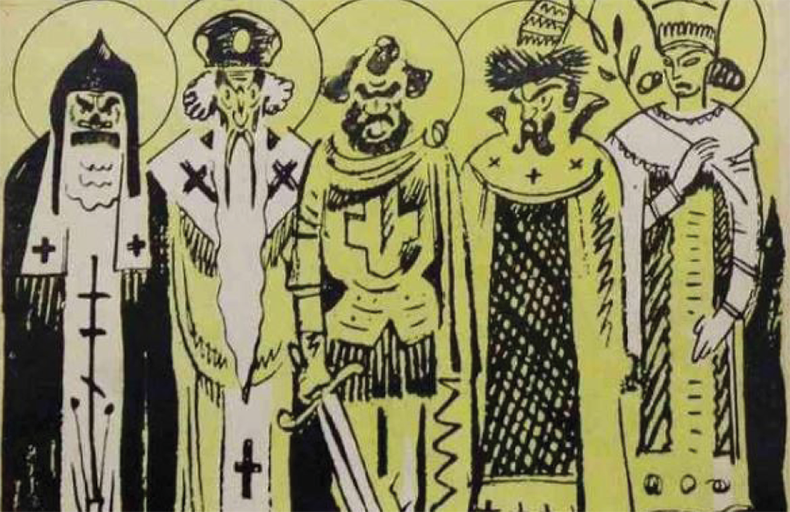
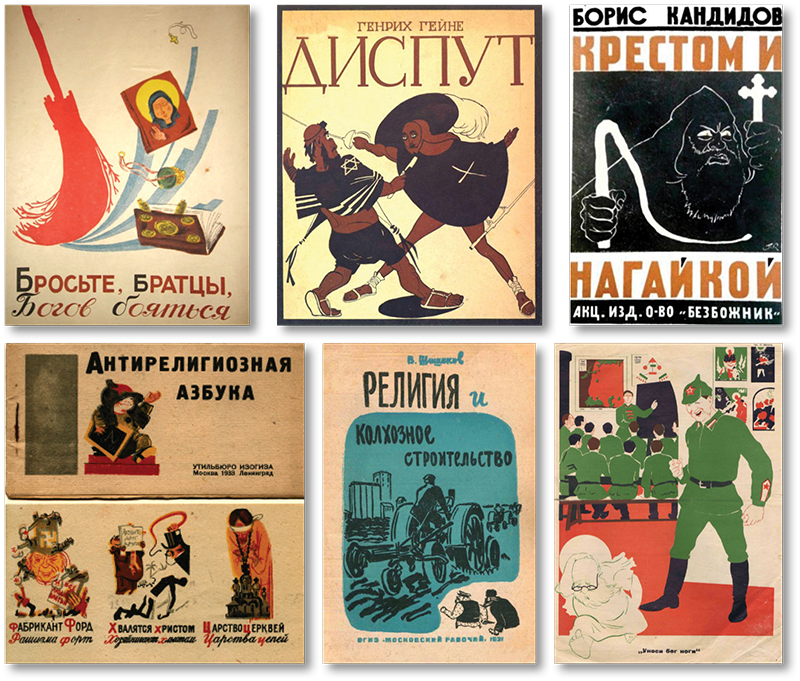
    The matter of changing people’s worldviews, therefore, was left to propagandists and the radically rethought educational system. The result of these policy and educational changes was the launching of the fervid anti-religious propaganda campaigns of the early 1920s and 1930s, which saw the publication of hundreds of books, newspapers, and popular magazines designed to stoke hostility against Christianity and Christians.

    Comprised of 280 books, the Soviet Anti-Religious Propaganda e-book collection is a treasure trove of these early propaganda efforts, containing some of the most important and influential works of anti-religious literature. Full-text searchable and cross-searchable with other Infoteka digital resources, the collection is a valuable resource for historians of the Soviet Union, religious studies, and secularization.

  • Russkii Arkhiv Digital Archive

    Russkii Arkhiv Digital Archive

    Well-known pre-revolutionary historical and literary journal.

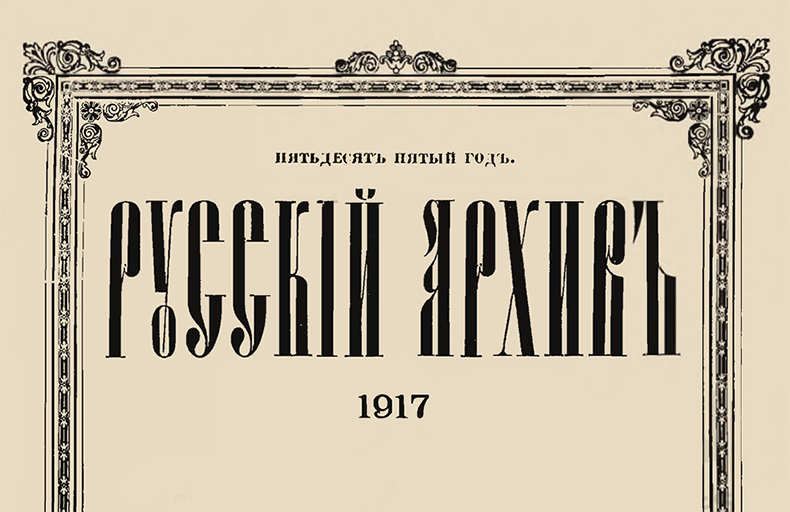
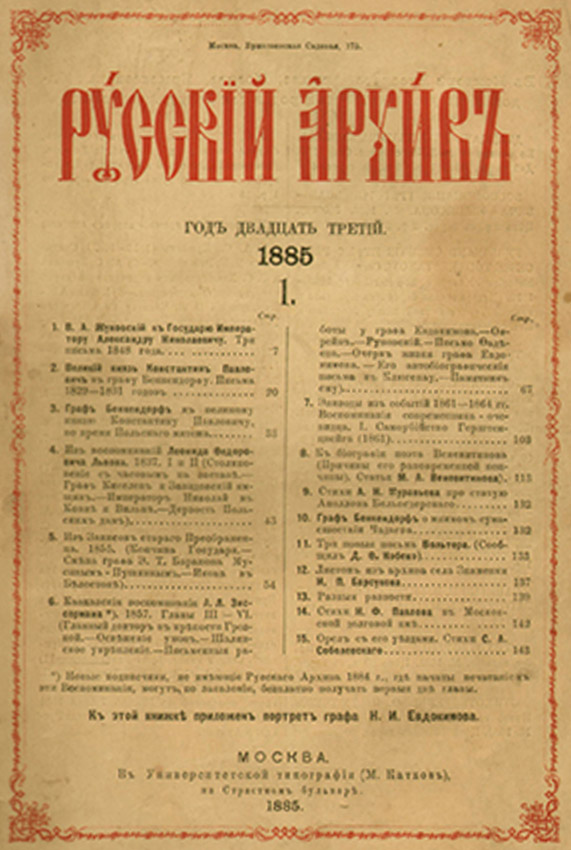
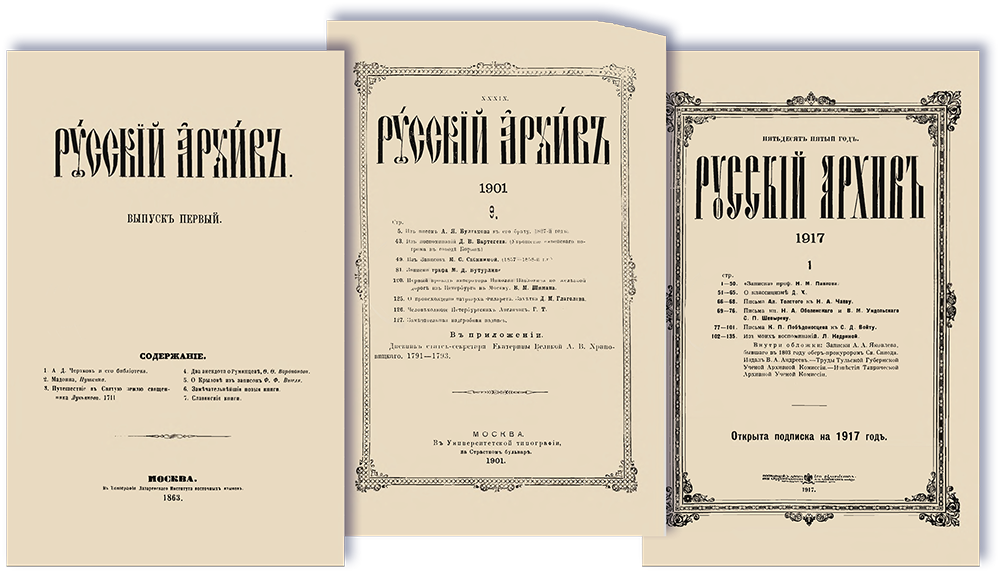
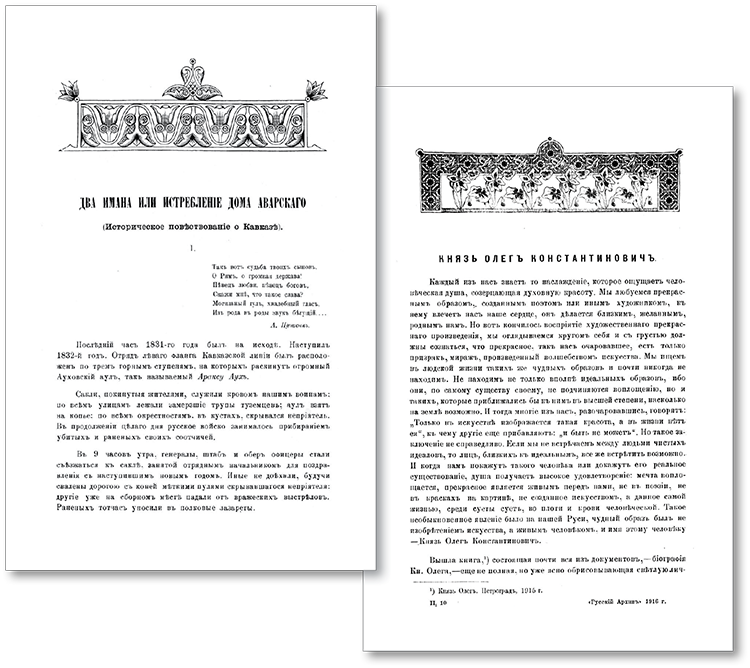
    The Russkii Arkhiv Digital Archive contains all obtainable published issues of the journal (650 issues and nearly 100,000 pages), as well as several supplemental publications (see list below). The archive offers scholars the most comprehensive collection available for this title, and features full page-level digitization, complete original graphics, and searchable text, and is cross-searchable with numerous other Infoteka digital resources.

    Note: Russkii arkhiv was written in the Old Russian orthography used at the time, which included the letters І, Ѣ, Ѳ and Ѵ. These letters were later eliminated from the Russian alphabet during the orthographic reform of 1918. To facilitate full-text searching of this journal, the database includes a special keyboard containing the old Russian characters. This virtual keyboard allows users to enter words containing pre-reform Russian letters (e.g. “сѵнодъ,” “дѣтство”). In addition, article-level keywords, bibliographic references, and other metadata has been added to improve the database’s search functionality. Where needed, the scanned files have been retouched to ensure a fully text searchable database.

    Supplementary Materials

    Russkii arkhiv: predmetnaiia rospis

    (Русскiй Архивъ: предметная роспись, Russkii arkhiv: a list of articles by subject) This publication contains lists of the articles published in Russkii arkhiv in 1863–1882 (twenty years), 1863–1892 (thirty years), 1863–1908 (inclusive), along with subject and alphabetical references. Starting in 1907 parts of the rospis started to accompany Russkii arkhiv itself and in 1908 the complete rospis was printed as a separate publication.


    Predmetnyi i alfavitnyi katalog kollektsii knig Chertkovskoi biblioteki v triokh chastiakh, izdannyi v vide prilozheniia k Russkomu arkhivu (1863–1868)

    (Каталогъ книг Чертковской библiотеки, The subject and alphabetical catalog of the collection of books of the Chertkov Library in three volumes, published as a supplement to Russkii arkhiv [1863–1868])


    Severnyie tsvety

    (Сѣверные цвѣты, Northern Flowers) A literary almanac published in St. Petersburg during 1824–1830 by the well-known Russian poet and journalist Anton Delvig. For the years 1825 and 1826 the almanac issues were reprinted as supplements to Russkii arkhiv (1881).


    Stikhotvoreniia Vasiliia Andreevicha Zhukovskago

    (Стихотворенiя Василія Андреевича Жуковскаго, Poems of Vasily Andreevich Zhukovsky)


    Zapiski Filippa Filippovicha Vigelia

    (Записки Филипа Филиповича Вигеля, The memoirs of Fillip Philipp Philippovich Vigel) А Russkii arkhiv publication, Zapiski portrays an exhaustive gallery of the Russian people of the first half of the 19th century, placing them in a context of everyday life of the time.

    See title list for full list of titles.

  • Pravda Digital Archive

    Pravda Digital Archive

    The most important newspaper of the Soviet era.

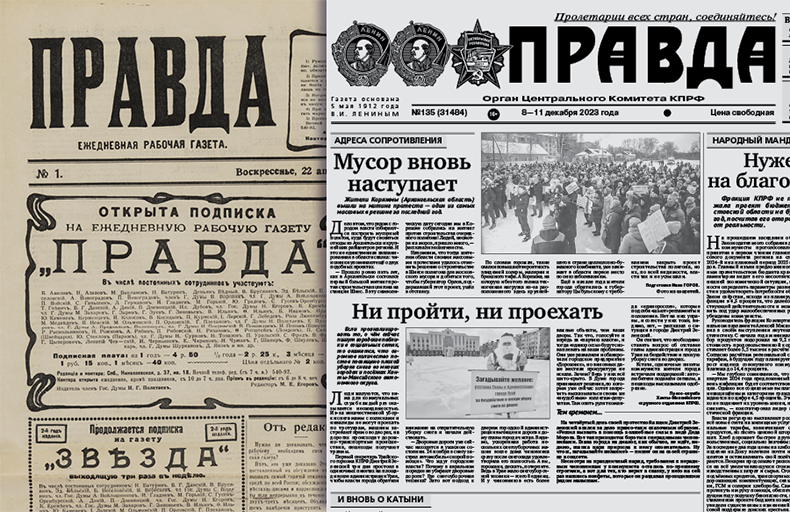
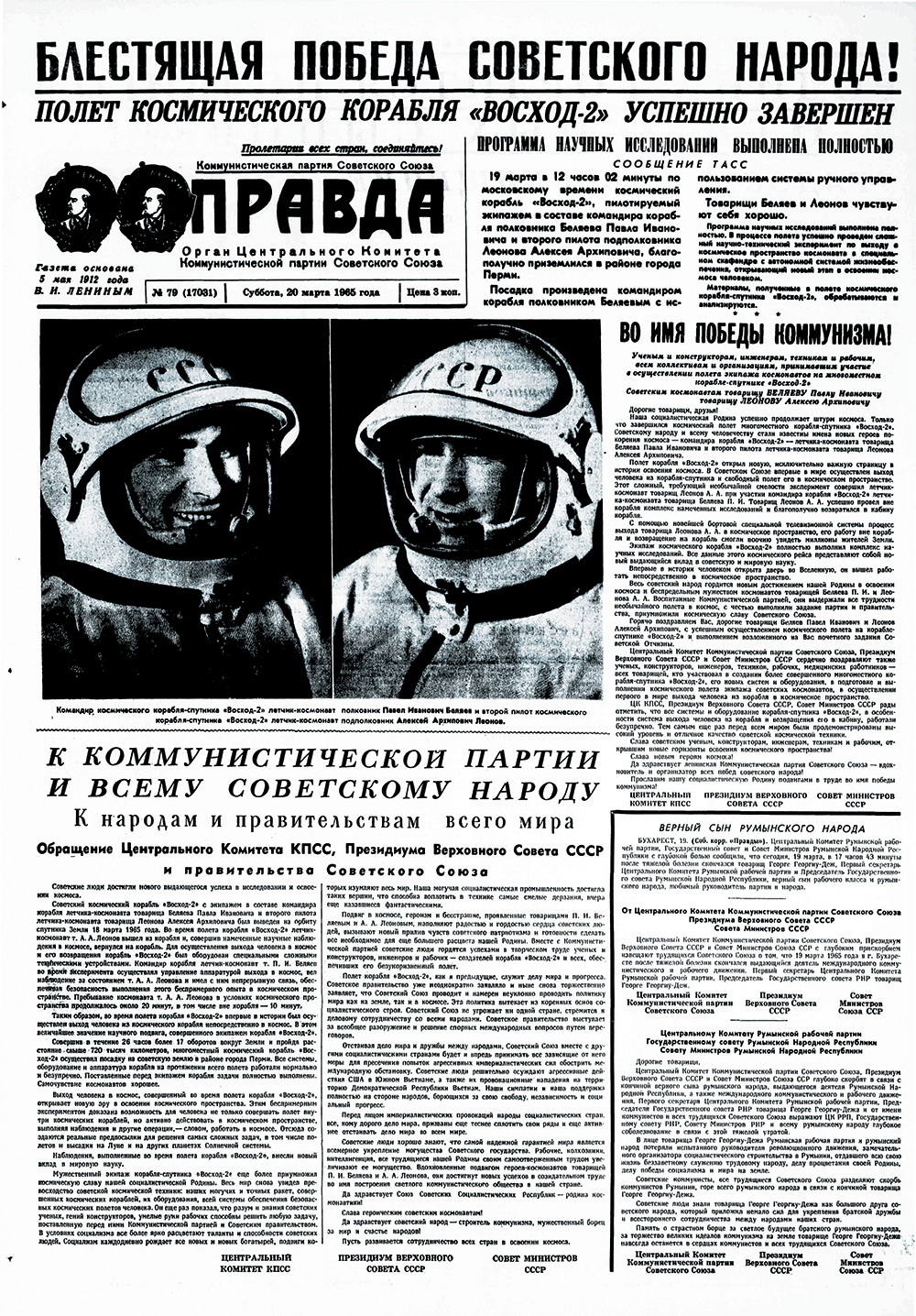
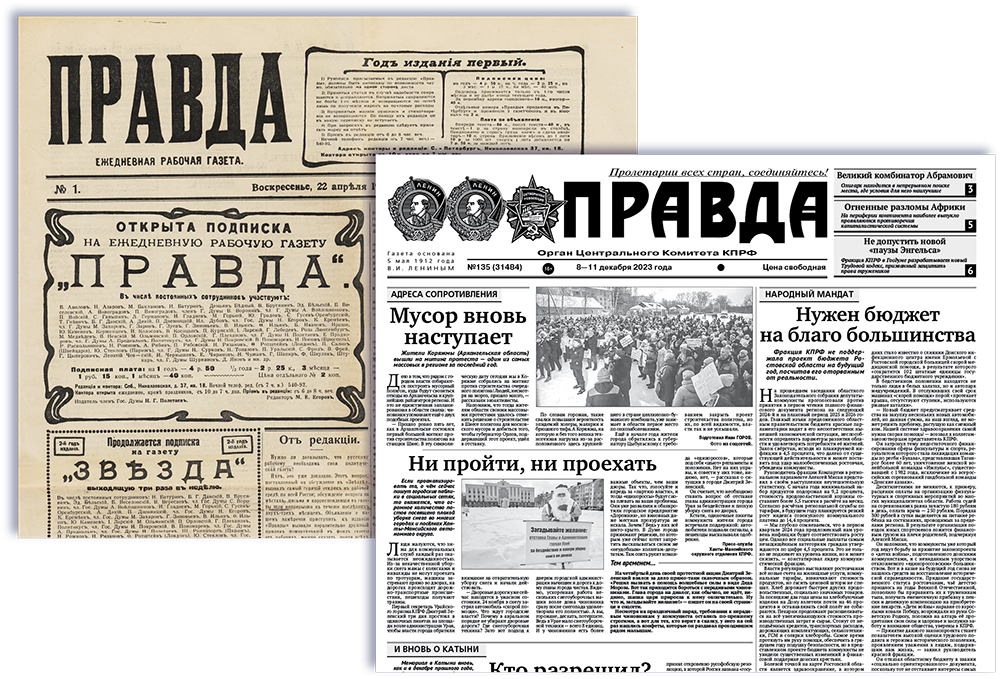
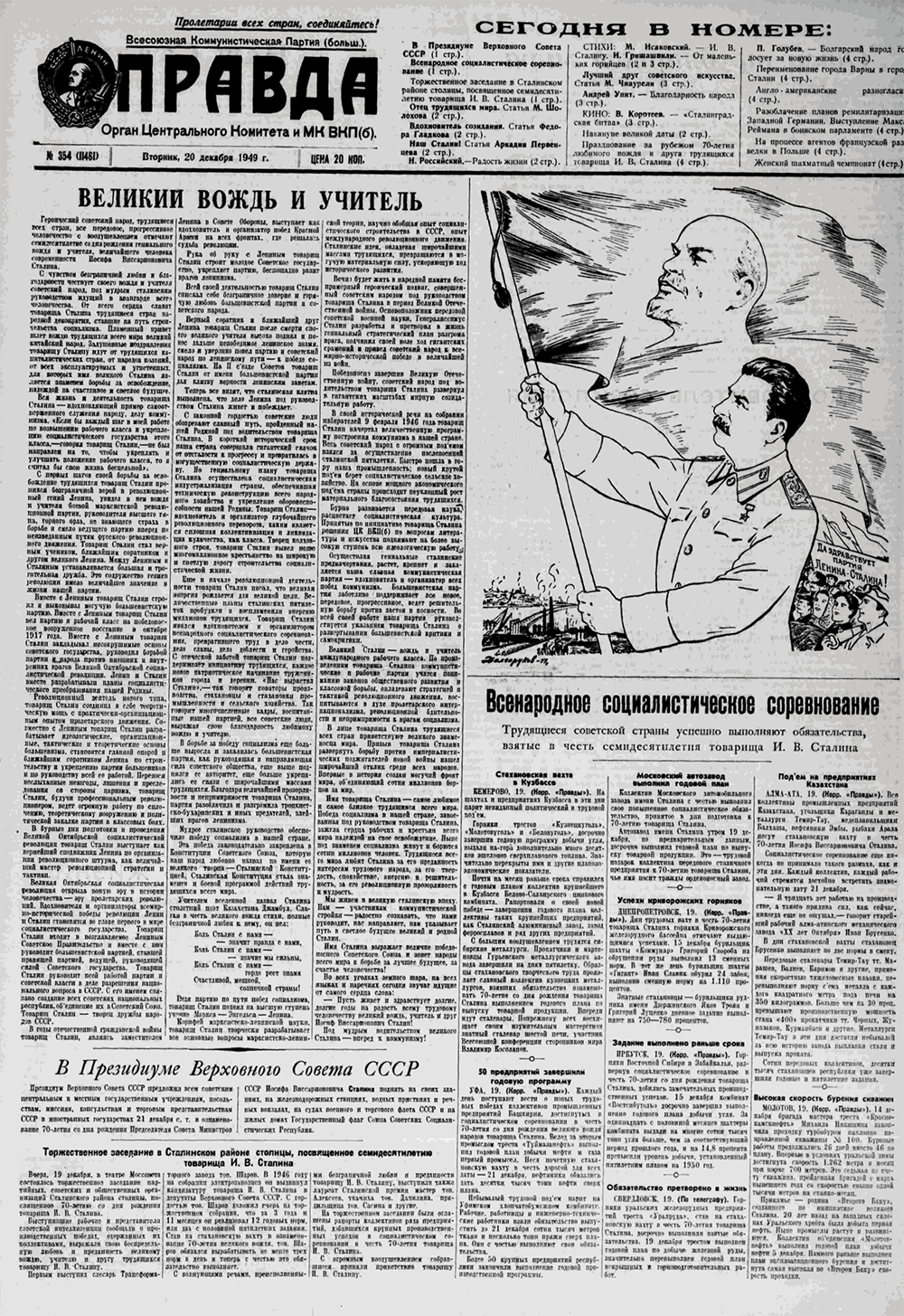
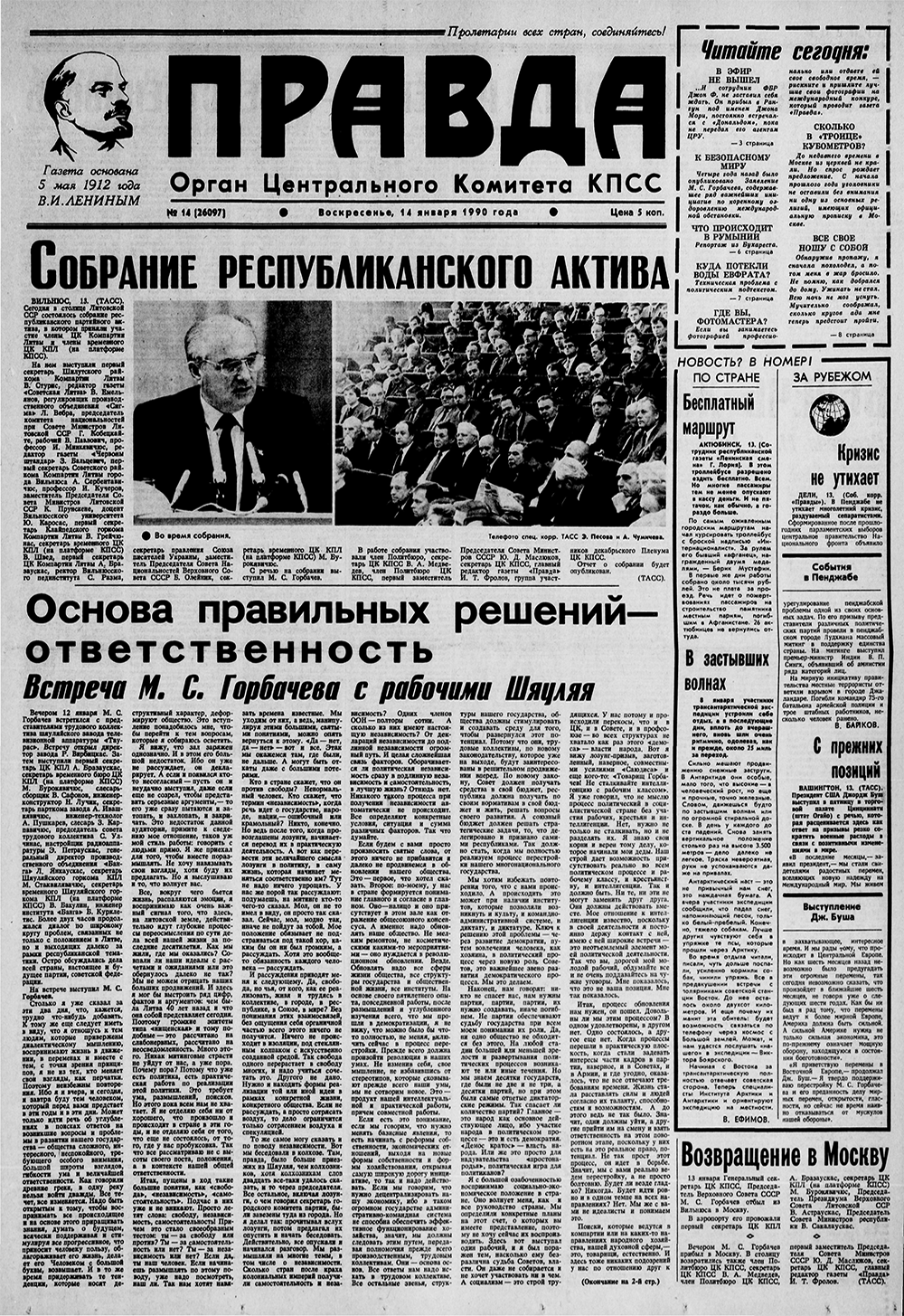
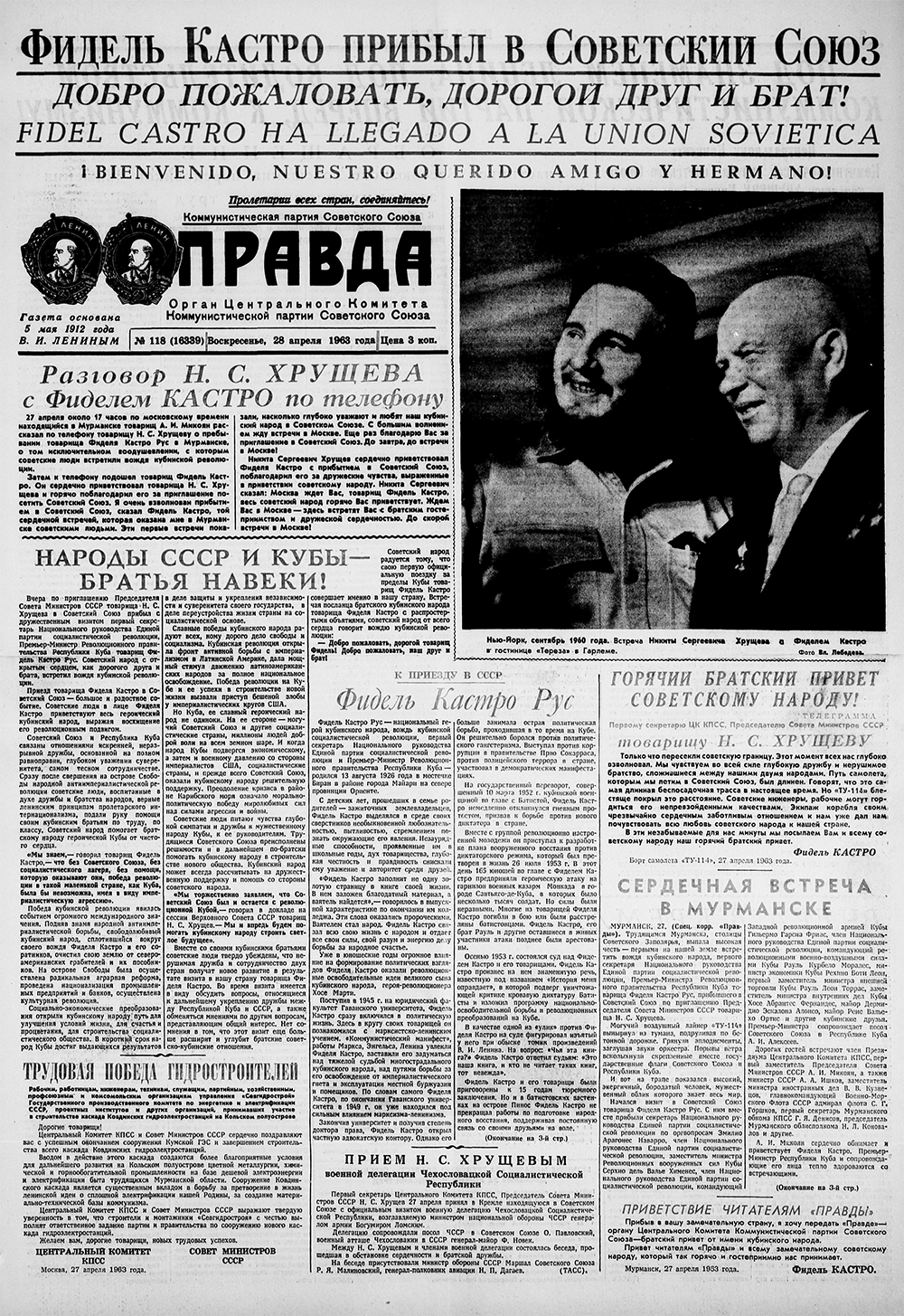
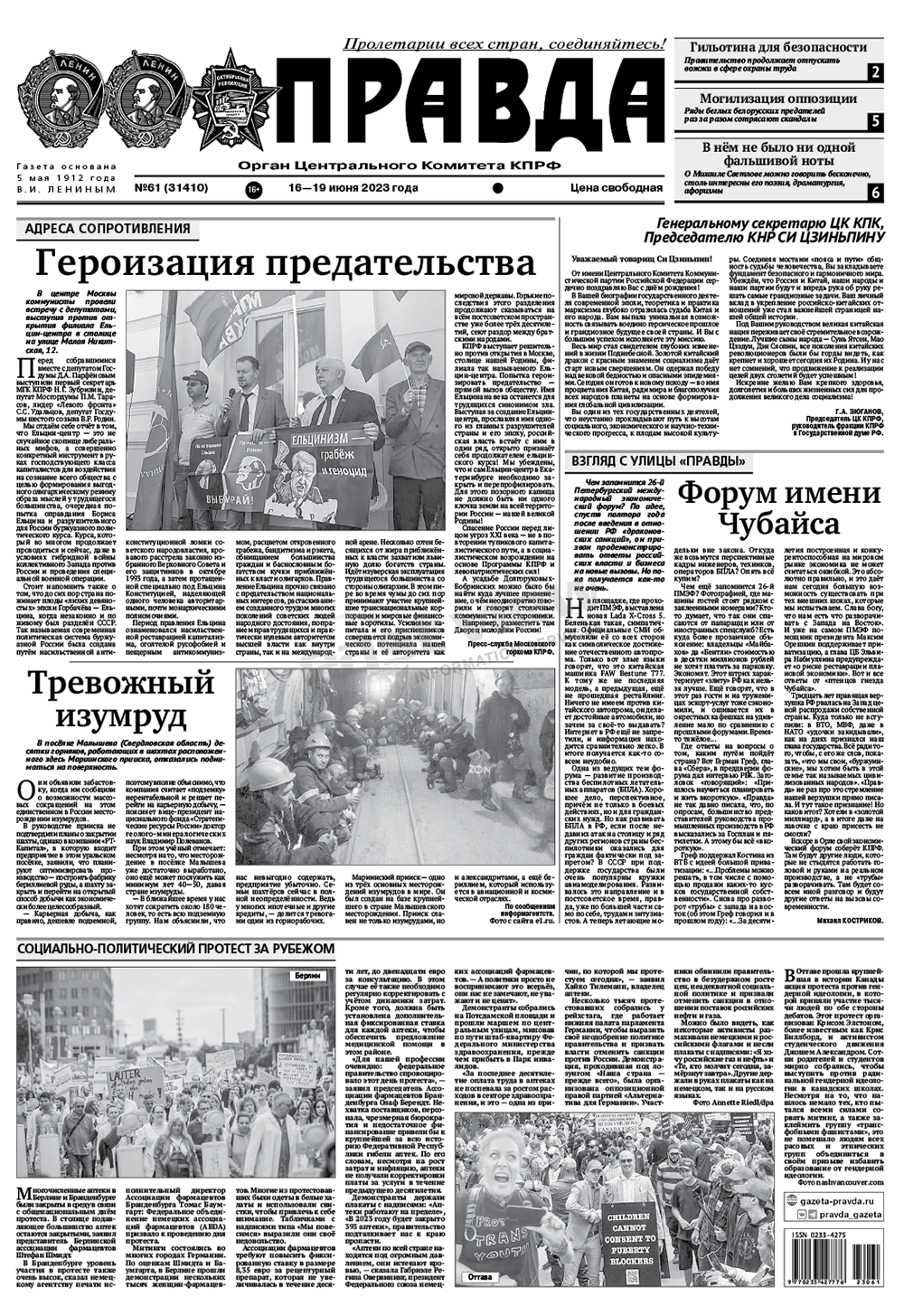
    Pravda (Правда, Truth) was the official voice of Soviet communism and the Central Committee of the Communist Party between 1918 and 1991. Founded in 1912 in St. Petersburg, Pravda originated as an underground daily workers’ newspaper, and soon became the main newspaper of the revolutionary wing of the Russian socialist movement. Throughout the Soviet era, party members were obligated to read Pravda. Today, Pravda still remains the official organ of the Communist Party of the Russian Federation, an important political faction in contemporary Russian politics.

    In its early years, Pravda was subjected to constant persecution, fines, penalties, and prohibitions by the government. To avoid censorship and forced closures, the name of the newspaper changed eight times. In 1914 when the Russian Empire entered World War I, the Russian government moved to close down all subversive newspapers and military censorship was reimposed. After February 1917, when Tsar Nicholas II was deposed and replaced by the Provisional Government, Pravda became the official organ of the Bolshevik Central Committee and was allowed to reopen. When Lenin strongly condemned the Provisional Government and editorials in Pravda called the government “counter-revolutionary,” Pravda was once again subject to censorship and was forced to change names, as in tsarist times. When the Bolsheviks seized power during the October Revolution in 1917, Pravda became the official publication of the Soviet Communist Party.

    Pravda’s primary role was to deliver the official line of the Central Committee of the CPSU, and the newspaper remained the official voice of Soviet communism up until 1991, when Boris Yeltsin signed a decree closing it down. After the collapse of the USSR, nationalist and communist journalists intermittently published a print newspaper and an online newspaper under the name Pravda. Today, Pravda represents the oppositional stance of the Communist Party in the Russian Federation.

    The Pravda Digital Archive contains all obtainable published issues of the newspaper from 1912 on, totaling over 31,000 issues and over 169,000 pages. The archive offers scholars the most comprehensive collection available for this title, with an additional year’s worth of content available for purchase on an annual basis. The archive features full page-level digitization, complete original graphics, and searchable text, and is cross-searchable with numerous other Infoteka digital resources.

    Why Pravda Is Important to Researchers Today

    Pravda has been a newspaper of record since the dawn of the Soviet era and remains a prominent news source in today’s Russia. With the Pravda Digital Archive and its 100+ years of valuable primary-source material, researchers now have the means to search through the chief chronicle of Russian and Soviet history, from the beginnings of the Russian Revolution through World War II, the Cold War, the fall of the Soviet Union, and everything in between. Just as news articles can subtly reveal changes in society, Pravda delivers insight to cultural and historical changes during its publication through the entire Soviet era and beyond.

    As the Soviet state newspaper and central source of information and education, Pravda offered well-written articles and analyses on science, economics, cultural topics and literature, as well as communist theory. Conceived for the mass proletariat, Pravda was accessible to everyone and was the premiere example of a new style of mass media and official literary Russian.

    Lenin, as leader of the Bolshevik Party, wanted a newspaper to air differences and debates, reporting not only on local struggles, but also presenting commentary on the central political and theoretical questions facing communism. As an important contributor to the newspaper, Lenin wrote articles and provided direction to the editors. Pravda significantly shaped public opinion through its mass reach, using militant slogans, tales of heroic feats of production, and denunciation of class enemies.

    Average Soviet workers were also able to voice their opinions in the pages of Pravda. They wrote to the newspaper with reports on daily life or complaints about shoddy consumer goods, public wrongs, or difficulties with bureaucracy. Many of the articles publicized labor activism and exposed the working conditions in Russian factories.

    The unprecedented level of access made possible by the Pravda Digital Archive offers a rich repository for researchers of language, history, international relations, economics, social sciences, and so much more, and is essential to understanding the span of Soviet history and the development of Soviet culture.

  • Ogonek (St. Petersburg) Digital Archive

    Ogonek (St. Petersburg) Digital Archive

    Pre-revolutionary political, literary, and cultural illustrated magazine.

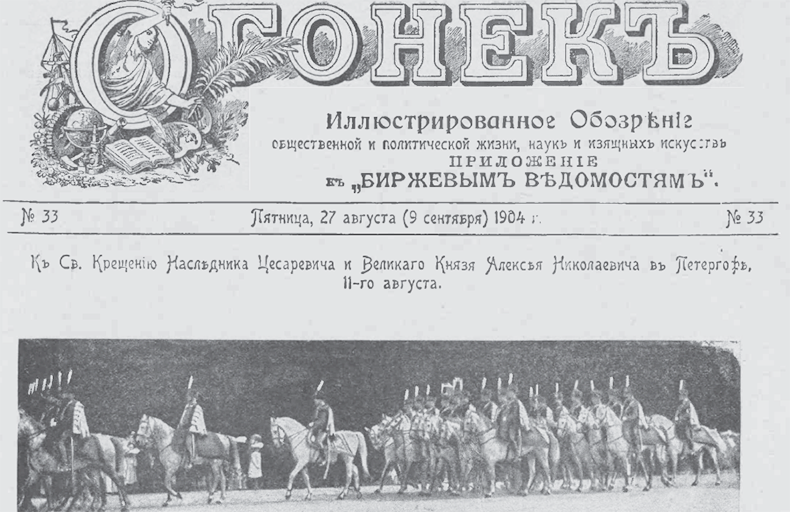
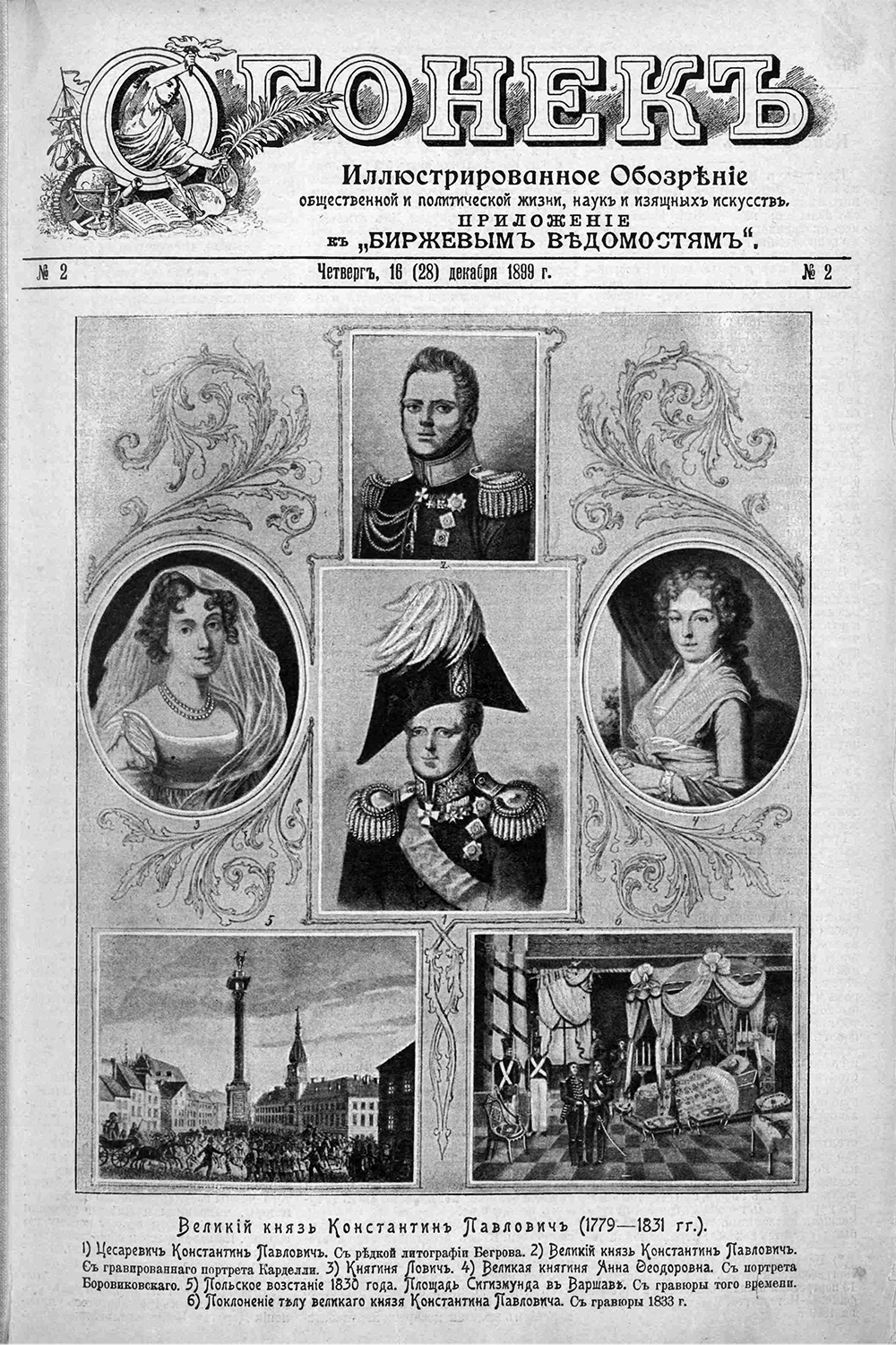
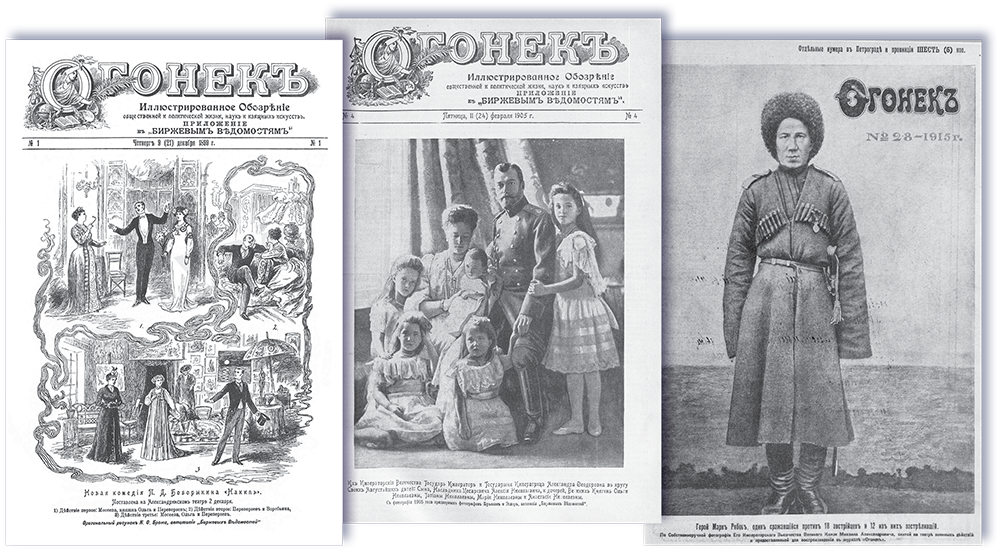
    Established in 1899 and in continuous print until 1918, Ogonek (Огонёк, Spark) first came on the scene as a weekly illustrated supplement to the influential St. Petersburg-based newspaper Birzhevye Vedomosti (Биржевые ведомости, Stock Exchange News). Having posted impressive growth in readership, in 1902 Ogonek would chart an independent course, becoming a separate entity and attracting the period’s most notable journalists, photographers, literati and critics. With original reporting and photography, as well as commentary on popular culture, short stories and serialized novels, Ogonek (St. Petersburg) reflected the era, providing cues on the development and status of Russian society in the early 20th century, until its unceremonious closure by the Bolshevik revolutionaries in 1918 for propagating anti-Soviet views.

    The Ogonek (St. Petersburg) Digital Archive comprises the entire collection of the journal, with more than 870 issues in total. The archive offers scholars the most comprehensive collection available for this title, and features full page-level digitization and complete original graphics. The archive has searchable text and is cross-searchable with numerous other Infoteka digital resources.

    Note: Ogonek (St. Petersburg) was published before the Russian Revolution and was written using the pre-reform Russian orthography. To enable searching functionality, the database includes a special keyboard containing the old Russian characters.

  • Niva Digital Archive

    Niva Digital Archive

    The most popular journal of late 19th-century Russia.

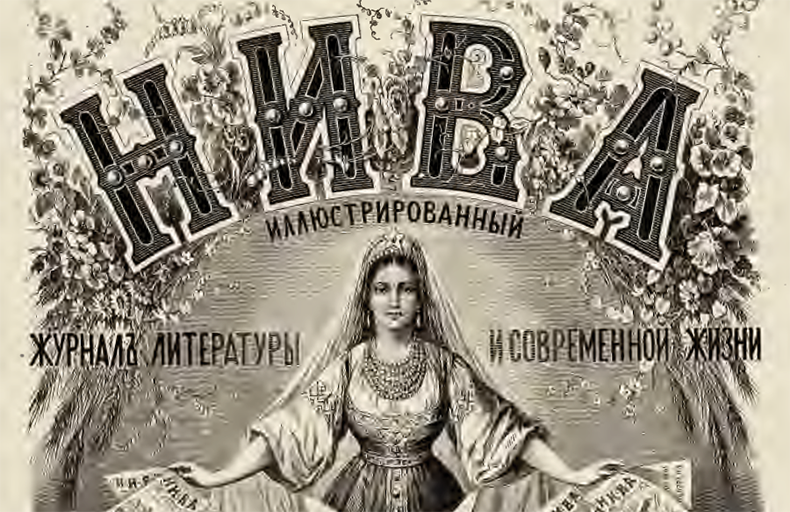
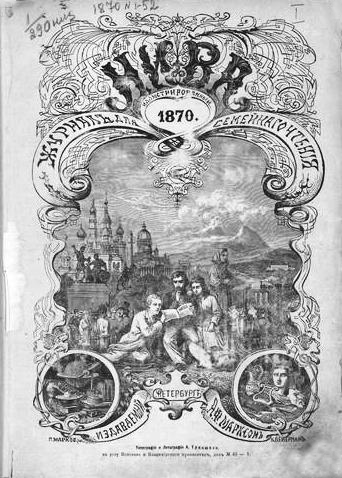
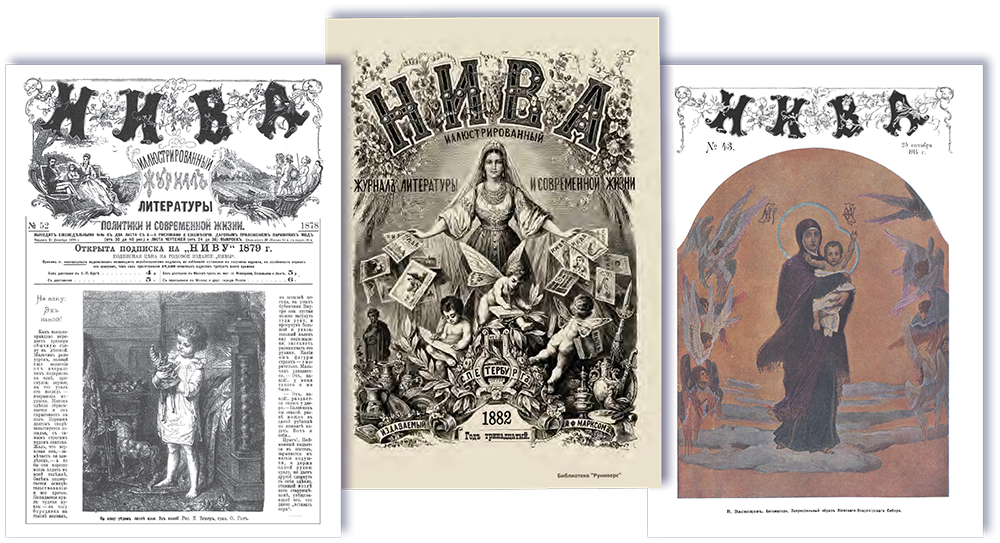
    Niva (Нива, Grainfield), an illustrated weekly journal of literature, politics and modern life, was published from 1870 to 1918 in St. Petersburg, before being shut down by the Bolsheviks after the Russian revolution. The journal was widely read by an audience that extended from primary schoolteachers, rural parish priests, and the urban middle class to the gentry. It was especially popular among the middle class in the Russian provinces. Niva contained large colored prints of art by famous Russian artists, works of famous Russian authors, as well as articles on science, politics and culture. It also had a special children’s section as well as a section on Russian classical writers: Gogol, Lermontov, Goncharov, Dostoevsky, Chekhov and many others.

    The Niva Digital Archive comprises the entire collection of the journal, with more than 2,500 issues and over 27,000 articles. Also included in the archive is the supplementary publication Dlia Detei (Для Дѣтей, For Children, pub. Jan.–Dec. 1917), a monthly illustrated magazine filled with children’s stories, poems and cartoons. The archive offers scholars the most comprehensive collection available for this title, and features full-text articles, with full page-level digitization and complete original graphics. The archive has searchable text, and is cross-searchable with numerous other Infoteka digital resources.

    Note: Niva was published before the Russian Revolution and was written using the pre-reform Russian orthography. To enable searching functionality, the database includes a special keyboard containing the old Russian characters.

  • Knizhnaia Letopis’ Digital Archive

    Knizhnaia Letopis’ Digital Archive

    Russia’s definitive bibliographic book index.

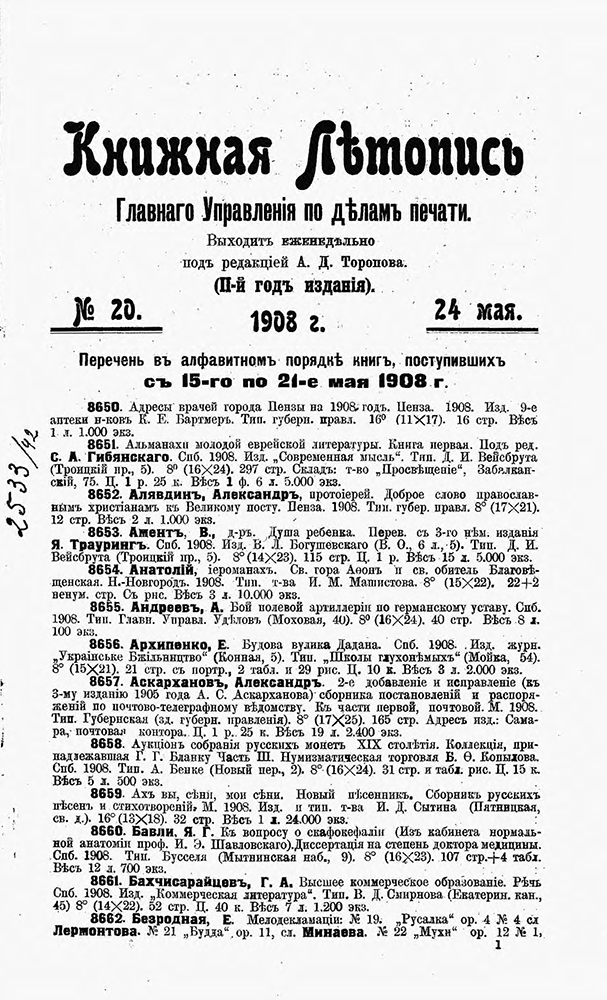
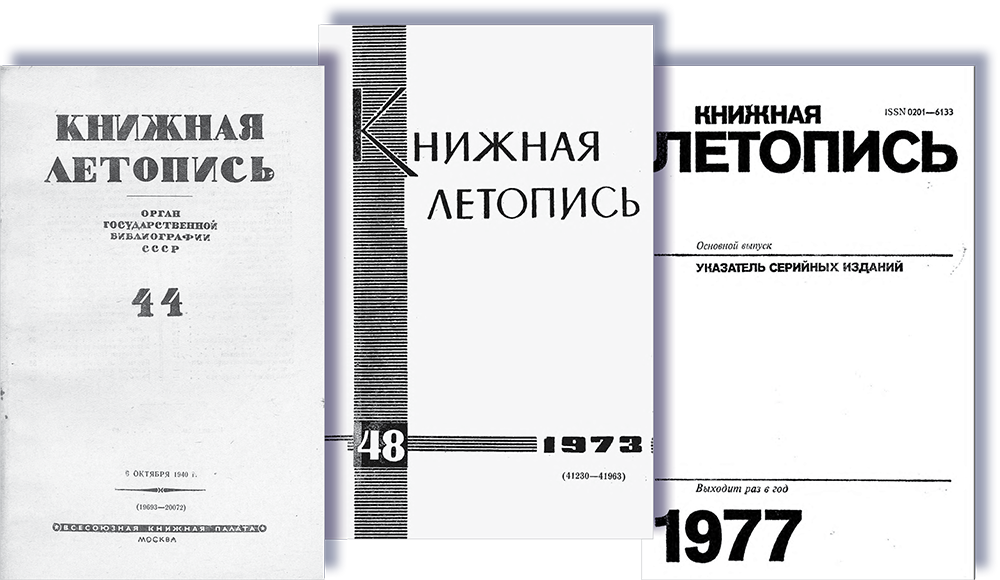
    Knizhnaia letopis’ (Книжная летопись, The Book Index) is the most definitive reference guide available for published books in Russia. For decades, libraries and researchers have turned to this weekly publication to follow book publishing trends in the USSR and Russia. As the main Soviet/Russian bibliographic publication for books, Knizhnaia letopis’ represents the most comprehensive bibliographic resource available on printed books in Russia. For scholars of Russian history, literature, and print culture, the digital archive of Knizhnaia Letopis represents an invaluable resource, offering a unique window into the evolution of publishing and intellectual life in Russia from the late Imperial period through the Soviet era.

    Covering the period of 1907–1979, the Knizhnaia Letopis’ Digital Archive comprises over 105,000 articles, and features full page-level digitization, searchable text, and complete original graphics. This searchable format allows users to explore trends in publishing, track specific authors or topics, and gain insights into the intellectual and cultural landscape of Russia and the Soviet Union throughout much of the 20th century.

    The archive is organized at the chapter level, with each issue divided into thematic chapters (articles). Issues of Knizhnaia letopis’ feature entries detailing new book publications across all fields of knowledge and practical activities, providing primary bibliographic registrations of new books published within the Russian Federation, as well as books published abroad on behalf of Russian publishers. Each bibliographic entry typically contains a sequential record number, a full bibliographic description, the state registration number assigned by the Russian Book Chamber and the UDC (Universal Decimal Classification) indices. The archive also preserves additional features of the original publication, such as author indexes, language indicators for non-Russian publications, and listings of ISBN errors.

    The Knizhnaia Letopis’ Digital Archive also includes a number of important supplements, such as Knizhnaia Letopis’. Dopolnitelnyi vypusk (Supplement, includes dissertation abstracts), Knizhnaia Letopis’. Vspomogatelnye ukazateli (Name, Subject and Geographic Indexes), Dopolnitelnyi vypusk. Vspomogatelnye ukazateli (Name and Geographic Indexes), and Ukazatel seriinykh izdanii (annual Index to Book Series).