Subject: General News

  • Russian Central Newspapers

    Russian Central Newspapers

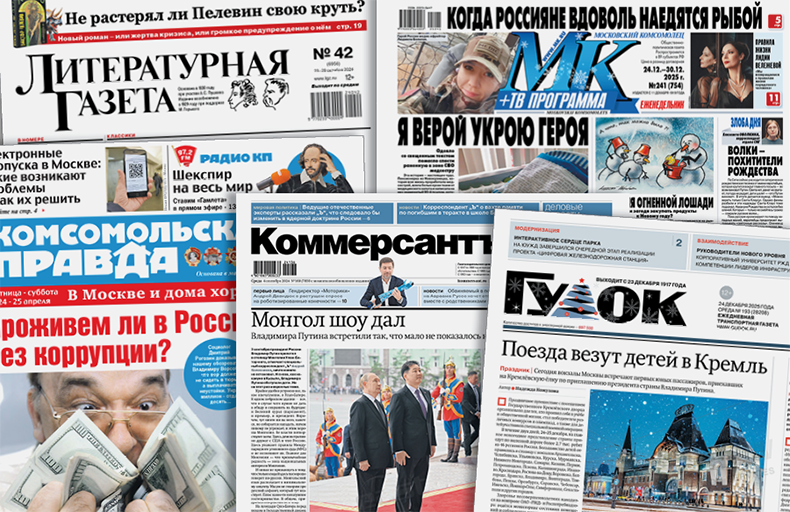
    Comprehensive coverage of domestic news, current events, economic developments and cultural events in Russia.

    Russian Central Newspapers provides same-day access to 35 of the most influential daily and weekly Russian publications on current affairs, including news magazines. Content includes official government publications, popular and business newspapers, and trade publications. Archives dating back to 1980 can be found online in this exclusive collection.

    Russian Central Newspapers Titles

    Active titles in Russian Central Newspapers include:

    • Argumenty i fakty (Аргументы и факты)
    • Ekran i stsena (veb versiia) (Экран и сцена [веб версия])
    • Ekspert (Эксперт)
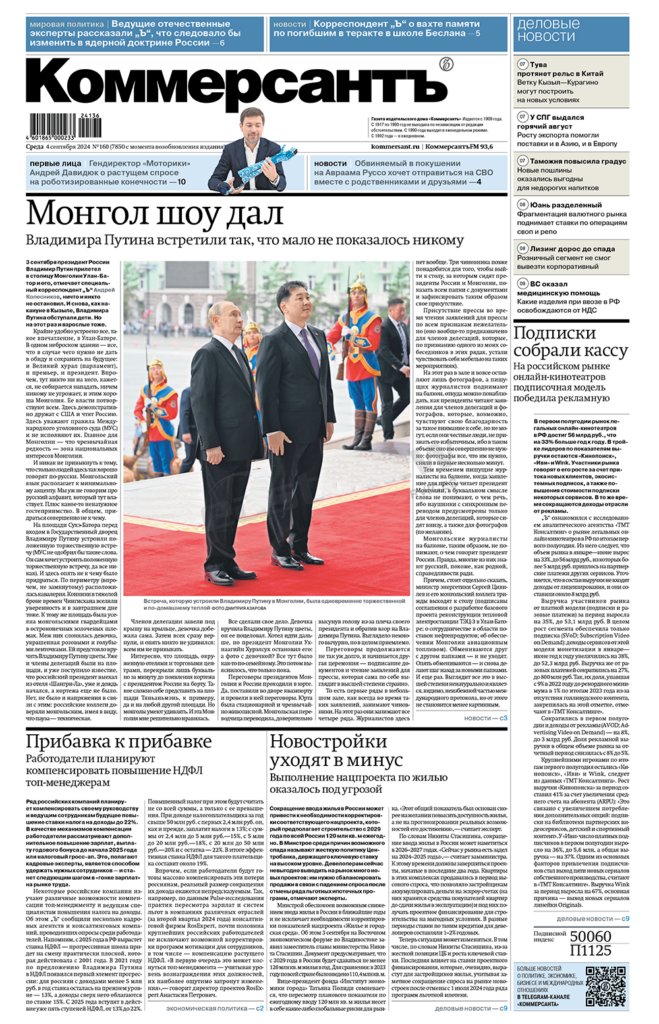
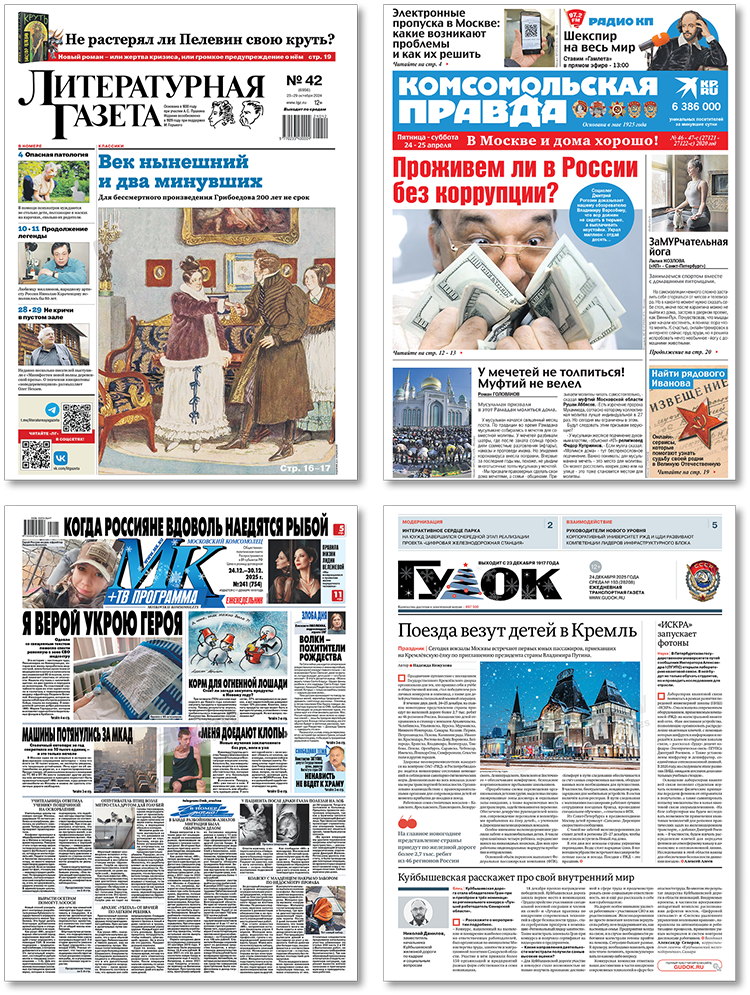
    • Gudok (Гудок)
    • Izvestiia (Известия)
    • Kommersant (Коммерсантъ)
    • Komsomol’skaia pravda (Комсомольская правда)
    • Kul’tura (veb versiia) (Культура [веб версия])
    • Literaturnaia gazeta (Литературная газета)
    • Moskovskii komsomolets (Московский комсомолец)
    • Nezavisimaia gazeta (Независимая газета)
    • Pravda (Правда)
    • Rossiiskaia gazeta (Российская газета)
    • Slovo (Слово)
    • Solidarnost’ (Солидарность)
    • Sovetskaia Rossiia (Советская Россия)
    • Trud (Труд)
    • Vedomosti (Ведомости)
    • Zavtra (Завтра)

    See title list for full list of active and archived titles.

  • Rubezh Digital Archive

    Rubezh Digital Archive

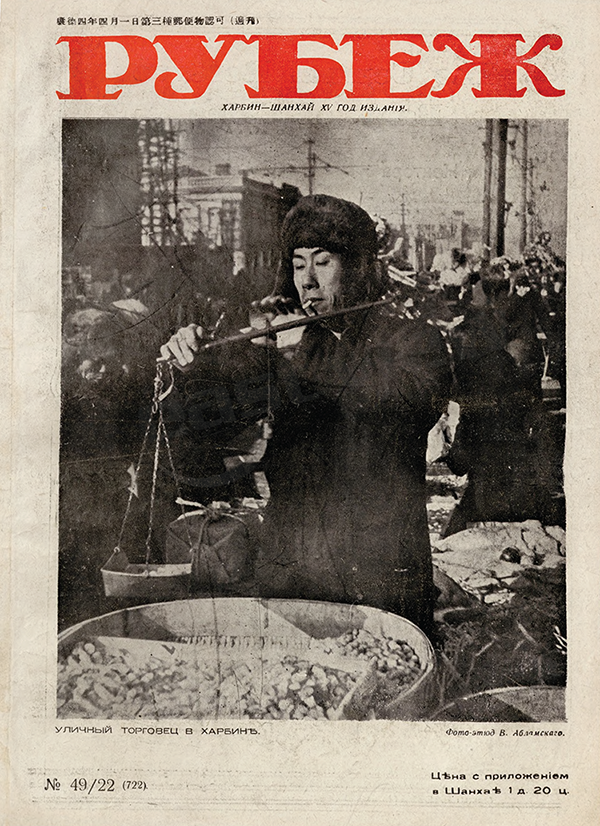
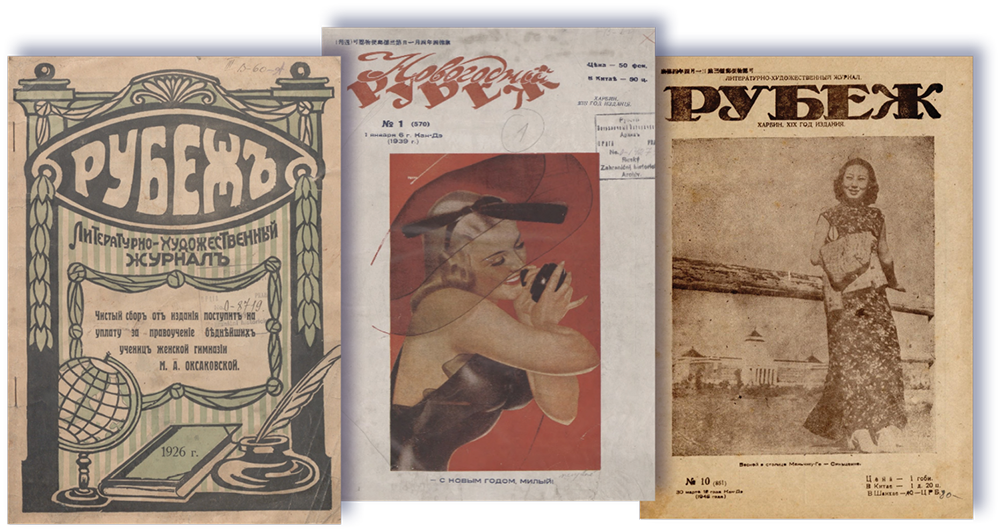
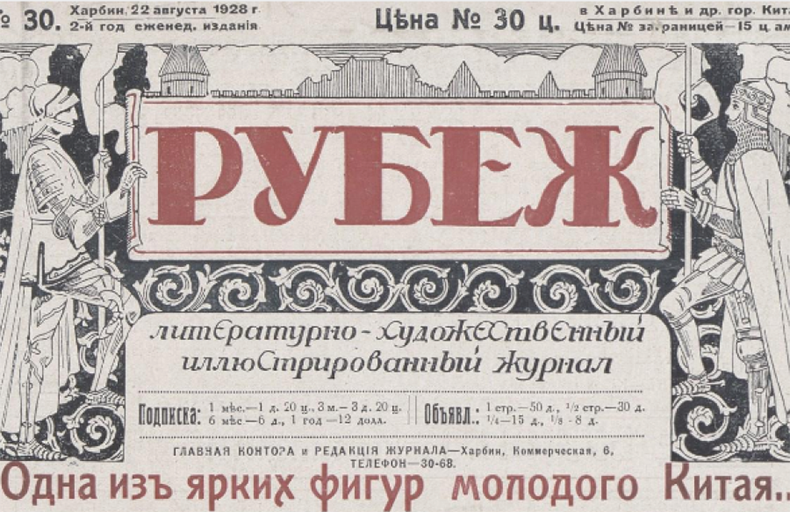
    Rare émigré magazine published by the Russian diaspora in Harbin, China.

    Published in Harbin from 1926 to 1945, Rubezh (Рубеж, The Frontier) was founded by publisher Evgenii Kaufman and supported by correspondents in Europe, the Americas, and Australia. As the only comprehensive record of Russian émigré intellectual and cultural life in Harbin, the most important center of Russian émigrés in East Asia, it quickly became the best-known periodical of “Russian Manchuria.” With its readable style and broad scope, Rubezh is a valuable resource for researchers in Russian emigration studies, East Asian history, media and film studies, fashion history, and transnational cultural exchange.

    In the beginning of the 20th century the town of Harbin in China was a very special place for the Russian diaspora. Built around the Chinese Eastern Railway, it provided unusual legal and economic freedoms. That position drew waves of Russians (professionals, refugees from the Soviet reach, clergy, etc.). They built schools, churches, theaters and printed media in Harbin, of which Rubezh was the main publication.

    The journal’s dense photo-reportage and accessible prose recorded everyday life and major events in Harbin and Manchuria – including floods, the Japanese entry into Harbin in 1932, culture and sport, church processions, and visits by stars from Shaliapin to Vertinsky – offering a meticulous record of early-twentieth-century Sino-Russian relations and diaspora culture. After the Red Army entered China, the journal was shut down, and its staff and many contributors were arrested and deported to the USSR.

    The Rubezh Digital Archive contains all 862 published issues, offering scholars the most comprehensive collection available for this title. The archive delivers high-resolution page images with OCR across articles and captions, enabling word-level search, tracking of recurring features, and tracing of brand names, business networks, and film titles across years. The archive is also cross-searchable with numerous other Infoteka digital resources.

    The archive was made possible through the support of the University of Hawai‘i (Patricia Polansky), the National Library of the Czech Republic (Slavonic Library, Lukáš Babka), libraries and archives in Russia, and many individual contributors.

  • Pravda Digital Archive

    Pravda Digital Archive

    The most important newspaper of the Soviet era.

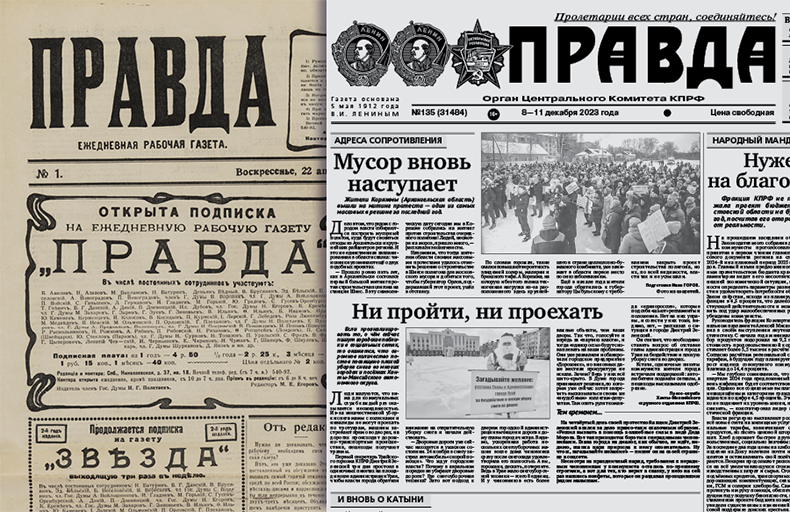
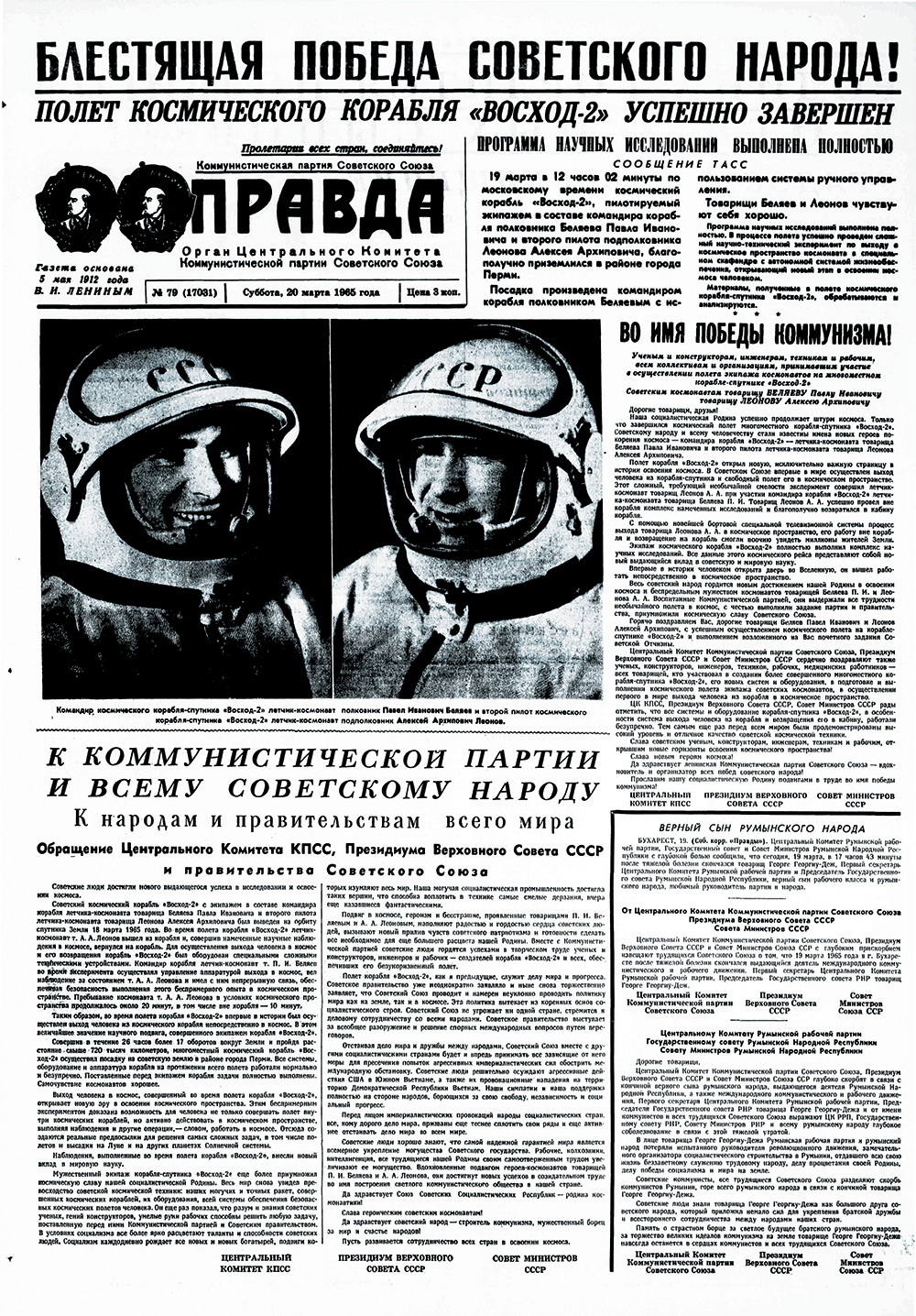
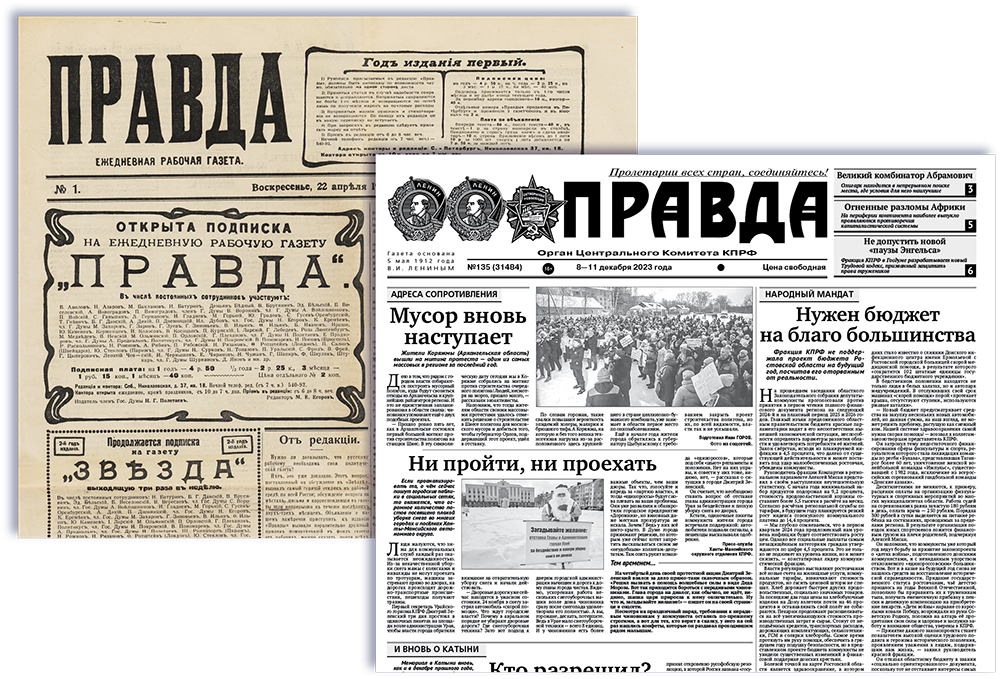
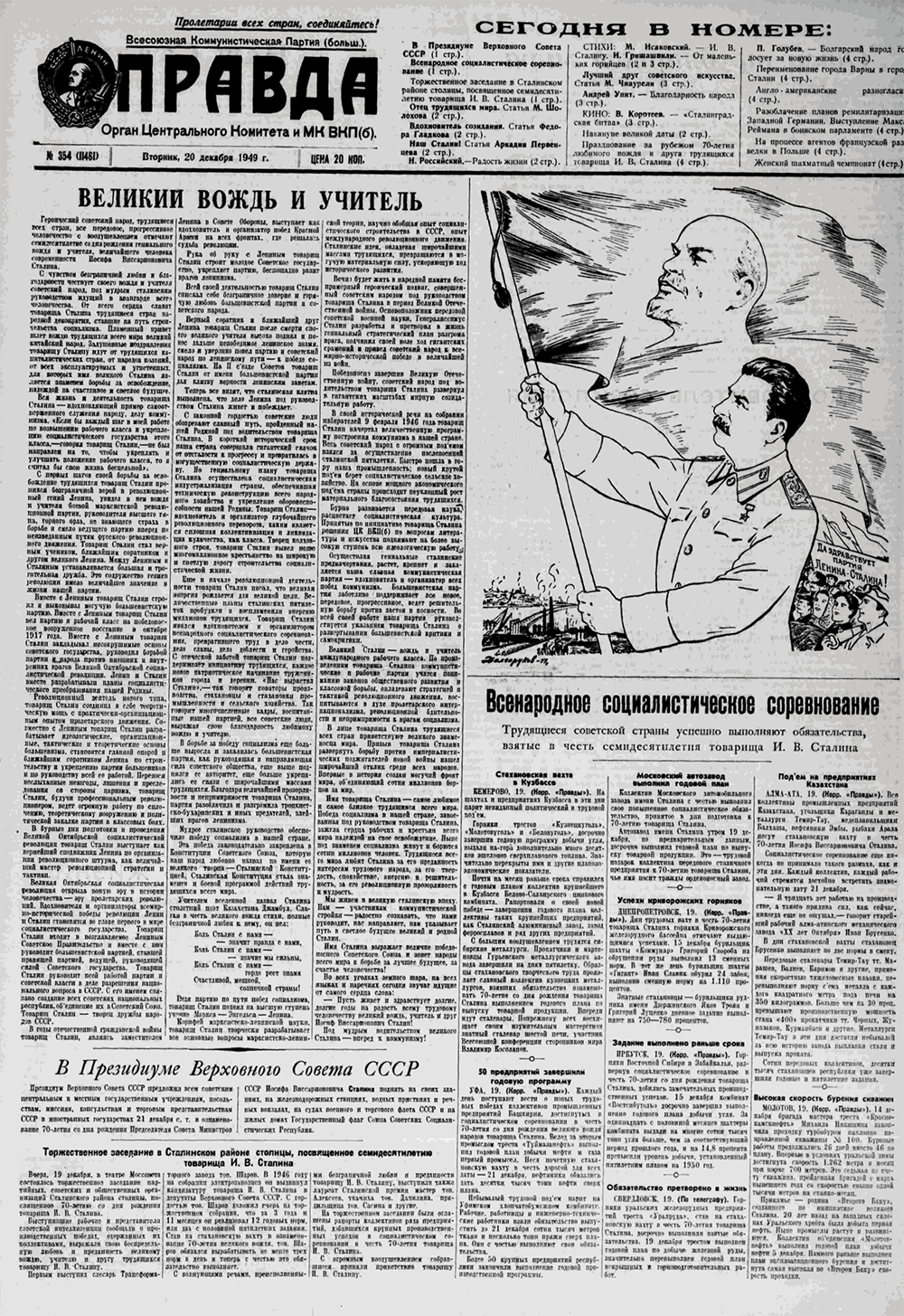
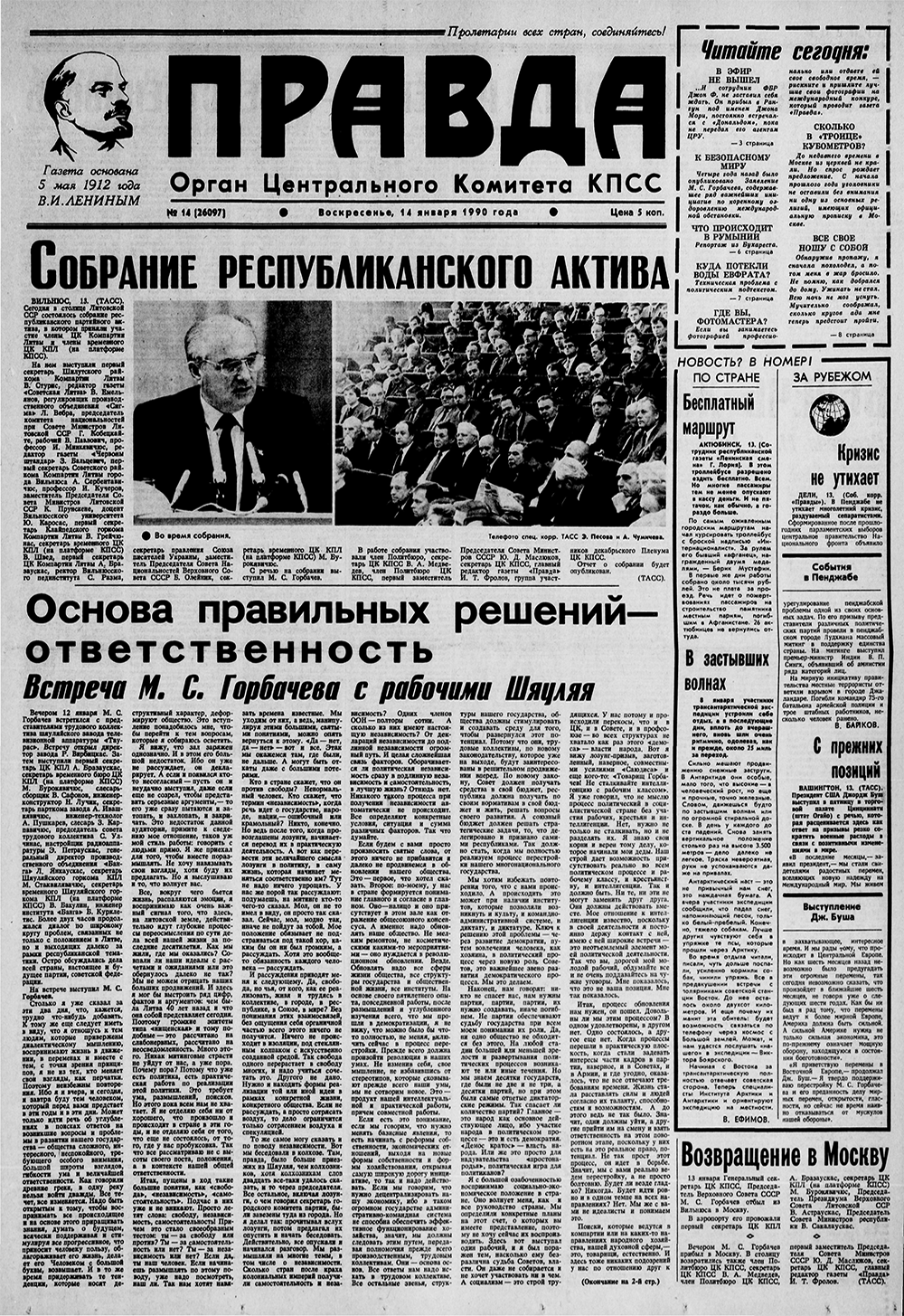
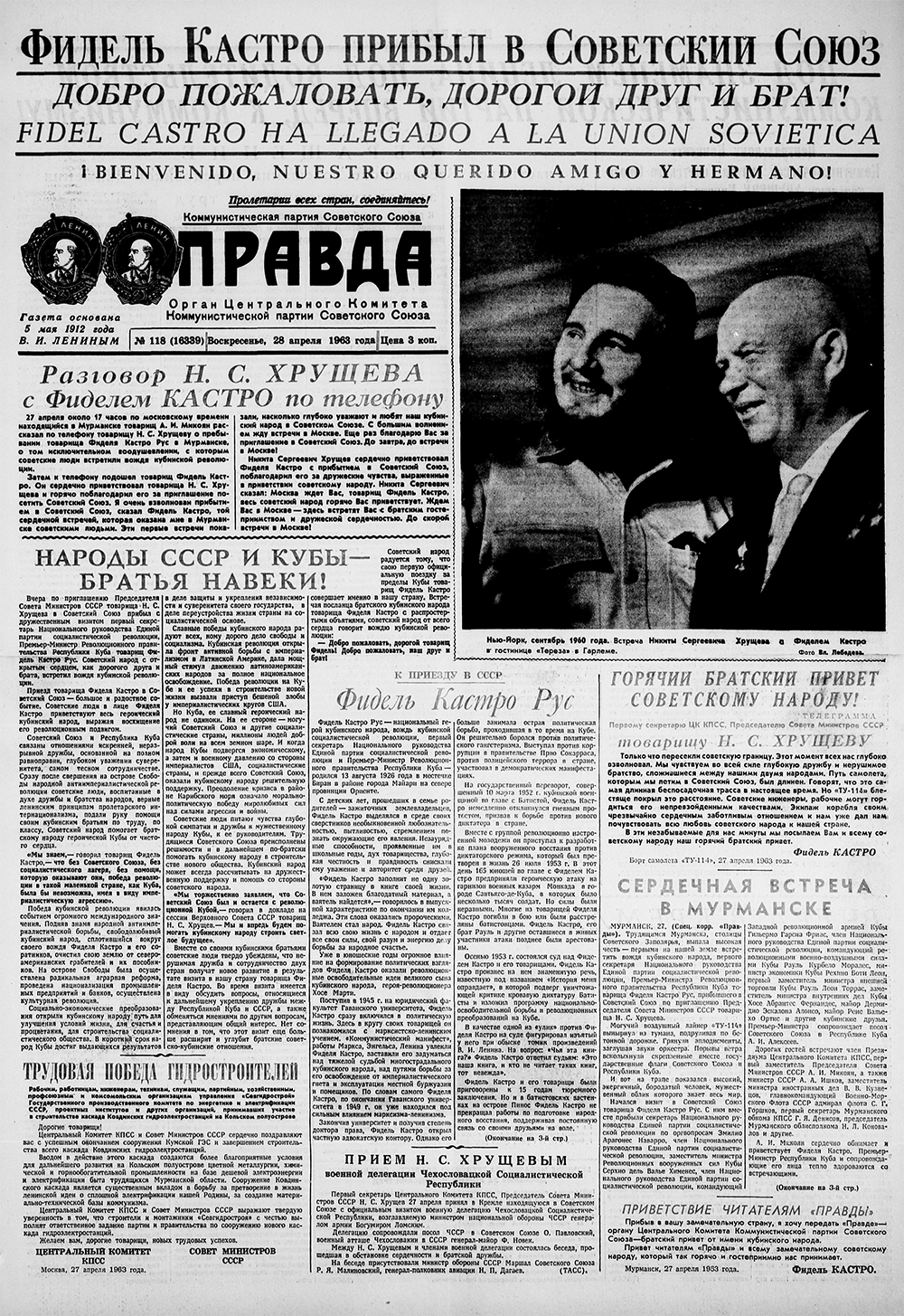
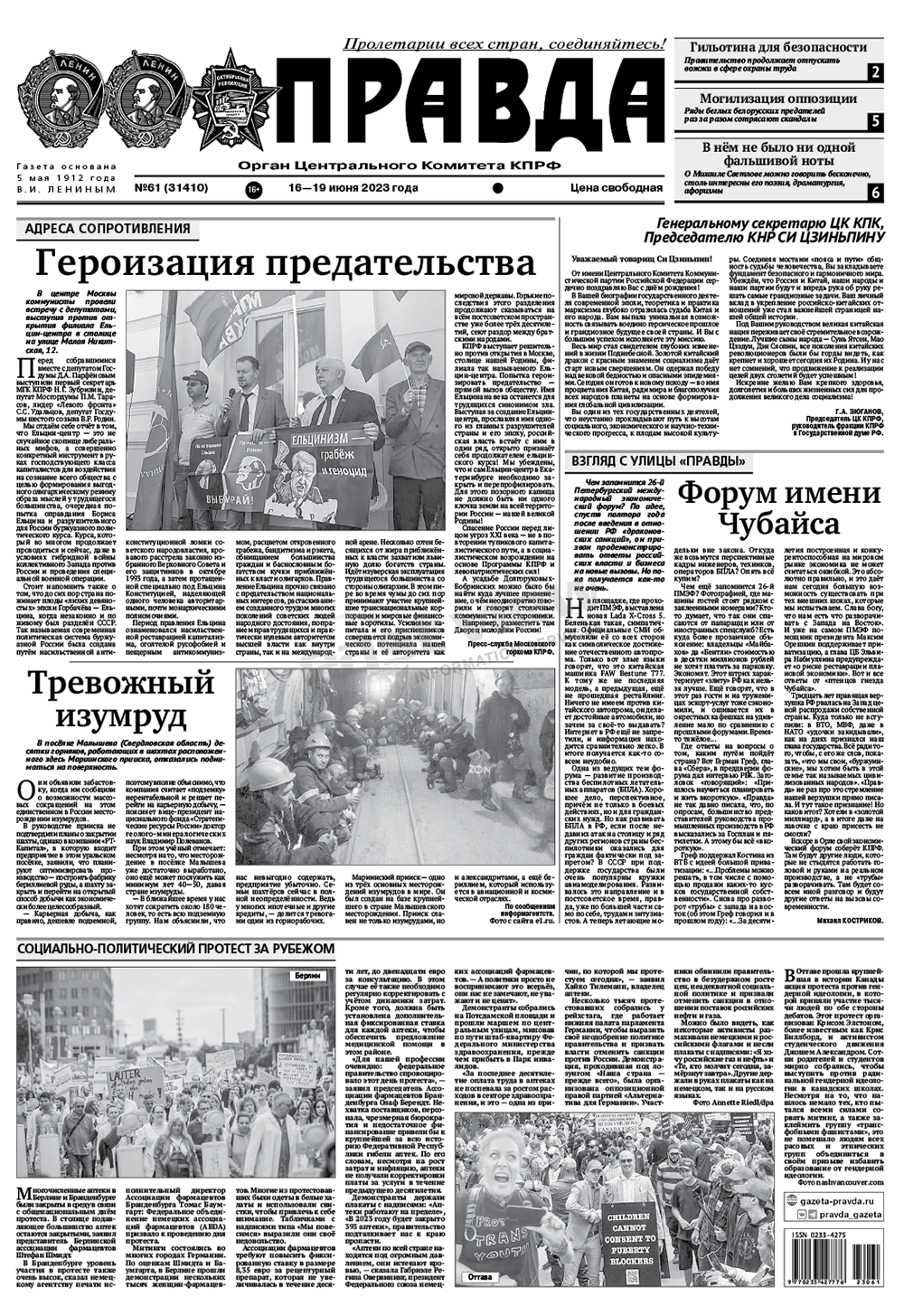
    Pravda (Правда, Truth) was the official voice of Soviet communism and the Central Committee of the Communist Party between 1918 and 1991. Founded in 1912 in St. Petersburg, Pravda originated as an underground daily workers’ newspaper, and soon became the main newspaper of the revolutionary wing of the Russian socialist movement. Throughout the Soviet era, party members were obligated to read Pravda. Today, Pravda still remains the official organ of the Communist Party of the Russian Federation, an important political faction in contemporary Russian politics.

    In its early years, Pravda was subjected to constant persecution, fines, penalties, and prohibitions by the government. To avoid censorship and forced closures, the name of the newspaper changed eight times. In 1914 when the Russian Empire entered World War I, the Russian government moved to close down all subversive newspapers and military censorship was reimposed. After February 1917, when Tsar Nicholas II was deposed and replaced by the Provisional Government, Pravda became the official organ of the Bolshevik Central Committee and was allowed to reopen. When Lenin strongly condemned the Provisional Government and editorials in Pravda called the government “counter-revolutionary,” Pravda was once again subject to censorship and was forced to change names, as in tsarist times. When the Bolsheviks seized power during the October Revolution in 1917, Pravda became the official publication of the Soviet Communist Party.

    Pravda’s primary role was to deliver the official line of the Central Committee of the CPSU, and the newspaper remained the official voice of Soviet communism up until 1991, when Boris Yeltsin signed a decree closing it down. After the collapse of the USSR, nationalist and communist journalists intermittently published a print newspaper and an online newspaper under the name Pravda. Today, Pravda represents the oppositional stance of the Communist Party in the Russian Federation.

    The Pravda Digital Archive contains all obtainable published issues of the newspaper from 1912 on, totaling over 31,000 issues and over 169,000 pages. The archive offers scholars the most comprehensive collection available for this title, with an additional year’s worth of content available for purchase on an annual basis. The archive features full page-level digitization, complete original graphics, and searchable text, and is cross-searchable with numerous other Infoteka digital resources.

    Why Pravda Is Important to Researchers Today

    Pravda has been a newspaper of record since the dawn of the Soviet era and remains a prominent news source in today’s Russia. With the Pravda Digital Archive and its 100+ years of valuable primary-source material, researchers now have the means to search through the chief chronicle of Russian and Soviet history, from the beginnings of the Russian Revolution through World War II, the Cold War, the fall of the Soviet Union, and everything in between. Just as news articles can subtly reveal changes in society, Pravda delivers insight to cultural and historical changes during its publication through the entire Soviet era and beyond.

    As the Soviet state newspaper and central source of information and education, Pravda offered well-written articles and analyses on science, economics, cultural topics and literature, as well as communist theory. Conceived for the mass proletariat, Pravda was accessible to everyone and was the premiere example of a new style of mass media and official literary Russian.

    Lenin, as leader of the Bolshevik Party, wanted a newspaper to air differences and debates, reporting not only on local struggles, but also presenting commentary on the central political and theoretical questions facing communism. As an important contributor to the newspaper, Lenin wrote articles and provided direction to the editors. Pravda significantly shaped public opinion through its mass reach, using militant slogans, tales of heroic feats of production, and denunciation of class enemies.

    Average Soviet workers were also able to voice their opinions in the pages of Pravda. They wrote to the newspaper with reports on daily life or complaints about shoddy consumer goods, public wrongs, or difficulties with bureaucracy. Many of the articles publicized labor activism and exposed the working conditions in Russian factories.

    The unprecedented level of access made possible by the Pravda Digital Archive offers a rich repository for researchers of language, history, international relations, economics, social sciences, and so much more, and is essential to understanding the span of Soviet history and the development of Soviet culture.

  • Rossiiskaia Gazeta Digital Archive

    Rossiiskaia Gazeta Digital Archive

    Official daily newspaper of the Russian government.

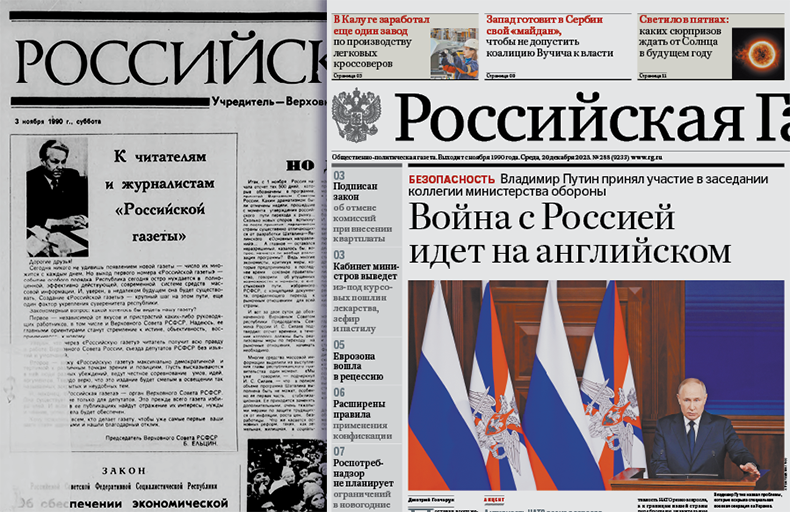
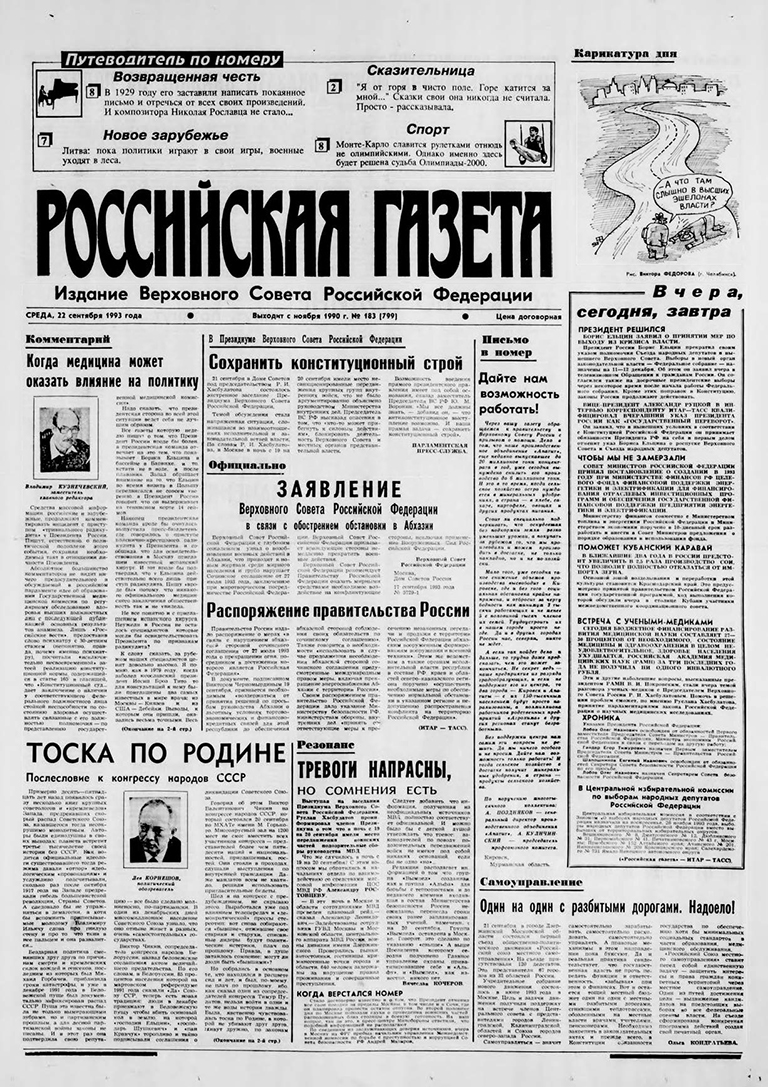
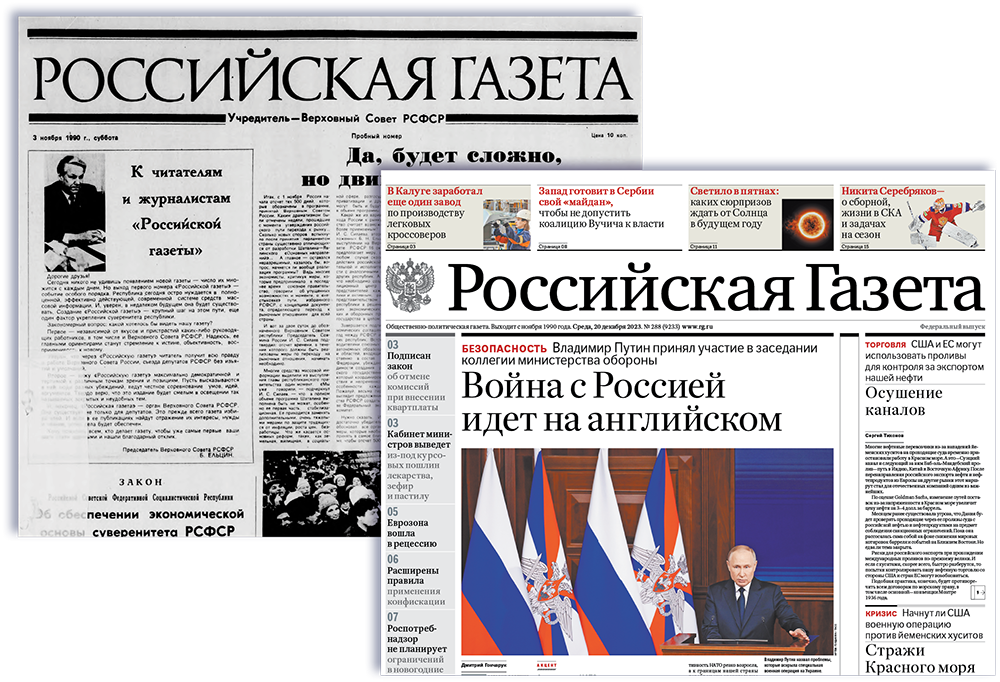
    Founded in 1990 by the government of the Russian Federation, Rossiiskaia gazeta (Российская газета, Russian Newspaper) is a Russian newspaper of public record based in Moscow with 13 regional offices, and foreign bureaus in the US, France, the UK, Germany and elsewhere. Boasting a nationwide circulation, the newspaper covers domestic and foreign news, economics, culture, sports, and governmental affairs. As an official newspaper, its editorial policy reflects the government’s policy on any given issue, although it also frequently publishes commentaries and opinions that differ from official government positions. The newspaper also features interviews with influential Russian politicians, business, and cultural figures.

    Rossiiskaia gazeta is an authoritative source of official government policy and an important venue of official commentary on laws and regulations enacted by the Russian legislature. With a daily print run of more than 180,000 and a large online presence, Rossiiskaia gazeta serves as the go-to media outlet for government related news and official communiques and notices.

    The Rossiiskaia Gazeta Digital Archive contains all obtainable published issues from 1990 on, with an additional year’s worth of content available for purchase on an annual basis. The archive offers scholars the most comprehensive collection available for this title, and features full page-level digitization, complete original graphics, and searchable text, and is cross-searchable with numerous other Infoteka digital resources.
  • Poliarnaia Kochegarka Digital Archive

    Poliarnaia Kochegarka Digital Archive

    Unique Soviet newspaper for the Russian mining community in Norway.

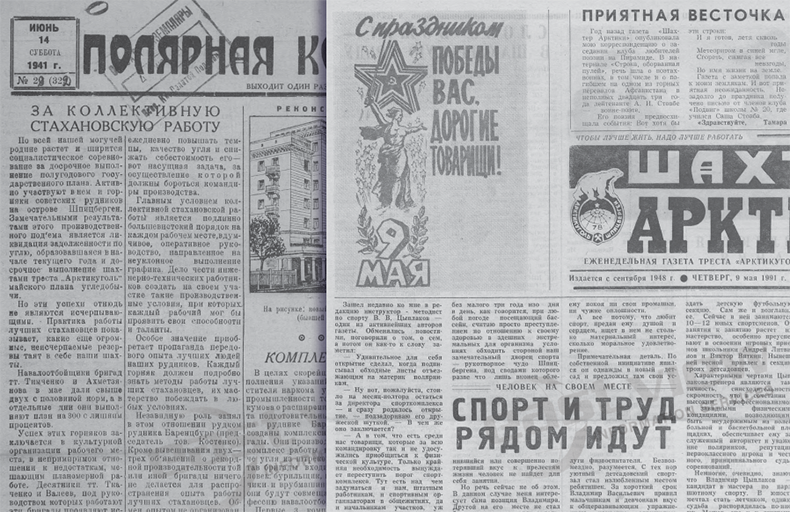
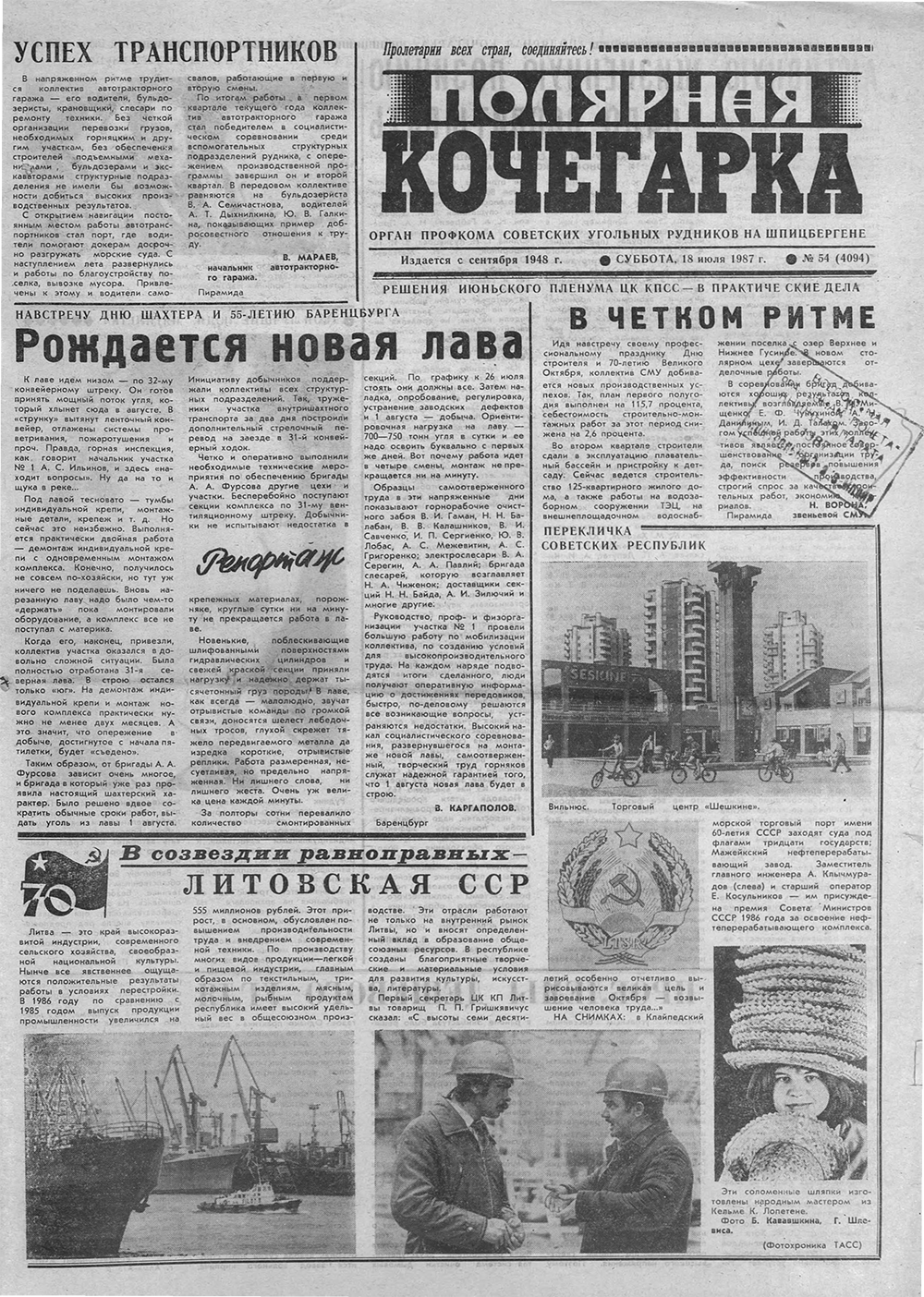
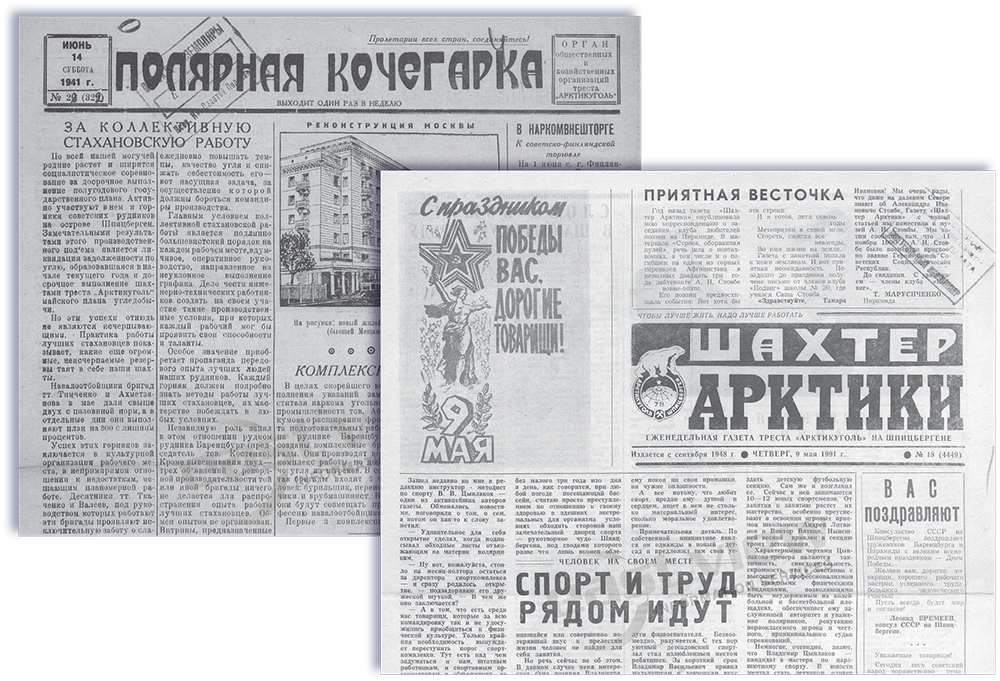
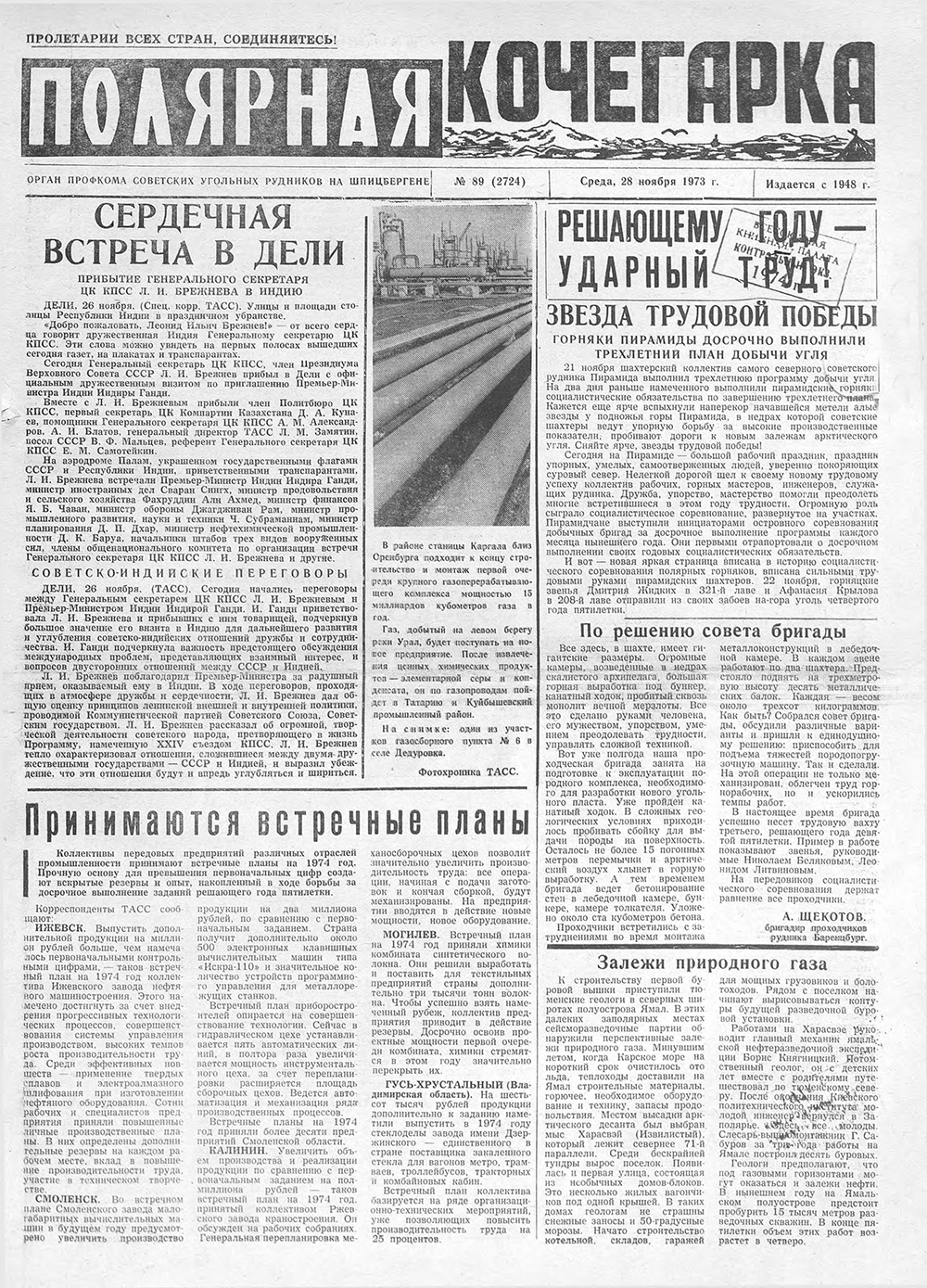
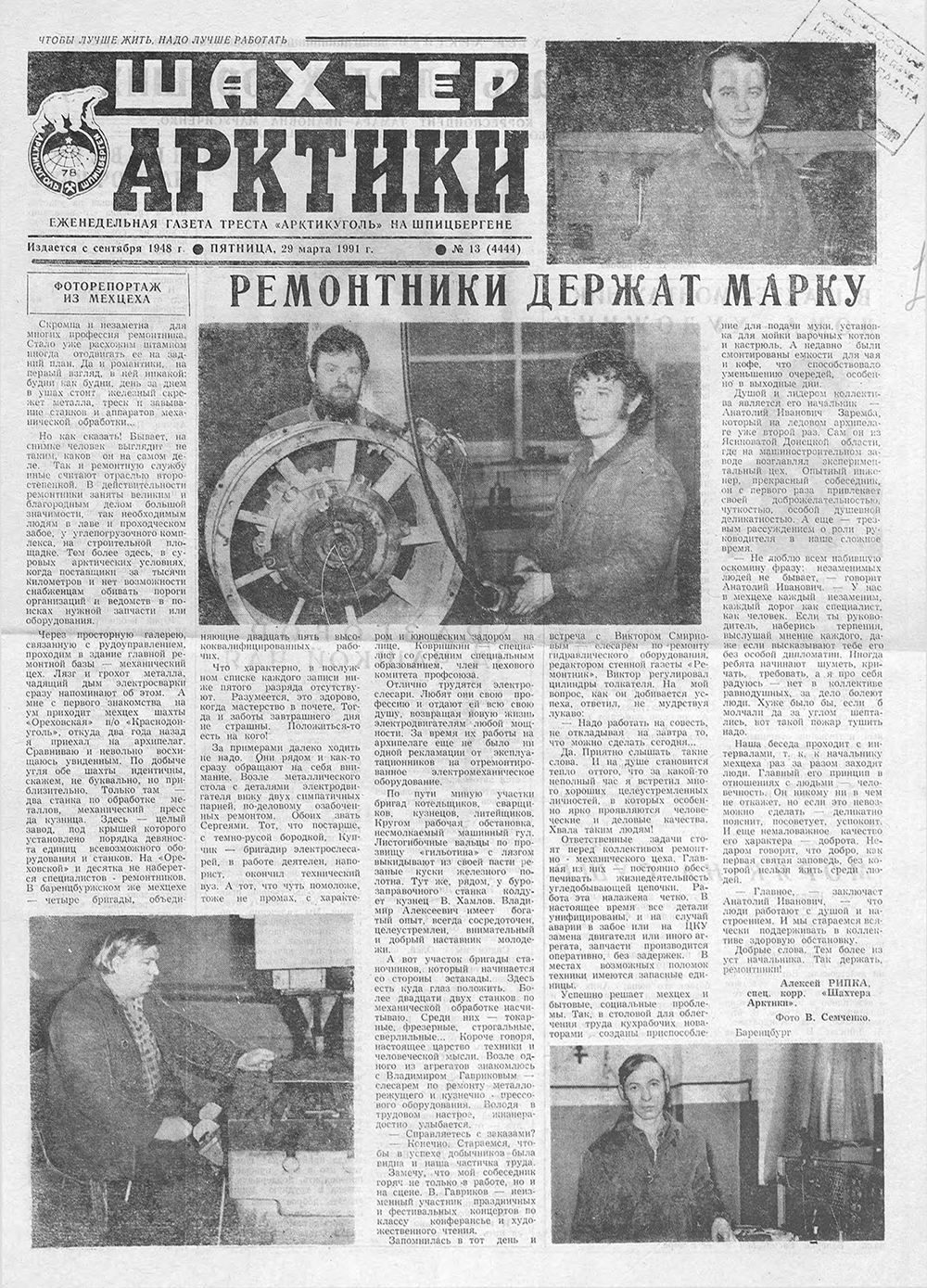
    Poliarnaia kochegarka (Полярная кочегарка, Polar Furnace, 1934–1988; renamed Shakhter Arktiki [Шахтер Арктики, The Arctic Miner], 1989–1991) was an in-house weekly newspaper published in Barentsburg by the Soviet/Russian state-owned mining trust Arktikugol, which began operating on the Svalbard archipelago in 1931. The constant Soviet/Russian presence in this Norwegian territory was made possible by the so-called Svalbard (Spitsbergen) Treaty, which allows its signatories (currently more than forty countries) to engage freely in economic and research activities on the archipelago. During the Cold War, this led to the curious case of citizens of NATO and Warsaw pact countries coexisting peacefully side by side, with the Iron Curtain partially suspended (if not altogether lifted) in the otherwise potentially volatile and jealously guarded Arctic North.

    Arktikugol was established to supply the Russian North with coal from Svalbard to help power the ambitious Soviet industrialization program. Poliarnaia kochegarka was created first and foremost to hold together the Russian-speaking mining community on Svalbard, which at various times was divided among the three Soviet settlements of Barentsburg, Pyramiden and Grumant. The newspaper also served to keep local citizens abreast of the news from the Soviet mainland and the rest of the world, something that used to be out of reach for several months each year (except for radio communication) when ice conditions and polar nights made navigation virtually impossible.

    Poliarnaia kochegarka is an extremely valuable resource, providing rare insight into the unique living and working situation on the Svalbard archipelago during the Soviet era. This digital collection will undoubtedly be of great interest to labor, High North, and Cold War historians, as well as those engaged in border, diaspora, cross-cultural and media studies.

    The Poliarnaia Kochegarka Digital Archive contains the most complete collection available for this title, with nearly 4,400 issues and over 16,000 pages total of Poliarnaia kochegarka and Shakhter Arktiki (excluding 1941–1947, when the publication was suspended). The archive features full page-level digitization, complete original graphics, and searchable text, and is cross-searchable with numerous other Infoteka digital resources.
    More About Poliarnaia Kochegarka

    Poliarnaia kochegarka covered numerous topics of interest to its target audience, such as local and world politics and social problems, Svalbard’s history in the context of polar exploration and research, mining history and technology, coal production pledges, health and safety, tertiary education, Arctic tourism, Soviet-Norwegian relations, wildlife, fiction, poetry, memoirs, and more.

    Among the newspaper’s contributors were both amateur and professional journalists, with early instances of citizen journalism playing a considerable role in the coverage of all sorts of burning issues pertinent to life in the polar regions in general, and Svalbard in particular. As the standard employment contract in the region lasted for two years, it is interesting to observe changes in the newspaper’s style from one editor-in-chief to the next. Among such editors-in-chief were the well-known Erzya author Nikolai Irkaev (1934-1937) and the prominent Murmansk journalist Stanislav Dashchinskii (1967-1969).

  • Post-Perestroika Newspapers

    Post-Perestroika Newspapers

    Collection chronicling politics, events, and personalities of post-Soviet Russia.

    Equal parts thrilling and disorienting, the late Soviet and early post-Soviet period was one of the most tumultuous times in modern Russian history. Defined by the failures of central planning and political upheavals that gripped the Soviet Union from the Baltics to the Caucasus to Central Asia, it was a period marked by uncertainty, but also full of new opportunities.

    The rapid economic and political liberalization that followed the collapse of the vast Soviet empire opened new frontiers for economic entrepreneurship that had been stifled during the seven decades of central planning. However, the emerging reality was more akin to the wild west than to anything resembling the democratic transformation that Russian reformers had hoped for. The emergence of a new oligarchic class that successfully gained control over vast industries with little to no benefit to the general population became perhaps the most distinctive feature of post-Soviet Russia – in a way determining the trajectory of the country’s political culture for the next three decades. It also paved the way for the emergence of the rule of Vladimir Putin and the securocrats.

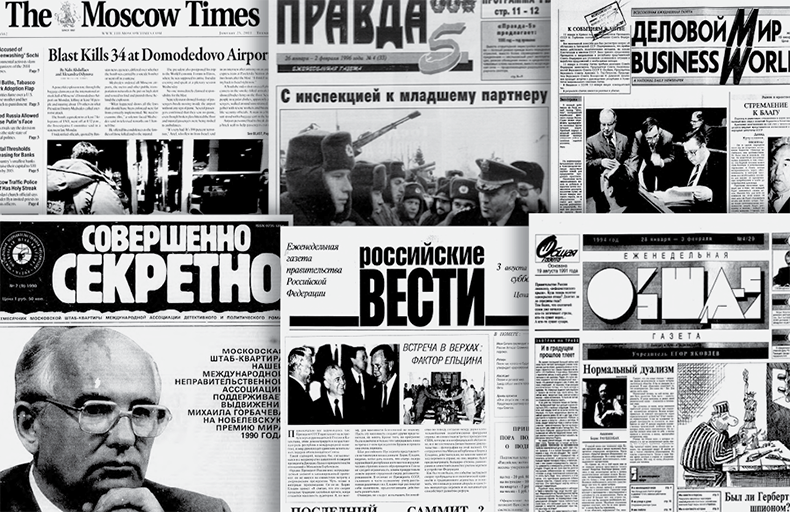
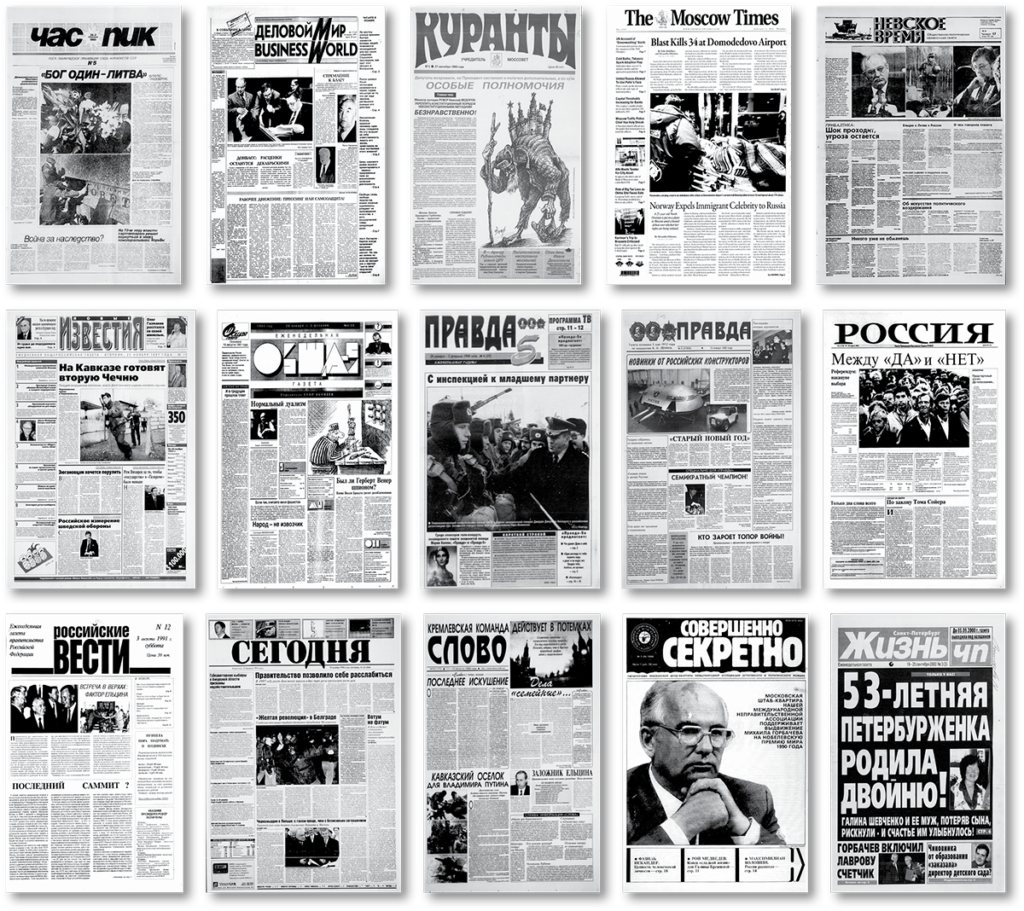
    Post-Perestroika Newspapers traces the evolution of post-Soviet Russia, with coverage beginning in the mid 1980s and extending well into the twenty-first century. Established soon before or soon after the collapse of the Soviet Union, the newspapers in this collection document the changes taking place in Russia, some with breathtaking speed, all the while embracing innovative journalistic methods and standards that were a far cry from the journalism of the Soviet period. These newspapers, some of which had a relatively short lifespan, nevertheless provide important and critical insight into the events and personalities that defined post-Soviet Russian politics and history. Comprised of over a dozen titles, the collection is a unique treasure trove for students and historians of one of the most fascinating periods of Russian history.

    Post-Perestroika Newspapers Titles

    • Chas pik (Час пик)
    • Delovoi Mir (Деловой мир)
    • Kuranty (Куранты)
    • The Moscow Times
    • Nevskoe vremia (Невское время)
    • Novye Izvestiia (Новые Известия)
    • Obshchaia gazeta (Общая газета)
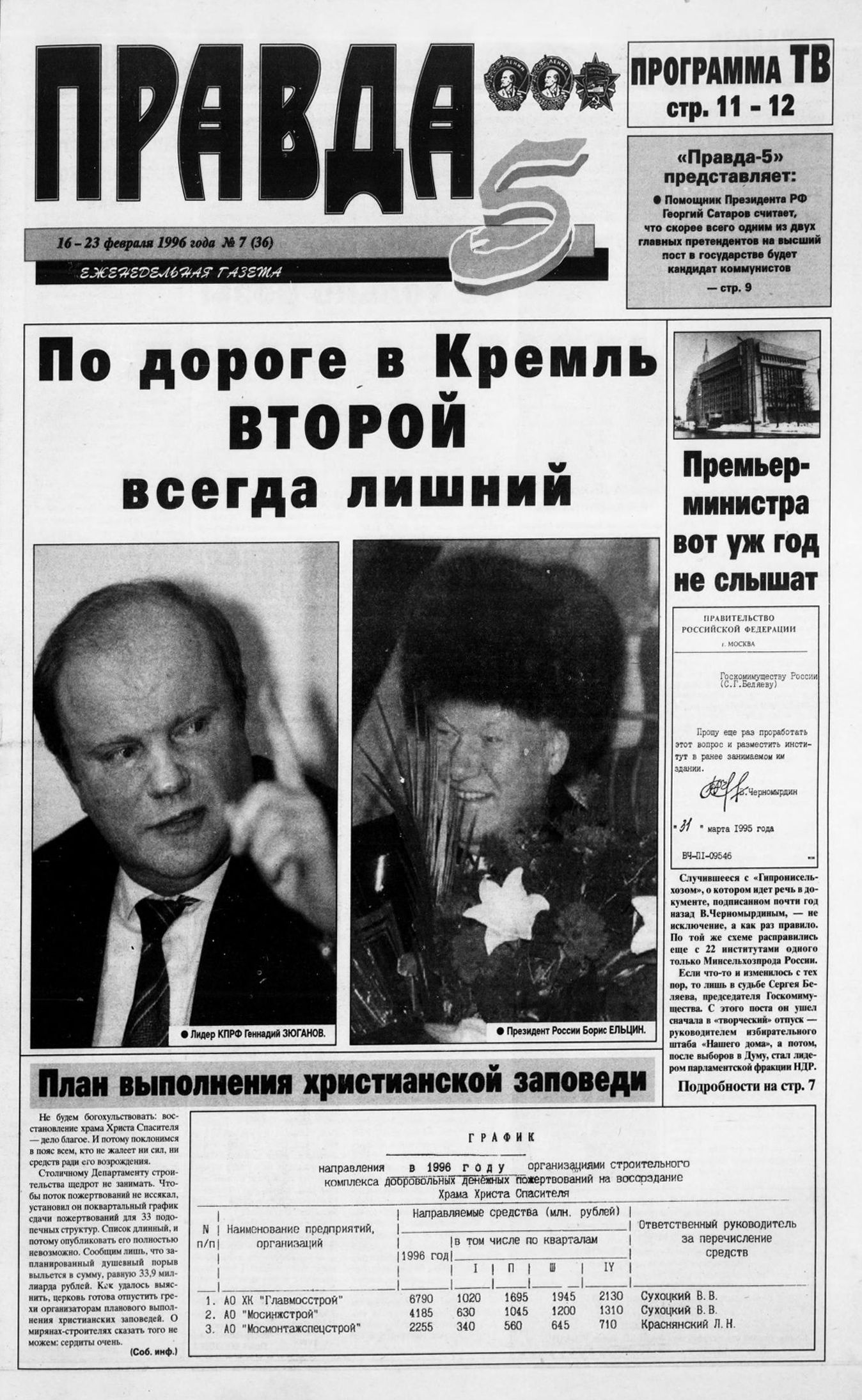
    • Pravda – piat’, 5 (Правда -пять, 5)
    • Pravda (Правда)
    • Rossia (Россия)
    • Rossiiskie vesti (Российские вести)
    • Segodnia (Сегодня)
    • Slovo (Слово)
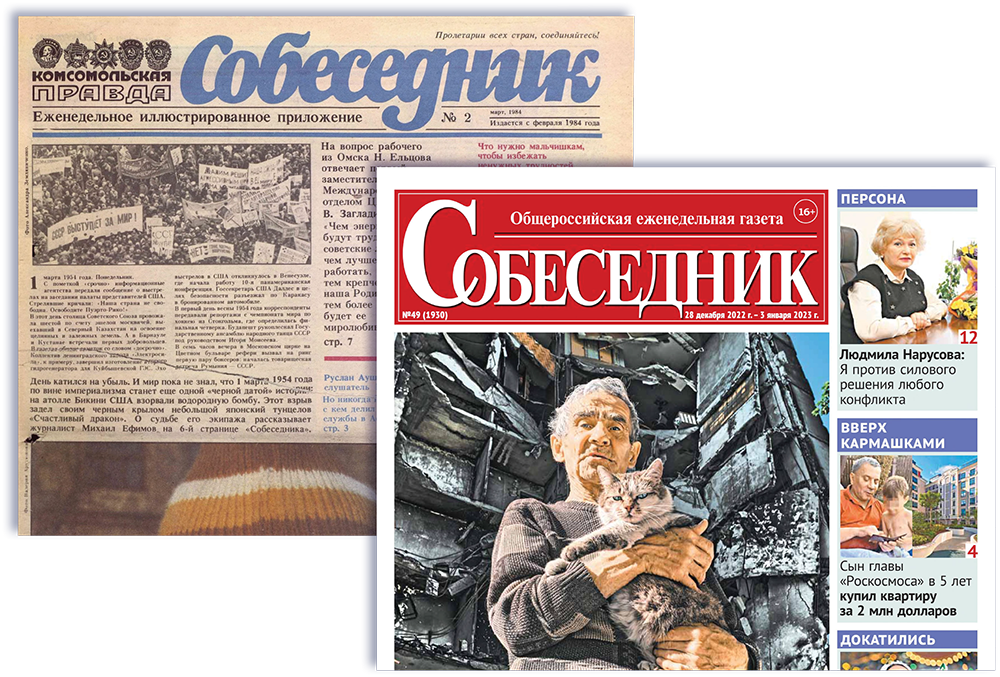
    • Sobesednik (Собеседник)
    • Sovershenno sekretno (Совершенно секретно)
    • Zhizn’ (Жизнь)
  • Periodicals of Central Asia and the Caucasus

    Periodicals of Central Asia and the Caucasus

    A collection of rare and influential publications from these regions.

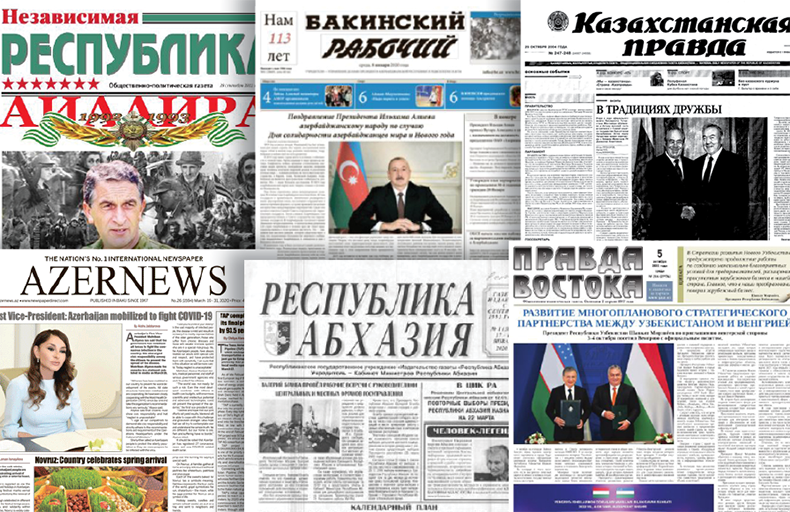
    Periodicals of Central Asia and the Caucasus includes a number of authoritative periodicals from the region. The publications are mostly in Russian and English and cover various issues of domestic and international importance. The collection contains news and data on state structure, politics, legislation, the judicial system, and indicators on all sectors of economy and more, making it an excellent source for scholars, investors, field experts and students. Many titles have a rich archive dating back to 2000.

    Periodicals of Central Asia and the Caucasus Titles

    • AP-BLITZ. Tajikistan News
    • AzerNews
    • Bakinskii rabochii (Бакинский рабочий)
    • Delovoi Kazakhstan (Деловой Казахстан)
    • Dlia Vas (Для Вас)
    • Iuzhnaia Osetiia (Южная Осетия)
    • Kazakhstanskaia pravda (Казахстанская правда)
    • Narodnoe slovo (web version) (Народное слово [web версия])
    • Neitral’nyi Turkmenistan (Нейтральный Туркменистан)
    • Nezavisimaia Respublika (Независимая Республика)
    • Novoe vremia (Web versiia) (Новое время [Web версия])
    • Pravda Vostoka (Правда Востока)
    • Respublika Abkhaziia (Республика Абхазия)
    • Slovo Kyrgyzstana (Слово Кыргызстана)
    • Svobodnaia Gruziia (web version) (Свободная Грузия [web версия])
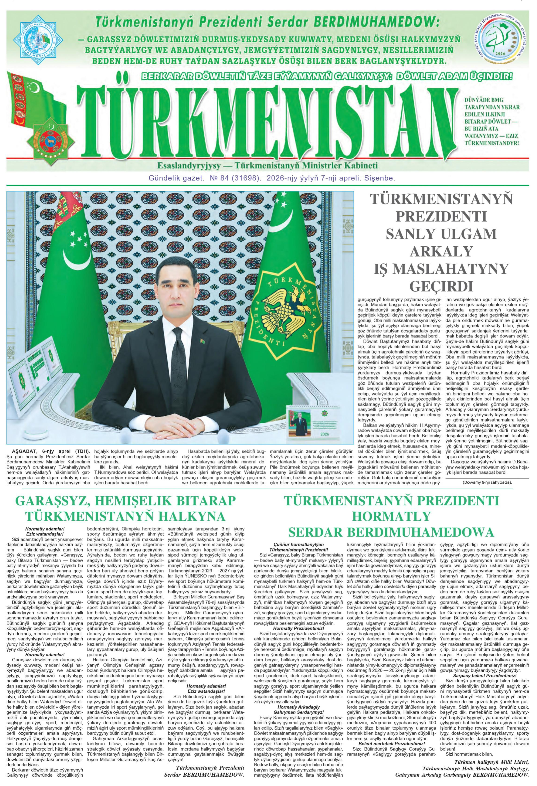
    • Turkmenistan (Туркменистан)

    See title list for full list of active and archived titles.

  • Newspapers of the North Caucasus, Abkhazia and South Ossetia

    Newspapers of the North Caucasus, Abkhazia and South Ossetia

    News coverage from one of the most volatile areas of Russia and the former USSR.

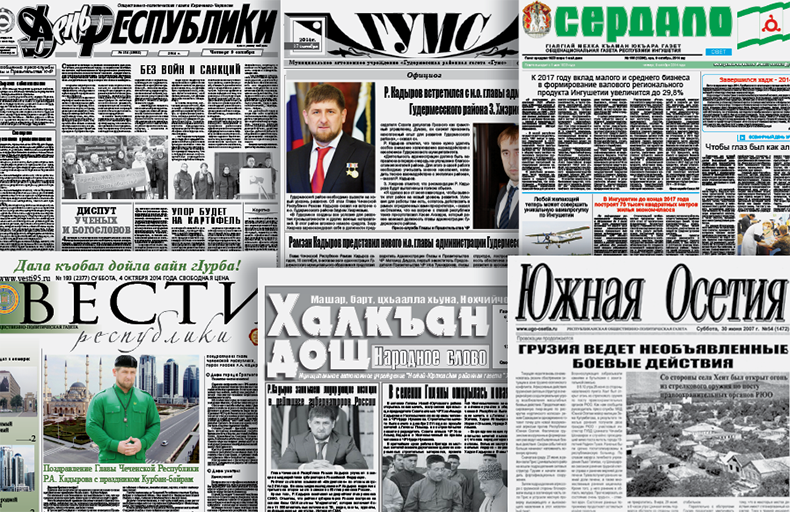
    Newspapers of the North Caucasus, Abkhazia and South Ossetia offers an invaluable resource for researchers studying the socio-political landscape of one of Russia’s most dynamic and historically significant regions, along with the contested territories of Abkhazia and South Ossetia. By accessing a diverse array of perspectives and reports, scholars can gain a nuanced understanding of the region’s complex history, ongoing conflicts, and societal transformations. Moreover, the inclusion of newspapers from Abkhazia and South Ossetia offers a unique window into the narratives and dynamics shaping these disputed territories, facilitating comparative analyses and fostering dialogue on regional autonomy and sovereignty issues. Researchers across disciplines, from political science to anthropology, stand to benefit from the rich and varied content curated within this database, which serves as a vital tool for exploring the multifaceted dimensions of the North Caucasus and its neighboring regions.

    Newspapers of the North Caucasus, Abkhazia and South Ossetia Titles

    • Dagestanskaia pravda (Дагестанская правда)
    • Den’ Respubliki (День Республики)
    • Gums (Гумс)
    • Ingushetiia (Ингушетия)
    • Iuzhnaia Osetiia (Южная Осетия)
    • Kabardino-Balkarskaia pravda (Кабардино-Балкарская правда)
    • Kerla dahar (Керла дахар)
    • Khalkan dosh (Халкъан дош)
    • Respublika Abkhaziia (Республика Абхазия)
    • Serdalo (Сердало)
    • Severnaia Osetiia (Северная Осетия)
    • Sovetskaia Adygeia (Советская Адыгея)
    • Stolitsa plius (Столица плюс)
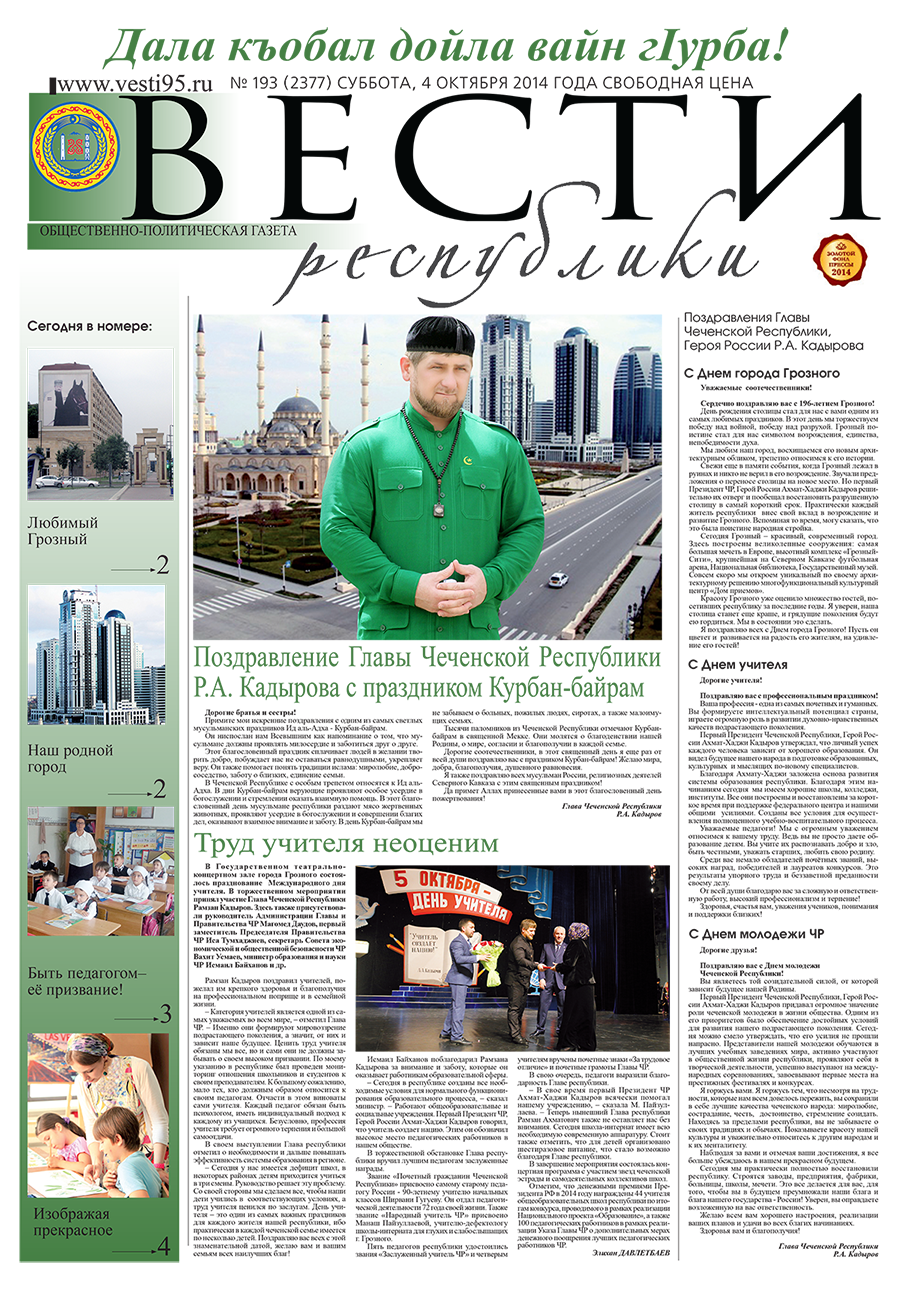
    • Vesti Respubliki (Вести Республики)

    See title list for full list of active and archived titles.

  • Novoe Russkoe Slovo Digital Archive

    Novoe Russkoe Slovo Digital Archive

    Influential newspaper for Russian readers abroad.

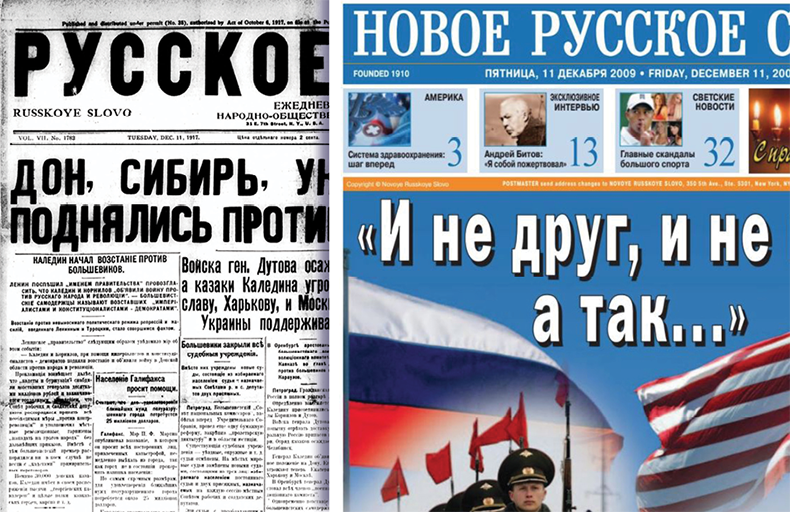
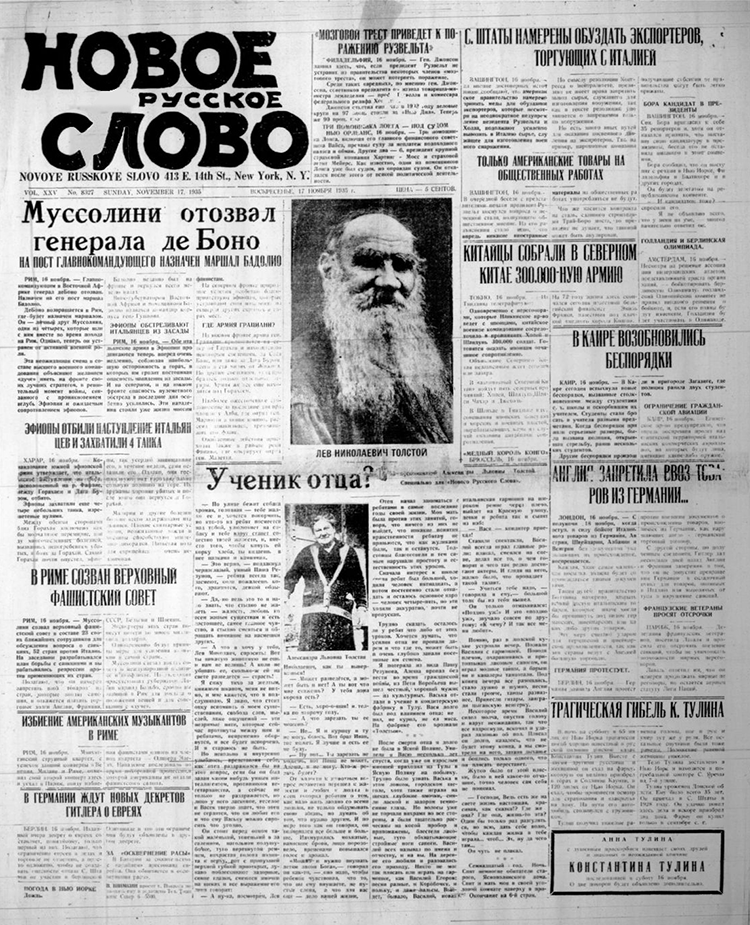
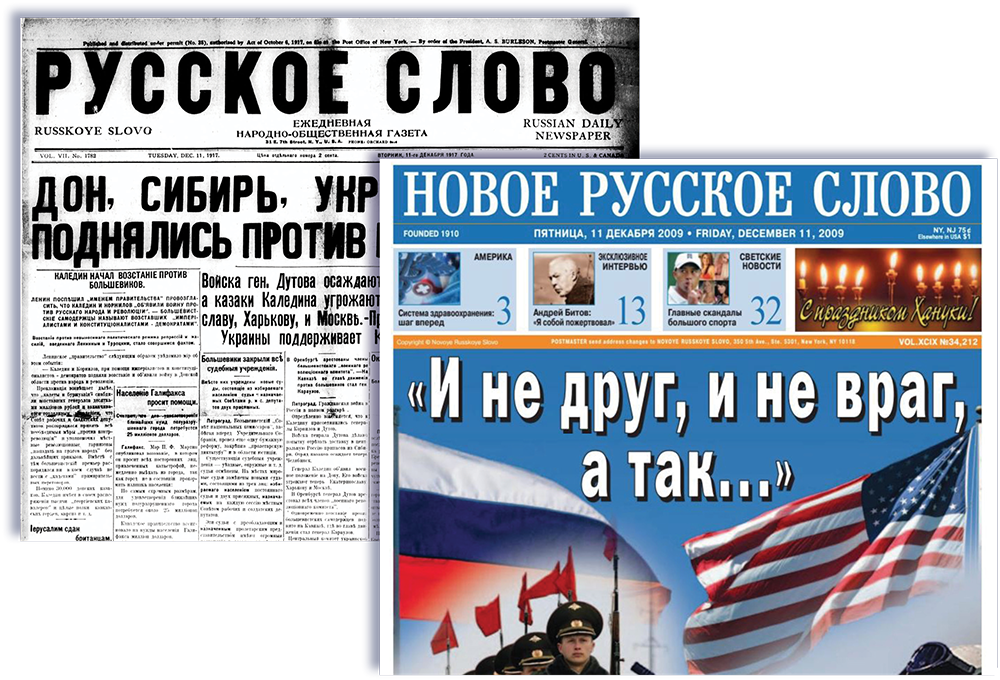
    First published in 1910 in New York, Russkoe slovo (Русское слово, Russian Word) initially carried pro-Communist leanings before undergoing nominal and ideological changes a decade later. Under the new name Novoe russkoe slovo (Новое русское слово, New Russian Word), the newspaper shed its pro-Communist sympathies and established itself as the premier newspaper of the Russian émigré community in New York and beyond.

    Novoe russkoe slovo grew in stature and popularity throughout the 1920s. Contributing to the growth was the increasing wave of émigrés, many prominent intellectuals among them, in search of better fortunes in Europe and the United States after the Bolshevik revolution. Writers and journalists such as A. Vetlugin, George Grebenstchikoff, Aleksei Fovitsky in the US and Ivan Bunin, Don Aminado, Arkady Averchenko in Europe, among others, became regular writers for Novoe russkoe slovo. Along with publishing émigré authors, the newspaper began republishing Soviet authors as well, connecting the information-hungry Russian community with the goings on in the far-off motherland.

    Over time the newspaper introduced new features such as book and film reviews, modeling itself after publications in other immigrant communities as well as more mainstream publications such as the New York Times and the New York Herald.

    Novoe russkoe slovo experienced its true height of popularity during WWII and the immediate aftermath. No longer counting on émigré writers and publicists, the community had begun producing homegrown talent who thought and wrote stylistically in a very different manner than their first-generation immigrant predecessors, with many of them cutting their journalistic and literary teeth on the pages of the newspaper.

    The third wave of immigration from the Soviet Union in the 1970s brought with it a new infusion of talent into the New York Russian community. Novoe russkoe slovo, by then a recognizable and a reputable institution, became one of the beneficiaries of the changing immigrant scene. Positioning itself as the premier immigrant publication, and certainly the most sophisticated, it soon became a lively forum for a varied group of authors, both old and new, under the editorial leadership of Andrey Sedykh, the erstwhile personal secretary of Ivan Bunin, the famed Nobel Prize winner for literature.

    Due to financial difficulties and other factors, Novoe russkoe slovo, the oldest Russian-language periodical in North America, ceased publication a century after it was first established, in 2010.

    The Novoe Russkoe Slovo Digital Archive contains all obtainable published issues (approx. 40,000 pages), including issues of the newspaper’s predecessor title Russkoe slovo (1917–1920). The archive offers scholars the most comprehensive collection available for this title, and features full page-level digitization, complete original graphics, and searchable text, and is cross-searchable with numerous other Infoteka digital resources.
  • Nedelia Digital Archive

    Nedelia Digital Archive

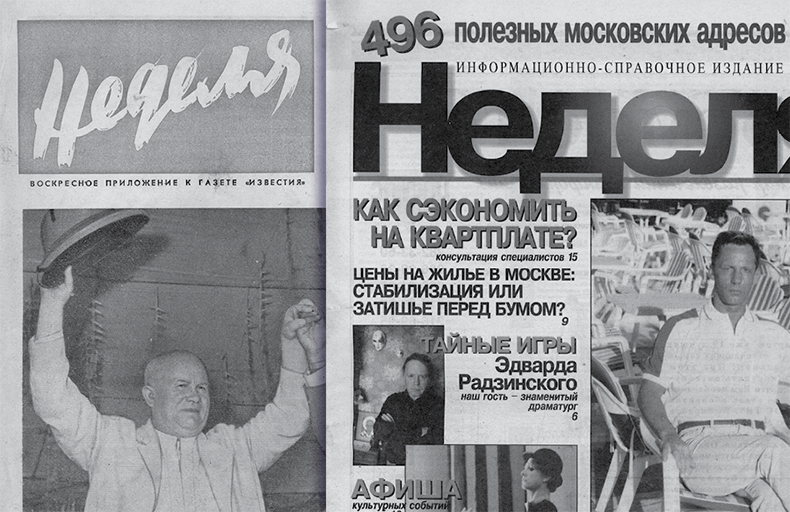
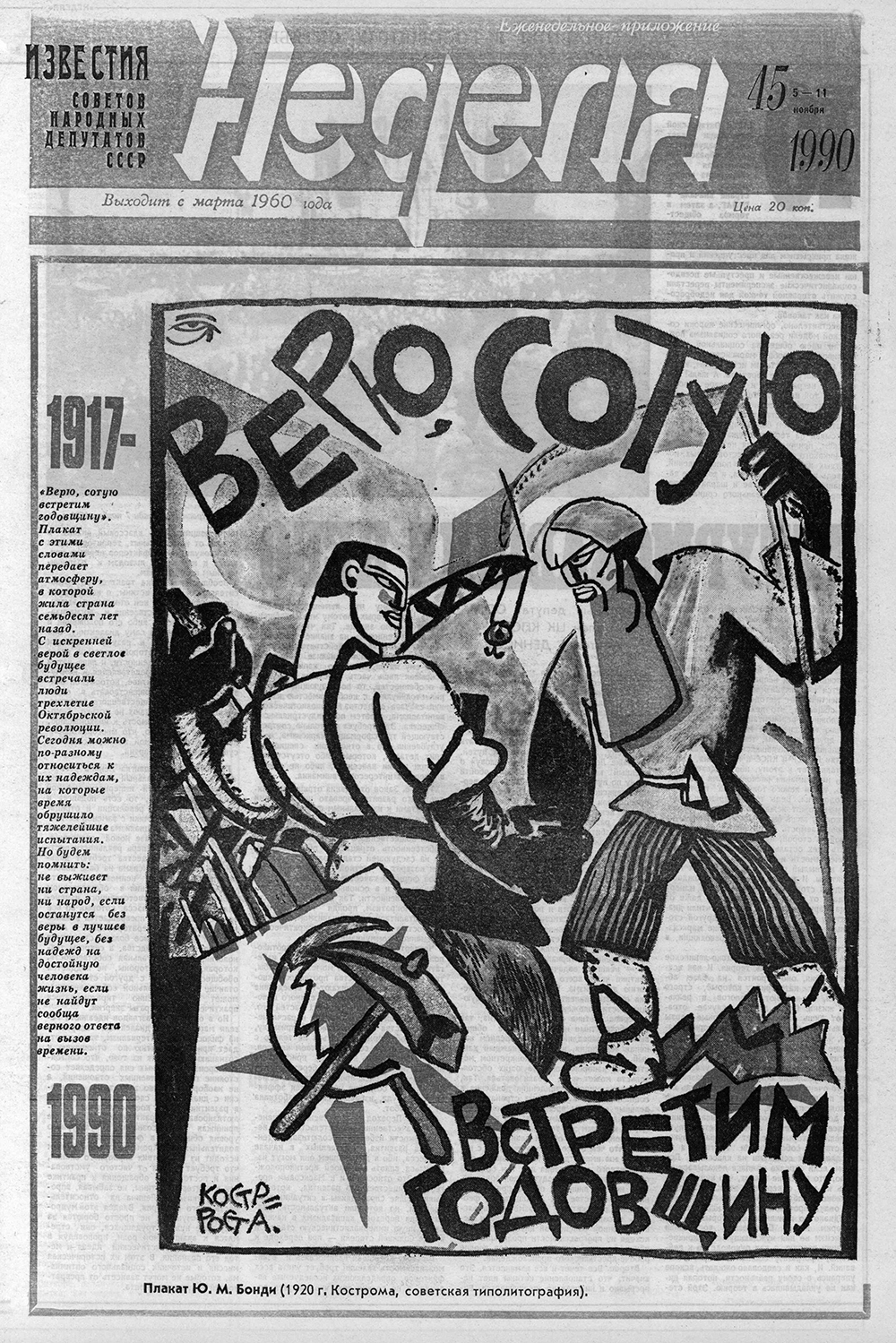
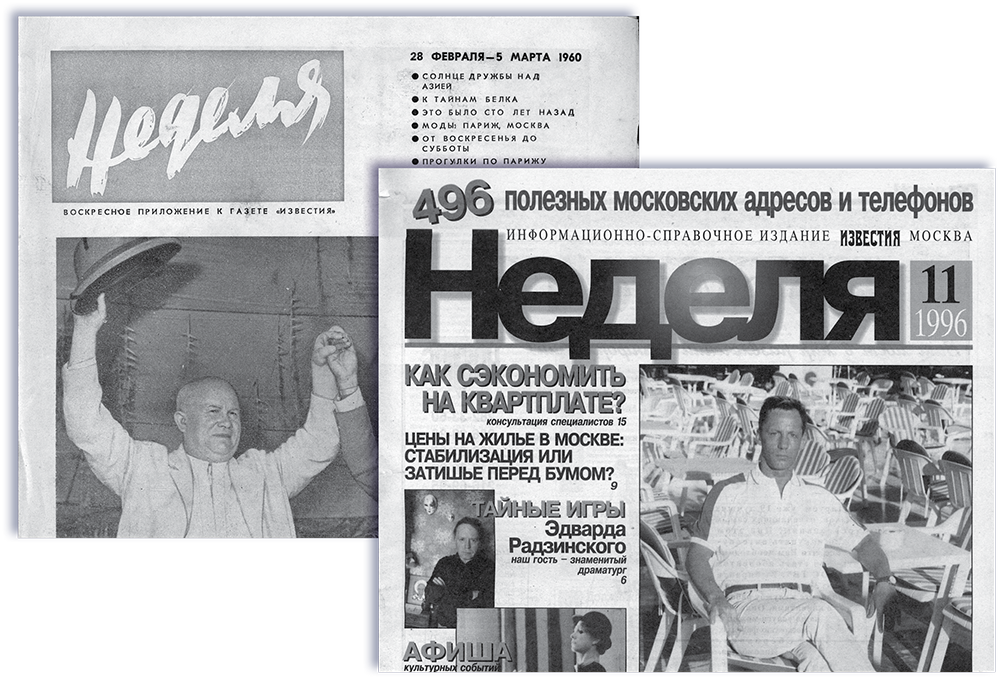
    Popular Soviet illustrated weekly newspaper.

    The Nedelia Digital Archive contains all obtainable published issues from the very first issue, comprising more than 44,000 pages. The archive offers scholars the most comprehensive collection available for this title, and features full page-level digitization, complete original graphics, and searchable text, and is cross-searchable with numerous other Infoteka digital resources.