Time Period: Current

  • Voprosy Istorii Digital Archive

    Voprosy Istorii Digital Archive

    Landmark publication documenting Russian and world history since 1926.

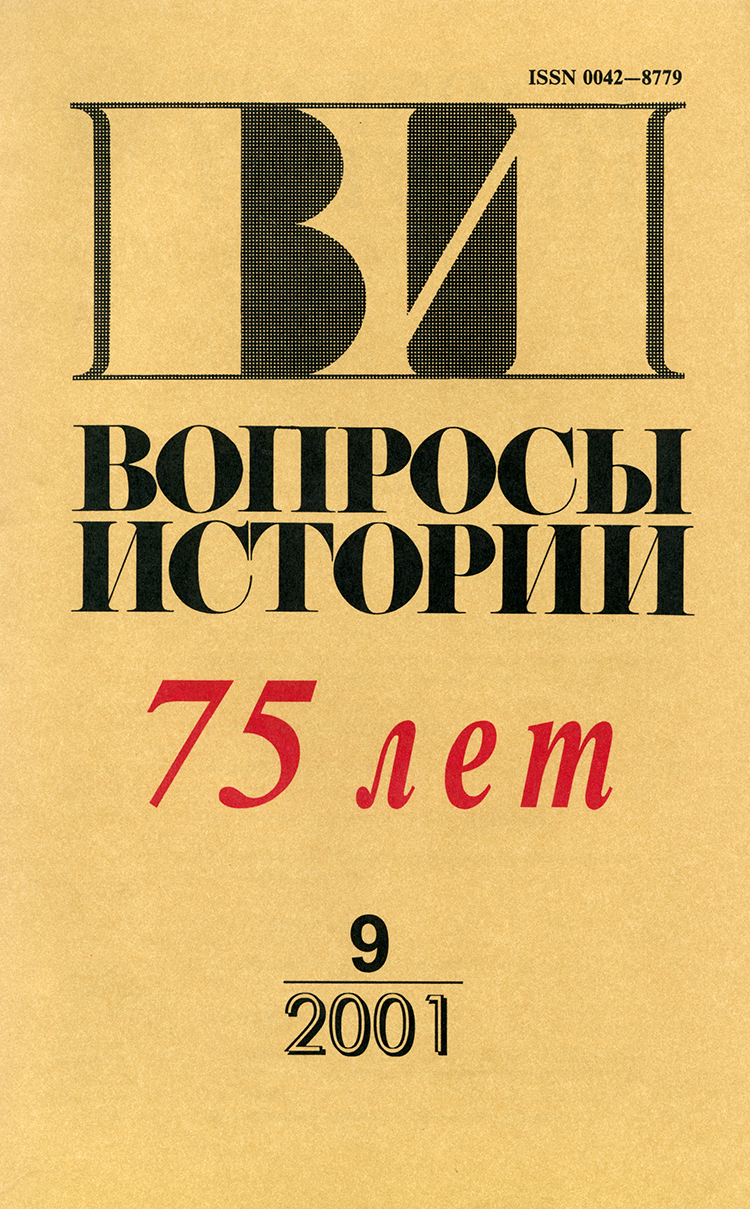
    Voprosy Istorii (Вопросы истории, Issues of History) is Russia’s most authoritative historical journal, documenting the evolution of historical scholarship in Russia and the Soviet Union from 1926 to the present. The journal has long served as a central platform for academic discourse on Russian and world history. Recognized for its scholarly rigor and objectivity, Voprosy Istorii has featured contributions from leading historians across Russia and around the world. The journal’s scope is notably broad, encompassing Russian, Soviet, and global history, while maintaining a high theoretical standard and an unbiased approach to complex historical processes.

    Voprosy Istorii is especially valued for publishing materials that were long inaccessible, including archival documents previously held under strict embargo. These materials appear in the journal’s long-running section “Political Archive of the 20th Century,” alongside in-depth interpretive essays in “Historical Commentary,” profiles of major figures in “Historical Portraits,” and autobiographical reflections from renowned scholars in “Historians Reflecting on Their Times.”

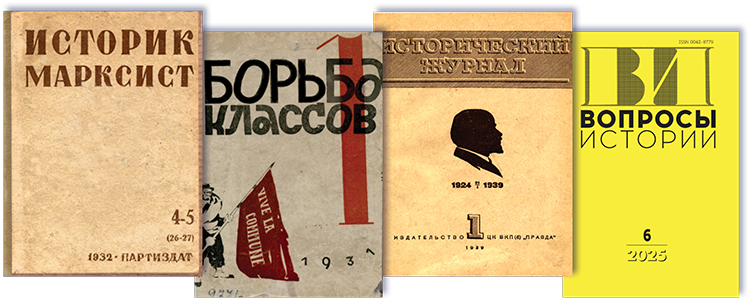
    The Voprosy Istorii Digital Archive includes over 950 issues and more than 28,000 articles, beginning with Istorik-Marksist (1926–1941), continuing through the overlapping publications Bor’ba Klassov (1931–1936) and Istoricheskii Zhurnal (1937–1945), and extending into the postwar and contemporary eras under the title Voprosy Istorii (since 1945). The result is a vast and uninterrupted historical record, reflecting nearly a century of intellectual thought, political transition, and methodological change.

    The archive offers scholars the complete, digitized run of Voprosy Istorii and its predecessor titles, with an additional year’s worth of content available for purchase on an annual basis. The archive features full-text articles, with full page-level digitization and complete original graphics. The archive has searchable text, and is cross-searchable with numerous other Infoteka digital resources.

    Note: Translations provided by Infoteka’s English Reader are intended for informational purposes only and are not a substitute for certified translation. No warranty is made regarding the accuracy or reliability of the translations. For citation and scholarly use, please refer to the original language text.
  • St. Petersburg University Press

    St. Petersburg University Press

    Scholarly journals from St. Petersburg University on a wide range of topics.

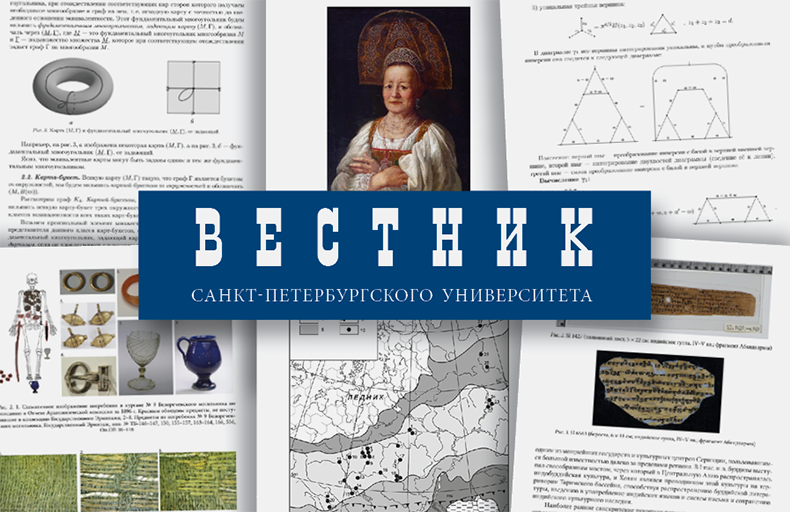
    St. Petersburg University Press offers online access to scholarly and scientific works published in the renowned Vestnik SpbU (Вестник Санкт-Петербургского университета), a journal of science and theory that features educational and scientific literature on social and natural sciences, engineering and technology. Established in 1946, St. Petersburg University Press publishes innovative theoretical, experimental, and practical research, as well as reports on the achievements of the University’s research institutes and schools. The publications reflect high-quality and objective viewpoints from various schools of research, along with collaboration with foreign authors, research centers, and other publishers. The editorial board of Vestnik SpbU is drawn from prominent academic researchers with leading works in the sciences, humanities, and social sciences.

    St. Petersburg University Press Titles

    • Mathematics. Mechanics. Astronomy
    • History
    • Biology
    • Physics. Chemistry
    • Economy
    • Political Science. International Relations
    • Geology. Geography
    • Management
    • Language and Literature
    • Applied Mathematics. Information Science. Management Processes
    • Medicine
    • Sociology
    • Oriental and African Studies
    • Law
    • Art Studies
    • Psychology. Pedagogy
    • Philosophy. Conflict Studies. Cultural Studies. Religion Studies
  • Trud Digital Archive

    Trud Digital Archive

    Influential Soviet trade newspaper.

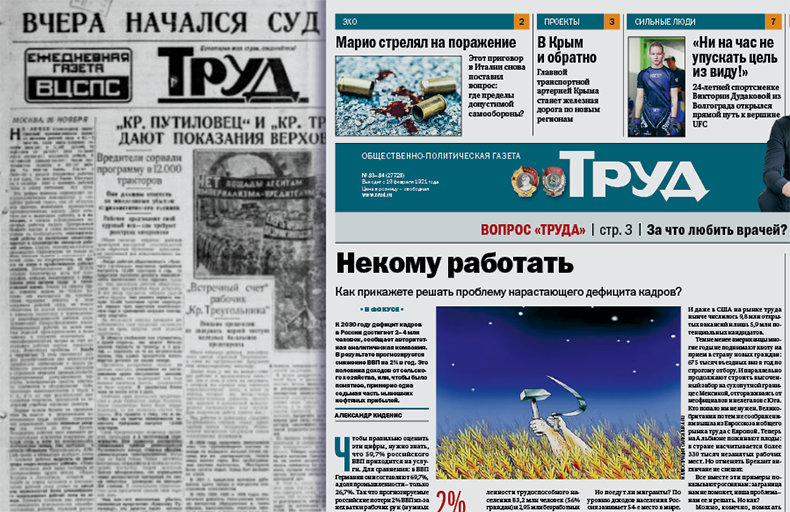
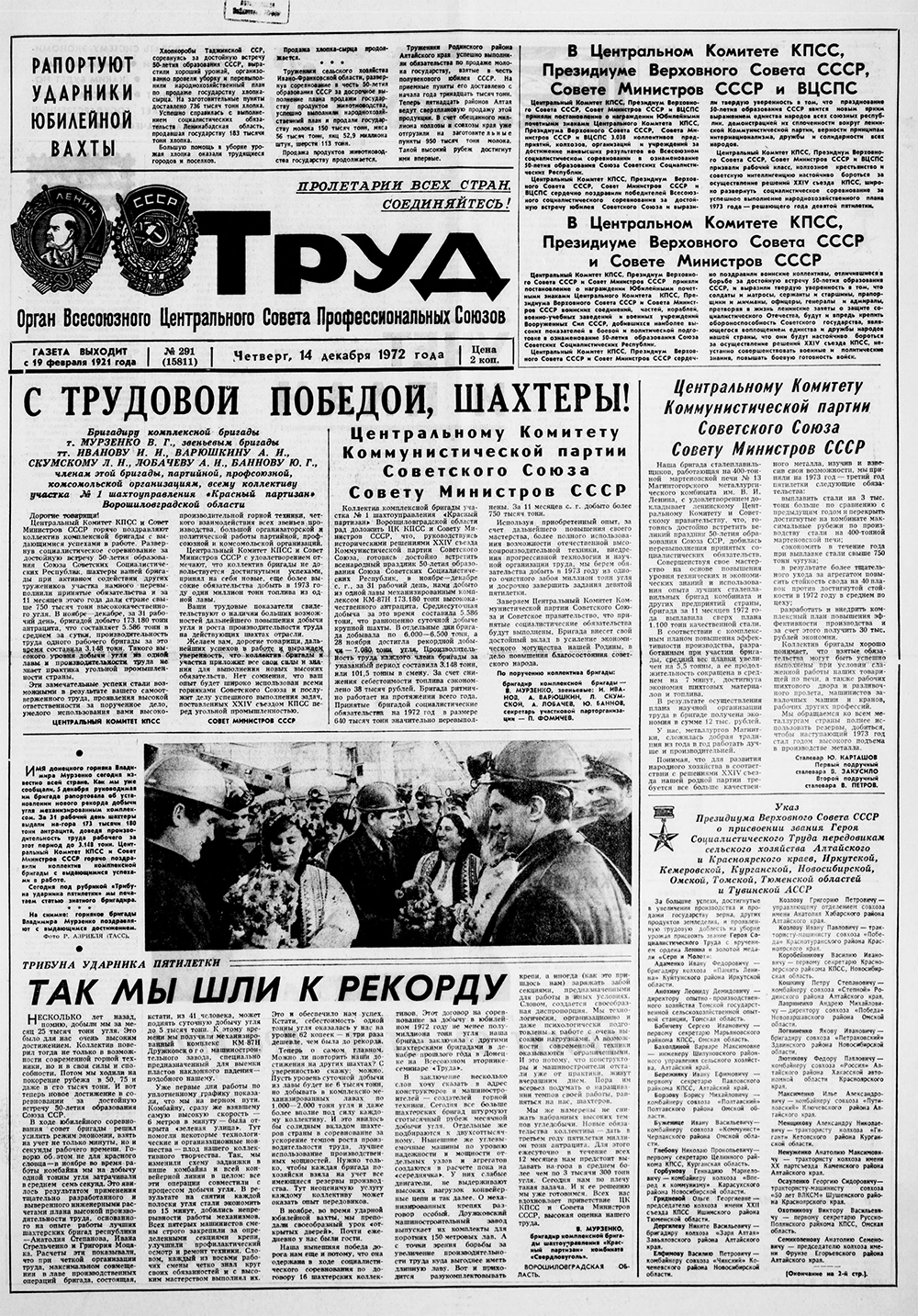
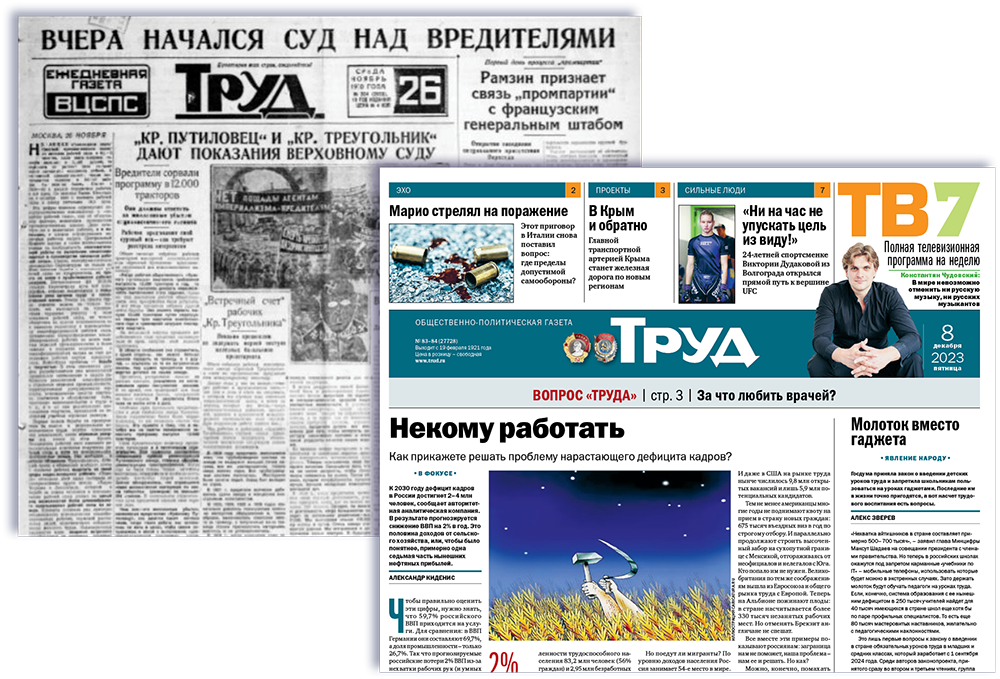
    Founded in 1921 in Moscow, Trud (Труд, Labor) was an influential Soviet newspaper and the official organ of the All-Union Central Council of Trade Unions. Among the earliest Soviet newspapers with a countrywide circulation, it attracted some of the most important journalists and writers in the USSR. Among its regular contributors were such notable poets as Vladimir Mayakovsky and Yevgeny Yevtushenko.

    Although the newspaper was dedicated to covering issues concerning labor relations in the Soviet Union, economic analysis, the plight of workers in foreign countries, and the proliferation of official pronouncements, its more popular component attracted audiences from a broader pool of readers. At the height of the Gorbachev-era reforms the newspaper, like many others, would abandon its usual propagandistic bombast ensuring its growing popularity and catapulting its circulation to well over 20 million.

    With the demise of the Soviet Union and the emergence of new publications in post-Soviet Russia that competed for readers from Trud’s targeted audiences, the popularity of the newspaper subsided, although it has retained some of its former reputation as a reliable source for news and popular culture reportage.

    The Trud Digital Archive includes all obtainable issues published from 1921 on, with an additional year’s worth of content available for purchase on an annual basis. The archive features full page-level digitization, complete original graphics, and searchable text, and is cross-searchable with numerous other Infoteka digital resources.

  • Slovo Kyrgyzstana Digital Archive

    Slovo Kyrgyzstana Digital Archive

    Official newspaper of the Central Committee of the Kirghiz SSR.

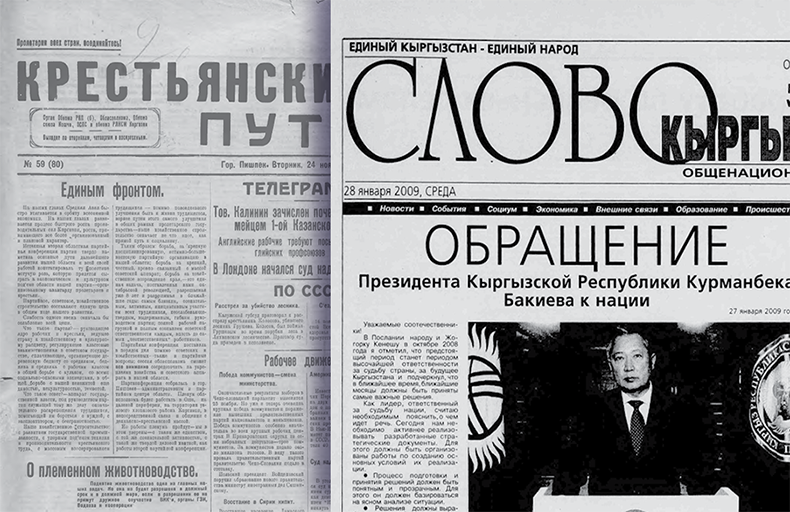
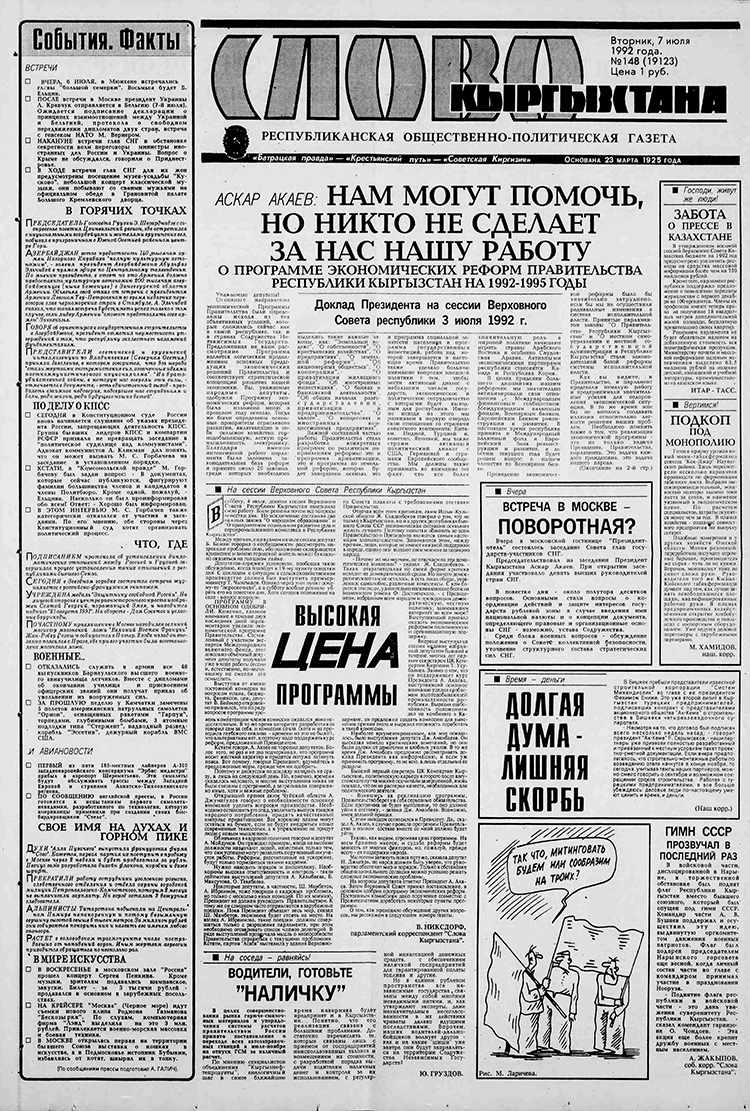
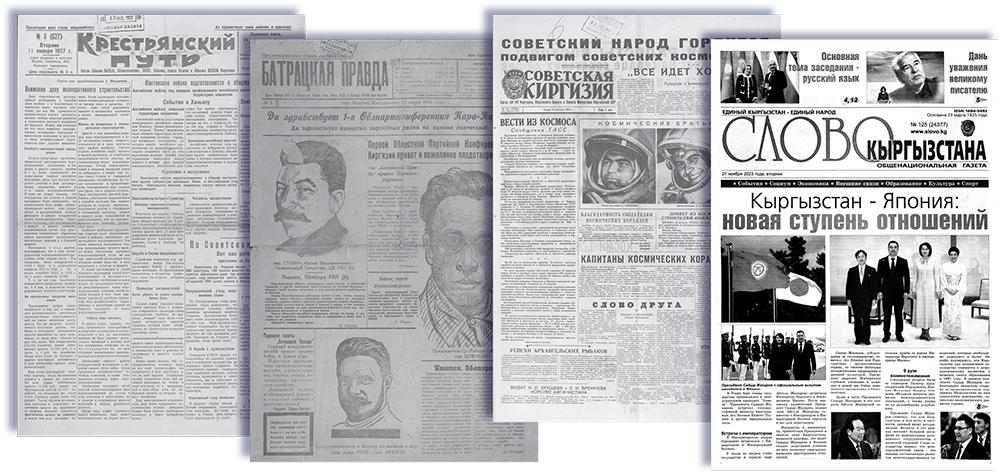
    Established in 1925, in what was then the Kara-Kirghiz Autonomous Oblast in the RSFSR, Slovo Kyrgyzstana (Слово Кыргызстана, Word of Kyrgyzstan) is a Russian-language newspaper that served as the official party organ of the Central Committee of the Kirghiz SSR throughout its Soviet existence. It has been published independently since it gained independence from the Soviet Union in 1991. Known variously as Batratskaia Pravda (Батрацкая правда, Batratskaya Truth, March-June 1925), Krest’ianskii put’ (Крестьянский путь, Peasant Path, 1925-1927), and Sovetskaia Kirgiziia (Советская Киргизия, Soviet Kyrgyzstan, 1927-1991), at its peak the newspaper claimed a circulation of 123,000 copies and was the most important media organization disseminating the Communist party’s official stances and directives.

    As the newspaper of the government of the Republic of Kyrgyzstan, Slovo Kyrgyzstana publishes edicts of the republic’s president, government resolutions, laws, etc. The newspaper also covers both national and international affairs, culture, economics, environmental issues, healthcare, religion and other important issues of concern.

    The Slovo Kyrgyzstana Digital Archive comprises over 120,000 pages and includes all obtainable issues of the newspaper’s previous titles (Batratskaia Pravda, Krest’ianskii put’, and Sovetskaia Kirgiziia). The archive contains all obtainable published issues from 1925 on, with an additional year’s worth of content available for purchase on an annual basis. The archive offers scholars the most comprehensive collection available for this title and features full page-level digitization, complete original graphics, and searchable text, and is cross-searchable with numerous other Infoteka digital resources.

  • Sovetskaia Kul’tura Digital Archive

    Sovetskaia Kul’tura Digital Archive

    An indispensable source on Soviet and Russian arts and culture.

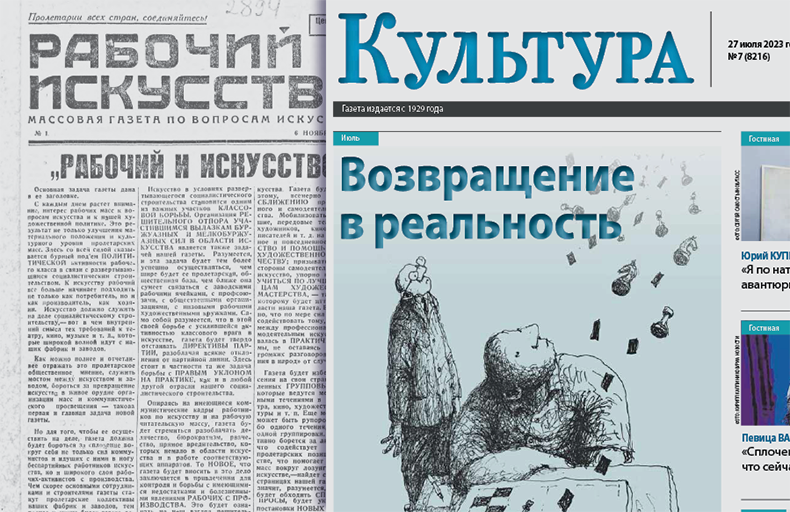
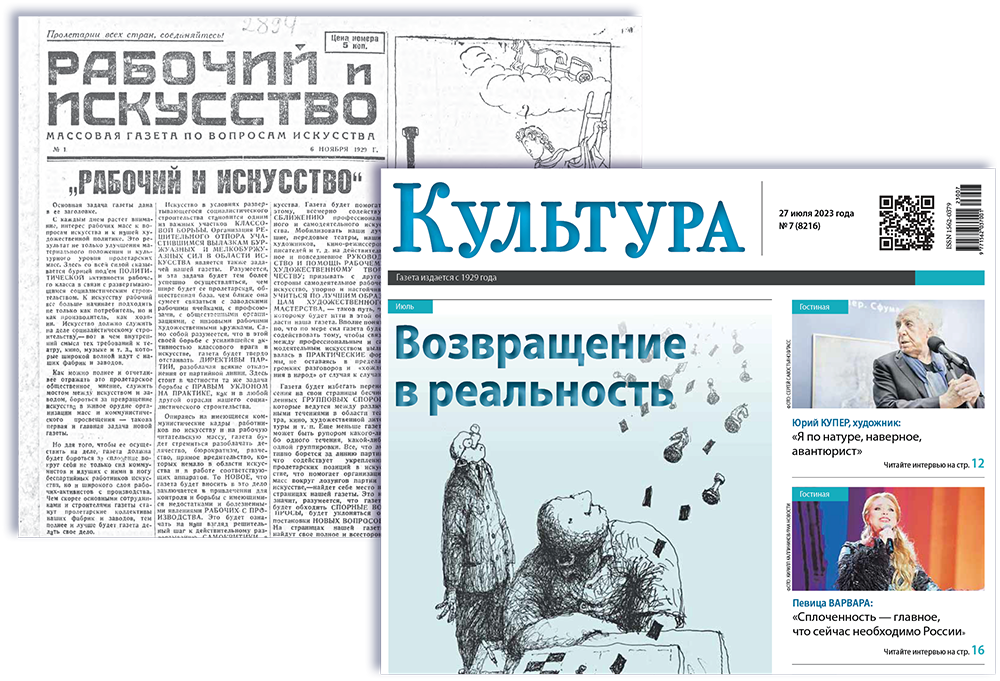
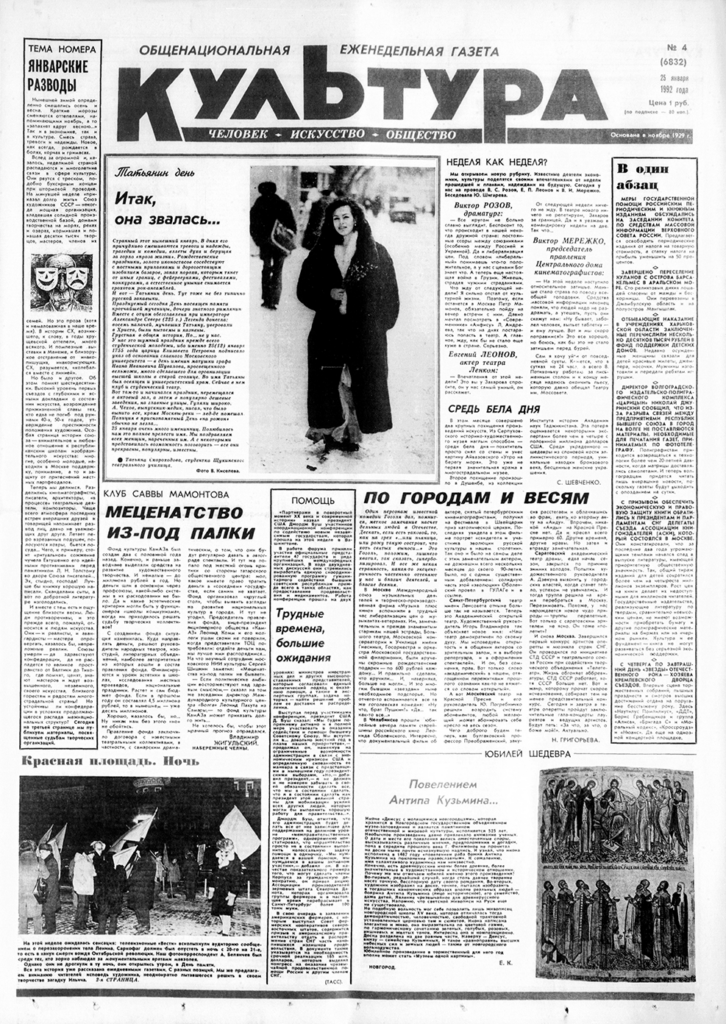
    Kul’tura (Культура, Culture), as it is known today, is the most important Soviet and Russian publication on culture from 1929 to the present, with reviews of major events in literature, theater, cinematography and the arts. For nearly 100 years, Kul’tura has served as a time capsule of Soviet and Russian culture, providing a unique perspective on ever-changing attitudes toward arts and culture in Soviet and Russian societies.

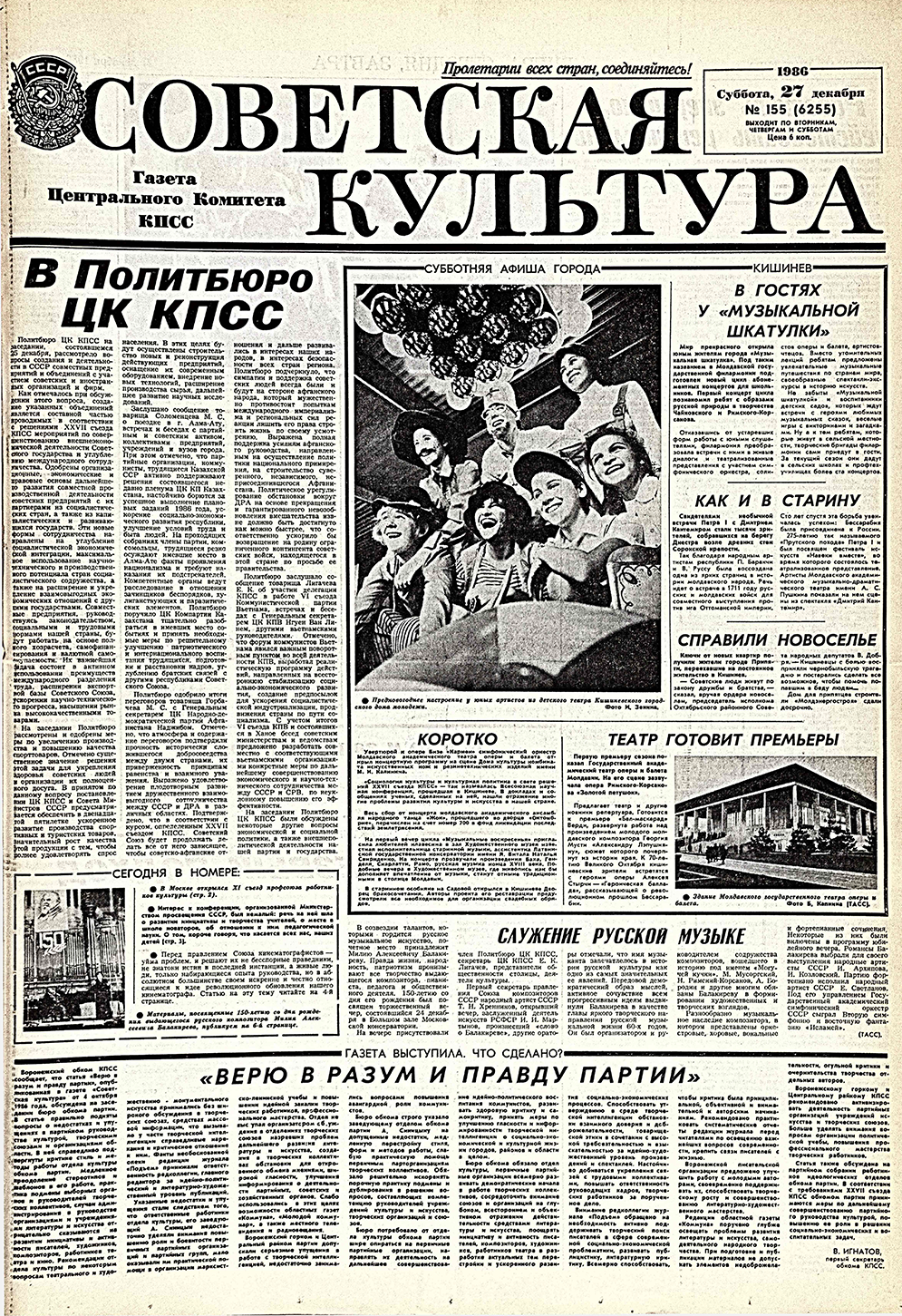
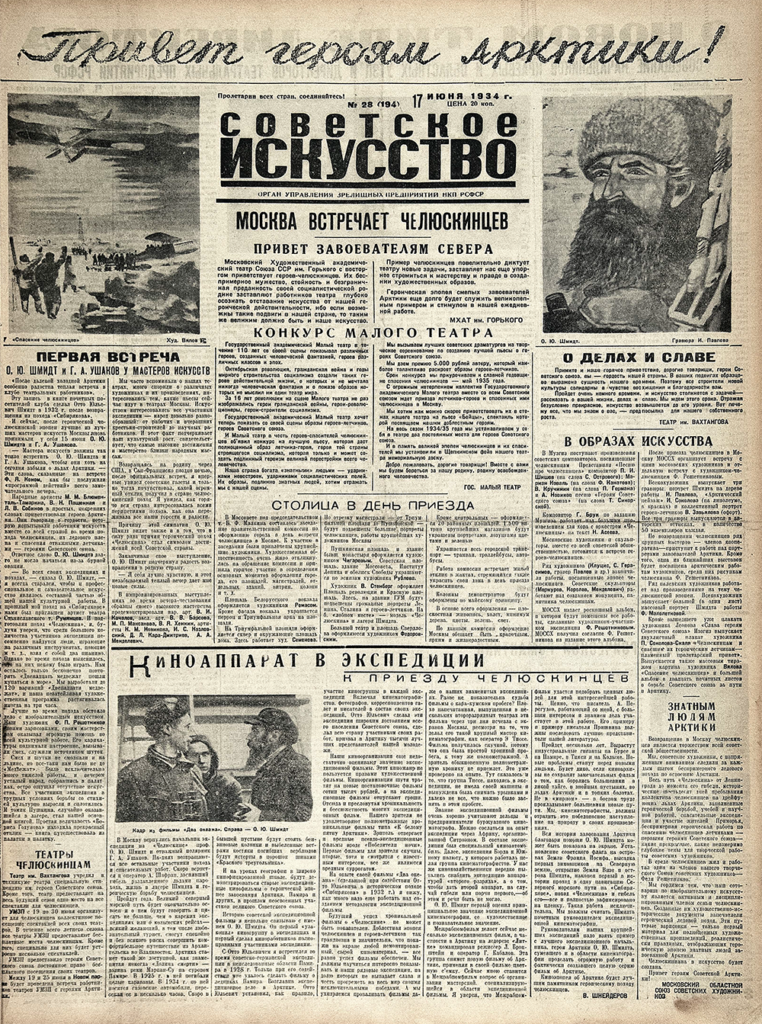
    Kul’tura was previously published as Rabochii i iskusstvo (Рабочий и искусство, Workers and Art, 1929–1930), Sovetskoe iskusstvo (Советское искусство, Soviet Art, 1931–1941), Literatura i iskusstvo (Литература и искусство, Literature and Art, 1942–1944), Sovetskoe iskusstvo (1944–1953), and Sovetskaia kul’tura (Советская культура, Soviet Culture, 1953–1991).

    The Sovetskaia Kul’tura Digital Archive contains all obtainable published issues from all of these titles (1929 on, over 55,000 pages), with an additional year’s worth of content available for purchase on an annual basis. The Sovetskaia Kul’tura Digital Archive offers scholars the most comprehensive collection available for this title, and features full page-level digitization, complete original graphics, and searchable text, and is cross-searchable with numerous other Infoteka digital resources.

    More About Sovetskaia Kul’tura

    Rabochii i iskusstvo was established during a time when artists had relative freedom to create works for the New Soviet man. Artists were enthusiastic in spreading the socialist revolution, and the newspaper at this time reflects that mindset. Art was to be made accessible to the masses. Whether explicitly or implicitly, the newspaper supported writers, artists, and authors who produced works that fostered the concept of the New Soviet Man.

    During the Stalin years, Socialist realism took hold. Any creative expression considered unworthy to support the goals of socialism and communism was banned. Writers such as Mikhail Zoshchenko, Osip Mandelstam, Boris Pasternak, and others were roundly criticized in the pages of Sovetskoe iskusstvo (1931–1941), Literatura i iskusstvo (1942–1944), and Sovetskoe iskusstvo (1944–1952).

    Sovetskaia kul’tura, established in 1953, came about in the thaw of the Khrushchev era. The times changed for the better, but the newspaper still toed the party line. Modern art exhibitions were condemned and avant-garde composers and abstract painters were censured.

    During the Gorbachev era, glasnost created a cultural reawakening, which was reflected in the pages of Sovetskaia kul’tura. For example, the newspaper was the first to report that authorities had rehabilitated Pasternak posthumously and a museum dedicated to the work of Marc Chagall was to open in Belarus.

    Today, the newspaper offers interesting reviews and event listings, often focusing on the cultural life of Moscow and the regions. It is also known for its topical commentaries on popular culture and politics.

  • Social Sciences Digital Archive

    Social Sciences Digital Archive

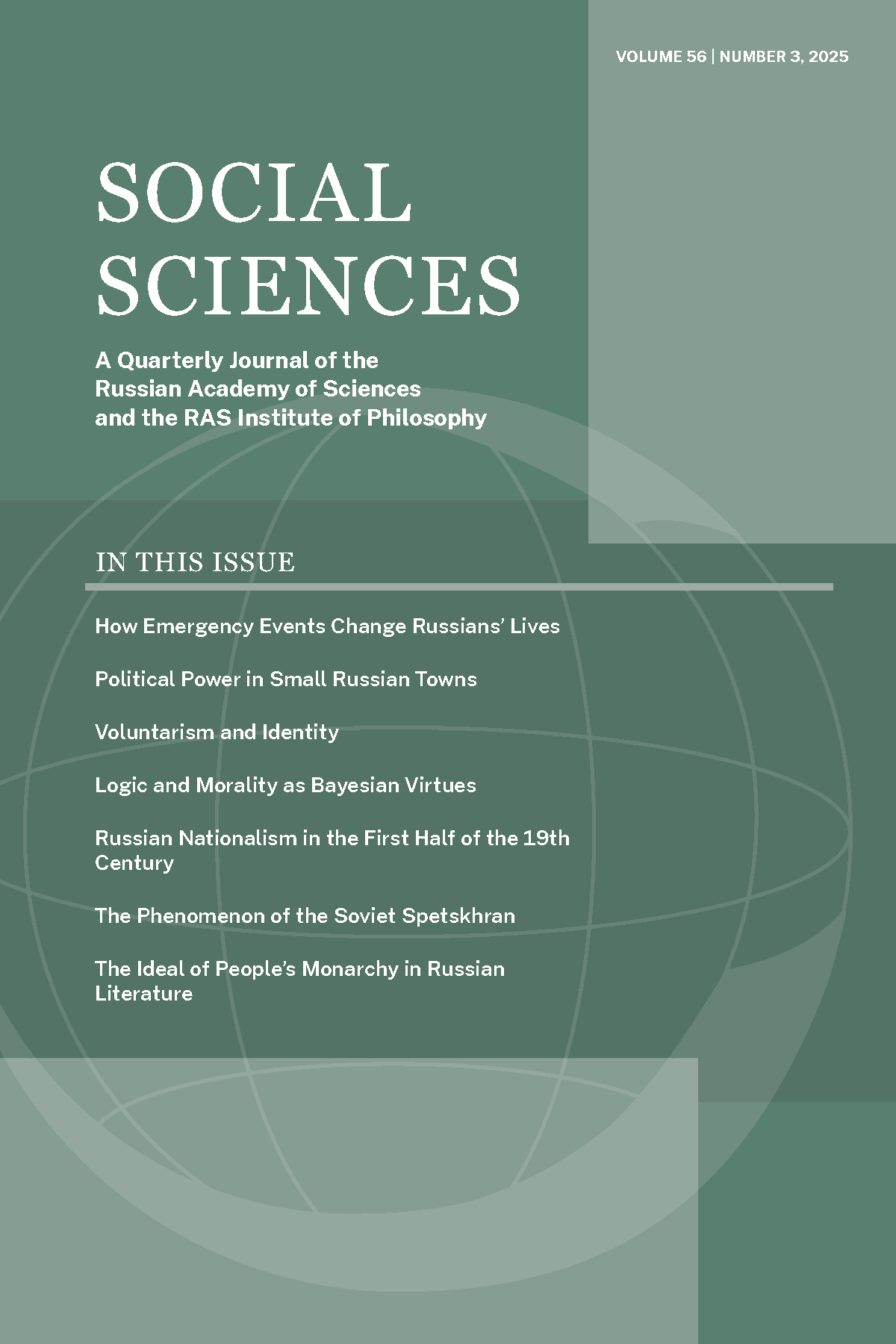
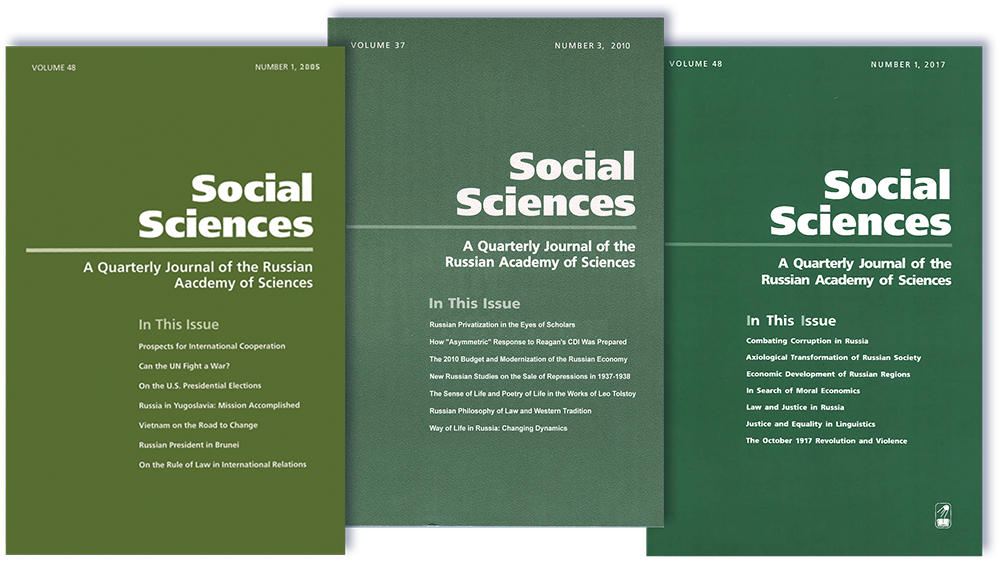
    A quarterly journal of the Russian Academy of Sciences.

    Founded in 1970, Social Sciences was conceived as a scholarly publication tasked with promoting the Marxist-Leninist approach to social sciences worldwide. Since Gorbachev’s perestroika, however, the periodical’s ideological framework underwent certain modifications becoming a vivid chronicle of the collapse of the old communist dogmas and the transition to new ways of approaching social, economic and historical issues.

    Over the decades since its founding, the journal has become an important and a unique platform for prominent papers and studies selected from various institutes of the Russian Academy of Sciences. Covering the most pressing issues of Russia’s social and economic development, Social Sciences includes articles on philosophy, history, economics, politics, sociology, law, philology, psychology, ethnography, archaeology, literature and culture.

    The Social Sciences Digital Archive includes all issues published from 1970 on (over 6,500 articles), with an additional year’s worth of content available for purchase on an annual basis. The archive offers scholars the most comprehensive collection available for this title, and features full page-level digitization and complete original graphics. The archive has searchable text and is cross-searchable with numerous other Infoteka digital resources.

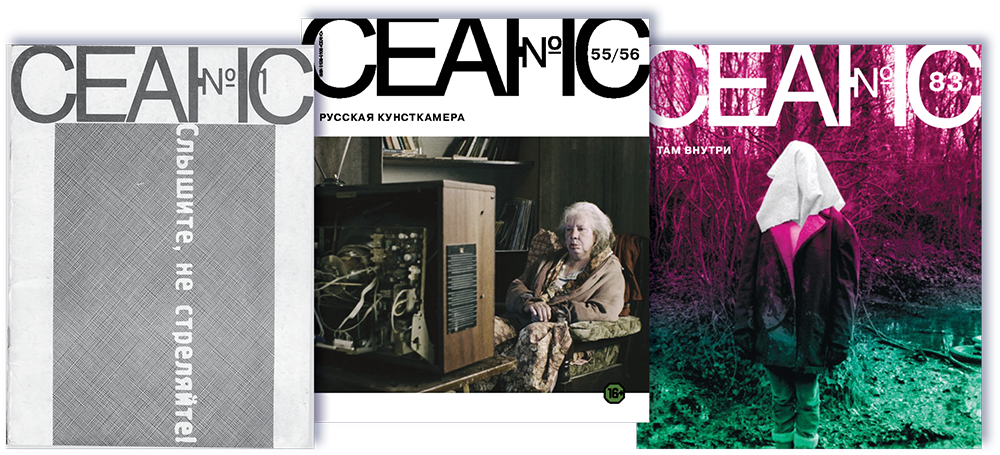
  • Seans Digital Archive

    Seans Digital Archive

    Influential Russian film studies journal.

    Seans took a six-year hiatus from 1998–2004 following the death of Sergey Dobrotvorsky, one of the journal’s key editors. Although not technically in production during these years, the journal’s editors and writers nevertheless continued their collaboration, producing a seven-volume encyclopedia on contemporary Russian cinematic arts.

    Over the years Seans has received high praise, attracting the collaboration of some of the most significant names from the Russian film industry, as well as from the broader world of art history and criticism. The long list of collaborators and admirers of the journal includes such renowned figures as filmmakers Alexander Sokurov and Sergey Bondarchuk, writer and historian Samuil Lurie, literary critic and film historian Mikhail Iampolski, memoirist Natalya Trauberg, and many others.

    The Seans Digital Archive contains all obtainable published issues from 1990 on, with an additional year’s worth of content available for purchase on an annual basis. The archive offers scholars the most comprehensive collection available for this title, and features full page-level digitization and complete original graphics. The archive has searchable text, and is cross-searchable with numerous other Infoteka digital resources.

    Journal Themes

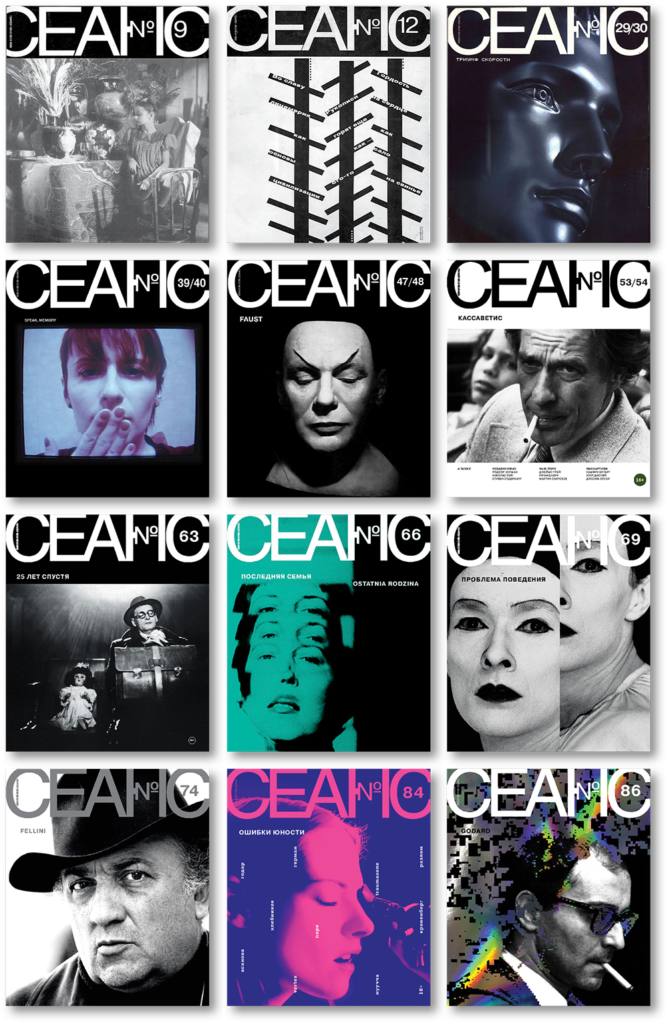
    Each issue of Seans is devoted to a specific theme. Examples of past themes include:

    • Based on true events (Основан на реальных событиях)
    • Back in the USSR
    • Sources of the impossible (Источники невозможного)
    • Speak, Memory
    • It’s sad (Это печально)
    • Everything is going according to plan (Все идет по плану)
    • Faust
    • Le tour de France
    • Russian Cabinet of Curiosities (Русская кунсткамера)
    • Utopia (Утопия)
    • 25 years later (25 лет спустя)
    • Fassbinder
    • Ressentiment time (Время ресентимента)
    • 1968 (Шестьдесят восьмой год)
    • Behavior problem (Проблема поведения)
    • This is not a movie (Это не фильм)
    • Safe Mode
    • Hitchcock (Хичкок)
    • F**K
    • Fellini
    • Isolation (Изоляция)
    • Hong Sang-su (Хон Сан-су) Right Now / Wrong Then
  • Russian/NIS Newswires

    Russian/NIS Newswires

    Concise, timely and authoritative news from Russia and the former Soviet Union.

    Russian/NIS Newswires includes several outstanding sources to follow the day-to-day developments in Russia and CIS. Content includes full-text transcripts of top speeches, statements, press conferences, newspaper articles and television reports of the day, from presidential addresses to remarks by Duma opposition leaders, from Foreign Ministry briefings to commentaries by leading economists and other experts. ITAR-TASS, one of the major world information agencies, delivers a detailed account about the events in Russia and worldwide. The Moscow information agency Oreanda specializes in economic news and its services are used by the largest Russian banks and corporations as well as by government agencies. The daily newswire AP-Blitz is produced by the Tajikistan-based information powerhouse Asia-Plus, covering developments in Central Asia. The database also contains limited archives for six additional newswires.

    Russian/NIS Newswires Content

    • AP-Blitz. Tajikistan News: Daily newswire produced by the Tajikistan-based Asia-Plus, featuring reports of various news media on developments in Tajikistan and Central Asia.
    • Economic News/Ekonomicheskie novosti (Экономические новости): Economic news from the well-known wire service Oreanda Information Agency, in English and Russian editions. Includes various economic reports, government decisions and market reports.
    • ITAR-TASS Daily: Daily selection of news from Russia’s major news agency covering events inside the country.

    See title list for information about archived titles.

  • Russian University Press Social Sciences Journals

    Russian University Press Social Sciences Journals

    Comprehensive collection of journals from both central and regional universities.

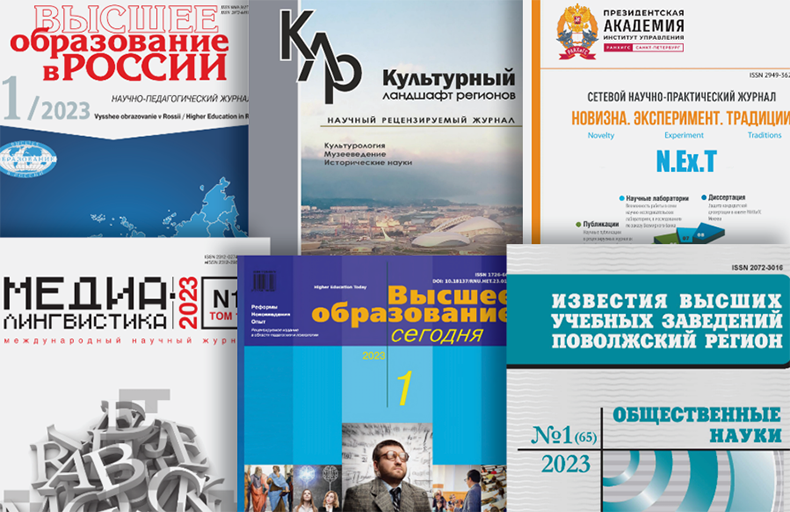
    Russian University Press Social Sciences Journals is a comprehensive compilation of over 75 scholarly journals published by university presses and academic institutions across Russia. The range of these institutions spans from the bustling centers of Moscow and St. Petersburg to the diverse regions of Krasnodar, Chita, Chelyabinsk, Saratov, Penza, Rostov-Don, Novosibirsk, Orel, Penza, and Yekaterinburg.

    This collection exhibits a broad spectrum of social sciences, making it a valuable resource for academic exploration and research. Disciplines include Civil Service, Cultural Landscape of Regions, Economics and Management, Experimental Psychology, Higher Education in Russia, History, International Relations, International Law, Journalism, Jurisprudence, Linguistics, Literature Studies, Media Linguistics, Phenomenology, Philology, Philosophy, Science and Society, Social Psychology, Sociology and Law, Theology, and Transcultural Practices.

    Russian University Press Social Sciences Journals serves as a substantial academic resource, enabling scholars to broaden their knowledge base and offering an opportunity to engage with the ongoing dialogues within the diverse disciplines of Russian social sciences. It is an essential tool for researchers, educators, and students who wish to deepen their understanding and contribute to these dynamic fields of study.

    Russian University Press Social Sciences Journals Titles

    • Eksperimental’naia psikhologiia (Экспериментальная психология, Experimental Psychology)
    • Gosudarstvennaia sluzhba (Государственная служба, Public Service)
    • Gumanitarnyi vestnik (Гуманитарный вестник, Humanities Bulletin)
    • Izvestiia Saratovskogo universiteta. Novaia seriia. Seriia: Istoriia. Mezhdunarodnye otnosheniia (Известия Саратовского университета. Новая серия. Серия: История. Международные отношения, News of Saratov University. New Series. Series: History. International Relations)
    • Izvestiia Ural’skogo federal’nogo universiteta. Seriia 1: Problemy obrazovaniia, nauki i kul’tury (Известия Уральского федерального университета. Серия 1: Проблемы образования, науки и культуры, News of the Ural Federal University. Series 1: Problems of Education, Science, and Culture)
    • Izvestiia vysshikh uchebnykh zavedenii. Severo-Kavkazskii region. Obshchestvennye nauki (Известия высших учебных заведений. Северо-Кавказский регион. Общественные науки, News of Higher Education Institutions. North-Caucasian Region. Social Sciences)
    • Kul’tura i obrazovanie (Культура и образование, Culture and Education)
    • Medialingvistika (Медиалингвистика, Media Linguistics)
    • Moskovskii zhurnal mezhdunarodnogo prava (Московский журнал международного права, Moscow Journal of International Law)
    • Muzykal’nyi al’manakh Tomskogo gosudarstvennogo universiteta (Музыкальный альманах Томского государственного университета, Music Almanac of Tomsk State University)
    • Polilingvial’nost’ i transkul’turnye praktiki (Полилингвиальность и транскультурные практики, Multilingualism and Transcultural Practices)
    • Psikhologiia i pravo (Психология и право, Psychology and Law)
    • Russian Journal of Linguistics
    • Sibirskie istoricheskie issledovaniia (Сибирские исторические исследования, Siberian Historical Studies)
    • Sotsium i vlast’ (Социум и власть, Society and Power)
    • Srednerusskii vestnik obshchestvennykh nauk (Среднерусский вестник общественных наук, Central Russian Bulletin of Social Sciences)
    • Tekst. Kniga. Knigoizdanie (Текст. Книга. Книгоиздание, Text. Book. Book Publishing.)
    • Vestnik kul’tury I iskusstv (Вестник культуры и искусств, Bulletin of Culture and Arts)
    • Vestnik Moskovskogo gosudarstvennogo universiteta kul’tury i iskusstv (Вестник Московского государственного университета культуры и искусств, Bulletin of Moscow State University of Culture and Arts)
    • Vestnik Rossiiskogo universiteta druzhby narodov. Seriia: Gosudarstvennoe i munitsipal’noe upravlenie (Вестник Российского университета дружбы народов. Серия: Государственное и муниципальное управление, RUDN Journal of Public Administration)
    • Vestnik Tomskogo gosudarstvennogo universiteta. Pravo (Вестник Томского государственного университета. Право, Tomsk State University Bulletin. Law)
    • Voprosy zhurnalistiki (Вопросы журналистики, Journalism Issues)
    • Vysshee obrazovanie v Rossii (Высшее образование в России, Higher Education in Russia)
    • Zhanry rechi (Жанры речи, Speech Genres)

    See title list for full list of active and archived titles.

  • Russkaia Literatura Digital Archive

    Russkaia Literatura Digital Archive

    Renowned literary journal from the Russian Academy of Sciences.

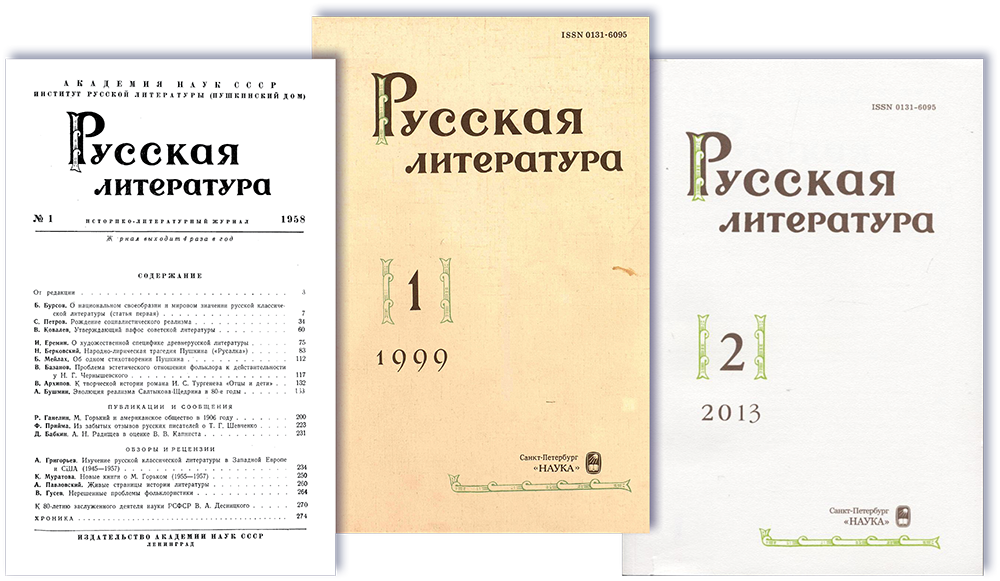
    Russkaia literatura (Русская литература, Russian Literature) is a well-known journal of literary criticism. The journal is one of the most comprehensive, reliable and authoritative resources featuring biographical information and criticism of Russian and Soviet authors in various genres. Published since 1958 by the Institute of Russian Literature of the Russian Academy of Sciences (Pushkinskii Dom), this scholarly journal features numerous research papers, discussion pieces, analytical articles and critical essays concerning classical and modern writers and poets of Russia.

    The Russkaia Literatura Digital Archive contains the complete run of the journal from 1958 on, with an additional year’s worth of content available for purchase on an annual basis. The archive offers scholars the most comprehensive collection available for this title, and features full page-level digitization, complete original graphics, and searchable text, and is cross-searchable with numerous other Infoteka digital resources.