Subject: Cinema

  • Slavic and Judaica E-books

    Slavic and Judaica E-books

    Infoteka offers a growing selection of e-books on hundreds of topics from premier scholarly publishers in Russia, Belarus, and Central Asia. Choose from among classics, modern literature, popular fiction, scholarly titles, and more, as single titles or publisher sets.

    Infoteka’s intuitive e-book platform allows users to search within individual works, whole collections, and cross-search between e-book collections and your other online Infoteka resources. E-books may be supplied through an approval plan program or as firm orders

  • Early Soviet Cinema Collection. Part Two

    Early Soviet Cinema Collection. Part Two

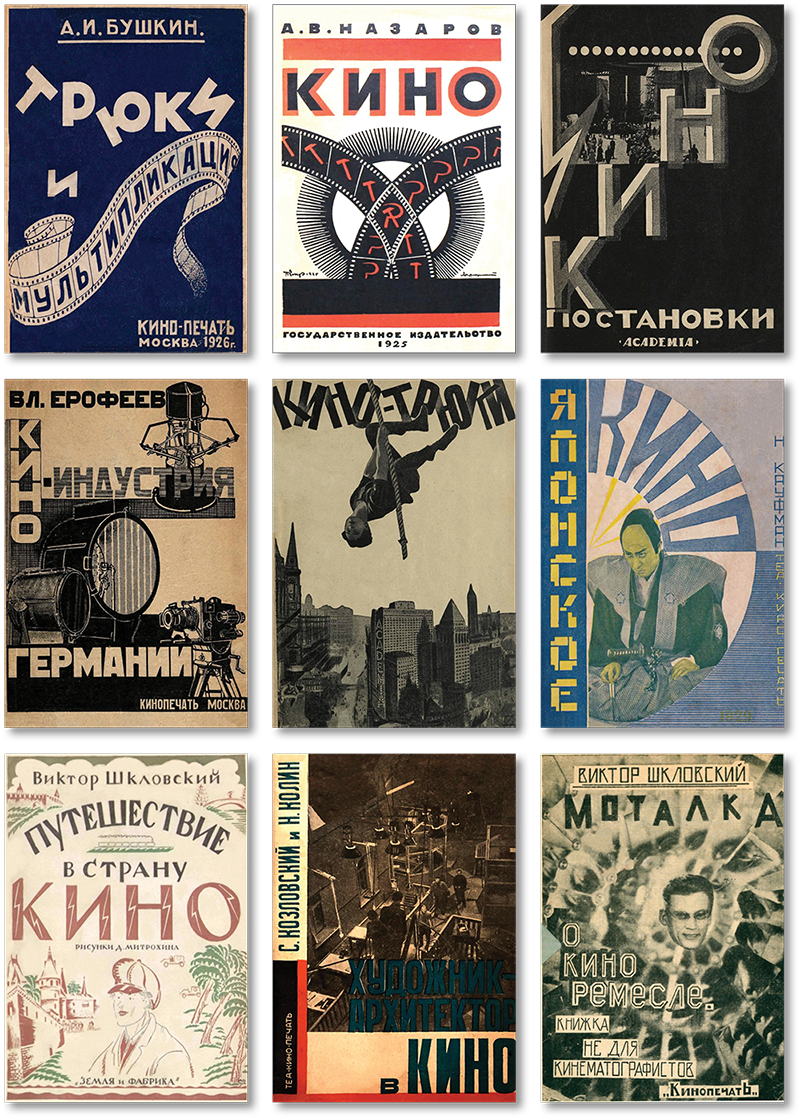
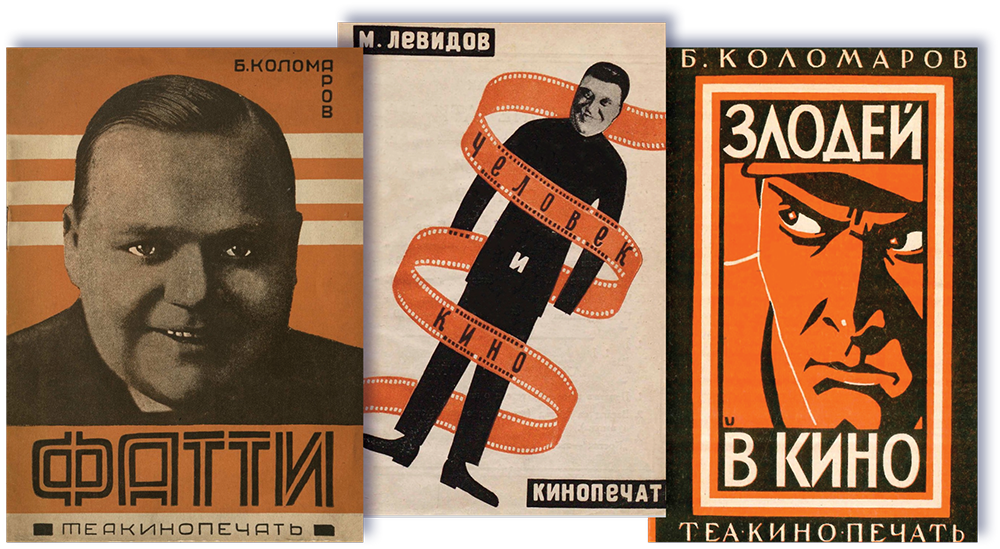
    The collection covers publications issued between 1908 and 1956, with particular strength in the formative decades of Soviet film culture. It includes works by and about leading figures in Soviet cinema, film theory, directing, acting, screenwriting, criticism, and production, including Lev Kuleshov, Vsevolod Pudovkin, Mikhail Romm, Vladimir Nielsen, Isaac Babel, Ilya Trauberg, Nikolai Anoshchenko, Veniamin Vishnevsky, and others. Among the included titles are works on film directing, montage, screen acting, visual composition, sound cinema, cinema architecture, film scripts, the history of cinematography, and annual surveys of Soviet film production.

    Beyond film technique and aesthetics, the collection is especially valuable for the study of cinema as a Soviet cultural institution. The books address the political, educational, and ideological uses of film, including cinema and communist education, children and cinema, documentary and technical films, foreign film criticism, atheist documentaries, the representation of women, the role of film in public instruction, and the relationship between cinema, literature, theater, and state cultural policy. As a result, the collection will support not only film studies, but also research in Soviet history, Slavic studies, visual culture, media studies, cultural policy, propaganda, gender studies, education, and the history of technology.

  • Russian Film and Theater Periodicals Digital Archive

    Russian Film and Theater Periodicals Digital Archive

    Collection of rare film and theater magazines from critical period in Russian and Soviet history.

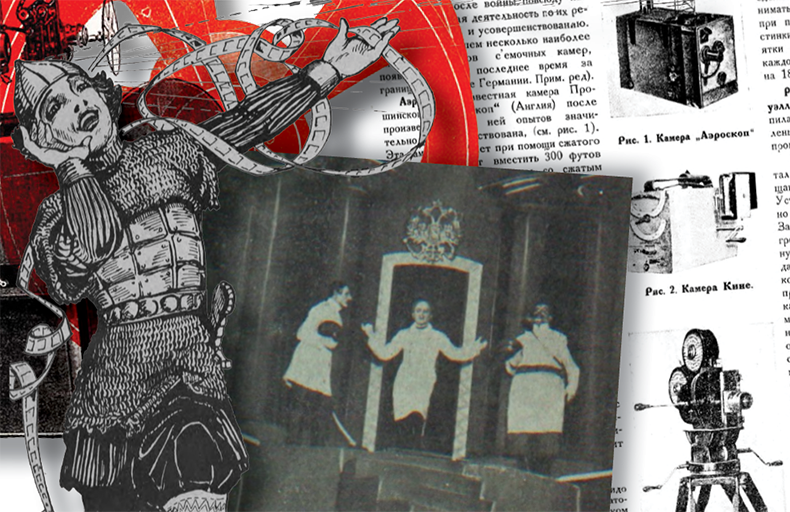
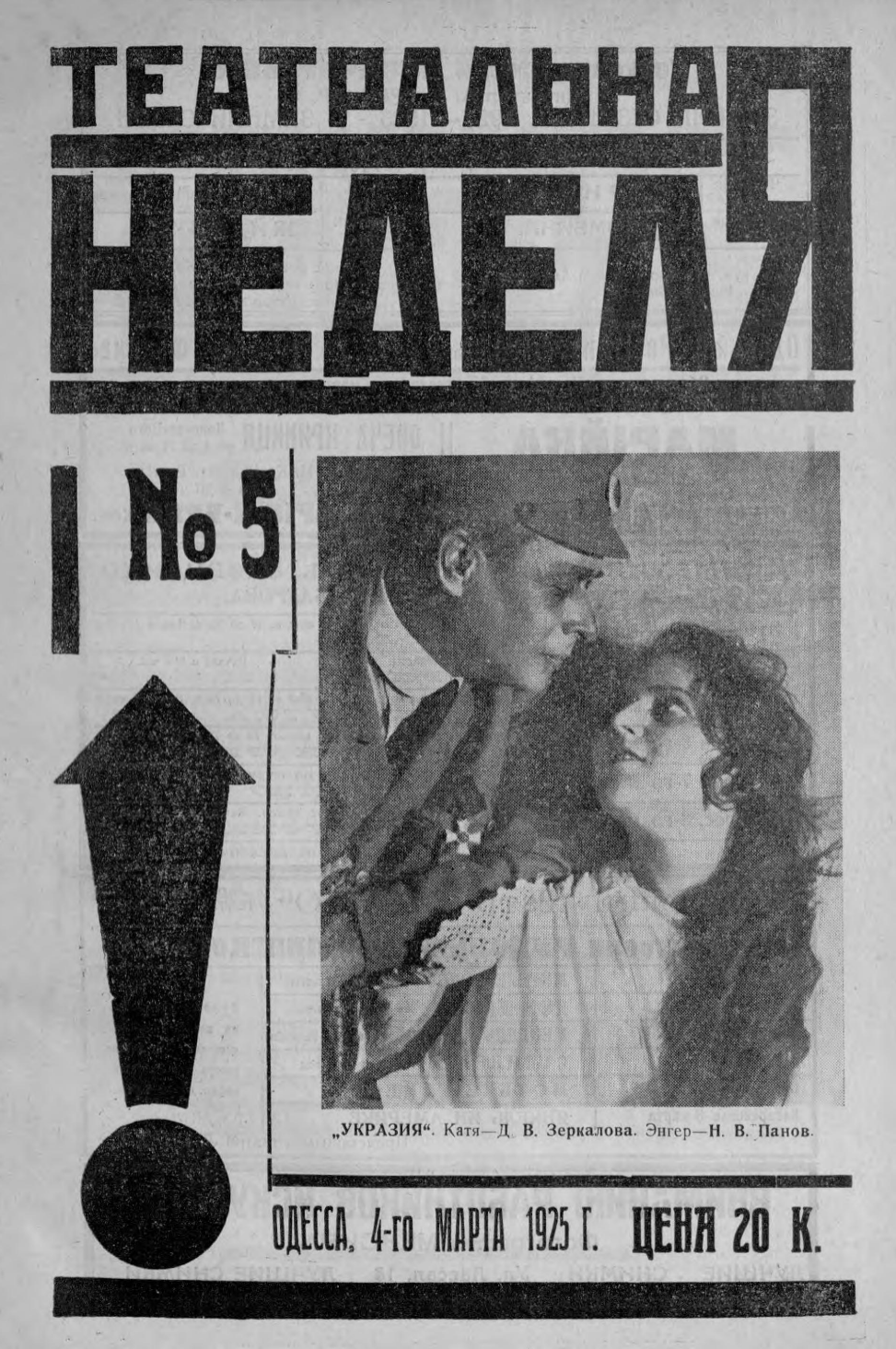
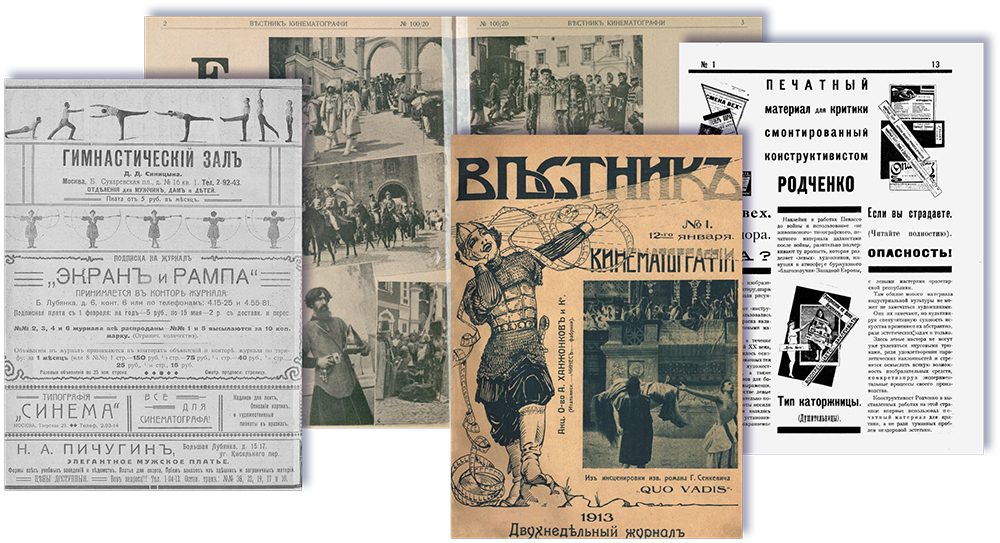
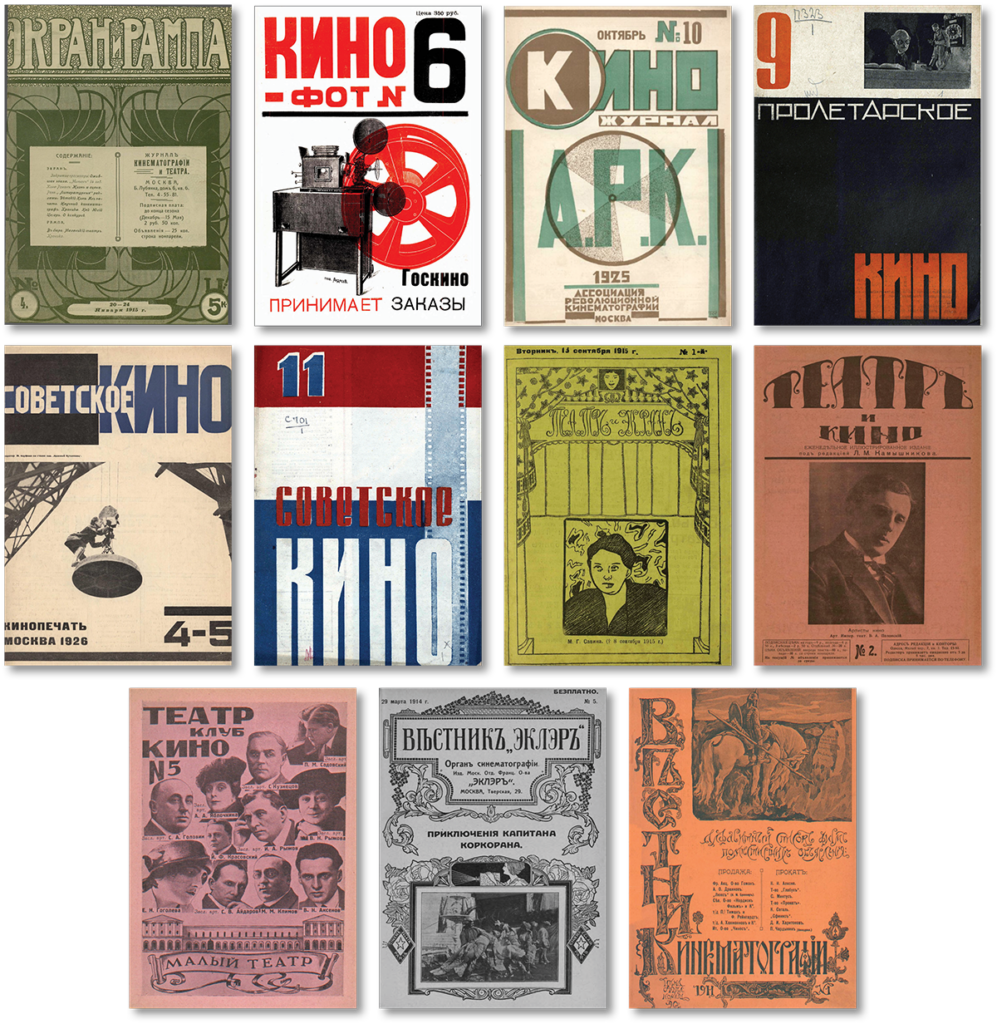
    Russian Film and Theater Periodicals Digital Archive is a curated digital collection of 11 rare Russian and Soviet film and theater magazines published between 1911 and 1935, covering the final years of the Russian Empire and the formative decades of Soviet cultural life. The archive brings together influential and often short-lived periodicals such as Vestnik kinematografii, Ekran i rampa, Teatr i kino, Kino-Fot, Kino-zhurnal A.R.K., Sovetskoe kino, and Proletarskoe kino, among others. Together, these titles document the emergence of cinema in Russia as a new artistic medium, commercial industry, technological system, and later as a central instrument of Soviet cultural policy and ideological education.

    The collection is especially valuable because it preserves the close relationship between film, theater, journalism, visual culture, and politics during a period of dramatic historical transformation. Pre-revolutionary titles capture the world of urban entertainment culture, theater repertories, film exhibition, advertising, audience formation, and the rapid growth of cinema before 1917. Soviet-era journals trace the rise of montage theory, Constructivist aesthetics, studio organization, documentary and newsreel production, proletarian cultural policy, and the increasingly institutionalized role of cinema in Soviet society.

    Richly illustrated and textually diverse, the archive includes articles, reviews, editorials, theoretical essays, production notes, repertory programs, advertisements, caricatures, film stills, photographs, and examples of avant-garde graphic design. It provides essential primary-source material for scholars and students in Slavic Studies, Russian and Soviet history, film and media studies, theater studies, art history, and Soviet visual culture. Russian Film and Theater Periodicals Digital Archive brings together rare, scattered and difficult to access periodicals into a single, searchable archive, making a crucial body of early Russian and Soviet film and theater journalism accessible for teaching, research, and collection development.

    Russian Film and Theater Periodicals Titles

    • Ekran i rampa (Экран и рампа)
    • Kino-fot (Кино-фот)
    • Kino-zhurnal A.R.K. (Кино-журнал А.Р.К.)
    • Proletarskoe kino (Пролетарское кино)
    • Sovetskoe kino (Советское кино)
    • Sovetskoe kino (Советское кино)
    • Teatr i ekran (Театр и экран)
    • Teatr i kino (Театр и кино)
    • Teatr, klub, kino (Театр, клуб, кино)
    • Vestnik «Ekler» (Вестник «Эклер»)
    • Vestnik kinematografii (Вестник кинематографии)
  • Sovetskii Ekran Digital Archive

    Sovetskii Ekran Digital Archive

    Popular and influential journal on film studies and Soviet cinema.

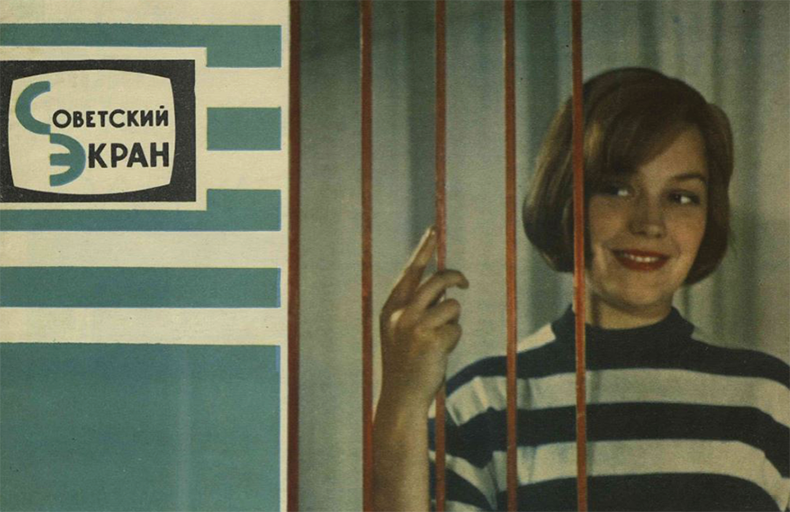
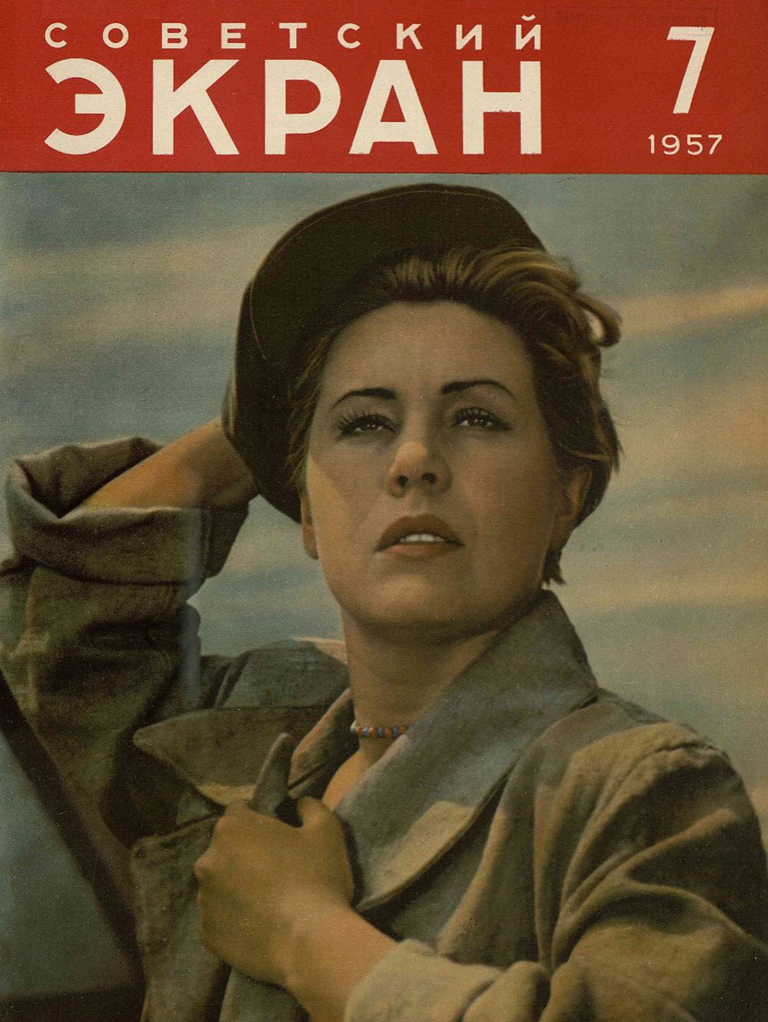
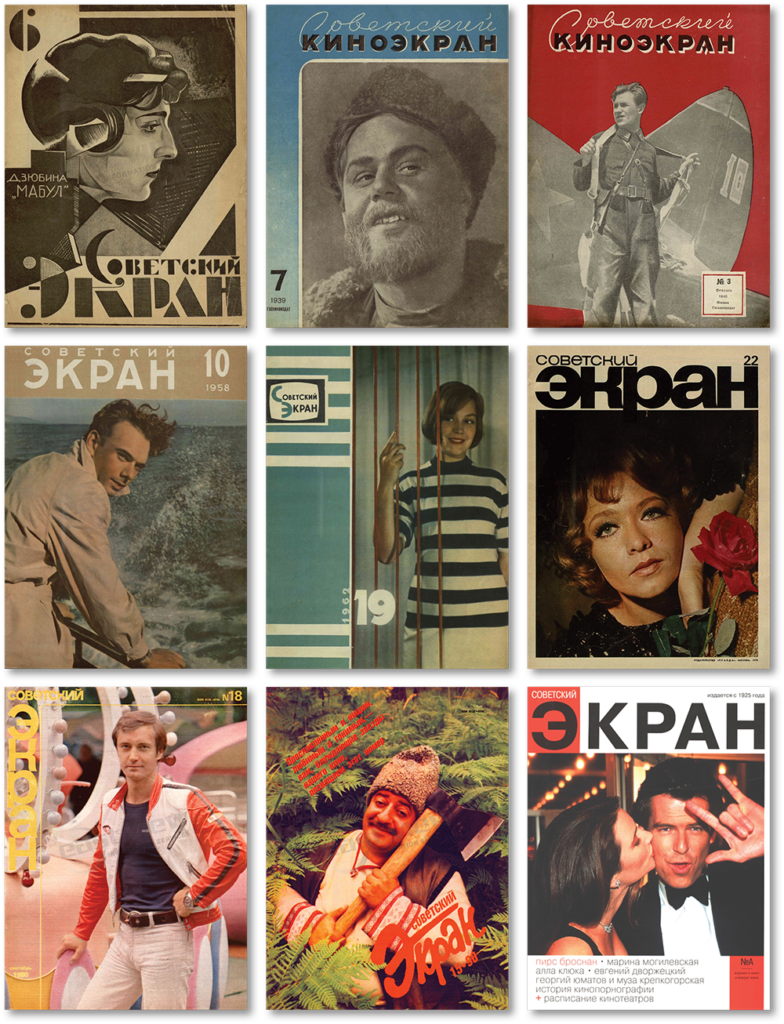
    Published bi-monthly, Sovetskii Ekran boasted a circulation of two million copies, making it the largest film publication in the world at the time. It was incredibly popular among film enthusiasts in the USSR, vanishing from kiosks as quickly as it arrived and passing from hand to hand.

    The journal offered an unprecedented look into the production secrets and the creative lives of actors and directors—serving as a portal into the magical world of cinema. The honor of gracing its cover essentially guaranteed an instant following of adoring fans for the featured artist. People often cut out the journal covers featuring popular actors to use as posters, making it a significant cultural artifact.

    Sovetskii Ekran was not just confined to domestic cinema; it also covered international film news. These articles offered Soviet citizens glimpses into global fashion trends and popular Hollywood actors. It even published an obituary of Marilyn Monroe in 1962—a time when she was virtually unknown in the USSR. The journal annually conducted surveys among its readers to announce various awards like “Best Film of the Year,” “Best Actor of the Year,” “Best Actress of the Year,” “Best Children’s Film,” and “Best Musical Film of the Year.”

    Many critics consider the 1960s as the golden era of Sovetskii Ekran. Despite its popularity, the journal was subject to the return of censorship in the mid-1970s and, like Soviet cinema itself, it faced dramatic changes during the era of “Perestroika” before eventually ceasing publication after the collapse of the Soviet Union.

    About the Archive

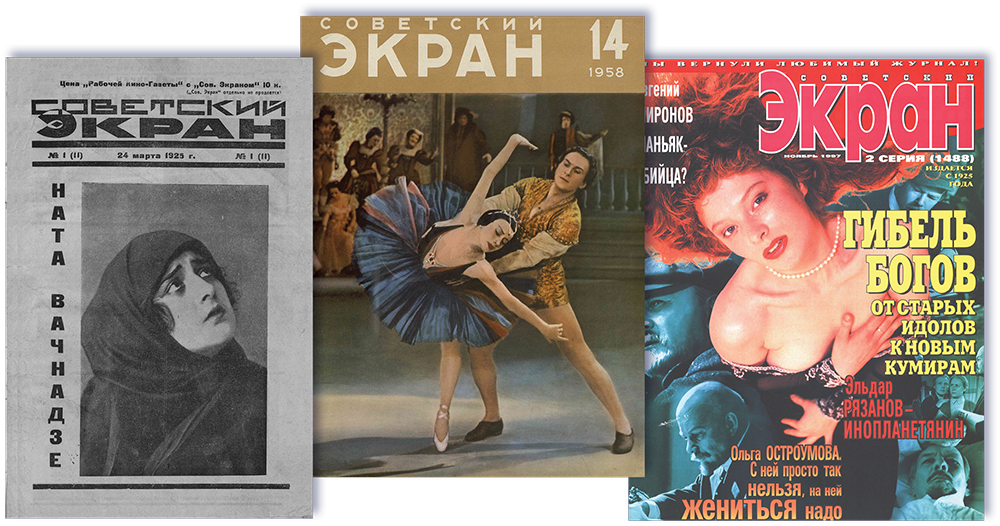
    Sovetskii Ekran first emerged in January 1925 and continued its publication with occasional hiatuses until its final issue in 2003. Throughout its existence, it underwent several name changes:

    • 1925–1928 Sovetskii Ekran
    • 1929–1930 Kino i Zhizn
    • 1933–1938 [not published]
    • 1939–1941 Sovetskii Kinoekran
    • 1942–1957 [not published]
    • 1958–1990 Sovetskii Ekran
    • 1991–1996, 2002 Ekran
    • 1997–1998, 2003 Sovetskii Ekran

    The Sovetskii Ekran Digital Archive contains all obtainable published issues from 1925 on, including over 50 years of content and approximately 32,000 pages. The archive offers scholars the most comprehensive collection available for this title, and features full page-level digitization, complete original graphics, and searchable text, and is cross-searchable with numerous other Infoteka digital resources.

    Note: The publication of Sovetskii Ekran was completely suspended from 1931–1938, 1942–1956, and 1999–2001. The lack of content for these periods is not a gap but reflects the journal’s publication schedule during these times.

  • Sovetskaia Kul’tura Digital Archive

    Sovetskaia Kul’tura Digital Archive

    An indispensable source on Soviet and Russian arts and culture.

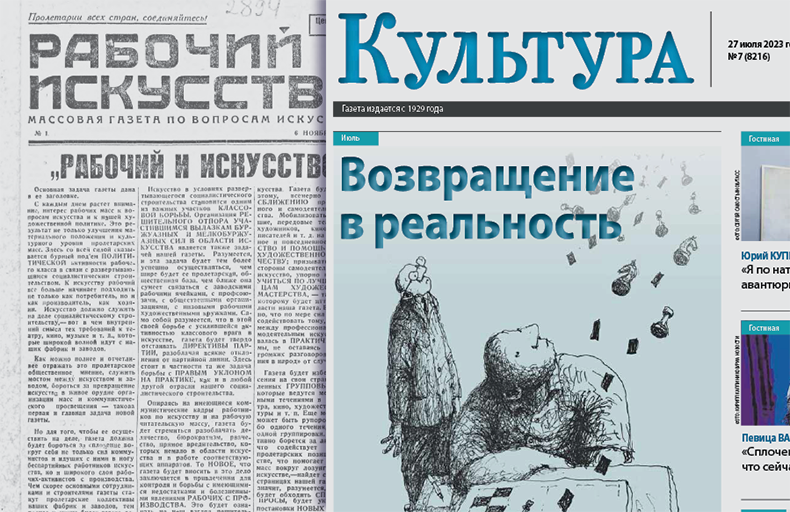
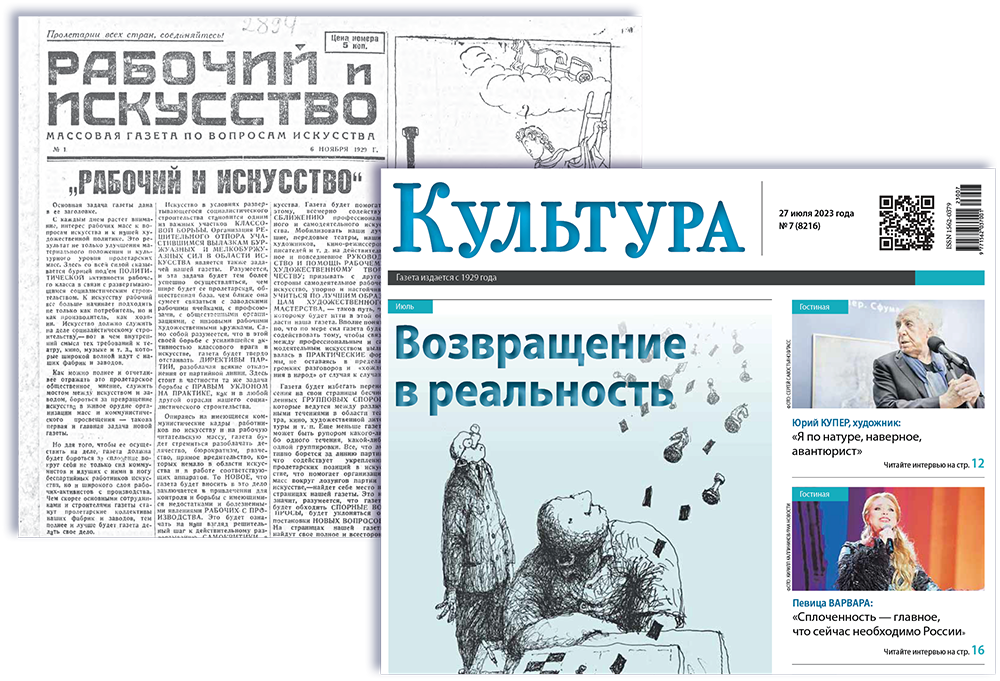
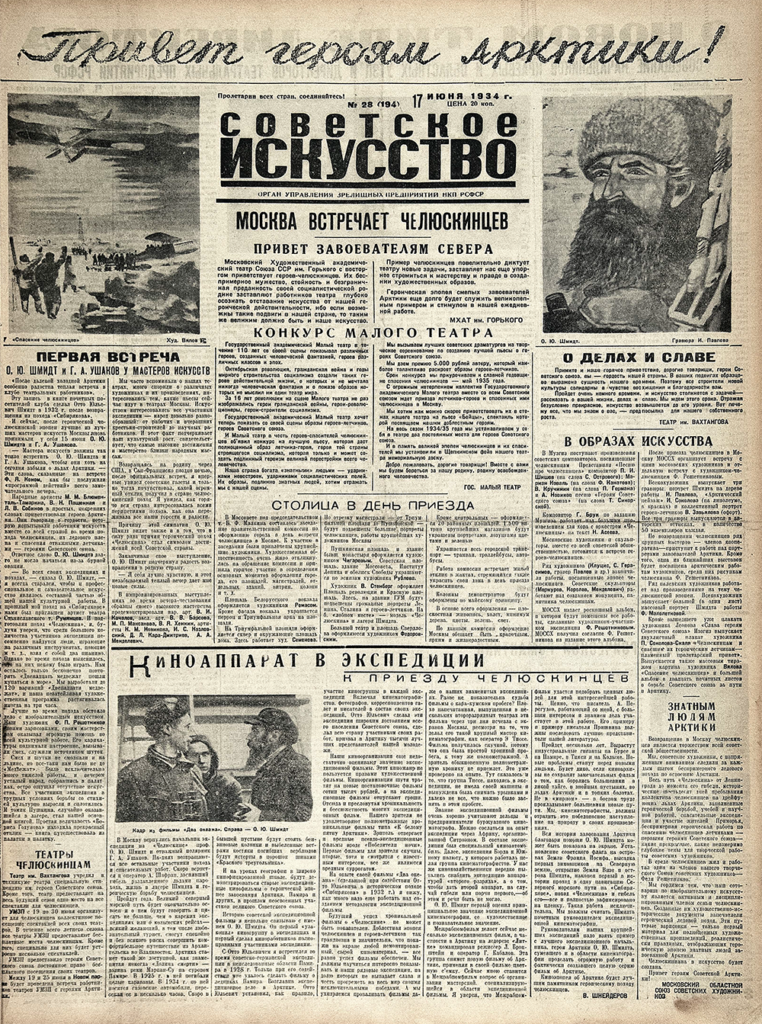
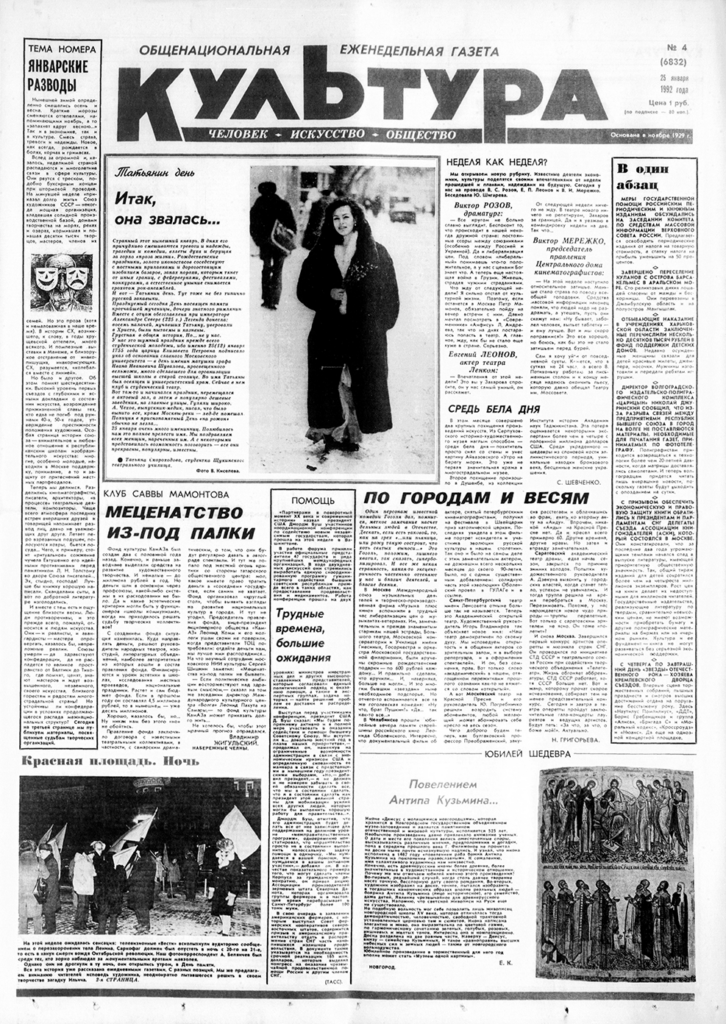
    Kul’tura (Культура, Culture), as it is known today, is the most important Soviet and Russian publication on culture from 1929 to the present, with reviews of major events in literature, theater, cinematography and the arts. For nearly 100 years, Kul’tura has served as a time capsule of Soviet and Russian culture, providing a unique perspective on ever-changing attitudes toward arts and culture in Soviet and Russian societies.

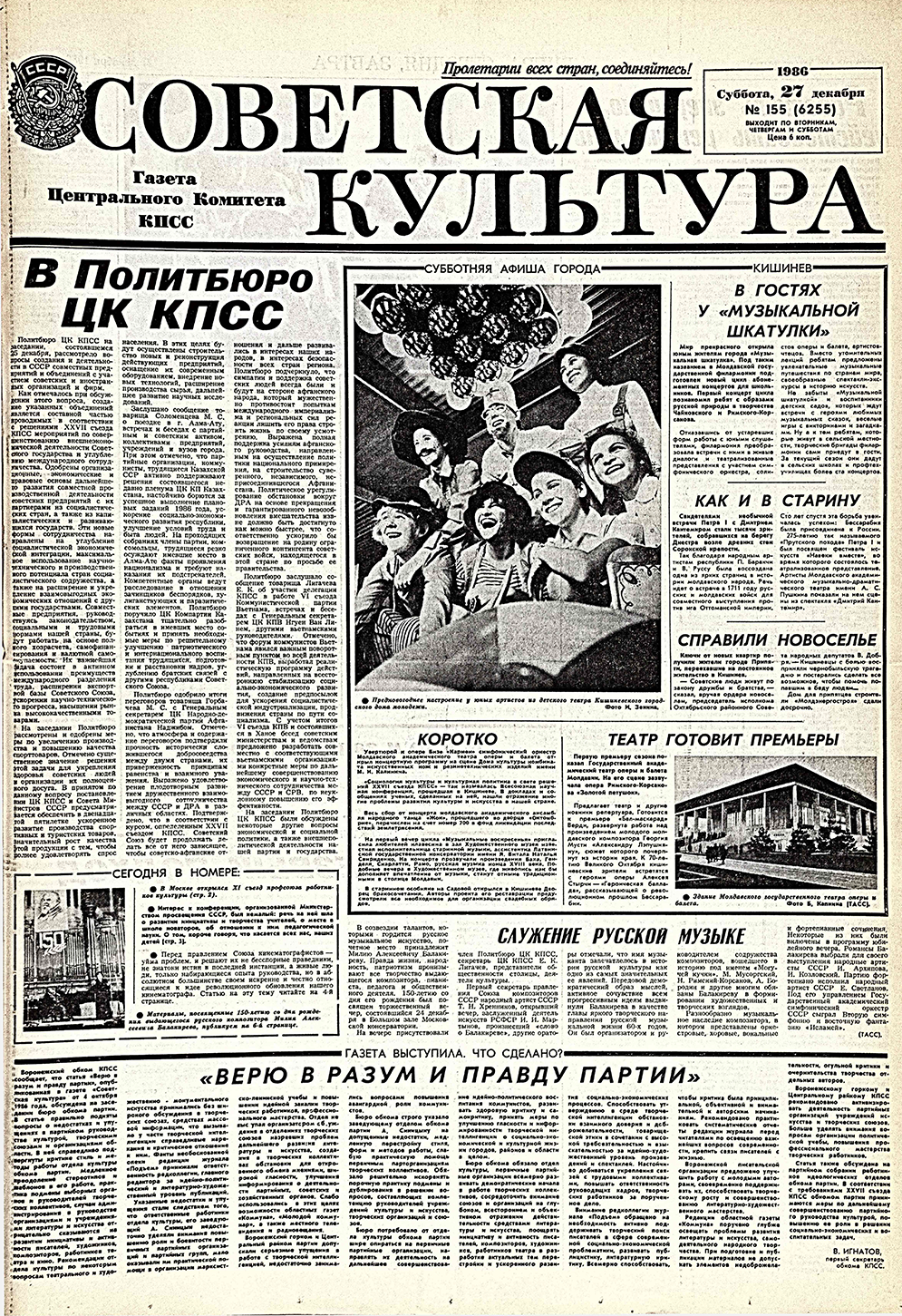
    Kul’tura was previously published as Rabochii i iskusstvo (Рабочий и искусство, Workers and Art, 1929–1930), Sovetskoe iskusstvo (Советское искусство, Soviet Art, 1931–1941), Literatura i iskusstvo (Литература и искусство, Literature and Art, 1942–1944), Sovetskoe iskusstvo (1944–1953), and Sovetskaia kul’tura (Советская культура, Soviet Culture, 1953–1991).

    The Sovetskaia Kul’tura Digital Archive contains all obtainable published issues from all of these titles (1929 on, over 55,000 pages), with an additional year’s worth of content available for purchase on an annual basis. The Sovetskaia Kul’tura Digital Archive offers scholars the most comprehensive collection available for this title, and features full page-level digitization, complete original graphics, and searchable text, and is cross-searchable with numerous other Infoteka digital resources.

    More About Sovetskaia Kul’tura

    Rabochii i iskusstvo was established during a time when artists had relative freedom to create works for the New Soviet man. Artists were enthusiastic in spreading the socialist revolution, and the newspaper at this time reflects that mindset. Art was to be made accessible to the masses. Whether explicitly or implicitly, the newspaper supported writers, artists, and authors who produced works that fostered the concept of the New Soviet Man.

    During the Stalin years, Socialist realism took hold. Any creative expression considered unworthy to support the goals of socialism and communism was banned. Writers such as Mikhail Zoshchenko, Osip Mandelstam, Boris Pasternak, and others were roundly criticized in the pages of Sovetskoe iskusstvo (1931–1941), Literatura i iskusstvo (1942–1944), and Sovetskoe iskusstvo (1944–1952).

    Sovetskaia kul’tura, established in 1953, came about in the thaw of the Khrushchev era. The times changed for the better, but the newspaper still toed the party line. Modern art exhibitions were condemned and avant-garde composers and abstract painters were censured.

    During the Gorbachev era, glasnost created a cultural reawakening, which was reflected in the pages of Sovetskaia kul’tura. For example, the newspaper was the first to report that authorities had rehabilitated Pasternak posthumously and a museum dedicated to the work of Marc Chagall was to open in Belarus.

    Today, the newspaper offers interesting reviews and event listings, often focusing on the cultural life of Moscow and the regions. It is also known for its topical commentaries on popular culture and politics.

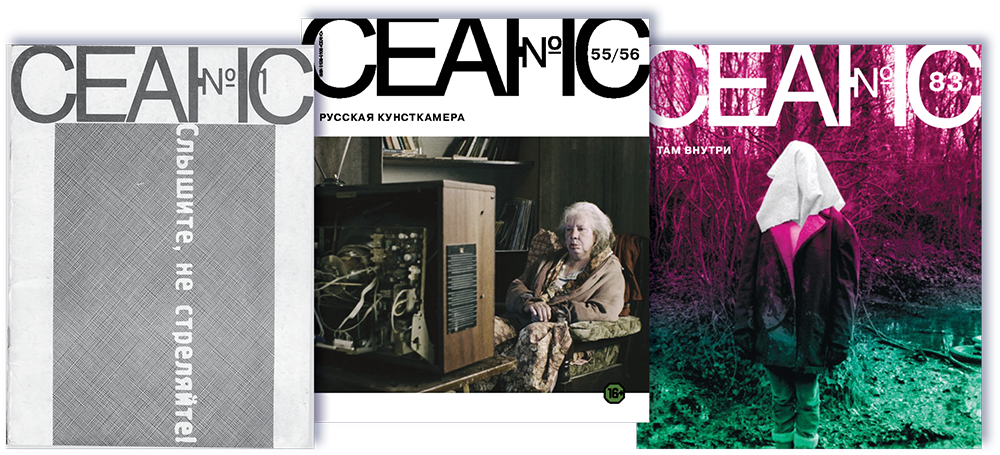
  • Seans Digital Archive

    Seans Digital Archive

    Influential Russian film studies journal.

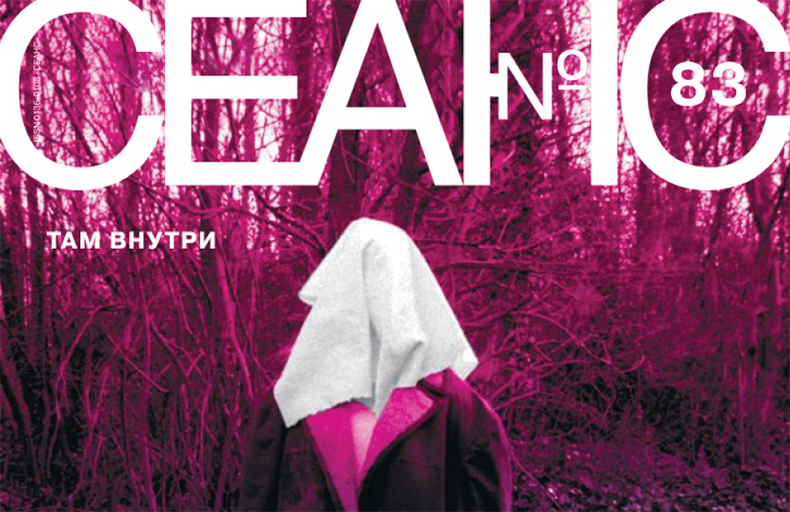
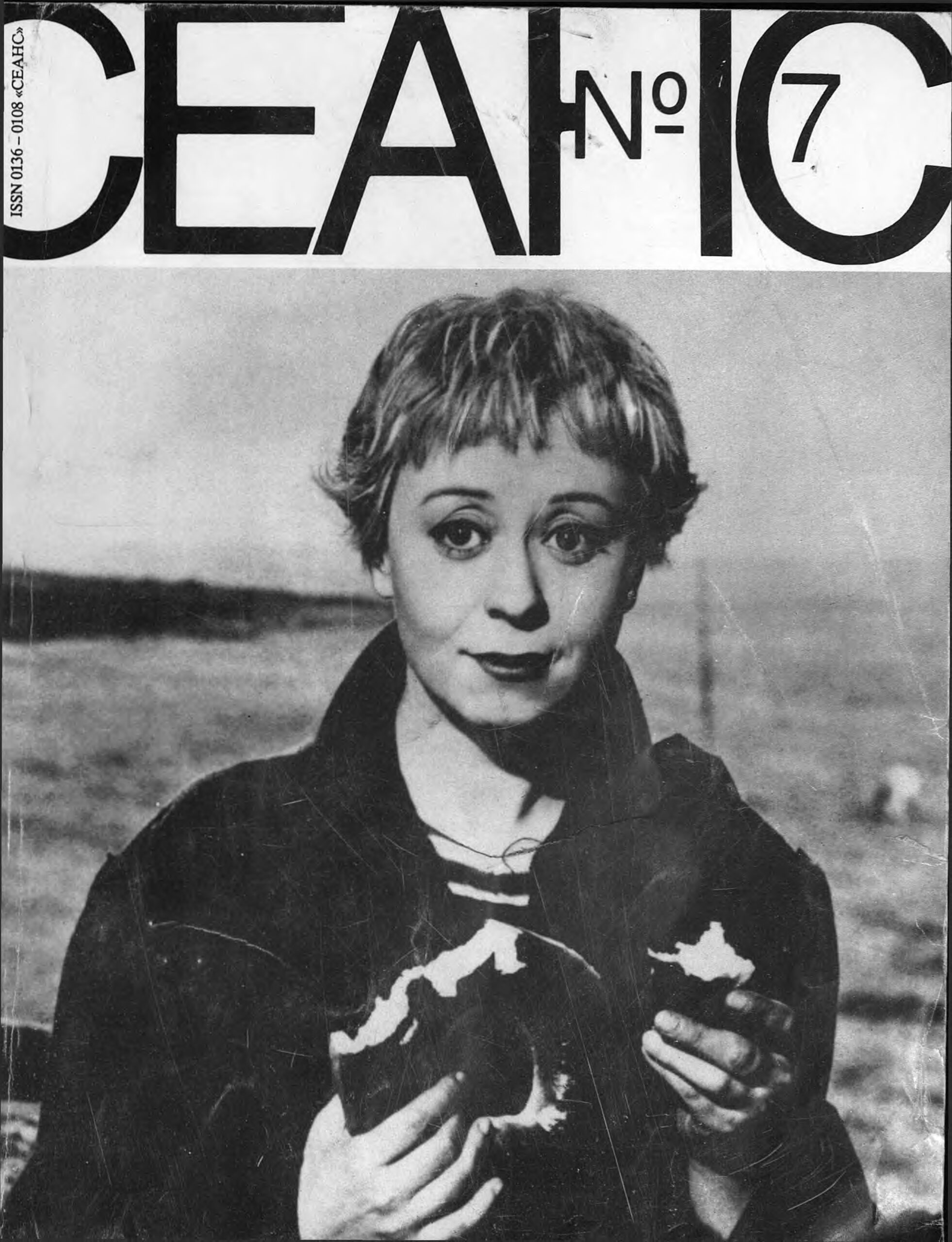
    Seans took a six-year hiatus from 1998–2004 following the death of Sergey Dobrotvorsky, one of the journal’s key editors. Although not technically in production during these years, the journal’s editors and writers nevertheless continued their collaboration, producing a seven-volume encyclopedia on contemporary Russian cinematic arts.

    Over the years Seans has received high praise, attracting the collaboration of some of the most significant names from the Russian film industry, as well as from the broader world of art history and criticism. The long list of collaborators and admirers of the journal includes such renowned figures as filmmakers Alexander Sokurov and Sergey Bondarchuk, writer and historian Samuil Lurie, literary critic and film historian Mikhail Iampolski, memoirist Natalya Trauberg, and many others.

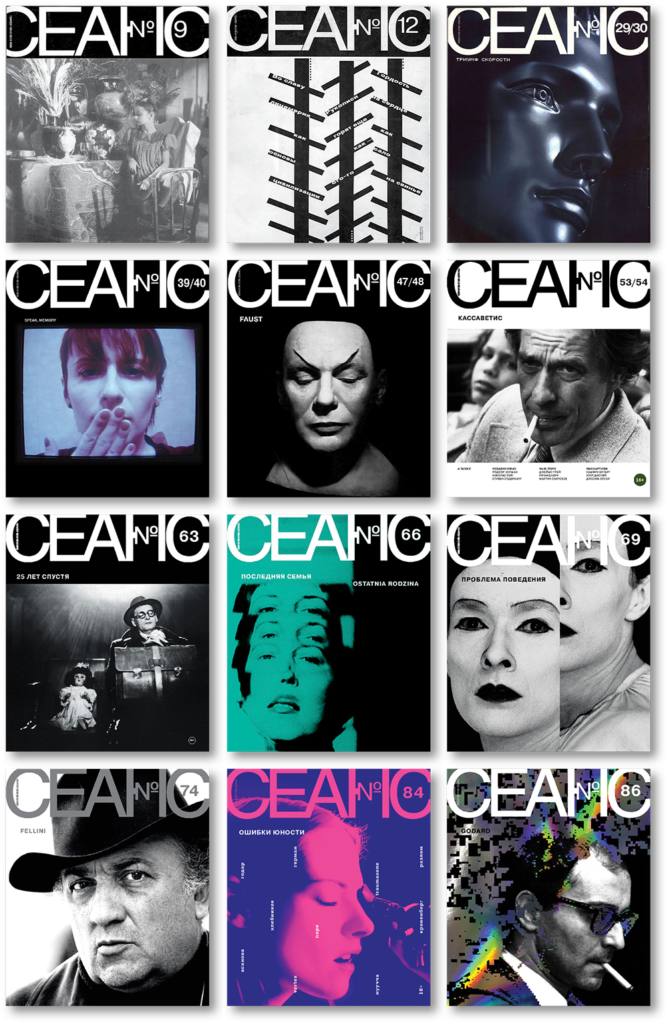
    The Seans Digital Archive contains all obtainable published issues from 1990 on, with an additional year’s worth of content available for purchase on an annual basis. The archive offers scholars the most comprehensive collection available for this title, and features full page-level digitization and complete original graphics. The archive has searchable text, and is cross-searchable with numerous other Infoteka digital resources.

    Journal Themes

    Each issue of Seans is devoted to a specific theme. Examples of past themes include:

    • Based on true events (Основан на реальных событиях)
    • Back in the USSR
    • Sources of the impossible (Источники невозможного)
    • Speak, Memory
    • It’s sad (Это печально)
    • Everything is going according to plan (Все идет по плану)
    • Faust
    • Le tour de France
    • Russian Cabinet of Curiosities (Русская кунсткамера)
    • Utopia (Утопия)
    • 25 years later (25 лет спустя)
    • Fassbinder
    • Ressentiment time (Время ресентимента)
    • 1968 (Шестьдесят восьмой год)
    • Behavior problem (Проблема поведения)
    • This is not a movie (Это не фильм)
    • Safe Mode
    • Hitchcock (Хичкок)
    • F**K
    • Fellini
    • Isolation (Изоляция)
    • Hong Sang-su (Хон Сан-су) Right Now / Wrong Then
  • LEF Digital Archive

    LEF Digital Archive

    Iconic Soviet art journal that defined an era.

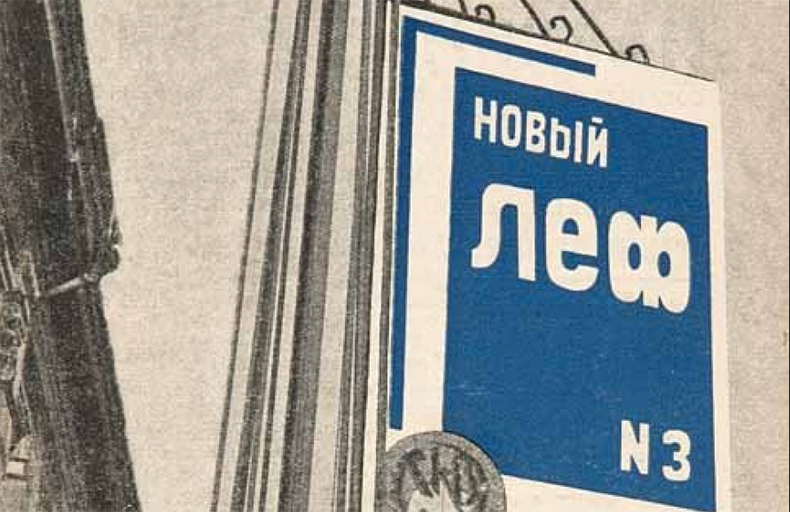
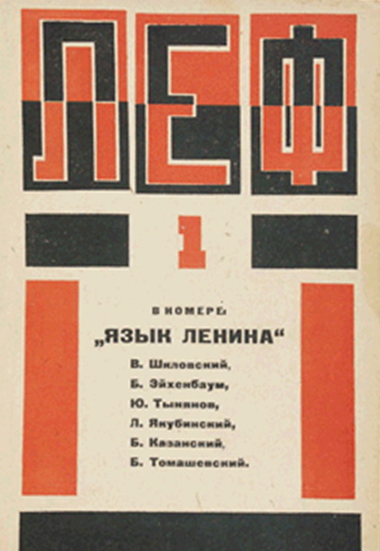
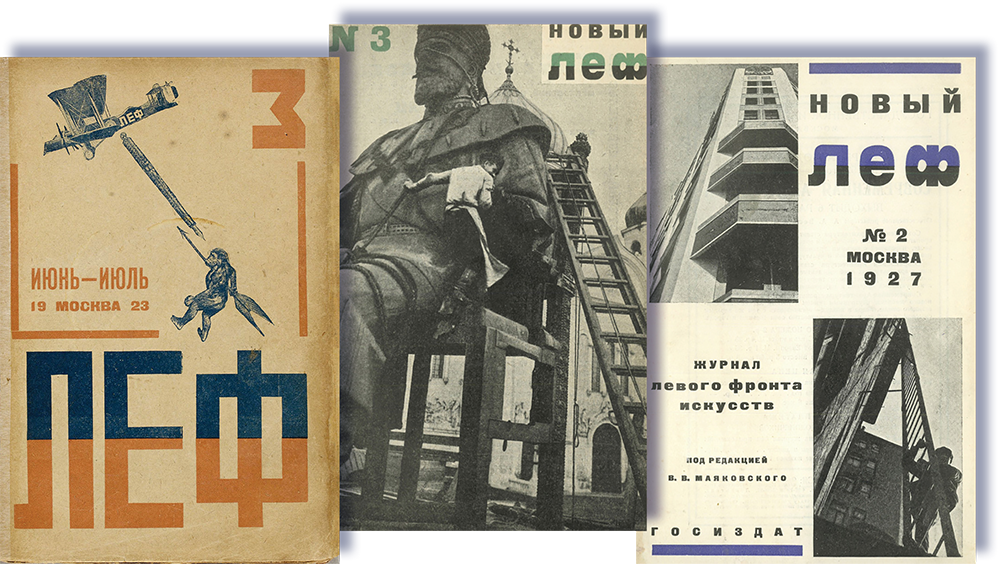
    In the wake of the Russian Revolution, the group “Left Front of the Arts” was formed in Moscow, bringing together creative people of the era—avant-garde poets, writers, photographers, and filmmakers, including Vladimir Mayakovsky, Osip Brik, and others. The group’s philosophy was to re-examine the ideology of so-called leftist art, abandon individualism, and increase art’s role in building communism. The group considered itself as the only representative of revolutionary art. In 1923 they founded the journal LEF (ЛЕФ [Левый фронт искусств], Left Front of the Arts), which was published until 1925. In 1927, it was succeeded by Novyi LEF (Новый ЛЕФ, New LEF) and published until 1928. Despite its short run of only 33 issues, LEF inspired entire movements and artists not only in Russia, but throughout the world.

    LEF served as a forum for intense debate, including manifestos, polemics and critical articles on photography, film, theater, architecture, and design. The journal encouraged experimentation with writing and promoted the idea of “factography,” or the use of language or art to describe or depict the realities of everyday life in the Soviet Union. The journal also championed photography and film as the most suitable forms for postrevolutionary art. The journal’s striking illustrations and covers, many of which were designed by the renowned artist and photographer Alexander Rodchenko, served as an alternative model for realism, challenging the grand, monumental style that was quickly dominating official Soviet art.

    The LEF Digital Archive comprises the entire collection of the 33 published issues, completely digitized for the first time (over 450 articles). The archive offers scholars the most comprehensive collection available for this title, and features full-text articles with full page-level digitization and complete original graphics. The archive has searchable text, and is cross-searchable with numerous other Infoteka digital resources.

  • Kino-Zhurnal A.R.K. Digital Archive

    Kino-Zhurnal A.R.K. Digital Archive

    Critical journal from the early years of Russian cinema.

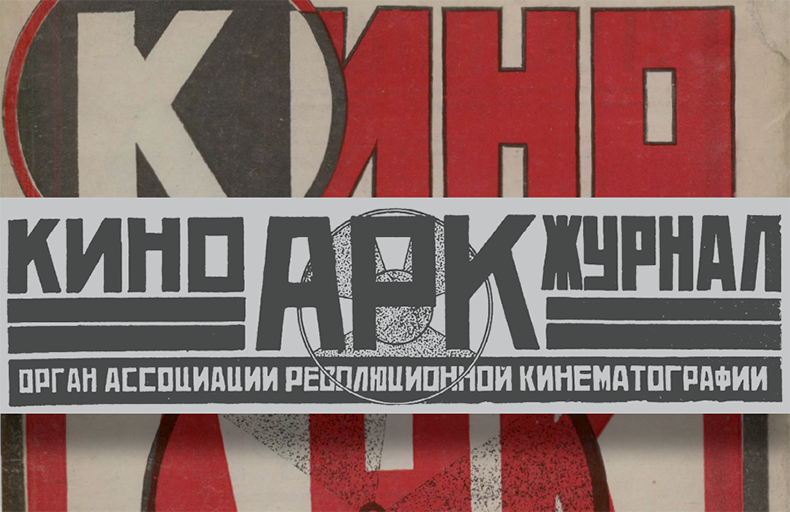
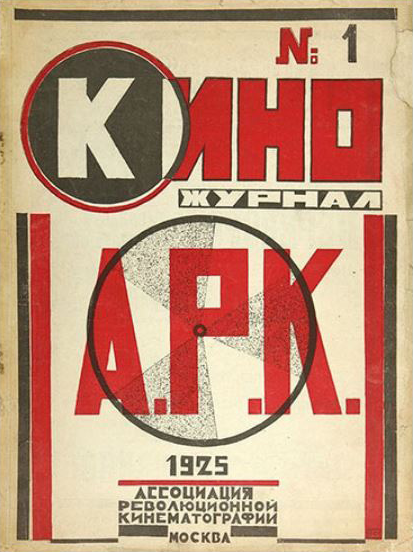
    The beginning of 1920s in the Soviet Russia is known for fresh creative cinematographic forces. It was in this era that world-renowned directors such as Eisenstein, Pudovkin, Trauberg, Ermler, Ardov, Kozintsev and other artists of the first generation of Soviet directors made their debut. Kino-zhurnal A.R.K. (Кино-журнал А.Р.К., Cinema-Journal A.R.K.), published by the Association of Revolutionary Cinematography, is where these groundbreaking directors expounded on their art, reflecting the dynamic era of 1920s Soviet Russia. New theories simultaneously pushed the limits on and aligned with Soviet thought on film montage, and debate in the pages of the journal led to novel methods of movie editing and directing. The painter Kazimir Malevich also contributed to the journal, describing his views towards cinema as an art form.

    Kino-zhurnal A.R.K. also covered Soviet, European, American and Asian film news, film technology, international cinema industry exhibitions like the 1925 Berlin Film Exhibition. The US film industry was booming at that time, with some pages dedicated to American actors and new film out of Hollywood. The magazine also published sociological data on Soviet viewers and film statistics.

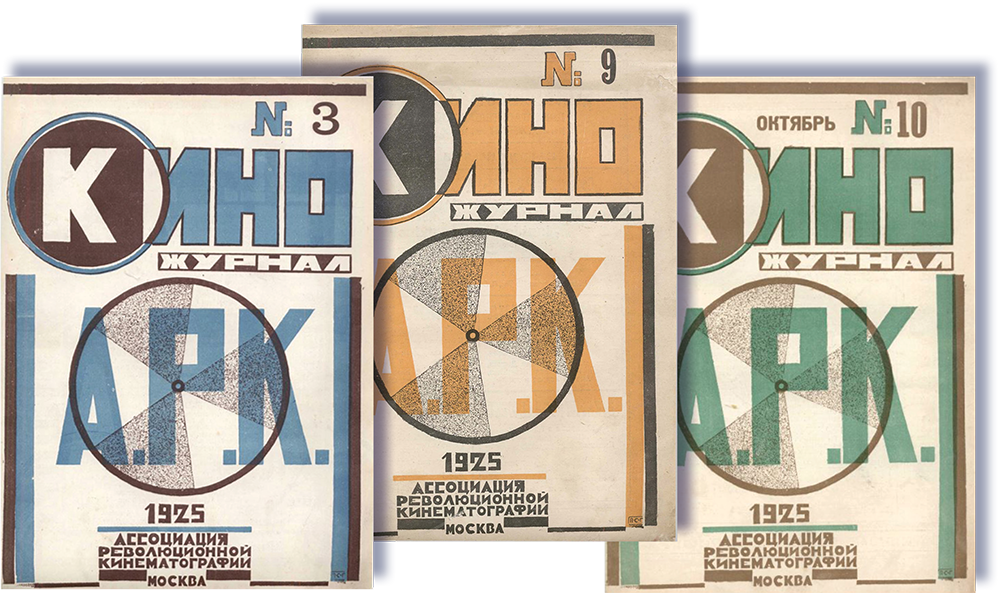
    The constructivist design of the magazine covers was created by Piotr Galadzhiev (1900-1971), a well-known Soviet artist and illustrator for several early Soviet film publications (Kino-Glaz, Kinopechat, etc.).

    An extremely rare Soviet film magazine, only twelve issues of this monthly magazine were published. The magazine ceased publishing in 1926 when its editor Nikolay Lebedev wrote an article blaming Maxim Gorky for disliking cinema as a genre. Although Lebedev later apologized, he was nevertheless fired soon after and the magazine was transformed into a different journal, Kino-front.

    The Kino-Zhurnal A.R.K. Digital Archive contains all published issues of the journal (1925-1926) for a total of 12 issues and 444 articles. The archive features full page-level digitization, complete original graphics, and searchable text, and is cross-searchable with numerous other Infoteka digital resources.

  • Kino Digital Archive

    Kino Digital Archive

    Chronicle of key era in the development of Soviet and international cinema.

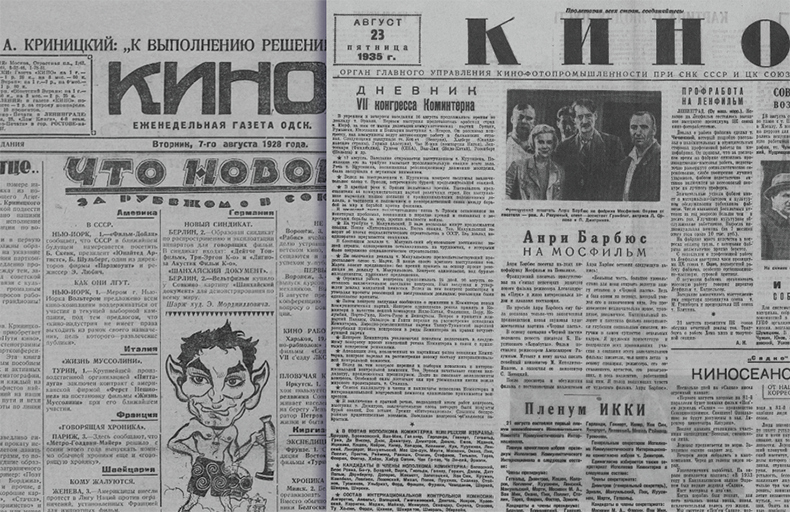
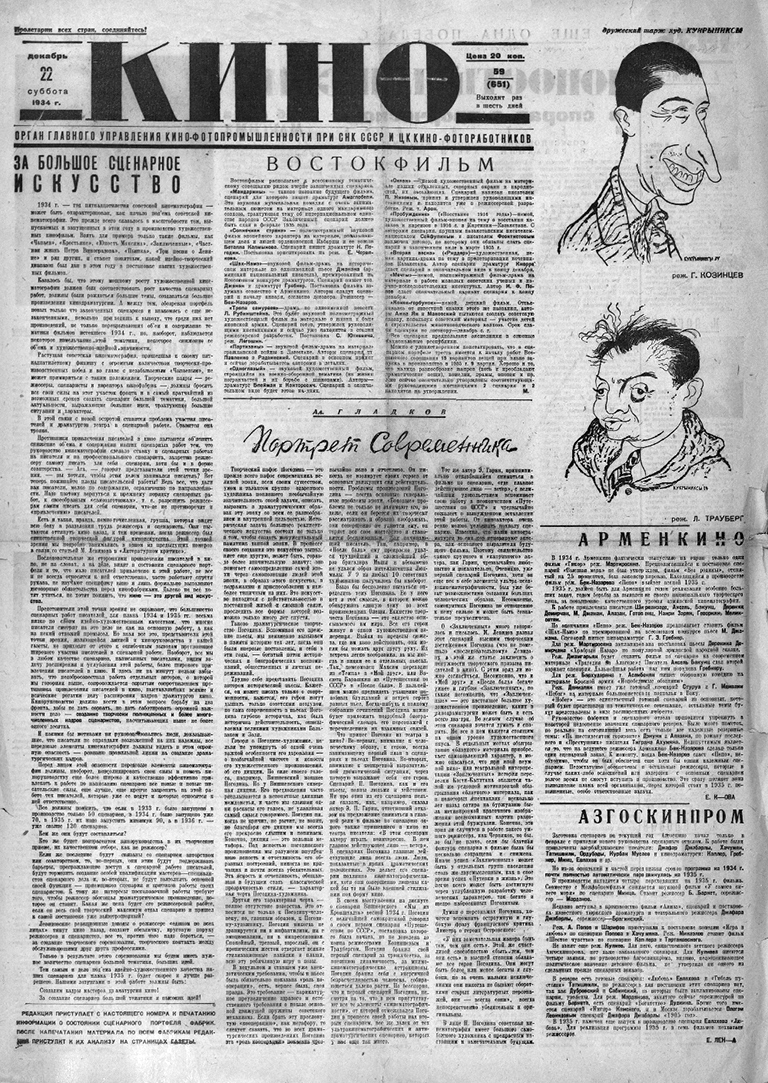
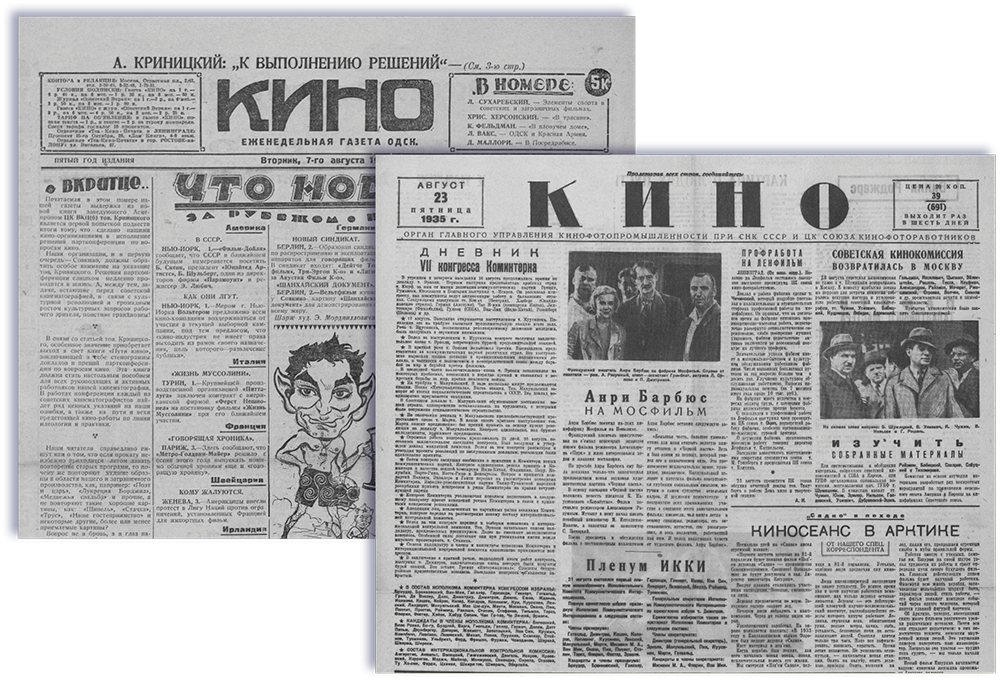
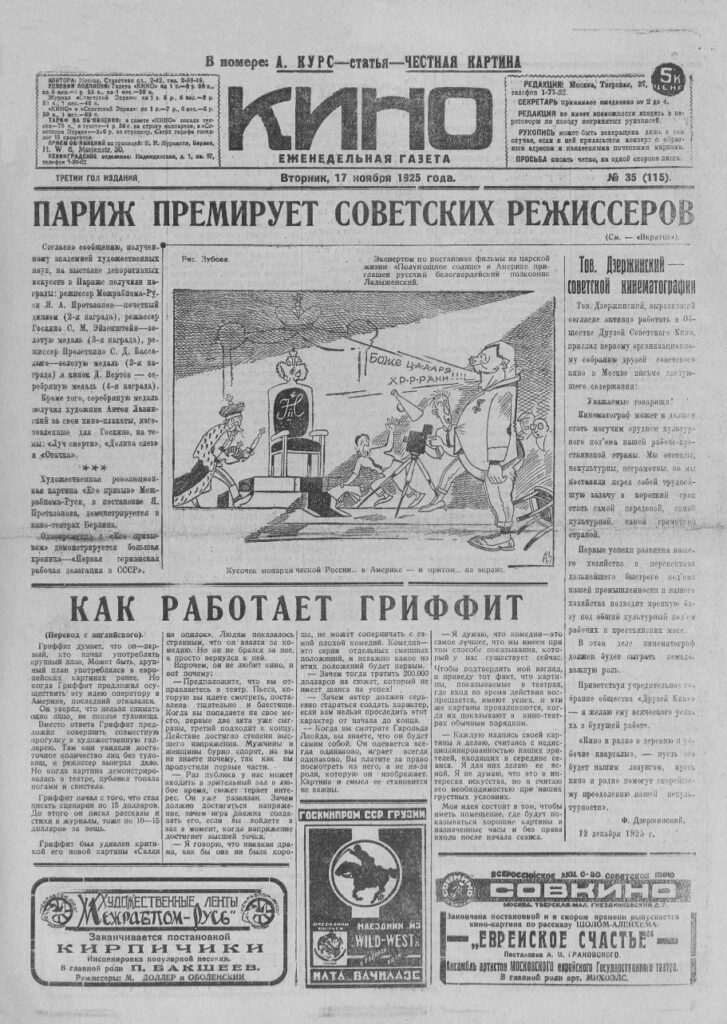
    This complete digital archive presents the influential Soviet film industry newspaper Kino (Kино, Cinema), which was published under various titles from 1923 to 1941. The newspaper served as a crucial chronicle of Soviet cinema’s development during a transformative period in film history, making it an invaluable resource for researchers of Soviet and world cinema.

    The publication was founded by documentary filmmaker Vladimir Erofeev and critic Nikolai Lebedev, who were instrumental in establishing the Association of Revolutionary Cinematography (ARK) in 1924. Under the editorship of Alexander Kurs, praised by Vladimir Mayakovsky as a “born newspaperman,” the publication reached unprecedented circulation numbers of up to 80,000 copies and expanded its influence beyond film industry professionals.

    The newspaper’s comprehensive coverage included film reviews, technical articles on cinematography, economic analyses of film studios, and discussions about the transition to sound cinema. Regular sections featured “Programs and Libretto” (featuring synopses of new films), “Cinema Chronicle,” “Cinema in the Provinces,” and “News from the West.” The publication maintained extensive coverage of Western cinema, with particular attention to American, German, French, Italian, and Bulgarian films, including international reception of Soviet masterpieces such as the German response to “Bronenosets Potemkin.”

    Special attention was devoted to the development of national cinema in Soviet republics, documenting Moscow filmmakers’ expeditions to Central Asia, the Caucasus, and other regions of the USSR. The newspaper regularly covered technological developments in cinematography, projection, laboratory processes, and lighting equipment, including the transition to sound film. The archive contains in-depth coverage of significant Soviet films including “Bronenosets Potemkin,” “Putevka v zhizn’,” “Iunost’ Maksima,” “Chapaev,” and “Veselye rebiata,” offering contemporary perspectives on these classic works.

    During World War II, the newspaper’s final issues focused on short films documenting the struggle against Nazi occupation, with the last issue published on November 1, 1941. This digital archive represents an essential primary source for understanding the development of Soviet cinema, its relationship with international film movements, and the broader cultural and political context of the interwar period. It offers researchers unprecedented access to contemporary discussions about film aesthetics, technology, and ideology during a crucial period in cinema history.

    About the Kino Digital Archive

    During the course of its publication, Kino underwent several name changes and publishing frequencies, reflecting the dynamic nature of the Soviet film industry.

    • Kino-gazeta: illiustrirovannoe izdanie (1923-1925; weekly)
    • Kino: ezhenedel’naia gazeta (1925-1927; weekly)
    • Kino: ezhenedel’naia gazeta ODSK (1927-1929; weekly)
    • Kino: piatidnevnaia gazeta (1930-1931; published irregularly)
    • Kino: shestidnevnaia gazeta (1932-1934; published irregularly)
    • Kino (1934-1941; published irregularly)

    The Kino Digital Archive contains nearly all published issues from 1923-1941, offering scholars the most comprehensive collection available for this title, and features full page-level digitization and complete original graphics. The archive features a user-friendly bilingual interface in Russian and English and has searchable text, and is cross-searchable with numerous other Infoteka digital resources.

  • Kino-fot Digital Archive

    Kino-fot Digital Archive

    Short-lived but influential Russian cinema and photographic art journal.

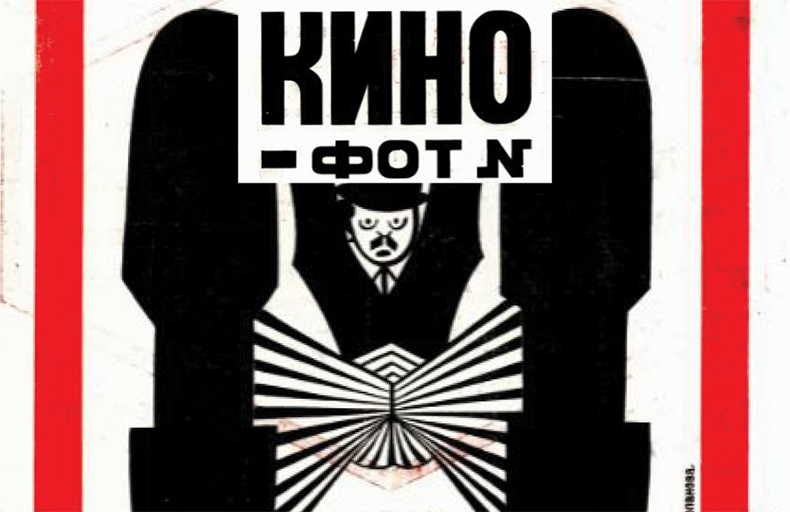
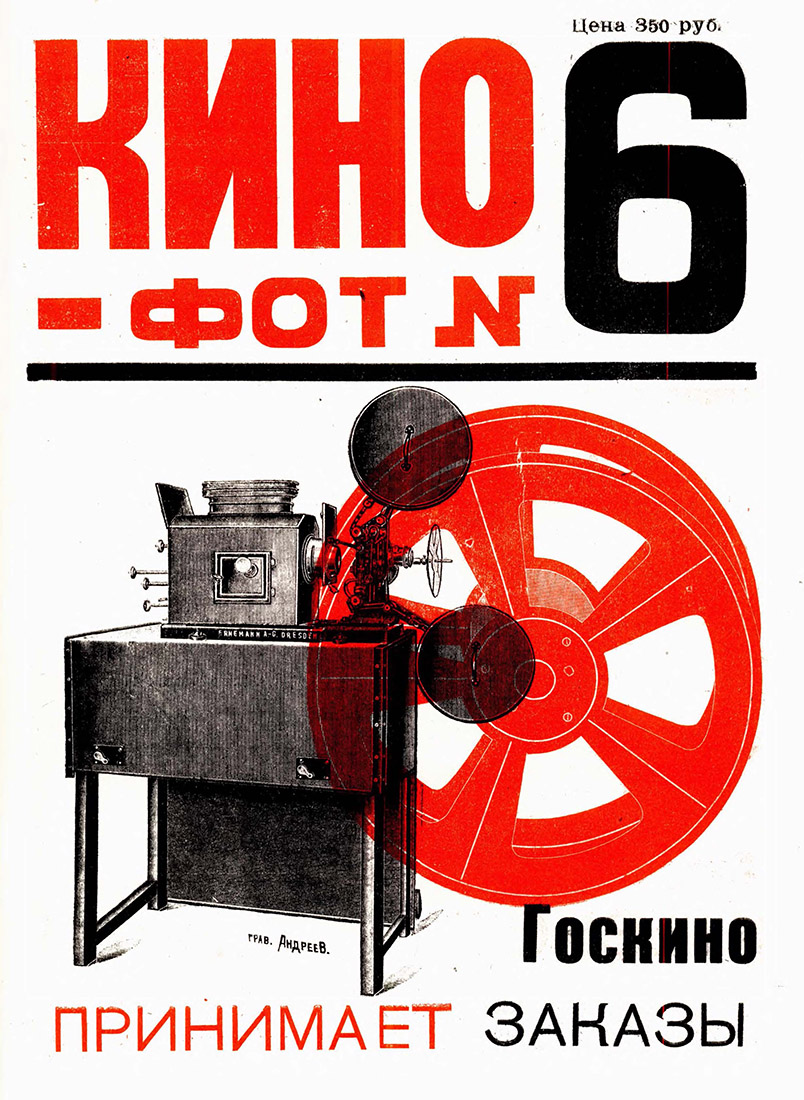
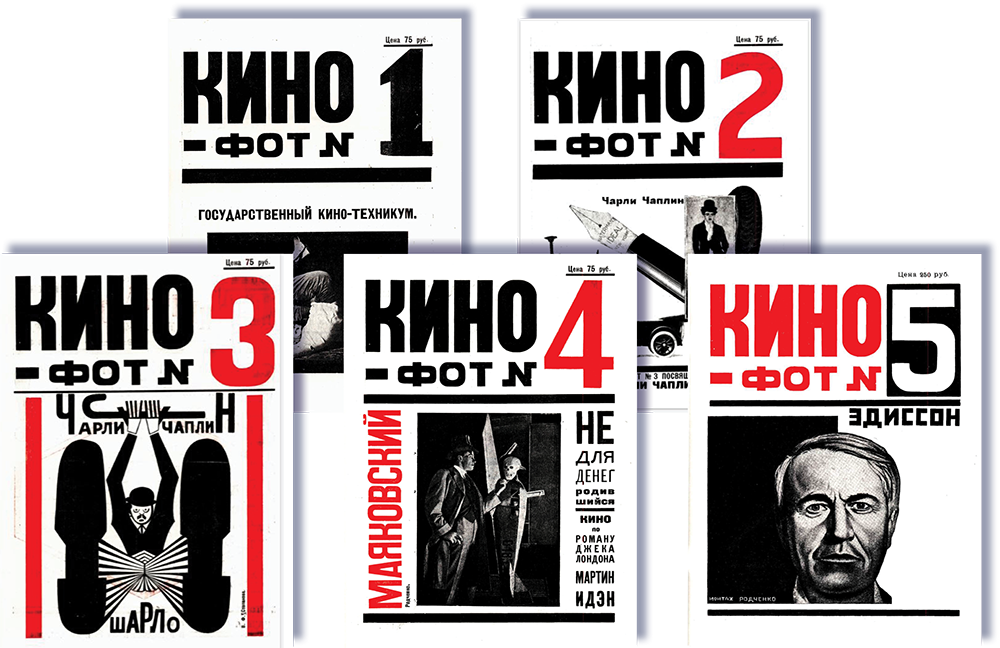
    Kino-fot (Кино-фот, Cinema-Photo), the legendary Russian cinema and photographic art journal, represented the core of the Gan-Rodchenko-Stepanova collaboration. Published in 1922-1923, issues of the journal were illustrated throughout with typographic designs and photos of abstract compositions by Rodchenko; articles by Kuleshov, Dziga Vertov and N. Bernstein, and numerous letterpress designs. All advertisements were also designed in dynamic black and red Constructivist style. Photography and cinema were both still very new and exciting for a new emerging audience and its photomontage pictures, avant-garde layouts, unusual types and other elements put the Kino-fot journal on the very edge of design and influenced the creative flow of the 1920s.

    The Kino-fot Digital Archive contains all published issues of the journal (1922-1923) for a total of six issues and 99 articles. The archive features full page-level digitization, complete original graphics, and searchable text, and is cross-searchable with numerous other Infoteka digital resources.