Resource Type: E-books

  • Soviet Anti-Religious Propaganda

    Soviet Anti-Religious Propaganda

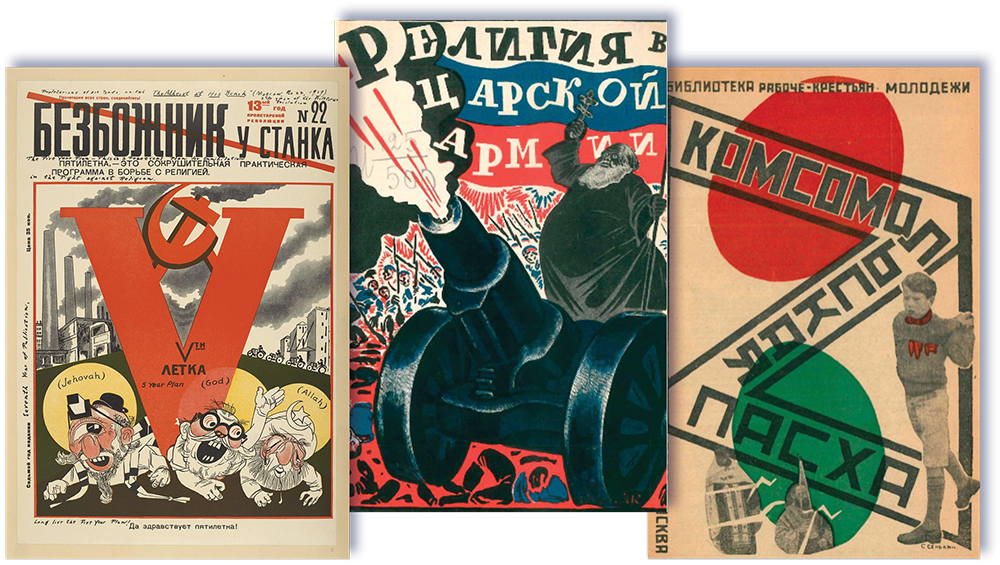
    Some of the earliest casualties of revolutions are the ideological and institutional foundations of the political order that legitimized the ancien régime, the old form of government with its established political and socio-economic power relations. Religion and religious institutions, identified by Bolshevik revolutionaries as enablers of centuries-long Tsarist malfeasance, were additionally considered to be obstructionists of scientific progress, veritable peddlers of ancient superstitions. Thus, the eradication of religion would be elevated into policy shortly after the 1917 Revolution.

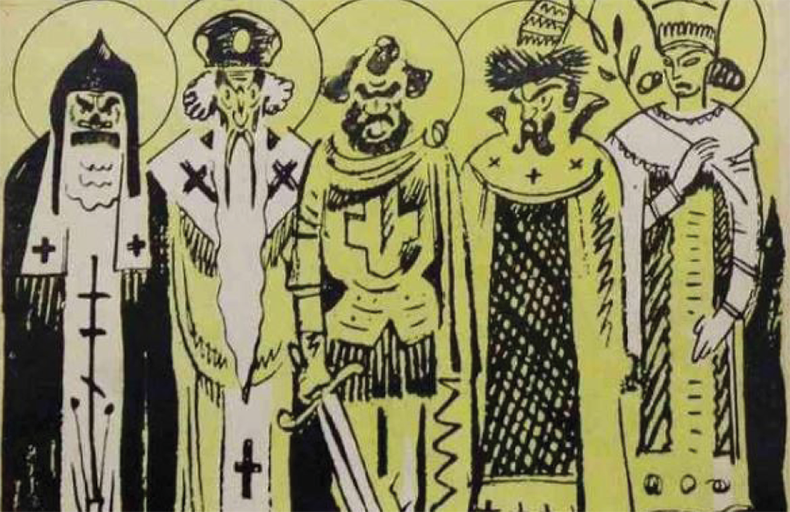
    Russian Orthodox Church property was nationalized, plundered, and desecrated. Clergy were dispatched to gulags or even murdered. Religious beliefs and believers were ridiculed. Although the destruction of churches, mosques, and synagogues would in practical terms curtail public religiosity, it did not guarantee neither radical nor wholesale change in people’s perceptions of the world in which they lived.

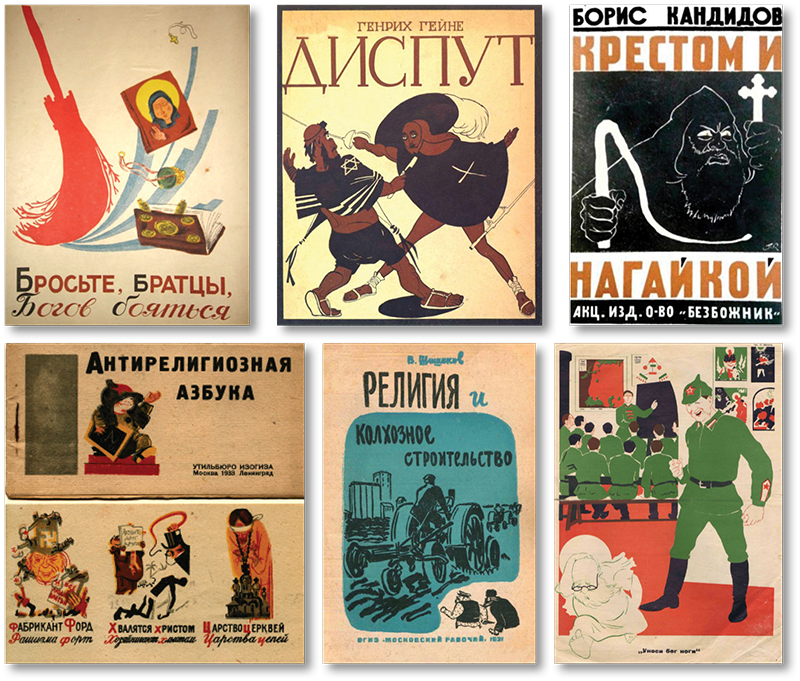
    The matter of changing people’s worldviews, therefore, was left to propagandists and the radically rethought educational system. The result of these policy and educational changes was the launching of the fervid anti-religious propaganda campaigns of the early 1920s and 1930s, which saw the publication of hundreds of books, newspapers, and popular magazines designed to stoke hostility against Christianity and Christians.

    Comprised of 280 books, the Soviet Anti-Religious Propaganda e-book collection is a treasure trove of these early propaganda efforts, containing some of the most important and influential works of anti-religious literature. Full-text searchable and cross-searchable with other Infoteka digital resources, the collection is a valuable resource for historians of the Soviet Union, religious studies, and secularization.

  • Narody Mira. The Soviet Ethnographic Series

    Narody Mira. The Soviet Ethnographic Series

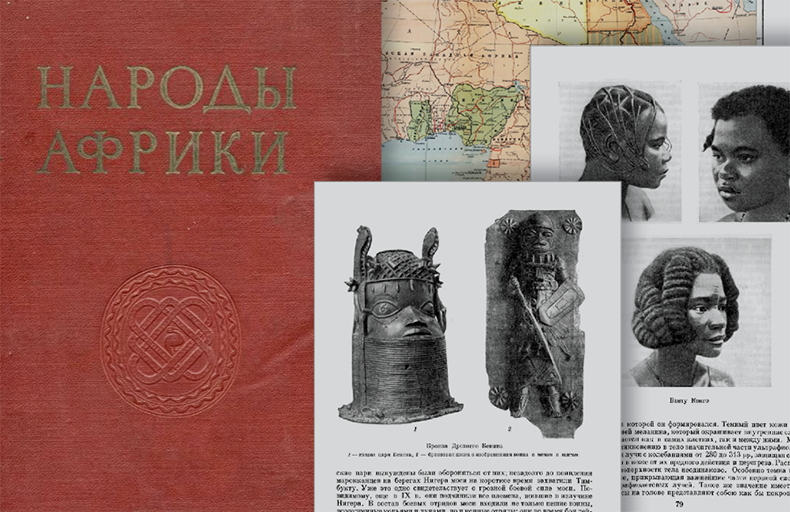
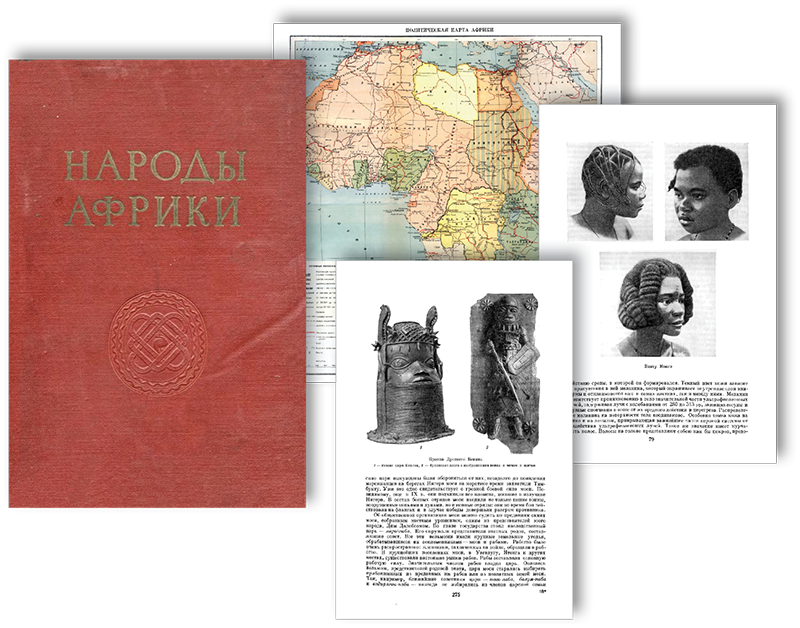
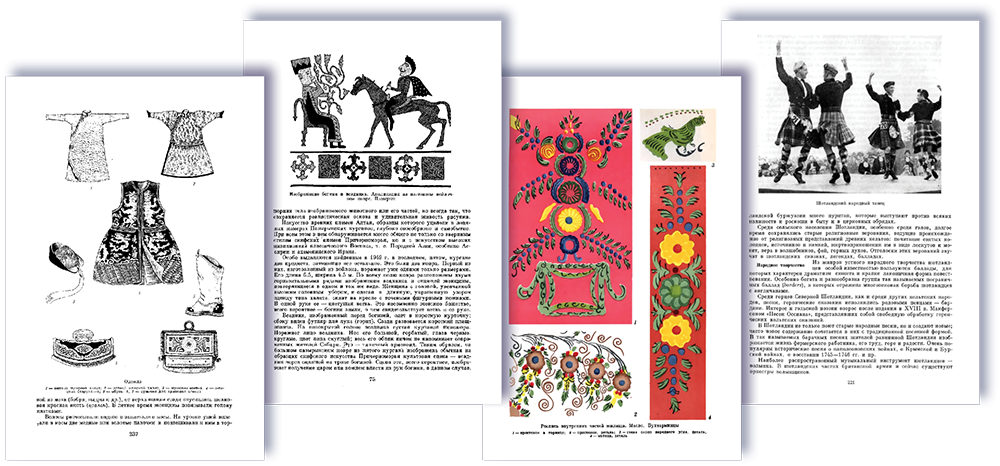
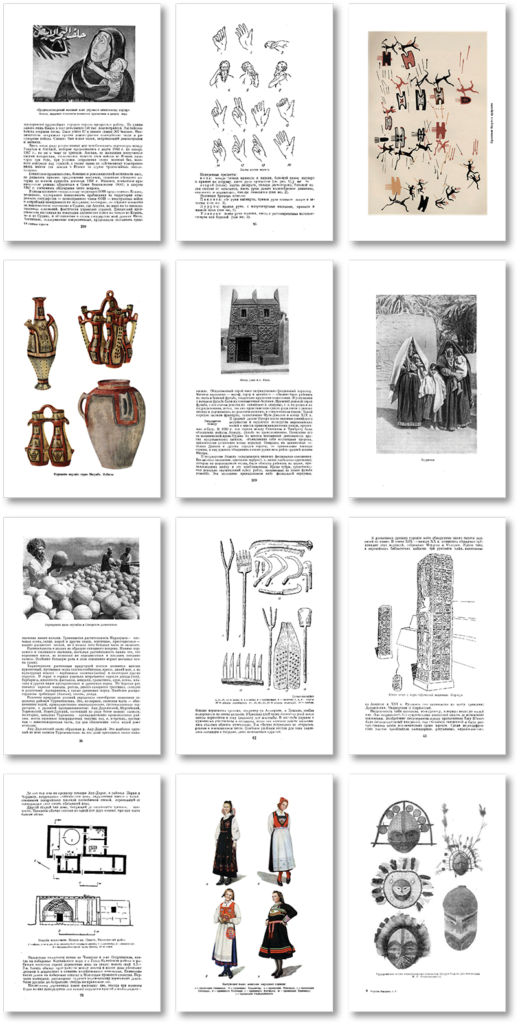
    Narody Mira (Народы мира, Peoples of the World) is a landmark 18-volume scholarly series on world ethnography, published by the Institute of Ethnography of the USSR Academy of Sciences between 1954 and 1966. This fundamental project remains one of the most comprehensive Soviet attempts to document and analyze the ethnic composition, cultures, and traditions of peoples across the globe.

    The Narody Mira series represents a genre specific to the Soviet era: a massive multi-volume work produced over years, if not decades, by the country’s intellectual elite. It was a highly choreographed and collaborative enterprise that – with the possible exception of the People’s Republic of China – had no real parallel anywhere else in the world.

    For today’s researchers, Narody Mira represents a unique intersection of global ethnographic knowledge and Soviet academic tradition at the height of the Cold War. The series captures a moment when Soviet scholars sought to systematize and classify the peoples of the world, offering both rich empirical data and an ideological framework that shaped research in the USSR for decades.

    Narody Mira. The Soviet Ethnographic Series e-book collection is an indispensable resource for anyone studying global cultural diversity, Soviet approaches to ethnography, or the intellectual history of the 20th century. For scholars in anthropology and ethnography, the series provides detailed descriptions of cultures, languages, and traditions that remain valuable for comparative studies and historical analysis. Historians will find in these volumes rare insights into Soviet scholarly priorities, methodologies, and representations of both Soviet and non-Soviet peoples. Linguists can draw on the extensive coverage of language groups and dialects. Political scientists and area studies specialists can use the series to better understand how knowledge about other regions was constructed, disseminated, and employed in Soviet foreign policy and cultural diplomacy.

    Series Titles

    Narody Mira. The Soviet Ethnographic Series covers regions and populations worldwide:

    • Narody Avstralii i Okeanii (Peoples of Australia and Oceania)
    • Narody Ameriki (Peoples of the Americas, in 2 volumes)
    • Narody Afriki (Peoples of Africa)
    • Narody Vostochnoi Azii (Peoples of East Asia)
    • Narody Evropeiskoi chasti SSSR (Peoples of the European Part of the USSR, in 2 volumes)
    • Narody zarubezhnoi Evropy (Peoples of Foreign Europe, in 2 volumes)
    • Narody Kavkaza (Peoples of the Caucasus, in 2 volumes)
    • Narody Perednei Azii (Peoples of the Near East)
    • Narody Sibiri (Peoples of Siberia)
    • Narody Srednei Azii i Kazakhstana (Peoples of Central Asia and Kazakhstan, in 2 volumes)
    • Narody Yugo-Vostochnoi Azii (Peoples of Southeast Asia)
    • Narody Yuzhnoi Azii (Peoples of South Asia)
    • Chislennost’ i rasselenie narodov mira (Population and Distribution of the Peoples of the World)

    Each volume provides a detailed ethnographic portrait of peoples and regions, addressing their origins, languages, economies, social structures, belief systems, and cultural practices. The series draws on extensive fieldwork, archival research, and historical analysis, combining descriptive accounts of daily life, rituals, and celebrations with systematic scholarly interpretation.

    Through Narody Mira readers can gain insights into the ways people from different backgrounds interact with their environment, express their identities, preserve traditions, and adapt to modern changes. The series aims to promote cultural awareness, appreciation, and cross-cultural understanding by showcasing the beauty and complexity of human diversity across the globe.

    The concluding demographic volume, Chislennost’ i rasselenie narodov mira, adds another dimension, offering systematic data on ethnic composition, population size, and distribution across regions and nations of the mid-20th century world — material that remains a vital reference point for historical population studies.

  • Essential Russian Classics

    Essential Russian Classics

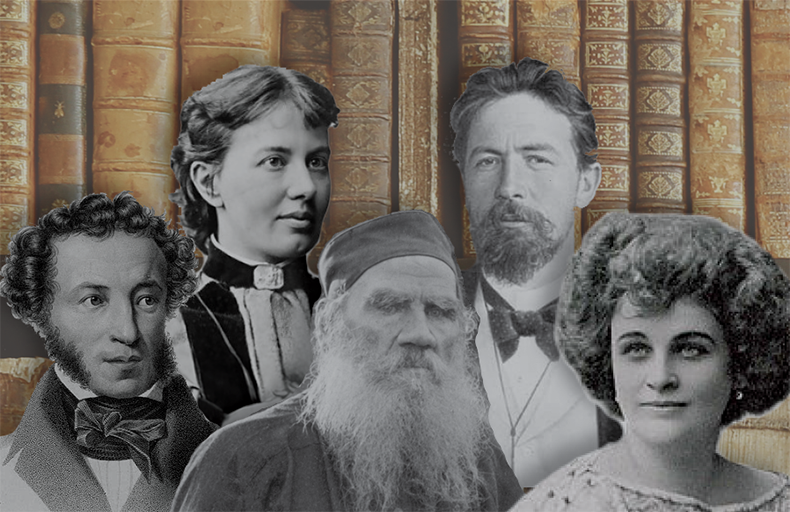
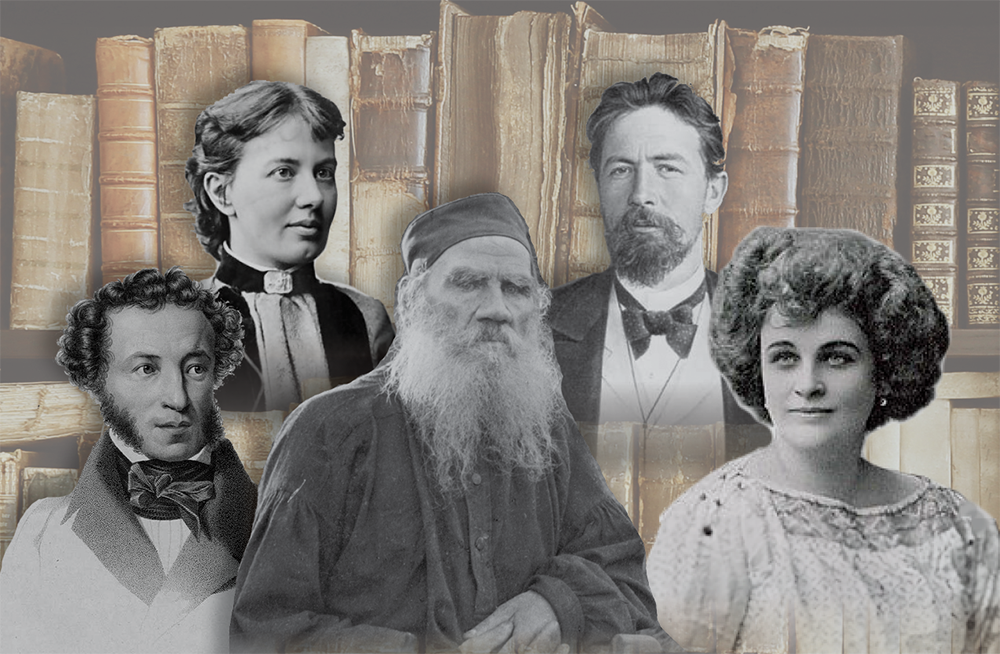
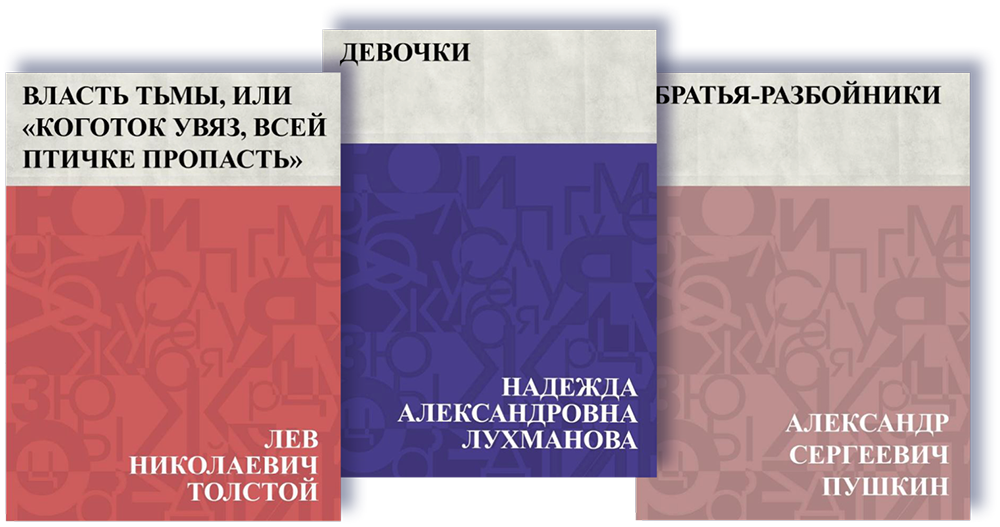
    The Essential Russian Classics e-book collection includes nearly 6,400 titles by 300+ famous Russian authors, thinkers and philosophers of the 18th, 19th and early 20th centuries who made notable contributions to the development of Russian literature, philosophy and culture.

    The collection comprises the works of world-renowned Russian playwrights, poets, essayists and historians, such as Chekhov, Pushkin, Lermontov, Mayakovsky, Bunin, and Karamzin, as well as the less well-known in the West, but still prominent cultural icons of Russia, such as Averchenko, Belyi, Briusov, Fet, Giliarovsky, Gumilev, Leskov, Rozanov, Teffi, and dozens of others.

    The collection is divided into four main genres:

    • Classic Russian Fiction
    • Classic Russian Non-Fiction
    • Classic Russian Poetry
    • Classic Russian Drama

    Non-fiction is represented mostly in such genres as philosophy, history, biography, memoirs and travel journals.

    The resource can be accessed through Infoteka’s e-book platform, allowing for filtering by genre and author, sorting by title, searching in Cyrillic and transliteration. The book format is “smart” PDF. Each title has been assigned a unique e-ISBN number. A free set of ePub files for each title is included with the purchase of the entire collection. All texts have been thoroughly proofread. In some instances, the old spelling was replaced with new. Some publications have been digitized for the first time and are not available in electronic formats elsewhere.

  • Early Soviet Cinema Collection

    Early Soviet Cinema Collection

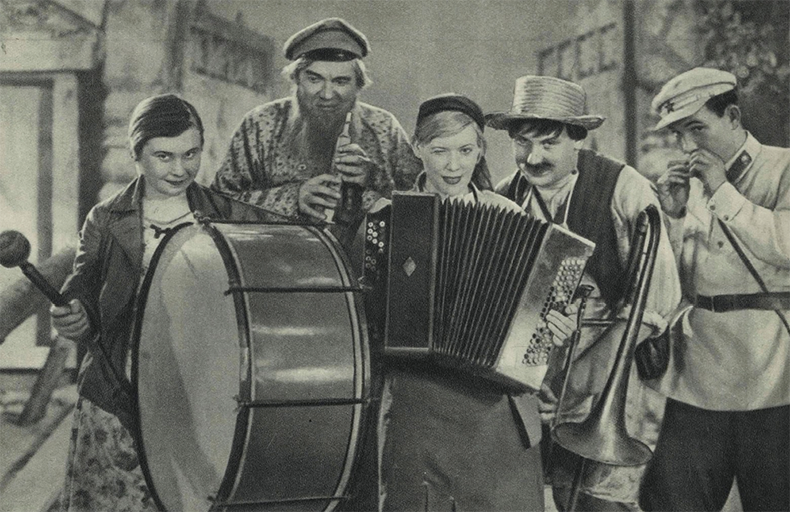
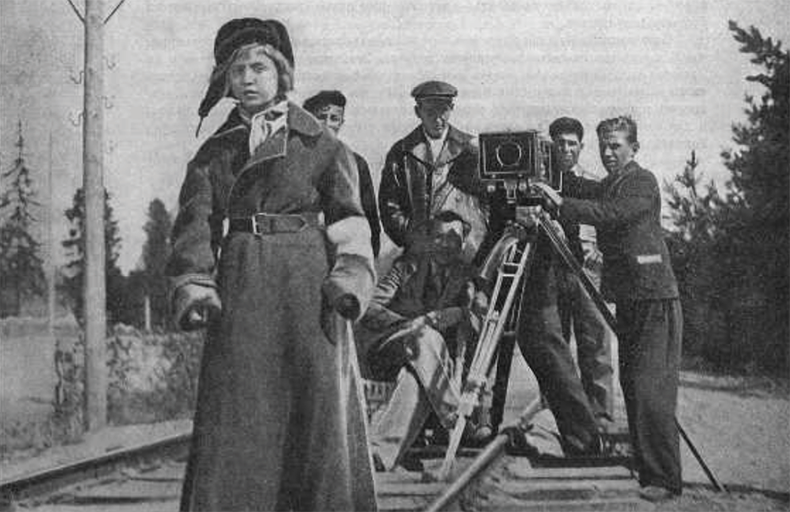
    With more movie screens than any nation at any time, the Soviet Union’s cinematic legacy influenced directors and actors around the world throughout the 20th century.

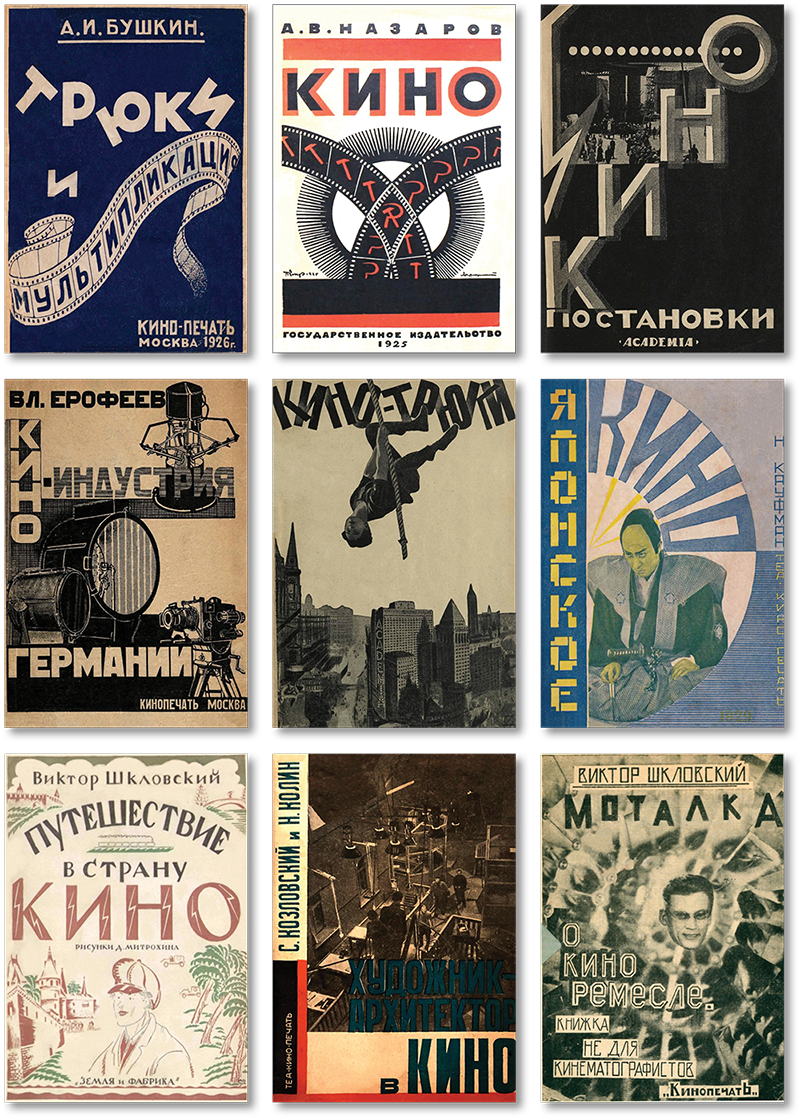
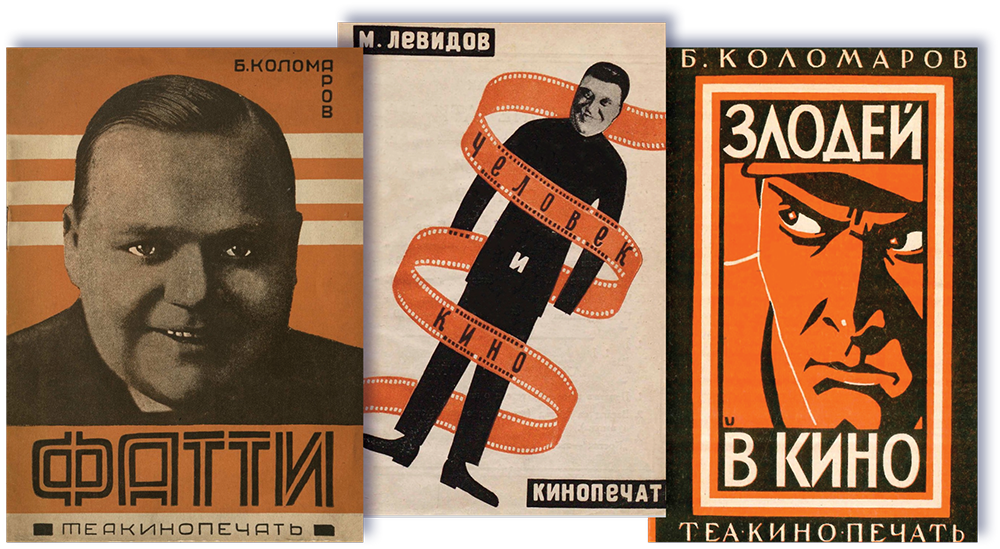
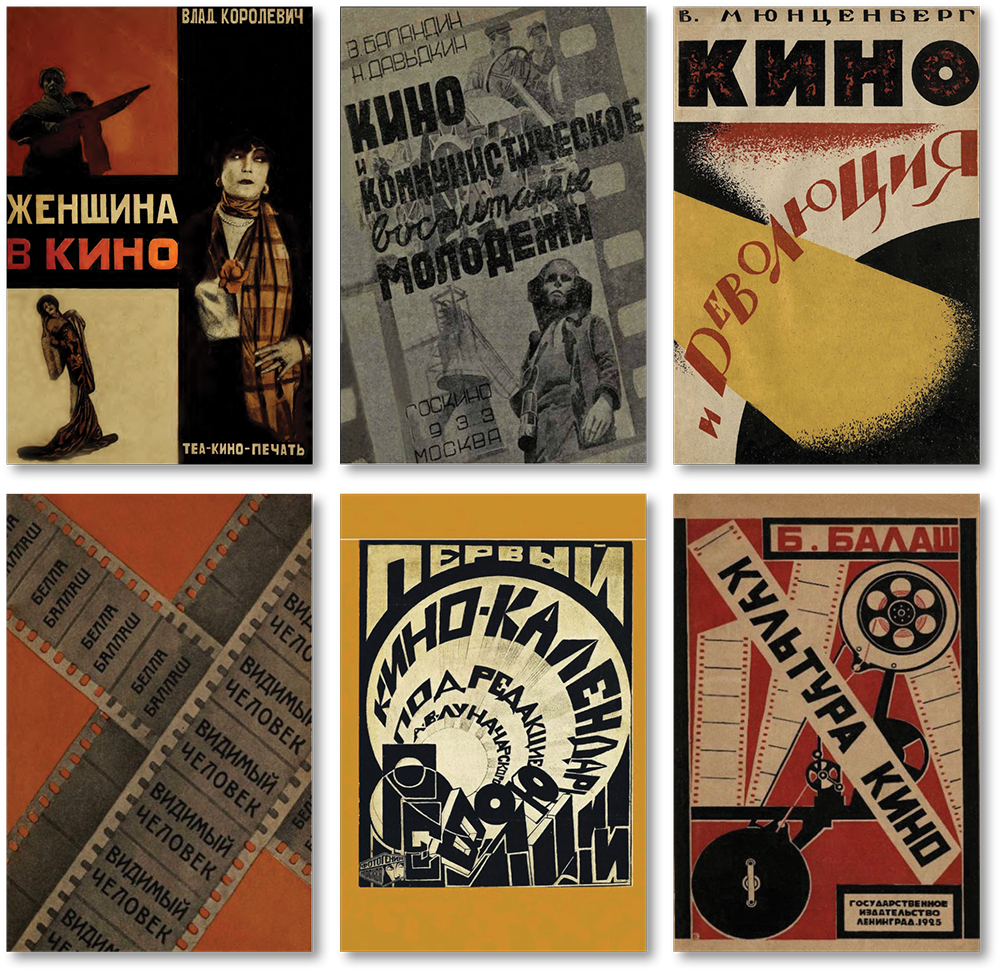
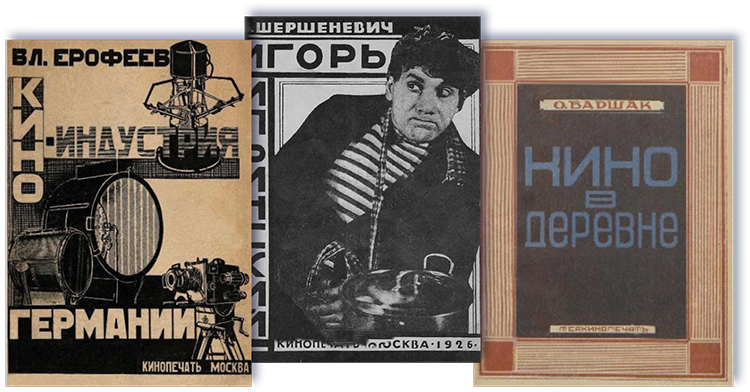
    The Early Soviet Cinema Collection features 119 e-books, most originally published in print from 1926 to 1948, on everything related to the Golden Age of Soviet cinema:

    • The early years of the Russian film industry
    • Cinema and communist education
    • Criticism of foreign film-making
    • The role of women in cinema
    • The ideology of Soviet films
    • The role of atheist documentaries in Soviet society
    • And much more

    This collection features works of renowned Russian and Soviet film directors, film scholars and film critics of the time, including Lev Kuleshov, Bela Balash, Rudolf Garms, Efraim Lemberg, Natan Zarkhi and others.

  • Dostoevskii Research Series

    Dostoevskii Research Series

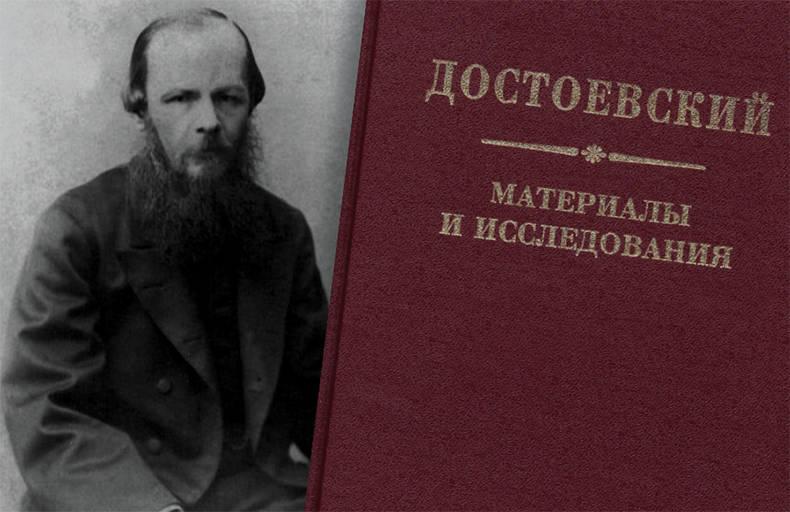
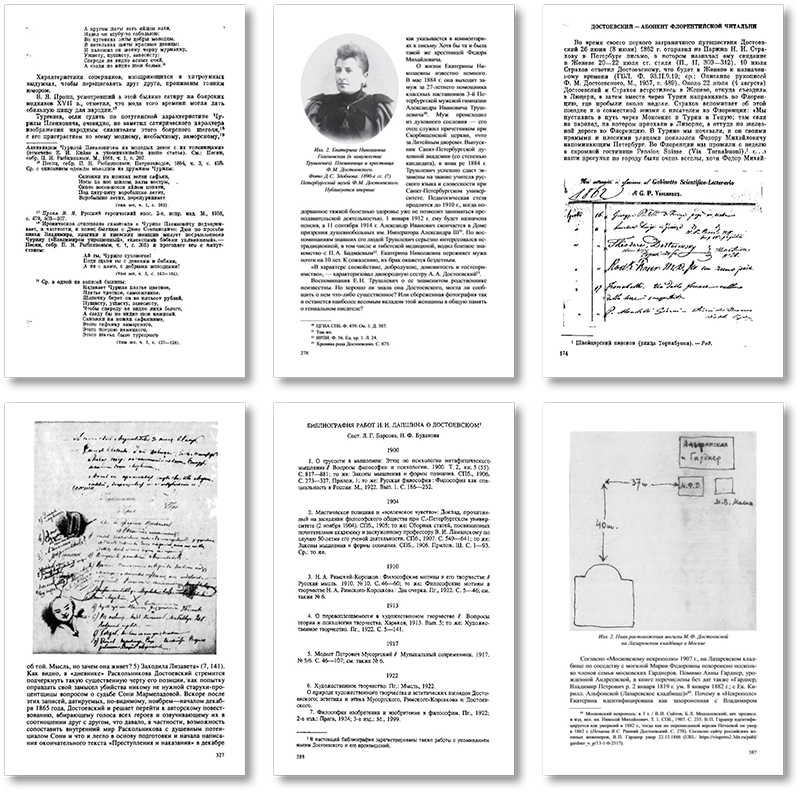
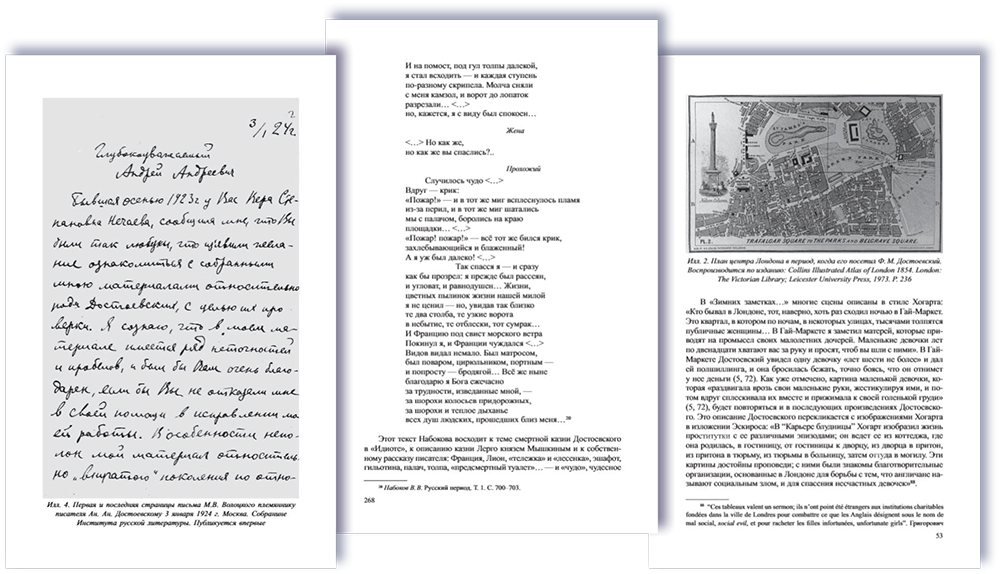
    The series Dostoevskii: materialy i issledovaniia (Достоевский: материалы и исследования, Dostoyevsky: Materials and Studies) is a companion to the 30 volume Collected Works of Fyodor Dostoyevsky, published by the Institute of Russian Literature of the Russian Academy of Sciences (Pushkinskii Dom).

    The series includes contemporary issues in Dostoyevsky scholarship, letters addressed to the writer, materials and documents covering his biography, critical analysis of his works, bibliographic materials and surveys, and articles on the influence of Dostoyevsky on Russian and foreign literature from the late 19th to the 20th century.

    Dostoevskii: materialy i issledovaniia is a continuing publication. The Dostoevskii Research Series e-book collection contains all 24 volumes published since 1974. The collection features full page-level digitization, complete original graphics, and searchable text, and is cross-searchable with numerous other Infoteka digital resources.