Resource Type: Digital Archive – Newspapers

  • Post-Perestroika Newspapers

    Post-Perestroika Newspapers

    Collection chronicling politics, events, and personalities of post-Soviet Russia.

    Equal parts thrilling and disorienting, the late Soviet and early post-Soviet period was one of the most tumultuous times in modern Russian history. Defined by the failures of central planning and political upheavals that gripped the Soviet Union from the Baltics to the Caucasus to Central Asia, it was a period marked by uncertainty, but also full of new opportunities.

    The rapid economic and political liberalization that followed the collapse of the vast Soviet empire opened new frontiers for economic entrepreneurship that had been stifled during the seven decades of central planning. However, the emerging reality was more akin to the wild west than to anything resembling the democratic transformation that Russian reformers had hoped for. The emergence of a new oligarchic class that successfully gained control over vast industries with little to no benefit to the general population became perhaps the most distinctive feature of post-Soviet Russia – in a way determining the trajectory of the country’s political culture for the next three decades. It also paved the way for the emergence of the rule of Vladimir Putin and the securocrats.

    Post-Perestroika Newspapers traces the evolution of post-Soviet Russia, with coverage beginning in the mid 1980s and extending well into the twenty-first century. Established soon before or soon after the collapse of the Soviet Union, the newspapers in this collection document the changes taking place in Russia, some with breathtaking speed, all the while embracing innovative journalistic methods and standards that were a far cry from the journalism of the Soviet period. These newspapers, some of which had a relatively short lifespan, nevertheless provide important and critical insight into the events and personalities that defined post-Soviet Russian politics and history. Comprised of over a dozen titles, the collection is a unique treasure trove for students and historians of one of the most fascinating periods of Russian history.

    Post-Perestroika Newspapers Titles

    • Chas pik (Час пик)
    • Delovoi Mir (Деловой мир)
    • Kuranty (Куранты)
    • The Moscow Times
    • Nevskoe vremia (Невское время)
    • Novye Izvestiia (Новые Известия)
    • Obshchaia gazeta (Общая газета)
    • Pravda – piat’, 5 (Правда -пять, 5)
    • Pravda (Правда)
    • Rossia (Россия)
    • Rossiiskie vesti (Российские вести)
    • Segodnia (Сегодня)
    • Slovo (Слово)
    • Sobesednik (Собеседник)
    • Sovershenno sekretno (Совершенно секретно)
    • Zhizn’ (Жизнь)
  • Novoe Russkoe Slovo Digital Archive

    Novoe Russkoe Slovo Digital Archive

    Influential newspaper for Russian readers abroad.

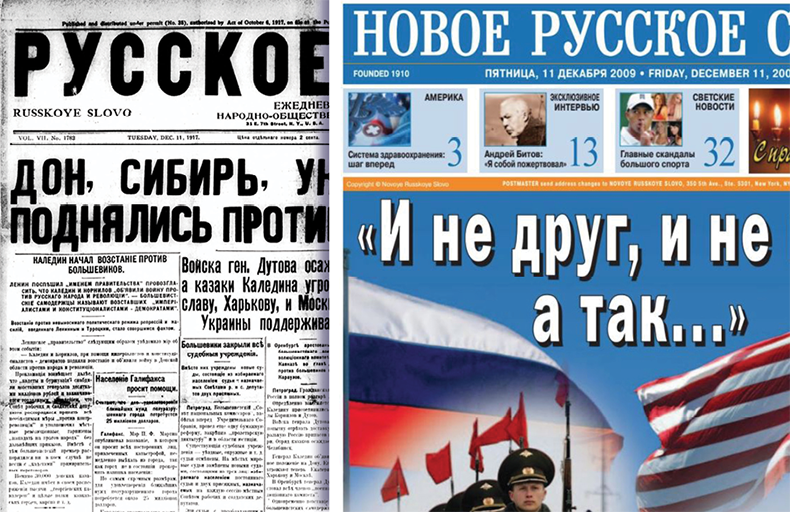
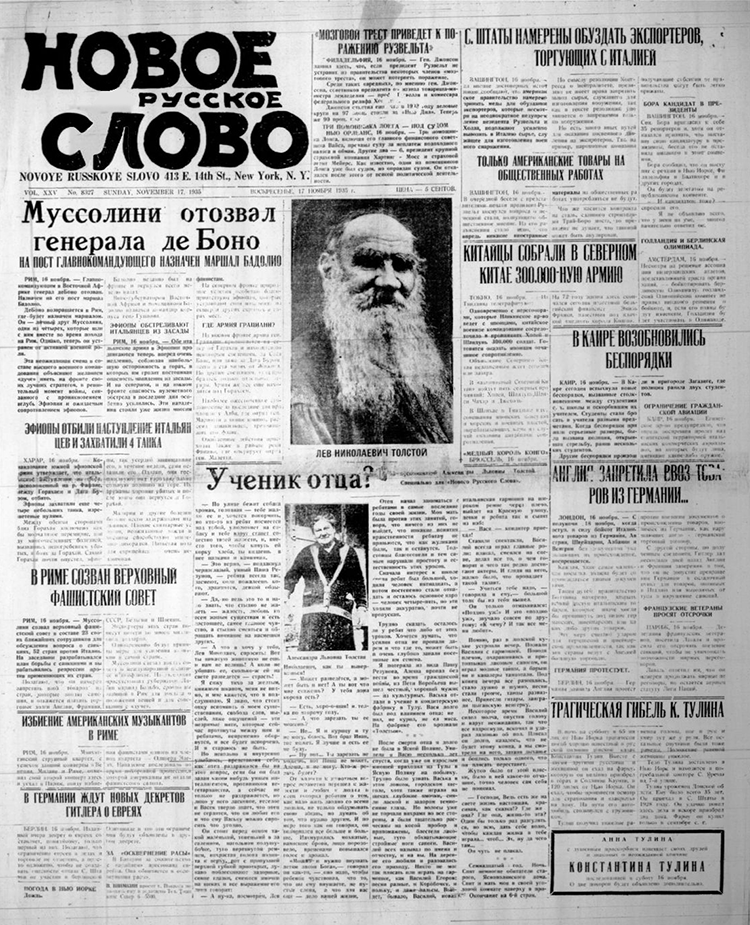
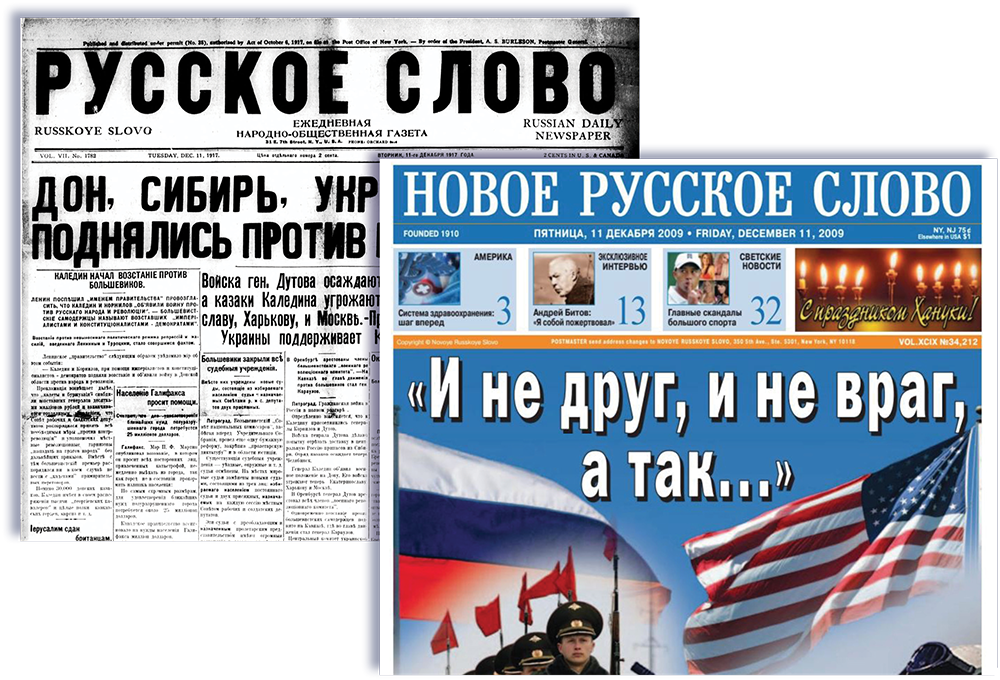
    First published in 1910 in New York, Russkoe slovo (Русское слово, Russian Word) initially carried pro-Communist leanings before undergoing nominal and ideological changes a decade later. Under the new name Novoe russkoe slovo (Новое русское слово, New Russian Word), the newspaper shed its pro-Communist sympathies and established itself as the premier newspaper of the Russian émigré community in New York and beyond.

    Novoe russkoe slovo grew in stature and popularity throughout the 1920s. Contributing to the growth was the increasing wave of émigrés, many prominent intellectuals among them, in search of better fortunes in Europe and the United States after the Bolshevik revolution. Writers and journalists such as A. Vetlugin, George Grebenstchikoff, Aleksei Fovitsky in the US and Ivan Bunin, Don Aminado, Arkady Averchenko in Europe, among others, became regular writers for Novoe russkoe slovo. Along with publishing émigré authors, the newspaper began republishing Soviet authors as well, connecting the information-hungry Russian community with the goings on in the far-off motherland.

    Over time the newspaper introduced new features such as book and film reviews, modeling itself after publications in other immigrant communities as well as more mainstream publications such as the New York Times and the New York Herald.

    Novoe russkoe slovo experienced its true height of popularity during WWII and the immediate aftermath. No longer counting on émigré writers and publicists, the community had begun producing homegrown talent who thought and wrote stylistically in a very different manner than their first-generation immigrant predecessors, with many of them cutting their journalistic and literary teeth on the pages of the newspaper.

    The third wave of immigration from the Soviet Union in the 1970s brought with it a new infusion of talent into the New York Russian community. Novoe russkoe slovo, by then a recognizable and a reputable institution, became one of the beneficiaries of the changing immigrant scene. Positioning itself as the premier immigrant publication, and certainly the most sophisticated, it soon became a lively forum for a varied group of authors, both old and new, under the editorial leadership of Andrey Sedykh, the erstwhile personal secretary of Ivan Bunin, the famed Nobel Prize winner for literature.

    Due to financial difficulties and other factors, Novoe russkoe slovo, the oldest Russian-language periodical in North America, ceased publication a century after it was first established, in 2010.

    The Novoe Russkoe Slovo Digital Archive contains all obtainable published issues (approx. 40,000 pages), including issues of the newspaper’s predecessor title Russkoe slovo (1917–1920). The archive offers scholars the most comprehensive collection available for this title, and features full page-level digitization, complete original graphics, and searchable text, and is cross-searchable with numerous other Infoteka digital resources.
  • Nedelia Digital Archive

    Nedelia Digital Archive

    Popular Soviet illustrated weekly newspaper.

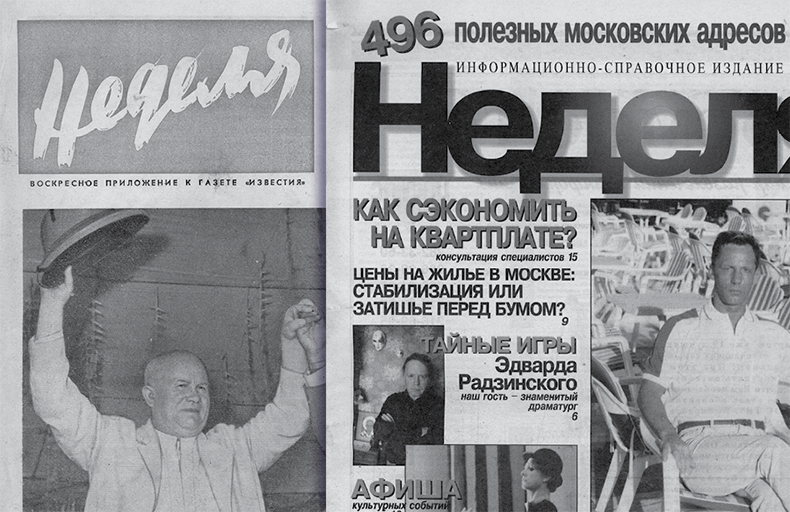
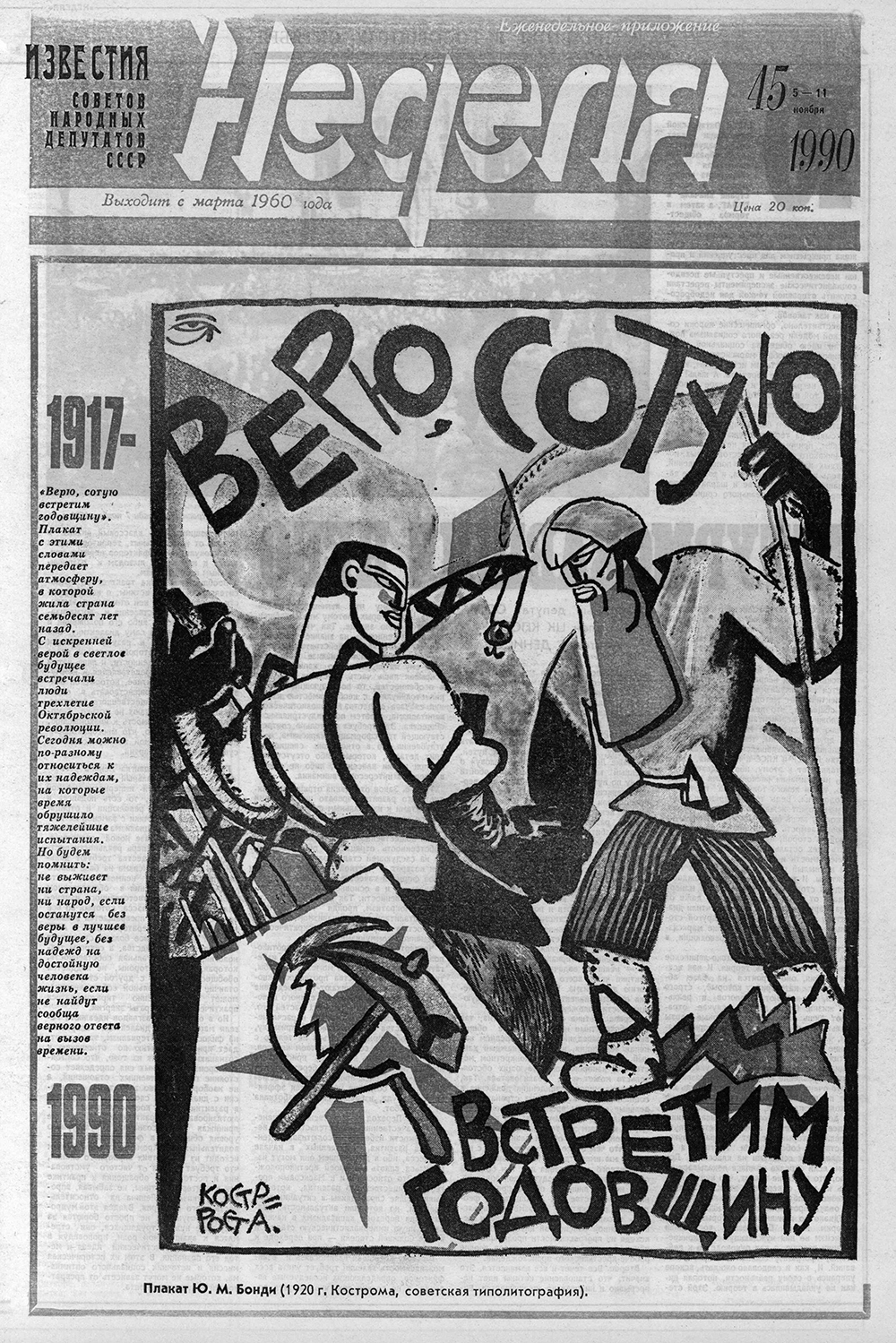
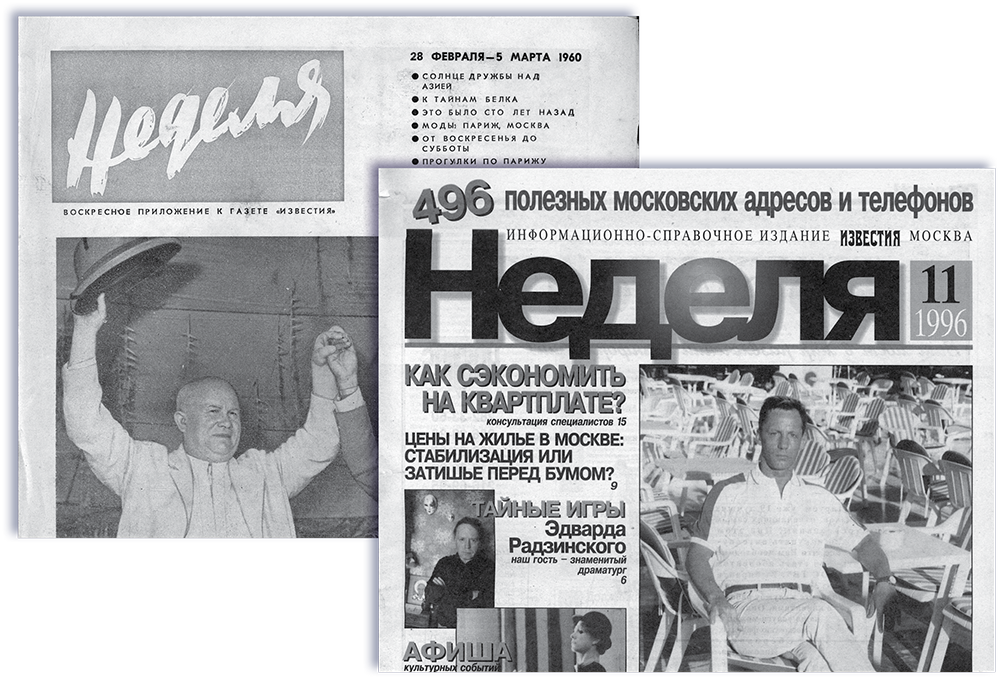
    The Nedelia Digital Archive contains all obtainable published issues from the very first issue, comprising more than 44,000 pages. The archive offers scholars the most comprehensive collection available for this title, and features full page-level digitization, complete original graphics, and searchable text, and is cross-searchable with numerous other Infoteka digital resources.

  • Moscow News Digital Archive

    Moscow News Digital Archive

    Russia’s oldest English-language newspaper.

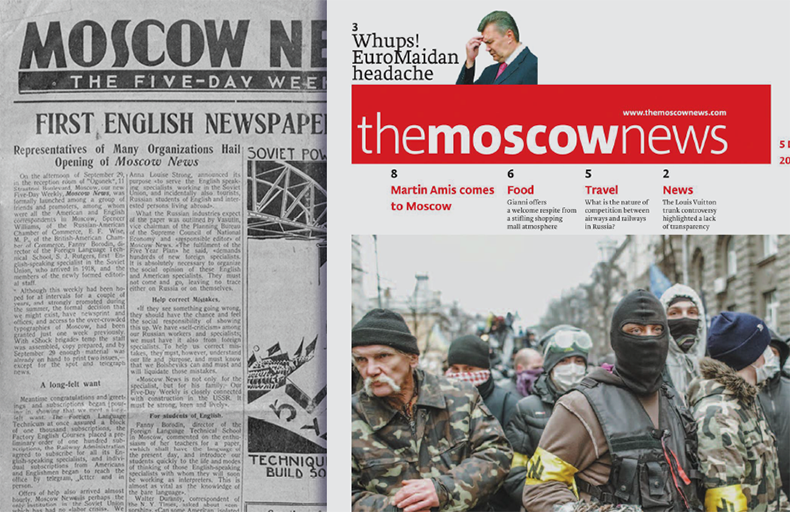
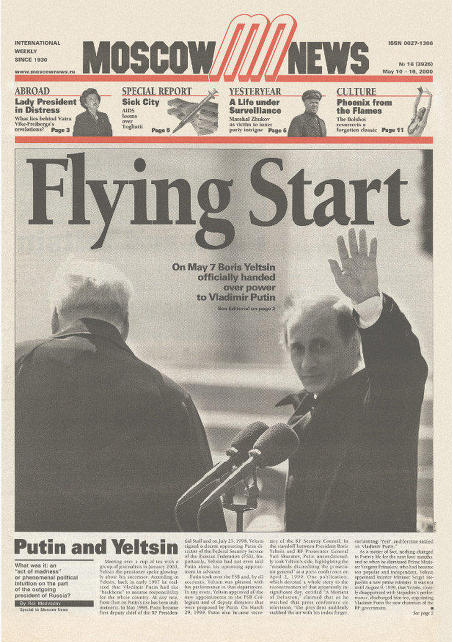
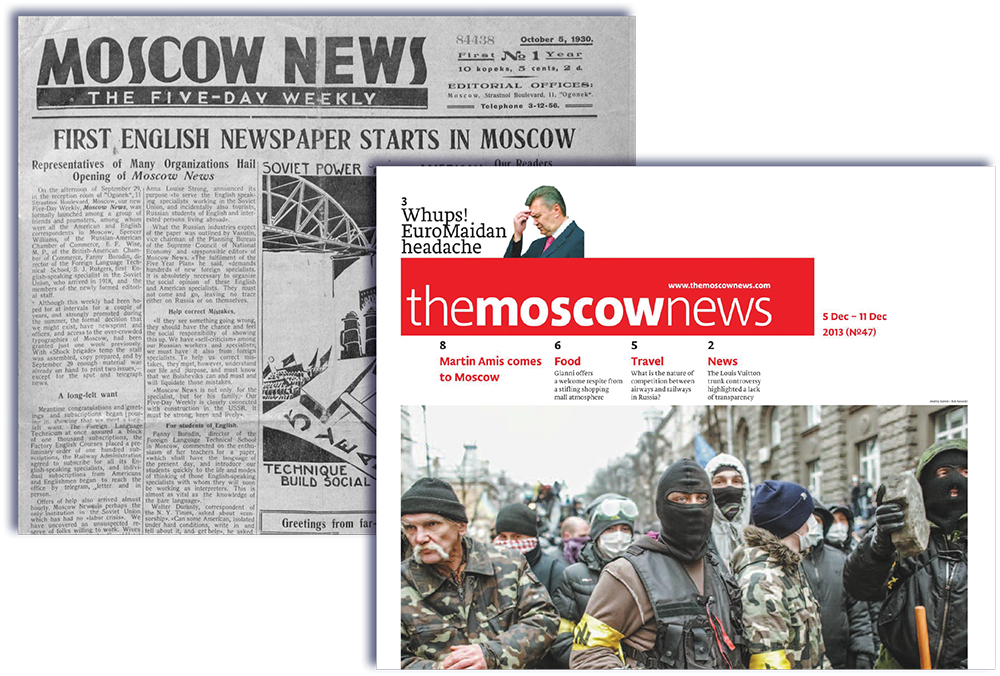
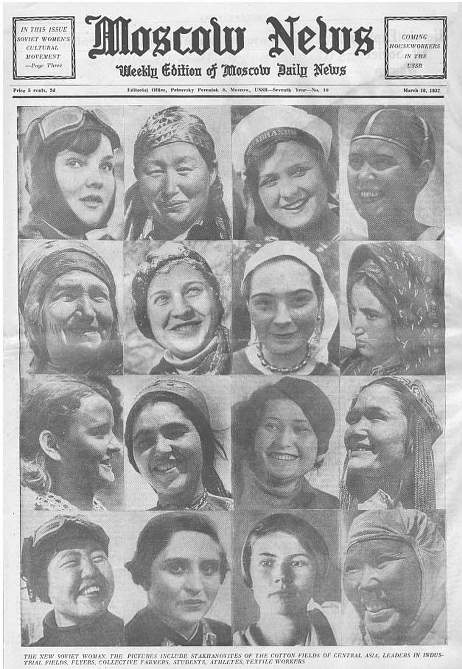
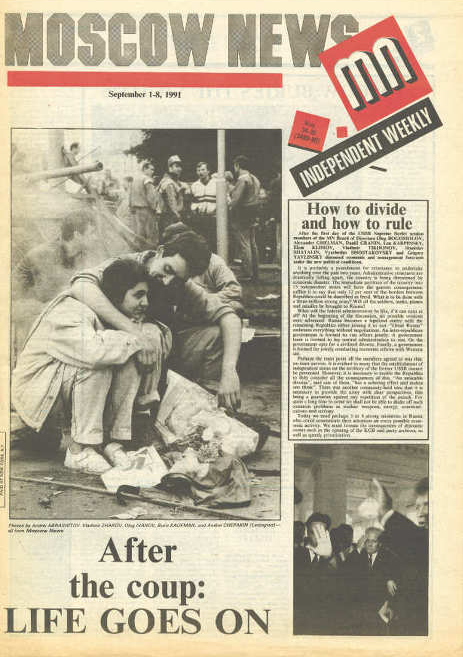
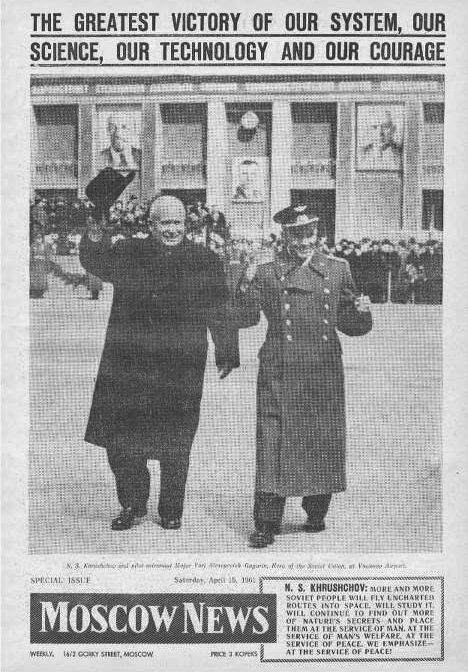
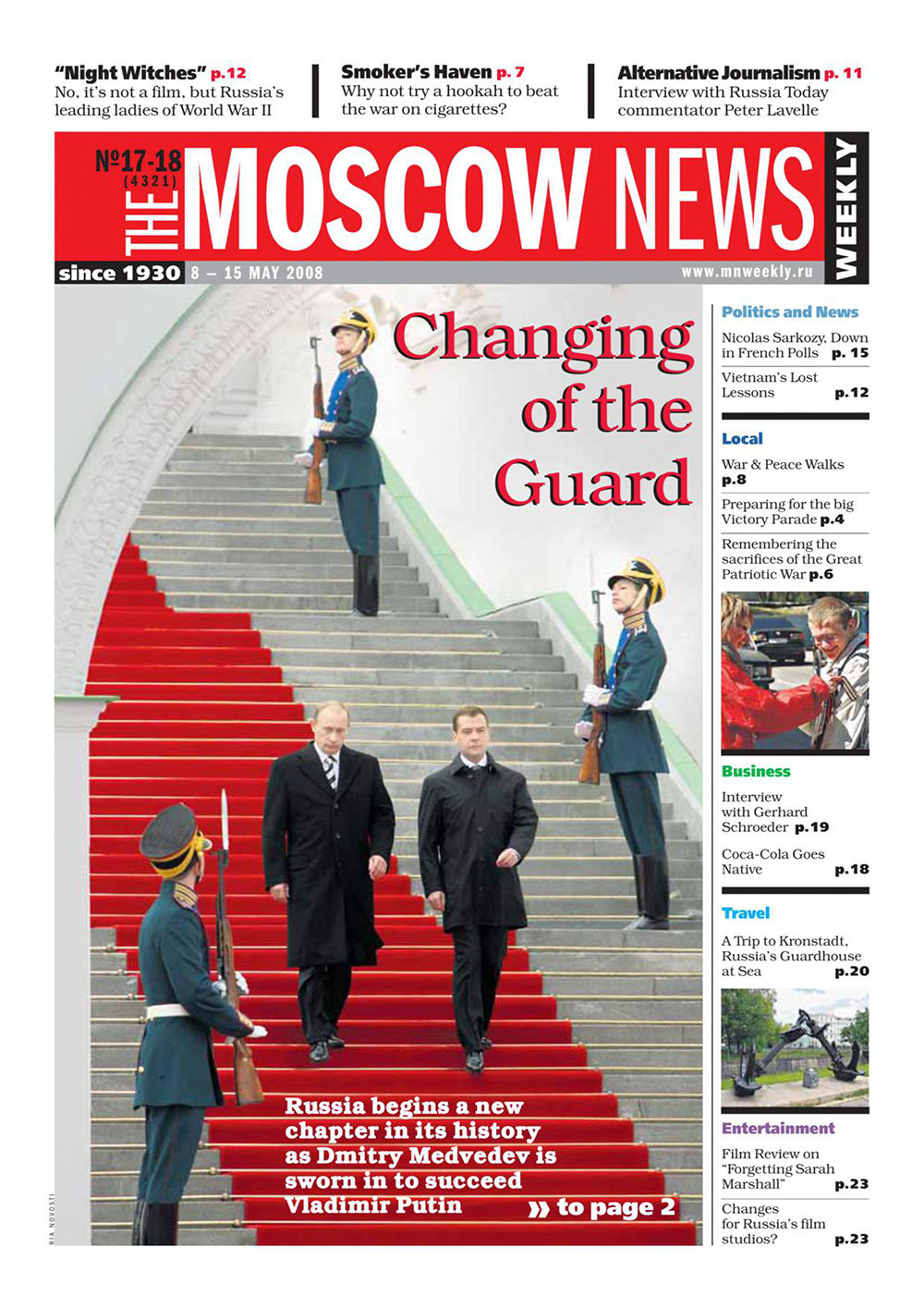
    Moscow News (pub. 1930–2014) was the oldest English-language newspaper in Russia and, arguably, the newspaper with the longest democratic history. From a mouthpiece of the Communist party to an influential advocate for social and political change, the pages of Moscow News reflect the shifting ideological, political, social and economic currents that have swept through the Soviet Union and Russia in the last century.

    The Moscow News Digital Archive contains all obtainable published issues (1930–2014, approx. 60,000 pages), including issues of the newspaper’s short-lived sister publication Moscow Daily News (1932–1938). The archive offers scholars the most comprehensive collection available for this title, and features full page-level digitization, complete original graphics, and searchable text, and is cross-searchable with numerous other Infoteka digital resources.

    More About Moscow News

    In its early years, Moscow News largely served as yet another weapon in the Soviet Union’s propaganda arsenal, offering foreigners a window into the Soviet way of life. Initially committed to news reportage, Moscow News ultimately abandoned the format adopting a more formal Communist Party ideological worldview and language, operating under the auspices of the All-Union Society for Cultural Relations with Foreign Countries.

    Despite striving to stay within the boundaries of Soviet guidelines, the newspaper’s founding editors and staff found themselves in the crosshairs. Starting in the late 1930s, multiple staff members were arrested and the newspaper’s status became tenuous. Moscow News was ultimately shut down by the Politburo in 1949.

    Moscow News was rehabilitated in 1956 during the Khrushchev Thaw, and the onset of Gorbachev-era perestroika and glasnost reforms brought about a slew of changes in the newspaper’s editorial direction. Strict ideological commitments of the previous decades were abandoned in favor of more reformist and even independent views, with traditionally taboo subjects like the repressions and show trials of the 1930s, or the Katyn massacre of Polish officers by Soviets, no longer being off limits. As a result of these changes Moscow News would soon become one of the most outstanding and most important Russian periodicals of the era.

    Like many newspapers, Moscow News faced financial challenges after the collapse of the Soviet Union. It was forced to cease all foreign-language editions, leaving just the English and Russian (which ceased in 2008), and underwent several changes of ownership, including, for a time, the outspoken oligarch Mikhail Khodorkovsky. Throughout these transitions, the newspaper worked to maintain its reputation as an influential voice for critical, independent reporting.

    Ultimately, Moscow News was forced to cease publication in early 2014 when its owner, state-funded news agency RIA Novosti, was shut down by President Vladimir Putin. The newspaper’s reputation for critical, independent reporting – not to mention Its own tumultuous history – makes Moscow News an essential resource for understanding the various political and social shifts that occurred during the Soviet and post-Soviet eras and the new challenges facing Russia in the Putin era.

  • Literaturnaia Gazeta Digital Archive

    Literaturnaia Gazeta Digital Archive

    Russia’s most popular newspaper among the intelligentsia.

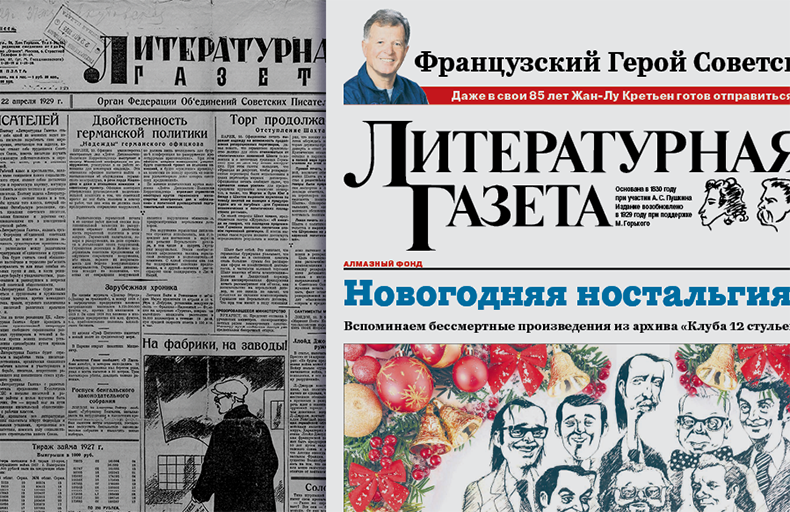
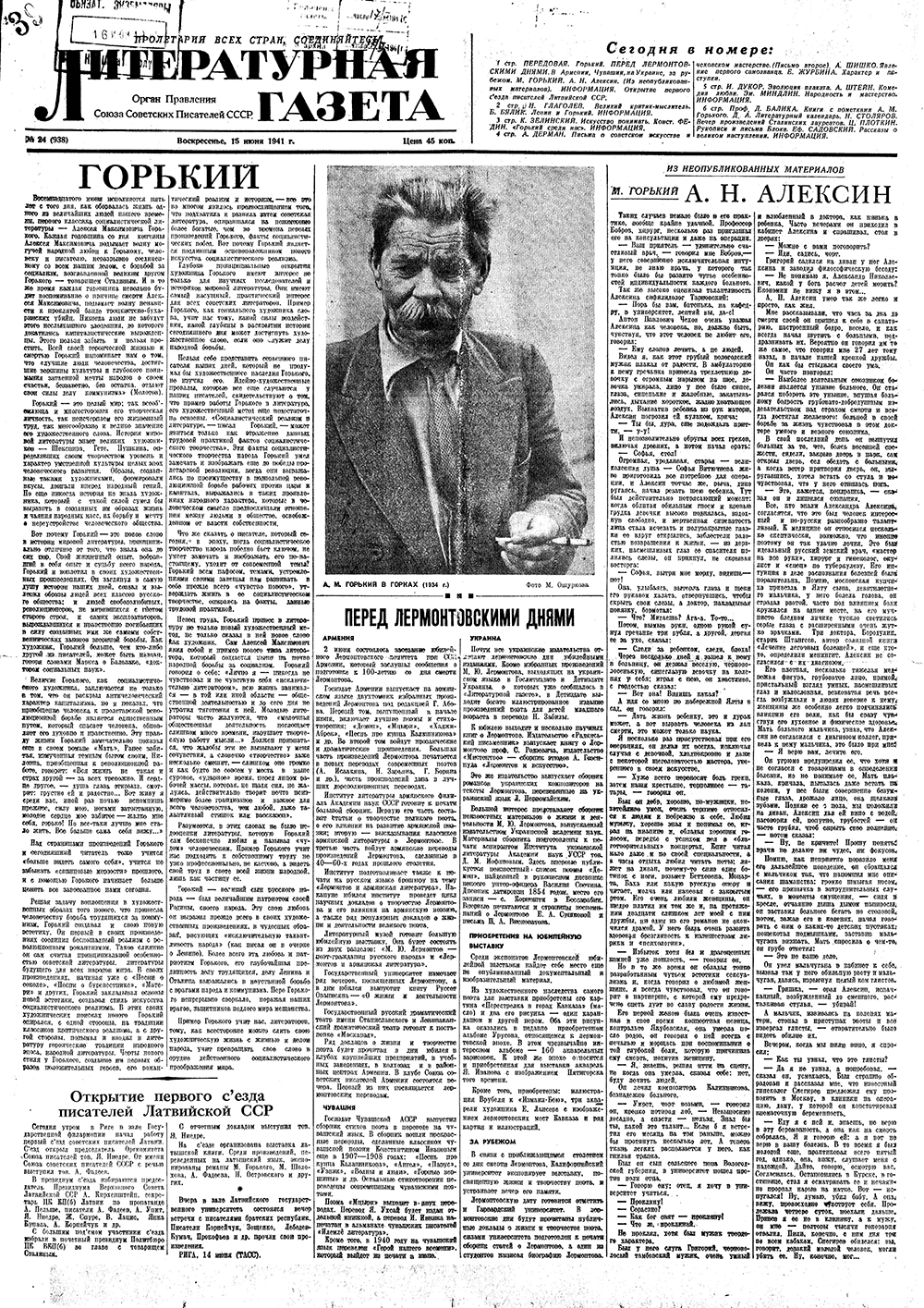
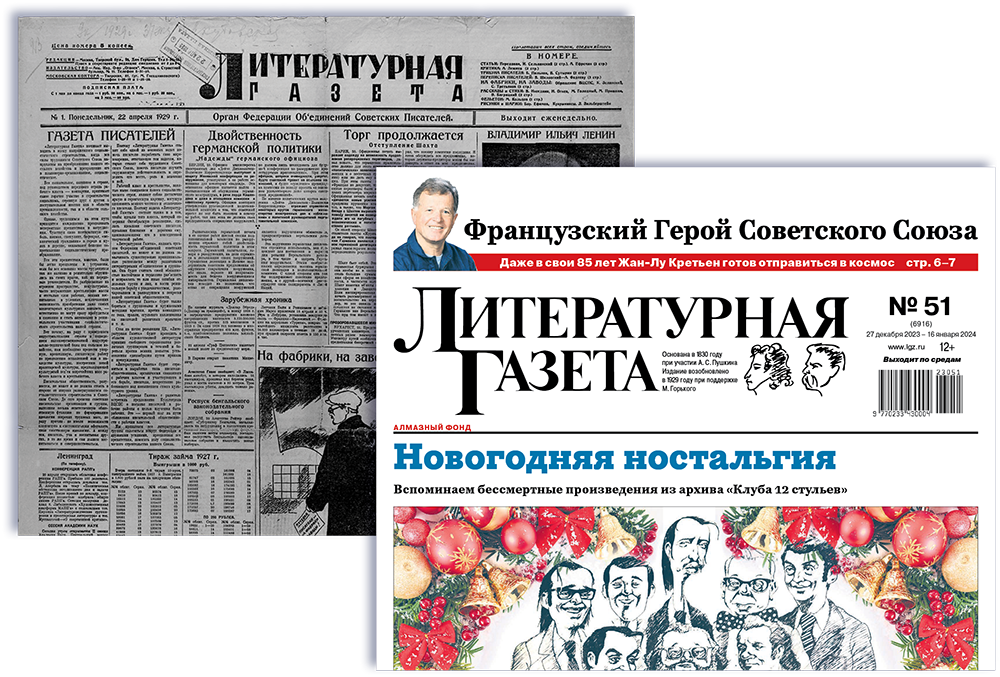
    Established on April 22, 1929 with the support of the “father of Soviet literature,” writer Maxim Gorky, Literaturnaia gazeta (Литературная газета, Literary Newspaper) is a landmark publication in Russia’s cultural heritage. With its focus on literary and intellectual life, Literaturnaia gazeta allowed Soviet Russia’s preeminent authors, poets, and cultural figures a particular podium for commentary, affording perhaps fewer restrictions than might be possible in other publications. Literaturnaia gazeta was considered the most open among newspapers of the Soviet era, and it remains popular among the intelligentsia in today’s Russia.

    The Literaturnaia Gazeta Digital Archive contains all obtainable published issues from 1929 on (over 65,000 pages), with an additional year’s worth of content available for purchase on an annual basis. The archive offers scholars the most comprehensive collection available for this title, and features full page-level digitization, complete original graphics, and searchable text, and is cross-searchable with numerous other Infoteka digital resources.

    More About Literaturnaia Gazeta

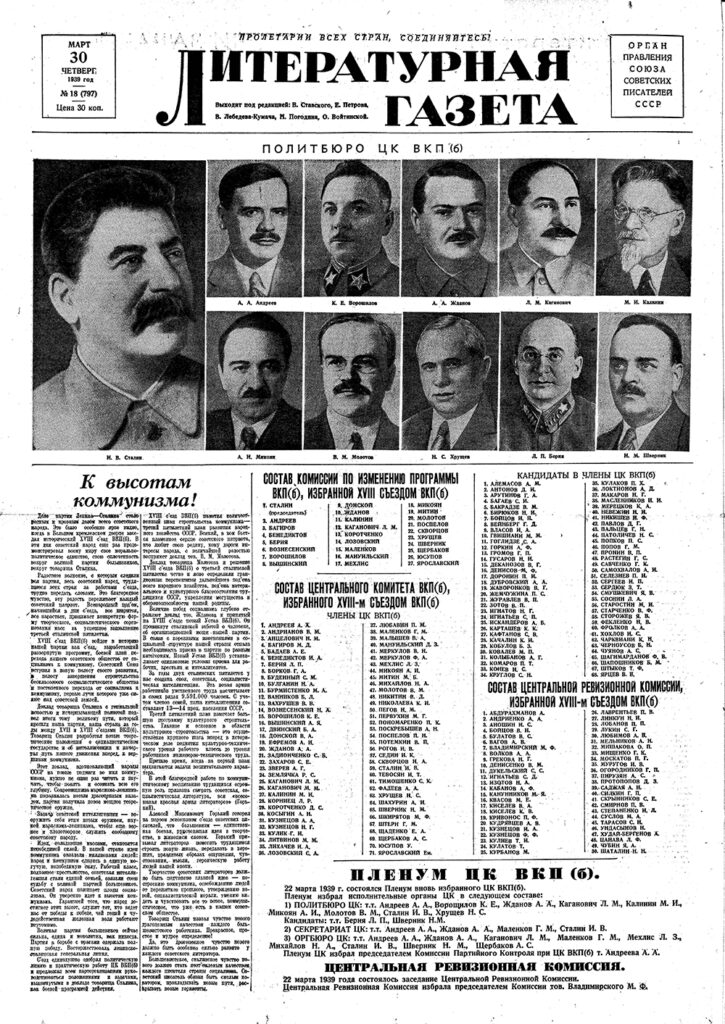
    In 1932 Literaturnaia gazeta became the official organ of the Union of Soviet Writers, the government-controlled organization which controlled most literary publications and the employment of writers in the USSR. In the post-World War II period, the scope of Literaturnaia gazeta expanded from an exclusively literary newspaper to more of a literary, social and political publication, becoming one of the most authoritative and influential publications in the country. As the press-run grew to 6.5 million copies in the 1970s and 1980s, it became the most popular newspaper with intelligentsia, who fondly dubbed it “Literaturka.”

    Literaturnaia gazeta was truly significant in the cultural life of the Soviet Union. While all officially published works were restricted in Soviet times, compared to the party-run Pravda and the government-run Izvestiia, Literaturnaia gazeta was more likely to push the limits of censorship in expressing views on social life and culture. Unlike many other Soviet newspapers, Literaturnaia gazeta refrained from simply re-publishing official party statements and resolutions. For those studying Russian, Russian literature, and comparative literature, Literaturnaia gazeta is undoubtedly an important resource: its pages carry literary criticism; excerpts from works of literature; articles on economics, sociology, ethics, daily life, scientific progress, etc. Contributors to Literaturnaia gazeta included the best prose writers of the era: Isaak Babel’, Mikhail Bulgakov, Veniamin Kaverin, Leonid Leonov, Yuriy Olesha, Boris Pil’nyak, Yevgeniy Zamyatin, and Mikhail Zoshchenko.

  • Kommersant Digital Archive

    Kommersant Digital Archive

    One of Russia’s main business dailies.

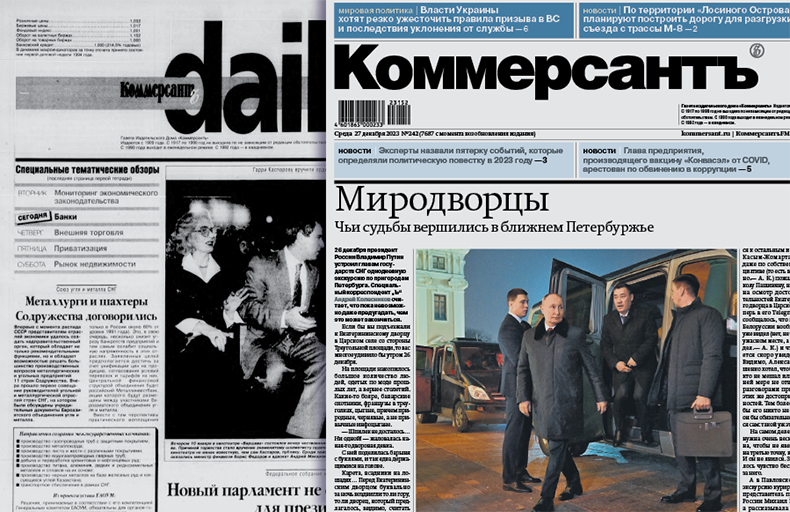
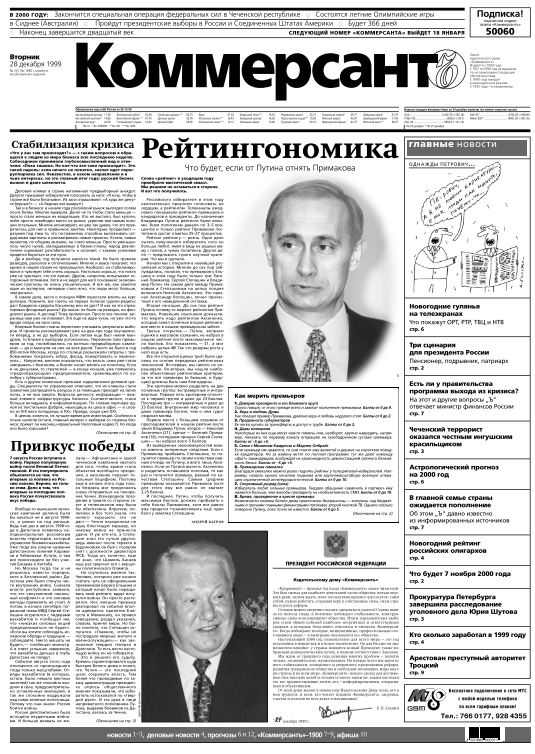
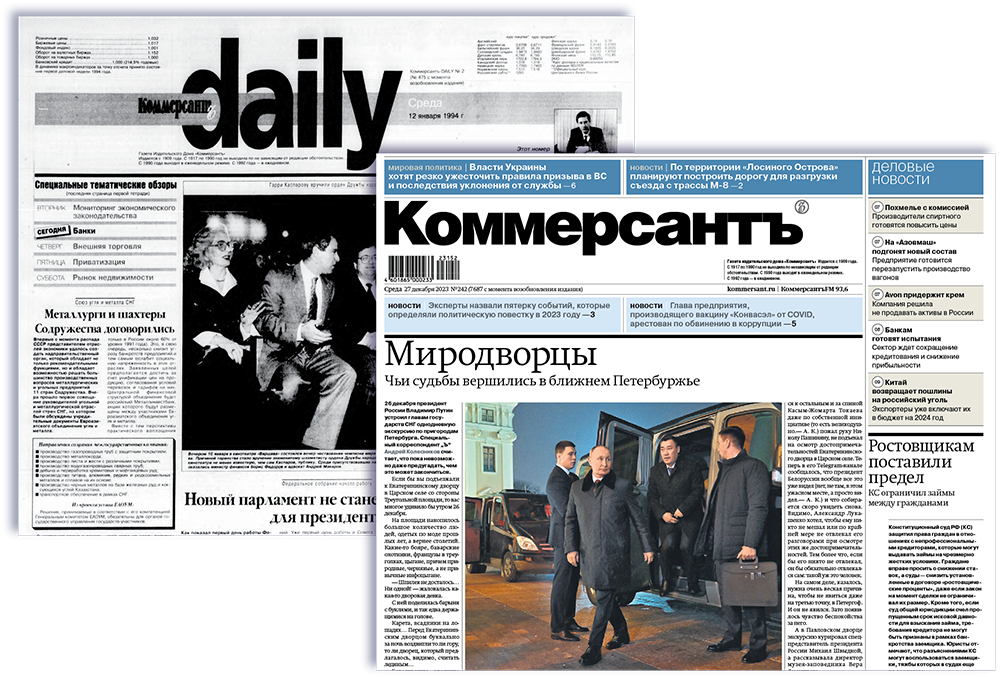
    Founded in 1989 by Russian businessman and journalist Vladimir Yakovlev on the eve of the dissolution of the Soviet Union, Kommersant (Коммерсантъ, The Businessman) is one of the most influential and important newspapers to have emerged in post-Soviet Russia. The economic liberalization of the Gorbachev-era perestroika and glasnost reforms had created a need for media outlets dedicated to reporting on the new economic situation in the country and the emergence of the new entrepreneurial class. The establishment of Kommersant, modeled largely after The Wall Street Journal and the Financial Times, was meant to meet just such a need.

    Published initially as a weekly, its proven quality and growing popularity occasioned the expansion of the publication and the changing of its format from a weekly to a daily. Soon it would also change ownership, being owned at various times by Russian oligarchs Roman Berezovsky, Badri Patarkatsishvili, and its current owner Alisher Usmanov. Despite the slew of controversial ownerships, and several instances of editorial interference by its owners, Kommersant remains one of the most trustworthy Russian newspapers.

    The Kommersant Digital Archive includes all obtainable issues published since 1992, with an additional year’s worth of content available for purchase on an annual basis. The archive features full page-level digitization, complete original graphics, and searchable text, and is cross-searchable with numerous other Infoteka digital resources.

  • Krasnaia Zvezda Digital Archive

    Krasnaia Zvezda Digital Archive

    The official newspaper of the Russian Armed Forces.

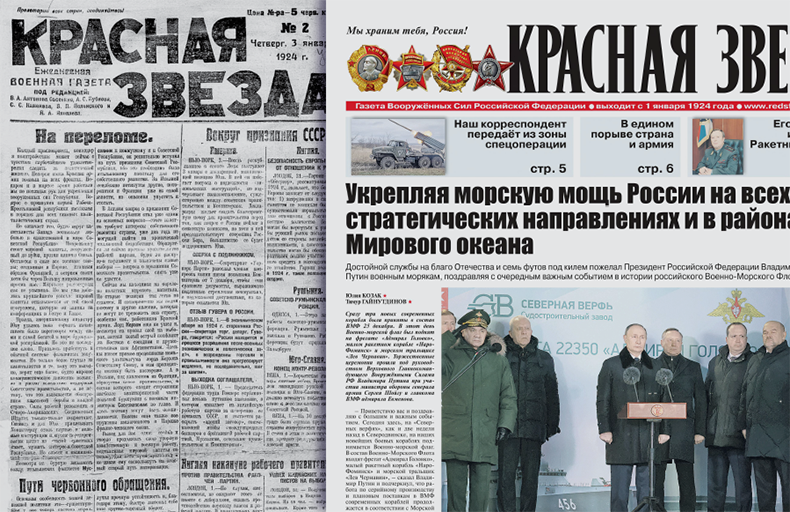
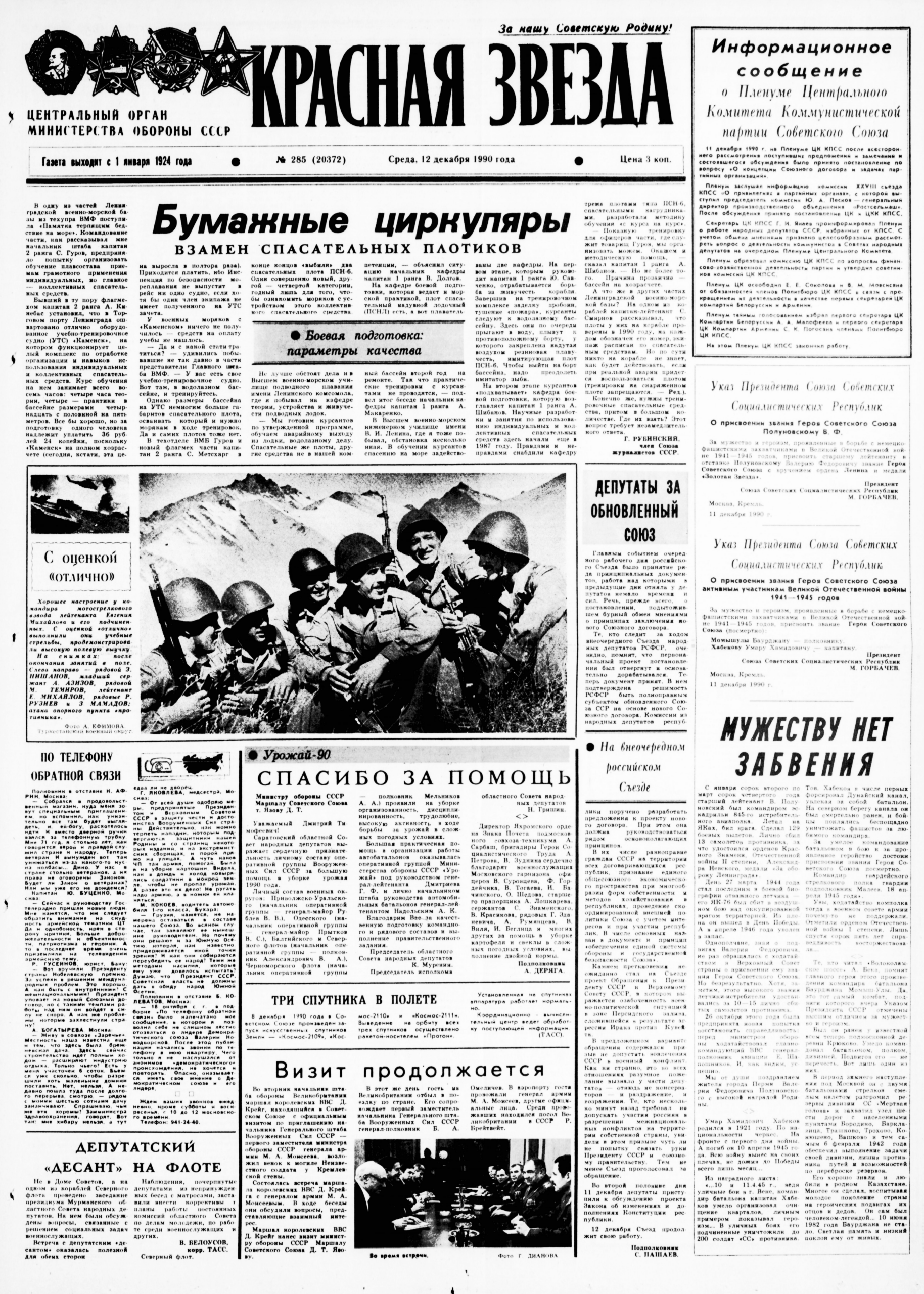
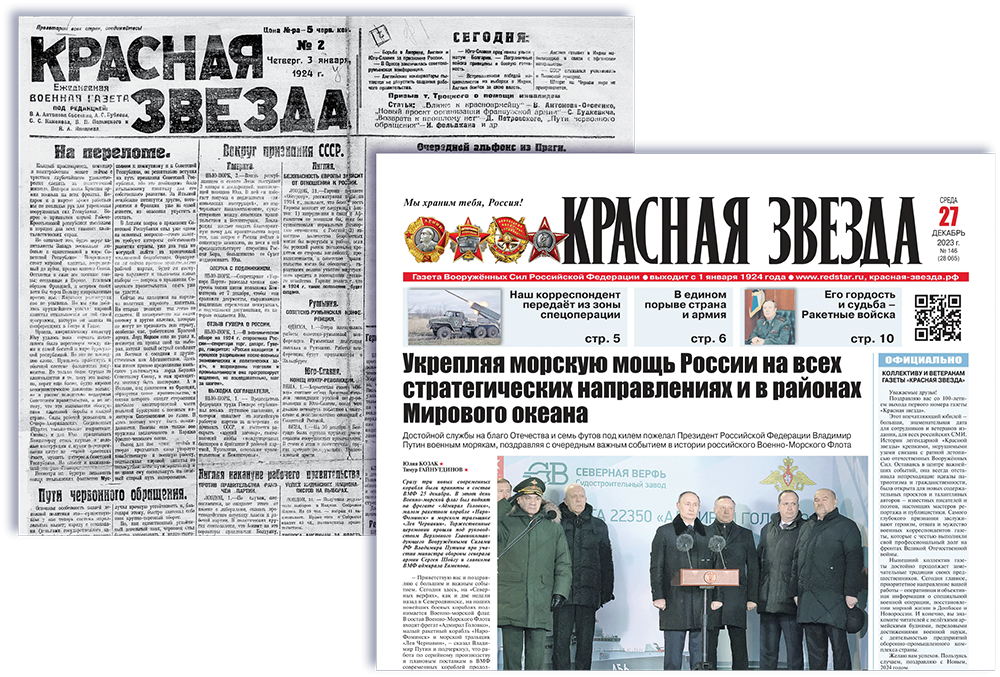
    Founded in 1924, Krasnaia zvezda (Красная звезда, Red Star) is the official paper of the Soviet and now Russian Ministry of Defense. Krasnaia zvezda is the premier source for current news and other information regarding the defense and security of the Soviet Union and Russian Federation. The newspaper publishes extensively on all aspects of Russia’s armed forces, including military reform, combat training and daily routine of troops, legal advice, analysis of Russia and CIS security issues, new combat equipment and arms, reports from areas of military conflicts around the world, information on foreign armies, alongside political, economic, business, cultural and sports news.

    The Krasnaia Zvezda Digital Archive contains the most complete collection available for this title, with an additional year’s worth of content available for purchase on an annual basis. The archive features full page-level digitization, complete original graphics, and searchable text, and is cross-searchable with numerous other Infoteka digital resources.

  • Kino Digital Archive

    Kino Digital Archive

    Chronicle of key era in the development of Soviet and international cinema.

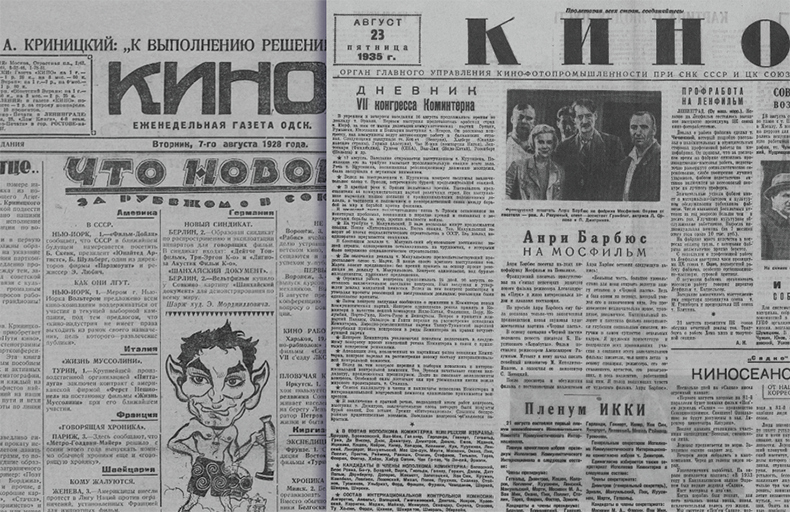
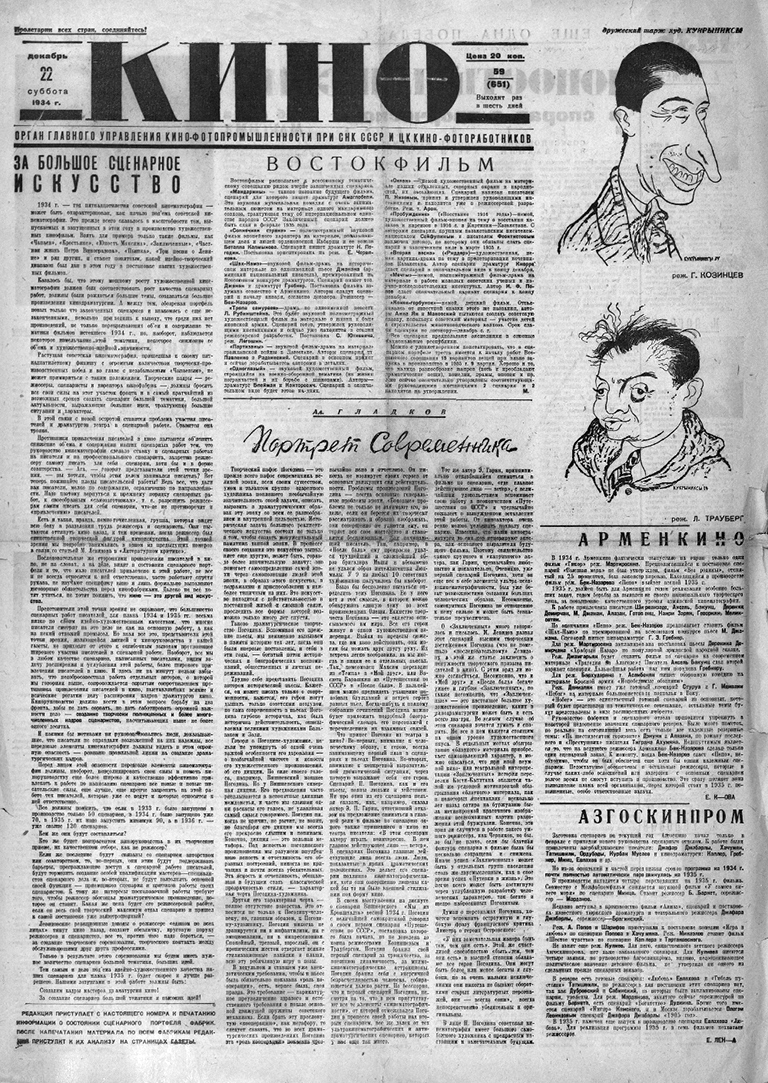
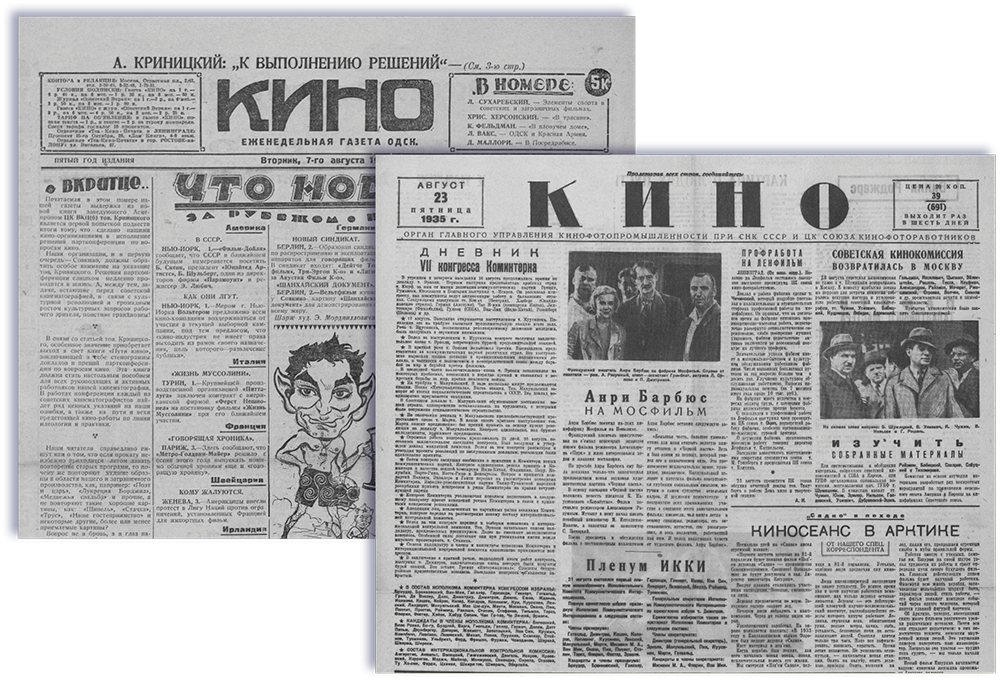
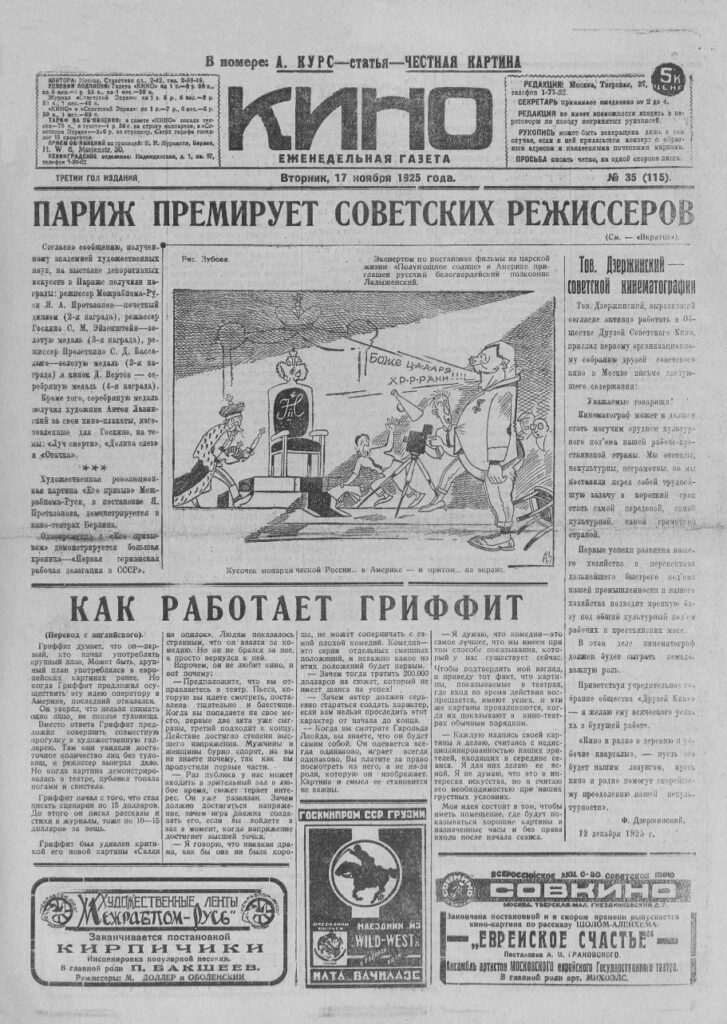
    This complete digital archive presents the influential Soviet film industry newspaper Kino (Kино, Cinema), which was published under various titles from 1923 to 1941. The newspaper served as a crucial chronicle of Soviet cinema’s development during a transformative period in film history, making it an invaluable resource for researchers of Soviet and world cinema.

    The publication was founded by documentary filmmaker Vladimir Erofeev and critic Nikolai Lebedev, who were instrumental in establishing the Association of Revolutionary Cinematography (ARK) in 1924. Under the editorship of Alexander Kurs, praised by Vladimir Mayakovsky as a “born newspaperman,” the publication reached unprecedented circulation numbers of up to 80,000 copies and expanded its influence beyond film industry professionals.

    The newspaper’s comprehensive coverage included film reviews, technical articles on cinematography, economic analyses of film studios, and discussions about the transition to sound cinema. Regular sections featured “Programs and Libretto” (featuring synopses of new films), “Cinema Chronicle,” “Cinema in the Provinces,” and “News from the West.” The publication maintained extensive coverage of Western cinema, with particular attention to American, German, French, Italian, and Bulgarian films, including international reception of Soviet masterpieces such as the German response to “Bronenosets Potemkin.”

    Special attention was devoted to the development of national cinema in Soviet republics, documenting Moscow filmmakers’ expeditions to Central Asia, the Caucasus, and other regions of the USSR. The newspaper regularly covered technological developments in cinematography, projection, laboratory processes, and lighting equipment, including the transition to sound film. The archive contains in-depth coverage of significant Soviet films including “Bronenosets Potemkin,” “Putevka v zhizn’,” “Iunost’ Maksima,” “Chapaev,” and “Veselye rebiata,” offering contemporary perspectives on these classic works.

    During World War II, the newspaper’s final issues focused on short films documenting the struggle against Nazi occupation, with the last issue published on November 1, 1941. This digital archive represents an essential primary source for understanding the development of Soviet cinema, its relationship with international film movements, and the broader cultural and political context of the interwar period. It offers researchers unprecedented access to contemporary discussions about film aesthetics, technology, and ideology during a crucial period in cinema history.

    About the Kino Digital Archive

    During the course of its publication, Kino underwent several name changes and publishing frequencies, reflecting the dynamic nature of the Soviet film industry.

    • Kino-gazeta: illiustrirovannoe izdanie (1923-1925; weekly)
    • Kino: ezhenedel’naia gazeta (1925-1927; weekly)
    • Kino: ezhenedel’naia gazeta ODSK (1927-1929; weekly)
    • Kino: piatidnevnaia gazeta (1930-1931; published irregularly)
    • Kino: shestidnevnaia gazeta (1932-1934; published irregularly)
    • Kino (1934-1941; published irregularly)

    The Kino Digital Archive contains nearly all published issues from 1923-1941, offering scholars the most comprehensive collection available for this title, and features full page-level digitization and complete original graphics. The archive features a user-friendly bilingual interface in Russian and English and has searchable text, and is cross-searchable with numerous other Infoteka digital resources.

  • Kavkaz Digital Archive

    Kavkaz Digital Archive

    A pre-revolutionary Russian-language newspaper from the Caucasus.

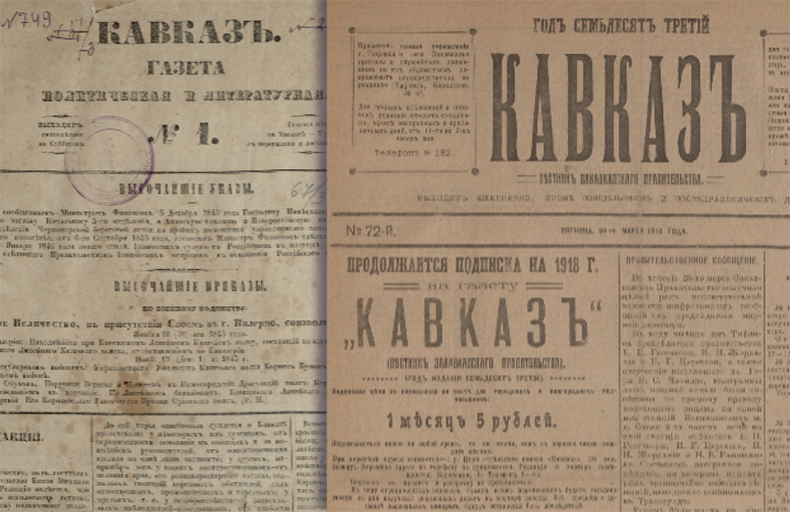
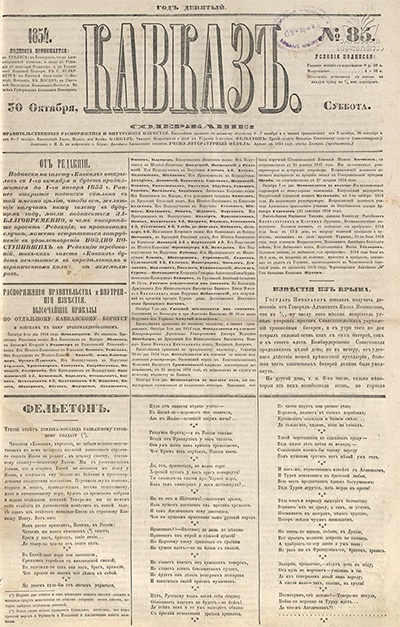
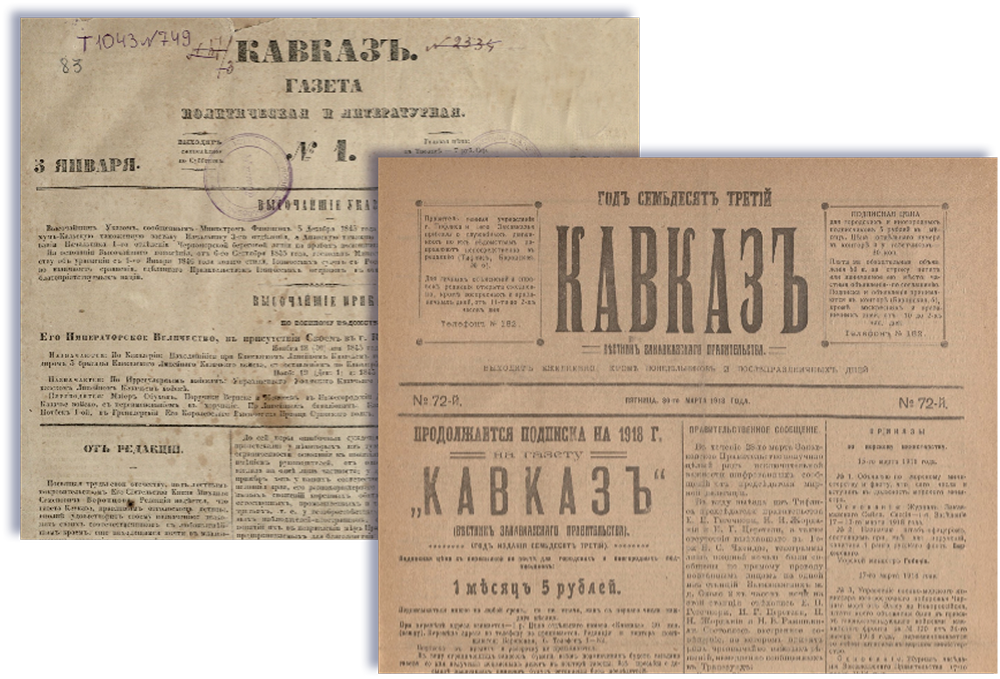
    The newspaper Kavkaz (Кавказ, The Caucasus) was published during 1846–1918. It was one of the first Russian-language newspapers in the Caucasus, published in Tiflis (Tbilisi), Georgia. The idea to publish this newspaper came from Prince Mikhail Vorontsov who was the imperial Governor-General of the province at that time. The main purpose of the newspaper was, on the one hand, to promote the Russian culture and Russian influence in the Caucasus, and on the other hand “to acquaint the Russian public with the life, habits and traditions of the tribes populating the province of the Caucasus.” Kavkaz published official documents of the Russian Empire, as well as many historical, cultural and archeological writings by prominent public and cultural figures of the local intelligentsia.

    Kavkaz began publication in 1846 as a weekly newspaper; from 1850 it started to come out twice a week; in 1868 its periodicity changed to three times per week; and from 1877 it became a daily publication until its closure in 1918. During the brief period from 1846–1847, this newspaper had an Armenian-language counterpart (not included as part of the archive).

    The Kavkaz Digital Archive offers scholars the most comprehensive collection available for this title, containing all known and available issues of the newspaper. The archive features full page-level digitization, complete original graphics, and searchable text, and is cross-searchable with numerous other Infoteka digital resources.

  • Izvestiia Digital Archive

    Izvestiia Digital Archive

    The official daily newspaper of the Soviet government.

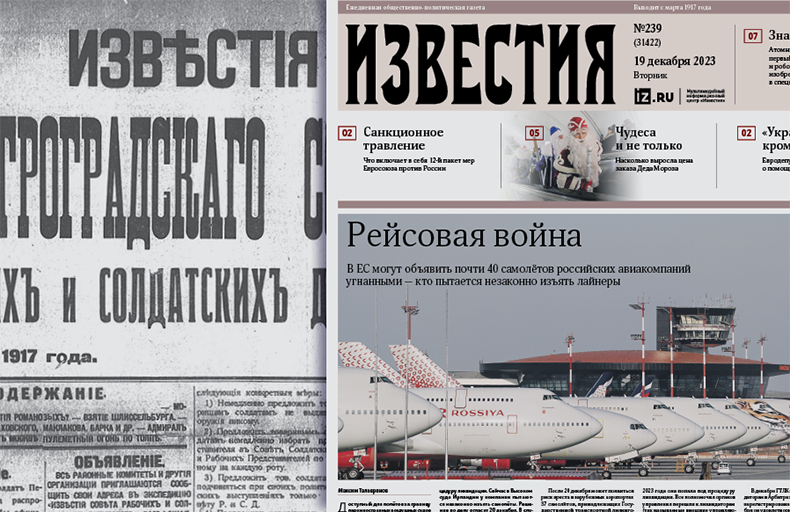
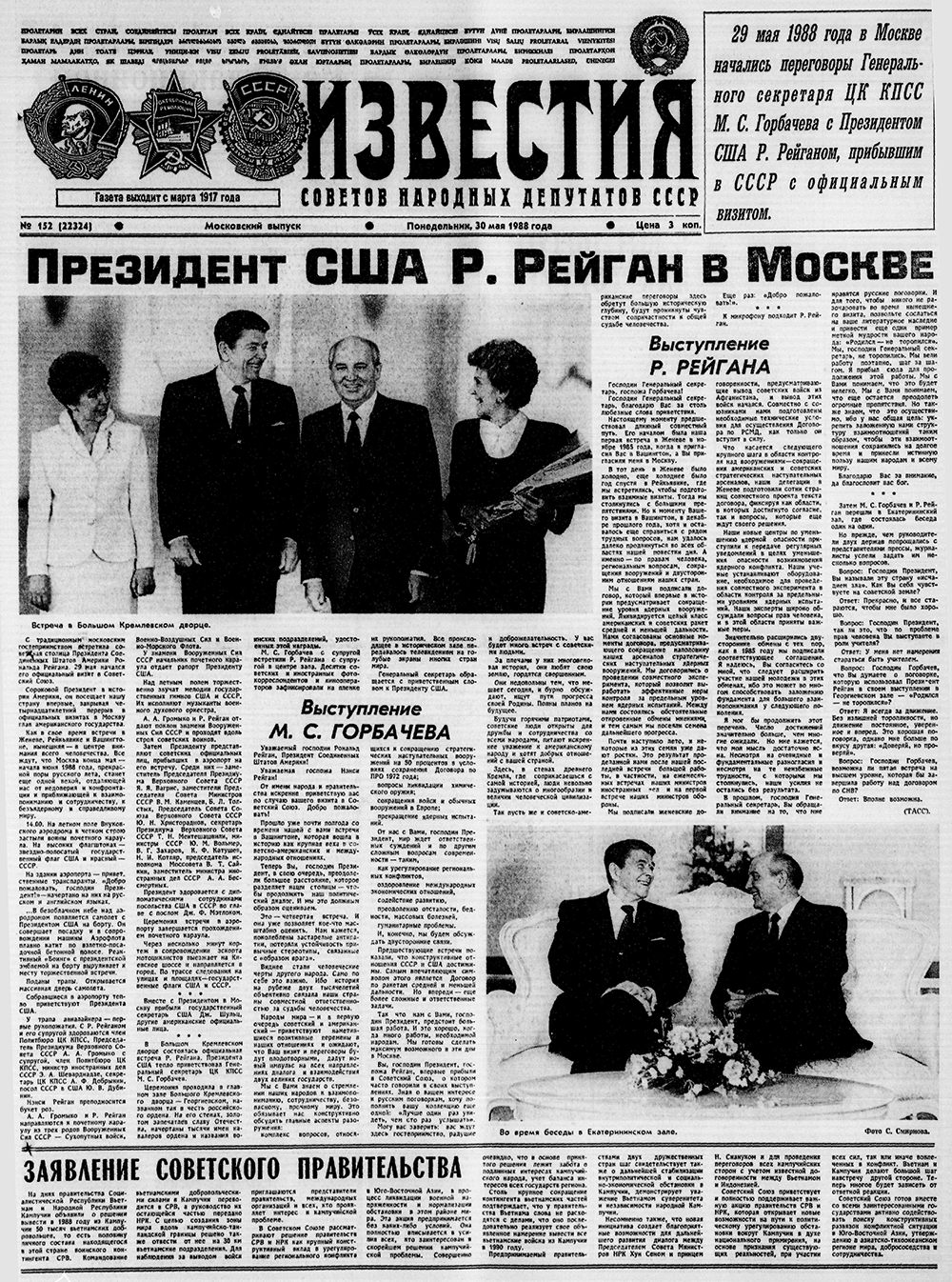
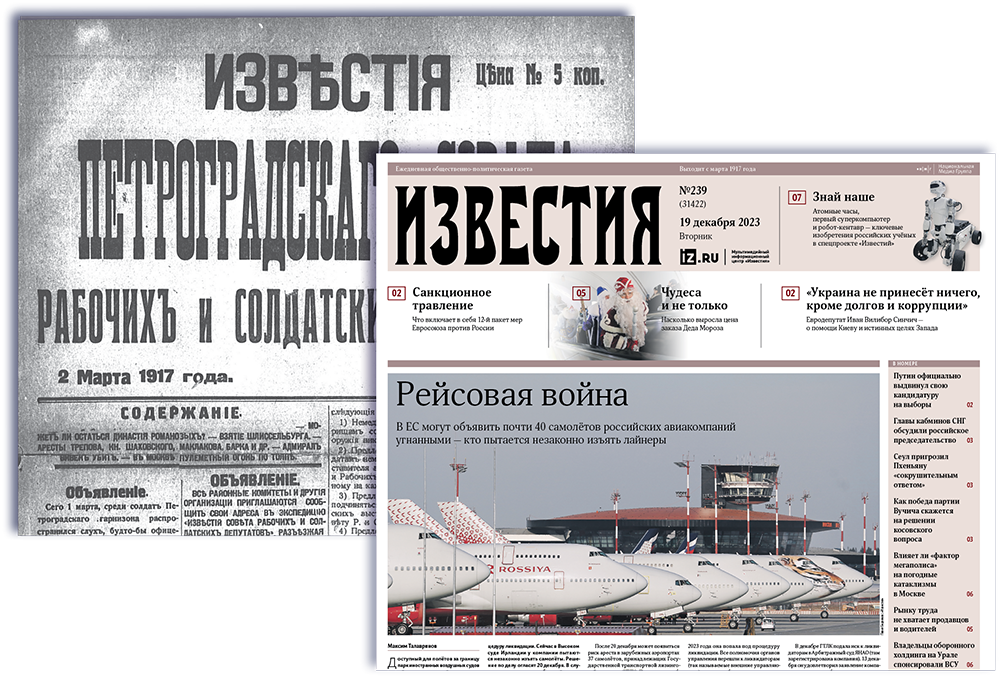
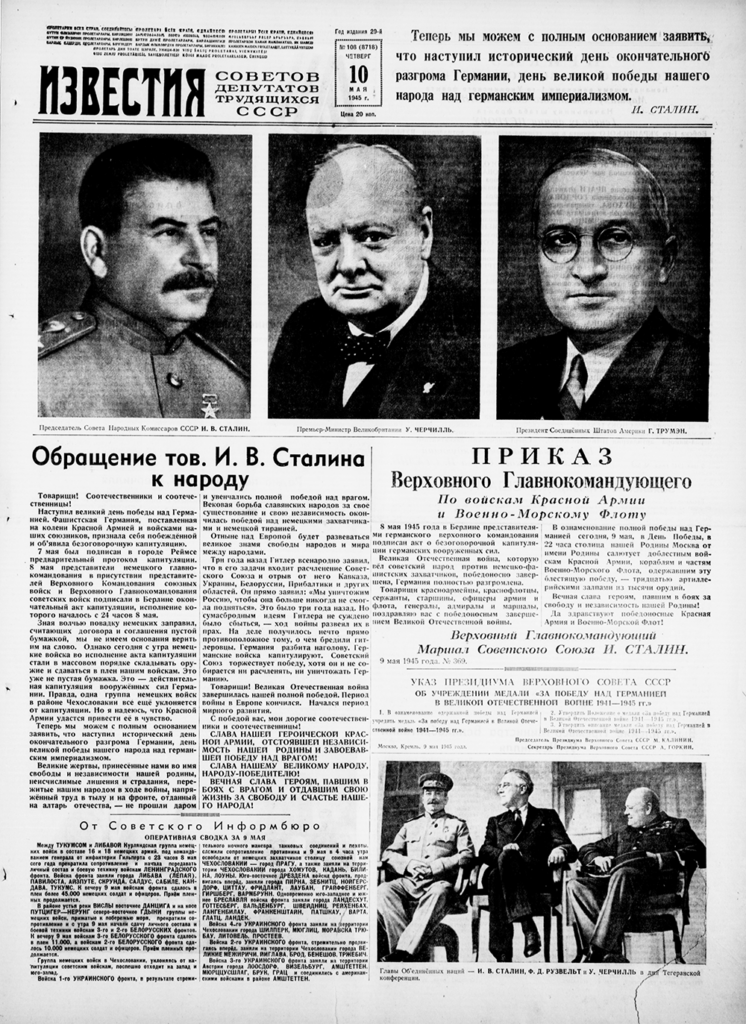
    Among the longest-running Russian newspapers, Izvestiia (Известия, News) was founded in March 1917 and during the Soviet period was the official organ of the Presidium of the Supreme Soviet of the USSR. Remarkable for its serious and balanced treatment of subject matter, Izvestiia has traditionally been a popular news source within intellectual and academic circles. Continuously published for over 100 years, Izvestiia’s prominence endures today as one of the most subscribed news sources of contemporary Russia, covering domestic and foreign policy, commentary, culture, education, and finance.

    The Izvestiia Digital Archive contains all obtainable published issues from 1917 on (over 200,000 pages), with an additional year’s worth of content available for purchase on an annual basis. The archive offers scholars the most comprehensive collection available for this title, and features full page-level digitization, complete original graphics, and searchable text, and is cross-searchable with numerous other Infoteka digital resources.

    Important Highlights

    Izvestiia served as the paper of record — the official daily newspaper — of the Soviet government from 1917 until the dissolution of the USSR in 1991, when Izvestiia became an independent publication.

    During the February Revolution of 1917, Izvestiia was founded in Petrograd (now St. Petersburg) as the main newspaper of “The Petrograd Soviet of Workers’ and Soldiers’ Deputies.” At the time, Izvestiia reflected the views more common among the Menshiviks and other democratic socialist parties, with a moderate lean toward other liberal opposition groups. After the October Socialist Revolution, Izvestiia passed into the hands of the Bolsheviks. When the new Soviet government transferred the capital to Moscow, the newspaper was relocated as well. During the Soviet era, Izvestiia became the mouthpiece of the Kremlin, informing the public of government policies through its pages. Izvestiia was also recognized for its extensive international coverage, having correspondents in more than 30 foreign countries. This also made the paper an important channel for Soviet foreign policy.

    Researchers of language, history, international relations, economics, social sciences, and more have access to a rich source of Russian documentary history from one easy search. The Izvestiia Digital Archive delivers unprecedented access to a repository chronicling the dramatic transformation of Soviet society, from Izvestiia’s beginnings as the official publication of Lenin’s revolutionary contemporaries to its status as the official publication of the Supreme Soviet of the USSR.

    From the first day of publication in February 1917, Izvestiia published first-hand accounts of events that shook the world, from the Russian Revolution, the liberation of Nazi concentration camps, Sputnik, and the fall of the Berlin wall.During the Soviet era, Izvestiia was less ideologically vocal than official party newspapers. The newspaper also played a real role during the Khrushchev era “Thaw” when the paper’s editors advocated de-Stalinization and reform.