Resource Type: Digital Archive – Newspapers

  • Zavtra Digital Archive

    Zavtra Digital Archive

    Influential newspaper of the right-wing opposition.

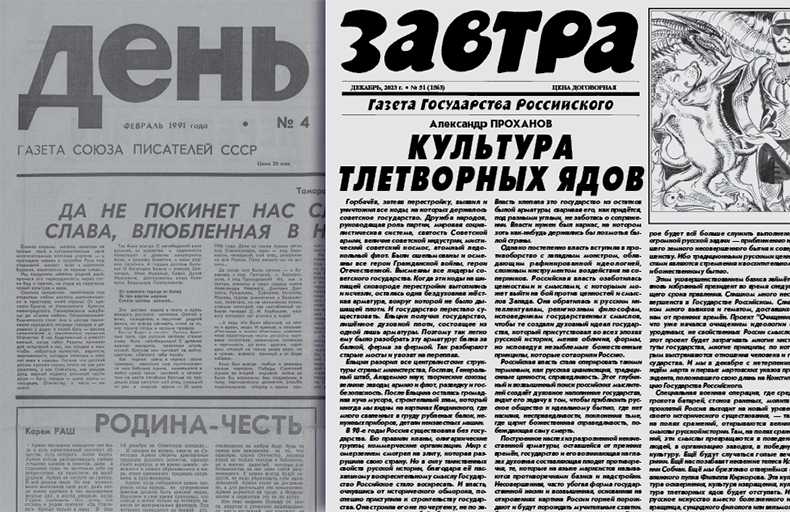
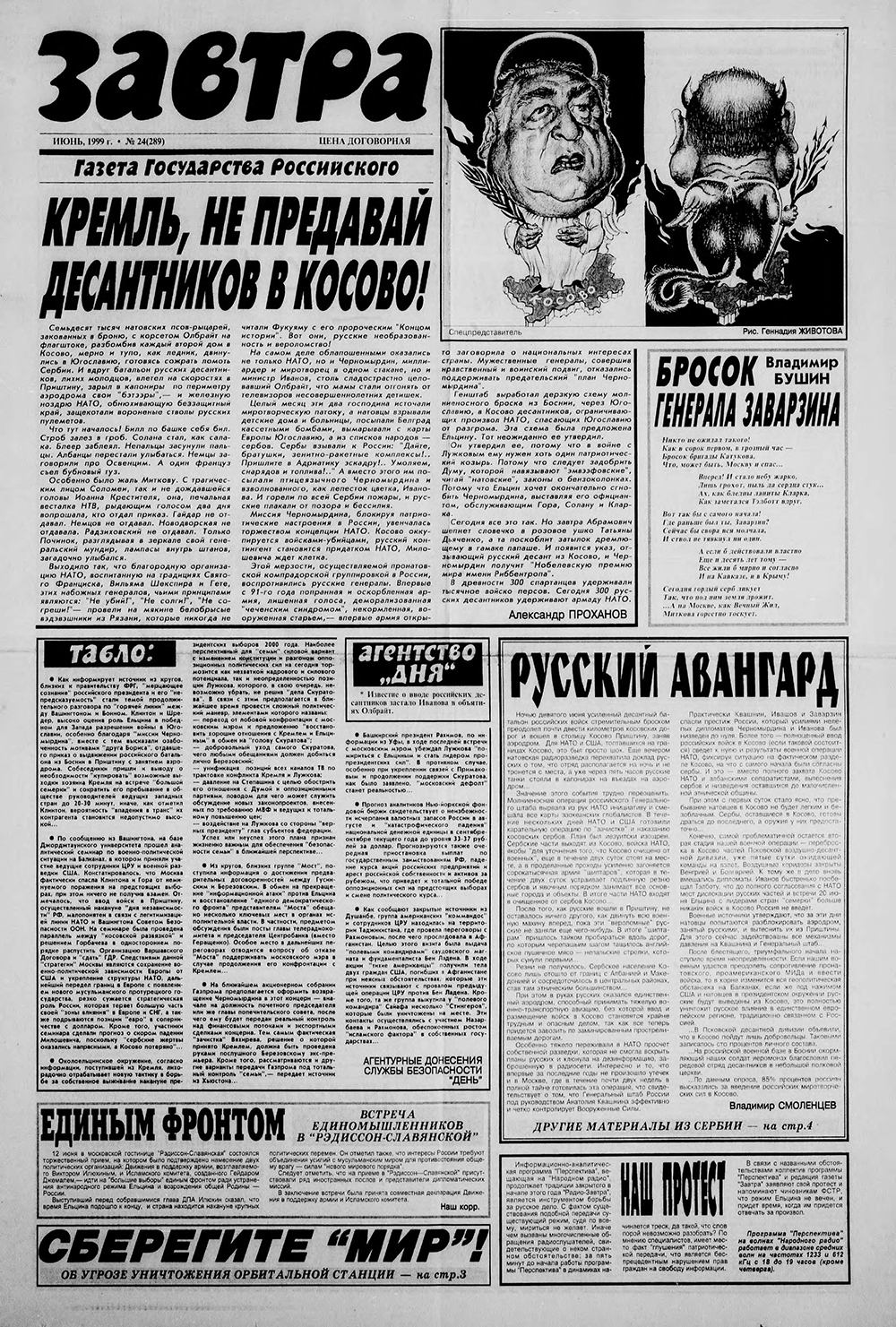
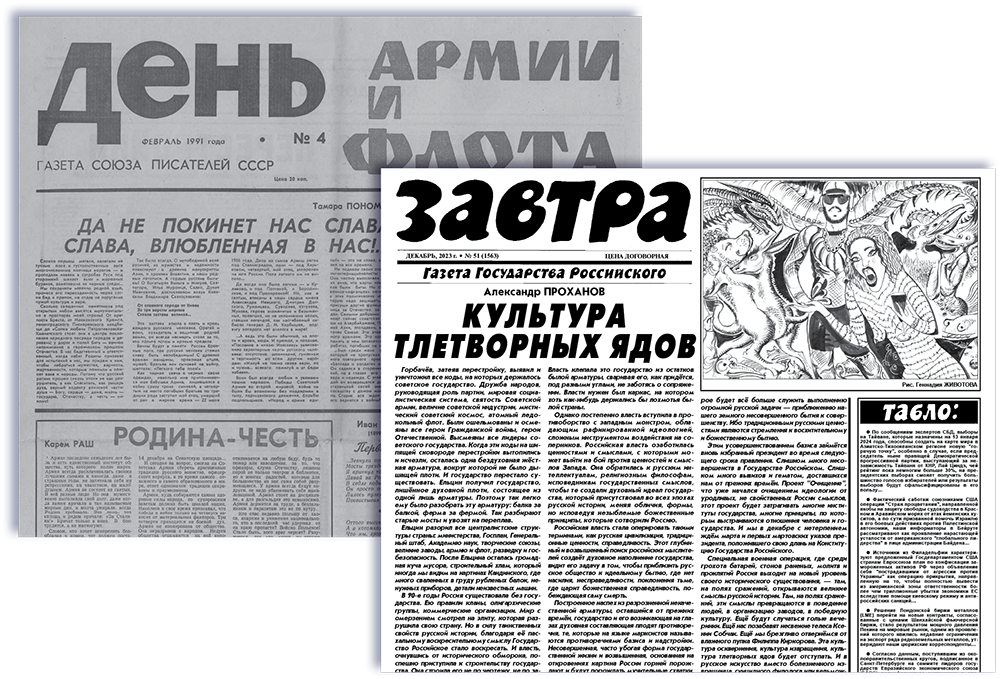
    Founded in Moscow in 1990 by noted Soviet journalist Alexander Prokhanov, Den’ (День, The Day) was created to serve as the “spiritual opposition” to the pro-Western government of Yeltsin. Following the coup in 1993, the paper was shut down by the authorities but was reborn as Zavtra (Завтра, Tomorrow), with Prokhanov still in the lead as editor in chief. One of the most influential publications of the right-wing opposition, Zavtra is a radical-conservative daily newspaper, bringing together a mix of nationalism, monarchism, and nostalgia for the Soviet era.

    Prokhanov has a very colorful personality, and his speeches and writings are poetic and full of metaphors. At a Slavic conference in the US he surprised many during his presentation by asserting that “state borders are not static, they are pulsating – back and forth.” Prokhanov is one of the few Russian citizens to receive an award from North Korean dictator Kim Jong-un, and he also received a medal “For the Liberation of Crimea and Sevastopol” in 2014 from Putin himself.

    The newspaper is a reflection of Prokhanov himself, a self-proclaimed “counter-liberal,” well known as a radical pro-imperial, nationalist figure and a neo-Stalinist. Just as he supported the failed military coup in 1991, the war in Chechnya, and aggression against Georgia in 2008, Zavtra has likewise been an ardent supporter of these actions, as well as the Crimea annexation, the war in Donbas, and the current war in Ukraine.

    The Zavtra Digital Archive contains all obtainable published issues from 1990 on, with an additional year’s worth of content available for purchase on an annual basis. The archive offers scholars the most comprehensive collection available for this title, and features full-text articles, with full page-level digitization and complete original graphics for later years. The archive has searchable text, and is cross-searchable with numerous other Infoteka digital resources.
  • Za Vozvrashchenie na Rodinu Digital Archive

    Za Vozvrashchenie na Rodinu Digital Archive

    Rare newspaper targeting Russian émigrés in the West.

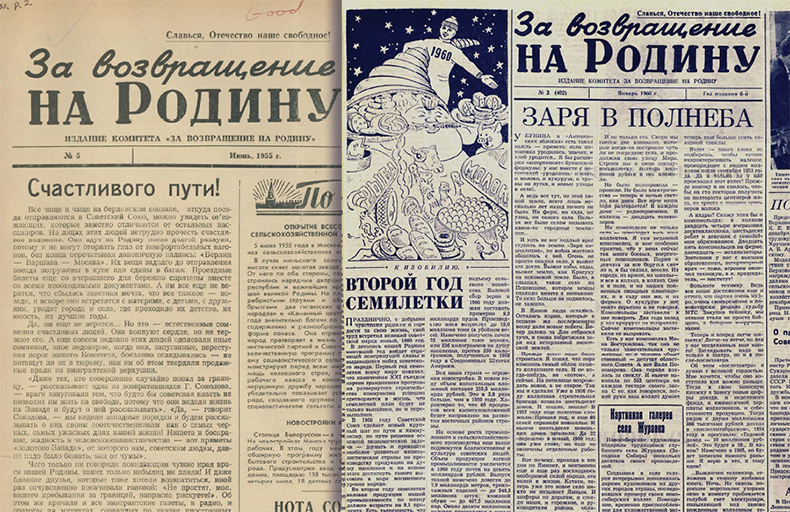
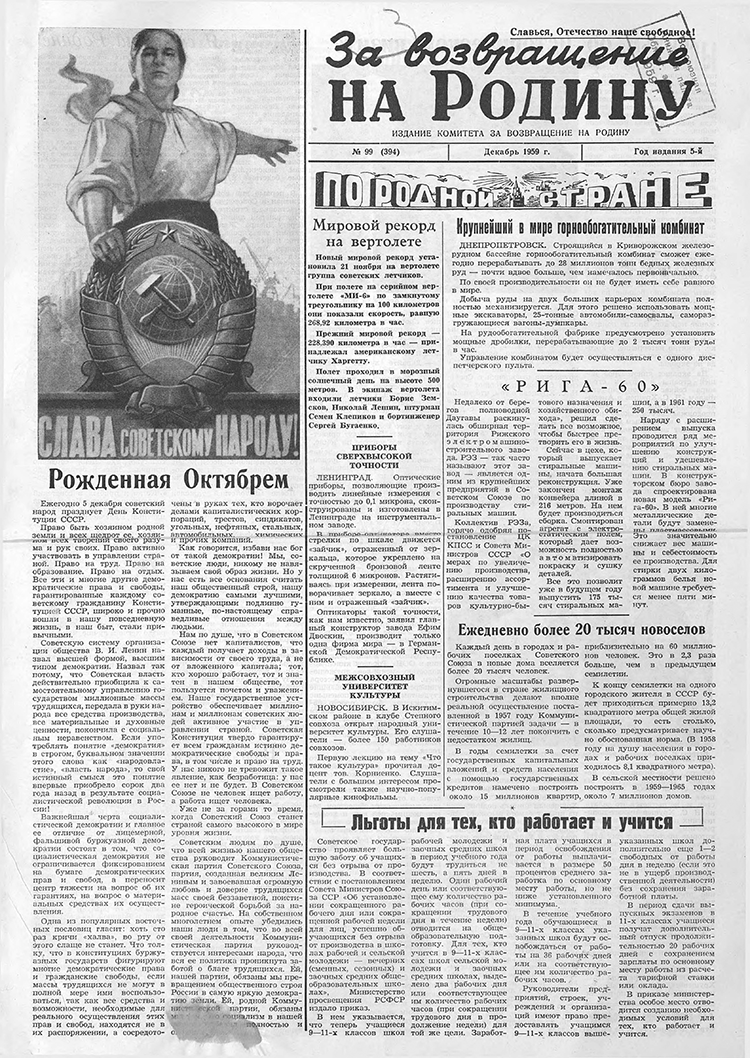
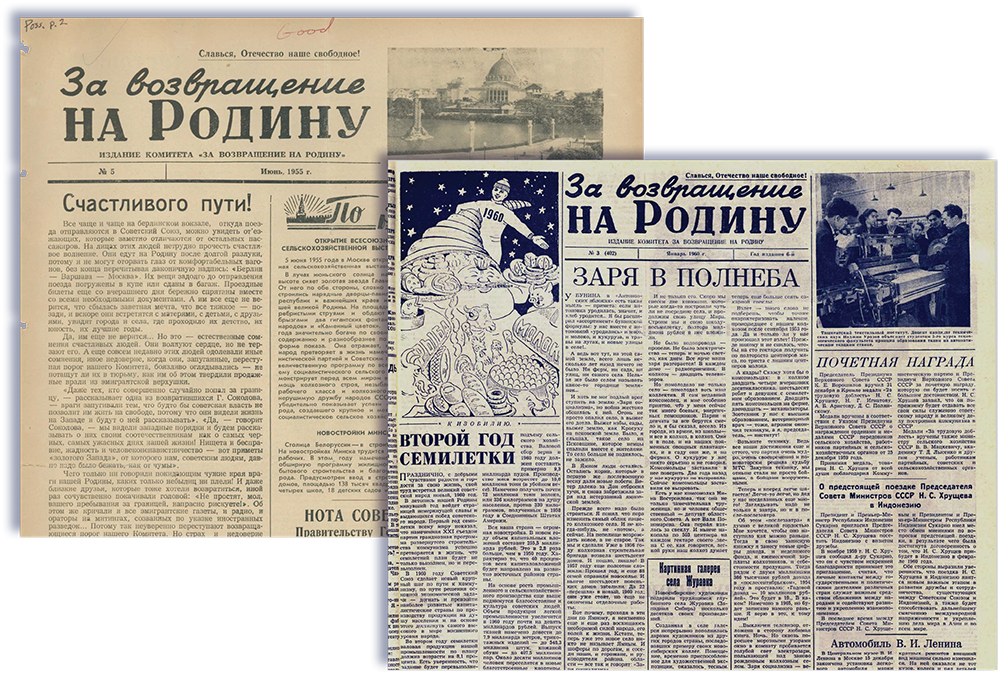
    Established under the watchful eye of the KBG, Za vozvrashchenie na Rodinu (За возвращение на Родину, Return to the Motherland) was a newspaper created by the Cold War. Established in April 1955 in East Berlin as a bi-weekly publication, the newspaper was published by the Soviet Repatriation Committee, which was also established in 1955 and stayed active until 1958. The main objective of Za vozvrashchenie na Rodinu was to create a favorable image of the Soviet Union and to criticize émigré organizations in the post-war period and during the Cold War. The newspaper was principally aimed at Russian emigrants and was an important anti-Western propaganda outlet for the USSR. During its publication, the newspaper was not available to the public on a subscription basis, and therefore it has become a rare information resource.

    The Za Vozvrashchenie na Rodinu Digital Archive contains all obtainable issues published under this title from 1955–1960 (over 1,600 pages). After the third issue of 1960 the name of the newspaper was changed to Golos Rodiny (Голос Родины, Voice of the Motherland). The archive offers scholars the most comprehensive collection available for this title, and features full page-level digitization, complete original graphics, and searchable text, and is cross-searchable with numerous other Infoteka digital resources.
  • V Novom Svete Digital Archive

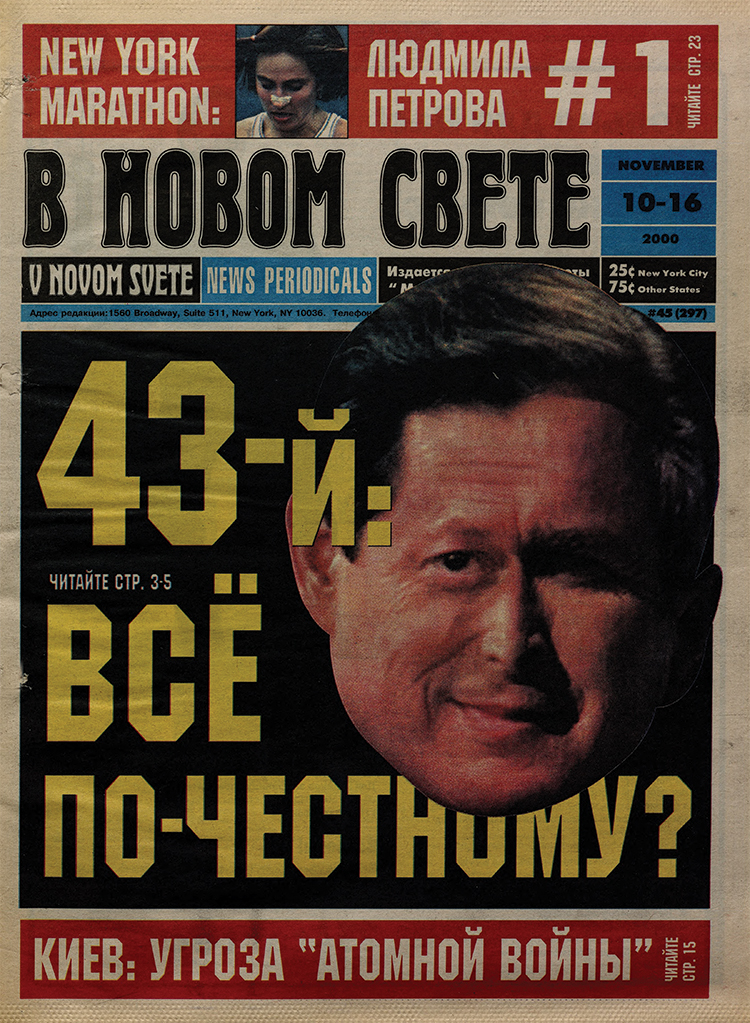
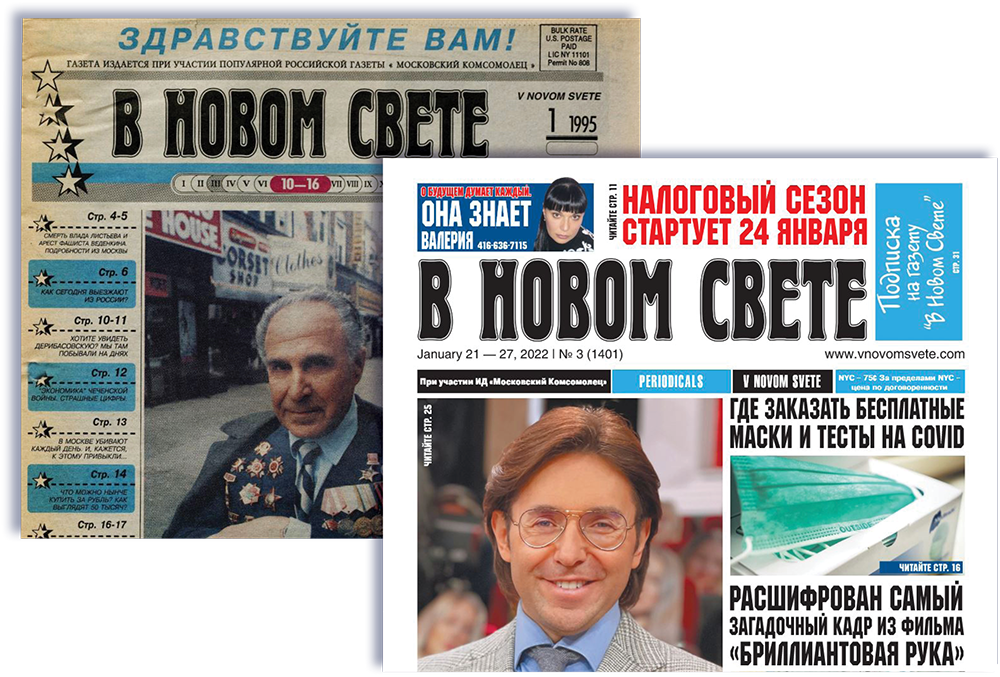
    V Novom Svete Digital Archive

    A newspaper by and for the fourth wave of immigrants from the Soviet Union.

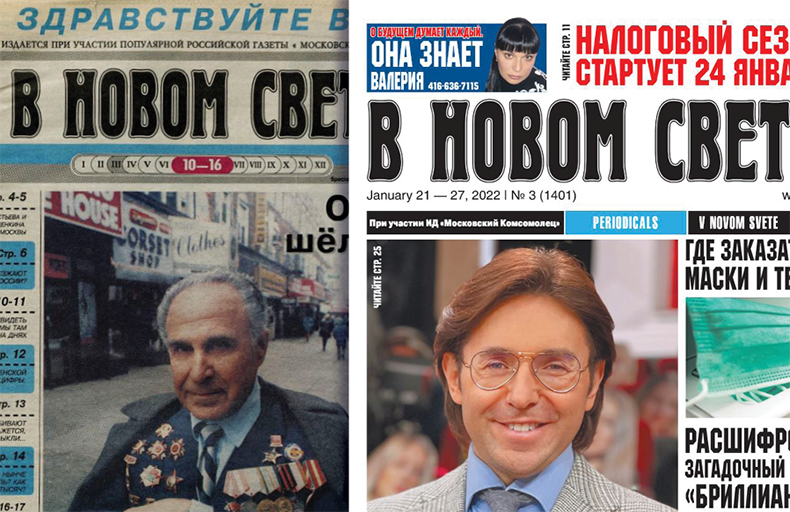
    The first issue of V Novom Svete was published on March 10, 1995, right after a prominent journalist, Vladislav Listiev, was killed in Russia. Tapping into readers’ appetites for salacious news stories and taking advantage of the new sensationalist trend in Russian journalism, V Novom Svete found a formula for success: it combined reprints from Moskovskii Komsomolets (Московский комсомолец, Moscow Komsomolets), a popular Moscow-based daily newspaper known for its topical reporting on social and political issues, with original stories written by US-based Russian-speaking authors. Very soon it became the most popular Russian language weekly in America and the only publication to be distributed nationwide.

    Over the years, famous Russian journalists such as Alexander Minkin, Mark Deutch, Alexander Khinshtein, Stanislav Belkovsky, Matvey Ganapolsky, Svetlana Khokhryakova, Alexander Melman and others were published in the pages of V Novom Svete. Legendary journalist Melor Sturua, who worked for Izvestia’s bureaus in New York and Washington during the Cold War, was one of the major columnists writing for V Novom Svete after he relocated permanently to the United States.

    Strong analytical and cultural content contributed to the growing popularity of the publication in the early 2000s. Alexandra Sviridova’s exclusive interview with the future Editor-in-Chief of Russian Forbes, Paul Khlebnikov, who was later killed in Moscow, was one of many memorable articles created by the team of American journalists. In 2004, V Novom Svete was the winner of the US Independent Press Association awards for Best Editorial and Best Graphic Design.

    After Novoe Russkoe Slovo went out of business in 2010, V Novom Svete became the only newspaper on the market producing quality Russian-language journalism. Writers publishing in the pages of V Novom Svete also worked for such prestigious outlets as the BBC, Russian Forbes, Voice of America, and Radio Liberty.

    During the Covid-19 pandemic, many small businesses that advertised in V Novom Svete were shut down and subsequently the newspaper was never able to recover financially. Despite a stable and dedicated readership, V Novom Svete decided to end its print edition after 27 years, with the last issue published on May 6, 2022.

    The V Novom Svete Digital Archive contains all obtainable published issues from 1995 to 2022. The archive offers scholars the most comprehensive collection available for this title, and features full page-level digitization, complete original graphics, and searchable text, and is cross-searchable with numerous other Infoteka digital resources.
  • Trud Digital Archive

    Trud Digital Archive

    Influential Soviet trade newspaper.

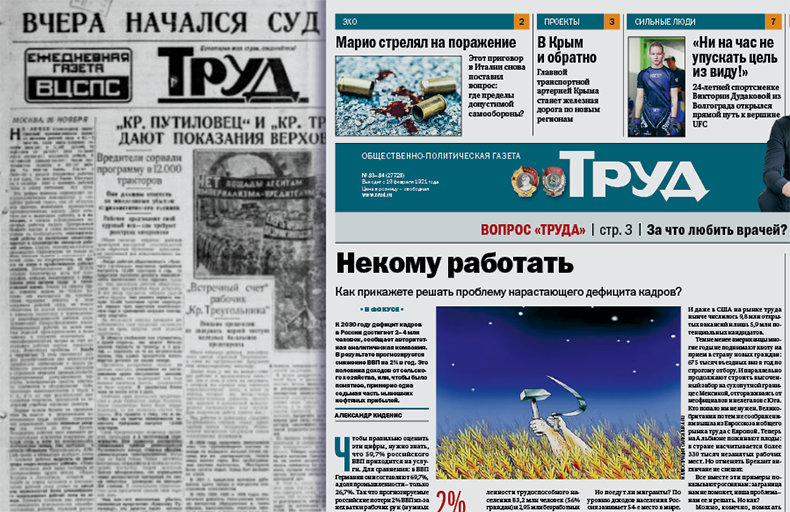
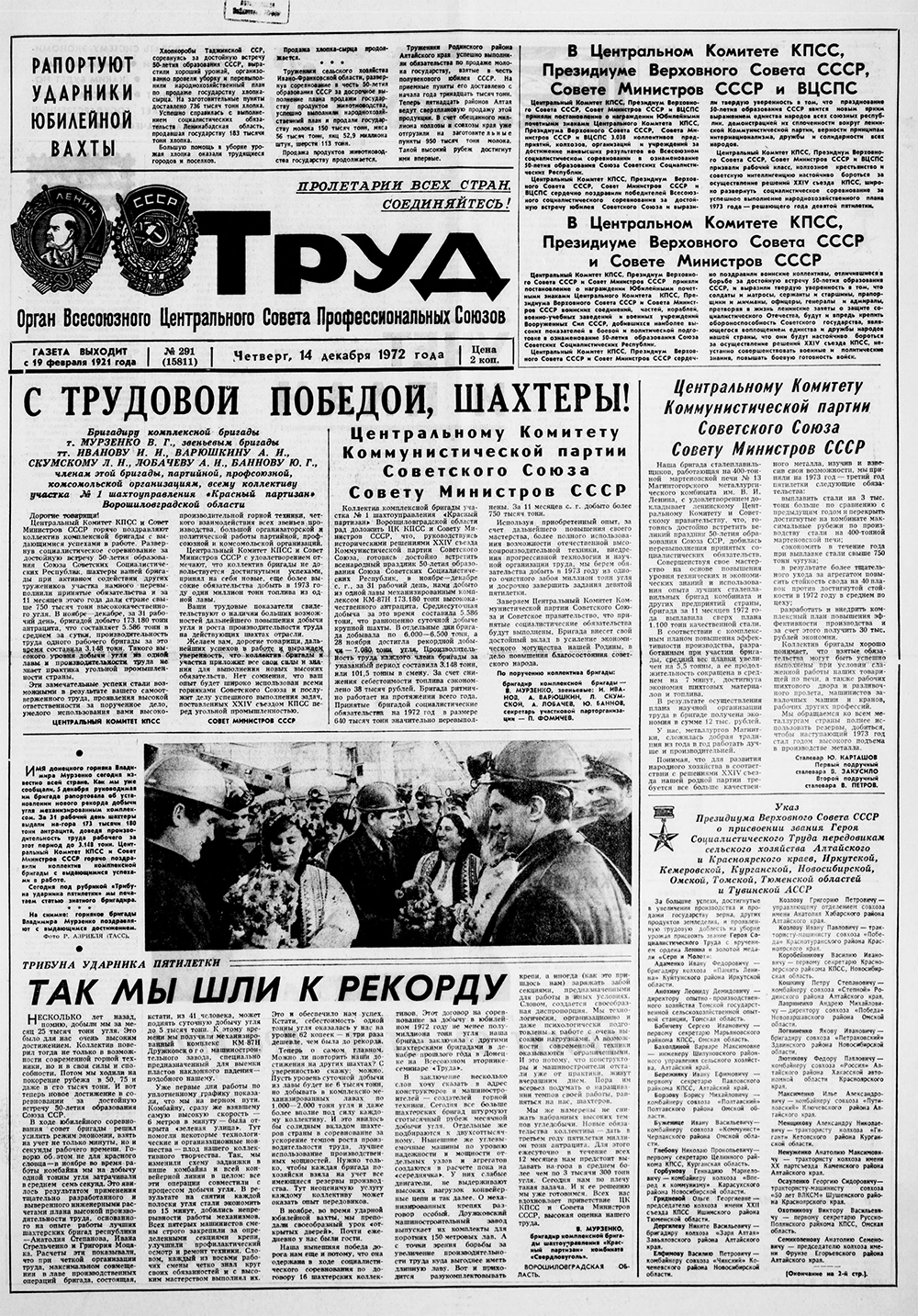
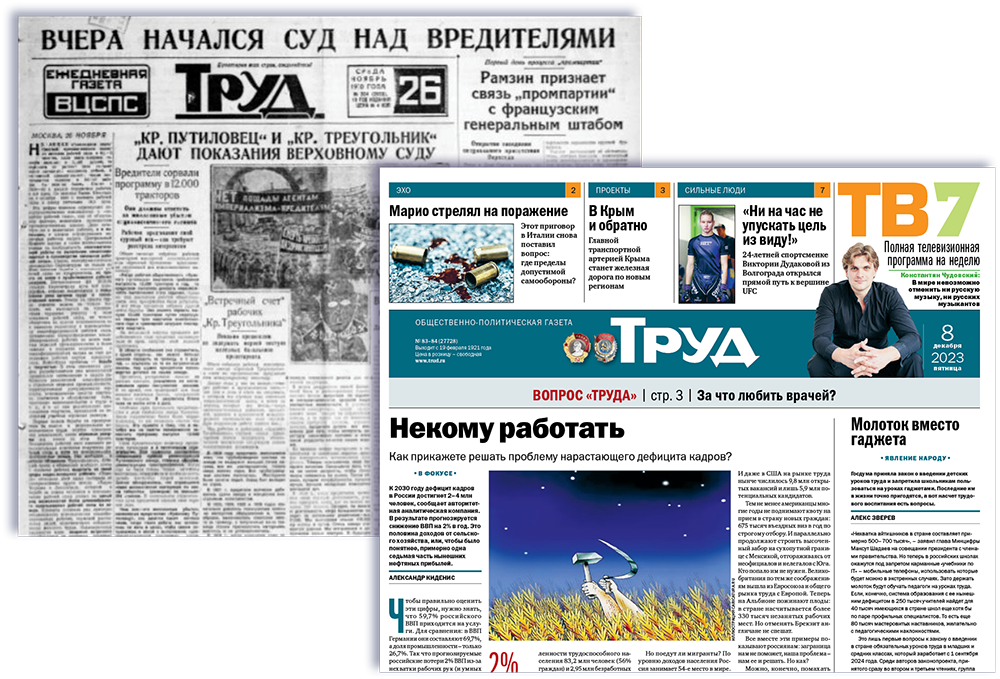
    Founded in 1921 in Moscow, Trud (Труд, Labor) was an influential Soviet newspaper and the official organ of the All-Union Central Council of Trade Unions. Among the earliest Soviet newspapers with a countrywide circulation, it attracted some of the most important journalists and writers in the USSR. Among its regular contributors were such notable poets as Vladimir Mayakovsky and Yevgeny Yevtushenko.

    Although the newspaper was dedicated to covering issues concerning labor relations in the Soviet Union, economic analysis, the plight of workers in foreign countries, and the proliferation of official pronouncements, its more popular component attracted audiences from a broader pool of readers. At the height of the Gorbachev-era reforms the newspaper, like many others, would abandon its usual propagandistic bombast ensuring its growing popularity and catapulting its circulation to well over 20 million.

    With the demise of the Soviet Union and the emergence of new publications in post-Soviet Russia that competed for readers from Trud’s targeted audiences, the popularity of the newspaper subsided, although it has retained some of its former reputation as a reliable source for news and popular culture reportage.

    The Trud Digital Archive includes all obtainable issues published from 1921 on, with an additional year’s worth of content available for purchase on an annual basis. The archive features full page-level digitization, complete original graphics, and searchable text, and is cross-searchable with numerous other Infoteka digital resources.
  • Turkmenskaia Iskra Digital Archive

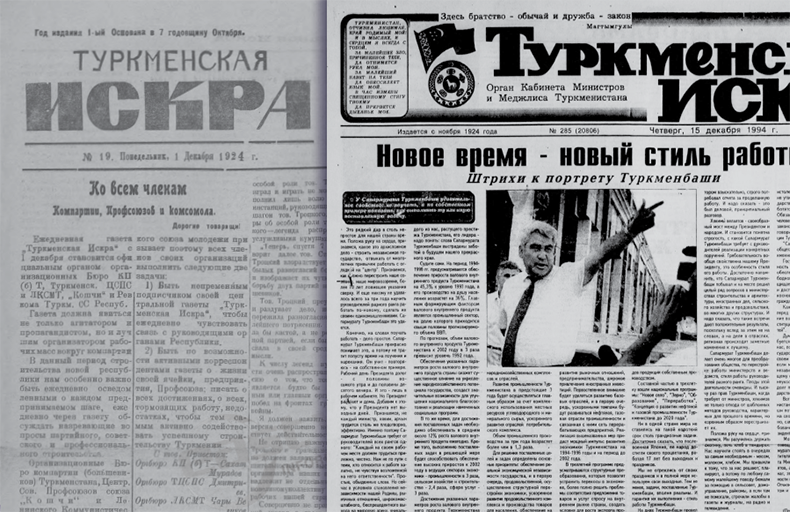
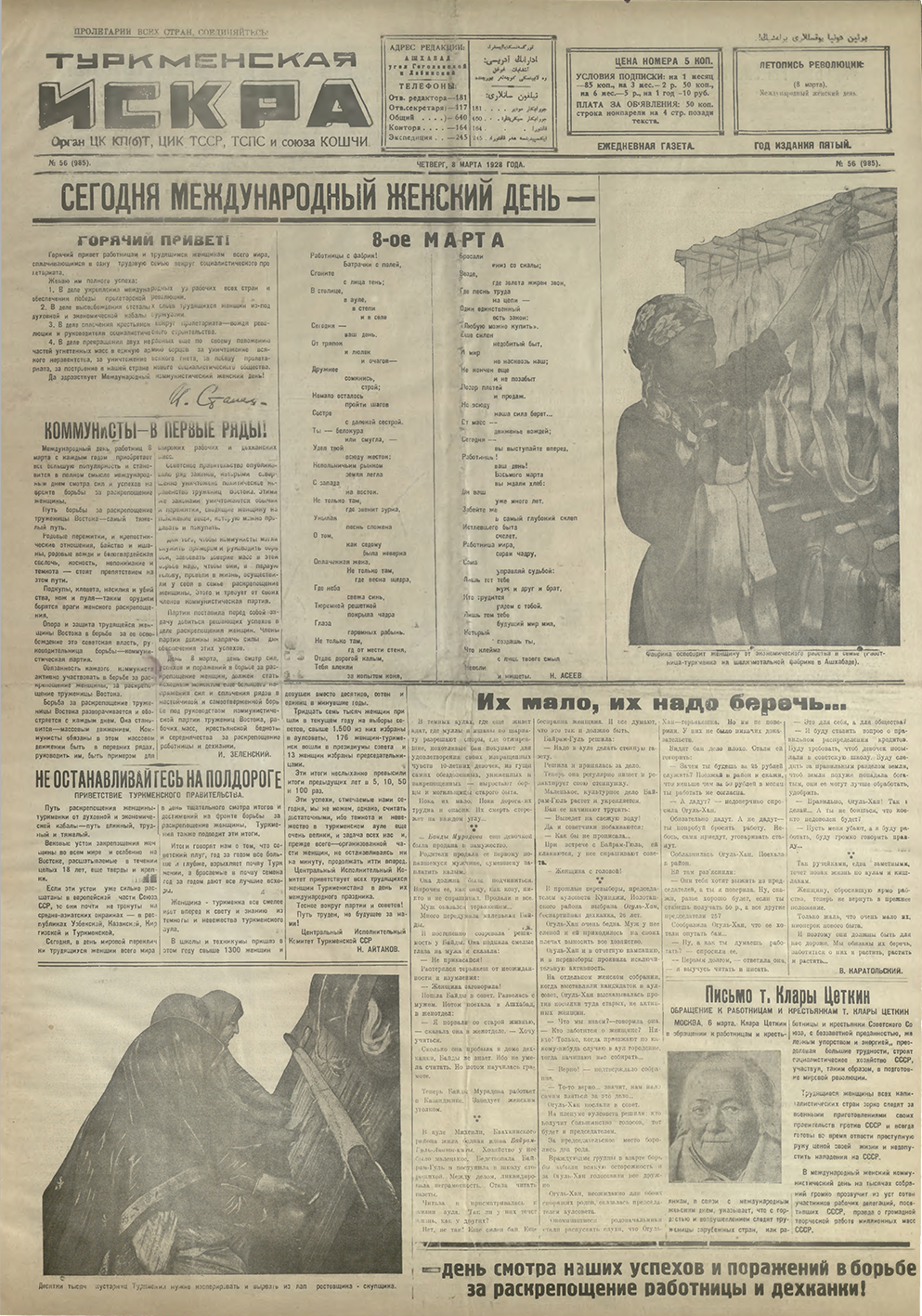
    Turkmenskaia Iskra Digital Archive

    One of the most widely circulated and influential Turkmen newspapers of its time.

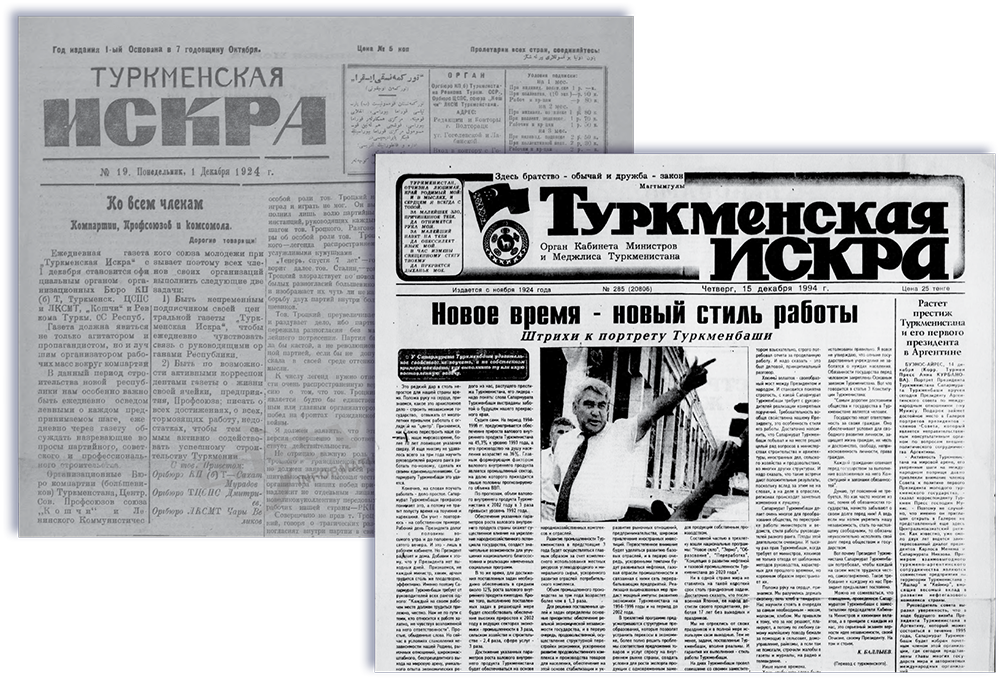
    Founded in 1924 in Ashgabat, Turkmenskaia iskra (Туркменская искра, The Turkmen Spark, a derivative of the Vladimir Lenin-founded newspaper Iskra) was a Russian-language broadsheet newspaper and the official party organ of the Central Committee of the Communist Party of Turkmenistan.

    As a republican newspaper of record, it was responsible for proliferating the Soviet central government’s, as well as the local administration’s, public announcements and pronouncements, party deliberations, policy initiatives, etc., reflecting the government’s positions on a wide variety of issues. Turkmenskaia iskra also regularly featured columns dedicated to sports, local culture, literature, and the arts.

    The Turkmenskaia Iskra Digital Archive includes all obtainable issues published from 1924 to 1995 and represents the most complete collection available for this title. The archive features full page-level digitization, complete original graphics, and searchable text, and is cross-searchable with numerous other Infoteka digital resources.
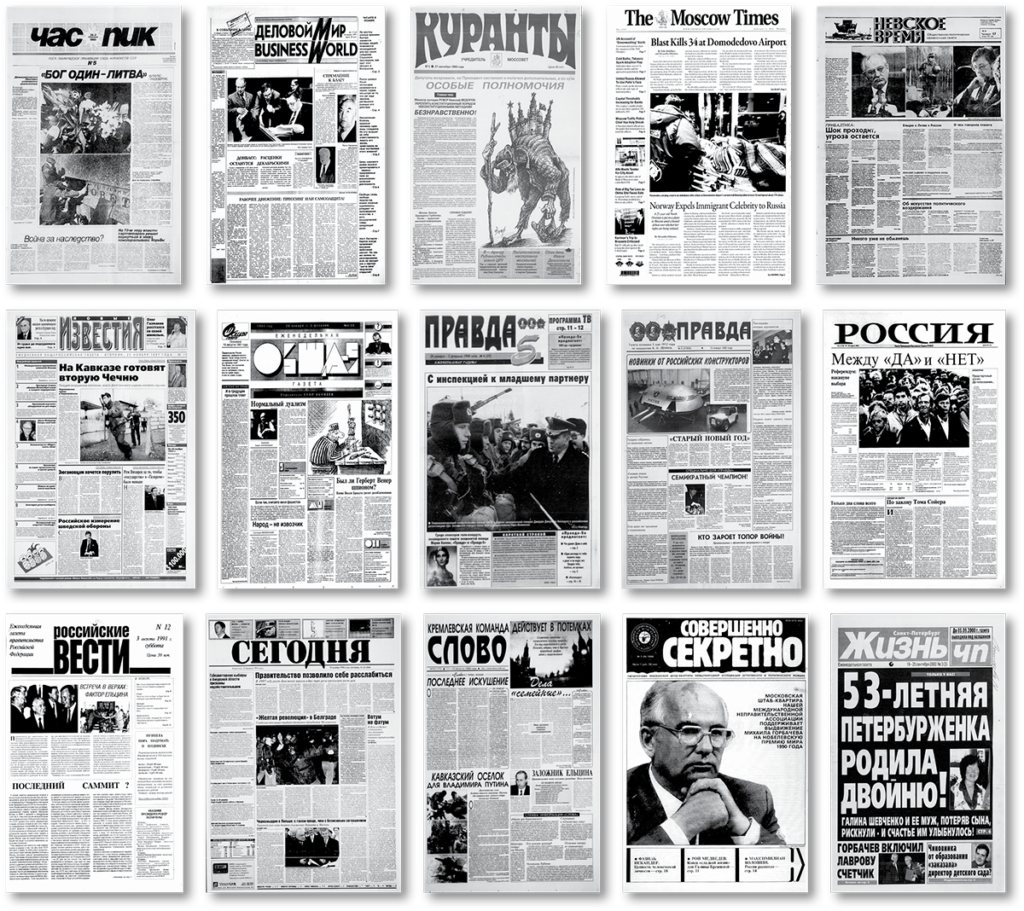
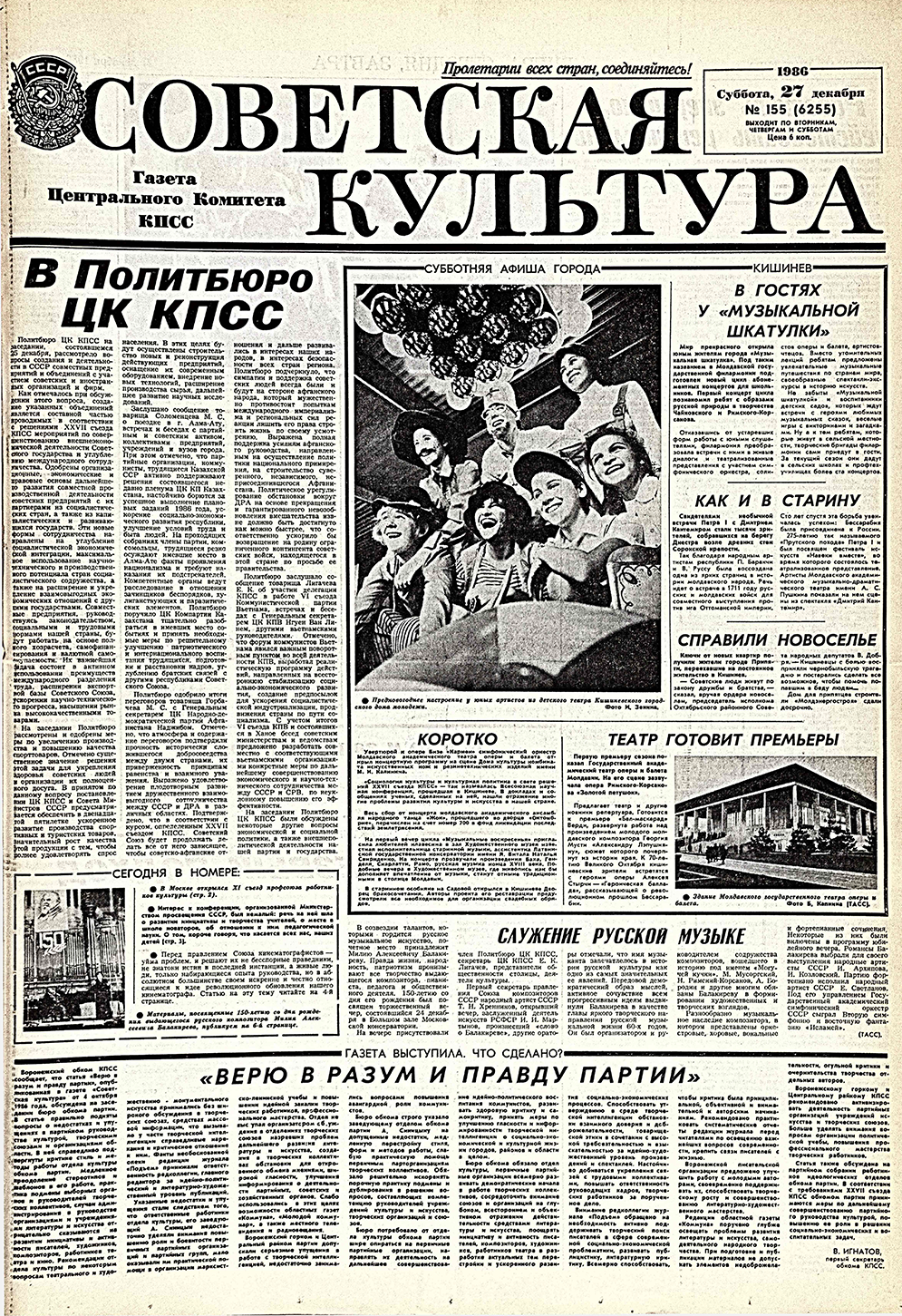
  • Sovetskaia Kul’tura Digital Archive

    Sovetskaia Kul’tura Digital Archive

    An indispensable source on Soviet and Russian arts and culture.

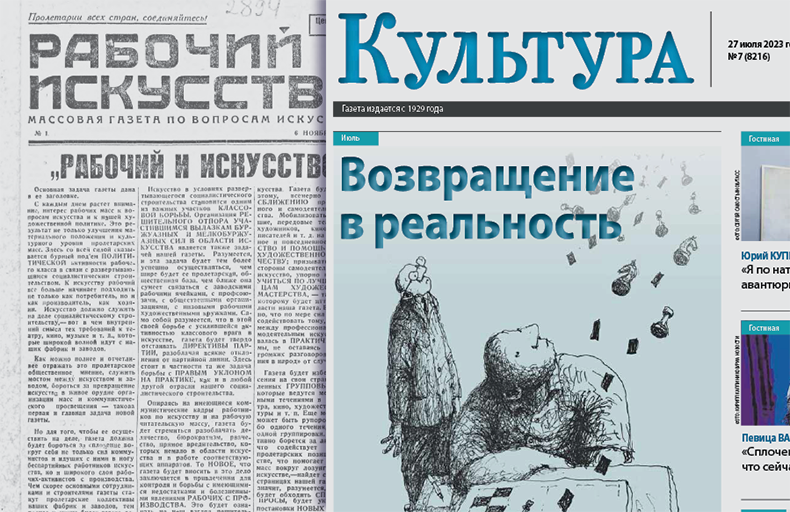
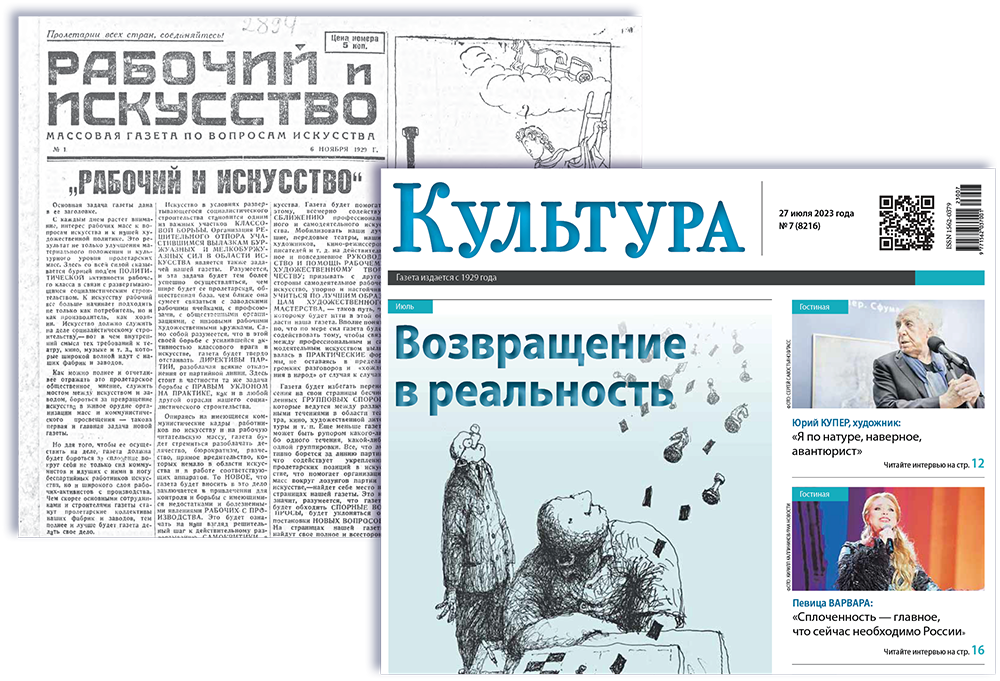
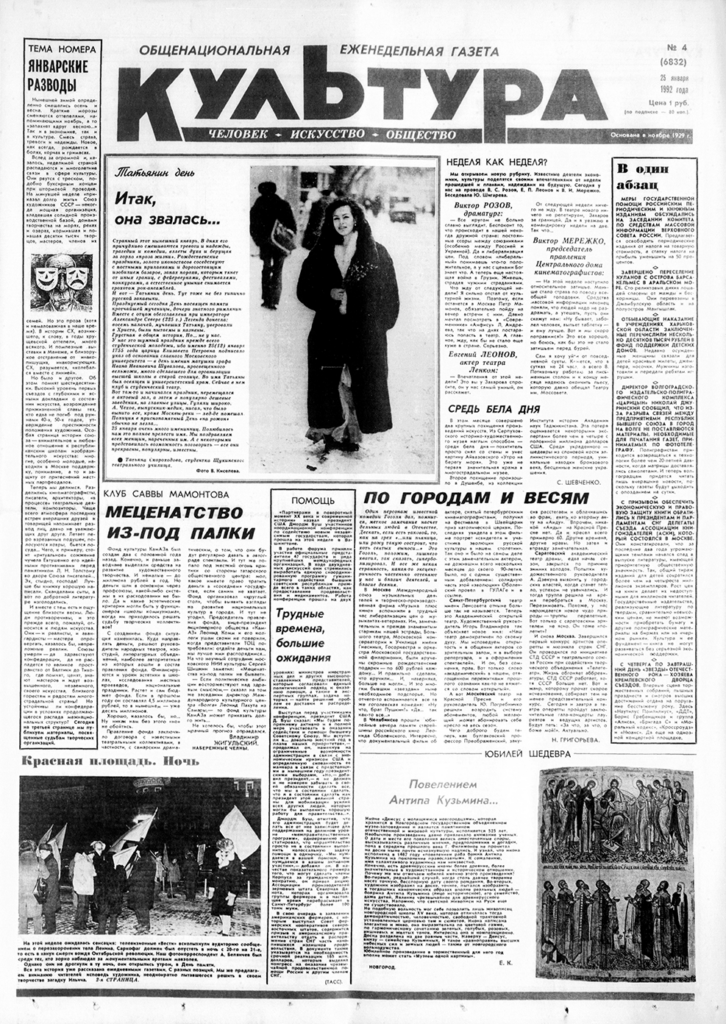
    Kul’tura (Культура, Culture), as it is known today, is the most important Soviet and Russian publication on culture from 1929 to the present, with reviews of major events in literature, theater, cinematography and the arts. For nearly 100 years, Kul’tura has served as a time capsule of Soviet and Russian culture, providing a unique perspective on ever-changing attitudes toward arts and culture in Soviet and Russian societies.

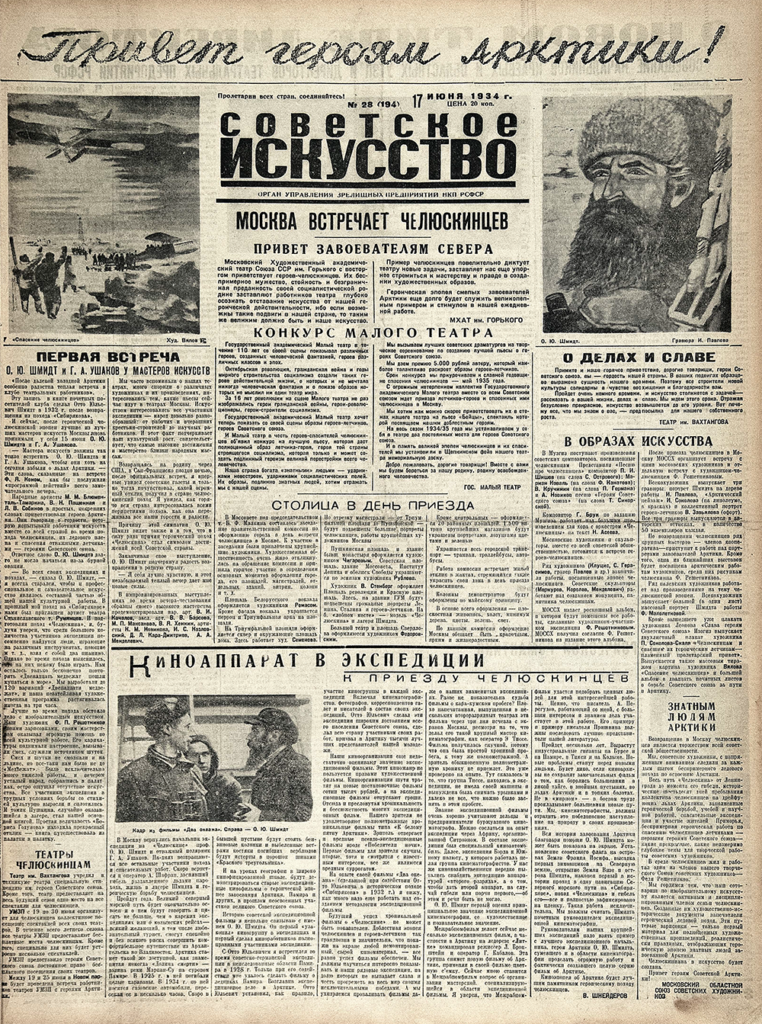
    Kul’tura was previously published as Rabochii i iskusstvo (Рабочий и искусство, Workers and Art, 1929–1930), Sovetskoe iskusstvo (Советское искусство, Soviet Art, 1931–1941), Literatura i iskusstvo (Литература и искусство, Literature and Art, 1942–1944), Sovetskoe iskusstvo (1944–1953), and Sovetskaia kul’tura (Советская культура, Soviet Culture, 1953–1991).

    The Sovetskaia Kul’tura Digital Archive contains all obtainable published issues from all of these titles (1929 on, over 55,000 pages), with an additional year’s worth of content available for purchase on an annual basis. The Sovetskaia Kul’tura Digital Archive offers scholars the most comprehensive collection available for this title, and features full page-level digitization, complete original graphics, and searchable text, and is cross-searchable with numerous other Infoteka digital resources.

    More About Sovetskaia Kul’tura

    Rabochii i iskusstvo was established during a time when artists had relative freedom to create works for the New Soviet man. Artists were enthusiastic in spreading the socialist revolution, and the newspaper at this time reflects that mindset. Art was to be made accessible to the masses. Whether explicitly or implicitly, the newspaper supported writers, artists, and authors who produced works that fostered the concept of the New Soviet Man.

    During the Stalin years, Socialist realism took hold. Any creative expression considered unworthy to support the goals of socialism and communism was banned. Writers such as Mikhail Zoshchenko, Osip Mandelstam, Boris Pasternak, and others were roundly criticized in the pages of Sovetskoe iskusstvo (1931–1941), Literatura i iskusstvo (1942–1944), and Sovetskoe iskusstvo (1944–1952).

    Sovetskaia kul’tura, established in 1953, came about in the thaw of the Khrushchev era. The times changed for the better, but the newspaper still toed the party line. Modern art exhibitions were condemned and avant-garde composers and abstract painters were censured.

    During the Gorbachev era, glasnost created a cultural reawakening, which was reflected in the pages of Sovetskaia kul’tura. For example, the newspaper was the first to report that authorities had rehabilitated Pasternak posthumously and a museum dedicated to the work of Marc Chagall was to open in Belarus.

    Today, the newspaper offers interesting reviews and event listings, often focusing on the cultural life of Moscow and the regions. It is also known for its topical commentaries on popular culture and politics.

  • Slovo Kyrgyzstana Digital Archive

    Slovo Kyrgyzstana Digital Archive

    Official newspaper of the Central Committee of the Kirghiz SSR.

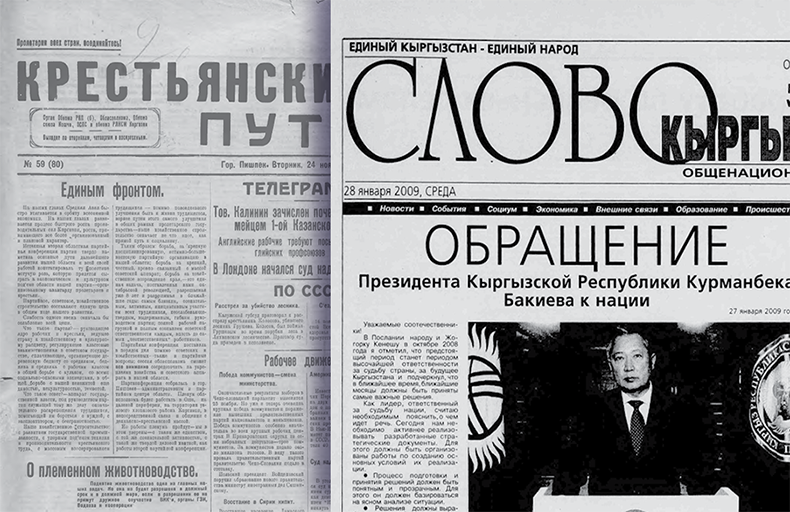
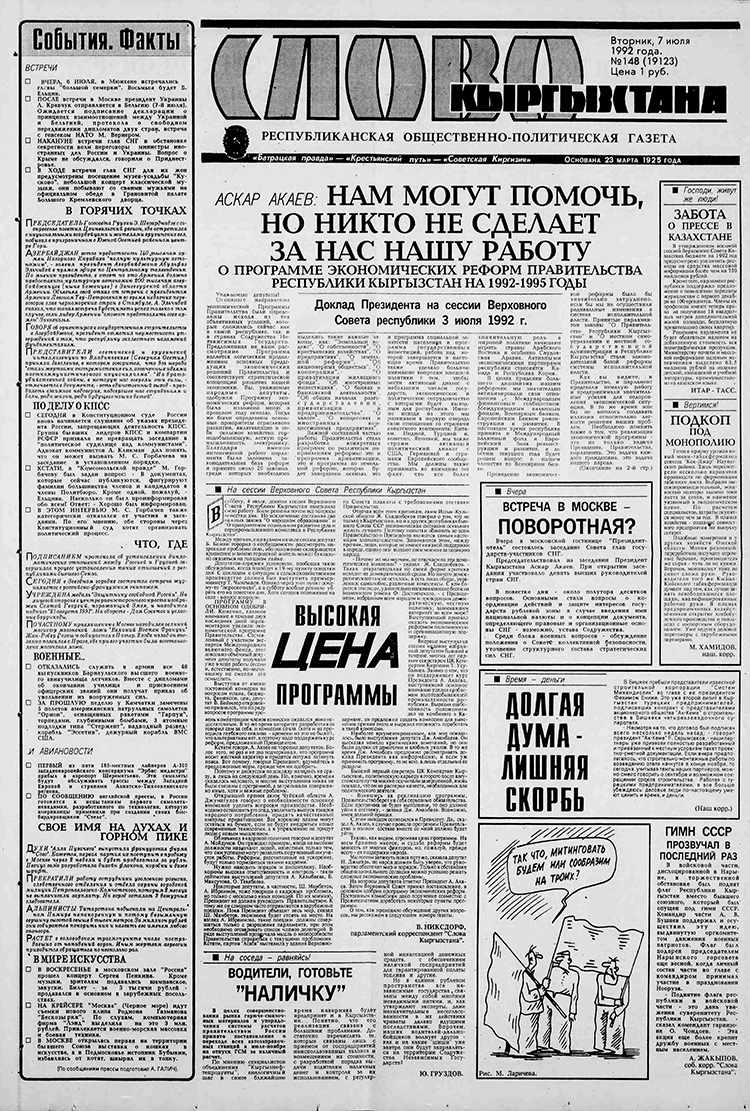
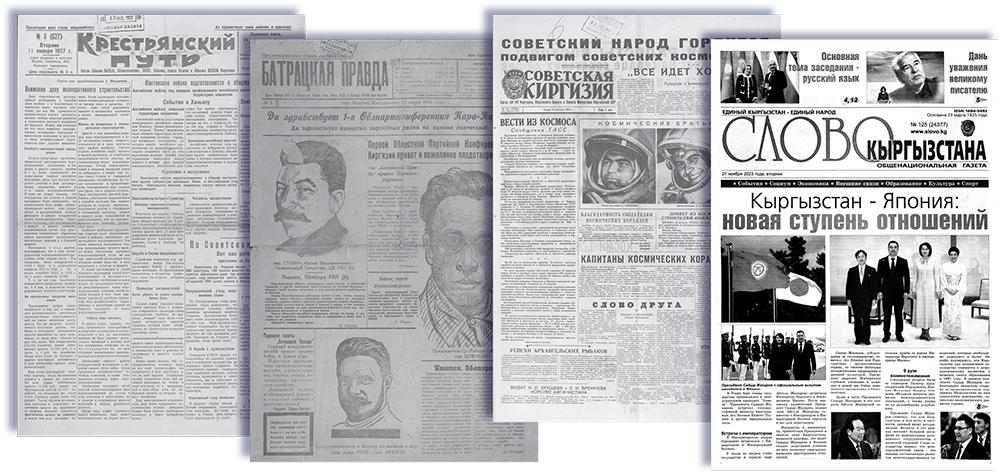
    Established in 1925, in what was then the Kara-Kirghiz Autonomous Oblast in the RSFSR, Slovo Kyrgyzstana (Слово Кыргызстана, Word of Kyrgyzstan) is a Russian-language newspaper that served as the official party organ of the Central Committee of the Kirghiz SSR throughout its Soviet existence. It has been published independently since it gained independence from the Soviet Union in 1991. Known variously as Batratskaia Pravda (Батрацкая правда, Batratskaya Truth, March-June 1925), Krest’ianskii put’ (Крестьянский путь, Peasant Path, 1925-1927), and Sovetskaia Kirgiziia (Советская Киргизия, Soviet Kyrgyzstan, 1927-1991), at its peak the newspaper claimed a circulation of 123,000 copies and was the most important media organization disseminating the Communist party’s official stances and directives.

    As the newspaper of the government of the Republic of Kyrgyzstan, Slovo Kyrgyzstana publishes edicts of the republic’s president, government resolutions, laws, etc. The newspaper also covers both national and international affairs, culture, economics, environmental issues, healthcare, religion and other important issues of concern.

    The Slovo Kyrgyzstana Digital Archive comprises over 120,000 pages and includes all obtainable issues of the newspaper’s previous titles (Batratskaia Pravda, Krest’ianskii put’, and Sovetskaia Kirgiziia). The archive contains all obtainable published issues from 1925 on, with an additional year’s worth of content available for purchase on an annual basis. The archive offers scholars the most comprehensive collection available for this title and features full page-level digitization, complete original graphics, and searchable text, and is cross-searchable with numerous other Infoteka digital resources.

  • Pravda Digital Archive

    Pravda Digital Archive

    The most important newspaper of the Soviet era.

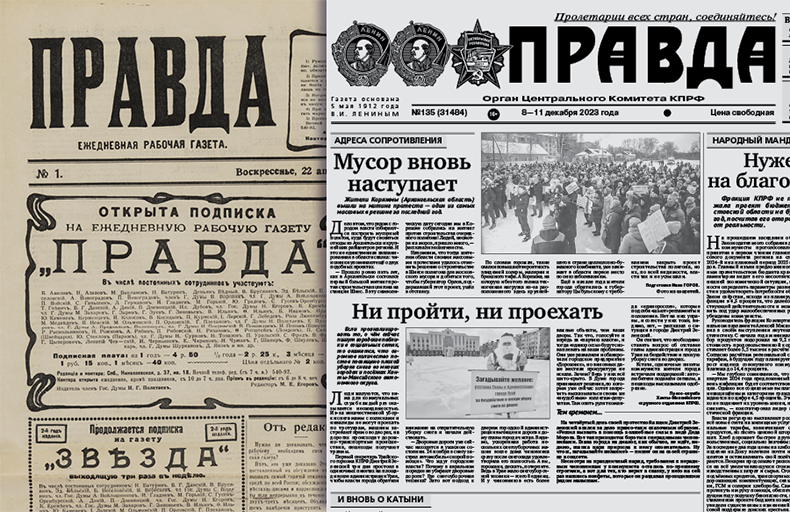
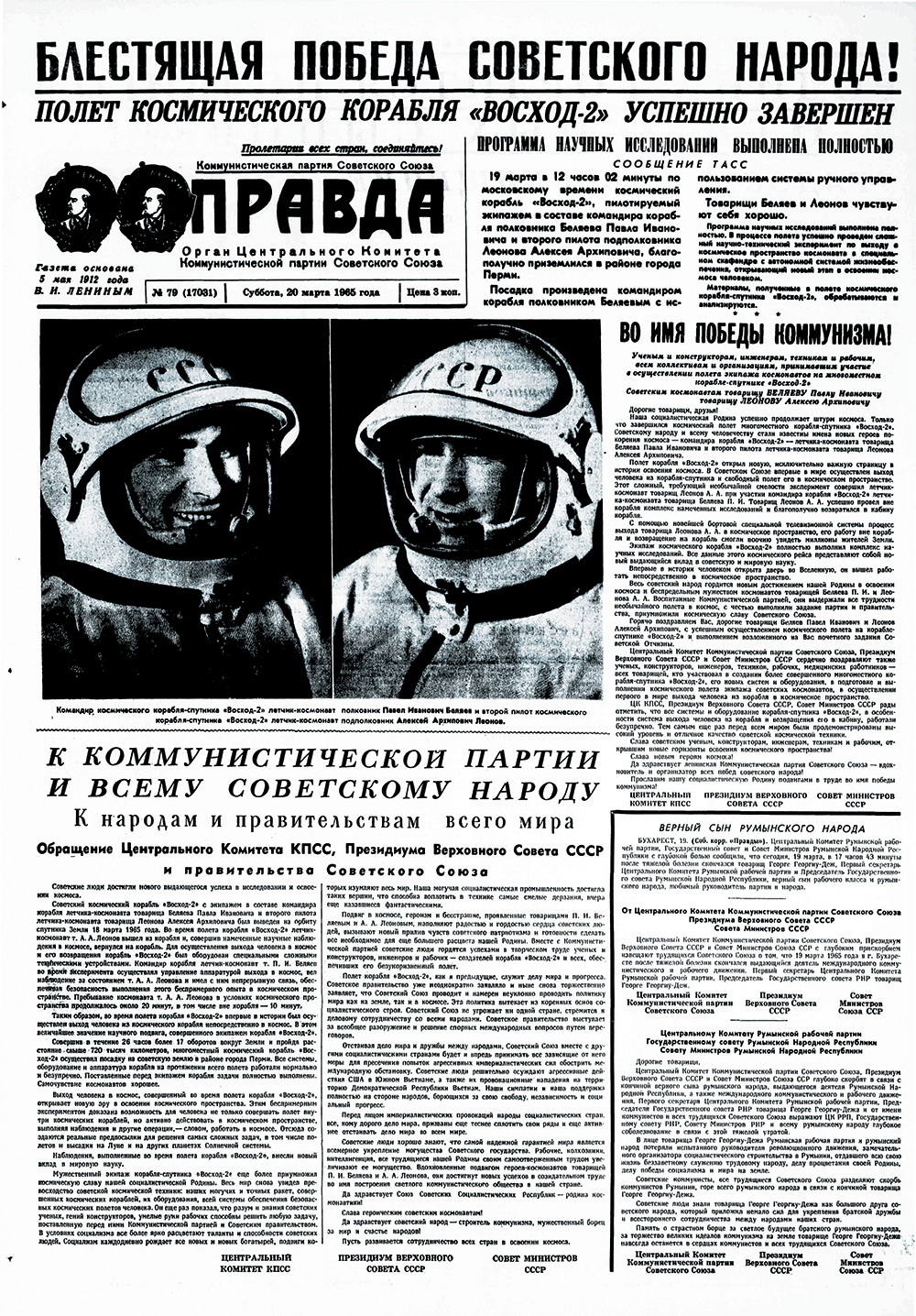
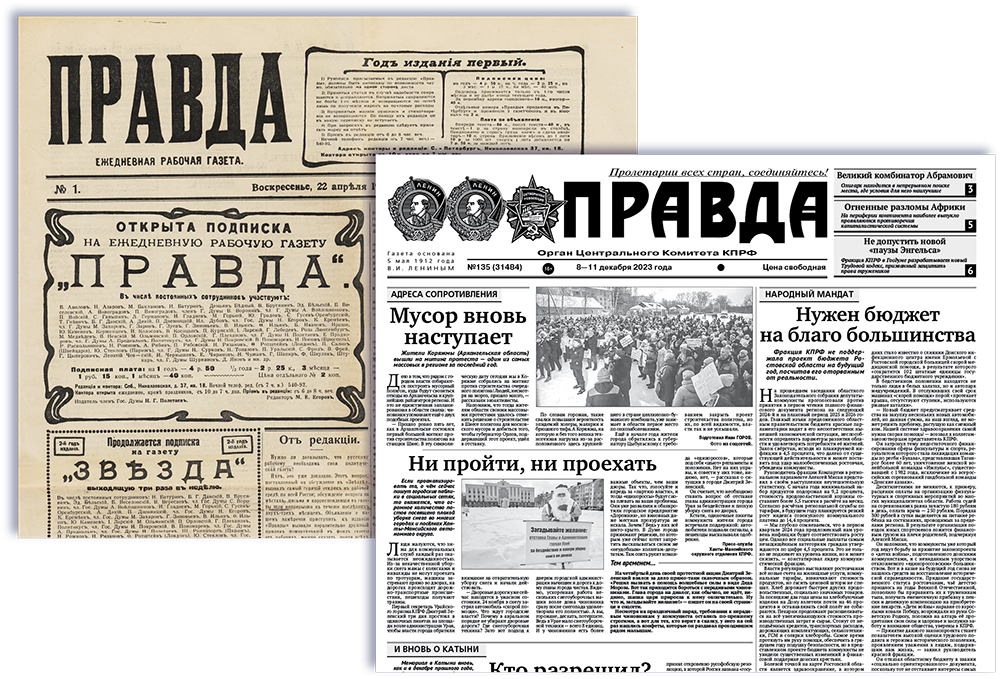
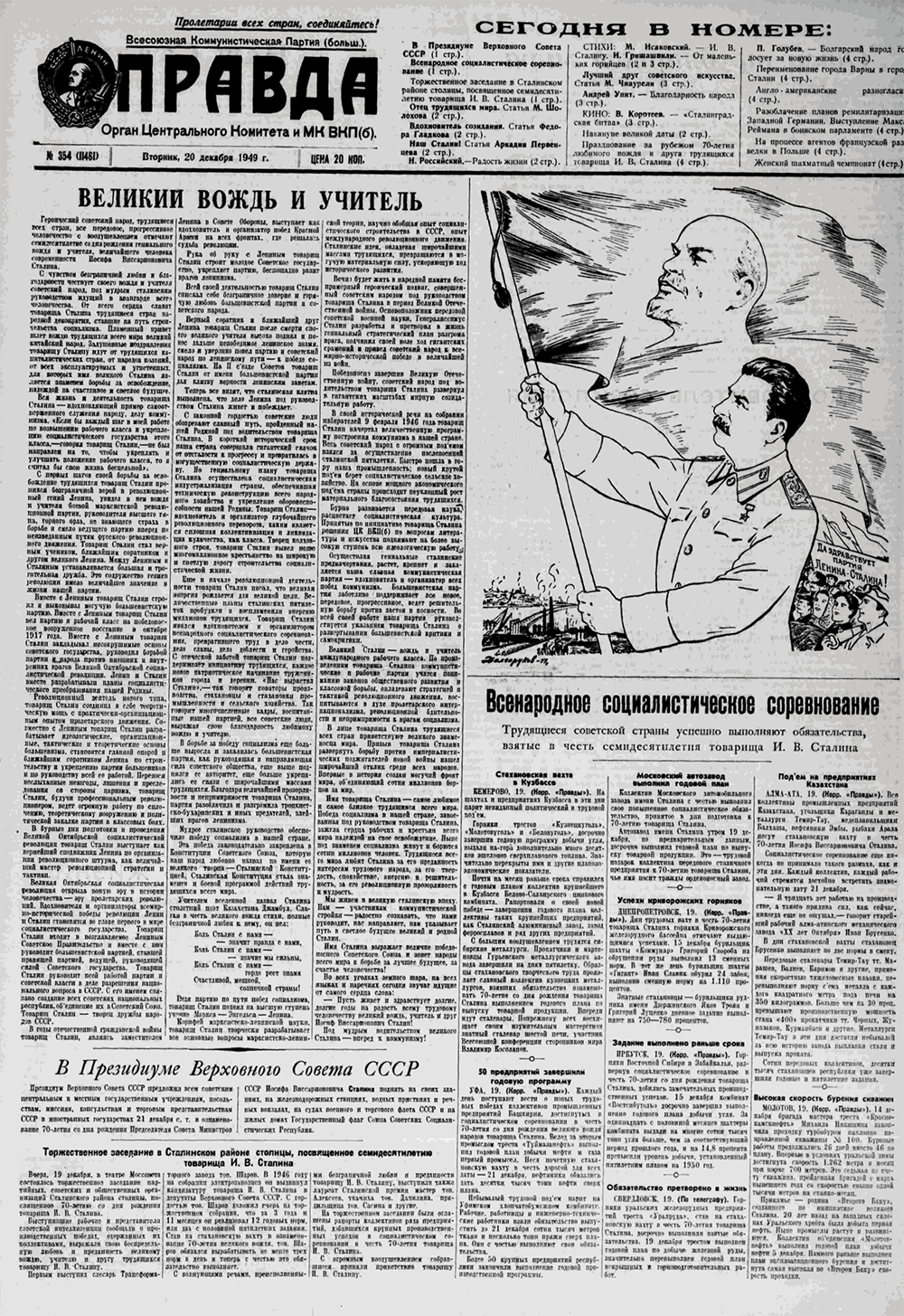
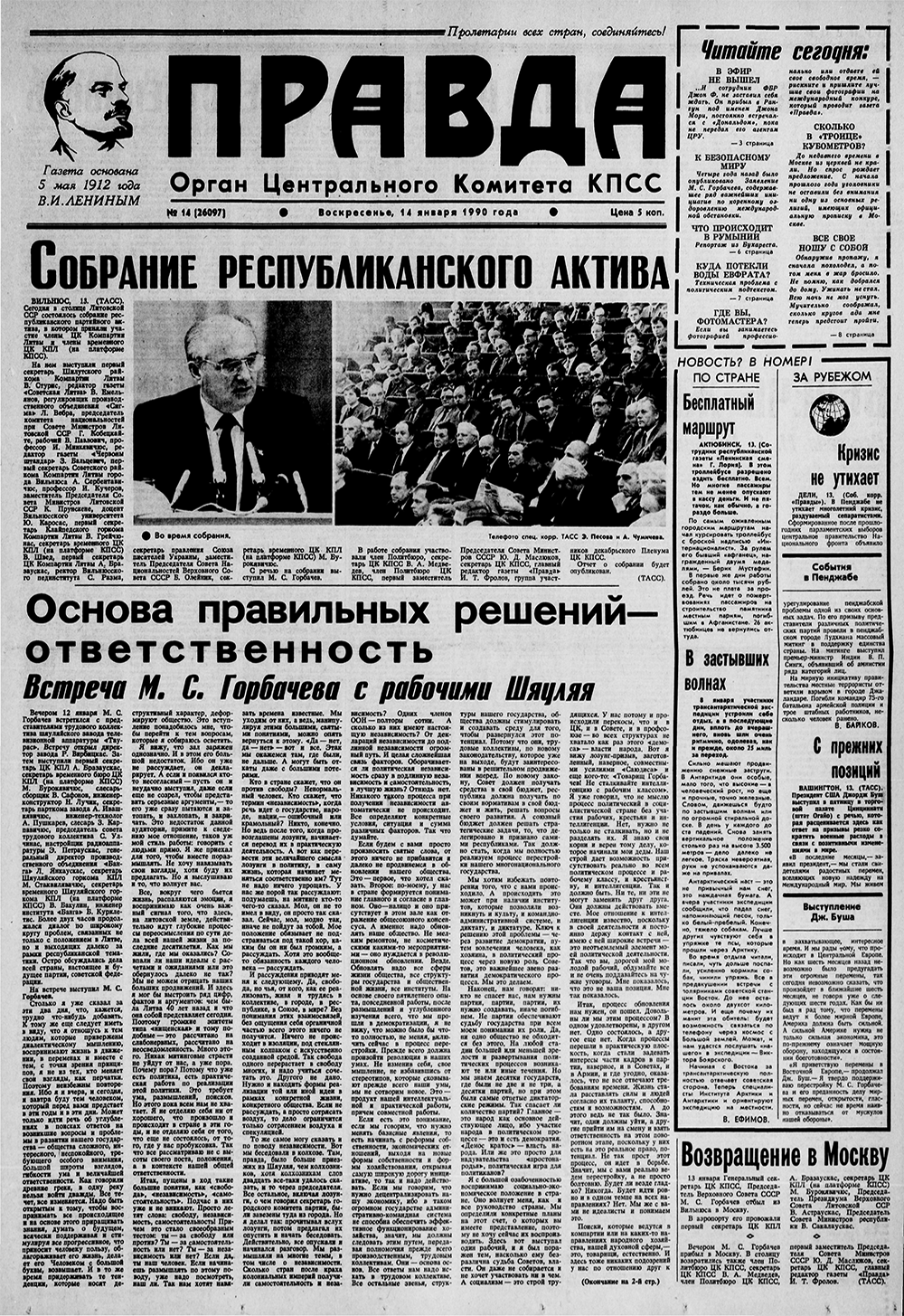
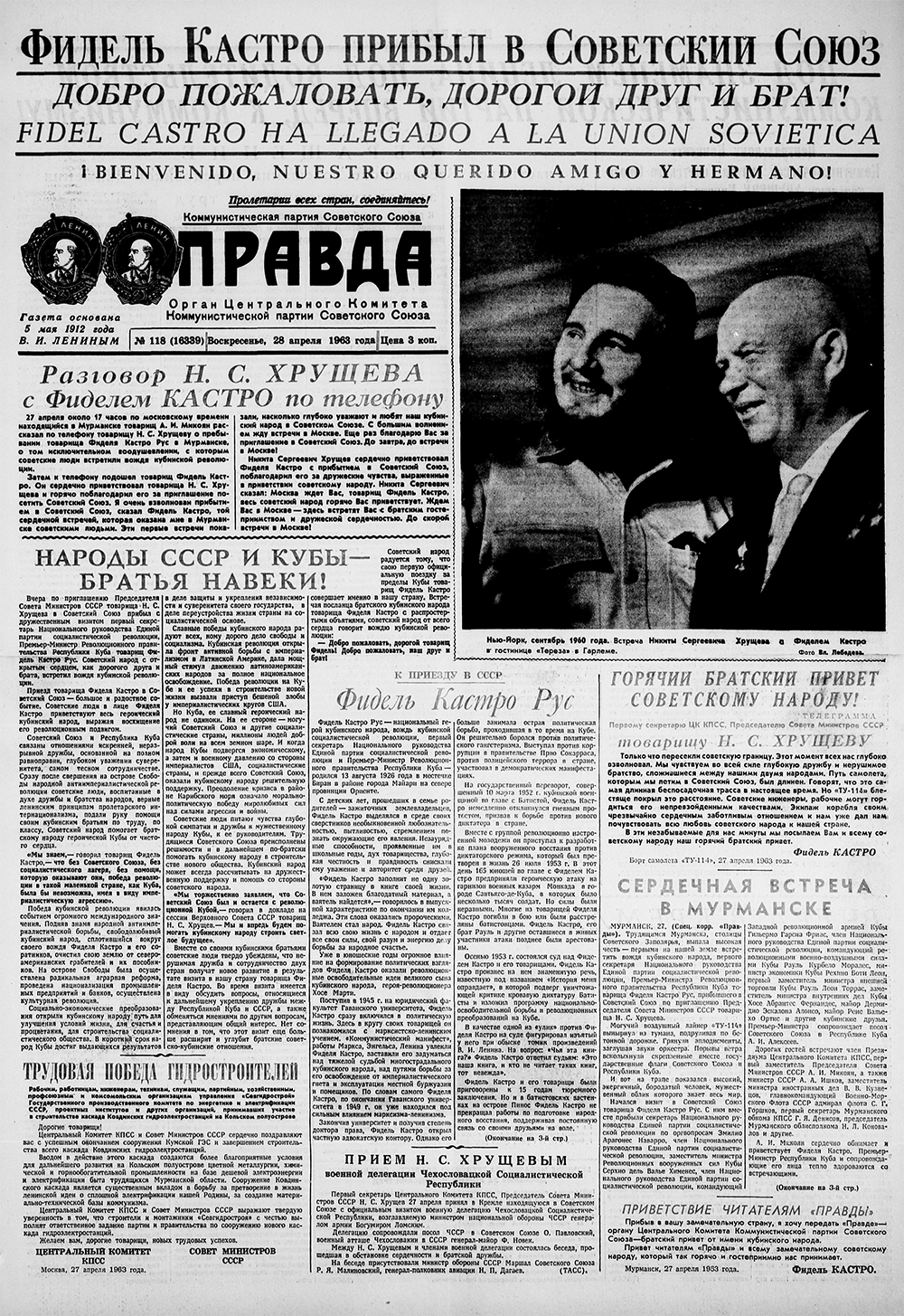
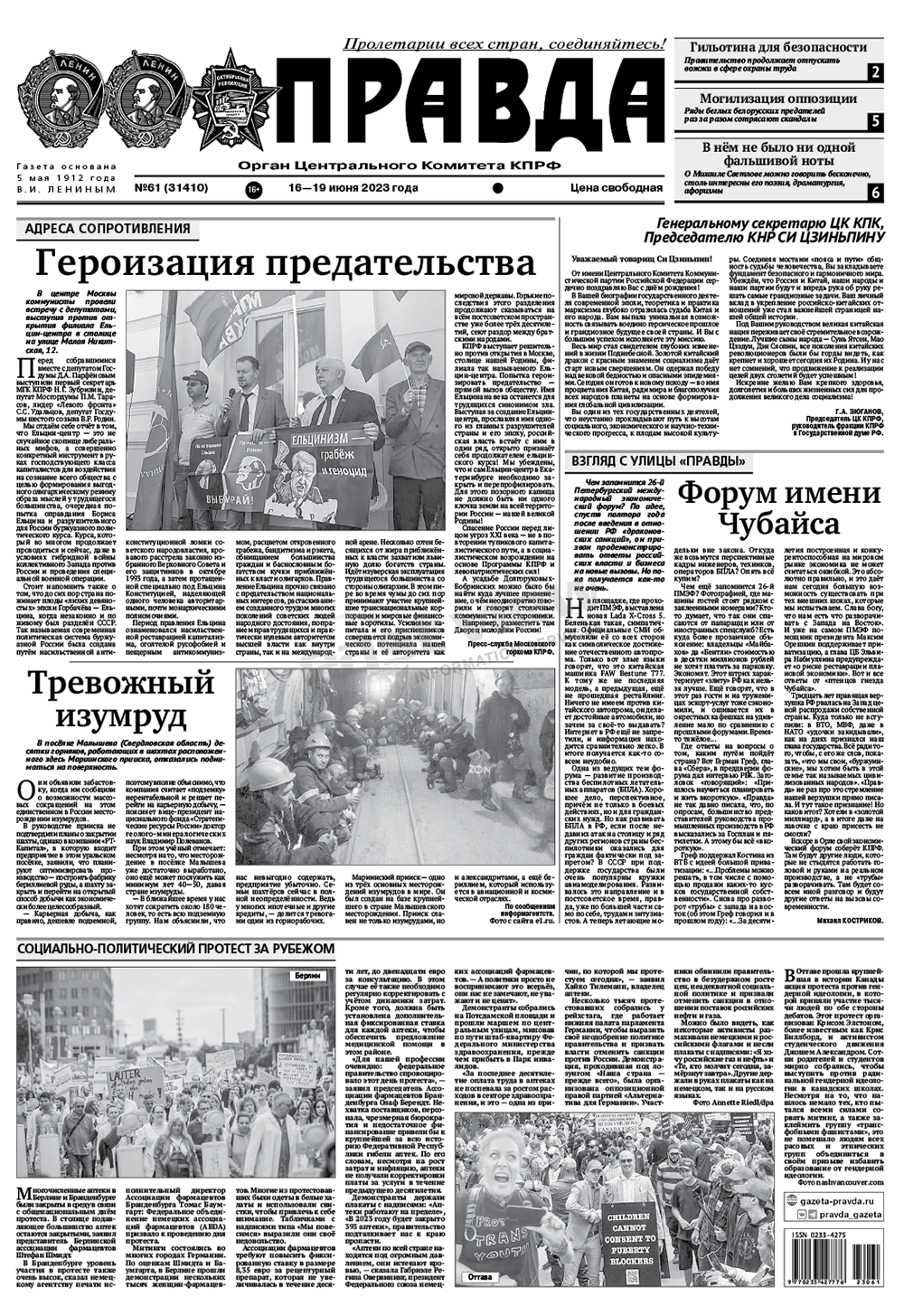
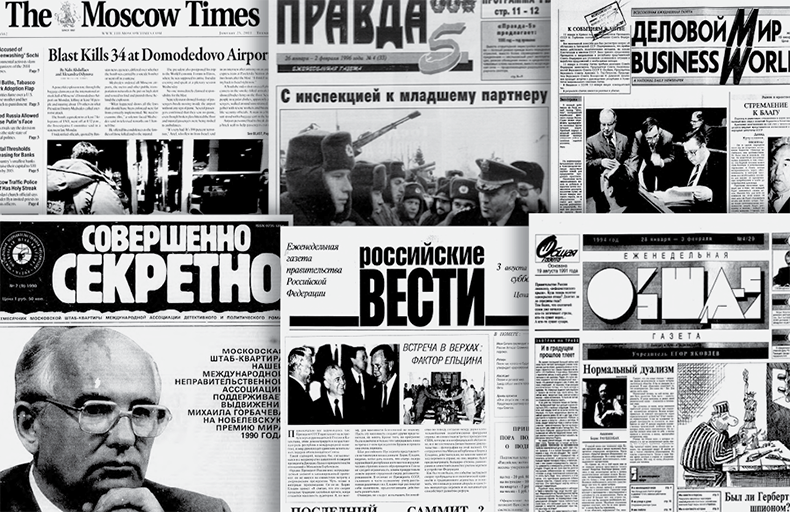
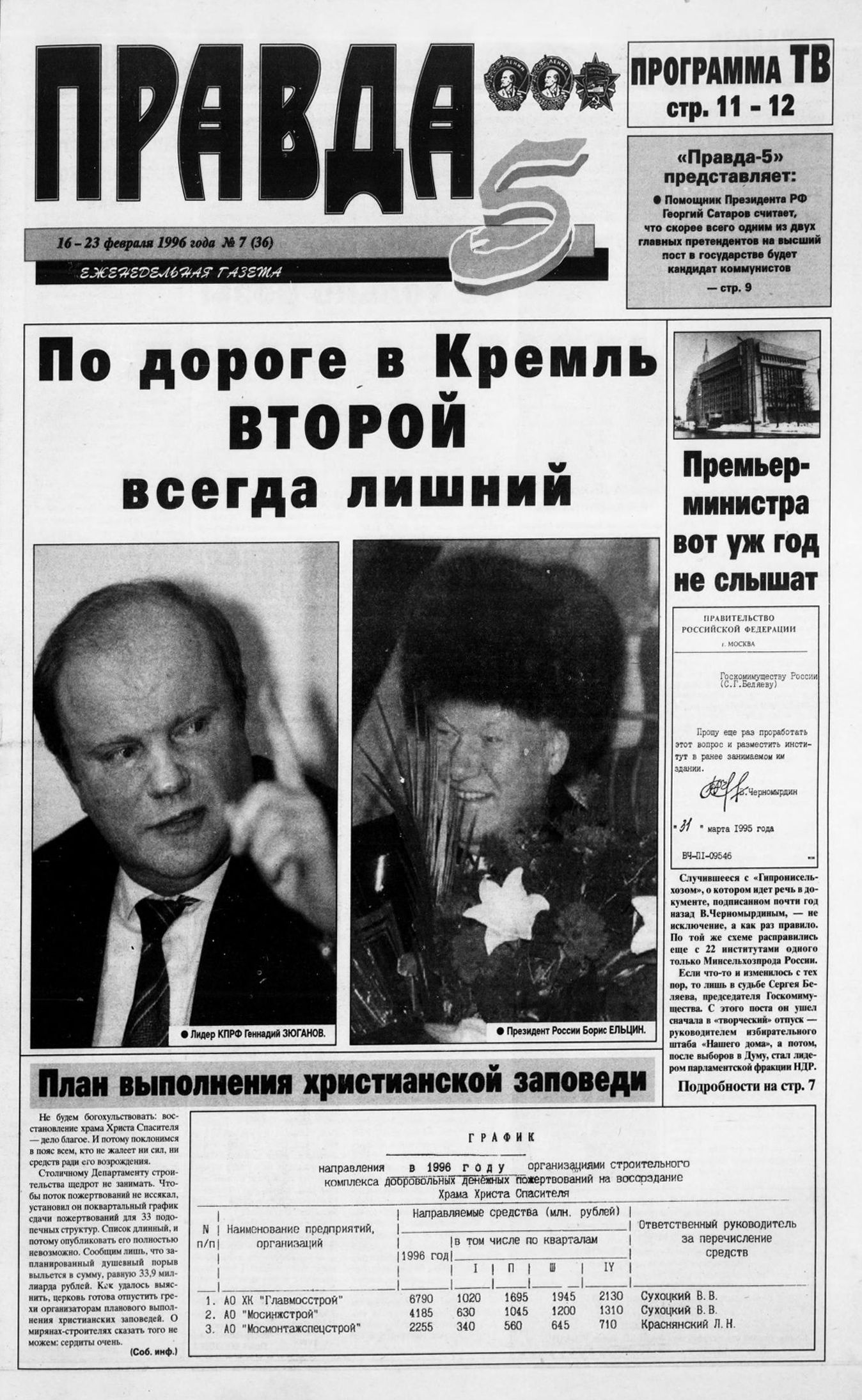
    Pravda (Правда, Truth) was the official voice of Soviet communism and the Central Committee of the Communist Party between 1918 and 1991. Founded in 1912 in St. Petersburg, Pravda originated as an underground daily workers’ newspaper, and soon became the main newspaper of the revolutionary wing of the Russian socialist movement. Throughout the Soviet era, party members were obligated to read Pravda. Today, Pravda still remains the official organ of the Communist Party of the Russian Federation, an important political faction in contemporary Russian politics.

    In its early years, Pravda was subjected to constant persecution, fines, penalties, and prohibitions by the government. To avoid censorship and forced closures, the name of the newspaper changed eight times. In 1914 when the Russian Empire entered World War I, the Russian government moved to close down all subversive newspapers and military censorship was reimposed. After February 1917, when Tsar Nicholas II was deposed and replaced by the Provisional Government, Pravda became the official organ of the Bolshevik Central Committee and was allowed to reopen. When Lenin strongly condemned the Provisional Government and editorials in Pravda called the government “counter-revolutionary,” Pravda was once again subject to censorship and was forced to change names, as in tsarist times. When the Bolsheviks seized power during the October Revolution in 1917, Pravda became the official publication of the Soviet Communist Party.

    Pravda’s primary role was to deliver the official line of the Central Committee of the CPSU, and the newspaper remained the official voice of Soviet communism up until 1991, when Boris Yeltsin signed a decree closing it down. After the collapse of the USSR, nationalist and communist journalists intermittently published a print newspaper and an online newspaper under the name Pravda. Today, Pravda represents the oppositional stance of the Communist Party in the Russian Federation.

    The Pravda Digital Archive contains all obtainable published issues of the newspaper from 1912 on, totaling over 31,000 issues and over 169,000 pages. The archive offers scholars the most comprehensive collection available for this title, with an additional year’s worth of content available for purchase on an annual basis. The archive features full page-level digitization, complete original graphics, and searchable text, and is cross-searchable with numerous other Infoteka digital resources.

    Why Pravda Is Important to Researchers Today

    Pravda has been a newspaper of record since the dawn of the Soviet era and remains a prominent news source in today’s Russia. With the Pravda Digital Archive and its 100+ years of valuable primary-source material, researchers now have the means to search through the chief chronicle of Russian and Soviet history, from the beginnings of the Russian Revolution through World War II, the Cold War, the fall of the Soviet Union, and everything in between. Just as news articles can subtly reveal changes in society, Pravda delivers insight to cultural and historical changes during its publication through the entire Soviet era and beyond.

    As the Soviet state newspaper and central source of information and education, Pravda offered well-written articles and analyses on science, economics, cultural topics and literature, as well as communist theory. Conceived for the mass proletariat, Pravda was accessible to everyone and was the premiere example of a new style of mass media and official literary Russian.

    Lenin, as leader of the Bolshevik Party, wanted a newspaper to air differences and debates, reporting not only on local struggles, but also presenting commentary on the central political and theoretical questions facing communism. As an important contributor to the newspaper, Lenin wrote articles and provided direction to the editors. Pravda significantly shaped public opinion through its mass reach, using militant slogans, tales of heroic feats of production, and denunciation of class enemies.

    Average Soviet workers were also able to voice their opinions in the pages of Pravda. They wrote to the newspaper with reports on daily life or complaints about shoddy consumer goods, public wrongs, or difficulties with bureaucracy. Many of the articles publicized labor activism and exposed the working conditions in Russian factories.

    The unprecedented level of access made possible by the Pravda Digital Archive offers a rich repository for researchers of language, history, international relations, economics, social sciences, and so much more, and is essential to understanding the span of Soviet history and the development of Soviet culture.

  • Rossiiskaia Gazeta Digital Archive

    Rossiiskaia Gazeta Digital Archive

    Official daily newspaper of the Russian government.

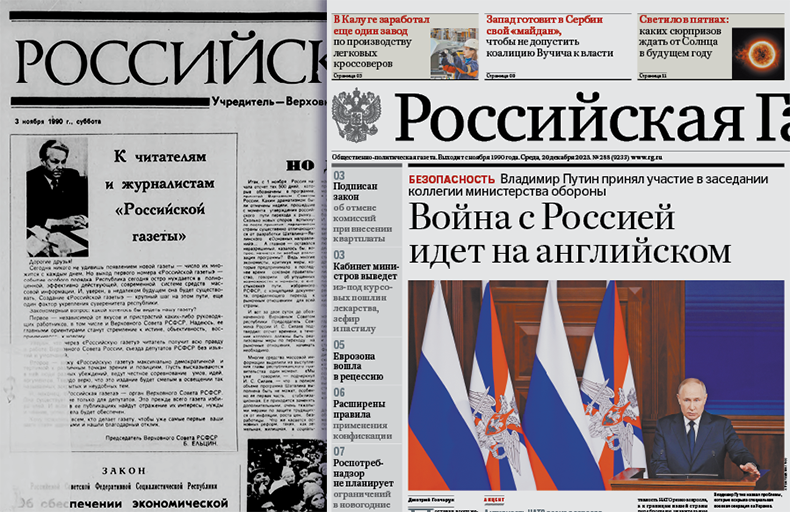
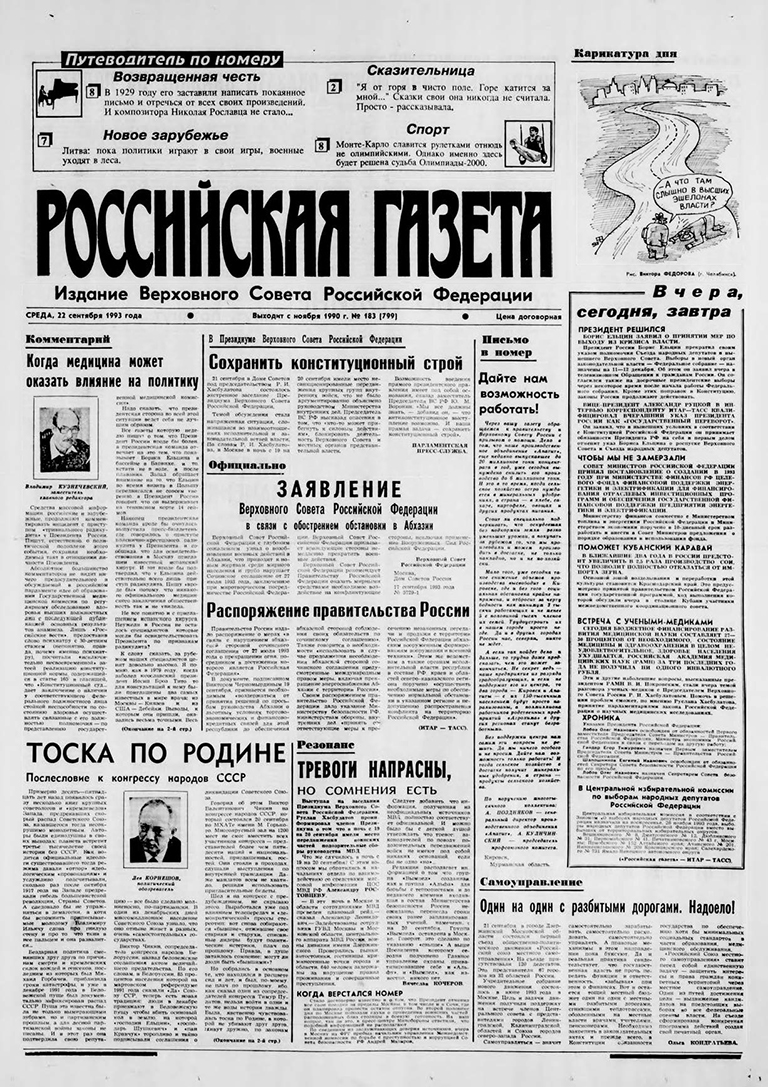
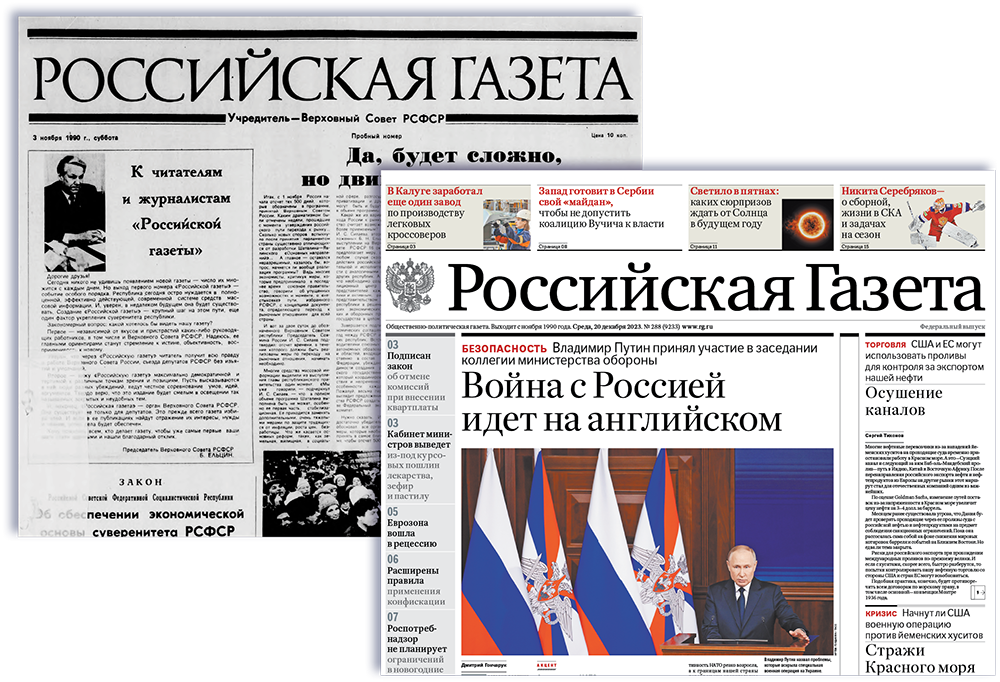
    Founded in 1990 by the government of the Russian Federation, Rossiiskaia gazeta (Российская газета, Russian Newspaper) is a Russian newspaper of public record based in Moscow with 13 regional offices, and foreign bureaus in the US, France, the UK, Germany and elsewhere. Boasting a nationwide circulation, the newspaper covers domestic and foreign news, economics, culture, sports, and governmental affairs. As an official newspaper, its editorial policy reflects the government’s policy on any given issue, although it also frequently publishes commentaries and opinions that differ from official government positions. The newspaper also features interviews with influential Russian politicians, business, and cultural figures.

    Rossiiskaia gazeta is an authoritative source of official government policy and an important venue of official commentary on laws and regulations enacted by the Russian legislature. With a daily print run of more than 180,000 and a large online presence, Rossiiskaia gazeta serves as the go-to media outlet for government related news and official communiques and notices.

    The Rossiiskaia Gazeta Digital Archive contains all obtainable published issues from 1990 on, with an additional year’s worth of content available for purchase on an annual basis. The archive offers scholars the most comprehensive collection available for this title, and features full page-level digitization, complete original graphics, and searchable text, and is cross-searchable with numerous other Infoteka digital resources.

  • Poliarnaia Kochegarka Digital Archive

    Poliarnaia Kochegarka Digital Archive

    Unique Soviet newspaper for the Russian mining community in Norway.

    Poliarnaia kochegarka (Полярная кочегарка, Polar Furnace, 1934–1988; renamed Shakhter Arktiki [Шахтер Арктики, The Arctic Miner], 1989–1991) was an in-house weekly newspaper published in Barentsburg by the Soviet/Russian state-owned mining trust Arktikugol, which began operating on the Svalbard archipelago in 1931. The constant Soviet/Russian presence in this Norwegian territory was made possible by the so-called Svalbard (Spitsbergen) Treaty, which allows its signatories (currently more than forty countries) to engage freely in economic and research activities on the archipelago. During the Cold War, this led to the curious case of citizens of NATO and Warsaw pact countries coexisting peacefully side by side, with the Iron Curtain partially suspended (if not altogether lifted) in the otherwise potentially volatile and jealously guarded Arctic North.

    Arktikugol was established to supply the Russian North with coal from Svalbard to help power the ambitious Soviet industrialization program. Poliarnaia kochegarka was created first and foremost to hold together the Russian-speaking mining community on Svalbard, which at various times was divided among the three Soviet settlements of Barentsburg, Pyramiden and Grumant. The newspaper also served to keep local citizens abreast of the news from the Soviet mainland and the rest of the world, something that used to be out of reach for several months each year (except for radio communication) when ice conditions and polar nights made navigation virtually impossible.

    Poliarnaia kochegarka is an extremely valuable resource, providing rare insight into the unique living and working situation on the Svalbard archipelago during the Soviet era. This digital collection will undoubtedly be of great interest to labor, High North, and Cold War historians, as well as those engaged in border, diaspora, cross-cultural and media studies.

    The Poliarnaia Kochegarka Digital Archive contains the most complete collection available for this title, with nearly 4,400 issues and over 16,000 pages total of Poliarnaia kochegarka and Shakhter Arktiki (excluding 1941–1947, when the publication was suspended). The archive features full page-level digitization, complete original graphics, and searchable text, and is cross-searchable with numerous other Infoteka digital resources.

    More About Poliarnaia Kochegarka

    Poliarnaia kochegarka covered numerous topics of interest to its target audience, such as local and world politics and social problems, Svalbard’s history in the context of polar exploration and research, mining history and technology, coal production pledges, health and safety, tertiary education, Arctic tourism, Soviet-Norwegian relations, wildlife, fiction, poetry, memoirs, and more.

    Among the newspaper’s contributors were both amateur and professional journalists, with early instances of citizen journalism playing a considerable role in the coverage of all sorts of burning issues pertinent to life in the polar regions in general, and Svalbard in particular. As the standard employment contract in the region lasted for two years, it is interesting to observe changes in the newspaper’s style from one editor-in-chief to the next. Among such editors-in-chief were the well-known Erzya author Nikolai Irkaev (1934-1937) and the prominent Murmansk journalist Stanislav Dashchinskii (1967-1969).