Language: Old Russian

  • Slavic and Judaica E-books

    Slavic and Judaica E-books

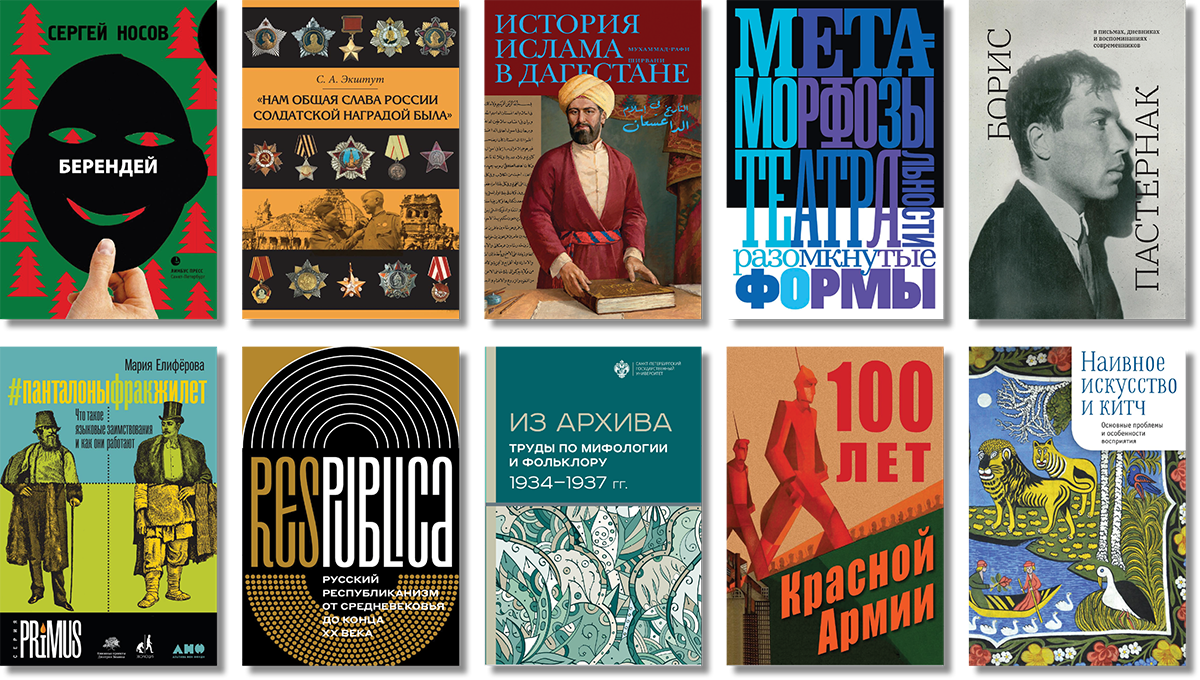
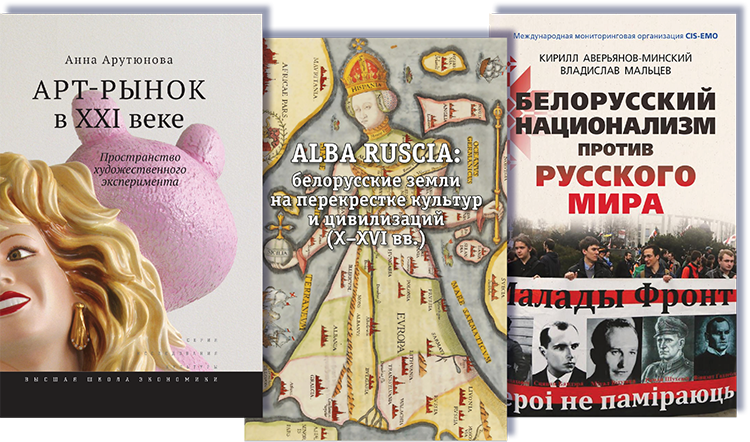
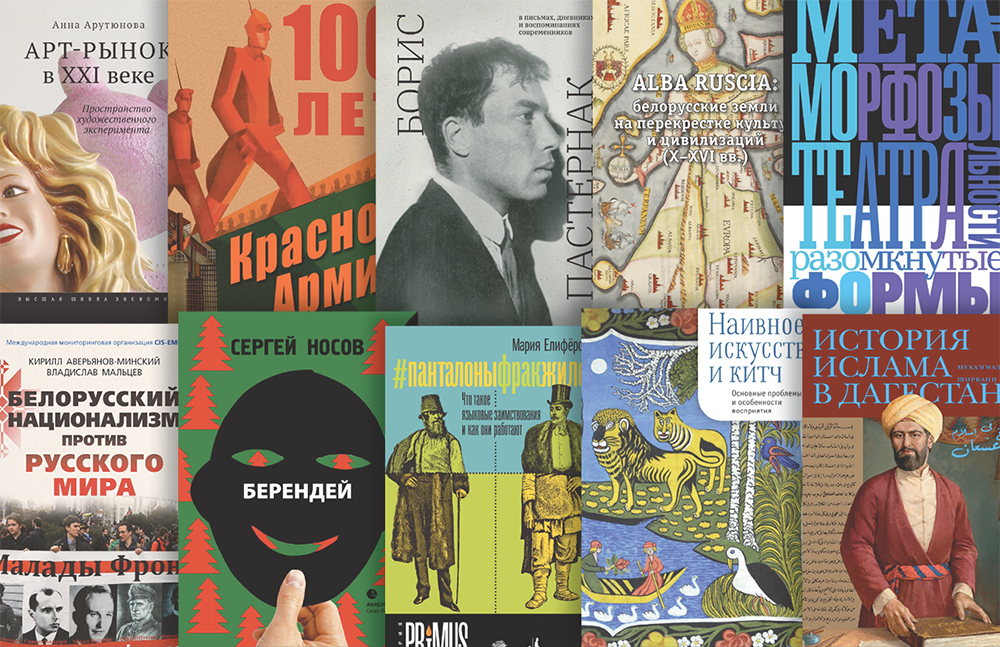
    Infoteka offers a growing selection of e-books on hundreds of topics from premier scholarly publishers in Russia, Belarus, and Central Asia. Choose from among classics, modern literature, popular fiction, scholarly titles, and more, as single titles or publisher sets.

    Infoteka’s intuitive e-book platform allows users to search within individual works, whole collections, and cross-search between e-book collections and your other online Infoteka resources. E-books may be supplied through an approval plan program or as firm orders

  • Early Soviet Cinema Collection. Part Two

    Early Soviet Cinema Collection. Part Two

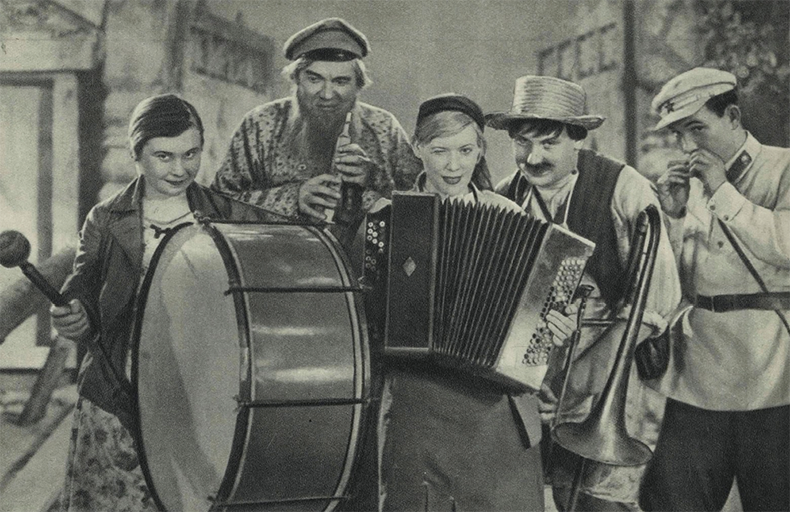
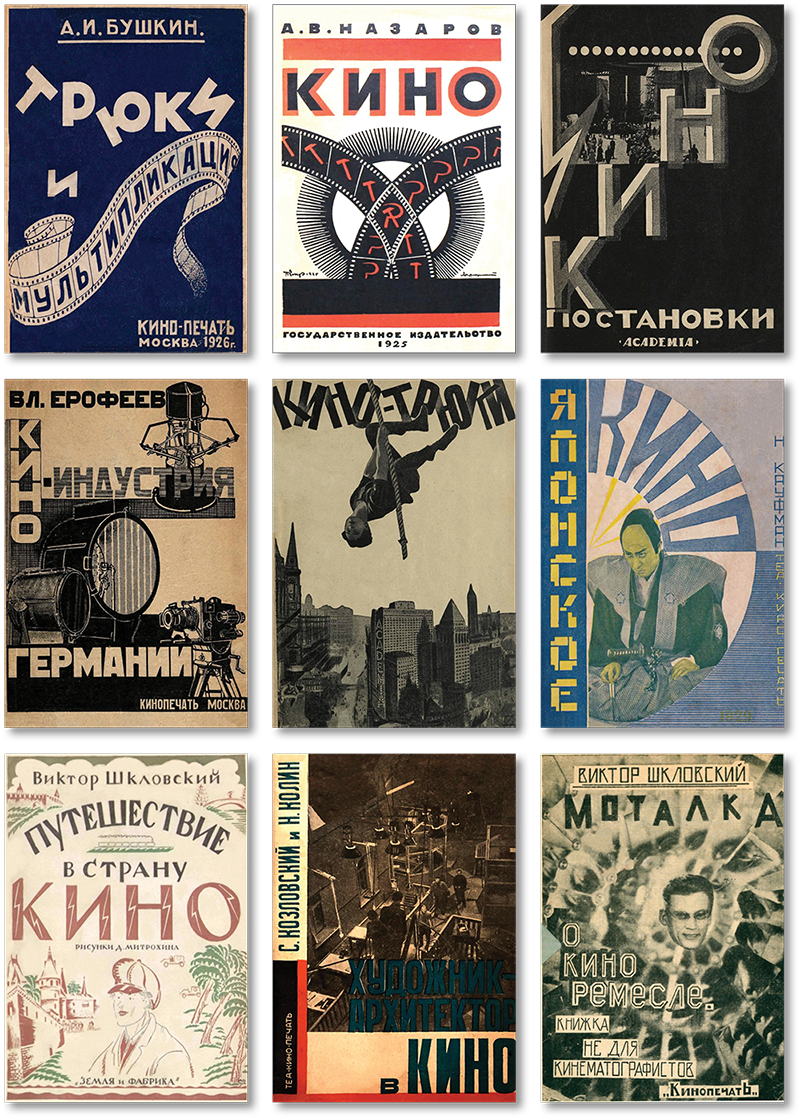
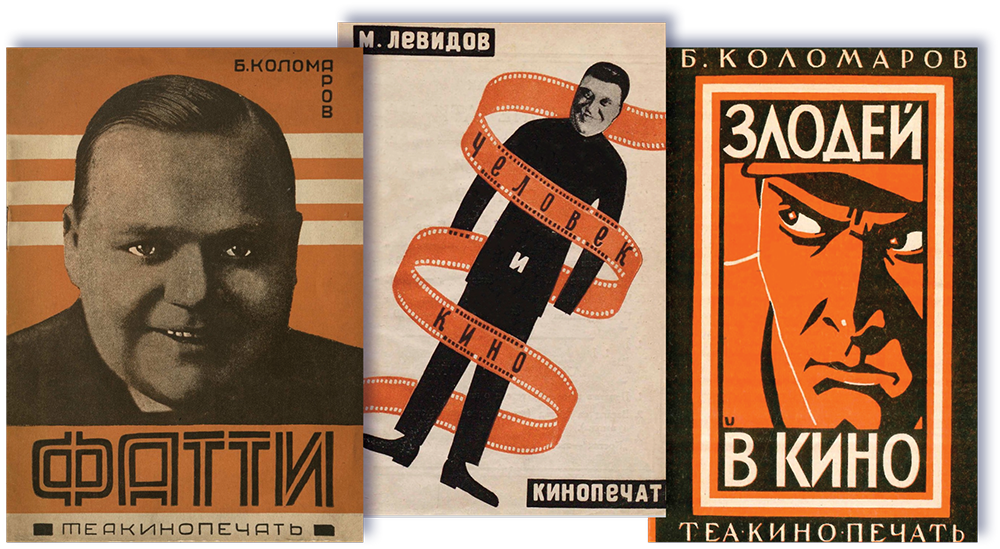
    The collection covers publications issued between 1908 and 1956, with particular strength in the formative decades of Soviet film culture. It includes works by and about leading figures in Soviet cinema, film theory, directing, acting, screenwriting, criticism, and production, including Lev Kuleshov, Vsevolod Pudovkin, Mikhail Romm, Vladimir Nielsen, Isaac Babel, Ilya Trauberg, Nikolai Anoshchenko, Veniamin Vishnevsky, and others. Among the included titles are works on film directing, montage, screen acting, visual composition, sound cinema, cinema architecture, film scripts, the history of cinematography, and annual surveys of Soviet film production.

    Beyond film technique and aesthetics, the collection is especially valuable for the study of cinema as a Soviet cultural institution. The books address the political, educational, and ideological uses of film, including cinema and communist education, children and cinema, documentary and technical films, foreign film criticism, atheist documentaries, the representation of women, the role of film in public instruction, and the relationship between cinema, literature, theater, and state cultural policy. As a result, the collection will support not only film studies, but also research in Soviet history, Slavic studies, visual culture, media studies, cultural policy, propaganda, gender studies, education, and the history of technology.

  • Russian Film and Theater Periodicals Digital Archive

    Russian Film and Theater Periodicals Digital Archive

    Collection of rare film and theater magazines from critical period in Russian and Soviet history.

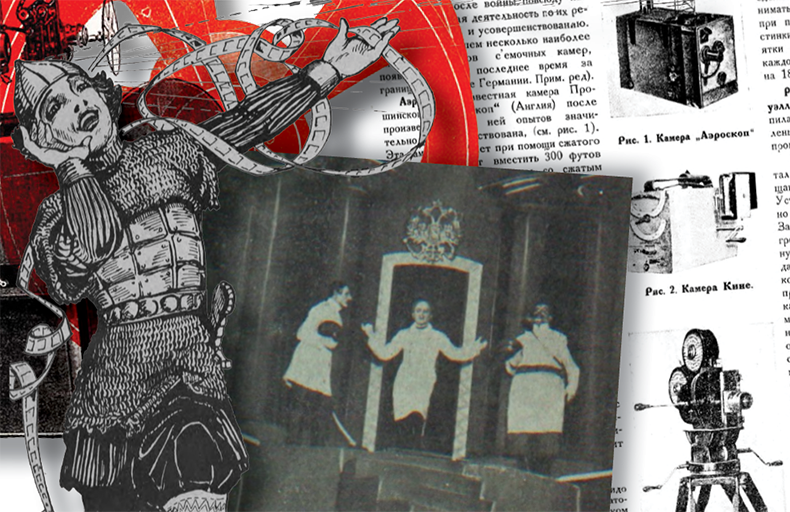
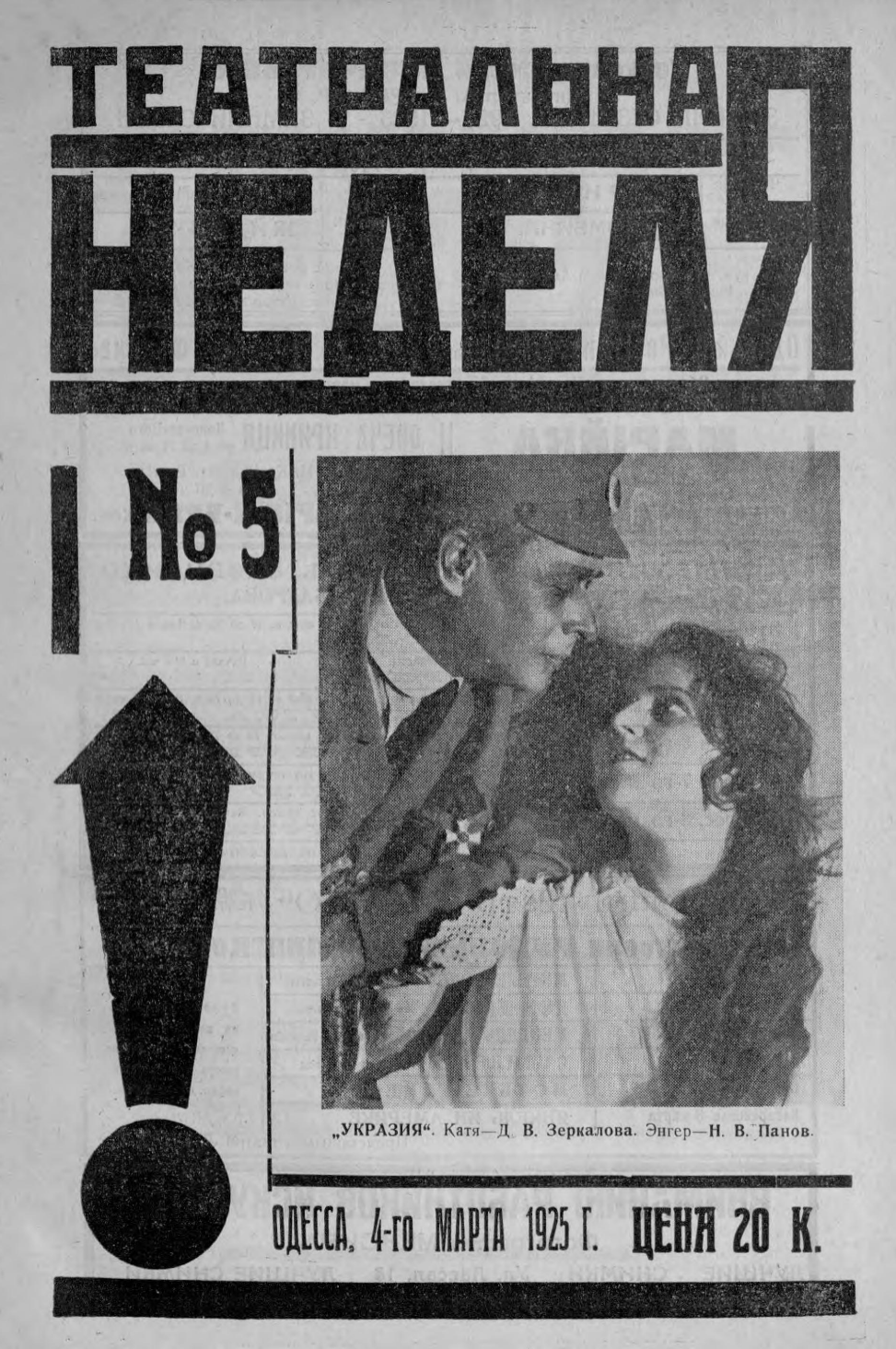
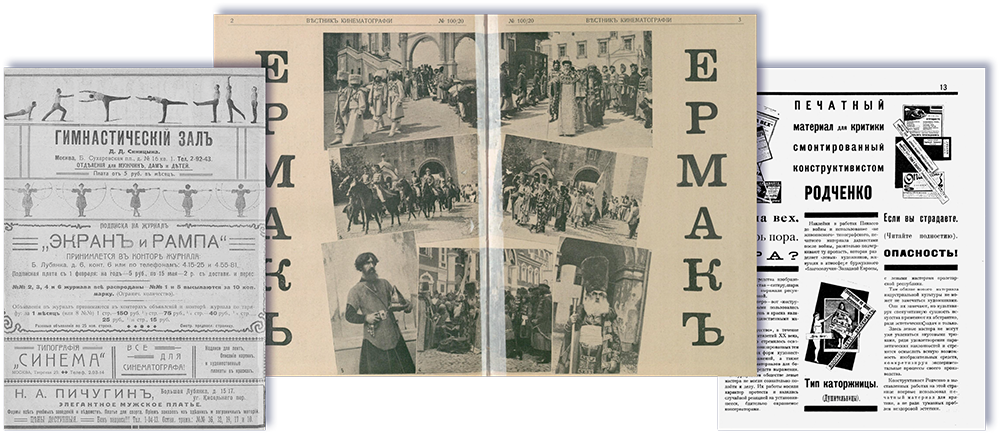
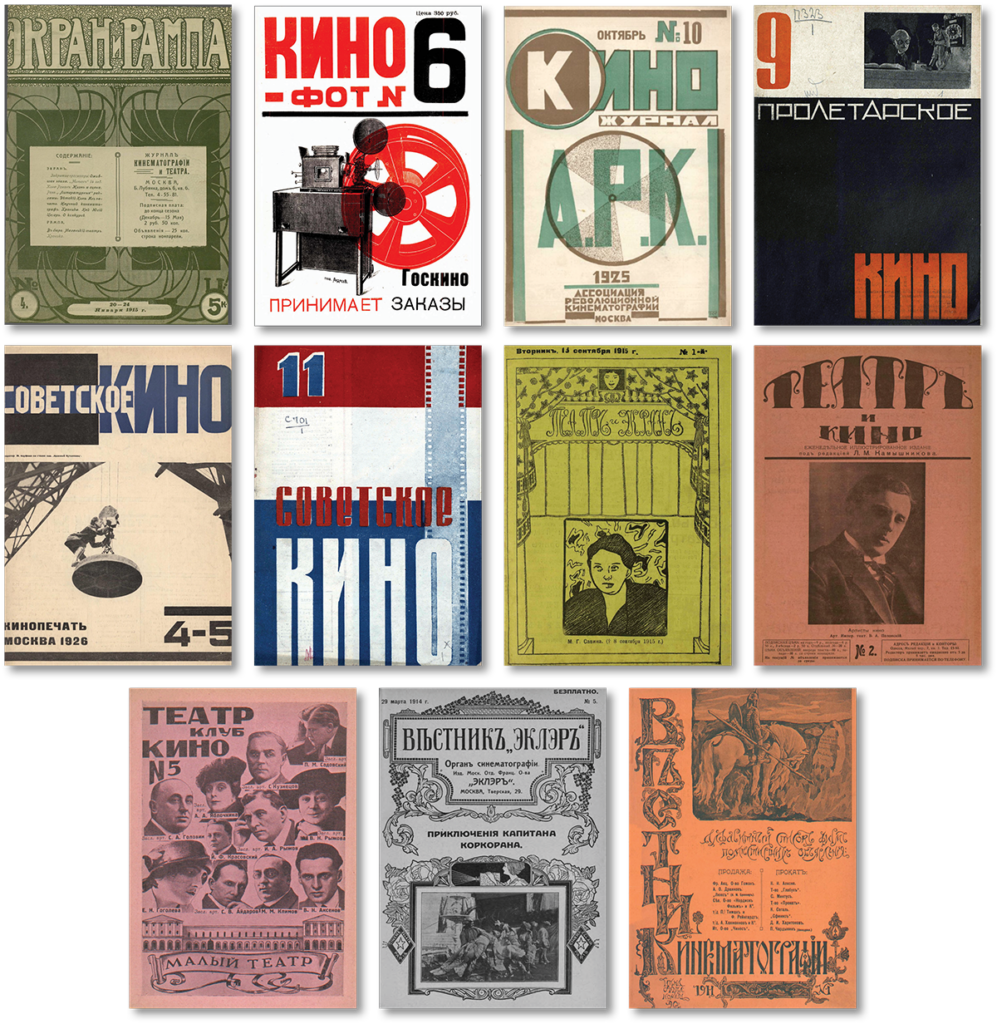
    Russian Film and Theater Periodicals Digital Archive is a curated digital collection of 11 rare Russian and Soviet film and theater magazines published between 1911 and 1935, covering the final years of the Russian Empire and the formative decades of Soviet cultural life. The archive brings together influential and often short-lived periodicals such as Vestnik kinematografii, Ekran i rampa, Teatr i kino, Kino-Fot, Kino-zhurnal A.R.K., Sovetskoe kino, and Proletarskoe kino, among others. Together, these titles document the emergence of cinema in Russia as a new artistic medium, commercial industry, technological system, and later as a central instrument of Soviet cultural policy and ideological education.

    The collection is especially valuable because it preserves the close relationship between film, theater, journalism, visual culture, and politics during a period of dramatic historical transformation. Pre-revolutionary titles capture the world of urban entertainment culture, theater repertories, film exhibition, advertising, audience formation, and the rapid growth of cinema before 1917. Soviet-era journals trace the rise of montage theory, Constructivist aesthetics, studio organization, documentary and newsreel production, proletarian cultural policy, and the increasingly institutionalized role of cinema in Soviet society.

    Richly illustrated and textually diverse, the archive includes articles, reviews, editorials, theoretical essays, production notes, repertory programs, advertisements, caricatures, film stills, photographs, and examples of avant-garde graphic design. It provides essential primary-source material for scholars and students in Slavic Studies, Russian and Soviet history, film and media studies, theater studies, art history, and Soviet visual culture. Russian Film and Theater Periodicals Digital Archive brings together rare, scattered and difficult to access periodicals into a single, searchable archive, making a crucial body of early Russian and Soviet film and theater journalism accessible for teaching, research, and collection development.

    Russian Film and Theater Periodicals Titles

    • Ekran i rampa (Экран и рампа)
    • Kino-fot (Кино-фот)
    • Kino-zhurnal A.R.K. (Кино-журнал А.Р.К.)
    • Proletarskoe kino (Пролетарское кино)
    • Sovetskoe kino (Советское кино)
    • Sovetskoe kino (Советское кино)
    • Teatr i ekran (Театр и экран)
    • Teatr i kino (Театр и кино)
    • Teatr, klub, kino (Театр, клуб, кино)
    • Vestnik «Ekler» (Вестник «Эклер»)
    • Vestnik kinematografii (Вестник кинематографии)
  • Vestnik Evropy Digital Archive

    Vestnik Evropy Digital Archive

    A major influence on the outlook of 19th century Russian intellectuals.

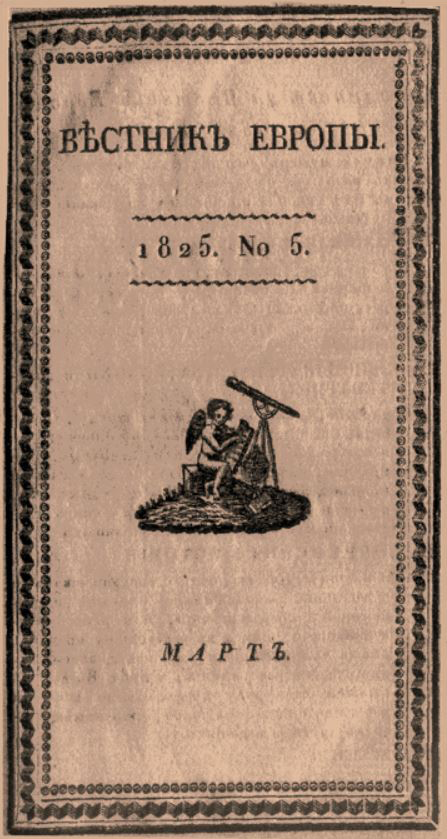
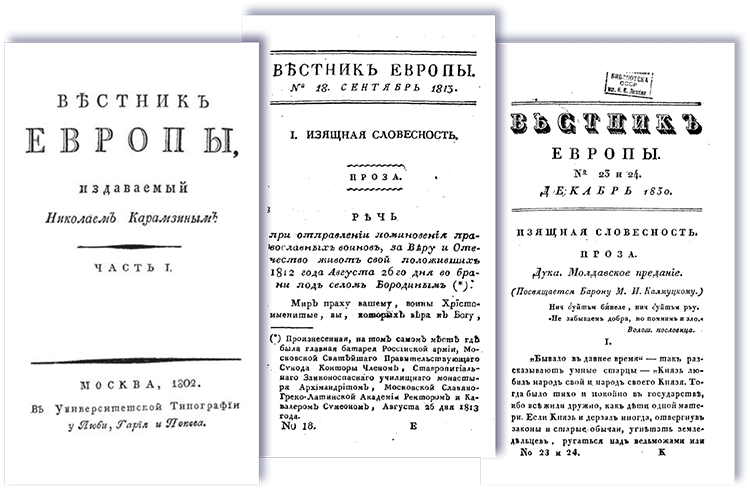
    The Vestnik Evropy Digital Archive comprises the entire collection of the journal, with more than 8,500 articles and over 57,000 pages. The archive offers scholars the most comprehensive collection available for this title, and features full-text articles, with full page-level digitization and complete original graphics. The archive has searchable text, and is cross-searchable with numerous other Infoteka digital resources.

    Note: Vestnik Evropy was published before the Russian Revolution and was written using the pre-reform Russian orthography. To enable searching functionality, Infoteka worked closely with consultants from the Institute of Russian Language in Moscow to adapt the Old Russian script into modern Russian orthography. The archive has been designed so researchers may work simultaneously with texts in Old (pre-revolutionary) Russian and normalized contemporary orthography with easy-to-use cross search functionality.

  • Starye Gody Digital Archive

    Starye Gody Digital Archive

    Early 20th century Russian art journal.

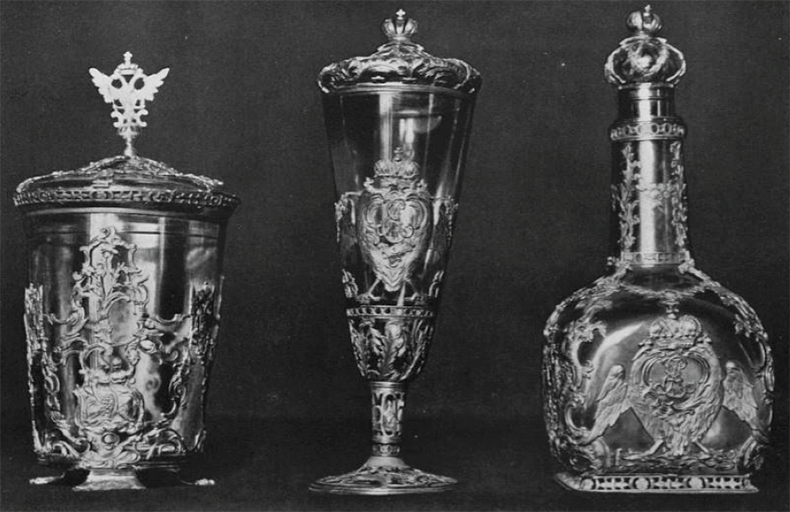
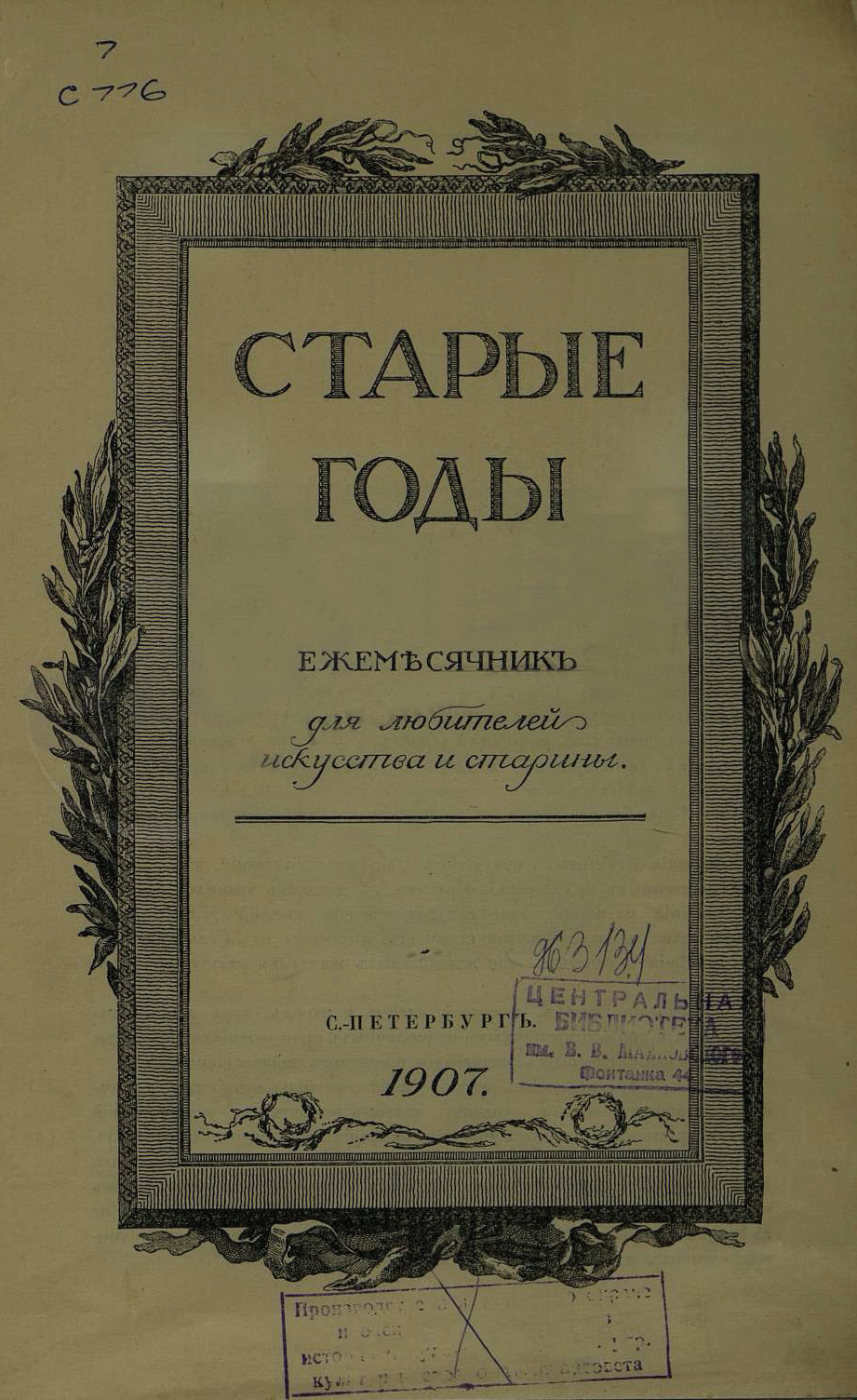
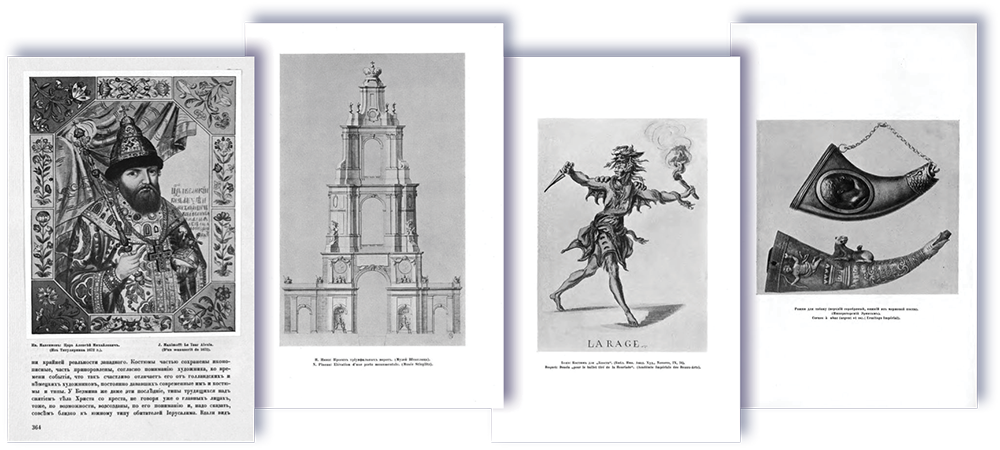
    Starye gody (Старые годы, The Bygone Years) was a monthly journal published in St. Petersburg from 1907 to 1916 for readers interested in art and antiquities. The journal published material on art history and architecture, presented private and public collections, covered domestic and international cultural events, and provided information on auctions and private art sales in Russia and abroad with catalogues, prices, and museum guides. Starye gody was noted for its handsome design and high-quality illustrations. Contributing artists included Benois, Vereshchagin, Vrangel and Rerikh. Much of the journal’s attention was devoted to the preservation of the artistic and antique legacy of St. Petersburg and Russia, and it played an important role in art preservation by printing reproductions of art from earlier periods, primarily Russian art of the 18th and early 19th centuries.

    The Starye Gody Digital Archive includes all obtainable issues of the journal from 1907–1916 and offers scholars the most comprehensive collection available for this title. The archive features full page-level digitization, complete original graphics, fully-searchable text, and is cross-searchable with numerous other Infoteka digital resources.

    Note: Starye gody was written in the Old Russian orthography used at the time, which included the letters І, Ѣ, Ѳ and Ѵ. These letters were later eliminated from the Russian alphabet during the orthographic reform of 1918. To facilitate full-text searching of this journal, the database includes a special keyboard containing the old Russian characters. This virtual keyboard allows users to enter words containing pre-reform Russian letters (e.g. “сѵнодъ,” “дѣтство”).

  • Russkii Arkhiv Digital Archive

    Russkii Arkhiv Digital Archive

    Well-known pre-revolutionary historical and literary journal.

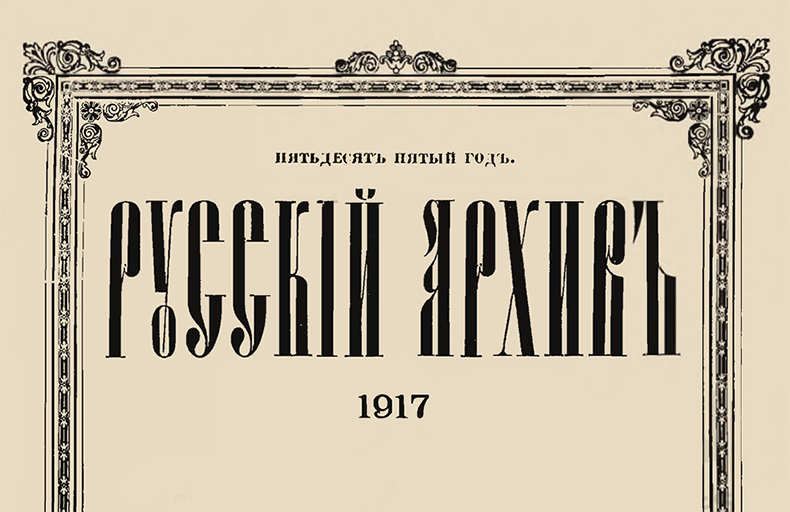
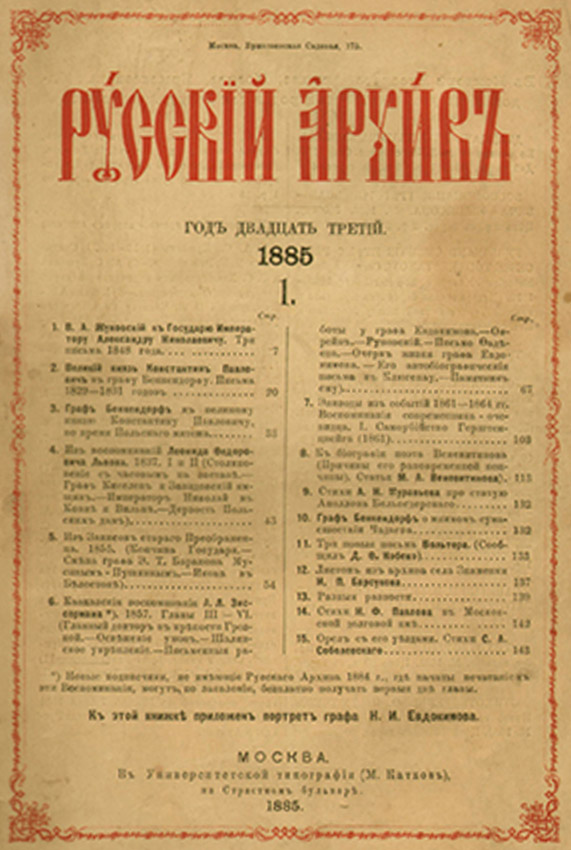
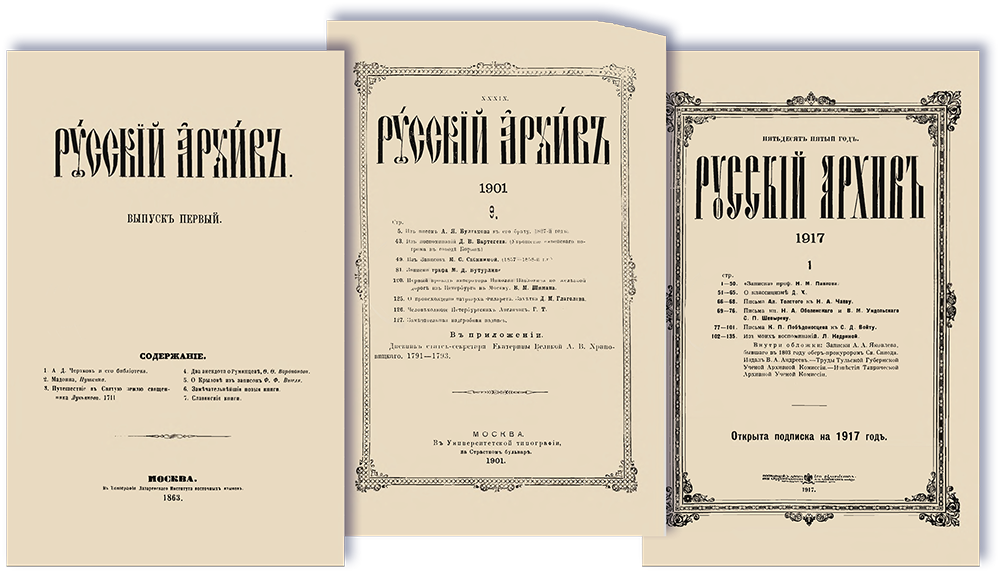
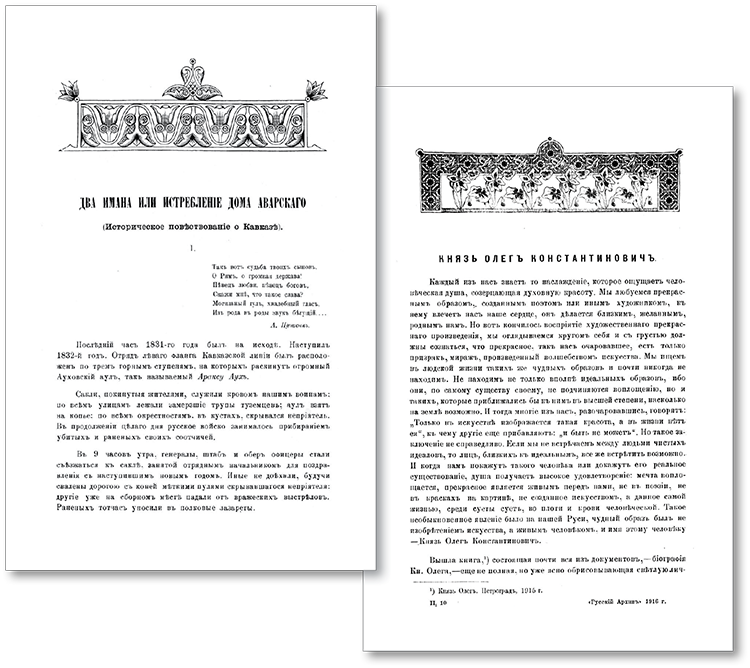
    The Russkii Arkhiv Digital Archive contains all obtainable published issues of the journal (650 issues and nearly 100,000 pages), as well as several supplemental publications (see list below). The archive offers scholars the most comprehensive collection available for this title, and features full page-level digitization, complete original graphics, and searchable text, and is cross-searchable with numerous other Infoteka digital resources.

    Note: Russkii arkhiv was written in the Old Russian orthography used at the time, which included the letters І, Ѣ, Ѳ and Ѵ. These letters were later eliminated from the Russian alphabet during the orthographic reform of 1918. To facilitate full-text searching of this journal, the database includes a special keyboard containing the old Russian characters. This virtual keyboard allows users to enter words containing pre-reform Russian letters (e.g. “сѵнодъ,” “дѣтство”). In addition, article-level keywords, bibliographic references, and other metadata has been added to improve the database’s search functionality. Where needed, the scanned files have been retouched to ensure a fully text searchable database.

    Supplementary Materials

    Russkii arkhiv: predmetnaiia rospis

    (Русскiй Архивъ: предметная роспись, Russkii arkhiv: a list of articles by subject) This publication contains lists of the articles published in Russkii arkhiv in 1863–1882 (twenty years), 1863–1892 (thirty years), 1863–1908 (inclusive), along with subject and alphabetical references. Starting in 1907 parts of the rospis started to accompany Russkii arkhiv itself and in 1908 the complete rospis was printed as a separate publication.


    Predmetnyi i alfavitnyi katalog kollektsii knig Chertkovskoi biblioteki v triokh chastiakh, izdannyi v vide prilozheniia k Russkomu arkhivu (1863–1868)

    (Каталогъ книг Чертковской библiотеки, The subject and alphabetical catalog of the collection of books of the Chertkov Library in three volumes, published as a supplement to Russkii arkhiv [1863–1868])


    Severnyie tsvety

    (Сѣверные цвѣты, Northern Flowers) A literary almanac published in St. Petersburg during 1824–1830 by the well-known Russian poet and journalist Anton Delvig. For the years 1825 and 1826 the almanac issues were reprinted as supplements to Russkii arkhiv (1881).


    Stikhotvoreniia Vasiliia Andreevicha Zhukovskago

    (Стихотворенiя Василія Андреевича Жуковскаго, Poems of Vasily Andreevich Zhukovsky)


    Zapiski Filippa Filippovicha Vigelia

    (Записки Филипа Филиповича Вигеля, The memoirs of Fillip Philipp Philippovich Vigel) А Russkii arkhiv publication, Zapiski portrays an exhaustive gallery of the Russian people of the first half of the 19th century, placing them in a context of everyday life of the time.

    See title list for full list of titles.

  • Ogonek (St. Petersburg) Digital Archive

    Ogonek (St. Petersburg) Digital Archive

    Pre-revolutionary political, literary, and cultural illustrated magazine.

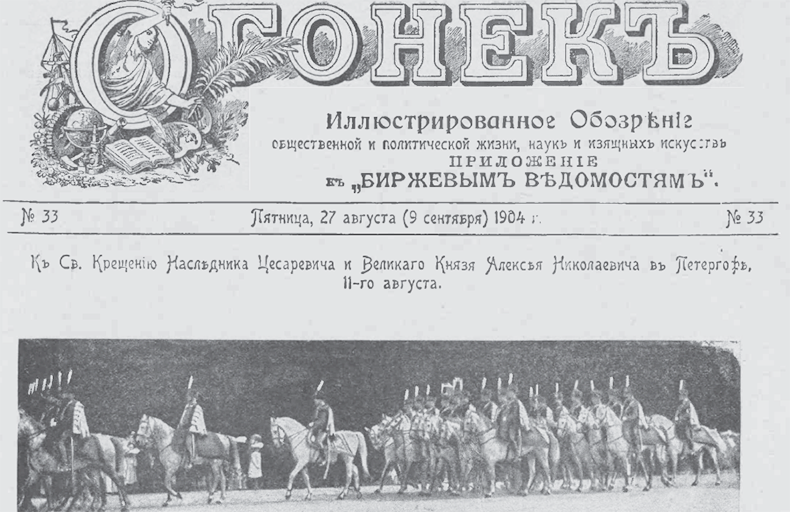
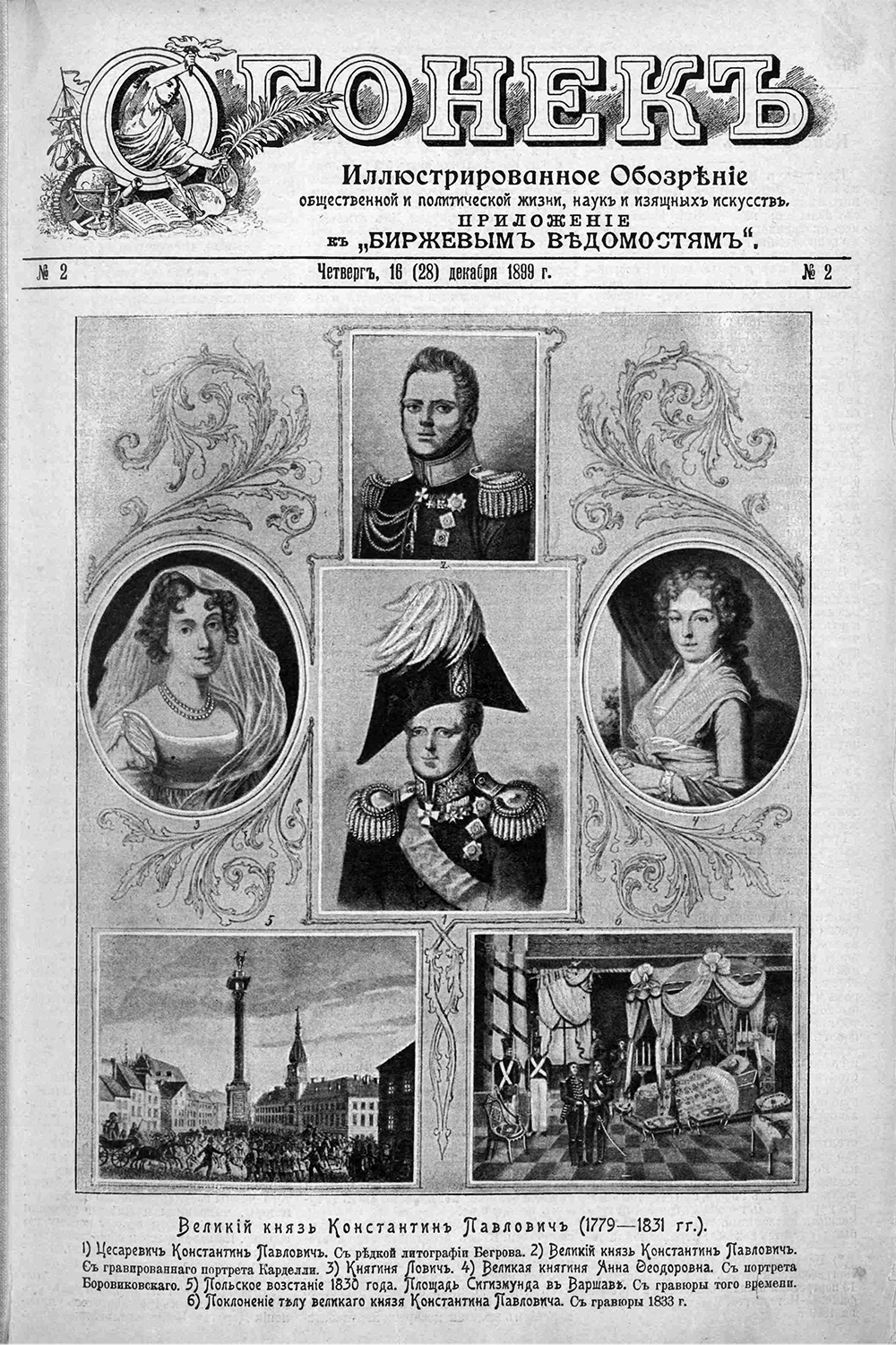
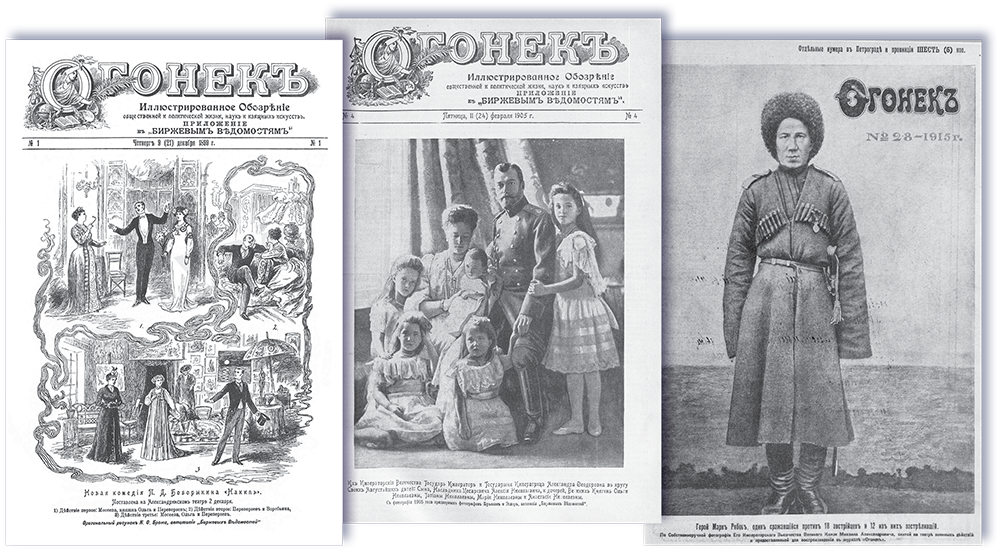
    Established in 1899 and in continuous print until 1918, Ogonek (Огонёк, Spark) first came on the scene as a weekly illustrated supplement to the influential St. Petersburg-based newspaper Birzhevye Vedomosti (Биржевые ведомости, Stock Exchange News). Having posted impressive growth in readership, in 1902 Ogonek would chart an independent course, becoming a separate entity and attracting the period’s most notable journalists, photographers, literati and critics. With original reporting and photography, as well as commentary on popular culture, short stories and serialized novels, Ogonek (St. Petersburg) reflected the era, providing cues on the development and status of Russian society in the early 20th century, until its unceremonious closure by the Bolshevik revolutionaries in 1918 for propagating anti-Soviet views.

    The Ogonek (St. Petersburg) Digital Archive comprises the entire collection of the journal, with more than 870 issues in total. The archive offers scholars the most comprehensive collection available for this title, and features full page-level digitization and complete original graphics. The archive has searchable text and is cross-searchable with numerous other Infoteka digital resources.

    Note: Ogonek (St. Petersburg) was published before the Russian Revolution and was written using the pre-reform Russian orthography. To enable searching functionality, the database includes a special keyboard containing the old Russian characters.

  • Niva Digital Archive

    Niva Digital Archive

    The most popular journal of late 19th-century Russia.

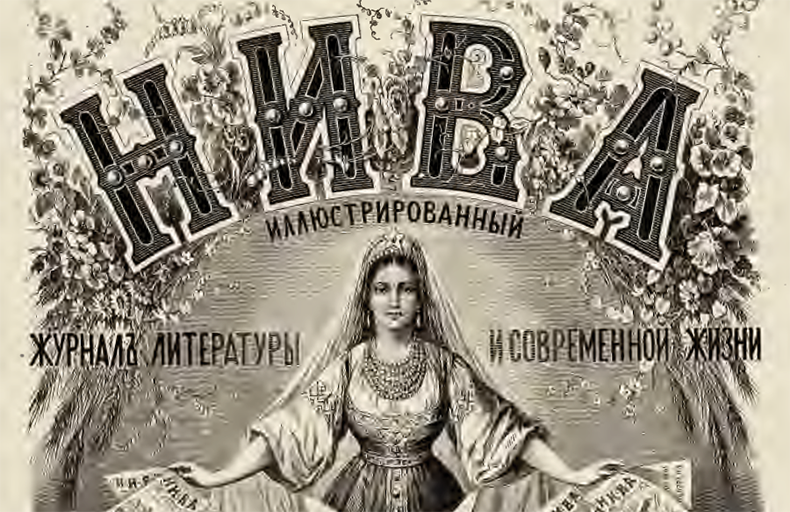
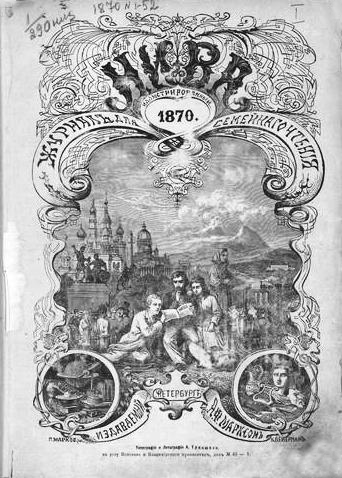
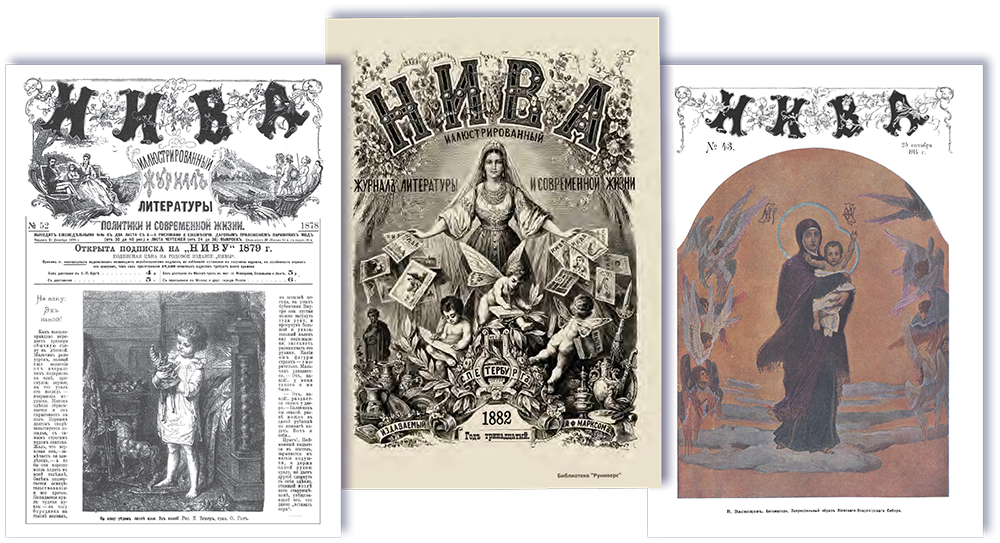
    Niva (Нива, Grainfield), an illustrated weekly journal of literature, politics and modern life, was published from 1870 to 1918 in St. Petersburg, before being shut down by the Bolsheviks after the Russian revolution. The journal was widely read by an audience that extended from primary schoolteachers, rural parish priests, and the urban middle class to the gentry. It was especially popular among the middle class in the Russian provinces. Niva contained large colored prints of art by famous Russian artists, works of famous Russian authors, as well as articles on science, politics and culture. It also had a special children’s section as well as a section on Russian classical writers: Gogol, Lermontov, Goncharov, Dostoevsky, Chekhov and many others.

    The Niva Digital Archive comprises the entire collection of the journal, with more than 2,500 issues and over 27,000 articles. Also included in the archive is the supplementary publication Dlia Detei (Для Дѣтей, For Children, pub. Jan.–Dec. 1917), a monthly illustrated magazine filled with children’s stories, poems and cartoons. The archive offers scholars the most comprehensive collection available for this title, and features full-text articles, with full page-level digitization and complete original graphics. The archive has searchable text, and is cross-searchable with numerous other Infoteka digital resources.

    Note: Niva was published before the Russian Revolution and was written using the pre-reform Russian orthography. To enable searching functionality, the database includes a special keyboard containing the old Russian characters.

  • Kavkaz Digital Archive

    Kavkaz Digital Archive

    A pre-revolutionary Russian-language newspaper from the Caucasus.

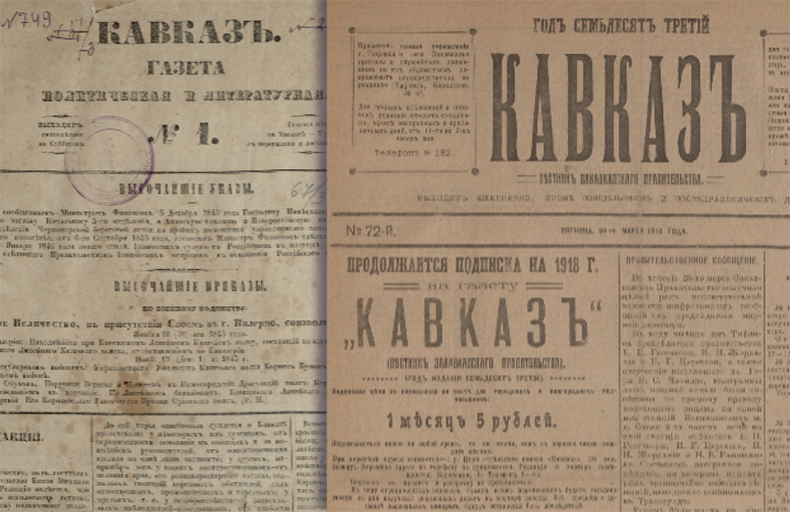
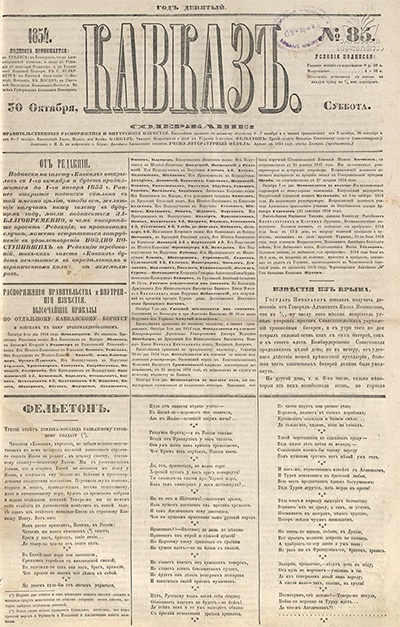
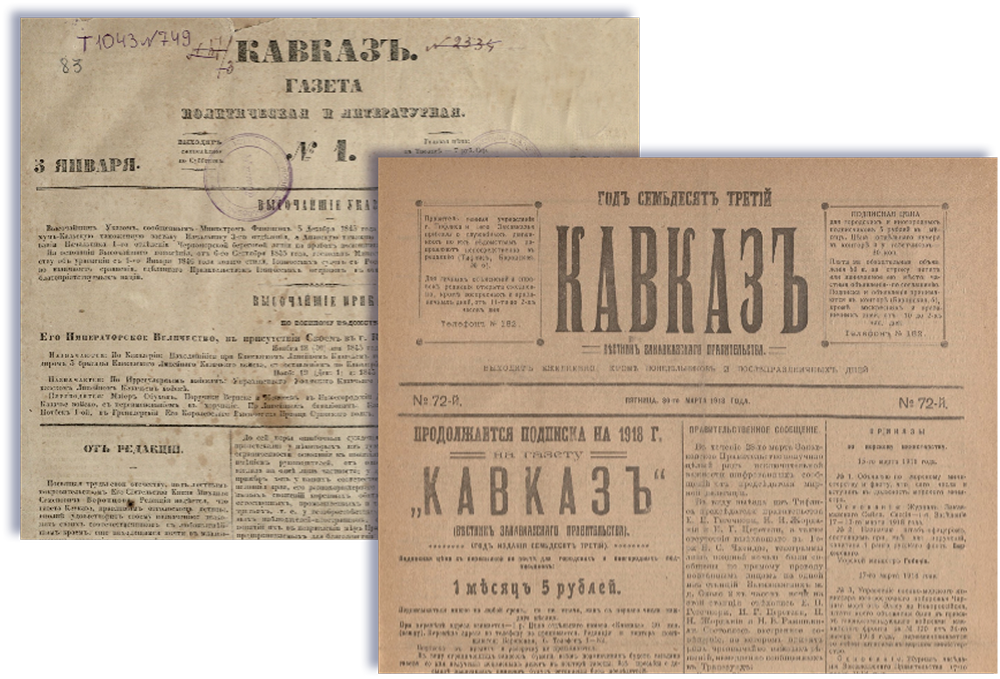
    The newspaper Kavkaz (Кавказ, The Caucasus) was published during 1846–1918. It was one of the first Russian-language newspapers in the Caucasus, published in Tiflis (Tbilisi), Georgia. The idea to publish this newspaper came from Prince Mikhail Vorontsov who was the imperial Governor-General of the province at that time. The main purpose of the newspaper was, on the one hand, to promote the Russian culture and Russian influence in the Caucasus, and on the other hand “to acquaint the Russian public with the life, habits and traditions of the tribes populating the province of the Caucasus.” Kavkaz published official documents of the Russian Empire, as well as many historical, cultural and archeological writings by prominent public and cultural figures of the local intelligentsia.

    Kavkaz began publication in 1846 as a weekly newspaper; from 1850 it started to come out twice a week; in 1868 its periodicity changed to three times per week; and from 1877 it became a daily publication until its closure in 1918. During the brief period from 1846–1847, this newspaper had an Armenian-language counterpart (not included as part of the archive).

    The Kavkaz Digital Archive offers scholars the most comprehensive collection available for this title, containing all known and available issues of the newspaper. The archive features full page-level digitization, complete original graphics, and searchable text, and is cross-searchable with numerous other Infoteka digital resources.