Subject: Émigré

  • Za Vozvrashchenie na Rodinu Digital Archive

    Za Vozvrashchenie na Rodinu Digital Archive

    Rare newspaper targeting Russian émigrés in the West.

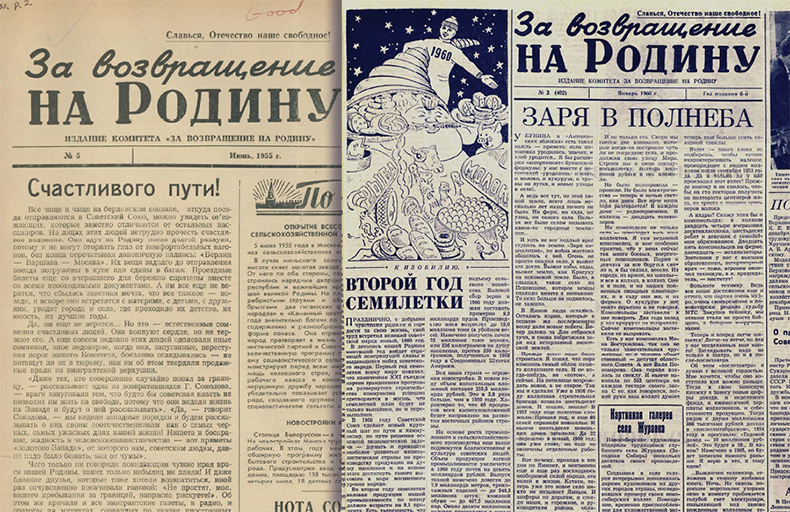
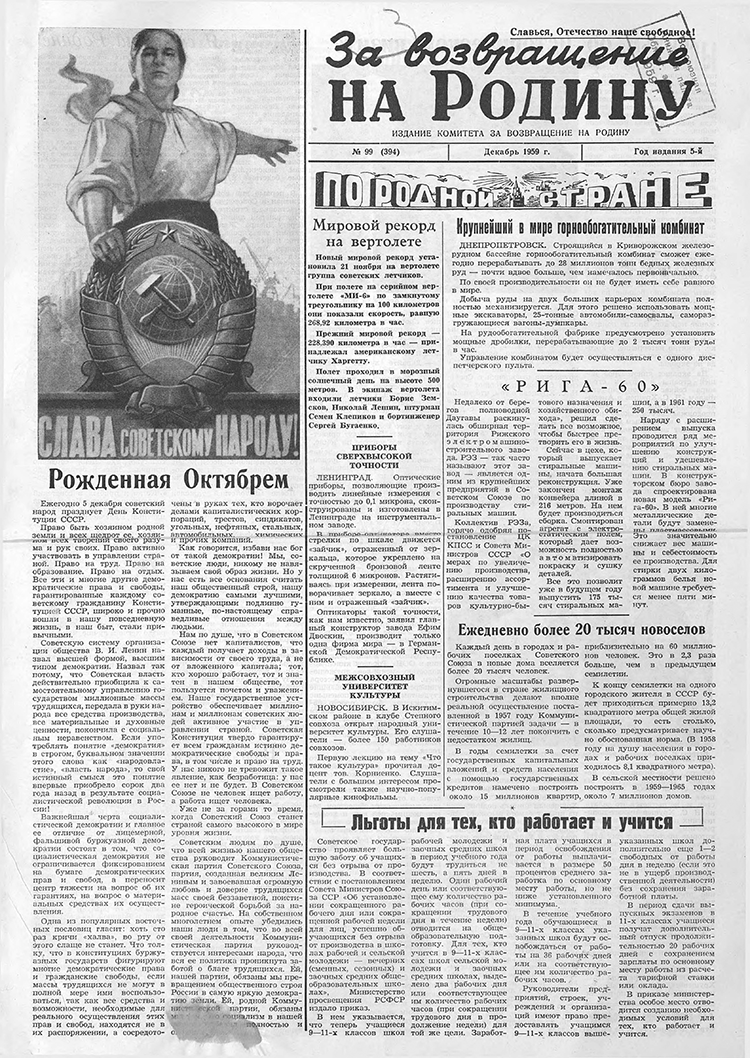
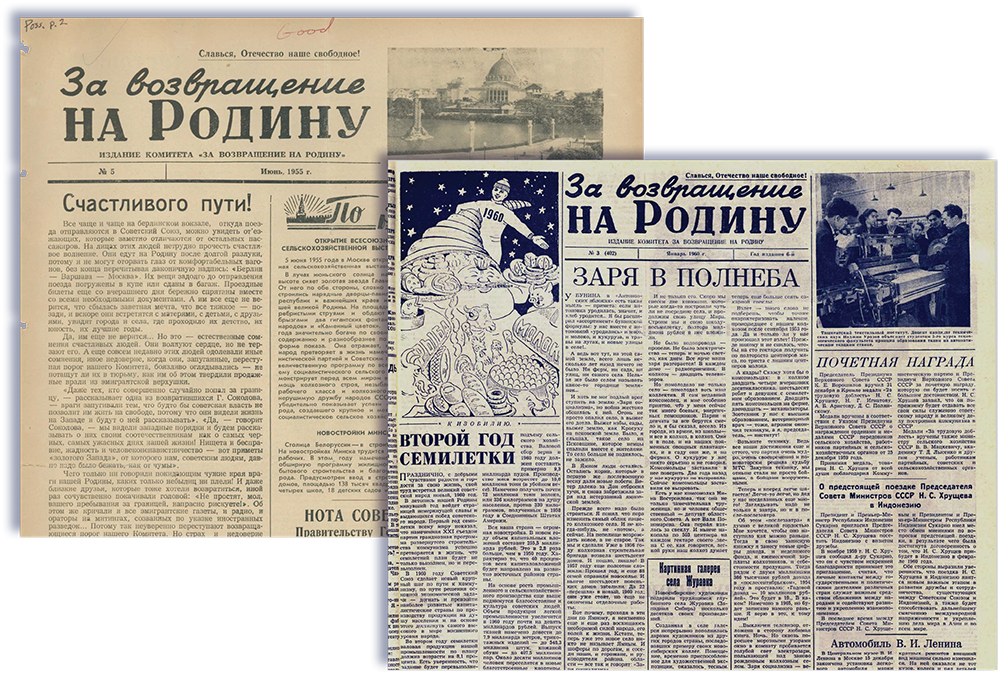
    Established under the watchful eye of the KBG, Za vozvrashchenie na Rodinu (За возвращение на Родину, Return to the Motherland) was a newspaper created by the Cold War. Established in April 1955 in East Berlin as a bi-weekly publication, the newspaper was published by the Soviet Repatriation Committee, which was also established in 1955 and stayed active until 1958. The main objective of Za vozvrashchenie na Rodinu was to create a favorable image of the Soviet Union and to criticize émigré organizations in the post-war period and during the Cold War. The newspaper was principally aimed at Russian emigrants and was an important anti-Western propaganda outlet for the USSR. During its publication, the newspaper was not available to the public on a subscription basis, and therefore it has become a rare information resource.

    The Za Vozvrashchenie na Rodinu Digital Archive contains all obtainable issues published under this title from 1955–1960 (over 1,600 pages). After the third issue of 1960 the name of the newspaper was changed to Golos Rodiny (Голос Родины, Voice of the Motherland). The archive offers scholars the most comprehensive collection available for this title, and features full page-level digitization, complete original graphics, and searchable text, and is cross-searchable with numerous other Infoteka digital resources.

  • V Novom Svete Digital Archive

    V Novom Svete Digital Archive

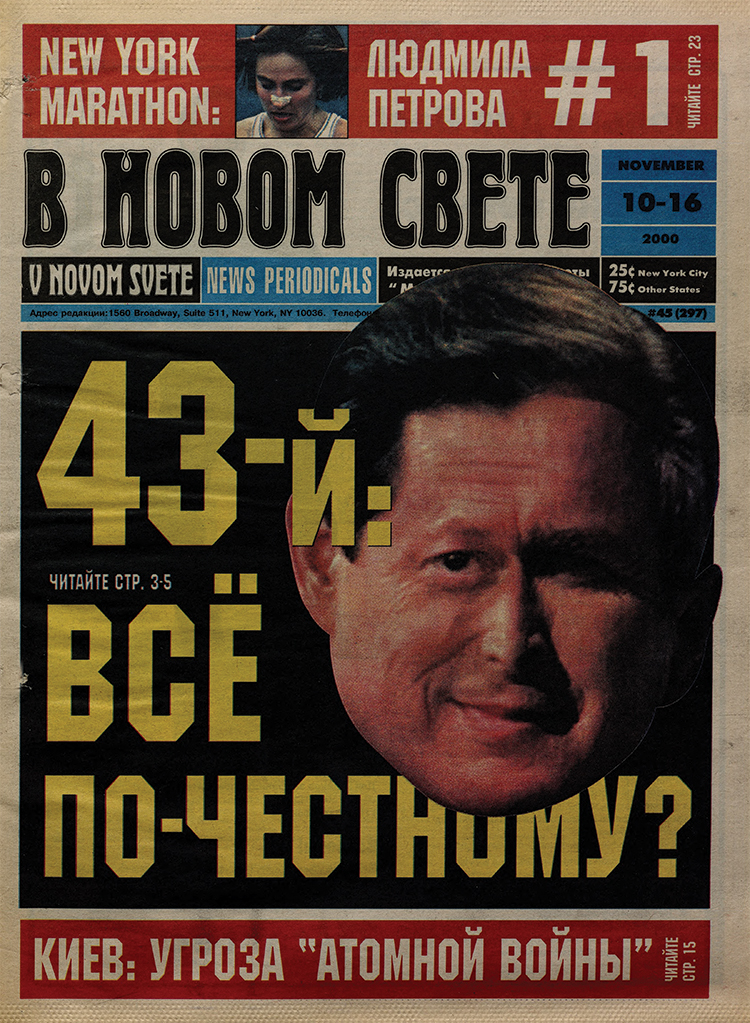
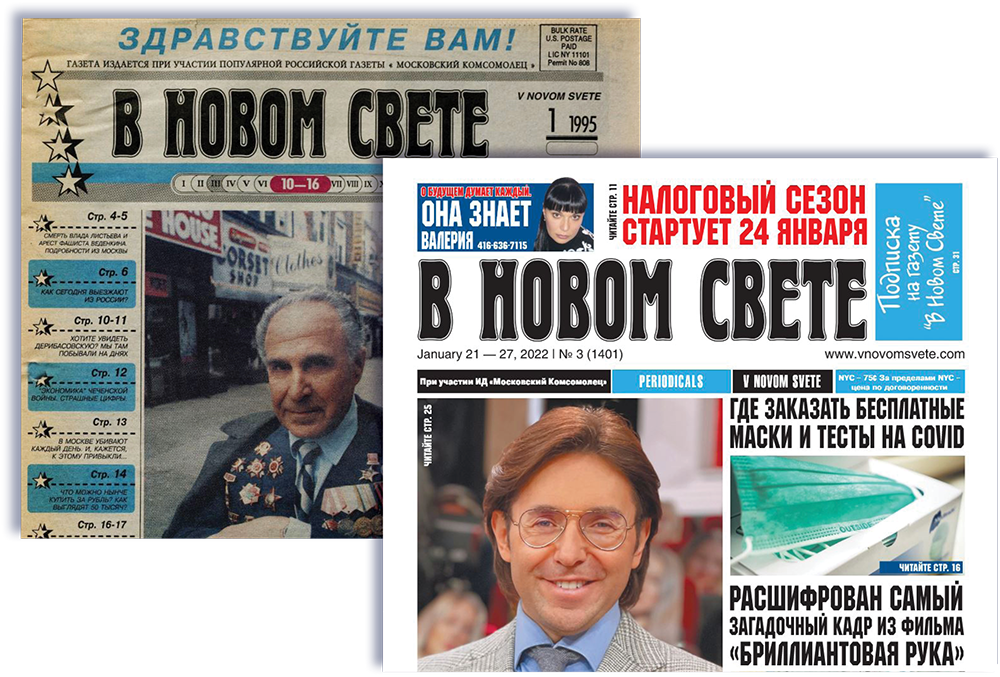
    A newspaper by and for the fourth wave of immigrants from the Soviet Union.

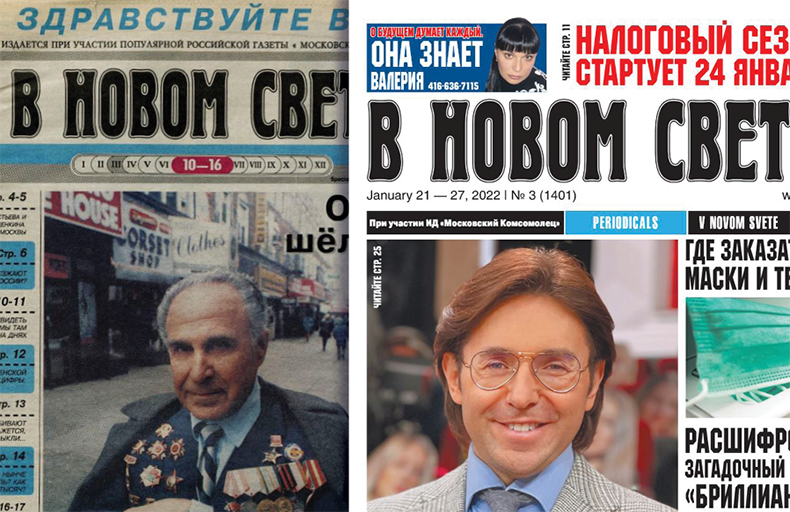
    The first issue of V Novom Svete was published on March 10, 1995, right after a prominent journalist, Vladislav Listiev, was killed in Russia. Tapping into readers’ appetites for salacious news stories and taking advantage of the new sensationalist trend in Russian journalism, V Novom Svete found a formula for success: it combined reprints from Moskovskii Komsomolets (Московский комсомолец, Moscow Komsomolets), a popular Moscow-based daily newspaper known for its topical reporting on social and political issues, with original stories written by US-based Russian-speaking authors. Very soon it became the most popular Russian language weekly in America and the only publication to be distributed nationwide.

    Over the years, famous Russian journalists such as Alexander Minkin, Mark Deutch, Alexander Khinshtein, Stanislav Belkovsky, Matvey Ganapolsky, Svetlana Khokhryakova, Alexander Melman and others were published in the pages of V Novom Svete. Legendary journalist Melor Sturua, who worked for Izvestia’s bureaus in New York and Washington during the Cold War, was one of the major columnists writing for V Novom Svete after he relocated permanently to the United States.

    Strong analytical and cultural content contributed to the growing popularity of the publication in the early 2000s. Alexandra Sviridova’s exclusive interview with the future Editor-in-Chief of Russian Forbes, Paul Khlebnikov, who was later killed in Moscow, was one of many memorable articles created by the team of American journalists. In 2004, V Novom Svete was the winner of the US Independent Press Association awards for Best Editorial and Best Graphic Design.

    After Novoe Russkoe Slovo went out of business in 2010, V Novom Svete became the only newspaper on the market producing quality Russian-language journalism. Writers publishing in the pages of V Novom Svete also worked for such prestigious outlets as the BBC, Russian Forbes, Voice of America, and Radio Liberty.

    During the Covid-19 pandemic, many small businesses that advertised in V Novom Svete were shut down and subsequently the newspaper was never able to recover financially. Despite a stable and dedicated readership, V Novom Svete decided to end its print edition after 27 years, with the last issue published on May 6, 2022.

    The V Novom Svete Digital Archive contains all obtainable published issues from 1995 to 2022. The archive offers scholars the most comprehensive collection available for this title, and features full page-level digitization, complete original graphics, and searchable text, and is cross-searchable with numerous other Infoteka digital resources.
  • Rubezh Digital Archive

    Rubezh Digital Archive

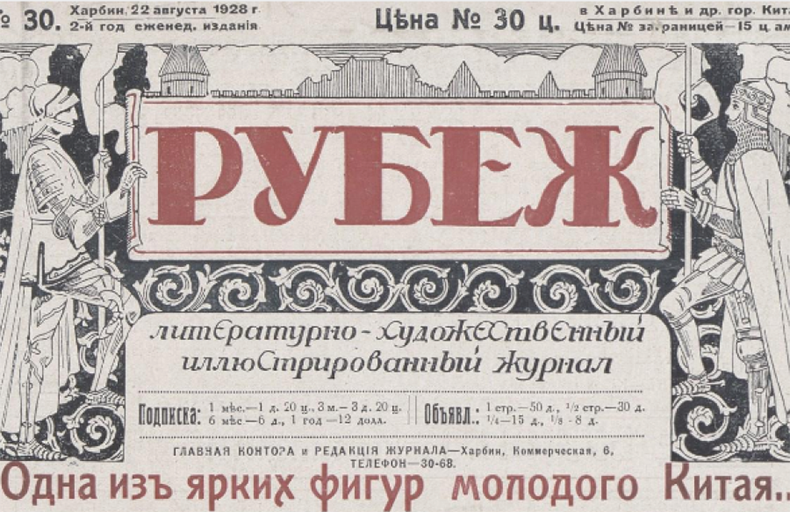
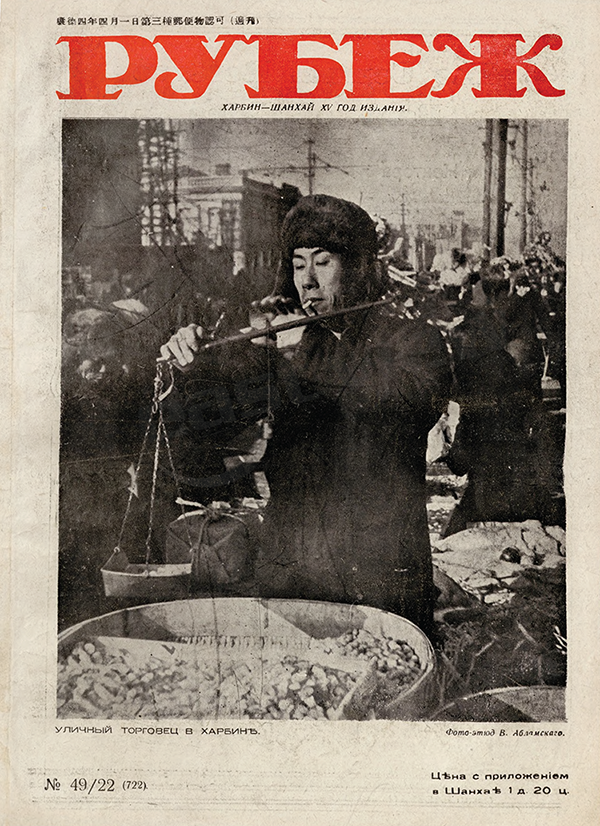
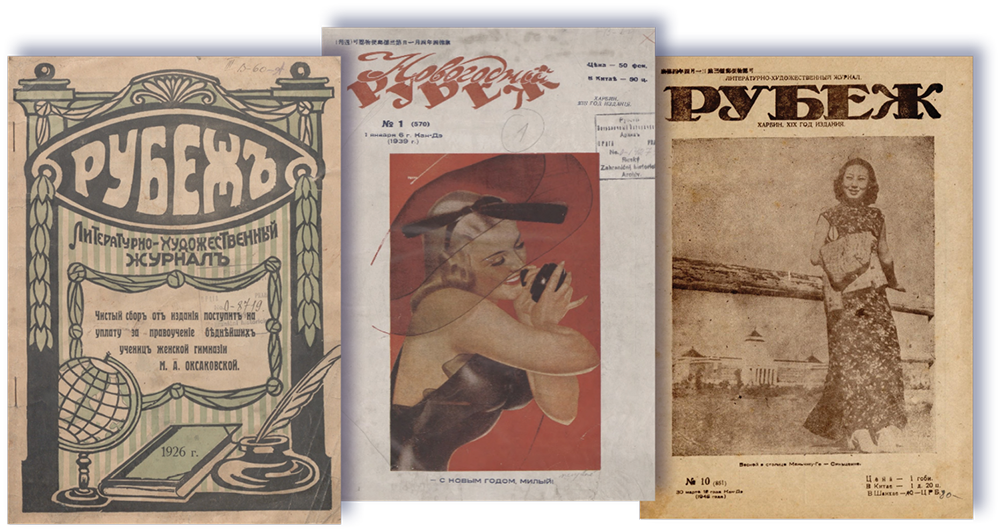
    Rare émigré magazine published by the Russian diaspora in Harbin, China.

    Published in Harbin from 1926 to 1945, Rubezh (Рубеж, The Frontier) was founded by publisher Evgenii Kaufman and supported by correspondents in Europe, the Americas, and Australia. As the only comprehensive record of Russian émigré intellectual and cultural life in Harbin, the most important center of Russian émigrés in East Asia, it quickly became the best-known periodical of “Russian Manchuria.” With its readable style and broad scope, Rubezh is a valuable resource for researchers in Russian emigration studies, East Asian history, media and film studies, fashion history, and transnational cultural exchange.

    In the beginning of the 20th century the town of Harbin in China was a very special place for the Russian diaspora. Built around the Chinese Eastern Railway, it provided unusual legal and economic freedoms. That position drew waves of Russians (professionals, refugees from the Soviet reach, clergy, etc.). They built schools, churches, theaters and printed media in Harbin, of which Rubezh was the main publication.

    The journal’s dense photo-reportage and accessible prose recorded everyday life and major events in Harbin and Manchuria – including floods, the Japanese entry into Harbin in 1932, culture and sport, church processions, and visits by stars from Shaliapin to Vertinsky – offering a meticulous record of early-twentieth-century Sino-Russian relations and diaspora culture. After the Red Army entered China, the journal was shut down, and its staff and many contributors were arrested and deported to the USSR.

    The Rubezh Digital Archive contains all 862 published issues, offering scholars the most comprehensive collection available for this title. The archive delivers high-resolution page images with OCR across articles and captions, enabling word-level search, tracking of recurring features, and tracing of brand names, business networks, and film titles across years. The archive is also cross-searchable with numerous other Infoteka digital resources.

    The archive was made possible through the support of the University of Hawai‘i (Patricia Polansky), the National Library of the Czech Republic (Slavonic Library, Lukáš Babka), libraries and archives in Russia, and many individual contributors.

  • Poliarnaia Kochegarka Digital Archive

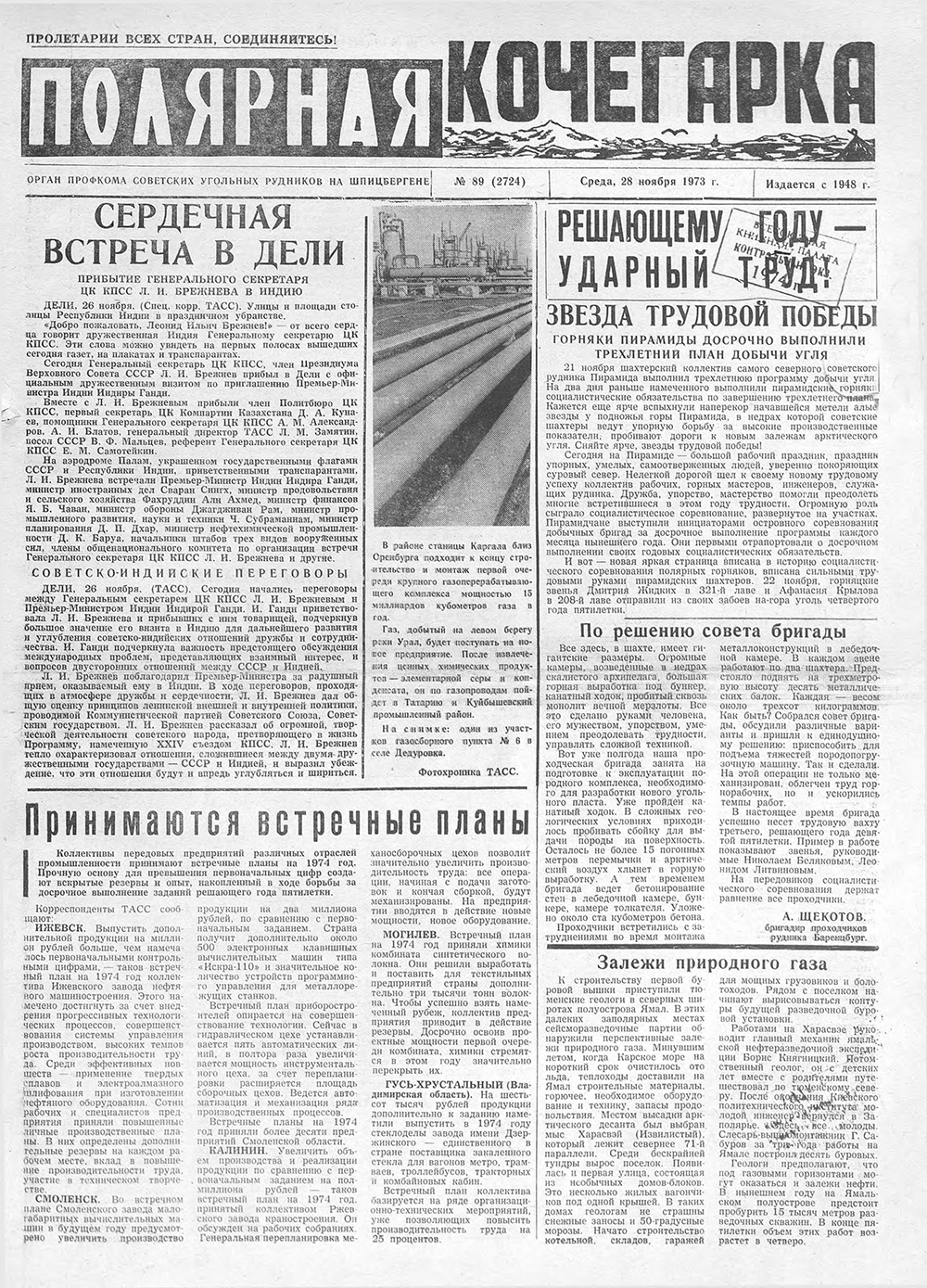
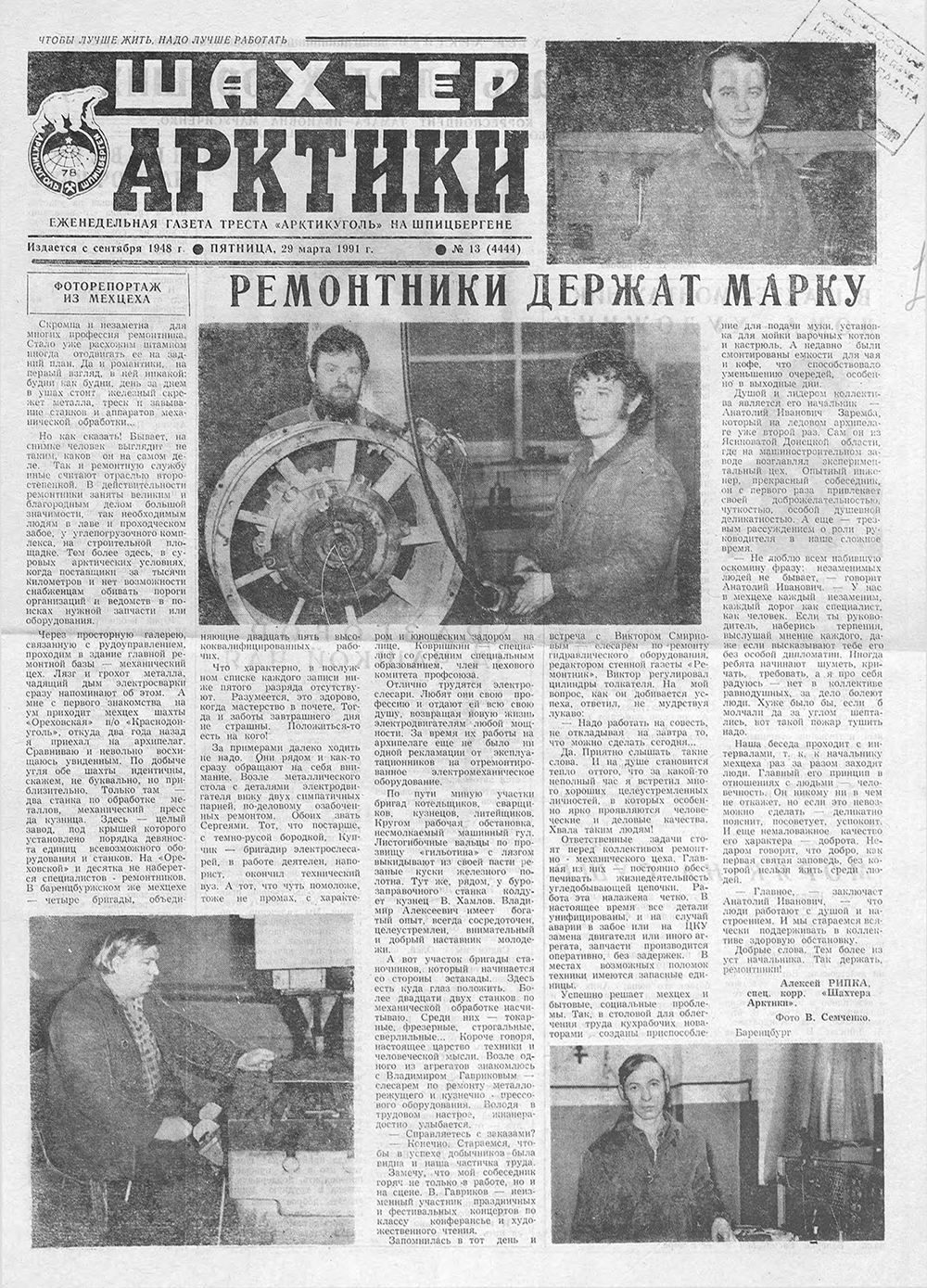
    Poliarnaia Kochegarka Digital Archive

    Unique Soviet newspaper for the Russian mining community in Norway.

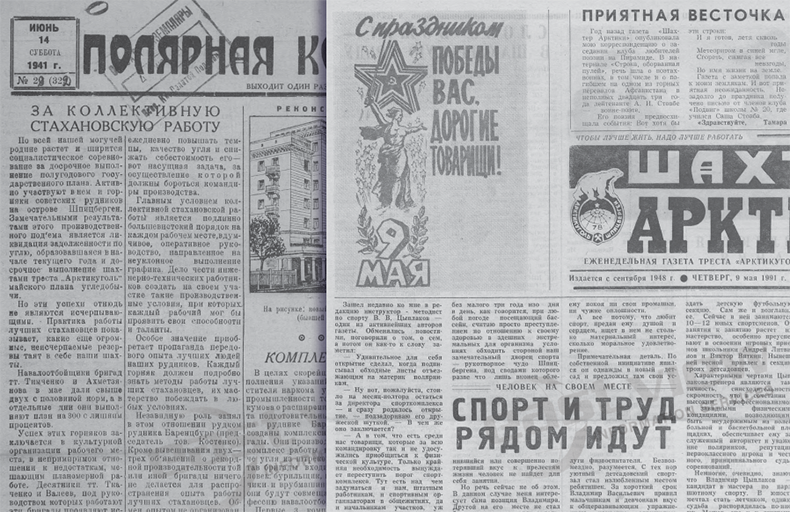
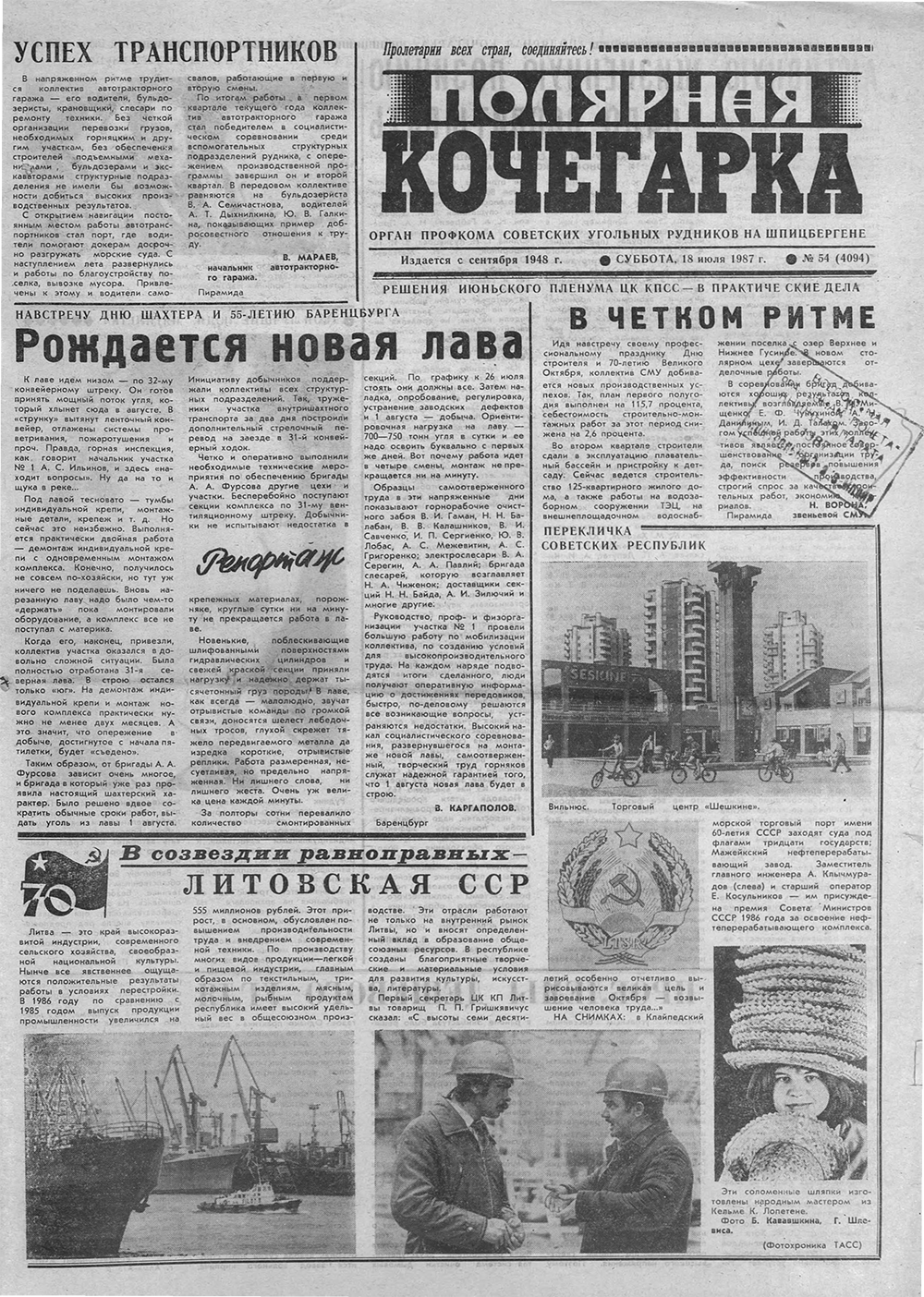
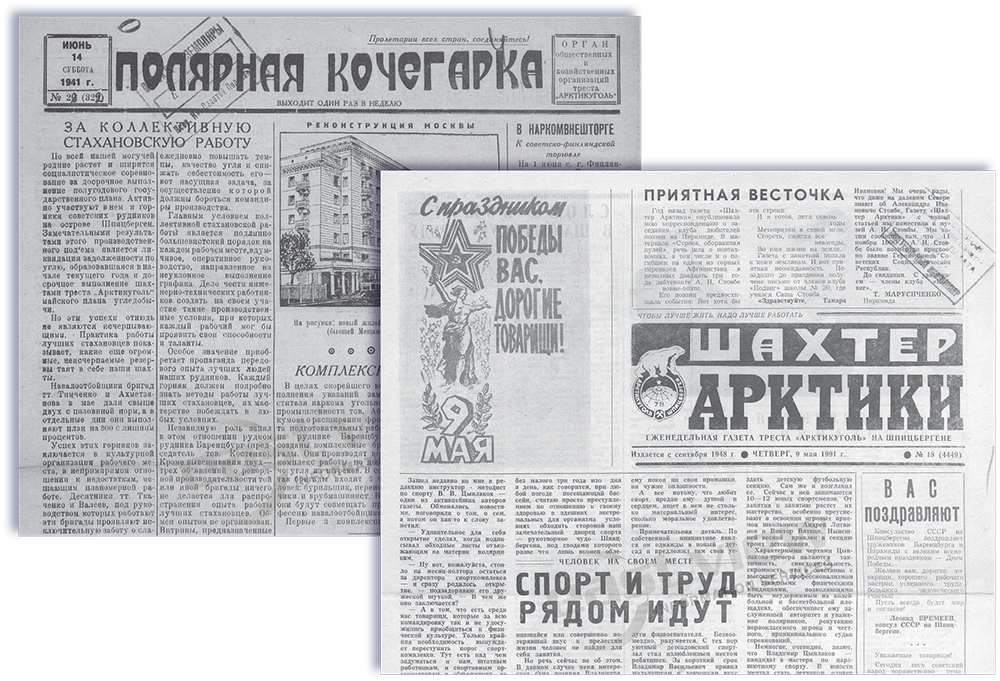
    Poliarnaia kochegarka (Полярная кочегарка, Polar Furnace, 1934–1988; renamed Shakhter Arktiki [Шахтер Арктики, The Arctic Miner], 1989–1991) was an in-house weekly newspaper published in Barentsburg by the Soviet/Russian state-owned mining trust Arktikugol, which began operating on the Svalbard archipelago in 1931. The constant Soviet/Russian presence in this Norwegian territory was made possible by the so-called Svalbard (Spitsbergen) Treaty, which allows its signatories (currently more than forty countries) to engage freely in economic and research activities on the archipelago. During the Cold War, this led to the curious case of citizens of NATO and Warsaw pact countries coexisting peacefully side by side, with the Iron Curtain partially suspended (if not altogether lifted) in the otherwise potentially volatile and jealously guarded Arctic North.

    Arktikugol was established to supply the Russian North with coal from Svalbard to help power the ambitious Soviet industrialization program. Poliarnaia kochegarka was created first and foremost to hold together the Russian-speaking mining community on Svalbard, which at various times was divided among the three Soviet settlements of Barentsburg, Pyramiden and Grumant. The newspaper also served to keep local citizens abreast of the news from the Soviet mainland and the rest of the world, something that used to be out of reach for several months each year (except for radio communication) when ice conditions and polar nights made navigation virtually impossible.

    Poliarnaia kochegarka is an extremely valuable resource, providing rare insight into the unique living and working situation on the Svalbard archipelago during the Soviet era. This digital collection will undoubtedly be of great interest to labor, High North, and Cold War historians, as well as those engaged in border, diaspora, cross-cultural and media studies.

    The Poliarnaia Kochegarka Digital Archive contains the most complete collection available for this title, with nearly 4,400 issues and over 16,000 pages total of Poliarnaia kochegarka and Shakhter Arktiki (excluding 1941–1947, when the publication was suspended). The archive features full page-level digitization, complete original graphics, and searchable text, and is cross-searchable with numerous other Infoteka digital resources.
    More About Poliarnaia Kochegarka

    Poliarnaia kochegarka covered numerous topics of interest to its target audience, such as local and world politics and social problems, Svalbard’s history in the context of polar exploration and research, mining history and technology, coal production pledges, health and safety, tertiary education, Arctic tourism, Soviet-Norwegian relations, wildlife, fiction, poetry, memoirs, and more.

    Among the newspaper’s contributors were both amateur and professional journalists, with early instances of citizen journalism playing a considerable role in the coverage of all sorts of burning issues pertinent to life in the polar regions in general, and Svalbard in particular. As the standard employment contract in the region lasted for two years, it is interesting to observe changes in the newspaper’s style from one editor-in-chief to the next. Among such editors-in-chief were the well-known Erzya author Nikolai Irkaev (1934-1937) and the prominent Murmansk journalist Stanislav Dashchinskii (1967-1969).

  • Politekhnik Digital Archive

    Politekhnik Digital Archive

    Journal focused on the Harbin Institute of Technology and the Russian émigré experience in China.

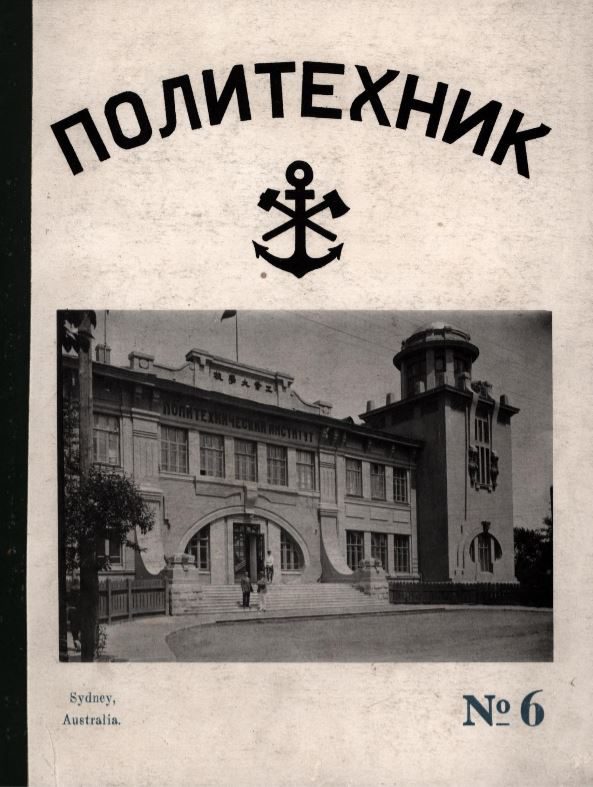
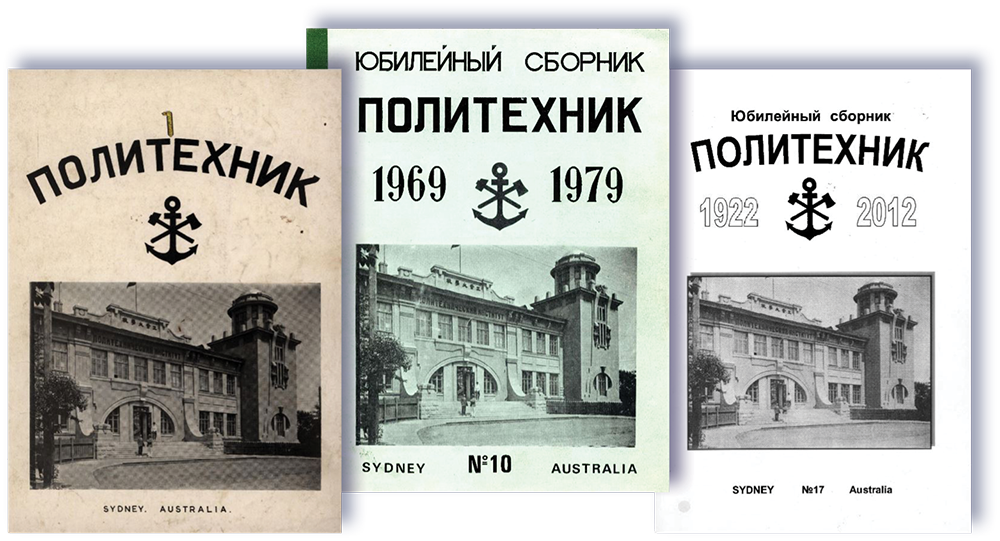
    Founded in 1969 by a group of graduates and former professors of the prestigious Harbin Polytechnic Institute (now Harbin Institute of Technology), the Russian-language journal Politekhnik (Политехник, The Polytechnic Student) was dedicated to the examination and preservation of the history of the Institute. The Harbin Polytechnic Institute was established in 1920 by the Russian émigré community in Harbin, China, which since the late 1890s had grown to become one of the most influential centers of Russian life in the East and a major destination for emigration. Designed to prepare engineers and other personnel for the burgeoning railway network, the Institute would become one of the most important educational centers in China and a hub of Russian intellectual and cultural life. Following the establishment of the People’s Republic of China in 1949, however, many of the Russian students and faculty of the institute emigrated to such far flung places as Australia, New Zealand, Brazil, Argentina, and the United States.

    It was a group of these émigrés in Sydney, Australia that established Politekhnik, which in addition to the Institute also focused on the history of the Chinese Eastern Railway and the broader aspects of Russian cultural and intellectual life in Harbin and broader Manchuria. Issues of the journal were comprised of several sections, including sections dedicated to the founding organization, the history of the institute, memoirs and essays from alumni, scientific articles by alumni, news on the latest developments in the fields of engineering and technology, and more. The journal would also serve as a hub for connecting alumni living abroad (and not just in Australia), through exchanges of letters and correspondence. Likewise, a unique aspect of the journal’s mission was the preservation of alumni family histories and the vibrant Russian cultural life of Harbin.

    The Politekhnik Digital Archive contains all published issues from 1969-2012 (17 issues), providing unique insight into a fascinating and largely understudied chapter of the Russian émigré experience in China and beyond. The archive features full page-level digitization, complete original graphics, and searchable text and is cross-searchable with numerous other Infoteka digital resources.

  • Novoe Russkoe Slovo Digital Archive

    Novoe Russkoe Slovo Digital Archive

    Influential newspaper for Russian readers abroad.

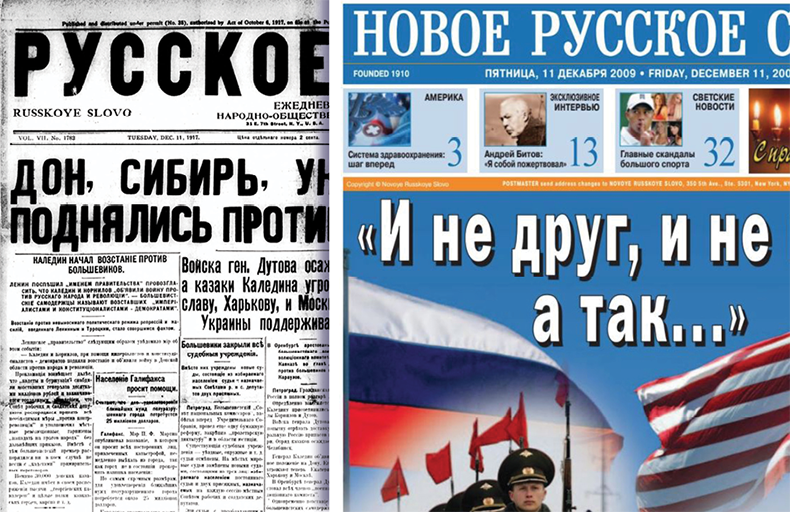
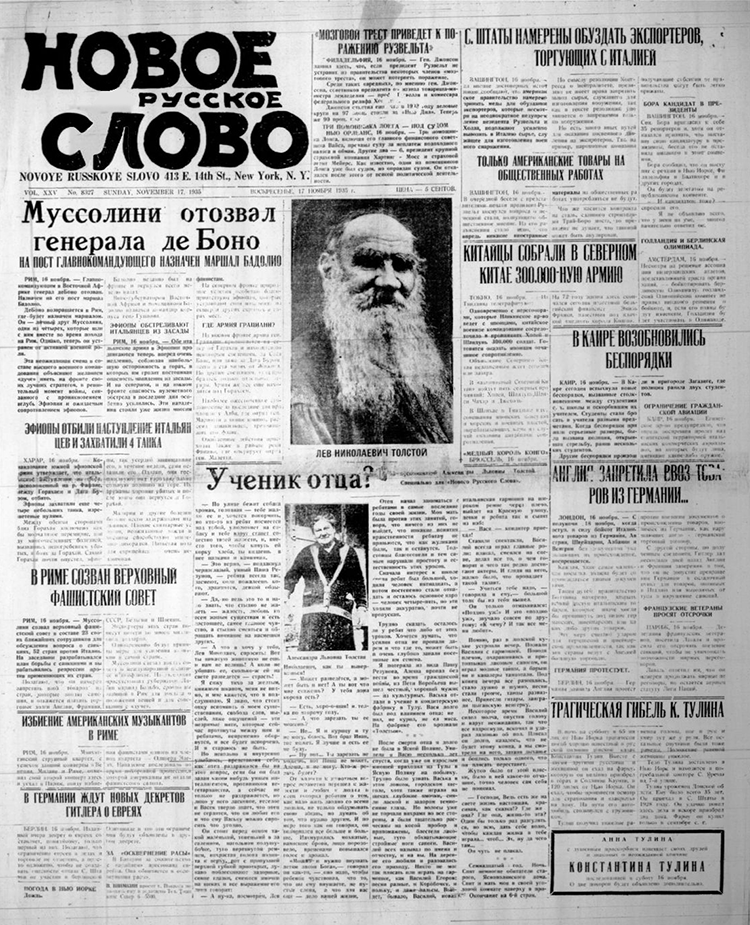
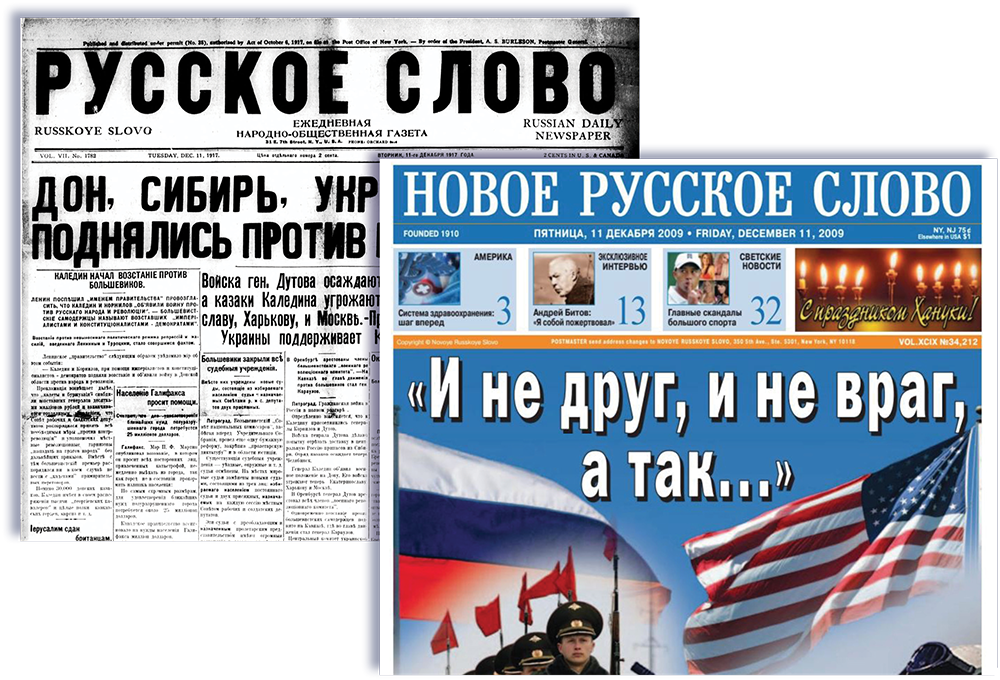
    First published in 1910 in New York, Russkoe slovo (Русское слово, Russian Word) initially carried pro-Communist leanings before undergoing nominal and ideological changes a decade later. Under the new name Novoe russkoe slovo (Новое русское слово, New Russian Word), the newspaper shed its pro-Communist sympathies and established itself as the premier newspaper of the Russian émigré community in New York and beyond.

    Novoe russkoe slovo grew in stature and popularity throughout the 1920s. Contributing to the growth was the increasing wave of émigrés, many prominent intellectuals among them, in search of better fortunes in Europe and the United States after the Bolshevik revolution. Writers and journalists such as A. Vetlugin, George Grebenstchikoff, Aleksei Fovitsky in the US and Ivan Bunin, Don Aminado, Arkady Averchenko in Europe, among others, became regular writers for Novoe russkoe slovo. Along with publishing émigré authors, the newspaper began republishing Soviet authors as well, connecting the information-hungry Russian community with the goings on in the far-off motherland.

    Over time the newspaper introduced new features such as book and film reviews, modeling itself after publications in other immigrant communities as well as more mainstream publications such as the New York Times and the New York Herald.

    Novoe russkoe slovo experienced its true height of popularity during WWII and the immediate aftermath. No longer counting on émigré writers and publicists, the community had begun producing homegrown talent who thought and wrote stylistically in a very different manner than their first-generation immigrant predecessors, with many of them cutting their journalistic and literary teeth on the pages of the newspaper.

    The third wave of immigration from the Soviet Union in the 1970s brought with it a new infusion of talent into the New York Russian community. Novoe russkoe slovo, by then a recognizable and a reputable institution, became one of the beneficiaries of the changing immigrant scene. Positioning itself as the premier immigrant publication, and certainly the most sophisticated, it soon became a lively forum for a varied group of authors, both old and new, under the editorial leadership of Andrey Sedykh, the erstwhile personal secretary of Ivan Bunin, the famed Nobel Prize winner for literature.

    Due to financial difficulties and other factors, Novoe russkoe slovo, the oldest Russian-language periodical in North America, ceased publication a century after it was first established, in 2010.

    The Novoe Russkoe Slovo Digital Archive contains all obtainable published issues (approx. 40,000 pages), including issues of the newspaper’s predecessor title Russkoe slovo (1917–1920). The archive offers scholars the most comprehensive collection available for this title, and features full page-level digitization, complete original graphics, and searchable text, and is cross-searchable with numerous other Infoteka digital resources.
  • Illiustrirovannaia Rossiia Digital Archive

    Illiustrirovannaia Rossiia Digital Archive

    Encyclopedia of the émigré life of ex-Russians in the first half of the 20th Century.

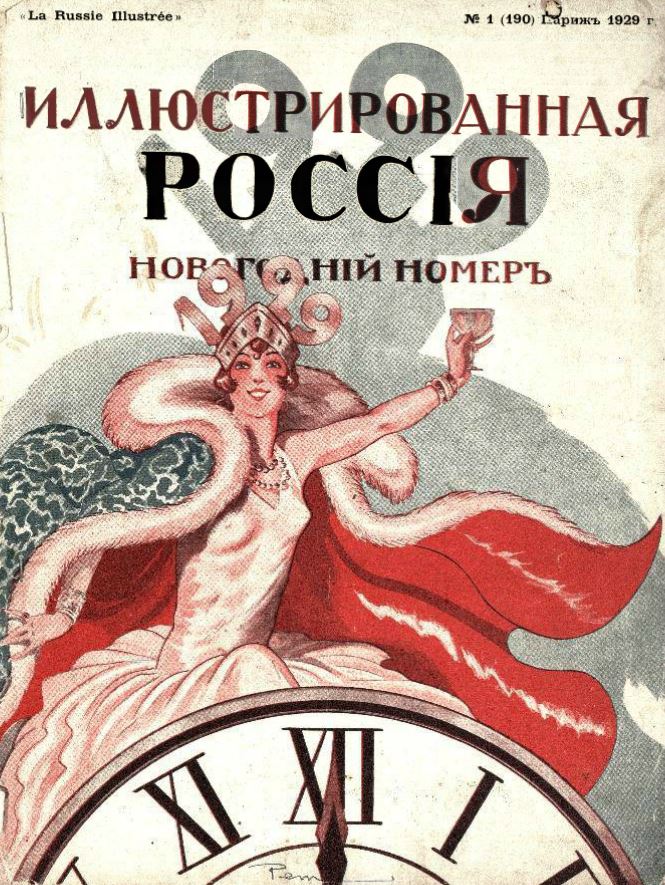
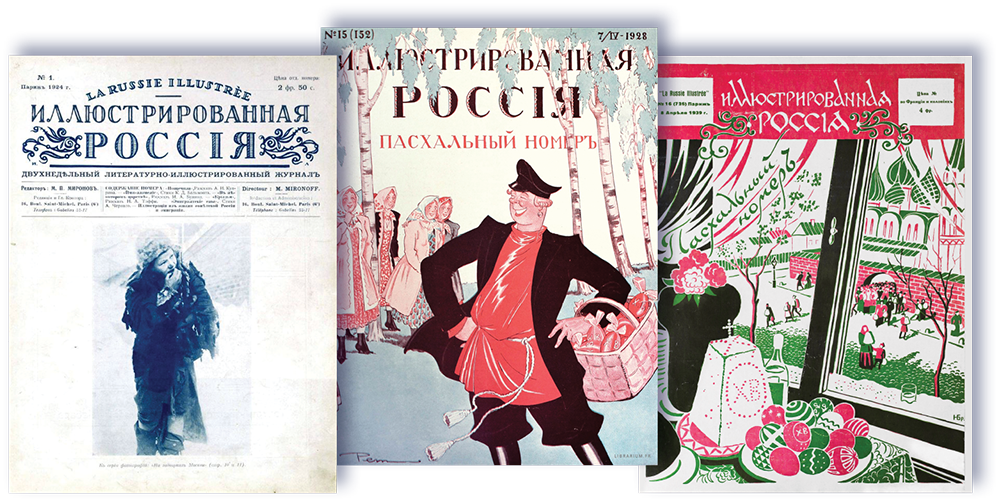
    Illiustrirovannaia Rossiia (Иллюстрированная Россия, La Russie Illustrée, Illustrated Russia) was a weekly literary and illustrated journal, published in Paris from 1924-1939. The founding editor of the journal, Miron Mironov, was a prominent Russian émigré journalist who had started his career in Russia, honing his writing and editorial skills at prominent Russian publications in St. Petersburg and Kyiv before leaving the country.

    The target demographic of the journal was the growing community of Russian émigrés in France and elsewhere who left Russia behind in the wake of the Bolshevik Revolution. Contributing to the popular success of the journal were both its production quality and the quality of its content, which were lavishly underwritten by a coterie of wealthy benefactors in exile. As such, Illiustrirovannaia Rossiia was an unrivaled source of literary and cultural tidbits as well as long-form writing and serialized novels.

    Perhaps the greatest contributing factor to its success was the deliberately apolitical nature of the publication, unique among a growing list of Russian émigré publications of that time that were engaged in internecine ideological wars. The journal’s apoliticism had its limits, however, as communism and the Soviet authorities were periodically and mercilessly ridiculed on the pages of the publication, leaving no doubt as to its overall political orientation.

    Over the years the journal would become one of the most important, if not the most important, Russian émigré periodicals attracting literary and journalistic talent from the far-flung Russian diaspora communities. Despite its brief lifespan of 15 years, the journal published 748 issues, leaving an indelible mark on the Russian literary and cultural scene and becoming an important part of the twentieth-century Russian émigré cultural landscape. Illiustrirovannaia Rossiia remains an invaluable and unique repository of textual and visual representation, providing researchers with indispensable insight into Russian cultural life in exile.

    The Illiustrirovannaia Rossiia Digital Archive contains the complete set of the journal from the very first issue, comprising 748 issues and more than 21,000 pages. The archive features full page-level digitization, complete original graphics, and searchable text, and is cross-searchable with numerous other Infoteka digital resources.