Region: Russia

  • Literaturnaia Gazeta Digital Archive

    Literaturnaia Gazeta Digital Archive

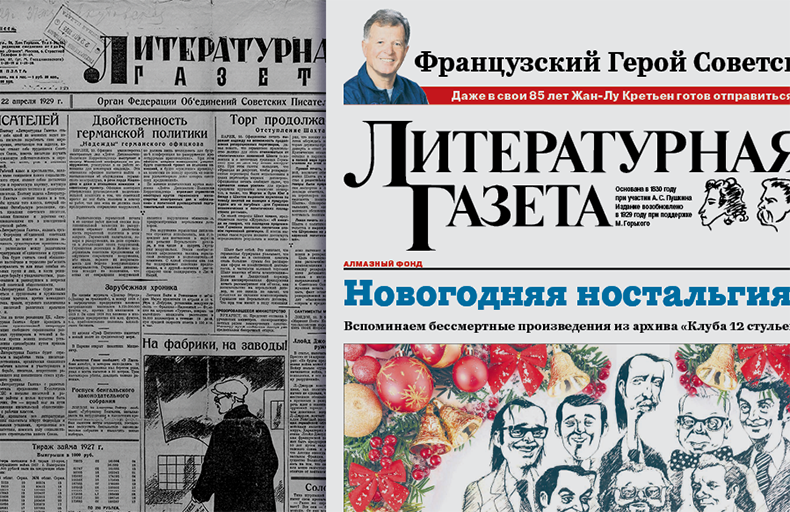
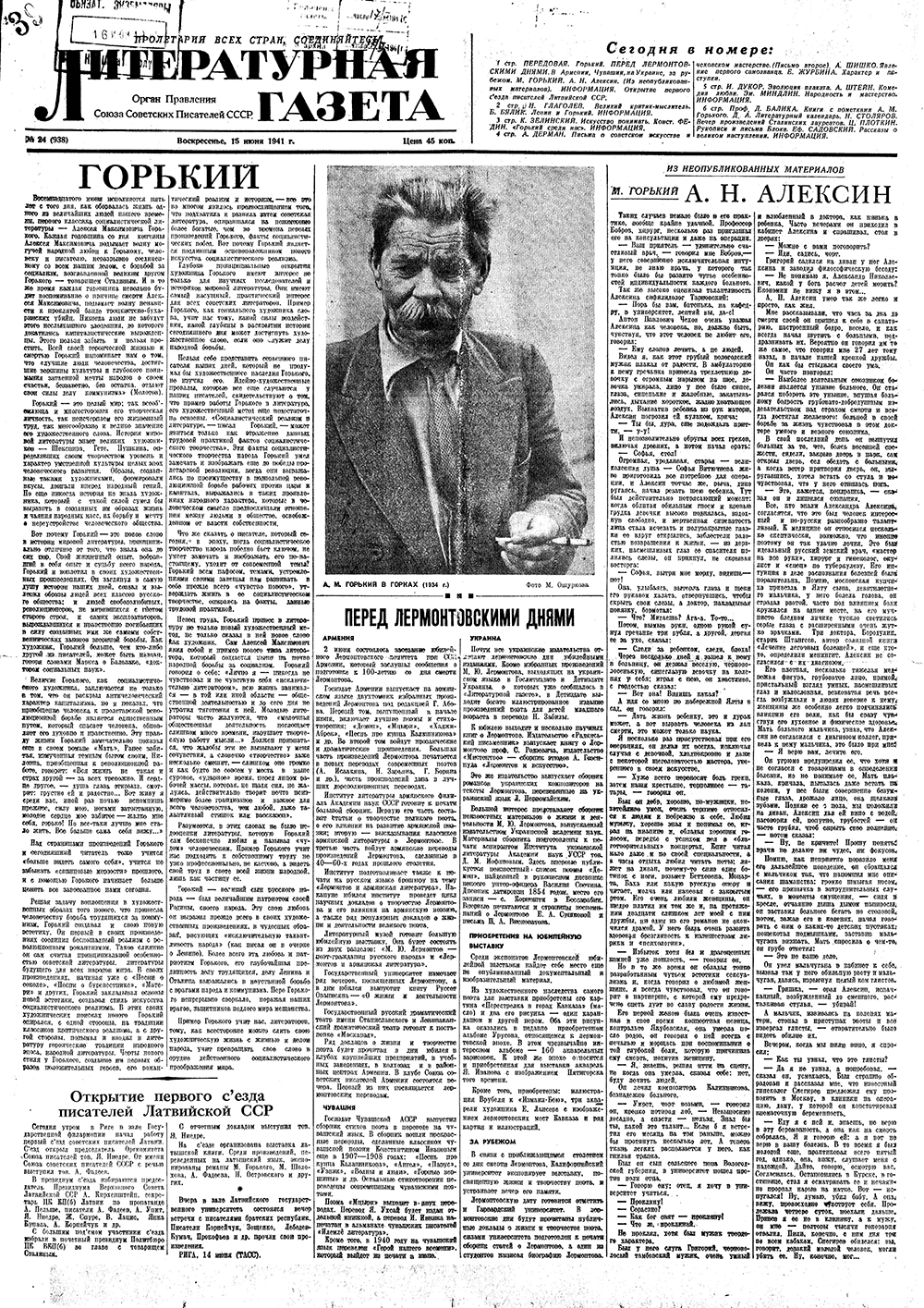
    Russia’s most popular newspaper among the intelligentsia.

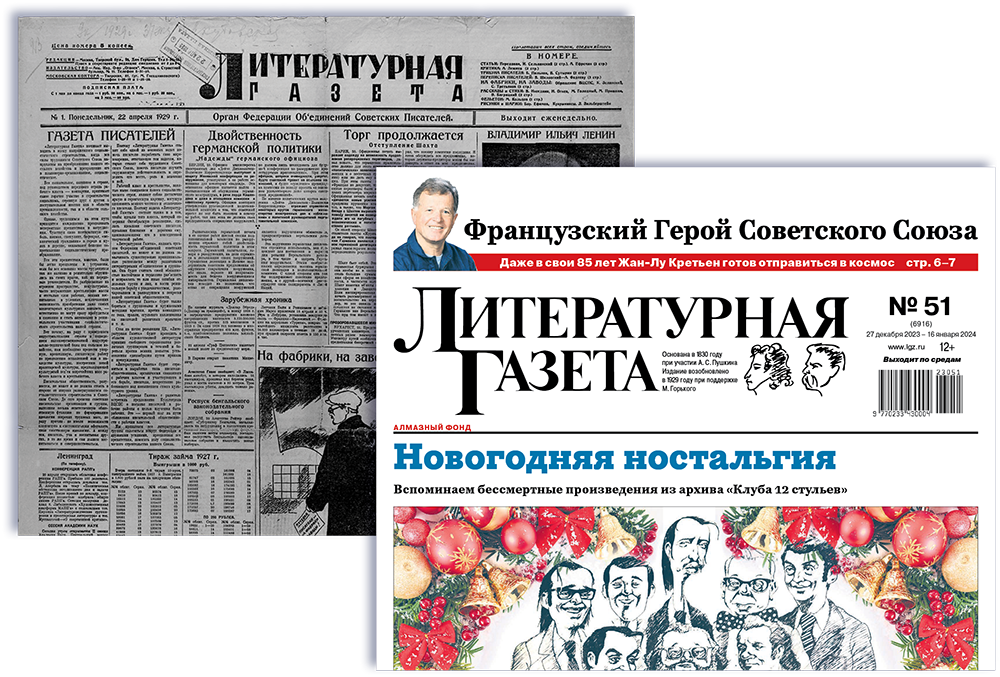
    Established on April 22, 1929 with the support of the “father of Soviet literature,” writer Maxim Gorky, Literaturnaia gazeta (Литературная газета, Literary Newspaper) is a landmark publication in Russia’s cultural heritage. With its focus on literary and intellectual life, Literaturnaia gazeta allowed Soviet Russia’s preeminent authors, poets, and cultural figures a particular podium for commentary, affording perhaps fewer restrictions than might be possible in other publications. Literaturnaia gazeta was considered the most open among newspapers of the Soviet era, and it remains popular among the intelligentsia in today’s Russia.

    The Literaturnaia Gazeta Digital Archive contains all obtainable published issues from 1929 on (over 65,000 pages), with an additional year’s worth of content available for purchase on an annual basis. The archive offers scholars the most comprehensive collection available for this title, and features full page-level digitization, complete original graphics, and searchable text, and is cross-searchable with numerous other Infoteka digital resources.
    More About Literaturnaia Gazeta

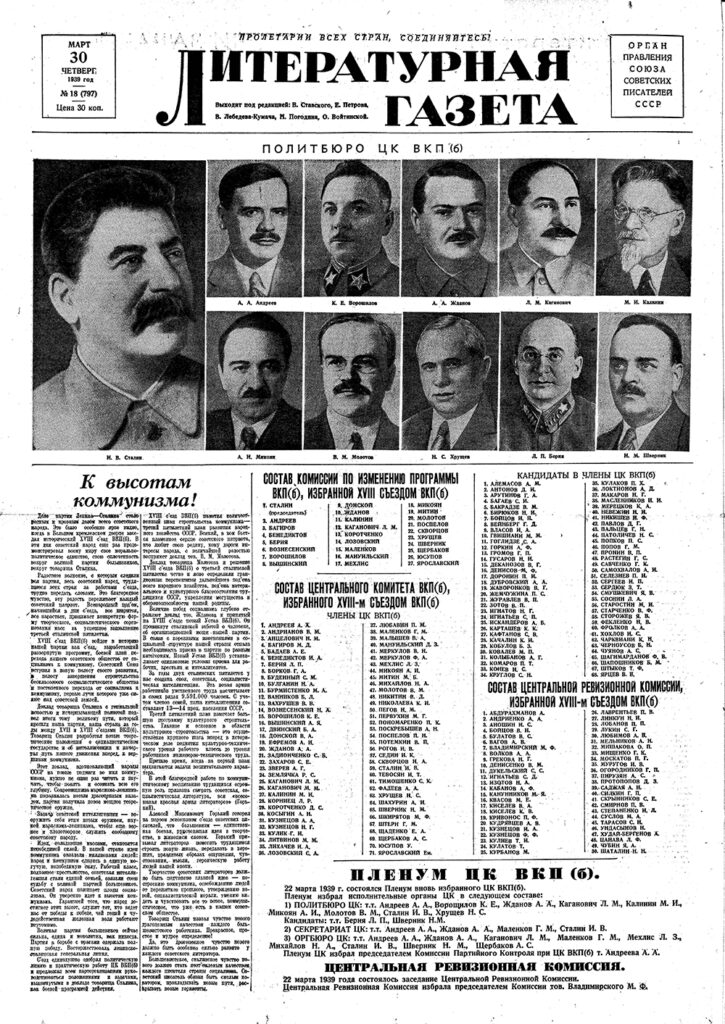
    In 1932 Literaturnaia gazeta became the official organ of the Union of Soviet Writers, the government-controlled organization which controlled most literary publications and the employment of writers in the USSR. In the post-World War II period, the scope of Literaturnaia gazeta expanded from an exclusively literary newspaper to more of a literary, social and political publication, becoming one of the most authoritative and influential publications in the country. As the press-run grew to 6.5 million copies in the 1970s and 1980s, it became the most popular newspaper with intelligentsia, who fondly dubbed it “Literaturka.”

    Literaturnaia gazeta was truly significant in the cultural life of the Soviet Union. While all officially published works were restricted in Soviet times, compared to the party-run Pravda and the government-run Izvestiia, Literaturnaia gazeta was more likely to push the limits of censorship in expressing views on social life and culture. Unlike many other Soviet newspapers, Literaturnaia gazeta refrained from simply re-publishing official party statements and resolutions. For those studying Russian, Russian literature, and comparative literature, Literaturnaia gazeta is undoubtedly an important resource: its pages carry literary criticism; excerpts from works of literature; articles on economics, sociology, ethics, daily life, scientific progress, etc. Contributors to Literaturnaia gazeta included the best prose writers of the era: Isaak Babel’, Mikhail Bulgakov, Veniamin Kaverin, Leonid Leonov, Yuriy Olesha, Boris Pil’nyak, Yevgeniy Zamyatin, and Mikhail Zoshchenko.
  • Krokodil Digital Archive

    Krokodil Digital Archive

    The leading satirical publication of the Soviet Era.

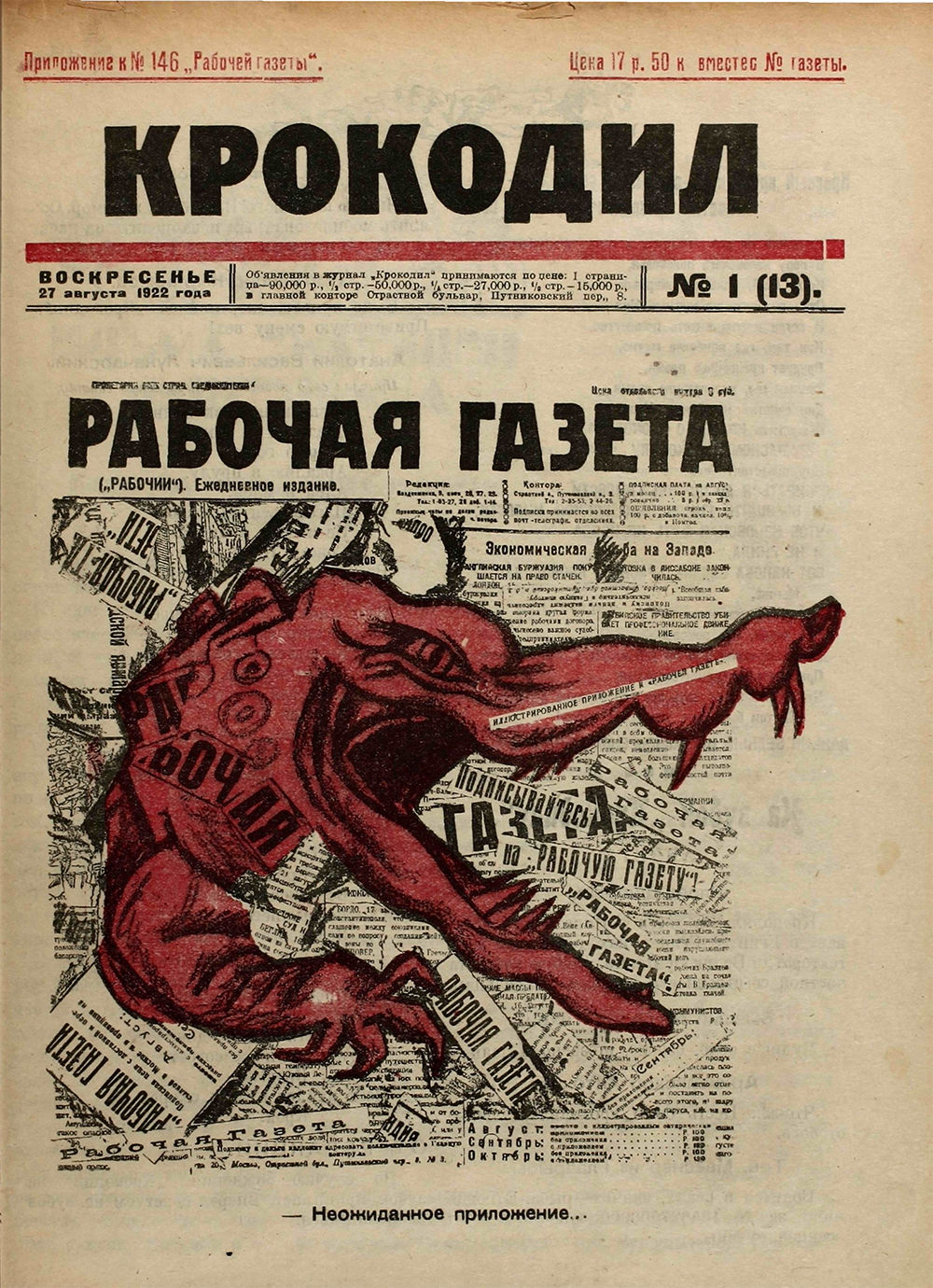
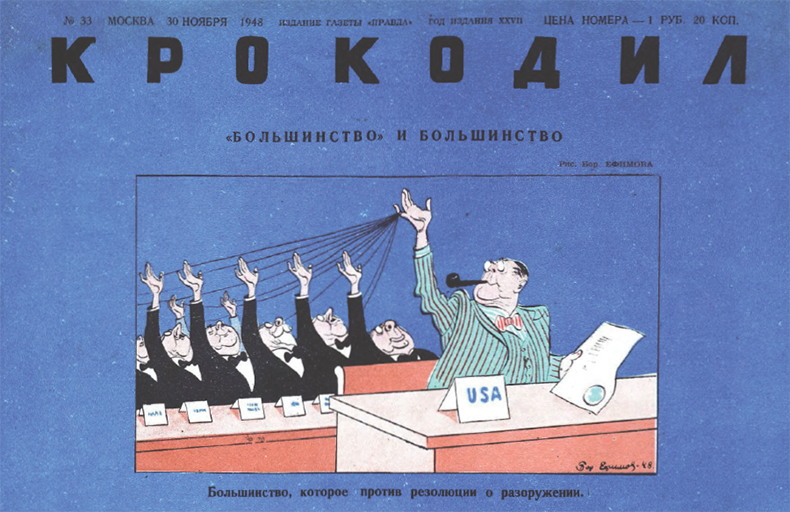
    Krokodil (Крокодил, Crocodile) was a satirical magazine published in the Soviet Union. It was first published as an illustrated Sunday supplement to Rabochaia gazeta (Рабочая газета, Workers’ Newspaper; formerly Rabochii [Pабочий, The Worker]). The increasing popularity and circulation of Rabochaia gazeta, combined with the fact that many satirical voices were present in the widening pool of talented journalists, led the editors of Rabochii to establish a separate satirical issue to be circulated free of charge to the subscribers of the newspaper.

    The newly established supplementary issue satirized a host of issues and holdovers from pre-revolutionary Russia, including White Russian emigres, the Orthodox Church, bourgeois intellectuals, as well as diverse groups of social outcasts (moonshiners, black marketeers, etc.). After a three-month period of largely haphazard satirical writing, the supplement found its stride and honed its method of bringing its readers incisive satirical commentary. The success of the experiment among its growing readership would directly lead to the establishment of Krokodil as a separate publication on August 27, 1922. Bursting from its front cover was a snarling red crocodile, an avatar that has symbolized the journal and its brand of political satire ever since.

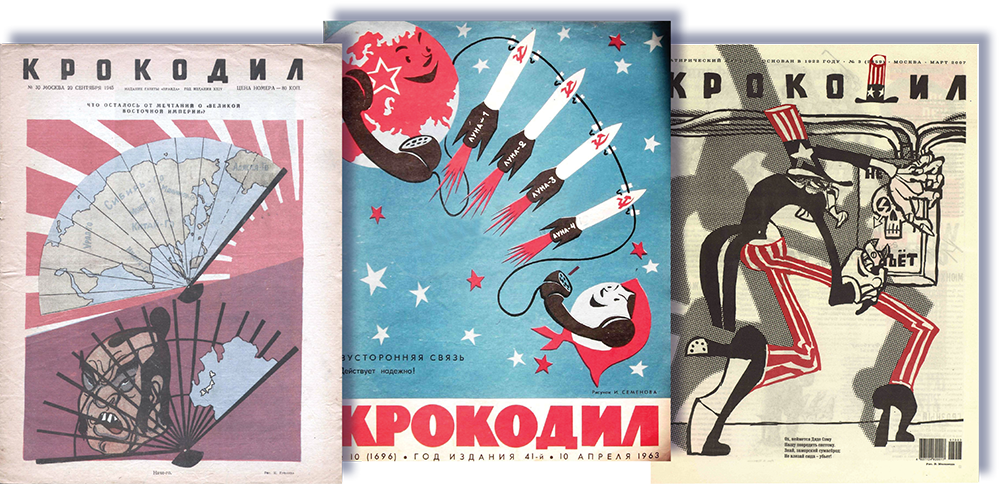
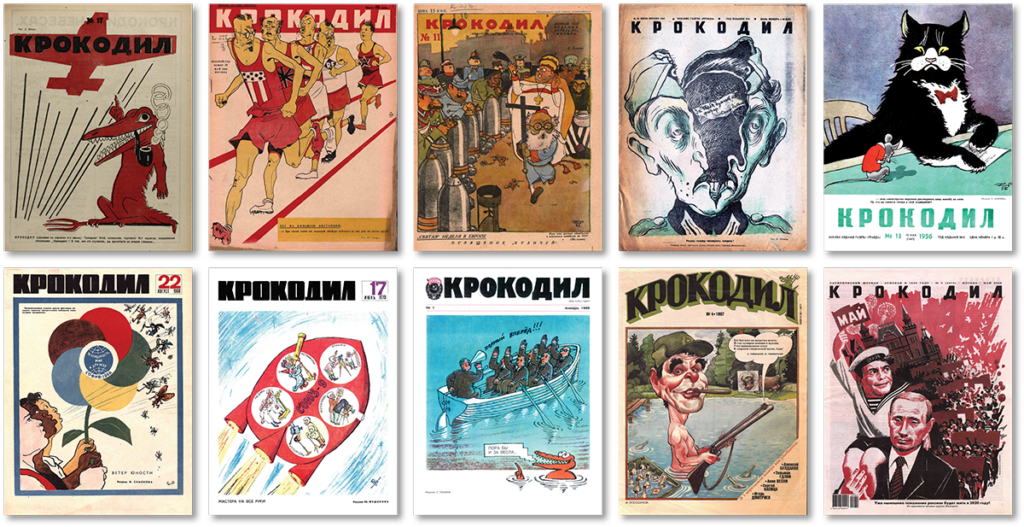
    Published continuously until 2008, Krokodil was at one time the most popular magazine for humorous stories and satire, with a circulation reaching 6.5 million copies. Krokodil lampooned religion, alcoholism, foreign political figures and events. It ridiculed bureaucracy and excessive centralized control. The caricatures found in Krokodil can be studied as a gauge of the ‘correct party line’ of the time. During the height of the Cold War, cartoons criticizing Uncle Sam, Pentagon, Western colonialism and German militarism were common in the pages of Krokodil.

    About the Archive

    Featuring the most complete set of the journal available (more than 2,740 issues), the Krokodil Digital Archive has been designed specifically to show the rich images found in these pages and provide the convenience of browsing full pages, similar to working with print originals. Full-text searchable tags have been carefully added to identify individuals and organizations within the artwork, where full-text searching would not normally find results. Thanks to this added value, users are able to search for people and organizations and find them not only within the articles, but also wherever they are represented in caricatures and drawings. The Krokodil Digital Archive is also cross-searchable with numerous other Infoteka resources.

  • LEF Digital Archive

    LEF Digital Archive

    Iconic Soviet art journal that defined an era.

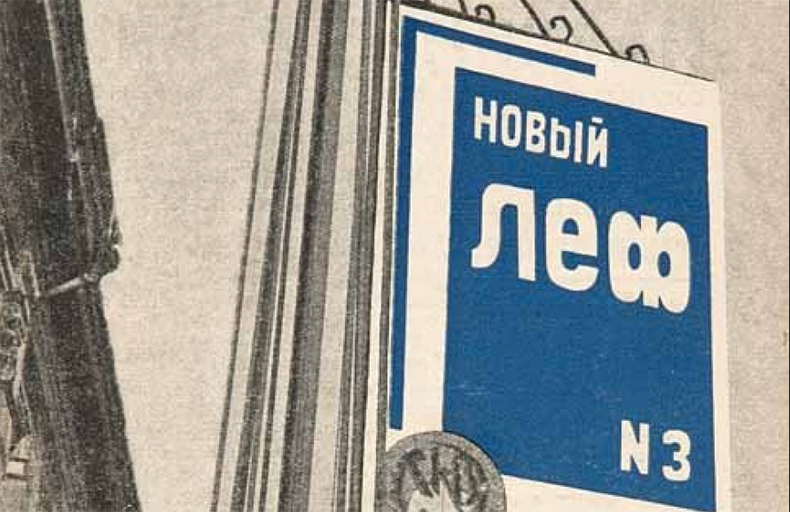
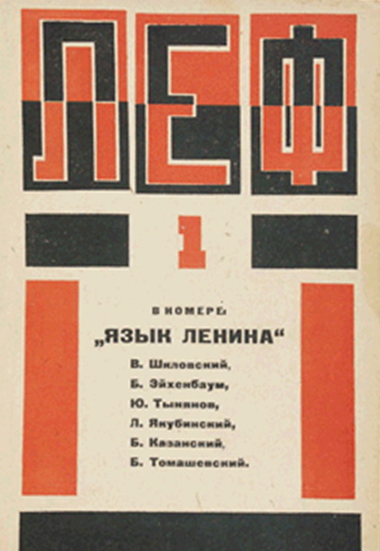
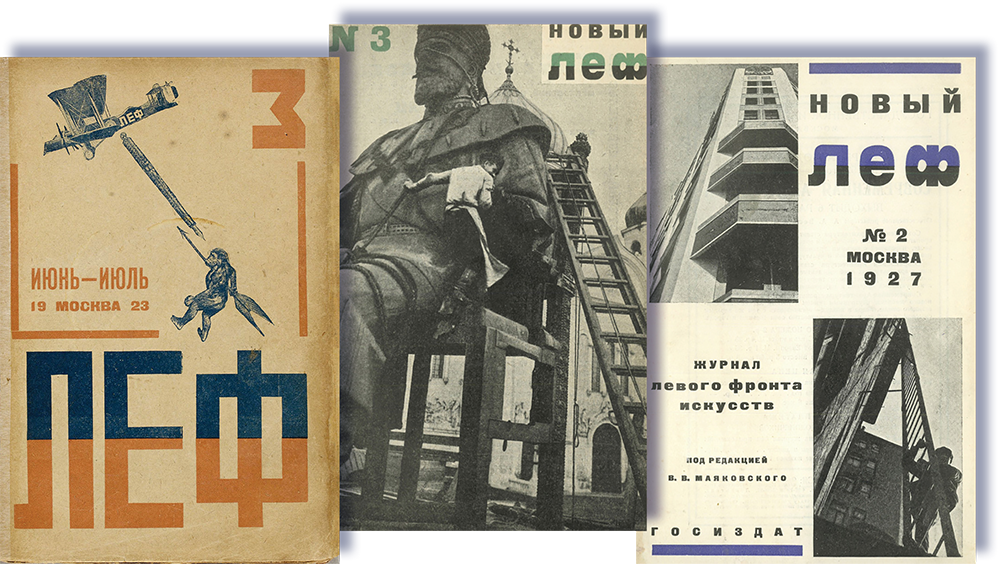
    In the wake of the Russian Revolution, the group “Left Front of the Arts” was formed in Moscow, bringing together creative people of the era—avant-garde poets, writers, photographers, and filmmakers, including Vladimir Mayakovsky, Osip Brik, and others. The group’s philosophy was to re-examine the ideology of so-called leftist art, abandon individualism, and increase art’s role in building communism. The group considered itself as the only representative of revolutionary art. In 1923 they founded the journal LEF (ЛЕФ [Левый фронт искусств], Left Front of the Arts), which was published until 1925. In 1927, it was succeeded by Novyi LEF (Новый ЛЕФ, New LEF) and published until 1928. Despite its short run of only 33 issues, LEF inspired entire movements and artists not only in Russia, but throughout the world.

    LEF served as a forum for intense debate, including manifestos, polemics and critical articles on photography, film, theater, architecture, and design. The journal encouraged experimentation with writing and promoted the idea of “factography,” or the use of language or art to describe or depict the realities of everyday life in the Soviet Union. The journal also championed photography and film as the most suitable forms for postrevolutionary art. The journal’s striking illustrations and covers, many of which were designed by the renowned artist and photographer Alexander Rodchenko, served as an alternative model for realism, challenging the grand, monumental style that was quickly dominating official Soviet art.

    The LEF Digital Archive comprises the entire collection of the 33 published issues, completely digitized for the first time (over 450 articles). The archive offers scholars the most comprehensive collection available for this title, and features full-text articles with full page-level digitization and complete original graphics. The archive has searchable text, and is cross-searchable with numerous other Infoteka digital resources.

  • Kommersant Digital Archive

    Kommersant Digital Archive

    One of Russia’s main business dailies.

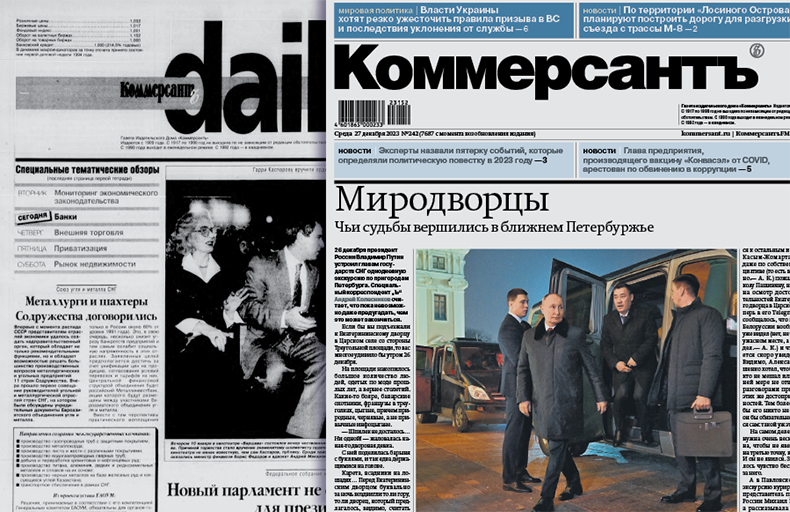
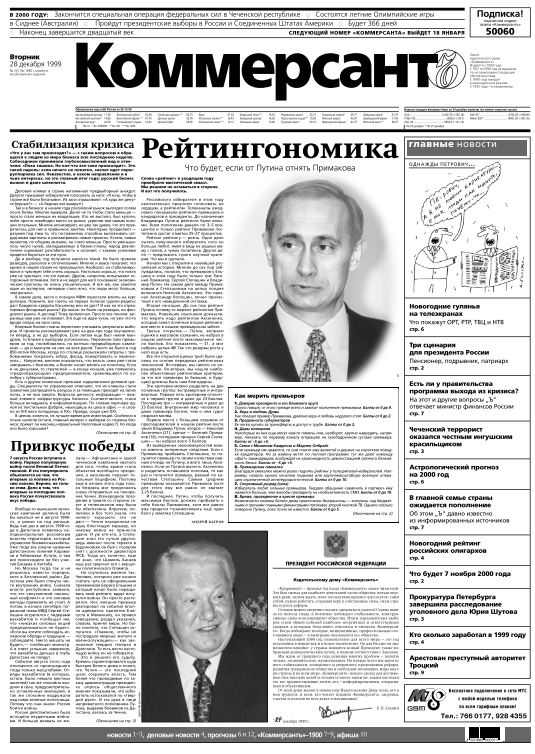
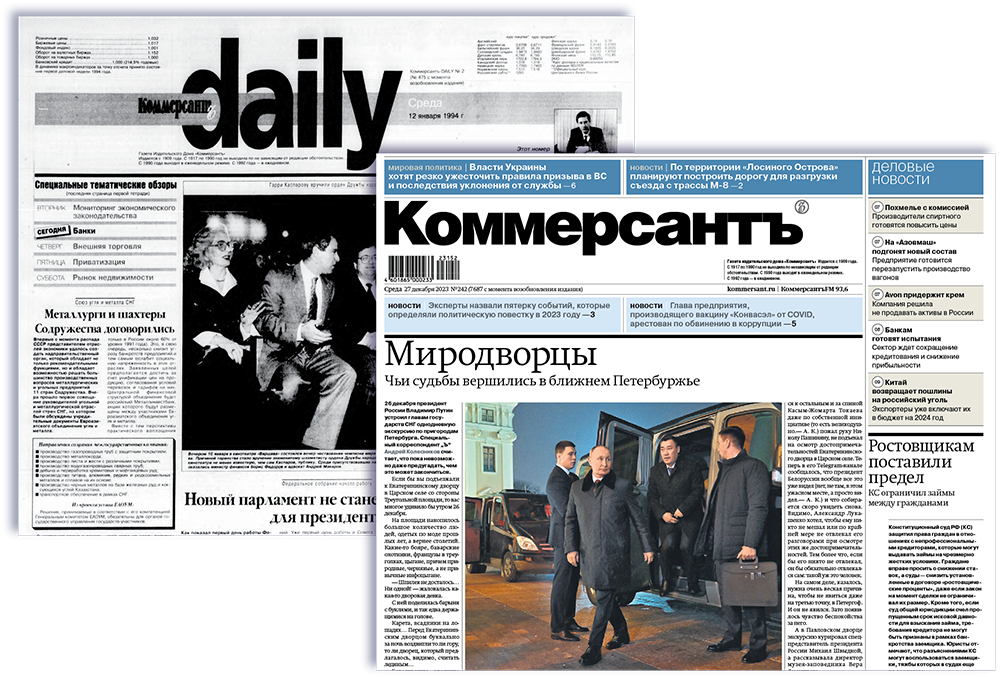
    Founded in 1989 by Russian businessman and journalist Vladimir Yakovlev on the eve of the dissolution of the Soviet Union, Kommersant (Коммерсантъ, The Businessman) is one of the most influential and important newspapers to have emerged in post-Soviet Russia. The economic liberalization of the Gorbachev-era perestroika and glasnost reforms had created a need for media outlets dedicated to reporting on the new economic situation in the country and the emergence of the new entrepreneurial class. The establishment of Kommersant, modeled largely after The Wall Street Journal and the Financial Times, was meant to meet just such a need.

    Published initially as a weekly, its proven quality and growing popularity occasioned the expansion of the publication and the changing of its format from a weekly to a daily. Soon it would also change ownership, being owned at various times by Russian oligarchs Roman Berezovsky, Badri Patarkatsishvili, and its current owner Alisher Usmanov. Despite the slew of controversial ownerships, and several instances of editorial interference by its owners, Kommersant remains one of the most trustworthy Russian newspapers.

    The Kommersant Digital Archive includes all obtainable issues published since 1992, with an additional year’s worth of content available for purchase on an annual basis. The archive features full page-level digitization, complete original graphics, and searchable text, and is cross-searchable with numerous other Infoteka digital resources.

  • Krasnaia Zvezda Digital Archive

    Krasnaia Zvezda Digital Archive

    The official newspaper of the Russian Armed Forces.

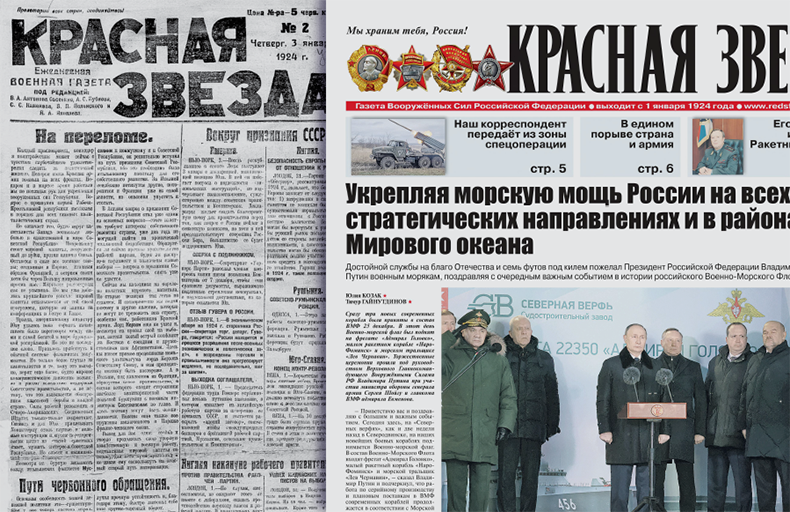
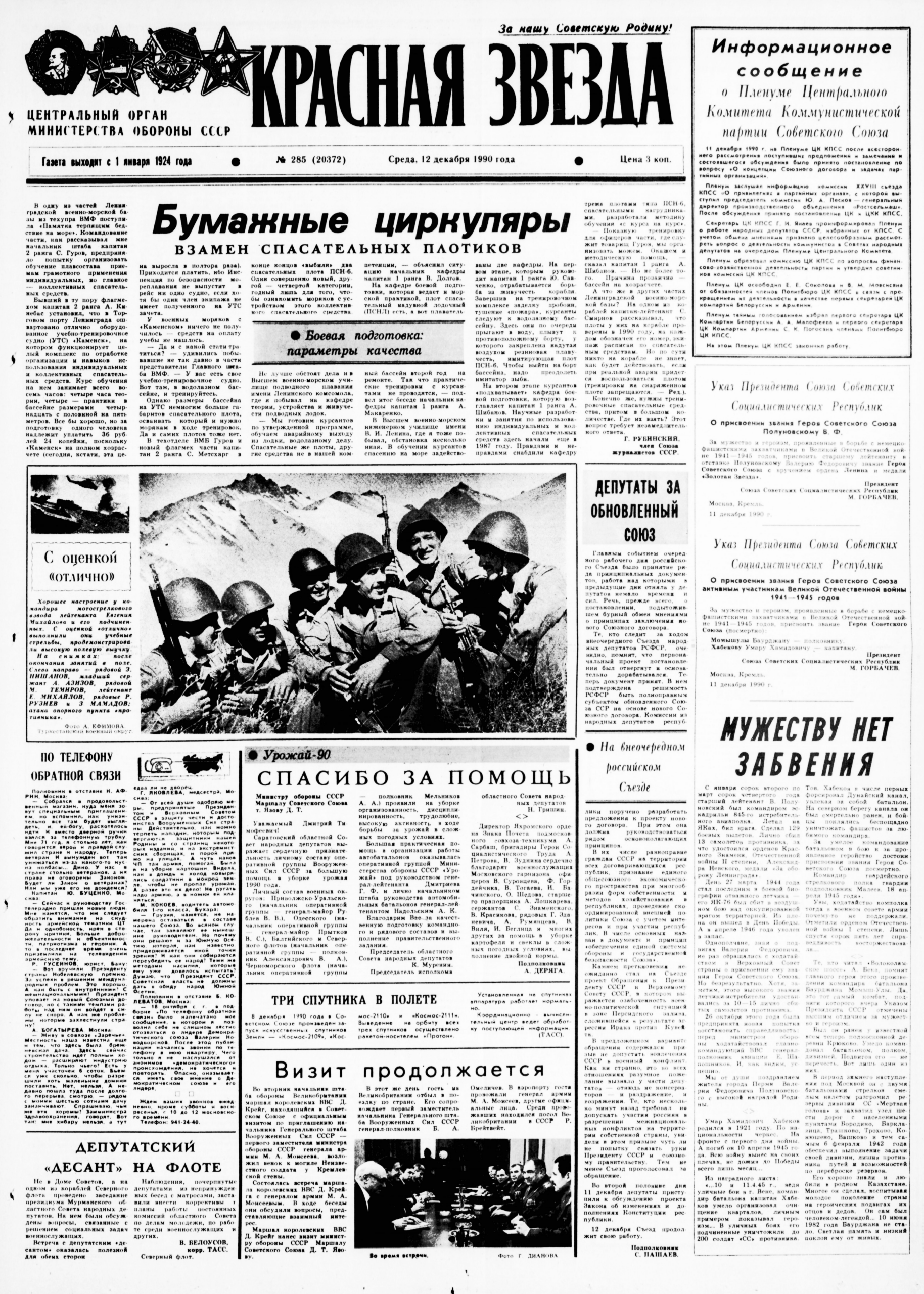
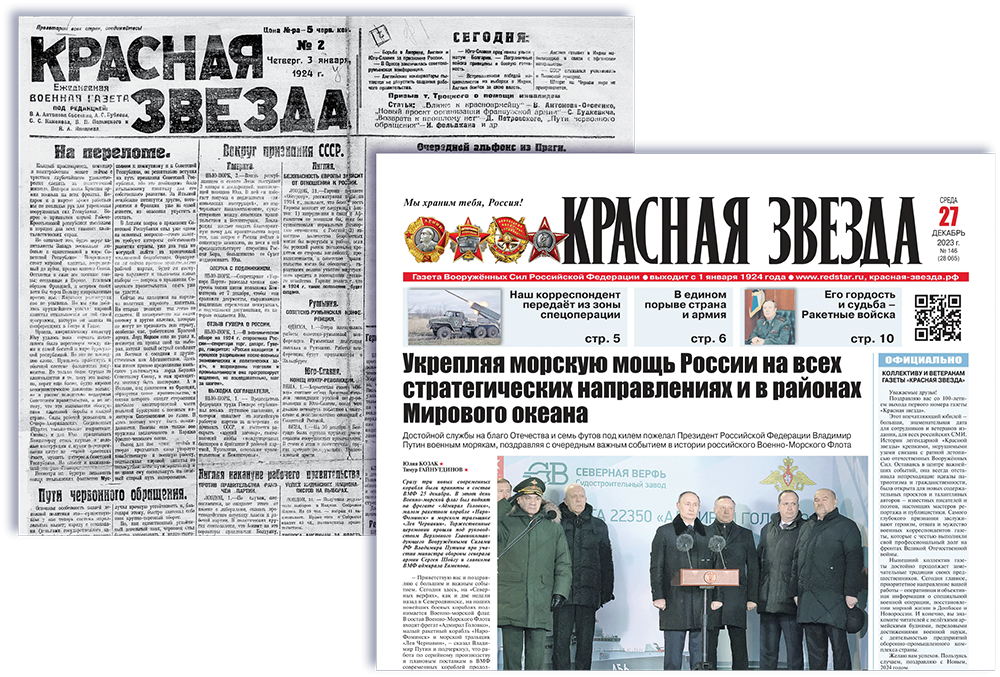
    Founded in 1924, Krasnaia zvezda (Красная звезда, Red Star) is the official paper of the Soviet and now Russian Ministry of Defense. Krasnaia zvezda is the premier source for current news and other information regarding the defense and security of the Soviet Union and Russian Federation. The newspaper publishes extensively on all aspects of Russia’s armed forces, including military reform, combat training and daily routine of troops, legal advice, analysis of Russia and CIS security issues, new combat equipment and arms, reports from areas of military conflicts around the world, information on foreign armies, alongside political, economic, business, cultural and sports news.

    The Krasnaia Zvezda Digital Archive contains the most complete collection available for this title, with an additional year’s worth of content available for purchase on an annual basis. The archive features full page-level digitization, complete original graphics, and searchable text, and is cross-searchable with numerous other Infoteka digital resources.

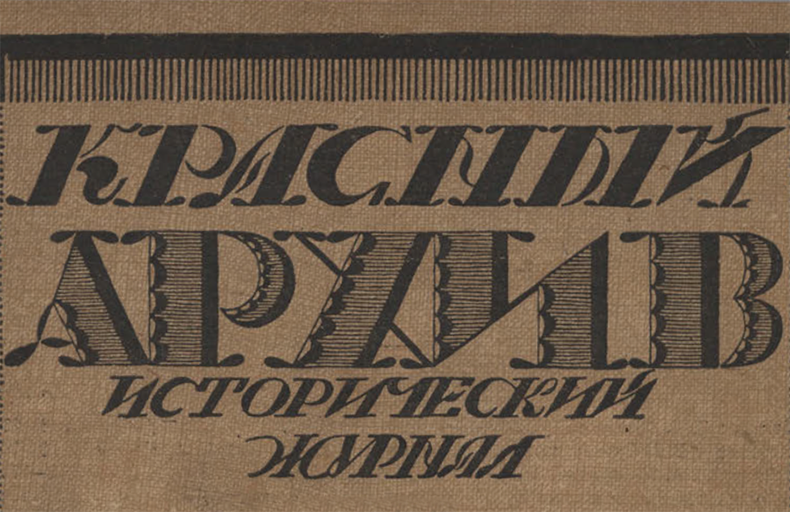
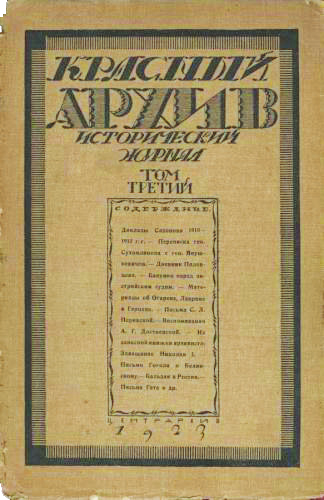
  • Krasnyi Arkhiv Digital Archive

    Krasnyi Arkhiv Digital Archive

    The most important historical journal in Soviet Russia.

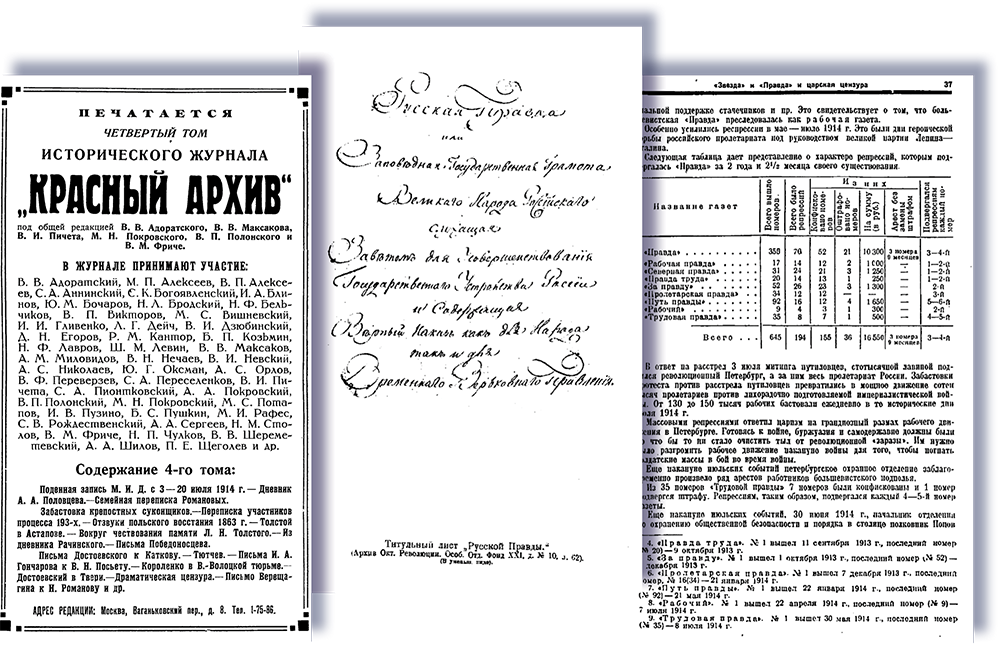
    Krasnyi arkhiv (Красный Архив, Red Archive) was published in Moscow from 1922 until June 1941, first by the Central Archives of the USSR and later by the Central Archival Administration. The proclaimed goal of this journal was to reveal the secrets of diplomatic documents hidden in the archives of Tsarist Russia and to regularly publish important archival papers “for the education of the proletariat.” These included official documents of the political police department, diaries and personal correspondence of the highest political figures (members of the royal family, top officials of the Tsarist Russia, etc.).

    The complete set of Krasnyi arkhiv contains more than 900 unique archival documents on the history of Russia in the 19th and 20th centuries, development of the Bolshevik movement and the Russian communist party, the Russian civil war, Russia’s foreign policy, and the history of Russian endeavors in Siberia, Central Asia and Kazakhstan. The journal also includes literary-historical materials, such as 16 publications on Alexander Pushkin, 12 publications on Fyodor Dostoyevsky, 14 publications on Leo Tolstoy and numerous other materials on famous Russian classical writers and literary critics.

    The Krasnyi Arkhiv Digital Archive comprises the entire collection of 106 published issues, completely digitized for the first time, totaling over 1,180 articles and more than 23,000 pages. The archive offers scholars the most comprehensive collection available for this title, and features full-text articles, with full page-level digitization and complete original graphics. The archive has searchable text, and is cross-searchable with numerous other Infoteka digital resources.

  • Kino-Zhurnal A.R.K. Digital Archive

    Kino-Zhurnal A.R.K. Digital Archive

    Critical journal from the early years of Russian cinema.

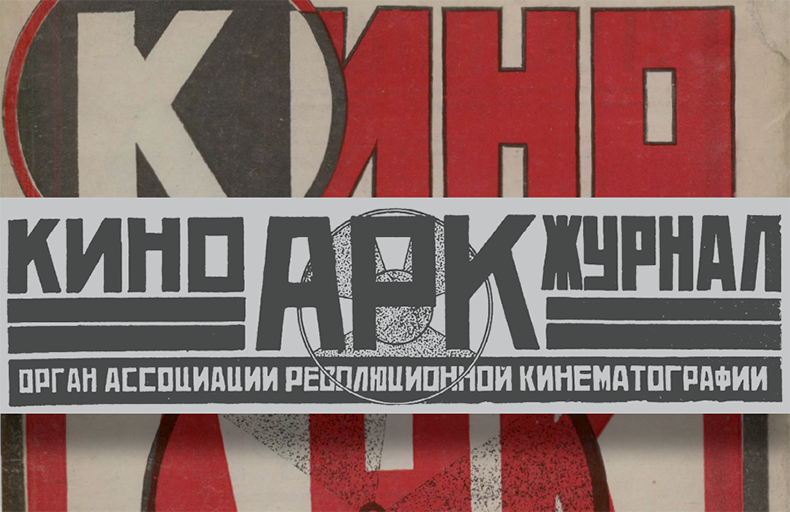
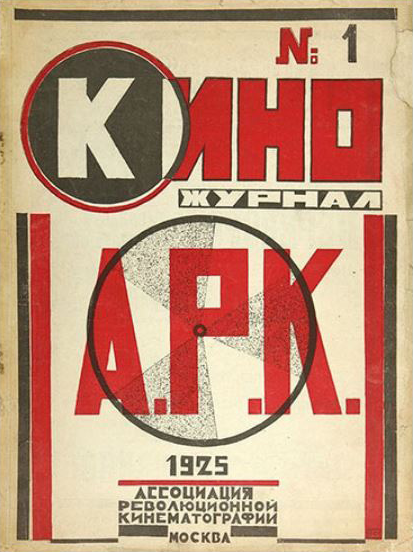
    The beginning of 1920s in the Soviet Russia is known for fresh creative cinematographic forces. It was in this era that world-renowned directors such as Eisenstein, Pudovkin, Trauberg, Ermler, Ardov, Kozintsev and other artists of the first generation of Soviet directors made their debut. Kino-zhurnal A.R.K. (Кино-журнал А.Р.К., Cinema-Journal A.R.K.), published by the Association of Revolutionary Cinematography, is where these groundbreaking directors expounded on their art, reflecting the dynamic era of 1920s Soviet Russia. New theories simultaneously pushed the limits on and aligned with Soviet thought on film montage, and debate in the pages of the journal led to novel methods of movie editing and directing. The painter Kazimir Malevich also contributed to the journal, describing his views towards cinema as an art form.

    Kino-zhurnal A.R.K. also covered Soviet, European, American and Asian film news, film technology, international cinema industry exhibitions like the 1925 Berlin Film Exhibition. The US film industry was booming at that time, with some pages dedicated to American actors and new film out of Hollywood. The magazine also published sociological data on Soviet viewers and film statistics.

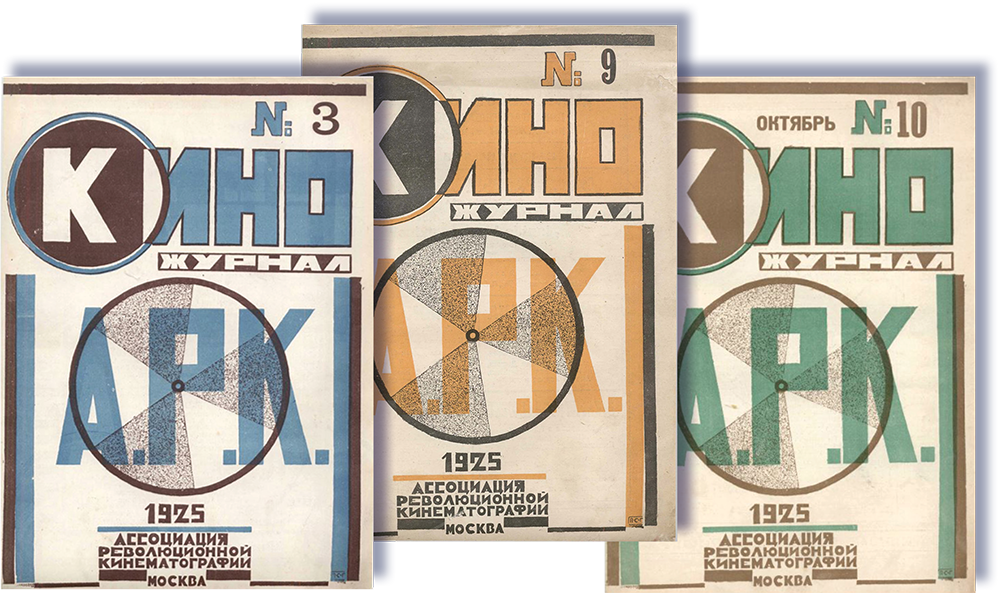
    The constructivist design of the magazine covers was created by Piotr Galadzhiev (1900-1971), a well-known Soviet artist and illustrator for several early Soviet film publications (Kino-Glaz, Kinopechat, etc.).

    An extremely rare Soviet film magazine, only twelve issues of this monthly magazine were published. The magazine ceased publishing in 1926 when its editor Nikolay Lebedev wrote an article blaming Maxim Gorky for disliking cinema as a genre. Although Lebedev later apologized, he was nevertheless fired soon after and the magazine was transformed into a different journal, Kino-front.

    The Kino-Zhurnal A.R.K. Digital Archive contains all published issues of the journal (1925-1926) for a total of 12 issues and 444 articles. The archive features full page-level digitization, complete original graphics, and searchable text, and is cross-searchable with numerous other Infoteka digital resources.

  • Knizhnaia Letopis’ Digital Archive

    Knizhnaia Letopis’ Digital Archive

    Russia’s definitive bibliographic book index.

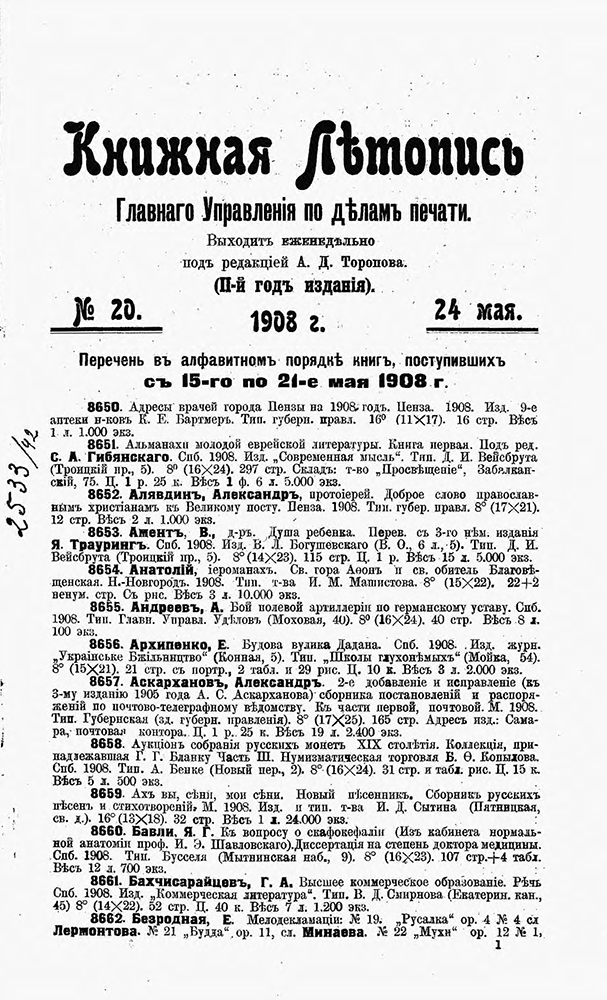
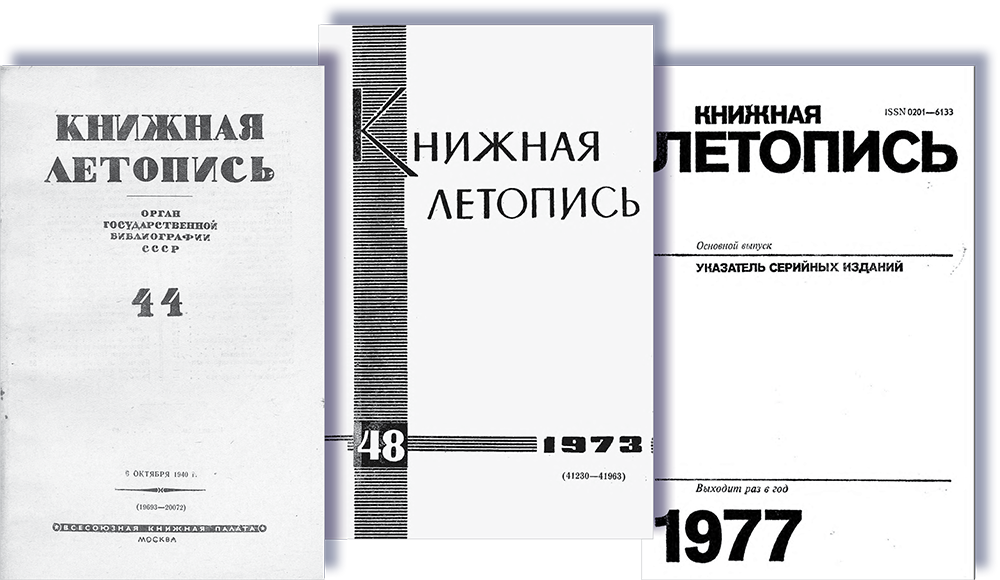
    Knizhnaia letopis’ (Книжная летопись, The Book Index) is the most definitive reference guide available for published books in Russia. For decades, libraries and researchers have turned to this weekly publication to follow book publishing trends in the USSR and Russia. As the main Soviet/Russian bibliographic publication for books, Knizhnaia letopis’ represents the most comprehensive bibliographic resource available on printed books in Russia. For scholars of Russian history, literature, and print culture, the digital archive of Knizhnaia Letopis represents an invaluable resource, offering a unique window into the evolution of publishing and intellectual life in Russia from the late Imperial period through the Soviet era.

    Covering the period of 1907–1979, the Knizhnaia Letopis’ Digital Archive comprises over 105,000 articles, and features full page-level digitization, searchable text, and complete original graphics. This searchable format allows users to explore trends in publishing, track specific authors or topics, and gain insights into the intellectual and cultural landscape of Russia and the Soviet Union throughout much of the 20th century.

    The archive is organized at the chapter level, with each issue divided into thematic chapters (articles). Issues of Knizhnaia letopis’ feature entries detailing new book publications across all fields of knowledge and practical activities, providing primary bibliographic registrations of new books published within the Russian Federation, as well as books published abroad on behalf of Russian publishers. Each bibliographic entry typically contains a sequential record number, a full bibliographic description, the state registration number assigned by the Russian Book Chamber and the UDC (Universal Decimal Classification) indices. The archive also preserves additional features of the original publication, such as author indexes, language indicators for non-Russian publications, and listings of ISBN errors.

    The Knizhnaia Letopis’ Digital Archive also includes a number of important supplements, such as Knizhnaia Letopis’. Dopolnitelnyi vypusk (Supplement, includes dissertation abstracts), Knizhnaia Letopis’. Vspomogatelnye ukazateli (Name, Subject and Geographic Indexes), Dopolnitelnyi vypusk. Vspomogatelnye ukazateli (Name and Geographic Indexes), and Ukazatel seriinykh izdanii (annual Index to Book Series).

  • Kino Digital Archive

    Kino Digital Archive

    Chronicle of key era in the development of Soviet and international cinema.

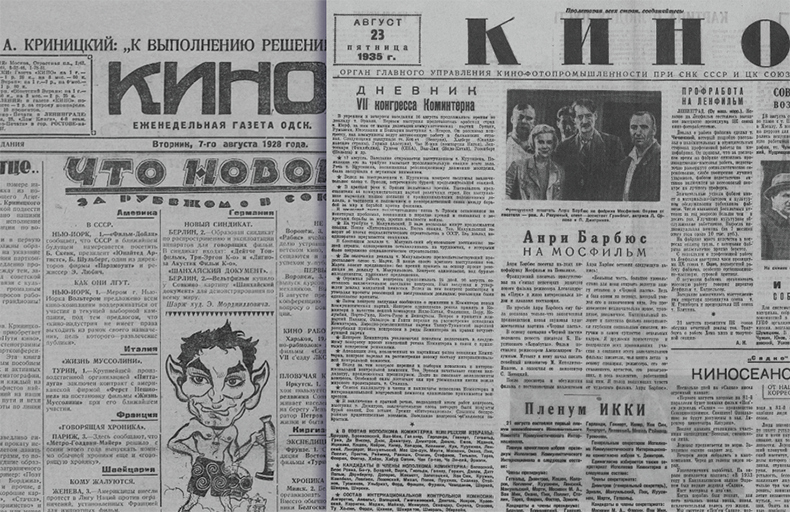
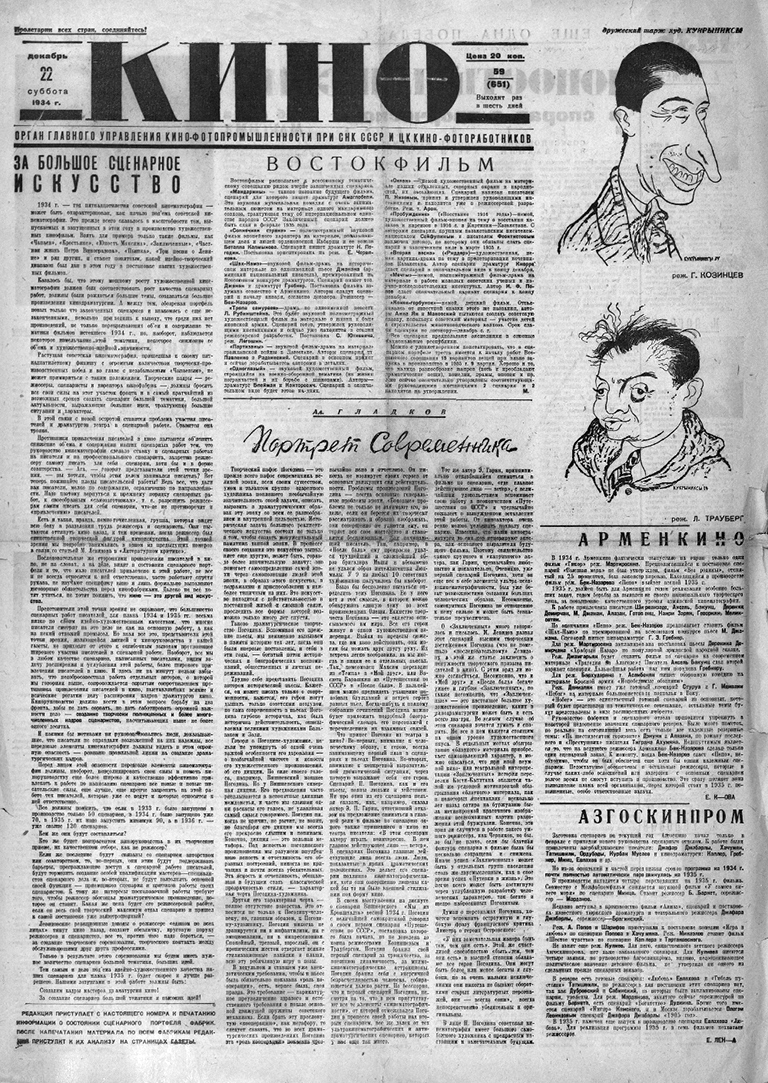
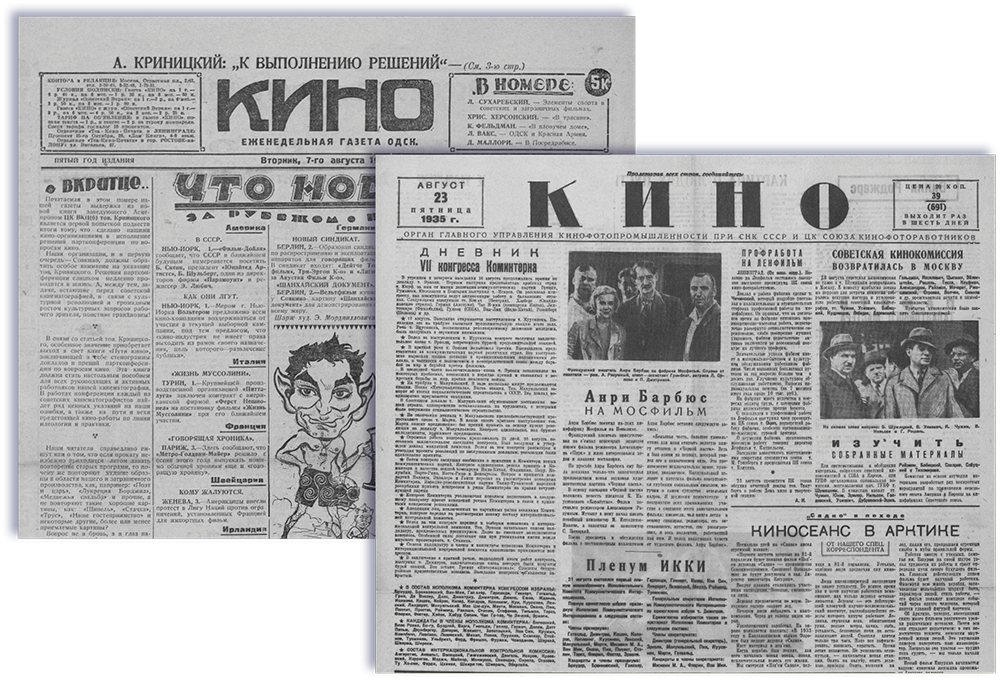
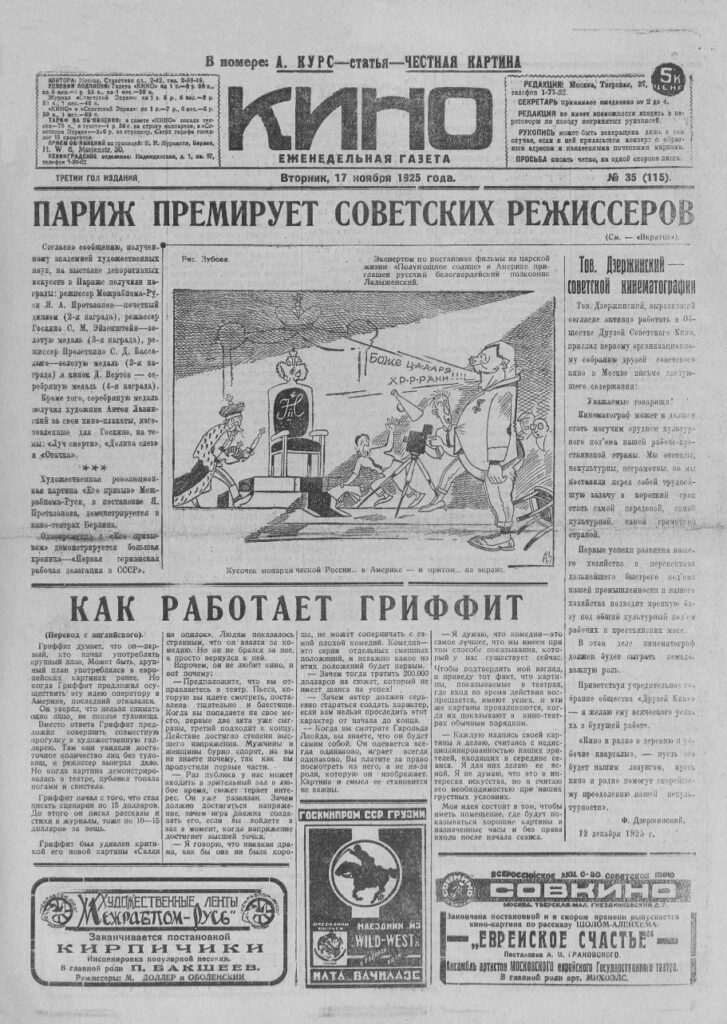
    This complete digital archive presents the influential Soviet film industry newspaper Kino (Kино, Cinema), which was published under various titles from 1923 to 1941. The newspaper served as a crucial chronicle of Soviet cinema’s development during a transformative period in film history, making it an invaluable resource for researchers of Soviet and world cinema.

    The publication was founded by documentary filmmaker Vladimir Erofeev and critic Nikolai Lebedev, who were instrumental in establishing the Association of Revolutionary Cinematography (ARK) in 1924. Under the editorship of Alexander Kurs, praised by Vladimir Mayakovsky as a “born newspaperman,” the publication reached unprecedented circulation numbers of up to 80,000 copies and expanded its influence beyond film industry professionals.

    The newspaper’s comprehensive coverage included film reviews, technical articles on cinematography, economic analyses of film studios, and discussions about the transition to sound cinema. Regular sections featured “Programs and Libretto” (featuring synopses of new films), “Cinema Chronicle,” “Cinema in the Provinces,” and “News from the West.” The publication maintained extensive coverage of Western cinema, with particular attention to American, German, French, Italian, and Bulgarian films, including international reception of Soviet masterpieces such as the German response to “Bronenosets Potemkin.”

    Special attention was devoted to the development of national cinema in Soviet republics, documenting Moscow filmmakers’ expeditions to Central Asia, the Caucasus, and other regions of the USSR. The newspaper regularly covered technological developments in cinematography, projection, laboratory processes, and lighting equipment, including the transition to sound film. The archive contains in-depth coverage of significant Soviet films including “Bronenosets Potemkin,” “Putevka v zhizn’,” “Iunost’ Maksima,” “Chapaev,” and “Veselye rebiata,” offering contemporary perspectives on these classic works.

    During World War II, the newspaper’s final issues focused on short films documenting the struggle against Nazi occupation, with the last issue published on November 1, 1941. This digital archive represents an essential primary source for understanding the development of Soviet cinema, its relationship with international film movements, and the broader cultural and political context of the interwar period. It offers researchers unprecedented access to contemporary discussions about film aesthetics, technology, and ideology during a crucial period in cinema history.

    About the Kino Digital Archive

    During the course of its publication, Kino underwent several name changes and publishing frequencies, reflecting the dynamic nature of the Soviet film industry.

    • Kino-gazeta: illiustrirovannoe izdanie (1923-1925; weekly)
    • Kino: ezhenedel’naia gazeta (1925-1927; weekly)
    • Kino: ezhenedel’naia gazeta ODSK (1927-1929; weekly)
    • Kino: piatidnevnaia gazeta (1930-1931; published irregularly)
    • Kino: shestidnevnaia gazeta (1932-1934; published irregularly)
    • Kino (1934-1941; published irregularly)

    The Kino Digital Archive contains nearly all published issues from 1923-1941, offering scholars the most comprehensive collection available for this title, and features full page-level digitization and complete original graphics. The archive features a user-friendly bilingual interface in Russian and English and has searchable text, and is cross-searchable with numerous other Infoteka digital resources.

  • Kino-fot Digital Archive

    Kino-fot Digital Archive

    Short-lived but influential Russian cinema and photographic art journal.

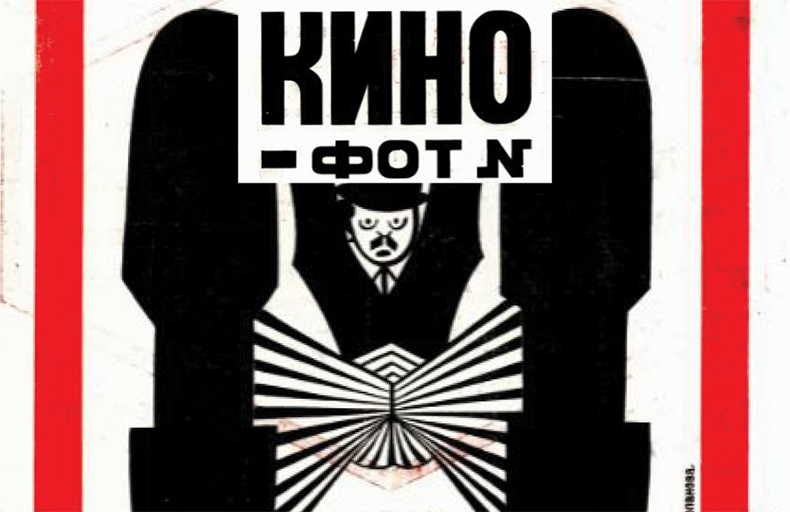
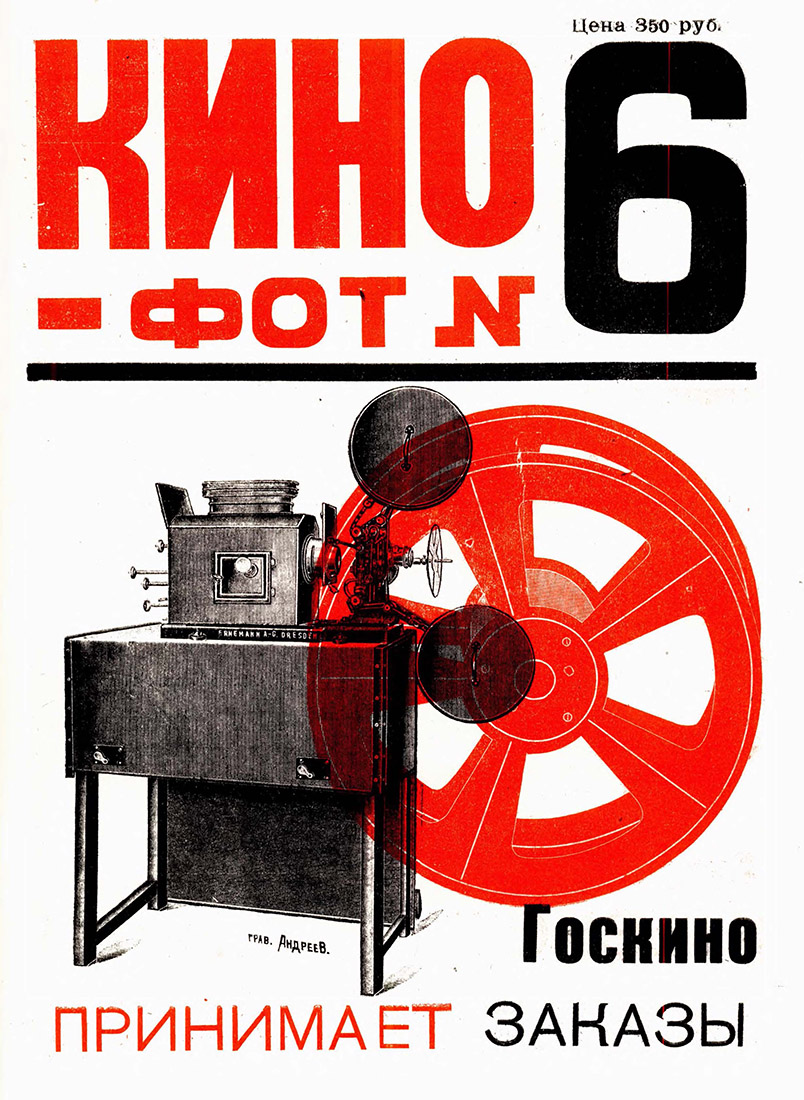
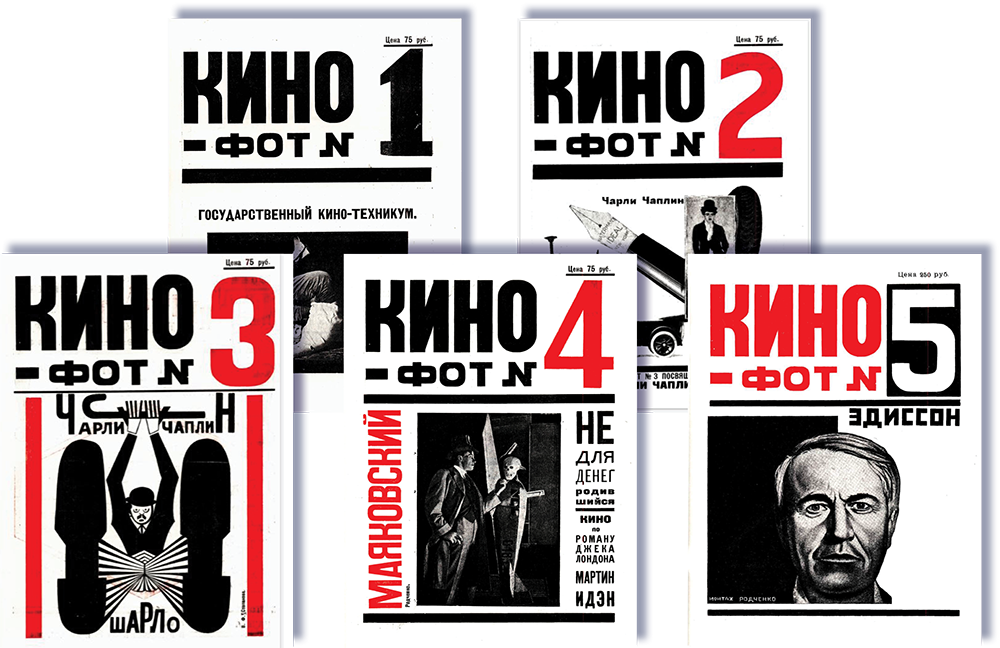
    Kino-fot (Кино-фот, Cinema-Photo), the legendary Russian cinema and photographic art journal, represented the core of the Gan-Rodchenko-Stepanova collaboration. Published in 1922-1923, issues of the journal were illustrated throughout with typographic designs and photos of abstract compositions by Rodchenko; articles by Kuleshov, Dziga Vertov and N. Bernstein, and numerous letterpress designs. All advertisements were also designed in dynamic black and red Constructivist style. Photography and cinema were both still very new and exciting for a new emerging audience and its photomontage pictures, avant-garde layouts, unusual types and other elements put the Kino-fot journal on the very edge of design and influenced the creative flow of the 1920s.

    The Kino-fot Digital Archive contains all published issues of the journal (1922-1923) for a total of six issues and 99 articles. The archive features full page-level digitization, complete original graphics, and searchable text, and is cross-searchable with numerous other Infoteka digital resources.