Language: Russian

  • Zavtra Digital Archive

    Zavtra Digital Archive

    Influential newspaper of the right-wing opposition.

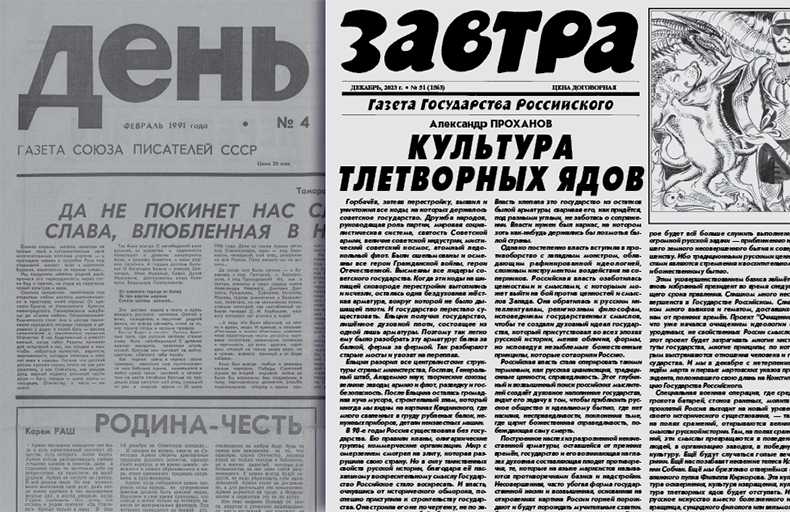
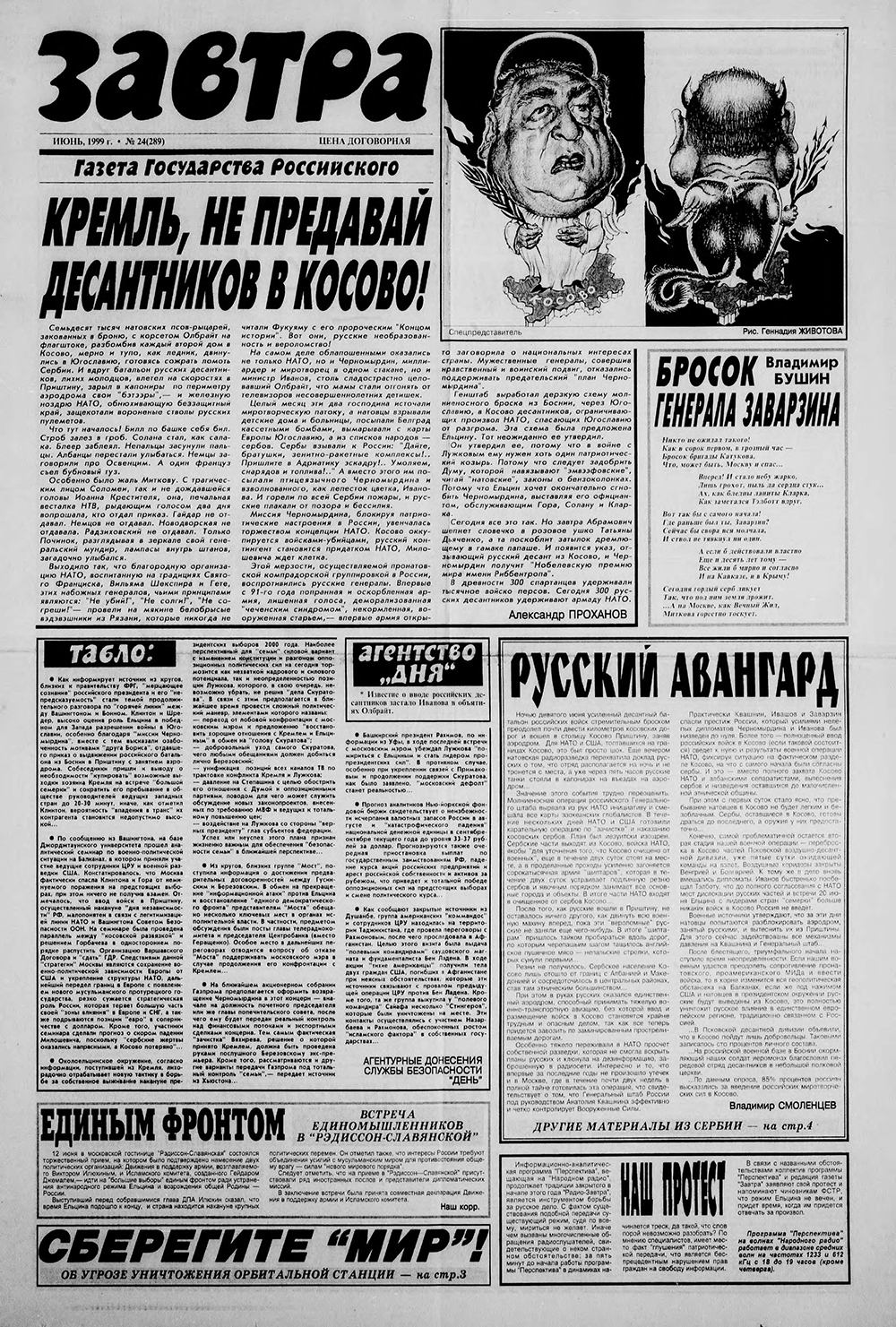
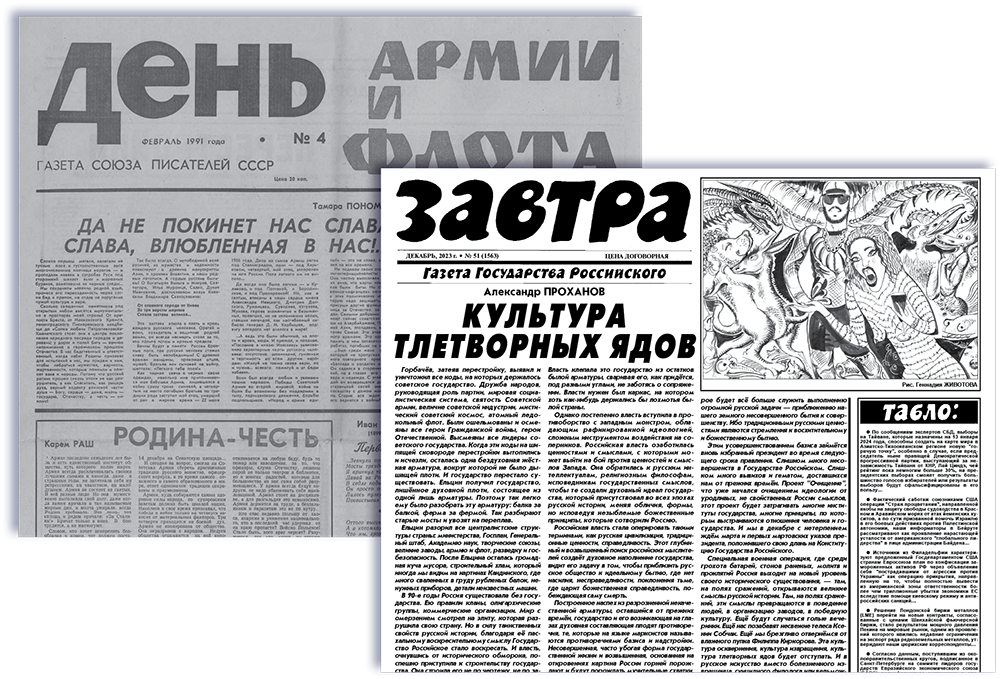
    Founded in Moscow in 1990 by noted Soviet journalist Alexander Prokhanov, Den’ (День, The Day) was created to serve as the “spiritual opposition” to the pro-Western government of Yeltsin. Following the coup in 1993, the paper was shut down by the authorities but was reborn as Zavtra (Завтра, Tomorrow), with Prokhanov still in the lead as editor in chief. One of the most influential publications of the right-wing opposition, Zavtra is a radical-conservative daily newspaper, bringing together a mix of nationalism, monarchism, and nostalgia for the Soviet era.

    Prokhanov has a very colorful personality, and his speeches and writings are poetic and full of metaphors. At a Slavic conference in the US he surprised many during his presentation by asserting that “state borders are not static, they are pulsating – back and forth.” Prokhanov is one of the few Russian citizens to receive an award from North Korean dictator Kim Jong-un, and he also received a medal “For the Liberation of Crimea and Sevastopol” in 2014 from Putin himself.

    The newspaper is a reflection of Prokhanov himself, a self-proclaimed “counter-liberal,” well known as a radical pro-imperial, nationalist figure and a neo-Stalinist. Just as he supported the failed military coup in 1991, the war in Chechnya, and aggression against Georgia in 2008, Zavtra has likewise been an ardent supporter of these actions, as well as the Crimea annexation, the war in Donbas, and the current war in Ukraine.

    The Zavtra Digital Archive contains all obtainable published issues from 1990 on, with an additional year’s worth of content available for purchase on an annual basis. The archive offers scholars the most comprehensive collection available for this title, and features full-text articles, with full page-level digitization and complete original graphics for later years. The archive has searchable text, and is cross-searchable with numerous other Infoteka digital resources.
  • Za Vozvrashchenie na Rodinu Digital Archive

    Za Vozvrashchenie na Rodinu Digital Archive

    Rare newspaper targeting Russian émigrés in the West.

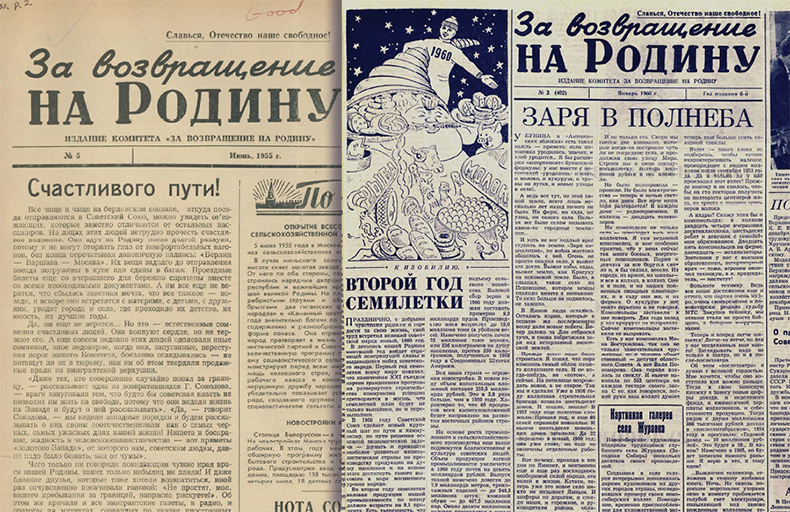
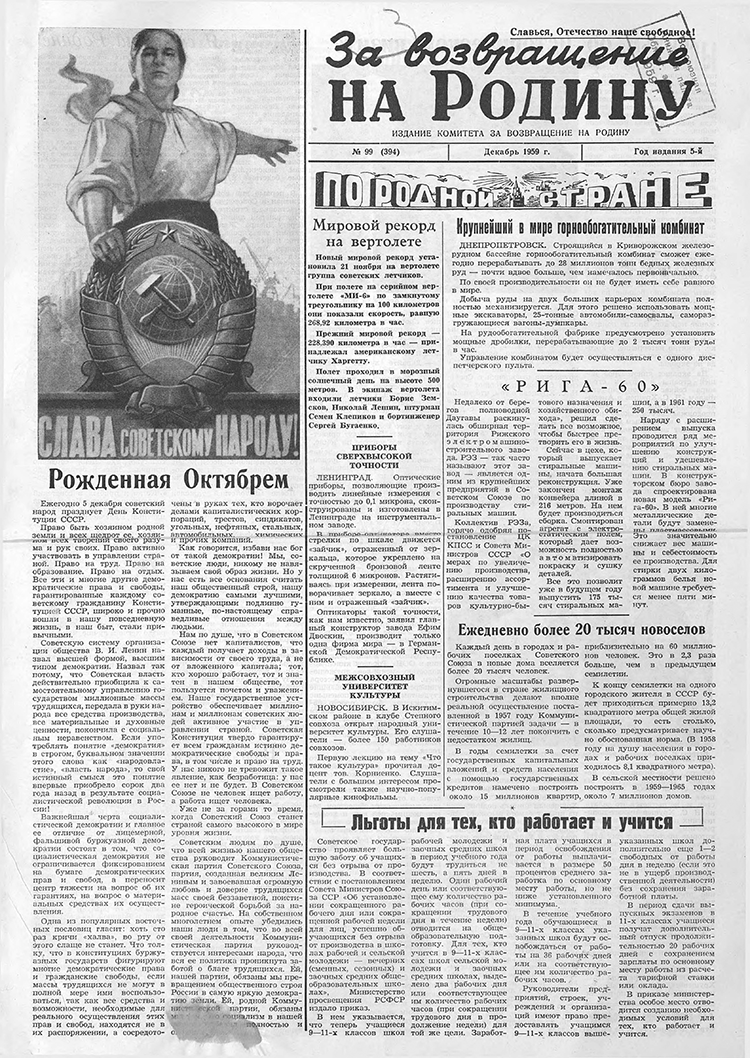
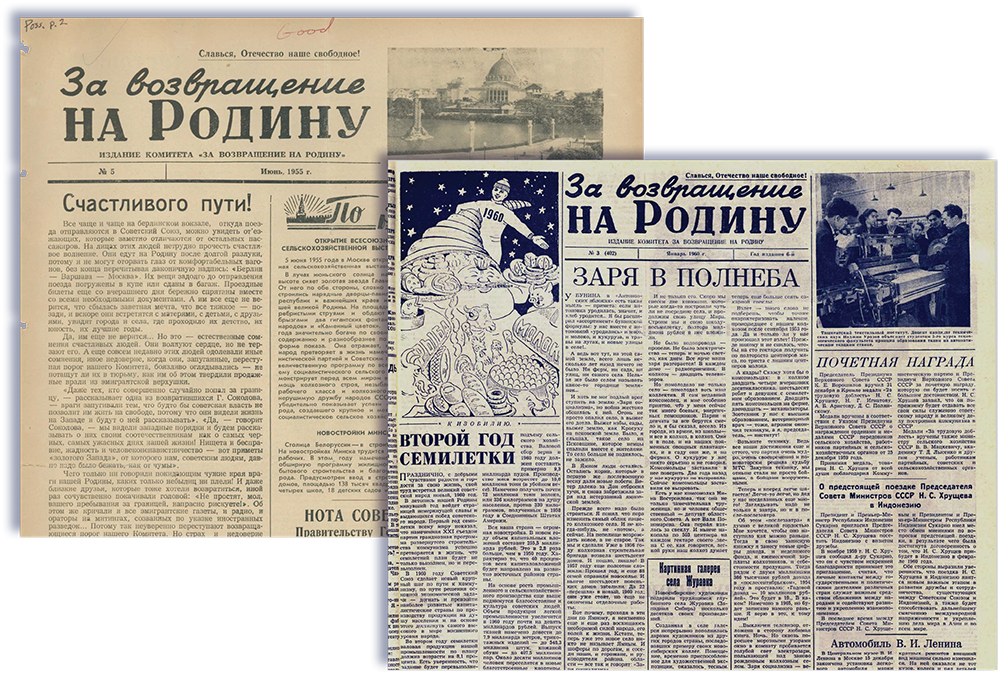
    Established under the watchful eye of the KBG, Za vozvrashchenie na Rodinu (За возвращение на Родину, Return to the Motherland) was a newspaper created by the Cold War. Established in April 1955 in East Berlin as a bi-weekly publication, the newspaper was published by the Soviet Repatriation Committee, which was also established in 1955 and stayed active until 1958. The main objective of Za vozvrashchenie na Rodinu was to create a favorable image of the Soviet Union and to criticize émigré organizations in the post-war period and during the Cold War. The newspaper was principally aimed at Russian emigrants and was an important anti-Western propaganda outlet for the USSR. During its publication, the newspaper was not available to the public on a subscription basis, and therefore it has become a rare information resource.

    The Za Vozvrashchenie na Rodinu Digital Archive contains all obtainable issues published under this title from 1955–1960 (over 1,600 pages). After the third issue of 1960 the name of the newspaper was changed to Golos Rodiny (Голос Родины, Voice of the Motherland). The archive offers scholars the most comprehensive collection available for this title, and features full page-level digitization, complete original graphics, and searchable text, and is cross-searchable with numerous other Infoteka digital resources.

  • World Arms Trade Database

    World Arms Trade Database

    Expert analyses and statistical data on the global arms trade.

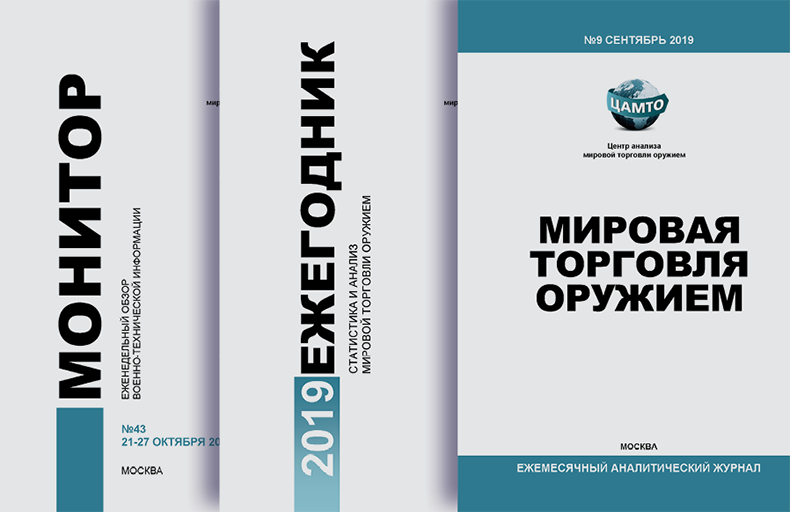
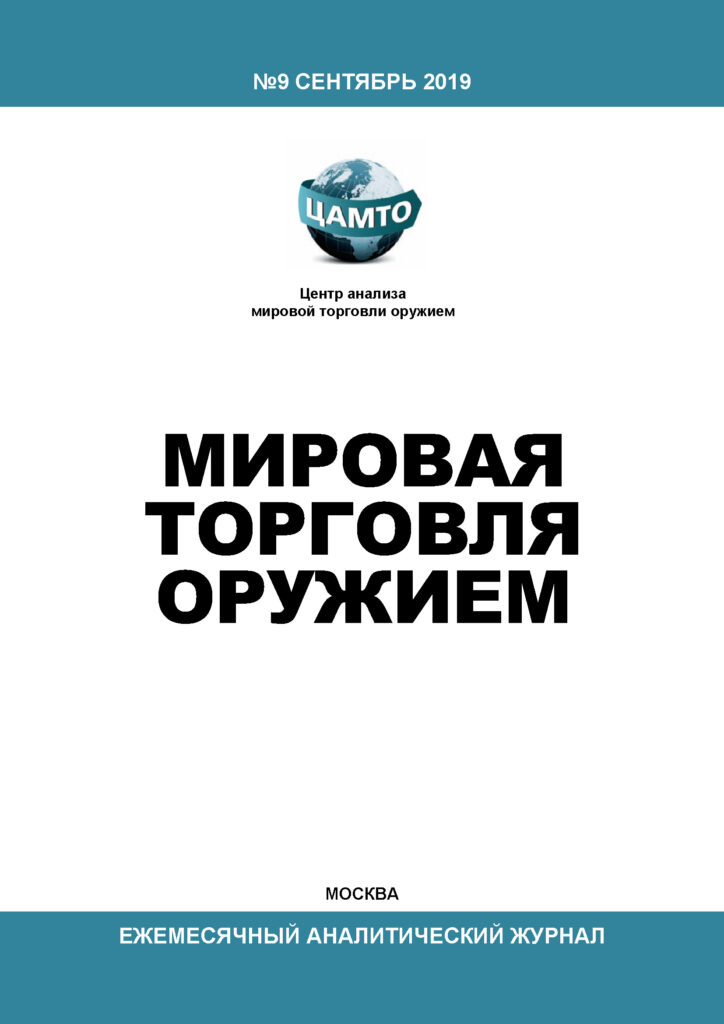
    As one of the world’s most comprehensive databases on the ever-growing global arms trade, the World Arms Trade Database is a powerful digital resource created under the auspices of the Tsentr analiza mirovoi torgovli oruzhiem (TsAMTO) (Centre for Analysis of World Arms Trade [CAWAT]) in Moscow, Russia. Consisting of three products — a yearbook and monthly and weekly publications — the database provides comprehensive data and robust analysis on the global movement of arms and material from production to their procurement by various states and state actors. As such, the database allows researchers and industry analysts to gain up-to-date and unique insights into the latest developments in the global arms trade, industry trends and dynamics, and various other related topics.

    World Arms Trade Database Titles

    Ezhegodnik TSAMTO: Statistika i analiz mirovoi torgovli oruzhiem. (Ежегодник ЦАМТО: статистика и анализ мировой торговли оружием, The CAWAT Yearbook: Statistics and Analysis of the World Arms Trade)

    A major Russian annual report on arms trade prepared by the Russian Centre for Analysis of World Arms Trade. Contains crucial statistical data on the world arms trade, as well as the expert analyses of the world import and export of weapons. This important reference publication focuses on global aspects of arms trade, analysis of key events and developments of international and regional weapons markets. Updated every December for the previous year. The World Arms Trade Database includes Yearbook 2018 (covering 2010–2017) and Yearbook 2019 (covering 2011–2018). The yearbooks are approximately 1,300 pages.


    Mirovaia torgovlia oruzhiem (Мировая торговля оружием, World Arms Trade Magazine)

    Published monthly since November 2009. Contains detailed analytical materials on the most significant current events in the world arms trade, reviews of the largest world and Russian arms shows, detailed statistical analysis of arms procurements by a country or by a region, as well as statistics on the international market in regard to various types of armaments. Provides a detailed review of major events in the world arms trade during the preceding month. The World Arms Trade Database includes content from 2020–present. Issues range from 30–50 pages.


    Monitor: Ezhenedel’nyi obzor voenno-tekhnicheskoi informatsii (Монитор: Еженедельный обзор военно-технической информации, Monitor: Military-Technical Information Weekly Review)

    A weekly summary of world weapon production and arms sales, produced by the Russian Centre for Analysis of World Arms Trade. The articles cover all issues pertaining to world arms trade, weapons production, defense budgets, and arms development programs. The World Arms Trade Database includes content from 2020–present. Issues range from 40–80 pages.

  • Voprosy Literatury Digital Archive

    Voprosy Literatury Digital Archive

    Influential Russian journal of literary criticism and literary studies.

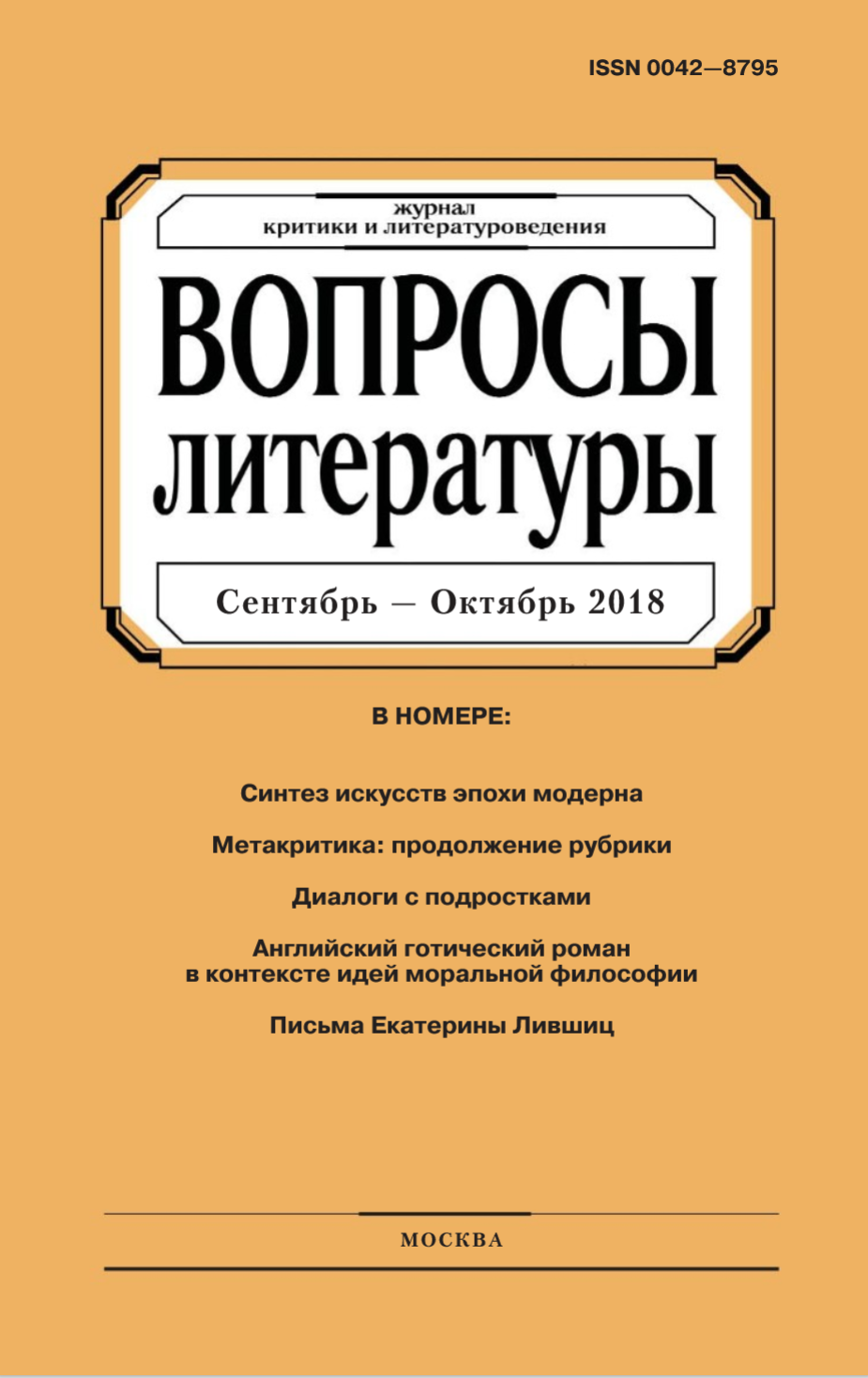
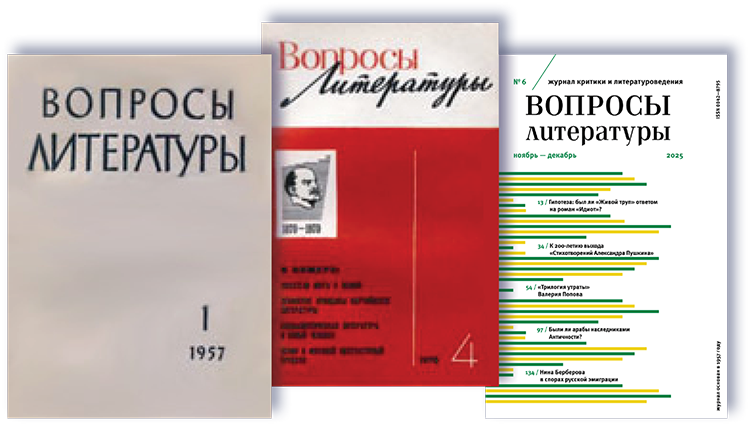
    Since its inception in 1957, Voprosy Literatury (Вопросы литературы, Issues of Literature) has stood as one of the most prestigious and authoritative academic journals in the fields of philology and literary criticism in the Russian language. Founded soon after the 20th Congress of the Communist party of the Soviet Union and the beginning of the era known as the “thaw” in USSR cultural life, it soon evolved into a major discussion platform for literary critics and scholars on the history of world and Russian literature, the theory of literature, and current literary and cultural issues in the country.

    Recent years have seen the journal engage in rigorous debates about the future of philological science and, more broadly, the state of the humanities, attracting significant attention within Russia. Among the major themes explored by the journal are: methods and techniques in modern philological science, comparative study of cultures and the history of classical and contemporary Russian literature.

    Voprosy Literatury boasts an illustrious list of past and present contributors, including leading Russian and international scholars such as M.M. Bakhtin, V.B. Shklovsky, D.S. Likhachev, L.E. Pinsky, S.S. Averintsev, Caryl Emerson, and J.S. Smith, among others. It is also known for publishing selections from Russian writers prohibited during the Soviet period.

    The journal is included in the official Russian list of peer-reviewed publications where the main scientific results of dissertations must be published. It is also indexed in the Scopus database, making it a widely acknowledged and cited publication in academic circles.

    The Voprosy Literatury Digital Archive serves as an indispensable resource for scholarly research in the fields of philology and literary criticism. With access to decades of seminal articles, debates, and academic discussions, this comprehensive archive represents a cornerstone in the landscape of humanities scholarship.

    The archive contains the most complete set of the journal, comprising more than 16,000 articles, with an additional year’s worth of content available for purchase on an annual basis. It features searchable full-text articles with PDF format available starting in 2018. All content in the Voprosy Literatury Digital Archive is cross-searchable with numerous other Infoteka digital resources.

  • Warsaw Pact Journal Digital Archive

    Warsaw Pact Journal Digital Archive

    Unique Cold War-era Soviet military journal.

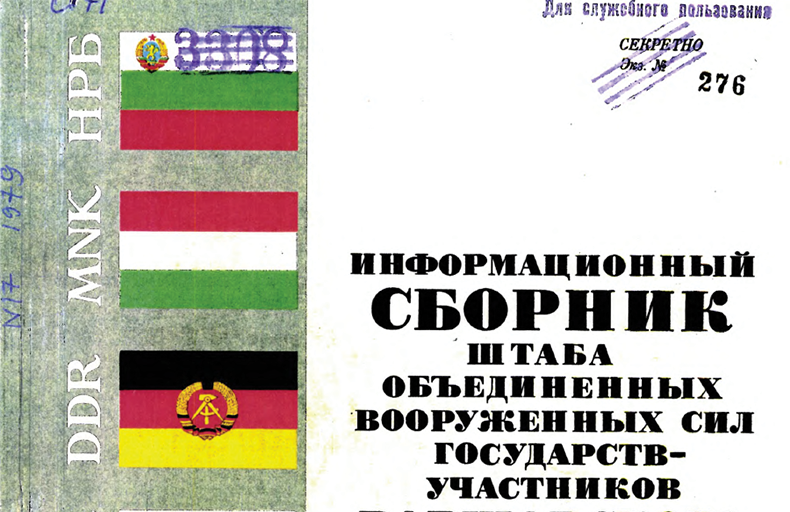
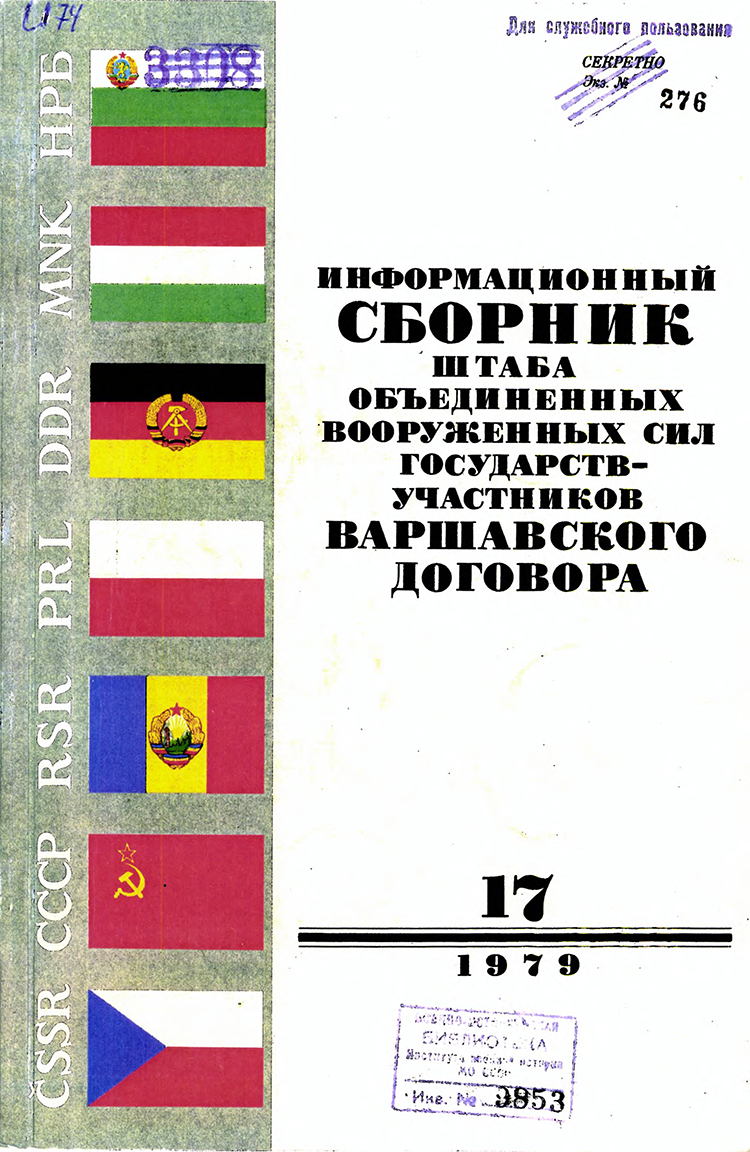
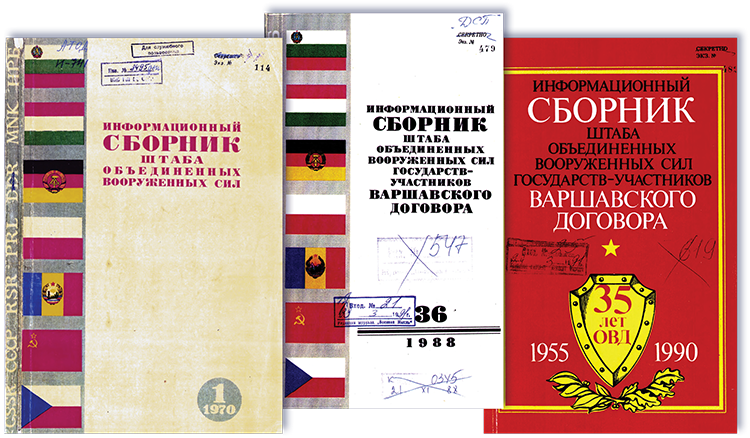
    Coalition strategy and operations are the main subject of the unique, highly secret and Soviet-led military-theoretical journal Informatsionnyi sbornik shtaba obedinennykh vooruzhennykh sil gosudarstv-uchastnikov Varshavskogo dogovora, known colloquially as “ShOVS” (Информационный сборник штаба объединенных вооруженных сил государств-участников Варшавского договора, Information Herald of the Staff of the Unified Armed Forces of the Warsaw Pact Member-States). Throughout its existence this publication played a major role in coordinating military doctrine, strategy and operational art among the Warsaw Pact members. During this time, it was virtually the only publication in which officers from all Pact countries actively contributed their analyses and essays. Of special interest to researchers and military historians is the history of military planning and operations, particularly in a coalition setting, since it provides important insights into the military culture and education of these countries.

    This Russian-language journal was published biannually during the last two decades of the Warsaw Pact’s existence. It was edited by concurrent Warsaw Pact Chiefs of Staff Generals S.M. Shtemenko (1970–1976), A.I. Gribkov (1976–1989) and V.N. Lobov, until it ceased publication in 1990 with the dissolution of the Warsaw Pact itself.

    The complete archive of Informatsionnyi sbornik contains unique and revealing articles, written by high-ranking Warsaw Pact officers on such topics as:

    • Nuclear and Missile Weapons
    • Procurement and Use of New Technologies
    • Arms Control and War Prevention
    • Joint Operational/Tactical Training and Exercises
    • Analysis of Foreign Military Developments
    • Problems of Command and Control, Logistics and Planning

    The Warsaw Pact Journal Digital Archive contains the complete run of Informatsionnyi sbornik, comprising all 40 issues and over 1,000 articles. The archive features full page-level digitization and complete original graphics. The archive has searchable text, and is cross-searchable with numerous other Infoteka digital resources.

  • Vestnik Evropy Digital Archive

    Vestnik Evropy Digital Archive

    A major influence on the outlook of 19th century Russian intellectuals.

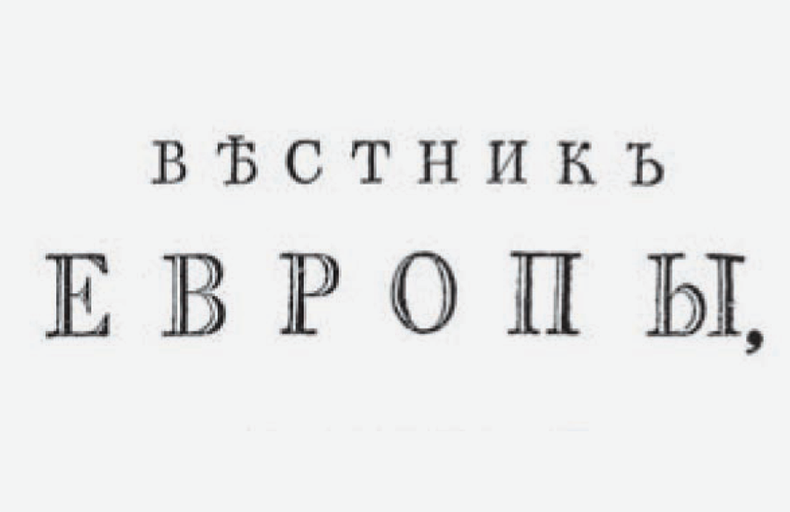
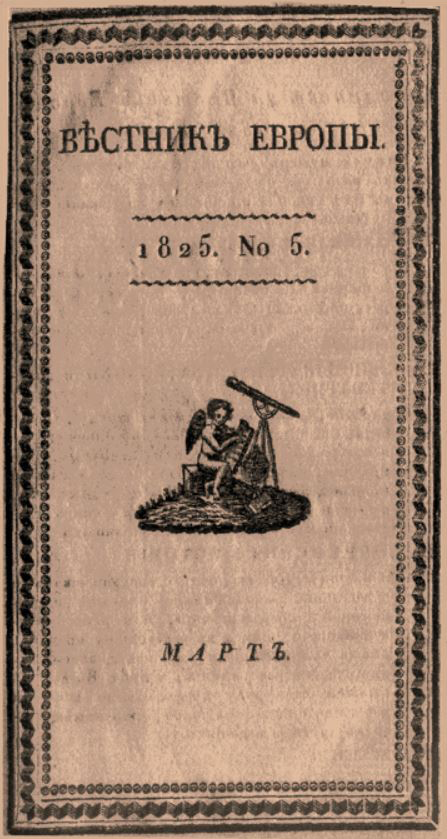
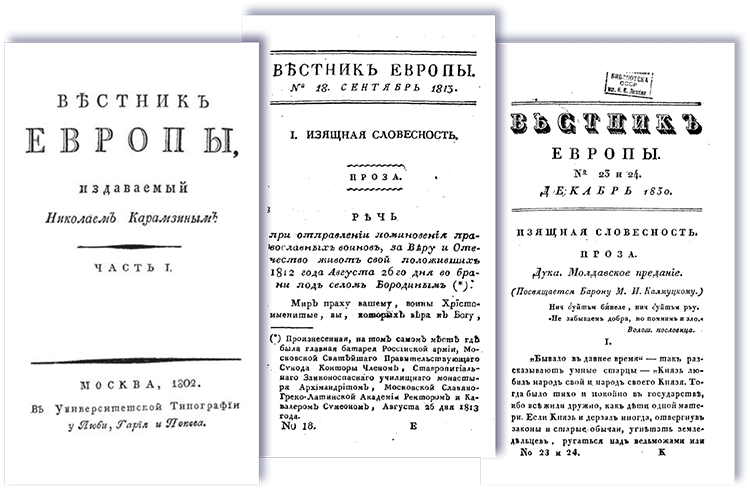
    The Vestnik Evropy Digital Archive comprises the entire collection of the journal, with more than 8,500 articles and over 57,000 pages. The archive offers scholars the most comprehensive collection available for this title, and features full-text articles, with full page-level digitization and complete original graphics. The archive has searchable text, and is cross-searchable with numerous other Infoteka digital resources.

    Note: Vestnik Evropy was published before the Russian Revolution and was written using the pre-reform Russian orthography. To enable searching functionality, Infoteka worked closely with consultants from the Institute of Russian Language in Moscow to adapt the Old Russian script into modern Russian orthography. The archive has been designed so researchers may work simultaneously with texts in Old (pre-revolutionary) Russian and normalized contemporary orthography with easy-to-use cross search functionality.

  • Voprosy Istorii Digital Archive

    Voprosy Istorii Digital Archive

    Landmark publication documenting Russian and world history since 1926.

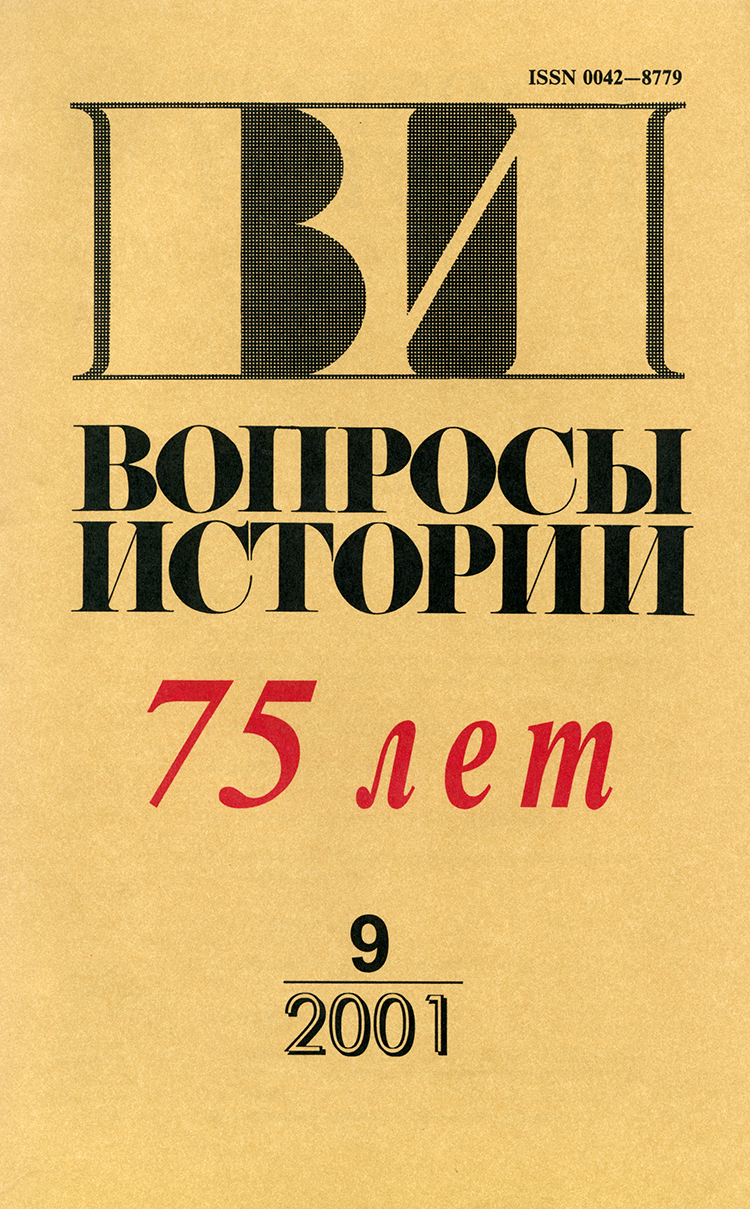
    Voprosy Istorii (Вопросы истории, Issues of History) is Russia’s most authoritative historical journal, documenting the evolution of historical scholarship in Russia and the Soviet Union from 1926 to the present. The journal has long served as a central platform for academic discourse on Russian and world history. Recognized for its scholarly rigor and objectivity, Voprosy Istorii has featured contributions from leading historians across Russia and around the world. The journal’s scope is notably broad, encompassing Russian, Soviet, and global history, while maintaining a high theoretical standard and an unbiased approach to complex historical processes.

    Voprosy Istorii is especially valued for publishing materials that were long inaccessible, including archival documents previously held under strict embargo. These materials appear in the journal’s long-running section “Political Archive of the 20th Century,” alongside in-depth interpretive essays in “Historical Commentary,” profiles of major figures in “Historical Portraits,” and autobiographical reflections from renowned scholars in “Historians Reflecting on Their Times.”

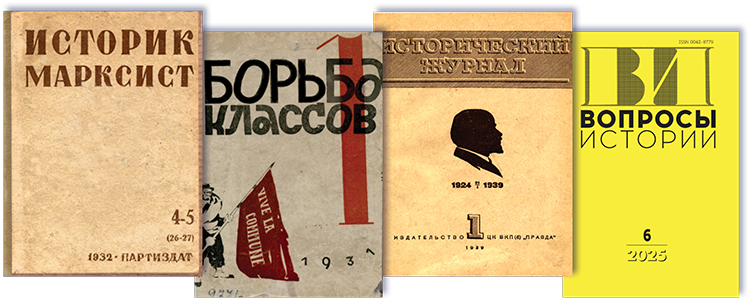
    The Voprosy Istorii Digital Archive includes over 950 issues and more than 28,000 articles, beginning with Istorik-Marksist (1926–1941), continuing through the overlapping publications Bor’ba Klassov (1931–1936) and Istoricheskii Zhurnal (1937–1945), and extending into the postwar and contemporary eras under the title Voprosy Istorii (since 1945). The result is a vast and uninterrupted historical record, reflecting nearly a century of intellectual thought, political transition, and methodological change.

    The archive offers scholars the complete, digitized run of Voprosy Istorii and its predecessor titles, with an additional year’s worth of content available for purchase on an annual basis. The archive features full-text articles, with full page-level digitization and complete original graphics. The archive has searchable text, and is cross-searchable with numerous other Infoteka digital resources.

    Note: Translations provided by Infoteka’s English Reader are intended for informational purposes only and are not a substitute for certified translation. No warranty is made regarding the accuracy or reliability of the translations. For citation and scholarly use, please refer to the original language text.

  • V Novom Svete Digital Archive

    V Novom Svete Digital Archive

    A newspaper by and for the fourth wave of immigrants from the Soviet Union.

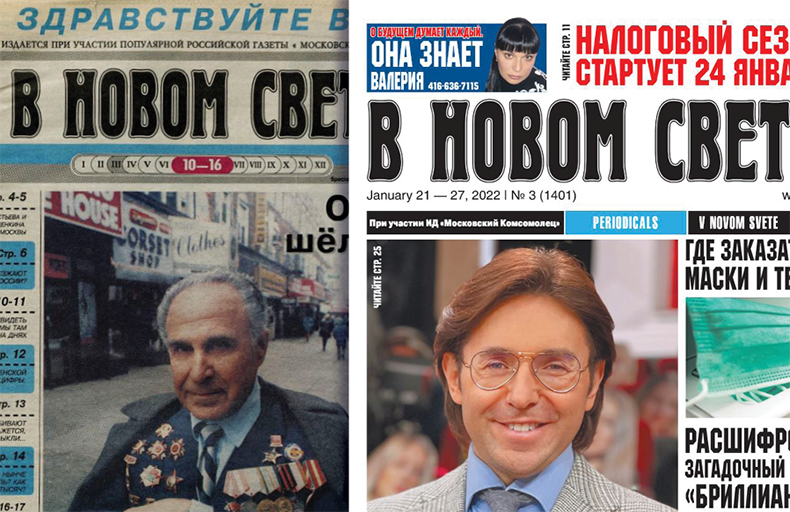
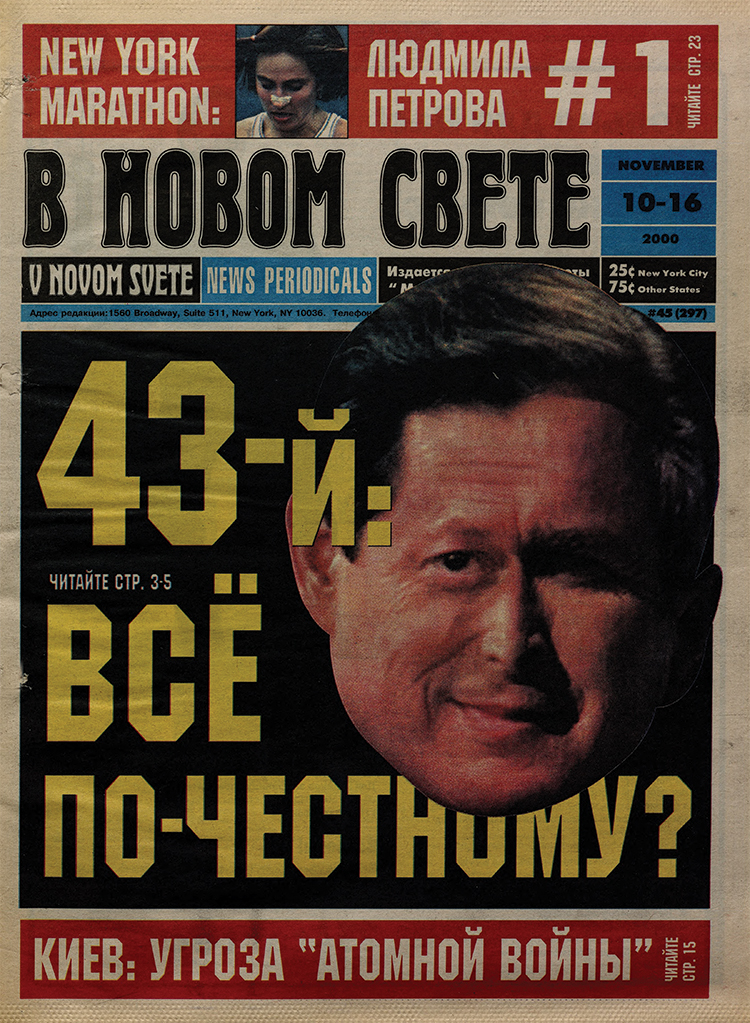
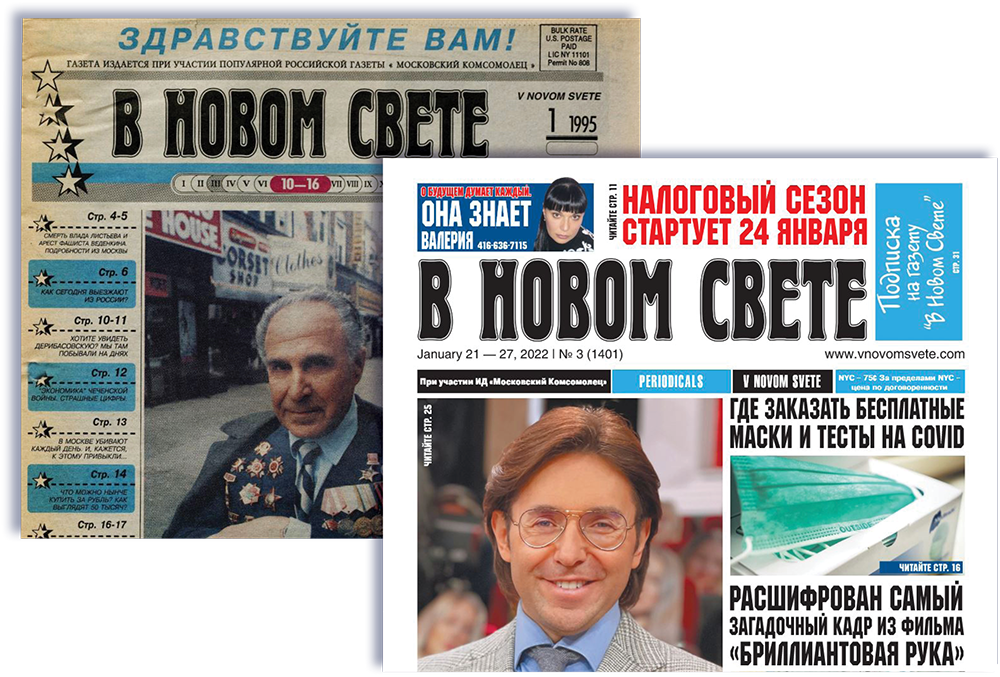
    The first issue of V Novom Svete was published on March 10, 1995, right after a prominent journalist, Vladislav Listiev, was killed in Russia. Tapping into readers’ appetites for salacious news stories and taking advantage of the new sensationalist trend in Russian journalism, V Novom Svete found a formula for success: it combined reprints from Moskovskii Komsomolets (Московский комсомолец, Moscow Komsomolets), a popular Moscow-based daily newspaper known for its topical reporting on social and political issues, with original stories written by US-based Russian-speaking authors. Very soon it became the most popular Russian language weekly in America and the only publication to be distributed nationwide.

    Over the years, famous Russian journalists such as Alexander Minkin, Mark Deutch, Alexander Khinshtein, Stanislav Belkovsky, Matvey Ganapolsky, Svetlana Khokhryakova, Alexander Melman and others were published in the pages of V Novom Svete. Legendary journalist Melor Sturua, who worked for Izvestia’s bureaus in New York and Washington during the Cold War, was one of the major columnists writing for V Novom Svete after he relocated permanently to the United States.

    Strong analytical and cultural content contributed to the growing popularity of the publication in the early 2000s. Alexandra Sviridova’s exclusive interview with the future Editor-in-Chief of Russian Forbes, Paul Khlebnikov, who was later killed in Moscow, was one of many memorable articles created by the team of American journalists. In 2004, V Novom Svete was the winner of the US Independent Press Association awards for Best Editorial and Best Graphic Design.

    After Novoe Russkoe Slovo went out of business in 2010, V Novom Svete became the only newspaper on the market producing quality Russian-language journalism. Writers publishing in the pages of V Novom Svete also worked for such prestigious outlets as the BBC, Russian Forbes, Voice of America, and Radio Liberty.

    During the Covid-19 pandemic, many small businesses that advertised in V Novom Svete were shut down and subsequently the newspaper was never able to recover financially. Despite a stable and dedicated readership, V Novom Svete decided to end its print edition after 27 years, with the last issue published on May 6, 2022.

    The V Novom Svete Digital Archive contains all obtainable published issues from 1995 to 2022. The archive offers scholars the most comprehensive collection available for this title, and features full page-level digitization, complete original graphics, and searchable text, and is cross-searchable with numerous other Infoteka digital resources.

  • Starye Gody Digital Archive

    Starye Gody Digital Archive

    Early 20th century Russian art journal.

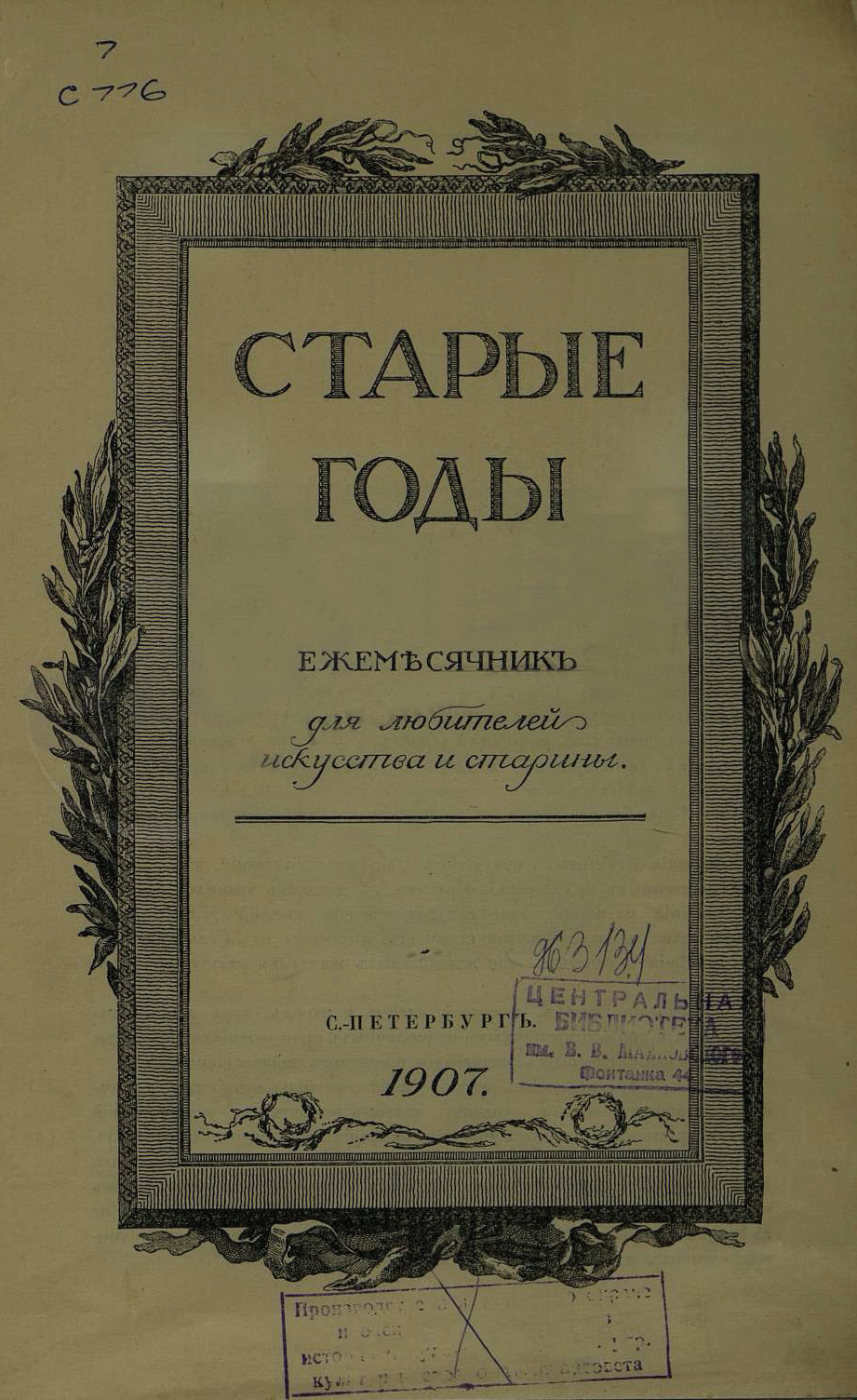
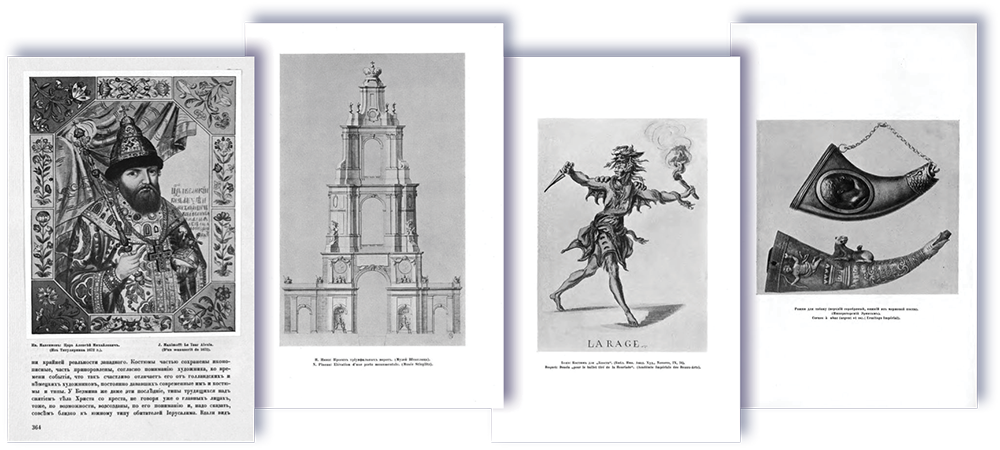
    Starye gody (Старые годы, The Bygone Years) was a monthly journal published in St. Petersburg from 1907 to 1916 for readers interested in art and antiquities. The journal published material on art history and architecture, presented private and public collections, covered domestic and international cultural events, and provided information on auctions and private art sales in Russia and abroad with catalogues, prices, and museum guides. Starye gody was noted for its handsome design and high-quality illustrations. Contributing artists included Benois, Vereshchagin, Vrangel and Rerikh. Much of the journal’s attention was devoted to the preservation of the artistic and antique legacy of St. Petersburg and Russia, and it played an important role in art preservation by printing reproductions of art from earlier periods, primarily Russian art of the 18th and early 19th centuries.

    The Starye Gody Digital Archive includes all obtainable issues of the journal from 1907–1916 and offers scholars the most comprehensive collection available for this title. The archive features full page-level digitization, complete original graphics, fully-searchable text, and is cross-searchable with numerous other Infoteka digital resources.

    Note: Starye gody was written in the Old Russian orthography used at the time, which included the letters І, Ѣ, Ѳ and Ѵ. These letters were later eliminated from the Russian alphabet during the orthographic reform of 1918. To facilitate full-text searching of this journal, the database includes a special keyboard containing the old Russian characters. This virtual keyboard allows users to enter words containing pre-reform Russian letters (e.g. “сѵнодъ,” “дѣтство”).

  • St. Petersburg University Press

    St. Petersburg University Press

    Scholarly journals from St. Petersburg University on a wide range of topics.

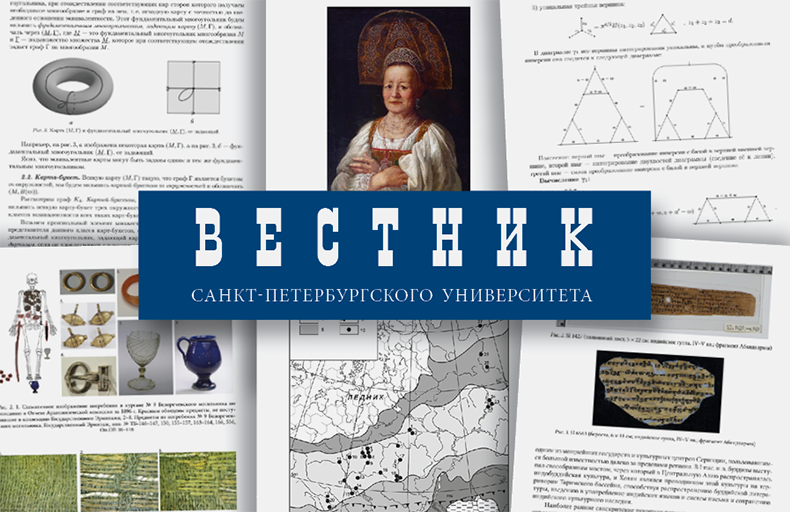
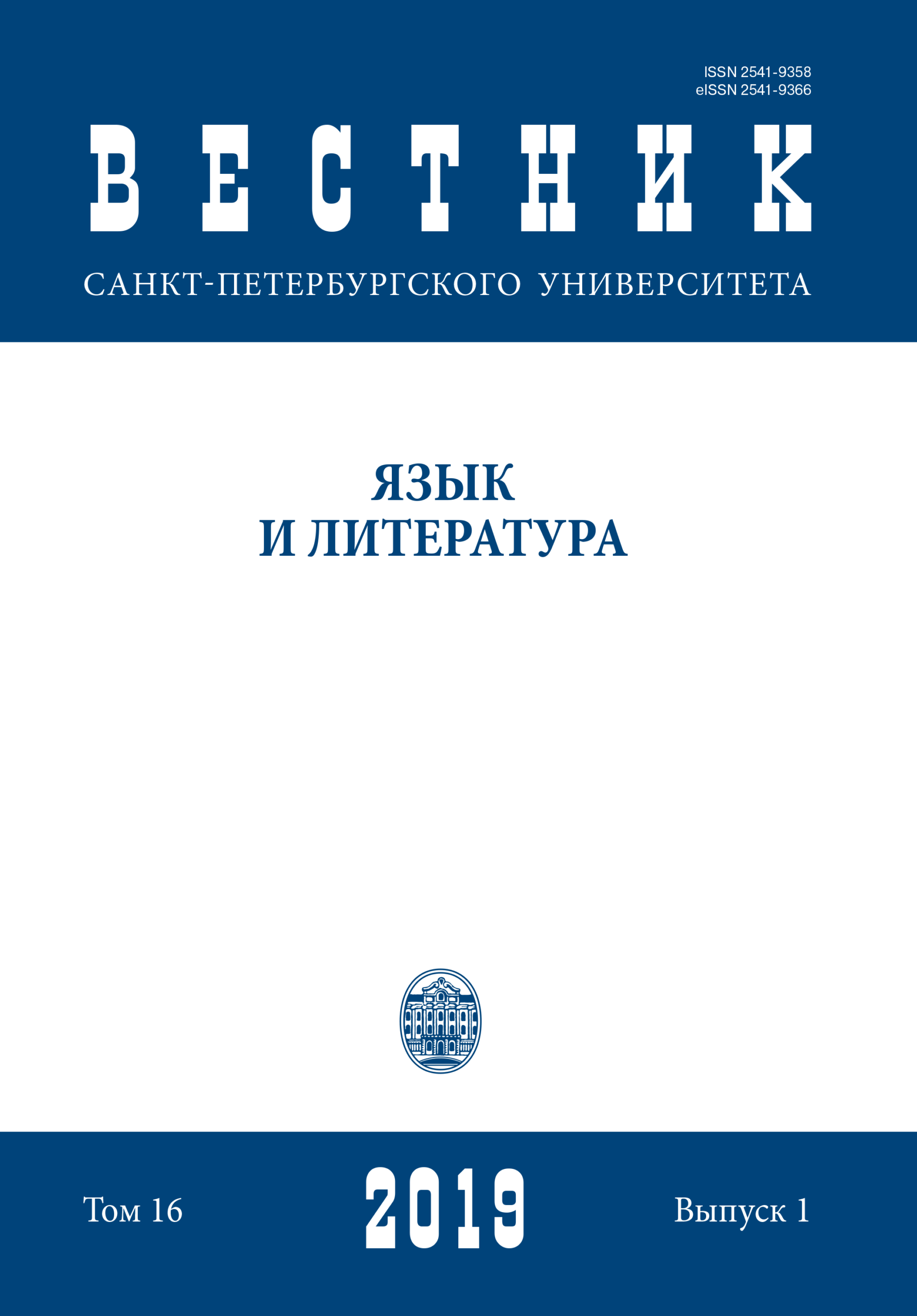
    St. Petersburg University Press offers online access to scholarly and scientific works published in the renowned Vestnik SpbU (Вестник Санкт-Петербургского университета), a journal of science and theory that features educational and scientific literature on social and natural sciences, engineering and technology. Established in 1946, St. Petersburg University Press publishes innovative theoretical, experimental, and practical research, as well as reports on the achievements of the University’s research institutes and schools. The publications reflect high-quality and objective viewpoints from various schools of research, along with collaboration with foreign authors, research centers, and other publishers. The editorial board of Vestnik SpbU is drawn from prominent academic researchers with leading works in the sciences, humanities, and social sciences.

    St. Petersburg University Press Titles

    • Mathematics. Mechanics. Astronomy
    • History
    • Biology
    • Physics. Chemistry
    • Economy
    • Political Science. International Relations
    • Geology. Geography
    • Management
    • Language and Literature
    • Applied Mathematics. Information Science. Management Processes
    • Medicine
    • Sociology
    • Oriental and African Studies
    • Law
    • Art Studies
    • Psychology. Pedagogy
    • Philosophy. Conflict Studies. Cultural Studies. Religion Studies